

Encephalomyocarditis virus infection in an Italian zoo
Open accessThe DOI matches its Crossref record; 17 of the 17 references it cites were found in a registry or an index; none of the 45 sources its claims cite is checked for support yet.
Abstract
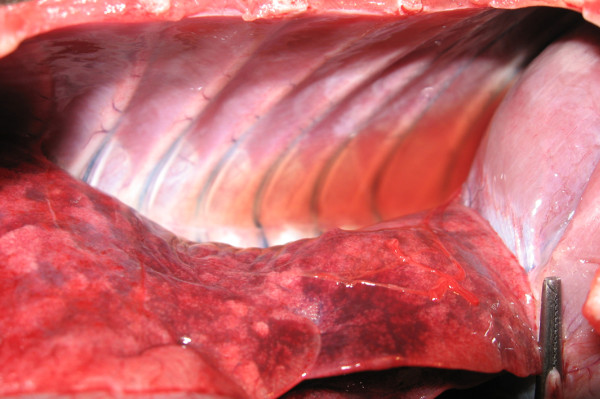
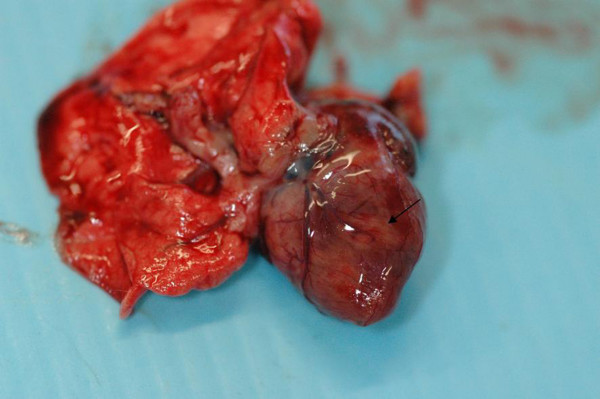
A fatal Encephalomyocarditis virus (EMCV) infection epidemic involving fifteen primates occurred between October 2006 and February 2007 at the Natura Viva Zoo. This large open-field zoo park located near Lake Garda in Northern Italy hosts one thousand animals belonging to one hundred and fifty different species, including various lemur species. This lemur collection is the most relevant and rich in Italy. A second outbreak between September and November 2008 involved three lemurs. In all cases, the clinical signs were sudden deaths generally without any evident symptoms or only with mild unspecific clinical signs. Gross pathologic changes were characterized by myocarditis (diffuse or focal pallor of the myocardium), pulmonary congestion, emphysema, oedema and thoracic fluid. The EMCV was isolated and recognized as the causative agent of both outbreaks. The first outbreak in particular was associated with a rodent plague, confirming that rats are an important risk factor for the occurrence of the EMCV infection.
Overview
CoChat Summary
TL;DR
Two EMCV outbreaks in captive primates occurred at the Natura Viva Zoo in Italy: one from October 2006 to February 2007 and a second from September to November 2008. The first involved 15 primates (15.6% morbidity among 96 primates), the second involved 3 red-ruffed lemurs; both were associated with sudden deaths, myocarditis, and evidence pointing to rats as an important risk factor.
Key findings
- The first outbreak killed 15 primates out of 96 (15.6% morbidity) across 6 species: 1 black lemur, 3 ring-tailed lemurs, 3 red-ruffed lemurs, 2 white-fronted lemurs, 4 barbary macaques, and 2 common marmosets.
- The second outbreak involved 3 red-ruffed lemurs; animals of other species were not affected and no abnormal mortality was detected outside primates.
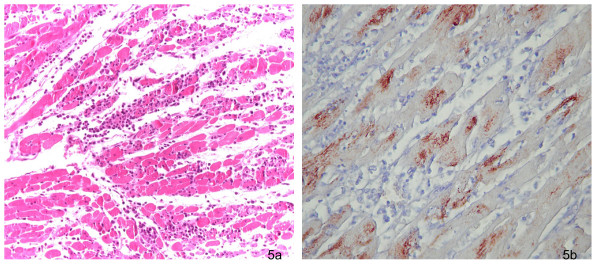
- Gross pathology was dominated by myocarditis with hydrothorax/ascites, pulmonary emphysema, oedema, congestion, and thoracic fluid; histology found lesions mainly in the cardiovascular system.
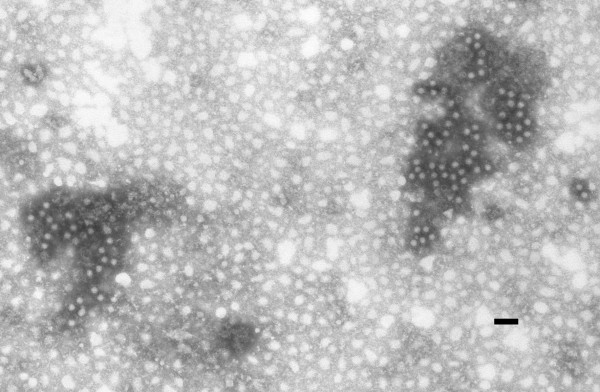
- EMCV was isolated from all sampled organs, identified by MAbs-based sandwich ELISA and confirmed by immuno-electron microscopy; all tested lemur sera were negative. The authors state the first outbreak was associated with a rodent plague, and conclude that rats are an important risk factor.
Methods
- Design: Descriptive outbreak investigation of two EMCV events in a zoo, combining clinical observation, necropsy/pathology, virology, serology, and epidemiology.
- Data/sample: Necropsies were performed on affected primates; organs sampled included lungs, spleen, brain, heart, intestine, kidney, liver, pancreas, and stomach. Nine sera from lemurs were tested; 10 captured rats were also sampled, though blood collection for serology was impossible.
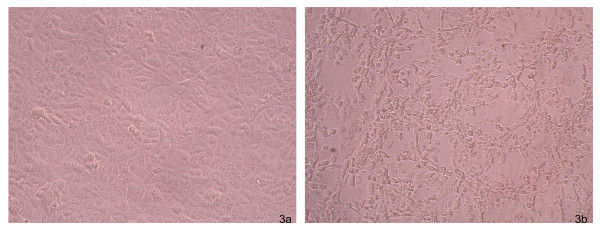
- Analysis: Organ homogenates were inoculated into VERO and BHK21 cell cultures; virus identification used MAbs-based sandwich ELISA and immuno-electron microscopy. Histology used H&E, immunohistochemistry used MAb 3E5, and serology used a competitive ELISA.
Limitations
- The paper states that serological investigation was limited to nine sera to avoid stress to the animals, and that it was not currently possible to collect further samples from surviving animals to assess their serological status or possible persistent infection.
- The zoo had many species, but the authors say they avoided random blood collection in captive wild animals, so they could not determine whether other species were infected.
- Evident from the text: the rat investigation was limited because the sampled rats were all negative and blood for serology could not be taken, which weakens inference about the role of rats despite the epidemiologic link.
Model-written summary. Check it against the paper before relying on it.
Integrity signals
Registry
Cites
Statistics
Figures
Verification
Claims the paper makes
0 Valid · 0 Not valid · 19 Not checked · 45 Own results and interpretations
A result the paper reports from its own data — it cites no other source for it, so there is none to check. The quote shows it is in the paper.
In the paper
“The ELISA test on the collected sera was negative.”
- Also stated in: § Conclusions · plain
“All tested lemur sera were negative.”
§ Encephalomyocarditis virus infection in an Italian zoo > Results and Discussion
plain- Asserted: passes — The authors put it forward as true.
- Checkable: passes — It can be checked against evidence.
- Load-bearing: unclear — It is unclear whether the paper’s conclusions depend on it.
- Based: passes — The paper gives a reason why it holds.
- Also stated in: § Conclusions · plain
A result the paper reports from its own data — it cites no other source for it, so there is none to check. The quote shows it is in the paper.
In the paper
“A second outbreak between September and November 2008 involved three lemurs.”
- Also stated in: § Outbreaks · plain
“A second outbreak occurred between September and November 2008, involving three red-ruffed lemurs (Varecia variegata rubra).”
§ Encephalomyocarditis virus infection in an Italian zoo > Abstract
plain- Asserted: passes — The authors put it forward as true.
- Checkable: passes — It can be checked against evidence.
- Load-bearing: unclear — It is unclear whether the paper’s conclusions depend on it.
- Based: passes — The paper gives a reason why it holds.
- Also stated in: § Outbreaks · plain
A result the paper reports from its own data — it cites no other source for it, so there is none to check. The quote shows it is in the paper.
In the paper
“Gross pathologic changes were characterized by myocarditis (diffuse or focal pallor of the myocardium), pulmonary congestion, emphysema, oedema and thoracic fluid.”
§ Encephalomyocarditis virus infection in an Italian zoo > Abstract
plain- Asserted: passes — The authors put it forward as true.
- Checkable: passes — It can be checked against evidence.
- Load-bearing: unclear — It is unclear whether the paper’s conclusions depend on it.
- Based: passes — The paper gives a reason why it holds.
A result the paper reports from its own data — it cites no other source for it, so there is none to check. The quote shows it is in the paper.
In the paper
“Indeed, the clinical course was very rapid in most cases, which were described by the zoo's veterinarian as sudden asymptomatic deaths.”
§ Encephalomyocarditis virus infection in an Italian zoo > Case presentation > Outbreaks
plain- Asserted: passes — The authors put it forward as true.
- Checkable: passes — It can be checked against evidence.
- Load-bearing: unclear — It is unclear whether the paper’s conclusions depend on it.
- Based: passes — The paper gives a reason why it holds.
A result the paper reports from its own data — it cites no other source for it, so there is none to check. The quote shows it is in the paper.
In the paper
“The first outbreak in particular was associated with a rodent plague, confirming that rats are an important risk factor for the occurrence of the EMCV infection.”
- Also stated in: § Results and Discussion · plain
“The first one was the increased number of rats in the Park.”
- Also stated in: § Conclusions · hedged
“The first outbreak was associated with a rodent plague and, even if no captured rats were positive to the virus isolation, an important epidemiological connection between rats and this outbreak could be pointed out.”
§ Encephalomyocarditis virus infection in an Italian zoo > Abstract
plainstates an association- Asserted: passes — The authors put it forward as true.
- Checkable: passes — It can be checked against evidence.
- Load-bearing: passes — The paper’s conclusions depend on it.
- Based: passes — The paper gives a reason why it holds.
- Also stated in: § Results and Discussion · plain
24 more claims
Create a free account to see all 64 claims and to verify the 45 references still open.
- Probably not a substantial claim. 11
- It may state two separate claims as one. 26
Citations
Cites
Smith, G. (1979) · British Journal of Anaesthesia · doi:10.1093/bja/51.4.388-a · Cited by 846
Fowler, M. E.-D. (1978) · Medical Entomology and Zoology · Cited by 564
Encephalomyocarditis virus infections in an Australian zoo.
Reddacliff, L. A., Kirkland, P. D., Hartley, W. J., & Reece, R. L. (1997) · PubMed · Cited by 109
Human Febrile Illness Caused by Encephalomyocarditis Virus Infection, Peru
Oberste, M. S., Gotuzzo, E., Blair, P., Nix, W. A., Ksiazek, T. G., Comer, J. A., Rollin, P., Goldsmith, C. S., Olson, J., & Kochel, T. J. (2009) · Emerging Infectious Diseases · doi:10.3201/eid1504.081428 · Cited by 99 · cited 1×
“Until today, human cases have been fortunately very rare [ 6 ] and although the infection is possible the risk appears to be almost negligible.”
BackgroundAn encephalomyocarditis virus epizootic in a baboon colony.
Gb, H., Soike, K. F., Tm, B., Kd, C., Davis, H., Butcher, W. I., & Gauntt, C. J. (1992) · PubMed · Cited by 76
ENCEPHALOMYOCARDITIS VIRUS: EPIZOOTIC IN A ZOOLOGICAL COLLECTION
Wells, S. K., Gutter, A. E., Soike, K. F., & Baskin, G. B. (1989) · Cited by 69
Grobler, D., Raath, J. P., Braack, L., Keet, D. F., Gerdes, G. H., Barnard, B. J. H., Kriek, N. P. J., Jardine, J., & Swanepoel, R. (1995) · PubMed · doi:10.5281/zenodo.13537728 · Cited by 64
LaRue, R., Myers, S., Brewer, L., Shaw, D. P., Brown, C., Seal, B. S., & Njenga, M. K. (2003) · Journal of Virology · doi:10.1128/jvi.77.17.9136-9146.2003 · Cited by 60 · cited 3×
“These results could be explained considering that Encephalomyocarditis virus is principally cardiotropic in non human primates [ 8 ].”
BackgroundResultInfluentialTransmission and pathogenicity of encephalomyocarditis virus (EMCV) among rats
Spyrou, V., Maurice, H., CharalambosBillinis, Papanastassopoulou, M., Psalla, D., Nielen, M., Koenen, F., & Papadopoulos, O. (2004) · Veterinary Research · doi:10.1051/vetres:2003044 · Cited by 56 · cited 1×
“Nevertheless similar outcomes were described in literature by other authors [4] and a successful isolation, even if at low rate, was demonstrated after an experimental infection by examining lymphoid tissues [14].”
ResultThe occurrence of encephalomyocarditis virus (EMCV) in European pigs from 1990 to 2001
MAURICE, H., NIELEN, M., BROCCHI, E., NOWOTNY, N., BAKKALI KASSIMI, L., BILLINIS, C., LOUKAIDES, P., O'HARA, R. S., & KOENEN, F. (2005) · Epidemiology and Infection · doi:10.1017/s0950268804003668 · Cited by 54
Research works printed but not linked: 5
- Gaskin JM Jorge MA Simpson CF Lewis AL Olson JH Schobert EE Wollenman EP Marlowe C Curtis MM The tragedy of encephalomyocarditis virus infection in zoological parks of Florida Proceedings American Association of Zoo Veterinarians 1980 1 7
- Gaskin JM Andresen TL Olsen JH Schobert EE Buesse D Lynch JD Walsh M Citino S Murphy D Encephalomyocarditis in zoo animals: Recent experiences with the disease and vaccination Proceedings of the 1st International Conference on Zoological and Avian Medicine 1987 491
- McLelland D Kirkpatrick JF Rose K Dixon R Studies on encephalomyocarditis virus (EMCV) in a zoologic context AAZV, AAWV, ARAV, NAZWV Joint Conference 2001 337
- Brocchi E Carra E De Simone F Development of monoclonal antibodies based ELISAs for the detection of Encephalomyocarditis viruses (EMCV) and of EMCV-induced antibodies Proceedings of the S.I.Di.L.V.,13 nov 1998, Salsomaggiore (PR) 1998 31
- Murname TG Steele JH Encephalomyocarditis CRC Handbook Series in Zoonoses, Section B: Viral Zoonoses 1981 The Iowa State University Press Ames, Iowa 137 147
Cited by
The encephalomyocarditis virus
Carocci, M., & Bakkali-Kassimi, L. (2012) · Virulence · doi:10.4161/viru.20573 · Cited by 231
“A non-exhaustive list of animals from which EMCV has been isolated includes voles, squirrels, elephants, swine, wild boar, racoons, antelope, lions, birds and several species of non-human primates.(1,81,85,88,89) Human infections have also been reported (see paragraph on zoonotic potential).”
BackgroundMachnowska, P., Ellerbroek, L., & Johne, R. (2013) · Veterinary Microbiology · doi:10.1016/j.vetmic.2013.10.018 · Cited by 64
Induction and suppression of innate antiviral responses by picornaviruses
Feng, Q., Langereis, M. A., & van Kuppeveld, F. J. M. (2014) · Cytokine & Growth Factor Reviews · doi:10.1016/j.cytogfr.2014.07.003 · Cited by 63
“Both EMCV and TMEV are primarily rodent pathogens, but EMCV also causes severe, sometimes lethal, infections in other animals such as pigs, elephants, lions and primates, posing problems in zoos and national parks [10, 11] .”
BackgroundViral Diseases of Nonhuman Primates
Wachtman, L. M., & Mansfield, K. G. (2012) · Elsevier eBooks · doi:10.1016/b978-0-12-381366-4.00001-8 · Cited by 66
“Encephalomyocarditis viruses infect a variety of wild rodents and have been infrequently implicated in causing disease in rhesus macaques, marmosets, owl monkeys, squirrel monkeys, mandrills, and chimpanzees (Gainer, 1967; Blanchard et al., 1987; Baskin, 1993; Reddacliff et al., 1997; Canelli et al., 2010).”
BackgroundBazzone, L. E., King, M., MacKay, C. R., Kyawe, P. P., Meraner, P., Lindstrom, D. P., Rojas, J., Owen, C. A., Wang, J. P., Brass, A. L., et al. (2019) · mBio · doi:10.1128/mbio.02734-18 · Cited by 42
A highly divergent Encephalomyocarditis virus isolated from nonhuman primates in Singapore
Yeo, D. S.-Y., Lian, J. E., Fernandez, C. J., Lin, Y.-N., Liaw, J. C.-W., Soh, M.-L., Lim, E. A.-S., Chan, K.-P., Ng, M.-L., Tan, H.-C., et al. (2013) · Virology Journal · doi:10.1186/1743-422x-10-248 · Cited by 31
“These primates included semi-wild bonobos [1], baboons [2], chimpanzees [3], lemurs [4], rhesus macques [5], and orang utans [3,6].”
BackgroundCardeti, G., Mariano, V., Eleni, C., Aloisi, M., Grifoni, G., Sittinieri, S., Dante, G., Antognetti, V., Foglia, E. A., Cersini, A., et al. (2016) · Virology Journal · doi:10.1186/s12985-016-0653-9 · Cited by 31
“It is spread worldwide and infects a huge range of vertebrate hosts with zoonotic potential for humans [1, 3, 4].”
BackgroundMethodInfluentialNational serosurvey of encephalomyocarditis virus in healthy people and pigs in China
Feng, R., Wei, J., Zhang, H., Fan, J., Li, X., Wang, D., Xie, J., Qiao, Z., Li, M., Bai, J., et al. (2015) · Archives of Virology · doi:10.1007/s00705-015-2591-z · Cited by 35
Hardgrove, E., Zimmerman, D. M., von Fricken, M. E., & Deem, S. L. (2021) · Preventive Veterinary Medicine · doi:10.1016/j.prevetmed.2021.105345 · Cited by 35
Jones, P., Cordonnier, N., Mahamba, C., Burt, F. J., Rakotovao, F., Swanepoel, R., André, C., Dauger, S., & Bakkali Kassimi, L. (2011) · Journal of Medical Primatology · doi:10.1111/j.1600-0684.2010.00464.x · Cited by 27
Masek-Hammerman, K., Miller, A. D., Lin, K. C., MacKey, J., Weissenböck, H., Gierbolini, L., Burgos, A., Perez, H., & Mansfield, K. G. (2012) · Veterinary Pathology · doi:10.1177/0300985811409254 · Cited by 25
Clinical problems due to encephalomyocarditis virus infections in two pig herds
Vansteenkiste, K., Limbergen, T. V., Decaluwé, R., Tignon, M., Cay, B., & Maes, D. G. D. (2016) · Porcine Health Management · doi:10.1186/s40813-016-0036-z · Cited by 23
“Infections with EMCV are demonstrated in multiple species, including humans [3].”
Alexandersen, S., Knowles, N. J., Belsham, G. J., Dekker, A., Nfon, C. K., Zhang, Z., & Koenen, F. (2019) · Wiley eBooks · doi:10.1002/9781119350927.ch40 · Cited by 30
Francisco, E., Suthar, M. S., Gale, M., Rosenfeld, A. B., & Racaniello, V. R. (2018) · Virology · doi:10.1016/j.virol.2018.12.003 · Cited by 21
“The natural host of encephalomyocarditis virus (EMCV), a member of the Cardiovirus genus, is mice although it can infect many other animals and is an important veterinary pathogen that is known to cause outbreaks in farms and zoos, leading to death of animals from encephalitis or myocarditis (2).”
BackgroundIsolation and Characterization of Encephalomyocarditis Virus from Dogs in China
Luo, Y.-K., Liang, L., Tang, Q.-H., Zhou, L., Shi, L.-J., Cong, Y.-Y., Lin, W.-C., & Cui, S.-J. (2017) · Scientific Reports · doi:10.1038/s41598-017-00435-x · Cited by 20
Lamglait, B., Joris, A., Romey, A., Bakkali-Kassimi, L., & Lemberger, K. (2015) · Journal of Zoo and Wildlife Medicine · doi:10.1638/2014-0132r1.1 · Cited by 20
Flacke, G. L., Tkalčić, S., Steck, B., Warren, K., & Martin, G. B. (2016) · Zoo Biology · doi:10.1002/zoo.21336 · Cited by 20
“The ex situ population is managed through a Species Survival Plan (SSP) Program in North America, a European Endangered Species Program (EEP) in European facilities, and the International Studbook is maintained at Zoo Basel (Switzerland).”
BackgroundInfluentialWerid, G. M., Ibrahim, Y. M., Chen, H., Fu, L., & Wang, Y. (2022) · Pathogens · doi:10.3390/pathogens11040417 · Cited by 21
Foglia, E. A., Pezzoni, G., Bonilauri, P., Torri, D., Grazioli, S., & Brocchi, E. (2023) · Scientific Reports · doi:10.1038/s41598-023-27828-5 · Cited by 20
Romey, A., Lamglait, B., Blanchard, Y., Touzain, F., Quenault, H., Relmy, A., Zientara, S., Blaise-Boisseau, S., & Bakkali-Kassimi, L. (2021) · Journal of Veterinary Diagnostic Investigation · doi:10.1177/1040638720978389 · Cited by 16
Camp, J. V., Desvars-Larrive, A., Nowotny, N. R., & Walzer, C. (2022) · Viruses · doi:10.3390/v14071516 · Cited by 16
“In Italy, outbreaks within zoos or on farms have occasionally been associated with either EMCV-positive rodents [58] or increased rodent abundance [61].”
BackgroundVyshemirskii, O. I., Анзорович, А. А., Kalaydzyan, A. A., Leontyuk, A. V., Kuhn, J. H., Shchetinin, A. M., Владимировна, В. Т., Eremyan, A., & Alkhovsky, S. V. (2017) · Virus Research · doi:10.1016/j.virusres.2017.11.001 · Cited by 18
Qin, S., Underwood, D. J., Driver, L., Kistler, C., Diallo, I. S., & Kirkland, P. D. (2018) · Journal of Veterinary Diagnostic Investigation · doi:10.1177/1040638718779112 · Cited by 17
Mastomys natalensis is a possible natural rodent reservoir for encephalomyocarditis virus
Kishimoto, M., Hang’ombe, B. M., Hall, W. W., Orba, Y., Sawa, H., & Sasaki, M. (2021) · Journal of General Virology · doi:10.1099/jgv.0.001564 · Cited by 15
“96 Thereafter, EMCV was identified in wide range of domestic and wild animals, including 97 pigs, dogs, rodents, primates, elephants, antelopes, lions and birds in all continents except 98 for Antarctica (2,7,8,12,27).”
BackgroundIsolation, molecular and phylogenetic analysis of encephalomyocarditis virus strain GS01 in China
Feng, R., Zhang, H., Wei, J., Li, X., Xie, J., Li, M., Qiao, Z., Feng, Y., & Ma, Z. (2014) · Infection Genetics and Evolution · doi:10.1016/j.meegid.2014.12.004 · Cited by 16
Sandwyk, J. H. D. T. V., Bennett, N. C., Swanepoel, R., & Bastos, A. D. S. (2012) · Veterinary Microbiology · doi:10.1016/j.vetmic.2012.08.008 · Cited by 15
“2005) and from putative murid rodent hosts in close proximity (Billinis 2009), reports of the disease in wild and exotic animals are sporadic and generally limited to captive populations in North America, Australia and Europe and their associated rodent populations (Wells et al. 1989; Redacliff et al. 1997; Canelli et…”
BackgroundRadiographic thoracic anatomy of the ring‐tailed lemur ( L emur catta)
Makungu, M., du Plessis, W. M., Barrows, M., Groenewald, H. B., & Koeppel, K. N. (2014) · Journal of Medical Primatology · doi:10.1111/jmp.12102 · Cited by 14
Potential zoonotic swine enteric viruses: The risk ignored for public health
Ibrahim, Y. M., Werid, G. M., Zhang, H., Fu, L., Wang, W., Chen, H., & Wang, Y. (2022) · Virus Research · doi:10.1016/j.virusres.2022.198767 · Cited by 15
Liu, H., Qi, Y., Zhao, B., Luo, J., Wang, C., Du, Y., Yan, J., & He, H. (2013) · Infection Genetics and Evolution · doi:10.1016/j.meegid.2013.07.023 · Cited by 15
Liu, H., He, X., Song, X., Xu, L., Zhang, Y., Zhou, G., Zhu, W., Chang, C., Yin, Z., Shi, Y., et al. (2016) · Infection Genetics and Evolution · doi:10.1016/j.meegid.2016.02.025 · Cited by 14
Lowenstine, L. J., McManamon, R., & Terio, K. A. (2018) · Elsevier eBooks · doi:10.1016/b978-0-12-805306-5.00015-8 · Cited by 13
“Spontaneous disease can occurred in outbreaks in zoos and primate colonies (Canelli et al., 2010; Hubbard et al., 1992; Yeo et al., 2013).”
Neuropathogenicity of Two Saffold Virus Type 3 Isolates in Mouse Models
Kotani, O., Naeem, A., Suzuki, T., Iwata‐Yoshikawa, N., Sato, Y., Nakajima, N., Hosomi, T., Tsukagoshi, H., Kozawa, K., Hasegawa, H., et al. (2016) · PLoS ONE · doi:10.1371/journal.pone.0148184 · Cited by 11
“The zoonotic Encephalomyocarditis virus (which belongs to the genus Cardiovirus) is infectious in primates, including humans, but causes only occasional and mild outbreaks [7] [8] [9] [10] [11] [12] .”
BackgroundEncephalomyocarditis virus in a captive Malayan tapir (Tapirus indicus)
Vercammen, F., Bosseler, L., Tignon, M., & Cay, A. B. (2017) · Open Veterinary Journal · doi:10.4314/ovj.v7i2.4 · Cited by 10
Caveolin-1 is involved in encephalomyocarditis virus replication in BHK-21 cells
Li, Q., Liu, Y., Xu, S., Zhao, K., Ling, Y., Liu, R., Ali, A., & Bai, J. (2021) · Virology Journal · doi:10.1186/s12985-021-01521-3 · Cited by 9
Li, Q., Li, X., Wu, B., Niu, Y., Ma, R., Xie, J., Ali, A., & Feng, R. (2021) · Virus Research · doi:10.1016/j.virusres.2021.198547 · Cited by 10
Infectious Diseases of Orangutans in their Home Ranges and in Zoos
Philippa, J., & Dench, R. (2018) · Elsevier eBooks · doi:10.1016/b978-0-323-55228-8.00080-1 · Cited by 10
Intestinal parasites infecting captive non-human primates in Italy
Rondón, S., Cavallero, S., Filippo, M. M. D., Liberato, C. D., Berrilli, F., Capitani, N., & D’Amelio, S. (2024) · Frontiers in Veterinary Science · doi:10.3389/fvets.2023.1270202 · Cited by 8
McAloose, D., & Stalis, I. H. (2018) · Elsevier eBooks · doi:10.1016/b978-0-12-805306-5.00013-4 · Cited by 8
Encephalomyocarditis Virus in Non-Domesticated Species
Nederlof, R. A., Koo, B., Sierra‐Arqueros, C., Camacho‐Sillero, L., Vercammen, F., & Bakker, J. (2025) · Pathogens · doi:10.3390/pathogens14040397 · Cited by 8
“Lesions most frequently occur in the cardiovascular and pulmonary organ systems, and only 8.2% (12/147) of animals with reported lesions did not have any in the cardiovascular or pulmonary system (see Appendix A, Table A2) [17,21,28,29,72].”
InfluentialPreventative Vaccination of Nonhuman Primates
Nederlof, R. A., Sainmaa, S., Wissink‐Argilaga, N., Koo, B., & Bakker, J. (2025) · Journal of Zoological and Botanical Gardens · doi:10.3390/jzbg6010008 · Cited by 8
“EMCV infection frequently manifests as sudden death without prior clinical signs, although symptoms associated with cardiac insufficiency and nonspecific signs of disease may be observed shortly before death [93,98,100].”
InfluentialInactivation of non-enveloped virus by 1,5 iodonaphthyl azide
Gupta, P., Sharma, A. K., Viard, M., Raviv, Y., Blumenthal, R., & Maheshwari, R. K. (2015) · BMC Research Notes · doi:10.1186/s13104-015-1006-2 · Cited by 6
“EMCV infects several animal species like pigs, rodents, cattle, elephants, nonhuman primates and humans and cause frequent outbreaks in the zoo animals [12-17].”
ITAF 45 is a pervasive trans -acting factor for picornavirus Type II IRES elements
Bellucci, M. A., Amiri, M., Berryman, S., Moshari, A., Owino, C. O., Luteijn, R. D., Tuthill, T. J., Svitkin, Y. V., Belsham, G. J., van Kuppeveld, F. J. M., et al. (2025) · Proceedings of the National Academy of Sciences · doi:10.1073/pnas.2506281122 · Cited by 6
“EMCV and FMDV pose a major risk to agricultural and livestock industries by infecting a diverse array of species ( 40 – 43 ).”
Encephalomyocarditis virus infection in alpacas
O’Connor, T. W., Finlaison, D. S., Manning, L. K., Hazelton, M. S., Spiers, Z., Pinczowski, P., Bolin, E., Kemsley, P., Horadagoda, N., DART, A., et al. (2020) · Australian Veterinary Journal · doi:10.1111/avj.12962 · Cited by 7
Wang, J., Chen, S., Han, Q., Wang, K., Liu, L., Xu, X., Yuan, W., & Wang, J. (2022) · Journal of Virological Methods · doi:10.1016/j.jviromet.2022.114544 · Cited by 6
van Meer, V., Pawęska, J. T., Swanepoel, R., Grobbelaar, A., & Bastos, A. D. (2024) · Pathogens · doi:10.3390/pathogens13030261 · Cited by 5
“These outbreaks have been recorded globally and often coincide with marked increases in myomorph rodent populations [8,11,13,22,23,25].”
BackgroundRodent-borne pathogens as economic and zoonotic health threat to livestock farming: a review
Huels, F., & Jacob, J. (2026) · One Health · doi:10.1016/j.onehlt.2026.101448 · Cited by 5
“Pigs are likely impacted severely [125,126], however, EMCV can cross the species barrier (multi-host dynamics) [122] and the possible transmission to humans has increased the sensitivity for the virus [121].”
Diseases of the Cardiovascular System
(2017) · Elsevier eBooks · doi:10.1016/b978-0-7020-5246-0.00010-3 · Cited by 4
Transcriptional profiling of host cell responses to encephalomyocarditis virus (EMCV)
Wei, J., Zhang, H., Li, X., Li, Q., Ma, Z., Bai, J., Qiao, Z., & Feng, R. (2017) · Virology Journal · doi:10.1186/s12985-017-0718-4 · Cited by 5
“EMCV infection was also responsible for the deaths of various animals in zoos distributed in different countries [2, 15, 16].”
Zhu, S., Guo, X., Keyes, L. R., Yang, H., & Ge, X. (2015) · PLoS ONE · doi:10.1371/journal.pone.0129729 · Cited by 5
Complete Nucleotide Sequence of Encephalomyocarditis Virus Isolated from South China Tigers in China
Liu, H., Yan, Q., & He, H. (2013) · Genome Announcements · doi:10.1128/genomea.00651-13 · Cited by 4
“Infection with EMCV is associated with sporadic cases and outbreaks of myocarditis and encephalitis in domestic pigs, numerous species of nonhuman primates, and other mammalian species (4).”
BackgroundIncrease of Kynurenic Acid after Encephalomyocarditis Virus Infection and Its Significances
Baran, H., Draxler, M., Kronsteiner, C., & Kepplinger, B. (2021) · Neurosignals · doi:10.33594/000000434 · Cited by 2
Zhang, Y., Wang, Z., Fang, Y., Zhu, Q., Fu, J., Hu, S., Jin, J., Zhou, M., Liu, X., Zhang, D., et al. (2025) · Animal Diseases · doi:10.1186/s44149-024-00154-7 · Cited by 1
Encephalomyocarditis virus in a capybara ( Hydrochoerus hydrochaeris )
Hill, A. G., & Mackie, J. T. (2023) · Veterinary Record Case Reports · doi:10.1002/vrc2.736 · Cited by 2
Koenen, F., Gibbs, E. P. J., Ruiz‐Fons, F., & Barlow, A. M. (2012) · Wiley eBooks · doi:10.1002/9781118342442.ch11 · Cited by 1
Flacke, G. L. (2017) · UWA Profiles and Research Repository (UWA) · doi:10.4225/23/5953425346527 · Cited by 2
“We solicited necropsy reports from 129 of the 187 zoological institutions and private facilities worldwide that have held pygmy hippos since 1912 and received responses from 121 institutions: Africa – 8; Asia – 9; Australia – 4; Europe – 59; North America – 37; South America – 4.”
InfluentialCABI (2019) · CABI Compendium · doi:10.1079/cabicompendium.83682 · Cited by 1
Mutalib, A., & Elina, N. (2016) · Universiti Putra Malaysia Institutional Repository (Universiti Putra Malaysia)
Kalajdzhjan, A. A., Каде, А. Х., Polyakov, P. P., & Gudmanova, A. I. (2019) · Кубанский научный медицинский вестник · doi:10.25207/1608-6228-2019-26-3-117-128
Heritable endogenization of an RNA virus in a mammalian speciesPreprint
Iida, A., Tarigan, R., Shimoda, H., Endo, K., Furuta, M., Takemae, H., Hayasaka, D., Ichiyanagi, K., Maeda, K., & Hondo, E. (2020) · bioRxiv (Cold Spring Harbor Laboratory) · doi:10.1101/2020.01.19.911933
“Various mammalian species are considered natural carriers of the EMCV (Helwig and Schmidt, 1945; Gainer, 1967; Reddacliff et al., 1997; Billinis, 2009; Canelli et al., 2010).”
BackgroundLi, Q., Liu, Y., Xu, S., Zhao, K., Ling, Y., Liu, R., Feng, R., & Bai, J. (2020) · doi:10.21203/rs.3.rs-32102/v1
“The virus was rst isolated from a captive male gibbon [3] and now it has been isolated from wide range of animal species in the world [4-7].”
BackgroundYin, X., Liu, P., Liu, H., Zhang, Y., Abbas, G., Ishfaq, M., Ren, Y., Huang, X., Zhang, R., & Li, G. (2020) · Research Square · doi:10.21203/rs.3.rs-24699/v1
“Also, the results of animal regression experiment showed that HLJ strain had strong pathogenicity to mice, which was consistent with the results of previous studies [8, 24].”
ResultDevelopment of an autogenous vaccine against encephalomyocarditis in pigs
Tenuzzo, M., Cacciamali, A., Lelli, D., Foglia, E. A., Stoppani, E., Ghizzardi, A., Tresoldi, E. T., & Nodari, S. R. (2025) · Vaccine · doi:10.1016/j.vaccine.2025.127417
Self-citationDetermining the Structural and Biochemical Foundations of Translation Initiation by the EMCV IRES
Maloney, A. (2023) · eScholarship (California Digital Library)
Sainsbury, A. W., & Common, S. M. (2024) · UCL Discovery (University College London) · Cited by 5
A pictural guide to postmortem examination of elephants
Falkenau, A., Kolb, N., Rieger, A., Lutzmann, I., Erber, K., Kaufhold, C., Eddicks, L., Rosati, M., Fiedler, S., Gager, A. M., et al. (2026) · PLoS ONE · doi:10.1371/journal.pone.0338783
“• Encephalomyocarditis ( EMC-virus ): Broad host range; acute fatal infections in LA with effusion, hydrothorax, ascites, pulmonary edema and congestion, and meningeal congestion; EM: Inapparent infections [34–38].”
Encephalomyocarditis virus (EMCV): An overlooked threat to primates
Amona, I., Kumakamba, C., Labarrere, C., Davoust, B., Fenollar, F., & Mediannikov, O. (2026) · PLoS neglected tropical diseases · doi:10.1371/journal.pntd.0014409 · Cited by 1
“…chimpanzees [6,9], siamangs [7], golden lion tamarins [7], black-and-white colobus monkeys [7], gibbons [9], squirrel monkeys [13], mandrills [13], bonobos [14], rhesus macaques [10,15], orangutans [16], grivets [17], lemurs [18], common marmosets [18], baboons [18], and barbary macaques [18,19].”
InfluentialMcAloose, D., & Stalis, I. H. (2026) · Elsevier eBooks · doi:10.1016/b978-0-443-18437-6.00021-3
Lowenstine, L. J., McManamon, R., Terio, K. A., & Han, S. (2026) · Elsevier eBooks · doi:10.1016/b978-0-443-18437-6.00046-8
Evidence of subclinical encephalomyocarditis virus infection in nonhuman primates in managed care
Rowland, H., Spiro, S., Bradley, S., Gibson, L., Ribas, M. P., Brookshaw, I., Niphuis, H., & Guthrie, A. (2026) · Journal of Zoo and Wildlife Medicine · doi:10.1638/2025-0109
Molecular screening of selected RNA viruses in neotropical wild felids of Brazil
Colpani, M. [., Duarte-Benvenuto, A., Sacristán, C., Bueno, M. G., de Moraes, M. T. B., Zamana, R. R., Codeas, B. S., Navas‐Suárez, P. E., Arias-Lugo, M. A., Morato, R. G., et al. (2026) · PLoS ONE · doi:10.1371/journal.pone.0359169
“Most cardiovirus reports in wildlife included animals kept at facilities with previous history of rodent infections [45–47].”
Metadata
- Authors
- Canelli, E., Luppi, A., Lavazza, A., Lelli, D., Sozzi, E., Moreno Martin, A. M., Gelmetti, D., Pascotto, E., Sandri, C., Magnone, W., & Cordioli, P.
- Affiliations
- Istituto Zooprofilattico Sperimentale della Lombardia e dell'Emilia Romagna "Bruno Ubertini" (IT)
- University of Udine (IT)
- Corresponding author
- Canelli, Elena
- Venue
- Virology Journal
- Published
- 2010-03-18
- Volume
- 7
- Issue
- 1
- Pages
- 64-64
- ISSN
- 1743-422X (ISSN-L)
- PMC
- PMC2848215
- OpenAlex
- W2158632506
- Cited by
- 67
- References
- 17
- Citations by year
- 2026: 7 · 2025: 5 · 2024: 2 · 2023: 2 · 2022: 4 · 2021: 5 · 2020: 5 · 2019: 3 · 2018: 6 · 2017: 6 · 2016: 5 · 2015: 4 · 2014: 3 · 2013: 4 · 2012: 4
- FWCI
- 5.36
- Type
- journal article
- Language
- en
- Open access
- gold
- doi.org
- Licence
- cc-by
- creativecommons.org/licenses/by/2.0 (tdm)
- Locations
- Virology Journal (publishedVersion, cc-by)
- PubMed Central (publishedVersion, cc-by)
- PubMed (publishedVersion)
- DOAJ (DOAJ: Directory of Open Access Journals) (submittedVersion)
- Topics
- Life Sciences › Agricultural and Biological Sciences › Animal Science and Zoology › Animal Virus Infections Studies
- Health Sciences › Medicine › Epidemiology › Virology and Viral Diseases
- Health Sciences › Medicine › Infectious Diseases › Viral Infections and Immunology Research
- Keywords
- encephalomyocarditis virus, zoo animal disease, lemurs, myocarditis, sudden death, rodent plague, virus isolation
- MeSH terms
- Animals, Animals, Zoo, Disease Outbreaks, Emphysema, Encephalomyocarditis virus, Histocytochemistry, Immunohistochemistry, Italy, Lemur, Microscopy, Myocarditis, Pulmonary Edema, Virion, Fatal Outcome, Cardiovirus Infections, Microscopy, Electron, Transmission
About these checks
Registry, retraction, Cites and statistics results are computed, not judged, with one exception: a printed reference that no index lists is read once by a model before it counts as a citation error. Claims are extracted by a model and kept only when their quote appears verbatim in the text; each cited source is then checked, with a model’s help, for whether it says what the claim relies on. Those verdicts can be wrong — read the claim’s quote and the cited source before relying on one.
A language model drew the claims from the paper on 2026-10-11, under version 3 of the claim definition (model deepseek-v4.1-flash, prompt extract-v3).
A second model labelled each claim on 2026-10-11 (model jev-1.13-20260917, definition revision gold-guideline-v0.2).
Statistics and arithmetic are recomputed, not judged.
Confidence bands are shown only for fields calibrated on our annotated test set. None is calibrated yet, so no band is shown.
What counts as a claim ›How we measure confidence ›How we check this ›
Are you an author, or do you see a problem with this page? Request a review
Data sources
Bibliographic data: Semantic Scholar, OpenAlex, Crossref.
Contains information from the Semantic Scholar Academic Graph Datasets, made available under the ODC Attribution License (ODC-BY 1.0).
Semantic Scholar’s data is described in: Kinney, R., et al. (2023). The Semantic Scholar Open Data Platform. arXiv:2301.10140.
