

Anti-hyperglycemic and anti-hyperlipidemic effects of guava leaf extract
Open accessThe DOI matches its Crossref record; 40 of the 42 references it cites were found in a registry or an index.
Abstract
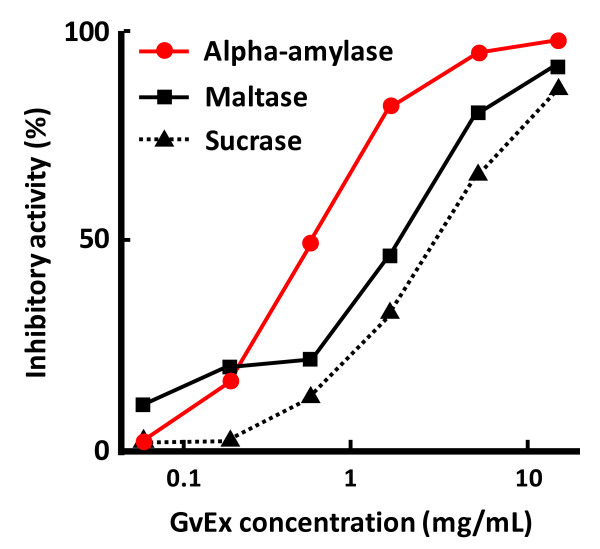
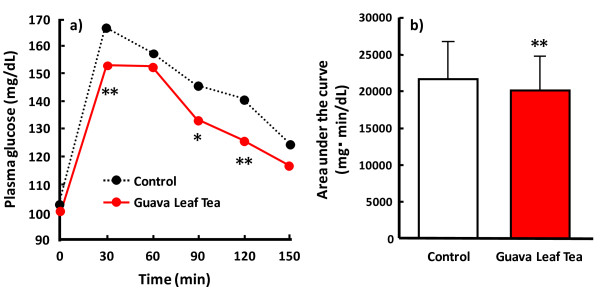
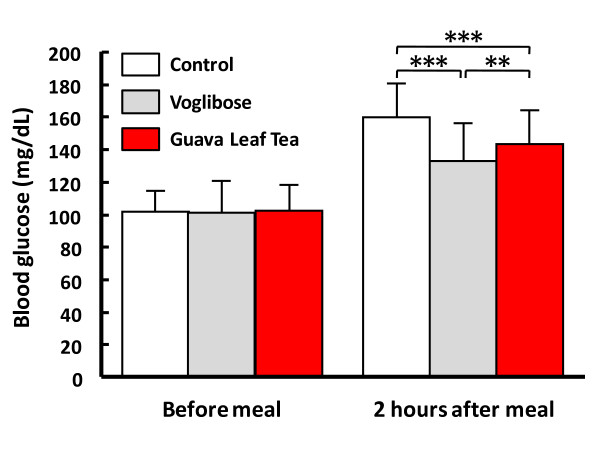
Psidium guajava Linn. (guava) is used not only as food but also as folk medicine in subtropical areas around the world because of its pharmacologic activities. In particular, the leaf extract of guava has traditionally been used for the treatment of diabetes in East Asia and other countries. Moreover, the anti-hyperglycemic activity of the extract has been reported in some animal models. However, little is known regarding the therapeutic activity of the extract in human clinical trials as well as its underlying therapeutic mechanisms and safety. In Japan, Guava Leaf Tea (Bansoureicha(R), Yakult Honsha, Tokyo, Japan) containing the aqueous leaf extract from guava has been approved as one of the Foods for Specified Health Uses and is now commercially available. This review describes the active component of the aqueous guava leaf extract and its inhibition of alpha-glucosidase enzymes in vitro, safety of the extract and Guava Leaf Tea, reduction of postprandial blood glucose elevation, and improvement of hyperglycemia, hyperinsulinemia, hypoadiponectinemia, hypertriglycemia and hypercholesterolemia in murine models and several clinical trials. It is suggested that the chronic suppression of postprandial blood glucose elevation is important in preventing type 2 diabetes mellitus, and that Guava Leaf Tea is considered useful as an alimentotherapy for chronic treatment.
Overview
The claims and statistics of this paper haven’t been checked yet.
Free: it reads the open-access text and checks the first 5 claims that cite a source we can check. Create a free account to check every claim.
Integrity signals
Registry
Cites
Statistics
Figures
Verification
Claims the paper makes
The claims and statistics of this paper haven’t been checked yet.
Free: it reads the open-access text and checks the first 5 claims that cite a source we can check. Create a free account to check every claim.
Claims other papers make about this one
Each is checked against this paper’s own text: does it say what the citing paper says it does?
The cited source doesn’t support the claim as written.
In the citing paper
“In metabolic syndrome, pine bark extract (150 mg/day, for 6 months) improved key risk factors: it lowered fasting glucose (~123 to ~105 mg/dL), reduced waist circumference (-7.9 cm in men and -7.3 cm in women), increased adiponectin, and reduced blood pressure and oxidative stress markers [213].”
From Nutritional Approaches to Enhance GLP-1 Analogue Therapy in Obesity: A Narrative Review (2025) · cites this paper as [213]
Checked by a reasoning model — may be wrong.
Experimental — accuracy not yet measuredThe cited source doesn’t support the claim as written.
In the citing paper
“Lipid profile also improved, with reductions in LDL and triglycerides, and a rise in HDL [213,214].”
From Nutritional Approaches to Enhance GLP-1 Analogue Therapy in Obesity: A Narrative Review (2025) · cites this paper as [213]
Checked by a reasoning model — may be wrong.
Experimental — accuracy not yet measuredIn the citing paper
“In metabolic syndrome, pine bark extract (150 mg/day, for 6 months) improved key risk factors: it lowered fasting glucose (~123 to ~105 mg/dL), reduced waist circumference (-7.9 cm in men and -7.3 cm in women), increased adiponectin, and reduced blood pressure and oxidative stress markers [213].”
From Nutritional Approaches to Enhance GLP-1 Analogue Therapy in Obesity: A Narrative Review (2025) · cites this paper as [213]
Self-check
Percentages, sums and reported differences re-computed from the paper’s own numbers.
The self-check needs the paper’s full text.
Citations
Cites
Wild, S., Roglic, G., Green, A., Sicree, R., & King, H. (2004) · Diabetes Care · doi:10.2337/diacare.27.5.1047 · Cited by 15,297 · cited 1×
“In 2000, the World Health Organization estimated a total of 171 million (2.8%) people with DM from the global population, and this figure has been projected to increase to 366 million (4.4%) by 2030 [ 1 ].”
BackgroundInfluentialRole of Insulin Resistance in Human Disease
Reaven, G. M. (1988) · Diabetes · doi:10.2337/diab.37.12.1595 · Cited by 12,154
Banting lecture 1988. Role of insulin resistance in human disease
Reaven, G. M. (1988) · Diabetes · doi:10.2337/diabetes.37.12.1595 · Cited by 3,811
Adiponectin and adiponectin receptors in insulin resistance, diabetes, and the metabolic syndrome
Kadowaki, T. (2006) · Journal of Clinical Investigation · doi:10.1172/jci29126 · Cited by 2,824 · cited 2×
“It has been hypothesized that an increase in adiponectin level in hypoadiponectinemia improves insulin resistance, T2DM and metabolic syndrome [5].”
BackgroundChiasson, J.-L., Josse, R. G., Gomis, R., Hanefeld, M., Karasik, A., Laakso, M., & for The STOP-NIDDM Trial Research Group (2003) · JAMA · doi:10.1001/jama.290.4.486 · Cited by 1,624 · cited 1×
“In a previous non-insulin-dependent diabetes mellitus trial (an international, multicenter, double-blind, placebo-controlled trial) in which about 1,400 pre-diabetic subjects with impaired glucose tolerance were enrolled [40,41], it was demonstrated that long-term treatment with acarbose decreases the risk of T2DM, hy…”
BackgroundThe deadly quartet. Upper-body obesity, glucose intolerance, hypertriglyceridemia, and hypertension
Kaplan, N. M. (1989) · Archives of Internal Medicine · doi:10.1001/archinte.149.7.1514 · Cited by 1,516 · cited 1×
“Coexistence of these diseases is well known as metabolic syndrome, a high risk factor for cardiovascular disease [2-4].”
BackgroundGlobal Prevalence of Diabetes: Estimates for the Year 2000 and Projections for 2030
Wild, S. H., Roglic, G., Green, A., Sicree, R., & King, H. (2004) · Diabetes Care · doi:10.2337/diacare.27.10.2569-a · Cited by 1,477
Psidium guajava: A review of its traditional uses, phytochemistry and pharmacology
Gutiérrez, R. M. P., Mitchell, S., & Solis, R. V. (2008) · Journal of Ethnopharmacology · doi:10.1016/j.jep.2008.01.025 · Cited by 937 · cited 1×
“[6] have reviewed the potential pharmacologic activities of the extract from the fruit, leaf, bark or roots; these activities include antioxidant, hepatoprotective, anti-allergy, anti-microbial, anti-genotoxic, anti-plasmodial, cytotoxic, anti-spasmodic, cardioactive, anti-cough, anti-diabetic, anti-inflammatory and a…”
BackgroundRole of Insulin Resistance in Human Disease
Reaven, G. M. (1992) · Medical Science Symposia Series · doi:10.1007/978-94-011-2700-4_10 · Cited by 865
Cavalot, F., Petrelli, A., Traversa, M., Bonomo, K., Fiora, E., Conti, M., Anfossi, G., Costa, G., & Trovati, M. (2006) · The Journal of Clinical Endocrinology & Metabolism · doi:10.1210/jc.2005-1005 · Cited by 569 · cited 1×
“Currently, there is ongoing debate as to whether postprandial blood glucose level is a stronger predictor of cardiovascular events than fasting blood glucose in T2DM [43,44].”
Background
Cited by
Antidiabetic Potential of Medicinal Plants and Their Active Components
Salehi, B., Ata, A., V. Anil Kumar, N., Sharopov, F., Ramírez-Alarcón, K., Ruiz-Ortega, A., Abdulmajid Ayatollahi, S., Valere Tsouh Fokou, P., Kobarfard, F., Amiruddin Zakaria, Z., et al. (2019) · Biomolecules · doi:10.3390/biom9100551 · Cited by 747
The phytochemistry and medicinal value of Psidium guajava (guava)
Naseer, S., Hussain, S., Naeem, N., Pervaiz, M., & Rahman, M. (2018) · Clinical Phytoscience · doi:10.1186/s40816-018-0093-8 · Cited by 349
Role of medicinal plants in the management of diabetes mellitus: a review
Jacob, B., & Narendhirakannan, R. T. (2019) · 3 Biotech · doi:10.1007/s13205-018-1528-0 · Cited by 205
Health Effects of Psidium guajava L. Leaves: An Overview of the Last Decade
Díaz-de-Cerio, E., Verardo, V., Gómez-Caravaca, A., Fernández-Gutiérrez, A., & Segura-Carretero, A. (2017) · International Journal of Molecular Sciences · doi:10.3390/ijms18040897 · Cited by 205
Giri, S. S., Sen, S. S., Chi, C., Kim, H. J., Yun, S., Park, S. C., & Sukumaran, V. (2015) · Fish & Shellfish Immunology · doi:10.1016/j.fsi.2015.05.051 · Cited by 206
Contribution of Fruits and Vegetables to Human Nutrition and Health
Yahia, E. M., García-Solís, P., & Celis, M. E. M. (2019) · Postharvest Physiology and Biochemistry of Fruits and Vegetables · doi:10.1016/b978-0-12-813278-4.00002-6 · Cited by 187
“…been shown to reduce postprandial blood glucose and to improve hyperglycemia, hyperinsulinemia, hypoadiponectine-mia, hypertriglyceridemia, and hypercholesterolemia using STZ-induced “ type I diabetes mellitus (DMI) ” murine models (50 (cid:1) 800 mg/kg) (Ojewole, 2005; Deguchi and Miyazaki, 2010).”
Plant phenolics as functional food ingredients
Santos‐Buelga, C., Gonzaléz‐Paramás, A. M., Taofiq, O., Ayuda‐Durán, B., & González‐Manzano, S. (2019) · Advances in food and nutrition research · doi:10.1016/bs.afnr.2019.02.012 · Cited by 181
Zhang, Z., Kong, F., Ni, H., Mo, Z., Wan, J.-B., Hua, D., & Yan, C. (2016) · Carbohydrate Polymers · doi:10.1016/j.carbpol.2016.02.030 · Cited by 164
Determination of guava (Psidium guajava L.) leaf phenolic compounds using HPLC-DAD-QTOF-MS
Díaz-de-Cerio, E., Gómez-Caravaca, A. M., Verardo, V., Fernández-Gutiérrez, A., & Segura-Carretero, A. (2016) · Journal of Functional Foods · doi:10.1016/j.jff.2016.01.040 · Cited by 149
Psidium Guajava (Guava): A Plant of Multipurpose Medicinal Applications
(2012) · Medicinal & Aromatic Plants · doi:10.4172/2167-0412.1000104 · Cited by 197
Gopi, N., Ramya, C., Vaseeharan, B., Malaikozhundan, B., Vijayakumar, S., Murugan, K., & Benelli, G. (2016) · Fish & Shellfish Immunology · doi:10.1016/j.fsi.2016.09.062 · Cited by 132
Trujillo, A. I., Quintero-Gil, C., Díaz-Castillo, F., Quiñones, W., Robledo, S. M., & Martínez‐Gutierrez, M. (2019) · BMC Complementary and Alternative Medicine · doi:10.1186/s12906-019-2695-1 · Cited by 142
Ansari, P., Khan, J. T., Chowdhury, S., Reberio, A. D., Kumar, S., Seidel, V., Abdel‐Wahab, Y. H. A., & Flatt, P. R. (2024) · Nutrients · doi:10.3390/nu16213709 · Cited by 137
Ryu, N. H., Park, K., Kim, S., Yun, H., Nam, D., Lee, S., Jang, H.-J., Ahn, K. S., Kim, S., Shim, B. S., et al. (2012) · Journal of Medicinal Food · doi:10.1089/jmf.2011.1701 · Cited by 132
Review of antidiabetic fruits, vegetables, beverages, oils and spices commonly consumed in the diet
Beidokhti, M. N., & Jäger, A. K. (2017) · Journal of Ethnopharmacology · doi:10.1016/j.jep.2017.02.031 · Cited by 104
Safe African Medicinal Plants for Clinical Studies
Okoye, T. C., Uzor, P. F., Onyeto, C. A., & Okereke, E. K. (2014) · Elsevier eBooks · doi:10.1016/b978-0-12-800018-2.00018-2 · Cited by 91
Ansari, P., Khan, J. T., Choudhary, S., Reberio, A. D., Kumar, S., Seidel, V., Abdel-Wahab, Y. H. A., & Flatt, P. R. (2024) · doi:10.20944/preprints202408.1739.v1 · Cited by 89
Psidium guajava: A single plant for multiple health problems of rural Indian population
Birdi, T., Daswani, P., & Gholkar, M. (2017) · Pharmacognosy Reviews/Bioinformatics Trends/Pharmacognosy review · doi:10.4103/phrev.phrev_17_17 · Cited by 85
“Laboratory investigations A number of animal and human studies support the antidiabetic potential of various parts of the guava plant.[19] Ojewole[80] reported a dose-dependent hypoglycemia in normal (normoglycemic) and streptozotocin (STZ)-treated, diabetic rats following oral administration of aqueous guava leaf ext…”
BackgroundBalamurugan, K., Nishanthini, A., & Mohan, V. R. (2014) · Asian Pacific Journal of Tropical Biomedicine · doi:10.12980/apjtb.4.2014c122 · Cited by 83
“In diabetes, HbA1c is considered as a diagnostic marker and helps to know about degree of protein glycation, longterm blood sugar level and correlation of diabetes associated complications[38,39].”
BackgroundZhu, X., Ouyang, W., Lan, Y., Xiao, H., Tang, L., Liu, G., Feng, K., Zhang, L., Song, M., & Cao, Y. (2020) · Food Bioscience · doi:10.1016/j.fbio.2020.100574 · Cited by 93
Prebiotics, gut microbiota and metabolic risks: Unveiling the relationship
Yasmin, A., Butt, M. S., Afzaal, M., van Baak, M. A., Nadeem, M. T., & Shahid, M. Z. (2015) · Journal of Functional Foods · doi:10.1016/j.jff.2015.05.004 · Cited by 78
Vinayagam, R., Jayachandran, M., Chung, S. S. M., & Xu, B. (2018) · Biomedicine & Pharmacotherapy · doi:10.1016/j.biopha.2018.04.127 · Cited by 66
Wang, L., Zhang, P.-Z., Shen, J., Qian, Y., Liu, M., Ruan, Y., Wang, X., Zhang, S., & Ma, B. (2019) · International Journal of Biological Macromolecules · doi:10.1016/j.ijbiomac.2019.08.250 · Cited by 70
Díaz‐de‐Cerio, E., Verardo, V., Gómez‐Caravaca, A. M., Fernández‐Gutiérrez, A., & Segura‐Carretero, A. (2016) · International Journal of Molecular Sciences · doi:10.3390/ijms17050699 · Cited by 75
“This fact plays an important role in finding the best conditions of the leaf in order to obtain the best recovery of the target compounds for the development of a promising alternative source for ameliorating diabetes complications [2–4].”
BackgroundJia, X., Hu, J., He, M., Zhang, Q., Li, P., Wan, J., & He, C. (2016) · Journal of Functional Foods · doi:10.1016/j.jff.2016.10.026 · Cited by 62
Guava (Psidium guajava L.): a glorious plant with cancer preventive and therapeutic potential
Jamieson, S., Wallace, C. E., Das, N., Bhattacharyya, P., & Bishayee, A. (2021) · Critical Reviews in Food Science and Nutrition · doi:10.1080/10408398.2021.1945531 · Cited by 60
“The toxicity and safety of guava constituents were reviewed previously (Deguchi and Miyazaki 2010; Morais-Braga et al. 2016; Daswani, Gholkar, and Birdi 2017).”
BackgroundPsidium guajava L. anti‐neoplastic effects: induction of apoptosis and cell differentiation
Bontempo, P., Doto, A., Miceli, M., Mita, L., Benedetti, R., Nebbioso, A., Veglione, M., Rigano, D., Cioffi, M., Sica, V., et al. (2011) · Cell Proliferation · doi:10.1111/j.1365-2184.2011.00797.x · Cited by 81
Ghosh, R., Tiwary, B. K., Kumar, A., & Chakraborty, R. (2014) · PLoS ONE · doi:10.1371/journal.pone.0107703 · Cited by 52
“The leaf extracts of this plant were shown to possess anti-microbial [28], anti-inflammatory, antidiarrhoea [29], anti-oxidant [30], antimutagenic [31], anti- cancer [32], anti-diabetic [33] and antiplaque [34] activities.”
BackgroundWang, L., Wu, Y., Bei, Q., Shi, K., & Wu, Z. (2017) · Journal of Separation Science · doi:10.1002/jssc.201700477 · Cited by 49
Mazumdar, S., Akter, R., & Talukder, D. (2015) · Asian Pacific Journal of Tropical Biomedicine · doi:10.1016/s2221-1691(15)30163-5 · Cited by 47
Díaz-de-Cerio, E., Rodríguez-Nogales, A., Algieri, F., Romero, M., Verardo, V., Segura-Carretero, A., Duarte, J., & Galvez, J. (2017) · Food Research International · doi:10.1016/j.foodres.2017.03.019 · Cited by 47
Zulfqar, F., Akhtar, M. F., Saleem, A., Akhtar, B., Sharif, A., & Saleem, U. (2020) · Journal of Food Biochemistry · doi:10.1111/jfbc.13199 · Cited by 46
Sohrabipour, S., Kharazmi, F., Soltani, N., & Kamalinejad, M. (2013) · Medical science monitor basic research/Medical science monitor. Basic research · doi:10.12659/msmbr.883892 · Cited by 46
“In Japan, Guava leaf tea containing the aqueous leaf extract has been approved for specific health uses and is now commercially available [11,12].”
BackgroundAlam, S., Dhar, A., Hasan, M., Richi, F. T., Emon, N. U., Aziz, M. A., Mamun, A. A., Chowdhury, M. N. R., Hossain, M. J., Kim, J. K., et al. (2022) · Molecules · doi:10.3390/molecules27248709 · Cited by 51
Sharma, Y., Kawatra, A., Sharma, V., Dhull, D., Kaushik, S., Yadav, J. P., & Kaushik, S. (2021) · VirusDisease · doi:10.1007/s13337-021-00685-4 · Cited by 41
“guajava has antibacterial, antifungal, anti-inflammatory potential [5, 22].”
Toxicity Evaluation of Chemically and Plant Derived Silver Nanoparticles on Zebrafish (Danio rerio)
Sarkar, B., Netam, S. P., Mahanty, A., Saha, A., Bosu, R., & Krishnani, K. K. (2014) · Proceedings of the National Academy of Sciences India Section B Biological Sciences · doi:10.1007/s40011-013-0298-z · Cited by 40
Alginate/gelatine hydrogels: characterisation and application of antioxidant release
Nooeaid, P., Chuysinuan, P., & Techasakul, S. (2017) · Green Materials · doi:10.1680/jgrma.16.00020 · Cited by 40
Alnaqeeb, M., Mansoor, K., Mallah, E., Ghanim, B. Y., Idkaidek, N., & Qinna, N. A. (2019) · BMC Complementary and Alternative Medicine · doi:10.1186/s12906-019-2436-5 · Cited by 42
Phytosterol, Lipid and Phenolic Composition, and Biological Activities of Guava Seed Oil
Prommaban, A., Utama‐ang, N., Chaikitwattana, A., Uthaipibull, C., Porter, J. B., & Srichairatanakool, S. (2020) · Molecules · doi:10.3390/molecules25112474 · Cited by 40
Chu, S., Zhang, F., Wang, H., Xie, L., Chen, Z., Zeng, W., Zhou, Z., & Hu, F. (2022) · Frontiers in Pharmacology · doi:10.3389/fphar.2022.907702 · Cited by 43
Alam, A., Jawaid, T., Alsanad, S. M., Kamal, M., & Balaha, M. F. H. (2023) · Plants · doi:10.3390/plants12020246 · Cited by 46
“Guava leaves have been studied for various activities, including antioxidant, antidiabetic, antihyperlipidemic, antidiarrheal, cardioprotective, analgesic, nephrotoxic, and antimicrobial effects [4].”
BackgroundGuo, X., Yoshitomi, H., Gao, M., Qin, L., Duan, Y., Sun, W., Xu, T., Xie, P., Zhou, J., Huang, L., et al. (2013) · BMC Complementary and Alternative Medicine · doi:10.1186/1472-6882-13-52 · Cited by 44
“Given that previous studies have demonstrated that treatment with GL extracts could stimulate glucose utilization in liver tissues in spontaneous and inducible animal models of diabetes [12-15], our data extended previous findings and indicated that treatment with GL extracts improved glucose tolerance and insulin sen…”
BackgroundResultSen, S. S., Sukumaran, V., Giri, S. S., & Park, S. C. (2015) · Fish & Shellfish Immunology · doi:10.1016/j.fsi.2015.08.031 · Cited by 36
Mathur, R., Dutta, S., Velpandian, T., & Mathur, S. (2015) · Pharmacognosy Research · doi:10.4103/0974-8490.151459 · Cited by 41
“In particular, the guava leaf has been traditionally used for the treatment of diabetes in East Asia and other countries and also evaluated for anti‐hyperglycemic effect in some animal models.[13] However, the effect of guava leaf extract on absorption of fructose and in curtailing the metabolic alterations leading to…”
MethodMonograph of Psidium guajava L. leaves
Metwally, A., Omar, A. A., Ghazy, N. M., Harraz, F. M. H., & Sohafy, S. M. E. (2011) · Pharmacognosy Journal · doi:10.5530/pj.2011.21.17 · Cited by 34
Zhu, X., Ouyang, W., Pan, C., Gao, Z., Han, Y., Song, M., Feng, K., Xiao, H., & Cao, Y. (2019) · Food & Function · doi:10.1039/c9fo00569b · Cited by 32
Nakata, K., Taniguchi, Y., Yoshioka, N., Yoshida, A., Inagawa, H., Nakamoto, T., Yoshimura, H., Miyake, S.-I., Kohchi, C., Kuroki, M., et al. (2011) · Nutrition Research and Practice · doi:10.4162/nrp.2011.5.5.435 · Cited by 36
“Diabetes is often associated with visceral fat accumulation, dyslipidemia, and hypertension [9,10].”
BackgroundGreen Seaweeds-Derived Polysaccharides Ulvan: Occurrence, Medicinal Value and Potential Applications
Pangestuti, R., & Kurnianto, D. (2017) · Elsevier eBooks · doi:10.1016/b978-0-12-809816-5.00011-6 · Cited by 37
Andalan, J. R., Mondejar, A. J. S., Sumaya, N. H. N., Guihawan, J. Q., Madamba, M. R. S. B., Tabelin, C. B., Guilingen, D., Paglinawan, F. C., Maulas, K. M., Arquisal, I. B., et al. (2024) · Tropical Medicine and Health · doi:10.1186/s41182-024-00624-1 · Cited by 35
“In other parts of the world especially in subtropical regions, P. guajava is a popular food and as source of traditional medicine because of its known pharmacologic properties [41].”
BackgroundLorena, M., Ressaissi, A., & Serralheiro, M. L. (2021) · Food Chemistry Advances · doi:10.1016/j.focha.2021.100003 · Cited by 32
Jadaun, P., Shah, P., Harshithkumar, R., Said, M. S., Bhoite, S. P., Bokuri, S., Ravindran, S., Mishra, N., & Mukherjee, A. (2023) · BMC Complementary Medicine and Therapies · doi:10.1186/s12906-023-03916-x · Cited by 34
Ramachandran, S., Rajasekaran, A., & Adhirajan, N. (2013) · ISRN Pharmacology · doi:10.1155/2013/484675 · Cited by 30
Insights into the Uses of Traditional Plants for Diabetes Nephropathy: A Review
Shahin, H., Sultana, R., Farooq, J., Taj, T., Khaiser, U. F., Alanazi, N. S. A., Alshammari, M. K., Alshammari, M. N., Alsubaie, F. H., Asdaq, S. M. B., et al. (2022) · Current Issues in Molecular Biology · doi:10.3390/cimb44070199 · Cited by 33
Jiang, N., Hou, S., Liu, Y. ‐., Ren, P., Xie, N., Yuan, Y., Hao, Q., Liu, M., & Zhao, Z. (2023) · Frontiers in Plant Science · doi:10.3389/fpls.2023.1179553 · Cited by 30
Huang, Z., Luo, Y., Xia, X., Wu, A., & Wu, Z. (2021) · Journal of Functional Foods · doi:10.1016/j.jff.2021.104723 · Cited by 30
Jiang, L., Qin, Y., Nong, J.-L., & An, H. (2021) · Arabian Journal of Chemistry · doi:10.1016/j.arabjc.2021.103143 · Cited by 32
Ramachandran, S., Naveen, K., Rajinikanth, B., Akbar, M., & Rajasekaran, A. (2012) · Asian Pacific Journal of Tropical Disease · doi:10.1016/s2222-1808(12)60229-1 · Cited by 31
Anti-Diabetic Effects of Actinidia arguta Polyphenols on Rats and KK-Ay Mice
Kurakane, S., Yamada, N., Sato, H., & Igarashi, K. (2011) · Food Science and Technology Research · doi:10.3136/fstr.17.93 · Cited by 27
Mazhar, S., Hyder, S., Khan, B. S., Gondal, A. S., Ahmed, R., Iqra, I., & Iqbal, M. (2025) · BMC Plant Biology · doi:10.1186/s12870-025-06528-4 · Cited by 25
“Psidium guajava L., commonly known as guava, is a plant from the Myrtaceae family used in both food and traditional medicine [24].”
Yu, Q., Chen, W., Zhong, J., Huang, D., Shi, W., Chen, H., & Yan, C. (2022) · Food Frontiers · doi:10.1002/fft2.145 · Cited by 28
Velmurugan, S., Babu, M. M., Punitha, S., Viji, V. T., & Citarasu, T. (2012) · Cited by 22
Okpashi, V. E., Bayim, B. P. R., & Obi-Abang, M. (2014) · Biochemistry Research International · doi:10.1155/2014/203051 · Cited by 21
Yoshitomi, H., Guo, X., Liu, T., & Gao, M. (2012) · Nutrition & Metabolism · doi:10.1186/1743-7075-9-13 · Cited by 24
“Previous reports demonstrated the effects of guava leaf extracts (GLE) against, for example, diabetes [10-12]; however, there have not yet been precise studies of the effects of GLE on hepatosteatosis.”
Bahrani, A. H. M., Zaheri, H., Soltani, N., Kharazmi, F., Keshavarz, M., & Kamalinajad, M. (2012) · Journal of Diabetes Mellitus · doi:10.4236/jdm.2012.21023 · Cited by 20
“In Japan, Guava leaf tea containing the aqueous leaf extract has been approved for specific health uses and is now commercially available [11,12].”
BackgroundAn Introduction to Bioactive Natural Products and General Applications
Ahmadu, T., & Ahmad, K. (2020) · Advanced structured materials · doi:10.1007/978-3-030-54027-2_2 · Cited by 24
Tamura, T., Ozawa, M., Kobayashi, S., Watanabe, H., Arai, S., & Mura, K. (2015) · Food Science and Technology Research · doi:10.3136/fstr.21.111 · Cited by 20
Sandoval-Gallegos, E. M., Ramírez-Moreno, E., Lucio, J. G. D., Arias-Rico, J., Cruz-Cansino, N., Ortiz, M. I., & Cariño-Cortés, R. (2018) · Journal of Medicinal Food · doi:10.1089/jmf.2017.0042 · Cited by 19
Rahman, H., Asrafuzzaman, M., Tusher, M. M. H., Mosihuzzaman, M., Khan, M. S. H., Shoeb, M., & Rokeya, B. (2023) · Journal of Ayurveda and Integrative Medicine · doi:10.1016/j.jaim.2023.100776 · Cited by 19
“In Japan, a human trial with hot water extract of guava leaf showed signi fi cant control of postprandial blood glucose elevation, decreasing of HbA1c level, and improved hypoadiponectinemia [21].”
BackgroundParveen, A., Yalagatti, M. S., Venkataraman, A., & Deshpande, R. (2018) · Journal of Drug Delivery · doi:10.1155/2018/3850139 · Cited by 19
Seki, E., Yamamoto, A., Fujiwara, Y., Yamane, T., Satsu, H., & Ohkubo, I. (2020) · Journal of Agricultural and Food Chemistry · doi:10.1021/acs.jafc.0c01942 · Cited by 19
Yang, H.-W., Son, M., Choi, J., Oh, S., Jeon, Y., Byun, K., & Ryu, B. (2019) · Marine Drugs · doi:10.3390/md17110608 · Cited by 19
“35 mg/kg, HFD/IPA), and guava (75 mg/kg, HFD/Guava), used as positive control for blood glucose level control in diabetes [21], for 12 weeks.”
MethodInhibitory Effects of Pomegranate Extracts on Recombinant Human Maltase–Glucoamylase
Kawakami, K., Li, P., Uraji, M., Hatanaka, T., & Ito, H. (2014) · Journal of Food Science · doi:10.1111/1750-3841.12568 · Cited by 18
“Green tea (Hara 1997), guava leaves (Deguchi and Miyazaki 2010), tochu tea (Watanabe and others 1997), persimmon leaves (Kawakami and others 2010), and mulberry leaves (Oku and others 2006) are reported to be effective in regulating blood glucose levels.”
BackgroundHurrell, J. A., Puentes, J. P., & Arenas, P. M. (2015) · Ethnobiology and Conservation · doi:10.15451/ec2015-9-4.7-1-19 · Cited by 23
Wang, L., Tian, X., Wei, W., Chen, G., & Wu, Z. (2016) · Journal of Separation Science · doi:10.1002/jssc.201600552 · Cited by 18
Kim, J.-I., Yun, J.-A., Jeong, Y.-K., & Baek, H.-J. (2018) · Food Science and Biotechnology · doi:10.1007/s10068-018-0390-5 · Cited by 17
“Numerous studies have been carried out to search new a-glucosidase inhibitors with no side effect from edible plants (Deguchi and Miyazaki, 2010; Fujita and Yamagami, 2001; Wang et al., 2013).”
BackgroundSuwan, T., Khongkhunthian, S., & Okonogi, S. (2019) · Drug Discoveries & Therapeutics · doi:10.5582/ddt.2019.01024 · Cited by 17
“effect (15), antioxidant activity (16), anti-inflammatory activity (17), antimicrobial activity (18), and antihyperglycemic as well as anti-hyperlipidemic effects (19).”
BackgroundChoi, E., Baek, S., Baek, K.-R., & Kim, H. (2021) · Nutrition Research and Practice · doi:10.4162/nrp.2021.15.5.568 · Cited by 18
“Although the mechanisms underlying the antidiabetic properties of guava leaves are not yet fully perceived, the inhibition of α-glucosidase by guava leaf extract (GLE) has been suggested to be associated with an attenuated elevation of postprandial blood glucose levels [8,9].”
BackgroundAkhtar, K., Shah, S. W. A., Shah, A. A., Shoaib, M., Haleem, K. S., & Sultana, N. (2017) · Applied Biological Chemistry · doi:10.1007/s13765-017-0293-9 · Cited by 17
“It was previously reported that phytochemicals like phenolic, flavonoids, alkaloids and glycosides from various plants such as Catharanthus roseus, Psidium guajava, Ephedra sinica and Rhizoma pinelliae showed antidiabetic activity [8, 32].”
BackgroundAntihyperglycemic and hypoglycemic activity of Mayan plant foods in rodent models
Narváez, J. J. U., Negrete‐León, E., Acevedo‐Fernández, J. J., & Campos, M. R. S. (2021) · Journal of the Science of Food and Agriculture · doi:10.1002/jsfa.11057 · Cited by 16
Huang, Z., Fang, Z., Wu, A., Shen, F., & Wu, Z. (2022) · Food Bioscience · doi:10.1016/j.fbio.2022.102201 · Cited by 15
Okoduwa, S. I. R., Mhya, D. H., Abdulwaliyu, I., Igiri, B. E., Okoduwa, U. J., Arthur, D. E., Laleye, A. O., Osang, G. J., Onaleye, O. L., & Nathyns-Pepple, E. (2024) · Phytochemistry Reviews · doi:10.1007/s11101-024-09984-2 · Cited by 16
Relevance of Indian traditional tisanes in the management of type 2 diabetes mellitus: A review
Joshi, D. D., Deb, L., Somkuwar, B. G., & Rana, V. S. (2023) · Saudi Pharmaceutical Journal · doi:10.1016/j.jsps.2023.03.003 · Cited by 17
“( continued on next page ) Hot water extract from tender leaves is used to normalize the elevated blood glucose level (Hazarika et al., 2020; Deguchi and Miyazaki, 2010).”
Chen, H., Wu, P.-H., Lo, D., Pan, Y.-C., & Wu, M.-C. (2011) · Food and Nutrition Sciences · doi:10.4236/fns.2011.29133 · Cited by 18
“diabetic treatments [8].”
Guava Leaf Extract Suppresses Fructose Mediated Non-Alcoholic Fatty Liver Disease in Growing Rats
Sharma, P., Nair, J., Sinh, A., Shivangi, Velpandian, T., Tripathi, R., & Mathur, R. (2022) · Diabetes Metabolic Syndrome and Obesity · doi:10.2147/dmso.s381102 · Cited by 14
“(Myrtaceae), popularly known as Guava, has been classified as food for specified health use (FOSHU).(35) In the long-standing practices of ethnomedicine its leaves and fruits have been tapped for a wide array of applications such as anti-diarrhoea, antisepsis, astringent, diuresis, anti-diabetes, analgesia, anti-neopl…”
BackgroundYan, C., Lee, J., Kong, F., & Zhang, D. (2013) · Carbohydrate Polymers · doi:10.1016/j.carbpol.2013.05.071 · Cited by 15
Cytochrome P450 and P-gp mediated herb–drug interactions of some common Indian herbs
Chatterjee, S., Jain, S., Jangid, R., & Sharma, M. K. (2022) · Studies in natural products chemistry · doi:10.1016/b978-0-12-823944-5.00005-3 · Cited by 14
Lowering effect of viable Pediococcus pentosaceus QU 19 on the rise in postprandial glucose
Fujiwara, M., Kuwahara, D., Hayashi, M., Zendo, T., Sato, M., Nakayama, J., & Sonomoto, K. (2020) · Bioscience of Microbiota Food and Health · doi:10.12938/bmfh.19-041 · Cited by 13
“In addition to the viable cells of the isolated strain, Guava Tea Leaf Extract (GTLEx), which is known to be a glucosidase inhibitor [28], was used as a positive control.”
MethodXu, C., Li, X., Zeng, D., Liu, Y., Gao, Y., Tsunoda, M., Deng, S., Xie, X. S., Wang, R., Li, L., et al. (2020) · Evidence-based Complementary and Alternative Medicine · doi:10.1155/2020/9784382 · Cited by 14
Ahmad, S., Ahmad, A. N., Ibrahim, M., Chester, K., Khan, W., & Ansari, S. (2019) · Pharmacognosy Magazine · doi:10.4103/pm.pm_608_18 · Cited by 12
“belongs to family Myrtaceae and has traditionally been used as a therapeutic agent for the treatment of hyperlipidemia,[10] diabetes mellitus,[11] cardiovascular diseases,[12] microbial infection,[13] cancer,[14] liver disorders,[15] parasitic infections,[16] anticestodal activity,[17] and antidiarrheal activity.”
BackgroundInterventional effects of Pueraria oral liquid on T2DM rats and metabolomics analysis
Yang, H., Song, J., Xu, C., Li, J., Zhang, C., Xie, S., & Teng, C.-L. (2024) · Biomedicine & Pharmacotherapy · doi:10.1016/j.biopha.2024.116780 · Cited by 12
Mazumdar, S., Akter, R., & Talukder, D. (2015) · Asian Pacific Journal of Tropical Biomedicine · doi:10.1016/j.apjtb.2014.12.002 · Cited by 12
Baenas, N., Abellán, Á., Rivera, S., Moreno, D. A., García‐Viguera, C., & Domínguez‐Perles, R. (2018) · Elsevier eBooks · doi:10.1016/b978-0-12-813572-3.00010-5 · Cited by 12
Therapeutic Properties of Polyphenols Affect AMPK Molecular Pathway in HyperlipidemiaPreprint
Sotoudeheian, M., Hoseini, S., & Mirahmadi, S. (2023) · Preprints.org · doi:10.20944/preprints202301.0528.v1 · Cited by 16
Dam, N. P., Hérent, M., Le, T.-B., Bui, T.-B.-H., Bui, T. B. H., Do, T.-T.-H., Nguyen, T.-P., Scippo, M., Kestemont, P., & Quetin‐Leclercq, J. (2022) · Journal of Food Composition and Analysis · doi:10.1016/j.jfca.2022.104928 · Cited by 11
Determination of nutritional constituents of guava (Psidium guajava) leaves powder
Pawar, S., Pawar, V., Bidwe, A., Pachankar, S., & Warkad, P. (2024) · International Journal of Advanced Biochemistry Research · doi:10.33545/26174693.2024.v8.i1f.493 · Cited by 10
“Deguchi and Miyazaki (2010) [7] reviewed that guava leaf extract has been traditionally used for diabetes in East Asia and other countries.”
Seasonal Phenolic Profile, Antioxidant, and Photoprotective Activities of Psidium guajava L. Leaves
August, E. M. G., Horn, P. A., Cavichioli, N., Rebelo, A. M., Reinke, C. K., & Zeni, A. L. B. (2024) · Chemistry & Biodiversity · doi:10.1002/cbdv.202402852 · Cited by 11
“Additionally, in Japan, since 2000, the use of guava leaf tea has been approved by Foods for Specific Health Use (FOSHU) and is recommended for prediabetes [15].”
Melo, C., Cornejal, N., Cruz, V., Alsaidi, S., Rodriguez, G. C., Ramirez, A. G., Sorel, V., Bonnaire, T., Zydowsky, T. M., Priano, C., et al. (2020) · Scholarworks (University of Massachusetts Amherst) · doi:10.7275/zzfy-zk15 · Cited by 10
Blancas‐Benítez, F. J., Pérez‐Jiménez, J., Sañudo‐Barajas, J. A., Rocha‐Guzmán, N. E., González-Aguilar, G. A., Tovar, J., & Sáyago‐Ayerdi, S. G. (2022) · Food Bioscience · doi:10.1016/j.fbio.2022.101566 · Cited by 11
Worku, L. A., Birhanu, M. Z., Bachheti, R. K., Bachheti, A., Rawat, Y. S., Husen, A., & Shiferaw, R. G. (2024) · Journal of Food Quality · doi:10.1155/jfq/6076403 · Cited by 14
Advances in structure-hypoglycemic activity relationship and mechanisms of berry polysaccharides
Jiang-Peng, S., Jia-Qin, F., Liu, C., Shou-Ping, L., Chen, C., Chin-Ping, T., Wang, P., Yun-Ping, P., & Fu, X. (2024) · Food Bioscience · doi:10.1016/j.fbio.2024.105472 · Cited by 9
Metadata
- Authors
- Deguchi, Y., & Miyazaki, K.
- Affiliations
- Yakult Central Institute (JP)
- Corresponding author
- Miyazaki, Kouji
- Venue
- Nutrition & Metabolism
- Published
- 2010
- Volume
- 7
- Issue
- 1
- Pages
- 9
- ISSN
- 1743-7075 (ISSN-L)
- PMC
- PMC2831039
- OpenAlex
- W2115462711
- Cited by
- 170
- References
- 42
- Citations by year
- 2026: 5 · 2025: 9 · 2024: 15 · 2023: 16 · 2022: 14 · 2021: 12 · 2020: 13 · 2019: 11 · 2018: 10 · 2017: 12 · 2016: 8 · 2015: 11 · 2014: 15 · 2013: 5 · 2012: 8
- FWCI
- 6.13
- Type
- journal article
- Language
- en
- Open access
- gold
- doi.org
- Licence
- cc-by
- Locations
- Nutrition & Metabolism (publishedVersion, cc-by)
- Europe PMC (PubMed Central) (publishedVersion, cc-by)
- PubMed Central (publishedVersion, cc-by)
- PubMed (publishedVersion)
- DOAJ (DOAJ: Directory of Open Access Journals) (submittedVersion, cc-by-sa)
- Topics
- Life Sciences › Pharmacology, Toxicology and Pharmaceutics › Pharmacology › Psidium guajava Extracts and Applications
- Health Sciences › Medicine › Endocrinology, Diabetes and Metabolism › Natural Antidiabetic Agents Studies
- Life Sciences › Agricultural and Biological Sciences › Plant Science › Medicinal Plant Research
- Keywords
- guava leaf extract, guava, hypoglycemic effect, hypolipidemic effect, α-glucosidase inhibition, postprandial blood glucose, type 2 diabetes, hyperinsulinemia, hypoadiponectinemia, hypertriglyceridemia, hypercholesterolemia, aqueous leaf extract, safety
About these checks
Registry, retraction, Cites and statistics results are computed, not judged, with one exception: a printed reference that no index lists is read once by a model before it counts as a citation error. Claims are extracted by a model and kept only when their quote appears verbatim in the text; each cited source is then checked, with a model’s help, for whether it says what the claim relies on. Those verdicts can be wrong — read the claim’s quote and the cited source before relying on one.
Statistics and arithmetic are recomputed, not judged.
Confidence bands are shown only for fields calibrated on our annotated test set. None is calibrated yet, so no band is shown.
What counts as a claim ›How we measure confidence ›How we check this ›
Are you an author, or do you see a problem with this page? Request a review
Data sources
Bibliographic data: Semantic Scholar, OpenAlex, Crossref.
Contains information from the Semantic Scholar Academic Graph Datasets, made available under the ODC Attribution License (ODC-BY 1.0).
Semantic Scholar’s data is described in: Kinney, R., et al. (2023). The Semantic Scholar Open Data Platform. arXiv:2301.10140.
