

Cinnamon extract inhibits α-glucosidase activity and dampens postprandial glucose excursion in diabetic rats
Open accessThe DOI matches its Crossref record; 54 of the 56 references it cites were found in a registry or an index.
Abstract
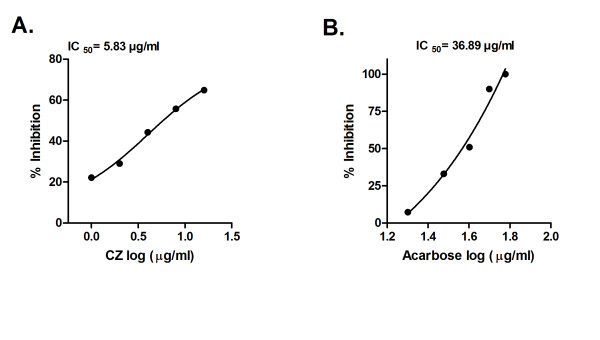
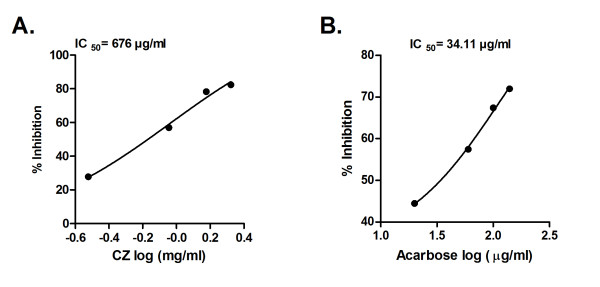
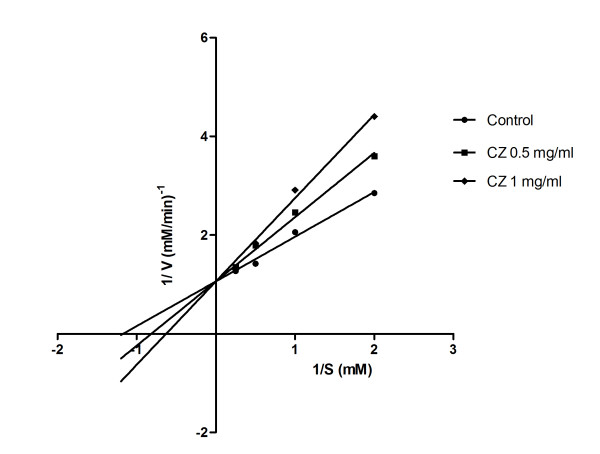
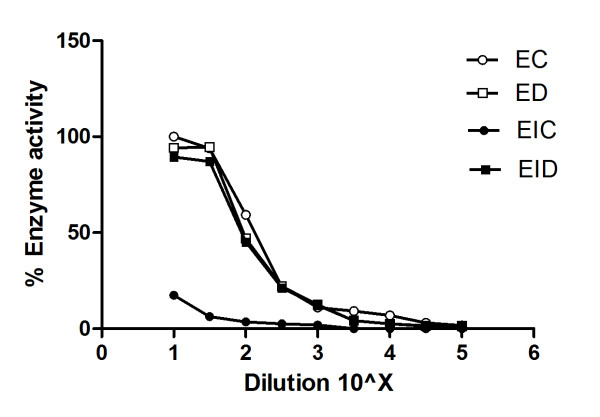
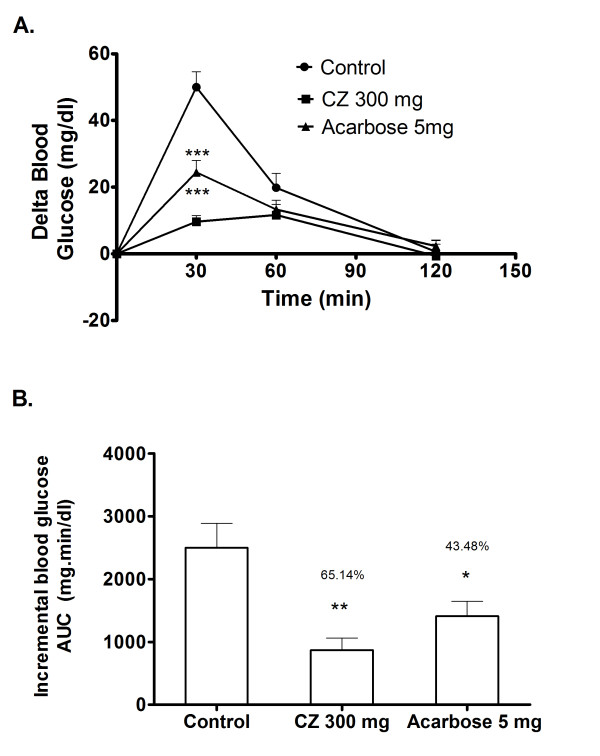
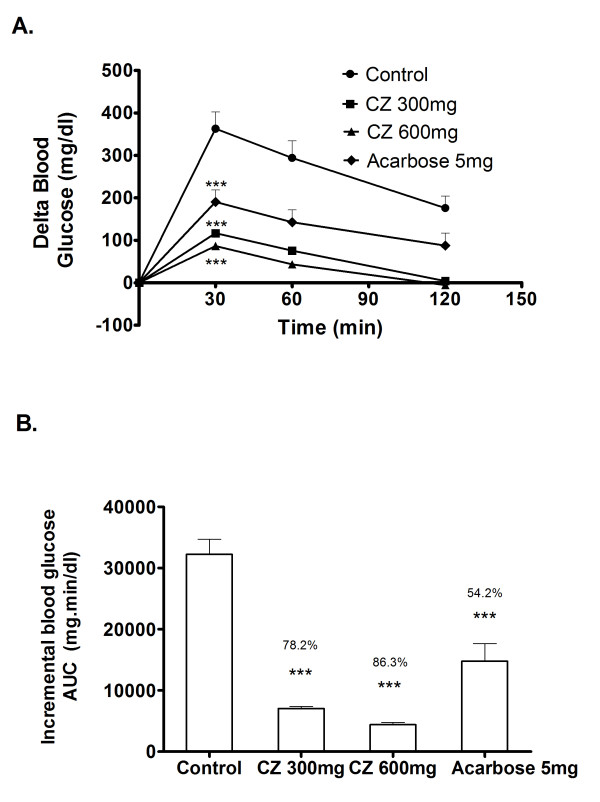
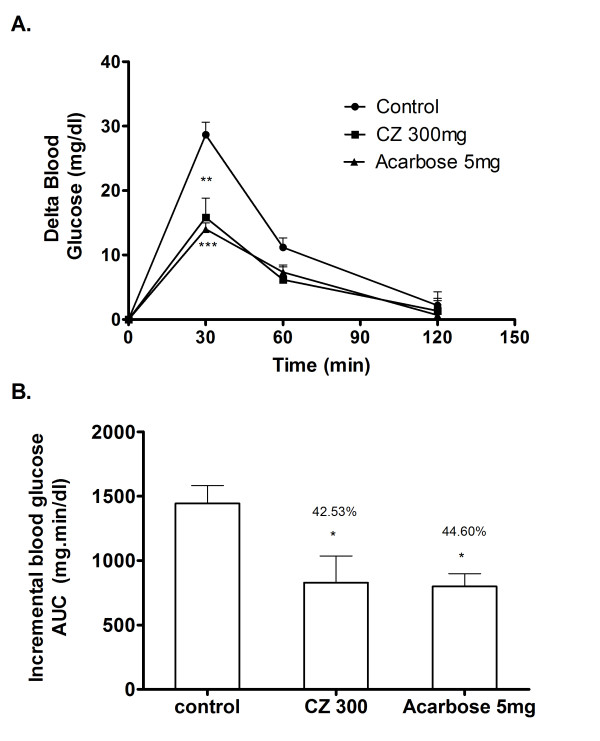
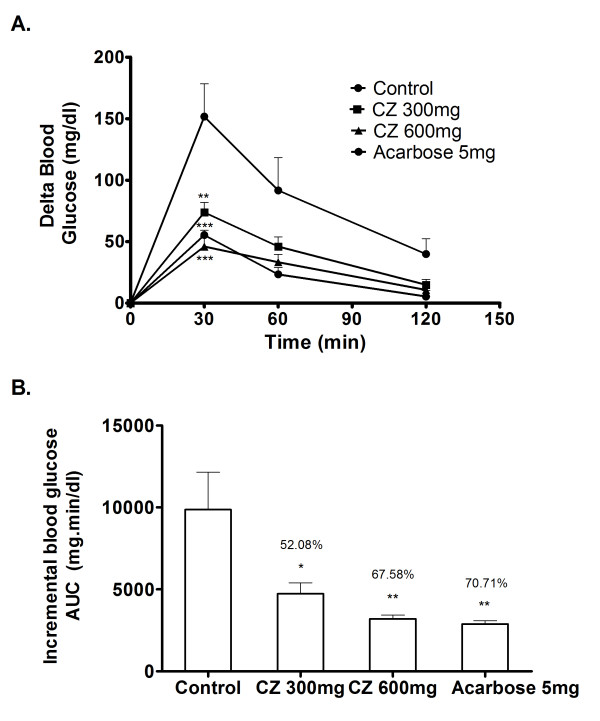
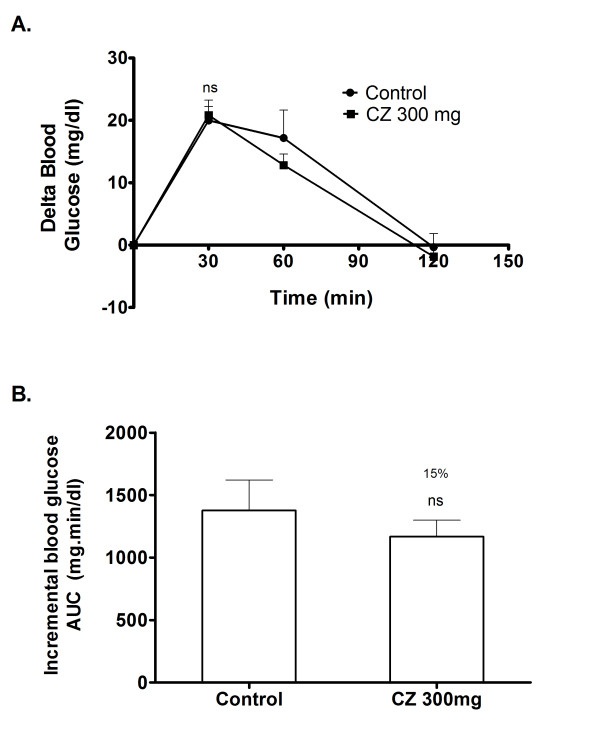
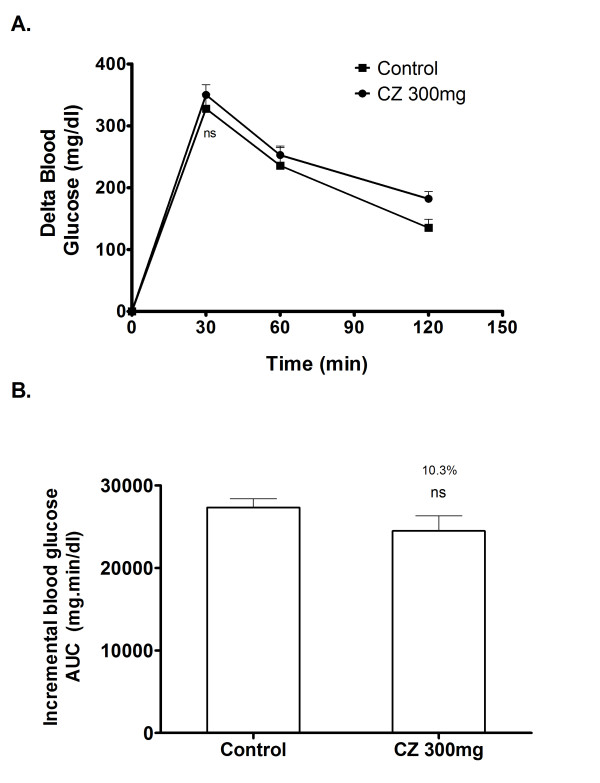
Background: α-glucosidase inhibitors regulate postprandial hyperglycemia (PPHG) by impeding the rate of carbohydrate digestion in the small intestine and thereby hampering the diet associated acute glucose excursion. PPHG is a major risk factor for diabetic vascular complications leading to disabilities and mortality in diabetics.Cinnamomum zeylanicum, a spice, has been used in traditional medicine for treating diabetes. In this study we have evaluated the α-glucosidase inhibitory potential of cinnamon extract to control postprandial blood glucose level in maltose, sucrose loaded STZ induced diabetic rats. Methods: The methanol extract of cinnamon bark was prepared by Soxhlet extraction. Phytochemical analysis was performed to find the major class of compounds present in the extract. The inhibitory effect of cinnamon extract on yeast α-glucosidase and rat-intestinal α-glucosidase was determined in vitro and the kinetics of enzyme inhibition was studied. Dialysis experiment was performed to find the nature of the inhibition. Normal male Albino wistar rats and STZ induced diabetic rats were treated with cinnamon extract to find the effect of cinnamon on postprandial hyperglycemia after carbohydrate loading. Results: Phytochemical analysis of the methanol extract displayed the presence of tannins, flavonoids, glycosides, terpenoids, coumarins and anthraquinones.In vitro studies had indicated dose-dependent inhibitory activity of cinnamon extract against yeast α-glucosidase with the IC 50 value of 5.83 μg/ml and mammalian α-glucosidase with IC 50 value of 670 μg/ml. Enzyme kinetics data fit to LB plot pointed out competitive mode of inhibition and the membrane dialysis experiment revealed reversible nature of inhibition.In vivo animal experiments are indicative of ameliorated postprandial hyperglycemia as the oral intake of the cinnamon extract (300 mg/kg body wt.) significantly dampened the postprandial hyperglycemia by 78.2% and 52.0% in maltose and sucrose loaded STZ induced diabetic rats respectively, compared to the control. On the other hand, in rats that received glucose and cinnamon extract, postprandial hyperglycemia was not effectively suppressed, which indicates that the observed postprandial glycemic amelioration is majorly due to α-glucosidase inhibition. Conclusions: The current study demonstrates one of the mechanisms in which cinnamon bark extract effectively inhibits α-glucosidase leading to suppression of postprandial hyperglycemia in STZ induced diabetic rats loaded with maltose, sucrose. This bark extract shows competitive, reversible inhibition on α-glucosidase enzyme. Cinnamon extract could be used as a potential nutraceutical agent for treating postprandial hyperglycemia. In future, specific inhibitor has to be isolated from the crude extract, characterized and therapeutically exploited.
Overview
The claims and statistics of this paper haven’t been checked yet.
Free: it reads the open-access text and checks the first 5 claims that cite a source we can check. Create a free account to check every claim.
Integrity signals
Registry
Cites
Statistics
Figures
Verification
Claims the paper makes
The claims and statistics of this paper haven’t been checked yet.
Free: it reads the open-access text and checks the first 5 claims that cite a source we can check. Create a free account to check every claim.
Claims other papers make about this one
Each is checked against this paper’s own text: does it say what the citing paper says it does?
The cited source says what the claim attributes to it.
In the citing paper
“We could not reproduce these results with CCE at the dose of 50 mg/kg of body weight”
The check wasn’t confident either way, so it gives no verdict — never disputed.
In the citing paper
“Its polyphenols (such as quercetin and catechins) exhibit antispasmodic, anti-secretory, anti-microbial, and anti-inflammatory effects [326].”
From Nutritional Approaches to Enhance GLP-1 Analogue Therapy in Obesity: A Narrative Review (2025) · cites this paper as [326]
Experimental — accuracy not yet measuredIn the citing paper
“Rich in polyphenols (such as quercetin derivatives), its glucose-lowering effects occur through inhibition of carbohydrate-digesting enzymes and enhancement of insulin action [326,327].”
From Nutritional Approaches to Enhance GLP-1 Analogue Therapy in Obesity: A Narrative Review (2025) · cites this paper as [326]
In the citing paper
“In vivo, a methanol extract of Ceylon cinnamon reduced the glycemic response to maltose and sucrose in normal and diabetic rats but had no effect on glucose loading, thus suggesting a specific effect of this extract on disaccharide digestion through the inhibition of the α-glucosidase enzyme [27].”
In the citing paper
“thus suggesting a specific effect of this extract on disaccharide digestion through the inhibition of the α-glucosidase enzyme [27].”
Self-check
Percentages, sums and reported differences re-computed from the paper’s own numbers.
The self-check needs the paper’s full text.
Citations
Cites
Phytochemical Methods: A Guide to Modern Techniques of Plant Analysis
Harborne, J. B. (1973) · Cited by 5,287
Medicinal plants and traditional medicine in Africa
Sofowora, A. (1982) · Medical Entomology and Zoology · Cited by 3,451
Journal of Biological Chemistry
(2021) · Journal of Biological Chemistry · doi:10.1074/jbc · Cited by 3,400
Monnier, L., Mas, E., Ginet, C., Michel, F., Villon, L., Cristol, J.-P., & Colette, C. (2006) · JAMA · doi:10.1001/jama.295.14.1681 · Cited by 2,444 · cited 1×
“Acute hyperglycemia induces endothelial dysfunction by generating oxidative stress resulting in impaired vasodilatation [39].”
International Journal of Applied Research
(2018) · International journal of applied research · doi:10.22271/allresearch · Cited by 933
Hanefeld, M., Fischer, S., Julius, U., Schulze, J., Schwanebeck, U., Schmechel, H., Ziegelasch, H. J., & Lindner, J. (1996) · Diabetologia · doi:10.1007/s001250050617 · Cited by 873 · cited 1×
“Postprandial hyperglycemia is a major risk factor for micro- and macro vascular complications associated with diabetes [3,4] and so controlling postprandial plasma glucose level is critical in the early treatment of diabetes mellitus and in reducing chronic vascular complications [5].”
α-Glucosidase Inhibitors for Patients With Type 2 Diabetes
van de Laar, F. A., Lucassen, P. L., Akkermans, R. P., van de Lisdonk, E. H., Rutten, G. E., & van Weel, C. (2005) · Diabetes Care · doi:10.2337/diacare.28.1.154 · Cited by 690
(1943) · Journal of the American Medical Association · doi:10.1001/jama.1943.02840110096036 · Cited by 661
Nutritional, Dietary and Postprandial Oxidative Stress
Sies, H., Stahl, W., & Sevanian, A. (2005) · The Journal of Nutrition · doi:10.1093/jn/135.5.969 · Cited by 609 · cited 1×
“The acute glucose fluctuations during the postprandial period exhibits a more specific triggering effect on oxidative stress than chronic sustained hyperglycemia which suggests that the therapy in type 2 diabetes should target not only hemoglobin A1c and mean glucose concentrations but also acute glucose swings [6,7].”
Research works printed but not linked: 1
- Trease GE Evans W Textbook of Pharmacognosy 1989 12 London: Bailliere Tindall Ltd
Cited by
Items 101–172 of 172
Li, W., Qiao, J., Lin, K., Sun, P., Wang, Y., Peng, Q., Ye, X., Liu, W., & Sun, B. (2023) · Frontiers in Pharmacology · doi:10.3389/fphar.2023.1111860 · Cited by 10
Kumar, S. R. S., & Rao, K. V. B. (2018) · PubMed Central · Cited by 12
Sarjono, P. R., Mahardika, H. D. R., Mulyani, N. S., Ngadiwiyana, N., Prasetya, N. B. A., & Ismiyarto, I. (2020) · Jurnal Penelitian Saintek · doi:10.21831/jps.v25i2.32892 · Cited by 12
Kabir, M. E., Borah, A., Barman, H., Sharmah, B., Afzal, N. U., Phukan, T., Kalita, J., & Manna, P. (2024) · Journal of Food Biochemistry · doi:10.1155/2024/3199103 · Cited by 7
Zeweil, H. S., Zahran, S., Ahmed, M. H., El-Gindy, Y. M., & Khoshera, N. (2016) · Egyptian Journal of Nutrition and Feeds · doi:10.21608/ejnf.2016.74993 · Cited by 7
Kim, J. S. (2014) · Korean Journal of Medicinal Crop Science · doi:10.7783/kjmcs.2014.22.4.289 · Cited by 9
“수 많은 약용식물들은 기존의 약물보다 인체에 부작용이 적 고 치료 효과가 높아서 대체 약품으로 개발하려는 목적으로 조사되어 왔다 (Kim et al., 2011; Shihabudeen et al., 2011; Hyun et al., 2014).”
Fonkoua, M., Boris, N. S., Kengne, S. R., Chia, T. E., Guy, T. G., Boris, A. K., Ngondi, J. L., & Gouado, I. (2017) · Biology and Medicine · doi:10.4172/0974-8369.1000407 · Cited by 7
Habtemariam, S. (2019) · Elsevier eBooks · doi:10.1016/b978-0-08-102922-0.00015-8 · Cited by 10
Role of Natural Bio-active Compounds as Antidiabetic Agents
Jimenez-Garcia, S. N., García-Mier, L., Vazquez-Cruz, M. A., Ramírez-Gómez, X. S., Guevara-González, R. G., García‐Trejo, J. F., & Feregrino‐Pérez, A. A. (2020) · Advanced structured materials · doi:10.1007/978-3-030-54027-2_15 · Cited by 7
Adarthaiya, S., & Arivarasan, V. K. (2025) · Journal of Chinese Integrative Medicine · doi:10.1016/j.joim.2025.04.005 · Cited by 7
Choi, H., Kang, M., Jeong, S.-M., Seo, M. J., Kang, B. W., Jeong, Y. K., & Kim, J.-I. (2012) · Food Science and Biotechnology · doi:10.1007/s10068-012-0151-9 · Cited by 6
“Among the materials with α-glucosidase inhibition, persimmon leaf and cinnamon extracts with IC50 values of 32 and 670 μg/mL against rat intestinal αglucosidase, respectively, were effective in controlling postprandial hyperglycemia in vivo (19,20).”
BackgroundNeyshaburinezhad, N., Rouini, M. R., Lavasani, H., & Ardakani, Y. H. (2021) · Jundishapur Journal of Natural Pharmaceutical Products · doi:10.5812/jjnpp.101797 · Cited by 6
“The dose of cinnamon was selected based on previous studies on diabetic rats (15, 16).”
MethodAnti-Obesity and Anti-Diabetic Effects of Ostericum koreanum (Ganghwal) Extract
Lee, E., & Nam, J. (2024) · International Journal of Molecular Sciences · doi:10.3390/ijms25094908 · Cited by 5
Yakubu, O., Nwodo, O., Udeh, S. O., & Abdulrahman, M. (2016) · International Journal of Biochemistry Research & Review · doi:10.9734/ijbcrr/2016/12893 · Cited by 6
“Inhibition of α-amylase and α-glucosidase enzymes involved in the dietary carbohydrate digestion can significantly decrease the postprandial increase of blood glucose after a carbohydrate diet and therefore can be an important strategy in the management of postprandial blood glucose level in type 2 diabetic patients a…”
Backgroundhussein, A. (2018) · Egyptian Poultry Science · doi:10.21608/epsj.2018.23222 · Cited by 5
Inhibition of α-Glucosidase by Abietane-Type Diterpenoids Isolated from Roots of Salvia miltiorrhiza
Phong, N. V., Le, T. T., Kwon, M. J., Lee, Y. M., Min, B. S., & Kim, J. (2023) · Natural Product Sciences · doi:10.20307/nps.2023.29.4.349 · Cited by 5
Valadbeigi, T. (2016) · Zahedan Journal of Research in Medical Sciences · doi:10.17795/zjrms-4267 · Cited by 5
“Several α-glucosidase inhibitors have been isolated from medicinal plants like Cinnamomum zeylanicum [1], Salvia spinosa, Polygonum hyrcanicum [2] and Orthosiphon stamineus [3].”
BackgroundKazeem, M. I., & Ashafa, A. O. T. (2017) · Beni-Suef University Journal of Basic and Applied Sciences · doi:10.1016/j.bjbas.2017.01.002 · Cited by 5
Dawoud, S., Al-Akra, T., & Zedan, A. M. (2021) · Journal of Agricultural Chemistry and Biotechnology · doi:10.21608/jacb.2021.86457.1013 · Cited by 4
“Phytochemical study of cinnamon has detected a lot of coumarins, flavonoids, alkaloids, glycosides, steroids, anthraquinone, terpenoids and tannins (Shihabudeen et al., 2011).”
BackgroundJayawardena, B., Wariyapperuma, W. A. N. M., Thammitiyagodage, M. G., Karunakaran, R., & Kumara, W. S. S. (2021) · Pharmacognosy Magazine · doi:10.4103/pm.pm_334_20 · Cited by 5
Ervina, M., Diva, J., Caroline, C., & Ami Soewandi, J. S. (2023) · Food Research · doi:10.26656/fr.2017.7(4).1022 · Cited by 4
Choockong, C., Itharat, A., Pipatrattanaseree, W., Ninlaor, T., Piwngam, K., Intharit, N., Sukkhum, S., & Davies, N. M. (2024) · Research in Pharmaceutical Sciences · doi:10.4103/1735-5362.394817 · Cited by 4
“Cinnamaldehyde, which makes up 65-80% of cinnamon bark extract, was more effective than metformin in lowering haemoglobin A1c, plasma blood glucose, and lipid profile in vivo (22-24).”
BackgroundRavnikar, M., Štrukelj, B., Otašević, B. M., & Sirše, M. (2024) · Nutraceuticals · doi:10.3390/nutraceuticals4020017 · Cited by 4
Storage Stability of Functional Beverage Prepared From Bitter Gourd, Lemon and Amla for Diabetes
Begum, S. L. R., & Premakumar, K. (2021) · Asian Journal of Dairy and Food Research · doi:10.18805/ajdfr.dr-199 · Cited by 4
Cinnamon Extract Ameliorates Liver Damage And Oxidative Stress Induced By Paracetamol In Male Rats
Fadil, H. A. E., Moustafa, A., Khalifa, H. A., Hossam, A., & Behairy, A. (2020) · Damanhour Journal of Veterinary Sciences · doi:10.21608/djvs.2020.25744.1011 · Cited by 4
Vo, T. N., Luong, T.-D.-M., Le, T.-P.-H., & Trinh, K. S. (2022) · Journal of Toxicology · doi:10.1155/2022/7781723 · Cited by 4
Kamandloo, F., Rezaei, K., & Aghakhani, A. (2022) · Journal of Food Processing and Preservation · doi:10.1111/jfpp.16974 · Cited by 3
Dhillon, A., Sardana, S., & Thakkar, A. R. (2023) · Journal of Natural Remedies · doi:10.18311/jnr/2023/30836 · Cited by 3
Cinnamic acid as a dietary antioxidant in diabetes treatment
Anlar, H. G. (2020) · Elsevier eBooks · doi:10.1016/b978-0-12-815776-3.00023-1 · Cited by 4
Alvarenga, L., Reis, D. C. M. V., Kemp, J. A., Teixeira, K. T. R., Fouque, D. P., & Mafra, D. (2024) · Therapeutic Apheresis and Dialysis · doi:10.1111/1744-9987.14101 · Cited by 2
“Furthermore, the extract derived from cinnamon ( C. zeylanicum ) has shown promise in improving the translocation of glucose transporter 4, primarily through the activation of the adiponectin and intracellular 5 0 adenosine monophosphate-activated protein kinase (AMPK) signaling pathway [62].”
BackgroundSachan, K., Verma, S., Arora, K., Bharti, U., Singh, P. K., & Singh, S. (2024) · Current Diabetes Reviews · doi:10.2174/0115733998273029231121094725 · Cited by 4
mohapatra, S., Ranjit, S. K., Pattnaik, G., Parida, P., Dutta, S., Ghosh, G., Rath, G., & Kar, B. (2024) · Current Clinical Pharmacology · doi:10.2174/0127724328331153240918093157 · Cited by 3
Integrated review of cardiometabolic biomarkers and dietary nutrients
Vermaa, R., Bisen, P. S., & Bulló, M. (2024) · Journal of Food Bioactives · doi:10.26599/jfb.2024.95027386 · Cited by 2
Tahoon, A. Y., Ali, G. I. E., Nehal, A., El-Keredy, A. M. S., Al-sokary, E. T., Elbaz, S., & Asa, S. A. (2025) · Assiut Veterinary Medical Journal/Maǧallaẗ Asyūṭ al-ṭibiyyaẗ al-baytariyyaẗ · doi:10.21608/avmj.2025.320513.1399 · Cited by 2
“Due to its unique scent and potent antibacterial, antifungal, antiulcer, analgesic, antioxidant, and hypocholest-erolemic qualities, cinnamon is employed in the food sector (Mohamed Sham Shihabudeen et al., 2011).”
Mechanistic and clinical insights into the antidiabetic potential of Cinnamomum cassia: A review
Debnath, I., Ghosh, S., Bhunia, S., Nayak, A., Nandi, S., & Bhattacharjee, S. (2025) · Pharmacological Research - Natural Products · doi:10.1016/j.prenap.2025.100340 · Cited by 3
Antidiabetic Mechanism of Standardized Extract, Fraction and Subfraction of Cinnamomum Iners Leaves
Mustaffa, F., Hassan, Z., Yusof, N. A., Niza, K., Razak, A., & Asmawi, M. Z. (2014) · Cited by 2
Cinnamomum verum J. Presl. (Lauraceae)
Akbar, S. (2020) · Springer eBooks · doi:10.1007/978-3-030-16807-0_68 · Cited by 4
Medical Herbs and the Treatment of Diabetes Mellitus: Mechanisms of Action
McGrowder, D. A., Miller, F. G., Nwokocha, C. R., Wilson-Clarke, C. F., Anderson, M., Anderson-Jackson, L., Williams, L., & Alexander-Lindo, R. L. (2020) · Advances in medical diagnosis, treatment, and care (AMDTC) book series · doi:10.4018/978-1-7998-4808-0.ch003 · Cited by 4
Arisha, S. M., Saif, M. E., & Kandil, E. H. (2022) · Heliyon · doi:10.1016/j.heliyon.2022.e10401 · Cited by 2
“Its bark contains a lot of phytochemicals like flavonoids, coumarins, alkaloids anthraquinone, steroids, tannins and terpenoids (Shihabudeen et al., 2011).”
BackgroundRetractedIn vitro investigation of the inhibitory effect of fucoidan on ‚Ķv´-glucoisidase enzyme activity
Yin, X. (2013) · UTAS Research Repository · doi:10.25959/23241263 · Cited by 2
Clay catalyzed dihydropyrimidinone synthesis: α-glucosidase inhibition and chemoinformatics
Prasad, S. R., & Pushpavathi, I. (2025) · Journal of the Indian Chemical Society · doi:10.1016/j.jics.2025.102168 · Cited by 1
Vitamin B6 and glucose control: a forgotten role in prediabetics? Narrative review
Mohammed, H., & Mustafa, M. M. (2026) · Libyan Journal of Medical and Applied Sciences · doi:10.64943/ljmas.2026.04181 · Cited by 1
Yang, Q., Wang, Y., Leng, Y., Lin, E., Guo, M., Chen, L., & Li, H. (2026) · Journal of Agriculture and Food Research · doi:10.1016/j.jafr.2026.102926 · Cited by 2
The Protective Efficacy of Dietary Supplements on Metabolic Syndrome
Yasukawa, K., OGAWA, K., TSUDA, Y., & Matsubara, H. (2012) · Japanese Journal of Complementary and Alternative Medicine · doi:10.1625/jcam.9.57 · Cited by 1
Effect of Natural Products on Some Glycosidases and Their Expected Hypoglycemic Potential
Balbaa, M., Waheb, R., & Hosna, R. (2015) · International Journal of Biochemistry Research & Review · doi:10.9734/ijbcrr/2015/13317 · Cited by 2
“a significant increase in BGL at day 3 post - STZ injection in all STZ – injected groups and this is consistent with what had been obtained previously [8,17].”
BackgroundMethodResultCOMPARATIVE STUDY TO GINSENG AND CINNAMON WATER EXTRACT ON DIABETIC ADULT MALE ALBINO RAT
Shalaby, A., El-Mottaleb, A. E.-R. M. A., & Alkot, A. M. F. (2016) · Al-Azhar Medical Journal · doi:10.12816/0033121 · Cited by 1
Sarhat, E. R., Abbas, M. Q., Aljader, G. H., Sarhat, A. R., Sarhat, T. R., & Abass, K. S. (2021) · Indian Journal of Forensic Medicine & Toxicology · doi:10.37506/ijfmt.v15i3.15687 · Cited by 1
“Alpha-glucosidase inhibitors act as competitive inhibitors of enzymes needed to digest carbohydrates which delay the rate of carbohydrate digestion, delay the carbohydrate absorption from the digestive tract, and diminish the postprandial blood glucose excursion in diabetic subjects and thus have a lowering effect on…”
BackgroundAlternative Approach of Nutraceuticals in Management of Diabetes Mellitus
Kumar, V., Bajaj, R., Shekhawat, M., Rani, A., & Singh, G. (2022) · Current Nutrition & Food Science · doi:10.2174/1573401319666221124162331 · Cited by 2
Antidiabetic Potential and Chronic Toxicity of Hydroalcoholic Extract of Echeveria subrigida Leaves
Heredia-Mercado, B., Delgado‐Vargas, F., Osuna‐Martínez, U., Noguera-Corona, E., López‐Valenzuela, J. A., Ramos‐Payán, R., & López‐Ángulo, G. (2023) · Pharmacognosy Research · doi:10.5530/pres.15.2.034 · Cited by 1
“Oral glucose tolerance test was carried out as previously described,[18] with some modifications.”
MethodKarimi, M. D., Delpisheh, A., Ghaytasi, S., & Khatami, A. (2015) · journal of ilam university of medical sciences
Influence of dietary polyphenols on carbohydrate intestinal digestion and absorption
Moser, S. E. (2016) · Purdue e-Pubs (Purdue University System) · Cited by 1
Mohammed, S. (2018) · Journal of Zankoy Sulaimani - Part A · doi:10.17656/jzs.10719
Hepatoprotective Impact of Cinnamon Aqueous Extract تأثیر المستخلص المائى للقرفة على حمایة الکبد
على, س., & بکر, س. (2019) · Journal of Food and Dairy Sciences · doi:10.21608/jfds.2019.58136
IMPACTS OF PLANTS AND SEEDS AS USED FOR DECRASING THE OBESITY IN MALE ALBINO RATS
Mohamed, S. A. E. –. T. R., El-Sherif, F. E.-Z. A., & El-Megeid, A. A. A. (2015) · مجلة بحوث التربية النوعية · doi:10.21608/mbse.2015.140547
Nawaz, S., Naimal, M., Qamar, H. M. H., Hassan, A., Mehmood, A., Ullah, R., Hameed, M., & Sajid, S. (2023) · Pakistan Journal of Pharmaceutical Sciences · doi:10.36721/pjps.2023.36.1.sp.259-263.1
Aranda-Ventura, J., Núñez-Tuesta, L., González-Aspajo, G., & Villacrés-Vallejo, J. (2022) · Revista Peruana de Medicina Integrativa · doi:10.26722/rpmi.2022.v7n2.17
Scrob, T., Filip, G. A., Bâldea, I., Varodi, S. M., & Cimpoiu, C. (2023) · Foods · doi:10.3390/foods12132569
Şahin, H., Naseer, M., Saddeek, S., & Imtiaz, Z. (2024) · doi:10.53555/jptcp.v31i2.4649
O efeito da ingestão de um café com e sem canela na glicémia pós prandial em adultos saudáveis
Fernandes, S. R. S. (2013) · Repositório Comum (Repositório Científico de Acesso Aberto de Portugal) · Cited by 24
Chessum, K. (2025) · Tuwhera (Auckland University of Technology)
Herb-Drug Interactions from A to Z: A Guide for Health Care Professionals and the Public Volume 1
Demirezer, L. Ö., Ersöz, T., Şener, B., & Kuruüzüm‐Uz, A. (2026) · CRC Press eBooks · doi:10.1201/9781003599777
Wang, Y., Chuang, S.-H., Lin, C.-F., Lin, Y.-T., Cheng, Y.-S., Lin, C.-C., Ting, C.-C., Chen, W.-H., Chen, T.-Y., Kuo, S.-H., et al. (2026) · Carbohydrate Polymers · doi:10.1016/j.carbpol.2026.125522
Mazur, Z., Tkaczenko, H., Buyun, L., & Kurhaluk, N. (2025) · Agrobiodiversity for Improving Nutrition Health and Life Quality · doi:10.15414/ainhlq.2025.0026 · Cited by 3
Murudkar, P. H., Parekar, P. J., Baheti, A. M., Nagar, S., & Pawar, A. T. (2026) · Pharmacological Research - Natural Products · doi:10.1016/j.prenap.2026.100841
Rathod, P., Kulkarni, C. C., & Yadav, R. P. (2026) · MGM Journal of Medical Sciences · doi:10.4103/mgmj.mgmj_92_26
Nia Fernanda, S. Y. (2025) · Journal of chemical health risks
Adarthaiya, S., Singh, G., & Adarthaiya, S. (2026) · ChemistrySelect · doi:10.1002/slct.74815
Metadata
- Authors
- Mohamed Sham Shihabudeen, H., Hansi Priscilla, D., & Thirumurugan, K.
- Affiliations
- Vellore Institute of Technology University (IN)
- Corresponding author
- Thirumurugan, Kavitha
- Venue
- Nutrition & Metabolism
- Published
- 2011-06-29
- Volume
- 8
- Issue
- 1
- Pages
- 46-46
- ISSN
- 1743-7075 (ISSN-L)
- PMC
- PMC3155477
- OpenAlex
- W1974363301
- Cited by
- 163
- References
- 54
- Citations by year
- 2026: 4 · 2025: 6 · 2024: 13 · 2023: 12 · 2022: 15 · 2021: 17 · 2020: 15 · 2019: 10 · 2018: 11 · 2017: 8 · 2016: 14 · 2015: 11 · 2014: 13 · 2013: 4 · 2012: 10
- FWCI
- 7.09
- Type
- journal article
- Language
- en
- Open access
- gold
- doi.org
- Licence
- cc-by
- Locations
- Nutrition & Metabolism (publishedVersion, cc-by)
- Europe PMC (PubMed Central) (publishedVersion, cc-by)
- PubMed Central (publishedVersion, cc-by)
- PubMed (publishedVersion)
- DOAJ (DOAJ: Directory of Open Access Journals) (submittedVersion)
- Funders
- VIT University
- Topics
- Health Sciences › Medicine › Endocrinology, Diabetes and Metabolism › Natural Antidiabetic Agents Studies
- Life Sciences › Agricultural and Biological Sciences › Plant Science › Medicinal Plant Research
- Health Sciences › Medicine › Endocrinology, Diabetes and Metabolism › Pancreatic function and diabetes
- Keywords
- cinnamon extract, Cinnamomum zeylanicum, α-glucosidase inhibition, postprandial hyperglycemia, diabetes mellitus, streptozotocin-induced diabetes, competitive inhibition, phytochemicals, carbohydrate digestion, antidiabetic activity, sucrose, maltose, glucose, enzyme kinetics, reversible inhibition, flavonoids, tannins, anthraquinones
About these checks
Registry, retraction, Cites and statistics results are computed, not judged, with one exception: a printed reference that no index lists is read once by a model before it counts as a citation error. Claims are extracted by a model and kept only when their quote appears verbatim in the text; each cited source is then checked, with a model’s help, for whether it says what the claim relies on. Those verdicts can be wrong — read the claim’s quote and the cited source before relying on one.
Statistics and arithmetic are recomputed, not judged.
Confidence bands are shown only for fields calibrated on our annotated test set. None is calibrated yet, so no band is shown.
What counts as a claim ›How we measure confidence ›How we check this ›
Are you an author, or do you see a problem with this page? Request a review
Data sources
Bibliographic data: Semantic Scholar, OpenAlex, Crossref.
Contains information from the Semantic Scholar Academic Graph Datasets, made available under the ODC Attribution License (ODC-BY 1.0).
Semantic Scholar’s data is described in: Kinney, R., et al. (2023). The Semantic Scholar Open Data Platform. arXiv:2301.10140.
