

Cinnamon extract inhibits α-glucosidase activity and dampens postprandial glucose excursion in diabetic rats
Open accessThe DOI matches its Crossref record; 54 of the 56 references it cites were found in a registry or an index.
Abstract
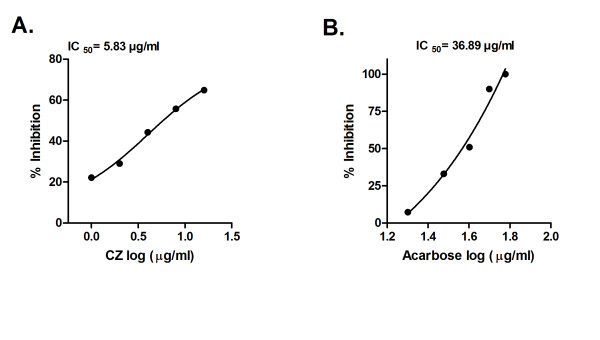
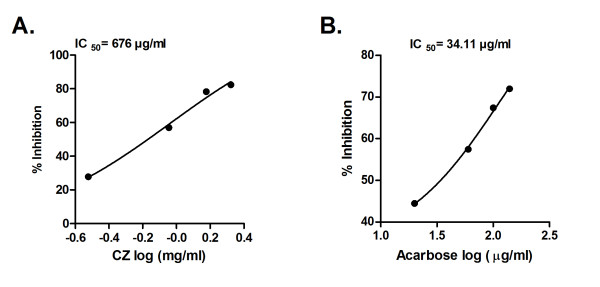
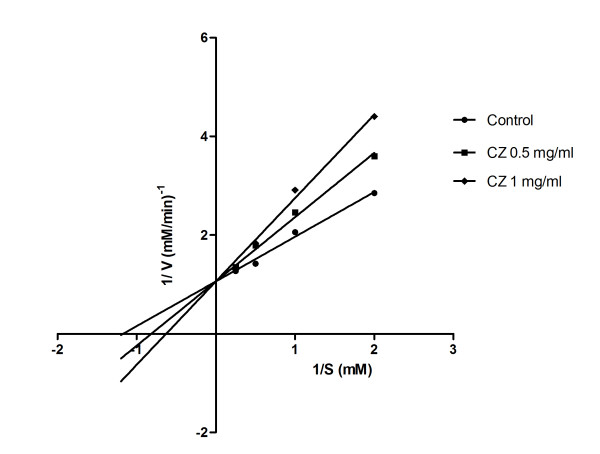
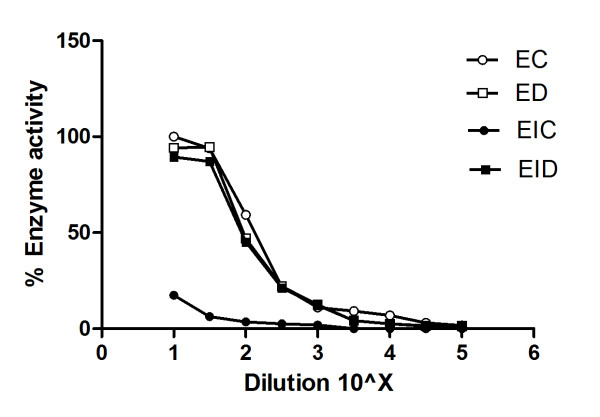
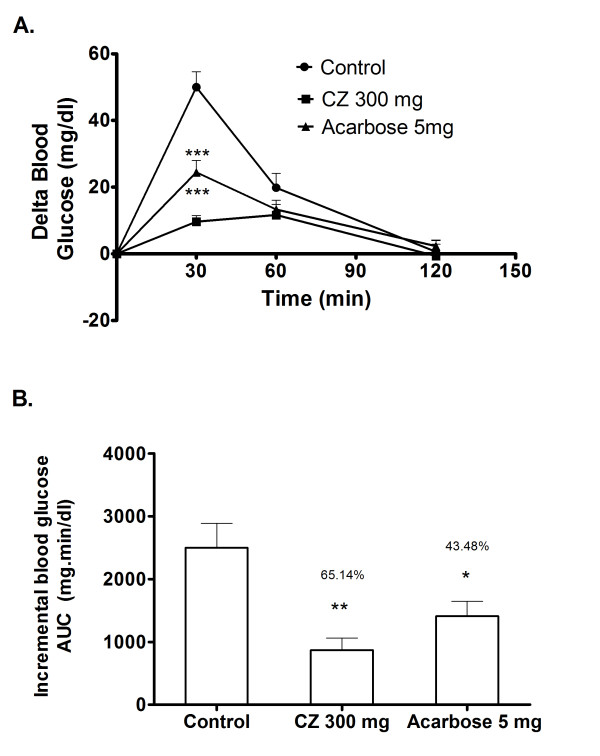
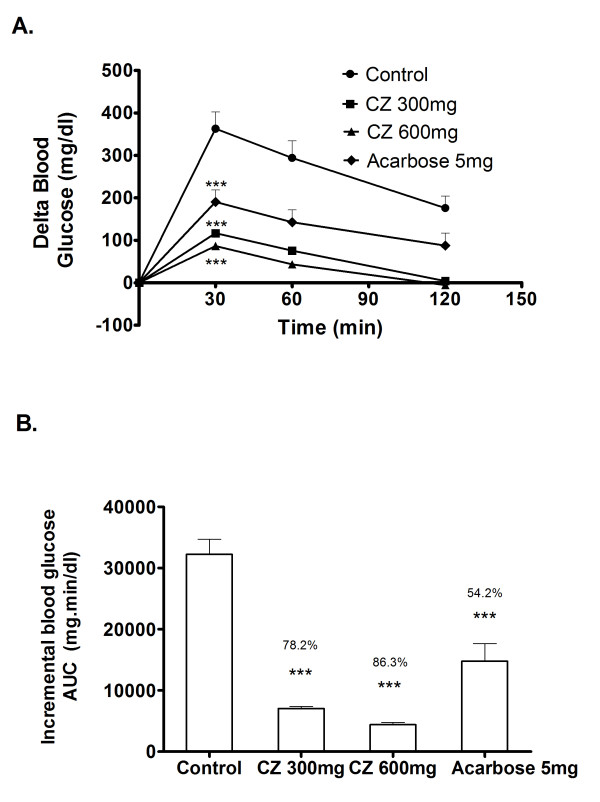
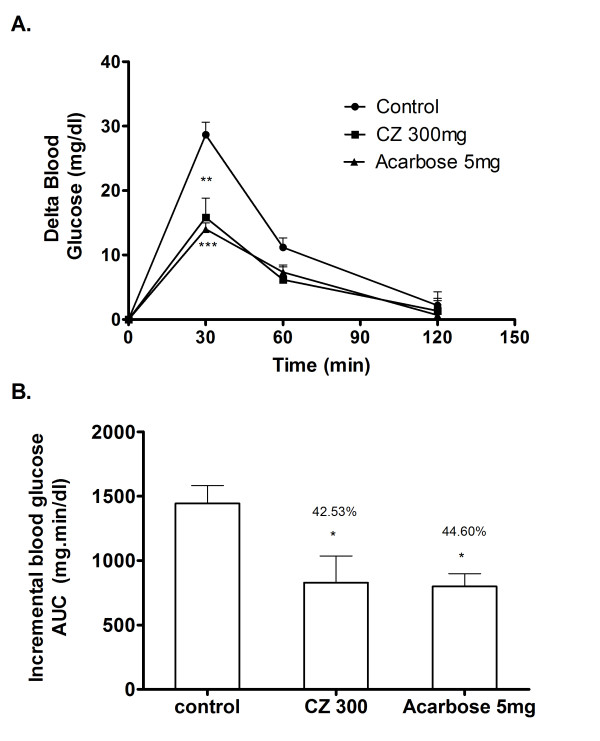
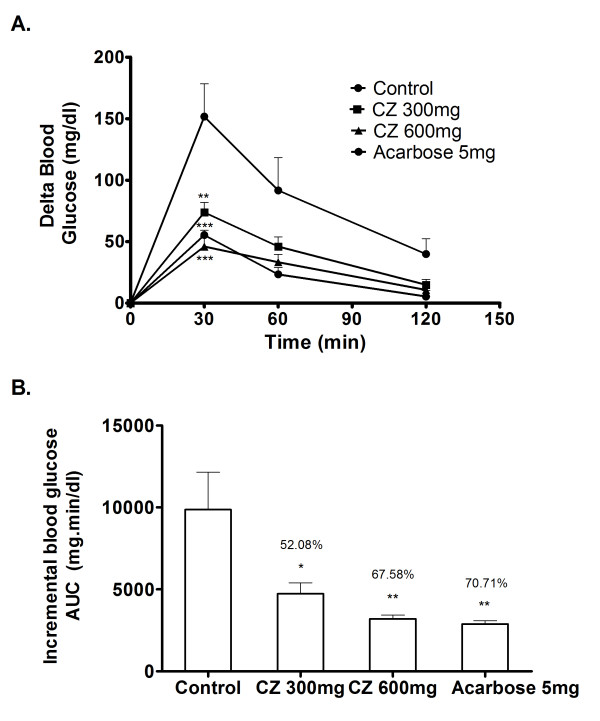
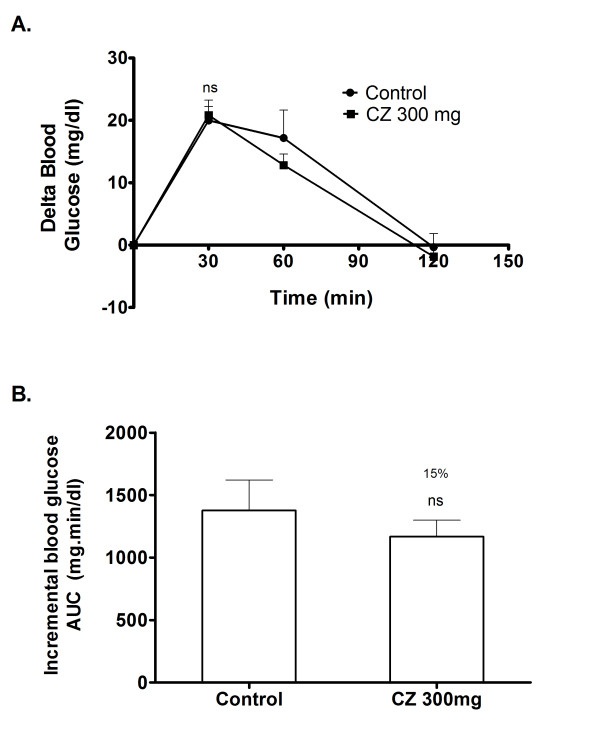
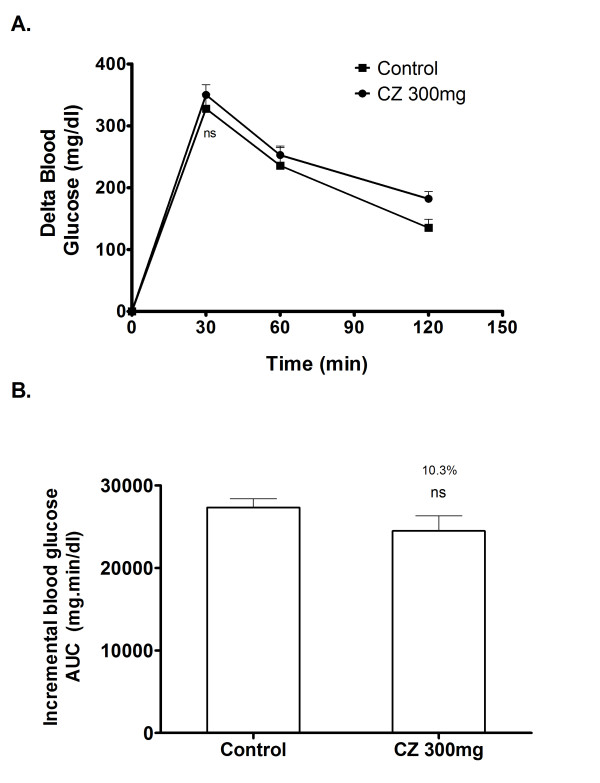
Background: α-glucosidase inhibitors regulate postprandial hyperglycemia (PPHG) by impeding the rate of carbohydrate digestion in the small intestine and thereby hampering the diet associated acute glucose excursion. PPHG is a major risk factor for diabetic vascular complications leading to disabilities and mortality in diabetics.Cinnamomum zeylanicum, a spice, has been used in traditional medicine for treating diabetes. In this study we have evaluated the α-glucosidase inhibitory potential of cinnamon extract to control postprandial blood glucose level in maltose, sucrose loaded STZ induced diabetic rats. Methods: The methanol extract of cinnamon bark was prepared by Soxhlet extraction. Phytochemical analysis was performed to find the major class of compounds present in the extract. The inhibitory effect of cinnamon extract on yeast α-glucosidase and rat-intestinal α-glucosidase was determined in vitro and the kinetics of enzyme inhibition was studied. Dialysis experiment was performed to find the nature of the inhibition. Normal male Albino wistar rats and STZ induced diabetic rats were treated with cinnamon extract to find the effect of cinnamon on postprandial hyperglycemia after carbohydrate loading. Results: Phytochemical analysis of the methanol extract displayed the presence of tannins, flavonoids, glycosides, terpenoids, coumarins and anthraquinones.In vitro studies had indicated dose-dependent inhibitory activity of cinnamon extract against yeast α-glucosidase with the IC 50 value of 5.83 μg/ml and mammalian α-glucosidase with IC 50 value of 670 μg/ml. Enzyme kinetics data fit to LB plot pointed out competitive mode of inhibition and the membrane dialysis experiment revealed reversible nature of inhibition.In vivo animal experiments are indicative of ameliorated postprandial hyperglycemia as the oral intake of the cinnamon extract (300 mg/kg body wt.) significantly dampened the postprandial hyperglycemia by 78.2% and 52.0% in maltose and sucrose loaded STZ induced diabetic rats respectively, compared to the control. On the other hand, in rats that received glucose and cinnamon extract, postprandial hyperglycemia was not effectively suppressed, which indicates that the observed postprandial glycemic amelioration is majorly due to α-glucosidase inhibition. Conclusions: The current study demonstrates one of the mechanisms in which cinnamon bark extract effectively inhibits α-glucosidase leading to suppression of postprandial hyperglycemia in STZ induced diabetic rats loaded with maltose, sucrose. This bark extract shows competitive, reversible inhibition on α-glucosidase enzyme. Cinnamon extract could be used as a potential nutraceutical agent for treating postprandial hyperglycemia. In future, specific inhibitor has to be isolated from the crude extract, characterized and therapeutically exploited.
Overview
The claims and statistics of this paper haven’t been checked yet.
Free: it reads the open-access text and checks the first 5 claims that cite a source we can check. Create a free account to check every claim.
Integrity signals
Registry
Cites
Statistics
Figures
Verification
Claims the paper makes
The claims and statistics of this paper haven’t been checked yet.
Free: it reads the open-access text and checks the first 5 claims that cite a source we can check. Create a free account to check every claim.
Claims other papers make about this one
Each is checked against this paper’s own text: does it say what the citing paper says it does?
The cited source says what the claim attributes to it.
In the citing paper
“We could not reproduce these results with CCE at the dose of 50 mg/kg of body weight”
The check wasn’t confident either way, so it gives no verdict — never disputed.
In the citing paper
“Its polyphenols (such as quercetin and catechins) exhibit antispasmodic, anti-secretory, anti-microbial, and anti-inflammatory effects [326].”
From Nutritional Approaches to Enhance GLP-1 Analogue Therapy in Obesity: A Narrative Review (2025) · cites this paper as [326]
Experimental — accuracy not yet measuredIn the citing paper
“Rich in polyphenols (such as quercetin derivatives), its glucose-lowering effects occur through inhibition of carbohydrate-digesting enzymes and enhancement of insulin action [326,327].”
From Nutritional Approaches to Enhance GLP-1 Analogue Therapy in Obesity: A Narrative Review (2025) · cites this paper as [326]
In the citing paper
“In vivo, a methanol extract of Ceylon cinnamon reduced the glycemic response to maltose and sucrose in normal and diabetic rats but had no effect on glucose loading, thus suggesting a specific effect of this extract on disaccharide digestion through the inhibition of the α-glucosidase enzyme [27].”
In the citing paper
“thus suggesting a specific effect of this extract on disaccharide digestion through the inhibition of the α-glucosidase enzyme [27].”
Self-check
Percentages, sums and reported differences re-computed from the paper’s own numbers.
The self-check needs the paper’s full text.
Citations
Cites
Phytochemical Methods: A Guide to Modern Techniques of Plant Analysis
Harborne, J. B. (1973) · Cited by 5,287
Medicinal plants and traditional medicine in Africa
Sofowora, A. (1982) · Medical Entomology and Zoology · Cited by 3,451
Journal of Biological Chemistry
(2021) · Journal of Biological Chemistry · doi:10.1074/jbc · Cited by 3,400
Monnier, L., Mas, E., Ginet, C., Michel, F., Villon, L., Cristol, J.-P., & Colette, C. (2006) · JAMA · doi:10.1001/jama.295.14.1681 · Cited by 2,444 · cited 1×
“Acute hyperglycemia induces endothelial dysfunction by generating oxidative stress resulting in impaired vasodilatation [39].”
International Journal of Applied Research
(2018) · International journal of applied research · doi:10.22271/allresearch · Cited by 933
Hanefeld, M., Fischer, S., Julius, U., Schulze, J., Schwanebeck, U., Schmechel, H., Ziegelasch, H. J., & Lindner, J. (1996) · Diabetologia · doi:10.1007/s001250050617 · Cited by 873 · cited 1×
“Postprandial hyperglycemia is a major risk factor for micro- and macro vascular complications associated with diabetes [3,4] and so controlling postprandial plasma glucose level is critical in the early treatment of diabetes mellitus and in reducing chronic vascular complications [5].”
α-Glucosidase Inhibitors for Patients With Type 2 Diabetes
van de Laar, F. A., Lucassen, P. L., Akkermans, R. P., van de Lisdonk, E. H., Rutten, G. E., & van Weel, C. (2005) · Diabetes Care · doi:10.2337/diacare.28.1.154 · Cited by 690
(1943) · Journal of the American Medical Association · doi:10.1001/jama.1943.02840110096036 · Cited by 661
Nutritional, Dietary and Postprandial Oxidative Stress
Sies, H., Stahl, W., & Sevanian, A. (2005) · The Journal of Nutrition · doi:10.1093/jn/135.5.969 · Cited by 609 · cited 1×
“The acute glucose fluctuations during the postprandial period exhibits a more specific triggering effect on oxidative stress than chronic sustained hyperglycemia which suggests that the therapy in type 2 diabetes should target not only hemoglobin A1c and mean glucose concentrations but also acute glucose swings [6,7].”
Research works printed but not linked: 1
- Trease GE Evans W Textbook of Pharmacognosy 1989 12 London: Bailliere Tindall Ltd
Cited by
Antidiabetic Potential of Medicinal Plants and Their Active Components
Salehi, B., Ata, A., V. Anil Kumar, N., Sharopov, F., Ramírez-Alarcón, K., Ruiz-Ortega, A., Abdulmajid Ayatollahi, S., Valere Tsouh Fokou, P., Kobarfard, F., Amiruddin Zakaria, Z., et al. (2019) · Biomolecules · doi:10.3390/biom9100551 · Cited by 747
“Cinnamomum zeylanicum α-glucosidase [147,265]”
BackgroundAn update on natural compounds in the remedy of diabetes mellitus: A systematic review
Choudhury, H., Pandey, M., Hua, C. K., Mun, C. S., Jing, J. K., Kong, L., Ern, L. Y., Ashraf, N. A., Kit, S. W., Yee, T. S., et al. (2018) · Journal of Traditional and Complementary Medicine · doi:10.1016/j.jtcme.2017.08.012 · Cited by 455
Kashtoh, H., & Baek, K.-H. (2022) · Plants · doi:10.3390/plants11202722 · Cited by 270
Sharifi-Rad, J., Dey, A., Koirala, N., Shaheen, S., El Omari, N., Salehi, B., Goloshvili, T., Cirone Silva, N. C., Bouyahya, A., Vitalini, S., et al. (2021) · Frontiers in Pharmacology · doi:10.3389/fphar.2021.600139 · Cited by 183
The glycaemic outcomes of Cinnamon, a review of the experimental evidence and clinical trials
Medagama, A. B. (2015) · Nutrition Journal · doi:10.1186/s12937-015-0098-9 · Cited by 183
Priscilla, D. H., Roy, D., Suresh, A., Kumar, V., & Thirumurugan, K. (2014) · Chemico-Biological Interactions · doi:10.1016/j.cbi.2013.12.014 · Cited by 181
“[28].”
Self-citationEnzymes inhibitors from natural sources with antidiabetic activity: A review
Alam, F., Shafique, Z., Amjad, S. T., & Bin Asad, M. H. H. (2019) · Phytotherapy Research · doi:10.1002/ptr.6211 · Cited by 179
Ranasinghe, P., Jayawardana, R., Galappaththy, P., Constantine, G. R., de Vas Gunawardana, N., & Katulanda, P. (2012) · Diabetic Medicine · doi:10.1111/j.1464-5491.2012.03718.x · Cited by 176
Khan, K. M., Rahim, F., Wadood, A., Kosar, N., Taha, M., Lalani, S., Khan, A. S., Fakhri, M. I., Junaid, M., Rehman, W. U., et al. (2014) · European Journal of Medicinal Chemistry · doi:10.1016/j.ejmech.2014.05.010 · Cited by 158
Chen, X., Hussain, S., Parveen, S., Zhang, S., Yang, Y., & Zhu, C. (2012) · Current Medicinal Chemistry · doi:10.2174/092986712801323225 · Cited by 167
Role of phytochemicals in the management of metabolic syndrome
Cicero, A. F. G., & Colletti, A. (2015) · Phytomedicine · doi:10.1016/j.phymed.2015.11.009 · Cited by 163
Jungbauer, A., & Medjakovic, S. (2012) · Maturitas · doi:10.1016/j.maturitas.2011.12.009 · Cited by 163
Jia, Y., Gao, X., Xue, Z., Wang, Y., Lu, Y., Zhang, M., Panichayupakaranant, P., & Chen, H. (2020) · International Journal of Biological Macromolecules · doi:10.1016/j.ijbiomac.2020.09.068 · Cited by 137
Shang, C., Lin, H., Fang, X., Wang, Y., Jiang, Z., Qu, Y., Xiang, M., Shen, Z., Xin, L., Lu, Y., et al. (2021) · Food & Function · doi:10.1039/d1fo01935j · Cited by 136
Gupta Jain, S., Puri, S., Misra, A., Gulati, S., & Mani, K. (2017) · Lipids in Health and Disease · doi:10.1186/s12944-017-0504-8 · Cited by 115
Review of antidiabetic fruits, vegetables, beverages, oils and spices commonly consumed in the diet
Beidokhti, M. N., & Jäger, A. K. (2017) · Journal of Ethnopharmacology · doi:10.1016/j.jep.2017.02.031 · Cited by 104
Beejmohun, V., Peytavy-Izard, M., Mignon, C., Muscente-Paque, D., Deplanque, X., Ripoll, C., & Chapal, N. (2014) · BMC Complementary and Alternative Medicine · doi:10.1186/1472-6882-14-351 · Cited by 97
“One published study demonstrating the acute effect of a methanol Ceylon cinnamon extract at 300 mg/kg of body weight on the glycemic response to maltose and sucrose in rats suggested an effect on alpha-glucosidase [27].”
BackgroundHepatoprotective activity of cinnamon ethanolic extract against CCl4-induced liver injury in rats
Bazargan, M., Eidi, A., Mortazavi, P., & Zaringhalam, J. (2012) · PubMed Central · doi:10.17877/de290r-4957 · Cited by 167
“Phytochemical screening of cinnamon bark has revealed the presence of flavonoids, glycosides, coumarins, alkaloids, anthraquinone, steroids, tannins and terpenoids (Shihabudeen et al., 2011).”
BackgroundRecent Developments in Alpha-Glucosidase Inhibitors for Management of Type-2 Diabetes: An Update
Bashir, U., Sharma, N., Satija, S., Mehta, M., Vyas, M., Khatik, G. L., Khurana, N., Hansbro, P. M., Williams, K. A., & Dua, K. (2019) · Current Pharmaceutical Design · doi:10.2174/1381612825666190717104547 · Cited by 95
Majd, M. H., Rezaeinia, H., Shadan, M. R., Ghorani, B., & Tucker, N. (2019) · Journal of Drug Delivery Science and Technology · doi:10.1016/j.jddst.2019.101290 · Cited by 88
Hayward, N. J., McDougall, G. J., Farag, S. A. E., Allwood, J. W., Austin, C., Campbell, F., Horgan, G. W., & Ranawana, V. (2019) · Plant Foods for Human Nutrition · doi:10.1007/s11130-019-00760-8 · Cited by 86
Antioxidant and antidiabetic activity of Thymus quinquecostatus Celak
Hyun, T. K., Kim, H.-C., & Kim, J. (2013) · Industrial Crops and Products · doi:10.1016/j.indcrop.2013.11.039 · Cited by 87
Murugesu, S., Ibrahim, Z., Ahmed, Q. U., Yusoff, N.-I. N., Uzir, B. F., Perumal, V., Abas, F., Shaari, K., El-Seedi, H. R., & Khatib, A. (2018) · Molecules · doi:10.3390/molecules23092402 · Cited by 89
“High increasing numbers of cases have been reported in most developing countries, including Malaysia; caused mainly by inactive lifestyle and unhealthy food consumption [4].”
BackgroundA Review of Coumarins and Coumarin-Related Compounds for Their Potential Antidiabetic Effect
Ranđelović, S., & Bipat, R. (2021) · Clinical Medicine Insights Endocrinology and Diabetes · doi:10.1177/11795514211042023 · Cited by 91
Farrell, T. L., Sutulic, S., Forrelli, T., & Williamson, G. (2013) · BioFactors · doi:10.1002/biof.1090 · Cited by 82
“The mechanism of action is unclear, but in vitro and animal studies, using levels of cinnamon achievable in the diet, suggest these effects may be attributed to enhanced glucose storage by adipocyte cells [36,37], increased glucose conversion to glycogen in the liver [38], and reduced carbohydrate digestion in the sma…”
BackgroundTargeting glucose metabolism for healthy aging
Brewer, R. A., Gibbs, V. K., & Smith, D. L. (2016) · Nutrition and Healthy Aging · doi:10.3233/nha-160007 · Cited by 68
Functional Food Consumption and Its Physiological Effects
Aguiar, L. M., Geraldi, M. V., Cazarin, C. B. B., & Maróstica, M. R. (2019) · Elsevier eBooks · doi:10.1016/b978-0-12-814774-0.00011-6 · Cited by 83
Kongstad, K. T., Özdemir, C., Barzak, A., Wubshet, S. G., & Stærk, D. (2015) · Journal of Agricultural and Food Chemistry · doi:10.1021/jf506297k · Cited by 67
Kumar, S. G., Sharma, S., & Vasudeva, N. (2013) · Expert Opinion on Pharmacotherapy · doi:10.1517/14656566.2013.815725 · Cited by 60
“After vigorous vortexing for 20 min, the suspension was centrifuged at 10,000 g at 4 C for 30 min and the resulting supernatant was used for the assay [39].”
MethodInvestigation of Anthocyanidins and Anthocyanins for Targeting α-Glucosidase in Diabetes Mellitus
Promyos, N., Temviriyanukul, P., & Suttisansanee, U. (2020) · Preventive Nutrition and Food Science · doi:10.3746/pnf.2020.25.3.263 · Cited by 63
“Among the phenolics, flavonoids are effective anti--glucosidase agents with potentially higher half maximal inhibitory concentration (IC50) than phenolic acids, coumarins, and tannins (Tadera et al., 2006; Mohamed Sham Shihabudeen et al., 2011; Yin et al., 2014; Zhu et al., 2014).”
BackgroundSeetaloo, A. D., Aumeeruddy, M. Z., Rengasamy, K. R. R., & Mahomoodally, M. F. (2018) · South African Journal of Botany · doi:10.1016/j.sajb.2018.05.015 · Cited by 61
Arozal, W., Louisa, M., & Soetikno, V. (2020) · Frontiers in Cardiovascular Medicine · doi:10.3389/fcvm.2020.00082 · Cited by 66
Antihyperglycemic and antioxidant activities of twig extract from Cinnamomum osmophloeum
Lin, G., Chen, Y.-H., Yen, P.-L., & Chang, S. (2015) · Journal of Traditional and Complementary Medicine · doi:10.1016/j.jtcme.2015.08.005 · Cited by 57
Agarwal, S., Singh, V., & Chauhan, K. (2022) · Critical Reviews in Food Science and Nutrition · doi:10.1080/10408398.2021.2024130 · Cited by 61
A Song of Ice and Fire: Cold and Hot Properties of Traditional Chinese Medicines
Liu, J., Feng, W., & Peng, C. Y. (2021) · Frontiers in Pharmacology · doi:10.3389/fphar.2020.598744 · Cited by 59
Abdel-Wahhab, M. A., El‐Nekeety, A. A., Hassan, N. S., Gibriel, A. A., & Abdel-Wahhab, K. G. (2018) · Environmental Science and Pollution Research · doi:10.1007/s11356-018-2921-2 · Cited by 54
“In addition to the major constituents of COED, there are several flavonoids, coumarins, glycosides, anthraquinone, steroids, alkaloids, terpenoids, and tannins (Shihabudeen et al. 2011) which have hepatoprotective properties (Baek et al.”
Backgroundα-Glucosidase inhibitor compounds from Aspergillus terreus RCC1 and their antioxidant activity
Dewi, R. T., Tachibana, S., Fajriah, S., & Hanafi, M. (2014) · Medicinal Chemistry Research · doi:10.1007/s00044-014-1164-0 · Cited by 56
“Therefore, the controlling postprandial hyperglycemia is critical in the early treatment of diabetes mellitus and in reducing chronic vascular complications (Shihabudeen et al., 2011).”
A Review on Antidiabetic Activity of Centaurea spp.: A New Approach for Developing Herbal Remedies
Fattaheian-Dehkordi, S., Hojjatifard, R., Saeedi, M., & Khanavi, M. (2021) · Evidence-based Complementary and Alternative Medicine · doi:10.1155/2021/5587938 · Cited by 53
Zhang, Y., Wong, A. I. C., Wu, J., Karim, N. B. A., & Huang, D. (2016) · Journal of Functional Foods · doi:10.1016/j.jff.2016.06.035 · Cited by 48
Singh, A., Singh, K., Kaur, K., Sharma, A., Mohana, P., Prajapati, J., Kaur, U., Goswami, D., Arora, S., Chadha, R., et al. (2023) · European Journal of Medicinal Chemistry · doi:10.1016/j.ejmech.2023.115948 · Cited by 44
Cortez-Navarrete, M., Pérez-Rubio, K. G., & Escobedo-Gutiérrez, M. D. J. (2023) · Pharmaceuticals · doi:10.3390/ph16040515 · Cited by 53
Toobaei, Z., Yousefi, R., Panahi, F., Shahidpour, S., Nourisefat, M., Doroodmand, M. M., & Khalafi‐Nezhad, A. (2015) · Carbohydrate Research · doi:10.1016/j.carres.2015.04.005 · Cited by 42
Zhang, G., & Hamaker, B. R. (2016) · Critical Reviews in Food Science and Nutrition · doi:10.1080/10408398.2015.1130685 · Cited by 41
Alpha-Glucosidase Inhibition and Hypoglycemic Activities of Sweitenia mahagoni Seed Extract
Wresdiyati, T., Sa’diah, S., Winarto, A., & Febriyany, V. (2015) · HAYATI Journal of Biosciences · doi:10.4308/hjb.22.2.73 · Cited by 38
Kumari, S., Saini, R. P., Bhatnagar, A., & Mishra, A. (2023) · Archives of Physiology and Biochemistry · doi:10.1080/13813455.2023.2262167 · Cited by 44
Inhibitory effects of an extract of fruits of Physalis peruviana on some intestinal carbohydrases
Rey, D. P., Ospina, L. F., & Aragón, D. M. (2015) · Revista Colombiana de Ciencias Químico Farmacéuticas · doi:10.15446/rcciquifa.v44n1.54281 · Cited by 42
“However, is important to note that non-competitive behavior is usually preferred, because this prevents the presence or absence of substrate from affecting the binding of the inhibitor to the enzyme, resulting in less interaction with meals [26, 33, 34].”
BackgroundChahrour, J. A., Baki, Z. A., El-Badan, D. E., Jabbour, K., Nasser, G., Maresca, M., & Hijazi, A. (2025) · Biomolecules · doi:10.3390/biom15121674 · Cited by 34
Lin, G., Lin, H., Hsu, C., & Chang, S. (2016) · Journal of the Science of Food and Agriculture · doi:10.1002/jsfa.7802 · Cited by 35
Albasha, M. O., & Azab, A. E.-S. (2014) · Cell Biology · doi:10.11648/j.cb.20140202.11 · Cited by 34
“Phytochemical screening of cinnamon bark has revealed the presence of flavonoids, glycosides, coumarins, alkaloids, anthraquinone, steroids, tannins, and terpenoids [70].”
BackgroundTannins and their Influence on Health
Macáková, K., Kolečkář, V., Cahlíková, L., Chlebek, J., Hošťálková, A., Kuča, K., Jun, D., & Opletal, L. (2014) · Elsevier eBooks · doi:10.1016/b978-0-12-803961-8.50006-3 · Cited by 67
Ervina, M., Lie, H. S., Diva, J., Caroline, C., TEWFİK, S., & Tewfik, I. (2019) · Biocatalysis and Agricultural Biotechnology · doi:10.1016/j.bcab.2019.101152 · Cited by 30
Gao, X., Wang, C., Dai, W., Ren, S., Tao, F., He, X., Han, G., & Wang, W. (2017) · Scientific Reports · doi:10.1038/s41598-017-04251-1 · Cited by 30
Kaul-Ghanekar, R., Patil, M., Choudhari, A., Pandita, S., Islam, M. A., & Raina, P. (2017) · Pharmacognosy Magazine · doi:10.4103/pm.pm_389_16 · Cited by 31
Review: Management of Postprandial Diarrhea Syndrome
Money, M. E., & Camilleri, M. (2012) · The American Journal of Medicine · doi:10.1016/j.amjmed.2011.11.006 · Cited by 28
Peptide modulators of alpha‐glucosidase
Roškar, I., Molek, P., Vodnik, M., Stempelj, M., Štrukelj, B., & Lunder, M. (2015) · Journal of Diabetes Investigation · doi:10.1111/jdi.12358 · Cited by 28
TRADITIONAL MEDICINAL SYSTEMS FOR TREATMENT OF DIABETES MELLITUS: A REVIEW
Dimple, D., Kumar, A., Kumar, V., & Tomer, V. (2018) · International Journal of Pharmacy and Pharmaceutical Sciences · doi:10.22159/ijpps.2018v10i5.25374 · Cited by 38
Salman, A. S., Al-Shaikh, T. M., Hamza, Z. K., El‐Nekeety, A. A., Bawazir, S. S., Hassan, N. S., & Abdel-Wahhab, M. A. (2021) · Environmental Science and Pollution Research · doi:10.1007/s11356-021-13518-0 · Cited by 29
“In addition to the major compounds of ECO, the oil contains several coumarins, flavonoids, steroids, glycosides, alkaloids, anthraquinone, tannins, and terpenoids (Shihabudeen et al. 2011) which showed potent ROS scavenging properties and antioxidant and protective activities against several toxicants (Abdel-Wahhab et…”
BackgroundEnzyme inhibitory activities of phenolic compounds in pecan and the effect on starch digestion
Feng, J., & Kong, F. (2022) · International Journal of Biological Macromolecules · doi:10.1016/j.ijbiomac.2022.08.045 · Cited by 27
Parham, M., Bagherzadeh, M., Asghari, M., Akbari, H., Hosseini, Z., Rafiee, M., & Vafaeimanesh, J. (2020) · PubMed Central · doi:10.22088/cjim.11.1.12 · Cited by 32
“According to the mentioned and other conducted studies (14), it seems that nettle is a useful component to treat type 2 diabetes.”
BackgroundWang, Z., Hwang, S. H., Lee, S. Y., & Lim, S. S. (2016) · Nutrition Research and Practice · doi:10.4162/nrp.2016.10.3.282 · Cited by 26
“α-Glucosidase assay The α-glucosidase assay was performed as previously described, with slight modifications [14].”
MethodChoobkar, N., Garmakhany, A. D., Aghajani, A. R., & Ataee, M. (2022) · Food Science & Nutrition · doi:10.1002/fsn3.2761 · Cited by 31
Rafiquzzaman, S. M., Lee, J. M., Ahmed, R., Lee, J., Kim, J., & Kong, I. (2014) · International Journal of Food Science & Technology · doi:10.1111/ijfs.12663 · Cited by 26
Rao, K. B., & Priya, C. (2016) · Pharmacognosy Magazine · doi:10.4103/0973-1296.191461 · Cited by 28
“Experimental design The postprandial antihyperglycemic effect of the potent extract was evaluated against carbohydrates challenged Albino–Wistar rats in normal and STZ-induced diabetic rats.[28] In-vivo antioxidant activity of the plant extract was evaluated against STZ-induced hepatotoxicity in Albino–Wistar rat mode…”
MethodZhang, A. J., Rimando, A. M., Fish, W., Mentreddy, S. R., & Mathews, S. T. (2012) · Journal of Ethnopharmacology · doi:10.1016/j.jep.2012.06.054 · Cited by 25
Shenoy, A., Buttar, H. S., Dicholkar, P., Kaur, G., & Chintamaneni, M. (2021) · Elsevier eBooks · doi:10.1016/b978-0-12-819815-5.00017-3 · Cited by 25
Jiang, W., Kan, H., Li, P., Liu, S., & Liu, Z. (2014) · Analytical Methods · doi:10.1039/c4ay02081b · Cited by 21
Riya, M. P., Antu, K. A., Pal, S., Chandrakanth, K. C., Anilkumar, K. S., Tamrakar, A. K., Srivastava, A. K., & Raghu, K. G. (2014) · Journal of Diabetes · doi:10.1111/1753-0407.12216 · Cited by 21
Paracetamol induced hepatic toxicity and amelioration by cinnamon in rats
Elkomy, A., Aboubakr, M., Soliman, A. M., Abdeen, A., Abdelkader, A., & Hekal, H. (2016) · International Journal of Pharmacology and Toxicology · doi:10.14419/ijpt.v4i2.6529 · Cited by 25
“Extracts of cinnamon bark has revealed the presence of glycosides, coumarins, alkaloids, flavonoids, anthraquinone, tannins terpenoids and steroids (Shihabudeen et al., 2011).”
BackgroundErcan, P., & El, S. N. (2020) · International Journal for Vitamin and Nutrition Research · doi:10.1024/0300-9831/a000652 · Cited by 23
Cinnamon: an aromatic condiment applicable to chronic kidney disease
Moreira, L. D. S. G., Brum, I. D. S. D. C., Reis, D. C. M. D. V., Trugilho, L., Chermut, T. R., Esgalhado, M., Cardozo, L., Stenvinkel, P., Shiels, P. G., & Mafra, D. (2023) · Kidney Research and Clinical Practice · doi:10.23876/j.krcp.22.111 · Cited by 20
“Additionally, inhibition of α-glucosidase and pancreatic α-amylase, which promote postprandial glycemic amelioration, has been attributed to the action of the cinnamon extract [85].”
BackgroundNavarro‐Leyva, A., López‐Ángulo, G., Delgado‐Vargas, F., & López‐Valenzuela, J. A. (2023) · Journal of Food Science · doi:10.1111/1750-3841.16744 · Cited by 17
Fouda, Y. B., Tom, E. N. L., Atsamo, A. D., Bonabé, C., & Dimo, T. (2020) · Journal of Ethnopharmacology · doi:10.1016/j.jep.2020.112972 · Cited by 19
Simone, M. I., Wood, A., Campkin, D. M., Kiefel, M. J., & Houston, T. A. (2022) · European Journal of Medicinal Chemistry · doi:10.1016/j.ejmech.2022.114282 · Cited by 18
Cheng, D. M., Roopchand, D. E., Poulev, A., Kuhn, P. E., Armas, I., Johnson, W. D., Oren, A., Ribnicky, D., Zelzion, E., Bhattacharya, D., et al. (2016) · Molecular Nutrition & Food Research · doi:10.1002/mnfr.201600290 · Cited by 17
“As polyphenols have also been demonstrated to reduce glucose uptake through the inhibition of disaccharide hydrolysis [28,29], glucose tolerance in response to an oral maltose challenge was tested at 8 weeks.”
In vitro biological assessment of Homalium zeylanicum and isolation of lucidenic acid A triterpenoid
Sahoo, A. K., Dash, U. C., Kanhar, S., & Mahapatra, A. K. (2017) · Toxicology Reports · doi:10.1016/j.toxrep.2017.04.004 · Cited by 16
“Inhibition of this enzyme slows the absorption of carbohydrates as a result the postprandial rise in plasma glucose is blunted in both normal and diabetic subjects [31].”
BackgroundDerivation of Cinnamon Blocks Leukocyte Attachment by Interacting with Sialosides
Lin, W.-L., Guu, S.-Y., Tsai, C.-C., Prakash, E., Mohan, V., Chen, H.-B., & Chang, C. (2015) · PLoS ONE · doi:10.1371/journal.pone.0130389 · Cited by 15
Chen, P., Xu, R., Wang, J., Wu, Z., Yan, L., Zhao, W., Liu, Y., Ma, W., Shi, X., & Li, H. (2018) · PeerJ · doi:10.7717/peerj.5086 · Cited by 15
Conventional Extraction Techniques for Bioactive Compounds from Herbs and Spices
Siddique, M. A. B., Tzima, K., Rai, D. K., & Brunton, N. P. (2020) · Wiley eBooks · doi:10.1002/9781119036685.ch4 · Cited by 20
Benkherara, S., Bordjıba, O., HARRAT, S., & Boutlelis, D. A. (2021) · International Journal of Secondary Metabolite · doi:10.21448/ijsm.990569 · Cited by 14
Inhibition ofα‐Glucosidase by Thiosulfinate as a Target for Glucose Modulation in Diabetic Rats
Al‐Malki, A. L. (2016) · Evidence-based Complementary and Alternative Medicine · doi:10.1155/2016/7687915 · Cited by 16
“Diabetic rats treated with THIO displayed a significant blood glucose reduction (𝑝 < 0.001 and < 0.01 by analysis of variance, resp.) and a significant elevation in insulin comparedwith that of untreated rats.”
BackgroundInfluentialControlling diabetes with the aid of medicinal herbs: a critical compilation of a decade of research
Siddiqui, S. A., Khan, S., & Wani, S. A. (2022) · Critical Reviews in Food Science and Nutrition · doi:10.1080/10408398.2022.2103088 · Cited by 22
“Owing to the high affordability, common availability, and higher safety profile, this herb is considered a very low-risk option for the treatment of diabetes (Mohamed Sham Shihabudeen, Hansi Priscilla, and Thirumurugan 2011a; Hasanzade et al. 2013).”
BackgroundAnti-amylolytic activity of fresh and cooked okra (Hibiscus esculentus L.) pod extract
Karim, M. R., Islam, M. S., Sarkar, S. M., Murugan, A. C., Makky, E. A., Rashid, S. S., & Yusoff, M. M. (2014) · Biocatalysis and Agricultural Biotechnology · doi:10.1016/j.bcab.2014.07.006 · Cited by 14
Hypoglycaemic activity of Bauhinia holophylla through GSK3-β inhibition and glycogenesis activation
Camaforte, N. A. D. P., Saldanha, L. L., Vareda, P. M. P., Rezende-Neto, J. M., Senger, M. R., Delgado, A. Q., Morgan, H. J. N., Violato, N. M., Pieroni, L. G., Dokkedal, A. L., et al. (2019) · Pharmaceutical Biology · doi:10.1080/13880209.2019.1599962 · Cited by 21
“For this reason, inhibitors of these enzymes limit postprandial glucose levels by delaying glucose breakdown and absorption (Shihabudeen et al. 2011; Rajasekar et al. 2014).”
BackgroundShaukat, A., Nadeem, M., Qureshi, T. M., Kanwal, R., Sultan, M. A., Kashongwe, O. B., Shamshiri, R. R., & Murtaza, M. A. (2021) · Foods · doi:10.3390/foods10071661 · Cited by 12
“The extract of methanol comprises anthraquinones, tannins, terpenoids, flavonoids, coumarins, and glycosides [9].”
BackgroundBenrahou, K., Doudach, L., MRABTİ, H. N., Guourrami, O. E., Zengin, G., Bouyahya, A., Cherrah, Y., & Faouzi, M. E. A. (2022) · International Journal of Secondary Metabolite · doi:10.21448/ijsm.1031208 · Cited by 12
Fraisse, D., Bred, A., Felgines, C., & Sénéjoux, F. (2021) · Antioxidants · doi:10.3390/antiox10111670 · Cited by 12
Moreira, F. D., Reis, C. E. G., Gallassi, A. D., Moreira, D. C., & Welker, A. F. (2024) · PLoS ONE · doi:10.1371/journal.pone.0311501 · Cited by 12
RABBIT PRODUCTIVITY AND REPRODUCTIVITY AS AFFECTED BY CINNAMON (CINNAMOMUM ZEYLANICUM)
El-Kholy, K. H. (2012) · Cited by 13
Evaluation of a Polyherbal Powder for Treatment of Diabetes Mellitus
Aziz, N., Wal, P., Wal, A., & Saxena, M. (2019) · Indian Journal of Pharmaceutical Sciences · doi:10.36468/pharmaceutical-sciences.605 · Cited by 11
“Phytochemical analysis has also shown that aqueous extract of tulsi leaves contains cardiac glycosides, flavonoids, glycosides and tannins[36,37].”
BackgroundYi, J., Zhao, T., Zhang, Y., Tan, Y., Han, X., Tang, Y., & Chen, G. (2022) · BMC Complementary Medicine and Therapies · doi:10.1186/s12906-022-03649-3 · Cited by 13
Haidari, F., Mohammadshahi, M., Abiri, B., Zarei, M., & Fathi, M. (2020) · PubMed Central · doi:10.22038/ajp.2019.13899 · Cited by 18
“It was indicated that flavonoids, anthraquinone, glycosides, alkaloids, steroids, tannins and terpenoids are present in cinnamon barks (Shihabudeen et al., 2011).”
BackgroundHaidari, F., Mohammadshahi, M., Abiri, B., Guest, P. C., Zarei, M., & Fathi, M. (2021) · Methods in molecular biology · doi:10.1007/978-1-0716-1558-4_11 · Cited by 10
Ultrasonic synthesis of tyramine derivatives as novel inhibitors of α -glucosidase in vitro
Siddiqui, H. L., Bashir, M. A., Javaid, K., Nizamani, A., Bano, H., Yousuf, S., Rahman, A., & Choudhary, M. I. (2016) · Journal of Enzyme Inhibition and Medicinal Chemistry · doi:10.3109/14756366.2016.1142983 · Cited by 10
“4-(2-(4-Methylbenzylideneamino)ethyl)phenol (17).”
Lin, G., Hsu, C., & Chang, S. (2018) · Journal of the Science of Food and Agriculture · doi:10.1002/jsfa.9286 · Cited by 10
Charles, D. J. (2012) · Springer eBooks · doi:10.1007/978-1-4614-4310-0_19 · Cited by 10
Bioactivities of Syzygium polyanthum (Wight) Walp leaf extract for decreasing diabetic risk
Dewijanti, I. D., Artanti, N., Mangunwardoyo, W., Hanafi, M., Abbas, J., Megawati, M., Minarti, M., Musdalifah, D., & Meilawati, L. (2018) · AIP conference proceedings · doi:10.1063/1.5064297 · Cited by 9
Pundarikakshudu, K., Patel, M. G., & Shah, P. (2024) · Elsevier eBooks · doi:10.1016/b978-0-323-95719-9.00004-5 · Cited by 13
Nutritional Approaches to Enhance GLP-1 Analogue Therapy in Obesity: A Narrative Review
Dias, D. D., Vasconcelos, A. R., Souza, A. C. R., Menezes, C. D., Silva, I. S. T. E., & Name, J. J. (2025) · Obesities · doi:10.3390/obesities5040088 · Cited by 8
“Mechanistically, cinnamon polyphenols may act through complementary pathways: they may inhibit intestinal α -glucosidase and pancreatic α -amylase, delaying carbohydrate digestion and reducing postprandial glucose [321–323].”
Beheshti, A. S., Qazvini, M. M., Abeq, M., Abedi, E., Fadaei, M. S., Fadaei, M. R., Rahimi, V. B., & Askari, V. R. (2024) · Naunyn-Schmiedeberg s Archives of Pharmacology · doi:10.1007/s00210-024-03644-0 · Cited by 9
“Rats that received maltose and sucrose and were treated with C. zeylanicum extract showed a noteworthy reduction in blood glucose concentrations due to the reversible inhibition of α-glucosidase (Mohamed Sham Shihabudeen et al. 2011).”
Kumar, C. U., Reddy, S. S., Suryanarayana, P., Patil, M. A., Periketi, M., Kumar, P. U., & Reddy, G. B. (2022) · Journal of Diabetes & Metabolic Disorders · doi:10.1007/s40200-021-00948-3 · Cited by 8
Metadata
- Authors
- Mohamed Sham Shihabudeen, H., Hansi Priscilla, D., & Thirumurugan, K.
- Affiliations
- Vellore Institute of Technology University (IN)
- Corresponding author
- Thirumurugan, Kavitha
- Venue
- Nutrition & Metabolism
- Published
- 2011-06-29
- Volume
- 8
- Issue
- 1
- Pages
- 46-46
- ISSN
- 1743-7075 (ISSN-L)
- PMC
- PMC3155477
- OpenAlex
- W1974363301
- Cited by
- 163
- References
- 54
- Citations by year
- 2026: 4 · 2025: 6 · 2024: 13 · 2023: 12 · 2022: 15 · 2021: 17 · 2020: 15 · 2019: 10 · 2018: 11 · 2017: 8 · 2016: 14 · 2015: 11 · 2014: 13 · 2013: 4 · 2012: 10
- FWCI
- 7.09
- Type
- journal article
- Language
- en
- Open access
- gold
- doi.org
- Licence
- cc-by
- Locations
- Nutrition & Metabolism (publishedVersion, cc-by)
- Europe PMC (PubMed Central) (publishedVersion, cc-by)
- PubMed Central (publishedVersion, cc-by)
- PubMed (publishedVersion)
- DOAJ (DOAJ: Directory of Open Access Journals) (submittedVersion)
- Funders
- VIT University
- Topics
- Health Sciences › Medicine › Endocrinology, Diabetes and Metabolism › Natural Antidiabetic Agents Studies
- Life Sciences › Agricultural and Biological Sciences › Plant Science › Medicinal Plant Research
- Health Sciences › Medicine › Endocrinology, Diabetes and Metabolism › Pancreatic function and diabetes
- Keywords
- cinnamon extract, Cinnamomum zeylanicum, α-glucosidase inhibition, postprandial hyperglycemia, diabetes mellitus, streptozotocin-induced diabetes, competitive inhibition, phytochemicals, carbohydrate digestion, antidiabetic activity, sucrose, maltose, glucose, enzyme kinetics, reversible inhibition, flavonoids, tannins, anthraquinones
About these checks
Registry, retraction, Cites and statistics results are computed, not judged, with one exception: a printed reference that no index lists is read once by a model before it counts as a citation error. Claims are extracted by a model and kept only when their quote appears verbatim in the text; each cited source is then checked, with a model’s help, for whether it says what the claim relies on. Those verdicts can be wrong — read the claim’s quote and the cited source before relying on one.
Statistics and arithmetic are recomputed, not judged.
Confidence bands are shown only for fields calibrated on our annotated test set. None is calibrated yet, so no band is shown.
What counts as a claim ›How we measure confidence ›How we check this ›
Are you an author, or do you see a problem with this page? Request a review
Data sources
Bibliographic data: Semantic Scholar, OpenAlex, Crossref.
Contains information from the Semantic Scholar Academic Graph Datasets, made available under the ODC Attribution License (ODC-BY 1.0).
Semantic Scholar’s data is described in: Kinney, R., et al. (2023). The Semantic Scholar Open Data Platform. arXiv:2301.10140.
