

Application of short-term inhalation studies to assess the inhalation toxicity of nanomaterials
Open accessThe DOI matches its Crossref record; 72 of the 73 references it cites were found in a registry or an index.
Abstract
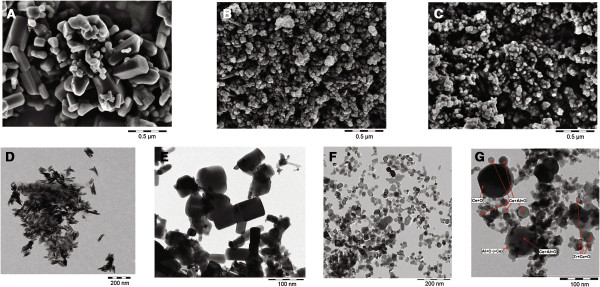
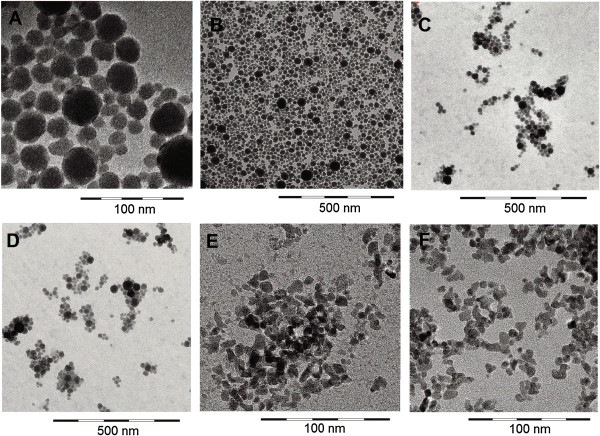
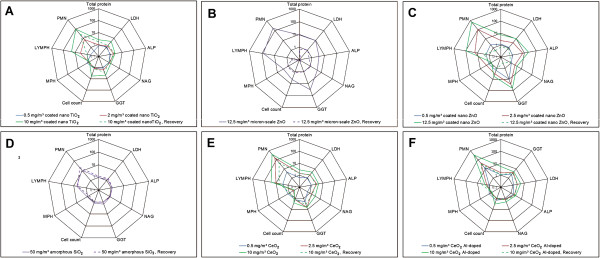
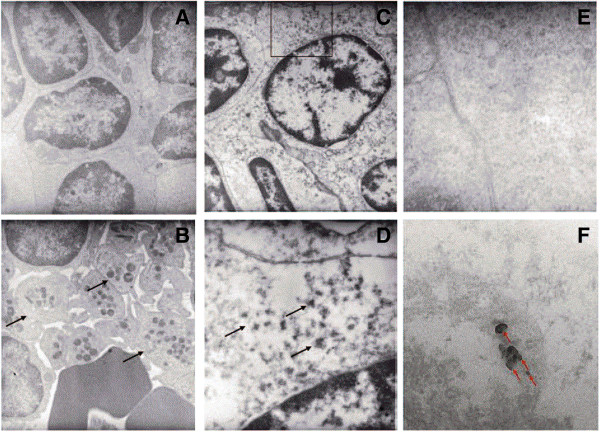
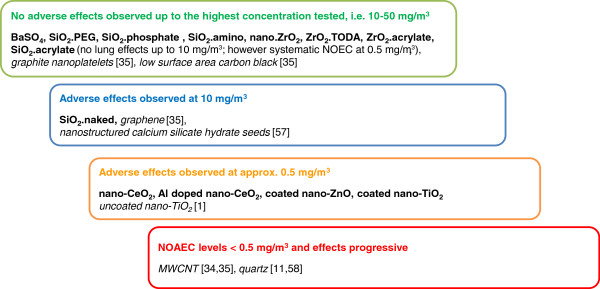
BACKGROUND: A standard short-term inhalation study (STIS) was applied for hazard assessment of 13 metal oxide nanomaterials and micron-scale zinc oxide. METHODS: Rats were exposed to test material aerosols (ranging from 0.5 to 50 mg/m3) for five consecutive days with 14- or 21-day post-exposure observation. Bronchoalveolar lavage fluid (BALF) and histopathological sections of the entire respiratory tract were examined. Pulmonary deposition and clearance and test material translocation into extra-pulmonary organs were assessed. RESULTS: Inhaled nanomaterials were found in the lung, in alveolar macrophages, and in the draining lymph nodes. Polyacrylate-coated silica was also found in the spleen, and both zinc oxides elicited olfactory epithelium necrosis. None of the other nanomaterials was recorded in extra-pulmonary organs. Eight nanomaterials did not elicit pulmonary effects, and their no observed adverse effect concentrations (NOAECs) were at least 10 mg/m3. Five materials (coated nano-TiO2, both ZnO, both CeO2) evoked concentration-dependent transient pulmonary inflammation. Most effects were at least partially reversible during the post-exposure period.Based on the NOAECs that were derived from quantitative parameters, with BALF polymorphonuclear (PMN) neutrophil counts and total protein concentration being most sensitive, or from the severity of histopathological findings, the materials were ranked by increasing toxic potency into 3 grades: lower toxic potency: BaSO4; SiO2.acrylate (by local NOAEC); SiO2.PEG; SiO2.phosphate; SiO2.amino; nano-ZrO2; ZrO2.TODA; ZrO2.acrylate; medium toxic potency: SiO2.naked; higher toxic potency: coated nano-TiO2; nano-CeO2; Al-doped nano-CeO2; micron-scale ZnO; coated nano-ZnO (and SiO2.acrylate by systemic no observed effect concentration (NOEC)). CONCLUSION: The STIS revealed the type of effects of 13 nanomaterials, and micron-scale ZnO, information on their toxic potency, and the location and reversibility of effects. Assessment of lung burden and material translocation provided preliminary biokinetic information. Based upon the study results, the STIS protocol was re-assessed and preliminary suggestions regarding the grouping of nanomaterials for safety assessment were spelled out.
Overview
The claims and statistics of this paper haven’t been checked yet.
Free: it reads the open-access text and checks the first 5 claims that cite a source we can check. Create a free account to check every claim.
Integrity signals
Registry
Cites
Statistics
Figures
Verification
Claims the paper makes
The claims and statistics of this paper haven’t been checked yet.
Free: it reads the open-access text and checks the first 5 claims that cite a source we can check. Create a free account to check every claim.
Claims other papers make about this one
Each is checked against this paper’s own text: does it say what the citing paper says it does?
The source backs part of the claim, not all of it — or backs it for a different population, condition or comparison.
In the citing paper
“Based on the results CeO2 NM-212 and BaSO4 NM-220 were chosen as representative nanomaterials with respectively higher and lower toxicity for further investigation regarding long-term exposure.”
From Effects from a 90-day inhalation toxicity study with cerium oxide and barium sulfate nanoparticles in rats (2017) · cites this paper as [6]
Experimental — accuracy not yet measuredThe source backs part of the claim, not all of it — or backs it for a different population, condition or comparison.
In the citing paper
“Based on short-term exposure to nanoparticles a NOAEC of 50.0 mg/m3 for BaSO4 NM-220 was stated [6].”
From Effects from a 90-day inhalation toxicity study with cerium oxide and barium sulfate nanoparticles in rats (2017) · cites this paper as [6]
Experimental — accuracy not yet measuredThe cited source says what the claim attributes to it.
In the citing paper
“Available in vivo studies on CeO2nanoparticles confirm the induction of inflammation after inhalation [3, 6, 17, 22–26].”
From Effects from a 90-day inhalation toxicity study with cerium oxide and barium sulfate nanoparticles in rats (2017) · cites this paper as [6]
The cited source says what the claim attributes to it.
In the citing paper
“The low toxic potential of BaSO4 is further emphasized by a 5 day inhalation study in which a no-observed adverse effect concentration (NOAEC) of at least 50 mg/m3 has been determined [6].”
From Effects from a 90-day inhalation toxicity study with cerium oxide and barium sulfate nanoparticles in rats (2017) · cites this paper as [6]
The cited source says what the claim attributes to it.
In the citing paper
“In most of the in vivo studies mentioned earlier, histopathological investigations were performed, revealing comparable findings after CeO2 exposure, especially in terms of particle-laden macrophages and lung inflammation [3, 6, 17, 22, 23, 26].”
From Effects from a 90-day inhalation toxicity study with cerium oxide and barium sulfate nanoparticles in rats (2017) · cites this paper as [6]
Self-check
Percentages, sums and reported differences re-computed from the paper’s own numbers.
The self-check needs the paper’s full text.
Citations
Cites
Nonparametric Statistics for the Behavioral Sciences
Guitton, H., & Siegel, S. (1958) · Revue économique · doi:10.2307/3498751 · Cited by 35,245
A Multiple Comparison Procedure for Comparing Several Treatments with a Control
Dunnett, C. W. (1955) · Journal of the American Statistical Association · doi:10.1080/01621459.1955.10501294 · Cited by 6,094 · cited 1×
“Substance-induced effects on body weight were assessed using Dunnett’s test [71,72] by comparing each dose group with the corresponding control group.”
MethodThe Principles of Humane Experimental Technique
(1960) · Medical Journal of Australia · doi:10.5694/j.1326-5377.1960.tb73127.x · Cited by 4,912 · cited 1×
“In this respect, STIS data will contribute to the development and validation of such in vitro methods, thereby directly serving the 3Rs principle to refine, reduce, and, ultimately, replace animal testing as first described by Russell and Burch in 1959 [60] and laid down as legal provision in the European Directive 20…”
MethodCellular and Molecular Immunology
Abbas, A. K., Lichtman, A. H., & Pillai, S. S. (1994) · Cited by 3,584
New Tables for Multiple Comparisons with a Control
Dunnett, C. W. (1964) · Biometrics · doi:10.2307/2528490 · Cited by 3,113 · cited 1×
“Substance-induced effects on body weight were assessed using Dunnett’s test [71,72] by comparing each dose group with the corresponding control group.”
MethodOsteopontin: a protein with diverse functions
Denhardt, D. T., & Guo, X. (1993) · The FASEB Journal · doi:10.1096/fasebj.7.15.8262332 · Cited by 1,078 · cited 1×
“matrix of mineralized tissues, but also as a cytokine in body fluids [43].”
BackgroundSayes, C. M., Reed, K. L., & Warheit, D. B. (2007) · Toxicological Sciences · doi:10.1093/toxsci/kfm018 · Cited by 762 · cited 1×
“in vitro, ZnO nanomaterials have been recorded to be highly toxic to many types of cells with concordant effects observed in vivo upon instillation, to the lung tissue [8].”
BackgroundZhou, J., Xu, N. S., & Wang, Z. L. (2006) · Advanced Materials · doi:10.1002/adma.200600200 · Cited by 739 · cited 1×
“Also zinc oxide is known to be soluble in the body [33].”
BackgroundAdvanced multiplexed analysis with the FlowMetrix system.
Fulton, R. J., McDade, R. L., Smith, P. L., Kienker, L. J., & Kettman, J. R. (1997) · PubMed · Cited by 704
Bermudez, E., Mangum, J. B., Wong, B. A., Asgharian, B., Hext, P. M., Warheit, D. B., & Everitt, J. I. (2004) · Toxicological Sciences · doi:10.1093/toxsci/kfh019 · Cited by 652 · cited 2×
“Nanosized TiO2 has been observed to elicit inflammatory effects [4-6] and morphological changes in the lung [2,7].”
BackgroundResult
Research works printed but not linked: 1
- Siegel S Non-parametric statistics for the behavioural sciences 1956 New York: McGraw–Hill
Cited by
Upadhyay, S., & Palmberg, L. (2018) · Toxicological Sciences · doi:10.1093/toxsci/kfy053 · Cited by 292
Safety of titanium dioxide nanoparticles in cosmetics
Dréno, B., Alexis, A., Chuberre, B., & Marinovich, M. (2019) · Journal of the European Academy of Dermatology and Venereology · doi:10.1111/jdv.15943 · Cited by 279
A decision-making framework for the grouping and testing of nanomaterials (DF4nanoGrouping)
Arts, J. H. E., Hadi, M., Irfan, M.-A., Keene, A. M., Kreiling, R., Lyon, D., Maier, M., Michel, K., Petry, T., Sauer, U. G., et al. (2015) · Regulatory Toxicology and Pharmacology · doi:10.1016/j.yrtph.2015.03.007 · Cited by 256
“The potential of metal oxide nanomaterials to initiate oxidative stress via ROS generation is believed to be one of their primary MoAs of toxic effects.”
BackgroundInfluentialSelf-citationThe toxicology of ion-shedding zinc oxide nanoparticles
Liu, J., Feng, X., Wei, L., Chen, L., Song, B., & Shao, L. (2016) · Critical Reviews in Toxicology · doi:10.3109/10408444.2015.1137864 · Cited by 172
“These cells may transport to the lymph nodes (Konduru et al. 2014; Landsiedel et al. 2014) or migrate through the mucociliary escalator to the bronchial region, where they can be swallowed into the GIT or expelled as phlegm.”
BackgroundInfluentialA perspective on the developmental toxicity of inhaled nanoparticles
Hougaard, K. S., Campagnolo, L., Chavatte-Palmer, P., Tarrade, A., Rousseau-Ralliard, D., Valentino, S., Park, M. V. D. Z., de Jong, W. H., Wolterink, G., Piersma, A. H., et al. (2015) · Reproductive Toxicology · doi:10.1016/j.reprotox.2015.05.015 · Cited by 171
“In the adult, lung inflammationhasbeen shown to subside with time for many NMs [186].”
BackgroundGosens, I., Cassee, F. R., Zanella, M., Manodori, L., Brunelli, A., Costa, A. L., Bokkers, B. G. H., de Jong, W. H., Brown, D., Hristozov, D., et al. (2016) · Nanotoxicology · doi:10.3109/17435390.2016.1172678 · Cited by 170
“A short-term inhalation study protocol has been applied with modifications compared with the so-called STIS protocol (Klein et al., 2012; Landsiedel et al., 2014; Ma-Hock et al., 2009).”
Nanomaterials: certain aspects of application, risk assessment and risk communication
Laux, P., Tentschert, J., Riebeling, C., Braeuning, A., Creutzenberg, O., Epp, A., Fessard, V., Haas, K., Haase, A., Hund‐Rinke, K., et al. (2017) · Archives of Toxicology · doi:10.1007/s00204-017-2144-1 · Cited by 174
Wiemann, M., Vennemann, A., Sauer, U. G., Wiench, K., Ma-Hock, L., & Landsiedel, R. (2016) · Journal of Nanobiotechnology · doi:10.1186/s12951-016-0164-2 · Cited by 152
“As presented in further detail in the Additional file 1: Table S2, the BALF findings [11, 111] allow the following conclusions on in vivo AM-related pulmonary alterations: Al-doped CeO2 and nano-CeO2 dose dependently decreased the number of AMs in the BALF and increased PMN counts and total protein concentration alike…”
BackgroundInfluentialSelf-citationProgress and future of in vitro models to study translocation of nanoparticles
Braakhuis, H. M., Kloet, S. K., Kezic, S., Kuper, F., Park, M. V. D. Z., Bellmann, S., van der Zande, M., Le Gac, S., Krystek, P., Peters, R. J. B., et al. (2015) · Archives of Toxicology · doi:10.1007/s00204-015-1518-5 · Cited by 142
“Nanoparticles, especially those that dissolve readily such as ZnO, may be able to translocate the mucus layer and reach the epithelial cells and thus cause local damage (Frieke Kuper et al. 2015; Landsiedel et al. 2014a; Vandebriel and De Jong 2012).”
BackgroundInfluentialRisk assessment of zinc oxide, a cosmetic ingredient used as a UV filter of sunscreens
Kim, K.-B., Kim, Y. W., Lim, S. K., Roh, T. H., Bang, D. Y., Choi, S. M., Lim, D. S., Kim, Y. J., Baek, S.-H., Kim, M.-K., et al. (2017) · Journal of Toxicology and Environmental Health, Part B · doi:10.1080/10937404.2017.1290516 · Cited by 131
“Rats exposed to coated ZnO NP (20–200 nm) by aerosols (ranging from 0.5, 2.5 to 12.5 mg/m3) for 5 days were observed 14- or 21-day post-exposure (Landsiedel et al. 2014).”
MethodInfluentialArts, J. H. E., Irfan, M.-A., Keene, A. M., Kreiling, R., Lyon, D., Maier, M., Michel, K., Neubauer, N., Petry, T., Sauer, U. G., et al. (2016) · Regulatory Toxicology and Pharmacology · doi:10.1016/j.yrtph.2015.11.020 · Cited by 128
Self-citationKermanizadeh, A., Gosens, I., MacCalman, L., Johnston, H. J., Danielsen, P. H., Jacobsen, N. R., Lenz, A., Fernandes, T. F., Schins, R. P. F., Cassee, F. R., et al. (2016) · Journal of Toxicology and Environmental Health Part B · doi:10.1080/10937404.2015.1126210 · Cited by 131
“Using IT, deposition patterns of materials in the lung result in some heavily localized exposed areas, while some regions might remain completely unexposed (Landsiedel et al. 2014).”
MethodRecursive feature elimination in random forest classification supports nanomaterial grouping
Bahl, A., Hellack, B., Balaș, M., Dinischiotu, A., Wiemann, M., Brinkmann, J. F. F., Luch, A., Renard, B. Y., & Haase, A. (2019) · NanoImpact · doi:10.1016/j.impact.2019.100179 · Cited by 145
Self-citationLandsiedel, R., Sauer, U. G., Ma-Hock, L., Schnekenburger, J., & Wiemann, M. (2014) · Nanomedicine · doi:10.2217/nnm.14.149 · Cited by 123
Self-citationA review of toxicity studies of single-walled carbon nanotubes in laboratory animals
Ema, M., Gamo, M., & Honda, K. (2015) · Regulatory Toxicology and Pharmacology · doi:10.1016/j.yrtph.2015.11.015 · Cited by 133
Time course of lung retention and toxicity of inhaled particles: short-term exposure to nano-Ceria
Keller, J., Wohlleben, W., Ma-Hock, L., Strauss, V., Gröters, S., Küttler, K., Wiench, K., Herden, C., Oberdörster, G., van Ravenzwaay, B., et al. (2014) · Archives of Toxicology · doi:10.1007/s00204-014-1349-9 · Cited by 115
“Produced by macrophages, it may be responsible for increases in macrophage numbers (Landsiedel et al. 2014), but was not increased overall.”
BackgroundSelf-citationBachler, G., Losert, S., Umehara, Y., von Goetz, N., Rodríguez‐Lorenzo, L., Petri‐Fink, A., Rothen‐Rutishauser, B., & Hungerbühler, K. (2015) · Particle and Fibre Toxicology · doi:10.1186/s12989-015-0090-8 · Cited by 109
“Thus, great efforts have been devoted to determine adverse health effects in the lungs caused by the inhalation of nanoparticles (NPs), by both in vitro and in vivo approaches [10, 12–18].”
BackgroundSchwotzer, D., Ernst, H., Schaudien, D., Kock, H., Pohlmann, G., Dasenbrock, C., & Creutzenberg, O. (2017) · Particle and Fibre Toxicology · doi:10.1186/s12989-017-0204-6 · Cited by 94
“Similar findings have been stated by others [6, 20].”
BackgroundResultInfluentialPirela, S. V., Sotiriou, G. A., Bello, D., Shafer, M. M., Bunker, K. L., Castranova, V., Thomas, T. A., & Demokritou, P. (2014) · Nanotoxicology · doi:10.3109/17435390.2014.976602 · Cited by 89
“…potential of ceria, titania, zinc oxide, copper oxide and iron oxide have confirmed increased inflammation, reactive oxygen species generation, neutrophilia and neurotoxicity in exposed rodents and human cell lines (Kumar & Nagesha, 2013; Landsiedel et al., 2014; Shrivastava et al., 2013).”
In vivo effects: Methodologies and biokinetics of inhaled nanomaterials
Oberdörster, G., & Kuhlbusch, T. A. J. (2018) · NanoImpact · doi:10.1016/j.impact.2017.10.007 · Cited by 88
“Landsiedel et al. (2014) when using short-term inhalation studies with 3-week post-exposure observation for 13 metal-oxide MNs E: These characterizations are considered to be essential and to be available for each characterization at least once.”
BackgroundMethodIn vitro and in vivo genotoxicity investigations of differently sized amorphous SiO2 nanomaterials
Maser, E., Schulz, M., Sauer, U. G., Wiemann, M., Ma‐Hock, L., Wohlleben, W., Hartwig, A., & Landsiedel, R. (2015) · Mutation Research/Genetic Toxicology and Environmental Mutagenesis · doi:10.1016/j.mrgentox.2015.10.005 · Cited by 93
Self-citationBiokinetics and effects of barium sulfate nanoparticles
Konduru, N., Keller, J., Ma-Hock, L., Gröters, S., Landsiedel, R., Donaghey, T. C., Brain, J. D., Wohlleben, W., & Molina, R. M. (2014) · Particle and Fibre Toxicology · doi:10.1186/s12989-014-0055-3 · Cited by 84
“Furthermore, a short-term inhalation study on BaSO4 NPs has been reported recently [27,28].”
BackgroundMethodResultInfluentialSelf-citationDecision tree models to classify nanomaterials according to the DF4nanoGrouping scheme
Gajewicz, A., Puzyn, T., Odziomek, K., Urbaszek, P., Haase, A., Riebeling, C., Luch, A., Irfan, M. A., Landsiedel, R., van der Zande, M., et al. (2017) · Nanotoxicology · doi:10.1080/17435390.2017.1415388 · Cited by 88
“In addition, body weights, clinical parameters, and broncho-alveolar lavage was evaluated (Buesen et al. 2014; Landsiedel et al. 2014a; Hofmann et al. 2016).”
BackgroundMethodSelf-citationFrom Dose to Response: In Vivo Nanoparticle Processing and Potential Toxicity
Graham, U. M., Jacobs, G., Yokel, R. A., Davis, B. H., Dozier, A. K., Birch, M. E., Tseng, M. T., Oberdörster, G., Elder, A., & DeLouise, L. (2017) · Advances in Experimental Medicine and Biology · doi:10.1007/978-3-319-47754-1_4 · Cited by 59
Molina, R. M., Konduru, N. V., Jimenez, R. J., Pyrgiotakis, G., Demokritou, P., Wohlleben, W., & Brain, J. D. (2014) · Environ. Sci.: Nano · doi:10.1039/c4en00034j · Cited by 77
Self-citationThe 3Rs as a framework to support a 21st century approach for nanosafety assessment
Burden, N., Aschberger, K., Chaudhry, Q., Clift, M. J. D., Doak, S. H., Fowler, P., Johnston, H. J., Landsiedel, R., Rowland, J., & Stone, V. (2016) · Nano Today · doi:10.1016/j.nantod.2016.06.007 · Cited by 82
Self-citationSize and Cell Type Dependent Uptake of Silica Nanoparticles
Gramatke, I.-L. H. A. M. (2014) · Journal of Nanomedicine & Nanotechnology · doi:10.4172/2157-7439.1000248 · Cited by 84
Braakhuis, H., Murphy, F. A., Ma‐Hock, L., Dekkers, S., Keller, J. G., Oomen, A. G., & Stone, V. (2021) · Applied In Vitro Toxicology · doi:10.1089/aivt.2021.0009 · Cited by 79
Self-citationWohlleben, W., Drießen, M. D., Raesch, S. S., Schaefer, U. F., Schulze, C., von Vacano, B., Vennemann, A., Wiemann, M., Ruge, C. A., Platsch, H., et al. (2016) · Nanotoxicology · doi:10.3109/17435390.2016.1155671 · Cited by 68
“Building on a previous study (Landsiedel et al., 2014), which assessed NPs with respect to their toxicity in STIS the aim of our study was to elucidate whether the observed differences in inhalation toxicity are attributable to differences in agglomeration behavior and/or differences in…”
BackgroundMethodResultInfluentialSelf-citationPauluhn, J. (2014) · Particle and Fibre Toxicology · doi:10.1186/s12989-014-0072-2 · Cited by 62
“4 m(2) g; BET [39]) of 1-week (postexposure period 3 weeks) [40] and as fine particles (3.”
BackgroundIn vitro intestinal epithelium responses to titanium dioxide nanoparticles
Pedata, P., Ricci, G., Malorni, L., Venezia, A., Cammarota, M., Volpe, M. G., Iannaccone, N., Guida, V., Schiraldi, C., Romano, M., et al. (2018) · Food Research International · doi:10.1016/j.foodres.2018.10.041 · Cited by 70
Kuper, C. F., Gröllers‐Mulderij, M., Maarschalkerweerd, T. V. P., Meulendijks, N. M. M., Reus, A. A., van Acker, F., den Beuken, E. Z.-V., Wouters, M., Bijlsma, S., & Kooter, I. M. (2014) · Toxicology in Vitro · doi:10.1016/j.tiv.2014.10.017 · Cited by 66
Drießen, M. D., Mues, S., Vennemann, A., Hellack, B., Bannuscher, A., Vimalakanthan, V., Riebeling, C., Ossig, R., Wiemann, M., Schnekenburger, J., et al. (2015) · Particle and Fibre Toxicology · doi:10.1186/s12989-015-0108-2 · Cited by 67
“Based on ESR data for BaSO4 NM-220, which we considered being a negative reference NP showing no biological responses [67, 68], we defined ESR ratios of >2.”
MethodSelf-citationKoltermann-Jülly, J., Keller, J. G., Vennemann, A., Werle, K., Müller, P., Ma‐Hock, L., Landsiedel, R., Wiemann, M., & Wohlleben, W. (2018) · NanoImpact · doi:10.1016/j.impact.2018.08.005 · Cited by 65
Self-citationZirconia Nanoparticles-Induced Toxic Effects in Osteoblast-Like 3T3-E1 Cells
Ye, M., & Shi, B. (2018) · Nanoscale Research Letters · doi:10.1186/s11671-018-2747-3 · Cited by 60
Choi, K.-Y. G., Wu, B. C., Lee, A. H., Baquir, B., & Hancock, R. E. W. (2020) · Frontiers in Cellular and Infection Microbiology · doi:10.3389/fcimb.2020.00228 · Cited by 59
“Due to substantial differences in lung anatomy, physiology and molecular mechanisms between human and mice, results from in vivo animal model, especially toxicity studies, cannot be translated to man (Wright et al., 2008; Landsiedel et al., 2014).”
BackgroundJohnston, H. J., Verdon, R., Gillies, S., Brown, D. M., Fernandes, T. F., Henry, T. B., Rossi, A. G., Tran, L., Tucker, C. S., Tyler, C. R., et al. (2017) · Critical Reviews in Toxicology · doi:10.1080/10408444.2017.1404965 · Cited by 62
Burden, N., Aschberger, K., Chaudhry, Q., Clift, M. J. D., Fowler, P., Johnston, H. J., Landsiedel, R., Rowland, J., Stone, V., & Doak, S. H. (2017) · Regulatory Toxicology and Pharmacology · doi:10.1016/j.yrtph.2017.10.021 · Cited by 56
“Inhalation studies have been 256 carried out which combine organ toxicity, genotoxicity and (albeit limited) biokinetic examinations 257 (Landsiedel et al., 2014a, Cordelli et al., 2017, Maser et al., 2015).”
BackgroundMethodSelf-citationBuesen, R., Landsiedel, R., Sauer, U. G., Wohlleben, W., Groeters, S., Strauss, V., Kamp, H., & van Ravenzwaay, B. (2014) · Archives of Toxicology · doi:10.1007/s00204-014-1337-0 · Cited by 56
“By comparison, upon inhalation in a rat STIS 50 mg/m3 SiO2·naked caused slight and transient increases in granulocyte counts in the blood and increased polymorphonuclear neutrophils and lymphocyte counts in the bronchoalveolar fluid (BAlF) shortly after exposure and 3 weeks post exposure, whereas there were no discern…”
BackgroundMethodInfluentialSelf-citationYang, M. G., Li, J., Wang, J., Yu, Y., Cao, L., Zhang, L., Zhou, X., & Sun, Z. (2016) · International Journal of Nanomedicine · doi:10.2147/ijn.s116492 · Cited by 51
“20,21 Herein, the SiNPs were engulfed in macrophages and the number of macrophages in the experimental group was considerably greater than in the control group.”
Safety assessment of nanomaterials using an advanced decision-making framework, the DF4nanoGrouping
Landsiedel, R., Ma‐Hock, L., Wiench, K., Wohlleben, W., & Sauer, U. G. (2017) · Journal of Nanoparticle Research · doi:10.1007/s11051-017-3850-6 · Cited by 56
“To date, standardized in vitro assays to assess the cellular effects of nanomaterials, let alone guidance on how to incorporate in vitro assays into the hazard and risk assessment of nanomaterials, are unavailable (Kroll et al. 2011; Landsiedel et al. 2014b).”
BackgroundMethodInfluentialSelf-citationBaysal, A., Saygın, H., & Ustabasi, G. S. (2017) · Environmental Monitoring and Assessment · doi:10.1007/s10661-017-6408-2 · Cited by 53
“The latest studies also recommend that the environmental (exposure) media or matrix effect should not be ignored, nor the exposure media influence on bioavailability and toxicity of the NPs (Pope et al. 2002; Englert 2004; Bakand et al. 2012; Szigeti et al. 2013; Braakhuis et al. 2014; Geiser et al. 2014; Landsiedel e…”
BackgroundInfluentialOlejnik, M., Kersting, M., Rosenkranz, N., Loza, K., Breisch, M., Rostek, A., Prymak, O., Schürmeyer, L., Westphal, G., Köller, M., et al. (2020) · Cell Biology and Toxicology · doi:10.1007/s10565-020-09571-z · Cited by 55
Sotiriou, G. A., Singh, D., Zhang, F., Wohlleben, W., Chalbot, M. G., Kavouras, I. G., & Demokritou, P. (2015) · Environmental Science Nano · doi:10.1039/c4en00210e · Cited by 59
Self-citationBrandão, F., Fernández‐Bertólez, N., Rosário, F., Bessa, M. J., Fraga, S., Pásaro, E., Teixeira, J. P., Laffón, B., Valdiglesias, V., & Costa, C. (2020) · Nanomaterials · doi:10.3390/nano10030412 · Cited by 58
Diabaté, S., Armand, L., Murugadoss, S., Dilger, M., Fritsch‐Decker, S., Schlager, C., Beal, D. M., Arnal, M.-É., Biola-Clier, M., Ambrose, S. V. Y., et al. (2020) · Nanomaterials · doi:10.3390/nano11010065 · Cited by 63
“4 μg TiO2/cm(2) lung tissue [66] but no systemic effects were observed.”
BackgroundInfluentialCeria nanoparticles: biomedical applications and toxicity
Fu, X., Li, P., Chen, X., Ma, Y., Wang, R., Ji, W., Gu, J., Sheng, B., Wang, Y., & Zhang, Z. (2024) · Journal of Zhejiang University SCIENCE B · doi:10.1631/jzus.b2300854 · Cited by 54
“CeO 2 NPs can penetrate the alveolar cavity after inhalation, and the effect on the respiratory tract manifests mainly as inflammation (Landsiedel et al., 2014).”
Kurtz-Chalot, A., Klein, J. P., Pourchez, J., Boudard, D., Bin, V., Alcantara, G. B., Martini, M., Cottier, M., & Forest, V. (2014) · Journal of Nanoparticle Research · doi:10.1007/s11051-014-2738-y · Cited by 51
“Landsiedel et al. showed that during short-term inhalation of silica particles (coated with amine or PEG) by rats, surface modifications changed the toxicity of the core material in terms of cytokine production in broncho-alveolar lavage fluid (BALF) (Landsiedel et al. 2014).”
BackgroundPulmonary toxicity of inhaled nano-sized cerium oxide aerosols in Sprague–Dawley rats
Guo, C., Robertson, S., Weber, R. J. M., Buckley, A. J., Warren, J., Hodgson, A., Rappoport, J. Z., Ignatyev, K., Meldrum, K., Römer, I., et al. (2019) · Nanotoxicology · doi:10.1080/17435390.2018.1554751 · Cited by 49
“Landsiedel et al. (2014), for example, used a similar short-term repeated exposure study design (6h/d for 5 d with sacrifice at 3 d) with a micron-sized aerosol, which at the low concentration (0.8mg/m3) delivered a very similar ‘exposure dose’ (i.e. concentration duration) to our one week…”
MethodWohlleben, W., Hellack, B., Nickel, C., Herrchen, M., Hund‐Rinke, K., Kettler, K., Riebeling, C., Haase, A., Funk, B., Kühnel, D., et al. (2019) · Nanoscale · doi:10.1039/c9nr03306h · Cited by 50
Self-citationSingh, D., Sotiriou, G. A., Zhang, F., Mead, J., Bello, D., Wohlleben, W., & Demokritou, P. (2016) · Environmental Science Nano · doi:10.1039/c6en00252h · Cited by 56
Self-citationBannuscher, A., Karkossa, I., Buhs, S., Nollau, P., Kettler, K., Balaș, M., Dinischiotu, A., Hellack, B., Wiemann, M., Luch, A., et al. (2019) · Nanotoxicology · doi:10.1080/17435390.2019.1684592 · Cited by 48
“2016) and in vivo (Landsiedel et al. 2014) before, which is consistent with our findings.”
BackgroundResultInfluentialSelf-citationZnO nanoparticles: recent advances in ecotoxicity and risk assessment
Du, J., Tang, J., Xu, S., Ge, J., Dong, Y., Li, H., & Jin, M. (2018) · Drug and Chemical Toxicology · doi:10.1080/01480545.2018.1508218 · Cited by 50
Wang, Z., Zhang, C., Huang, F., Liu, X., Wang, Z., & Yan, B. (2020) · Journal of Hazardous Materials · doi:10.1016/j.jhazmat.2020.123563 · Cited by 44
Bahl, A., Hellack, B., Wiemann, M., Giusti, A., Werle, K., Haase, A., & Wohlleben, W. (2020) · NanoImpact · doi:10.1016/j.impact.2020.100234 · Cited by 46
Self-citationWang, F., Zhou, L., Mu, D., Zhang, H., Zhang, G., Huang, X., & Xiong, P. (2024) · Frontiers in Public Health · doi:10.3389/fpubh.2024.1390099 · Cited by 63
Subtoxic cell responses to silica particles with different size and shape
Kersting, M., Olejnik, M., Rosenkranz, N., Loza, K., Breisch, M., Rostek, A., Westphal, G., Bünger, J., Ziegler, N., Ludwig, A., et al. (2020) · Scientific Reports · doi:10.1038/s41598-020-78550-5 · Cited by 49
Singh, D., Schifman, L. A., Watson-Wright, C., Sotiriou, G. A., Oyanedel-Craver, V. A., Wohlleben, W., & Demokritou, P. (2017) · Environmental Science & Technology · doi:10.1021/acs.est.6b06448 · Cited by 39
Self-citationCabellos, J., Gimeno-Benito, I., Catalán, J., Lindberg, H. K., Vales, G., Fernández-Rosas, E., Ghemis, R., Jensen, K. A., Atluri, R., Vázquez‐Campos, S., et al. (2020) · Nanotoxicology · doi:10.1080/17435390.2020.1818325 · Cited by 40
Secondo, L. E., Liu, N. J., & Lewinski, N. A. (2016) · Critical Reviews in Toxicology · doi:10.1080/10408444.2016.1223015 · Cited by 49
“This effect is consistent through the in vivo literature (Warheit et al. 2009; Landsiedel et al. 2010; Ho et al. 2011; Adamcakova-Dodd et al. 2014; Landsiedel et al. 2014) and the in vitro studies (Raemy et al. 2012; Xie et al. 2012; Endes et al. 2013; Lenz et al. 2013; Mihai et al. 2015; Stoehr et…”
ResultHuman health characterization factors of nano-TiO2 for indoor and outdoor environments
Pini, M., Salieri, B., Ferrari, A. M., Nowack, B., & Hischier, R. (2016) · The International Journal of Life Cycle Assessment · doi:10.1007/s11367-016-1115-8 · Cited by 45
“Landsiedel et al. (2014) estimated a no-observed-adverse-effect-concentration (NOAEC) value for coated nano-TiO2 of 0.5 mg/m3 (in a short-term inhalation study on rats).”
BackgroundInfluentialHaase, A., Dommershausen, N., Schulz, M., Landsiedel, R., Reichardt, P., Krause, B.-C., Tentschert, J., & Luch, A. (2017) · Archives of Toxicology · doi:10.1007/s00204-017-2015-9 · Cited by 41
Self-citationCordelli, E., Keller, J., Eleuteri, P., Villani, P., Ma-Hock, L., Schulz, M., Landsiedel, R., & Pacchierotti, F. (2017) · Mutagenesis · doi:10.1093/mutage/gew005 · Cited by 35
“By contrast, BaSO4 nanomaterials were found to have no or only very low toxicity with a remarkably fast pulmonary clearance upon short-term or sub-chronic inhalation even at high aerosol concentrations (8,21,22).”
BackgroundSelf-citationSchwotzer, D., Niehof, M., Schaudien, D., Kock, H., Hansen, T., Dasenbrock, C., & Creutzenberg, O. (2018) · Journal of Nanobiotechnology · doi:10.1186/s12951-018-0343-4 · Cited by 42
Chen, R., Zhang, Y., Sahneh, F. D., Scoglio, C., Wohlleben, W., Haase, A., Monteiro-Riviere, N. A., & Riviere, J. E. (2014) · ACS Nano · doi:10.1021/nn503573s · Cited by 35
“NMx numbering refers to the respective numbering of OECD reference nanomaterials.(34,35) We also used carbon-based materials including short multiwalled carbon nanotubes (sMWCNTs), fullerene (FullrC60), and multiwalled nanotubes (MWNTs) with surface coatings of either carboxyl ( COOH) or hydroxyl ( OH).”
MethodSelf-citationDelaval, M., Wohlleben, W., Landsiedel, R., Baeza‐Squiban, A., & Boland, S. (2016) · Archives of Toxicology · doi:10.1007/s00204-016-1701-3 · Cited by 39
Self-citationDetermining nanoform similarity via assessment of surface reactivity by abiotic and in vitro assays
Seleci, D. A., Tsiliki, G., Werle, K., Elam, D. A., Okpowe, O., Seidel, K., Bi, X., Westerhoff, P. K., Innes, E., Boyles, M. S. P., et al. (2022) · NanoImpact · doi:10.1016/j.impact.2022.100390 · Cited by 38
Self-citationRelationship between Aerosols Exposure and Lung Deposition Dose
Hammer, T., Gao, H., Pan, Z., & Wang, J. (2020) · Aerosol and Air Quality Research · doi:10.4209/aaqr.2020.01.0033 · Cited by 33
“Health risks caused by UFPs in the air have been studied (Yeh et al. , 1976; Donaldson and MacNee, 2001; Lee et al. , 2007; Hankin, 2014; Kumar et al. , 2014; Landsiedel et al. , 2014; Chen et al. , 2016; Guo et al. , 2018; Khan et al. , 2018; Schraufnagel et al. , 2019).”
The Use of Nanomaterial In Vivo Organ Burden Data for In Vitro Dose Setting
Ma‐Hock, L., Sauer, U. G., Ruggiero, E., Keller, J. G., Wohlleben, W., & Landsiedel, R. (2021) · Small · doi:10.1002/smll.202005725 · Cited by 37
Self-citationPresent and Future of ZrO2 Nanostructure as Reservoir for Drug Loading and Release
Radu, R.-D., & Drăgănescu, D. (2023) · Coatings · doi:10.3390/coatings13071273 · Cited by 34
Karkossa, I., Bannuscher, A., Hellack, B., Bahl, A., Buhs, S., Nollau, P., Luch, A., Schubert, K. A., von Bergen�, M., & Haase, A. (2019) · Particle and Fibre Toxicology · doi:10.1186/s12989-019-0321-5 · Cited by 33
Metabolomics profiling to investigate nanomaterial toxicity in vitro and in vivo
Bannuscher, A., Hellack, B., Bahl, A., Laloy, J., Herman, H., Stan, M. S., Dinischiotu, A., Giusti, A., Krause, B.-C., Tentschert, J., et al. (2020) · Nanotoxicology · doi:10.1080/17435390.2020.1764123 · Cited by 33
Self-citationSadia, S. I., Shishir, M. K. H., Ahmed, S., Alam, M. A., Al‐Reza, S. M., Afrin, S., Pappu, A. A., & Jahan, S. A. (2024) · Nano-Structures & Nano-Objects · doi:10.1016/j.nanoso.2024.101272 · Cited by 37
Physiologically based mathematical models of nanomaterials for regulatory toxicology: A review
Lamon, L., Asturiol, D., Vílchez, A., Cabellos, J., Damásio, J., Janer, G., Richarz, A.-N., & Worth, A. P. (2018) · Computational Toxicology · doi:10.1016/j.comtox.2018.10.002 · Cited by 31
In Vitro and In Vivo Short-Term Pulmonary Toxicity of Differently Sized Colloidal Amorphous SiO2
Wiemann, M., Sauer, U. G., Vennemann, A., Bäcker, S., Keller, J. G., Ma‐Hock, L., Wohlleben, W., & Landsiedel, R. (2018) · Nanomaterials · doi:10.3390/nano8030160 · Cited by 31
“STIS data are unavailable for the other three test materials.”
BackgroundMethodResultSelf-citationWiemann, M., Vennemann, A., Stintz, M., Marín, R. R. R., Babick, F., Lindner, G., Schuster, T., Brinkmann, U., & Krueger, N. (2018) · Nanomaterials · doi:10.3390/nano9010011 · Cited by 31
“According to the criteria of the alveolar macrophage assay [29], all SAS except SG materials were found to be active (a criterion derived from short term inhalation studies [13]) and increased USD energy did not alter this categorization except for one material (G-3).”
InfluentialSelf-citationKarkossa, I., Bannuscher, A., Hellack, B., Wohlleben, W., Laloy, J., Stan, M. S., Dinischiotu, A., Wiemann, M., Luch, A., Haase, A., et al. (2021) · The Science of The Total Environment · doi:10.1016/j.scitotenv.2021.149538 · Cited by 32
Self-citationGreen Nanotechnology—A Road Map to Safer Nanomaterials
Bai, R. G., Sabouni, R., & Husseini, G. A. (2018) · Elsevier eBooks · doi:10.1016/b978-0-08-101971-9.00006-5 · Cited by 33
Chen, C., Liu, S., Dong, W., Song, Y., Chu, M., Xu, J., Guo, X., Zhao, B., & Deng, F. (2020) · The Science of The Total Environment · doi:10.1016/j.scitotenv.2020.141726 · Cited by 31
Kolle, S. N., Sauer, U. G., Moreno, M. C. R., Teubner, W., Wohlleben, W., & Landsiedel, R. (2015) · Particle and Fibre Toxicology · doi:10.1186/s12989-016-0128-6 · Cited by 34
Self-citationBarium sulfate micro- and nanoparticles as bioinert reference material in particle toxicology
Loza, K., Föhring, I., Bünger, J., Westphal, G., Köller, M., Epple, M., & Sengstock, C. (2016) · Nanotoxicology · doi:10.1080/17435390.2016.1235740 · Cited by 31
“Two recently published inhalation studies investigated the inflammatory potential of the same barium sulfate nanoparticles (batch NM-220; diameter of primary particles by TEM 25 ± 10 nm, agglomerate diameter by SEM from 2.8 to 15 mm) (Konduru et al., 2014; Landsiedel et al., 2014).”
BackgroundMethodInfluentialDekkers, S., Ma‐Hock, L., Lynch, I., Russ, M., Miller, M. R., Schins, R. P. F., Keller, J., Römer, I., Küttler, K., Strauss, V., et al. (2018) · Inhalation Toxicology · doi:10.1080/08958378.2018.1516834 · Cited by 32
“Exposure to PROM CeO2 NPs resulted in relatively high PB levels compared to NM211 and NM212 at similar exposure concentrations (Table 5 and Figure 6).”
MethodSelf-citationJaner, G., Landsiedel, R., & Wohlleben, W. (2020) · Nanotoxicology · doi:10.1080/17435390.2020.1842933 · Cited by 30
Self-citationPrenatal toxicity of synthetic amorphous silica nanomaterial in rats
Hofmann, T., Schneider, S., Wolterbeek, A. P. M., van de Sandt, H., Landsiedel, R., & van Ravenzwaay, B. (2015) · Reproductive Toxicology · doi:10.1016/j.reprotox.2015.04.006 · Cited by 27
Self-citationDetection of SiO 2 nanoparticles in lung tissue by ToF-SIMS imaging and fluorescence microscopy
Veith, L., Vennemann, A., Breitenstein, D., Engelhard, C., Wiemann, M., & Hagenhoff, B. (2017) · The Analyst · doi:10.1039/c7an00399d · Cited by 28
Self-citationZanoni, I., Keller, J. G., Sauer, U. G., Müller, P., Ma‐Hock, L., Jensen, K. A., Costa, A. L., & Wohlleben, W. (2022) · Chemical Research in Toxicology · doi:10.1021/acs.chemrestox.1c00418 · Cited by 26
Self-citationVennemann, A., Alessandrini, F., & Wiemann, M. (2017) · Nanomaterials · doi:10.3390/nano7090280 · Cited by 26
“, uncoated material elicited inflammatory effects upon inhalation and administration, coating with phosphonate, amine, or polyethylene glycol residues gradually abrogated cytotoxic and inflammogenic effects in the rat lung [9,10].”
BackgroundResultSelf-citationBrown, D. M., Johnston, H. J., Gaiser, B. K., Pinna, N., Caputo, G., Çulha, M., Keleştemur, S., Altunbek, M., Stone, V., Roy, J. C., et al. (2018) · NanoImpact · doi:10.1016/j.impact.2018.02.001 · Cited by 30
Ema, M., Takehara, H., Naya, M., Kataura, H., Fujita, K., & Honda, K. (2017) · The Journal of Toxicological Sciences · doi:10.2131/jts.42.367 · Cited by 25
Wang, Z., Zhang, C., Liu, X., Huang, F., Wang, Z., & Yan, B. (2020) · Ecotoxicology and Environmental Safety · doi:10.1016/j.ecoenv.2020.110884 · Cited by 27
Bomhard, E. M. (2017) · Toxicologic Pathology · doi:10.1177/0192623316688959 · Cited by 25
“A large number of investigations with amorphous SiO2 are available (e.g., Arts et al. 2007; Ernst et al. 2002; Hemenway et al. 1986; Kolling et al. 2011; Landsiedel et al. 2014; Lee and Kelly 1993; Reuzel et al. 1991; Rosenbruch et al. 1990).”
BackgroundBiological mechanism of ZnO nanomaterials
Li, Y., Li, J., Li, M., Sun, J., Shang, X., & Ma, Y. (2023) · Journal of Applied Toxicology · doi:10.1002/jat.4522 · Cited by 26
“Exposed rat alveolar macrophages to these particles in vitro, it was found that all types of particles were rapidly absorbed by cells, resulting in an increase in intracellular Zn + concentration (Landsiedel et al., 2014).”
BackgroundKoenig, V., Douillard, T., Chevalier, J., Amiard, F., de la Chapelle, M. L., Goff, S. O. L., Vanheusden, A. J., Dardenne, N., Wulfman, C., & Mainjot, A. K. J. (2023) · Dental Materials · doi:10.1016/j.dental.2023.11.008 · Cited by 26
Marzaioli, V., Groß, C. J., Weichenmeier, I., Schmidt‐Weber, C. B., Gutermuth, J., Groß, O., & Alessandrini, F. (2017) · Nanomaterials · doi:10.3390/nano7110355 · Cited by 24
“Supernatants for each NP were obtained by hard sedimentation (24,000 rpm, 15 h), with successful removal of 95–98% of NPs in solution; additional NPs characteristics, including particle characterization by TEM and zeta-potential at different pH can be found in [37,52,53], and a full discussion of the characterization…”
Nanomaterials: An Introduction
Barik, T. K., Maity, G. C., Gupta, P., Mohan, L., & Santra, T. S. (2021) · Springer series in biomaterials science and engineering · doi:10.1007/978-981-33-6252-9_1 · Cited by 25
Biological impact of metal nanomaterials in relation to their physicochemical characteristics
Louro, H., Saruga, A., Santos, J., Pinhão, M., & Silva, M. J. (2019) · Toxicology in Vitro · doi:10.1016/j.tiv.2019.01.018 · Cited by 26
Faust, J. J., Doudrick, K., Yang, Y., Capco, D. G., & Westerhoff, P. K. (2016) · PLoS ONE · doi:10.1371/journal.pone.0164712 · Cited by 21
Organ burden of inhaled nanoceria in a 2-year low-dose exposure study: dump or depot?
Tentschert, J., Laux, P., Jungnickel, H., Brunner, J., Estrela‐Lopis, I., Merker, C., Meijer, J., Ernst, H., Ma‐Hock, L., Keller, J., et al. (2020) · Nanotoxicology · doi:10.1080/17435390.2020.1736355 · Cited by 24
“Relationship between lung and liver organ burden. number of studies (Alapati et al. 2014; Demokritou et al. 2013; Gosens et al. 2014; Guo et al. 2019; Keller et al. 2014; Landsiedel et al. 2014) stating the onset of inflammatory reactions after CeO2 NP inhalation.”
BackgroundSelf-citationFate of Barium Sulfate Nanoparticles Deposited in the Lungs of Rats
Molina, R. M., Konduru, N. V., Queiroz, P. M., Figueroa, B., Fu, D., Ma‐Hock, L., Groeters, S., Schaudien, D., & Brain, J. D. (2019) · Scientific Reports · doi:10.1038/s41598-019-44551-2 · Cited by 23
Self-citationToxicity of TiO2 Nanoparticles: Validation of Alternative Models
Leroux, M., Doumandji, Z. M., Chézeau, L., Gaté, L., Nahle, S., Hocquel, R., Zhernovkov, V., Migot, S., Ghanbaja, J., Bonnet, C., et al. (2020) · International Journal of Molecular Sciences · doi:10.3390/ijms21144855 · Cited by 23
Metadata
- Authors
- Landsiedel, R., Ma-Hock, L., Hofmann, T., Wiemann, M., Strauss, V., Treumann, S., Wohlleben, W., Gröters, S., Wiench, K., & van Ravenzwaay, B.
- Affiliations
- BASF (Germany) (DE)
- University of Münster (DE)
- Corresponding author
- Landsiedel, Robert
- ORCID
- Venue
- Particle and Fibre Toxicology
- Published
- 2014
- Volume
- 11
- Issue
- 1
- Pages
- 16
- ISSN
- 1743-8977 (ISSN-L)
- PMC
- PMC4113196
- OpenAlex
- W2153584068
- Cited by
- 169
- References
- 73
- Citations by year
- 2026: 2 · 2025: 8 · 2024: 6 · 2023: 13 · 2022: 9 · 2021: 12 · 2020: 20 · 2019: 13 · 2018: 14 · 2017: 22 · 2016: 20 · 2015: 16 · 2014: 12
- FWCI
- 10.58
- Type
- journal article
- Language
- en
- Open access
- gold
- doi.org
- Licence
- cc-by
- Locations
- Particle and Fibre Toxicology (publishedVersion, cc-by)
- Europe PMC (PubMed Central) (publishedVersion, cc-by)
- PubMed Central (publishedVersion, cc-by)
- PubMed (publishedVersion)
- Funders
- Bundesministerium für Bildung und Forschung (03X0105M, 03X0021C)
- Topics
- Physical Sciences › Materials Science › Materials Chemistry › Nanoparticles: synthesis and applications
- Life Sciences › Immunology and Microbiology › Immunology › Immunotoxicology and immune responses
- Health Sciences › Medicine › Pulmonary and Respiratory Medicine › Occupational and environmental lung diseases
- Keywords
- inhalation toxicity, nanomaterials, metal oxide nanoparticles, zinc oxide, silica nanoparticles, titanium dioxide nanoparticles, cerium oxide nanoparticles, zirconia nanoparticles, lung inflammation, alveolar macrophages, lung deposition, biokinetics, NOAEC, hazard assessment
- MeSH terms
- Administration, Inhalation, Aerosols, Animals, Barium Sulfate, Body Burden, Bronchoalveolar Lavage Fluid, Cerium, Lung, Male, Microscopy, Electron, Scanning, Oxides, Silicon Dioxide, Titanium, Zinc Oxide, Zirconium, Weight Gain, Rats, Wistar, Apoptosis, Coated Materials, Biocompatible, Cell Proliferation, Nanostructures, Rats
About these checks
Registry, retraction, Cites and statistics results are computed, not judged, with one exception: a printed reference that no index lists is read once by a model before it counts as a citation error. Claims are extracted by a model and kept only when their quote appears verbatim in the text; each cited source is then checked, with a model’s help, for whether it says what the claim relies on. Those verdicts can be wrong — read the claim’s quote and the cited source before relying on one.
Statistics and arithmetic are recomputed, not judged.
Confidence bands are shown only for fields calibrated on our annotated test set. None is calibrated yet, so no band is shown.
What counts as a claim ›How we measure confidence ›How we check this ›
Are you an author, or do you see a problem with this page? Request a review
Data sources
Bibliographic data: Semantic Scholar, OpenAlex, Crossref.
Contains information from the Semantic Scholar Academic Graph Datasets, made available under the ODC Attribution License (ODC-BY 1.0).
Semantic Scholar’s data is described in: Kinney, R., et al. (2023). The Semantic Scholar Open Data Platform. arXiv:2301.10140.
