

Titanium dioxide nanoparticles induce oxidative stress and DNA-adduct formation but not DNA-breakage in human lung cells
Open accessThe DOI matches its Crossref record; 29 of the 29 references it cites were found in a registry or an index.
Abstract
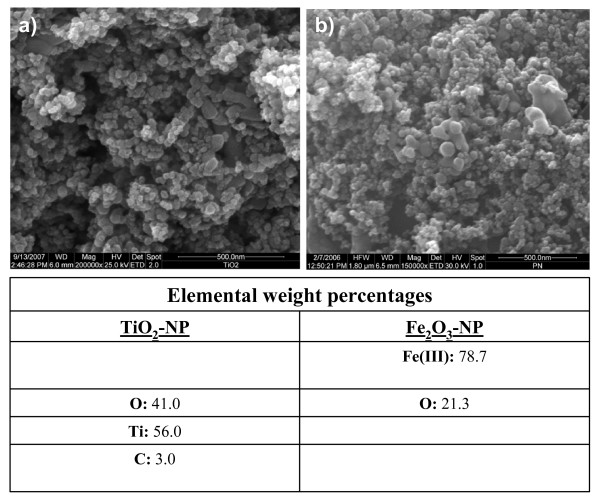
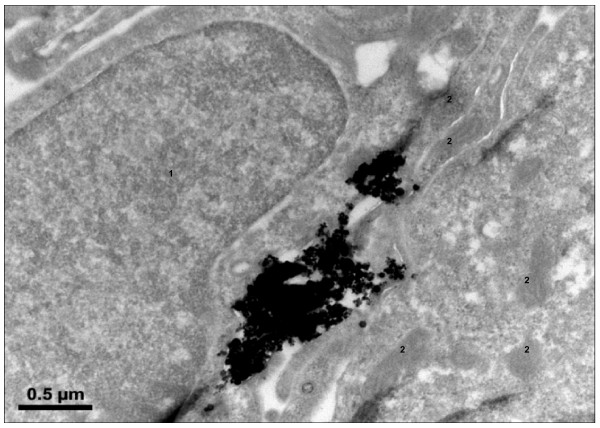
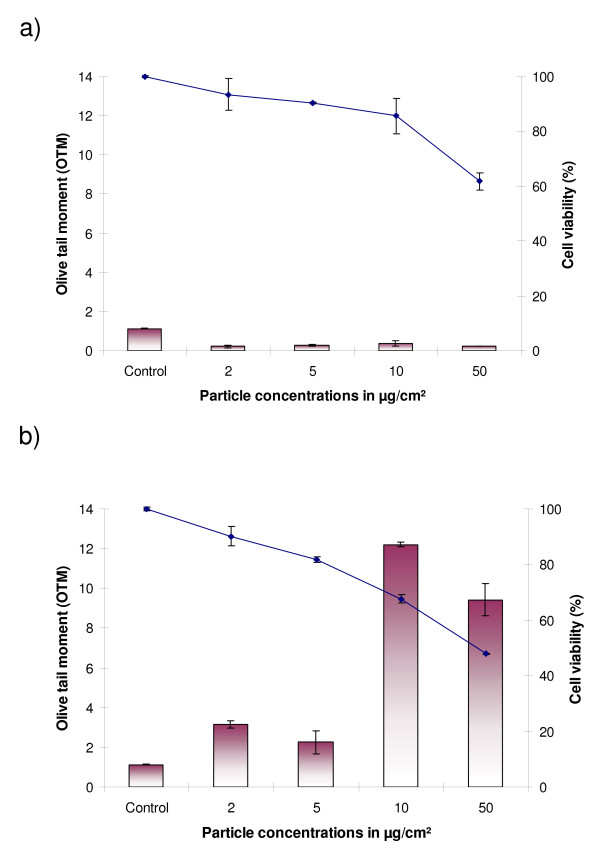
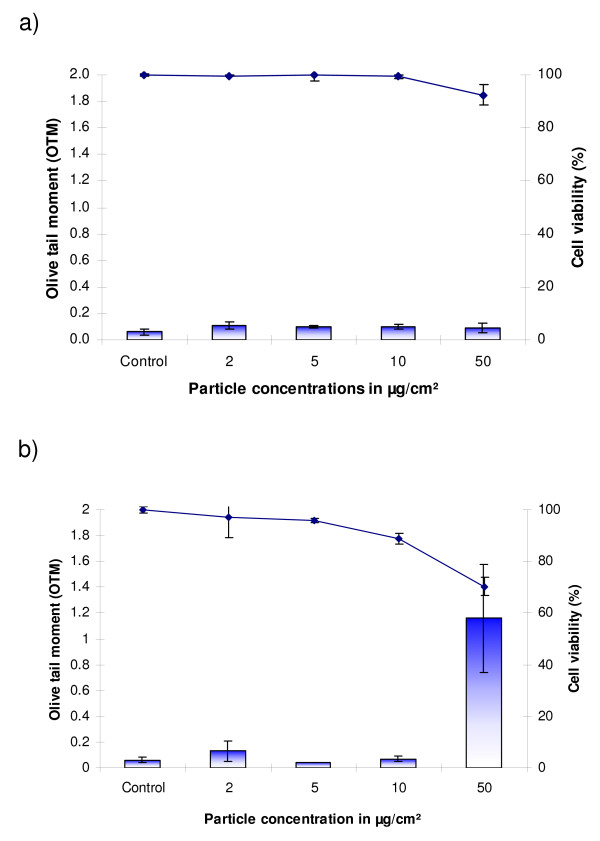
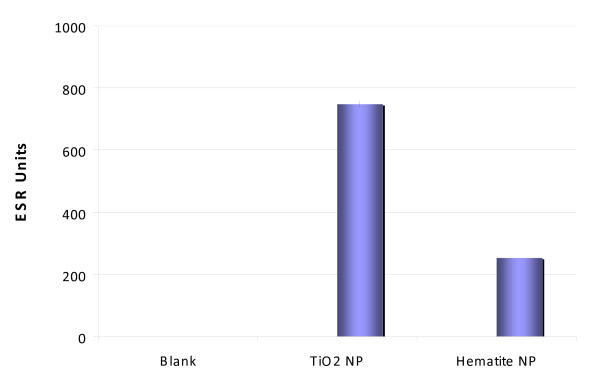
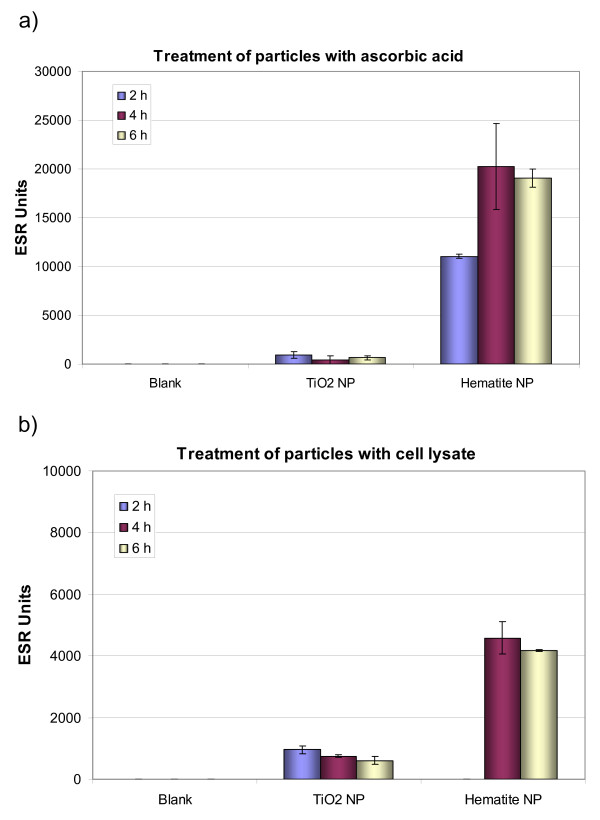
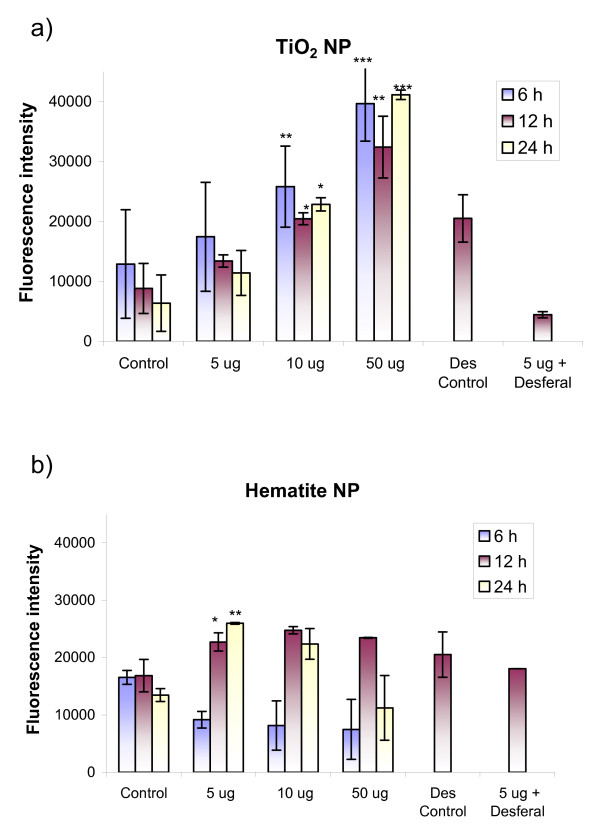
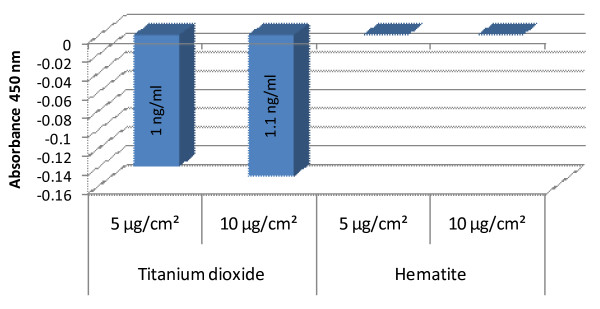
Titanium dioxide (TiO 2), also known as titanium (IV) oxide or anatase, is the naturally occurring oxide of titanium. It is also one of the most commercially used form. To date, no parameter has been set for the average ambient air concentration of TiO 2 nanoparticles (NP) by any regulatory agency. Previously conducted studies had established these nanoparticles to be mainly non-cyto- and -genotoxic, although they had been found to generate free radicals both acellularly (specially through photocatalytic activity) and intracellularly. The present study determines the role of TiO 2-NP (anatase, ∅ < 100 nm) using several parameters such as cyto- and genotoxicity, DNA-adduct formation and generation of free radicals following its uptake by human lung cells in vitro. For comparison, iron containing nanoparticles (hematite, Fe 2 O 3, ∅ < 100 nm) were used. The results of this study showed that both types of NP were located in the cytosol near the nucleus. No particles were found inside the nucleus, in mitochondria or ribosomes. Human lung fibroblasts (IMR-90) were more sensitive regarding cyto- and genotoxic effects caused by the NP than human bronchial epithelial cells (BEAS-2B). In contrast to hematite NP, TiO 2-NP did not induce DNA-breakage measured by the Comet-assay in both cell types. Generation of reactive oxygen species (ROS) was measured acellularly (without any photocatalytic activity) as well as intracellularly for both types of particles, however, the iron-containing NP needed special reducing conditions before pronounced radical generation. A high level of DNA adduct formation (8-OHdG) was observed in IMR-90 cells exposed to TiO 2-NP, but not in cells exposed to hematite NP. Our study demonstrates different modes of action for TiO 2- and Fe 2 O 3-NP. Whereas TiO 2-NP were able to generate elevated amounts of free radicals, which induced indirect genotoxicity mainly by DNA-adduct formation, Fe 2 O 3-NP were clastogenic (induction of DNA-breakage) and required reducing conditions for radical formation.
Overview
The claims and statistics of this paper haven’t been checked yet.
Free: it reads the open-access text and checks the first 5 claims that cite a source we can check. Create a free account to check every claim.
Integrity signals
Registry
Cites
Statistics
Figures
Verification
Claims the paper makes
The claims and statistics of this paper haven’t been checked yet.
Free: it reads the open-access text and checks the first 5 claims that cite a source we can check. Create a free account to check every claim.
Claims other papers make about this one
Each is checked against this paper’s own text: does it say what the citing paper says it does?
The cited source says what the claim attributes to it.
In the citing paper
“Afterwards several studies on different cells types showed that Fe2O3 nanoparticles may induce oxidative stress 31 , 32 and DNA breakage 32 , may reduce cell viability 32 and may increase the nitric oxide levels 33 .”
The cited source says what the claim attributes to it.
In the citing paper
“while a 24 h incubation with 10 and 50 µg/cm 2 nanoparticles was able to induce DNA breakage (measured with comet assay) respectively in human lung fibroblasts and human bronchial epithelial cells 32 .”
In the citing paper
“The cytotoxicity was related to iron release in solution 46 or to induction of oxidative stress via antioxidant enzyme consumption 64 or to free radical generation 32 .”
In the citing paper
“Oxidative DNA lesions were not observed following hematite nanoparticles exposure 32 , 66 .”
Self-check
Percentages, sums and reported differences re-computed from the paper’s own numbers.
The self-check needs the paper’s full text.
Citations
Cites
Lodish, H. F. (1986) · Cited by 5,650
Ultrafine particulate pollutants induce oxidative stress and mitochondrial damage
Li, N., Sioutas, C., Cho, A., Schmitz, D., Misra, C., Sempf, J., Wang, M., Oberley, T., Froines, J., & Nel, A. (2003) · Environmental Health Perspectives · doi:10.1289/ehp.6000 · Cited by 2,097
Lewin, M., Carlesso, N., Tung, C.-H., Tang, X.-W., Cory, D., Scadden, D. T., & Weissleder, R. (2000) · Nature Biotechnology · doi:10.1038/74464 · Cited by 1,716 · cited 1×
“Recently, Fe2O3-NP have been used for drug targeting cancer cells [4] and for labelling and tracking target cells using imaging techniques like magnetic resonance [5].”
MethodThe potential risks of nanomaterials: a review carried out for ECETOC.
Borm, P. J. A., Robbins, D. J., Haubold, S., Kuhlbusch, T. A. J., Fissan, H. J., Donaldson, K., Schins, R. P. F., Stone, V., Kreyling, W. G., Lademann, J. M., et al. (2006) · Particle and Fibre Toxicology · doi:10.1186/1743-8977-3-11 · Cited by 1,604
Self-citationGurr, J.-R., Wang, A. S. S., Chen, C.-H., & Jan, K.-Y. (2005) · Toxicology · doi:10.1016/j.tox.2005.05.007 · Cited by 1,022 · cited 1×
“[24] have shown that TiO2 -NP induce mainly generation of hydrogen peroxide and nitric oxide leading to lipid peroxidation and oxidative DNA damage in lung epithelial cells.”
BackgroundHelbock, H. J., Beckman, K. B., Shigenaga, M. K., Walter, P. B., Woodall, A. A., Yeo, H. C., & Ames, B. N. (1998) · Proceedings of the National Academy of Sciences · doi:10.1073/pnas.95.1.288 · Cited by 692 · cited 1×
“The protocol used for the isolation of DNA from the IMR-90 cells without the formation of 8-OHdG adducts was adopted from the work of Helbock et al. [ 30 ].”
Method(1987) · General Pharmacology: The Vascular System · doi:10.1016/0306-3623(87)90055-3 · Cited by 640
Oxidative stress induced by cerium oxide nanoparticles in cultured BEAS-2B cells
Park, E.-J., Choi, J., Park, Y.-K., & Park, K. (2008) · Toxicology · doi:10.1016/j.tox.2007.12.022 · Cited by 565 · cited 1×
“[13] had demonstrated the translocation of cerium oxide nanoparticles to the peri-nuclear region as agglomerated particles followed by their penetration into the cytoplasm directly and within vesicles.”
BackgroundCHEN, M., & VONMIKECZ, A. (2005) · Experimental Cell Research · doi:10.1016/j.yexcr.2004.12.021 · Cited by 493 · cited 1×
“Unlike the finding of Chen and von Mikecz [ 14 ] and Li et al. [15] demonstrating penetration of nucleus and mitochondria by SiO 2 and ambient air nanoparticles, we found no nanoparticle penetrating these organelles in our study.”
ResultKinetic stability of hematite nanoparticles: the effect of particle sizes
He, Y. T., Wan, J., & Tokunaga, T. (2008) · Journal of Nanoparticle Research · doi:10.1007/s11051-007-9255-1 · Cited by 395 · cited 2×
“He et al. [ 23 ] have demonstrated that smaller particles in the nanosize range tend to agglomerate when suspended in a low pH liquid.”
Background
Research works printed but not linked: 2
- American Conference of Governmental industrial hygienists TLVs. Threshold limit values and biological exposure indices for 1992 – 1993 Cincinnati, OH 1992
- Braydich-Stolle LK Murdock RC Szczublewski K Schlager JJ Jiang J Biswas P Hussain SM The effect of titanium dioxide nanoparticles on mouse keratinocytes (HEL-30 cells) International Congress of Nanobiotechnology & Nanomedicine San Francisco; USA 2007
Cited by
Items 301–400 of 401
Khan, A. U., Qutob, M., Gacem, A., Rafatullah, M., Yadav, K. K., Kumar, P., Bhutto, J. K., Rehman, M., Bansoid, S., Eltayeb, L. B., et al. (2024) · Toxicology · doi:10.1016/j.tox.2024.153985 · Cited by 3
Song, Z., Boulbet‐Friedelmeyer, L., Motay, M., Castillo, A. E. D. R., Ba, H., Soltani, R., Drummond, C., Lafue, Y., Pénicaud, A., Bonaccorso, F., et al. (2025) · Carbon · doi:10.1016/j.carbon.2025.120685 · Cited by 3
Alnuqaydan, A. M., & Sanderson, B. J. S. (2016) · Journal of Clinical Toxicology · doi:10.4172/2161-0495.1000316 · Cited by 3
Gurunathan, S., Kim, J., & Kang, M.-H. (2021) · Current Nanoscience · doi:10.2174/1573413717666210920095311 · Cited by 3
Development of a Lab-on-a-Chip Device for Rapid Nanotoxicity Assessment In Vitro
Shah, P. (2014) · FIU - Digital Commons (Florida International University) · doi:10.25148/etd.fi15032160 · Cited by 3
“For example, 2, 7-dichlorofluorescein (DCFH) assay which detects intracellular DCFH oxidation due to the presence of hydrogen peroxides [40, 42, 44, 46, 56, 59, 61] to measure free radicals in cells and tissue.”
BackgroundMethodMoufarrej, L. (2021) · theses.fr (ABES) · doi:10.70675/ab29d268z5c77z4cafzb8dfzc6a17f88bb68 · Cited by 3
Halıcı, A., Seyrek, A., Ünal, F. Ş., & Yüzbaşıoğlu, D. (2021) · Gazi Üniversitesi Fen Fakültesi Dergisi · doi:10.5281/zenodo.5734748 · Cited by 2
Katzourakis, V. E., Chrysikopoulos, C. V., & Elfadel, I. M. (2026) · Journal of Hazardous Materials · doi:10.1016/j.jhazmat.2026.142698 · Cited by 2
In vitro genotoxic study reinforces the use of titanium-35niobium alloy in biomedical implants
Perez, D. A. D., Chaves, S. C. I., Godoi, B. H., Soares, D. S. N., Alberto, A. C. C., Pacheco, S. C., & Rodarte, C. Y. (2020) · International Journal of Oral and Craniofacial Science · doi:10.17352/2455-4634.000044 · Cited by 2
“Therefore, this technique has been extensively used in assessing genotoxic effects in cells exposed to various toxicants, including the evaluation of the toxicity potential to biomaterials [19,20,24,26,27,31-34].”
MethodBiosafety influence of selected nano-packaging on the gastrointestinal tract of mice
Li, P., Zheng, Z., Zhou, X. M., Lu, Y. Q., Li, C., & Lu, M. (2021) · Journal of Nanoparticle Research · doi:10.1007/s11051-021-05192-7 · Cited by 2
Engin, A. B., Engin, D., & Karahalıl, B. (2012) · Pteridines · doi:10.1515/pteridines.2012.23.1.111 · Cited by 2
Evaluation of Lung Toxicity of Biodegradable Nanoparticles
Grabowski, N., Hillaireau, H., Vergnaud, J., & Fattal, E. (2014) · Advances in delivery science and technology · doi:10.1007/978-3-319-11355-5_22 · Cited by 2
Nanotoxicological Approaches Towards Nanosafety
Pawar, S., Sardesai, M., & Shende, P. K. (2021) · Environmental chemistry for a sustainable world · doi:10.1007/978-3-030-69492-0_9 · Cited by 2
Lowe, A. C., Hunter-Ellul, L., & Wilkerson, M. G. (2012) · Springer eBooks · doi:10.1007/978-1-4614-5034-4_22 · Cited by 3
Egbulefu, C., Black, K. C. L., Su, X., Partha, K., Habimana-Griffin, L., Sudlow, G. P., Prior, J. L., Onejeme, E., Zheleznyak, A., Xu, B. J., et al. (2026) · Communications Biology · doi:10.1038/s42003-026-09555-5 · Cited by 2
Zorlu, T. (2016) · Dspace Repository (Marmara Üniversitesi) · Cited by 2
Alanazi, A. M., Shafqat, S., Niaz, M. O., Khan, A. A., Pirvani, M., Askary, S. H., & Qureshi, A. (2025) · Microscopy Research and Technique · doi:10.1002/jemt.70030 · Cited by 1
“This observation is consistent with previous findings reported by Bhattacharya and colleagues (Bhattacharya et al. 2009).”
Zahornyi, M. M., Лавриненко, О. М., Povnitsa, O., Artiukh, L. O., Zaremba, P. Y., Zahorodnia, S. D., & Ievtushenko, A. (2026) · Springer proceedings in physics · doi:10.1007/978-3-031-99013-7_23 · Cited by 1
Anokhin, A. S., Александрович, К. А., Ermakova, E., Chuvikina, M., Luk’yanov, A. S., Strelnikova, S. V., Kukueva, E. V., Kononovich, N., Kravchuk, K. S., & Joardar, J. (2026) · Materials · doi:10.3390/ma19040709 · Cited by 3
Particulates and Oxidative Stress
Loft, S. H., Schins, R. P. F., & Möller, P. (2011) · Wiley eBooks · doi:10.1002/9780470910917.ch13 · Cited by 1
Self-citationGuo, D. D., Bi, H. S., Wu, Q. X., & Wang, D. G. (2012) · Key engineering materials · doi:10.4028/www.scientific.net/kem.531-532.500 · Cited by 1
Genotoxic effect of inorganic nanoparticles on the cell
Omelyanchuk, L. V., Gurova, O. A., & Okotrub, A. V. (2014) · Nanotechnologies in Russia · doi:10.1134/s1995078014020116 · Cited by 1
Comparative Study of the Biological Efficacy of Titanium Dioxide Nano- and Microparticles
Grigoryeva, V., Заева, О. Б., & Krivova, N. A. (2015) · Advanced materials research · doi:10.4028/www.scientific.net/amr.1085.357 · Cited by 1
Nano-titanium dioxide exposure and autophagy: a systematic review and meta-analysis
Li, L., Dong, R., Liu, T., Yang, Y., Chang, H., Meng, X., Deng, Y., Wang, Q., Zhao, Y., Song, G., et al. (2022) · Toxin Reviews · doi:10.1080/15569543.2022.2084419 · Cited by 1
“…of lung inhalation, dermal, and oral administrations (Baranowska-W ojcik et al. 2020), which induced inflammation, oxidative stress, cytotoxicity, and genotoxicity to affect cellular physiological processes (Sager et al. 2008, Bhattacharya et al. 2009, Brand~ao et al. 2020, Shabbir et al. 2021).”
BackgroundDose-Dependent Influence of Nanoparticles on Fertility and Survival
Raj, A., Shah, P., & Agrawal, N. (2020) · Springer eBooks · doi:10.1007/978-981-15-5522-0_4 · Cited by 1
Nassar, S. A., Abdeljawad, A., Algazeery, A. A., & Aluin, N. (2022) · Bulletin of Faculty of Science Zagazig University · doi:10.21608/bfszu.2022.113684.1107 · Cited by 1
Gandham, A. P., Sweeya, P. S., Karra, G., Chidrawar, V. R., & Rao, V. U. M. (2013) · Asian Journal of Pharmaceutical Research and Development · Cited by 1
Couto, D. M. M. D. B. (2015) · Portuguese National Funding Agency for Science, Research and Technology (RCAAP Project by FCT) · doi:10.34626/nhpn-we18 · Cited by 1
Proteomic Characterization of Biological Effects Induced by Engineered Nanomaterials
Sund, J. (2014) · Työväentutkimus Vuosikirja · doi:10.13140/2.1.2233.2168 · Cited by 1
Kılıç, G., Costa, C., Fernández‐Bertólez, N., Pásaro, E., Teixeira, J. P., Laffón, B., & Valdiglesias, V. (2016) · Toxicology Research · doi:10.1039/c6tx90013e · Cited by 1
Pediatric anxiety and/or depression problems : associations with PM10, fly ash, and metal exposure.
Hagemeyer, A. N. (2017) · ThinkIR: The University of Louisville's Institutional Repository (University of Louisville) · doi:10.18297/etd/2702 · Cited by 1
“Bhattacharya et al. (2009), using a human lung in vitro study, showed that titanium dioxide produced increased free radicals and indirectly induces DNA-adduct formation.”
BackgroundProquin (2018) · Research Publications (Maastricht University) · doi:10.26481/dis.20181102hp · Cited by 1
Investigation of nanoparticles induced cell responses in the presence of innate immune factors
Paudyal, B. (2018) · Cited by 1
Kaygısız, Ş. Y. (2016) · DSpace - AKÜ (Afyon Kocatepe University) · Cited by 1
Genotoxicity Evaluation of Titanium Dioxide Nanoparticles
眞, 江., 憲弘, 小., 納屋聖人, 花井, 荘., & 準子, 中. (2009) · Kankyou Dokusei Gakkaishi/Kankyō Dokusei Gakkaishi · doi:10.11403/jset.12.71 · Cited by 1
Willetts, R. S. (2012) · Aston Publications Explorer (Aston University) · doi:10.48780/publications.aston.ac.uk.00016429 · Cited by 1
Rosa, E. L. S. D. (2012) · Americanae (AECID Library) · Cited by 1
Canlı, G. (2017) · Dspace Repository (Marmara Üniversitesi) · Cited by 1
Grabowski, N. (2013) · theses.fr (ABES) · doi:10.70675/18d0c721z678az4bd1z9d2ez6eee6413a6c4 · Cited by 1
“…and in vivo studies have reported cytotoxic effects, inflammatory and oxidative stress responses from lung cells after exposure to particulate matter, silica (Lin et al., 2006), titanium dioxide (Wang et al., 2008, Bhattacharya et al., 2009), gold and silver (Bachand et al., 2012) nanoparticles.”
BackgroundShuwaikan, M. S. (2015) · University of Birmingham Institutional Research Archive (University of Birmingham)
Doyle, J. (2014) · OpenCommons at University of Connecticut (University of Connecticut)
Interference between nanoparticles and metal homeostasis
Petit, A.-N., Aude‐Garcia, C., Candéias, S. M., Casanova, A., Catty, P., Charbonnier, P., Chevallet, M., Collin‐Faure, V., Cuillel, M., Douki, T., et al. (2011) · Journal of Physics Conference Series · doi:10.1088/1742-6596/304/1/012035
Valenzuela, A. C. (2014) · LA Referencia (Red Federada de Repositorios Institucionales de Publicaciones Científicas)
Avaliação in vitro da neurotoxicidade de nanopartículas de magnetite revestidas por sílica
Costa, C., Brandão, F., Kılıç, G., Fernández‐Bertólez, N., Bessa, M. J., Costa, S., Valdiglesias, V., Laffón, B., & Teixeira, J. P. (2014) · Portuguese National Funding Agency for Science, Research and Technology (RCAAP Project by FCT)
Cellular and molecular effects of metal oxide nanoparticles on human neuronal cells
Kılıç, G. (2015) · LA Referencia (Red Federada de Repositorios Institucionales de Publicaciones Científicas)
Nanobiotechnology, Nanomedicine and Nanoparticle Duality
Mauricio, S. (2012)
Prasad, R. Y. (2013) · Carolina Digital Repository (University of North Carolina at Chapel Hill) · doi:10.17615/gpww-5s02
Allegri, M. (2016) · DSpaceUnipr (University of Parma)
Kuantum Noktalarının Memeli Hücrelerindeki Sitotoksik ve Genotoksik Etkileri
Vardar, D. Ö. (2015) · Hacettepe University Institutional Repository (hacettepe.edu.tr)
Li, K. (2014) · SMARTech Repository (Georgia Institute of Technology)
Biologocal Effects of Industrial Nanomaterials (the last part)
Yamamoto, O., & Adachi, K. (2011) · The Nishinihon Journal of Dermatology · doi:10.2336/nishinihonhifu.73.601
Investigation of exposure assessment methods and filtration of carbon nanotubes
Holder, C. A., Fethke, N. B., Nonnenmann, M. W., O'Shaughnessy, P., Peters, T. M., & Anthony, T. R. (2017) · doi:10.17077/etd.mfw5o8mw
Smith, E. (2015) · Spiral (Imperial College London) · doi:10.25560/51107
Understanding the sub-lethal effects of ZNO nanoparticles and its implications to skin repair
Wu, Z. (2018) · DR-NTU (Nanyang Technological University) · doi:10.32657/10356/74852
Toxicity of Titanate Nanosheets on Human Immune Cells
Nishimura, Y., Yoshioka, D., Kumagai-Takei, N., Lee, S. P., Matsuzaki, H., Yoshitome, K., & Otsuki, T. (2018) · InTech eBooks · doi:10.5772/intechopen.72234
Bacterial Response to Nanoparticles at the Molecular Level
Qiu, T. A. (2018) · University of Minnesota Digital Conservancy (University of Minnesota)
Kornberg, T. G. (2019) · The Research Repository @ WVU (West Virginia University) · doi:10.33915/etd.7430
Next Generation Inorganic Nanomaterials for Sunscreening Applications
Morlando, A. (2020) · Research Online (University of Wollongong)
In vitro assessment of the toxicity of gold nanoparticles
Vetten, M. A. (2019)
Interactions of Nanomaterials with Biological Systems
Cassano, D., & Voliani, V. (2018) · Wiley eBooks · doi:10.1002/9781119418962.ch4
Ma, Y., & Lin, W. (2009) · Wiley eBooks · doi:10.1002/9780470744307.gat239
Reply: Nanoparticle augmented radiation treatment decreases cancer cell proliferation
Townley, H. E., Wakefield, G., & Dobson, P. J. (2012) · Nanomedicine Nanotechnology Biology and Medicine · doi:10.1016/j.nano.2012.08.010
Glutathione: Chemistry and Biochemistry
Perjési, P. (2023) · MDPI eBooks · doi:10.3390/books978-3-0365-8666-3
Savari, M.-N., & Jabali, A. (2023) · Nanomedicine and nanotoxicology · doi:10.1007/978-981-99-6507-6_11
(2023) · Middle East Journal of Applied Sciences · doi:10.36632/mejas/2023.13.1.1
“The treatment of HCT116 cell line with TiO 2 NPs resulted in survival and growth, which was agreed with the study that found that TiO 2 NPs promoted cell viability and proliferation in NIH 3T3 cell line in a dose-and time-dependent manner (Bhattacharya et al., 2009; Huang et al., 2009).”
Electron Paramagnetic Resonance/Electron Spin Resonance
Khelfi, A. (2024) · Springer eBooks · doi:10.1007/978-3-031-60738-7_12
Toxicological Aspects of Core–Shell Nanoconstructs
Aaishwaryadevi, D., Patel, J. K., & Mishra, B. (2025) · Springer eBooks · doi:10.1007/978-981-96-3025-7_20
Vashee, I., Engelbride, M., Alreja, A. B., Lin, Y., Singh, H., Wiscovitch-Russo, R. A., Oldfield, L. M., Vanga, R. R., Epstein, J. M., Ramar, M., et al. (2025) · bioRxiv (Cold Spring Harbor Laboratory) · doi:10.1101/2025.09.11.675612
Wall, J. (2023) · Repository KITopen (Karlsruhe Institute of Technology) · doi:10.5445/ir/1000155919
Nachweis und Quantifizierung von Nanopartikeln
Dorn, M. (2014) · Qucosa (Saxon State and University Library Dresden)
Romero-Franco, M. (2018) · eScholarship (California Digital Library)
OYERINDE, A. E. (2025) · Scholar Works at UT Tyler (The University of Texas at Tyler)
Mutlu, Ö. (2015) · Dspace Repository (Marmara Üniversitesi)
BRUNETTI, T. (2015) · Electronic Theses and Dissertations Repository (University of Pisa)
Nano-Delivery System of Nitric Oxide
Mireles Nunez, L. K. (2019) · PolyPublie (École Polytechnique de Montréal)
PALUMBO, M. (2016) · Electronic Theses and Dissertations Repository (University of Pisa)
TENDI, S. (2011) · Electronic Theses and Dissertations Repository (University of Pisa)
Aghamirkarimi, S., Mashinchian Moradi, A., Sharifpour, I., Jamili, S., & Ghavam Mostafavi, P. (2017) · AquaDocs (United Nations Educational, Scientific and Cultural Organization)
Potenziale genotossico del biossido di titanio (TiO2)su differenti linee cellulari.
Bernardeschi, M. (2011) · Electronic Theses and Dissertations Repository (University of Pisa)
Defrançois, S. (2022) · theses.fr (ABES)
Impact of dispersion preparation method on toxicity of selected nanomaterials
Markelj, A. (2013) · RUNG
Ishaque, M. (2025) · Electronic Theses of LMU Munich (Ludwig-Maximilians-Universität München) · doi:10.5282/edoc.36523
Canivet, L. (2013) · theses.fr (ABES) · doi:10.70675/04be83ebz829dz4fa3za8b9zef9bfd54da8e
Rôle de P53 dans les macrophages alvéolaires en réponse à diverses agressions environnementales
Chrusciel, S. (2014) · theses.fr (ABES) · doi:10.70675/adef84c9z0296z45cfz82aeza331847a1286
Doumandji, Z. M. (2019) · theses.fr (ABES) · doi:10.70675/7e9ef237zd1d8z41f3z8cb5z8fe825ee69a0
Synthesis of Metal and Metal Oxide Nanoparticles by Flame Spray Pyrolysis and Safety Assessment
Efthimiou, I., Georgiou, Y., Vlastos, D., Dailianis, S., Deligiannakis, Y. G., & Αντωνοπούλου, Μ. (2026) · Toxics · doi:10.3390/toxics14040330
Taştan, B. E., Durukan, İ. K., Uyar, E., & Kağızman, E. B. (2026) · Environmental Toxicology and Pharmacology · doi:10.1016/j.etap.2026.105074
Role of the immune receptor CD47 in mouse model of non-infectious uveitis
Che, Y. (2026) · theses.fr (ABES) · doi:10.70675/7c36bc77zbcf8z4d6ez988dzdd814ec9a952
Krett, G., Farkas, R., Varga, M., Annus, T., Marzougui, L., Solti, Á., Bóka, K., & Tóth, E. M. (2026) · Nanomaterials · doi:10.3390/nano16140849
Boughediri, K., Triki, R., Boughediri, S., Derbal, S., Ouazouaz, M., Elmastaş, M., Özdemir, Z. Ö., Henchiri, C., & Boulebd, H. (2026) · Biological Trace Element Research · doi:10.1007/s12011-026-05226-y
“This protocol was based on previous in vivo studies reporting reliable induction of oxidative stress without mor - tality [20].”
Qin, Y., Liang, J., Liu, Q., Wu, C., Sun, X., Huang, X., Yang, R., Chen, W., & Zhou, T. (2026) · Ecotoxicology and Environmental Safety · doi:10.1016/j.ecoenv.2026.120732
AL-Rekabi, S. A. (2026) · International Journal of Anatomy and Research · doi:10.16965/ijar.2026.178
Gea, M. (n.d.) · Institutional Research Information System University of Turin (University of Turin)
Osteoblast-like Cell Response to Titania-Ca-Modified Siloxane Biohybrids
Gutiérrez-Ventura, R. I., Arrieta-Oliva, H. I., Sánchez-Téllez, D. A., Mosso-Pani, M. A., García‐Pérez, B. E., & Téllez-Jurado, L. (2026) · Life · doi:10.3390/life16101733
“In contrast, the rutile phase is less reactive and more stable, inducing less oxidative stress [15,16].”
Nanotechnology in microplastic detection and removal
Jaiswal, P. K., Singh, R., Behera, M., Kumari, N., Kishan, R., Shashi, & Kumar, S. (2026) · Elsevier eBooks · doi:10.1016/b978-0-443-44081-6.00010-2
Metadata
- Authors
- Bhattacharya, K., Davoren, M., Boertz, J., Schins, R. P., Hoffmann, E., & Dopp, E.
- Affiliations
- Dublin Institute of Technology (IE)
- University of Duisburg-Essen (DE)
- Heinrich Heine University Düsseldorf (DE)
- European Molecular Biology Laboratory (DE)
- Corresponding author
- Dopp, Elke
- Venue
- Particle and Fibre Toxicology
- Published
- 2009-06-21
- Volume
- 6
- Issue
- 1
- Pages
- 17-17
- ISSN
- 1743-8977 (ISSN-L)
- PMC
- PMC2711958
- OpenAlex
- W2029533392
- Cited by
- 348
- References
- 29
- Citations by year
- 2026: 11 · 2025: 8 · 2024: 12 · 2023: 14 · 2022: 14 · 2021: 22 · 2020: 23 · 2019: 19 · 2018: 26 · 2017: 16 · 2016: 21 · 2015: 23 · 2014: 46 · 2013: 23 · 2012: 23
- FWCI
- 7.81
- Type
- journal article
- Language
- en
- Open access
- gold
- doi.org
- Licence
- cc-by
- Locations
- Particle and Fibre Toxicology (publishedVersion, cc-by)
- PubMed Central (publishedVersion, cc-by)
- PubMed (publishedVersion)
- Arrow - TU Dublin (Technological University Dublin) (submittedVersion, cc-by-nc-sa)
- DOAJ (DOAJ: Directory of Open Access Journals) (submittedVersion, cc-by-sa)
- Funders
- Universität Duisburg-Essen
- Technological University Dublin
- Topics
- Life Sciences › Biochemistry, Genetics and Molecular Biology › Cancer Research › Carcinogens and Genotoxicity Assessment
- Physical Sciences › Materials Science › Materials Chemistry › Nanoparticles: synthesis and applications
- Health Sciences › Medicine › Pulmonary and Respiratory Medicine › Occupational and environmental lung diseases
- Keywords
- titanium dioxide nanoparticles, hematite nanoparticles, oxidative stress, DNA adducts, DNA strand breaks, genotoxicity, cytotoxicity, reactive oxygen species, free radicals, 8-hydroxydeoxyguanine, human lung fibroblasts, bronchial epithelial cells, nanoparticle uptake, photocatalytic activity
About these checks
Registry, retraction, Cites and statistics results are computed, not judged, with one exception: a printed reference that no index lists is read once by a model before it counts as a citation error. Claims are extracted by a model and kept only when their quote appears verbatim in the text; each cited source is then checked, with a model’s help, for whether it says what the claim relies on. Those verdicts can be wrong — read the claim’s quote and the cited source before relying on one.
Statistics and arithmetic are recomputed, not judged.
Confidence bands are shown only for fields calibrated on our annotated test set. None is calibrated yet, so no band is shown.
What counts as a claim ›How we measure confidence ›How we check this ›
Are you an author, or do you see a problem with this page? Request a review
Data sources
Bibliographic data: Semantic Scholar, OpenAlex, Crossref.
Contains information from the Semantic Scholar Academic Graph Datasets, made available under the ODC Attribution License (ODC-BY 1.0).
Semantic Scholar’s data is described in: Kinney, R., et al. (2023). The Semantic Scholar Open Data Platform. arXiv:2301.10140.
