

The origin and evolution of the ribosome
Open accessThe DOI matches its Crossref record; 31 of the 31 references it cites were found in a registry or an index.
Abstract
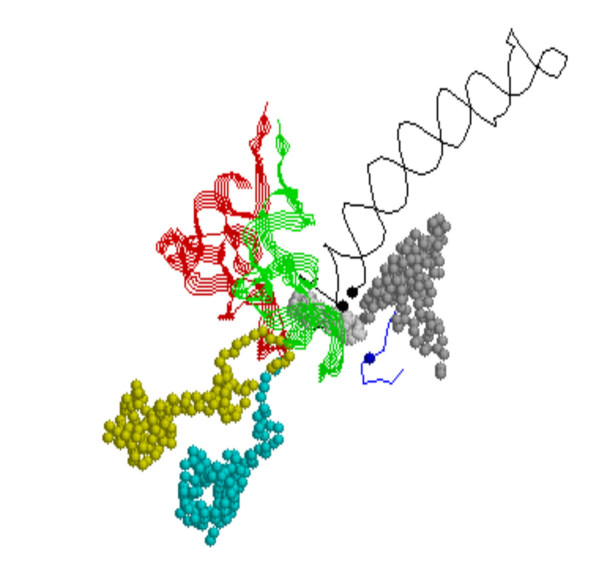
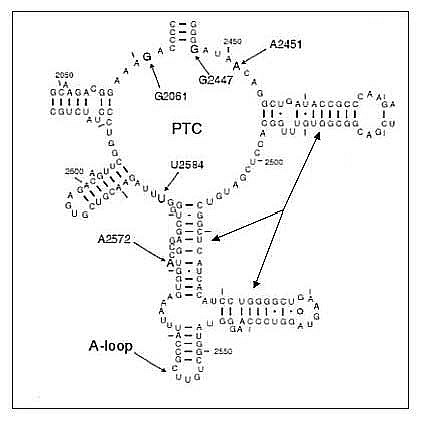
BACKGROUND: The origin and early evolution of the active site of the ribosome can be elucidated through an analysis of the ribosomal proteins' taxonomic block structures and their RNA interactions. Comparison between the two subunits, exploiting the detailed three-dimensional structures of the bacterial and archaeal ribosomes, is especially informative. RESULTS: The analysis of the differences between these two sites can be summarized as follows: 1) There is no self-folding RNA segment that defines the decoding site of the small subunit; 2) there is one self-folding RNA segment encompassing the entire peptidyl transfer center of the large subunit; 3) the protein contacts with the decoding site are made by a set of universal alignable sequence blocks of the ribosomal proteins; 4) the majority of those peptides contacting the peptidyl transfer center are made by bacterial or archaeal-specific sequence blocks. CONCLUSION: These clear distinctions between the two subunit active sites support an earlier origin for the large subunit's peptidyl transferase center (PTC) with the decoding site of the small subunit being a later addition to the ribosome. The main implications are that a single self-folding RNA, in conjunction with a few short stabilizing peptides, formed the precursor of the modern ribosomal large subunit in association with a membrane.
Overview
The claims and statistics of this paper haven’t been checked yet.
Free: it reads the open-access text and checks the first 5 claims that cite a source we can check. Create a free account to check every claim.
Integrity signals
Registry
Cites
Statistics
Figures
Verification
Claims the paper makes
The claims and statistics of this paper haven’t been checked yet.
Free: it reads the open-access text and checks the first 5 claims that cite a source we can check. Create a free account to check every claim.
Self-check
Percentages, sums and reported differences re-computed from the paper’s own numbers.
The self-check needs the paper’s full text.
Citations
Cites
The Complete Atomic Structure of the Large Ribosomal Subunit at 2.4 Å Resolution
Ban, N., Nissen, P., Hansen, J., Moore, P. B., & Steitz, T. A. (2000) · Science · doi:10.1126/science.289.5481.905 · Cited by 3,327
The Structural Basis of Ribosome Activity in Peptide Bond Synthesis
Nissen, P., Hansen, J., Ban, N., Moore, P. B., & Steitz, T. A. (2000) · Science · doi:10.1126/science.289.5481.920 · Cited by 2,269 · cited 1×
“pdb [17,18] form the key structure of the active site, which includes the universally conserved Adenine at position 2486 adjacent to the tRNA-charged amino acid's caboxyl terminal.”
BackgroundStructure of the 30S ribosomal subunit
Wimberly, B. T., Brodersen, D. E., Clemons, W. M., Morgan-Warren, R. J., Carter, A. P., Vonrhein, C., Hartsch, T., & Ramakrishnan, V. (2000) · Nature · doi:10.1038/35030006 · Cited by 2,035
Crystal structure of the ribosome at 5.5 Å resolution
Yusupov, M. M., Yusupova, G. Z., Baucom, A., Lieberman, K., Earnest, T. N., Cate, J. H. D., & Noller, H. F. (2001) · Science · doi:10.1126/science.1060089 · Cited by 1,944
Structures of the Bacterial Ribosome at 3.5 Å Resolution
Schuwirth, B. S., Borovinskaya, M. A., Hau, C. W., Zhang, W., Vila-Sanjurjo, A., Holton, J. M., & Cate, J. H. D. (2005) · Science · doi:10.1126/science.1117230 · Cited by 1,418
STRUCTURAL INSIGHTS INTO TRANSLATIONAL FIDELITY
Ogle, J. M., & Ramakrishnan, V. (2005) · Annual Review of Biochemistry · doi:10.1146/annurev.biochem.74.061903.155440 · Cited by 588
Klein, D. J., Moore, P. B., & Steitz, T. A. (2004) · Journal of Molecular Biology · doi:10.1016/j.jmb.2004.03.076 · Cited by 422 · cited 3×
“The extreme case of such cellular domain specificity is found in the pairs L10e/L16, L44e/L33, L21e/L27, L15e/ L31, L31e/L17, L37e/L34 and L24e/L19, which while binding nearly identical RNA substructures in Bacteria and Archaea have little or no sequence similarities and in most cases have different protein folds [21].”
BackgroundStructure of the signal recognition particle interacting with the elongation-arrested ribosome
Halic, M., Becker, T., Pool, M. R., Spahn, C. M. T., Grassucci, R. A., Frank, J., & Beckmann, R. (2004) · Nature · doi:10.1038/nature02342 · Cited by 417
Brodersen, D. E., Clemons, W. M., Carter, A. P., Wimberly, B. T., & Ramakrishnan, V. (2002) · Journal of Molecular Biology · doi:10.1006/jmbi.2001.5359 · Cited by 364
Santoso, S., Hwang, W., Hartman, H., & Zhang, S. (2002) · Nano Letters · doi:10.1021/nl025563i · Cited by 326 · cited 1×
“Recently a number of peptides have been shown to form membranes, in particular – "The self-assembly of surfactantlike peptides containing 4–10 glycines as the component of the hydrophobic tails and aspartic acid as the hydrophilic heads is described" [29].”
BackgroundSelf-citation
Research works printed but not linked: 3
- Fox G, Naik A: The evolutionary history of the ribosome. In The Genetic Code and the Origin of Life Ribas de Poplana L: Landes Bio- science; 2004:92-105.
- Brodersen D, CW Jr, Carter A, Wimberly B, Ramakrishnan V: Crys- tal structure of the 30S ribosomal subunit from Thermus thermophilus. Proteins of the 30S subunit and their interac- tions with 16S RNA. J Mol Biol 2002, 316:723-766.
- Nomura M: Assembly of bacterial ribosomes. Science 1973, 179:864-873.
Cited by
One core, two shells: bacterial and eukaryotic ribosomes
Melnikov, S., Ben-Shem, A., Garreau de Loubresse, N., Jenner, L., Yusupova, G., & Yusupov, M. (2012) · Nature Structural & Molecular Biology · doi:10.1038/nsmb.2313 · Cited by 477
History of the ribosome and the origin of translation
Petrov, A. S., Gulen, B., Norris, A. M., Kovacs, N. A., Bernier, C. R., Lanier, K. A., Fox, G. E., Harvey, S. C., Wartell, R. M., Hud, N. V., et al. (2015) · Proceedings of the National Academy of Sciences · doi:10.1073/pnas.1509761112 · Cited by 290
“4A) (27) to deliver a substrate to the primitive LSU while being positioned by the SSU and mRNA (5, 33, 45).”
BackgroundPhylogenomics of Prokaryotic Ribosomal Proteins
Yutin, N., Puigbò, P., Koonin, E. V., & Wolf, Y. I. (2012) · PLoS ONE · doi:10.1371/journal.pone.0036972 · Cited by 254
Origin and evolution of the ribosome
Fox, G. E. (2010) · Cold Spring Harbor Perspectives in Biology · doi:10.1101/cshperspect.a003483 · Cited by 258
“Thus, the PTC region is envisioned as beginning its expansion before the small subunit RNA evolved. Because the decoding site is in the small subunit, this suggests that significant enhancement of the machinery occurred well before the beginning of coded peptide synthesis. The immediate importance of the Bokov and Ste…”
BackgroundRoot of the Tree: The Significance, Evolution, and Origins of the Ribosome
Bowman, J. C., Petrov, A. S., Frenkel-Pinter, M., Penev, P. I., & Williams, L. D. (2020) · Chemical Reviews · doi:10.1021/acs.chemrev.9b00742 · Cited by 197
Ribosomal History Reveals Origins of Modern Protein Synthesis
Harish, A., & Caetano-Anollés, G. (2012) · PLoS ONE · doi:10.1371/journal.pone.0032776 · Cited by 160
High-Resolution Structure of the Eukaryotic 80S Ribosome
Yusupova, G. Z., & Yusupov, M. (2014) · Annual Review of Biochemistry · doi:10.1146/annurev-biochem-060713-035445 · Cited by 193
Bovine host genome acts on rumen microbiome function linked to methane emissions
Martínez-Álvaro, M., Auffret, M. D., Duthie, C.-A., Dewhurst, R. J., Cleveland, M. A., Watson, M., & Roehe, R. (2022) · Communications Biology · doi:10.1038/s42003-022-03293-0 · Cited by 137
The Ribosome Challenge to the RNA World
Bowman, J. C., Hud, N. V., & Williams, L. D. (2015) · Journal of Molecular Evolution · doi:10.1007/s00239-015-9669-9 · Cited by 99
Coevolution Theory of the Genetic Code at Age Forty: Pathway to Translation and Synthetic Life
Wong, J., Ng, S.-K., Mat, W.-K., Hu, T., & Xue, H. (2016) · Life · doi:10.3390/life6010012 · Cited by 93
“In the face of mounting evidence for the inadequacy of RNA acting alone without peptides, there is growing consensus that RNA-protein collaboration was crucial to the development of present-day life [28,31–35], which is attested to by the finding that ribosome evolution stemmed not from RNA alone but from interactions…”
BackgroundStructure of a mitochondrial ribosome with minimal RNA
Sharma, M. R., Booth, T. M., Simpson, L., Maslov, D. A., & Agrawal, R. K. (2009) · Proceedings of the National Academy of Sciences · doi:10.1073/pnas.0901631106 · Cited by 89
“However, although secondary and tertiary structures are very well established for eubacterial rRNAs (13, 14), a significant portion of the secondary structures for the Lm-rRNAs ( 66% of the 9S and 34% of the 12S) could not be predicted by comparative sequence analyses (11, 12, 15).”
BackgroundRevising the Structural Diversity of Ribosomal Proteins Across the Three Domains of Life
Melnikov, S. V., Manakongtreecheep, K., & Söll, D. G. (2018) · Molecular Biology and Evolution · doi:10.1093/molbev/msy021 · Cited by 98
“…are thought to be the most ancient enzymes that have survived more than 3.5 billion years of evolution (Wittmann, 1982; Bokov and Steinberg, 2009; Fox, 2010; Harish and Caetano-Anolles, 2012; Petrov et al. 2014), and the extensions of ribosomal proteins are thought to represent perhaps the first…”
BackgroundInfluentialThe Evolution of Multimeric Protein Assemblages
Lynch, M. (2011) · Molecular Biology and Evolution · doi:10.1093/molbev/msr300 · Cited by 96
“In addition, although the ribosome has a much more complex protein repertoire in eukaryotes than in prokaryotes (Smith et al. 2008), there is no evidence that translation fidelity is elevated in the former, and although the data are limited, a number of observations suggest the opposite (e.g.,…”
Methods for quantification of growth and productivity in anaerobic microbiology and biotechnology
Mauerhofer, L., Pappenreiter, P., Paulik, C., Seifert, A. H., Bernacchi, S., & Rittmann, S. K. ‐. R. (2018) · Folia Microbiologica · doi:10.1007/s12223-018-0658-4 · Cited by 93
“Besides rRNAs, ribosomes consist of ribosomal proteins, which among other tasks stabilize the protein synthesizing complex (Smith et al. 2008).”
BackgroundSimple peptides derived from the ribosomal core potentiate RNA polymerase ribozyme function
Tagami, S., Attwater, J., & Holliger, P. (2017) · Nature Chemistry · doi:10.1038/nchem.2739 · Cited by 83
Camprubí, E., de Leeuw, J. W., House, C. H., Raulin, F., Russell, M. J., Spang, A., Tirumalai, M. R., & Westall, F. (2019) · Space Science Reviews · doi:10.1007/s11214-019-0624-8 · Cited by 84
The evolving ribosome: from non-coded peptide bond formation to sophisticated translation machinery
Davidovich, C., Belousoff, M. J., Bashan, A., & Yonath, A. (2009) · Research in Microbiology · doi:10.1016/j.resmic.2009.07.004 · Cited by 89
“Approaches that have been used for the identification of the predecessor of the contemporary ribosomes include comparative sequence analysis [35], synthesis of RNA constructs exposed to in vitro selection [4], investigation of the interactions of the peptidyl transferase center (PTC) with its neighboring proteins [ 51…”
MethodAICDA drives epigenetic heterogeneity and accelerates germinal center-derived lymphomagenesis
Teater, M. R., Domínguez, P. M., Redmond, D., Chen, Z., Ennishi, D., Scott, D. W., Cimmino, L., Ghione, P., Chaudhuri, J., Gascoyne, R. D., et al. (2018) · Nature Communications · doi:10.1038/s41467-017-02595-w · Cited by 87
“Scores correspond to no (0), mild (1), moderate (2), and marked (3) infiltration by neoplastic lymphocytes.”
The Dimeric Proto-Ribosome: Structural Details and Possible Implications on the Origin of Life
Agmon, I. (2009) · International Journal of Molecular Sciences · doi:10.3390/ijms10072921 · Cited by 71
“Larger entities of about 200 nucleotides, including the vicinity of the contemporary large subunit active site, were previously suggested to be associated with the proto-ribosome [10,11].”
BackgroundAncient machinery embedded in the contemporary ribosome
Belousoff, M. J., Davidovich, C., Zimmerman, E., Caspi, Y., Wekselman, I., Rozenszajn, L., Shapira, T., Sade-Falk, O., Taha, L., Bashan, A., et al. (2010) · Biochemical Society Transactions · doi:10.1042/bst0380422 · Cited by 63
Extraribosomal functions of bacterial ribosomal proteins
Aseev, L. V., & Boni, I. V. (2011) · Molecular Biology · doi:10.1134/s0026893311050025 · Cited by 72
“It is thought that a ribosome similar in structure and composition to modern ribosomes formed as early as the last common ancestor of all organisms before they divided into three kingdoms of life (for a review, see [1]).”
BackgroundInfluentialNucleic acids: function and potential for abiogenesis
Wachowius, F., Attwater, J., & Holliger, P. (2017) · Quarterly Reviews of Biophysics · doi:10.1017/s0033583517000038 · Cited by 59
“A key example is provided by the structure of the inner cores of the large and small ribosomal subunits conserved in all biology (Schmeing & Ramakrishnan, 2009), where ribosomal RNAs are interspersed with unstructured polypeptides (Smith et al. 2008) with a highly biased amino acid content.”
Prevalence of syn nucleobases in the active sites of functional RNAs
Sokoloski, J. E., Godfrey, S. A., Dombrowski, S. E., & Bevilacqua, P. C. (2011) · RNA · doi:10.1261/rna.2759911 · Cited by 70
“1992); conversely, the decoding site of the 30S is intrinsically dependent on the constituent proteins (Smith et al. 2008).”
BackgroundThe Evolution of the Ribosome and the Genetic Code
Hartman, H., & Smith, T. F. (2014) · Life · doi:10.3390/life4020227 · Cited by 73
“In comparison to the LSU with its PTC-associated rRNA [23], the decoding site of the SSU has no discernable self-folding RNA center about which the SSU might have evolved by simple expansion.”
BackgroundSelf-citationLupas, A. N., & Alva, V. (2017) · Journal of Structural Biology · doi:10.1016/j.jsb.2017.04.007 · Cited by 51
The Peptidyl Transferase Center: a Window to the Past
Tirumalai, M. R., Rivas, M., Tran, Q., & Fox, G. E. (2021) · Microbiology and Molecular Biology Reviews · doi:10.1128/mmbr.00104-21 · Cited by 53
“found in the general vicinity of the PTC (6, 21, 161).”
BackgroundRNA–Magnesium–Protein Interactions in Large Ribosomal Subunit
Petrov, A. S., Bernier, C. R., Hsiao, C., Okafor, C. D., Tannenbaum, E., Stern, J., Gaucher, E., Schneider, D., Hud, N. V., Harvey, S. C., et al. (2012) · The Journal of Physical Chemistry B · doi:10.1021/jp304723w · Cited by 50
Quantifying the relationship between sequence and three-dimensional structure conservation in RNA
Capriotti, E., & Martí-Renom, M. A. (2010) · BMC Bioinformatics · doi:10.1186/1471-2105-11-322 · Cited by 57
“For RNA, the axiom of "function is more conserved than structure and structure is more conserved than sequence" has been adopted since the end of the sixties [21] and even reinforced with the analysis of newly determined large RNA containing complexes such as the ribosome [22-29].”
BackgroundBernhardt, H., & Tate, W. (2010) · Biology Direct · doi:10.1186/1745-6150-5-16 · Cited by 40
“[7] have also presented a theory for the origin of the ribosome that supports the large ribosomal subunit arising first.”
BackgroundEgel, R. (2009) · BioEssays · doi:10.1002/bies.200800226 · Cited by 40
“The ability of surfactant-like peptides to form nanotubes and vesicles((33)) adds credibility to this assumption, of relevance for early biogenesis.((6,39)) Conceivably, the generation of Kauffman-type autocatalytic networks has occurred by intimate coevolution with self-organized membrane compartmentation in that mos…”
BackgroundStochastic simulations of minimal cells: the Ribocell model
Mavelli, F. (2012) · BMC Bioinformatics · doi:10.1186/1471-2105-13-s4-s10 · Cited by 39
“On the other hand, entities of about 200 nucleotides have been suggested as plausible ancient proto-ribosomes [18] even though, more recently, smaller subunits of 60 nucleotides have also been considered as plausible candidates [19].”
BackgroundSupersized Ribosomal RNA Expansion Segments in Asgard Archaea
Penev, P. I., Fakhretaha-Aval, S., Patel, V. J., Cannone, J. J., Gutell, R. R., Petrov, A. S., Williams, L. D., & Glass, J. B. (2020) · Genome Biology and Evolution · doi:10.1093/gbe/evaa170 · Cited by 38
“…core (Ware, et al. 1983; Clark, et al. 1984; Hassouna, et al. 1984; Michot and Bachellerie 1987; Bachellerie and Michot 1989; Lapeyre, et al. 1993; Gerbi 1996), avoid ES attachment from the ribosomal interior or near functional centers (Ben-Shem, et al. 2010; Anger, et al. 2013), and concentrate…”
BackgroundMethodInfluentialSelf-citationSpeijer, D. (2011) · BioEssays · doi:10.1002/bies.201100010 · Cited by 37
“Why are these considered ‘overcomplex’? A ribosome must give substantial improvements in speed, fidelity and levels of regulation, as compared to an ancestral ribozyme catalysing peptide bond formation [31].”
BackgroundCircular code motifs in the ribosome: a missing link in the evolution of translation?
Dila, G. K., Ripp, R., Mayer, C., Poch, O., Michel, C. J., & Thompson, J. (2019) · RNA · doi:10.1261/rna.072074.119 · Cited by 40
“Since LUCA, the same standard genetic code has been used to translate nucleotides into amino acids in (quasi-) all organisms.”
BackgroundInfluentialPiece by piece: Building a ribozyme
Gray, M. W., & Gopalan, V. (2020) · Journal of Biological Chemistry · doi:10.1074/jbc.rev119.009929 · Cited by 34
“Among the conclusions that are particularly germane here is the notion of modularity and domain accretion: that rRNA molecules comprise a set of discrete modules/domains that have been acquired sequentially over the evolutionary history of the ribosome (5, 34, 35, 37).”
BackgroundSimplification of Ribosomes in Bacteria with Tiny Genomes
Nikolaeva, D. D., Gelfand, M. S., & Garushyants, S. K. (2020) · Molecular Biology and Evolution · doi:10.1093/molbev/msaa184 · Cited by 31
“Moreover, 33 r-proteins are conserved among different domains of life (Roberts et al. 2008; Smith et al. 2008; Lecompte et al. 2002).”
BackgroundOn the origin of life: an RNA-focused synthesis and narrative
Fine, J. L., & Pearlman, R. E. (2023) · RNA · doi:10.1261/rna.079598.123 · Cited by 33
Miyazaki, K., & Tomariguchi, N. (2019) · Scientific Reports · doi:10.1038/s41598-019-47807-z · Cited by 27
The N-terminal extension of S12 influences small ribosomal subunit assembly in Escherichia coli
Calidas, D., Lyon, H. D., & Culver, G. M. (2014) · RNA · doi:10.1261/rna.042432.113 · Cited by 29
“1; Smith et al. 2008; Ben-Shem et al. 2010).”
BackgroundIdentification of the prebiotic translation apparatus within the contemporary ribosomePreprint
Agmon, I., Davidovich, C., Bashan, A., & Yonath, A. (2009) · Nature Precedings · doi:10.1038/npre.2009.2921.1 · Cited by 29
GTPases and the origin of the ribosome
Hartman, H., & Smith, T. F. (2010) · Biology Direct · doi:10.1186/1745-6150-5-36 · Cited by 27
“What may be of further interest is that the two looped helices of the extant 7SL SRP RNA are similar in structure to the two side-by-side looped RNA helices found in the PTC of the LSU and essential to the earlier proposed PTC model [1].”
InfluentialSelf-citationYu, T., Jiang, J., Yu, Q., Li, X., & Zeng, F. (2023) · Biomolecules · doi:10.3390/biom13030566 · Cited by 23
Origins and Emergent Evolution of Life: The Colloid Microsphere Hypothesis Revisited
Egel, R. (2014) · Origins of Life and Evolution of Biospheres · doi:10.1007/s11084-014-9363-8 · Cited by 23
“ribosome may have emerged as a membrane-associated injection device for hydrophobic peptides (Smith et al. 2008; Egel 2011).”
BackgroundA Short Tale of the Origin of Proteins and Ribosome Evolution
Farías‐Rico, J. A., & Mourra-Díaz, C. M. (2022) · Microorganisms · doi:10.3390/microorganisms10112115 · Cited by 19
“In another publication from the group of Hyman Hartman, it is also argued that the earliest region of the ribosome to appear would have been the large ribosomal subunit [48], with the decoding unit of the small ribosomal subunit being a later addition.”
BackgroundDomain III of the T. thermophilus 23S rRNA folds independently to a near-native state
Athavale, S. S., Gossett, J. J., Hsiao, C., Bowman, J. C., O’Neill, E. B., Hershkovitz, E., Preeprem, T., Hud, N. V., Wartell, R. M., Harvey, S. C., et al. (2012) · RNA · doi:10.1261/rna.030692.111 · Cited by 23
“The ribosome is our most direct macromolecular connection to the distant evolutionary past and to early life (Woese 2001; Wolf and Koonin 2007; Smith et al. 2008; Bokov and Steinberg 2009; Hsiao et al. 2009; Belousoff et al. 2010; Fox 2010).”
BackgroundEmergence of a “Cyclosome” in a Primitive Network Capable of Building “Infinite” Proteins
Jacques Demongeot, A., & Norris, V. (2019) · Life · doi:10.3390/life9020051 · Cited by 21
The Ancient Heart of the Ribosomal Large Subunit: A Response to Caetano-Anolles
Petrov, A. S., & Williams, L. D. (2015) · Journal of Molecular Evolution · doi:10.1007/s00239-015-9678-8 · Cited by 20
An alternative to the RNA World Hypothesis
Francis, B. R. (2011) · Trends in Evolutionary Biology · doi:10.4081/eb.2011.e2 · Cited by 22
The origins and evolution of translation factors
Fer, E., Yao, T., McGrath, K. M., Goldman, A. D., & Kaçar, B. (2025) · Trends in Genetics · doi:10.1016/j.tig.2025.02.004 · Cited by 18
“The genomic approach suggests that the core components of translation – including the ribosome and the genetic code – have remained largely unchanged for billions of years since the time of the last universal common ancestor (LUCA) [11 – 14].”
Recent Theoretical Approaches to Minimal Artificial Cells
Mavelli, F., Altamura, E., Cassidei, L., & Stano, P. (2014) · Entropy · doi:10.3390/e16052488 · Cited by 24
“On the other hand, entities of about 200 nucleotides have been suggested as plausible ancient proto-ribosomes [46] even though, more recently, smaller subunits of 60 nucleotides have also been considered as plausible candidates [47].”
Evolutionary Triplet Models of Structured RNA
Bradley, R. K., & Holmes, I. H. (2009) · PLoS Computational Biology · doi:10.1371/journal.pcbi.1000483 · Cited by 15
“Given the importance of the RNA world hypothesis to current discussions of the origin of life [72–78], the many modern-day relics of this world [79–82] and the recent proposal of a structural model for the primordial ribosome [2], we believe that phylogenetic reconstruction of ancient RNA is a significant problem, des…”
Background‘Progress’ renders detrimental an ancient mitochondrial DNA genetic variant
Pacheu‐Grau, D., Gómez-Durán, A., López‐Gallardo, E., Pinós, T., Andreu, A. L., López-Pérez, M. J., Montoya, J., & Ruiz‐Pesini, E. (2011) · Human Molecular Genetics · doi:10.1093/hmg/ddr350 · Cited by 23
“However, these positions do not interact with the rRNA mutant nucleotide in a reconstruction of bacterial ribosomes (29) (Fig.”
BackgroundThe new frontier of epigenetic heterogeneity in B-cell neoplasms
Domínguez, P. M., Teater, M. R., & Shaknovich, R. (2017) · Current Opinion in Hematology · doi:10.1097/moh.0000000000000348 · Cited by 13
Nomura, N., Nomura, Y., Sussman, D. R., Klein, D. J., & Stoddard, B. L. (2008) · Nucleic Acids Research · doi:10.1093/nar/gkn846 · Cited by 12
“Of the 22 DNA bases in the I-Vdi141I target site, 13 are conserved across all kingdoms of life at greater than 90% sequence identity; 11 of these positions are located within the shorter target site recognized by I-PpoI (43).”
InfluentialEntering the labyrinth: A hypothesis about the emergence of metabolism from protobiotic routes
Prosdocimi, F., & de Farías, S. T. (2022) · Biosystems · doi:10.1016/j.biosystems.2022.104751 · Cited by 11
Prolyl dihydroxylation of unassembled uS12/Rps23 regulates fungal hypoxic adaptation
Clasen, S. J., Shao, W., He, G., & Espenshade, P. J. (2017) · eLife · doi:10.7554/elife.28563 · Cited by 11
“Rps23 contains an evolutionarily divergent N-terminal extension domain (aa 1–46) followed by a conserved C-terminal globular domain (aa 47–143) (Smith et al., 2008).”
BackgroundOrigins and Early Evolution of the Ribosome
Fox, G. E. (2016) · Evolution of the Protein Synthesis Machinery and Its Regulation · doi:10.1007/978-3-319-39468-8_3 · Cited by 10
Repeated Parallel Evolution of Minimal rRNAs Revealed from Detailed Comparative Analysis
Klimov, P. B., & Knowles, L. L. (2011) · Journal of Heredity · doi:10.1093/jhered/esr005 · Cited by 10
“…ribosome,’’ a structure with a minimal set of elements capable of maintaining functionality (Mears et al. 2002; Mushegian 2005), is essential for understanding these important ribosomal functions and can help answer questions about the ribosome’s evolution (Hury et al. 2006; Smith et al. 2008).”
BackgroundFullerene and the origin of life.
Goodman, G., Gershwin, M. E., & Bercovich, D. (2012) · PubMed · Cited by 9
Integrative Perspectives: In Quest of a Coherent Framework for Origins of Life on Earth
Egel, R. (2011) · Springer eBooks · doi:10.1007/978-3-642-21625-1_12 · Cited by 8
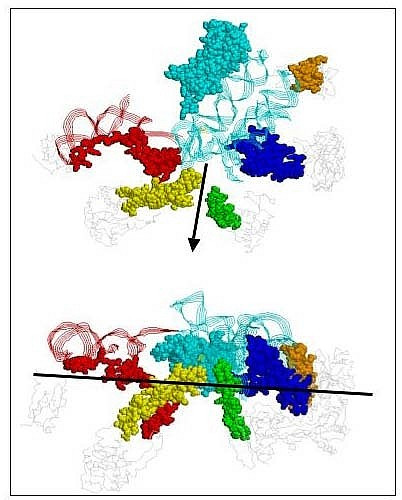
“Six of the PTC-approaching proteins surround the peptide exit tunnel, like spokes radiating from the hub of a cartwheel, and thus define a structural plane beneath the PTC, reminiscent of some intrinsic membrane interaction platform quite early on in protoribosome emergence (Smith et al. 2008).”
BackgroundAgmon, I. (2018) · International Journal of Molecular Sciences · doi:10.3390/ijms19124021 · Cited by 8
Enzyme dimension of the ribosomal protein S4 across plant and animal kingdoms
Sudhamalla, B., Kumar, M. C., Kumar, R., Sashi, P., Yasin, U. M., Ramakrishna, D., Rao, P. N., & Bhuyan, A. K. (2013) · Biochimica et Biophysica Acta (BBA) - General Subjects · doi:10.1016/j.bbagen.2013.06.010 · Cited by 6
The Lipid-RNA WorldPreprint
Mallik, S., & Kundu, S. (2012) · arXiv (Cornell University) · doi:10.48550/arxiv.1211.0413 · Cited by 7
Which came first: the chicken, the egg, or guanine?
Kankia, B. I. (2023) · RNA · doi:10.1261/rna.079613.123 · Cited by 5
Sousa, V. Y., Segovia, J. F. O., Junior, P. O. M., Bezerra, R. M., Gonçalves, M. C., Pereira, S., Vallim, D. C., Carvalho-Assef, A. P. D., Hofer, E., & Kanzaki, L. I. B. (2015) · International Journal of Biology · doi:10.5539/ijb.v8n1p9 · Cited by 5
“13 proteins (Smith et al., 2008), it is not reported that the amplified sequences code for proteins, but gene regulation, switching sequences as introns or exons, could possibly explain the translated proteins corresponding to the mentioned sequence of B.”
BackgroundSiarkou, V. I., Stamatakis, A., Kappas, I., Hadweh, P., & Laroucau, K. (2011) · PLoS ONE · doi:10.1371/journal.pone.0019813 · Cited by 5
“The location 681:709 is found in the vicinity of ‘‘universally’’ or ‘‘highly conserved’’ residues known to be involved in heterodimer S6 and S18 protein bindings [47,48,56] or residues involved in S11 protein binding, which is essential for stabilizing the 16S rRNA central domain folding [47,48,57,58] and specific E-s…”
BackgroundSmith, E., & Kubica, A. (2025) · Philosophical Transactions of the Royal Society B Biological Sciences · doi:10.1098/rstb.2024.0282 · Cited by 2
Molecular palaeontology as a new tool to study the evolution of ribosomal RNA
Steinberg, S. V., & Bokov, K. (2011) · Springer eBooks · doi:10.1007/978-3-7091-0215-2_33 · Cited by 2
Recent Progress in Ribosome Structure Studies
Yusupov, M. (2014) · Springer eBooks · doi:10.1007/978-4-431-55052-5_2 · Cited by 2
“Early genetic data, which have been corroborated by structural studies, revealed that the bacterial and eukaryotic ribosomes share a common structural core, comprising 34 conserved proteins (15 in the small subunit and 19 in the large subunit) and approximately 4,400 RNA bases, which together harbor the major function…”
BackgroundRibosomal Protein Cluster Organization in Asgard Archaea
Tirumalai, M. R., Sivaraman, R. V., Kutty, L. A., Song, E. L., & Fox, G. E. (2023) · Archaea · doi:10.1155/2023/5512414 · Cited by 2
“E ff orts to understand the relationship between the domains of life were rekindled when it was discovered that the then newly discovered Asgard Archaea have many nonribosomal features that are shared with Eukarya [7, 31, 32].”
BackgroundResultThe Evolutionary Transition of the RNA World to Obcells to Cellular-Based Life
O’Connor, P. B. F. (2024) · Journal of Molecular Evolution · doi:10.1007/s00239-024-10171-2 · Cited by 3
“Translation is a remarkably intricate and interdependent biological subsystem that has been conserved across all cellular life forms (Fox 2010).”
Proto-ribosome: a theoretical approach based on RNA relicsPreprint
Demongeot, J. (2017) · bioRxiv (Cold Spring Harbor Laboratory) · doi:10.1101/182055 · Cited by 2
Gibson, C. H. (2011) · Proceedings of SPIE, the International Society for Optical Engineering/Proceedings of SPIE · doi:10.1117/12.895230 · Cited by 1
Ligrone, R. (2019) · Springer eBooks · doi:10.1007/978-3-030-16057-9_3 · Cited by 1
Shirokikh, N. E. (2023) · Preprints.org · doi:10.20944/preprints202305.0415.v1 · Cited by 1
Origin and Evolution of Translation: A Unifying Perspective Across TimePreprint
Fer, E., Cuevas-Zuviría, B., Goldman, A. D., Adam, Z. R., & Kaçar, B. (2023) · EcoEvoRxiv · doi:10.32942/x2q88x · Cited by 1
23S rRNA modifikatsioonide roll valgusünteesis
Truu, T. (2016) · DSpace repository (University of Tartu)
A structural view on ligands at the ribosomal tunnel exit
Leidig, C. (2012) · doi:10.5282/edoc.15561
Djumagulov, M. (2018) · theses.fr (ABES) · doi:10.70675/cdf0154bz3fdez40d3z88e3z178f37304ade
On the Origin of Life: Coevolution between RNA and Peptide
Tagami, S. (2021) · Seibutsu Butsuri · doi:10.2142/biophys.61.232
Rawlings, B. (2004) · UTAS Research Repository · doi:10.25959/23245829
Faculty Opinions recommendation of Ribosomal history reveals origins of modern protein synthesis.
Woski, S. A. (2012) · Faculty Opinions – Post-Publication Peer Review of the Biomedical Literature · doi:10.3410/f.14267096.791052877
Circular code motifs in protein-coding genes and ribosomal RNAs
Dila, G. K. (2020) · theses.fr (ABES) · doi:10.70675/831bd4c6z4bf0z434cz9233z3e9b86d70bb5
AUG exhibits the strongest pulse intensity within the ribosomal decoding sitePreprint
Bayles, B. K. K., & Heckert, C. M. (2024) · Research Square · doi:10.21203/rs.3.rs-4105172/v1
Ribosomal proteins L5 and L15 : Functional characterisation of important features, in vivo
Simoff, I. (2009) · KTH Publication Database DiVA (KTH Royal Institute of Technology)
INVESTIGATING FUNCTIONAL HETEROGENEITY IN RIBOSOMAL PROTEIN PARALOGS IN SCHIZOSACCHAROMYCES POMBE
VonRuden, D. (2023) · WakeSpace Scholarship (Wake Forest University)
Experimental Evolution in Pseudomonas Fluorescens Cell Division and Protein Translation
Franceschini, E. (2025) · MACAU: Open Access Repository of Kiel University
Structural study of the eukaryotic ribosome
de Loubresse, N. G. (2012) · theses.fr (ABES) · doi:10.70675/a228e931zfe02z4725zad2fz53f91e8c1b78
Cleynen, A., Fox, A. H., & Shirokikh, N. E. (2026) · arXiv (Cornell University) · doi:10.48550/arxiv.2609.30816
“The RNA fragments constituting this ancient core are notably compact, approximately 100 nucleotides or less, consistent with Eigen’s error threshold constraints (Smith et al., 2008).”
Özyurt, B. (2009) · eDiss (Georg-August-Universität Göttingen) · doi:10.53846/goediss-1359
Metadata
- Authors
- Smith, T. F., Lee, J. C., Gutell, R. R., & Hartman, H.
- Affiliations
- Boston University (US)
- The University of Texas at Austin (US)
- Massachusetts Institute of Technology (US)
- Corresponding author
- Smith, Temple F
- Venue
- Biology Direct
- Published
- 2008
- Volume
- 3
- Issue
- 1
- Pages
- 16
- ISSN
- 1745-6150 (ISSN-L)
- PMC
- PMC2386862
- OpenAlex
- W2143676827
- Cited by
- 85
- References
- 31
- Citations by year
- 2025: 2 · 2024: 3 · 2023: 6 · 2022: 3 · 2021: 2 · 2020: 5 · 2019: 5 · 2018: 4 · 2017: 6 · 2016: 2 · 2015: 4 · 2014: 6 · 2013: 1 · 2012: 11
- FWCI
- 3.29
- Type
- journal article
- Language
- en
- Open access
- gold
- doi.org
- Licence
- cc-by
- Locations
- Biology Direct (publishedVersion, cc-by)
- Europe PMC (PubMed Central) (publishedVersion, cc-by)
- PubMed Central (publishedVersion, cc-by)
- PubMed (publishedVersion)
- DOAJ (DOAJ: Directory of Open Access Journals) (submittedVersion)
- OpenBU (Boston University) (submittedVersion, cc-by)
- OpenBU (Boston University) (submittedVersion, other-oa)
- Funders
- National Science Foundation
- National Institutes of Health
- National Institute of General Medical Sciences (R01GM067317, GM067317)
- Topics
- Life Sciences › Biochemistry, Genetics and Molecular Biology › Molecular Biology › RNA and protein synthesis mechanisms
- Physical Sciences › Physics and Astronomy › Astronomy and Astrophysics › Origins and Evolution of Life
- Life Sciences › Biochemistry, Genetics and Molecular Biology › Molecular Biology › RNA modifications and cancer
- Keywords
- ribosome evolution, ribosomal proteins, decoding site, peptidyl transferase center, ribosomal RNA, large ribosomal subunit, small ribosomal subunit, bacterial ribosome, archaeal ribosome, RNA-protein interactions
- MeSH terms
- Animals, Bacterial Proteins, Base Sequence, Humans, Molecular Sequence Data, Ribosomal Proteins, Ribosomes, Evolution, Molecular, Archaeal Proteins
About these checks
Registry, retraction, Cites and statistics results are computed, not judged, with one exception: a printed reference that no index lists is read once by a model before it counts as a citation error. Claims are extracted by a model and kept only when their quote appears verbatim in the text; each cited source is then checked, with a model’s help, for whether it says what the claim relies on. Those verdicts can be wrong — read the claim’s quote and the cited source before relying on one.
Statistics and arithmetic are recomputed, not judged.
Confidence bands are shown only for fields calibrated on our annotated test set. None is calibrated yet, so no band is shown.
What counts as a claim ›How we measure confidence ›How we check this ›
Are you an author, or do you see a problem with this page? Request a review
Data sources
Bibliographic data: Semantic Scholar, OpenAlex, Crossref.
Contains information from the Semantic Scholar Academic Graph Datasets, made available under the ODC Attribution License (ODC-BY 1.0).
Semantic Scholar’s data is described in: Kinney, R., et al. (2023). The Semantic Scholar Open Data Platform. arXiv:2301.10140.
