

Anatomic and functional leg-length inequality: A review and recommendation for clinical decision-making. Part I, anatomic leg-length inequality: prevalence, magnitude, effects and clinical significance
Open accessThe DOI matches its Crossref record; 61 of the 62 references it cites were found in a registry or an index.
Abstract
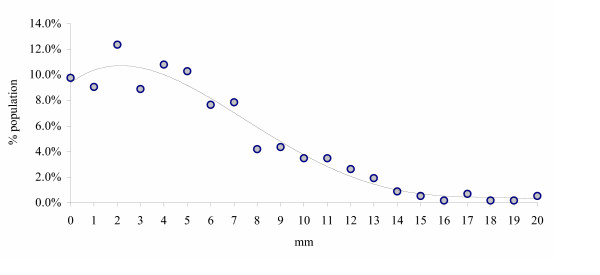
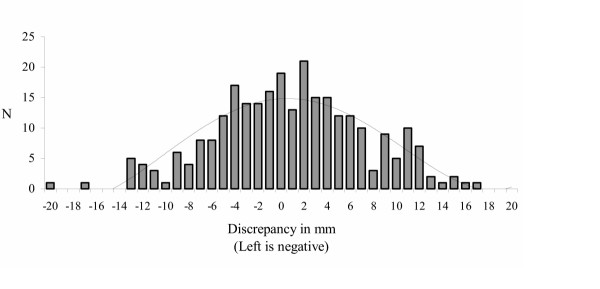
Background: Leg-length inequality is most often divided into two groups: anatomic and functional. Part I of this review analyses data collected on anatomic leg-length inequality relative to prevalence, magnitude, effects and clinical significance. Part II examines the functional "short leg" including anatomic-functional relationships, and provides an outline for clinical decision-making. Methods: Online database – Medline, CINAHL and MANTIS – and library searches for the time frame of 1970–2005 were done using the term "leg-length inequality". Results and Discussion: Using data on leg-length inequality obtained by accurate and reliable x-ray methods, the prevalence of anatomic inequality was found to be 90%, the mean magnitude of anatomic inequality was 5.2 mm (SD 4.1). The evidence suggests that, for most people, anatomic leg-length inequality does not appear to be clinically significant until the magnitude reaches ~ 20 mm (~3/4"). Conclusion: Anatomic leg-length inequality is near universal, but the average magnitude is small and not likely to be clinically significant.
Overview
The claims and statistics of this paper haven’t been checked yet.
Free: it reads the open-access text and checks the first 5 claims that cite a source we can check. Create a free account to check every claim.
Integrity signals
Registry
Cites
Statistics
Figures
Verification
Claims the paper makes
The claims and statistics of this paper haven’t been checked yet.
Free: it reads the open-access text and checks the first 5 claims that cite a source we can check. Create a free account to check every claim.
Self-check
Percentages, sums and reported differences re-computed from the paper’s own numbers.
The self-check needs the paper’s full text.
Citations
Cites
Epidemiological features of chronic low-back pain
Andersson, G. B. (1999) · The Lancet · doi:10.1016/s0140-6736(99)01312-4 · Cited by 3,181 · cited 1×
“Chronic low back pain (CLBP) affects about 21% of the population [34,35].”
Sutton, H. (1937) · Medical Journal of Australia · doi:10.5694/j.1326-5377.1937.tb43685.x · Cited by 816
Myofascial pain and dysfunction
Travell, J. G. (1983) · Medical Entomology and Zoology · Cited by 605
Gurney, B. (2002) · Gait & Posture · doi:10.1016/s0966-6362(01)00148-5 · Cited by 439 · cited 4×
“Gurney B, Mermier C, Robergs R, Gibson A, Rivero D: Effects of Limb-Length Discrepancy on Gait Economy and LowerExtremity Muscle Activity in Older Adults.”
InfluentialClinical Symptoms and Biomechanics of Lumbar Spine and Hip Joint in Leg Length Inequality
FRIBERG, O. (1983) · Spine · doi:10.1097/00007632-198309000-00010 · Cited by 397 · cited 5×
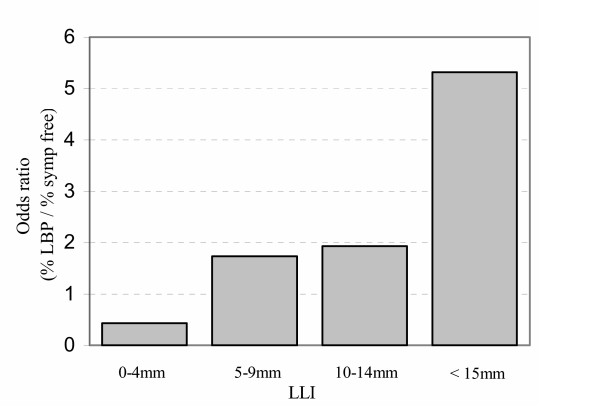
“Recognizing that measurements to the precision of a millimeter will be prone to error, other studies – again, using precise radiographic methods – have examined LLI within a measured range [7,16,17].”
InfluentialLovell and Winter's Pediatric Orthopedics
Morrissy, R. T., & Weinstein, S. L. (1996) · Cited by 348
Risk Factors for Recurrent Stress Fractures in Athletes
Korpelainen, R., Orava, S., Karpakka, J., Siira, P., & Hulkko, A. (2001) · The American Journal of Sports Medicine · doi:10.1177/03635465010290030901 · Cited by 346
Moseley, C. F., Cassidy, N., & Bernstein, R. M. (2007) · Pediatric Orthopaedic Secrets · doi:10.1016/b978-1-4160-2957-1.10039-9 · Cited by 320
Low-Back Pain Associated With Leg Length Inequality
GILES, L. G. F., & TAYLOR, J. R. (1981) · Spine · doi:10.1097/00007632-198109000-00014 · Cited by 281 · cited 2×
“Recognizing that measurements to the precision of a millimeter will be prone to error, other studies – again, using precise radiographic methods – have examined LLI within a measured range [7,16,17].”
Arthroplasty of the hip: Leg length is not important
White, T. O., & Dougall, T. (2002) · Journal of Bone and Joint Surgery - British Volume · doi:10.1302/0301-620x.84b3.12460 · Cited by 248 · cited 1×
“Another study of 200 post total hip replacement surgeries used validated functional outcome scores (Harris hip score and the SF-36 Health Survey) to examine the relationship of imposed LLI to functional outcome [43].”
Research works printed but not linked: 5
- Cooperstein R, Lisi A: Pelvic torsion: anatomic considerations, construct validity, and chiropractic examination procedures. Top Clin Chiro 2000, 7(3):38-49.
- Venn EK, Wakefield KA, Thompson PR: A comparative study of leg-length checks. Eur J Chiropractic 1983, 31:68-80.
- Reid DC, Smith B: Leg length inequalty: A review of etiology and management. Physiotherapy Canada 1984, 36(4):177-182.
- Friberg O: Leg length asymmetry in stress fractures. J Sports Med 1982, 22:485-488.
- Korpelainen R, Orava S, Karpakka J, Siira P, Hulkko A: Risk factors for recurrent stress fractures in athletes. Am J Sports Med 2001, 29(3):304-10. · DOI · Paper page
Cited by
A preliminary study into rider asymmetry within equitation
Symes, D., & Ellis, R. J. (2009) · The Veterinary Journal · doi:10.1016/j.tvjl.2009.03.016 · Cited by 117
Leg Length Discrepancy: The Natural History (And What Do We Really Know)
Gordon, J. E., & Davis, L. E. (2019) · Journal of Pediatric Orthopaedics · doi:10.1097/bpo.0000000000001396 · Cited by 114
Lederman, E. (2011) · Journal of Bodywork and Movement Therapies · doi:10.1016/j.jbmt.2011.01.011 · Cited by 110
“The evidence suggests that for most people anatomic leglength inequality is not clinically significant (Papaioannou et al., 1982; Grundy & Roberts, 1984; Dieck, 1985; Fann, 2002; Knutson, 2005, review), until the magnitude reaches approximately 20 mm (Gurney, 2002, review; Knutson, 2005, review).”
BackgroundThe role of biomechanical analysis of horse and rider in equitation science
Clayton, H. M., & Hobbs, S. J. (2017) · Applied Animal Behaviour Science · doi:10.1016/j.applanim.2017.02.011 · Cited by 106
“Leg length inequality is a common anatomical finding in people with the right leg more often being shorter (Knutson, 2005) but its relationship to postural asymmetries in the rider is controversial.”
BackgroundAn Automatic Gait Feature Extraction Method for Identifying Gait Asymmetry Using Wearable Sensors
Anwary, A. R., Yu, H., & Vassallo, M. (2018) · Sensors · doi:10.3390/s18020676 · Cited by 116
“2 mm and limb inequality of 20 mm must be present before considering clinically significant [78].”
BackgroundComplications After Pediatric ACL Reconstruction: A Meta-analysis
Wong, S. E., Feeley, B. T., & Pandya, N. K. (2017) · Journal of Pediatric Orthopaedics · doi:10.1097/bpo.0000000000001075 · Cited by 104
The Actions of IGF-1 in the Growth Plate and Its Role in Postnatal Bone Elongation
Racine, H. L., & Serrat, M. A. (2020) · Current Osteoporosis Reports · doi:10.1007/s11914-020-00570-x · Cited by 106
Kendall, J. C., Bird, A. R., & Azari, M. F. (2014) · The Foot · doi:10.1016/j.foot.2014.03.004 · Cited by 94
Simon, S., Schwarz, G. M., Aichmair, A., Frank, B. J. H., Hummer, A., DiFranco, M. D., Dominkus, M., & Hofstaetter, J. G. (2021) · Skeletal Radiology · doi:10.1007/s00256-021-03948-9 · Cited by 86
“21 mm in 90% of 573 participants LLR [19].”
BackgroundBetsch, M., Wild, M., Große, B., Rapp, W., & Horstmann, T. (2011) · European Spine Journal · doi:10.1007/s00586-011-1912-5 · Cited by 77
Gheno, R., Nectoux, É., Herbaux, B., Baldisserotto, M., Glock, L., Cotten, A., & Boutry, N. (2011) · European Radiology · doi:10.1007/s00330-011-2308-y · Cited by 77
“muscle as well as a tight joint is responsible for the asymmetry [1, 2].”
BackgroundTibialis anterior architecture, strength, and gait in individuals with cerebral palsy
Bland, D. C., Prosser, L. A., Bellini, L. A., Alter, K. E., & Damiano, D. L. (2011) · Muscle & Nerve · doi:10.1002/mus.22098 · Cited by 74
“A literature review conducted by Knutson showed that, in general, a leg-length inequality of <20 mm is unlikely to require treatment.(36) Unfortunately, in our study femur length was not measured, but”
MethodLeg length discrepancy and osteoarthritis in the knee, hip and lumbar spine.
Murray, K. J., & Azari, M. F. (2015) · Europe PMC (PubMed Central) · Cited by 96
Castro-Méndez, A., Munuera-Martínez, P. V., & Cabello, M. A. (2013) · Prosthetics and Orthotics International · doi:10.1177/0309364612471370 · Cited by 65
Betsch, M., Rapp, W., Przibylla, A., Jungbluth, P., Hakimi, M. Y., Schneppendahl, J., Thelen, S., & Wild, M. (2013) · European Spine Journal · doi:10.1007/s00586-013-2720-x · Cited by 57
“Froh et al. [18], Knutson [19] and ten Brinke et al. [20] all have radiologically measured pelvic obliquity reporting values ranging from 5.2 to 6.5 mm.”
BackgroundInfluentialCampbell, T. M., Ghaedi, B. B., Ghogomu, E. T., & Welch, V. A. (2017) · Archives of Physical Medicine and Rehabilitation · doi:10.1016/j.apmr.2017.10.027 · Cited by 60
Effects of Fatigue on Bilateral Ground Reaction Force Asymmetries during the Squat Exercise
Hodges, S. J., Patrick, R. J., & Reiser, R. F. (2011) · The Journal of Strength and Conditioning Research · doi:10.1519/jsc.0b013e318212de7b · Cited by 62
The Assessment of Limb Length Discrepancy Before Total Hip Arthroplasty
Tipton, S. C., Sutherland, J. K., & Schwarzkopf, R. M. (2015) · The Journal of Arthroplasty · doi:10.1016/j.arth.2015.10.026 · Cited by 50
“It has been stated that LLD is found in the majority (90%) of people, and when the difference exceeds 20mm, it is much more likely to become clinically significant [1,2].”
BackgroundCooperstein, R., & Lew, M. (2009) · Journal of Chiropractic Medicine · doi:10.1016/j.jcm.2009.06.001 · Cited by 47
Murray, K. J., Molyneux, T., Grande, M. R. L., Castro-Méndez, A., Fuss, F. K., & Azari, M. F. (2017) · Journal of Manipulative and Physiological Therapeutics · doi:10.1016/j.jmpt.2017.03.001 · Cited by 50
Killion, C. H., Mitchell, E., Duke, C. G., & Serra, R. A. (2017) · Molecular Biology of the Cell · doi:10.1091/mbc.e17-02-0084 · Cited by 45
“Differences in limb lengths as small as 4% have been shown to cause back pain in adults (Knutson, 2005).”
Lazennec, J. Y., Folinais, D., Florequin, C., & Pour, A. E. (2017) · The Journal of Arthroplasty · doi:10.1016/j.arth.2017.12.004 · Cited by 44
A new concept for measuring leg length discrepancy
Khamis, S., & Carmeli, E. (2017) · Journal of Orthopaedics · doi:10.1016/j.jor.2017.03.008 · Cited by 51
“A systemic review evaluating the prevalence of LLD by radiographic measurements revealed that 90% of the normal population had some type of variance in bony leg length, with 20% exhibiting a difference of >9 mm.(16) Functional leg length discrepancy (FLLD) is defined as a condition of asymmetrical leg length, not nece…”
BackgroundLi, Y., Zhang, X., Wang, Q., Peng, X., Wang, Q., Jiang, Y., & Chen, Y. (2017) · The Bone & Joint Journal · doi:10.1302/0301-620x.99b7.bjj-2016-1328.r1 · Cited by 41
Graham, L. E., Datta, D., Heller, B. W., Howitt, J., & Pros, D. (2007) · Archives of Physical Medicine and Rehabilitation · doi:10.1016/j.apmr.2007.02.028 · Cited by 41
Bilateral Asymmetries in Clinical Measures of Lower-Extremity Anatomic Characteristics
Shultz, S. J., & Nguyen, A. (2007) · Clinical Journal of Sport Medicine · doi:10.1097/jsm.0b013e31811df950 · Cited by 39
Schwarz, G. M., Simon, S., Mitterer, J. A., Frank, B. J. H., Aichmair, A., Dominkus, M., & Hofstaetter, J. G. (2022) · Knee Surgery Sports Traumatology Arthroscopy · doi:10.1007/s00167-022-07037-9 · Cited by 43
“21 mm in 90% of their participants [10, 17].”
BackgroundD’Amico, M., Kinel, E., & Roncoletta, P. (2017) · PLoS ONE · doi:10.1371/journal.pone.0179619 · Cited by 48
Debbi, E. M., Rajaee, S. S., Mayeda, B. F., & Penenberg, B. L. (2019) · The Journal of Arthroplasty · doi:10.1016/j.arth.2019.10.003 · Cited by 35
The effect of simulating a leg-length discrepancy on pelvic position and spinal posture
Kwon, Y.-J., Song, M., Baek, I.-H., & Lee, T. (2015) · Journal of Physical Therapy Science · doi:10.1589/jpts.27.689 · Cited by 32
Kim, C., Nevitt, M. C., Guermazi, A., Niu, J., Clancy, M. M., Tolstykh, I. V., Jungmann, P. M., Lane, N. E., Segal, N. A., Harvey, W. F., et al. (2018) · Arthritis & Rheumatology · doi:10.1002/art.40537 · Cited by 31
Alfuth, M., Fichter, P., & Knicker, A. J. (2021) · PLoS ONE · doi:10.1371/journal.pone.0261457 · Cited by 31
“Clinicians and physiotherapists are frequently confronted with leg length discrepancy (LLD) in their patients [1, 2].”
BackgroundDoes field hockey increase morphofunctional asymmetry? A pilot study
Krzykała, M., Leszczyński, P., Grześkowiak, M., Podgórski, T., Woźniewicz-Dobrzyńska, M., Konarska, A., Strzelczyk, R., Lewandowski, J., & Konarski, J. M. (2018) · HOMO · doi:10.1016/j.jchb.2018.03.003 · Cited by 34
Comparison of Lifts Versus Tape Measure in Determining Leg Length Discrepancy
Badii, M., Wade, A., Collins, D. R., Nicolaou, S., Kobza, B. J., & Kopec, J. A. (2014) · The Journal of Rheumatology · doi:10.3899/jrheum.131089 · Cited by 25
Relationships Between Asymmetries in Functional Movements and the Star Excursion Balance Test
Overmoyer, G. V., & Reiser, R. F. (2012) · The Journal of Strength and Conditioning Research · doi:10.1519/jsc.0b013e3182779962 · Cited by 24
“This also may explain why the low, but expected (4,19), levels of anatomical leg-length difference in the whole group did not correlate with the LEFA and SEBT asymmetries.”
ResultLunn, D. E., Lampropoulos, A., & Stewart, T. D. (2016) · Orthopaedics and Trauma · doi:10.1016/j.mporth.2016.04.014 · Cited by 24
Tarimo, N. S., & Diener, I. (2017) · South African Journal of Physiotherapy · doi:10.4102/sajp.v73i1.395 · Cited by 33
Leg Length Discrepancy In Scoliotic Patients
D’Amico, M., Roncoletta, P., Felice, F. D., Porto, D., Bellomo, R. G., & Raoul, S. (2012) · Studies in health technology and informatics · doi:10.3233/978-1-61499-067-3-146 · Cited by 24
Does structural leg-length discrepancy affect postural control? Preliminary study
Eliks, M., Ostiak, W., Lisiński, P., & Koczewski, P. (2017) · BMC Musculoskeletal Disorders · doi:10.1186/s12891-017-1707-x · Cited by 26
“It should be emphasised that even as small asymmetry as 2 cm seems to be clinically meaningful [6, 8].”
Background‘It's all connected, so it all matters’ - the fallacy of osteopathic anatomical possibilism
Hidalgo, D. F., MacMillan, A., & Thomson, O. P. (2024) · International journal of osteopathic medicine · doi:10.1016/j.ijosm.2024.100718 · Cited by 30
Kainz, H., Killen, B. A., Campenhout, A. V., Desloovere, K., García‐Aznar, J. M., Shefelbine, S. J., & Jonkers, I. (2021) · Clinical Biomechanics · doi:10.1016/j.clinbiomech.2021.105405 · Cited by 21
Interexaminer Reliability of Supine Leg Checks for Discriminating Leg-Length Inequality
Woodfield, H. C., Gerstman, B. B., Olaisen, R. H., & Johnson, D. F. (2011) · Journal of Manipulative and Physiological Therapeutics · doi:10.1016/j.jmpt.2011.04.009 · Cited by 26
Association Between Leg Length Discrepancy and Posterior Tibial Tendon Dysfunction
Sanhudo, J. A. V., & Gomes, J. L. E. (2014) · Foot & Ankle Specialist · doi:10.1177/1938640014522096 · Cited by 19
“001), which suggests that even minor degrees of LLD may not be as harmless as some authors have maintained.(52,53) In our sample, mean BMI was higher among cases (28.”
ResultUjaković, F., & Šarabon, N. (2020) · Applied Sciences · doi:10.3390/app10196984 · Cited by 19
A Simple Method Using a PACS to Minimize Leg Length Discrepancy in Primary THA
Lim, Y. W., Chang, Y. J., Kwon, S. Y., & Kim, Y. S. (2013) · The Journal of Arthroplasty · doi:10.1016/j.arth.2013.02.022 · Cited by 19
Büyükaslan, A., Abul, K., Berk, H., & Yılmaz, H. G. (2021) · Spine Deformity · doi:10.1007/s43390-021-00417-0 · Cited by 18
D’Amico, M., Kinel, E., & Roncoletta, P. (2022) · Frontiers in Bioengineering and Biotechnology · doi:10.3389/fbioe.2021.743132 · Cited by 19
Weiner, D. K., Holloway, K. L., Levin, E., Keyserling, H. F., Epstein, F. H., Monaco, E. A., Sembrano, J. N., Brega, K. E., Nortman, S., Krein, S. L., et al. (2020) · Pain · doi:10.1097/j.pain.0000000000002072 · Cited by 22
Pilanthananond, M., Tharawadeepimuk, K., Saengsirisuwan, V., & Limroongreungrat, W. (2023) · Sports · doi:10.3390/sports11090185 · Cited by 21
“Participant inclusion criteria included (1) occasionally involved in any kind of sport and/or physical activity (≤3 h of exercise per week), (2) Q-angle within 10–20◦, (3) leg length discrepancy not exceeding 2 cm [26] and (4) BMI within 18.”
BackgroundWilhelm, N., von Schacky, C. E., Lindner, F. J., Feucht, M. J., Ehmann, Y. J., Pogorzelski, J., Haddadin, S., Neumann, J., Hinterwimmer, F., von Eisenhart‐Rothe, R., et al. (2024) · Artificial Intelligence in Medicine · doi:10.1016/j.artmed.2024.102843 · Cited by 21
Beardsley, C., Egerton, T., & Skinner, B. (2016) · PeerJ · doi:10.7717/peerj.1881 · Cited by 23
“Even so, the precise relationships between leg length discrepancy and pelvic torsion, as 59 well as between leg length discrepancy and musculoskeletal injury risk, are contentious and 60 remain poorly understood (Gurney, 2002; Juhl et al. 2004; Knutson, 2005; Cooperstein and Lew, 61 2009).”
BackgroundHavran, M., Scholten, J. D., Breuer, P., Lundberg, J. L., Kochersberger, G. G., Newman, D., & Weiner, D. K. (2016) · Pain Medicine · doi:10.1093/pm/pnw270 · Cited by 15
Zeitoune, G., Nadal, J., Batista, L. A., Metsavaht, L. F., Moraes, A. P., & Leporace, G. (2018) · Gait & Posture · doi:10.1016/j.gaitpost.2018.09.027 · Cited by 16
Patil, V., Rajan, P. S., Hayter, E., Bartlett, J. D., & Symons, S. (2023) · Cureus · doi:10.7759/cureus.40455 · Cited by 14
“A limb length discrepancy of 20 mm is described as clinically significant in adults due to its effect on gait, lower back pain and hip and knee arthritis [89,90].”
BackgroundMitterer, J. A., Huber, S., Schwarz, G. M., Simon, S., Pallamar, M., Kissler, F., Frank, B. J. H., & Hofstaetter, J. G. (2023) · Archives of Orthopaedic and Trauma Surgery · doi:10.1007/s00402-023-05151-y · Cited by 14
“According to previous publications, the following limit of agreement were considered clinically relevant: ± 2° for angles [18] and ± 5 mm for lengths [19].”
Menez, C., Coquart, J. B., Dodelin, D., Tourny, C., & L’Hermette, M. (2020) · Journal of the American Podiatric Medical Association · doi:10.7547/18-093 · Cited by 14
Piyakunmala, K., & Sangkomkamhang, T. (2018) · The Journal of Arthroplasty · doi:10.1016/j.arth.2018.02.024 · Cited by 14
Yoon, C., Shin, C. H., Kim, D. O., Park, M. S., Yoo, W. J., Chung, C. Y., Choi, I. H., & Cho, T. (2019) · Acta Orthopaedica · doi:10.1080/17453674.2019.1688485 · Cited by 16
“This 14% difference represents the difference between a 20% LLD incidence rate in the DDH group and 6% rate in the normal population (Knutson 2005).”
BackgroundClinical and genetic evaluation of six children with diffuse capillary malformation and undergrowth
Cubiró, X., Rozas‐Muñoz, E., Castel, P., Roé, E., García‐Melendo, C., Puig, L., & Baselga, E. (2020) · Pediatric Dermatology · doi:10.1111/pde.14252 · Cited by 14
Kinel, E., Roncoletta, P., Pietrangelo, T., & D’Amico, M. (2022) · Journal of Clinical Medicine · doi:10.3390/jcm11030546 · Cited by 13
“Evidence between LBP and LLD connection also appears in other literature studies [71–74], even if such a topic represents an open debate [75].”
ResultZulbaran‐Rojas, A., Lee, M., Bara, R. O., Flores‐Camargo, A., Spitz, G., Finco, M. G., Bagheri, A. B., Modi, D., Shaib, F. H., & Najafi, B. (2023) · Physiological Reports · doi:10.14814/phy2.15636 · Cited by 14
Validity of clinical methods in the detection of leg-length discrepancies
Gómez-Aguilar, E., Reina‐Bueno, M., Lafuente-Sotillos, G., Montes-Salas, R., Munuera-Martínez, P. V., & Castillo-López, J. M. (2020) · Hip International · doi:10.1177/1120700020910108 · Cited by 13
Lazennec, J. Y., Brusson, A., Rousseau, M. A., Robbins, C. B., & Pour, A. E. (2016) · The Journal of Arthroplasty · doi:10.1016/j.arth.2016.03.065 · Cited by 13
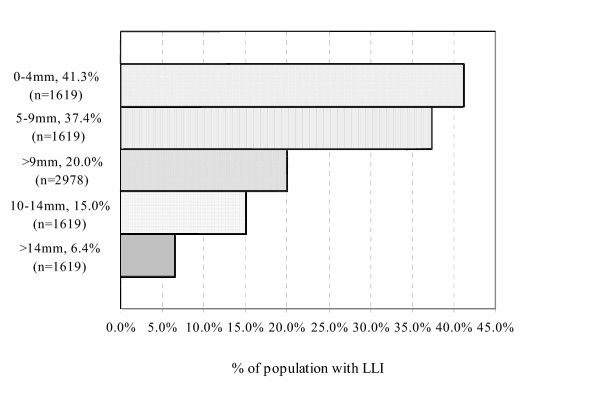
“They found that 20% of their patients had a discrepancy in leg length of 10 mm or more and 6%-8% had a difference of 14 mm or more [24-26].”
BackgroundMatthies, D. J. C., Elvitigala, D. S., Fu, A., Yin, D., & Nanayakkara, S. C. (2021) · International Conference on PErvasive Technologies Related to Assistive Environments (PETRA) · doi:10.1145/3453892.3453896 · Cited by 12
“LLD is a common abnormality affecting 65% and 90% of the population at varying severities [28].”
BackgroundTsuchiya, H., Kato, S., Hamada, T., Matsubara, H., Hikichi, T., Shimokawa, K., & Demura, S. (2022) · Strategies in Trauma and Limb Reconstruction · doi:10.5005/jp-journals-10080-1566 · Cited by 12
Hamad, M. N., Livshetz, I., Sood, A., Patetta, M. J., Gonzalez, M. H., & Amirouche, F. A. (2022) · Journal of Experimental Orthopaedics · doi:10.1186/s40634-022-00506-7 · Cited by 12
“…of leg length discrepancy (LLD) after THA remains undefined, it’s generally accepted that LLD magnitudes greater than 15–20 mm are perceivable by patients, lead to poorer functional outcomes and patient dissatisfaction [5, 6], and are associated with a higher incidence of adverse effects [7, 8].”
Pagano, S., Müller, K., Götz, J. S., Reinhard, J., Schindler, M., Grifka, J. K., & Maderbacher, G. (2023) · Journal of Clinical Medicine · doi:10.3390/jcm12175498 · Cited by 16
Effects of Somatic Dysfunction on Leg Length and Weight Bearing
Qureshi, Y., Kusienski, A., Bemski, J., Luksch, J. R., & Knowles, L. G. (2014) · Journal of Osteopathic Medicine · doi:10.7556/jaoa.2014.127 · Cited by 12
Heat-Induced Limb Length Asymmetry Has Functional Impact on Weight Bearing in Mouse Hindlimbs
Racine, H. L., Meadows, C. A., Ion, G., & Serrat, M. A. (2018) · Frontiers in Endocrinology · doi:10.3389/fendo.2018.00289 · Cited by 13
Structural Asymmetry Between the Hips and Its Relation to Experimental Fracture Type
Thevenot, J., Pulkkinen, P., Kühn, V., Eckstein, F., & Jämsä, T. J. (2010) · Calcified Tissue International · doi:10.1007/s00223-010-9388-6 · Cited by 11
Michalik, R., Rissel, V., Migliorini, F., Siebers, H. L., & Betsch, M. (2022) · BMC Musculoskeletal Disorders · doi:10.1186/s12891-022-05113-2 · Cited by 11
“Discussion So far, LLIs of 2 cm and greater are considered clinically relevant since they can lead to acute or chronic musculoskeletal changes and clinical symptoms [1, 8].”
BackgroundAshour, R. S., Abdel‐Raouf, O., Abdallah, A. A. A., & Sweif, R. E. (2019) · International journal of osteopathic medicine · doi:10.1016/j.ijosm.2019.02.001 · Cited by 11
Lezak, B. A., Pruneski, J. A., Oeding, J. F., Kunze, K. N., Williams, R. J., Alaia, E. F., Pearle, A. D., Dines, J. S., Samuelsson, K., & Pareek, A. (2024) · Journal of Experimental Orthopaedics · doi:10.1002/jeo2.70080 · Cited by 11
Evaluation of a deep learning software for automated measurements on full-leg standing radiographs
Lassalle, L., Regnard, N.-E., Durteste, M., Ventre, J., Marty, V., Clovis, L., Zhang, Z., Nitche, N., Ducarouge, A., Larédo, J.-D., et al. (2024) · Knee Surgery and Related Research · doi:10.1186/s43019-024-00246-1 · Cited by 12
Limb length discrepancy after total hip arthroplasty: a systematic review
Pathak, P. K., Gupta, R. K., Meena, H. S., & Fiske, R. (2018) · International Journal of Research in Orthopaedics · doi:10.18203/issn.2455-4510.intjresorthop20183670 · Cited by 10
“Asymptomatic LLD of 2cm or more is common even in the non-operated asymptomatic general population and it is well recognised that both lengthening and shortening of this magnitude can occur after THA.(4,5)”
BackgroundInfluentialAssessment of material loss of retrieved magnetically controlled implants for limb lengthening
Foong, B. C. M., Panagiotopoulou, V. C., Hothi, H. S., Henckel, J., Calder, P. R., Goodier, D., & Hart, A. J. (2018) · Proceedings of the Institution of Mechanical Engineers Part H Journal of Engineering in Medicine · doi:10.1177/0954411918806329 · Cited by 10
Carrozzo, A., Monaco, E., Saithna, A., Cantagalli, M. R., Bianco, N. C., Ciacio, S., Annibaldi, A., & Maffulli, N. (2025) · Orthopaedic Journal of Sports Medicine · doi:10.1177/23259671251350298 · Cited by 9
“23,29,51,55 Also, side-to-side differences in alignment, albeit moderate, are not uncommon in the general population.”
Inertial measurement units for the detection of the effects of simulated leg length inequalities
Siebers, H. L., Eschweiler, J., Quack, V. M., Tingart, M., & Betsch, M. (2021) · Journal of Orthopaedic Surgery and Research · doi:10.1186/s13018-021-02212-z · Cited by 9
Limb Length Discrepancies Among 8- to 12-Year-Old Children Who Are Developing Typically
Drnach, M., Kreger, A., Corliss, C., & Kocher, D. (2012) · Pediatric Physical Therapy · doi:10.1097/pep.0b013e3182691c48 · Cited by 11
Gupta, R. K., Pathak, P. K., Singh, R., & Majumdar, K. P. (2019) · Indian Journal of Orthopaedics · doi:10.4103/ortho.ijortho_188_18 · Cited by 9
“Various types of techniques described to minimize postoperative LLD can be broadly divided into four categories: (1) based on the preoperative templating to define the correct neck cut, the correct neck length of the femoral component, and the correct depth of femoral component insertion; (2) based on measurement of t…”
MethodLewis, V., Douglas, J. L., Edwards, T., & Dumbell, L. (2019) · Comparative Exercise Physiology · doi:10.3920/cep180036 · Cited by 9
“Interestingly between 53-75% of the overall human population 250 have a longer right leg, average magnitude of difference of LLI is reported between 2.4mm and 6.8mm, 251 with individual differences reported exceeding 30mm (Knutson, 2005).”
BackgroundPercutaneous femoral shortening over a nail using on-site smashing osteotomy technique
Jahmani, R. A., Lovisetti, G., Alorjani, M. S., & Bashaireh, K. M. (2019) · European Journal of Orthopaedic Surgery & Traumatology · doi:10.1007/s00590-019-02556-7 · Cited by 9
Lee, S.-H., & Nam, S. (2020) · Journal of the Korean Society of Physical Medicine · doi:10.13066/kspm.2020.15.1.133 · Cited by 12
“구체적인 대상자 선정기준은 3개 월 이상 허리통증을 호소하는 자, 기능적 다리길이 검 사에서 양쪽의 차이가 5mm 이상인 자로 선정하였다 [16].”
Custom-Made Foot Orthoses as Non-Specific Chronic Low Back Pain and Pronated Foot Treatment
Castro-Méndez, A., Palomo-Toucedo, I. C., Pabón‐Carrasco, M., Ramos-Ortega, J., Díaz-Mancha, J. A., & Fernández-Seguín, L. M. (2021) · International Journal of Environmental Research and Public Health · doi:10.3390/ijerph18136816 · Cited by 14
“Exclusion Criteria The exclusion criteria were serious illness, current participation in another research study, pregnancy, previous back or foot surgery, current treatment with foot orthoses, back pathology, or a leg length discrepancy >5 mm [24].”
BackgroundFournier, J., Trudel, G., Feibel, R. J., Uhthoff, H. K., McGonagle, D., & Campbell, T. M. (2023) · Archives of Physical Medicine and Rehabilitation · doi:10.1016/j.apmr.2023.04.021 · Cited by 10
Korontzi, M., Kafetzakis, I., & Mandalidis, D. G. (2023) · Sensors · doi:10.3390/s23249695 · Cited by 8
Hoffmann, C., Göksu, F., Klöpfer-Krämer, I. T., Watrinet, J. M., Blum, P., Hungerer, S., Schröter, S., Stuby, F. M., Augat, P., & Fürmetz, J. (2024) · Knee Surgery Sports Traumatology Arthroscopy · doi:10.1002/ksa.12481 · Cited by 8
Pietrzak, S., Grzelecki, D., Parol, T., & Czubak, J. (2021) · Journal of Clinical Medicine · doi:10.3390/jcm10245957 · Cited by 8
“Previously conducted clinical and experimental studies emphasize that untreated, significant LLD later in adulthood may affect the motor fun tions of the whole body [4,6].”
BackgroundMerchant, R., Tolk, J. J., Ayub, A., Eastwood, D. M., & Hashemi-Nejad, A. (2022) · Children · doi:10.3390/children9121945 · Cited by 8
“When considering an LLD of ≥1 cm, the prevalence in the general population is 15% [28].”
BackgroundWard, J. S., Coats, J., Sorrels, K., Walters, M., & Williams, T. (2013) · Journal of Chiropractic Medicine · doi:10.1016/j.jcm.2013.05.001 · Cited by 8
“The intervention involved either (1) a hypothenar ilium apex push to the PSIS on the short leg side33 in an attempt to rotate the superior ilium anteriorly to elongate that lower limb or (2) no manipulation.”
BackgroundMethodInfluentialComparison of Supine and Prone Methods of Leg Length Inequality Assessment
Cooperstein, R., & Lucente, M. (2017) · Journal of Chiropractic Medicine · doi:10.1016/j.jcm.2017.01.001 · Cited by 8
Shin, C. H., Lim, C., Kim, H. Y., Yoo, W. J., Cho, T., Choi, I. H., & Ko, J. M. (2021) · Orphanet Journal of Rare Diseases · doi:10.1186/s13023-021-02042-6 · Cited by 7
Tharawadeepimuk, K., Limroongreungrat, W., Pilanthananond, M., & Nanbancha, A. (2024) · Sensors · doi:10.3390/s24051548 · Cited by 6
“Participant inclusion criteria were: (1) normal joint alignment and gait pattern, (2) Q-angle within 10 ◦ –20 ◦ , and (3) leg length discrepancy not exceeding 2 cm [27].”
BackgroundKafetzakis, I., Konstantinou, I., & Mandalidis, D. G. (2024) · Applied Sciences · doi:10.3390/app14114383 · Cited by 8
van der Lelij, T. J. N., Grootjans, W., Braamhaar, K. J., & de Witte, P. B. (2024) · Children · doi:10.3390/children11101182 · Cited by 6
“Although an LLD 1 cm is often asymptomatic and present in up to 90% of the population, LLD in children can be progressive, and LLD > 2 cm may become symptomatic later in life [6–9].”
BackgroundRachmawati, M. R., Tulaar, A. B., Immanuel, S., Purba, A., Mansyur, M., Haryadi, R. D., Hadisoebroto, I., Husni, A., & Ibrahim, N. (2016) · Anatomy & Cell Biology · doi:10.5115/acb.2016.49.1.15 · Cited by 7
“The prevalence of the flexible pronated feet in the population was 20%–30% [5, 6].”
BackgroundRhodes, D. W., & Bishop, P. A. (2010) · Journal of Chiropractic Medicine · doi:10.1016/j.jcm.2010.02.006 · Cited by 6
Pawik, Ł., Pawik, M., Wrzosek, Z., Lwow, F., & Morasiewicz, P. (2021) · Journal of Orthopaedic Surgery and Research · doi:10.1186/s13018-021-02202-1 · Cited by 6
Lavazza, C., Zangoni, G., Sozzi, F., Abenavoli, A., & Barenghi, M. (2023) · International journal of osteopathic medicine · doi:10.1016/j.ijosm.2023.100703 · Cited by 6
The Effectiveness of Early Rehabilitation in Limiting the Progression of Idiopathic Scoliosis
Kluszczyński, M., Zaborowska-Sapeta, K. A., Kowalski, I. M., & Karpiel, I. S. (2024) · Journal of Clinical Medicine · doi:10.3390/jcm13051422 · Cited by 6
“This assertion is supported by research on the etiopathogenesis of orthopedic conditions in both children and adults [67,71–76].”
BackgroundResult
Metadata
- Authors
- Knutson, G. A.
- Corresponding author
- Knutson, Gary A
- Venue
- Chiropractic & Osteopathy
- Published
- 2005-07-20
- Volume
- 13
- Issue
- 1
- Pages
- 11-11
- ISSN
- 1746-1340 (ISSN-L)
- PMC
- PMC1232860
- OpenAlex
- W1937327178
- Cited by
- 242
- References
- 62
- Citations by year
- 2026: 13 · 2025: 14 · 2024: 23 · 2023: 21 · 2022: 19 · 2021: 24 · 2020: 19 · 2019: 14 · 2018: 12 · 2017: 21 · 2016: 8 · 2015: 6 · 2014: 8 · 2013: 7 · 2012: 9
- FWCI
- 1.48
- Type
- journal article
- Language
- en
- Open access
- hybrid
- doi.org
- Licence
- cc-by
- Locations
- Chiropractic & Manual Therapies (publishedVersion, cc-by)
- PubMed Central (publishedVersion, cc-by)
- PubMed (publishedVersion)
- DOAJ (DOAJ: Directory of Open Access Journals) (submittedVersion)
- Topics
- Physical Sciences › Engineering › Biomedical Engineering › Lower Extremity Biomechanics and Pathologies
- Health Sciences › Medicine › Orthopedics and Sports Medicine › Foot and Ankle Surgery
- Health Sciences › Health Professions › Physical Therapy, Sports Therapy and Rehabilitation › Musculoskeletal pain and rehabilitation
- Keywords
- short leg, prevalence, clinical significance, clinical decision-making
About these checks
Registry, retraction, Cites and statistics results are computed, not judged, with one exception: a printed reference that no index lists is read once by a model before it counts as a citation error. Claims are extracted by a model and kept only when their quote appears verbatim in the text; each cited source is then checked, with a model’s help, for whether it says what the claim relies on. Those verdicts can be wrong — read the claim’s quote and the cited source before relying on one.
Statistics and arithmetic are recomputed, not judged.
Confidence bands are shown only for fields calibrated on our annotated test set. None is calibrated yet, so no band is shown.
What counts as a claim ›How we measure confidence ›How we check this ›
Are you an author, or do you see a problem with this page? Request a review
Data sources
Bibliographic data: Semantic Scholar, OpenAlex, Crossref.
Contains information from the Semantic Scholar Academic Graph Datasets, made available under the ODC Attribution License (ODC-BY 1.0).
Semantic Scholar’s data is described in: Kinney, R., et al. (2023). The Semantic Scholar Open Data Platform. arXiv:2301.10140.
