

A hundred years of Dunaliella research: 1905–2005
Open accessThe DOI matches its Crossref record; 58 of the 58 references it cites were found in a registry or an index.
Abstract
A hundred years have passed since the description of the genus Dunaliella, the unicellular green alga which is responsible for most of the primary production in hypersaline environments worldwide. The present paper provides an historical survey of research on Dunaliella, from the early work in the 19th century to the thorough taxonomic studies by Teodoresco, Hamburger, Lerche and others from the beginning of the 20th century onwards. It attempts to trace the origin of some of the most important breakthroughs that have contributed to our present understanding of this alga that plays such a key role in many hypersaline environments.
Overview
The claims and statistics of this paper haven’t been checked yet.
Free: it reads the open-access text and checks the first 5 claims that cite a source we can check. Create a free account to check every claim.
Integrity signals
Registry
Cites
Statistics
Figures
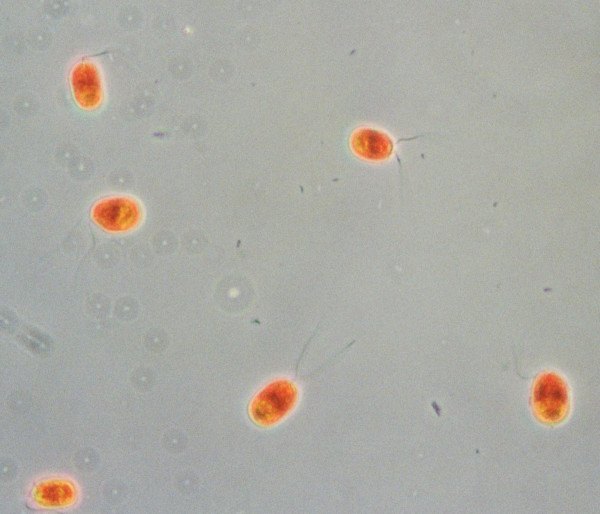
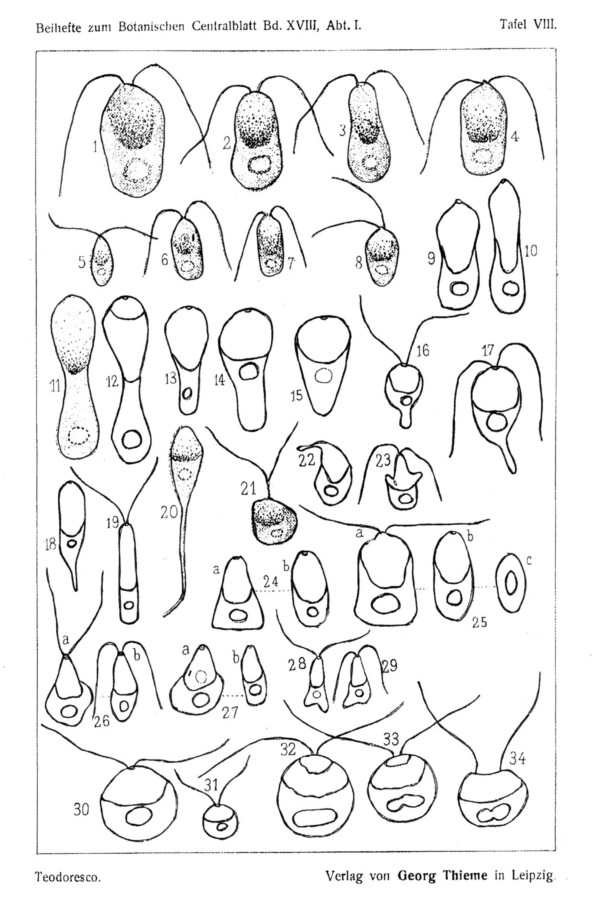
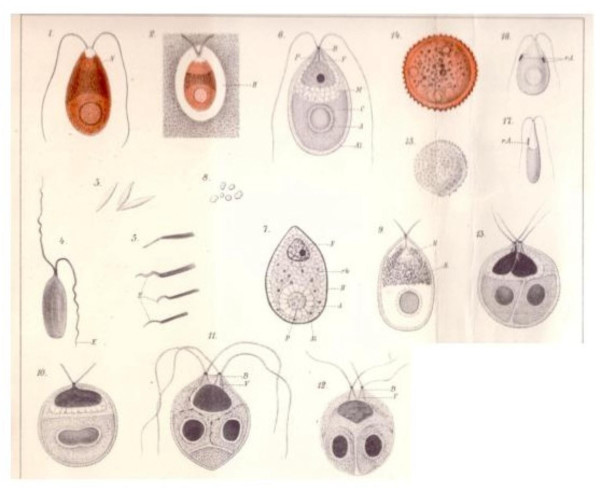
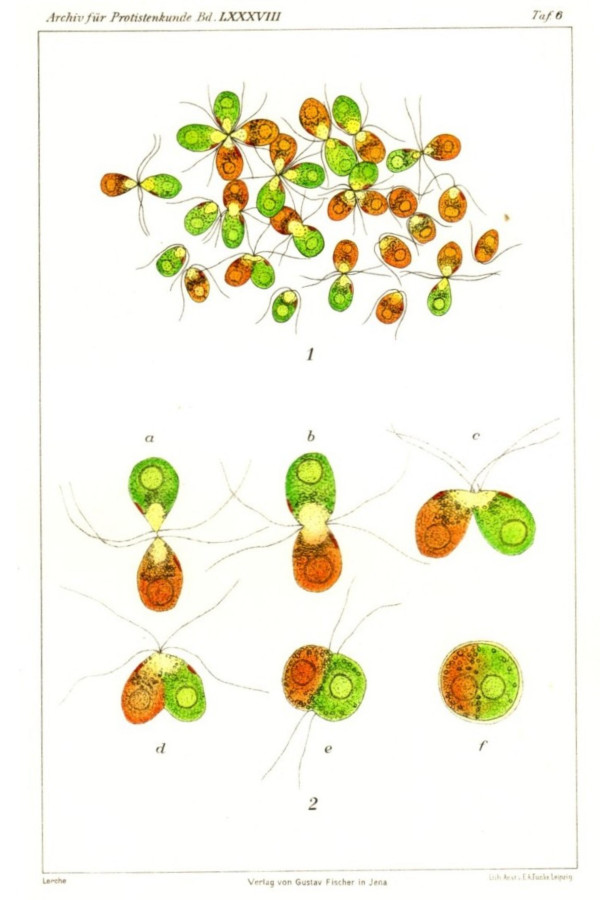
Verification
Claims the paper makes
The claims and statistics of this paper haven’t been checked yet.
Free: it reads the open-access text and checks the first 5 claims that cite a source we can check. Create a free account to check every claim.
Claims other papers make about this one
Each is checked against this paper’s own text: does it say what the citing paper says it does?
The source backs part of the claim, not all of it — or backs it for a different population, condition or comparison.
In the citing paper
“Dunaliella and Haematococcus are also among the successful products based on their long-chain isoprenoid compounds, e.g., carotenoids [15,16].”
From Overview and Challenges of Large-Scale Cultivation of Photosynthetic Microalgae and Cyanobacteria (2023) · cites this paper as [15]
Experimental — accuracy not yet measuredThe cited source says what the claim attributes to it.
In the citing paper
“In this case, the microalgae in question is a species without a rigid cell wall [15], facilitating the extraction of β-carotene.”
From Overview and Challenges of Large-Scale Cultivation of Photosynthetic Microalgae and Cyanobacteria (2023) · cites this paper as [15]
Self-check
Percentages, sums and reported differences re-computed from the paper’s own numbers.
The self-check needs the paper’s full text.
Citations
Cites
Lund, J. W. G., & Hendey, N. I. (1965) · The Journal of Ecology · doi:10.2307/2258001 · Cited by 873
Halophilic Microorganisms and their Environments
Oren, A. (2002) · Cellular Origin, Life in Extreme Habitats and Astrobiology · doi:10.1007/0-306-48053-0 · Cited by 522
Self-citationBen‐Amotz, A., Katz, A., & Avron, M. (1982) · Journal of Phycology · doi:10.1111/j.1529-8817.1982.tb03219.x · Cited by 372 · cited 1×
“[45,46]), but she was mistaken about the location of the pigment:”
BackgroundThe Role of Glycerol in the Osmotic Regulation of the Halophilic Alga Dunaliella parva
Ben-Amotz, A., & Avron, M. (1973) · Plant Physiology · doi:10.1104/pp.51.5.875 · Cited by 367 · cited 13×
“Katz A, Pick U, Avron M: Characterization and reconstitution of the Na+/H+ antiporter from the plasma membrane of the halophilic alga Dunaliella.”
BackgroundInfluentialBorowitzka, L. J., & Brown, A. D. (1974) · Archives of Microbiology · doi:10.1007/bf00590161 · Cited by 351 · cited 5×
“Borowitzka LJ, Brown AD: The salt relations of marine and halophilic species of the unicellular green alga, Dunaliella.”
InfluentialEffects of Salts on the Halophilic Alga Dunaliella viridis
Johnson, M. K., Johnson, E. J., MacElroy, R. D., Speer, H. L., & Bruff, B. S. (1968) · Journal of Bacteriology · doi:10.1128/jb.95.4.1461-1468.1968 · Cited by 285 · cited 3×
“Intracellular Salt and Solute Concentrations of Dunaliella Marrè and Servetta ([63], as cited in [61]) described measurements of the freezing point of the cytoplasmic fluid of D.”
BackgroundLiska, A. J., Shevchenko, A., Pick, U., & Katz, A. (2004) · Plant Physiology · doi:10.1104/pp.104.039438 · Cited by 268 · cited 1×
“[81], Dunaliella research has entered the era of modern proteomics.”
BackgroundThe microbial ecology of the Great Salt Lake
Post, F. J. (1977) · Microbial Ecology · doi:10.1007/bf02010403 · Cited by 241 · cited 1×
“Post [56] reported that in the cold season, round cyst-like cells of D.”
BackgroundACCUMULATION OF METABOLITES BY HALOTOLERANT ALGAE AND ITS INDUSTRIAL POTENTIAL
Ben-Amotz, A., & Avron, M. (1983) · Annual Review of Microbiology · doi:10.1146/annurev.mi.37.100183.000523 · Cited by 236 · cited 2×
“The commercial cultivation of Dunaliella for the production of β-carotene throughout the world is now one of the success stories of halophile biotechnology [51-53].”
BackgroundAlgal and cyanobacterial biotechnology
Cresswell, R. C., Rees, T. A. V., & Shah, N. (1989) · Longman Scientific & Technical , Wiley eBooks · Cited by 216
Research works printed but not linked: 29
- Dunal F Extrait d'un mémoire sur les algues qui colorent en rouge certains eaux des marais salants méditerranéens Ann Sc Nat Bot 2 Sér 1838 9 172
- Teodoresco EC Organisation et développement du Dunaliella, nouveau genre de Volvocacée-Polyblepharidée Beih z Bot Centralbl 1905 Bd. XVIII 215 232
- Turpin PJF Quelques observations nouvelles sur les Protococcus, qui colorent en rouge les eaux des marais salants Comp Rend Acad Sci 1839
- Hamburger C Zur Kenntnis der Dunaliella salina und einer Amöbe aus Salinenwasser von Cagliari Arch f Protistenkd 1905 6 111 131
- Geleznow N Über die Ursache der Färbung des Salzwassers im See Sak in der Krim Bull de l'Académie Imp des Sciences de St Petersburg 1872 17 557
- Butschinsky P Die Protozoenfauna der Salzseelimane bei Odessa Zool Anz 1897 20
- Blanchard R Résultats d'une excursion zoologique en Algérie Mém de la Soc Zool de France 1891 IV
- Florentin R Faune des Mares Salées de Lorraine 1899 Nancy
- Bujor P Contributions à la faune des lacs salées de Roumanie Ann Sci de l'Université de Jassy 1900 1
- Blanchard R Note préliminaire sur Monas Dunalii, flagellé, qui cause la rubéfaction des marais salants Bull de la Soc Zool de France 1888 13 153
- Dujardin F Histoire Naturelle des Zoophytes (Infusoires) 1841 Paris
- Cohn F Chlamydomonas marina Cohn Hedwigia 1865 4 97
- Hansgirg A Prodromus d. Algenflora von Böhmen 1866 1 106
- Teodoresco EC Observations morphologiques et biologiques sur le genre Dunaliella Rev Gén Bot 1906 18 353 371 18: 409–427
- Cavara F Alcune osservazione sulla Dunaliella salina (Dun.) Teod. delle saline di Cagliari Rend della R Acad delle Sc Fis e Matemat. di Napoli Ser. 3 1906 12
- Labbé A Sur les modifications adaptives de Dunaliella salina Dunal C R Acad Sci 1921 172 1074 1076
- Labbé A Le cycle évolutif de Dunaliella salina C R Acad Sci 1921 172 1689 1690
- Labbé A Les variations de la concentration en ions hydrogène dans les marais salants, comme facteur biologique C R Acad Sci 1922 175 843 845
- Baas Becking LGM On organisms living in concentrated brine Tijdschr Ned Dierk Ver Ser III 1928 1 6 9
- Nicolai FE Baas Becking LGM Einige Notizen über Salzflagellaten Arch f Protistenkd 1935 85 319 328
- Lerche W Untersuchungen über Entwicklung und Fortpflanzung in der Gattung Dunaliella Arch f Protistenkd 1937 88 236 268
- Massyuk NP Morphology, Taxonomy, Ecology and Geographic Distribution of the Genus Dunaliella Teod. and Prospects for its Potential Utilization 1973 Kiev: Naukova Dumka (in Russian)
- Kalina T Zur Morphologie und Taxonomie der Gattung Spermatozopsis Korschikow (Volvocales). Spermatozopsis acidophila sp. nov Preslia 1965 37 9 12
- Gimmler H Weis U Ben-Amotz A, Avron M Dunaliella acidophila – life at pH 1.0 Dunaliella: Physiology, Biochemistry and Biotechnology 1992 Boca Raton: CRC Press 99 133
- Ruinen J Notizen über Salzflagellaten. II. Über die Verbreitung der Salzflagellaten Arch Protistenkd 1938 90 210 258
- Drokova IH The alga Dunaliella salina as a source of β-carotene Ukr Bot Zh 1961 18 110
- Ben-Amotz A Shelef G, Soeder CJ Glycerol, β-carotene and dry algal meal production by commercial cultivation of Dunaliella Algae Biomass 1980 Amsterdam: Elsevier 603 610
- Volcani BE The microorganisms of the Dead Sea Papers Collected to Commemorate the 70th Anniversary of Dr. Chaim Weizmann. Collective volume 1944 Rehovoth: Daniel Sieff Research Institute 71 85
- Marrè E Servettaz A Sul meccanismo di adattemento a condizioni osmotiche estreme in Dunaliella salina. II. Rapporto fra concentrazioni del mezzo esterno e composizione del succo cellulare Atti Accad Naz Lincei Cl Sci Fis Mat Nat Rend Ser 8 1959 26 272 278
Cited by
Items 101–200 of 422
Havas, F., Krispin, S., Cohen, M., Loing, E., Farge, M., Suere, T., & Attia, J. (2022) · Marine Drugs · doi:10.3390/md20020104 · Cited by 47
A novel subaerial Dunaliella species growing on cave spiderwebs in the Atacama Desert
Azúa-Bustos, A., González‐Silva, C., Salas, L., Palma, R. E., & Vicuña, R. (2010) · Extremophiles · doi:10.1007/s00792-010-0322-7 · Cited by 44
“They reproduce either by longitudinal division of biflagellate motile cells or by fusion of two motile cells to form a zygote (Oren 2005).”
BackgroundInfluentialPhytoplankton calcification as an effective mechanism to alleviate cellular calcium poisoning
Müller, M., Ramos, J. B. E., Schulz, K. G., Riebesell, U., Kaźmierczak, J., Gallo, F., Mackinder, L. C. M., Li, Y., Nesterenko, P. N., Trull, T. W., et al. (2015) · Biogeosciences · doi:10.5194/bg-12-6493-2015 · Cited by 42
“Dunaliella, a member of the class Chlorophyceae, is one of the most tolerant phytoplank- ton species regarding high external ion concentrations and regularly blooms in highly saline lakes (Oren, 2002, 2005).”
BackgroundZafrilla, B., Martínez‐Espinosa, R. M., Alonso-Vargas, M. Á., & Bonete, M.-J. (2010) · Saline Systems · doi:10.1186/1746-1448-6-10 · Cited by 48
Hejazi, M. A., Barzegari, A., Gharajeh, N. H., & Hejazi, M. S. (2010) · Saline Systems · doi:10.1186/1746-1448-6-4 · Cited by 42
“On one hand due to environmental adaptation and lacking of a cell wall, a certain Dunaliella isolate may exhibit different morphological and physiological behaviour in different conditions [3].”
BackgroundAntioxidant response of the microalga Dunaliella salina under salt stress
Mishra, A., & Jha, B. (2011) · Botanica Marina · doi:10.1515/bot.2011.012 · Cited by 42
“This biflagellate unicellular alga is responsible for most of the primary production in hyper-saline environments (Oren 2005, Mishra and Jha 2009).”
BackgroundThe microbiology of red brines
Oren, A. (2020) · Advances in applied microbiology · doi:10.1016/bs.aambs.2020.07.003 · Cited by 41
Self-citationAssunção, P., Jaén‐Molina, R., Caujapé‐Castells, J., de la Jara, A., Carmona, L., Freijanes, K., & Mendoza, H. M. (2012) · Aquatic Biosystems · doi:10.1186/2046-9063-8-2 · Cited by 41
“These data agree with other authors [10,11,27,29], who suggested that the number of Dunaliella species may be much lower than it has been claimed till now.”
ResultJia, Y., Xue, L., Liu, H., & Li, J. (2009) · Current Microbiology · doi:10.1007/s00284-008-9333-3 · Cited by 42
A giant type I polyketide synthase participates in zygospore maturation in Chlamydomonas reinhardtii
Heimerl, N., Hommel, E., Westermann, M., Meichsner, D., Lohr, M., Hertweck, C., Grossman, A. R., Mittag, M., & Sasso, S. (2018) · The Plant Journal · doi:10.1111/tpj.13948 · Cited by 41
Jafari, S., Mobasher, M. A., Najafipour, S., Ghasemi, Y., Mohkam, M., Ebrahimi, M. A., & Mobasher, N. (2018) · Jundishapur Journal of Natural Pharmaceutical Products · doi:10.5812/jjnpp.13226 · Cited by 39
“(6, 7) This microorganism can tolerate different concentrations of sodium chloride, ranging from 0.”
BackgroundSrirangan, S., Sauer, M.-L., Howard, B. E., Dvora, M., Dums, J. T., Backman, P., & Sederoff, H. W. (2015) · PLoS ONE · doi:10.1371/journal.pone.0127562 · Cited by 45
Life in Hypersaline Environments
Oren, A. (2016) · Advances in environmental microbiology · doi:10.1007/978-3-319-28071-4_8 · Cited by 43
Self-citationPereira, S., & Otero, A. (2019) · Algal Research · doi:10.1016/j.algal.2019.101725 · Cited by 40
Massive and Widespread Organelle Genomic Expansion in the Green Algal Genus Dunaliella
Vasto, M. D., Figueroa‐Martinez, F., Featherston, J., González, M., Reyes‐Prieto, A., Durand, P. M., & Smith, D. R. (2015) · Genome Biology and Evolution · doi:10.1093/gbe/evv027 · Cited by 37
HYPERSALINE SOIL SUPPORTS A DIVERSE COMMUNITY OF DUNALIELLA (CHLOROPHYCEAE)1
Buchheim, M. A., Kirkwood, A. E., Buchheim, J. A., Verghese, B., & Henley, W. J. (2010) · Journal of Phycology · doi:10.1111/j.1529-8817.2010.00886.x · Cited by 37
“Although some Dunaliella strains are capable of survival or growth at or near freshwater conditions (Oren 2005), most of the 28 species in the genus (Preisig 1992, Borowitzka and Siva 2007, González et al. 2009) are assumed to be similarly adapted for saline habitats (Brock 1975, Post 1977,…”
BackgroundContinual production of glycerol from carbon dioxide by Dunaliella tertiolecta
Chow, Y. Y. S., Goh, S. J. M., Su, Z., Ng, D. H. P., Lim, C., Lim, N. Y. N., Lin, H., Fang, L., & Lee, Y. K. (2013) · Bioresource Technology · doi:10.1016/j.biortech.2013.03.040 · Cited by 37
“While evaluation showed that the process was technicall y possible, economic feasibility appears to be low and no process has been developed to date for glycerol production using this alga (Oren, 2005 ).”
Algal Biofuels: An Economic and Effective Alternative of Fossil Fuels
Bhardwaj, N., Agrawal, K., & Verma, P. (2020) · Clean Energy Production Technologies · doi:10.1007/978-981-15-7190-9_7 · Cited by 37
Food and Feed Applications of Algae
Packer, M. A., Harris, G. C., & Adams, S. L. (2016) · Green energy and technology · doi:10.1007/978-3-319-12334-9_12 · Cited by 47
Lou, S., XiuLan, Z., Zeng, Z., Wang, H., Jia, B., Li, H., & Hu, Z. (2020) · Algal Research · doi:10.1016/j.algal.2020.101925 · Cited by 38
Hotos, G. N., & Avramidou, D. (2021) · Journal of Marine Science and Engineering · doi:10.3390/jmse9111275 · Cited by 39
Oren, A. (2009) · Digital Commons - USU (Utah State University) · Cited by 35
Self-citationAmor, F. B., Elleuch, F., Hlima, H. B., Garnier, M., Saint‐Jean, B., Barkallah, M., Pichon, C., Abdelkafi, S., & Fendri, I. (2017) · Marine Drugs · doi:10.3390/md15090293 · Cited by 33
“These characteristics are consistent with previous morphological characteristics of Dunaliella genus [19].”
ResultLeung, C., Grulois, D., Quadrana, L., & Chevin, L. (2023) · PLoS Biology · doi:10.1371/journal.pbio.3001895 · Cited by 38
Asencio, A. D. (2013) · Estuarine Coastal and Shelf Science · doi:10.1016/j.ecss.2013.03.006 · Cited by 32
Effect of Dunaliella tertiolecta Organic Exudates on the Fe(II) Oxidation Kinetics in Seawater
González, A. G., Santana‐Casiano, J. M., González‐Dávila, M., Pérez-Almeida, N., & de Tangil, M. S. (2014) · Environmental Science & Technology · doi:10.1021/es5013092 · Cited by 31
Kobbi-Rebai, R., Annabi-Trabelsi, N., Khemakhem, H., Ayadi, H., & Aleya, L. (2012) · Environmental Monitoring and Assessment · doi:10.1007/s10661-012-2695-9 · Cited by 31
“We (Abid et al. 2008; Elloumi et al. 2009; Khemakhem et al. 2010) and others (Joint et al. 2002; Oren 2005) have shown that salterns harbor a variety of organisms ranging from marine like to extreme halophiles and hypothesized that this restoration might lead to a change in the composition of the…”
BackgroundFachet, M., Flassig, R., Rihko‐Struckmann, L., & Sundmacher, K. (2014) · Bioresource Technology · doi:10.1016/j.biortech.2014.08.124 · Cited by 34
Olmos, J., Ochoa, L., Paniagua-Michel, J. D. J., & Contreras, R. (2009) · Saline Systems · doi:10.1186/1746-1448-5-5 · Cited by 31
Biotechnological Applications Derived from Microorganisms of the Atacama Desert
Azúa-Bustos, A., & González‐Silva, C. (2014) · BioMed Research International · doi:10.1155/2014/909312 · Cited by 33
Dunaliella salina Exhibits an Antileukemic Immunity in a Mouse Model of WEHI-3 Leukemia Cells
Chuang, W.-C., Ho, Y., Liao, J., & Lu, F. (2014) · Journal of Agricultural and Food Chemistry · doi:10.1021/jf503564b · Cited by 34
Tsai, C.-F., Lu, F., & Hsu, Y. (2012) · PubMed Central · Cited by 30
Optimum culture conditions required for the locally isolated Dunaliella salina
Abu-Rezq, T. S., Al-Hooti, S., & Jacob, D. A. (2010) · Cited by 30
Farhat, N., Rabhi, M., Falleh, H., Jouini, J., Abdelly, C., & Smaoui, A. (2011) · Journal of Phycology · doi:10.1111/j.1529-8817.2011.01036.x · Cited by 34
Vrana, I., Alempijević, S. B., Novosel, N., DeNardis, N. I., Žigon, D., Ogrinc, N., & Gašparović, B. (2022) · Journal of Applied Phycology · doi:10.1007/s10811-022-02745-8 · Cited by 29
“2001; Oren 2005; Novosel and Ivošević DeNardis 2021).”
BackgroundHe, Y., Meng, X., Fan, Q., Sun, X., Xu, Z., & Song, R. (2009) · Plant Molecular Biology · doi:10.1007/s11103-009-9517-7 · Cited by 29
“The powerful osmoregulation of Dunaliella has been demonstrated to be mainly due to production of intracellular glycerol as a compatible solute and to adjustment of the concentrations of glycerol to balance external osmotic pressure (BenAmotz and Avron 1973; Avron 1986; Oren 2005).”
BackgroundIsolation, Identification and Screening of Carotenoid-Producing Strains of Rhodotorula glutinis
El-Banna, A. A., El-Razek, A. M. A., & El-Mahdy, A. R. (2012) · Food and Nutrition Sciences · doi:10.4236/fns.2012.35086 · Cited by 28
Kamaroddin, M. F., Hanotu, J. O., Gilmour, D. J., & Zimmerman, W. B. (2016) · Algal Research · doi:10.1016/j.algal.2016.05.006 · Cited by 29
Viver, T., Orellana, L. H., Díaz, S. C., Urdiain, M., Ramos‐Barbero, M. D., González‐Pastor, J. E., Oren, A., Hatt, J. K., Amann, R., Antón, J., et al. (2019) · Environmental Microbiology · doi:10.1111/1462-2920.14790 · Cited by 28
“In addition, brines exhibited the typical red-pigmentation originating by the combination of the presence of the Dunaliella sp. algae with various carotenoid-encoding halophilic prokaryotes as previously reported (Oren and Rodríguez-Valera, 2001; Oren 2005).”
BackgroundSelf-citationThe alga Dunaliella revisited: Looking back and moving forward with model and production organisms
Polle, J. E. W., Jin, E., & Ben‐Amotz, A. (2020) · Algal Research · doi:10.1016/j.algal.2020.101948 · Cited by 30
Giery, S. T., Layman, C. A., & Langerhans, R. B. (2015) · Evolutionary Applications · doi:10.1111/eva.12275 · Cited by 32
“We suspect this apparent interaction between geography and fragmentation might indirectly affect other factors important for signal production such as the types and quantity of carotenoids in mosquitofish prey (Cifuentes et al. 2001; Oren 2005).”
BackgroundHistory, Distribution, and Habitats of Algae of the Genus Dunaliella Teodoresco (Chlorophyceae)
Polle, J. W., Tran, D., & Ben‐Amotz, A. (2009) · Science Publishers eBooks · doi:10.1201/b10300-2 · Cited by 27
Glycerol outflow in Symbiodinium under osmotic and nitrogen stress
Bolívar, L. P. S., Traverse, G. M. I., & Thomé, P. E. (2016) · Marine Biology · doi:10.1007/s00227-016-2899-6 · Cited by 28
“Glycerol is a preferred osmolyte in green algae (BenAmotz and Avron 1983; Oren 2005; Goyal 2007) and other microorganisms (revised in Suescún-Bolívar and Thomé 2015), highly diffusible through biological membranes, and a potential carbon source for host metabolism.”
BackgroundYeasts in Hypersaline Habitats
Zajc, J., Zalar, P., & Gunde‐Cimerman, N. (2017) · Springer eBooks · doi:10.1007/978-3-319-62683-3_10 · Cited by 29
Late-Holocene coastal depositional environments and climate changes in the Gulf of Corinth, Greece
Emmanouilidis, A., Unkel, I., Triantaphyllou, M., & Avramidis, P. (2019) · The Holocene · doi:10.1177/0959683619875793 · Cited by 26
“The typical red color of the salt pond (Figure 1d) is attributed to the presence of the halophile micro-algae Dunaliella salina (Oren, 2005).”
BackgroundHuesemann, M. H., & Benemann, J. R. (2009) · Science Publishers eBooks · doi:10.1201/b10300-20 · Cited by 26
Yang, N., Ding, R., & Liu, J. (2022) · Gene · doi:10.1016/j.gene.2022.146886 · Cited by 25
Hopkins, T. C., Graham, E. J. S., & Schuler, A. J. (2019) · Journal of Applied Phycology · doi:10.1007/s10811-019-01836-3 · Cited by 27
“One key feature of theDunaliella genus is the production of high concentrations of glycerol in the cytoplasm to balance osmotic pressure, which allows many species in the genus to grow at salinity levels toxic to other marine algae (Oren 2005).”
BackgroundGallego‐Cartagena, E., Castillo-Ramírez, M., & Martínez-Burgos, W. J. (2019) · Saudi Journal of Biological Sciences · doi:10.1016/j.sjbs.2019.07.010 · Cited by 28
“…morphological attributes are naked cells, isocontos flagella and a pyrenoid; chloroplast in cup form rich in chlorophyll a and b, xanthophylls (violaxanthin, zeaxanthin and lutein), carotenes (b, a and c) with or without aplanospores; reproduction by longitudinal or sexual division (Oren, 2005).”
BackgroundDor, Y. B., Flax, T., Levitan, I., Enzel, Y., Brauer, A., & Erel, Y. (2021) · Chemical Geology · doi:10.1016/j.chemgeo.2021.120261 · Cited by 24
Leung, C., Grulois, D., & Chevin, L. (2022) · Molecular Ecology · doi:10.1111/mec.16542 · Cited by 24
“selection for salinity tolerance in its natural habitat (Kirst 1990; Oren 2005; Ben-Amotz et al. 402 2009).”
BackgroundTsarpali, V., Harbi, K., & Dailianis, S. (2015) · Journal of Applied Phycology · doi:10.1007/s10811-015-0613-6 · Cited by 26
“For instance, its ability to induce carotenoid production under stress conditions has made this species a potentially useful model, in order to understand the important role of their formation during algal growth and survival (Nikookar et al. 2005; Oren 2005; Tsiaka et al. 2013).”
BackgroundGene expression profiling of Dunaliella sp. acclimated to different salinities
Kim, M., Park, S., Polle, J. E. W., & Jin, E. (2010) · Phycological Research · doi:10.1111/j.1440-1835.2009.00554.x · Cited by 24
“The molecular studies have revealed that many culture collection strains are probably mis- named and some unnecessary species names may have been proposed in the past (Oren 2005).”
BackgroundInfluentialCui, L., Chai, Y., Li, J., Liu, H., Zhang, L., & Xue, L. (2009) · Journal of Applied Phycology · doi:10.1007/s10811-009-9494-x · Cited by 24
“During salt stress, glycerol as the major compatible solute is massively accumulated (Borowitzka and Brown 1974; Chen and Jiang 2009; Oren 2005).”
BackgroundInfluentialHotos, G. N. (2021) · Diversity · doi:10.3390/d13060270 · Cited by 23
DsHsp90 Is Involved in the Early Response of Dunaliella salina to Environmental Stress †
Wang, S., Wu, M., Chen, X., Jiang, Y., & Yan, Y. (2012) · International Journal of Molecular Sciences · doi:10.3390/ijms13077963 · Cited by 22
Biodiesel Properties of Native Strain of Dunaliella Salina
Rasoul‐Amini, S., Mousavi, P., Montazeri‐Najafabady, N., Mobasher, M. A., Mousavi, S. B., Vosough, F., Dabbagh, F., & Ghasemi, Y. (2014) · International Journal of Renewable Energy Research · doi:10.20508/ijrer.36803 · Cited by 27
“Because of its high content of carotenoids, it is a good source of foods with antioxidant activity [5].”
BackgroundEinali, A., & Valizadeh, J. (2015) · Acta Physiologiae Plantarum · doi:10.1007/s11738-015-1832-9 · Cited by 23
“It accumulates high levels of starch, oil, glycerol, and hydrocarbons (Ben-Amotz and Avron 1983a; Oren 2005) and thus, it can be considered as a high potential alga for production of biofuels.”
BackgroundAkbari, F., Eskandani, M., & Khosroushahi, A. Y. (2014) · World Journal of Microbiology and Biotechnology · doi:10.1007/s11274-014-1714-0 · Cited by 24
Zhu, C., Fan, Q., Wang, W., Shen, C., Meng, X., Tang, Y., Mei, B., Xu, Z., & Song, R. (2013) · Gene · doi:10.1016/j.gene.2013.11.009 · Cited by 23
“The green alga Dunaliella is known as themost salt-tolerant eukaryotes (Oren, 2005).”
BackgroundExtremely halophilic archaeal communities are resilient to short‐term entombment in halite
Huby, T., Clark, D. R., McKew, B. A., & McGenity, T. J. (2020) · Environmental Microbiology · doi:10.1111/1462-2920.14913 · Cited by 21
“…glycerol-producing chlorophyte, Dunaliella salina, which is often the dominant primary producer in salterns and occasionally in crystallizer ponds (Oren, 2005), as no Dunaliella chloroplast 16S rRNA sequences were detected in our study (bacterial 16S rRNA amplicon sequence data not shown),…”
BackgroundAssunção, P., Jaén‐Molina, R., Caujapé‐Castells, J., Wolf, M., Buchheim, M. A., de la Jara, A., Freijanes, K., Carmona, L., & Mendoza, H. M. (2013) · Phycological Research · doi:10.1111/pre.12003 · Cited by 21
“…have clear implications regarding the taxonomy of D. viridis, a species that is frequently associated with benthic and extreme saline habitats (Oren 2002, 2005; Borowitzka & Siva 2007) and has become an excellent model to study stress signaling in eukaryotic unicellular organisms (Jiménez et…”
Jia, Y., Xue, L., Li, J., & Liu, H. (2009) · Molecular Biology Reports · doi:10.1007/s11033-009-9563-x · Cited by 21
Cui, L., Xue, L., Li, J., Zhang, L., & Yan, H. (2009) · Molecular Biology Reports · doi:10.1007/s11033-009-9717-x · Cited by 22
Investigation of bio-desalination potential algae and their effect on water quality
Moayedi, A., Yargholi, B., Pazira, E., & Babazadeh, H. (2021) · Desalination and Water Treatment · doi:10.5004/dwt.2021.26638 · Cited by 20
Mollo, L., Drigo, F., Moglie, M., & Norici, A. (2023) · Algal Research · doi:10.1016/j.algal.2023.103256 · Cited by 22
“…of phenolic compounds from the medium was observed in the presence of all the species except for D. salina (Table 3); the lack of a cell wall [57] could be the reason why no removal was observed since the biosorption step is crucial for the uptake of phenolic compounds and other elements…”
Starvation-Survival in Haloarchaea
Winters, Y. D., Lowenstein, T. K., & Timofeeff, M. N. (2015) · Life · doi:10.3390/life5041587 · Cited by 20
“In hypersaline lakes, dense populations of haloarchaea arise following Dunaliella blooms [61].”
BackgroundProduction of Biopharmaceuticals in Microalgae
Bañuelos-Hernández, B., Beltrán-López, J. I., & Rosales‐Mendoza, S. (2015) · Elsevier eBooks · doi:10.1016/b978-0-12-800776-1.00018-2 · Cited by 25
Mixson, S., & Burkholder, J. M. (2016) · Journal of Experimental Marine Biology and Ecology · doi:10.1016/j.jembe.2016.11.006 · Cited by 20
Li, Y., Gu, W., Huang, A., Xie, X., Wu, S., & Wang, G. (2019) · Phycological Research · doi:10.1111/pre.12379 · Cited by 21
“D. salina lacks a rigid cell wall, which facilitates extraction of lipids and genetic manipulation (Oren 2005).”
BackgroundAdvances in Microalgal Research in Brazil
Matos, Â. P. (2021) · Brazilian Archives of Biology and Technology · doi:10.1590/1678-4324-2021200531 · Cited by 23
“Since 1980, the salttolerant microalgae Dunaliella salina has been cultivated in large scale in Australia and Israel for β-carotene production [17].”
BackgroundHigh Light Acclimation in Green Microalgae
Finazzi, G., & Minagawa, J. (2014) · Advances in photosynthesis and respiration · doi:10.1007/978-94-017-9032-1_21 · Cited by 21
“salina has high concentrations of β-carotene to protect against intense light (Oren 2005) and high concentrations of glycerol to provide protection against low osmotic pressure (Oren 2005).”
BackgroundKirby, W. A., Tikhonenkov, D. V., Mylnikov, A. P., Janouškovec, J., Lax, G., & Simpson, A. G. B. (2014) · Journal of Eukaryotic Microbiology · doi:10.1111/jeu.12172 · Cited by 20
“There are well-documented examples of extraordinary halotolerance in Dunaliella algae and some fungi (GundeCimerman et al. 2009; Oren 2005).”
BackgroundMixing and agitation in photobioreactors
Kirnev, P. C. D. S., Vandenberghe, L. P. D. S., Soccol, C. R., & de Carvalho, J. C. (2022) · Elsevier eBooks · doi:10.1016/b978-0-12-821877-8.00005-1 · Cited by 25
Almutairi, A. W. (2022) · 3 Biotech · doi:10.1007/s13205-022-03262-8 · Cited by 19
“Different species of Dunaliella are unicellular green microalgae reported as the key factor for most of the primary production in hypersaline environments worldwide (Oren 2005).”
BackgroundApplications of comet and MTT assays in studying Dunaliella algae species
Barmshuri, M., Kholdebarin, B., & Sadeghi, S. (2023) · Algal Research · doi:10.1016/j.algal.2023.103018 · Cited by 19
Ionescu, D., Zoccarato, L., Cabello‐Yeves, P. J., & Tikochinski, Y. (2024) · Frontiers in Microbiomes · doi:10.3389/frmbi.2023.1329925 · Cited by 19
“…of osmoregulation employed by an organism follows a phylogenetic separation by which extreme halophilic Archaea make use of the salt-in strategy (Becker et al., 2014), while moderate and slight halophilic bacteria and eukaryotes use the salt-out alternative (Roessler and Muller, 2001; Oren, 2005).”
Metabolic fingerprinting of Dunaliella salina cultured under sulfur deprivation conditions
Lv, H., Qiao, C., Zhong, C., & Jia, S. (2017) · Journal of Applied Phycology · doi:10.1007/s10811-017-1230-3 · Cited by 19
“This high-value compound, mostly composed of all-trans and 9-cis stereoisomers, has a wide range of important economical applications in the food, cosmetic, and aquaculture industries (Oren 2005; Ramos et al. 2011; Borowitzka 2013).”
BackgroundStabili, L., Licciano, M., Giangrande, A., Gerardi, C., Pascali, S. A. D., & Fanizzi, F. P. (2019) · Marine Drugs · doi:10.3390/md17070396 · Cited by 19
Production Characteristics of Dunaliella salina at Two-phase Pilot Cultivation (Crimea)
Боровков, А. Б., Гудвилович, И. Н., Avsiyan, A. L., Memetshaeva, N. O. A., Lelekov, A. S., & Новікова, Т. М. (2019) · Turkish Journal of Fisheries and Aquatic Sciences · doi:10.4194/1303-2712-v20_5_08 · Cited by 21
“…is widely known and interesting species due to its high tolerance to extreme conditions of salinity, light, temperature and pH, as well as the abundance of synthesized biologically active compounds such as carotenoids, glycerin, lipids and many others (Oren, 2005; Ben-Amotz, Polle, & Rao, 2009).”
BackgroundEnvironmental stressors and lipid production by Dunaliella spp. I. Salinity
Mixson, S., Burkholder, J. M., & Zimba, P. V. (2016) · Journal of Experimental Marine Biology and Ecology · doi:10.1016/j.jembe.2016.11.004 · Cited by 21
Messinian bottom‐grown selenitic gypsum: An archive of microbial life
Natalicchio, M., Birgel, D., Pierre, F. D., Ziegenbalg, S., Hoffmann‐Sell, L., Gier, S., & Peckmann, J. (2021) · Geobiology · doi:10.1111/gbi.12464 · Cited by 22
“Euryarchaeota (Jebbar et al., 2020; Oren, 2002; Ventosa et al., 2014), and few eukaryotes including the brine shrimp Artemia salina and the green alga Dunaliella salina (Oren, 2005).”
Lee, H. B., Jeong, D. H., Cho, B. C., & Park, J. S. (2021) · Microbial Ecology · doi:10.1007/s00248-021-01918-1 · Cited by 18
The influence of ultra-low temperatures on marine microalgal cells
Boroda, A. V., Aizdaicher, N. A., & Odintsova, N. A. (2013) · Journal of Applied Phycology · doi:10.1007/s10811-013-0093-5 · Cited by 20
“salina cells do not have a rigid cell wall, are covered by only a thin elastic plasma membrane (Oren 2005), and possess the ability to accumulate glycerol by photosynthesis (Ben-Amotz and Avron 1973; Borowitzka and Brown 1974).”
BackgroundA Novel Component of the Disulfide-Reducing Pathway Required for Cytochrome c Assembly in Plastids
Gabilly, S. T., Kropat, J., Karamoko, M., Page, M. D., Nakamoto, S. S., Merchant, S., & Hamel, P. P. (2011) · Genetics · doi:10.1534/genetics.110.125369 · Cited by 21
Mhanna, N. M. A., Pistorius, M., & Sammarraie, L. A. (2023) · Processes · doi:10.3390/pr11010292 · Cited by 19
Xia, B.-B., Wang, S.-H., Duan, J.-B., & Bai, L. (2014) · Open Life Sciences · doi:10.2478/s11535-014-0323-0 · Cited by 17
Nghiem-Xuan, R., Mouget, J., Turpin, V., Jaouen, P., & Pruvost, J. (2021) · Algal Research · doi:10.1016/j.algal.2021.102251 · Cited by 17
Extremophilic Microorganisms in Central Europe
Zgonik, V., Mulec, J., Eleršek, T., Ogrinc, N., Jamnik, P., & Ulrih, N. P. (2021) · Microorganisms · doi:10.3390/microorganisms9112326 · Cited by 17
Dunaliella salina as a Potential Biofactory for Antigens and Vehicle for Mucosal Application
Castellanos-Huerta, I., Gómez‐Verduzco, G., Téllez‐Isaías, G., Ayora‐Talavera, G., Bañuelos-Hernández, B., Petrone-García, V. M., Fernández-Siurob, I., CASILLAS, L. A. G., & Velázquez‐Juárez, G. (2022) · Processes · doi:10.3390/pr10091776 · Cited by 17
DsCaf1 is involved in environmental stress response of Dunaliella salina
Chen, X., Zhang, X.-H., Hu, L., Zhang, J.-Q., Jiang, Y., Yang, Y., & Yan, Y. (2015) · International Journal of Biological Macromolecules · doi:10.1016/j.ijbiomac.2015.10.015 · Cited by 17
Naceur, H. B., Jenhani, A. B. R., & Romdhane, M. S. (2011) · Biological Letters · doi:10.2478/v10120-011-0008-6 · Cited by 17
Microalgae and Cyanobacteria Production for Feed and Food Supplements
Vanthoor-Koopmans, M., Cordoba-Matson, M. V., Arredondo-Vega, B. O., Lozano-Ramírez, C., García‐Trejo, J. F., & Rodríguez-Palacio, M. C. (2014) · Springer eBooks · doi:10.1007/978-3-319-03880-3_8 · Cited by 22
Tanoeiro, J. R., Fehrenbach, G. W., Murray, P., Pedrosa, R., & Chen, Y. Y. (2024) · Aquaculture Journal · doi:10.3390/aquacj4030007 · Cited by 18
Mazor, Y., Toporik, H., & Nelson, N. (2012) · Biochimica et Biophysica Acta (BBA) - Bioenergetics · doi:10.1016/j.bbabio.2012.01.005 · Cited by 16
Gong, W.-F., Zhao, L., Hu, B., Chen, X., Zhang, F., Zhu, Z., & Chen, D. (2014) · Plant Cell Tissue and Organ Culture (PCTOC) · doi:10.1007/s11240-014-0425-4 · Cited by 18
“Surprisingly, the intracellular Na ? concentration was found to not exceed 0.1 M, irrespective of whether the cells were grown in 0.5 or 4 M NaCl conditions (Oren 2005).”
BackgroundInfluentialMoghimifam, R., Niknam, V., Ebrahimzadeh, H., & Hejazi, M. A. (2020) · Bioprocess and Biosystems Engineering · doi:10.1007/s00449-020-02350-4 · Cited by 17
Castellanos-Huerta, I., Gómez‐Verduzco, G., Téllez‐Isaías, G., Ayora‐Talavera, G., Bañuelos-Hernández, B., Petrone-García, V. M., Velázquez‐Juárez, G., & Fernández-Siurob, I. (2022) · Microorganisms · doi:10.3390/microorganisms10020361 · Cited by 15
“is a unicellular, halophilic, bi-flagellate, and naked green alga, Phylum Chlorophyta, Class Chlorophyceae, order Volvocales, family Polyblepharidaceae, and genus Dunaliella with a total of 29 species [15].”
BackgroundBiorefinery potential of Dunaliella (Chlorophyta) for production of value‐added compounds
Sharma, Y., Singh, G. P., & Singh, C. P. (2024) · Biofuels Bioproducts and Biorefining · doi:10.1002/bbb.2635 · Cited by 15
“30 It is a euryhaline species and occurs globally in salt lakes, coastal areas, and marshes.”
He, Q., Toh, J. D. W., Ero, R., Zhu, Q., Kumar, V., Serra, A., Tan, J., Sze, S. K., & Gao, Y. (2019) · The Plant Journal · doi:10.1111/tpj.14619 · Cited by 15
Metadata
- Authors
- Oren, A.
- Affiliations
- Hebrew University of Jerusalem (IL)
- Corresponding author
- Oren, Aharon
- ORCID
- Oren, Aharon
- Venue
- Saline Systems
- Published
- 2005-07-04
- Volume
- 1
- Issue
- 1
- Pages
- 2-2
- ISSN
- 1746-1448 (ISSN-L)
- PMC
- PMC1224875
- OpenAlex
- W2142457064
- Cited by
- 400
- References
- 57
- Citations by year
- 2026: 14 · 2025: 13 · 2024: 17 · 2023: 23 · 2022: 22 · 2021: 25 · 2020: 25 · 2019: 30 · 2018: 20 · 2017: 23 · 2016: 21 · 2015: 24 · 2014: 26 · 2013: 26 · 2012: 12
- FWCI
- 2.52
- Type
- journal article
- Language
- en
- Open access
- hybrid
- doi.org
- Licence
- cc-by
- Locations
- Saline Systems (publishedVersion, cc-by)
- PubMed Central (publishedVersion, cc-by)
- PubMed (publishedVersion)
- Topics
- Life Sciences › Agricultural and Biological Sciences › Ecology, Evolution, Behavior and Systematics › Protist diversity and phylogeny
- Physical Sciences › Earth and Planetary Sciences › Oceanography › Marine and coastal plant biology
- Social Sciences › Arts and Humanities › History and Philosophy of Science › History of Science and Natural History
- Keywords
- Dunaliella, history of research, green algae, hypersaline environments, primary production, algal taxonomy, halophilic algae
About these checks
Registry, retraction, Cites and statistics results are computed, not judged, with one exception: a printed reference that no index lists is read once by a model before it counts as a citation error. Claims are extracted by a model and kept only when their quote appears verbatim in the text; each cited source is then checked, with a model’s help, for whether it says what the claim relies on. Those verdicts can be wrong — read the claim’s quote and the cited source before relying on one.
Statistics and arithmetic are recomputed, not judged.
Confidence bands are shown only for fields calibrated on our annotated test set. None is calibrated yet, so no band is shown.
What counts as a claim ›How we measure confidence ›How we check this ›
Are you an author, or do you see a problem with this page? Request a review
Data sources
Bibliographic data: Semantic Scholar, OpenAlex, Crossref.
Contains information from the Semantic Scholar Academic Graph Datasets, made available under the ODC Attribution License (ODC-BY 1.0).
Semantic Scholar’s data is described in: Kinney, R., et al. (2023). The Semantic Scholar Open Data Platform. arXiv:2301.10140.
