

A hundred years of Dunaliella research: 1905–2005
Open accessThe DOI matches its Crossref record; 58 of the 58 references it cites were found in a registry or an index.
Abstract
A hundred years have passed since the description of the genus Dunaliella, the unicellular green alga which is responsible for most of the primary production in hypersaline environments worldwide. The present paper provides an historical survey of research on Dunaliella, from the early work in the 19th century to the thorough taxonomic studies by Teodoresco, Hamburger, Lerche and others from the beginning of the 20th century onwards. It attempts to trace the origin of some of the most important breakthroughs that have contributed to our present understanding of this alga that plays such a key role in many hypersaline environments.
Overview
The claims and statistics of this paper haven’t been checked yet.
Free: it reads the open-access text and checks the first 5 claims that cite a source we can check. Create a free account to check every claim.
Integrity signals
Registry
Cites
Statistics
Figures
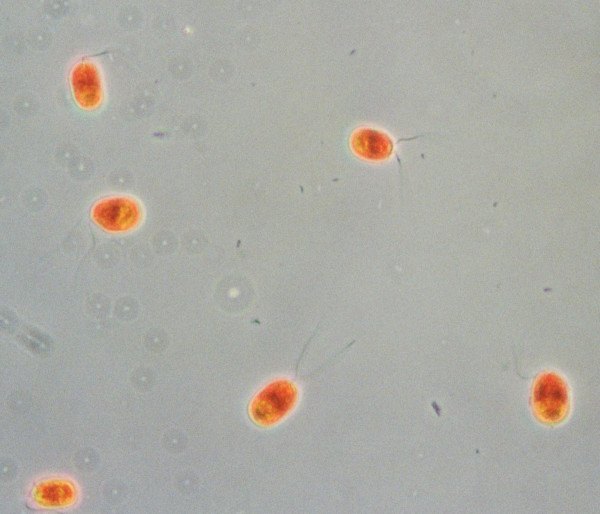
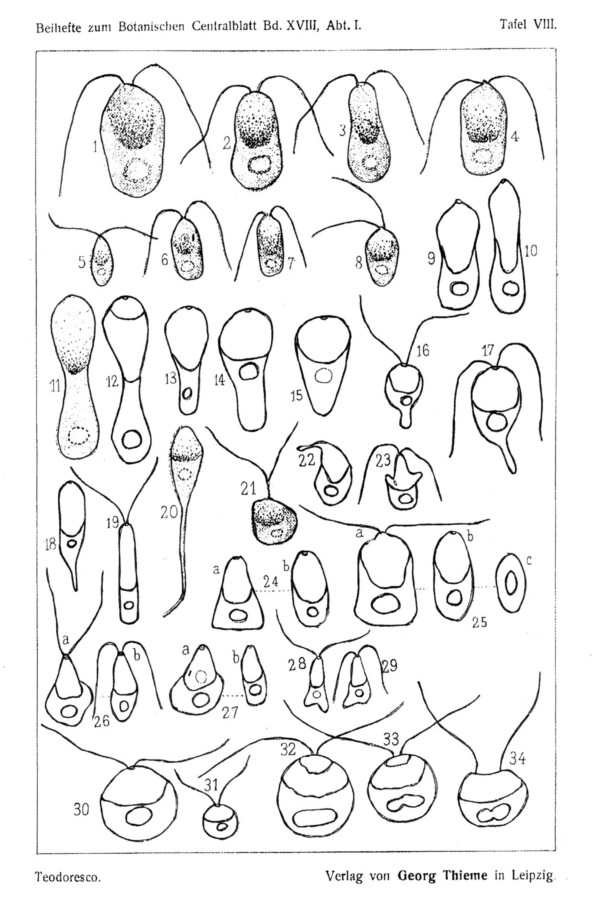
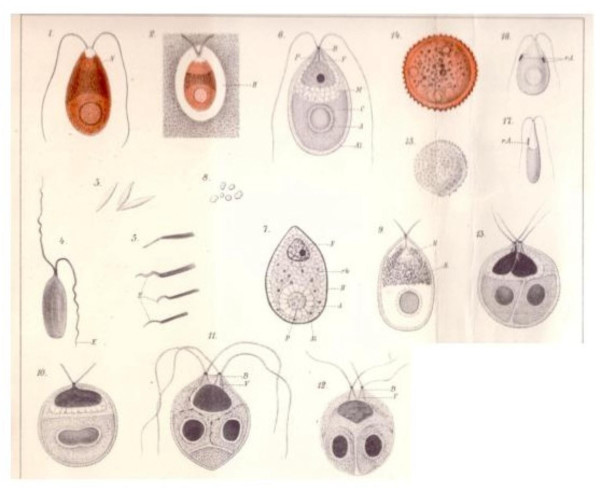
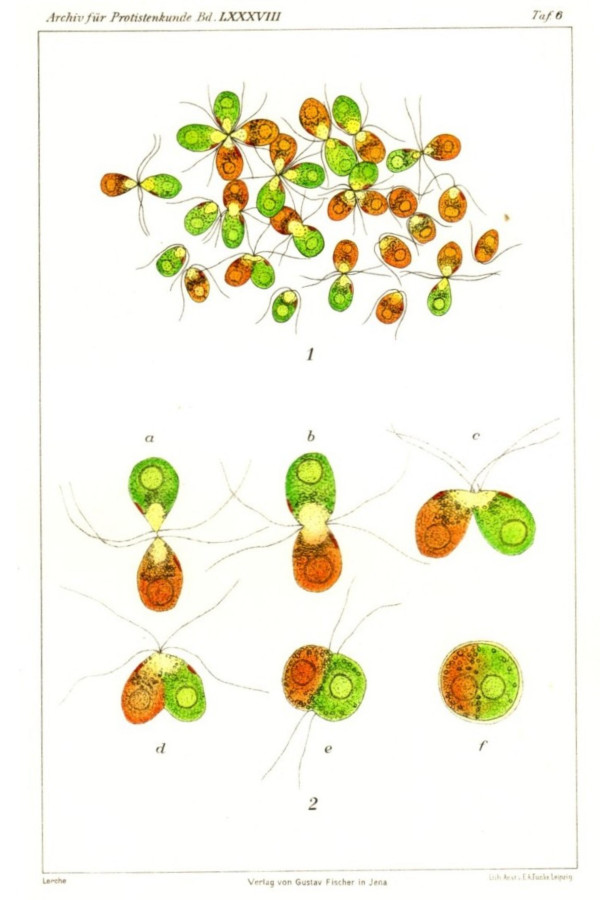
Verification
Claims the paper makes
The claims and statistics of this paper haven’t been checked yet.
Free: it reads the open-access text and checks the first 5 claims that cite a source we can check. Create a free account to check every claim.
Claims other papers make about this one
Each is checked against this paper’s own text: does it say what the citing paper says it does?
The source backs part of the claim, not all of it — or backs it for a different population, condition or comparison.
In the citing paper
“Dunaliella and Haematococcus are also among the successful products based on their long-chain isoprenoid compounds, e.g., carotenoids [15,16].”
From Overview and Challenges of Large-Scale Cultivation of Photosynthetic Microalgae and Cyanobacteria (2023) · cites this paper as [15]
Experimental — accuracy not yet measuredThe cited source says what the claim attributes to it.
In the citing paper
“In this case, the microalgae in question is a species without a rigid cell wall [15], facilitating the extraction of β-carotene.”
From Overview and Challenges of Large-Scale Cultivation of Photosynthetic Microalgae and Cyanobacteria (2023) · cites this paper as [15]
Self-check
Percentages, sums and reported differences re-computed from the paper’s own numbers.
The self-check needs the paper’s full text.
Citations
Cites
Lund, J. W. G., & Hendey, N. I. (1965) · The Journal of Ecology · doi:10.2307/2258001 · Cited by 873
Halophilic Microorganisms and their Environments
Oren, A. (2002) · Cellular Origin, Life in Extreme Habitats and Astrobiology · doi:10.1007/0-306-48053-0 · Cited by 522
Self-citationBen‐Amotz, A., Katz, A., & Avron, M. (1982) · Journal of Phycology · doi:10.1111/j.1529-8817.1982.tb03219.x · Cited by 372 · cited 1×
“[45,46]), but she was mistaken about the location of the pigment:”
BackgroundThe Role of Glycerol in the Osmotic Regulation of the Halophilic Alga Dunaliella parva
Ben-Amotz, A., & Avron, M. (1973) · Plant Physiology · doi:10.1104/pp.51.5.875 · Cited by 367 · cited 13×
“Katz A, Pick U, Avron M: Characterization and reconstitution of the Na+/H+ antiporter from the plasma membrane of the halophilic alga Dunaliella.”
BackgroundInfluentialBorowitzka, L. J., & Brown, A. D. (1974) · Archives of Microbiology · doi:10.1007/bf00590161 · Cited by 351 · cited 5×
“Borowitzka LJ, Brown AD: The salt relations of marine and halophilic species of the unicellular green alga, Dunaliella.”
InfluentialEffects of Salts on the Halophilic Alga Dunaliella viridis
Johnson, M. K., Johnson, E. J., MacElroy, R. D., Speer, H. L., & Bruff, B. S. (1968) · Journal of Bacteriology · doi:10.1128/jb.95.4.1461-1468.1968 · Cited by 285 · cited 3×
“Intracellular Salt and Solute Concentrations of Dunaliella Marrè and Servetta ([63], as cited in [61]) described measurements of the freezing point of the cytoplasmic fluid of D.”
BackgroundLiska, A. J., Shevchenko, A., Pick, U., & Katz, A. (2004) · Plant Physiology · doi:10.1104/pp.104.039438 · Cited by 268 · cited 1×
“[81], Dunaliella research has entered the era of modern proteomics.”
BackgroundThe microbial ecology of the Great Salt Lake
Post, F. J. (1977) · Microbial Ecology · doi:10.1007/bf02010403 · Cited by 241 · cited 1×
“Post [56] reported that in the cold season, round cyst-like cells of D.”
BackgroundACCUMULATION OF METABOLITES BY HALOTOLERANT ALGAE AND ITS INDUSTRIAL POTENTIAL
Ben-Amotz, A., & Avron, M. (1983) · Annual Review of Microbiology · doi:10.1146/annurev.mi.37.100183.000523 · Cited by 236 · cited 2×
“The commercial cultivation of Dunaliella for the production of β-carotene throughout the world is now one of the success stories of halophile biotechnology [51-53].”
BackgroundAlgal and cyanobacterial biotechnology
Cresswell, R. C., Rees, T. A. V., & Shah, N. (1989) · Longman Scientific & Technical , Wiley eBooks · Cited by 216
Research works printed but not linked: 29
- Dunal F Extrait d'un mémoire sur les algues qui colorent en rouge certains eaux des marais salants méditerranéens Ann Sc Nat Bot 2 Sér 1838 9 172
- Teodoresco EC Organisation et développement du Dunaliella, nouveau genre de Volvocacée-Polyblepharidée Beih z Bot Centralbl 1905 Bd. XVIII 215 232
- Turpin PJF Quelques observations nouvelles sur les Protococcus, qui colorent en rouge les eaux des marais salants Comp Rend Acad Sci 1839
- Hamburger C Zur Kenntnis der Dunaliella salina und einer Amöbe aus Salinenwasser von Cagliari Arch f Protistenkd 1905 6 111 131
- Geleznow N Über die Ursache der Färbung des Salzwassers im See Sak in der Krim Bull de l'Académie Imp des Sciences de St Petersburg 1872 17 557
- Butschinsky P Die Protozoenfauna der Salzseelimane bei Odessa Zool Anz 1897 20
- Blanchard R Résultats d'une excursion zoologique en Algérie Mém de la Soc Zool de France 1891 IV
- Florentin R Faune des Mares Salées de Lorraine 1899 Nancy
- Bujor P Contributions à la faune des lacs salées de Roumanie Ann Sci de l'Université de Jassy 1900 1
- Blanchard R Note préliminaire sur Monas Dunalii, flagellé, qui cause la rubéfaction des marais salants Bull de la Soc Zool de France 1888 13 153
- Dujardin F Histoire Naturelle des Zoophytes (Infusoires) 1841 Paris
- Cohn F Chlamydomonas marina Cohn Hedwigia 1865 4 97
- Hansgirg A Prodromus d. Algenflora von Böhmen 1866 1 106
- Teodoresco EC Observations morphologiques et biologiques sur le genre Dunaliella Rev Gén Bot 1906 18 353 371 18: 409–427
- Cavara F Alcune osservazione sulla Dunaliella salina (Dun.) Teod. delle saline di Cagliari Rend della R Acad delle Sc Fis e Matemat. di Napoli Ser. 3 1906 12
- Labbé A Sur les modifications adaptives de Dunaliella salina Dunal C R Acad Sci 1921 172 1074 1076
- Labbé A Le cycle évolutif de Dunaliella salina C R Acad Sci 1921 172 1689 1690
- Labbé A Les variations de la concentration en ions hydrogène dans les marais salants, comme facteur biologique C R Acad Sci 1922 175 843 845
- Baas Becking LGM On organisms living in concentrated brine Tijdschr Ned Dierk Ver Ser III 1928 1 6 9
- Nicolai FE Baas Becking LGM Einige Notizen über Salzflagellaten Arch f Protistenkd 1935 85 319 328
- Lerche W Untersuchungen über Entwicklung und Fortpflanzung in der Gattung Dunaliella Arch f Protistenkd 1937 88 236 268
- Massyuk NP Morphology, Taxonomy, Ecology and Geographic Distribution of the Genus Dunaliella Teod. and Prospects for its Potential Utilization 1973 Kiev: Naukova Dumka (in Russian)
- Kalina T Zur Morphologie und Taxonomie der Gattung Spermatozopsis Korschikow (Volvocales). Spermatozopsis acidophila sp. nov Preslia 1965 37 9 12
- Gimmler H Weis U Ben-Amotz A, Avron M Dunaliella acidophila – life at pH 1.0 Dunaliella: Physiology, Biochemistry and Biotechnology 1992 Boca Raton: CRC Press 99 133
- Ruinen J Notizen über Salzflagellaten. II. Über die Verbreitung der Salzflagellaten Arch Protistenkd 1938 90 210 258
- Drokova IH The alga Dunaliella salina as a source of β-carotene Ukr Bot Zh 1961 18 110
- Ben-Amotz A Shelef G, Soeder CJ Glycerol, β-carotene and dry algal meal production by commercial cultivation of Dunaliella Algae Biomass 1980 Amsterdam: Elsevier 603 610
- Volcani BE The microorganisms of the Dead Sea Papers Collected to Commemorate the 70th Anniversary of Dr. Chaim Weizmann. Collective volume 1944 Rehovoth: Daniel Sieff Research Institute 71 85
- Marrè E Servettaz A Sul meccanismo di adattemento a condizioni osmotiche estreme in Dunaliella salina. II. Rapporto fra concentrazioni del mezzo esterno e composizione del succo cellulare Atti Accad Naz Lincei Cl Sci Fis Mat Nat Rend Ser 8 1959 26 272 278
Cited by
Items 201–300 of 422
Isaji, Y., Kawahata, H., Kuroda, J., Yoshimura, T., Ogawa, N. O., Suzuki, A., Shibuya, T., Jiménez-Espejo, F. J., Lugli, S., Santulli, A., et al. (2017) · Geochimica et Cosmochimica Acta · doi:10.1016/j.gca.2017.04.013 · Cited by 16
Amino Acids Are an Ineffective Fertilizer for Dunaliella spp. Growth
Murphree, C., Dums, J. T., Jain, S. K., Zhao, C., Young, D. Y., Khoshnoodi, N., Tikunov, A. P., Macdonald, J. M., Pilot, G., & Sederoff, H. W. (2017) · Frontiers in Plant Science · doi:10.3389/fpls.2017.00847 · Cited by 18
“22 divisions per 24 h) (Oren, 2005), and therefore may require substantial time to shift genetic and protein machinery when first exposed to NH4.”
BackgroundMoura, Y. A. S., Marques, D. D. A. V., Porto, A. L. F., Bezerra, R. P., & Converti, A. (2020) · Energies · doi:10.3390/en13205347 · Cited by 18
“In addition, as previously mentioned in the section addressed to kinetic parameters, the high NaCl concentration in seawater-based media may have enhanced the photosynthetic CO2 assimilation favoring biomass production [48].”
BackgroundCommon pathogens and differential diagnosis of skin and soft tissue infections.
Murakawa, G. J. (2004) · PubMed · Cited by 15
The RNA landscape of Dunaliella salina in response to short-term salt stress
Zhang, B., Deng, C., Wang, S., Deng, Q., Chu, Y., Bai, Z., Huang, A., Zhang, Q., & He, Q. (2023) · Frontiers in Plant Science · doi:10.3389/fpls.2023.1278954 · Cited by 16
“Studies report that Dunaliella cells grown in 4 M NaCl contain about 8 M glycerol (Chitlaru and Pick, 1989; Oren, 2005).”
BackgroundLei, G., Qiao, D., Bai, L., Xu, H., & Cao, Y. (2007) · Journal of Applied Phycology · doi:10.1007/s10811-007-9175-6 · Cited by 14
“Dunaliella salina is an excellent photosynthetic model organism to study saline tolerance (Oren 2005).”
BackgroundANALYSIS OF EXPRESSED SEQUENCE TAGS FROM THE GREEN ALGA DUNALIELLA SALINA (CHLOROPHYTA)1
Zhao, R., Cao, Y., Xu, H., Lv, L., 乔代蓉, & Cao, Y. (2011) · Journal of Phycology · doi:10.1111/j.1529-8817.2011.01071.x · Cited by 16
“However, in contrast to the continuous and extensive work devoted to D. salina (Oren 2005), there was still a small number of sequence resources in public databases such as National Center for Biotechnology Information (NCBI; 215 nucleotides, 238 proteins, 4,058 ESTs available).”
ResultSong, T., Gao, Q., Xu, Z., & Song, R. (2010) · Molecular Biology Reports · doi:10.1007/s11033-010-0621-1 · Cited by 14
“Dunaliella, a unicellular green alga, is one of the most salt-tolerant eukaryotic organisms and can survive in saturated NaCl concentrations [19].”
BackgroundEnzymes from Halophilic Archaea: Open Questions
Bonete, M.-J., & Martínez‐Espinosa, R. M. (2011) · Springer eBooks · doi:10.1007/978-3-642-20198-1_19 · Cited by 14
“reported (Oren 2005) and the production of this pigment at industrial scale is very successful.”
BackgroundMarine biomass toward biofuel production
Vaishnavi, J., Arulprakash, A., Selvi, A., & Rajasekar, A. (2019) · Elsevier eBooks · doi:10.1016/b978-0-12-818996-2.00020-x · Cited by 17
Bioactive Compounds: Glycerol Production, Carotenoid Production, Fatty Acids Production
Ben‐Amotz, A. (2019) · CRC Press eBooks · doi:10.1201/9780429061639-8 · Cited by 14
Dunaliella salina Hsp90 is halotolerant
Chen, X., Wu, M., Jiang, Y., Yang, Y., & Yan, Y. (2015) · International Journal of Biological Macromolecules · doi:10.1016/j.ijbiomac.2015.01.057 · Cited by 13
Jeon, H., Jeong, J., Baek, K., McKie-Krisberg, Z. M., Polle, J. E. W., & Jin, E. (2016) · Algal Research · doi:10.1016/j.algal.2016.07.010 · Cited by 13
Androuin, T., Six, C., Bordeyne, F., de Bettignies, F., Noisette, F., & Davoult, D. (2020) · Symbiosis · doi:10.1007/s13199-020-00691-y · Cited by 13
“The accumulation of βcarotene is also very well-known to occur in osmotic stress situations, notably in Dunaliella salina (Oren 2005).”
BackgroundCyanotoxin Analysis of Air Samples from the Great Salt Lake
Metcalf, J. S., Banack, S. A., & Cox, P. A. (2023) · Toxins · doi:10.3390/toxins15110659 · Cited by 13
“Food webs in this saline lacrustine ecosystem are founded on planktonic organisms, particularly salt-tolerant green algae such as Dunaliella salina and various species of cyanobacteria, which are largely distributed according to salinity [1–4].”
BackgroundLiu, J., Zhang, D., & Hong, L. (2014) · Annals of Microbiology · doi:10.1007/s13213-014-0967-z · Cited by 13
“The unicellular green alga Dunaliella salina (Dunal), first discovered on the Mediterranean coast in 1838 (Oren 2005), is known for its massive production of β-carotene which is used commercially in cosmetics and food supplements (Ye et al.”
Molecular cloning and characterization of a vacuolar H+-pyrophosphatase from Dunaliella viridis
Meng, X., Xu, Z., & Song, R. (2010) · Molecular Biology Reports · doi:10.1007/s11033-010-0445-z · Cited by 13
“1 M to [ 5 M NaCl, and thus serves as a useful plant model for investigating mechanisms of salt tolerance [1].”
BackgroundEffects of Burkholderia thailandensis rhamnolipids on the unicellular algae Dunaliella tertiolecta
Charalampous, N., Grammatikopoulos, G., Kourmentza, K., Kornaros, M. E., & Dailianis, S. (2019) · Ecotoxicology and Environmental Safety · doi:10.1016/j.ecoenv.2019.109413 · Cited by 13
“cell density, growth rate and chlorophyll content) 101 as useful indices for assessing functional and structural effects due to environmental 102 stressors (Oren, 2005; DeLorenzo, 2009; Tsiaka et al., 2013; Tsarpali et al., 2016).”
BackgroundMethodInfluentialApplication of Seaweeds in the Food Industry
García-Sartal, C., Barciela‐Alonso, M. C., & Bermejo‐Barrera, P. (2011) · Wiley eBooks · doi:10.1002/9781119977087.ch34 · Cited by 18
Beuzenberg, V., Smith, K. F., & Packer, M. A. (2014) · New Zealand Journal of Botany · doi:10.1080/0028825x.2013.859627 · Cited by 14
“Dunaliella is known to be stimulated into vegetative division by a decrease in salinity (Oren 2005), which presumably led to vegetative cells of the more halo-sensitive Groups 3 and 4 being present in the samples taken.”
BackgroundInfluential(2009) · Science Publishers eBooks · doi:10.1201/b10300-1 · Cited by 13
Shoemaker, A., Maritan, A. J., Cosar, S., Nupp, S., Menchaca, A., Jackson, T., Dang, A., Baxter, B. K., Colman, D. R., Dunham, E. C., et al. (2024) · FEMS Microbiology Ecology · doi:10.1093/femsec/fiae105 · Cited by 14
Lai, Y.-C., Karam, A. L., Sederoff, H. W., Ducoste, J. J., & Reyes, F. L. D. L. (2019) · Journal of Applied Phycology · doi:10.1007/s10811-019-01897-4 · Cited by 12
“In addition, the absence of a cell wall makes possible the lipid extraction through osmotic lysis (Oren 2005).”
BackgroundA Century of Dunaliella Research: 1905–2005
Oren, A. (2005) · Springer eBooks · doi:10.1007/1-4020-3633-7_31 · Cited by 12
Self-citationZhang, L., Xing, Z.-T., Chen, L.-Q., Zhang, X., & Fan, S. (2022) · Frontiers in Plant Science · doi:10.3389/fpls.2022.828321 · Cited by 17
“These species are responsible for most of the primary production when exposed to high salt stress (Oren, 2005).”
BackgroundWoyda-Ploszczyca, A. M., & Rybak, A. S. (2021) · Algal Research · doi:10.1016/j.algal.2021.102474 · Cited by 12
Extremophiles: photosynthetic systems in a high-altitude saline basin (Altiplano, Chile)
Angel, A., Vila, I., & Herrera, V. (2016) · International aquatic research. · doi:10.1007/s40071-016-0121-6 · Cited by 12
“One of the most interesting adaptations in Dunaliella species is the formation of vegetative cysts (Hamburger 1905; Margulis et al. 1980; Borowitzka and Huisman 1993; Oren 2005) during winter conditions of short and cold days (Borowitzka and Huisman 1993).”
BackgroundResultInfluentialIntroduction of Natural Pigments from Microorganisms
Wang, S., Xu, F., & Zhan, J. (2017) · Wiley eBooks · doi:10.1002/9781119166191.ch1 · Cited by 13
Eroğlu, E., Wijihastuti, R. S., Grenik, E., Vadiveloo, A., Moheimani, N. R., & Lou, X. (2018) · Journal of Chemical Technology & Biotechnology · doi:10.1002/jctb.5642 · Cited by 11
Zamani, H., Moradshahi, A., & Karbalaei‐Heidari, H. R. (2010) · Hydrobiologia · doi:10.1007/s10750-010-0450-1 · Cited by 10
“On the basis of morphological descriptions presented by Borowitzka & Siva (2007) and also by Oren (2005), the isolate was named Dunaliella salina, being green to orange at the logarithmic phase and orange to red at the exponential phase of growth.”
BackgroundUnusual occurrence of non carotenogenic strains of Dunaliella bardawil and Dunaliella parva in India
Jayappriyan, K. R., Rajkumar, R., & Rengasamy, R. (2011) · Journal of Basic Microbiology · doi:10.1002/jobm.201000384 · Cited by 10
Acceptable Loss: Fitness Consequences of Salinity-Induced Cell Death in a Halotolerant Microalga
Zeballos, N., Grulois, D., Leung, C., & Chevin, L. (2023) · The American Naturalist · doi:10.1086/724417 · Cited by 10
“Dunaliella salina can tolerate a broad range of salinities, from below seawater to saturated brine ([NaCl] ∼ 6:2 M), through a number of wellcharacterized, phenotypically plastic mechanisms (Oren 2005; Ben-Amotz et al. 2009; Chen and Jiang 2009).”
BackgroundViolaxanthin cycle kinetics analysed in vivo with resonance Raman spectroscopy
Koch, M., Zagermann, S. A., Kniggendorf, A., Meinhardt‐Wollweber, M., & Roth, B. (2017) · Journal of Raman Spectroscopy · doi:10.1002/jrs.5102 · Cited by 10
Gomez, J. O. R. (2015) · Journal of Microbial & Biochemical Technology · doi:10.4172/1948-5948.1000181 · Cited by 20
Occupied and Empty Regions of the Space of Extremophile Parameters
Robinson, J. M., & Mikucki, J. A. (2018) · Elsevier eBooks · doi:10.1016/b978-0-12-811940-2.00009-5 · Cited by 10
Zhu, C., Fan, Q., Wang, W., Shen, C., Wang, P., Meng, X., Tang, Y., Mei, B., Xu, Z., & Song, R. (2013) · Molecular Biology Reports · doi:10.1007/s11033-013-2882-y · Cited by 12
Arias, D., Hayashida, G., Aranda, M., Araya, S., Portilla, T., García, A., & Díaz‐Palma, P. (2013) · Advances in Bioscience and Biotechnology · doi:10.4236/abb.2013.48110 · Cited by 10
“5 mol/L of NaCl [25,34].”
Elías, J. A. L., Medina‐Félix, D., Campa‐Córdova, Á. I., Martínez‐Córdova, L. R., Hernández‐López, J., Cano, J. F. M., & Rivas‐Vega, M. E. (2016) · Latin American Journal of Aquatic Research · doi:10.3856/vol44-issue2-fulltext-11 · Cited by 10
Wang, D., Wang, W., Xu, N., & Sun, X. K. (2016) · Journal of Ocean University of China · doi:10.1007/s11802-016-2848-5 · Cited by 10
Gerasimova, E. A., Balkin, A. S., Filonchikova, E. S., Mindolina, Y. V., Zagumyonnyi, D. G., & Tikhonenkov, D. V. (2023) · Water · doi:10.3390/w15112008 · Cited by 9
PHYLOGENETIC STUDY OF SOME STRAINS OF DUNALIELLA
Tran (2013) · American Journal of Environmental Sciences · doi:10.3844/ajessp.2013.317.321 · Cited by 9
Deformation and rupture of Dunaliella salina at high shear rates without the use of thickeners
Kokkinos, D., Dakhil, H., Wierschem, A., Briesen, H., & Braun, A. (2016) · Biorheology · doi:10.3233/bir-15057 · Cited by 11
“Microalgae Dunaliella salina , one of the world’s richest natural sources of β -carotene, is enclosed in a plasma membrane and has no cell wall [13].”
A re view on pharmacological applications of halophilic alga Dunaliella
Singh, D. P., & Ambedkar, B. (2016) · Cited by 13
Metabolic Engineering of Escherichia coli for Lactic Acid Production from Renewable Resources
Martínez, A., Rodríguez-Alegría, M. E., Fernandes, M. C., Gosset, G., & Vargas‐Tah, A. (2017) · Springer eBooks · doi:10.1007/978-3-319-51729-2_5 · Cited by 9
Induction of Polyploidy by Colchicine on the Green Algae Dunaliella salina
Nezhad, F. S., & Mansouri, H. (2019) · Russian Journal of Marine Biology · doi:10.1134/s1063074019020093 · Cited by 9
Muggia, L., Zalar, P., Azúa-Bustos, A., González‐Silva, C., Grube, M., & Gunde‐Cimerman, N. (2020) · Symbiosis · doi:10.1007/s13199-020-00697-6 · Cited by 9
“…can withstand NaCl concentrations ranging from about 0.05 M up to saturation, 5.5 M (Ben-Amotz et al. 2009), its cells are ovoid to pyriform in shape, lack a rigid cell wall and are enclosed by a thin plasma membrane that causes the cells to round up as the external salinity decreases (Oren 2005).”
BackgroundInfluentialPhycoremediation: Future Perspective of Green Technology
Dixit, S., & Singh, D. P. (2015) · Springer eBooks · doi:10.1007/978-81-322-2641-3_2 · Cited by 8
Eukaryotic algal community composition in tropical environments from solar salterns to the open sea
Eckmann, C. A., Eberle, J. S., Wittmers, F., Wilken, S., Bergauer, K., Poirier, C. L., Blum, M., Makareviciute‐Fichtner, K., Jiménez, V., Bachy, C., et al. (2023) · Frontiers in Marine Science · doi:10.3389/fmars.2023.1131351 · Cited by 10
“Salt ponds are known for their halophilic phytoplankton, such as the green alga Dunaliella which has been observed in these habitats worldwide using culturing, microscopy, and other methods (Oren, 2005; Ben-Amotz et al., 2019).”
BackgroundMethodÇelekli, A., Lekesiz, Ö., & Çetin, T. (2024) · TURKISH JOURNAL OF BOTANY · doi:10.55730/1300-008x.2805 · Cited by 8
Development of a chloroplast expression system for Dunaliella salina
Chen, H., Zheng, Q.-X., Yu, F., Xie, S., & Jiang, J. (2024) · Enzyme and Microbial Technology · doi:10.1016/j.enzmictec.2024.110464 · Cited by 9
Stoyneva-Gärtner, M. P., Uzunov, B., & Gärtner, G. (2024) · Cosmetics · doi:10.3390/cosmetics11040115 · Cited by 9
The Cultivation of Halophilic Microalgae Shapes the Structure of Their Prokaryotic Assemblages
Selivanova, E. A., Yakimov, M. M., Kataev, V., Khlopko, Y. A., Balkin, A. S., & Plotnikov, A. O. (2024) · Microorganisms · doi:10.3390/microorganisms12101947 · Cited by 8
“All these taxa are halophilic and have been previously isolated from hypersaline water bodies [24,42–45].”
BackgroundPhysiological and Metabolic Responses of a Novel Dunaliella salina Strain to Myo‐inositol1
Lv, H., Wang, Q., Qi, B., Liu, C., Xiao, Y., & Jia, S. (2020) · Journal of Phycology · doi:10.1111/jpy.12973 · Cited by 9
Evaluation of total reducing capacity in three Dunaliella salina (Dunal) Teodoresco isolates
Zamani, H., & Moradshahi, A. (2013) · Journal of Applied Phycology · doi:10.1007/s10811-013-0074-8 · Cited by 8
Lv, H., Wang, Q., Qi, B., He, J., & Jia, S. (2019) · Theoretical and Experimental Plant Physiology · doi:10.1007/s40626-019-00138-w · Cited by 16
“The halotolerant chlorophyte Dunaliella salina has been a model organism for the study of photosynthesis, osmotic regulation and carotenoid biosynthesis for decades, ever since its discovery in 1905 (Oren 2005; Ramos et al. 2011).”
BackgroundFONSECA, Y. B. T., ALMEIDA, N. M., Caldas, J. D. C., Morais, G. N., SILVA, I. M. J., Riatto, V. B., dos Santos, W. N. L., & MOUTINHO, F. L. B. (2022) · Anais da Academia Brasileira de Ciências · doi:10.1590/0001-3765202220201735 · Cited by 7
Ecology and biogeochemistry of the microbial underworld in two sister soda lakes
Paquette, A. J., Bhatnagar, S., Vadlamani, A., Gillis, T., Khot, V., Novotnik, B., Siegler, H. D. L. H., Strous, M., & Rattray, J. E. (2024) · Environmental Microbiome · doi:10.1186/s40793-024-00632-y · Cited by 7
Olmos-Soto, J., Paniagua-Michel, J. D. J., Contreras, R., & Ochoa, L. (2012) · Methods in molecular biology · doi:10.1007/978-1-61779-879-5_16 · Cited by 9
Khatoon, H. (2020) · Asian Fisheries Science · doi:10.33997/j.afs.2020.33.3.001 · Cited by 11
“The immense accumulation of carotenoids by some strains under favourable growth conditions has also guided to fascinating biotechnological applications (Oren, 2005).”
BackgroundDums, J. T., Murphree, C., Vasani, N. B., Young, D. Y., & Sederoff, H. W. (2018) · Frontiers in Marine Science · doi:10.3389/fmars.2018.00311 · Cited by 7
“Dunaliella spp. have been physiologically characterized for years (Oren, 2005; BenAmotz et al., 2009); however, only recently have there been attempts to explore transcriptomes of these algae under different environmental conditions such as: nitrogen starvation (Shin et al., 2015; Tan et al.,…”
BackgroundWhat are extreme environments and what lives in them?
Bell, E. M., & Callaghan, T. V. (2012) · CABI eBooks · doi:10.1079/9781845938147.0001 · Cited by 12
Hong, H. P., & Choi, J. K. (2015) · Ocean Science Journal · doi:10.1007/s12601-015-0048-7 · Cited by 7
Mishra, A., & Jha, B. (2011) · Botanica Marina · doi:10.1515/bot.2011.011 · Cited by 7
“This biflagellate unicellular alga is responsible for most of the primary production in hyper-saline environments (Oren 2005, Mishra and Jha 2009).”
BackgroundMatalin, D. A., Khramov, D. E., Shuvalov, A. V., Volkov, V. S., Balnokin, Y. V., & Popova, L. G. (2021) · Plants · doi:10.3390/plants10122667 · Cited by 7
Organic Carbon Is Ineffective in Enhancing the Growth of Dunaliella
Celente, G. D. S., Rizzetti, T. M., Schneider, R. D. C. D. S., Harvey, P. J., & Sui, Y. (2022) · Fermentation · doi:10.3390/fermentation8060261 · Cited by 8
He, L., Wang, Q., Wang, Z., Wang, F., Sun, S., & Liu, X. (2022) · Water · doi:10.3390/w14172724 · Cited by 7
Mendoza, H., de la Jara, A., Freijanes, K., Carmona, L., Ramos, A. A., Duarte, V. D. S., & Varela, J. C. S. (2008) · Electronic Journal of Biotechnology · doi:10.2225/vol11/issue4-fulltext-2 · Cited by 20
Dunaliella β-Carotene Productivity Comparison Under In Vitro Conditions
Olmos, J. (2024) · Current Microbiology · doi:10.1007/s00284-024-03636-6 · Cited by 6
“In 1883 Dunal made the first description of a unicellular biflagellate red-colored alga living in concentrated brines of Montpellier in the Mediterranean coast of France [2].”
DIVERSITY OF CRYPTHECODINIUM SPP. (DINOPHYCEAE) FROM OKINAWA PREFECTURE, JAPAN
Prabowo, D. A., Hiraishi, O., & Suda, S. (2013) · Journal of Marine Science and Technology · doi:10.6119/jmst-013-1220-8 · Cited by 6
“However, several dinoflagellate species have been reported also capable of producing beneficial chemical substances such as carotenoids and fatty acids [16, 17, 21].”
BackgroundБоровков, А. Б., Гудвилович, И. Н., Avsiyan, A. L., Лантушенко, А. О., Rylkova, O. A., Memetshaeva, O. A., Degtyar, I. V., & Chekushkin, A. A. (2021) · 3 Biotech · doi:10.1007/s13205-021-02982-7 · Cited by 6
“According to the literature, the size of D. salina cells varies in a rather wide range, with cell length of 2.8–40 µm, cell width of 1.5–20 µm, and cell volume ranging from 8 to 4500 µm3 (Massyuk 1973; Oren 2005; Preetha et al.”
BackgroundInfluentialGuermazi, W., Athmouni, K., Annabi-Trabelsi, N., Elloumi, J., Ayadi, H., & Leignel, V. (2024) · Aquatic Ecology · doi:10.1007/s10452-023-10082-2 · Cited by 6
“The solar salterns contain rich and varied communities of phototrophic micro-organisms along the saltern gradient, and the photo-synthetic primary production determines the saltern system features (Gunde-Cimerman et al. 2005; Oren 2005; Masmoudi et al. 2015).”
Alagawany, M. M., Rudayni, H. A., El-Kholy, M. S., Alawam, A. S., Allam, A. A., Elnesr, S. S., Abass, K. S., & Farag, M. R. (2025) · Food Bioscience · doi:10.1016/j.fbio.2025.107280 · Cited by 6
Safe Retinol-Like Skin Biological Effect by a New Complex, Enriched with Retinol Precursors
Ma’or, Z., Cohen, D., Laor-Costa, Y., & Portugal‐Cohen, M. (2020) · Journal of Cosmetics Dermatological Sciences and Applications · doi:10.4236/jcdsa.2020.102007 · Cited by 7
Extremophilic (Hemi)cellulolytic Microorganisms and Enzymes
Cobucci‐Ponzano, B., Ionata, E., Cara, F. L., Morana, A., Ferrara, M. C., Maurelli, L., Strazzulli, A., Giglio, R., & Moracci, M. (2013) · Springer eBooks · doi:10.1007/978-3-642-37861-4_6 · Cited by 6
“In fact, the only eukaryal microorganism of importance, but almost ubiquitously present in high-salt environments, is the green alga Dunaliella (Oren 2005).”
BackgroundChow, Y. Y. S., Tu, W. Y., Wang, D., Ng, D. H. P., & Lee, Y. K. (2015) · Biotechnology and Bioengineering · doi:10.1002/bit.25608 · Cited by 9
“A process for the photosynthetic production and extraction of intracellular glycerol from Dunaliella was previously proposed (Chen and Chi 1981), however commercial production has yet to become a reality (Oren 2005).”
BackgroundLife in High-Salinity Environments
Oren, A. (2015) · ASM Press eBooks · doi:10.1128/9781555818821.ch4.3.2 · Cited by 11
Self-citationOlmos, J. (2015) · Elsevier eBooks · doi:10.1016/b978-0-12-800776-1.00038-8 · Cited by 10
Popova, L. G., Беляев, Д. В., Shuvalov, A. V., Юрченко, А. А., Matalin, D. A., Khramov, D. E., Orlova, Y. V., & Balnokin, Y. V. (2018) · Molecular Biology · doi:10.1134/s002689841804016x · Cited by 8
Hamidkhani, A., Asgarani, E., Saboora, A., & Hejazi, M. A. (2021) · Botanica Marina · doi:10.1515/bot-2020-0078 · Cited by 6
Demirel, Z. (2022) · AQUATIC RESEARCH · doi:10.3153/ar22013 · Cited by 6
Zhang, N., Wang, F., Meng, X., Luo, S., Li, Q., Dong, H., Xu, Z., & Song, R. (2010) · Molecular Biology Reports · doi:10.1007/s11033-010-0354-1 · Cited by 6
“Dunaliella has extraordinary tolerance to severe stresses, such as salinity, pH and light intensity and was considered to be an ideal model system for the study of the tolerance to abiotic stress at the molecular level [23].”
Byeon, Y., Lee, J., Kim, B., Hong, S., & Khim, J. S. (2025) · Marine Pollution Bulletin · doi:10.1016/j.marpolbul.2025.118226 · Cited by 6
Phytoplankton Diversity and Blooms in Ephemeral Saline Lakes of Cyprus
Polykarpou, P., Katsiapi, M., Genitsaris, S., Stefanidou, N., Dörflinger, G., Moustaka-Gouni, M. T., Economou‐Amilli, A., & Raitsos, D. Ε. (2023) · Diversity · doi:10.3390/d15121204 · Cited by 5
Ghannay, S., Khemakhem, H., Ayadi, H., & Elloumi, J. (2015) · African Journal of Marine Science · doi:10.2989/1814232x.2015.1018944 · Cited by 5
“The presence of Artemia has been related to the density of Chlorophyceae in solar saltworks, and D. salina is probably an important prey species (Davis 2000; Oren 2005).”
BackgroundBelghith, T., Athmouni, K., Elloumi, J., Guermazi, W., Stoeck, T., & Ayadi, H. (2015) · Arabian Journal for Science and Engineering · doi:10.1007/s13369-015-1808-5 · Cited by 5
Microbial Habitability and Pleistocene Aridification of the Asian Interior
Wang, J., Lowenstein, T. K., & Fang, X. (2016) · Astrobiology · doi:10.1089/ast.2015.1397 · Cited by 5
“Cells are similar in size and ANCIENT MICROBES RESPOND TO ASIAN ARIDIFICATION structure to the green algae Dunaliella , an important photo-synthetic autotroph in modern hypersaline environments (Oren, 2005).”
Võ, T., Mai, T., Vu, H., Van, D., Dao, H. T. T., Tran, P., Nguyen, N., Nguyen, P., & Nguyen, N. C. (2017) · Research in Plant Sciences · doi:10.12691/plant-5-1-1 · Cited by 7
“Unicellular green algae of the genus Dunaliella is a halophillic eukaryote, ovoid form, flagellated and lack a rigid polysaccharide wall and thus have been found to be able to rapidly change their volume and shape in response to changes in the extracellular hypo-or hyper-osmotic pressure [2,29,33].”
BackgroundFeipeng, W. A. N. G., Feng, J., Jie, W. A. N. G., Li, B., & Xie, S. (2014) · Acta Geologica Sinica - English Edition · doi:10.1111/1755-6724.12266_26 · Cited by 5
Ng, D. H. P., Low, C. S., Chow, Y. Y. S., & Lee, Y. K. (2014) · FEMS Microbiology Letters · doi:10.1111/1574-6968.12514 · Cited by 5
“Unlike most microalgae, Dunaliella cells lack a rigid cell wall and are enclosed in an elastic membrane which allows rapid changes in cell volume in response to fluctuations in external osmotic pressure (Oren, 2005; Chen & Jiang, 2009).”
BackgroundChithambaran, S. (2015) · Journal of Marine Biology and Aquaculture · doi:10.15436/2381-0750.15.004 · Cited by 6
Dehghani, J., Atazadeh, E., Omidi, Y., & Movafeghi, A. (2019) · Oceanological and Hydrobiological Studies · doi:10.1515/ohs-2020-0009 · Cited by 5
“This microalga was first described by Teodoresco in 1905 (Oren 2005), which was followed by a number of studies aimed at classifying the Dunaliella species.”
BackgroundExpression of the 26S proteasome subunit RPN10 is upregulated by salt stress in Dunaliella viridis
Sun, X., Meng, X., Xu, Z., & Song, R. (2010) · Journal of Plant Physiology · doi:10.1016/j.jplph.2010.01.021 · Cited by 5
Bioconversion of Agricultural Wastes From the Livestock Industry for Biofuel and Feed Production
Murry, M. A., Murinda, S. E., Huang, S., Ibekwe, A. M., Schwartz, G., & Lundquist, T. J. (2019) · Elsevier eBooks · doi:10.1016/b978-0-12-817941-3.00012-7 · Cited by 6
Introduction to Microbial Colorants
Rather, L. J., Mir, S. S., & Islam, Z. (2025) · Wiley eBooks · doi:10.1002/9781394287888.ch1 · Cited by 6
Producing Natural Mixed Carotenoids from Dunaliella salina
Al-Muhteseb, S. I., & Emeish, S. (2015) · Journals & Books Hosting (International Knowledge Sharing Platform) · Cited by 4
Karam, A. L., McMillan, C. C., Lai, Y.-C., Reyes, F. L. D. L., Sederoff, H. W., Grunden, A. M., Ranjithan, R. S., Levis, J. W., & Ducoste, J. J. (2017) · Journal of Visualized Experiments · doi:10.3791/55545 · Cited by 4
Ranishree, J. K., Tadikamalla, S., Balakrishnan, B., Dheenan, P. S., Vinithkumar, N. V., Dharani, G., & Ramalingam, K. (2019) · Journal of Pure and Applied Microbiology · doi:10.22207/jpam.13.3.07 · Cited by 4
Physiological and genomic perspective of halophiles among different salt concentrations
Verma, A., Kumar, S., & Mehta, P. (2020) · Elsevier eBooks · doi:10.1016/b978-0-12-818322-9.00011-3 · Cited by 4
Popova, L. G., Matalin, D. A., & Balnokin, Y. V. (2020) · Biochemistry (Moscow) · doi:10.1134/s0006297920080088 · Cited by 4
Antioxidant Properties of Metabolites from New Extremophiles Microalgal Strain (Southern, Tunisia)
Gammoudi, S., Moussa, I. D., Annabi-Trabelsi, N., Ayadi, H., & Guermazi, W. (2021) · IntechOpen eBooks · doi:10.5772/intechopen.96777 · Cited by 5
Metadata
- Authors
- Oren, A.
- Affiliations
- Hebrew University of Jerusalem (IL)
- Corresponding author
- Oren, Aharon
- ORCID
- Oren, Aharon
- Venue
- Saline Systems
- Published
- 2005-07-04
- Volume
- 1
- Issue
- 1
- Pages
- 2-2
- ISSN
- 1746-1448 (ISSN-L)
- PMC
- PMC1224875
- OpenAlex
- W2142457064
- Cited by
- 400
- References
- 57
- Citations by year
- 2026: 14 · 2025: 13 · 2024: 17 · 2023: 23 · 2022: 22 · 2021: 25 · 2020: 25 · 2019: 30 · 2018: 20 · 2017: 23 · 2016: 21 · 2015: 24 · 2014: 26 · 2013: 26 · 2012: 12
- FWCI
- 2.52
- Type
- journal article
- Language
- en
- Open access
- hybrid
- doi.org
- Licence
- cc-by
- Locations
- Saline Systems (publishedVersion, cc-by)
- PubMed Central (publishedVersion, cc-by)
- PubMed (publishedVersion)
- Topics
- Life Sciences › Agricultural and Biological Sciences › Ecology, Evolution, Behavior and Systematics › Protist diversity and phylogeny
- Physical Sciences › Earth and Planetary Sciences › Oceanography › Marine and coastal plant biology
- Social Sciences › Arts and Humanities › History and Philosophy of Science › History of Science and Natural History
- Keywords
- Dunaliella, history of research, green algae, hypersaline environments, primary production, algal taxonomy, halophilic algae
About these checks
Registry, retraction, Cites and statistics results are computed, not judged, with one exception: a printed reference that no index lists is read once by a model before it counts as a citation error. Claims are extracted by a model and kept only when their quote appears verbatim in the text; each cited source is then checked, with a model’s help, for whether it says what the claim relies on. Those verdicts can be wrong — read the claim’s quote and the cited source before relying on one.
Statistics and arithmetic are recomputed, not judged.
Confidence bands are shown only for fields calibrated on our annotated test set. None is calibrated yet, so no band is shown.
What counts as a claim ›How we measure confidence ›How we check this ›
Are you an author, or do you see a problem with this page? Request a review
Data sources
Bibliographic data: Semantic Scholar, OpenAlex, Crossref.
Contains information from the Semantic Scholar Academic Graph Datasets, made available under the ODC Attribution License (ODC-BY 1.0).
Semantic Scholar’s data is described in: Kinney, R., et al. (2023). The Semantic Scholar Open Data Platform. arXiv:2301.10140.
