

A hundred years of Dunaliella research: 1905–2005
Open accessThe DOI matches its Crossref record; 58 of the 58 references it cites were found in a registry or an index.
Abstract
A hundred years have passed since the description of the genus Dunaliella, the unicellular green alga which is responsible for most of the primary production in hypersaline environments worldwide. The present paper provides an historical survey of research on Dunaliella, from the early work in the 19th century to the thorough taxonomic studies by Teodoresco, Hamburger, Lerche and others from the beginning of the 20th century onwards. It attempts to trace the origin of some of the most important breakthroughs that have contributed to our present understanding of this alga that plays such a key role in many hypersaline environments.
Overview
The claims and statistics of this paper haven’t been checked yet.
Free: it reads the open-access text and checks the first 5 claims that cite a source we can check. Create a free account to check every claim.
Integrity signals
Registry
Cites
Statistics
Figures
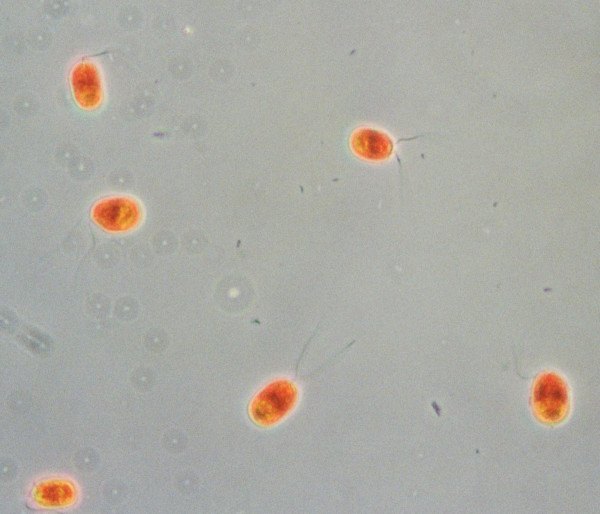
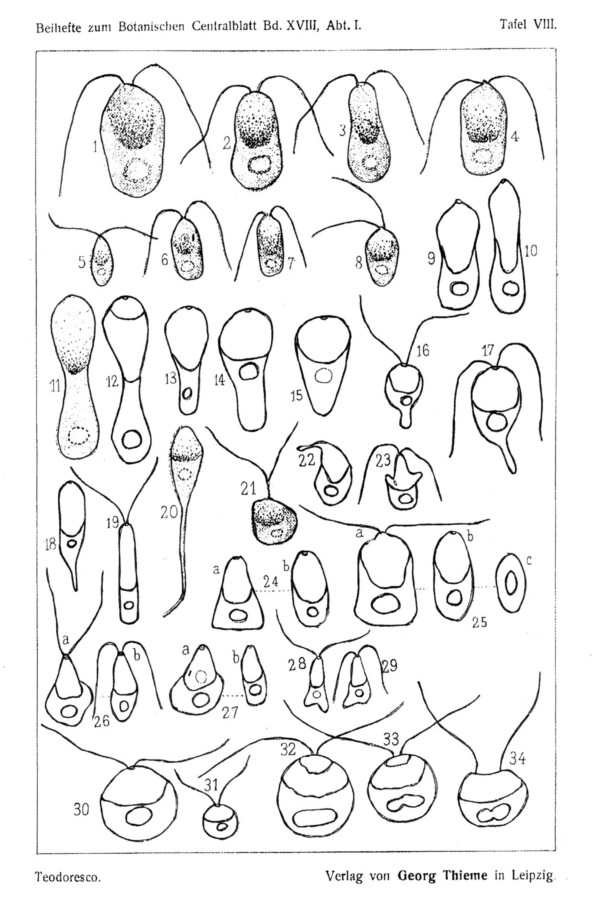
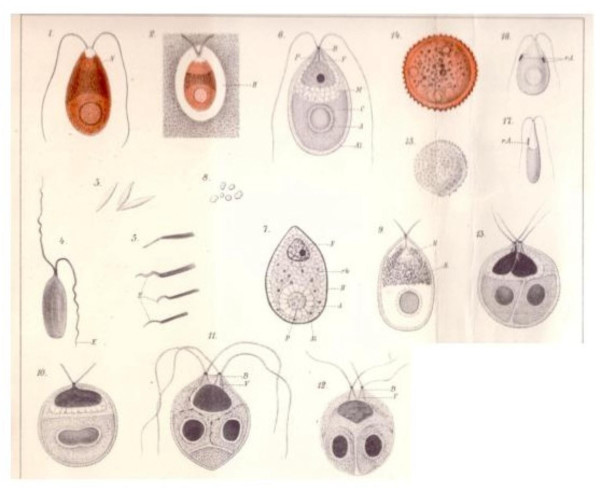
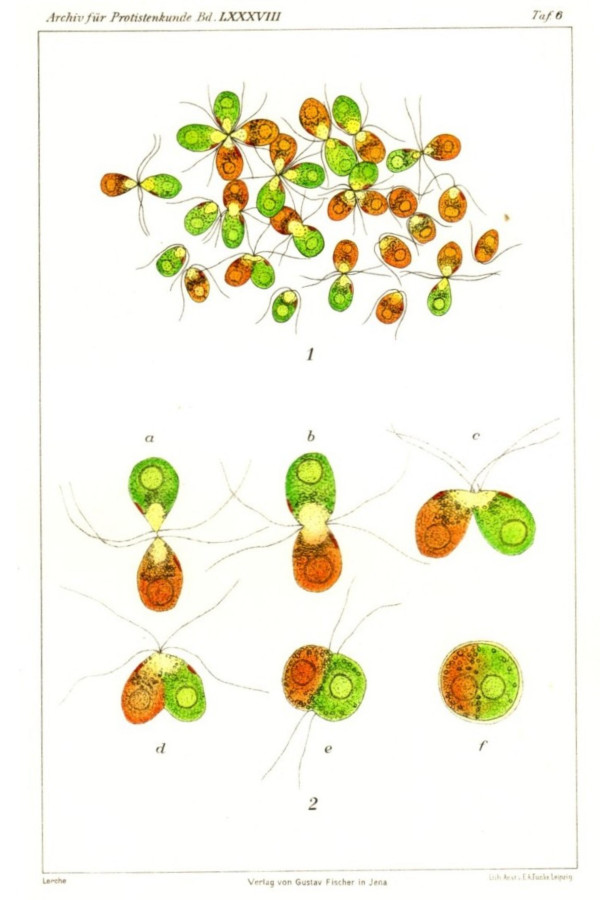
Verification
Claims the paper makes
The claims and statistics of this paper haven’t been checked yet.
Free: it reads the open-access text and checks the first 5 claims that cite a source we can check. Create a free account to check every claim.
Claims other papers make about this one
Each is checked against this paper’s own text: does it say what the citing paper says it does?
The source backs part of the claim, not all of it — or backs it for a different population, condition or comparison.
In the citing paper
“Dunaliella and Haematococcus are also among the successful products based on their long-chain isoprenoid compounds, e.g., carotenoids [15,16].”
From Overview and Challenges of Large-Scale Cultivation of Photosynthetic Microalgae and Cyanobacteria (2023) · cites this paper as [15]
Experimental — accuracy not yet measuredThe cited source says what the claim attributes to it.
In the citing paper
“In this case, the microalgae in question is a species without a rigid cell wall [15], facilitating the extraction of β-carotene.”
From Overview and Challenges of Large-Scale Cultivation of Photosynthetic Microalgae and Cyanobacteria (2023) · cites this paper as [15]
Self-check
Percentages, sums and reported differences re-computed from the paper’s own numbers.
The self-check needs the paper’s full text.
Citations
Cites
Lund, J. W. G., & Hendey, N. I. (1965) · The Journal of Ecology · doi:10.2307/2258001 · Cited by 873
Halophilic Microorganisms and their Environments
Oren, A. (2002) · Cellular Origin, Life in Extreme Habitats and Astrobiology · doi:10.1007/0-306-48053-0 · Cited by 522
Self-citationBen‐Amotz, A., Katz, A., & Avron, M. (1982) · Journal of Phycology · doi:10.1111/j.1529-8817.1982.tb03219.x · Cited by 372 · cited 1×
“[45,46]), but she was mistaken about the location of the pigment:”
BackgroundThe Role of Glycerol in the Osmotic Regulation of the Halophilic Alga Dunaliella parva
Ben-Amotz, A., & Avron, M. (1973) · Plant Physiology · doi:10.1104/pp.51.5.875 · Cited by 367 · cited 13×
“Katz A, Pick U, Avron M: Characterization and reconstitution of the Na+/H+ antiporter from the plasma membrane of the halophilic alga Dunaliella.”
BackgroundInfluentialBorowitzka, L. J., & Brown, A. D. (1974) · Archives of Microbiology · doi:10.1007/bf00590161 · Cited by 351 · cited 5×
“Borowitzka LJ, Brown AD: The salt relations of marine and halophilic species of the unicellular green alga, Dunaliella.”
InfluentialEffects of Salts on the Halophilic Alga Dunaliella viridis
Johnson, M. K., Johnson, E. J., MacElroy, R. D., Speer, H. L., & Bruff, B. S. (1968) · Journal of Bacteriology · doi:10.1128/jb.95.4.1461-1468.1968 · Cited by 285 · cited 3×
“Intracellular Salt and Solute Concentrations of Dunaliella Marrè and Servetta ([63], as cited in [61]) described measurements of the freezing point of the cytoplasmic fluid of D.”
BackgroundLiska, A. J., Shevchenko, A., Pick, U., & Katz, A. (2004) · Plant Physiology · doi:10.1104/pp.104.039438 · Cited by 268 · cited 1×
“[81], Dunaliella research has entered the era of modern proteomics.”
BackgroundThe microbial ecology of the Great Salt Lake
Post, F. J. (1977) · Microbial Ecology · doi:10.1007/bf02010403 · Cited by 241 · cited 1×
“Post [56] reported that in the cold season, round cyst-like cells of D.”
BackgroundACCUMULATION OF METABOLITES BY HALOTOLERANT ALGAE AND ITS INDUSTRIAL POTENTIAL
Ben-Amotz, A., & Avron, M. (1983) · Annual Review of Microbiology · doi:10.1146/annurev.mi.37.100183.000523 · Cited by 236 · cited 2×
“The commercial cultivation of Dunaliella for the production of β-carotene throughout the world is now one of the success stories of halophile biotechnology [51-53].”
BackgroundAlgal and cyanobacterial biotechnology
Cresswell, R. C., Rees, T. A. V., & Shah, N. (1989) · Longman Scientific & Technical , Wiley eBooks · Cited by 216
Research works printed but not linked: 29
- Dunal F Extrait d'un mémoire sur les algues qui colorent en rouge certains eaux des marais salants méditerranéens Ann Sc Nat Bot 2 Sér 1838 9 172
- Teodoresco EC Organisation et développement du Dunaliella, nouveau genre de Volvocacée-Polyblepharidée Beih z Bot Centralbl 1905 Bd. XVIII 215 232
- Turpin PJF Quelques observations nouvelles sur les Protococcus, qui colorent en rouge les eaux des marais salants Comp Rend Acad Sci 1839
- Hamburger C Zur Kenntnis der Dunaliella salina und einer Amöbe aus Salinenwasser von Cagliari Arch f Protistenkd 1905 6 111 131
- Geleznow N Über die Ursache der Färbung des Salzwassers im See Sak in der Krim Bull de l'Académie Imp des Sciences de St Petersburg 1872 17 557
- Butschinsky P Die Protozoenfauna der Salzseelimane bei Odessa Zool Anz 1897 20
- Blanchard R Résultats d'une excursion zoologique en Algérie Mém de la Soc Zool de France 1891 IV
- Florentin R Faune des Mares Salées de Lorraine 1899 Nancy
- Bujor P Contributions à la faune des lacs salées de Roumanie Ann Sci de l'Université de Jassy 1900 1
- Blanchard R Note préliminaire sur Monas Dunalii, flagellé, qui cause la rubéfaction des marais salants Bull de la Soc Zool de France 1888 13 153
- Dujardin F Histoire Naturelle des Zoophytes (Infusoires) 1841 Paris
- Cohn F Chlamydomonas marina Cohn Hedwigia 1865 4 97
- Hansgirg A Prodromus d. Algenflora von Böhmen 1866 1 106
- Teodoresco EC Observations morphologiques et biologiques sur le genre Dunaliella Rev Gén Bot 1906 18 353 371 18: 409–427
- Cavara F Alcune osservazione sulla Dunaliella salina (Dun.) Teod. delle saline di Cagliari Rend della R Acad delle Sc Fis e Matemat. di Napoli Ser. 3 1906 12
- Labbé A Sur les modifications adaptives de Dunaliella salina Dunal C R Acad Sci 1921 172 1074 1076
- Labbé A Le cycle évolutif de Dunaliella salina C R Acad Sci 1921 172 1689 1690
- Labbé A Les variations de la concentration en ions hydrogène dans les marais salants, comme facteur biologique C R Acad Sci 1922 175 843 845
- Baas Becking LGM On organisms living in concentrated brine Tijdschr Ned Dierk Ver Ser III 1928 1 6 9
- Nicolai FE Baas Becking LGM Einige Notizen über Salzflagellaten Arch f Protistenkd 1935 85 319 328
- Lerche W Untersuchungen über Entwicklung und Fortpflanzung in der Gattung Dunaliella Arch f Protistenkd 1937 88 236 268
- Massyuk NP Morphology, Taxonomy, Ecology and Geographic Distribution of the Genus Dunaliella Teod. and Prospects for its Potential Utilization 1973 Kiev: Naukova Dumka (in Russian)
- Kalina T Zur Morphologie und Taxonomie der Gattung Spermatozopsis Korschikow (Volvocales). Spermatozopsis acidophila sp. nov Preslia 1965 37 9 12
- Gimmler H Weis U Ben-Amotz A, Avron M Dunaliella acidophila – life at pH 1.0 Dunaliella: Physiology, Biochemistry and Biotechnology 1992 Boca Raton: CRC Press 99 133
- Ruinen J Notizen über Salzflagellaten. II. Über die Verbreitung der Salzflagellaten Arch Protistenkd 1938 90 210 258
- Drokova IH The alga Dunaliella salina as a source of β-carotene Ukr Bot Zh 1961 18 110
- Ben-Amotz A Shelef G, Soeder CJ Glycerol, β-carotene and dry algal meal production by commercial cultivation of Dunaliella Algae Biomass 1980 Amsterdam: Elsevier 603 610
- Volcani BE The microorganisms of the Dead Sea Papers Collected to Commemorate the 70th Anniversary of Dr. Chaim Weizmann. Collective volume 1944 Rehovoth: Daniel Sieff Research Institute 71 85
- Marrè E Servettaz A Sul meccanismo di adattemento a condizioni osmotiche estreme in Dunaliella salina. II. Rapporto fra concentrazioni del mezzo esterno e composizione del succo cellulare Atti Accad Naz Lincei Cl Sci Fis Mat Nat Rend Ser 8 1959 26 272 278
Cited by
Rodriguez-Concepcion, M., Avalos, J., Bonet, M. L., Boronat, A., Gomez-Gomez, L., Hornero-Mendez, D., Limon, M. C., Meléndez-Martínez, A. J., Olmedilla-Alonso, B., Palou, A., et al. (2018) · Progress in Lipid Research · doi:10.1016/j.plipres.2018.04.004 · Cited by 1,031
“salina under high solar irradiation, which reaches up to 10% dry weight [156], occurs in vegetative cells [157].”
BackgroundMicrobial life at high salt concentrations: phylogenetic and metabolic diversity
Oren, A. (2008) · Saline Systems · doi:10.1186/1746-1448-4-2 · Cited by 984
“The unicellular green algae of the genus Dunaliella have been investigated in-depth, as they are the main or sole primary producers in many hypersaline environments, they have become a popular model system for the study of salt adaptation by using organic osmotic 'compatible' solutes, and they have also found biotechn…”
BackgroundSelf-citationPhylogeny and Molecular Evolution of the Green Algae
Leliaert, F., Smith, D. R., Moreau, H., Herron, M. D., Verbruggen, H., Delwiche, C. F., & De Clerck, O. (2012) · Critical Reviews in Plant Sciences · doi:10.1080/07352689.2011.615705 · Cited by 896
“This alga is among the most industrially important microalgae because it can produce massive amounts of β-carotene that can be collected for commercial purposes, and because of its potential as a feedstock for biofuels production (Oren, 2005; Gouveia and Oliveira, 2009; Tafresh and Shariati, 2009).”
BackgroundMicroalgae as versatile cellular factories for valued products
Koller, M., Muhr, A., & Braunegg, G. (2014) · Algal Research · doi:10.1016/j.algal.2014.09.002 · Cited by 639
Strategies of adaptation of microorganisms of the three domains of life to high salt concentrations
Gunde-Cimerman, N., Plemenitaš, A., & Oren, A. (2018) · FEMS Microbiology Reviews · doi:10.1093/femsre/fuy009 · Cited by 582
Self-citationBergami, E., Pugnalini, S., Vannuccini, M. L., Manfra, L., Faleri, C., Savorelli, F., Dawson, K. A., & Corsi, I. (2017) · Aquatic Toxicology · doi:10.1016/j.aquatox.2017.06.008 · Cited by 423
Overview and Challenges of Large-Scale Cultivation of Photosynthetic Microalgae and Cyanobacteria
Novoveská, L., Nielsen, S. L., Eroldoğan, O. T., Haznedaroglu, B. Z., Rinkevich, B., Fazi, S., Robbens, J., Vasquez, M., & Einarsson, H. (2023) · Marine Drugs · doi:10.3390/md21080445 · Cited by 368
“In this case, the microalgae in question is a species without a rigid cell wall [15], facilitating the extraction of β-carotene.”
BackgroundSalinity Stress Responses and Adaptation Mechanisms in Eukaryotic Green Microalgae
Shetty, P., Gitau, M. M., & Maróti, G. (2019) · Cells · doi:10.3390/cells8121657 · Cited by 351
“Sexual breeding pathways were identified in various Scenedesmus [81], Chlamydomonas [82], and Dunaliella species [83].”
BackgroundDunaliella biotechnology: methods and applications
Hosseini Tafreshi, A., & Shariati, M. (2009) · Journal of Applied Microbiology · doi:10.1111/j.1365-2672.2009.04153.x · Cited by 343
“The results from proteomics approaches also indicated that in addition to the means above, Dunaliella responds to transfer to a high salinity by enhancement of photosynthetic CO2 assimilation (Oren 2005).”
Anaerobic fermentation of glycerol: a platform for renewable fuels and chemicals
Clomburg, J. M., & Gonzalez, R. (2013) · Trends in Biotechnology · doi:10.1016/j.tibtech.2012.10.006 · Cited by 321
Khanra, S., Mondal, M., Halder, G., Tiwari, O. N., Gayen, K., & Bhowmick, T. K. (2018) · Food and Bioproducts Processing · doi:10.1016/j.fbp.2018.02.002 · Cited by 300
Carotenoid and fatty acid metabolism in light‐stressed Dunaliella salina
Lamers, P. P., van de Laak, C. C. W., Kaasenbrood, P. S., Lorier, J., Janssen, M., De Vos, R. C. H., Bino, R. J., & Wijffels, R. H. (2010) · Biotechnology and Bioengineering · doi:10.1002/bit.22725 · Cited by 277
“Even though the overproduction of b-carotene inD. salina has been studied extensively (Oren, 2005), little is known about its regulatory mechanisms (Jin and Polle, 2009; Lamers et al., 2008).”
BackgroundThe Potential of Seaweeds as a Source of Functional Ingredients of Prebiotic and Antioxidant Value
Gomez-Zavaglia, A., Prieto Lage, M. A., Jimenez-Lopez, C., Mejuto, J. C., & Simal-Gandara, J. (2019) · Antioxidants · doi:10.3390/antiox8090406 · Cited by 280
“Although algae extracts can be used in several products, they are mainly used as food ingredients in the formulation of food products (Table 4) [91,92].”
BackgroundEffects of shear stress on microalgae- A Review
Wang, C., & Lan, C. Q. (2018) · Biotechnology Advances · doi:10.1016/j.biotechadv.2018.03.001 · Cited by 269
“Instead, it is enclosed by thin plasma membrane (Oren, 2005).”
BackgroundBorowitzka, M. A., & Siva, C. J. (2007) · Journal of Applied Phycology · doi:10.1007/s10811-007-9171-x · Cited by 247
“An excellent account of the early history of this genus has been presented by Oren (2005).”
BackgroundBiofuel production in Escherichia coli: the role of metabolic engineering and synthetic biology
Clomburg, J. M., & Gonzalez, R. (2010) · Applied Microbiology and Biotechnology · doi:10.1007/s00253-010-2446-1 · Cited by 249
“Future opportunities for the availability of even larger amounts of glycerol also exist due to the intracellular accumulation of up to 7.8 M glycerol (equivalent to 718 g/L glycerol in water) in certain species of algae such as those in the Dunaliella genus (Oren 2005).”
BackgroundInfluentialBiosynthesis and regulation of carotenoids in Dunaliella: Progresses and prospects
Ye, Z.-W., Jiang, J.-G., & Wu, G.-H. (2008) · Biotechnology Advances · doi:10.1016/j.biotechadv.2008.03.004 · Cited by 238
“First described in saltern evaporation ponds on the Mediterranean coast of France by Michel Fliex Dunal in 1838, the genus of unicellular biflagellate green algae is named Dunaliella in honor of Dunal by Teodoresco in 1905 (Oren, 2005).”
BackgroundInfluentialMicroalgae n-3 PUFAs Production and Use in Food and Feed Industries
Remize, M., Brunel, Y., Silva, J. L., Berthon, J.-Y., & Filaire, E. (2021) · Marine Drugs · doi:10.3390/md19020113 · Cited by 214
The Application of Single-Cell Ingredients in Aquaculture Feeds—A Review
Glencross, B. D., Huyben, D., & Schrama, J. W. (2020) · Fishes · doi:10.3390/fishes5030022 · Cited by 203
Marine algal carbohydrates as carbon sources for the production of biochemicals and biomaterials
Cesário, M. T., da Fonseca, M. M. R., Marques, M. M., & de Almeida, M. C. M. D. (2018) · Biotechnology Advances · doi:10.1016/j.biotechadv.2018.02.006 · Cited by 181
Carotenoids from Haloarchaea and Their Potential in Biotechnology
Rodrigo-Baños, M., Garbayo, I., Vílchez, C., Bonete, M., & Martínez-Espinosa, R. (2015) · Marine Drugs · doi:10.3390/md13095508 · Cited by 183
“Dunaliella salina is one of the better known halophilic microorganisms in terms of carotenoids production [20–23].”
BackgroundUnusual micro-organisms from unusual habitats: hypersaline environments
Ventosa, A. (2006) · Prokaryotic Diversity · doi:10.1017/cbo9780511754913.015 · Cited by 161
“Besides, some Dunaliella strains can accumulate very large amounts of β-carotene; this is produced commercially and constitutes a good example of biotechnological applications of halophilic micro-organisms (Oren, 2005).”
BackgroundMetabolic engineering of Escherichia coli for the production of succinate from glycerol
Blankschien, M. D., Clomburg, J. M., & Gonzalez, R. (2010) · Metabolic Engineering · doi:10.1016/j.ymben.2010.06.002 · Cited by 161
Microbial Biogeography of Six Salt Lakes in Inner Mongolia, China, and a Salt Lake in Argentina
Pagaling, E., Wang, H., Venables, M., Wallace, A., Grant, W. D., Cowan, D. A., Jones, B. E., Ma, Y., Ventosa, A., & Heaphy, S. (2009) · Applied and Environmental Microbiology · doi:10.1128/aem.00040-09 · Cited by 158
“These were related to chloroplasts found in Dunaliella salina, a typical salt lake inhabitant (49).”
BackgroundBioactive compounds in microalgae and their potential health benefits
Zhou, L., Li, K., Duan, X., Hill, D., Barrow, C., Dunshea, F., Martin, G., & Suleria, H. (2022) · Food Bioscience · doi:10.1016/j.fbio.2022.101932 · Cited by 150
The ecology of Dunaliella in high-salt environments
Oren, A. (2014) · Journal of Biological Research - Thessaloniki · doi:10.1186/s40709-014-0023-y · Cited by 150
Self-citationMetabolic engineering of Escherichia coli for the production of 1,2‐propanediol from glycerol
Clomburg, J. M., & González, R. (2010) · Biotechnology and Bioengineering · doi:10.1002/bit.22993 · Cited by 149
“Future opportunities for the availability of even larger amounts of glycerol exist due to the accumulation of high concentrations of glycerol by certain species of algae (Oren, 2005).”
Dunaliella salina microalga pressurized liquid extracts as potential antimicrobials.
Herrero, M., Ibañez, E., Cifuentes, A., Reglero, G., & Santoyo, S. (2006) · Journal of Food Protection · doi:10.4315/0362-028x-69.10.2471 · Cited by 120
Gambardella, C., Morgana, S., Bramini, M., Rotini, A., Manfra, L., Migliore, L., Piazza, V., Garaventa, F., & Faimali, M. (2018) · Marine Environmental Research · doi:10.1016/j.marenvres.2018.09.023 · Cited by 132
Youssef, N. H., Savage, K. N., McCully, A. L., Luedtke, B. E., Shaw, E. I., Hoff, W. D., & Elshahed, M. S. (2013) · The ISME Journal · doi:10.1038/ismej.2013.165 · Cited by 124
“Several bacterial and eukaryotic ineages capable of synthesizing glycine betaine could thrive in hypersaline (425% NaCl) habitats, for example Cyanobacteria (Oren, 2010) and Dunaliella species (Oren, 2005), and hence this mechanism could have environmental relevance in specific habitats.”
BackgroundReduced phenotypic plasticity evolves in less predictable environments
Leung, C., Rescan, M., Grulois, D., & Chevin, L. (2020) · Ecology Letters · doi:10.1111/ele.13598 · Cited by 136
“Here we have applied this approach with the unicellular microalga Dunaliella salina, the main primary producer in hypersaline environments such as continental salt lakes, coastal lagoons, and salterns (Oren 2005; Ben-Amotz et al. 2009).”
BackgroundMethodInfluentialHenríquez, V., Escobar, C., Galarza, J. I., & Gimpel, J. A. (2016) · Sub-cellular biochemistry/Subcellular biochemistry · doi:10.1007/978-3-319-39126-7_8 · Cited by 136
Kchaou, N., Elloumi, J., Drira, Z., Hamza, A., Ayadi, H., Bouaïn, A., & Aleya, L. (2009) · Estuarine Coastal and Shelf Science · doi:10.1016/j.ecss.2009.04.019 · Cited by 123
Oren, A. (2009) · Aquatic Microbial Ecology · doi:10.3354/ame01297 · Cited by 132
Self-citationRamos, A. A., Polle, J., Tran, D., Cushman, J. C., Jin, E.-S., & Varela, J. C. (2011) · ALGAE · doi:10.4490/algae.2011.26.1.003 · Cited by 110
“…are of ovoid form, flagellated and lack a rigid polysaccharide wall, although they are enclosed by a mucilaginous glycoprotein coat called a glycocalyx (size varying from 5-25 µm in length and 3-13 µm width) (Teodoresco 1905, Borowitzka and Borowitzka 1988, Avron and BenAmotz 1992, Oren 2005).”
BackgroundA techno-economic assessment of an algal-based biorefinery
Thomassen, G., Vila, U. E., Dael, M. V., Lemmens, B., & Passel, S. V. (2016) · Clean Technologies and Environmental Policy · doi:10.1007/s10098-016-1159-2 · Cited by 125
“The bead mill and alkaline treatment used by Cerón et al. (2008) were assumed not to be necessary, due to the fragile cell wall of Dunaliella salina which breaks during the drying and centrifuge step and due to the relatively high carotenoid content (Oren 2005).”
BackgroundMethodJehlička, J., Edwards, H. G. M., & Oren, A. (2013) · Spectrochimica Acta Part A Molecular and Biomolecular Spectroscopy · doi:10.1016/j.saa.2012.12.081 · Cited by 114
Self-citationThe Dunaliella salina organelle genomes: large sequences, inflated with intronic and intergenic DNA
Smith, D., Lee, R. W., Cushman, J. C., Magnuson, J. K., Tran, D., & Polle, J. E. (2010) · BMC Plant Biology · doi:10.1186/1471-2229-10-83 · Cited by 110
Mishra, A., Mandoli, A., & Jha, B. (2008) · Journal of Industrial Microbiology & Biotechnology · doi:10.1007/s10295-008-0387-9 · Cited by 105
Corsi, I., Bergami, E., & Grassi, G. (2020) · Frontiers in Environmental Science · doi:10.3389/fenvs.2020.00060 · Cited by 112
“While marine diatoms are characterized by a silicified wall, green microalgae like D. tertiolecta present a thin cellular membrane (Oren, 2005), which may facilitate interactions with anthropogenic NPs with respect to other species.”
BackgroundEfficient synthesis of L-lactic acid from glycerol by metabolically engineered Escherichia coli
Mazumdar, S., Blankschien, M. D., Clomburg, J. M., & Gonzalez, R. (2013) · Microbial Cell Factories · doi:10.1186/1475-2859-12-7 · Cited by 104
“In addition, future opportunities are available for even larger amounts of glycerol production due to the synthesis and intracellular accumulation of high glycerol concentrations by certain species of algae [3].”
Rather, L. J., Mir, S. S., Ganie, S. A., Shahid‐ul‐Islam, & Li, Q. (2022) · Dyes and Pigments · doi:10.1016/j.dyepig.2022.110989 · Cited by 110
Marine Algae: a Source of Biomass for Biotechnological Applications
Stengel, D. B., & Connan, S. (2015) · Methods in molecular biology · doi:10.1007/978-1-4939-2684-8_1 · Cited by 115
Ahmed, N., Sheikh, M. A., Ubaid, M., Chauhan, P., Kumar, K., & Choudhary, S. (2024) · Measurement Food · doi:10.1016/j.meafoo.2024.100163 · Cited by 126
Shekh, A., Sharma, A., Schenk, P. M., Kumar, G., & Mudliar, S. (2022) · Journal of Chemical Technology & Biotechnology · doi:10.1002/jctb.6902 · Cited by 90
Microbial eukaryote life in the new hypersaline deep-sea basin Thetis
Stock, A., Breiner, H., Pachiadaki, M., Edgcomb, V. P., Filker, S., Cono, V. L., Yakimov, M. M., & Stoeck, T. (2011) · Extremophiles · doi:10.1007/s00792-011-0401-4 · Cited by 97
“…focused on individual organisms isolated from high-salt environments, including, for example, the photoautotrophic chlorophyte Dunaliella salina (Oren 2005), the halophilic heterotrophic flagellates Halocafeteria seosinensis (Park et al. 2006) and Pleurostomum flabellatum (Park et al. 2007) and…”
BackgroundRamos, A., Coesel, S., Pimenta-Marques, A., Rodrigues, M., Baumgartner, A., Noronha, J. P., Rauter, A. P., Brenig, B., & Varela, J. C. S. (2008) · Applied Microbiology and Biotechnology · doi:10.1007/s00253-008-1492-4 · Cited by 90
“, the molecular basis of stress-induced intracellular β-carotene accumulation in this photosynthetic organism is still poorly known (Oren 2005).”
BackgroundBiological Diversity in the Patent System
Oldham, P. D., Hall, S., & Forero, O. A. (2013) · PLoS ONE · doi:10.1371/journal.pone.0078737 · Cited by 100
“Other important species include Dunaliella salina (a green micro algae) for use in cosmetics and dietary supplements [162].”
BackgroundHsu, Y., Tsai, C.-F., Chang, W.-H., Ho, Y., Chen, W., & Lu, F. (2008) · Food and Chemical Toxicology · doi:10.1016/j.fct.2008.07.027 · Cited by 81
Antimicrobial Activity of Sub- and Supercritical CO2 Extracts of the Green Alga Dunaliella salina
Mendiola, J. A., Santoyo, S., Cifuentes, A., Reglero, G., Ibáñez, E., & Señoráns, F. J. (2008) · Journal of Food Protection · doi:10.4315/0362-028x-71.10.2138 · Cited by 80
Characterization of eukaryotic microbial diversity in hypersaline Lake Tyrrell, Australia
Heidelberg, K. B., Nelson, W. C., Holm, J. B., Eisenkolb, N., Andrade, K., & Emerson, J. (2013) · Frontiers in Microbiology · doi:10.3389/fmicb.2013.00115 · Cited by 74
Glycerol metabolism in hypersaline environments
Oren, A. (2016) · Environmental Microbiology · doi:10.1111/1462-2920.13493 · Cited by 81
Self-citationSendra, M., Blasco, J., & Araújo, C. V. M. (2017) · Ecological Indicators · doi:10.1016/j.ecolind.2017.08.050 · Cited by 77
Continuous production of carotenoids from Dunaliella salina
Kleinegris, D. M. M., Janssen, M., Brandenburg, W. A., & Wijffels, R. H. (2011) · Enzyme and Microbial Technology · doi:10.1016/j.enzmictec.2010.11.005 · Cited by 73
The microalga Dunaliella and its applications: a review
Barbosa, M., Inácio, L. G., Afonso, C., & Maranhão, P. (2023) · Applied Phycology · doi:10.1080/26388081.2023.2222318 · Cited by 73
“Dunaliella cells multiply by longitudinal division, and sexual reproduction by isogamy can occur, where two cells merge, forming a zygote (Oren, 2005).”
BackgroundWinters, Y. D., Lowenstein, T. K., & Timofeeff, M. N. (2013) · Astrobiology · doi:10.1089/ast.2012.0952 · Cited by 71
“Carotenoids, such as b-carotene, lutein, violaxanthin, neoxanthin, zeaxanthin, and low quantities of a-carotene (Goodwin, 1980), are produced in Dunaliella chloroplasts when exposed to intense sunlight or nutrient deprivation (Oren, 2005).”
InfluentialThe state of algal genome quality and diversity
Hanschen, E. R., & Starkenburg, S. R. (2020) · Algal Research · doi:10.1016/j.algal.2020.101968 · Cited by 60
Microalgae with immunomodulatory effects on fish
Bahi, A., Ramos‐Vega, A., Angulo, C., Monreal‐Escalante, E., & Guardiola, F. A. (2023) · Reviews in Aquaculture · doi:10.1111/raq.12792 · Cited by 70
Extremophiles and their expanding biotechnological applications
Rawat, M., Chauhan, M., & Pandey, A. (2024) · Archives of Microbiology · doi:10.1007/s00203-024-03981-x · Cited by 66
“This concept was first determined in model organism, a eukaryote – Dunaliella sp (green algae; Oren 2005). acidophiles are difficult to isolate and cultivate in laboratory settings, it affects the expedition of their genomic diversity, metabolic capabilities, and ecological roles.”
Bonnefond, H., Moelants, N., Talec, A., Mayzaud, P., Bernard, O., & Sciandra, A. (2017) · Biotechnology for Biofuels · doi:10.1186/s13068-017-0713-4 · Cited by 63
Rippin, M., Borchhardt, N., Williams, L., Colesie, C., Jung, P., Büdel, B., Karsten, U., & Becker, B. (2018) · Polar Biology · doi:10.1007/s00300-018-2252-2 · Cited by 65
“Some species of the genus Dunaliella, for example, prefer higher salt concentrations compared to other algae (Oren 2005).”
BackgroundDiversity and Distribution of Carotenogenic Algae in Europe: A Review
Александрович, Ч. К. (2023) · Marine Drugs · doi:10.3390/md21020108 · Cited by 67
“, 2020; (b) Ettlia carotinosa, scale bar = 5 μm (unpublished); (c) Dunaliella salina, scale bar—not provided, adapted from [1] © Springer Nature B.”
InfluentialJančič, S., Frisvad, J. C., Kocev, D., Gostinčar, C., Džeroski, S., & Gunde‐Cimerman, N. (2016) · PLoS ONE · doi:10.1371/journal.pone.0169116 · Cited by 63
Yang, Y., Ge, S., Pan, Y., Qian, W., Wang, S., Zhang, J., & Zhuang, L.-L. (2022) · The Science of The Total Environment · doi:10.1016/j.scitotenv.2022.159281 · Cited by 62
Polyextremophiles and the Constraints for Terrestrial Habitability
Capece, M. C., Clark, E. B., Saleh, J. K., Halford, D., Heinl, N., Hoskins, S., & Rothschild, L. J. (2013) · Cellular origin, life in extreme habitats and astrobiology · doi:10.1007/978-94-007-6488-0_1 · Cited by 63
Biodiversity of the Hypersaline Urmia Lake National Park (NW Iran)
Asem, A., Eimanifar, A., Djamali, M., Ríos-Escalante, P. D. L., & Wink, M. (2014) · Diversity · doi:10.3390/d6010102 · Cited by 63
“This was the first report of this event that may be attributed to the bloom of Archaebacteria or of Dunaliella or both (see [25]).”
BackgroundAlkayal, F., Albion, R. L., Tillett, R. L., Hathwaik, L. T., Lemos, M. S., & Cushman, J. C. (2010) · Plant Science · doi:10.1016/j.plantsci.2010.07.001 · Cited by 58
“Thehalotolerantgreenalga,Dunaliella salina, and related species ithin the Chlorophyceae were first described more than 100 ears ago [1].”
BackgroundNche-Fambo, F. A., Scharler, U. M., & Tirok, K. (2015) · Estuarine Coastal and Shelf Science · doi:10.1016/j.ecss.2015.03.011 · Cited by 55
Sepčić, K., Zalar, P., & Gunde‐Cimerman, N. (2010) · Marine Drugs · doi:10.3390/md9010043 · Cited by 55
Mendoza, H., de la Jara, A., Freijanes, K., Carmona, L., Ramos, A. A., de Sousa Duarte, V., & Serafim Varela, J. C. (2008) · Electronic Journal of Biotechnology · doi:10.2225/vol11-issue4-fulltext-2 · Cited by 54
Ilieva, Y. E., Zaharieva, M. M., Najdenski, H. M., & Kroumov, A. D. (2024) · International Journal of Molecular Sciences · doi:10.3390/ijms25105548 · Cited by 60
“It is nutrient rich, hence used for dietary supplements [35].”
BackgroundPopova, L. G., Belyaev, D. V., Shuvalov, A. V., Yurchenko, A. A., Matalin, D. A., Khramov, D. E., Orlova, Y. V., & Balnokin, Y. V. (2018) · Molecular Biology · doi:10.1134/s0026893318040167 · Cited by 372
Saline Systems highlights for 2005
DasSarma, S. (2006) · Saline Systems · doi:10.1186/1746-1448-2-1 · Cited by 53
“A historical review was provided by Oren [8] on halophilic algal species of Dunaliella, some of which can tolerate a wide range of salinity.”
BackgroundSilva, M. R. O. B. D., Moura, Y. A. S., Converti, A., Porto, A. L. F., Viana Marques, D. D. A., & Bezerra, R. P. (2021) · Algal Research · doi:10.1016/j.algal.2021.102396 · Cited by 52
Isolation of Dunaliella spp. from a hypersaline lake and their ability to accumulate glycerol
Kaçka, A., & Dönmez, G. (2008) · Bioresource Technology · doi:10.1016/j.biortech.2008.02.042 · Cited by 52
Cell sorting analysis of geographically separated hypersaline environments
Zhaxybayeva, O., Stepanauskas, R., Ram-Mohan, N., & Papke, R. T. (2013) · Extremophiles · doi:10.1007/s00792-013-0514-z · Cited by 52
Preetha, K., John, L., Subin, C. S., & Vijayan, K. K. (2012) · Aquatic Biosystems · doi:10.1186/2046-9063-8-27 · Cited by 60
“This genus naturally inhabits saline and hypersaline waters and has a cosmopolitan distribution [5] and of the 28 species of Dunaliella, 23 are saline or hypersaline [3,6-9].”
BackgroundGenomic adaptations of the green alga Dunaliella salina to life under high salinity
Polle, J. E. W., Calhoun, S., McKie-Krisberg, Z. M., Prochnik, S. E., Neofotis, P. G., Yim, W. C., Hathwaik, L. T., Jenkins, J. W., Molina, H., Bunkenborg, J., et al. (2020) · Algal Research · doi:10.1016/j.algal.2020.101990 · Cited by 54
“Species of the genus Dunaliella are the dominant primary biomass producer for many hypersaline lagoons and lakes [1,2,3].”
BackgroundGoswami, R. K., Agrawal, K., & Verma, P. (2021) · Energy Conversion and Management X · doi:10.1016/j.ecmx.2021.100154 · Cited by 80
Huesemann, M. H., & Benemann, J. R. (2019) · The Alga Dunaliella · doi:10.1201/9780429061639-19 · Cited by 51
Tran, D., Doan, N. T., Louime, C. J., Giordano, M., & Portilla, S. E. (2013) · World Journal of Microbiology and Biotechnology · doi:10.1007/s11274-013-1413-2 · Cited by 50
“Dunaliella is a cell wall-less green flagellate belonging to the order Volvocales (Chlorophyceae, Chlorophyta) (Oren 2005; Polle et al. 2009).”
BackgroundBiosystems Engineering: Biofactories for Food Production in the Century XXI
Guevara-González, R. G., & Torres‐Pacheco, I. (2014) · Springer eBooks · doi:10.1007/978-3-319-03880-3 · Cited by 58
Microbial diversity of the hypersaline Sidi Ameur and Himalatt Salt Lakes of the Algerian Sahara
Boutaiba, S., Hacène, H., Bidle, K. A., & Maupin-furlow, J. A. (2011) · Journal of Arid Environments · doi:10.1016/j.jaridenv.2011.04.010 · Cited by 49
“These results are not surprising as this carotenoidcontaining microalgae is a well-known and dominant halophilic eukaryotic inhabitant of a wide range of hypersaline habitats (Oren, 2005).”
BackgroundBahloul, M. M., Baati, H., Amdouni, R., & Azri, C. (2018) · Environmental Earth Sciences · doi:10.1007/s12665-018-7227-7 · Cited by 51
“Moreover, water exchanges, hydrology, salinity gradient, temperature and nutrients are other enriching factors of such communities (Davis 1978; Ayadi et al. 2002; Oren 2005; Elloumi et al. 2006; Guermazi et al. 2008; Elloumi et al. 2009; Khemakhem et al. 2010; Baati et al. 2010, 2011; Rekik et al. 2012; Abbes et al. 2…”
BackgroundRismani, S., & Shariati, M. (2017) · Brazilian Archives of Biology and Technology · doi:10.1590/1678-4324-2017160555 · Cited by 55
Anaerobic Metabolism in Haloferax Genus
Torregrosa‐Crespo, J., Martínez‐Espinosa, R. M., Esclapez, J., Bautista, V., Pire, C., Camacho, M. L., Richardson, D. J., & Bonete, M.-J. (2016) · Advances in microbial physiology/Advances in Microbial Physiology · doi:10.1016/bs.ampbs.2016.02.001 · Cited by 55
Besson, A., Formosa‐Dague, C., & Guiraud, P. (2019) · Water Research · doi:10.1016/j.watres.2019.02.043 · Cited by 50
“Indeed, Dunaliella genus is unique in the absence of a rigid polysaccharidic cell wall; cells only present a thin plasma membrane (Oren, 2005; Chen and Jiang, 2009).”
BackgroundAbid, O., Sellami-Kammoun, A., Ayadi, H., Drira, Z., Bouaïn, A., & Aleya, L. (2008) · Estuarine Coastal and Shelf Science · doi:10.1016/j.ecss.2008.09.007 · Cited by 52
“Our study confirms previous investigations demonstrating that the high salt concentration is the main signal for the synthesis of carotenoid in the saltiest pondM2 (Litchfield and Oren, 2001; Oren, 2005).”
BackgroundResult830-million-year-old microorganisms in primary fluid inclusions in halite
Schreder-Gomes, S. I., Benison, K. C., & Bernau, J. A. (2022) · Geology · doi:10.1130/g49957.1 · Cited by 49
Khemakhem, H., Elloumi, J., Moussa, M., Aleya, L., & Ayadi, H. (2010) · Estuarine Coastal and Shelf Science · doi:10.1016/j.ecss.2010.02.019 · Cited by 49
Transcriptomic profiles of Dunaliella salina in response to hypersaline stress
He, Q., Lin, Y., Tan, H. K., Zhou, Y., Wen, Y., Gan, J., Li, R., & Zhang, Q. (2020) · BMC Genomics · doi:10.1186/s12864-020-6507-2 · Cited by 46
Khanum, F., Giwa, A., Nour, M., Al‐Zuhair, S., & Taher, H. (2020) · International Journal of Energy Research · doi:10.1002/er.5768 · Cited by 47
Telfer, A., Pascal, A. A., & Gall, A. (2008) · Birkhäuser Basel eBooks · doi:10.1007/978-3-7643-7499-0_14 · Cited by 61
Modified medium for enhanced growth of Dunaliella strains
Sathasivam, R., & Juntawong, N. (2013) · doi:10.13140/2.1.1362.4326 · Cited by 44
Cho, K., Kim, K., Lim, N.-L., Kim, M., Ha, J.-C., Shin, H. H., Kim, M.-K., Roh, S. W., Kim, D., & Oda, T. (2014) · Biomass and Bioenergy · doi:10.1016/j.biombioe.2014.11.014 · Cited by 47
DunaliellaCells in Fluid Inclusions in Halite: Significance for Long-term Survival of Prokaryotes
Schubert, B. A., Timofeeff, M. N., Lowenstein, T. K., & Polle, J. E. W. (2010) · Geomicrobiology Journal · doi:10.1080/01490450903232207 · Cited by 48
“Green Dunaliella cells could not be classified by species, but rare, motile, orange cells exhibited features identical to those reported for D. salina (reviewed by Oren 2005).”
BackgroundResultDrira, Z., Hamza, A., Hassen, M. B., Ayadi, H., Bouaïn, A., & Aleya, L. (2009) · Journal of the Marine Biological Association of the United Kingdom · doi:10.1017/s0025315409990774 · Cited by 47
“…composition is governed by factors such as light, temperature, nutrients, grazers and water movements, in systems ranging from freshwater to man-made coastal solar salterns (Aleya, 1991; Reynolds, 1997; Danilov & Ekelund, 2001; Paerl et al., 2003; Oren, 2005; Abid et al., 2008; Ayadi et al., 2008).”
BackgroundBenison, K. C. (2019) · Frontiers in Environmental Science · doi:10.3389/fenvs.2019.00108 · Cited by 46
“…considered a necessary step in the evaluation of plane transmitted light images of suspect microorganisms at various life stages and under various environmental conditions, such as starvation-survival miniaturization at times of desiccation (e.g., Morita, 1982; Oren, 2005; Schubert et al., 2009b).”
BackgroundInfluentialEndolithic microorganisms from spring mound evaporite deposits (southern Tunisia)
Stivaletta, N., & Barbieri, R. (2008) · Journal of Arid Environments · doi:10.1016/j.jaridenv.2008.09.024 · Cited by 46
Zajc, J., Zalar, P., Plemenitaš, A., & Gunde‐Cimerman, N. (2011) · Progress in molecular and subcellular biology · doi:10.1007/978-3-642-23342-5_7 · Cited by 43
Metadata
- Authors
- Oren, A.
- Affiliations
- Hebrew University of Jerusalem (IL)
- Corresponding author
- Oren, Aharon
- ORCID
- Oren, Aharon
- Venue
- Saline Systems
- Published
- 2005-07-04
- Volume
- 1
- Issue
- 1
- Pages
- 2-2
- ISSN
- 1746-1448 (ISSN-L)
- PMC
- PMC1224875
- OpenAlex
- W2142457064
- Cited by
- 400
- References
- 57
- Citations by year
- 2026: 14 · 2025: 13 · 2024: 17 · 2023: 23 · 2022: 22 · 2021: 25 · 2020: 25 · 2019: 30 · 2018: 20 · 2017: 23 · 2016: 21 · 2015: 24 · 2014: 26 · 2013: 26 · 2012: 12
- FWCI
- 2.52
- Type
- journal article
- Language
- en
- Open access
- hybrid
- doi.org
- Licence
- cc-by
- Locations
- Saline Systems (publishedVersion, cc-by)
- PubMed Central (publishedVersion, cc-by)
- PubMed (publishedVersion)
- Topics
- Life Sciences › Agricultural and Biological Sciences › Ecology, Evolution, Behavior and Systematics › Protist diversity and phylogeny
- Physical Sciences › Earth and Planetary Sciences › Oceanography › Marine and coastal plant biology
- Social Sciences › Arts and Humanities › History and Philosophy of Science › History of Science and Natural History
- Keywords
- Dunaliella, history of research, green algae, hypersaline environments, primary production, algal taxonomy, halophilic algae
About these checks
Registry, retraction, Cites and statistics results are computed, not judged, with one exception: a printed reference that no index lists is read once by a model before it counts as a citation error. Claims are extracted by a model and kept only when their quote appears verbatim in the text; each cited source is then checked, with a model’s help, for whether it says what the claim relies on. Those verdicts can be wrong — read the claim’s quote and the cited source before relying on one.
Statistics and arithmetic are recomputed, not judged.
Confidence bands are shown only for fields calibrated on our annotated test set. None is calibrated yet, so no band is shown.
What counts as a claim ›How we measure confidence ›How we check this ›
Are you an author, or do you see a problem with this page? Request a review
Data sources
Bibliographic data: Semantic Scholar, OpenAlex, Crossref.
Contains information from the Semantic Scholar Academic Graph Datasets, made available under the ODC Attribution License (ODC-BY 1.0).
Semantic Scholar’s data is described in: Kinney, R., et al. (2023). The Semantic Scholar Open Data Platform. arXiv:2301.10140.
