

Validation of the theoretical domains framework for use in behaviour change and implementation research
Open accessThe DOI matches its Crossref record; 59 of the 61 references it cites were found in a registry or an index; 12 of the 35 sources its claims cite were checked for support.
Abstract
BACKGROUND: An integrative theoretical framework, developed for cross-disciplinary implementation and other behaviour change research, has been applied across a wide range of clinical situations. This study tests the validity of this framework. METHODS: Validity was investigated by behavioural experts sorting 112 unique theoretical constructs using closed and open sort tasks. The extent of replication was tested by Discriminant Content Validation and Fuzzy Cluster Analysis. RESULTS: There was good support for a refinement of the framework comprising 14 domains of theoretical constructs (average silhouette value 0.29): 'Knowledge', 'Skills', 'Social/Professional Role and Identity', 'Beliefs about Capabilities', 'Optimism', 'Beliefs about Consequences', 'Reinforcement', 'Intentions', 'Goals', 'Memory, Attention and Decision Processes', 'Environmental Context and Resources', 'Social Influences', 'Emotions', and 'Behavioural Regulation'. CONCLUSIONS: The refined Theoretical Domains Framework has a strengthened empirical base and provides a method for theoretically assessing implementation problems, as well as professional and other health-related behaviours as a basis for intervention development.
Overview
CoChat Summary
TL;DR
This validation study used open and closed card-sort tasks with behaviour-change experts to test the Theoretical Domains Framework, yielding a refined 14-domain, 84-construct framework. It supports the TDF’s structure while dropping “Nature of the Behaviours” and splitting or adding domains such as Optimism, Reinforcement, Intentions, and Goals.
Key findings
- The refined framework contains 14 domains and 84 component constructs: Knowledge, Skills, Social/Professional Role and Identity, Beliefs about Capabilities, Optimism, Beliefs about Consequences, Reinforcement, Intentions, Goals, Memory/Attention and Decision Processes, Environmental Context and Resources, Social Influences, Emotions, and Behavioural Regulation.
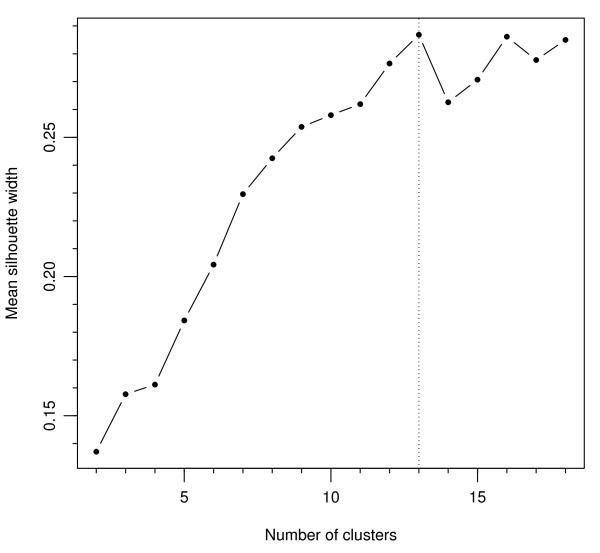
- The open sort produced a 13-cluster solution with the highest overall average silhouette value of 0.29; after removing low-silhouette constructs, 10 clusters had average silhouette values greater than 0.25, with an average of 0.47 across those 10 domains.
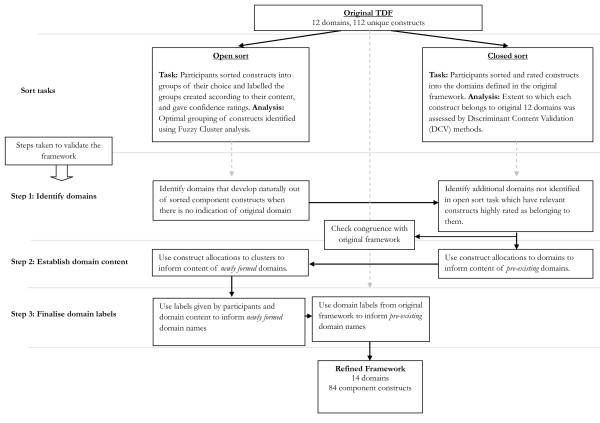
- Of the original 112 unique constructs, 34 were removed, leaving 84; “Nature of the Behaviours” was dropped because it was not represented by a single open-sort cluster and had only one construct assigned in the closed sort.
- Closed-sort congruence was >69% for Emotion, Skills, Motivation and Goals, Social/Professional Role and Identity, Beliefs about Capabilities, and Memory/Attention and Decision Processes, with fair ICCs (0.31–0.40); lower congruence was found for Knowledge, Environmental Context and Resources, and Social Influences (27%–50%), and for Behavioural Regulation, Nature of the Behaviours, and Beliefs about Consequences (<27%).
Methods
- Cross-sectional validation design. Eligible participants had a good understanding of behaviour change theory and were unaware of the original framework; 37 completed the tasks (18 closed sort, 19 open sort), mean age 36.54 years, 27 women and 10 men, mostly from the UK.
- Participants sorted 112 unique theoretical constructs after 12 duplicates were removed. The open sort asked participants to create and label their own groups (up to 24); the closed sort asked them to assign constructs to the original 12 labelled domains and rate confidence from 1 to 10.
- Analysis used Fuzzy Cluster Analysis with silhouette values for the open sort, Mantel correlations and Kendall’s W for sorting concordance, Discriminant Content Validation with one-sample t-tests against zero and Hochberg correction, and intraclass correlation coefficients for closed-sort agreement.
Limitations
- The paper states that two domains showed weak clustering: “Environmental Context and Resources” and “Behavioural Regulation.” It also states that the refined framework is limited to constructs identified in the original framework and does not cover all theories of behaviour change.
- Evident from the text: the sample was small and self-selected (37 completers; 18 closed, 19 open), mostly UK-based, and open-sort concordance was low (W = 0.22, p = 0.01). Several clusters had low silhouette values (<0.25) before construct removal, and “Knowledge” had no open-sort cluster, being retained based on closed-sort confidence ratings.
Model-written summary. Check it against the paper before relying on it.
Integrity signals
Registry
Cites
Statistics
Figures
Verification
Claims the paper makes
8 Valid · 2 Not valid · 7 Not checked · 74 Own results and interpretations
The cited sources support only part of this claim — read each source’s verdict below.
In the paper
“In a review of 235 guideline development and implementation studies, only 22.5% were judged to have used theories of behaviour change”
§ Validation of the theoretical domains framework for use in behaviour change and implementation research > Background
What the sources say
- Partly supportedcites [10] Davies P Walker AE Grimshaw J A systematic review of the use of theory in the design and implementation strategies and interpretation of the results of rigorous evaluations Implement Sci 2010 5 1 6 10.1186/1748-5908-5-1 20181130 PMC2832624 sourceExperimental — accuracy not yet measured
The Results report that 53 of 235 studies (22.5%) were judged to have employed theories of behaviour or behaviour change. The Abstract Methods identifies the studies as rigorous evaluations of guideline dissemination and implementation, not guideline development and implementation. (LLM, conf=0.86)
plain- Asserted: passes — The authors put it forward as true.
- Checkable: passes — It can be checked against evidence.
- Load-bearing: passes — The paper’s conclusions depend on it.
- Based: passes — The paper gives a reason why it holds.
- Partly supported
The cited sources support only part of this claim — read each source’s verdict below.
In the paper
“Research using the TDF has identified lack of knowledge as a potential barrier to a number of professional health behaviours, including hand hygiene [17], changing transfusion practice [19], and the adoption of tobacco use cessation counseling in dental practices [21].”
§ Validation of the theoretical domains framework for use in behaviour change and implementation research > Discussion
What the sources say
- Not checked — no full text of the sourcecites [17] Dyson J Lawton R Jackson C Cheater F Does the use of a theoretical approach tell us more about hand hygiene behaviour? The barriers and levers to hand hygiene J Infection Prev 2010 12 17 source
- Partly supportedcites [19] Francis J Tinmouth A Stanworth SJ Using theories of behaviour change to understand transfusion prescribing three clinical contexts in two countries: development work for and implementation trial Implement Sci 2009 4 70 10.1186/1748-5908-4-70 19852832 PMC2777847 sourceExperimental — accuracy not yet measured
The Abstract (Methods) and Methods (Interview study) say the planned TDF-based interviews will examine knowledge as a possible influence on transfusion decisions. The Background (UK and Canadian blood services) says factors hindering change in these clinical contexts had not yet been investigated. This paper therefore does not report that lack of knowledge was identified as a barrier to changing transfusion practice; the other behaviours have separate citations in the citing sentence. (LLM, conf=0.86)
- Partly supportedcites [21] Amemori M Korhonen T Kinnunen T Michie S Murtomaa H Enhancing implementation of tobacco use prevention and cessation counselling guideline among dental providers: a cluster randomised controlled trial Implement Sci 2011 6 13 10.1186/1748-5908-6-13 21320312 PMC3055178 sourceExperimental — accuracy not yet measured
The Background section lists knowledge as a domain in the theoretical-domains framework, and the Methods section says the authors planned to use that framework to assess difficulties with tobacco-cessation counselling in dental practices. But this paper does not report that it identified a lack of knowledge as a barrier; it says the assessment results will be reported elsewhere. This verdict addresses only the dental-practice clause attached to this citation. (LLM, conf=0.83)
hedgedstates an association- Asserted: passes — The authors put it forward as true.
- Checkable: passes — It can be checked against evidence.
- Load-bearing: passes — The paper’s conclusions depend on it.
- Based: passes — The paper gives a reason why it holds.
The cited sources that could be checked couldn’t confirm or dispute this claim.
In the paper
“Furthermore, where the domain has been used, in relation to changing transfusion practice, it was noted that when participants were asked questions relating to the ‘Nature of the Behaviours’ domain they often repeated answers that were previously given in response to questions relating to the ‘Behavioural Regulation’ domain [19]”
§ Validation of the theoretical domains framework for use in behaviour change and implementation research > Discussion
What the sources say
- Could not verifycites [19] Francis J Tinmouth A Stanworth SJ Using theories of behaviour change to understand transfusion prescribing three clinical contexts in two countries: development work for and implementation trial Implement Sci 2009 4 70 10.1186/1748-5908-4-70 19852832 PMC2777847 sourceExperimental — accuracy not yet measured
Split into 2 atoms — 0 confirmed, 0 partially supported, 0 disputed, 0 misattributed, 2 unverifiable. Expand the claim to see per-atom verdicts.
plainstates an association- Asserted: passes — The authors put it forward as true.
- Checkable: passes — It can be checked against evidence.
- Load-bearing: passes — The paper’s conclusions depend on it.
- Based: passes — The paper gives a reason why it holds.
- Could not verify
A result the paper reports from its own data — it cites no other source for it, so there is none to check. The quote shows it is in the paper.
In the paper
“This revealed that the majority of constructs (74/112) were strongly associated with only one cluster (i.e., showed membership values over 80% to one specific cluster, see Additional file 5).”
§ Validation of the theoretical domains framework for use in behaviour change and implementation research > Results > Sample size suitability and open sort pattern concordance
plainstates an association- Asserted: passes — The authors put it forward as true.
- Checkable: passes — It can be checked against evidence.
- Load-bearing: passes — The paper’s conclusions depend on it.
- Based: passes — The paper gives a reason why it holds.
A result the paper reports from its own data — it cites no other source for it, so there is none to check. The quote shows it is in the paper.
In the paper
“However, none of the multiple memberships indicated in the open sort results were replicated in the closed sort task where three different constructs, ‘Professional confidence’, ‘Beliefs’, and ‘Group identity’, were allocated to multiple domains.”
§ Validation of the theoretical domains framework for use in behaviour change and implementation research > Results > Sample size suitability and open sort pattern concordance
plain- Asserted: passes — The authors put it forward as true.
- Checkable: passes — It can be checked against evidence.
- Load-bearing: passes — The paper’s conclusions depend on it.
- Based: passes — The paper gives a reason why it holds.
35 more claims
Create a free account to see all 91 claims and to verify the 1 reference still open.
- Probably not a substantial claim. 29
- It may state two separate claims as one. 31
- The quote only partly states this claim. 2
Claims other papers make about this one
Each is checked against this paper’s own text: does it say what the citing paper says it does?
The source backs part of the claim, not all of it — or backs it for a different population, condition or comparison.
In the citing paper
“Theoretical Domains Framework represents another approach to developing determinant frameworks. It was constructed on the basis of a synthesis of 128 constructs related to behaviour change found in 33 behaviour change theories, including many social cognitive theories [10]. The constructs are sorted into 14 theoretical domains (originally 12 domains), e.g. knowledge, skills, intentions, goals,”
From Making sense of implementation theories, models and frameworks (2015) · cites this paper as [10]
Experimental — accuracy not yet measuredThe source backs part of the claim, not all of it — or backs it for a different population, condition or comparison.
In the citing paper
“Overarching change domains were chosen from the Theoretical Domains Framework (TDF) (68), an integrative framework that provides intervention developers with a possible selection of 14 change domains e.g., behavioral regulation and 84 change mechanisms e.g., self-monitoring from evidence-based behavior change theories.”
From Developing a mechanism-based therapy for acute psychiatric inpatients with psychotic symptoms: an Intervention Mapping approach (2023) · cites this paper as [68]
Experimental — accuracy not yet measuredThe source backs part of the claim, not all of it — or backs it for a different population, condition or comparison.
In the citing paper
“It has been increasingly acknowledged that consideration of patient acceptability using theories of behaviour change are key to effective evaluation, design and implementation of healthcare interventions [23–25] .”
From 'I didn't know what to expect': Exploring patient perspectives to identify targets for change to improve telephone-delivered psychological interventions (2020) · cites this paper as [25]
Experimental — accuracy not yet measuredThe source backs part of the claim, not all of it — or backs it for a different population, condition or comparison.
In the citing paper
“the TDF is a theoretical framework rather than a theory; it does not propose testable relationships between elements but provides a theoretical lens through which to view the cognitive, affective, social and environmental influences on behaviour.”
From A guide to using the Theoretical Domains Framework of behaviour change to investigate implementation problems (2017) · cites this paper as [16]
Experimental — accuracy not yet measuredThe source backs part of the claim, not all of it — or backs it for a different population, condition or comparison.
In the citing paper
“The central tenet of this model is that capability, opportunity and motivation interact to produce behaviour.”
From A guide to using the Theoretical Domains Framework of behaviour change to investigate implementation problems (2017) · cites this paper as [16]
Experimental — accuracy not yet measured
28 more claims about this paper
Create a free account to see every claim other papers make about this one.
Self-check
Percentages, sums and reported differences re-computed from the paper’s own numbers.
Each contradiction between two passages listed here was confirmed by an independent check.
Rated minor: it would not touch a result — a value no result rests on, a p-value that stays on the same side of the significance level, or a conflict that is clerical, resolved elsewhere in the paper, or outside its own findings.
In the paper
“This revealed that the majority of constructs (74/112) were strongly associated with only one cluster (i.e., showed membership values over 80% to one specific cluster, see Additional file 5). A further 32 constructs showed moderately high associations with one cluster (memberships values between 28% to 79%), with the remaining proportion of memberships for these constructs spread over other clusters. Only eight constructs”
§ Validation of the theoretical domains framework for use in behaviour change and implementation research > Results > Sample size suitability and open sort pattern concordance
Reported 112 · recomputed 114
Rated minor: it would not touch a result — a value no result rests on, a p-value that stays on the same side of the significance level, or a conflict that is clerical, resolved elsewhere in the paper, or outside its own findings.
In the paper
§ Validation of the theoretical domains framework for use in behaviour change and implementation research > Discussion
“Second, the ‘Nature of the Behaviours’ domain was dropped in the new framework, because its original component constructs were not assigned to the domain in the closed sort, and there was no cluster representing the ‘Nature of the Behaviours’ in the open sort.”
§ Validation of the theoretical domains framework for use in behaviour change and implementation research > Results > Sample size suitability and open sort pattern concordance
“‘Nature of the Behaviours’ only had one construct (Routine/automatic/habit) included from the original six constructs.”
Rated minor: it would not touch a result — a value no result rests on, a p-value that stays on the same side of the significance level, or a conflict that is clerical, resolved elsewhere in the paper, or outside its own findings.
In the paper
§ Validation of the theoretical domains framework for use in behaviour change and implementation research > Discussion
“Two domains showed weak clustering: ‘Environmental Context and Resources’ and ‘Behavioural Regulation’.”
§ Validation of the theoretical domains framework for use in behaviour change and implementation research > Results > Sample size suitability and open sort pattern concordance
“Three clusters remained with silhouettes below 0.25, ‘Environmental Context and Resources’, ‘Memory, Attention, and Decision Processes’, and ‘Behavioural Regulation’.”
Citations
Cites
The theory of planned behavior
Ajzen, I. (1991) · Organizational Behavior and Human Decision Processes · doi:10.1016/0749-5978(91)90020-t · Cited by 90,587
The Measurement of Observer Agreement for Categorical Data
Landis, J. R., & Koch, G. G. (1977) · Biometrics · doi:10.2307/2529310 · Cited by 81,148 · cited 1×
“61 as good to excellent agreement [44].”
Silhouettes: A graphical aid to the interpretation and validation of cluster analysis
Rousseeuw, P. J. (1987) · Journal of Computational and Applied Mathematics · doi:10.1016/0377-0427(87)90125-7 · Cited by 21,392 · cited 2×
“Silhouette values are calculated for each construct and range from +1, indicating strong association with a cluster and distance from neighboring clusters, through 0, indicating no distinct association with clusters, to −1, indicating that a construct is probably assigned to the wrong cluster and should be considered…”
BackgroundMethodMichie, S., van Stralen, M. M., & West, R. (2011) · Implementation Science · doi:10.1186/1748-5908-6-42 · Cited by 13,697 · cited 4×
“In designing interventions, the TDF fits well with the Behaviour Change Wheel (BCW) [46] referred to above.”
BackgroundMethodInfluentialSelf-citationFinding groups in data: an introduction to cluster analysis
(1991) · Choice Reviews Online · doi:10.5860/choice.28-4558 · Cited by 10,474
Finding Groups in Data: An Introduction to Cluster Analysis
Kaufman, L., & Rousseeuw, P. J. (1990) · Wiley Series in Probability and Statistics · doi:10.1002/9780470316801 · Cited by 7,344
Forming inferences about some intraclass correlation coefficients.
McGraw, K. O., & Wong, S. P. (1996) · Psychological Methods · doi:10.1037/1082-989x.1.1.30 · Cited by 6,903 · cited 1×
“To examine the agreement of these construct x domain ratings and construct assignment across participants, two-way intraclass correlation coefficient (ICC) measures of consistency were used within each domain [43].”
MethodDetermination and Quantification Of Content Validity
LYNN, M. R. (1986) · Nursing Research · doi:10.1097/00006199-198611000-00017 · Cited by 6,775 · cited 1×
“For contentvalidation tasks, such as those proposed in the closed sort task, two to 24 participants have been shown to be sufficient [29-32], with more than five participants reducing the influence of rater outliers [33].”
MethodReliability and Validity Assessment
Carmines, E., & Zeller, R. (1979) · doi:10.4135/9781412985642 · Cited by 5,884 · cited 1×
“For contentvalidation tasks, such as those proposed in the closed sort task, two to 24 participants have been shown to be sufficient [29-32], with more than five participants reducing the influence of rater outliers [33].”
MethodReliability and Validity Assessment
(2011) · The Encyclopedia of Political Science · doi:10.4135/9781608712434.n1341 · Cited by 5,040
Research works printed but not linked: 6
- Clinical Effectiveness Research Agenda Group (CERAG) An Implementation Research Agenda: A report prepared for the High Level Group on Clinical Effectiveness 2008 CERAG, London
- Paul CL A modified approach to a new card sorting methodology J Usability Stud 2008 4 7 30
- Taylor SE Health Psychology (5th Edition) 2003 MacGraw-Hill, Boston
- Oxford English Dictionary Online www.oed.com
- Ogden J Health Psychology: a textbook (2nd Edition) 2000 Open University Press, Buckingham
- Forsyth DR Group Dynamics (5th Edition) 2006 Wadsworth, Cengage Learning
Cited by
Items 2,901–3,000 of 4,858
Lohiniva, A., Pensola, A., Hyökki, S., Sivelä, J., Härmä, V., & Tammi, T. (2023) · Frontiers in Public Health · doi:10.3389/fpubh.2023.1138800 · Cited by 5
“The analysis was based on the TDF framework which consists of 14 domains of behavior that were adapted to the purpose of the study (24) by defining them via linkages to the COVID-19 vaccine.”
BackgroundMethodThe Elizabeth Casson Memorial Lecture 2014: Changing ways; changing times
Hammond, A. (2014) · British Journal of Occupational Therapy · doi:10.4276/030802214x14071472109806 · Cited by 4
“Behaviour change is key to improving healthcare and health outcomes (Cane et al 2012).”
BackgroundNanjappa, S. (2013) · Journal of Nursing & Care · doi:10.4172/2167-1168.1000215 · Cited by 6
“Various factors influence the engagement of health care workers with any health intervention [34].”
BackgroundA primer on self-regulation and health behavior change
Teixeira, P. J. (2015) · Archives of Exercise in Health and Disease · doi:10.5628/aehd.v5i1-2.184 · Cited by 5
Fitzgerald, A., Ogrin, R., Hayes, K., Curry, J., Eljis, K., & Radford, K. (2018) · Asia Pacific Journal of Health Management · doi:10.24083/apjhm.v11i1.231 · Cited by 2
“Cane et al (2012) [9] then extended this model to 14 domains as a result of a systematic evaluation using a three stage sorting technique.”
BackgroundMethodInfluentialSidhu, S., Gorman, S. K., Slavik, R. S., Ramsey, T., Bruchet, N., & Murray, S. (2017) · Journal of Continuing Education in the Health Professions · doi:10.1097/ceh.0000000000000166 · Cited by 6
Health psychology interventions to improve adherence to maintenance therapies in asthma
Normansell, R., Chan, A. H. Y., Katzer, C. B., Kew, K. M., Mes, M. A., Newby, C., Chauhan, A., Taylor, S. J., Pinnock, H., Sheikh, A., et al. (2018) · Cochrane Database of Systematic Reviews · doi:10.1002/14651858.cd013147 · Cited by 3
“Cane 2012 Cane J, O’Connor D, Michie S. Validation of the theoretical domains framework for use in behaviour change and implementation research.”
BackgroundMethodResearching Ageing: Methodological Challenges and their Empirical Background
Łuszczyńska, M. (2020) · Routledge eBooks · doi:10.4324/9781003051169 · Cited by 7
Generalova, D., Cunningham, S., Leslie, S. J., et al. (2020) · Pharmacy Practice · doi:10.18549/pharmpract.2020.2.1936 · Cited by 3
“Items on potential influences were based on the Theoretical Domains Framework (TDF, which is derived from 33 theories of behaviour change).(19) Principal component analysis identified four components of potential influences on DOAC prescribing.”
MethodBunten, A., Porter, L., Burgess‐Allen, J., Howell‐Jones, R., Jackson, J. E., Ward, D., Staples, V., Staples, P. A., Rowthorn, H., Saei, A., et al. (2020) · Appetite · doi:10.1016/j.appet.2020.104987 · Cited by 4
Qasba, N. T., Wallace, K. F., Sopko, J., Czajka, J., Capoccia, K. L., Shcherbakova, N., & Goff, S. L. (2022) · Journal of the American Pharmacists Association · doi:10.1016/j.japh.2022.02.013 · Cited by 3
Jensen, R. K., Ris, I., Linnebjerg, E., Christensen, H. W., & Myburgh, C. (2022) · Chiropractic & Manual Therapies · doi:10.1186/s12998-022-00423-7 · Cited by 3
“[13], who found that it provided a method for the theoretical assessment of implementation processes.”
MethodCamacho, J., Medina, A. M., Landis‐Lewis, Z., Douglas, G. P., & Boyce, R. D. (2018) · JMIR Research Protocols · doi:10.2196/resprot.9827 · Cited by 3
“We are in the process of harmonizing the concepts from the contributing conceptual frameworks [27-30].”
MethodGeneralova, D., Cunningham, S., Leslie, S. J., Rushworth, G. F., McIver, L., & Stewart, D. C. (2019) · British Journal of Clinical Pharmacology · doi:10.1111/bcp.14069 · Cited by 4
“Items on potential influences on prescribing were based on the Theoretical Domains Framework (TDF, derived from the constructs of 33 behaviour change theories).(17) TDF domains of determinants (influences) of behaviour are clustered into: knowledge; skills; social/professional role and identity; beliefs about capabili…”
MethodAdrian, A. (2019) · Journal of Neonatal Nursing · doi:10.1016/j.jnn.2019.07.006 · Cited by 4
Frey, R. A., Balmer, D., Boyd, M. L., Robinson, J., & Gott, M. (2019) · Kōtuitui New Zealand Journal of Social Sciences Online · doi:10.1080/1177083x.2019.1680396 · Cited by 5
“Interview (343) Note: ± Domains adapted from Cane et al. (2012). timeframe in which palliative care is to be provided: ‘In the last, you know, like a month or so of their life where if they’re really sick at that stage that you start into the palliative care.’”
BackgroundImproving the evidence base for oral assessment in stroke patients
Dickinson, H. A. (2016) · CLOK (University of Central Lancashire) · Cited by 4
Evaluating the intervention fidelity of self-managed computer therapy for aphasia post-stroke
Harrison, M. (2019) · White Rose eTheses Online (University of Leeds, The University of Sheffield, University of York) · Cited by 4
Perski, O., Szinay, D., Corker, E., Shahab, L., West, R., & Michie, S. (2021) · Qeios · doi:10.32388/ojxd82.2 · Cited by 2
Self-citationThorneloe, R. J., Clarke, E. N., & Arden, M. A. (2021) · doi:10.31219/osf.io/uxbfa · Cited by 3
Iasiello, M. P., van Agteren, J., Ali, K., et al. (2023) · doi:10.31234/osf.io/s96mr · Cited by 3
Lynch, T., Ryan, C. A., Presseau, J., et al. (2023) · Research Square · doi:10.21203/rs.3.rs-3029644/v1 · Cited by 3
Shin, H. D., Durocher, K., Kassam, I., Kundurthi, S., Torous, J. B., Strudwick, G., & Zaheer, J. (2024) · Research Square · doi:10.21203/rs.3.rs-4390525/v1 · Cited by 4
Gussmann, E., Lucae, S., Falkai, P., Padberg, F., Egli, S., & Kopf-Beck, J. (2023) · Frontiers in Psychiatry · doi:10.3389/fpsyt.2023.1160075 · Cited by 2
“Overarching change domains were chosen from the Theoretical Domains Framework (TDF) (68), an integrative framework that provides intervention developers with a possible selection of 14 change domains e.g., behavioral regulation and 84 change mechanisms e.g., self-monitoring from evidence-based behavior change theories.”
BackgroundMethodAlon, S., Lang, B., & Band‐Winterstein, T. (2022) · Educational Gerontology · doi:10.1080/03601277.2022.2041535 · Cited by 2
“Based on the Theoretical Domains Framework (Cane et al., 2012) and on the Four Level Evaluation Model (Kirkpatrick, 1998) in the present study, a number of measures related to the identification and reporting of elder abuse (the desired behavior) were selected: Questioning skills based on the…”
BackgroundMethodInfluentialMunns, A., Wiffen, L., Brown, T., Fasulo, A., Chauhan, M., D'Cruz, L. G., Kaklamanou, D., & Chauhan, A. (2023) · JMIR Research Protocols · doi:10.2196/44710 · Cited by 3
“The 61-item Theoretical Domain Framework Questionnaire [21,22] will determine the individual’s behavior in terms of the theoretical domains framework (see Table 1).”
Ross, V., Brijs, K., Dirix, H., Wets, G., Neven, A., Vanrompay, Y., Claes, N., & Jacobs, N. (2023) · Journal of Evidence-Based Psychotherapies · doi:10.24193/jebp.2023.1.5 · Cited by 3
Facilitating cardiopulmonary resuscitation training in high-risk areas of England: A study protocol
Hawkes, C., Staniszewska, S. H., Vlaev, I., Perkins, G. D., Howe, D., Khalifa, E., Mustafa, Y., Parsons, N., Lin, Y., & Rycroft‐Malone, J. (2023) · Resuscitation Plus · doi:10.1016/j.resplu.2023.100407 · Cited by 3
Sari, T. B., Ningsih, A. P., Makkau, B. A., & Sudirham, S. (2023) · Journal of Public Health · doi:10.1093/pubmed/fdad252 · Cited by 2
Cantwell, M., Moyna, N. M., McCaffrey, N., Skelly, F., Loughney, L. A., Woods, C. B., Walsh, D. M. J., Dowd, K., McCarren, A. L., & Kehoe, B. (2024) · Supportive Care in Cancer · doi:10.1007/s00520-023-08263-8 · Cited by 3
“…framework for the development, evaluation and implementation of complex interventions [24], ii) the Behaviour Change Wheel (BCW) [25], iii) the Theoretical Domains Framework (TDF) [26], iv) findings from a review of the literature [22] and v) recommendations generated by survivors of cancer [27].”
Sachidanandam, R., & Narayanan, A. (2024) · Optometry and Vision Science · doi:10.1097/opx.0000000000002108 · Cited by 2
Promotion of legume intake—Israeli dietitians’ knowledge, beliefs and practices
Ofir, O., Stark, A. H., & Bar‐Zeev, Y. (2024) · Journal of Public Health · doi:10.1093/pubmed/fdae055 · Cited by 3
Mikelyte, R., Coleman, A., Billings, J. R., et al. (2024) · Public Management Review · doi:10.1080/14719037.2024.2347350 · Cited by 2
“…the resulting ‘Strategic Action Fields Framework’ (SAFF) conceptualizes the wider political and policy context as dynamic and changing rather than as a static backdrop facilitating or impeding action (Cane, O’Connor, and Michie 2012), and provides a means to account for variations between settings.”
Gould, G. E., Harper, R. A., Bowen, M., et al. (2024) · Ophthalmic and Physiological Optics · doi:10.1111/opo.13327 · Cited by 2
“Framework domains can be mapped onto the Capabilities, Opportunities, Motivation, Behaviour (COM-B) model, 30 whereby capability (psychological and physical), opportunity (social and physical) and motivation (automatic and reflective) interact to influence behaviour, which in turn influences those…”
BackgroundMethodEggiman-Ketter, J., Derrough, B., Wolfe, D. L., & Unger, J. (2024) · Frontiers in Rehabilitation Sciences · doi:10.3389/fresc.2024.1336559 · Cited by 4
“Since developing and maintaining an interdisciplinary experiential learning program involves and relies on several fi elds and personnel working together (e.g., healthcare professionals, leaders, and administrators), examining behaviour change is important to successful implementation (15).”
BackgroundPower, S., Broom, D. R., Duncan, M. J., Biddle, S., & Rowley, N. (2024) · Obesity Science & Practice · doi:10.1002/osp4.774 · Cited by 4
“5 Whilst the evidence for effectiveness of theory ‐ based interventions is mixed, 6 as each selected theory may not contain all the necessary constructs to facilitate behavior change, 7 there are many recommendations, including comprehensive reporting, contributing towards increased evidence.”
BackgroundThe PBC model: promoting positive behaviours through change-based interventions
Adewoyin, O., Wesson, J. L., & Vogts, D. (2024) · Cognition Technology & Work · doi:10.1007/s10111-024-00776-4 · Cited by 3
“The second layer is the Theoretical Domain Framework (TDF), developed to integrate and simplify several behaviour change theories from different disciplines (Cane et al. 2012).”
InfluentialBotero, L., Banks, M., Bauer, J. D., & Young, A. (2024) · Journal of the Academy of Nutrition and Dietetics · doi:10.1016/j.jand.2024.09.011 · Cited by 2
Development and Evaluation of the Telehealth in Motor Neuron Disease System: The TIME Study Protocol
Knox, L., Coates, E. J., Griffiths, A. W., Ali, Y., Hobson, E., & McDermott, C. J. (2024) · JMIR Research Protocols · doi:10.2196/57685 · Cited by 1
“Throughout the study, using an implementation science lens, we will address identified barriers to facilitate the uptake of the TiM system, using methods suggested by Cane et al [17].”
Singh, V., Berry, A., & Cramp, F. L. (2024) · BMJ Open Sport & Exercise Medicine · doi:10.1136/bmjsem-2024-001978 · Cited by 5
Barriers and facilitators influencing the choice of a vegetarian menu in a university cafeteria
Maluf, V. A. B., Fabbi, S., Azevedo, C. C., & Carrard, I. (2024) · Journal of Nutritional Science · doi:10.1017/jns.2024.69 · Cited by 2
Royston, R., McDermott, G., Ali, A., Cooper, V., Jahoda, A. J., Rapaport, P., Steed, L., Taggart, L., Melville, C. A., Strydom, A., et al. (2025) · NIHR Open Research · doi:10.3310/nihropenres.13778.1 · Cited by 2
Racz, J. I., Perkes, I. E., Bialocerkowski, A., Dyason, K. M., Grisham, J. R., McKenzie, M. L., & Farrell, L. J. (2025) · Children · doi:10.3390/children12020156 · Cited by 2
“For example, the Theoretical Domains Framework [52], identifies that both social influences (i.e., interpersonal processes causing individuals to change their thoughts, feelings, or behaviour) and environmental context and resources (i.e., situational or environmental circumstances directly or…”
Doughty, H. C., Woolfall, K., Hill, R. A., Midgley, A. W., Patterson, J. M., Boddy, L. M., Rogers, S. N., & Williams, N. H. (2025) · Supportive Care in Cancer · doi:10.1007/s00520-025-09198-y · Cited by 3
“…aim was to explore barriers to, and facilitators of, PA promotion and participation in HaNC from the perspectives of patients, family members and health-care professionals using the Capability-Opportunity-Moti-vation-Behaviour (COM-B) model [18] and the Theoretical Domains Framework (TDF) [19].”
InfluentialGuerreiro, M. P., Félix, I. B., Tomé, M., Hoti, K., Ramos, C., Dias, B., Andrade, T., Brito, J., & Hughes, J. (2025) · Digital Health · doi:10.1177/20552076241311326 · Cited by 2
Tsang, C., Hoalroyd-Leduc, J. M., Ewa, V., Conly, J. M., Leslie, M. M., & Leal, J. R. (2025) · Journal of Hospital Infection · doi:10.1016/j.jhin.2025.02.008 · Cited by 7
Beatson, R. M., Macmillan, C. M., Sherker, S., Hilton, O., Goldfeld, S. R., & Molloy, C. S. (2025) · Child & Youth Services · doi:10.1080/0145935x.2025.2468185 · Cited by 4
“…Capability Opportunity and Motivation model of Behavior have demonstrated utility in the development and evaluation of behavior change interventions across a wide variety of health care issues (Cane et al., 2012), including use of specific data-management systems in medicine (Debono et al., 2017).”
Hanson, H. M., Bharwani, A., Longman, R. S., & Poulin, M. J. (2025) · International Journal of Environmental Research and Public Health · doi:10.3390/ijerph22030371 · Cited by 3
“This suggests that the role of the associated COM-B components [20,27], physical and social opportunities, physical capabilities, and reflective motivation, on physical activity participation was not perceived to hold equal relevance by respondents of the two groups.”
Gangathimmaiah, V., Evans, R., Moodley, N., Gupta, T. S., & Carlisle, K. (2025) · Emergency Medicine Journal · doi:10.1136/emermed-2024-214241 · Cited by 2
“Low-value tests in EM are being driven by systemic 12 under creative commons attribution licence CC BY 2.0 † Elements of four Theoretical Domains Framework domains were implicit in discussions about culture.”
InfluentialAlonso‐Prieto, E., Swanson, V., Mueller-Prevost, V., Sutter, D., Fee, J., Petropanagos, A., Clark, D. B. A., Banner, D., Virani, A., Ebadi-Cook, V., et al. (2025) · Healthcare Management Forum · doi:10.1177/08404704251322352 · Cited by 3
“15 24 Speci fi cally, the Intervention Mapping (IM) framework 23,24 in combination with the theoretical domains framework 25 – 27 provide a systematic and theory-driven approach that enhances the precision and real-world ef fi cacy of interventions through thorough collaboration between researchers…”
Armitage, S., Rapley, T., Kolehmainen, N., Pennington, L., McColl, E., Duff, C., Brooks, R., & McAnuff, J. (2025) · Child Care Health and Development · doi:10.1111/cch.70061 · Cited by 2
Davids, J., Bohlken, N., Brown, M., & Murphy, M. (2025) · International Emergency Nursing · doi:10.1016/j.ienj.2025.101600 · Cited by 2
Clarke, N., Mooney, T., Gallagher, P., von Wagner, C., Hanly, P. A., McNamara, D. A., Coffey, H., Fitzpatrick, P., & Sharp, L. (2025) · Cancer · doi:10.1002/cncr.35760 · Cited by 3
Wang, D. Y., Wong, E. L., Cheung, A. W.-L., Tam, Z. P., Tang, K., & Yeoh, E. (2025) · Implementation Science Communications · doi:10.1186/s43058-025-00739-4 · Cited by 5
“To further explore the implementation determinants, the Theoretical Domains Framework (TDF) is applied [35, 36].”
Yang, C., Li, C., Chen, W., Jian, L., He, Y., & Zhang, Q. (2025) · Neurorehabilitation · doi:10.1177/10538135251335126 · Cited by 2
“Barriers and facilitators were extracted by two reviewers (CY and QZ), categorized by population (patients, care-givers, healthcare professionals), and mapped to the capability, opportunity, and motivation (COM) domains, re fi ned using the 14 TDF domains (Cane et al., 2012; Michie et al., 2014).”
McCredie, L., Sayner, A. M., Glinsky, J. V., Harwood, E., & Scrivener, K. (2025) · Disability and Rehabilitation · doi:10.1080/09638288.2025.2508403 · Cited by 3
“…to the team using a semi structured interview guide based on the tDF. the guide included 21 questions across all fourteen domains of the tDF [25]. additionally, a survey adapted from the NoMaD, was distributed via email [26–28]. the NoMaD is a questionnaire that is effective in identifying…”
A Systematic Review of the Qualitative Research on Barriers and Facilitators to Home Hemodialysis
Earley, Á., Lydon, S., Walker, R., Gannon, L., Reddan, D. N., Durack, L., & O'Connor, P. E. (2025) · Hemodialysis International · doi:10.1111/hdi.13266 · Cited by 3
Guo, H. J., Guo, Q., Wang, X., Liu, Y., & Wang, Z. (2025) · Frontiers in Pharmacology · doi:10.3389/fphar.2025.1590794 · Cited by 2
Munene, A., Wyer, L., McLane, P., Ewa, V., Lang, E., Faris, P., Reid, S., Penconek, T., Cummings, G. G., Chen, G., et al. (2025) · Journal of the American Medical Directors Association · doi:10.1016/j.jamda.2025.105716 · Cited by 2
Ashworth, J., Cornwall, N., Harrisson, S. A., Woodcock, C., Nicholls, E. E., Hughes, G., Marshall, E., Lawton, S., Wathall, S., Helliwell, T., et al. (2025) · NIHR Open Research · doi:10.3310/nihropenres.13961.1 · Cited by 3
Daunt, R., Dalton, K., Curtin, D., & O’Mahony, D. (2025) · Drugs & Aging · doi:10.1007/s40266-025-01222-4 · Cited by 2
“A topic guide was developed on the basis of reviewing relevant literature [18, 19, 28], the Theoretical Domains Framework (TDF) version 2 [29] and the authors’ knowledge of prescribing cascades.”
Duarte, C. F., Daalhuizen, J., Cash, P. J., Stilbo, R., & Pedersen, M. (2025) · Journal of Engineering Design · doi:10.1080/09544828.2025.2524271 · Cited by 2
“While not previously discussed in the behaviour change literature (Basso and Krpan 2023; Cane, O’Connor, and Michie 2012; Thaler and Sunstein 2009), ambiguity is often identified in describing real world challenges.”
Jennings, C. A., Cornthwaite, K. J., Osborn, M. P., Kichenadasse, G., & Dow, E. (2025) · Asia-Pacific Journal of Clinical Oncology · doi:10.1111/ajco.14210 · Cited by 2
“Themes identified through interviews and existing evidence were linked to the Theoretical Domains Framework (TDF) [40, 41] and Capabilities-Opportunities-Motivation-Behavior (COM-B) Change Wheel [42] to guide the strategy development (Table SA1).”
Auger, L.-P., Filiatrault, J., Allegue, D. R., Thomas, A., Vachon, B., Morales, E., Zevnik, A., & Rochette, A. (2025) · Disability and Rehabilitation · doi:10.1080/09638288.2025.2524844 · Cited by 3
“Data collection and analysis for steps 2 and 3 were framed with the concepts of the Theoretical Domains Framework (TDF) [38].”
InfluentialWaddell, A., Watterson, J., Basur, D., Prawira, C. O., Picco, L., Lam, T., Olivier, P. L., Seguin, J. P., Kay, L., & Nielsen, S. (2025) · Frontiers in Digital Health · doi:10.3389/fdgth.2025.1600836 · Cited by 3
Portfolio analysis of NCI-funded policy implementation science grants (fiscal years 2014–2023)
Haidar, A., Villalobos, A. V. K., Vinson, C., & Neta, G. I. (2025) · Implementation Science Communications · doi:10.1186/s43058-025-00755-4 · Cited by 2
Evaluation of Implementation: A Taxonomy of Implementation Science Theories, Models, and Frameworks
Nilsén, P. (2025) · Springer eBooks · doi:10.1007/978-3-031-87869-5_9 · Cited by 4
Keating, S. E., Wilkinson, S. A., Macdonald, G. A., Hickman, I. J., & Mayr, H. L. (2025) · Journal of Health Services Research & Policy · doi:10.1177/13558196251362133 · Cited by 2
“(15, kidney doctor) Exercise ‘ assessment ’ is limited to brief and unstructured history taking.”
Westrop, S. C., Niven, A. G., Melville, C. A., Speir, D., & McGarty, A. M. (2025) · Journal of Applied Research in Intellectual Disabilities · doi:10.1111/jar.70105 · Cited by 2
Spiegelhalter, M., Scantlebury, S., Heyward, O. W., Owen, C., Brown, J. C., Hendricks, S., Backhouse, S. H., Badenhorst, M., Barrow, S., Chesson, L. J., et al. (2025) · British Journal of Sports Medicine · doi:10.1136/bjsports-2024-109048 · Cited by 3
“The themes were then deductively mapped to the three domains of the COM-B model and the theoretical domains framework 14 31 and reviewed by SHB, LJC, MB and MS.”
Basholli, F. M., Haxhiu, E., Humolli, I., Berisha, M., Nielsen, S. M., & Warsi, S. K. (2025) · Vaccines · doi:10.3390/vaccines13080848 · Cited by 2
“Had more time been available, additional analysis could have been conducted with insight data using the Theoretical Domains Framework (TDF) to consider specific behaviour change techniques (BCTs) linked to each of the COM-B barriers identified [65,66].”
Weerakkody, A., Godecke, E., & Singer, B. (2025) · BMC Health Services Research · doi:10.1186/s12913-025-13273-9 · Cited by 2
“Determinants of implementation for mCIMT, which mirrored those reported in prior literature, were then mapped to the Theoretical Domains Framework (TDF) [26].”
Yang, Y., Wei, J., Wu, K., et al. (2025) · Medicine · doi:10.1097/md.0000000000043948 · Cited by 2
“[10] The TDF is also regarded as a secondary dimension of the COM-B model because it refined the proximal determinants of behavior.”
Increasing Representation of Black Stroke Survivors in Aphasia Research: A Community Outreach Pilot
Boucard, S., Bracken, J., Harris, T., Kravetz, C., Gadson, D. S., Salter-Volz, A. E., Wallace, S. E., Dickey, M. W., Hula, W. D., & Evans, W. S. (2025) · American Journal of Speech-Language Pathology · doi:10.1044/2025_ajslp-24-00403 · Cited by 2
Cowdell, F., Harvey, H., & Dyson, J. (2025) · International Journal of Older People Nursing · doi:10.1111/opn.70036 · Cited by 2
Student insights on improving mental health and wellbeing communication at universities
Birch, H. A., Dodd, A., Francis, P., & Newham, J. J. (2025) · Perspectives Policy and Practice in Higher Education · doi:10.1080/13603108.2025.2556189 · Cited by 2
“…align with previous literature documenting lack of awareness as a barrier to accessing support (Broglia, Millings, and Barkham 2021; Priestley et al. 2021) and the importance of knowledge and resources for behavioural change and implementation (Cane, O’Connor, and Michie 2012; Michie et al. 2005).”
Brundle, C., Johansson, J. F., Best, K., Clegg, A. P., Förster, A., Atkinson, T., Foster, M., Humphrey, S., Iliff, A., Inglis, J., et al. (2025) · BMJ Open · doi:10.1136/bmjopen-2025-102723 · Cited by 2
“When defining existing local services, we will also apply the COM-B and TDF to understand the purpose of current interventions.”
InfluentialAlkahtani, A. M., Dumville, J. C., Mott, L., & Armitage, C. J. (2025) · Journal of Tissue Viability · doi:10.1016/j.jtv.2025.100954 · Cited by 2
Young, R., King, J., Young, A., Hannan-Jones, M. T., Mudge, A., & Byrnes, A. (2025) · Journal of the American Geriatrics Society · doi:10.1111/jgs.70104 · Cited by 2
Understanding barriers and enablers to collaborative eye care in Queensland, Australia
Schmid, K. L., Toomey, M., Moore, F., Hui, H. C., Lee, J., Su, J., Zhang, J., Zhang, X., & Webber, A. L. (2025) · Clinical and Experimental Optometry · doi:10.1080/08164622.2025.2560968 · Cited by 2
“27 Another strength of the study is its inclusion of optometrists from a variety of practice settings, ranging from corporate and independent optometry practices to public hospitals and community health services.”
Amare, G., Shentema, M. G., Teshome, F., Tadesse, Y., Hibstu, D. T., Birhane, D., Zayede, T., Endehabtu, B. F., Minyihun, A., Tilahun, B., et al. (2025) · Archives of Public Health · doi:10.1186/s13690-025-01715-z · Cited by 4
“These issues align with findings from research conducted in China and Kenya [32, 33].”
Morgan-Duggan, C., Brooks, J. M., Graham‐Wisener, L., & Rowland, C. (2025) · BMC Public Health · doi:10.1186/s12889-025-24519-w · Cited by 2
Saunders, T., Boyd, L., Colling, A. M., He, J., Wyatt, K., & Nightingale, C. (2025) · Journal of Advanced Nursing · doi:10.1111/jan.70286 · Cited by 3
Factors influencing optimal postoperative pain management: a scoping literature review protocol
Fakier, R., Parker, R., & Limakatso, K. (2025) · BMJ Open · doi:10.1136/bmjopen-2025-105432 · Cited by 2
“19 In addition, it is widely used to design interventions for improving clinical practice and outcomes, 20 aligning with the review’s objective to identify recommendations for improving postoperative pain management.”
Toenjes, S., Rodriguez, M. C., Guilcher, S. J. T., Metge, C. J., Farrell, B. J., Jeffs, L. P., & McCarthy, L. M. (2025) · PLoS ONE · doi:10.1371/journal.pone.0333829 · Cited by 3
“Discussion and analysis were guided by the Theoretical Domains Framework (TDF) [27,28] and the BCW [21].”
Nam, N. T., Tram, T. V., & Nguyen, P. N. T. (2025) · Scientific Reports · doi:10.1038/s41598-025-24085-6 · Cited by 2
“The COM-B model (Capability, Opportunity, Motivation—Behaviour) 10,11 is a widely used theoretical framework for designing health behavior change interventions.”
Marley, J., McDonough, S., Tully, M. A., Atkins, L., Bunting, B. P., O’Hanlon, J., & Porter-Armstrong, A. P. (2025) · Disability and Rehabilitation · doi:10.1080/09638288.2025.2587087 · Cited by 4
“…occurring. the theoretical domains framework (tDF) extends the cOM-B model by organising behavioural determinants into 14 theory-informed domains [8], providing a structured and detailed approach to behavioural analysis. these frameworks have been successfully applied to analyse behaviour across…”
Momand, P., Götrick, B., & Hansson, K. (2025) · BMC Oral Health · doi:10.1186/s12903-025-07064-1 · Cited by 2
“Furthermore, future work should integrate frameworks from Implementation Research (e.g. Theoretical Domains Framework [59, 60] and/or Consolidated Framework for Implementation Research [61]) to systematically identify barriers and facilitators influencing the adoption of evidence-based antibiotic…”
Chan, J., Hastings, J., Tiernan, G., Paterson, J., Lovell, N. H., Betbeder-Matibet, L., Tung, P. K. M., Pink, S., Lanzeni, D., Donovan, T., et al. (2025) · F1000Research · doi:10.12688/f1000research.169999.1 · Cited by 2
Self-citationSocial inequality, health behaviour determinants and health behaviour: a systematic review
Hilz, L. K., Jones, C. M., Conner, M. T., Jürgens, D., Barnils, N. P., & Schüz, B. (2025) · Psychology and Health · doi:10.1080/08870446.2025.2590070 · Cited by 12
Kolić, P. V., Hearn, J. H., Holmes, P. S., & Morse, C. I. (2025) · Qualitative Research in Sport Exercise and Health · doi:10.1080/2159676x.2025.2589871 · Cited by 3
“…determine whether PA is avoided, adapted, or continued during menstruation – using behaviour change theory to move towards a more intervention-oriented knowledge base that may be useful to develop targeted interventions (Cane, O’connor, and Michie 2012) to support PA engagement during menstruation.”
Verhoeff, N. J., Cheema, W., Mojdehi, S., Gad, H., Mumford, D., WANISS, M. R., Orszag, A., Jain, A., Bapat, P., BUDHRAM, D. R., et al. (2025) · Canadian Journal of Diabetes · doi:10.1016/j.jcjd.2025.11.002 · Cited by 4
Curran, F., Matthews, J. J., & O’Donoghue, G. (2025) · PLoS ONE · doi:10.1371/journal.pone.0338196 · Cited by 5
Powell, R., Davies, A., Coffey, T., Wylde, V., Hickey, H., Divecha, H., & Tim Board (2025) · BMC Musculoskeletal Disorders · doi:10.1186/s12891-025-09334-z · Cited by 2
“Relevant theory should be used when considering implementation in order to have a coherent understanding of the necessary processes for change [9].”
InfluentialDoğusan, M. M., Ferreira, H. C. D. C., Moya, S. J., Moskalenko, L., Brennan, M. L., Meneghi, D. D., da Costa, M. R., Ciaravino, G., & Gaspar, R. (2025) · Preventive Veterinary Medicine · doi:10.1016/j.prevetmed.2025.106768 · Cited by 3
Steensland, Å., Kastbom, L., Johnson, B. H., Larsson, M., Heilig, M. A., Segernäs, A., & Capusan, A. J. (2026) · International Journal of Drug Policy · doi:10.1016/j.drugpo.2025.105130 · Cited by 3
Buckel, A., Kankya, C., Caudell, M. A., Kimani, T., Namatovu, A., Alinaitwe, L., Baguma, J. N., Musiitwa, R., Tubihemukama, M., Song, J., et al. (2026) · PLoS ONE · doi:10.1371/journal.pone.0339969 · Cited by 4
“In practice, integrative behaviour change models, such as the Theoretical Domains Framework [44] and the Behaviour Change Wheel [34], may offer a structured approach to identifying factors influencing AMR-related practices and guiding theory-informed behaviour change interventions beyond knowledge…”
Surgeon perspective on the treatment of acute diverticulitis: A survey-based analysis
Younan, S. A., Fa, A., Williams, P. J., Ali, D., Kuo, M. C., Khan, A., Ye, F., Irlmeier, R. T., Dennis, B. M., & Hawkins, A. T. (2026) · Surgery · doi:10.1016/j.surg.2025.110048 · Cited by 3
“16,17 The TDF was selected to guide survey development because of its wide applications in health care implementation research, public health interventions, and behavior change studies as well as its prominence as a leading framework for identifying intervention barriers and facilitators.”
Lingfang, H., Wang, Z., Hu, Z., Wang, D., & Luo, Y. (2026) · BMC Geriatrics · doi:10.1186/s12877-026-06973-2 · Cited by 4
“To comprehensively identify the barriers and facilitators of exercise behavior among elderly individuals affected by SO, this study employed TDF [20] and Behaviour Change Wheel (BCW) [21] as the theoretical framework.”
Ospina, P. A., Shah, P., Dhaliwal, L., Fisher, S., Wilson, B. A., Pritchard, L., Eisenstat, D. D., & McNeely, M. L. (2026) · Current Oncology · doi:10.3390/curroncol33010060 · Cited by 3
“The development of the cross-sectional survey was guided by the Theoretical Domains Framework (TDF) [31] and the Capability, Opportunity, Motivation—Behavior Change (COM-B) Model [32].”
Metadata
- Authors
- Cane, J., O’Connor, D., & Michie, S.
- Affiliations
- University of Kent (GB)
- Monash University (AU)
- University College London (GB)
- Corresponding author
- Michie, Susan
- Venue
- Implementation Science
- Published
- 2012-04-24
- Volume
- 7
- Issue
- 1
- Pages
- 37-37
- ISSN
- 1748-5908 (ISSN-L)
- PMC
- PMC3483008
- OpenAlex
- W2077109464
- Semantic Scholar
- 6d95ed679dcdd72dec679184e21654702ce8f33d
- Cited by
- 4,888
- References
- 61
- Citations by year
- 2026: 531 · 2025: 566 · 2024: 568 · 2023: 504 · 2022: 575 · 2021: 597 · 2020: 496 · 2019: 294 · 2018: 237 · 2017: 167 · 2016: 135 · 2015: 108 · 2014: 62 · 2013: 39 · 2012: 6
- FWCI
- 122.09
- Type
- journal article
- Language
- en
- Open access
- gold
- doi.org
- Licence
- cc-by
- creativecommons.org/licenses/by/2.0/ (tdm)
- creativecommons.org/licenses/by/2.0/ (vor)
- Locations
- Implementation Science (publishedVersion, cc-by)
- Europe PMC (PubMed Central) (publishedVersion, cc-by)
- PubMed Central (publishedVersion, cc-by)
- PubMed (publishedVersion)
- Create (Canterbury Christ Church University) (acceptedVersion)
- Kent Academic Repository (University of Kent) (acceptedVersion)
- DOAJ (DOAJ: Directory of Open Access Journals) (submittedVersion)
- UCL Discovery (University College London) (submittedVersion)
- Funders
- University College London
- University of Aberdeen
- Medical Research Council
- National Health and Medical Research Council
- Topics
- Health Sciences › Health Professions › General Health Professions › Health Policy Implementation Science
- Social Sciences › Psychology › Applied Psychology › Behavioral Health and Interventions
- Health Sciences › Nursing › Research and Theory › Health Education and Validation
- Keywords
- Theoretical Domains Framework, behaviour change interventions, implementation research, theoretical constructs, construct validity, fuzzy clustering, health professionals' practices, intervention development, behavioral regulation, social influence
- MeSH terms
- Adult, Behavior Therapy, Cross-Sectional Studies, Female, Humans, Male, Middle Aged, Reproducibility of Results, Behavior Control, Young Adult
About these checks
Registry, retraction, Cites and statistics results are computed, not judged, with one exception: a printed reference that no index lists is read once by a model before it counts as a citation error. Claims are extracted by a model and kept only when their quote appears verbatim in the text; each cited source is then checked, with a model’s help, for whether it says what the claim relies on. Those verdicts can be wrong — read the claim’s quote and the cited source before relying on one.
The claim verdicts this report counts are experimental: their accuracy is not yet measured.
A language model drew the claims from the paper on 2026-10-10, under version 3 of the claim definition (model deepseek-v4.1-flash, prompt extract-v3).
A second model labelled each claim on 2026-10-10 (model jev-1.13-20260917, definition revision gold-guideline-v0.2).
Cited sources are checked with a language model’s help (gpt-6-sol).
Statistics and arithmetic are recomputed, not judged.
Confidence bands are shown only for fields calibrated on our annotated test set. None is calibrated yet, so no band is shown.
What counts as a claim ›How we measure confidence ›How we check this ›
Are you an author, or do you see a problem with this page? Request a review
Data sources
Bibliographic data: Semantic Scholar, OpenAlex, Crossref.
Contains information from the Semantic Scholar Academic Graph Datasets, made available under the ODC Attribution License (ODC-BY 1.0).
Semantic Scholar’s data is described in: Kinney, R., et al. (2023). The Semantic Scholar Open Data Platform. arXiv:2301.10140.
