

The DOI matches its Crossref record; 3 of the 3 references it cites were found in a registry or an index.
BACE1 activity regulates cell surface contactin-2 levels
Overview
The claims and statistics of this paper haven’t been checked yet.
Run the check — free, no account needed. It reads the open-access text and checks the sources it cites.
Integrity signals
Registry
Cites
Statistics
Figures
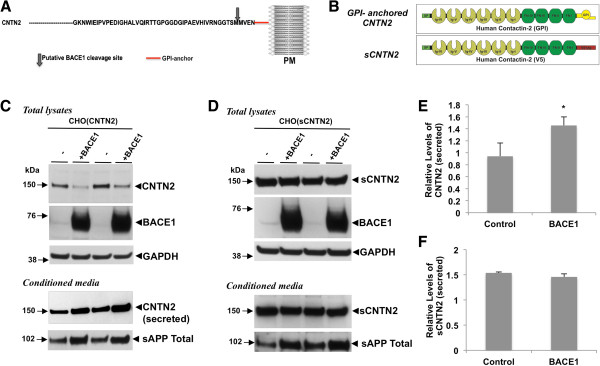
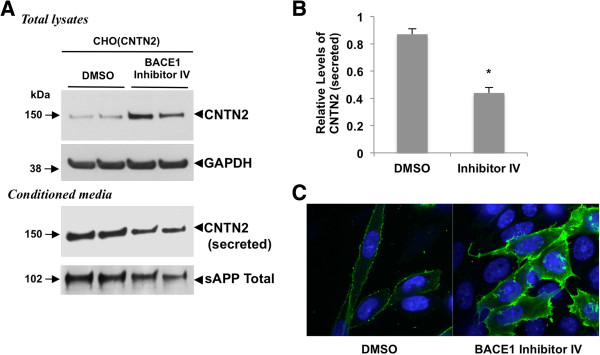
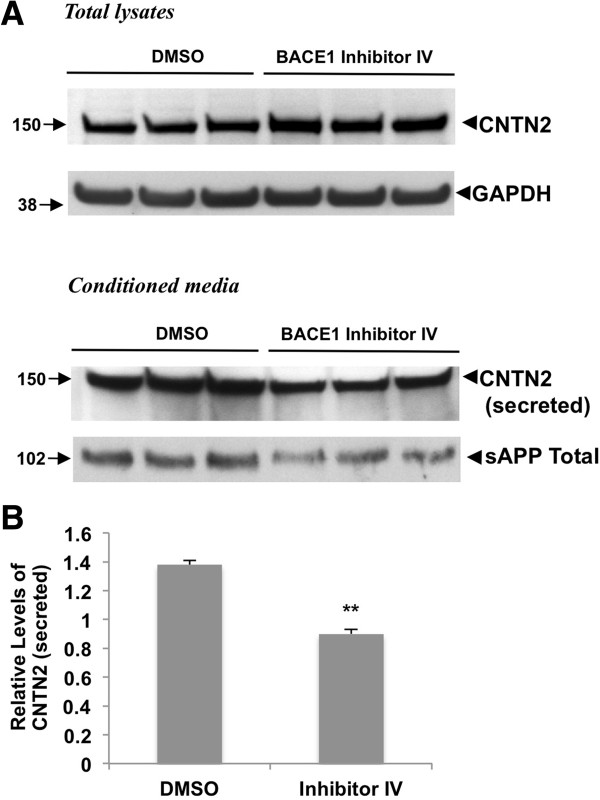
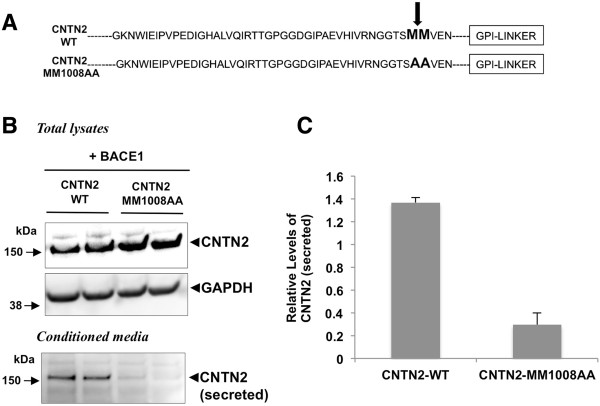
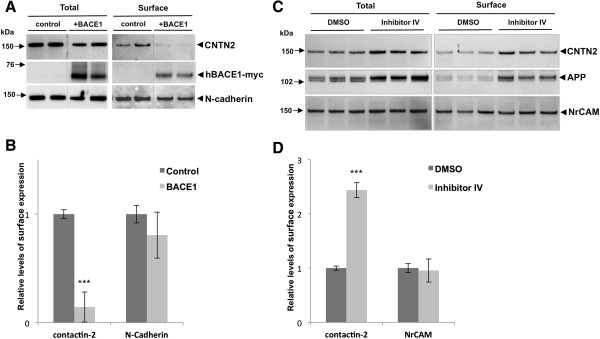
Verification
Claims the paper makes
The claims and statistics of this paper haven’t been checked yet.
Run the check — free, no account needed. It reads the open-access text and checks the sources it cites.
Claims other papers make about this one
Each is checked against this paper’s own text: does it say what the citing paper says it does?
The cited source says what the claim attributes to it.
In the citing paper
“because BACE1 also negatively regulates surface levels and/or function of two other substrates, contactin-2 and CHL1 [12, 15, 53].”
From Seizure protein 6 and its homolog seizure 6-like protein are physiological substrates of BACE1 in neurons (2016) · cites this paper as [53]
Self-check
Percentages, sums and reported differences re-computed from the paper’s own numbers.
The self-check needs the paper’s full text.
Citations
Cites
Control of Peripheral Nerve Myelination by the ß-Secretase BACE1
Willem, M., Garratt, A. N., Novak, B., Citron, M., Kaufmann, S., Rittger, A., DeStrooper, B., Saftig, P., Birchmeier, C., & Haass, C. (2006) · Science · doi:10.1126/science.1132341 · Cited by 703
BACE1 Deficiency Causes Altered Neuronal Activity and Neurodegeneration
Hu, X., Zhou, X., He, W., Yang, J., Xiong, W., Wong, P., Wilson, C. G., & Yan, R. (2010) · Journal of Neuroscience · doi:10.1523/jneurosci.1334-10.2010 · Cited by 162
Contactins: Emerging key roles in the development and function of the nervous system
Shimoda, Y., & Watanabe, K. (2009) · Cell Adhesion & Migration · doi:10.4161/cam.3.1.7764 · Cited by 149 · cited 1×
“Contactin-2 (axonin-1 or transient axonal glycoprotein1 (TAG-1)) is a cell adhesion molecule that belongs to immunoglobulin super family [22,23].”
Background
Research works printed but not linked: 39
- Selkoe DJ: Alzheimer's disease is a synaptic failure. Science. 2002, 298 (5594): 789-791. 10.1126/science.1074069. · DOI · Paper page
- Sinha S, Anderson JP, Barbour R, Basi GS, Caccavello R, Davis D, Doan M, Dovey HF, Frigon N, Hong J, Jacobson-Croak K, Jewett N, Keim P, Knops J, Lieberburg I, Power M, Tan H, Tatsuno G, Tung J, Schenk D, Seubert P, Suomensaari SM, Wang S, Walker D, Zhao J, McConlogue L, John V: Purification and cloning of amyloid precursor protein beta-secretase from human brain. Nature. 1999, 402 (6761): 537-540. 10.1038/990114. · DOI · Paper page
- Vassar R, Bennett BD, Babu-Khan S, Kahn S, Mendiaz EA, Denis P, Teplow DB, Ross S, Amarante P, Loeloff R, Luo Y, Fisher S, Fuller J, Edenson S, Lile J, Jarosinski MA, Biere AL, Curran E, Burgess T, Louis JC, Collins F, Treanor J, Rogers G, Citron M: Beta-secretase cleavage of Alzheimer's amyloid precursor protein by the transmembrane aspartic protease BACE. Science. 1999, 286 (5440): 735-741. 10.1126/science.286.5440.735. · DOI · Paper page
- De Strooper B: Aph-1, Pen-2, and Nicastrin with Presenilin generate an active gamma-Secretase complex. Neuron. 2003, 38 (1): 9-12. 10.1016/S0896-6273(03)00205-8. · DOI · Paper page
- Vassar R: BACE1: the beta-secretase enzyme in Alzheimer's disease. J Mol Neurosci. 2004, 23 (1–2): 105-114. · DOI
- Cole SL, Vassar R: The Alzheimer's disease beta-secretase enzyme, BACE1. Mol Neurodegener. 2007, 2: 22-10.1186/1750-1326-2-22. · DOI · Paper page
- Laird FM, Cai H, Savonenko AV, Farah MH, He K, Melnikova T, Wen H, Chiang HC, Xu G, Koliatsos VE, Borchelt DR, Price DL, Lee HK, Wong PC: BACE1, a major determinant of selective vulnerability of the brain to amyloid-beta amyloidogenesis, is essential for cognitive, emotional, and synaptic functions. J Neurosci. 2005, 25 (50): 11693-11709. 10.1523/JNEUROSCI.2766-05.2005. · DOI · Paper page
- Hu X, Hicks CW, He W, Wong P, Macklin WB, Trapp BD, Yan R: Bace1 modulates myelination in the central and peripheral nervous system. Nat Neurosci. 2006, 9 (12): 1520-1525. 10.1038/nn1797. · DOI · Paper page
- Vassar R, Kovacs DM, Yan R, Wong PC: The beta-secretase enzyme BACE in health and Alzheimer's disease: regulation, cell biology, function, and therapeutic potential. J Neurosci. 2009, 29 (41): 12787-12794. 10.1523/JNEUROSCI.3657-09.2009. · DOI · Paper page
- Rajapaksha TW, Eimer WA, Bozza TC, Vassar R: The Alzheimer's beta-secretase enzyme BACE1 is required for accurate axon guidance of olfactory sensory neurons and normal glomerulus formation in the olfactory bulb. Mol Neurodegener. 2011, 6: 88-10.1186/1750-1326-6-88. · DOI
- Hitt B, Riordan SM, Kukreja L, Eimer WA, Rajapaksha TW, Vassar R: Beta-Site amyloid precursor protein (APP)-cleaving enzyme 1 (BACE1)-deficient mice exhibit a close homolog of L1 (CHL1) loss-of-function phenotype involving axon guidance defects. J Biol Chem. 2012, 287 (46): 38408-38425. 10.1074/jbc.M112.415505. · DOI · Paper page
- Cao L, Rickenbacher GT, Rodriguez S, Moulia TW, Albers MW: The precision of axon targeting of mouse olfactory sensory neurons requires the BACE1 protease. Sci Rep. 2012, 2: 231- · DOI
- Kitazume S, Tachida Y, Oka R, Kotani N, Ogawa K, Suzuki M, Dohmae N, Takio K, Saido TC, Hashimoto Y: Characterization of alpha 2,6-sialyltransferase cleavage by Alzheimer's beta -secretase (BACE1). J Biol Chem. 2003, 278 (17): 14865-14871. 10.1074/jbc.M206262200. · DOI
- Kim DY, Carey BW, Wang H, Ingano LA, Binshtok AM, Wertz MH, Pettingell WH, He P, Lee VM, Woolf CJ, Kovacs DM: BACE1 regulates voltage-gated sodium channels and neuronal activity. Nat Cell Biol. 2007, 9 (7): 755-764. 10.1038/ncb1602. · DOI
- Hemming ML, Elias JE, Gygi SP, Selkoe DJ: Identification of beta-secretase (BACE1) substrates using quantitative proteomics. PLoS One. 2009, 4 (12): e8477-10.1371/journal.pone.0008477. · DOI
- Velanac V, Unterbarnscheidt T, Hinrichs W, Gummert MN, Fischer TM, Rossner MJ, Trimarco A, Brivio V, Taveggia C, Willem M, Haass C, Mobius W, Nave KA, Schwab MH: Bace1 processing of NRG1 type III produces a myelin-inducing signal but is not essential for the stimulation of myelination. Glia. 2012, 60 (2): 203-217. 10.1002/glia.21255. · DOI
- Kuhn PH, Koroniak K, Hogl S, Colombo A, Zeitschel U, Willem M, Volbracht C, Schepers U, Imhof A, Hoffmeister A, Haass C, Rossner S, Brase S, Lichtenthaler SF: Secretome protein enrichment identifies physiological BACE1 protease substrates in neurons. EMBO J. 2012, 31 (14): 3157-3168. 10.1038/emboj.2012.173. · DOI · Paper page
- Zhou L, Barao S, Laga M, Bockstael K, Borgers M, Gijsen H, Annaert W, Moechars D, Mercken M, Gevaert K, De Strooper B: The neural cell adhesion molecules L1 and CHL1 are cleaved by BACE1 protease in vivo. J Biol Chem. 2012, 287 (31): 25927-25940. 10.1074/jbc.M112.377465. · DOI · Paper page
- Sachse CC, Kim YH, Agsten M, Huth T, Alzheimer C, Kovacs DM, Kim DY: BACE1 and presenilin/gamma-secretase regulate proteolytic processing of KCNE1 and 2, auxiliary subunits of voltage-gated potassium channels. FASEB J. 2013, 27 (6): 2458-2467. 10.1096/fj.12-214056. · DOI
- Furley AJ, Morton SB, Manalo D, Karagogeos D, Dodd J, Jessell TM: The axonal glycoprotein TAG-1 is an immunoglobulin superfamily member with neurite outgrowth-promoting activity. Cell. 1990, 61 (1): 157-170. 10.1016/0092-8674(90)90223-2. · DOI
- Baeriswyl T, Stoeckli ET: Axonin-1/TAG-1 is required for pathfinding of granule cell axons in the developing cerebellum. Neural Dev. 2008, 3: 7-10.1186/1749-8104-3-7. · DOI
- Wolman MA, Sittaramane VK, Essner JJ, Yost HJ, Chandrasekhar A, Halloran MC: Transient axonal glycoprotein-1 (TAG-1) and laminin-alpha1 regulate dynamic growth cone behaviors and initial axon direction in vivo. Neural Dev. 2008, 3: 6-10.1186/1749-8104-3-6. · DOI
- Savvaki M, Panagiotaropoulos T, Stamatakis A, Sargiannidou I, Karatzioula P, Watanabe K, Stylianopoulou F, Karagogeos D, Kleopa KA: Impairment of learning and memory in TAG-1 deficient mice associated with shorter CNS internodes and disrupted juxtaparanodes. Mol Cell Neurosci. 2008, 39 (3): 478-490. 10.1016/j.mcn.2008.07.025. · DOI
- Bhattacharyya R, Barren C, Kovacs DM: Palmitoylation of amyloid precursor protein regulates amyloidogenic processing in lipid rafts. J Neurosci. 2013, 33 (27): 11169-11183. 10.1523/JNEUROSCI.4704-12.2013. · DOI · Paper page
- Gersbacher MT, Kim DY, Bhattacharyya R, Kovacs DM: Identification of BACE1 cleavage sites in human voltage-gated sodium channel beta 2 subunit. Mol Neurodegener. 2010, 5: 61-10.1186/1750-1326-5-61. · DOI · Paper page
- Fukumoto H, Cheung BS, Hyman BT, Irizarry MC: Beta-secretase protein and activity are increased in the neocortex in Alzheimer disease. Arch Neurol. 2002, 59 (9): 1381-1389. 10.1001/archneur.59.9.1381. · DOI · Paper page
- Tyler SJ, Dawbarn D, Wilcock GK, Allen SJ: Alpha- and beta-secretase: profound changes in Alzheimer's disease. Biochem Biophys Res Commun. 2002, 299 (3): 373-376. 10.1016/S0006-291X(02)02635-9. · DOI
- Yang LB, Lindholm K, Yan R, Citron M, Xia W, Yang XL, Beach T, Sue L, Wong P, Price D, Li R, Shen Y: Elevated beta-secretase expression and enzymatic activity detected in sporadic Alzheimer disease. Nat Med. 2003, 9 (1): 3-4. 10.1038/nm0103-3. · DOI · Paper page
- Zhao J, Fu Y, Yasvoina M, Shao P, Hitt B, O'Connor T, Logan S, Maus E, Citron M, Berry R, Binder L, Vassar R: Beta-site amyloid precursor protein cleaving enzyme 1 levels become elevated in neurons around amyloid plaques: implications for Alzheimer's disease pathogenesis. J Neurosci. 2007, 27 (14): 3639-3649. 10.1523/JNEUROSCI.4396-06.2007. · DOI · Paper page
- Fitzli D, Stoeckli ET, Kunz S, Siribour K, Rader C, Kunz B, Kozlov SV, Buchstaller A, Lane RP, Suter DM, Dreyer WJ, Sonderegger P: A direct interaction of axonin-1 with NgCAM-related cell adhesion molecule (NrCAM) results in guidance, but not growth of commissural axons. J Cell Biol. 2000, 149 (4): 951-968. 10.1083/jcb.149.4.951. · DOI
- Stoeckli ET, Ziegler U, Bleiker AJ, Groscurth P, Sonderegger P: Clustering and functional cooperation of Ng-CAM and axonin-1 in the substratum-contact area of growth cones. Dev Biol. 1996, 177 (1): 15-29. 10.1006/dbio.1996.0141. · DOI
- Felsenfeld DP, Hynes MA, Skoler KM, Furley AJ, Jessell TM: TAG-1 can mediate homophilic binding, but neurite outgrowth on TAG-1 requires an L1-like molecule and beta 1 integrins. Neuron. 1994, 12 (3): 675-690. 10.1016/0896-6273(94)90222-4. · DOI
- Rader C, Stoeckli ET, Ziegler U, Osterwalder T, Kunz B, Sonderegger P: Cell-cell adhesion by homophilic interaction of the neuronal recognition molecule axonin-1. Eur J Biochem. 1993, 215 (1): 133-141. 10.1111/j.1432-1033.1993.tb18015.x. · DOI
- Lin JF, Pan HC, Ma LP, Shen YQ, Schachner M: The cell neural adhesion molecule contactin-2 (TAG-1) is beneficial for functional recovery after spinal cord injury in adult zebrafish. PLoS One. 2012, 7 (12): e52376-10.1371/journal.pone.0052376. · DOI
- Perrin FE, Rathjen FG, Stoeckli ET: Distinct subpopulations of sensory afferents require F11 or axonin-1 for growth to their target layers within the spinal cord of the chick. Neuron. 2001, 30 (3): 707-723. 10.1016/S0896-6273(01)00315-4. · DOI
- Bizzoca A, Virgintino D, Lorusso L, Buttiglione M, Yoshida L, Polizzi A, Tattoli M, Cagiano R, Rossi F, Kozlov S, Furley A, Gennarini G: Transgenic mice expressing F3/contactin from the TAG-1 promoter exhibit developmentally regulated changes in the differentiation of cerebellar neurons. Development. 2003, 130 (1): 29-43. 10.1242/dev.00183. · DOI
- Denaxa M, Kyriakopoulou K, Theodorakis K, Trichas G, Vidaki M, Takeda Y, Watanabe K, Karagogeos D: The adhesion molecule TAG-1 is required for proper migration of the superficial migratory stream in the medulla but not of cortical interneurons. Dev Biol. 2005, 288 (1): 87-99. 10.1016/j.ydbio.2005.09.021. · DOI
- Ma QH, Futagawa T, Yang WL, Jiang XD, Zeng L, Takeda Y, Xu RX, Bagnard D, Schachner M, Furley AJ, Karagogeos D, Watanabe K, Dawe GS, Xiao ZC: A TAG1-APP signalling pathway through Fe65 negatively modulates neurogenesis. Nat Cell Biol. 2008, 10 (3): 283-294. 10.1038/ncb1690. · DOI
- Poliak S, Salomon D, Elhanany H, Sabanay H, Kiernan B, Pevny L, Stewart CL, Xu X, Chiu SY, Shrager P, Furley AJ, Peles E: Juxtaparanodal clustering of Shaker-like K + channels in myelinated axons depends on Caspr2 and TAG-1. J Cell Biol. 2003, 162 (6): 1149-1160. 10.1083/jcb.200305018. · DOI
Cited by
Sorted by citations
Pigoni, M., Wanngren, J., Kuhn, P.-H., Munro, K. M., Gunnersen, J. M., Takeshima, H., Feederle, R., Voytyuk, I., De Strooper, B., Levasseur, M. D., et al. (2016) · Molecular Neurodegeneration · doi:10.1186/s13024-016-0134-z · Cited by 125
Begcevic, I., Brinc, D., Brown, M., Martinez-Morillo, E., Goldhardt, O., Grimmer, T., Magdolen, V., Batruch, I., & Diamandis, E. P. (2018) · Journal of Proteomics · doi:10.1016/j.jprot.2018.04.027 · Cited by 81
Metadata
- Authors
- Gautam, V., D’Avanzo, C., Hebisch, M., Kovacs, D. M., & Kim, D. Y.
- Venue
- Molecular Neurodegeneration
- Published
- 2014-01-09
- Volume
- 9
- Issue
- 1
- ISSN
- 1750-1326
- PMC
- PMC3899608
- Cited by
- 46
- References
- 3
- Language
- en
About these checks
Registry, retraction, Cites and statistics results are computed, not judged, with one exception: a printed reference that no index lists is read once by a model before it counts as a citation error. Claims are extracted by a model and kept only when their quote appears verbatim in the text; each cited source is then checked, with a model’s help, for whether it says what the claim relies on. Those verdicts can be wrong — read the claim’s quote and the cited source before relying on one.
Statistics and arithmetic are recomputed, not judged.
Confidence bands are shown only for fields calibrated on our annotated test set. None is calibrated yet, so no band is shown.
What counts as a claim ›How we measure confidence ›How we check this ›
Are you an author, or do you see a problem with this page? Request a review
