

The DOI matches its Crossref record; 38 of the 38 references it cites were found in a registry or an index.
The history of African trypanosomiasis
Open accessAbstract
The prehistory of African trypanosomiasis indicates that the disease may have been an important selective factor in the evolution of hominids. Ancient history and medieval history reveal that African trypanosomiasis affected the lives of people living in sub-Saharan African at all times. Modern history of African trypanosomiasis revolves around the identification of the causative agents and the mode of transmission of the infection, and the development of drugs for treatment and methods for control of the disease. From the recent history of sleeping sickness we can learn that the disease can be controlled but probably not be eradicated. Current history of human African trypanosomiasis has shown that the production of anti-sleeping sickness drugs is not always guaranteed, and therefore, new, better and cheaper drugs are urgently required.
Overview
The claims and statistics of this paper haven’t been checked yet.
Run the check — free, no account needed. It reads the open-access text and checks the sources it cites.
Integrity signals
Registry
Cites
Statistics
Figures
Verification
Claims the paper makes
The claims and statistics of this paper haven’t been checked yet.
Run the check — free, no account needed. It reads the open-access text and checks the sources it cites.
Claims other papers make about this one
Each is checked against this paper’s own text: does it say what the citing paper says it does?
The cited source says what the claim attributes to it.
In the citing paper
“Furthermore, during trypanosome infection, listlessness and emaciation are some of the clinical signs of the infection (Nantulya, 1986; Steverding, 2008; Noyes et al., 2011).”
From Identification of Candidate Signature Genes and Key Regulators Associated With Trypanotolerance in the Sheko Breed (2019) · cites this paper as Steverding, 2008
Self-check
Percentages, sums and reported differences re-computed from the paper’s own numbers.
The self-check needs the paper’s full text.
Citations
Cites
(1973) · Annals of Internal Medicine · doi:10.7326/0003-4819-79-2-324_1 · Cited by 997
Vreysen, M. J. B., Saleh, K. M., Ali, M. Y., Abdulla, A. M., Zhu, Z.-R., Juma, K. G., Dyck, V. A., Msangi, A. R., Mkonyi, P. A., & Feldmann, H. U. (2000) · Journal of Economic Entomology · doi:10.1603/0022-0493-93.1.123 · Cited by 477
(1954) · Leprosy Review · doi:10.5935/0305-7518.19540020 · Cited by 412
Development of difluoromethylornithine (DFMO) as a chemoprevention agent.
Meyskens, F. L., & Gerner, E. W. (1999) · PubMed · Cited by 337
Jolly, D., Prentice, I. C., Bonnefille, R., Ballouche, A., Bengo, M. D., Brénac, P., Buchet, G., Burney, D. A., Cazet, J.-P., Cheddadi, R., et al. (1998) · Journal of Biogeography · doi:10.1046/j.1365-2699.1998.00238.x · Cited by 332
Drugs and drug resistance in African trypanosomiasis
Delespaux, V., & de Koning, H. P. (2007) · Drug Resistance Updates · doi:10.1016/j.drup.2007.02.004 · Cited by 287
Pentamidine uptake and resistance in pathogenic protozoa: past, present and future
Bray, P. G., Barrett, M. P., Ward, S. A., & de Koning, H. P. (2003) · Trends in Parasitology · doi:10.1016/s1471-4922(03)00069-2 · Cited by 261
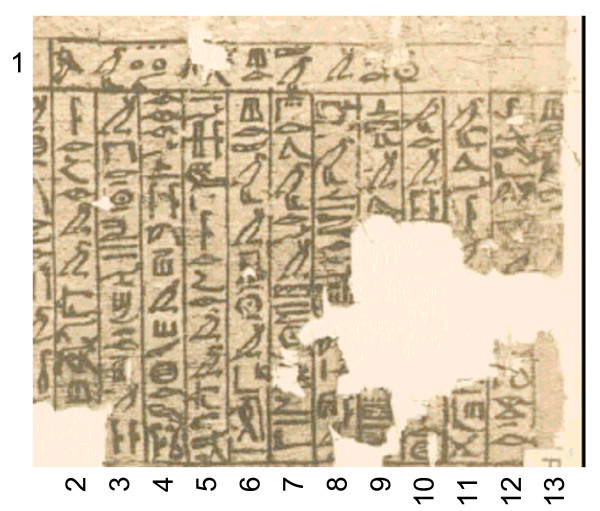
The Papyrus Ebers; The Greatest Egyptian Medical Document
Dawson, W. R., & EBBELL, Β. (1938) · The Journal of Egyptian Archaeology · doi:10.2307/3854804 · Cited by 224
The molecular phylogeny of trypanosomes: evidence for an early divergence of the Salivaria
Haag, J. (1998) · Molecular and Biochemical Parasitology · doi:10.1016/s0166-6851(97)00185-0 · Cited by 185
Peet, T. E. (1931) · The Journal of Egyptian Archaeology · doi:10.1177/030751333101700126 · Cited by 183
Research works printed but not linked: 1
- WHO/CDS/CSR/ISR/2000.1 Chapter 8 – African trypanosomiasis WHO Report on Global Surveillance of Epidemic-prone Infectious Diseases 2000 World Health Organization 95 106
Cited by
Sorted by citations
Items 201–300 of 470
Kastner, R. J., Sicuri, E., Stone, C., Matwale, G. K., Onapa, A. W., & Tediosi, F. (2017) · PLoS neglected tropical diseases · doi:10.1371/journal.pntd.0005934 · Cited by 10
Drug Discovery and Development for Kinetoplastid Diseases
Caffrey, C. R., Steverding, D., Ferreira, R. S., de Oliveira, R. B., O’Donoghue, A. J., Monti, L., Ballatore, C., Bachovchin, K. A., Ferrins, L., Pollastri, M. P., et al. (2021) · Wiley eBooks · doi:10.1002/0471266949.bmc235.pub2 · Cited by 10
Self-citationCortés, O., Cañón, J., Andrino, S., Fernanadez, M., & Carleos, C. E. (2024) · Journal of Animal Breeding and Genetics · doi:10.1111/jbg.12853 · Cited by 9
ARL3 GTPases facilitate ODA16 unloading from IFT in motile cilia
Huang, Y., Dong, X., Sun, S., Lim, T. K., Lin, Q., & He, C. Y. (2024) · Science Advances · doi:10.1126/sciadv.adq2950 · Cited by 9
The Trypanosome Pumilio Domain Protein PUF5
Jha, B. A., Archer, S. K., & CLAYTON, C. E. (2013) · PLoS ONE · doi:10.1371/journal.pone.0077371 · Cited by 9
Palmer, J. J., Jones, C. O. H., Surur, E. I., & Kelly, A. H. (2020) · Tropical Medicine and Infectious Disease · doi:10.3390/tropicalmed5020052 · Cited by 9
Carothers, S., Nyamwihura, R. J., Collins, J. T., Zhang, H., Park, H., Setzer, W. N., & Ogungbe, I. V. (2018) · Molecules · doi:10.3390/molecules23020355 · Cited by 9
Bitter melon extract inhibits proliferation of Trypanosoma brucei bloodstream forms in vitro
Phillips, E. A., Sexton, D. W., & Steverding, D. (2012) · Experimental Parasitology · doi:10.1016/j.exppara.2012.12.004 · Cited by 9
Self-citationHigh osteoporosis risk among East Africans linked to lactase persistence genotype
Hilliard, C. B. (2016) · BoneKEy Reports · doi:10.1038/bonekey.2016.30 · Cited by 9
Kallu, S. A., Ndebe, J., Qiu, Y., Nakao, R., & Simuunza, M. C. (2023) · Tropical Medicine and Infectious Disease · doi:10.3390/tropicalmed8020080 · Cited by 8
Hydrazinated geraniol derivatives as potential broad‐spectrum antiprotozoal agents
Jooste, J., Legoabe, L. J., Ilbeigi, K., Caljon, G., & Beteck, R. M. (2024) · Archiv der Pharmazie · doi:10.1002/ardp.202400430 · Cited by 8
Sleeping Sickness in the ‘Omics Era
Tiberti, N., & Sanchez, J. (2018) · PROTEOMICS - CLINICAL APPLICATIONS · doi:10.1002/prca.201700041 · Cited by 8
Manivel, G., Meyyazhagan, A., Durairaj, D. R., & Piramanayagam, S. (2018) · Genomics · doi:10.1016/j.ygeno.2018.07.007 · Cited by 8
Hovanec, C. (2018) · Cambridge University Press eBooks · doi:10.1017/9781108552752 · Cited by 9
Steverding, D., do Nascimento, L. G., Pérez‐Castillo, Y., & de Sousa, D. P. (2022) · Molecules · doi:10.3390/molecules27185876 · Cited by 8
Self-citationEbola virus disease detection using Dempster-Shafer evidence theory
Maseleno, A., Fauzi, F., & Muslihudin, M. (2015) · IEEE International Conference on Progress in Informatics and Computing · doi:10.1109/pic.2015.7489914 · Cited by 8
Trypanosoma brucei: trypanocidal and cell swelling activities of lasalocid acid
Steverding, D., & Huczyński, A. (2017) · Parasitology Research · doi:10.1007/s00436-017-5624-6 · Cited by 8
Self-citationIn vitro Anti-Trypanosomal Activities of Indanone-Based Chalcones
Beteck, R. M., Legoabe, L. J., Isaacs, M. L., & Hoppe, H. C. (2018) · Drug Research · doi:10.1055/a-0775-0737 · Cited by 8
Sulaiman, F. A., Iyiola, O. A., Anifowoshe, T. A., Sulaiman, A. A., BELLO, O. K., Akinyele, T. J., Jimoh, A. M., Maimako, R. F., Otohinoyi, D. A., Osemwegie, O. O., et al. (2020) · Oriental Pharmacy and Experimental Medicine · doi:10.1007/s13596-020-00438-6 · Cited by 8
Addressing coloniality of power to improve HIV care in South Africa and other LMIC
Ordóñez, C. E., Marconi, V. C., & Manderson, L. H. (2023) · Frontiers in Reproductive Health · doi:10.3389/frph.2023.1116813 · Cited by 7
Time to put out the lights on sleeping sickness?
Nimmo, C. (2010) · Travel Medicine and Infectious Disease · doi:10.1016/j.tmaid.2010.05.001 · Cited by 7
Trypanotoxic activity of thiosemicarbazone iron chelators
Ellis, S., Sexton, D. W., & Steverding, D. (2015) · Experimental Parasitology · doi:10.1016/j.exppara.2015.01.004 · Cited by 7
Self-citationOgunleye, O. O., Jatau, I. D., Natala, A. J., & Ola‐Fadunsin, S. D. (2020) · Clinical Phytoscience · doi:10.1186/s40816-020-00203-x · Cited by 7
Basic Biology of Trypanosoma brucei with Reference to the Development of Chemotherapies
Dean, S. (2021) · Current Pharmaceutical Design · doi:10.2174/1381612827666210119105008 · Cited by 7
Decolonising Parasitology: The Case of Trypanosoma brucei rhodesiense
Steverding, D., & Tyler, K. M. (2021) · Trends in Parasitology · doi:10.1016/j.pt.2021.03.007 · Cited by 7
Self-citationAbdulrashid, N. I., Aminu, S., Adamu, R. M., Tajuddeen, N., Isah, M. B., Jatau, I. D., Aliyu, A. B., Simelane, M. B. C., Onyike, E., & Ibrahim, M. A. (2022) · Molecules · doi:10.3390/molecules27020469 · Cited by 7
Synthesis and in vitro antiprotozoal evaluation of novel metronidazole–Schiff base hybrids
Beteck, R. M., Isaacs, M. L., Legoabe, L. J., Hoppe, H. C., Tam, C. C., Jong Heon, K. I. M., Petzer, J. P., Cheng, L. W., Quiambao, Q., Land, K. M., et al. (2022) · Archiv der Pharmazie · doi:10.1002/ardp.202200409 · Cited by 7
2‐Aroyl quinazolinone: Synthesis and in vitro anti‐parasitic activity
Setshedi, K. J., Beteck, R. M., Jesumoroti, O. J., Ilbeigi, K., Mabille, D., Caljon, G., der Kooy, F. V., & Legoabe, L. J. (2023) · Chemical Biology & Drug Design · doi:10.1111/cbdd.14284 · Cited by 7
Steverding, D., & Rushworth, S. A. (2017) · Experimental Parasitology · doi:10.1016/j.exppara.2017.05.006 · Cited by 7
Self-citationFathuddin, M. M., & Inabo, H. I. (2017) · Microbiology Research · doi:10.4081/mr.2017.6963 · Cited by 7
von Geldern, T., Harhay, M. O., Scandale, I., & Don, R. (2011) · Topics in medicinal chemistry · doi:10.1007/7355_2011_17 · Cited by 7
Expression Levels of Odorant Receptor Genes in the Savanna Tsetse Fly, Glossina morsitans morsitans
Nyanjom, S. G., Tare, C., Wamunyokoli, F., & Obiero, G. F. (2018) · Journal of Medical Entomology · doi:10.1093/jme/tjy018 · Cited by 7
Czerwonka, D., Barcelos, Y., Steverding, D., Cioch, A., Huczyński, A., & Antoszczak, M. (2020) · European Journal of Medicinal Chemistry · doi:10.1016/j.ejmech.2020.112900 · Cited by 7
Self-citationHietanen, H., Pfavayi, L. T., & Mutapi, F. (2025) · PLoS neglected tropical diseases · doi:10.1371/journal.pntd.0013424 · Cited by 6
Giordani, F., Mwenechanya, R., & Barrett, M. P. (2014) · Elsevier eBooks · doi:10.1016/b978-0-12-386882-4.00039-6 · Cited by 6
Cámara, M. D. L. M., Bouvier, L. A., Miranda, M. R., Reigada, C., & Pereira, C. A. (2013) · Folia Parasitologica · doi:10.14411/fp.2013.042 · Cited by 6
TFK1, a basal body transition fibre protein that is essential for cytokinesis in Trypanosoma brucei
Ramanantsalama, M. R., Landrein, N., Casas, E., Salin, B., Blancard, C., Bonhivers, M., Robinson, D. R., & Dacheux, D. (2022) · Journal of Cell Science · doi:10.1242/jcs.259893 · Cited by 4
Mohammed, Y. A., Kabiru, A. Y., Hamzah, R. U., Lukman, H. Y., Aliu, T. B., Alqarni, M. A., Batiha, G. E., WAARD, M. M. D., & Lawal, B. (2023) · BioMed Research International · doi:10.1155/2023/6820338 · Cited by 6
Steverding, D., Wang, X., & Sexton, D. W. (2009) · Parasitology Research · doi:10.1007/s00436-009-1559-x · Cited by 6
Self-citationParasites! Graphic Exploration of Tropical Disease Drug Development
Squier, S. M. (2018) · The AMA Journal of Ethic · doi:10.1001/journalofethics.2018.20.2.msoc1-1802 · Cited by 6
Cullen, D. R., Gallagher, A., Duncan, C. L., Pengon, J., Rattanajak, R., Chaplin, J. H., Gunosewoyo, H., Kamchonwongpaisan, S., Payne, A. D., & Mocerino, M. (2021) · European Journal of Medicinal Chemistry · doi:10.1016/j.ejmech.2021.113861 · Cited by 6
Evolution of animal and human brucellosis in Algeria: a mini narrative review
Tazerart, F., Aliouane, K., & Grine, G. (2022) · New Microbes and New Infections · doi:10.1016/j.nmni.2022.100975 · Cited by 6
Okubanjo, O. O., Sekoni, V. O., Ajanusi, O. J., Nok, A. J., & Adeyeye, A. A. (2014) · Asian Pacific Journal of Tropical Disease · doi:10.1016/s2222-1808(14)60502-8 · Cited by 6
Senescence Ecology: Aging in a Population of Wild Brown Mouse Lemurs (Microcebus rufus)
Zohdy, S. (2012) · Työväentutkimus Vuosikirja · doi:10.13140/rg.2.1.1825.4881 · Cited by 7
Drug Discovery and Development for Human African Trypanosomiasis
Spaulding, A. E., Gallerstein, M. F., & Ferrins, L. (2019) · Methods and principles in medicinal chemistry · doi:10.1002/9783527808656.ch5 · Cited by 6
Bekele, D., Wang, X., Beshir, A., & Terefe, E. (2024) · Frontiers in Veterinary Science · doi:10.3389/fvets.2024.1460650 · Cited by 5
Alkhaldi, A. A. M. (2023) · Molecules · doi:10.3390/molecules28124652 · Cited by 5
Advancement in the development of DNA vaccines against Trypanosoma brucei and future perspective
Aleem, M. T., Munir, F., Shakoor, A., Sindhu, Z. U. D., & Gao, F. (2024) · International Immunopharmacology · doi:10.1016/j.intimp.2024.112847 · Cited by 5
Odeniran, P. O., Paul-Odeniran, K. F., & Ademola, I. O. (2024) · Parasitology Research · doi:10.1007/s00436-024-08312-z · Cited by 5
Maseleno, A., Hasan, M. M., Tuah, N., Fauzi, F., & Muslihudin, M. (2015) · International Conference on Digital Information Processing and Communications · doi:10.1109/icdipc.2015.7323022 · Cited by 5
Glinma, B., Kpoviessi, D. S. S., Fatondji, R. H., Gbaguigi, F. A., Nankwa, C. K., Bero, J., Lambert, D. M., Hannaert, V., Quetin‐Leclercq, J., Mandachirou, M., et al. (2011) · Digital Access to Libraries (Université catholique de Louvain (UCL), l'Université de Namur (UNamur) and the Université Saint-Louis (USL-B)) · Cited by 5
Review on prevalence of bovine trypanosomosis in Ethiopia
Oyda, S., & Hailu, M. (2018) · African Journal of Agricultural Research · doi:10.5897/ajar2017.12755 · Cited by 5
Steverding, D., Florea, B. I., & Overkleeft, H. S. (2018) · Molecular and Biochemical Parasitology · doi:10.1016/j.molbiopara.2018.11.002 · Cited by 5
Self-citationStructure, function and druggability of the African trypanosome flagellum
Conde, J. S., & Dean, S. (2022) · Journal of Cellular Physiology · doi:10.1002/jcp.30778 · Cited by 5
Oluwafemi, K. A., Oyeneyin, O. E., Babatunde, D. D., Agbaffa, E. B., Aigbogun, J. A., Odeja, O. O., & Emmanuel, A. V. (2023) · Acta Parasitologica · doi:10.1007/s11686-023-00719-5 · Cited by 5
Lipophilic Guanylhydrazone Analogues as Promising Trypanocidal Agents: An Extended SAR Study
Pardali, V., Giannakopoulou, E., Balourdas, D.-I., Myrianthopoulos, V., Taylor, M. C., Šekutor, M., Mlinarić‐Majerski, K., Kelly, J. M., & Zoidis, G. (2020) · Current Pharmaceutical Design · doi:10.2174/1381612826666200210150127 · Cited by 5
Bannister, D. (2021) · The Journal of African History · doi:10.1017/s0021853721000177 · Cited by 5
Hide, G. (2008) · Trends in Parasitology · doi:10.1016/j.pt.2008.06.005 · Cited by 5
TLTF in Cerebrospinal Fluid for Detection and Staging of T. b. gambiense Infection
Abdulla, M., Bakhiet, M., Lejon, V., Andersson, J., McKerrow, J. H., Al-Obeed, O. A., & Harris, R. A. (2013) · PLoS ONE · doi:10.1371/journal.pone.0079281 · Cited by 5
Kajunguri, D. (2013) · SUNScholar (Stellenbosch University) · Cited by 5
Antillón, M., Huang, C.-I., Crump, R. E., Brown, P. E., Snijders, R., Miaka, E. M., Keeling, M. J., Rock, K. S., & Tediosi, F. (2020) · medRxiv · doi:10.1101/2020.08.25.20181982 · Cited by 5
McHugo, G. P., Ward, J. A., Browne, J. A., O’Gorman, G. M., Meade, K. G., Hill, E. W., Hall, T. J., & MacHugh, D. E. (2025) · doi:10.1101/2025.01.31.635858 · Cited by 4
Epidemiology and economic impact of bovine trypanosomosis in Jawi District, Northwest Ethiopia
Adane, M., Teshome, Y., Jemberu, W. T., & Kebede, N. (2025) · Scientific Reports · doi:10.1038/s41598-025-90112-1 · Cited by 4
Antileishmanial and Antitrypanosomes Drugs for the Current Century
Alunda, J. M. (2023) · Microorganisms · doi:10.3390/microorganisms12010043 · Cited by 4
De novo rates of a Trypanosoma -resistant mutation in two human populations
Melamed, D., Shemer, R., Bolotin, E., Yakass, M. B., Fink-Barkai, D., Hiadzi, E. K., Skorecki, K. L., & Livnat, A. (2025) · Proceedings of the National Academy of Sciences · doi:10.1073/pnas.2424538122 · Cited by 5
Adejoke, A. O., & K, O. K. O. (2014) · Journal of environment and earth science · Cited by 4
Medicinal plants as potential therapeutic agents for trypanosomosis: a systematic review
Plaatjie, M., Onyiche, T. E., Legoabe, L. J., Ramatla, T. A., Nyembe, N., Suganuma, K., & Thekisoe, O. M. M. (2022) · Oriental Pharmacy and Experimental Medicine · doi:10.1007/s13596-022-00662-2 · Cited by 4
Mirieri, C. K., Abd‐Alla, A. M. M., Ros, V. I. D., & van Oers, M. M. (2023) · Insects · doi:10.3390/insects14040397 · Cited by 4
In Vitro and In Vivo Trypanocidal Efficacy of Nitrofuryl- and Nitrothienylazines
van Rensburg, H. D. J., N’Da, D. D., & Suganuma, K. (2023) · ACS Omega · doi:10.1021/acsomega.3c06508 · Cited by 4
Effects of experimental Trypanosoma evansi infection on pregnancy in Yankasa ewes
Adeyeye, A. A., Ate, I. U., Lawal, A. I., & Adamu, S. (2015) · Theriogenology · doi:10.1016/j.theriogenology.2015.10.034 · Cited by 4
Samdi, S. M., Abenga, J. N., Wayo, B., Mshelia, P. W., Musa, D., Haruna, M. K., Musa, B. U., Bala, I., & Adeyemi, K. (2011) · Asian Journal of Animal and Veterinary Advances · doi:10.3923/ajava.2011.316.321 · Cited by 4
Osondu, F., Ugochukwu, I. C. I., & Ugochukwu, E. I. (2016) · Asian Pacific Journal of Tropical Disease · doi:10.1016/s2222-1808(15)61043-x · Cited by 4
Mikail, H. G., Kabir, A. K. A., Garba, Y., Yusuf, M., Inuwa, H. M., Lekene, B. J., Ibrahim, O., & Hafsa, L. M. (2016) · Journal of Advances in Medicine and Medical Research · doi:10.9734/bjmmr/2016/23033 · Cited by 4
Ogunleye, O. O., Jatau, I. D., Natala, A. J., Idehen, C., Salami, O., & Mamman, S. A. (2020) · Sokoto Journal of Veterinary Sciences · doi:10.4314/sokjvs.v17i4.1 · Cited by 4
Structural basis for guide RNA trimming by RNase D ribonuclease in Trypanosoma brucei
Gao, Y., Liu, H., Zhang, C., Su, S., Chen, Y., Chen, X., Li, Y., Shao, Z., Zhang, Y., Shao, Q., et al. (2020) · Nucleic Acids Research · doi:10.1093/nar/gkaa1197 · Cited by 4
Computational Identification of Master Regulators Influencing Trypanotolerance in Cattle
Rajavel, A., Schmitt, A. O., & Gültaş, M. (2021) · International Journal of Molecular Sciences · doi:10.3390/ijms22020562 · Cited by 4
Sigaúque, I., Macucule, P. A., Mulandane, F. C., Brito, D. R. A., Jamal, S. A. J., Delespaux, V., & Neves, L. (2022) · RENDICONTI LINCEI · doi:10.1007/s12210-022-01077-6 · Cited by 4
Minet, C., Chantal, I., & Berthier, D. (2023) · Experimental Parasitology · doi:10.1016/j.exppara.2023.108589 · Cited by 4
Mwaniki, L. M. (2017) · American Journal of Laboratory Medicine · doi:10.11648/j.ajlm.20170204.15 · Cited by 4
Major Disease Vectors in Tanzania: Distribution, Control and Challenges
Kweka, E. J., Kimaro, E. E., Kimaro, E. G., Nagagi, Y. P., & Malele, I. I. (2017) · InTech eBooks · doi:10.5772/67109 · Cited by 5
Deciphering the interstrand crosslink DNA repair network expressed by Trypanosoma brucei
Dattani, A., & Wilkinson, S. R. (2019) · DNA repair · doi:10.1016/j.dnarep.2019.04.009 · Cited by 4
Stoco, P. H., Miletti, L. C., Picozzi, K., Steindel, M., & Grisard, E. C. (2016) · Springer eBooks · doi:10.1007/978-3-319-13884-8_19 · Cited by 4
Barr, S. C., Saunders, A. B., & Sykes, J. E. (2013) · Elsevier eBooks · doi:10.1016/b978-1-4377-0795-3.00078-8 · Cited by 4
Protozoan Diversity and Biogeography
Pearson, L. A., & Neilan, B. A. (2021) · Encyclopedia of Life Sciences · doi:10.1002/9780470015902.a0029329 · Cited by 4
Tazerart, F., Aliouane, K., & Grine, G. (2022) · New Microbes and New Infections · doi:10.1016/j.nmni.2022.101014 · Cited by 4
A Narrative Review on Trypanosomiasis and its Effect on Food ProductionPreprint
Onyam, I., Otabil, M. A., Etwire, E. S., Kwansa-Aidoo, K., Adadey, S. M., & Ekloh, W. (2024) · SSRN Electronic Journal · doi:10.2139/ssrn.4831532 · Cited by 4
Opiro, R., Moses, O. A., Opoke, R., Oloya, F. A., Nakafu, E., Iwiru, T., Echodu, R., Malinga, G. M., Bargul, J. L., & Opiyo, E. A. (2022) · Journal of Parasitology Research · doi:10.1155/2022/9142551 · Cited by 3
Trypanosome Infection in Cattle and Associated Vectors in Etang District of Gambella, Ethiopia
Tola, N., Wagari, A., Haile, G., Kedir, M., Fesseha, H., & Kebede, I. A. (2024) · Journal of Parasitology Research · doi:10.1155/2024/5548718 · Cited by 3
McHugo, G. P., Ward, J. A., Ng’ang’a, S. I., Frantz, L., Salter‐Townshend, M., Hill, E. W., O’Gorman, G. M., Meade, K. G., Hall, T. J., & MacHugh, D. E. (2024) · Heredity · doi:10.1038/s41437-024-00734-w · Cited by 4
Jiso, T., Hailegebreal, G., & Sheferaw, D. (2024) · Veterinary Medicine and Science · doi:10.1002/vms3.70130 · Cited by 3
Old Versus New Approaches Towards TriTryp Diseases
Abbehausen, C., Garcia, M. S. A., Fontes, J. V., da Silva, B. E. S., Gadelha, F. R., & Miguel, D. C. (2024) · Integrated science · doi:10.1007/978-3-031-64288-3_9 · Cited by 3
Nagagi, Y. P., Silayo, R. S., Luziga, C. D., & Kweka, E. J. (2017) · BMC Complementary and Alternative Medicine · doi:10.1186/s12906-017-1785-1 · Cited by 3
Human African trypanosomiasis: current status and eradication efforts
Davis, C. N., Rock, K. S., & Keeling, M. J. (2020) · CABI Reviews · doi:10.1079/pavsnnr202015028 · Cited by 3
Degneh, E., Kassa, T., Kebede, N., & Asefa, Z. (2021) · Parasite Epidemiology and Control · doi:10.1016/j.parepi.2021.e00218 · Cited by 3
Ganyo, E. Y., Boampong, J. N., Masiga, D. K., Villinger, J., & Turkson, P. K. (2018) · F1000Research · doi:10.12688/f1000research.14032.1 · Cited by 3
Crump, R. E., Aliee, M., Sutherland, S. A., Huang, C.-I., Crowley, E. H., Spencer, S. E. F., Keeling, M. J., Shampa, C., Miaka, E. M., & Rock, K. S. (2024) · Parasites & Vectors · doi:10.1186/s13071-024-06404-4 · Cited by 3
Investigation of thiazolyl–benzothiophenamides as potential agents for African sleeping sickness
Brown, R. W., Abdel‐Megeed, A. M., Keller, P. A., Jones, A. J., Sykes, M. L., Kaiser, M., Baell, J. B., Avery, V. M., & Hyland, C. J. T. (2020) · RSC Medicinal Chemistry · doi:10.1039/d0md00277a · Cited by 3
Steverding, D. (2013) · Parasites & Vectors · doi:10.1186/1756-3305-6-285 · Cited by 3
Self-citationSteverding, D., Kolosevska, K., & Sánchez‐Moreno, M. (2018) · Experimental Parasitology · doi:10.1016/j.exppara.2018.07.005 · Cited by 3
Self-citationTchouomene-Labou, J., Tanekou, T. T. M., Simo, G., Kaba, D., Ravel, S., & Njiokou, F. (2020) · Infection Genetics and Evolution · doi:10.1016/j.meegid.2020.104303 · Cited by 3
Metadata
- Authors
- Steverding, D.
- Affiliations
- University of East Anglia (GB)
- Corresponding author
- Steverding, Dietmar
- ORCID
- Steverding, Dietmar
- Venue
- Parasites & Vectors
- Published
- 2008
- Volume
- 1
- Issue
- 1
- Pages
- 3
- ISSN
- 1756-3305 (ISSN-L)
- PMC
- PMC2270819
- OpenAlex
- W2117650737
- Cited by
- 470
- References
- 38
- Citations by year
- 2026: 15 · 2025: 31 · 2024: 39 · 2023: 25 · 2022: 33 · 2021: 40 · 2020: 39 · 2019: 21 · 2018: 36 · 2017: 27 · 2016: 26 · 2015: 24 · 2014: 33 · 2013: 30 · 2012: 19
- FWCI
- 7.94
- Type
- journal article
- Language
- en
- Open access
- gold
- doi.org
- Licence
- cc-by
- Locations
- Parasites & Vectors (publishedVersion, cc-by)
- PubMed Central (publishedVersion, cc-by)
- PubMed (publishedVersion)
- DOAJ (DOAJ: Directory of Open Access Journals) (submittedVersion)
- UEA Digital Repository (University of East Anglia) (submittedVersion)
- Topics
- Health Sciences › Medicine › Epidemiology › Trypanosoma species research and implications
- Social Sciences › Arts and Humanities › History › History of Medicine and Tropical Health
- Health Sciences › Medicine › Pharmacology (medical) › Historical Medical Research and Treatments
- Keywords
- sleeping sickness, history of medicine, hominid evolution, disease transmission, trypanosome identification, antitrypanosomal drugs, disease control, sub-Saharan Africa
About these checks
Registry, retraction, Cites and statistics results are computed, not judged, with one exception: a printed reference that no index lists is read once by a model before it counts as a citation error. Claims are extracted by a model and kept only when their quote appears verbatim in the text; each cited source is then checked, with a model’s help, for whether it says what the claim relies on. Those verdicts can be wrong — read the claim’s quote and the cited source before relying on one.
Statistics and arithmetic are recomputed, not judged.
Confidence bands are shown only for fields calibrated on our annotated test set. None is calibrated yet, so no band is shown.
What counts as a claim ›How we measure confidence ›How we check this ›
Are you an author, or do you see a problem with this page? Request a review
