

Implications of climate change on the distribution of the tick vector Ixodes scapularis and risk for Lyme disease in the Texas-Mexico transboundary region
Open accessThe DOI matches its Crossref record; 119 of the 121 references it cites were found in a registry or an index.
Abstract
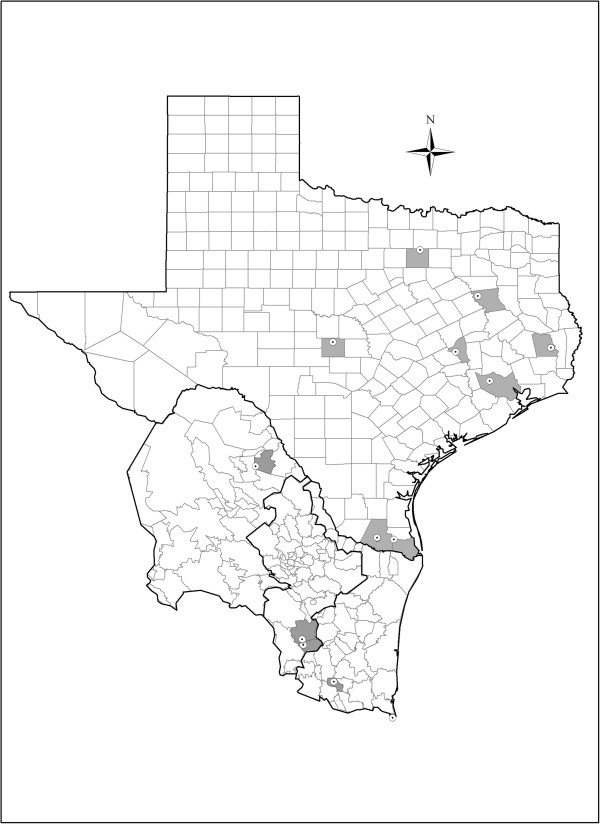
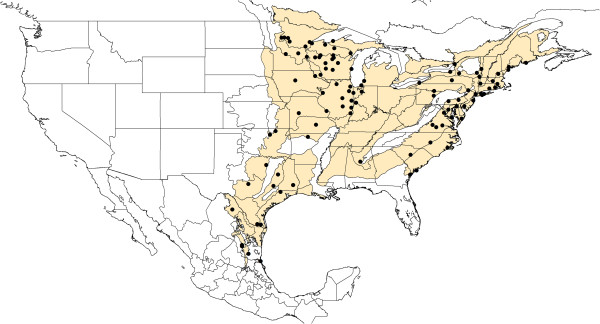
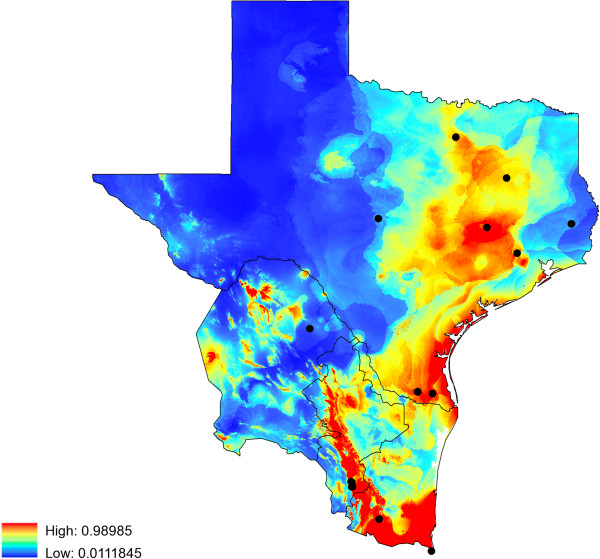
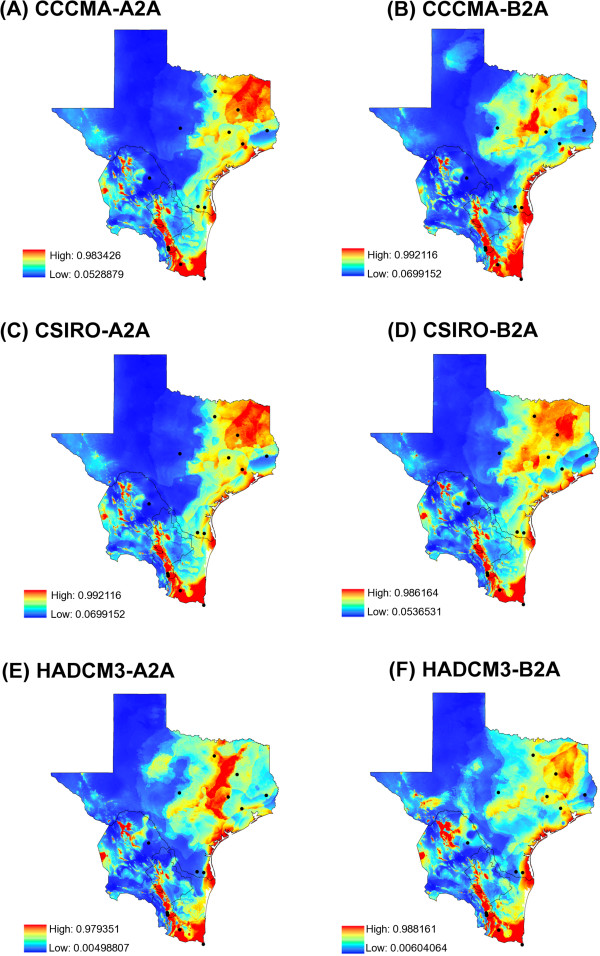
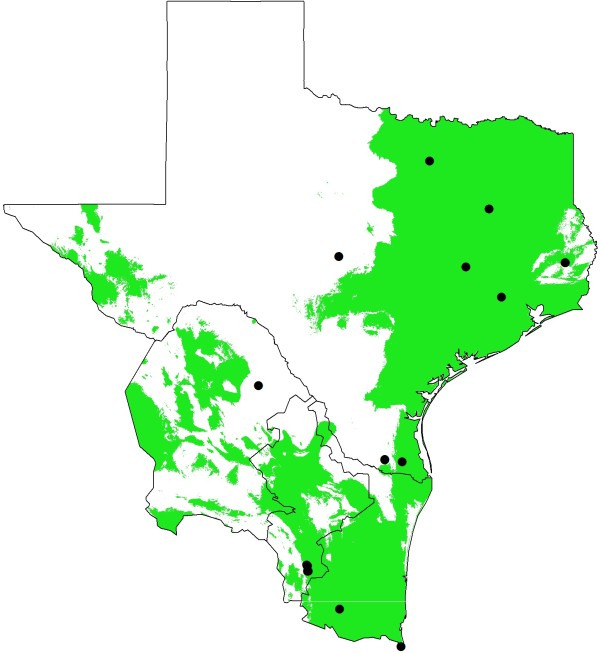
BACKGROUND: Disease risk maps are important tools that help ascertain the likelihood of exposure to specific infectious agents. Understanding how climate change may affect the suitability of habitats for ticks will improve the accuracy of risk maps of tick-borne pathogen transmission in humans and domestic animal populations. Lyme disease (LD) is the most prevalent arthropod borne disease in the US and Europe. The bacterium Borrelia burgdorferi causes LD and it is transmitted to humans and other mammalian hosts through the bite of infected Ixodes ticks. LD risk maps in the transboundary region between the U.S. and Mexico are lacking. Moreover, none of the published studies that evaluated the effect of climate change in the spatial and temporal distribution of I. scapularis have focused on this region. METHODS: The area of study included Texas and a portion of northeast Mexico. This area is referred herein as the Texas-Mexico transboundary region. Tick samples were obtained from various vertebrate hosts in the region under study. Ticks identified as I. scapularis were processed to obtain DNA and to determine if they were infected with B. burgdorferi using PCR. A maximum entropy approach (MAXENT) was used to forecast the present and future (2050) distribution of B. burgdorferi-infected I. scapularis in the Texas-Mexico transboundary region by correlating geographic data with climatic variables. RESULTS: Of the 1235 tick samples collected, 109 were identified as I. scapularis. Infection with B. burgdorferi was detected in 45% of the I. scapularis ticks collected. The model presented here indicates a wide distribution for I. scapularis, with higher probability of occurrence along the Gulf of Mexico coast. Results of the modeling approach applied predict that habitat suitable for the distribution of I. scapularis in the Texas-Mexico transboundary region will remain relatively stable until 2050. CONCLUSIONS: The Texas-Mexico transboundary region appears to be part of a continuum in the pathogenic landscape of LD. Forecasting based on climate trends provides a tool to adapt strategies in the near future to mitigate the impact of LD related to its distribution and risk for transmission to human populations in the Mexico-US transboundary region.
Overview
The claims and statistics of this paper haven’t been checked yet.
Free: it reads the open-access text and checks the first 5 claims that cite a source we can check. Create a free account to check every claim.
Integrity signals
Registry
Cites
Statistics
Figures
Verification
Claims the paper makes
The claims and statistics of this paper haven’t been checked yet.
Free: it reads the open-access text and checks the first 5 claims that cite a source we can check. Create a free account to check every claim.
Self-check
Percentages, sums and reported differences re-computed from the paper’s own numbers.
The self-check needs the paper’s full text.
Citations
Cites
Climate change 2007: the physical science basis
Solomon, S., Qin, D., Manning, M., Marquis, M. C., Averyt, K. B., Tignor, M., Miller, H. L., & Chen, Z. (2007) · Cited by 24,695
Maximum entropy modeling of species geographic distributions
Phillips, S. J., Anderson, R. P., & Schapire, R. E. (2006) · Ecological Modelling · doi:10.1016/j.ecolmodel.2005.03.026 · Cited by 15,396 · cited 2×
“edu/~schapire/maxent/) with the default modeling parameters (convergence threshold = 10(5), maximum iterations = 500, regularization value β = auto) following conditions standardized elsewhere [86].”
BackgroundMethodUpdated world map of the Köppen-Geiger climate classification
(2007) · doi:10.5194/hess-11-1633-2007 · Cited by 13,640
Updated world map of the Köppen-Geiger climate classification
Peel, M. C., Finlayson, B. L., & McMahon, T. A. (2007) · doi:10.5194/hessd-4-439-2007 · Cited by 13,640
World map of the Köppen-Geiger climate classification updated
Kottek, M., Grieser, J., Beck, C., Rudolf, B., & Rubel, F. (2006) · Meteorologische Zeitschrift · doi:10.1127/0941-2948/2006/0130 · Cited by 11,456
Barker, T. J., Bashmakov, I., Bernstein, L., Bogner, J. R., Bosch, P. C., Dave, R., Davidson, O., Fisher, B. S., Grubb, M. J., Gupta, S. K., et al. (2007) · Socio-Environmental Systems Modeling · Cited by 9,160
Terrestrial ecoregions of the world: a new map of life on Earth
Olson, D. M., Dinerstein, E., Wikramanayake, E. D., Burgess, N. D., Powell, G. V. N., Underwood, E. C., D'amico, J. A., Itoua, I., Strand, H. E., Morrison, J. C., et al. (2001) · BioScience · doi:10.1641/0006-3568(2001)051[0933:teotwa]2.0.co;2 · Cited by 8,488
A review of methods for the assessment of prediction errors in conservation presence/absence models
FIELDING, A. H., & BELL, J. F. (1997) · Environmental Conservation · doi:10.1017/s0376892997000088 · Cited by 6,956
A statistical explanation of MaxEnt for ecologists
Elith, J., Phillips, S. J., Hastie, T., Dudík, M., Chee, Y. E., & Yates, C. J. (2011) · Diversity and Distributions · doi:10.1111/j.1472-4642.2010.00725.x · Cited by 6,699 · cited 1×
“Present and projected future potential distributions for the target species were computed using these presence records for the species (longitude/latitude) and using climatic parameters as exploratory variables, using a maximum entropy algorithm (MaxEnt) [66,83-85].”
MethodModeling of species distributions with Maxent: new extensions and a comprehensive evaluation
Phillips, S. J., & Dudík, M. (2008) · Ecography · doi:10.1111/j.0906-7590.2008.5203.x · Cited by 5,890 · cited 2×
“Present and projected future potential distributions for the target species were computed using these presence records for the species (longitude/latitude) and using climatic parameters as exploratory variables, using a maximum entropy algorithm (MaxEnt) [66,83-85].”
BackgroundMethodInterpretation of Models of Fundamental Ecological Niches and Species’ Distributional Areas
Soberon, J., & Peterson, A. T. (2005) · Biodiversity Informatics · doi:10.17161/bi.v2i0.4 · Cited by 2,170 · cited 1×
“, changes in land use, translocation of organisms; [102,103]).”
BackgroundAustin, M. P. (2002) · Ecological Modelling · doi:10.1016/s0304-3800(02)00205-3 · Cited by 1,806 · cited 1×
“The most frequently used factors to estimate species distributions are climatic variables [104,105].”
BackgroundOn the relationship between niche and distribution
Pulliam, H. R. (2000) · Ecology Letters · doi:10.1046/j.1461-0248.2000.00143.x · Cited by 1,557 · cited 1×
“, changes in land use, translocation of organisms; [102,103]).”
BackgroundTHE GEOGRAPHIC RANGE: Size, Shape, Boundaries, and Internal Structure
Brown, J. H., Stevens, G. C., & Kaufman, D. M. (1996) · Annual Review of Ecology and Systematics · doi:10.1146/annurev.ecolsys.27.1.597 · Cited by 1,402 · cited 1×
“The most frequently used factors to estimate species distributions are climatic variables [104,105].”
BackgroundTicks and Tickborne Bacterial Diseases in Humans: An Emerging Infectious Threat
Parola, P., & Raoult, D. (2001) · Clinical Infectious Diseases · doi:10.1086/319347 · Cited by 1,268 · cited 1×
“Background Globally, Lyme disease (LD), also known as Lyme borreliosis is considered an emerging transboundary zoonotic tick borne disease [1-7].”
BackgroundStanek, G., Wormser, G. P., Gray, J., & Strle, F. (2012) · The Lancet · doi:10.1016/s0140-6736(11)60103-7 · Cited by 1,237
Effects of environmental change on emerging parasitic diseases
Patz, J. A., Graczyk, T. K., Geller, N., & Vittor, A. Y. (2000) · International Journal for Parasitology · doi:10.1016/s0020-7519(00)00141-7 · Cited by 1,206 · cited 1×
“The limited number of ecological studies in other regions like the Southern US and Gulf Coast has prevented a comparative analysis of ecological factors driving the pathogenic landscape of LD in the US [48].”
BackgroundLoGiudice, K., Ostfeld, R. S., Schmidt, K. A., & Keesing, F. (2003) · Proceedings of the National Academy of Sciences · doi:10.1073/pnas.0233733100 · Cited by 1,170 · cited 3×
“In forested regions of the northeastern US a strong determinant of nymph density, and percentage of Borrelia infected nymphs, is the composition of the mammalian assemblage present at a given area [25,26].”
BackgroundTicks and tick-borne diseases: a one health perspective
Dantas-Torres, F., Chomel, B. B., & Otranto, D. (2012) · Trends in Parasitology · doi:10.1016/j.pt.2012.07.003 · Cited by 1,159 · cited 1×
“Discussion As an emerging transboundary zoonotic tick-borne disease, LD affects thousands of humans and domestic animals around the world [5,7,90].”
BackgroundRubel, F., & Kottek, M. (2010) · Meteorologische Zeitschrift · doi:10.1127/0941-2948/2010/0430 · Cited by 1,086
Effects of Climate Change on Ticks and Tick-Borne Diseases in Europe
Gray, J. S., Dautel, H., Estrada-Peña, A., Kahl, O., & Lindgren, E. (2009) · Interdisciplinary Perspectives on Infectious Diseases · doi:10.1155/2009/593232 · Cited by 796 · cited 1×
“In addition, climate change has been predicted to affect the geographic distribution of tick vectors [33-39] and therefore the risk of LD infection.”
BackgroundManual of the vascular plants of Texas
Correll, D. S., & Johnston, M. C. (1970) · Medical Entomology and Zoology · Cited by 780
Of ticks, mice and men: understanding the dual-host lifestyle of Lyme disease spirochaetes
Radolf, J. D., Caimano, M. J., Stevenson, B., & Hu, L. T. (2012) · Nature Reviews Microbiology · doi:10.1038/nrmicro2714 · Cited by 745 · cited 2×
“Several hard tick species in the genus Ixodes are recognized as common vectors of the spirochete Borrelia burgdorferi, the causative agent of LD. Ixodes scapularis and I. pacificus are the known competent vectors in the US while I. persulcatus and I. ricinus are the documented vectors in Eurasia [3,10-13].”
BackgroundAutogenic Succession in a Subtropical Savanna: Conversion of Grassland to Thorn Woodland
Archer, S., Scifres, C., Bassham, C. R., & Maggio, R. (1988) · Ecological Monographs · doi:10.2307/1942463 · Cited by 653
Reed, K. D., Meece, J. K., Henkel, J. S., & Shukla, S. K. (2003) · Clinical Medicine & Research · doi:10.3121/cmr.1.1.5 · Cited by 560 · cited 1×
“scapularis in the region, which could establish LD foci [99].”
BackgroundFundamental processes in the evolutionary ecology of Lyme borreliosis
Kurtenbach, K., Hanincová, K., Tsao, J. I., Margos, G., Fish, D., & Ogden, N. H. (2006) · Nature Reviews Microbiology · doi:10.1038/nrmicro1475 · Cited by 475 · cited 1×
“burgdorferi infection in reservoir hosts and humans [18-22].”
BackgroundKeirans, J. E., & Litwak, T. R. (1989) · Journal of Medical Entomology · doi:10.1093/jmedent/26.5.435 · Cited by 456 · cited 1×
“All ticks collected were placed in vials containing 70% ethanol and transported to the Texas A&M University College of Veterinary Medicine and Biomedical Sciences for their codification, identification using dichotomous keys [74-77], and subsequently processed for DNA extraction and B.”
MethodOgden, N. H., Maarouf, A., Barker, I. K., Bigras-Poulin, M., Lindsay, L. R., Morshed, M. G., O'Callaghan, C. J., Ramay, F., Waltner-Toews, D., & Charron, D. F. (2006) · International Journal for Parasitology · doi:10.1016/j.ijpara.2005.08.016 · Cited by 380 · cited 1×
“In addition, climate change has been predicted to affect the geographic distribution of tick vectors [33-39] and therefore the risk of LD infection.”
BackgroundPhillips, S. J. (2008) · Ecography · doi:10.1111/j.0906-7590.2008.5378.x · Cited by 363 · cited 1×
“Present and projected future potential distributions for the target species were computed using these presence records for the species (longitude/latitude) and using climatic parameters as exploratory variables, using a maximum entropy algorithm (MaxEnt) [66,83-85].”
MethodPrevention of Tick-Borne Diseases
Piesman, J., & Eisen, L. (2008) · Annual Review of Entomology · doi:10.1146/annurev.ento.53.103106.093429 · Cited by 361 · cited 2×
“Species distribution models (SDMs) based on machine-learning algorithms and Geographic Information Systems (GIS) platforms have been used to predict areas of potential distribution of insects that serve as vectors of zoonotic infectious agents such as Trypanosoma cruzi, a parasite that causes Chagas disease [40,41].”
BackgroundDeer, predators, and the emergence of Lyme disease
Levi, T., Kilpatrick, A. M., Mangel, M., & Wilmers, C. C. (2012) · Proceedings of the National Academy of Sciences · doi:10.1073/pnas.1204536109 · Cited by 348 · cited 1×
“burgdorferi infection in reservoir hosts and humans [18-22].”
BackgroundThe Smithsonian Book of North American Mammals
(2000) · Journal of Mammalogy · doi:10.1644/1545-1542(2000)081<0621:br>2.0.co;2 · Cited by 345
Bunikis, J., Garpmo, U., Tsao, J., Berglund, J., Fish, D., & Barbour, A. G. (2004) · Microbiology · doi:10.1099/mic.0.26944-0 · Cited by 339
Anderson, J. F., & Magnarelli, L. A. (2008) · Infectious Disease Clinics of North America · doi:10.1016/j.idc.2007.12.006 · Cited by 336
The expanding Lyme Borrelia complex—clinical significance of genomic species?
Stanek, G., & Reiter, M. (2011) · Clinical Microbiology and Infection · doi:10.1111/j.1469-0691.2011.03492.x · Cited by 333 · cited 1×
“Background Globally, Lyme disease (LD), also known as Lyme borreliosis is considered an emerging transboundary zoonotic tick borne disease [1-7].”
BackgroundUpdates on Borrelia burgdorferi sensu lato complex with respect to public health
Rudenko, N., Golovchenko, M., Grubhoffer, L., & Oliver, J. H. (2011) · Ticks and Tick-borne Diseases · doi:10.1016/j.ttbdis.2011.04.002 · Cited by 328 · cited 3×
“Background Globally, Lyme disease (LD), also known as Lyme borreliosis is considered an emerging transboundary zoonotic tick borne disease [1-7].”
BackgroundOgden, N. H., Bigras-Poulin, M., O'Callaghan, C. J., Barker, I. K., Lindsay, L. R., Maarouf, A., Smoyer-Tomic, K. E., Waltner-Toews, D., & Charron, D. (2005) · International Journal for Parasitology · doi:10.1016/j.ijpara.2004.12.013 · Cited by 327 · cited 1×
“In addition, climate change has been predicted to affect the geographic distribution of tick vectors [33-39] and therefore the risk of LD infection.”
BackgroundDennis, D. T., Nekomoto, T. S., Victor, J. C., Paul, W. S., & Piesman, J. (1998) · Journal of Medical Entomology · doi:10.1093/jmedent/35.5.629 · Cited by 317 · cited 1×
“scapularis, covering most of its range, is limited to county level precision [80] and thus it is too rough for our purposes.”
BackgroundSerum Complement Sensitivity as a Key Factor in Lyme Disease Ecology
Kurtenbach, K., Sewell, H.-S., Ogden, N. H., Randolph, S. E., & Nuttall, P. A. (1998) · Infection and Immunity · doi:10.1128/iai.66.3.1248-1251.1998 · Cited by 302 · cited 1×
“A number of studies have suggested that vertebrate species diversity affects the risk of contracting human LD [28-32].”
BackgroundHuman Risk of Infection with Borrelia burgdorferi, the Lyme Disease Agent, in Eastern United States
Diuk-Wasser, M. A., Hoen, A. G., Cislo, P., Brinkerhoff, R., Hamer, S. A., Rowland, M., Cortinas, R., Vourc'h, G., Melton, F., Hickling, G. J., et al. (2012) · The American Society of Tropical Medicine and Hygiene · doi:10.4269/ajtmh.2012.11-0395 · Cited by 297 · cited 12×
“19 in Illinois, 20 in Wisconsin, 13 in New York) [56,57].”
BackgroundMethodInfluentialEffect of Climate Change on Lyme Disease Risk in North America
Brownstein, J. S., Holford, T. R., & Fish, D. (2005) · EcoHealth · doi:10.1007/s10393-004-0139-x · Cited by 292 · cited 2×
“based models [89,101] because of the smaller grid cell used (1 Km × 1 Km cells in our model versus roughly 55 × 42 Km cells), thus allowing a more precise prediction of sites where I.”
BackgroundBowman, D., Little, S. E., Lorentzen, L., Shields, J., Sullivan, M. P., & Carlin, E. P. (2009) · Veterinary Parasitology · doi:10.1016/j.vetpar.2008.10.093 · Cited by 287 · cited 2×
“This contrasts with the continuous reports of human LD cases and the detection of canine LD in the state [107-109].”
BackgroundIMPACT OF HOST COMMUNITY COMPOSITION ON LYME DISEASE RISK
LoGiudice, K., Duerr, S. T. K., Newhouse, M. J., Schmidt, K. A., Killilea, M. E., & Ostfeld, R. S. (2008) · Ecology · doi:10.1890/07-1047.1 · Cited by 281 · cited 3×
“In forested regions of the northeastern US a strong determinant of nymph density, and percentage of Borrelia infected nymphs, is the composition of the mammalian assemblage present at a given area [25,26].”
BackgroundIllustrated Key to Nymphs of the Tick Genus Amblyomma (Acari: Ixodidae) Found in the United States
Keirans, J. E., & Durden, L. A. (1998) · Journal of Medical Entomology · doi:10.1093/jmedent/35.4.489 · Cited by 275 · cited 1×
“All ticks collected were placed in vials containing 70% ethanol and transported to the Texas A&M University College of Veterinary Medicine and Biomedical Sciences for their codification, identification using dichotomous keys [74-77], and subsequently processed for DNA extraction and B.”
MethodPopulation genetics, taxonomy, phylogeny and evolution of Borrelia burgdorferi sensu lato
Margos, G., Vollmer, S. A., Ogden, N. H., & Fish, D. (2011) · Infection, Genetics and Evolution · doi:10.1016/j.meegid.2011.07.022 · Cited by 274 · cited 1×
“Background Globally, Lyme disease (LD), also known as Lyme borreliosis is considered an emerging transboundary zoonotic tick borne disease [1-7].”
BackgroundMANUAL OF THE VASCULAR PLANTS OF TEXAS
Stafleu, F. A. (1971) · TAXON · doi:10.2307/1218891 · Cited by 258
Brownstein, J. S., Holford, T. R., & Fish, D. (2003) · Environmental Health Perspectives · doi:10.1289/ehp.6052 · Cited by 246 · cited 4×
“scapularis exist, thus providing an estimation of its geographic distribution in the US [89].”
BackgroundMethodInfluentialThe Genus Ixodes in the United States: A Scanning Electron Microscope Study and Key to the Adults1
Keirans, J. E., & Clifford, C. M. (1978) · Journal of Medical Entomology · doi:10.1093/jmedent/15.suppl2.1 · Cited by 240 · cited 1×
“All ticks collected were placed in vials containing 70% ethanol and transported to the Texas A&M University College of Veterinary Medicine and Biomedical Sciences for their codification, identification using dichotomous keys [74-77], and subsequently processed for DNA extraction and B.”
MethodOgden, N. H., Radojevic´, M., Wu, X., Duvvuri, V. R., Leighton, P. A., & Wu, J. (2014) · Environmental Health Perspectives · doi:10.1289/ehp.1307799 · Cited by 236 · cited 2×
“scapularis has been significantly affected by climate, and in particular by temperature [46,47].”
BackgroundConspicuous impacts of inconspicuous hosts on the Lyme disease epidemic
Brisson, D., Dykhuizen, D. E., & Ostfeld, R. S. (2008) · Proceedings of the Royal Society B: Biological Sciences · doi:10.1098/rspb.2007.1208 · Cited by 222 · cited 1×
“A number of studies have suggested that vertebrate species diversity affects the risk of contracting human LD [28-32].”
BackgroundDiuk‐Wasser, M. A., Vourc'h, G., Cislo, P., Hoen, A. G., Melton, F., Hamer, S. A., Rowland, M., Cortinas, R., Hickling, G. J., Tsao, J. I., et al. (2010) · Global Ecology and Biogeography · doi:10.1111/j.1466-8238.2010.00526.x · Cited by 200 · cited 4×
“scapularis nymphs were detected using standardized sampling techniques over nine localities in the state [56,82,106].”
BackgroundMethodInfluentialPepin, K. M., Eisen, R. J., Mead, P. S., Piesman, J., Fish, D., Hoen, A. G., Barbour, A. G., Hamer, S., & Diuk-Wasser, M. A. (2012) · The American Society of Tropical Medicine and Hygiene · doi:10.4269/ajtmh.2012.11-0630 · Cited by 199 · cited 9×
“19 in Illinois, 20 in Wisconsin, 13 in New York) [56,57].”
BackgroundInfluentialMannelli, A., Bertolotti, L., Gern, L., & Gray, J. (2012) · FEMS Microbiology Reviews · doi:10.1111/j.1574-6976.2011.00312.x · Cited by 193 · cited 2×
“Several hard tick species in the genus Ixodes are recognized as common vectors of the spirochete Borrelia burgdorferi, the causative agent of LD. Ixodes scapularis and I. pacificus are the known competent vectors in the US while I. persulcatus and I. ricinus are the documented vectors in Eurasia [3,10-13].”
BackgroundClimate and Tick Seasonality Are Predictors of Borrelia burgdorferi Genotype Distribution
Gatewood, A. G., Liebman, K. A., Vourc'h, G., Bunikis, J., Hamer, S. A., Cortinas, R., Melton, F., Cislo, P., Kitron, U., Tsao, J., et al. (2009) · Applied and Environmental Microbiology · doi:10.1128/aem.02633-08 · Cited by 177 · cited 1×
“scapularis, the competent vector for the transmission of LD [28,47,51,56,57,82,95-98], and how its distribution affects the risk for human disease.”
BackgroundPorretta, D., Mastrantonio, V., Amendolia, S., Gaiarsa, S., Epis, S., Genchi, C., Bandi, C., Otranto, D., & Urbanelli, S. (2013) · Parasites & Vectors · doi:10.1186/1756-3305-6-271 · Cited by 167 · cited 3×
“Species distribution models (SDMs) based on machine-learning algorithms and Geographic Information Systems (GIS) platforms have been used to predict areas of potential distribution of insects that serve as vectors of zoonotic infectious agents such as Trypanosoma cruzi, a parasite that causes Chagas disease [40,41].”
BackgroundMethodSpatial Dynamics of Lyme Disease: A Review
Killilea, M. E., Swei, A., Lane, R. S., Briggs, C. J., & Ostfeld, R. S. (2008) · EcoHealth · doi:10.1007/s10393-008-0171-3 · Cited by 166 · cited 1×
“scapularis, the competent vector for the transmission of LD [28,47,51,56,57,82,95-98], and how its distribution affects the risk for human disease.”
BackgroundModeling the Spatial Distribution of Mosquito Vectors for West Nile Virus in Connecticut, USA
Diuk-Wasser, M. A., Brown, H. E., Andreadis, T. G., & Fish, D. (2006) · Vector-Borne and Zoonotic Diseases · doi:10.1089/vbz.2006.6.283 · Cited by 164
Diuk-Wasser, M. A., Gatewood, A. G., Cortinas, M. R., Yaremych-Hamer, S., Tsao, J., Kitron, U., Hickling, G., Brownstein, J. S., Walker, E., Piesman, J., et al. (2006) · Journal of Medical Entomology · doi:10.1093/jmedent/43.2.166 · Cited by 163 · cited 1×
“scapularis nymphs were detected using standardized sampling techniques over nine localities in the state [56,82,106].”
MethodCDC Estimates 300 000 US Cases of Lyme Disease Annually
Kuehn, B. M. (2013) · JAMA · doi:10.1001/jama.2013.278331 · Cited by 161 · cited 1×
“In the US LD is the most prevalent arthropod borne infection with 30,831 cases reported to the Centers for Disease Control and Prevention (CDC) in 2012 [8] and it is estimated that over 300,000 people become infected every year [9].”
BackgroundHamer, S. A., Tsao, J. I., Walker, E. D., & Hickling, G. J. (2010) · EcoHealth · doi:10.1007/s10393-010-0287-0 · Cited by 161 · cited 2×
“scapularis has been significantly affected by climate, and in particular by temperature [46,47].”
BackgroundBiodiversity and Lyme disease: Dilution or amplification?
Ogden, N. H., & Tsao, J. I. (2009) · Epidemics · doi:10.1016/j.epidem.2009.06.002 · Cited by 159 · cited 2×
“A number of studies have suggested that vertebrate species diversity affects the risk of contracting human LD [28-32].”
BackgroundHoen, A. G., Margos, G., Bent, S. J., Diuk-Wasser, M. A., Barbour, A., Kurtenbach, K., & Fish, D. (2009) · Proceedings of the National Academy of Sciences · doi:10.1073/pnas.0903810106 · Cited by 158 · cited 3×
“burgdorferi [19,27].”
BackgroundSarkar, S., Strutz, S. E., Frank, D. M., Rivaldi, C., Sissel, B. N., & Sánchez-Cordero, V. M. (2010) · PLoS neglected tropical diseases · doi:10.1371/journal.pntd.0000836 · Cited by 152
The role of wildlife in transboundary animal diseases
Siembieda, J. L., Kock, R. A., McCracken, T. A., & Newman, S. H. (2011) · Animal Health Research Reviews · doi:10.1017/s1466252311000041 · Cited by 151 · cited 3×
“Thus, LD is considered a transboundary zoonotic disease in that it can reach epidemic proportions in different regions of the globe regardless of political borders [6].”
BackgroundOgden, N. H., Bigras-Poulin, M., Hanincová, K., Maarouf, A. R., O'Callaghan, C. J., & Kurtenbach, K. (2008) · Journal of Theoretical Biology · doi:10.1016/j.jtbi.2008.06.020 · Cited by 146 · cited 1×
“In addition, climate change has been predicted to affect the geographic distribution of tick vectors [33-39] and therefore the risk of LD infection.”
BackgroundTsao, J. I. (2009) · Veterinary Research · doi:10.1051/vetres/2009019 · Cited by 144 · cited 1×
“burgdorferi to invertebrate and vertebrate hosts where it grows [23,24].”
BackgroundEurope's neglected infections of poverty
Hotez, P. J., & Gurwith, M. (2011) · International Journal of Infectious Diseases · doi:10.1016/j.ijid.2011.05.006 · Cited by 142 · cited 1×
“The sector of the US-Mexico border shared by south Texas and the states of Tamaulipas, Nuevo León, and Coahuila, is inhabited by millions of people and includes a biogeographic region linking the Neotropic and Nearctic ecozones where foci of vector-borne diseases like LD exist [91-94].”
Backgroundde León, A. Á. P., Teel, P. D., Auclair, A. N. D., Messenger, M. T., Guerrero, F. D., Schuster, G., & Miller, R. J. (2012) · Frontiers in Physiology · doi:10.3389/fphys.2012.00195 · Cited by 139 · cited 1×
“The region is subject to the fluctuations of tropical storms from the Caribbean and Gulf of Mexico, as well as periodic and sometimes extended periods of drought [71].”
BackgroundLyme Disease: The Ecology of a Complex System
Ostfeld, R. S. (2010) · Cited by 121
Garza, M., Arroyo, T. P. F., Casillas, E. A., Sánchez-Cordero, V. M., Rivaldi, C., & Sarkar, S. (2014) · PLoS neglected tropical diseases · doi:10.1371/journal.pntd.0002818 · Cited by 103 · cited 1×
“Species distribution models (SDMs) based on machine-learning algorithms and Geographic Information Systems (GIS) platforms have been used to predict areas of potential distribution of insects that serve as vectors of zoonotic infectious agents such as Trypanosoma cruzi, a parasite that causes Chagas disease [40,41].”
BackgroundLyme Disease: The Ecology of a Complex System
Diuk‐Wasser, M. A. (2012) · Journal of Wildlife Diseases · doi:10.7589/0090-3558-48.2.534 · Cited by 101
Wu, X., Duvvuri, V. R. S. K., Lou, Y., Ogden, N. H., Pelcat, Y., & Wu, J. (2012) · Journal of Theoretical Biology · doi:10.1016/j.jtbi.2012.11.014 · Cited by 100 · cited 1×
“burgdorferi and therefore an increase in the risk of disease transmission [45].”
BackgroundBorrelia,Ehrlichia, andRickettsiaspp. in Ticks Removed from Persons, Texas, USA
Williamson, P. C., Billingsley, P. M., Teltow, G. J., Seals, J. P., Turnbough, M., & Atkinson, S. F. (2010) · Emerging infectious diseases · doi:10.3201/eid1603.091333 · Cited by 97 · cited 4×
“scapularis ticks previously reported in the literature [13,19,54-56,73].”
BackgroundInfluentialMantovani, E., da Costa, I. P., Gauditano, G., Bonoldi, V. L. N., Higuchi, M. D. L., & Yoshinari, N. H. (2007) · Brazilian Journal of Medical and Biological Research · doi:10.1590/s0100-879x2007000400002 · Cited by 91 · cited 3×
“Mantovani E, Costa IP, Gauditano G, Bonoldi VL, Higuchi ML, Yoshinari NH: Description of Lyme disease-like syndrome in Brazil: is it a new tick borne disease or Lyme disease variation?”
BackgroundInfluentialJaulhac, B., Heller, R., Limbach, F. X., Hansmann, Y., Lipsker, D. M., Monteil, H., Sibilia, J., & Piémont, Y. (2000) · Journal of Clinical Microbiology · doi:10.1128/jcm.38.5.1895-1900.2000 · Cited by 91 · cited 2×
“Several hard tick species in the genus Ixodes are recognized as common vectors of the spirochete Borrelia burgdorferi, the causative agent of LD. Ixodes scapularis and I. pacificus are the known competent vectors in the US while I. persulcatus and I. ricinus are the documented vectors in Eurasia [3,10-13].”
BackgroundLyme Borreliosis in Human Patients in Florida and Georgia, USA
Clark, K. L., Leydet, B. F., & Hartman, S. (2013) · International Journal of Medical Sciences · doi:10.7150/ijms.6273 · Cited by 89 · cited 1×
“burgdorferi sensu lato complex and the tick vectors involved in the epidemiology of Lyme borreliosis in the Texas-Mexico transboundary region [5,61,100].”
BackgroundRecent evolution of host‐associated divergence in the seabird tick Ixodes uriae
Kempf, F., Boulinier, T., Meeûs, T. D., Arnathau, C., & McCoy, K. D. (2009) · Molecular Ecology · doi:10.1111/j.1365-294x.2009.04356.x · Cited by 88 · cited 1×
“ricinus and other Ixodes species [111,112,116-118].”
Estrada‐Peña, A., Sánchez, N., & Estrada-Sánchez, A. (2012) · Vector-Borne and Zoonotic Diseases · doi:10.1089/vbz.2011.0771 · Cited by 72
Host races in Ixodes ricinus, the European vector of Lyme borreliosis
Kempf, F., Meeûs, T. D., Vaumourin, E., Noel, V., Tarageľová, V. R., Plantard, O., Heylen, D., Éraud, C., Chevillon, C., & McCoy, K. D. (2011) · Infection Genetics and Evolution · doi:10.1016/j.meegid.2011.09.016 · Cited by 71
Hamer, S. A., Hickling, G. J., Sidge, J. L., Walker, E. D., & Tsao, J. I. (2012) · Ticks and Tick-borne Diseases · doi:10.1016/j.ttbdis.2011.11.004 · Cited by 69 · cited 1×
“scapularis, the competent vector for the transmission of LD [28,47,51,56,57,82,95-98], and how its distribution affects the risk for human disease.”
BackgroundAsin, S., & Catalá, S. (1995) · Journal of Parasitology · doi:10.2307/3283997 · Cited by 69
Notice to readers: final 2012 reports of nationally notifiable infectious diseases.
(2013) · PubMed Central · Cited by 68
Isolation of Borrelia spirochetes from patients in Texas
Rawlings, J., Fournier, P. V., & Teltow, G. J. (1987) · Journal of Clinical Microbiology · doi:10.1128/jcm.25.7.1148-1150.1987 · Cited by 64 · cited 1×
“burgdorferi was identified in Texas using classical culturing techniques and immunofluorescence of tick midguts utilizing monoclonal anti-OspA antibody with an incidence as low as 1% [52-55].”
BackgroundIsolation of Borrelia burgdorferi from arthropods Collected in Texas
Teltow, G. J., Fournier, P. V., & Rawlings, J. (1991) · American Journal of Tropical Medicine and Hygiene · doi:10.4269/ajtmh.1991.44.469 · Cited by 60 · cited 3×
“scapularis ticks previously reported in the literature [13,19,54-56,73].”
BackgroundIlloldi‐Rangel, P., Rivaldi, C., Sissel, B. N., Fryxell, R. T., Gordillo-Pérez, G., Rodríguez‐Moreno, Á., Williamson, P., Parra, G. M., Sánchez-Cordero, V. M., & Sarkar, S. (2012) · Journal of Tropical Medicine · doi:10.1155/2012/959101 · Cited by 60 · cited 3×
“burgdorferi sensu lato complex and the tick vectors involved in the epidemiology of Lyme borreliosis in the Texas-Mexico transboundary region [5,61,100].”
BackgroundThe key roles of selection and migration in the ecology of Lyme borreliosis
Kurtenbach, K., Michelis, S. D., Sewell, H.-S., Etti, S., Schäfer, S., Holmes, E. C., Hails, R. S., Collares-Pereira, M., Santos‐Reis, M., Hanincová, K., et al. (2002) · International Journal of Medical Microbiology · doi:10.1016/s1438-4221(02)80029-7 · Cited by 56 · cited 1×
“burgdorferi infection in reservoir hosts and humans [18-22].”
BackgroundSerosurvey for Selected Disease Agents in White-tailed Deer from Mexico
Martínez, A. L., Salinas, A., Martinez, F., Cantú, A., & Miller, D. K. (1999) · Journal of Wildlife Diseases · doi:10.7589/0090-3558-35.4.799 · Cited by 51 · cited 6×
“The adult ticks found in this preliminary study were either questing on vegetation or feeding on wildlife (WTD and gemsbok) and companion animals (mainly dogs).”
BackgroundInfluentialBorrelia burgdorferiInfection and Cutaneous Lyme Disease, Mexico
Gordillo-Pérez, G., Torres, J., Solórzano‐Santos, F., Martino, S. D., Lipsker, D. M., Velázquez, E., Ramon, G., Muñoz, O., & Jaulhac, B. (2007) · Emerging infectious diseases · doi:10.3201/eid1310.060630 · Cited by 50 · cited 2×
“These studies, together with confirmed clinical cases of LD, acquired in parks near Mexico City [14,62] demonstrate the existence of a enzootic cycle responsible for LD in Mexico.”
BackgroundEstrada‐Peña, A., Horak, I. G., & Petney, T. N. (2007) · Veterinary Parasitology · doi:10.1016/j.vetpar.2007.11.014 · Cited by 50 · cited 1×
“In addition, climate change has been predicted to affect the geographic distribution of tick vectors [33-39] and therefore the risk of LD infection.”
BackgroundDiverse Borrelia burgdorferi Strains in a Bird-Tick Cryptic Cycle
Hamer, S. A., Hickling, G. J., Sidge, J. L., Rosen, M. E., Walker, E. D., & Tsao, J. I. (2011) · Applied and Environmental Microbiology · doi:10.1128/aem.02479-10 · Cited by 50 · cited 4×
“A recent survey could not detect B. burgdorferi from I. scapularis ticks collected from deer in Tennessee [51].”
BackgroundInfluentialMargos, G., Piesman, J. F., Lane, R. S., Ogden, N. H., Sing, A., Straubinger, R. K., & Fingerle, V. (2013) · INTERNATIONAL JOURNAL OF SYSTEMATIC AND EVOLUTIONARY MICROBIOLOGY · doi:10.1099/ijs.0.054593-0 · Cited by 49 · cited 1×
“In addition, climate change has been predicted to affect the geographic distribution of tick vectors [33-39] and therefore the risk of LD infection.”
BackgroundDemonstration of Borrelia burgdorferi sensu stricto infection in ticks from the northeast of Mexico
Gordillo-Pérez, G., Vargas‐Sandoval, M., Solórzano‐Santos, F., Rivera, A., Polaco, Ó. J., Alvarado, L., Muñóz, O., & Torres, J. (2009) · Clinical Microbiology and Infection · doi:10.1111/j.1469-0691.2009.02776.x · Cited by 48 · cited 4×
“hispid cotton rat, the painted spiny pocket mouse, prairie dogs, ringtail, black-tailed jackrabbit and jaguar) and domestic animals (bovids, horses, and dogs) [17,78].”
BackgroundInfluentialEvolution of Northeastern and MidwesternBorrelia burgdorferi, United States
Brisson, D., Vandermause, M., Meece, J. K., Reed, K. D., & Dykhuizen, D. E. (2010) · Emerging infectious diseases · doi:10.3201/eid1606.090329 · Cited by 48
Lyme disease in the United Kingdom
Dubrey, S. W., Bhatia, A., Woodham, S., & Rakowicz, W. (2013) · Postgraduate Medical Journal · doi:10.1136/postgradmedj-2012-131522 · Cited by 43 · cited 2×
“Background Globally, Lyme disease (LD), also known as Lyme borreliosis is considered an emerging transboundary zoonotic tick borne disease [1-7].”
BackgroundDelimitation of the Nearctic region according to mammalian distributional patterns
Escalante, T., Tapia, G. R., Szumik, C., Morrone, J. J., & Rivas, M. (2010) · Journal of Mammalogy · doi:10.1644/10-mamm-a-136.1 · Cited by 39 · cited 1×
“The sector of the US-Mexico border shared by south Texas and the states of Tamaulipas, Nuevo León, and Coahuila, is inhabited by millions of people and includes a biogeographic region linking the Neotropic and Nearctic ecozones where foci of vector-borne diseases like LD exist [91-94].”
BackgroundRawlings, J. (1987) · Zentralblatt für Bakteriologie Mikrobiologie und Hygiene Series A Medical Microbiology Infectious Diseases Virology Parasitology · doi:10.1016/s0176-6724(87)80115-3 · Cited by 38
Gordillo-Pérez, G., Torres, J., Solórzano‐Santos, F., Garduño-Bautista, V., TAPIA-CONYER, R. C., & Muñoz, O. (2003) · PubMed · Cited by 37
Prevalence of Borrelia (Spirochaetaceae) Spirochetes in Texas Ticks
Rawlings, J., & Teltow, G. J. (1994) · Journal of Medical Entomology · doi:10.1093/jmedent/31.2.297 · Cited by 35 · cited 3×
“scapularis ticks previously reported in the literature [13,19,54-56,73].”
BackgroundRosen, M. E., Hamer, S. A., Gerhardt, R. R., Jones, C. J., Muller, L. I., Scott, M. C., & Hickling, G. J. (2012) · Journal of Medical Entomology · doi:10.1603/me11255 · Cited by 34 · cited 1×
“burgdorferi prevalence data need to be gathered, and human movement has epidemiological consequences since infection can be acquired in a region different from the one where it is reported [27].”
BackgroundRydzewski, J., Mateus‐Pinilla, N. E., Warner, R. E., Hamer, S. A., & Weng, H. (2011) · Vector-Borne and Zoonotic Diseases · doi:10.1089/vbz.2010.0160 · Cited by 31
Schulze, T. L., Jordan, R., Hung, R. W., & Schulze, C. J. (2009) · Vector-Borne and Zoonotic Diseases · doi:10.1089/vbz.2008.0160 · Cited by 30
Serologic Evidences Suggesting the Presence of Borrelia burgdorferi Infection in Mexico
Gordillo-Pérez, G., Torres, J., Solórzano, F., Cedillo‐Rivera, R., TAPIA-CONYER, R. C., & Muñoz, O. (1999) · Archives of Medical Research · doi:10.1016/s0188-0128(98)00015-3 · Cited by 29 · cited 1×
“Moreover, reports of LD in Mexico continue to increase [14-16].”
BackgroundSerological survey of canine borreliosis.
Salinas-Meléndez, J. A., Ávalos-Ramírez, R., Riojas-Valdés, V. M., & Martínez-Muñoz, A. (1999) · PubMed · Cited by 27
Body size and shape evolution in host races of the tickIxodes uriae
Dietrich, M., Béati, L., Elguero, É., Boulinier, T., & McCoy, K. D. (2012) · Biological Journal of the Linnean Society · doi:10.1111/j.1095-8312.2012.02021.x · Cited by 25 · cited 1×
“ricinus and other Ixodes species [111,112,116-118].”
Gordillo-Pérez, G., Torres, J., Solórzano‐Santos, F., Garduño-Bautista, V., TAPIA-CONYER, R. C., & Muñoz, O. (2003) · Salud Pública de México · doi:10.1590/s0036-36342003000500004 · Cited by 25
Transboundary Animal Diseases and International Trade
Cartn-Rojas, A. (2012) · InTech eBooks · doi:10.5772/48151 · Cited by 23
Bosch, J., Muñoz, M. J., Martínez‐Avilés, M., de la Torre, A., & Estrada‐Peña, A. (2012) · Transboundary and Emerging Diseases · doi:10.1111/j.1865-1682.2012.01358.x · Cited by 23 · cited 1×
“The large transboundary region shared between the US and Mexico present several risk factors for zoonotic arthropod borne diseases that can be exacerbated due to climate change [6,63,64].”
BackgroundSome Health Impacts of Global Warming in South America:Vector-Borne Diseases
Carcavallo, R. U., & de Casas, S. I. C. (1996) · Journal of Epidemiology · doi:10.2188/jea.6.4sup_153 · Cited by 23
It Takes a Community to Raise the Prevalence of a Zoonotic Pathogen
Brisson, D., Brinkley, C. K., Humphrey, P. T., Kemps, B. D., & Ostfeld, R. S. (2011) · Interdisciplinary Perspectives on Infectious Diseases · doi:10.1155/2011/741406 · Cited by 22 · cited 1×
“A number of studies have suggested that vertebrate species diversity affects the risk of contracting human LD [28-32].”
BackgroundFighting neglected tropical diseases in the southern United States
Hotez, P. J. (2012) · BMJ · doi:10.1136/bmj.e6112 · Cited by 19 · cited 1×
“The sector of the US-Mexico border shared by south Texas and the states of Tamaulipas, Nuevo León, and Coahuila, is inhabited by millions of people and includes a biogeographic region linking the Neotropic and Nearctic ecozones where foci of vector-borne diseases like LD exist [91-94].”
BackgroundEars of the Armadillo: Global Health Research and Neglected Diseases in Texas
Andrus, J. K., Bottazzi, M. E., Chow, J., Goraleski, K. A., Fisher‐Hoch, S. P., Lambuth, J. K., Lee, B. Y., Margolis, H. S., McCormick, J. B., Melby, P. C., et al. (2013) · PLoS neglected tropical diseases · doi:10.1371/journal.pntd.0002021 · Cited by 13 · cited 1×
“The sector of the US-Mexico border shared by south Texas and the states of Tamaulipas, Nuevo León, and Coahuila, is inhabited by millions of people and includes a biogeographic region linking the Neotropic and Nearctic ecozones where foci of vector-borne diseases like LD exist [91-94].”
BackgroundTick-borne diseases in Texas: a 10-year retrospective examination of cases.
Billings, A. N., Rawlings, J., & Walker, D. H. (1998) · PubMed · Cited by 11
Radulović, Ž. M., Milutinović, M. J., Andjelković, M., Vujčić, Z., Tomanović, S., Božić, N., & Marinković, D. (2006) · Experimental and Applied Acarology · doi:10.1007/s10493-006-9028-z · Cited by 9 · cited 2×
“ricinus and other Ixodes species [111,112,116-118].”
BackgroundHealy, J. A., Cross, T. F., & Healy, A. (2004) · Experimental and Applied Acarology · doi:10.1023/b:appa.0000018198.83551.72 · Cited by 9 · cited 1×
“Variation in environmental conditions influencing questing behavior may significantly impact the type of host ticks encounter and may lead to differential host use within a particular study area [110-113].”
BackgroundBlack-Legged Ticks (Ixodes scapularis) on the Jaguar (Panthera onca)
Almazán, C., Castro-Arellano, I., & Camacho-Puga, E. (2013) · The Southwestern Naturalist · doi:10.1894/0038-4909-58.1.122 · Cited by 6 · cited 2×
“An additional record of I. scapularis was obtained from the report of this species occurring on a female jaguar (Panthera onca) from the Reserva de la Biosfera, El Cielo in Tamaulipas Mexico [79].”
BackgroundRadulović, Ž. M., Milutinović, M., Tomanović, S., Mihaljica, D., Ćakić, S., Stamenković‐Radak, M., & Andjelković, M. (2012) · Journal of Medical Entomology · doi:10.1603/me11101 · Cited by 4 · cited 1×
“Variation in environmental conditions influencing questing behavior may significantly impact the type of host ticks encounter and may lead to differential host use within a particular study area [110-113].”
BackgroundDavenport, S., Mull, J. F., & Hoagstrom, C. W. (2013) · The Southwestern Naturalist · doi:10.1894/0038-4909-58.1.126 · Cited by 3
A Spatially Explicit Environmental Health Surveillance Framework for Tick-Borne Diseases
Aviña, A., Tiwari, C., Williamson, P. C., Oppong, J. R., & Atkinson, S. (2011) · Springer eBooks · doi:10.1007/978-94-007-0329-2_18 · Cited by 2 · cited 2×
“Consequently, the drivers for variation in the distribution of LD cases observed in low prevalence areas remain to be identified [50].”
Background
Research works printed but not linked: 6
- Gordillo-Pérez G Vargas-Sandoval M Sosa-Gutierrez C Minero-Gonzalez E Schoeder-Lima E Parra-Montiel G Guzmán-Cornejo C Sánchez-Cordero V Torres J Prevalencia de Infección de Borrelia burgdorferi y Ehrlichia spp en garrapatas y roedores provenientes de tres parques nacionales del Centro de la República Mexicana Acarologia Latinoamerica 2012 1 291 295
- Gordillo-Pérez MG Solórzano-Santos F Enfermedad de Lyme: experiencia en niños mexicanos Boletin Médico del Hospital Infantil de México 2010 67 164 176
- CONABIO Datos estadísticos del 2010 dINdEyGI Actividades económicas en México por municipio, 2010’, escala: 1:250000. Comisión Nacional para el Conocimiento y Uso de la Biodiversidad 2012 México D.F
- United States. Animal and Plant Health Inspection Service. Veterinary Services Strickland RK Diamant G Ticks of veterinary importance 1976 Washington: Animal and Plant Health Inspection Service, U.S. Dept. of Agriculture: for sale by the Supt. of Docs., U.S. Govt. Print. Off
- Vargas M Gordillo-Pérez G Solórzano S Rivera A Polaco O Muñoz O Torres J Evidences of Borrelia burgdorferi in ticks of the Northeast of Mexico Entomologia Mexicana 2007 6 830 835
- Salinas-Melendez JA Zarate-Ramos JJ Avalos-Ramirez R Hernandez-Escareno JJ Guzman-Acosta G Riojas-Valdes VM Segura-Correa JC Prevalence of Antibodies Against Borrelia burgdorferi in Dogs from Monterrey, Mexico J Anim Vet Adv 2011 10 20 2720 2723
Cited by
Eisen, R. J., Eisen, L., & Beard, C. B. (2016) · Journal of Medical Entomology · doi:10.1093/jme/tjv237 · Cited by 414
Climate change, biodiversity, ticks and tick-borne diseases: The butterfly effect
Dantas-Torres, F. (2015) · International Journal for Parasitology: Parasites and Wildlife · doi:10.1016/j.ijppaw.2015.07.001 · Cited by 324
“For instance, Feria-Arroyo et al. (2014) used a maximum entropy approach to forecast the present and future distribution of B. burgdorferi-infected I. scapularis in the TexaseMexico transboundary region by correlating geographic data with climatic variables.”
MethodArsnoe, I. M., Hickling, G. J., Ginsberg, H. S., McElreath, R., & Tsao, J. I. (2015) · PLOS ONE · doi:10.1371/journal.pone.0127450 · Cited by 159
“These include geographic variation in large-scale predictors such as climatic variables [26 – 29], biodiversity [10, 11, 19, 20, 30], and tick genetics [31, 32], which are known and/or believed to influence the abundance of questing infected nymphs.”
Extensive Diversity of RNA Viruses in Australian Ticks
Harvey, E., Rose, K. A., Eden, J., Lo, N., Abeyasuriya, T., Shī, M., Doggett, S. L., & Holmes, E. C. (2018) · Journal of Virology · doi:10.1128/jvi.01358-18 · Cited by 161
“Importantly, none of the COX1 sequences identified in the 11 transcriptomes showed strong sequence similarity to Ixodes ricinus, the main tick species that acts as a vector of B. burgdorferi s.l. in western Europe, nor to Ixodes scapularius, Ixodes persulcatus or Ixodes pacificus.”
BackgroundInfluentialBrave New Worlds: The Expanding Universe of Lyme Disease
Stone, B. L., Tourand, Y., & Brissette, C. A. (2017) · Vector-Borne and Zoonotic Diseases · doi:10.1089/vbz.2017.2127 · Cited by 166
“Eastern Texas provides suitable habitat for I. scapularis , but remains a low risk area for acquisition of Lyme disease (Feria-Arroyo et al. 2014, Szonyi et al. 2015).”
Metadata
- Authors
- Feria-Arroyo, T. P., Castro-Arellano, I., Gordillo-Perez, G., Cavazos, A. L., Vargas-Sandoval, M., Grover, A., Torres, J., Medina, R. F., de León, A. A. P., & Esteve-Gassent, M. D.
- Affiliations
- The University of Texas System (US)
- Texas A&M University (US)
- Mexican Social Security Institute (MX)
- ORCID
- Torres, Javier
- Venue
- Parasites & Vectors
- Published
- 2014-04-25
- Volume
- 7
- Issue
- 1
- Pages
- 199-199
- ISSN
- 1756-3305 (ISSN-L)
- PMC
- PMC4022269
- OpenAlex
- W2110216400
- Cited by
- 102
- References
- 121
- Citations by year
- 2026: 1 · 2025: 8 · 2024: 7 · 2023: 8 · 2022: 10 · 2021: 8 · 2020: 13 · 2019: 6 · 2018: 8 · 2017: 4 · 2016: 11 · 2015: 13 · 2014: 5
- FWCI
- 8.01
- Type
- journal article
- Language
- en
- Open access
- gold
- doi.org
- Licence
- cc-by
- Locations
- Parasites & Vectors (publishedVersion, cc-by)
- Europe PMC (PubMed Central) (publishedVersion, cc-by)
- PubMed Central (publishedVersion, cc-by)
- PubMed (publishedVersion)
- ScholarWorks @ UTRGV (The University of Texas Rio Grande Valley) (submittedVersion, cc-by)
- DOAJ (DOAJ: Directory of Open Access Journals) (submittedVersion)
- OakTrust (Texas A&M University Libraries) (submittedVersion)
- Funders
- U.S. Department of Agriculture
- Texas Parks and Wildlife Department
- Texas Veterinary Medical Diagnostic Laboratory
- Texas State University
- Consejo Nacional de Ciencia y Tecnología (1999-30694)
- Instituto Mexicano del Seguro Social
- Topics
- Life Sciences › Immunology and Microbiology › Parasitology › Vector-borne infectious diseases
- Physical Sciences › Environmental Science › Health, Toxicology and Mutagenesis › Climate Change and Health Impacts
- Physical Sciences › Environmental Science › Ecological Modeling › Species Distribution and Climate Change
- Keywords
- Ixodes scapularis, Lyme disease, Borrelia burgdorferi, climate change, tick distribution, disease risk mapping, transboundary disease, Texas-Mexico border, tick-borne pathogens, habitat suitability, Gulf Coast
- MeSH terms
- Animals, Arthropod Vectors, DNA, Bacterial, Lyme Disease, Mexico, Phylogeny, Risk Factors, Texas, Ixodes, Borrelia burgdorferi, Climate Change, Animal Distribution
About these checks
Registry, retraction, Cites and statistics results are computed, not judged, with one exception: a printed reference that no index lists is read once by a model before it counts as a citation error. Claims are extracted by a model and kept only when their quote appears verbatim in the text; each cited source is then checked, with a model’s help, for whether it says what the claim relies on. Those verdicts can be wrong — read the claim’s quote and the cited source before relying on one.
Statistics and arithmetic are recomputed, not judged.
Confidence bands are shown only for fields calibrated on our annotated test set. None is calibrated yet, so no band is shown.
What counts as a claim ›How we measure confidence ›How we check this ›
Are you an author, or do you see a problem with this page? Request a review
Data sources
Bibliographic data: Semantic Scholar, OpenAlex, Crossref.
Contains information from the Semantic Scholar Academic Graph Datasets, made available under the ODC Attribution License (ODC-BY 1.0).
Semantic Scholar’s data is described in: Kinney, R., et al. (2023). The Semantic Scholar Open Data Platform. arXiv:2301.10140.
