

MeCP2 modulates gene expression pathways in astrocytes
Open accessThe DOI matches its Crossref record; 59 of the 61 references it cites were found in a registry or an index.
Abstract
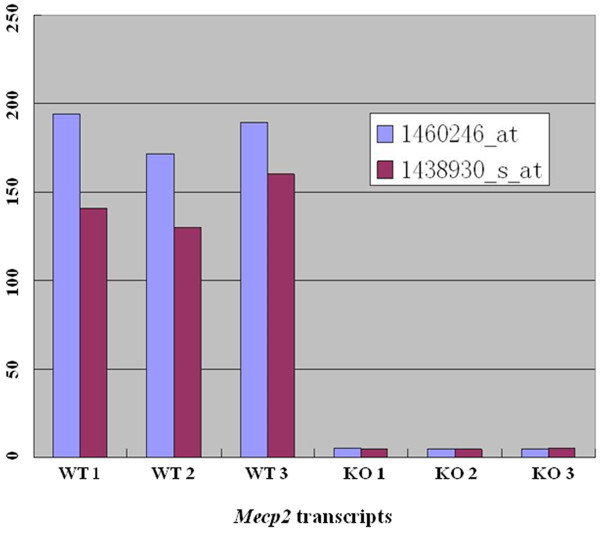
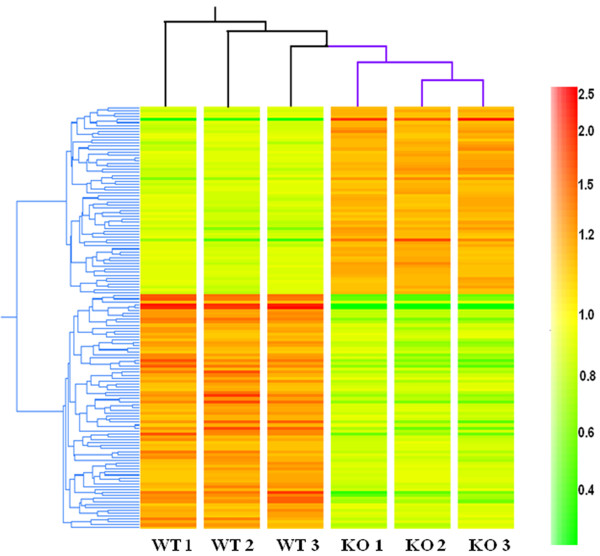
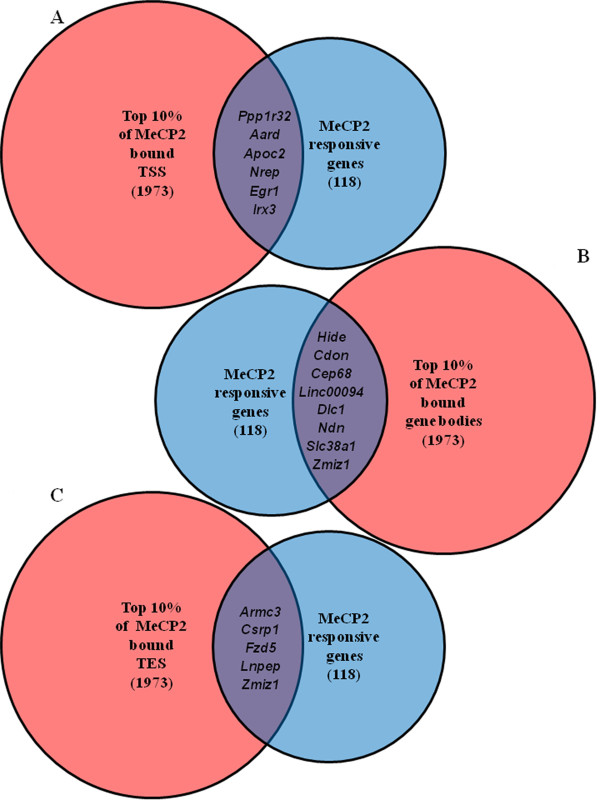
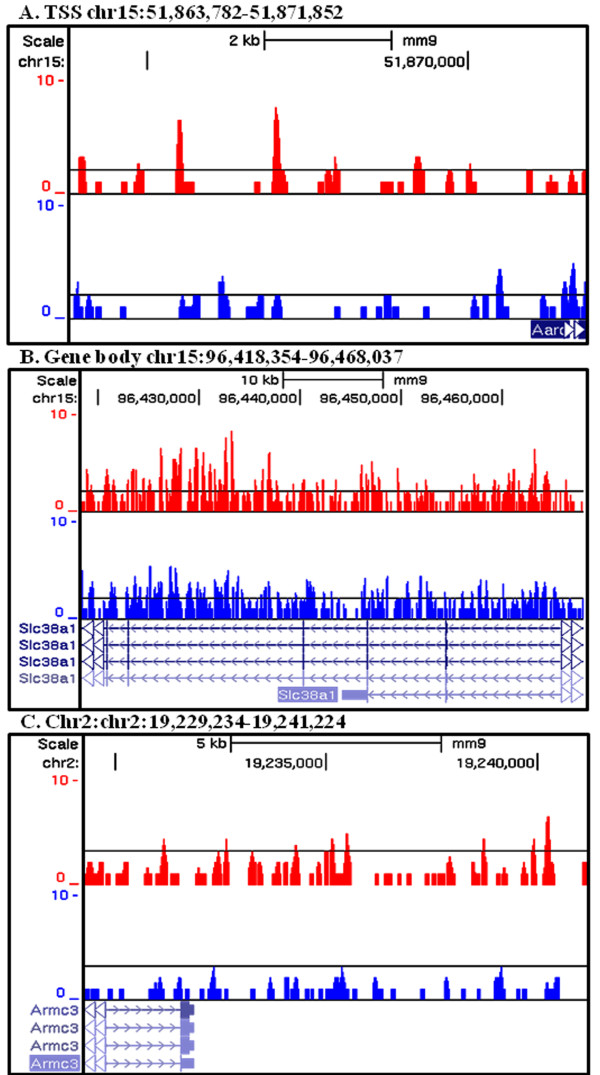
BACKGROUND: Mutations in MECP2 encoding methyl-CpG-binding protein 2 (MeCP2) cause the X-linked neurodevelopmental disorder Rett syndrome. Rett syndrome patients exhibit neurological symptoms that include irregular breathing, impaired mobility, stereotypic hand movements, and loss of speech. MeCP2 protein epigenetically modulates gene expression through genome-wide binding to methylated CpG dinucleotides. While neurons have the highest level of MeCP2 expression, astrocytes and other cell types also express detectable levels of MeCP2. Recent studies suggest that astrocytes likely control the progression of Rett syndrome. Thus, the object of these studies was to identify gene targets that are affected by loss of MeCP2 binding in astrocytes. METHODS: To identify gene targets of MeCP2 in astrocytes, combined approaches of expression microarray and chromatin immunoprecipitation of MeCP2 followed by sequencing (ChIP-seq) were compared between wild-type and MeCP2-deficient astrocytes. MeCP2 gene targets were compared with genes in the top 10% of MeCP2 binding levels in gene windows either within 2 kb upstream of the transcription start site, or the 'gene body' that extended from transcription start to end site, or 2 kb downstream of the transcription end site. RESULTS: A total of 118 gene transcripts surpassed the highly significant threshold (P < 0.005, fold change > 1.2) in expression microarray analysis from triplicate cultures. The top 10% of genes with the highest levels of MeCP2 binding were identified in two independent ChIP-seq experiments. Together this integrated, genome-wide screen for MeCP2 target genes provided an overlapping list of 19 high-confidence MeCP2-responsive gene transcripts in astrocytes. Validation of candidate target gene transcripts by RT-PCR revealed that expression of Apoc2, Cdon, Csrp and Nrep were consistently responsive to MeCP2 deficiency in astrocytes. CONCLUSIONS: The first MeCP2 ChIP-seq and gene expression microarray analysis in astrocytes reveals a set of potential MeCP2 target genes that may contribute to normal astrocyte signaling, cell division and neuronal support functions, the loss of which may contribute to the Rett syndrome phenotype.
Overview
The claims and statistics of this paper haven’t been checked yet.
Free: it reads the open-access text and checks the first 5 claims that cite a source we can check. Create a free account to check every claim.
Integrity signals
Registry
Cites
Statistics
Figures
Verification
Claims the paper makes
The claims and statistics of this paper haven’t been checked yet.
Free: it reads the open-access text and checks the first 5 claims that cite a source we can check. Create a free account to check every claim.
Claims other papers make about this one
Each is checked against this paper’s own text: does it say what the citing paper says it does?
In the citing paper
“MeCP2 is also essential for the functions of astrocytes and microglia (176, 177).”
From Microglia Function in the Central Nervous System During Health and Neurodegeneration (2017) · cites this paper as [176]
Self-check
Percentages, sums and reported differences re-computed from the paper’s own numbers.
The self-check needs the paper’s full text.
Citations
Cites
Model-based Analysis of ChIP-Seq (MACS)
Zhang, Y., Liu, T., Meyer, C. A., Eeckhoute, J., Johnson, D. S., Bernstein, B. E., Nusbaum, C., Myers, R. M., Brown, M., Li, W., et al. (2008) · Genome Biology · doi:10.1186/gb-2008-9-9-r137 · Cited by 18,386 · cited 1×
“MeCP2 ChIP-seq data was first analyzed using established ChIP-seq algorithms including Sole-Search [33] ChromaSig [34] and MACS [35].”
DAVID: Database for Annotation, Visualization, and Integrated Discovery
Dennis, G., Sherman, B. T., Hosack, D. A., Yang, J., Gao, W., Lane, H. C., & Lempicki, R. A. (2003) · Genome Biology · doi:10.1186/gb-2003-4-5-p3 · Cited by 9,327 · cited 1×
“gov) [31,32].”
Rett syndrome is caused by mutations in X-linked MECP2, encoding methyl-CpG-binding protein 2
Amir, R. E., Van den Veyver, I. B., Wan, M., Tran, C. Q., Francke, U., & Zoghbi, H. Y. (1999) · Nature Genetics · doi:10.1038/13810 · Cited by 4,990 · cited 1×
“Mutations in X-linked MECP2 encoding methyl-CpG-binding protein 2 (MeCP2) are responsible for most cases of RTT [3], although mutations in CDKL5 and FOXG1 were recently identified in MECP2 mutation-negative individuals with RTT features [4-6].”
Cahoy, J. D., Emery, B., Kaushal, A., Foo, L. C., Zamanian, J. L., Christopherson, K. S., Xing, Y., Lubischer, J. L., Krieg, P. A., Krupenko, S. A., et al. (2008) · The Journal of Neuroscience · doi:10.1523/jneurosci.4178-07.2008 · Cited by 3,129 · cited 1×
“Additional dysregulated transcripts that have previously shown to have enriched expression in astrocytes [36] were identified in this screen include Ide encoding insulin-degrading enzyme, Gabrg1 encoding GABAA receptor gamma 1, and Egr1 encoding early growth response 1 protein.”
Methylated DNA and MeCP2 recruit histone deacetylase to repress transcription
Jones, P. L., Veenstra, G. J. C., Wade, P. A., Vermaak, D., Kass, S. U., Landsberger, N., Strouboulis, J., & Wolffe, A. P. (1998) · Nature Genetics · doi:10.1038/561 · Cited by 2,730 · cited 1×
“MeCP2 is one member of a family of DNA-binding proteins that was originally hypothesized to silence gene transcription by binding to methylated CpG dinucleotides in promoters [7].”
DAVID: Database for Annotation, Visualization, and Integrated Discovery
Dennis, G., Sherman, B. T., Hosack, D. A., Yang, J., Gao, W., Lane, H. C., & Lempicki, R. A. (2003) · Genome Biology · doi:10.1186/gb-2003-4-9-r60 · Cited by 2,376
Identifying biological themes within lists of genes with EASE
Hosack, D. A., Dennis, G., Sherman, B. T., Lane, H. C., & Lempicki, R. A. (2003) · Genome Biology · doi:10.1186/gb-2003-4-10-r70 · Cited by 1,950 · cited 1×
“gov) [31,32].”
MeCP2, a Key Contributor to Neurological Disease, Activates and Represses Transcription
Chahrour, M., Jung, S. Y., Shaw, C., Zhou, X., Wong, S. T. C., Qin, J., & Zoghbi, H. Y. (2008) · Science · doi:10.1126/science.1153252 · Cited by 1,823 · cited 5×
“Subsequent genome-wide expression analyses of hypothalamus indicate that MeCP2 primarily activates but can also represses transcription [10].”
InfluentialIdentifying differentially expressed genes using false discovery rate controlling procedures
Reiner, A., Yekutieli, D., & Benjamini, Y. (2003) · Bioinformatics · doi:10.1093/bioinformatics/btf877 · Cited by 1,765 · cited 1×
“…and wild-type controls, a Student ’ s unpaired t test with Benjamin-Hochberg false discovery rate (FDR) control (0.05) or no FDR control was conducted based on the two prefiltered gene lists generated under the MAS5 algorithm to identify upregulated genes and downregulated genes, respectively [30].”
InfluentialA Model-Based Background Adjustment for Oligonucleotide Expression Arrays
Wu, Z., Irizarry, R. A., Gentleman, R., Martinez-Murillo, F., & Spencer, F. (2004) · Journal of the American Statistical Association · doi:10.1198/016214504000000683 · Cited by 1,716 · cited 1×
“The GCRMA algorithm involves background correction, quartile normalization, summarization of the probe-set value into gene-level expression measurements [29].”
Cited by
Microglia Function in the Central Nervous System During Health and Neurodegeneration
Colonna, M., & Butovsky, O. (2017) · Annual Review of Immunology · doi:10.1146/annurev-immunol-051116-052358 · Cited by 2,894
Genes, circuits, and precision therapies for autism and related neurodevelopmental disorders
Sahin, M., & Sur, M. (2015) · Science · doi:10.1126/science.aab3897 · Cited by 295
“ASD genes such as Fmr1 and Mecp2 are now known to influence astrocyte function (99).”
BackgroundHuman astrocytes in the diseased brain
Dossi, E., Vasile, F., & Rouach, N. (2018) · Brain Research Bulletin · doi:10.1016/j.brainresbull.2017.02.001 · Cited by 250
Mechanisms of astrocyte development and their contributions to neurodevelopmental disorders
Sloan, S. A., & Barres, B. A. (2014) · Current Opinion in Neurobiology · doi:10.1016/j.conb.2014.03.005 · Cited by 252
“Now, ChIP-seq and gene expression analyses of MECP2 / astrocytes are beginning to identify aberrantly expressed target genes that may play a direct role in astrocyte-mediated disease pathogenesis [49].”
Cronk, J. C., Derecki, N. C., Ji, E., Xu, Y., Lampano, A. E., Smirnov, I., Baker, W., Norris, G. T., Marin, I., Coddington, N., et al. (2015) · Immunity · doi:10.1016/j.immuni.2015.03.013 · Cited by 199
“Recent reports have found expression and roles for Mecp2 in astrocytes (Ballas et al., 2009; Lioy et al., 2011; Yasui et al., 2013), oligodendrocytes (Nguyen et al., 2013), and microglia (Derecki et al., 2012; Maezawa and Jin, 2010).”
BackgroundSekar, S., McDonald, J., Cuyugan, L., Aldrich, J., Kurdoglu, A., Adkins, J., Serrano, G., Beach, T. G., Craig, D. W., Valla, J., et al. (2015) · Neurobiology of Aging · doi:10.1016/j.neurobiolaging.2014.09.027 · Cited by 199
Altered glial marker expression in autistic post-mortem prefrontal cortex and cerebellum
Edmonson, C., Ziats, M. N., & Rennert, O. M. (2014) · Molecular Autism · doi:10.1186/2040-2392-5-3 · Cited by 195
“Derecki NC, Cronk JC, Lu Z, Xu E, Abbott SB, Guyenet PG, Kipnis J: Wild type microglia arrest pathology in a mouse model of Rett syndrome.”
ResultInfluentialAstrocytes and Microglia and Their Potential Link with Autism Spectrum Disorders
Petrelli, F., Pucci, L., & Bezzi, P. (2016) · Frontiers in Cellular Neuroscience · doi:10.3389/fncel.2016.00021 · Cited by 189
“…of ASDs has led to substantial advances in our understanding of the role of glial cells, which have been found to be abnormal in mouse models of Rett syndrome (RTT; Maezawa et al., 2009; Yasui et al., 2013), fragile X syndrome (Yuskaitis et al., 2010), and tuberous sclerosis (Uhlmann et al., 2002).”
BackgroundLiyanage, V. R. B., & Rastegar, M. (2014) · NeuroMolecular Medicine · doi:10.1007/s12017-014-8295-9 · Cited by 168
“The confirmed targets of MeCP2 in astrocytes include Apoc2, Cdon, Csrp and Nrep, which the authors suggest to be important for proper astrocytic functions (Yasui et al. 2013).”
BackgroundAstrocytes as new targets to improve cognitive functions
Dallérac, G. M., & Rouach, N. (2016) · Progress in Neurobiology · doi:10.1016/j.pneurobio.2016.01.003 · Cited by 164
Epigenetics, Autism Spectrum, and Neurodevelopmental Disorders
Rangasamy, S., D’Mello, S. R., & Narayanan, V. (2013) · Neurotherapeutics · doi:10.1007/s13311-013-0227-0 · Cited by 137
“MeCP2, bound to introns of specific target genes, has been shown to promote gene expression [121].”
BackgroundBrain metabolic sensing and metabolic signaling at the level of an astrocyte
Marina, N., Turovsky, E., Christie, I. N., Hosford, P. S., Hadjihambi, A., Korsak, A., Ang, R., Mastitskaya, S., Sheikhbahaei, S., Theparambil, S. M., et al. (2018) · Glia · doi:10.1002/glia.23283 · Cited by 119
“MeCP2 is highly expressed in astrocytes (Yasui et al., 2013) and loss of MeCP2 leads to astroglial dysfunction (Okabe et al., 2012).”
BackgroundOlson, C. O., Zachariah, R. M., Ezeonwuka, C. D., Liyanage, V. R. B., & Rastegar, M. (2014) · PLoS ONE · doi:10.1371/journal.pone.0090645 · Cited by 112
“It has been reported that MeCP2 is expressed in the three main brain cell types including neurons, astrocytes and oligodendrocytes [17,18,21,36,37].”
BackgroundRole of DNA Methyl-CpG-Binding Protein MeCP2 in Rett Syndrome Pathobiology and Mechanism of Disease
Pejhan, S., & Rastegar, M. (2021) · Biomolecules · doi:10.3390/biom11010075 · Cited by 112
Jin, L.-W., Horiuchi, M., Wulff, H., Liu, X.-B., Cortopassi, G. A., Erickson, J. D., & Maezawa, I. (2015) · The Journal of Neuroscience · doi:10.1523/jneurosci.2778-14.2015 · Cited by 88
“Starting from our recent ChIP-seq data (Yasui et al., 2013), we identified a novel mechanism, illustrated in Figure 9, that coherently links dysregulation of a direct target of MeCP2, SNAT1, to mitochondrial abnormalities.”
BackgroundMethodSelf-citationEpigenetic mechanisms related to cognitive decline during aging
Harman, M. F., & Martín, M. G. (2020) · Journal of Neuroscience Research · doi:10.1002/jnr.24436 · Cited by 77
Pecorelli, A., Leoni, G., Cervellati, F., Canali, R., Signorini, C., Leoncini, S., Cortelazzo, A., De Felice, C., Ciccoli, L., Hayek, J., et al. (2013) · Mediators of Inflammation · doi:10.1155/2013/137629 · Cited by 76
Schuebel, K., Gitik, M., Domschke, K., & Goldman, D. (2016) · International Journal of Neuropsychopharmacology · doi:10.1093/ijnp/pyw058 · Cited by 75
“Whole genome surveys by high throughput chromatin immunoprecipitation sequencing experiments of MECP2 binding sites have identified hundreds of loci, some of which are involved in neurodevelopmental signaling pathways (Yasui et al., 2013).”
BackgroundThe PI3K signaling pathway as a pharmacological target in Autism related disorders and Schizophrenia
Enriquez-Barreto, L., & Morales, M. (2016) · Molecular and Cellular Therapies · doi:10.1186/s40591-016-0047-9 · Cited by 72
“MeCp2 is ubiquitously expressed, although the brain displays the highest levels of expression [108], with similar amounts of expression in both neurons and astrocytes [109].”
BackgroundSubclinical Inflammatory Status in Rett Syndrome
Cortelazzo, A., De Felice, C., Guerranti, R., Signorini, C., Leoncini, S., Pecorelli, A., Zollo, G., Landi, C., Valacchi, G., Ciccoli, L., et al. (2014) · Mediators of Inflammation · doi:10.1155/2014/480980 · Cited by 66
Palmieri, M., Pozzer, D., & Landsberger, N. (2023) · Frontiers in Neuroscience · doi:10.3389/fnins.2023.1172805 · Cited by 74
“Consistently, transcriptional and proteomic analyses of Mecp2 null brain cortices revealed a perturbation of pathways involved in astrocytic maturation and morphology (Yasui et al., 2013; Delépine, 2015).”
BackgroundImpaired CO 2 sensitivity of astrocytes in a mouse model of Rett syndrome
Turovsky, E. A., Karagiannis, A., Abdala, A. P., & Gourine, A. V. (2015) · The Journal of Physiology · doi:10.1113/jp270369 · Cited by 64
Alvarado, S. G., Mak, T., Liu, S. W., Storey, K. B., & Szyf, M. (2015) · Journal of Experimental Biology · doi:10.1242/jeb.116046 · Cited by 76
“However, these roles of MBDs in regulating changes in genomic function are intricate in many tissues (Gunther et al., 2013; Yasui et al., 2013) and will require additional studies to validate their actions within hibernation stages.”
BackgroundAbdala, A. P., Toward, M. A., Dutschmann, M., Bissonnette, J. M., & Paton, J. F. R. (2015) · The Journal of Physiology · doi:10.1113/jp270966 · Cited by 60
“Mecp2 is expressed in astroglia (Yasui et al. 2013; Forbes-Lorman et al. 2014), and loss of MECP2 impairs astrocytic glutamate clearance (Okabe et al. 2012) promoting dendritic damage in neurones (Ballas et al. 2009; Maezawa & Jin, 2010).”
BackgroundMiR-218 targets MeCP2 and inhibits heroin seeking behavior
Yan, B., Hu, Z., Yao, W., Le, Q., Xu, B., Liu, X., & Ma, L. (2017) · Scientific Reports · doi:10.1038/srep40413 · Cited by 58
MeCP2 Deficiency in Neuroglia: New Progress in the Pathogenesis of Rett Syndrome
Jin, X.-R., Chen, X.-S., & Xiao, L. (2017) · Frontiers in Molecular Neuroscience · doi:10.3389/fnmol.2017.00316 · Cited by 65
“…of glutamine (Gln) across the plasma membrane, Nrep is a transcriptional factor that is involved in glial mobility and neoplasia, and Nr2f2 is a transcription factor that is necessary for glial differentiation from NSCs (Mackenzie and Erickson, 2004; Yasui et al., 2013; Delepine et al., 2015).”
BackgroundHou, Y.-Y., Cai, Y.-Q., & Pan, Z. Z. (2015) · The Journal of Neuroscience · doi:10.1523/jneurosci.3453-14.2015 · Cited by 50
“MeCP2 deficiency increases Gria1 transcription in cultured mouse astrocytes (Yasui et al., 2013), whereas MeCP2overexpressing mice display reduced GluA1 mRNA level in hypothalamus (Chahrour et al.”
BackgroundMeCP2: multifaceted roles in gene regulation and neural development
Cheng, T., & Qiu, Z. (2014) · Neuroscience Bulletin · doi:10.1007/s12264-014-1452-6 · Cited by 62
Glial Dysfunction in MeCP2 Deficiency Models: Implications for Rett Syndrome
Kahanovitch, U., Patterson, K. C., Hernandez, R. D., & Olsen, M. (2019) · International Journal of Molecular Sciences · doi:10.3390/ijms20153813 · Cited by 51
“1Bird/+ and WT mice found 118 genes differentially regulated [22].”
BackgroundMerging Data from Genetic and Epigenetic Approaches to Better Understand Autistic Spectrum Disorder
Grayson, D. R., & Guidotti, A. (2015) · Epigenomics · doi:10.2217/epi.15.92 · Cited by 56
Do Astrocytes Play a Role in Intellectual Disabilities?
Cresto, N., Pillet, L.-E., Billuart, P., & Rouach, N. (2019) · Trends in Neurosciences · doi:10.1016/j.tins.2019.05.011 · Cited by 47
MeCP2-Related Diseases and Animal Models
Ezeonwuka, C. D., & Rastegar, M. (2014) · Diseases · doi:10.3390/diseases2010045 · Cited by 53
“Cell typespecific studies have revealed that MeCP2 levels are highest in mature neurons, while astrocytes and immature neurons express lower levels of MeCP2 [8,46,47].”
BackgroundSun, M., Zhang, Y., Mao, R., Chen, Y., Liu, P., Ye, L., Xu, S., Jia, J., Shu, S., Li, H., et al. (2025) · Advanced Science · doi:10.1002/advs.202415309 · Cited by 66
Mechanism and consequence of abnormal calcium homeostasis in Rett syndrome astrocytes
Dong, Q., Liu, Q., Li, R., Wang, A., Bu, Q., Wang, K. H., & Chang, Q. (2018) · eLife · doi:10.7554/elife.33417 · Cited by 41
“Although a few studies have reported gene expression changes in Mecp2 mutant mouse astrocytes (ForbesLorman et al., 2014; Yasui et al., 2013), no major cell autonomous phenotype in astrocytes has been characterized in depth.”
BackgroundMECP2 and the biology of MECP2 duplication syndrome
D’Mello, S. R. (2021) · Journal of Neurochemistry · doi:10.1111/jnc.15331 · Cited by 45
ALS mutations in TLS/FUS disrupt target gene expression
Coady, T. H., & Manley, J. L. (2015) · Genes & Development · doi:10.1101/gad.267286.115 · Cited by 43
“A clue stems from the realization that glia andastrocytescontribute to thepathology of both ALS and Rett syndrome (Lioy et al. 2011; Phatnani et al. 2013; Yasui et al. 2013).”
BackgroundAstrocyte Transcriptome from the Mecp2308-Truncated Mouse Model of Rett Syndrome
Delépine, C., Nectoux, J., Letourneur, F., Baud, V., Chelly, J., Billuart, P., & Bienvenu, T. (2015) · NeuroMolecular Medicine · doi:10.1007/s12017-015-8363-9 · Cited by 44
4-hydroxynonenal protein adducts: Key mediator in Rett syndrome oxinflammation
Valacchi, G., Pecorelli, A., Cervellati, C., & Hayek, J. (2017) · Free Radical Biology and Medicine · doi:10.1016/j.freeradbiomed.2016.12.045 · Cited by 39
Pejhan, S., Siu, V. M., Ang, L. C., Bigio, M. R. D., & Rastegar, M. (2020) · Neuropathology and Applied Neurobiology · doi:10.1111/nan.12619 · Cited by 41
Breathing disturbances in Rett syndrome
Ramirez, J., Karlen‐Amarante, M., Wang, J.-D. J., Huff, A. D., & Burgraff, N. J. (2022) · Handbook of clinical neurology · doi:10.1016/b978-0-323-91532-8.00018-5 · Cited by 40
Unexpected cellular players in Rett syndrome pathology
Cronk, J. C., Derecki, N. C., Litvak, V., & Kipnis, J. (2015) · Neurobiology of Disease · doi:10.1016/j.nbd.2015.05.005 · Cited by 36
He, S., Barrón, E., Ishikawa, K., Khanamiri, H. N., Spee, C., Zhou, P., Kase, S., Wang, Z., Dustin, L. D., & Hinton, D. (2015) · Investigative Ophthalmology and Visual Science · doi:10.1167/iovs.14-16258 · Cited by 29
“As such, MeCP2 may act as a transcriptional repressor or as a gene activator depending on its specific modification and the microenvironment.(57,59,60) These observations support the suggestion that MeCP2 is an important factor that promotes the development of fibrosis in general, and that the pathogenesis of PVR may…”
BackgroundKim, J., Savas, J. N., Miller, M. T., Hu, X., Carromeu, C., Lavallée‐Adam, M., Freitas, B. C. G., Muotri, A. R., Yates, J. R., & Ghosh, A. (2019) · PLoS ONE · doi:10.1371/journal.pone.0212553 · Cited by 33
“In more advanced stages of development or in adulthood, glial gene regulation may be controlled by other factors, including MECP2 itself, which has been shown to directly regulate gene expression in postnatally cultured astrocytes[48].”
Adult neurogenesis from reprogrammed astrocytes
Griffiths, B. B., Bhutani, A., & Stary, C. M. (2019) · Neural Regeneration Research · doi:10.4103/1673-5374.270292 · Cited by 33
“CDON is normally silenced through interactions with MeCP2 in astrocytes (Yasui et al., 2013), however, in a recent study we observed a significant post-injury increase in CDON expression in animals treated with miR-181a inhibitor post-injury (Griffiths et al., 2019).”
BackgroundBrain H + /CO 2 sensing and control by glial cells
Gourine, A. V., & Dale, N. (2022) · Glia · doi:10.1002/glia.24152 · Cited by 35
“MeCP2 is expressed in astrocytes (Forbes-Lorman et al., 2014; Yasui et al., 2013) and loss of MeCP2 function causes astrocyte defects (Okabe et al., 2012).”
BackgroundTranscriptomic Studies in Mouse Models of Rett Syndrome: A Review
Sanfeliu, A., Kaufmann, W. E., Gill, M., Guasoni, P., & Tropea, D. (2019) · Neuroscience · doi:10.1016/j.neuroscience.2019.06.013 · Cited by 29
Mecp2 knock-out astrocytes affect synaptogenesis by interleukin 6 dependent mechanisms
Albizzati, E., Breccia, M., Florio, E., Cabasino, C., Postogna, F. M., Grassi, R., Boda, E., Battaglia, C., De Palma, C., De Quattro, C., et al. (2024) · iScience · doi:10.1016/j.isci.2024.109296 · Cited by 25
“DiverselyfrompreviousstudiesexaminingthemolecularphenotypesofKOastrocytesalone, 21–23 inordertoidentifythemolecules involved in the occurrence of synaptic defects, we deployed an alternative strategy aimed at assessing deregulated pathways in neurons cultured with astrocytes to deduce upstream…”
InfluentialGenome-wide redistribution of MeCP2 in dorsal root ganglia after peripheral nerve injury
Manners, M. T., Ertel, A., Tian, Y., & Ajit, S. K. (2016) · Epigenetics & Chromatin · doi:10.1186/s13072-016-0073-5 · Cited by 27
“Genome-wide studies investigating MeCP2 binding patterns have been conducted in neurons, astrocytes and different regions of the brain [5, 15–17].”
BackgroundGrubišić, V., & Parpura, V. (2015) · Frontiers in Cellular Neuroscience · doi:10.3389/fncel.2015.00242 · Cited by 27
“…that are caused by the mutations in genes encoding epigenetic or transcription factors, e.g., methyl CpG binding protein 2 (MeCP2) in Rett Syndrome (Yasui et al., 2013) or the above mentioned TCF4 in PTHS, respectively, could affect transcriptional machinery required for adequate expression of…”
BackgroundMeCP2 regulates activity-dependent transcriptional responses in olfactory sensory neurons
Lee, W., Yun, J., Woods, R., Dunaway, K. W., Yasui, D. H., LaSalle, J. M., & Gong, Q. (2014) · Human Molecular Genetics · doi:10.1093/hmg/ddu358 · Cited by 23
“ChIP-seqwasperformedbasedonmethodsestablishedpreviously (11,30).”
Self-citationNeier, K. E., Grant, T. E., Palmer, R. L., Chappell, D., Hakam, S. M., Yasui, K. M., Rolston, M., Settles, M. L., Hunter, S. S., Madany, A. M., et al. (2021) · Communications Biology · doi:10.1038/s42003-021-02915-3 · Cited by 26
Self-citationDevelopment and Disease in a Dish: The Epigenetics of Neurodevelopmental Disorders
Lewis, E. M. A., & Kroll, K. L. (2018) · Epigenomics · doi:10.2217/epi-2017-0113 · Cited by 26
Rett Syndrome and Fragile X Syndrome: Different Etiology With Common Molecular Dysfunctions
Bach, S., Shovlin, S., Moriarty, M. J., Bardoni, B., & Tropea, D. (2021) · Frontiers in Cellular Neuroscience · doi:10.3389/fncel.2021.764761 · Cited by 27
MeCP2 in central nervous system glial cells: current updates.
Sharma, K., Singh, J., Frost, E., & Pillai, P. (2018) · Acta Neurobiologiae Experimentalis · doi:10.21307/ane-2018-007 · Cited by 15
“Cell adhe‐ sion molecule‐related/downregulated by oncogenesis (Cdon) and cysteine and glycine‐rich protein 1 (Csrp) expression levels are elevated in MeCP2 deficient mice, while the neuronal regeneration‐related protein (Nrep) expression levels are reduced (Yasui et al. 2013).”
BackgroundInfluentialBrain-enriched microRNAs circulating in plasma as novel biomarkers for Rett syndrome
Sheinerman, K. S., Djukic, A., Tsivinsky, V. G., & Umansky, S. R. (2019) · PLoS ONE · doi:10.1371/journal.pone.0218623 · Cited by 20
Alterations in Chromatin Structure and Function in the Microglia
Fujita, Y., & Yamashita, T. (2021) · Frontiers in Cell and Developmental Biology · doi:10.3389/fcell.2020.626541 · Cited by 23
“The epigenetic landscape of microglia varies among brain regions and may be associated with the maintenance of regional microglia specifications in the adult brain associated with their morphological and functional heterogeneity (Yeh and Ikezu, 2019).”
BackgroundDave, A. R., Shukla, F., Wala, H., & Pillai, P. P. (2018) · Journal of Molecular Neuroscience · doi:10.1007/s12031-018-1197-9 · Cited by 17
“…of MeCP2, but recently, MeCP2 expression in glial cells has also been reported (Ballas et al. 2009; Derecki et al. 2012; Lioy et al. 2011; Maezawa and Jin 2010; Parikh et al. 2017; Sharma et al. 2015; Vora et al. 2010; Yasui et al. 2013; Nguyen et al. 2013; Maezawa et al. 2009; Buch et al. 2018).”
BackgroundInfluentialFunctional conservation of MBD proteins: MeCP2 and Drosophila MBD proteins alter sleep
Gupta, T., Morgan, H. R., Bailey, J. A., & Certel, S. J. (2016) · Genes Brain & Behavior · doi:10.1111/gbb.12314 · Cited by 18
“…functions, MBD-containing proteins and in particular, the MBD family member, methyl-CpG-binding protein 2 (MeCP2), have been described as genome-wide modulators of gene expression and cellular differentiation (Cohen et al. 2011; Della Ragione et al. 2012; Skene et al. 2010; Yasui et al. 2013).”
BackgroundGriffiths, B. B., Ouyang, Y., Xu, L., Sun, X., Giffard, R. G., & Stary, C. M. (2019) · eNeuro · doi:10.1523/eneuro.0002-19.2019 · Cited by 17
“CDON is normally silenced through interactions with MeCP2 in astrocytes (Yasui et al., 2013); however, in the present study we observed a significant postinjury (14 d) increase in CDON expression (Fig.”
BackgroundAnalysis of Astroglial Secretomic Profile in the Mecp2-Deficient Male Mouse Model of Rett Syndrome
Ehinger, Y., Matagne, V., Cunin, V., Borloz, E., Seve, M., Bourgoin‐Voillard, S., Borges-Correia, A., Villard, L., & Roux, J. (2021) · International Journal of Molecular Sciences · doi:10.3390/ijms22094316 · Cited by 16
“Interestingly, Lcn2 has already been identified as deregulated in astrocytes from two different RTT mouse models [17,55], in total brain samples from Mecp2-null mice [56] and in postmortem brains from RTT patients [57].”
BackgroundNassar, A., Kodi, T., Satarker, S., Gurram, P. C., Fayaz, S. M., & Nampoothiri, M. (2023) · Gene · doi:10.1016/j.gene.2023.147898 · Cited by 15
Lipi, B., Langhnoja, J., & Prakash, P. (2018) · Experimental Brain Research · doi:10.1007/s00221-018-5363-7 · Cited by 16
Epigenetics in rare neurological diseases
Roberts, C.-T., Arezoumand, K. S., Shahib, A. K., Davie, J., & Rastegar, M. (2024) · Frontiers in Cell and Developmental Biology · doi:10.3389/fcell.2024.1413248 · Cited by 20
Vacca, M., Tripathi, K., Speranza, L., Cigliano, R. A., Scalabrì, F., Marracino, F., Madonna, M., Sanseverino, W., Perrone-Capano, C., Guarracino, M., et al. (2016) · BMC Bioinformatics · doi:10.1186/s12859-015-0859-7 · Cited by 14
“Indeed GFAP was not found deregulated in primary astrocyte cultures prepared from postnatal day 1 cerebral cortex of the same null mouse strain [29] we used in this study.”
Buch, L., Langhnoja, J., & Pillai, P. P. (2018) · Experimental Brain Research · doi:10.1007/s00221-018-5415-z · Cited by 13
Albizzati, E., Florio, E., Miramondi, F., Sormonta, I., Landsberger, N., & Frasca, A. (2022) · Frontiers in Neuroscience · doi:10.3389/fnins.2022.823060 · Cited by 12
“In particular, a microarray study performed on cultured Mecp2 null primary cortical astrocytes revealed 118 differentially regulated genes that might contribute to abnormal astrocyte signaling and neuronal support functions (Yasui et al., 2013).”
BackgroundMethodZito, A., & Lee, J. T. (2024) · Proceedings of the National Academy of Sciences · doi:10.1073/pnas.2312757121 · Cited by 13
Krishnaraj, R. R., Haase, F., Coorey, B., Luca, E., Wong, I., Boyling, A., Ellaway, C., Christodoulou, J., & Gold, W. A. (2019) · Human Mutation · doi:10.1002/humu.23887 · Cited by 14
Khan, A. W., Corcoran, S. J., Esler, M., & El-Osta, A. (2016) · Neuroscience & Biobehavioral Reviews · doi:10.1016/j.neubiorev.2016.06.015 · Cited by 12
Liempd, S. M. V., Cabrera, D., Lee, F. Y., González, E., Dell’Angelica, E. C., Ghiani, C. A., & Falcón‐Pérez, J. M. (2017) · Scientific Reports · doi:10.1038/s41598-017-05465-z · Cited by 10
Neural precursor cells rescue symptoms of Rett syndrome by activation of the Interferon γ pathway
Frasca, A., Miramondi, F., Butti, E., Indrigo, M., Balbontin Arenas, M., Postogna, F. M., Piffer, A., Bedogni, F., Pizzamiglio, L., Cambria, C., et al. (2024) · EMBO Molecular Medicine · doi:10.1038/s44321-024-00144-9 · Cited by 9
Li, X., Li, X., He, S., & Zhao, M. (2020) · Journal of Cellular and Molecular Medicine · doi:10.1111/jcmm.15602 · Cited by 9
Wu, S.-J., Cheng, Y., Liu, H.-L., Wang, H.-H., & Huang, H.-L. (2016) · Theriogenology · doi:10.1016/j.theriogenology.2016.01.005 · Cited by 11
Dave, A. R., & Pillai, P. P. (2022) · Journal of Biochemical and Molecular Toxicology · doi:10.1002/jbt.23002 · Cited by 8
Rett syndrome: from the involved gene(s) to treatment
Frasca, A., Kilstrup‐Nielsen, C., & Landsberger, N. (2022) · Elsevier eBooks · doi:10.1016/b978-0-323-85654-6.00002-2 · Cited by 7
Interpreting the rich dialogue between astrocytes and neurons: An overview in Rett syndrome
Postogna, F. M., Roggero, O. M., Biella, F., & Frasca, A. (2025) · Brain Research Bulletin · doi:10.1016/j.brainresbull.2025.111386 · Cited by 6
“…reported in neurons, and in accordance with the role of MeCP2 as a transcriptional regulator, MECP2 loss of function causes the deregulation of thousands of molecules in astrocytes (Del ´ epine et al., 2015; Yasui et al., 2013; Pacheco et al., 2017; Sun et al., 2023; Toma-sello et al., 2024).”
InfluentialZhang, X., Yu, Z., Hao, G., Yao, Q., Hu, Y., Wang, F., Chen, X., Liu, L., Wong, K., & Li, X. (2026) · Nature Communications · doi:10.1038/s41467-026-68500-6 · Cited by 5
“The top differentially expressed genes, Tubb2b and Nrep , are associated with glial cell formation and migration 30,31 , while additional upregulated genes, such as Sox11 , Dcx , Sox4 , and N fi b , are established regulators of neural progenitor proliferation, migration, and differentiation 32 – 35…”
critical role of astrogenesis and neurodevelopment in Fragile X Syndrome and Rett Syndrome
Oliveria, J. P., & Li, Z. J. (2020) · McMaster University Medical Journal · doi:10.15173/mumj.v17i1.2338 · Cited by 3
Transcriptional Consequences of MeCP2 Knockdown and Overexpression in Mouse Primary Cortical Neurons
Rezapour, M., Bowser, J., Richardson, C. A., & Gürcan, M. N. (2025) · International Journal of Molecular Sciences · doi:10.3390/ijms26189032 · Cited by 3
“Rett syndrome (RTT) is a severe neurodevelopmental disorder predominantly caused by mutations in the X-linked Methyl-CpG binding protein 2 (MeCP2) gene [1].”
A genome-wide analysis reveals the MeCP2-dependent regulation of genes in BGC-823 cells.
Liu, Y., Li, L.-Y., Diao, Z., He, Y.-M., Chen, Y., Hou, N., Zhao, L., & Huang, C. Y. (2020) · PubMed · Cited by 1
Role of MeCP2 in pain and its regulation by miRNAs
Manners, M. T., & Ajit, S. K. (2016) · iDEA - Drexel University Institutional Repository · doi:10.17918/etd-7156
Duffin, J. (2018) · Faculty Opinions – Post-Publication Peer Review of the Biomedical Literature · doi:10.3410/f.732346140.793545062
Upregulated SEMA3C in astrocytes contributes to Rett Syndrome phenotypesPreprint
Lyon, K. A., Paumier, A., Kandikonda, A., Melendez, A., & Allen, N. J. (2025) · bioRxiv (Cold Spring Harbor Laboratory) · doi:10.1101/2025.10.10.681027
Liu, X., Zhou, X., Meng, R., Chen, Y., Chen, Y., Highet, B., Curtis, M. A., Hirt, B., Yu, S., Zhou, J., et al. (2026) · Clinical and Translational Discovery · doi:10.1002/ctd2.70128
Glioblastome multiforme et épigénétique : de la prévention au développement de nouveaux traitements
Briand, J. (2019) · theses.fr (ABES) · doi:10.70675/6e5954ddz97e2z4cb8zb9ddza267e0081ca8
Sleep-wake regulation by Palladin via the blood-brain-barrier
Li, H. (2022) · theses.fr (ABES) · doi:10.70675/6142554dzdf7dz4640z8c76ze90c5609291d
Syndrome de Rett et implication des organes périphériques : de la physiopathologie à la thérapie
Borloz, E. (2021) · theses.fr (ABES) · doi:10.70675/6910a242za2edz4509zbc5aze548081377dd
Vermudez, S. A. D., Freitas, G. A., Buch, A. B., Moxley, Y., Rajpal, H., Gogliotti, R. G., & Niswender, C. M. (2026) · Molecular and Cellular Neuroscience · doi:10.1016/j.mcn.2026.104094
Astrocytes in Genetic Epilepsies: Supporting Actor or Key Player?
Lange, J., Zhao, E., O'Connell, E., Gillham, O., & McTague, A. (2026) · Journal of Neuroscience Research · doi:10.1002/jnr.70148
Metadata
- Authors
- Yasui, D. H., Xu, H., Dunaway, K. W., LaSalle, J. M., Jin, L.-W., & Maezawa, I.
- Affiliations
- University of California, Davis (US)
- National Institutes of Health (US)
- University of California Davis Medical Center (US)
- Corresponding author
- Yasui, Dag H
- Venue
- Molecular Autism
- Published
- 2013
- Volume
- 4
- Issue
- 1
- Pages
- 3
- ISSN
- 2040-2392 (ISSN-L)
- PMC
- PMC3561260
- OpenAlex
- W2151149439
- Cited by
- 90
- References
- 61
- Citations by year
- 2026: 3 · 2025: 4 · 2024: 4 · 2023: 3 · 2022: 6 · 2021: 7 · 2020: 4 · 2019: 10 · 2018: 7 · 2017: 7 · 2016: 11 · 2015: 13 · 2014: 9 · 2013: 2
- FWCI
- 7.66
- Type
- journal article
- Language
- en
- Open access
- gold
- doi.org
- Licence
- cc-by
- Locations
- Molecular Autism (publishedVersion, cc-by)
- Europe PMC (PubMed Central) (publishedVersion, cc-by)
- PubMed Central (publishedVersion, cc-by)
- PubMed (publishedVersion)
- DOAJ (DOAJ: Directory of Open Access Journals) (submittedVersion)
- eScholarship (California Digital Library) (submittedVersion)
- Funders
- National Institutes of Health
- National Cancer Institute (P30CA093373)
- National Institute of Neurological Disorders and Stroke (R01NS076263, R01NS081913)
- National Institute of Environmental Health Sciences (T32ES007059)
- Eunice Kennedy Shriver National Institute of Child Health and Human Development (R01HD064817)
- Topics
- Life Sciences › Biochemistry, Genetics and Molecular Biology › Genetics › Genetics and Neurodevelopmental Disorders
- Life Sciences › Biochemistry, Genetics and Molecular Biology › Molecular Biology › Epigenetics and DNA Methylation
- Life Sciences › Biochemistry, Genetics and Molecular Biology › Molecular Biology › Genomics and Chromatin Dynamics
- Keywords
- MeCP2, Rett syndrome, astrocytes, epigenetic regulation, gene expression profiling, ChIP-seq, APOC2, CDON, X-linked neurodevelopmental disorder
About these checks
Registry, retraction, Cites and statistics results are computed, not judged, with one exception: a printed reference that no index lists is read once by a model before it counts as a citation error. Claims are extracted by a model and kept only when their quote appears verbatim in the text; each cited source is then checked, with a model’s help, for whether it says what the claim relies on. Those verdicts can be wrong — read the claim’s quote and the cited source before relying on one.
Statistics and arithmetic are recomputed, not judged.
Confidence bands are shown only for fields calibrated on our annotated test set. None is calibrated yet, so no band is shown.
What counts as a claim ›How we measure confidence ›How we check this ›
Are you an author, or do you see a problem with this page? Request a review
Data sources
Bibliographic data: Semantic Scholar, OpenAlex, Crossref.
Contains information from the Semantic Scholar Academic Graph Datasets, made available under the ODC Attribution License (ODC-BY 1.0).
Semantic Scholar’s data is described in: Kinney, R., et al. (2023). The Semantic Scholar Open Data Platform. arXiv:2301.10140.
