

Frontostriatal functional connectivity in major depressive disorder
Open accessThe DOI matches its Crossref record; 55 of the 55 references it cites were found in a registry or an index.
Abstract
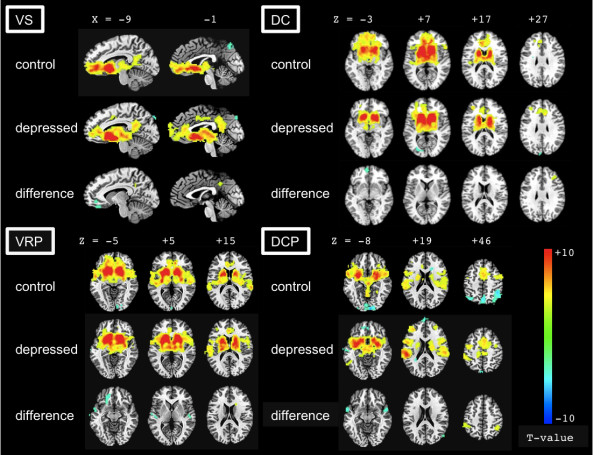
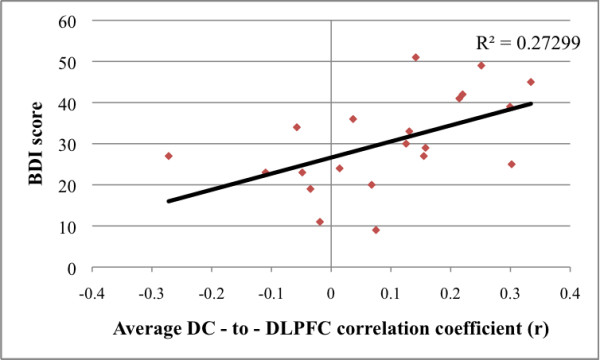
BACKGROUND: Abnormalities of the striatum and frontal cortex have been reported consistently in studies of neural structure and function in major depressive disorder (MDD). Despite speculation that compromised connectivity between these regions may underlie symptoms of MDD, little work has investigated the integrity of frontostriatal circuits in this disorder. METHODS: Functional magnetic resonance images were acquired from 21 currently depressed and 19 never-disordered women during wakeful rest. Using four predefined striatal regions-of-interest, seed-to-whole brain correlations were computed and compared between groups. RESULTS: Compared to controls, depressed participants exhibited attenuated functional connectivity between the ventral striatum and both ventromedial prefrontal cortex and subgenual anterior cingulate cortex. Depressed participants also exhibited stronger connectivity between the dorsal caudate and dorsal prefrontal cortex, which was positively correlated with severity of the disorder. CONCLUSIONS: Depressed individuals are characterized by aberrant connectivity in frontostriatal circuits that are posited to support affective and cognitive processing. Further research is required to examine more explicitly the link between patterns of disrupted connectivity and specific symptoms of depression, and the extent to which these patterns precede the onset of depression and normalize with recovery from depressive illness.
Overview
The claims and statistics of this paper haven’t been checked yet.
Free: it reads the open-access text and checks the first 5 claims that cite a source we can check. Create a free account to check every claim.
Integrity signals
Registry
Cites
Statistics
Figures
Verification
Claims the paper makes
The claims and statistics of this paper haven’t been checked yet.
Free: it reads the open-access text and checks the first 5 claims that cite a source we can check. Create a free account to check every claim.
Claims other papers make about this one
Each is checked against this paper’s own text: does it say what the citing paper says it does?
The source backs part of the claim, not all of it — or backs it for a different population, condition or comparison.
In the citing paper
“Depressed patients show an attenuated activation of the VTA-NAc pathway or the NAc itself when compared to normal patients in fMRI analyses (Epstein et al. 2006; Furman et al. 2011; Pizzagalli et al. 2009; Smoski et al. 2009).”
From Neurotrophic factors and neuroplasticity pathways in the pathophysiology and treatment of depression (2018) · cites this paper as Furman et al. 2011
Experimental — accuracy not yet measuredThe source backs part of the claim, not all of it — or backs it for a different population, condition or comparison.
In the citing paper
“Furthermore, depression severity was positively correlated with functional connectivity between frontolimbic regions (18,19).”
From Relation Between Structural and Functional Connectivity in Major Depressive Disorder (2013) · cites this paper as [18]
Experimental — accuracy not yet measuredThe source backs part of the claim, not all of it — or backs it for a different population, condition or comparison.
In the citing paper
“In line with these results both task-based and resting state studies reported abnormal functional connectivity within the frontolimbic network (4,6,17,18,55-57).”
From Relation Between Structural and Functional Connectivity in Major Depressive Disorder (2013) · cites this paper as [18]
Experimental — accuracy not yet measuredThe source backs part of the claim, not all of it — or backs it for a different population, condition or comparison.
In the citing paper
“The dlPFC primarily projects to the dorsolateral caudate to serve cognitive control and executive functioning (Furman et al., 2011), while the thalamic MDN supports cortico-striatal-cortical information transfer and modulates cortical activity through extensive connections with the PFC and midbrain dopaminergic regions (Mitchell, 2015).”
From Cortico-striatal-thalamic loop circuits of the salience network: A central pathway in psychiatric disease and treatment (2016) · cites this paper as Furman et al., 2011
Experimental — accuracy not yet measuredThe source backs part of the claim, not all of it — or backs it for a different population, condition or comparison.
In the citing paper
“For example, sgACC connectivity with limbic, thalamic, and striatal regions has been strongly implicated in the maladaptive emotion regulation underlying depression (Davey et al, 2012; Furman et al, 2011; Giacobbe et al, 2009; Lui et al, 2011)”
From Resting-state cortico-thalamic-striatal connectivity predicts response to dorsomedial prefrontal rTMS in major depressive disorder (2014) · cites this paper as Furman et al, 2011
Experimental — accuracy not yet measured
5 more claims about this paper
Create a free account to see every claim other papers make about this one.
Self-check
Percentages, sums and reported differences re-computed from the paper’s own numbers.
The self-check needs the paper’s full text.
Citations
Cites
A default mode of brain function
Raichle, M. E., MacLeod, A. M., Snyder, A. Z., Powers, W. J., Gusnard, D. A., & Shulman, G. L. (2001) · Proceedings of the National Academy of Sciences · doi:10.1073/pnas.98.2.676 · Cited by 12,190 · cited 5×
“The DMN, composed of medial frontal, lateral and medial parietal, as well as temporal lobe regions, has been implicated broadly in self-referential processing [49].”
InfluentialParallel organization of functionally segregated circuits linking basal ganglia and cortex
Alexander, G. E., DeLong, M. R., & Strick, P. L. (1986) · Annual Review of Neuroscience · doi:10.1146/annurev.ne.09.030186.002041 · Cited by 8,527 · cited 3×
“In general, these divisions along the ventral-dorsal axis of the striatum are posited to be relatively segregated, thereby differentially supporting affective, cognitive, and motor processing [8].”
The reward circuit: linking primate anatomy and human imaging
Haber, S. N., & Knutson, B. (2010) · Neuropsychopharmacology · doi:10.1038/npp.2009.129 · Cited by 3,718 · cited 1×
“Patterns of connectivity in both control and depressed participants were consistent with the results of previous studies [14]; importantly, however, striking differences between the depressed and non-depressed participants were detected in networks that have been implicated in affective and motivational processing [28…”
Nolen-Hoeksema, S., & Morrow, J. (1991) · Journal of Personality and Social Psychology · doi:10.1037/0022-3514.61.1.115 · Cited by 3,276
Gusnard, D. A., Akbudak, E., Shulman, G. L., & Raichle, M. E. (2001) · Proceedings of the National Academy of Sciences · doi:10.1073/pnas.071043098 · Cited by 2,997 · cited 2×
“Activity across the various nodes of this network is reduced during periods of non-self-referential processing, such as those that occur during the performance of demanding cognitive tasks [48,49].”
Toward discovery science of human brain function
Biswal, B. B., Mennes, M., Zuo, X.-N., Gohel, S., Kelly, C., Smith, S. M., Beckmann, C. F., Adelstein, J. S., Buckner, R. L., Colcombe, S., et al. (2010) · Proceedings of the National Academy of Sciences · doi:10.1073/pnas.0911855107 · Cited by 2,970 · cited 1×
“Previous investigators have demonstrated the feasibility of pooling data with varying acquisition parameters from multiple studies [23].”
Subgenual prefrontal cortex abnormalities in mood disorders
Drevets, W. C., Price, J. L., Simpson, J. R., Todd, R. D., Reich, T., Vannier, M., & Raichle, M. E. (1997) · Nature · doi:10.1038/386824a0 · Cited by 2,693 · cited 1×
“Functional [29], metabolic [34], and volumetric [34,35] anomalies involving the sACC are often reported in studies of MDD.”
THE BASAL GANGLIA: FOCUSED SELECTION AND INHIBITION OF COMPETING MOTOR PROGRAMS
MINK, J. W. (1996) · Progress in Neurobiology · doi:10.1016/s0301-0082(96)00042-1 · Cited by 2,486 · cited 1×
“Whereas the PFC is generally thought to serve central control or goal representation functions, investigators have argued that CSPT circuitry aids in the filtering and focusing of cortical input, selecting among potential cognitive and behavioral representations [5,6].”
Cognition and Depression: Current Status and Future Directions
Gotlib, I. H., & Joormann, J. (2010) · Annual Review of Clinical Psychology · doi:10.1146/annurev.clinpsy.121208.131305 · Cited by 2,420 · cited 1×
“Individuals diagnosed with MDD also often exhibit psychomotor retardation and deficits in executive function, typically reflected by difficulties concentrating, making decisions, and terminating the processing of negative material [2].”
Self-citationGender differences in depression: Critical review
Piccinelli, M., & Wilkinson, G. (2000) · British Journal of Psychiatry · doi:10.1192/bjp.177.6.486 · Cited by 2,376
Research works printed but not linked: 2
- 20. Beck AT, Steer RA, Brown GK: Manual for the Beck Depression Inventory-II San Antonio, TX: Psychological Corporation; 1996.
- 38. Furman et al. Biology of Mood & Anxiety Disorders 2011, 1:11 http://www.biolmoodanxietydisord.com/content/1/1/11
Cited by
Items 101–200 of 236
Sacchet, M. D., Prasad, G., Foland‐Ross, L. C., Joshi, S. H., Hamilton, J. P., Thompson, P. M., & Gotlib, I. H. (2014) · IEEE International Symposium on Biomedical Imaging (ISBI) · doi:10.1109/isbi.2014.6867940 · Cited by 18
“, [16]), it is not clear whether psychomotor difficulties are due to ‘downstream’ structural abnormalities such as anomalies in the CST, given the role of CST in trafficking motor signals.”
BackgroundSelf-citationBerger, P., Bitsch, F., Nagels, A., Straube, B., & Falkenberg, I. (2018) · Schizophrenia Research · doi:10.1016/j.schres.2018.06.053 · Cited by 18
Focal application of accelerated iTBS results in global changes in graph measures
Klooster, D., Franklin, S. L., Besseling, R. M. H., Jansen, J. F. A., Caeyenberghs, K., Duprat, R., Aldenkamp, A. P., de Louw, A. J. A., Boon, P., & Baeken, C. (2018) · Human Brain Mapping · doi:10.1002/hbm.24384 · Cited by 19
Lewis, G., Button, K. S., Pearson, R. M., Munafo, M. R., & Lewis, G. (2020) · Psychological Medicine · doi:10.1017/s0033291720002469 · Cited by 18
Functional brain abnormalities in major depressive disorder using the Hilbert-Huang transform
Yu, H., Li, F., Wu, T., Li, R., Yao, L., Wang, C., & Wu, X. (2018) · Brain Imaging and Behavior · doi:10.1007/s11682-017-9816-6 · Cited by 17
Biotypes of major depressive disorder identified by a multiview clustering framework
Chen, X., Dai, Z., & Lin, Y. (2023) · Journal of Affective Disorders · doi:10.1016/j.jad.2023.02.118 · Cited by 17
Cauwenberge, M. G. A. V., Bouckaert, F., Vansteelandt, K., Adamson, C. L., Winter, F. D., Sienaert, P. A., den Stock, J. V., Dols, A., Rhebergen, D., Stek, M. L., et al. (2021) · Translational Psychiatry · doi:10.1038/s41398-021-01314-w · Cited by 17
An Emotional Go/No-Go fMRI study in adolescents with depressive symptoms following concussion
Ho, R. A., Hall, G. B., Noseworthy, M. D., & DeMatteo, C. A. (2017) · International Journal of Psychophysiology · doi:10.1016/j.ijpsycho.2017.09.021 · Cited by 17
Letzen, J. E., Seminowicz, D. A., Campbell, C. M., & Finan, P. H. (2018) · Neuroscience & Biobehavioral Reviews · doi:10.1016/j.neubiorev.2018.12.011 · Cited by 17
“Hypoconnectivity among mesocorticolimbic regions has been demonstrated in individuals with low motivation resultant from unipolar and bipolar depression (Satterthwaite et al., 2015; Furman et al., 2011; Trost et al., 2014).”
Imaging cerebral tryptophan metabolism in brain tumor-associated depression
Bosnyák, E., Kamson, D. O., Behen, M. E., Barger, G. R., Mittal, S., & Juhász, C. (2015) · EJNMMI Research · doi:10.1186/s13550-015-0136-9 · Cited by 17
“In previous AMT-PET studies in patient groups with depression not associated with cancer, decreased tryptophan metabolism was found in the anterior cingulate cortex as well as the mesial temporal cortex in MDD patients [23] and in the frontal cortex (orbital and ventromedial prefrontal regions) in suicide attempters […”
InfluentialDeco, G., Perl, Y. S., Sitt, J. D., Tagliazucchi, E., & Kringelbach, M. L. (2021) · bioRxiv (Cold Spring Harbor Laboratory) · doi:10.1101/2021.07.02.450899 · Cited by 17
The Role of Social Reward and Corticostriatal Connectivity in Substance Use
Sazhin, D., Frazier, A. M., Haynes, C. R., Johnston, C. R., Chat, I. K.-Y., Dennison, J. B., Bart, C. P., McCloskey, M., Chein, J. M., Fareri, D. S., et al. (2020) · Journal of Psychiatry and Brain Science · doi:10.20900/jpbs.20200024 · Cited by 16
“Substance Dependent Individuals (SDI) had higher BAS fun seeking scores, lower decision making performance, and elevated left OFC activity, indicating this region may play a role in reward-related decision making in SUD [45].”
BackgroundInfluentialA Taxonomy of Neuroscientific Strategies Based on Interaction Orders
Neri, M., Brovelli, A., Castro, S., Fraisopi, F., Gatica, M., Herzog, R. A., Mediano, P. A. M., Mindlin, I., Petri, G., Bor, D., et al. (2025) · European Journal of Neuroscience · doi:10.1111/ejn.16676 · Cited by 15
Belge, J.-B., Mulders, P. C. R., van Oort, J., van Diermen, L., Poljac, E., Sabbe, B., de Timary, P., Constant, E., Sienaert, P. A., Schrijvers, D. L., et al. (2021) · Journal of Affective Disorders · doi:10.1016/j.jad.2021.04.069 · Cited by 15
Frontostriatal circuitry as a target for fMRI-based neurofeedback interventions: A systematic review
Orth, L., Meeh, J., Gur, R. C., Neuner, I., & Sarkheil, P. (2022) · Frontiers in Human Neuroscience · doi:10.3389/fnhum.2022.933718 · Cited by 15
“, 2015),MDD (Koenigs and Grafman, 2009; Furman et al., 2011), schizophrenia (Callicott et al.”
Neural changes in reward processing following approach-avoidance training for depression
Bomyea, J. A., Choi, S., Sweet, A. M., Stein, M. B., Paulus, M. P., & Taylor, C. T. (2021) · Social Cognitive and Affective Neuroscience · doi:10.1093/scan/nsab107 · Cited by 15
“…(Forbes et al., 2009; Smoski et al., 2009; Admon and Pizzagalli, 2015; Arrondo et al., 2015) and abnormalities in fronto-striatal connectivity (Furman et al., 2011; Manelis et al., 2016; Quevedo et al., 2017) in individuals with MDD highlight this circuit as a potential neurobiological marker…”
BackgroundShaikh, U. J., Pellicano, A., Schüppen, A., Heinzel, A., Winz, O., Herzog, H. R., Mottaghy, F. M., & Binkofski, F. (2024) · Frontiers in Neuroscience · doi:10.3389/fnins.2023.1295151 · Cited by 14
“…disorders, such as Parkinson’s disease (Kish et al., 1988; Zgaljardic et al., 2003; Cropley et al., 2008), in schizophrenia (Grace, 1991; Lotze et al., 2009; Haber and Knutson, 2010; Lin et al., 2018) and in depression (Willner, 1983; Paus and Barrett, 2004; Furman et al., 2011; Li et al., 2015).”
BackgroundAlterations of Functional Connectivity Dynamics in Affective and Psychotic Disorders
Hoheisel, L., Kambeitz‐Ilankovic, L., Wenzel, J., Haas, S. S., Antonucci, L. A., Ruef, A., Penzel, N., Schultze‐Lutter, F., Lichtenstein, T., Rosen, M., et al. (2024) · Biological Psychiatry Cognitive Neuroscience and Neuroimaging · doi:10.1016/j.bpsc.2024.02.013 · Cited by 14
Tang, Y., Zhang, X., Sheng, J., Zhang, X., Zhang, J., Xu, J., Zhu, Y., Wang, J., Zhang, T., Tong, S., et al. (2018) · Psychiatry Research Neuroimaging · doi:10.1016/j.pscychresns.2018.05.002 · Cited by 14
Cerebellar and basal ganglia motor network predicts trait depression and hyperactivity
Jackson, T. B., & Bernard, J. A. (2022) · Frontiers in Behavioral Neuroscience · doi:10.3389/fnbeh.2022.953303 · Cited by 14
“, 2013) and between the BG and cortex (Furman et al., 2011) has also been noted in depression.”
BackgroundActivity of Protein Kinase A in the Frontal Cortex in Schizophrenia
Sahay, S., Henkel, N., Vargas, C. F.-A., McCullumsmith, R. E., & O'Donovan, S. M. (2023) · Brain Sciences · doi:10.3390/brainsci14010013 · Cited by 14
Effects of behavioural activation on the neural circuit related to intrinsic motivation
Mori, A., Okamoto, Y., Okada, G., Takagaki, K., Takamura, M., Jinnin, R., Ichikawa, N., Yamamura, T., Yokoyama, S., Shiota, S., et al. (2018) · BJPsych Open · doi:10.1192/bjo.2018.40 · Cited by 14
“Given previous findings that patients with MDD showed abnormal functional connectivity in the frontostriatal circuit, 9 we predicted that functional connectivity between the LPFC and anterior striatum would be reduced in participants with subthreshold depression, and that behavioural activation…”
BackgroundColbert, S. M. C., Funkhouser, S. A., Johnson, E. C., Morrison, C. L., Hoeffer, C. A., Friedman, N. P., Ehringer, M. A., & Evans, L. M. (2021) · American Journal of Medical Genetics Part B Neuropsychiatric Genetics · doi:10.1002/ajmg.b.32874 · Cited by 14
Piccolo, M., Belleau, E. L., Holsen, L. M., Trivedi, M. H., Parsey, R. V., McGrath, P. J., Weissman, M. M., Pizzagalli, D. A., & Javaras, K. N. (2022) · Psychological Medicine · doi:10.1017/s0033291722001398 · Cited by 13
Siemsen, B. M., Franco, D., & Lobo, M. K. (2022) · Neuroscience Research · doi:10.1016/j.neures.2022.12.014 · Cited by 15
Tsuchiyagaito, A., Misaki, M., Cochran, G., Philip, N. S., Paulus, M. P., & Guinjoan, S. M. (2023) · Journal of Psychiatric Research · doi:10.1016/j.jpsychires.2023.10.058 · Cited by 13
Identifying Large-Scale Neural Networks Using fMRI
Mulders, P. C. R., van Eijndhoven, P., & Beckmann, C. F. (2016) · Elsevier eBooks · doi:10.1016/b978-0-12-802456-0.00007-8 · Cited by 13
An, J., Li, L., Wang, L., Su, Y., Wang, Y., Li, K., Zeng, Y., Kong, Q., Yan, C., & Si, T. (2019) · Frontiers in Psychiatry · doi:10.3389/fpsyt.2019.00884 · Cited by 13
Goldsmith, D. R., Ning, C. S., Strauss, G. P., Gross, R. E., Cooper, J. A., Wommack, E. C., Haroon, E., Felger, J. C., Walker, E. F., Treadway, M. T., et al. (2025) · Neuropsychopharmacology · doi:10.1038/s41386-025-02114-2 · Cited by 13
“Taken together, these results suggest that in fl ammation ’ s effects on corticostriatal reward circuitry may represent a novel mechanism for increased avolition, but only in the subgroup of patients with increased in fl ammation.”
Ablative Limbic System Surgery: Review and Future Directions
Sinha, S., McGovern, R. A., Mikell, C. B., Banks, G. P., & Sheth, S. A. (2015) · Current Behavioral Neuroscience Reports · doi:10.1007/s40473-015-0038-1 · Cited by 12
Digital measures of activity and motivation impact depression and anxiety in the real world
Beltrán, J., Jacob, Y., Mehta, M., Hossain, T., Adams, A., Fontaine, S., Torous, J. B., McDonough, C., Johnson, M., Delgado, A. D., et al. (2025) · npj Digital Medicine · doi:10.1038/s41746-025-01669-0 · Cited by 11
“Indeed, prior works demonstrate evidence suggestive of a general dif fi culty with engaging intrinsic motivational processes across depressive phenotypes 51 – 53 .”
Li, C., Chang, W.-C., Cheng, C., Su, T., Bai, Y., & Tu, P. (2025) · Molecular Psychiatry · doi:10.1038/s41380-025-03091-0 · Cited by 11
“In fact, aberrant functional connectivity in fronto-striatal circuits has been associated to the neuropathophysiology of MDD [19].”
Alkhasli, I., Mottaghy, F. M., Binkofski, F., & Sakreida, K. (2022) · Frontiers in Human Neuroscience · doi:10.3389/fnhum.2022.929917 · Cited by 11
“Stimulating the frontostriatal network as part of the clinically very significant dopaminergic pathway is a common goal in depression and Parkinson’s treatment (e.g., Bouyer et al., 1984; Furman et al., 2011; Heller et al., 2013; Shine et al., 2013; Baggio et al., 2015; Carriere et al., 2015; Kang et al., 2016; Xu et…”
BackgroundLee, S., Choi, H., Park, M.-H., & Park, B. (2024) · Journal of Affective Disorders · doi:10.1016/j.jad.2024.08.096 · Cited by 11
D’Alessandro, M., Gallitto, G., Greco, A., & Lombardi, L. (2020) · Brain Sciences · doi:10.3390/brainsci10030138 · Cited by 11
“The second network involves projections between dorsolateral prefrontal cortex (dlPFC) and both striatum and thalamic nuclei, involved in top-down modulation of goal-directed behaviour [38] and,”
Godfrey, J. R., Pincus, M., Kovacs-Balint, Z., Feczko, E., Earl, E., Miranda-Domínguez, Ó., Fair, D. A., Jones, S. R., Locke, J. L., Sánchez, M. M., et al. (2020) · Brain Behavior and Immunity · doi:10.1016/j.bbi.2020.03.030 · Cited by 11
“, 2011), depression (Furman et al., 2011) and substance abuse (Koob and Le Moal, 2001).”
BackgroundYang, X., Huang, J., Roser, M. E., & Xie, G. (2022) · Journal of Psychiatric Research · doi:10.1016/j.jpsychires.2022.04.030 · Cited by 11
“Several studies have shown that the disruption of reward processing is associated with reduced functional connectivity (FC) in the frontostriatal projection in patients with major depressive disorder (MDD) (Furman et al., 2011; Gong et al., 2017).”
BackgroundFu, J., Huang, H., Chen, P., Kuo, Y., Chen, P. S., & Tzeng, S. (2024) · Journal of Neurochemistry · doi:10.1111/jnc.16236 · Cited by 10
Russell, B., Hrelja, K. M., Adams, W. K., Zeeb, F. D., Taves, M. D., Kaur, S., Soma, K. K., & Winstanley, C. A. (2022) · Behavioural Brain Research · doi:10.1016/j.bbr.2022.114000 · Cited by 10
Hunt, C., Letzen, J. E., Krimmel, S. R., Burrowes, S. A. B., Haythornthwaite, J. A., Keaser, M. L., Reid, M. J., Finan, P. H., & Seminowicz, D. A. (2023) · Mindfulness · doi:10.1007/s12671-023-02105-8 · Cited by 10
“Clinical depression, also characterized by reward processing difficulties, is marked by attenuated NAc-vmPFC connectivity compared with healthy controls (Furman et al., 2011), with the degree of attenuation correlating with symptom severity (Satterthwaite et al.”
BackgroundHu, L., & Stamoulis, C. (2024) · Cerebral Cortex · doi:10.1093/cercor/bhae164 · Cited by 10
Beltrán, J., Jacob, Y., Mehta, M., Hossain, M. T., Adams, A., Fontaine, S., Torous, J. B., McDonough, C., Johnson, M., Delgado, A. D., et al. (2024) · medRxiv · doi:10.1101/2024.08.06.24311477 · Cited by 10
“Conversely in depressive phenotypes, there is evidence suggestive of a general difficulty with engaging intrinsic motivational processes (Furman et al., 2011; Mori et al., 2018; Winch et al., 2015).”
BackgroundHolt-Gosselin, B., Keding, T. J., Poulin, R., Brieant, A. E., Rueter, A., Hendrickson, T. J., Perrone, A. J., Byington, N., Houghton, A., Miranda-Domínguez, Ó., et al. (2023) · Biological Psychiatry Cognitive Neuroscience and Neuroimaging · doi:10.1016/j.bpsc.2023.05.001 · Cited by 9
“In addition, stronger caudate-dlPFC FC has been associated with depression (53,54), suggesting that this early marker of weaker caudate-dlPFC FC may reflect an adaptive compensatory process.”
BackgroundSharp, P. B., & Telzer, E. H. (2017) · NeuroImage Clinical · doi:10.1016/j.nicl.2017.09.012 · Cited by 9
“These findings are consistent with work demonstrating that diminished frontostriatal functional connectivity is associated with depression, anxiety, and general deficits in emotion regulation in human adults (Furman et al., 2011; Vaghi et al., 2017) and in human adolescents (Forbes and Dahl, 2012).”
Reduced dorsal fronto-striatal connectivity at rest in anorexia nervosa
Muratore, A. F., Foerde, K., Lloyd, E. C., Touzeau, C., Uniacke, B., Aw, N., Semanek, D., Wang, Y., Walsh, B. T., Attia, E., et al. (2024) · Psychological Medicine · doi:10.1017/s003329172400031x · Cited by 8
“Altered connectivity within these fronto-striatal circuits has been linked to a range of psychiatric disorders (Burguière, Monteiro, Mallet, Feng, & Graybiel, 2015; Furman, Hamilton, & Gotlib, 2011; Kim et al., 2019; Morein-Zamir & Robbins, 2015).”
BackgroundDuffy, K. A., Wiglesworth, A., Roediger, D. J., Island, E., Mueller, B. A., Luciana, M. M., Klimes‐Dougan, B., Cullen, K. R., & Fiecas, M. J. A. (2025) · NeuroImage · doi:10.1016/j.neuroimage.2025.121238 · Cited by 8
“…development in previous research (De Lacy et al., 2019; Faghiri et al., 2018; Marusak et al., 2017) and because of their implications in the development of psychopathology (Furman et al., 2011; Harrison et al., 2009; Kebets et al., 2021; Whitfield-Gabrieli and Ford, 2012; Zhong et al., 2016).”
Song, D., Liu, P., Ma, X., Chang, D., Zhang, X., Wang, Y., & Wang, Z. (2026) · Psychiatry Research Neuroimaging · doi:10.1016/j.pscychresns.2026.112365 · Cited by 8
Amad, A., Expert, P., Lord, L.-D., Fovet, T., & Geoffroy, P. A. (2019) · The Neuroscientist · doi:10.1177/1073858419867083 · Cited by 8
The neural correlates of perceived energy levels in older adults with late-life depression
Lam, C. L. M., Liu, H., Huang, C., Wai, Y., Lee, S., Yiend, J., Lin, C., & Lee, T. M. C. (2018) · Brain Imaging and Behavior · doi:10.1007/s11682-018-9940-y · Cited by 9
Sundermann, B., Beverborg, M. O. L., & Pfleiderer, B. (2014) · doi:10.7287/peerj.preprints.412v1 · Cited by 8
“…al., 2012; Peng et al., 2011; Guo et al., 2012; Ma et al., 2012; Ye et al., 2012; Zhu et al., 112 2012; Guo et al., 2011; Guo et al., 2011; Furman et al., 2011; Veer et al., 2010; Wu et al., 113 2011; Liu et al., 2010; Hamilton et al., 2011; Zhou et al., 2010; Yao et al., 2009; Bluhm et…”
InfluentialEpigenetic regulation of BDNF-TrkB signaling in the pathophysiology and treatment of mood disorders
Boulle, F. (2013) · Research Publications (Maastricht University) · doi:10.26481/dis.20131129fb · Cited by 9
García‐Marín, L. M., Ogonowski, N. S., Han, L. K. M., Maya-Martínez, M., Mitchell, B. L., Schmaal, L., Martin, N. G., & Rentería, M. E. (2024) · Imaging Neuroscience · doi:10.1162/imag_a_00291 · Cited by 7
“In particular, it has been hypothesised that Netrin-1 signaling disruptions could be mediated by DCC , ultimately contributing to disturbances in dopamine neurotransmission and mesocorti-colimbic functional connectivity ( Furman et al., 2011; Russo & Nestler, 2013; Vosberg et al., 2020).”
BackgroundDennison, J. B., Tepfer, L. J., & Smith, D. V. (2023) · Human Brain Mapping · doi:10.1002/hbm.26254 · Cited by 7
“Connectivity has also been shown to be altered between the striatum and vmPFC under depression in response to both rewards (Furman et al., 2011;Hanson et al., 2018) and social stimuli (Tepfer et al., 2021).”
BackgroundThe role of depressive symptoms in the interplay between aging and temporal processing
Buzi, G., Eustache, F., D’Argembeau, A., & Hinault, T. (2023) · Scientific Reports · doi:10.1038/s41598-023-38500-3 · Cited by 7
“Aging effects on time processing may emerge as the result of even subtle dysfunction of fronto-striatal circuits 85 , which are known to be affected in Major Depression Disorder 86 .”
Altered functional connectivity of basal ganglia circuitry in dental phobia
Scharmüller, W., Leutgeb, V., Schöngaßner, F., Hermann, A., Stark, R. M., & Schienle, A. (2013) · Social Cognitive and Affective Neuroscience · doi:10.1093/scan/nst150 · Cited by 7
“For example, Furman et al. (2011) identified attenuated functional connectivity between the striatum and the ventromedial prefrontal cortex as well as the ACC in patients suffering from major depression.”
BackgroundLong, H., Liu, B., Hou, B., Wang, C., Kendrick, K. M., Yu, C., & Jiang, T. (2014) · Chinese Science Bulletin · doi:10.1007/s11434-014-0185-x · Cited by 7
Biophysical changes in subcortical nuclei: the impact of diabetes and major depression
Kumar, A., Yang, S., Ajilore, O., Wu, M., Cohen, J., Lamar, M., & Bhaumik, D. K. (2015) · Molecular Psychiatry · doi:10.1038/mp.2015.89 · Cited by 7
Xiao, X., Bentzley, B. S., Cole, E. J., Tischler, C., Stimpson, K. H., Duvio, D., Bishop, J. H., DeSouza, D. D., Schatzberg, A. F., Keller, C. J., et al. (2019) · bioRxiv (Cold Spring Harbor Laboratory) · doi:10.1101/672154 · Cited by 7
“Similarly, Furman et al found that depressed individuals have greater FC between DLPFC and dorsal caudate, and this FC was significantly correlated with depression severity, but they did not specify laterality (45).”
BackgroundGrange, J. A. (2022) · Journal of Psychiatric Research · doi:10.1016/j.jpsychires.2021.12.057 · Cited by 6
Sun, Q., Xiong, N., Wang, Y., Xia, Z., Chen, J., Yan, C., & Sun, H. (2024) · Journal of Affective Disorders · doi:10.1016/j.jad.2024.07.005 · Cited by 6
Gál, B. I., Kilencz, T., Albert, A., Demeter, I., Hegedűs, K. M., Janka, Z., Csifcsák, G., & Álmos, P. Z. (2019) · Frontiers in Pharmacology · doi:10.3389/fphar.2019.01087 · Cited by 6
Park, E., Park, J. W., Min, Y.-S., Lee, Y., Kim, B., Kim, J., Lee, H. J., Lee, J., Chang, Y., & Jung, T. (2021) · Technology and Health Care · doi:10.3233/thc-218004 · Cited by 6
Apathy in melancholic depression and abnormal neural activity within the reward-related circuit
Jiang, Y. B., Zhang, T., Zhang, M., Xie, X., Tian, Y., Wang, K., & Bai, T. (2023) · Behavioural Brain Research · doi:10.1016/j.bbr.2023.114379 · Cited by 6
The Role of Immune System in Depression Disorder
Hoseinzadeh, F., Abadi, P. H., Agheltar, M., Aghayinejad, A., Torabian, F., Rezayat, A. A., Akbarzadeh, F., & Rahimi, H. R. (2016) · Health · doi:10.4236/health.2016.815167 · Cited by 6
“In the patients suffering from both idiopathic major depression and IFN-induced depression, the activity of basal ganglia has been modified [98] [99] [100] [101].”
BackgroundJakary, A., Lupo, J., Mackin, S. R., Yin, A., Murray, D. E., Yang, T. T., Mukherjee, P., Larson, P. E. Z., Xu, D., Eisendrath, S. J., et al. (2023) · Journal of Affective Disorders · doi:10.1016/j.jad.2023.05.038 · Cited by 5
Čukić, M., Olejarzcyk, E., & Bachmann, M. (2024) · Advances in neurobiology · doi:10.1007/978-3-031-47606-8_34 · Cited by 5
Giacco, A. C. D., Morales, A. M., Jones, S. A., Barnes, S. J., & Nagel, B. J. (2024) · Journal of Affective Disorders · doi:10.1016/j.jad.2024.08.028 · Cited by 5
Omlor, N., Richter, M., Goltermann, J., Steinmann, L. A., Kraus, A., Borgers, T., Klug, M., Enneking, V., Redlich, R., Dohm, K., et al. (2023) · Journal of Affective Disorders · doi:10.1016/j.jad.2023.02.102 · Cited by 5
Butler, T. R., O’Mara, E. M., & Wilson, J. F. (2018) · Brain and Cognition · doi:10.1016/j.bandc.2018.04.004 · Cited by 5
Li, X., Xu, S., Fang, Z., & Smith, A. (2020) · Neuroscience Letters · doi:10.1016/j.neulet.2019.134720 · Cited by 5
Francis, A. M., Bissonnette, J. N., Hull, K. M., Leckey, J., Pimer, L., Lawrence, M. A., Berrigan, L. I., & Fisher, D. J. (2023) · Psychiatry Research Neuroimaging · doi:10.1016/j.pscychresns.2023.111661 · Cited by 5
Transfer entropy applied on EEG in depression reveals aberrated dynamicsPreprint
Čukić, M., Radenković, S., Stokić, M., & Savić, D. (2020) · arXiv (Cornell University) · doi:10.48550/arxiv.2008.13625 · Cited by 5
Transdiagnostic neuroimaging markers of psychiatric risk: a narrative reviewPreprint
Vanes, L. D., & Dolan, R. J. (2020) · PsyArXiv (OSF Preprints) · doi:10.31234/osf.io/qwjhc · Cited by 5
Abdullah, M., Lin, S., Huang, L.-C., Chiu, N.-T., Huang, S., & Yang, Y. K. (2025) · Journal of the Formosan Medical Association · doi:10.1016/j.jfma.2025.10.016 · Cited by 4
Zhao, Z., Wang, Y.-C., Chen, P., Tzeng, S., Chen, P.-S., & Kuo, Y. (2025) · Behavioral and Brain Functions · doi:10.1186/s12993-025-00269-y · Cited by 4
“Influence of the frontostriatal (FS) circuit by intricate network of DA system [10, 11], is heavily involved in depression, as shown by functional magnetic resonance imaging studies over the past decade [7, 12–14].”
Contemporary methods of non-drug therapy for depression
Tumova, M. A., Муслимова, Л. М., Stanovaya, V. V., Abdyrakhmanova, A. K., & Ivanov, M. V. (2021) · S S Korsakov Journal of Neurology and Psychiatry · doi:10.17116/jnevro202112105291 · Cited by 4
Deep brain stimulation modulates directional limbic connectivity in major depressive disorder
Fridgeirsson, E. A., Bergfeld, I. O., de Kwaasteniet, B. P., Luigjes, J., van Laarhoven, J., Notten, P., Beute, G. N., van den Munckhof, P., Schuurman, R., Denys, D. A. J. P., et al. (2025) · Psychological Medicine · doi:10.1017/s0033291725100767 · Cited by 3
“FC between NAc and vmPFC is lower in patients than controls (Furman, Hamilton, & Gotlib, 2011; Liu et al., 2021; Satterthwaite et al., 2015; B. Zhou et al., 2022).”
Functional vs anatomical cortico-striatal connectivity in the macaque brain
Tang, W., Monko, M. E., Liu, Z. S.-J., Manea, A. M. G., Aguilar-Ortega, F., Hart, D. W., Zhou, J., Zimmermann, J., & Heilbronner, S. R. (2025) · Translational Psychiatry · doi:10.1038/s41398-025-03757-x · Cited by 3
“Depressed patients have reduced ventro-medial prefrontal cortex - ventral striatal functional connectivity and enhanced dorsolateral prefrontal cortex - dorsal striatal functional connectivity [15].”
Yasuno, F., Kimura, Y., Nihashi, T., Minami, H., Minami, H., Takeda, A., Sakurai, T., & Kato, T. (2026) · International Psychogeriatrics · doi:10.1016/j.inpsyc.2026.100199 · Cited by 3
From lobotomy to connectomics: a critical review of contemporary psychosurgery
González, V., Rumià, J., Brell, M., Roset, C., de Miguel, J., Arboleya, S., Aguirre, I., Alegre, D., Goliney, V. G., & Ibáñez, J. (2026) · Frontiers in Psychiatry · doi:10.3389/fpsyt.2026.1785333 · Cited by 3
“Alterations in these circuits have been linked to apathy in Parkinson ’ s disease (PD), motivational de fi cits in depression, and dysregulation of reward valuation in addictions (89 – 92).”
Sleep-Dependent Anomalous Cortical Information Interaction in Patients With Depression
Lian, J., Luo, Y., Zheng, M., Zhang, J., Liang, J., Wen, J., & Guo, X. (2022) · Frontiers in Neuroscience · doi:10.3389/fnins.2021.736426 · Cited by 3
“Cumulative neuroscience research on resting state and various cognitive tasks have suggested that the dysregulated cortical and subcortical functional network, which is considered to affect brain function integration and information interaction, was found in depressed patients (Furman et al., 2011; de Kwaasteniet et a…”
BackgroundAesthetic processing in neurodiverse populations
Buck, Z., Michalchyshyn, E., Nishat, A., Lisi, M., Huang, Y., Liu, H., Makarenka, A., Plyngam, C. P., Windle, A., Yang, Z., et al. (2024) · Neuroscience & Biobehavioral Reviews · doi:10.1016/j.neubiorev.2024.105878 · Cited by 3
Guevara, C. A., Alloo, K., Gupta, S., Thomas, R., Valle, P. D., Magee, A. R., Benson, D. L., & Huntley, G. W. (2024) · Frontiers in Behavioral Neuroscience · doi:10.3389/fnbeh.2024.1445184 · Cited by 3
“…met two criteria for analysis: they respond to stress and/or have been implicated in anxiety-like or depression-like behaviors in mice and humans (Furman et al., 2011; Gabbay et al., 2013; Kerestes et al., 2015; Cooper et al., 2017; Muir et al., 2020; Kim and Chung, 2021; Rainville et al., 2022;…”
MethodBarta, T., Novelli, L., Georgiou‐Karistianis, N., Stout, J. C., Loi, S. M., Glikmann‐Johnston, Y., & Razi, A. (2025) · Movement Disorders · doi:10.1002/mds.70075 · Cited by 3
“22,23 Aberrant connectivity between these regions is driven by striatal efferents, which functional connectivity techniques have not elucidated.”
Levy, M. J. F. (2017) · theses.fr (ABES) · doi:10.70675/be792343za725z4b2czb8c5z8a26a8113d23 · Cited by 3
Hack, L. M., Brawer, J., Chesnut, M., Zhang, X., Wintermark, M., Jiang, B., Grant, P., Bonilla, H. F., Stetz, P. C., Yesavage, J. A., et al. (2021) · medRxiv · doi:10.1101/2021.08.23.21256078 · Cited by 3
Cao, Y., Ban, M., Wang, D., Kong, L., He, J., Chen, S., Zhu, X., & Yuan, F. (2025) · Journal of Affective Disorders · doi:10.1016/j.jad.2025.120214 · Cited by 2
Symptom-specific neural circuits and corresponding transcriptomic profiles in depression
Jiang, W., Chen, C., Zhang, X., Wang, S., Hao, R., Xu, Y., Fang, N., Teng, H., & Zhang, B. (2025) · Behavioural Brain Research · doi:10.1016/j.bbr.2025.115966 · Cited by 2
Fronto-striato network function is reduced in major depressive disorder
Kijima, R., Watanabe, K., Okamoto, N., Ikenouchi, A., Tesen, H., Kakeda, S., & Yoshimura, R. (2024) · Frontiers in Psychiatry · doi:10.3389/fpsyt.2024.1336370 · Cited by 2
“In addition, patients with MDD have reduced strength of functional connections between the ventral striatum and the ventral medial prefrontal and anterior cingulate cortices (11), which may be related to abnormalities in reward processing, motivation, and anhedonia.”
BackgroundResting-State Functional Connections of the Amygdala in Patients with Major Depressive Disorder
Konduru, N. (2013) · Libraries and Cultural Resources (University of Calgary) · doi:10.11575/prism/27653 · Cited by 2
Jani, S., Hassel, S., Foster, J. A., Turecki, G., Bock, N. A., Churchill, N. W., Müller, D. J., Lam, R. W. M., Taylor, V. H., Milev, R. V., et al. (2025) · Biological Psychiatry Global Open Science · doi:10.1016/j.bpsgos.2025.100649 · Cited by 1
Liu, W., Vesterinen, M., Andersson, A., Partanen, P., Knapič, S., Juvonen, J. J., Siebenhühner, F., Salonen, A., Renvall, H., Ilmoniemi, R. J., et al. (2026) · Nature Mental Health · doi:10.1038/s44220-026-00723-4 · Cited by 1
“While five HC participants had slightly higher scores on PHQ-9, they frontoparietal control network is associated with deficits in cognitive control 14 .”
NIMG-37IMAGING CEREBRAL TRYPTOPHAN METABOLISM IN BRAIN TUMOR-ASSOCIATED DEPRESSION
Juhász, C., Bosnyák, E., Kamson, D. O., Barger, G. R., Behen, M. E., & Mittal, S. (2015) · Neuro-Oncology · doi:10.1093/neuonc/nov225.37 · Cited by 1
“A functional MRI (fMRI) study reported a possible role of fronto-striatal circuits in MDD [43] by showing attenuated functional connectivity between the ventral striatum and both ventromedial prefrontal cortex and subgenual anterior cingulate cortex and also stronger connectivity between dorsal caudate and dorsal pref…”
BackgroundCarrillo, J. F. S. (2017) · Digital Library of Theses and Dissertations (Universidade de São Paulo) · doi:10.11606/d.42.2017.tde-26102017-153230 · Cited by 1
Liu, W., Vesterinen, M., Andersson, A., Partanen, P., Knapič, S., Juvonen, J. J., Siebenhühner, F., Salonen, A., Renvall, H., Ilmoniemi, R. J., et al. (2025) · bioRxiv (Cold Spring Harbor Laboratory) · doi:10.1101/2025.08.19.670030 · Cited by 1
“Furthermore, increased FC between DMN and subgenual prefrontal cortex can reliably predict levels of depressive rumination (Hamilton et al., 2015; Siddiqi & Fox, 2024).”
InfluentialSharp, P. B. (2019) · Carolina Digital Repository (University of North Carolina at Chapel Hill) · doi:10.17615/k0va-vf32 · Cited by 1
Mir-Moghtadaei, A. (2024) · TSpace (University of Toronto) · Cited by 2
A study of the WKY as a rat model of depression
Zyl, V., & Jurgens, P. (2015) · Open University of Cape Town (University of Cape Town)
Neuromodulation in corticostriatal circuits: On deep brain stimulation and dopamine
Klanker, M. (2010) · UvA-DARE (University of Amsterdam)
Role of adenosine receptors in suicide
Xavier, A. C. G. D. A. (2014) · Portuguese National Funding Agency for Science, Research and Technology (RCAAP Project by FCT)
Metadata
- Authors
- Furman, D. J., Hamilton, J. P., & Gotlib, I. H.
- Affiliations
- Stanford University (US)
- Corresponding author
- Furman, Daniella J
- Venue
- Biology of Mood & Anxiety Disorders
- Published
- 2011-12
- Volume
- 1
- Issue
- 1
- Pages
- 11-11
- ISSN
- 2045-5380 (ISSN-L)
- PMC
- PMC3384258
- OpenAlex
- W2108891761
- Cited by
- 208
- References
- 55
- Citations by year
- 2026: 12 · 2025: 15 · 2024: 18 · 2023: 14 · 2022: 16 · 2021: 17 · 2020: 14 · 2019: 15 · 2018: 20 · 2017: 12 · 2016: 13 · 2015: 16 · 2014: 12 · 2013: 14
- FWCI
- 4.22
- Type
- journal article
- Language
- en
- Open access
- hybrid
- doi.org
- Licence
- cc-by
- creativecommons.org/licenses/by/2.0 (tdm)
- Locations
- Biology of Mood & Anxiety Disorders (publishedVersion, cc-by)
- Europe PMC (PubMed Central) (publishedVersion, cc-by)
- PubMed Central (publishedVersion, cc-by)
- PubMed (publishedVersion)
- Funders
- National Institute of Mental Health (MH59259, Grant MH59259)
- Topics
- Life Sciences › Neuroscience › Cognitive Neuroscience › Functional Brain Connectivity Studies
- Life Sciences › Neuroscience › Cognitive Neuroscience › Neural and Behavioral Psychology Studies
- Health Sciences › Medicine › Pharmacology (medical) › Treatment of Major Depression
- Keywords
- major depressive disorder, frontostriatal circuits, functional connectivity, ventral striatum, ventromedial prefrontal cortex, subgenual anterior cingulate cortex, dorsal caudate, dorsal prefrontal cortex, depression severity, women
About these checks
Registry, retraction, Cites and statistics results are computed, not judged, with one exception: a printed reference that no index lists is read once by a model before it counts as a citation error. Claims are extracted by a model and kept only when their quote appears verbatim in the text; each cited source is then checked, with a model’s help, for whether it says what the claim relies on. Those verdicts can be wrong — read the claim’s quote and the cited source before relying on one.
Statistics and arithmetic are recomputed, not judged.
Confidence bands are shown only for fields calibrated on our annotated test set. None is calibrated yet, so no band is shown.
What counts as a claim ›How we measure confidence ›How we check this ›
Are you an author, or do you see a problem with this page? Request a review
Data sources
Bibliographic data: Semantic Scholar, OpenAlex, Crossref.
Contains information from the Semantic Scholar Academic Graph Datasets, made available under the ODC Attribution License (ODC-BY 1.0).
Semantic Scholar’s data is described in: Kinney, R., et al. (2023). The Semantic Scholar Open Data Platform. arXiv:2301.10140.
