

The association between sleep disturbances and suicidal behaviors in patients with psychiatric diagnoses: a systematic review and meta-analysis
Open accessThe DOI matches its Crossref record; 45 of the 45 references it cites were found in a registry or an index.
Abstract
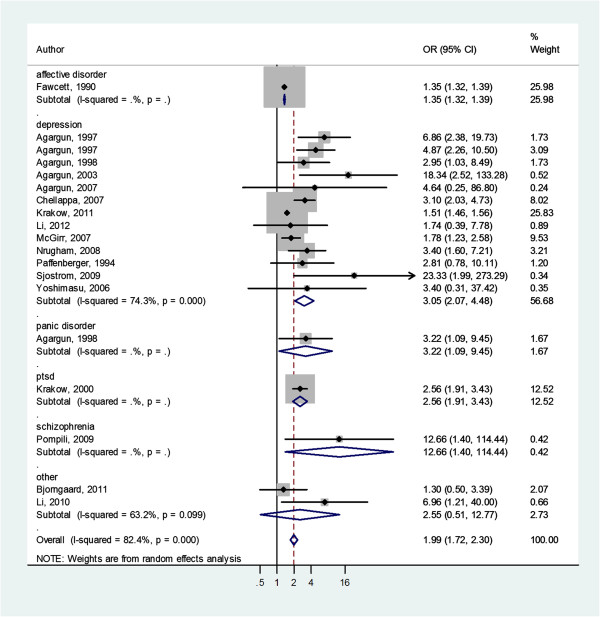
BACKGROUND: Identifying patients with increased risk of suicidal behaviors is a constant challenge and concern for clinicians caring for patients with psychiatric conditions. We conducted a systematic review to assess the association between suicidal behaviors and sleep disturbances in psychiatric patients. METHODS: A systematic literature search of Ovid Medline In-Process & Other Non-Indexed Citations, Ovid MEDLINE, Ovid EMBASE, Ovid PsycInfo, Ovid Cochrane Database of Systematic Reviews, Ovid Cochrane Central Register of Controlled Trials, and Scopus was conducted using earliest inclusive dates to 28 June 2013. Eligible studies were comparative observational studies that reported sleep disturbances in psychiatric patients and the outcome of interest (any type of suicidal behaviors). Pairs of reviewers extracted descriptive data, study quality, and outcomes. Odds ratios (OR) and 95% confidence intervals (CI) were pooled across studies using the random-effects model. Newcastle-Ottawa scale was used to critically appraise study quality. RESULTS: Nineteen studies met the inclusion criteria. Compared to those without sleep disturbances, patients with psychiatric diagnoses and co-morbid sleep disturbances were significantly more likely to report suicidal behaviors (OR = 1.99, 95% CI 1.72, 2.30, P <0.001). The association was also demonstrated across several psychiatric conditions including depression (OR = 3.05, 95% CI 2.07, 4.48, P <0.001), post-traumatic stress disorder (PTSD) (OR = 2.56, 95% CI 1.91, 3.43, P <0.001), panic disorder (OR = 3.22, 95% CI 1.09, 9.45, P = 0.03), and schizophrenia (OR = 12.66, 95% CI 1.40, 114.44, P = 0.02). In subgroup analysis based on the type of sleep disorder, we also found suicidal behavior to be significantly associated with the presence of insomnia, parasomnias, and sleep-related breathing disorders, but not hypersomnias. CONCLUSIONS: This systematic review and meta-analysis suggests that in patients with psychiatric diagnoses, sleep disturbances are associated with the increased risk of suicidal behaviors.
Overview
The claims and statistics of this paper haven’t been checked yet.
Free: it reads the open-access text and checks the first 5 claims that cite a source we can check. Create a free account to check every claim.
Integrity signals
Registry
Cites
Statistics
Figures
Verification
Claims the paper makes
The claims and statistics of this paper haven’t been checked yet.
Free: it reads the open-access text and checks the first 5 claims that cite a source we can check. Create a free account to check every claim.
Claims other papers make about this one
Each is checked against this paper’s own text: does it say what the citing paper says it does?
The source backs part of the claim, not all of it — or backs it for a different population, condition or comparison.
In the citing paper
“A more recent meta-analysis, focusing exclusively on psychiatric patient samples (Malik et al., 2014) categorized 11 studies as employing a longitudinal design, and just six of these featured longitudinal analyses.”
From Sleep and suicide: A systematic review and meta-analysis of longitudinal studies (2020) · cites this paper as Malik et al., 2014
Experimental — accuracy not yet measuredThe cited source says what the claim attributes to it.
In the citing paper
“Although four of these prior systematic reviews were meta-analyses (Chiu et al., 2018; Liu, Tu, et al., 2019; Malik et al., 2014; Pigeon et al., 2012)”
From Sleep and suicide: A systematic review and meta-analysis of longitudinal studies (2020) · cites this paper as Malik et al., 2014
Self-check
Percentages, sums and reported differences re-computed from the paper’s own numbers.
The self-check needs the paper’s full text.
Citations
Cites
Preferred Reporting Items for Systematic Reviews and Meta-Analyses: the PRISMA statement
Moher, D., Liberati, A., Tetzlaff, J., Altman, D. G., & for the PRISMA Group (2009) · BMJ · doi:10.1136/bmj.b2535 · Cited by 83,823
Measuring inconsistency in meta-analyses
Higgins, J. P. T., Thompson, S. G., Deeks, J. J., & Altman, D. G. (2003) · BMJ · doi:10.1136/bmj.327.7414.557 · Cited by 63,139 · cited 1×
“Across the included studies, substantial heterogeneity was observed in most of the pooled outcomes (>50%) [28].”
BackgroundPreferred reporting items for systematic reviews and meta-analyses: the PRISMA Statement.
(2009) · PubMed Central · Cited by 44,859
Meta-analysis in clinical trials
DerSimonian, R., & Laird, N. (1986) · Controlled Clinical Trials · doi:10.1016/0197-2456(86)90046-2 · Cited by 39,552 · cited 1×
“We pooled the logOR from all of the included studies using the DerSimonian & Laird random effects method with the estimate of heterogeneity from the MantelHaenszel model [11].”
MethodPreferred reporting items for systematic reviews and meta-analyses: The PRISMA statement
Moher, D., Liberati, A., Tetzlaff, J., Altman, D. G., & the PRISMA Group* (2009) · Annals of Internal Medicine · doi:10.7326/0003-4819-151-4-200908180-00135 · Cited by 37,554
The Pittsburgh Sleep Quality Index: a new instrument for psychiatric practice and research
Buysse, D. J., Reynolds, C. F., Monk, T. H., Berman, S. R., & Kupfer, D. J. (1989) · Psychiatry Research · doi:10.1016/0165-1781(89)90047-4 · Cited by 35,234 · cited 2×
“Screening measures such as the Pittsburgh Sleep Quality Index (PSQI) [30], which assesses sleep quality, efficiency, duration, disturbances, and daytime dysfunction, and has good reliability and validity in detecting sleep problems, may assist in this effort.”
BackgroundPreferred Reporting Items for Systematic Reviews and Meta-Analyses: The PRISMA Statement
Moher, D., Liberati, A., Tetzlaff, J., & Altman, D. G. (2009) · Journal of Clinical Epidemiology · doi:10.1016/j.jclinepi.2009.06.005 · Cited by 19,575
GRADE guidelines: 3. Rating the quality of evidence
Balshem, H., Helfand, M., Schünemann, H. J., Oxman, A. D., Kunz, R., Brozek, J., Vist, G. E., Falck-Ytter, Y., Meerpohl, J., & Norris, S. (2011) · Journal of Clinical Epidemiology · doi:10.1016/j.jclinepi.2010.07.015 · Cited by 8,285
The Handbook of Research Synthesis and Meta-Analysis
(2019) · doi:10.7758/9781610448864 · Cited by 4,553
Epidemiologic study of sleep disturbances and psychiatric disorders. An opportunity for prevention?
Ford, D. E. (1989) · JAMA · doi:10.1001/jama.262.11.1479 · Cited by 2,440
Cited by
Items 101–200 of 204
The role of objective sleep in implicit and explicit affect regulation: A comprehensive review
Straus, L. D., ten Brink, M., Sikka, P., Srivastava, R., Gross, J. J., & Colvonen, P. J. (2024) · Neurobiology of Stress · doi:10.1016/j.ynstr.2024.100655 · Cited by 16
“In addition, sleep disorders independently contribute to problematic substance use (Nishith et al., 2001), suicidality (Malik et al., 2014), and poor quality of life (Krakow et al., 2002) in individuals with trauma histories.”
BackgroundEcological Studies of Sleep Disturbances During Suicidal Crises
Chaïb, L. S., Porras‐Segovia, A., Baca‐García, E., & López‐Castromán, J. (2020) · Current Psychiatry Reports · doi:10.1007/s11920-020-01155-2 · Cited by 15
Fuller‐Thomson, E., West, K. J., & Baiden, P. (2019) · Psychiatry Research · doi:10.1016/j.psychres.2019.02.030 · Cited by 18
Kiwan, N., Mahfoud, Z. R., Ghuloum, S., Chamali, R., Yehya, A., Hammoudeh, S., Hani, Y., Amro, I., & Al-Amin, H. A. (2019) · International Journal of Behavioral Medicine · doi:10.1007/s12529-019-09830-2 · Cited by 22
Khazaie, H., Najafi, F., Chehri, A., Rahimi‐Movaghar, A., Amin‐Esmaeili, M., Moradinazar, M., Zakiei, A., Pasdar, Y., Brühl, A. B., Brand, S., et al. (2023) · Journal of Clinical Medicine · doi:10.3390/jcm12082821 · Cited by 19
“The latter was observed among individuals with major depressive disorder, specifically [36], and generally among individuals with psychiatric diagnoses [37], among different cohort studies [38] including adolescents [39–42], and in longitudinal studies [43].”
BackgroundNazem, S., Sun, S., Barnes, S. M., Monteith, L. L., Hostetter, T. A., Forster, J. E., Brenner, L. A., Galfalvy, H., & Haghighi, F. G. (2024) · Translational Behavioral Medicine · doi:10.1093/tbm/ibae032 · Cited by 14
“…diagnoses [e.g. major depressive disorder, post-traumatic stress disorder (PTSD), panic disorder] and insomnia symptoms are more likely to endorse SI and engage in SDV (odds ratio = 2.66, 95% CI: 1.74–4.07), compared to individuals with psychiatric diagnoses and no insomnia-related symptoms [12].”
InfluentialJacob, L., Oh, H. Y., Koyanagi, A., Smith, L., & Kostev, K. (2020) · Journal of Affective Disorders · doi:10.1016/j.jad.2020.05.121 · Cited by 13
Study Protocol: Sleep Effects on Poststroke Rehabilitation Study
Klingman, K. J., Skufca, J. D., Duncan, P. W., Wang, D., & Fulk, G. D. (2022) · Nursing Research · doi:10.1097/nnr.0000000000000611 · Cited by 10
Rogers, E. N., Gresswell, D. M., & Durrant, S. J. (2023) · Schizophrenia Research · doi:10.1016/j.schres.2023.10.010 · Cited by 15
“Although there is some qualitative research exploring sleep in schizophrenia (Waite et al., 2016) and ARMS (Waite et al., 2018) and sleep and suicide in the general population (Littlewood et al., 2016) there is a call for qualitative work to explore sleep and suicide in SSDs.”
InfluentialMijnster, T., Boersma, G. J., van Veen, M., Liemburg, E. J., Cath, D. C., Pijnenborg, G. H. M., de Jong, P. J., & Lancel, M. (2023) · Journal of Sleep Research · doi:10.1111/jsr.14009 · Cited by 17
“Also, sleep disorders are generally associated with suicidal behaviour (B. Krakow et al., 2011; Malik et al., 2014; Wang et al., 2019).”
Background(2022) · American Psychiatric Association Publishing eBooks · doi:10.1176/appi.books.9780890425787.x04_depressive_disorders · Cited by 22
de Verville, P. L. S., Etchecopar‐Etchart, D., Richieri, R. M., Godin, O., Schürhoff, F., Berna, F. S., Aouizerate, B., Capdevielle, D., Chéreau, I., d’Amato, T., et al. (2021) · Progress in Neuro-Psychopharmacology and Biological Psychiatry · doi:10.1016/j.pnpbp.2021.110275 · Cited by 11
Suicide and Autism: A Lifespan Perspective
Hedley, D., Hayward, S. M., Clarke, A., Uljarević, M., & Stokes, M. A. (2022) · Springer eBooks · doi:10.1007/978-3-030-98697-1_3 · Cited by 10
Shepard, C. A., Rufino, K. A., Lee, J., Tran, T. M., Paddock, K., Wu, C., Oldham, J. M., Mathew, S. J., & Patriquin, M. A. (2022) · Behavioral Sleep Medicine · doi:10.1080/15402002.2022.2050724 · Cited by 12
“…disorders, like depression or anxiety, who also present with comorbid sleep disturbances are at a higher risk for engaging in suicidal thoughts and behaviors compared to those who do not have a psychiatric disorder or comorbid sleep disturbances (Chellappa & Araújo, 2007; Malik et al., 2014).”
BackgroundMéndez-Bustos, P., Fuster-Villaseca, J., Tapia, A., & López‐Castromán, J. (2022) · Medwave · doi:10.5867/medwave.2022.06.002567 · Cited by 15
Drug Safety and Suicidality Risk of Chronic Pain Medications
Syed, O., Jancic, P., Fink, A. B., & Knežević, N. N. (2023) · Pharmaceuticals · doi:10.3390/ph16101497 · Cited by 12
“The most common conditions that are primarily treated with benzodiazepines that are linked to possible suicidality are anxiety and insomnia [154,155].”
BackgroundHolder, N. D., Holliday, R. P., Wiblin, J. L., & Surís, A. (2019) · Traumatology An International Journal · doi:10.1037/trm0000196 · Cited by 10
“…in individuals diagnosed with PTSD is associated with multiple negative consequences including increased rates of suicidal self-directed violence (Malik et al., 2014), greater substance use/abuse (Vandrey, Babson, Herrmann, & Bonn-Miller, 2014), and poorer physical health (Clum, Nishith, &…”
BackgroundLo, B. C. Y., & Cheng, S. K. L. (2024) · Behavioral Sciences · doi:10.3390/bs14111111 · Cited by 15
Jha, M. K., Fava, M., Freeman, M. P., Thase, M. E., Papakostas, G. I., Shelton, R. C., Trivedi, M. H., Dirks, B., Liu, K., & Stankovic, S. (2020) · The Journal of Clinical Psychiatry · doi:10.4088/jcp.20m13425 · Cited by 10
Koffel, E., THURAS, P. D., Chakravorty, S., Germain, A., & Khawaja, I. S. (2015) · The Primary Care Companion For CNS Disorders · doi:10.4088/pcc.15l01826 · Cited by 8
Acar, Ö. F., Öğülmüş, S., & Boysan, M. (2018) · Sleep and Hypnosis · doi:10.5350/sleep.hypn.2019.21.0188 · Cited by 10
“…al., 2000), psychiatric distress (Krakow et al., 2007), heightened suicidality and self-injurious behavior (Betts, Williams, Najman, & Alati, 2013; Malik et al., 2014; Pigeon, Pinquart, & Conner, 2012; Short, Ennis, et al., 2015), greater anxiety sensitivity (Babson, Boden, Woodward, Alvarez, &…”
von Spreckelsen, P., Schouten, D., Waslam, N. G., Katuin, P., Heering, H. D., Planting, C., Antypa, N., Kivelä, L., Lancel, M., & Schweren, L. J. S. (2025) · Sleep Medicine: X · doi:10.1016/j.sleepx.2025.100145 · Cited by 7
“Individuals experiencing disrupted sleep often endure various adverse effects, including daytime fatigue, mood disturbances and impaired cognitive function [5 – 8].”
Li, Y., Xu, G., Wu, D., Yan, M., Yao, M., Du, W., & Fan, L. (2023) · Asia Pacific Journal of Public Health · doi:10.1177/10105395231212024 · Cited by 10
“6 Research on the association between insomnia and suicidal ideation among the general population are still scarce and with inconsistent conclusions.”
BackgroundInfluentialFrom guidelines to bedside - insomnia treatment practices in South Korea: a nationwide cohort study
Moon, D. U., Piao, Z., Lee, D. H., & Han, E. (2024) · Frontiers in Psychiatry · doi:10.3389/fpsyt.2024.1453550 · Cited by 11
Kim, H., Park, S., Kim, Y., Kwon, S., & Kim, H. (2022) · Journal of Advanced Nursing · doi:10.1111/jan.15142 · Cited by 6
“Increased vulnerability for suicidal ideation and behaviours is associated with sleep problems (Malik et al., 2014).”
Schotanus, A. Y., Dozeman, E., Ikelaar, S. L. C., van Straten, A., Beekman, A. T. F., van Nassau, F., Bosmans, J. E., & van Schaik, A. (2023) · BMC Psychiatry · doi:10.1186/s12888-022-04492-z · Cited by 7
Leira, W. S., Bjerkeset, O. A., Reitan, S. K., Stordal, E., & Roaldset, J. O. (2020) · Journal of Affective Disorders · doi:10.1016/j.jad.2020.03.163 · Cited by 8
Dewa, L. H., Pappa, S., Greene, T., Cooke, J., Mitchell, L., Hadley, M., Simplicio, M. C. D., Woodcock, T., & Aylin, P. P. (2022) · JMIR Research Protocols · doi:10.2196/33817 · Cited by 7
“Several systematic reviews have explored the epidemiological relationship between sleep and SIB in different population groups (eg, in mixed samples [6], nonpsychiatric adolescent patients [7,8], and psychiatric patients [9]), examined prospective suicide incidents, and more recently, explored the underlying mechanism…”
BackgroundSuicide Crisis Syndrome: examining supporting evidence and barriers to diagnostic validity
GALYNKER, I. I., Cohen, L. J., Prekas, A. S., Bloch‐Elkouby, S., King, M., & Levy, Y. A. (2025) · Frontiers in Psychiatry · doi:10.3389/fpsyt.2025.1627463 · Cited by 8
DSM‐5‐TR diagnosis as a guide to suicide risk assessment
Felthous, A. R., Kulkarni, N., & Belean, C. (2023) · Behavioral Sciences & the Law · doi:10.1002/bsl.2617 · Cited by 6
Hou, S.-J., Tsai, S., Kuo, P., Lin, W., Liu, Y., Yang, A. C., Lin, E., & Lan, T. (2021) · BMC Medical Genomics · doi:10.1186/s12920-021-01083-x · Cited by 4
Cárthaigh, S. M., Perry, J. L., & Griffin, C. P. (2022) · Behaviour and Information Technology · doi:10.1080/0144929x.2022.2136533 · Cited by 6
“…Leong et al. 2019; Lim and Dinges 2010; Olaithe and Bucks 2013; Wardle-Pinkston, Slavish, and Taylor 2019), mental health (Baglioni et al. 2016; Malik et al. 2014; Viner et al. 2019), and physical health (Cappuccio et al. 2008; Cappuccio et al. 2010; Li et al. 2017; Meng, Zheng, and Hui 2013;…”
BackgroundInsomnia: definition, pathophysiological models, diagnosis, and treatment
Sakalauskaitë-Juodeikienë, E., & Masaitienė, R. (2018) · Neurologijos seminarai · doi:10.29014/ns.2018.20 · Cited by 6
Sleep abnormalities in mouse models of depression: a systematic review
Potenzieri, A., Escelsior, A., Serafini, G., Uccelli, A., Adamantidis, A., & Nobili, L. (2025) · Sleep Medicine Reviews · doi:10.1016/j.smrv.2025.102179 · Cited by 6
Нарушения сна и суицидальное поведение. Сообщение I: Распространённость, влияния и взаимосвязи
Любов, Е. Б., & Zotov, P. B. (2020) · Суицидология · doi:10.32878/suiciderus.20-11-01(38)-98-116 · Cited by 6
Mansuri, Z., Reddy, A., Vadukapuram, R., Thootkur, M., & Trivedi, C. G. (2022) · Behavioral Sciences · doi:10.3390/bs12050117 · Cited by 5
“However, it is proposed that sleep disturbances worsen psychological suffering, rendering psychiatric patients more vulnerable to suicidal behavior to reduce or escape from such distress [11,12,27].”
BackgroundNightmares in adult psychiatric inpatients with and without history of interpersonal trauma.
Wiltgen, A., Rufino, K. A., Hartwig, E. M., Paddock, K., & Patriquin, M. A. (2020) · Dreaming · doi:10.1037/drm0000134 · Cited by 4
Sleep Impact on Perception, Memory, and Emotion in Adults and the Effects of Early-Life Experience
Lewin, M. P., Sullivan, R. M., & Wilson, D. A. (2019) · Handbook of behavioral neuroscience · doi:10.1016/b978-0-12-813743-7.00039-6 · Cited by 6
Tubbs, A. S., Perlis, M. L., Killgore, W. D. S., Karp, J. F., Grandner, M. A., & Fernandez, F. (2024) · Journal of Affective Disorders · doi:10.1016/j.jad.2024.06.101 · Cited by 4
Moon, D. U., Kim, J., Sun, J. H., & Lee, Y. (2025) · Internet Interventions · doi:10.1016/j.invent.2025.100848 · Cited by 3
“…of psychiatric disorders, cardiovascular diseases, metabolic syndrome, and reduced quality of life (L ´ eger et al., 2012; Zhang et al., 2021; Markwald et al., 2013; Malik et al., 2014; Breslau et al., 1996; Baglioni et al., 2011; Neckelmann et al., 2007; Mayer et al., 2011; Yaffe et al., 2014).”
Sleep and schizophrenia spectrum
Gauld, C., & Hanin, C. (2026) · L Encéphale · doi:10.1016/j.encep.2026.02.005 · Cited by 4
Shamsaei, F., Yaghmaei, S., Tapak, L., & Sadeghian, E. (2019) · Minerva Psichiatrica · doi:10.23736/s0391-1772.19.02023-5 · Cited by 6
Fang, X., Qian, X., Hu, X., Jiang, H., & Hu, W. (2025) · Frontiers in Public Health · doi:10.3389/fpubh.2025.1553066 · Cited by 3
Li, W., Liu, Y., Tao, R., Chen, L., Liu, Y., Mo, D., Liu, H., & Zhang, X. (2025) · BMC Psychiatry · doi:10.1186/s12888-025-07031-8 · Cited by 7
“Both glutamate and GABA receptors are strongly associated with sleep disorders [18, 64].”
Hsiao, S., Cheng, C., Lin, I.-J., Yu, C.-P., Huang, Y.-C., Huang, S.-H., Sun, C., Fann, L.-Y., Sheu, M.-Y., & Chien, W. (2022) · International Journal of Environmental Research and Public Health · doi:10.3390/ijerph192013169 · Cited by 7
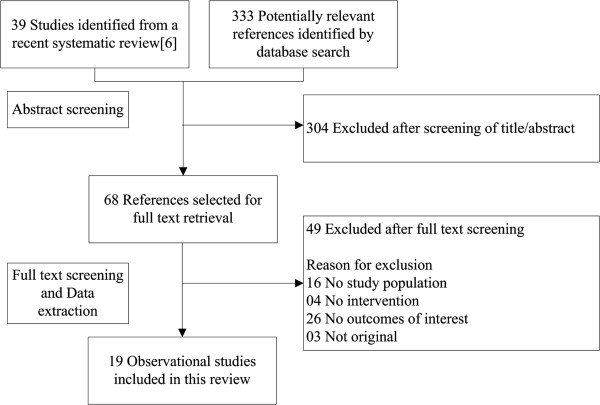
“Nineteen studies met the inclusion criteria [24].”
Fujieda, M., Uchida, K., Ikebe, S.-I., Kimura, A., Kimura, M., Watanabe, T., Sakamoto, H., Matsumoto, T., & Uchimura, N. (2023) · International Journal of Environmental Research and Public Health · doi:10.3390/ijerph20085547 · Cited by 3
Oh, J.-H., Yoo, J. R., Ko, S. Y., Kang, J. H., Lee, S. K., Jeong, W., Seong, G. M., Lee, H. J., & Song, S. W. (2020) · Safety and Health at Work · doi:10.1016/j.shaw.2020.10.004 · Cited by 4
Yoshiike, T., Kuriyama, K., Nakasato, Y., & Nakamura, M. (2020) · Journal of Behavioral and Cognitive Therapy · doi:10.1016/j.jbct.2020.03.012 · Cited by 5
Is there a role for sleep medicine in suicide prevention?
Littlewood, D. L., & Russell, K. (2019) · Sleep Medicine · doi:10.1016/j.sleep.2019.08.005 · Cited by 4
“suicidal experiences has been replicated in a wide range of studies; in both clinical [5] and non-clinical populations [3], spanning wide age-ranges including adolescents [6] to older adults [7], and using subjective and objective assessment of sleep disturbance [8].”
BackgroundMorgan, C. H., Stager, L. M., Brockdorf, A. N., Salamanca, N. K., Amaya, S., Mujica, C. A., Davis, K. C., Leone, R. M., Orchowski, L. M., Gilmore, A. K., et al. (2025) · Cyberpsychology Behavior and Social Networking · doi:10.1177/21522715251375417 · Cited by 6
“22,23 Critically, university students have high rates of impaired sleep quality and short sleep duration ( > 60 percent) 13,24,25 and subsequently increased risk for poor mental health.”
Lin, T., Wiley, J. F., Zhu, Y., Tang, M., Taylor, D. J., Pruiksma, K. E., Feler, B., Kautz, M. M., Baker, J. C., Khazem, L. R., et al. (2026) · Journal of Affective Disorders · doi:10.1016/j.jad.2026.121692 · Cited by 3
Cognitive-Behavioral Therapy for Insomnia: A Review of the Treatment Effects on Suicide
Park, K., & Suh, S. A. (2017) · Journal of Sleep Medicine · doi:10.13078/jsm.17007 · Cited by 2
“99배 높 다고 보고되었다.(7) 일본에서 15,597명을 대상으로 14년간 장기 추적한 코호트 연구에서는 수면 유지의 어려움과 자살 위험 간의 관계를 확인하였다.”
Суицидальное поведение лиц c умственной отсталостью: обзор литературы
Филоненко, А. В., Голенков, А. В., Филоненко, В. А., Орлов, Ф. В., Сергеевич, Д. Е., & Евгеньевна, Б. И. (2020) · Суицидология · doi:10.32878/suiciderus.20-11-01(38)-130-145 · Cited by 2
PERAN SELF-ESTEEM DALAM MENCEGAH EMOTIONAL DISTRESS: LOCUS OF CONTROL SEBAGAI ANTECEDENT
Juliano, L., & Suyasa, P. T. Y. S. (2020) · Jurnal Muara Ilmu Sosial Humaniora dan Seni · doi:10.24912/jmishumsen.v4i1.6924.2020 · Cited by 8
Khalid, M. A. (2022) · Open Journal of Social Sciences · doi:10.4236/jss.2022.105018 · Cited by 3
“, 2020), which put people at increased risk of suicidality (Miller et al., 2019; Malik et al., 2014), obesity (Palmese et al.”
BackgroundSocio-demographic Characteristics and Sleeping Habits of Children with Suicide Attempt Abstract
Fidancı, İ., Taşar, M. A., & Saç, R. Ü. (2022) · Turkish Journal of Pediatric Emergency and Intensive Care Medicine · doi:10.4274/cayd.galenos.2021.64426 · Cited by 1
Insomnische Symptome und Suizidalität – Zusammenhänge und Management
Schwerthöffer, D., & Förstl, H. (2023) · Neuropsychiatrie · doi:10.1007/s40211-023-00466-z · Cited by 2
Berardelli, I., Sarubbi, S., Trocchia, M. A., Longhini, L., Moschillo, A., Rogante, E., Cifrodelli, M., Erbuto, D., Innamorati, M., & Pompili, M. (2024) · The Journal of Nervous and Mental Disease · doi:10.1097/nmd.0000000000001793 · Cited by 3
Understanding Latine disparities in nocturnal wakefulness as a suicide risk factor
Fernandez, F., Tubbs, A. S., Perlis, M. L., & Grandner, M. A. (2025) · Sleep Epidemiology · doi:10.1016/j.sleepe.2025.100117 · Cited by 1
Accelerated epigenetic aging in males with mood disorders accompanied by insomnia
Ma, Z., Shen, S., Meng, H., Qin, Y., Tang, Y., Li, J., Wang, F., & Gong, X. (2025) · Journal of Affective Disorders · doi:10.1016/j.jad.2025.120381 · Cited by 2
Romier, A., Leseur, J., Moroy, A., & Geoffroy, P. A. (2026) · L Encéphale · doi:10.1016/j.encep.2026.03.004 · Cited by 3
Mackie, S. E., & Winkelman, J. W. (2015) · Psychiatric Annals · doi:10.3928/00485713-20150106-04 · Cited by 1
Chapter 11. Schizophrenia Spectrum and Other Psychotic Disorders
Graham, S. A., Adamowicz, D. H., Jeste, D. V., & Lee, E. (2022) · American Psychiatric Association Publishing eBooks · doi:10.1176/appi.books.9781615375196.ds11 · Cited by 1
Kramer, E. B., Gaeddert, L. A., Jackson, C. L., Hostetter, T. A., Forster, J. E., & Nazem, S. (2023) · Journal of Clinical Psychology · doi:10.1002/jclp.23488 · Cited by 1
Suicide and suicidal behaviors: insight into clinical challenges and preventive measures
Pompili, M., Berardis, D. D., Dell’Osso, B. M., Forte, A. M., Innamorati, M., Rogante, E., Sarli, G., Serafini, G., & Amore, M. (2025) · Expert Review of Neurotherapeutics · doi:10.1080/14737175.2025.2542764 · Cited by 5
“● Various systematic reviews and meta-analyses have investigated the association between suicide risk and sleep disorders [107– 110].”
Psychiatric assessment of child victims of sexual abuse by Ham A and D Scale: A Descriptive Study
Chowdhuri, S., Ray, P., & Mukhopadhayay, P. (2019) · INTERNATIONAL JOURNAL OF ETHICS TRAUMA & VICTIMOLOGY · doi:10.18099/ijetv.v5i1.4 · Cited by 1
“Another systematic review and meta-analysis suggested that in patients with psychiatric diagnoses, sleep disturbances are associated with the increased risk of suicidal behaviors (20).”
BackgroundKhawaja, I. S., & Hurwitz, T. D. (2015) · Psychiatric Annals · doi:10.3928/00485713-20150106-03
Insomnie – Risikofaktor für affektive Störungen?
Frase, L., Nissen, C., & Riemann, D. W. (2014) · Schlaf · doi:10.1055/s-0038-1626089
„Auf Herz und Hirn“ aus psychiatrischer Sicht: Am Beispiel der Panikstörung
Aigner, M. (2018) · psychopraxis neuropraxis · doi:10.1007/s00739-018-0506-y
Understanding the role of symptoms of sleep disturbance in suicidal pathways
Littlewood, D. L. (2018) · Research Explorer (The University of Manchester) · Cited by 2
Timková, V. (2020) · University of Groningen research database (University of Groningen / Centre for Information Technology) · doi:10.33612/diss.136425533
透明文字盤コミュニケーションを支援する機器の開発案件に関して(福祉情報工学一般,地域コミュニティと福祉)
伊藤, 和. (2013) · 電子情報通信学会技術研究報告. WIT, 福祉情報工学
Richardson, J. D., Thompson, A., King, L., Corbett, B., Shnaider, P., Cyr, K. S., Nelson, C., Sareen, J., Elhai, J., & Zamorski, M. (2021) · doi:10.32920/14638239
Richardson, J. D., Thompson, A., King, L., Corbett, B., Shnaider, P., Cyr, K. S., Nelson, C., Sareen, J., Elhai, J., & Zamorski, M. (2021) · doi:10.32920/14638239.v1
Fernando, A. T., & Kennedy, K. (2020) · American Psychiatric Association Publishing eBooks · doi:10.1176/appi.books.9781615375288.lg13
Tisseyre, M., Hudon, A., Giguère, C., Vallières, A., Bastien, C., Berubé, F.-A., & Cailhol, L. (2022) · Santé mentale au Québec · doi:10.7202/1098897ar · Cited by 1
Factors Influencing Suicidal Ideation and Attempts among Young Adults
-, A. R. S., -, K. P., & -, N. A. P. S. J. (2024) · International Journal For Multidisciplinary Research · doi:10.36948/ijfmr.2024.v06i01.12699
Baldaçara, L., Calfat, E. L. D. B., Périco, C. D. A.-M., da Rocha, G. A., Leite, V. D. S., Porto, D. M., Grüdtner, R. R., Díaz, A. P., Meleiro, A. M. A. D. S., Corrêa, H., et al. (2024) · Debates em Psiquiatria · doi:10.25118/2763-9037.2024.v14.1256 · Cited by 2
Bouhadana, R., Modini, M., & Abbott, M. J. (2024) · Issues in Mental Health Nursing · doi:10.1080/01612840.2024.2355544
“Some nurses also discussed a correlation between waking inpatients who are suicidal and increasing risk by exacerbating distress, which concurs with research by Malik et al. (2014) and Bernert et al. (2015) who documented the positive correlation between sleep disturbances and suicidal behaviours.”
Sleep and mental health in athletes
Kim, K. N., Emert, S. E., Huskey, A., Athey, A. B., & Taylor, D. J. (2024) · Elsevier eBooks · doi:10.1016/b978-0-12-822969-9.00008-0 · Cited by 2
Epidemiological aspects of suicide and suicidality
Rössler, W., Schreiter, S., & Gutwinski, S. (2024) · Oxford University Press eBooks · doi:10.1093/med/9780198843405.003.0004
Research on sleep disorders in patients with mental illness: A review of Indian studies
Pal, A., Saini, L. K., Basu, A., Kachhawaha, G., Kundu, K., & Gupta, R. (2025) · Indian Journal of Psychiatry · doi:10.4103/indianjpsychiatry.indianjpsychiatry_110_25
“[5] Indian medical professionals have also contributed to the existing literature by uncovering the link between sleep disorders and psychiatric disorders.”
Iverson, G. L. (2025) · Scandinavian Journal of Medicine and Science in Sports · doi:10.1111/sms.70086
Türkmen, C., Schneider, C. L., Furukawa, Y., van Dalfsen, J. H., McCall, W. V., Pigeon, W. R., Tubbs, A. S., Perlis, M. L., Riemann, D. W., Spiegelhalder, K., et al. (2025) · medRxiv · doi:10.1101/2025.06.29.25330506
Prelog, P. R., Matić, T., Pregelj, P., & Sadikov, A. (2025) · BMC Psychiatry · doi:10.1186/s12888-025-07451-6 · Cited by 1
“These findings are echoed by more recent meta-analyses, which confirm that the relationship between sleep disturbance and suicide risk persists across different populations and is not fully explained by depression or other psychiatric comorbidities [32, 33].”
Adjahou, O., Geoffroy, P. A., Micoulaud‐Franchi, J., Philip, P., Tzourio, C., Coelho, J., & Macalli, M. (2025) · The World Journal of Biological Psychiatry · doi:10.1080/15622975.2025.2595568
“Sleep disturbances are associated with several negative physical and mental health outcomes, including suicidal behaviours (Malik et al. 2014; Pigeon et al. 2014; Bernert et al. 2015; Chiu et al. 2018; Geoffroy et al. 2020; Liu et al. 2020).”
Hou, S.-J., Tsai, S.-J., Kuo, P.-H., Lin, W.-Y., Liu, Y.-L., Yang, A. C., Lin, E., & Lan, T.-H. (2021) · Figshare · doi:10.6084/m9.figshare.16633365
Hou, S.-J., Tsai, S.-J., Kuo, P.-H., Lin, W.-Y., Liu, Y.-L., Yang, A. C., Lin, E., & Lan, T.-H. (2021) · Figshare · doi:10.6084/m9.figshare.16633347
Hou, S.-J., Tsai, S.-J., Kuo, P.-H., Lin, W.-Y., Liu, Y.-L., Yang, A. C., Lin, E., & Lan, T.-H. (2021) · Figshare · doi:10.6084/m9.figshare.16633344
Hou, S.-J., Tsai, S.-J., Kuo, P.-H., Lin, W.-Y., Liu, Y.-L., Yang, A. C., Lin, E., & Lan, T.-H. (2021) · Figshare · doi:10.6084/m9.figshare.16633359
Hou, S.-J., Tsai, S.-J., Kuo, P.-H., Lin, W.-Y., Liu, Y.-L., Yang, A. C., Lin, E., & Lan, T.-H. (2021) · Figshare · doi:10.6084/m9.figshare.16633362
Schotanus, A. Y., Dozeman, E., Ikelaar, S. L. C., van Straten, A., Beekman, A. T. F., van Nassau, F., Bosmans, J. E., & van Schaik, A. (2024) · Figshare · doi:10.6084/m9.figshare.26564589
Hou, S.-J., Tsai, S.-J., Kuo, P.-H., Lin, W.-Y., Liu, Y.-L., Yang, A. C., Lin, E., & Lan, T.-H. (2021) · Figshare · doi:10.6084/m9.figshare.16633368
Hou, S.-J., Tsai, S.-J., Kuo, P.-H., Lin, W.-Y., Liu, Y.-L., Yang, A. C., Lin, E., & Lan, T.-H. (2021) · Figshare · doi:10.6084/m9.figshare.16633350
Hou, S.-J., Tsai, S.-J., Kuo, P.-H., Lin, W.-Y., Liu, Y.-L., Yang, A. C., Lin, E., & Lan, T.-H. (2021) · Figshare · doi:10.6084/m9.figshare.16633356
Rogers, E. N., Gresswell, D. M., Durrant, S. J., & Hancox, L. (2026) · Schizophrenia Bulletin Open · doi:10.1093/schizbullopen/sgag001
“16 This association is particularly pertinent for those with SSDs given the greater prevalence of sleep disorders amongst those with SSDs than the general population.”
Behavioral sleep interventions to reduce suicide risk: Existing research and future avenues
Mournet, A. M., & Kleiman, E. M. (2026) · Current Sleep Medicine Reports · doi:10.1007/s40675-026-00360-4
Kabbani, A., Passler, M., Park, K., Lee, E. Y., Lee, Y., Jansen, M., & Moon, D. U. (2026) · Internet Interventions · doi:10.1016/j.invent.2026.100933 · Cited by 1
Sleep Problems as Prospective Predictors of Suicidal Ideation
Shimura, A., Iida, M., Takada, Y., Furui, Y., & Inoue, Y. (2026) · Archives of Suicide Research · doi:10.1080/13811118.2026.2703972
Metadata
- Authors
- Malik, S., Kanwar, A., Sim, L. A., Prokop, L. J., Wang, Z., Benkhadra, K., & Murad, M. H.
- Affiliations
- Fairview Health Services (US)
- University of Wisconsin–Madison (US)
- Mayo Clinic (US)
- Corresponding author
- Wang, Zhen
- Venue
- Systematic Reviews
- Published
- 2014-02-25
- Volume
- 3
- Issue
- 1
- Pages
- 18-18
- ISSN
- 2046-4053 (ISSN-L)
- PMC
- PMC3945796
- OpenAlex
- W2144386277
- Cited by
- 206
- References
- 45
- Citations by year
- 2026: 9 · 2025: 17 · 2024: 17 · 2023: 19 · 2022: 19 · 2021: 25 · 2020: 26 · 2019: 23 · 2018: 13 · 2017: 14 · 2016: 7 · 2015: 11 · 2014: 5
- FWCI
- 1.83
- Type
- journal article
- Language
- en
- Open access
- gold
- doi.org
- Licence
- Locations
- Systematic Reviews (publishedVersion, cc-by)
- Europe PMC (PubMed Central) (publishedVersion, cc-by)
- PubMed Central (publishedVersion, cc-by)
- PubMed (publishedVersion)
- Topics
- Social Sciences › Psychology › Clinical Psychology › Suicide and Self-Harm Studies
- Social Sciences › Psychology › Experimental and Cognitive Psychology › Sleep and related disorders
- Social Sciences › Psychology › Experimental and Cognitive Psychology › Mental Health Research Topics
- Keywords
- sleep disorders, suicidal behavior, mental illness, depression, post-traumatic stress disorder, panic disorder, schizophrenia, insomnia, parasomnias, sleep-disordered breathing, hypersomnia, suicide risk
- MeSH terms
- Mental Disorders, Humans, Risk Factors, Sleep Wake Disorders, Suicide
About these checks
Registry, retraction, Cites and statistics results are computed, not judged, with one exception: a printed reference that no index lists is read once by a model before it counts as a citation error. Claims are extracted by a model and kept only when their quote appears verbatim in the text; each cited source is then checked, with a model’s help, for whether it says what the claim relies on. Those verdicts can be wrong — read the claim’s quote and the cited source before relying on one.
Statistics and arithmetic are recomputed, not judged.
Confidence bands are shown only for fields calibrated on our annotated test set. None is calibrated yet, so no band is shown.
What counts as a claim ›How we measure confidence ›How we check this ›
Are you an author, or do you see a problem with this page? Request a review
Data sources
Bibliographic data: Semantic Scholar, OpenAlex, Crossref.
Contains information from the Semantic Scholar Academic Graph Datasets, made available under the ODC Attribution License (ODC-BY 1.0).
Semantic Scholar’s data is described in: Kinney, R., et al. (2023). The Semantic Scholar Open Data Platform. arXiv:2301.10140.
