

Enhanced drug delivery with nanocarriers: a comprehensive review of recent advances in breast cancer detection and treatment
Open accessThe DOI matches its Crossref record; 121 of the 121 references it cites were found in a registry or an index.
Abstract
Breast cancer (BC) remains a leading cause of morbidity and mortality among women worldwide, with triple-negative breast cancer (TNBC) posing significant treatment challenges due to its aggressive phenotype and resistance to conventional therapies. Recent advancements in nanocarrier technology offer promising solutions for enhancing drug delivery, improving bioavailability, and increasing drug accumulation at tumor sites through targeted approaches. This review delves into the latest innovations in BC detection and treatment, highlighting the role of nanocarriers like polymeric micelles, liposomes, and magnetic nanoparticles in overcoming the limitations of traditional therapies. Additionally, the manuscript discusses the integration of cutting-edge diagnostic tools, such as multiplex PCR-Nested Next-Generation Sequencing (mPCR-NGS) and blood-based biomarkers, which are revolutionizing early detection and molecular profiling of BC. The convergence of these technologies not only enhances therapeutic outcomes but also paves the way for personalized medicine in BC management. This comprehensive review underscores the potential of nanocarriers in transforming BC treatment and emphasizes the critical importance of early detection in improving patient prognosis.
Overview
The claims and statistics of this paper haven’t been checked yet.
Free: it reads the open-access text and checks the first 5 claims that cite a source we can check. Create a free account to check every claim.
Integrity signals
Registry
Cites
Statistics
Figures
Verification
Claims the paper makes
The claims and statistics of this paper haven’t been checked yet.
Free: it reads the open-access text and checks the first 5 claims that cite a source we can check. Create a free account to check every claim.
Claims other papers make about this one
Each is checked against this paper’s own text: does it say what the citing paper says it does?
The source backs part of the claim, not all of it — or backs it for a different population, condition or comparison.
In the citing paper
“Early studies predominantly focused on high-atomic-number (high-Z) materials, including gold, silver, gadolinium, and hafnium-based nanoparticles, with the primary objective of maximizing radiation energy deposition and secondary electron generation [9,85,95,96].”
From Nanoparticle-Mediated Radiosensitization in Breast Cancer: A Systematic Review of Preclinical Evidence and Translational Challenges (2026) · cites this paper as [95]
Experimental — accuracy not yet measuredThe source backs part of the claim, not all of it — or backs it for a different population, condition or comparison.
In the citing paper
“These systems established the proof-of-concept that nanomaterials could enhance radiation-induced damage, but they also highlighted important limitations related to tumor hypoxia, antioxidant defenses, heterogeneous intratumoral distribution, and variable nanoparticle accumulation [11,12,25,95,97].”
From Nanoparticle-Mediated Radiosensitization in Breast Cancer: A Systematic Review of Preclinical Evidence and Translational Challenges (2026) · cites this paper as [95]
Experimental — accuracy not yet measured
Self-check
Percentages, sums and reported differences re-computed from the paper’s own numbers.
The self-check needs the paper’s full text.
Citations
Cites
Breast Cancer Treatment: A Review
Waks, A. G., & Winer, E. P. (2019) · JAMA · doi:10.1001/jama.2018.19323 · Cited by 4,804
Harbeck, N., Penault-Llorca, F., Cortes, J., Gnant, M., Houssami, N., Poortmans, P., Ruddy, K., Tsang, J., & Cardoso, F. (2019) · Nature Reviews Disease Primers · doi:10.1038/s41572-019-0111-2 · Cited by 3,024
A Toxicologic Review of Quantum Dots: Toxicity Depends on Physicochemical and Environmental Factors
Hardman, R. (2006) · Environmental Health Perspectives · doi:10.1289/ehp.8284 · Cited by 2,303 · cited 1×
“However, ligand conjugation may still lead to off-target effects, as seen with transferrin or folic acid-coated nanoparticles, which can affect non-target organs like the pancreas, liver, and brain [115, 116].”
BackgroundDendrimers in biomedical applications—reflections on the field
SVENSON, S., & TOMALIA, D. (2005) · Advanced Drug Delivery Reviews · doi:10.1016/j.addr.2005.09.018 · Cited by 1,919
Garrido-Castro, A. C., Lin, N. U., & Polyak, K. (2019) · Cancer Discovery · doi:10.1158/2159-8290.cd-18-1177 · Cited by 1,451 · cited 1×
“Chemotherapy continues to be the gold standard of treatment since medicines that target particular molecular targets have only sometimes improved the outcomes of people with TNBC clinically meaningfully [30].”
BackgroundAwareness and current knowledge of breast cancer
Akram, M., Iqbal, M., Daniyal, M., & Khan, A. U. (2017) · Biological Research · doi:10.1186/s40659-017-0140-9 · Cited by 1,406
Tucatinib, trastuzumab, and capecitabine for HER2-positive metastatic breast cancer
Murthy, R. K., Loi, S., Okines, A., Paplomata, E., Hamilton, E., Hurvitz, S. A., Lin, N. U., Borges, V., Abramson, V., Anders, C., et al. (2020) · New England Journal of Medicine · doi:10.1056/nejmoa1914609 · Cited by 1,326 · cited 1×
“Approved by the FDA, tucatinib, when combined with trastuzumab and capecitabine, improved progression-free survival (PFS) and overall survival (OS) in advanced HER2 + metastatic BC, as shown in the phase II HER2CLIMB trial [112].”
Background"Cascade"- and "Nonskid-Chain-like" Syntheses of Molecular Cavity Topologies
BUHLEIER, E., WEHNER, W., & VÖGTLE, F. (1978) · Synthesis · doi:10.1055/s-1978-24702 · Cited by 1,285
Promises, facts and challenges for carbon nanotubes in imaging and therapeutics
Kostarelos, K., Bianco, A., & Prato, M. (2009) · Nature Nanotechnology · doi:10.1038/nnano.2009.241 · Cited by 787
Various types and management of breast cancer: An overview
Sharma, G., Dave, R., Sanadya, J., Sharma, P., & Sharma, K. K. (2010) · Journal of Advanced Pharmaceutical Technology & Research · doi:10.4103/2231-4040.72251 · Cited by 719
Nanoparticles in magnetic resonance imaging: from simple to dual contrast agents
Busquets, M. A., Estelrich, J., & Sánchez-Martín, M. J. (2015) · International Journal of Nanomedicine · doi:10.2147/ijn.s76501 · Cited by 622 · cited 1×
“This active targeting approach leverages the unique features of tumor microenvironments and cancer cell surfaces to enhance the therapeutic effectiveness of GNPs while minimizing their impact on normal cells [81, 82].”
BackgroundThe transferrin receptor part II: Targeted delivery of therapeutic agents into cancer cells
Daniels, T. R., Delgado, T., Helguera, G., & Penichet, M. L. (2006) · Clinical Immunology · doi:10.1016/j.clim.2006.06.006 · Cited by 518 · cited 1×
“However, ligand conjugation may still lead to off-target effects, as seen with transferrin or folic acid-coated nanoparticles, which can affect non-target organs like the pancreas, liver, and brain [115, 116].”
BackgroundPAMAM dendrimers as efficient drug and gene delivery nanosystems for cancer therapy
Abedi-Gaballu, F., Dehghan, G., Ghaffari, M., Yekta, R., Abbaspour-Ravasjani, S., Baradaran, B., Ezzati Nazhad Dolatabadi, J., & Hamblin, M. R. (2018) · Applied Materials Today · doi:10.1016/j.apmt.2018.05.002 · Cited by 487
Applications and Limitations of Dendrimers in Biomedicine
Chis, A. A., Dobrea, C., Morgovan, C., Arseniu, A. M., Rus, L. L., Butuca, A., Juncan, A. M., Totan, M., Vonica-Tincu, A. L., Cormos, G., et al. (2020) · Molecules · doi:10.3390/molecules25173982 · Cited by 467 · cited 1×
“…i t y o f c e r t a i n d e n d r i m e r s , w h i c h l i m i t s t h e i r u s e i n b i o m e d i c i n e a n d o t h e r t r e a t m e n t s [ 119 ] 2 N a n o e m u l s i o n T h e i r s m a ll s i z e g i v e s t h e m a l a r g e s u r f a c e a r e a p e r u n i t v o l u m e , w h i c h…”
Drug Combinations in Breast Cancer Therapy
Fisusi, F. A., & Akala, E. O. (2019) · Pharmaceutical Nanotechnology · doi:10.2174/2211738507666190122111224 · Cited by 449 · cited 1×
“The trial’s findings revealed a 76.7% observed response rate [29].”
BackgroundInfluentialPersonalized genomic analyses for cancer mutation discovery and interpretation
Jones, S., Anagnostou, V., Lytle, K., Parpart-Li, S., Nesselbush, M., Riley, D. R., Shukla, M., Chesnick, B., Kadan, M., Papp, E., et al. (2015) · Science Translational Medicine · doi:10.1126/scitranslmed.aaa7161 · Cited by 415
Breast Cancer Staging: Working With the Sixth Edition of the AJCC Cancer Staging Manual
Singletary, S. E., & Connolly, J. L. (2006) · CA: A Cancer Journal for Clinicians · doi:10.3322/canjclin.56.1.37 · Cited by 391 · cited 1×
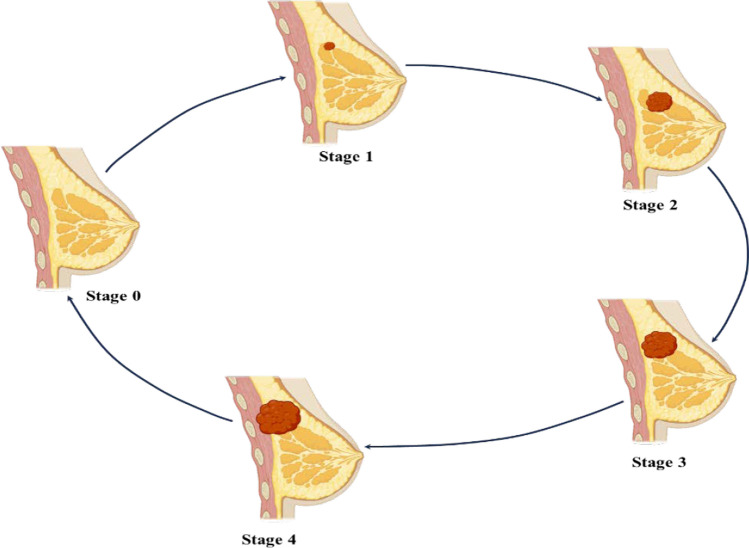
“…data from the National Cancer Database (NCDB) reveals a rise in the percentage of US patients initially diagnosed as Stage 0 or Stage I from 42.5% in 1985 to 56.2% in 1995, with a concurrent decrease in patients diagnosed as Stage III or Stage IV from 18.3% to 11.6% during the same period [12].”
BackgroundInfluentialDendrimer-mediated transdermal delivery: enhanced bioavailability of indomethacin
Chauhan, A. S., Sridevi, S., Chalasani, K. B., Jain, A. K., Jain, S. K., Jain, N. K., & Diwan, P. V. (2003) · Journal of Controlled Release · doi:10.1016/s0168-3659(03)00200-1 · Cited by 344
Application of Solid Lipid Nanoparticles to Improve the Efficiency of Anticancer Drugs
Bayón-Cordero, L., Alkorta, I., & Arana, L. (2019) · Nanomaterials · doi:10.3390/nano9030474 · Cited by 344 · cited 1×
“Furthermore, the drug delivery system can be improved by customizing the particle form, size, loading of drugs, trapping effectiveness and in in vitro release of drugs profile due to the physicochemical features of lipids [90].”
BackgroundMitochondrial copper depletion suppresses triple-negative breast cancer in mice
Cui, L., Gouw, A. M., LaGory, E. L., Guo, S., Attarwala, N., Tang, Y., Qi, J., Chen, Y.-S., Gao, Z., Casey, K. M., et al. (2021) · Nature Biotechnology · doi:10.1038/s41587-020-0707-9 · Cited by 343 · cited 1×
“To manufacture consistent CoFe2O4 NPs, a controlled thermal breakdown synthesis was used, where higher temperatures lowered oxygen solubility, resulting in a thinner oxide layer during synthesis and improved particle dependability [85].”
MethodOverview of radiomics in breast cancer diagnosis and prognostication
Tagliafico, A. S., Piana, M., Schenone, D., Lai, R., Massone, A. M., & Houssami, N. (2020) · The Breast · doi:10.1016/j.breast.2019.10.018 · Cited by 309 · cited 1×
“Additionally, early detection and treatment of BC contribute to an improved quality of life for women by enabling the use of less invasive surgical interventions [17].”
BackgroundKrop, I. E., Mayer, I. A., Ganju, V., Dickler, M., Johnston, S., Morales, S., Yardley, D. A., Melichar, B., Forero-Torres, A., Lee, S. C., et al. (2016) · The Lancet Oncology · doi:10.1016/s1470-2045(16)00106-6 · Cited by 295 · cited 1×
“Pictilisib did not improve PFS and also caused severe side effects, leading to limited further research [109, 110]. mTORC1 inhibitors, such as everolimus, target the mTORC1-dependent phosphorylation of s6k1.”
BackgroundActivating Macrophage‐Mediated Cancer Immunotherapy by Genetically Edited Nanoparticles
Rao, L., Zhao, S., Wen, C., Tian, R., Lin, L., Cai, B., Sun, Y., Kang, F., Yang, Z., He, L., et al. (2020) · Advanced Materials · doi:10.1002/adma.202004853 · Cited by 279
Nanomicelles: types, properties and applications in drug delivery
Bose, A., Roy Burman, D., Sikdar, B., & Patra, P. (2021) · IET Nanobiotechnology · doi:10.1049/nbt2.12018 · Cited by 278 · cited 1×
“…n t h e r a n g e o f 5 – 100 n m P oo r p h y s i c a l s t a b i l i t y i n v i v o , i n s u ffi c i e n t c e ll u l a r c o n t a c t o f n e u t r a l m i c e ll e s w i t h m a l i g n a n t c e ll s f o r a b s o r p t i o n , a n d p oo r d r u g - l o a d i n g e ffi c i e n c y [ 123 ]”
Current Applications of Nanoemulsions in Cancer Therapeutics
Sánchez-López, E., Guerra, M., Dias-Ferreira, J., Lopez-Machado, A., Ettcheto, M., Cano, A., Espina, M., Camins, A., Garcia, M. L., & Souto, E. B. (2019) · Nanomaterials · doi:10.3390/nano9060821 · Cited by 276 · cited 1×
“…i s c o s i t y a n d s p r e a d i b l i t y , u n p r e d i c t a b l e a b s o r p t i o n , a n d l o w o r a l b i o a v a i l a b i l i t y [ 120 ] 3 C a r b o n n a n o t u b e s C N T s h a v e h i g h t h e r m a l c o n d u c t i v i t y a n d h i g h a s p e c t r a t i o e l e c t r i…”
Pembrolizumab and atezolizumab in triple-negative breast cancer
Kwapisz, D. (2021) · Cancer Immunology, Immunotherapy · doi:10.1007/s00262-020-02736-z · Cited by 271 · cited 1×
“Pembrolizumab recently showed encouraging outcomes in early-stage TNBC, which may soon result in its approval in (neo) adjuvant settings [31].”
BackgroundA perspective on carbon materials for future energy application
Su, D. S., & Centi, G. (2013) · Journal of Energy Chemistry · doi:10.1016/s2095-4956(13)60022-4 · Cited by 247 · cited 1×
“The research conducted by He and colleagues in 2020 underscores the promising prospects of nanoemulsions in the realm of targeted drug delivery [51].”
BackgroundImmunotherapy for triple-negative breast cancer: Existing challenges and exciting prospects
Jia, H., Truica, C. I., Wang, B., Wang, Y., Ren, X., Harvey, H. A., Song, J., & Yang, J.-M. (2017) · Drug Resistance Updates · doi:10.1016/j.drup.2017.07.002 · Cited by 239
A review of prognostic and predictive biomarkers in breast cancer
Tarighati, E., Keivan, H., & Mahani, H. (2022) · Clinical and Experimental Medicine · doi:10.1007/s10238-021-00781-1 · Cited by 239 · cited 1×
“Key molecular markers such as HER-2, PRs and ERs and the Mib1/Ki-67 proliferation index are highly significant in the context of BC (BC) and undergo thorough validation in the routine care of both primary and recurrent, as well as metastatic BC patients [18].”
BackgroundDrug delivery approaches for breast cancer
Singh, S., Singh, S., Lillard Jr, J. W., & Singh, R. (2017) · International Journal of Nanomedicine · doi:10.2147/ijn.s140325 · Cited by 219
Ahmad, A., Imran, M., & Sharma, N. (2022) · Pharmaceutics · doi:10.3390/pharmaceutics14112463 · Cited by 199
Kornblum, N., Zhao, F., Manola, J., Klein, P., Ramaswamy, B., Brufsky, A., Stella, P. J., Burnette, B., Telli, M., Makower, D. F., et al. (2018) · Journal of Clinical Oncology · doi:10.1200/jco.2017.76.9331 · Cited by 189 · cited 1×
“Additionally, the PrE0102 phase II trial found that adding everolimus to fulvestrant enhanced PFS in patients with AI-resistant ER + BC compared to fulvestrant alone [111].”
BackgroundNanoparticle‐Based Photothermal Therapy for Breast Cancer Noninvasive Treatment
Xiong, Y., Rao, Y., Hu, J., Luo, Z., & Chen, C. (2025) · Advanced Materials · doi:10.1002/adma.202305140 · Cited by 187 · cited 1×
“This active targeting approach leverages the unique features of tumor microenvironments and cancer cell surfaces to enhance the therapeutic effectiveness of GNPs while minimizing their impact on normal cells [81, 82].”
BackgroundEl cáncer de mama en el siglo XXI: de la detección precoz a los nuevos tratamientos
Bonilla, J., Tabanera, M. T., & Mendoza, L. H. R. (2017) · Radiología · doi:10.1016/j.rx.2017.06.003 · Cited by 183
Chauhan, A. S., Diwan, P. V., Jain, N. K., & Tomalia, D. A. (2009) · Biomacromolecules · doi:10.1021/bm9000298 · Cited by 182
Microcalcifications in breast cancer: From pathophysiology to diagnosis and prognosis
O’Grady, S., & Morgan, M. P. (2018) · Biochimica et Biophysica Acta (BBA) - Reviews on Cancer · doi:10.1016/j.bbcan.2018.04.006 · Cited by 180
Wu, C., Ji, P., Yu, T., Liu, Y., Jiang, J., Xu, J., Zhao, Y., Hao, Y., Qiu, Y., & Zhao, W. (2016) · Drug Design, Development and Therapy · doi:10.2147/dddt.s97738 · Cited by 175 · cited 1×
“These findings suggest that the proposed nanoparticle could serve as a potentially beneficial platform for drug delivery to BC cells, catering to both diagnostic and therapeutic applications [95].”
BackgroundCytotoxicity of Polypropylenimine Dendrimer Conjugates on Cultured Endothelial Cells
Stasko, N. A., Johnson, C. B., Schoenfisch, M. H., Johnson, T. A., & Holmuhamedov, E. L. (2007) · Biomacromolecules · doi:10.1021/bm7008203 · Cited by 155 · cited 1×
“Surface modifications like PEGylation can improve dendrimer biocompatibility and neutralize their charge [114].”
BackgroundNew challenges in the use of nanomedicine in cancer therapy
Rasool, M., Malik, A., Waquar, S., Arooj, M., Zahid, S., Asif, M., Shaheen, S., Hussain, A., Ullah, H., & Gan, S. H. (2022) · Bioengineered · doi:10.1080/21655979.2021.2012907 · Cited by 153 · cited 1×
“…n o f h a z a r d o u s m o n o m e r s , t h e i r l e f t o v e r m a t e r i a l , a n d t h e p r o c e ss o f t o x i c d e g r a d a t i o n [ 121 ] 6 M a g n e t i c n a n o p a r t i c l e s E l e c t r o n s , h o l e s , p r o t o n s , a n d c a t i o n s a n d a n i o n s T h e y c a…”
Ahamed, M., Akhtar, M. J., Khan, M. A. M., & Alhadlaq, H. A. (2021) · International Journal of Nanomedicine · doi:10.2147/ijn.s285392 · Cited by 142 · cited 1×
“The work emphasizes the exceptional ability of liposomes and lipid-based NPs (LNPs) for delivery to cure BC metastases, outperforming systemic treatment [88].”
BackgroundZhao, M., Huang, X., Zhang, H., Zhang, Y., Gänzle, M., Yang, N., Nishinari, K., & Fang, Y. (2020) · Food Hydrocolloids · doi:10.1016/j.foodhyd.2020.105790 · Cited by 139
Liao, M., Zhang, J. C., Wang, G., Wang, L., Liu, J., Ouyang, L., & Liu, B. (2021) · Journal of Medicinal Chemistry · doi:10.1021/acs.jmedchem.0c01180 · Cited by 129
Circulating breast-derived DNA allows universal detection and monitoring of localized breast cancer
Moss, J., Zick, A., Grinshpun, A., Carmon, E., Maoz, M., Ochana, B. L., Abraham, O. A., Arieli, O., Germansky, L., Meir, K., et al. (2020) · Annals of Oncology · doi:10.1016/j.annonc.2019.11.014 · Cited by 129 · cited 1×
“Breast cfDNA levels significantly decreased after receiving neoadjuvant therapy [20].”
BackgroundComparative in vivo biocompatibility study of single- and multi-wall carbon nanotubes
Fraczek, A., Menaszek, E., Paluszkiewicz, C., & Blazewicz, M. (2008) · Acta Biomaterialia · doi:10.1016/j.actbio.2008.05.018 · Cited by 126
Nanoparticles for imaging and treatment of metastatic breast cancer
Mu, Q., Wang, H., & Zhang, M. (2016) · Expert Opinion on Drug Delivery · doi:10.1080/17425247.2016.1208650 · Cited by 124 · cited 1×
“It is possible to choose certain ligands for the identification of probable metastases with the right molecular profiling of tumor tissues [28].”
BackgroundRokade, S. S., Joshi, K. A., Mahajan, K., Patil, S., Tomar, G. B., Dubal, D., Parihar, V. S., Kitture, R., Bellare, J., & Ghosh, S. (2018) · Bioinorganic Chemistry and Applications · doi:10.1155/2018/4924186 · Cited by 122
Breast cancer genes: beyond BRCA1 and BRCA2
Vega, A. (2013) · Frontiers in bioscience · doi:10.2741/4185 · Cited by 121
Vuylsteke, P., Huizing, M. T., Petráková, K., Roylance, R. R., Laing, R. W., Chan, S. Y. T., Abell, F., Gendreau, S. B., Rooney, I. A., Apt, D., et al. (2016) · Annals of Oncology · doi:10.1093/annonc/mdw320 · Cited by 120 · cited 1×
“Pictilisib did not improve PFS and also caused severe side effects, leading to limited further research [109, 110]. mTORC1 inhibitors, such as everolimus, target the mTORC1-dependent phosphorylation of s6k1.”
BackgroundResveratrol loaded polymeric micelles for theranostic targeting of breast cancer cells
Gregoriou, Y., Gregoriou, G., Yılmaz, V., Kapnisis, K. K., Prokopi, M., Anayiotos, A. S., Strati, K., Dietis, N., Constantinou, A. I., & Andreou, C. (2020) · Nanotheranostics · doi:10.7150/ntno.51955 · Cited by 117 · cited 1×
“The findings underscore HTPM’s potential as an oral anticancer therapy for TNBC [97].”
BackgroundAshkbar, A., Rezaei, F., Attari, F., & Ashkevarian, S. (2020) · Scientific Reports · doi:10.1038/s41598-020-78241-1 · Cited by 114 · cited 1×
“These results suggest that this dual irradiation strategy could potentially replace current, more hazardous therapeutic treatments [73].”
BackgroundNanometric gold in cancer nanotechnology: current status and future prospect
Ahmad, M. Z., Akhter, S., Rahman, Z., Akhter, S., Anwar, M., Mallik, N., & Ahmad, F. J. (2013) · Journal of Pharmacy and Pharmacology · doi:10.1111/jphp.12017 · Cited by 112 · cited 2×
“Developing effective theranostic nanomedicine remains a complex endeavor [108].”
BackgroundZhang, H., Cui, W., Qu, X., Wu, H., Qu, L., Zhang, X., Mäkilä, E. M., Salonen, J., Zhu, Y., Yang, Z., et al. (2019) · Proceedings of the National Academy of Sciences · doi:10.1073/pnas.1817251116 · Cited by 106 · cited 1×
“While 225Ac-containing polymersomes show promise for long-term tumor irradiation without considerable kidney damage, thorough analysis of the impact of daughter nuclides in localized alpha treatments is critical [78].”
BackgroundBiomimetic Targeted Theranostic Nanoparticles for Breast Cancer Treatment
Marshall, S. K., Angsantikul, P., Pang, Z., Nasongkla, N., Hussen, R. S. D., & Thamphiwatana, S. (2022) · Molecules · doi:10.3390/molecules27196473 · Cited by 106 · cited 1×
“The key characteristics and functioning of the membrane cells are more easily transferred to the core of the nanoparticle when they are coated with an RBC cell membrane [67].”
BackgroundThe in vivo fate of 225Ac daughter nuclides using polymersomes as a model carrier
de Kruijff, R. M., Raavé, R., Kip, A., Molkenboer‐Kuenen, J. D. M., Morgenstern, A., Bruchertseifer, F., Heskamp, S., & Denkova, A. G. (2019) · Scientific Reports · doi:10.1038/s41598-019-48298-8 · Cited by 105
Schneider‐Futschik, E. K., & Reyes‐Ortega, F. (2021) · Pharmaceutics · doi:10.3390/pharmaceutics13081157 · Cited by 100 · cited 2×
“…a ll i c s u b s t r a t e s , a n d i m a g i n g o f b i o l o g i c a l s y s t e m s V e r y s u s c e p t i b l e t o g r i n d i n g c o n d i t i o n s a n d s u s c e p t i b l e t o u n w e l c o m e m i ll - i n g m e d i u m a n d e n v i r o n m e n t c o n t a m i n a t i o n [ 122 ] 9”
Karnati, K. R., & Wang, Y. (2018) · Physical Chemistry Chemical Physics · doi:10.1039/c8cp00124c · Cited by 98
The Therapeutic Efficacy of Dendrimer and Micelle Formulations for Breast Cancer Treatment
Alven, S., & Aderibigbe, B. A. (2020) · Pharmaceutics · doi:10.3390/pharmaceutics12121212 · Cited by 93
Chaudhuri, A., Kumar, D. N., Shaik, R. A., Eid, B. G., Abdel‐Naim, A. B., Md, S., Ahmad, A., & Agrawal, A. K. (2022) · International Journal of Molecular Sciences · doi:10.3390/ijms231710068 · Cited by 92 · cited 1×
“Moreover, SLNs are able to cross biological barriers and promote the cellular uptake of the medications via modulating passive, active, and co-transport processes [92].”
BackgroundThe Role of Magnetic Nanoparticles in the Localization and Treatment of Breast Cancer
Ahmed, M., & Douek, M. (2013) · BioMed Research International · doi:10.1155/2013/281230 · Cited by 85 · cited 1×
“This research highlights the likelihood of the nanovehicle as a versatile drug delivery platform for combination therapy across various cancer types and biological targets associated with disease development [77].”
BackgroundGuo, W., Song, Y., Song, W., Liu, Y., Liu, Z., Zhang, D., Tang, Z., & Bai, O. (2020) · Scientific Reports · doi:10.1038/s41598-020-64828-1 · Cited by 83 · cited 1×
“These findings support the utilization of polymeric NPs for delivering traditional chemotherapeutic agents, providing a conceptual basis for employing synergistic medications in lymphoma treatment [72].”
BackgroundSalimi, M., Sarkar, S., Hashemi, M., & Saber, R. (2020) · Nanomaterials · doi:10.3390/nano10112310 · Cited by 82 · cited 1×
“This study demonstrated that magnetic hyperthermia therapy reduced tumour angiogenesis and increased cancer cell apoptosis, both of which suppressed tumour growth [43].”
BackgroundMascarenhas‐Melo, F., Carvalho, A. T. P., Gonçalves, M. B. S., Paiva‐Santos, A. C., & Veiga, F. (2022) · European Journal of Pharmaceutics and Biopharmaceutics · doi:10.1016/j.ejpb.2022.05.012 · Cited by 78
Rizwanullah, M., Ahmad, M. Z., Ghoneim, M. M., Alshehri, S., Imam, S. S., Md, S., Alhakamy, N. A., Jain, K., & Ahmad, J. (2021) · Pharmaceutics · doi:10.3390/pharmaceutics13122039 · Cited by 72 · cited 1×
“MDR development in breast cancer is linked to factors like ABC transporters, overexpression of P-glycoprotein (P-gp), MDR-associated protein (MRP1), breast cancer resistance protein (BCRP), microtubule alterations, enzyme changes, and p-53 gene mutations [107, 108].”
BackgroundEnhanced antitumor efficacy of lapachol-loaded nanoemulsion in breast cancer tumor model
Miranda, S. E. M., Lemos, J. D. A., Fernandes, R. S., Silva, J. D. O., Ottoni, F. M., Townsend, D. M., Rubello, D., Alves, R. J., Cassali, G. D., Ferreira, L. A. M., et al. (2020) · Biomedicine & Pharmacotherapy · doi:10.1016/j.biopha.2020.110936 · Cited by 71
Yang, Z., Zhang, N., Ma, T., Liu, L., Zhao, L., & Xie, H. (2020) · Drug Delivery · doi:10.1080/10717544.2020.1797243 · Cited by 71 · cited 1×
“The pH-sensitive characteristic of carbonate apatite (CA) particles allows for quick intracellular drug release, but they often exhibit heterogeneity and a tendency to self-aggregate [64].”
BackgroundGodugu, C., Doddapaneni, R., & Singh, M. S. (2017) · Colloids and Surfaces B Biointerfaces · doi:10.1016/j.colsurfb.2017.01.038 · Cited by 70
Combinational drug delivery using nanocarriers for breast cancer treatments: A review
Olov, N., Bagheri‐Khoulenjani, S., & Mirzadeh, H. (2018) · Journal of Biomedical Materials Research Part A · doi:10.1002/jbm.a.36410 · Cited by 70 · cited 1×
“According to studies, the utilization of nanocarriers for combinational delivery has shown encouraging outcomes in addressing BC [8].”
BackgroundMiR-16-5p suppresses breast cancer proliferation by targeting ANLN
Wang, Z., Hu, S., Li, X., Liu, Z., Han, D., Wang, Y., Wei, L., Zhang, G., & Wang, X. (2021) · BMC Cancer · doi:10.1186/s12885-021-08914-1 · Cited by 68 · cited 1×
“These findings propose novel potential biomarkers for the detection and treatment of BC [69].”
BackgroundRadiosensitization of breast cancer cells using AS1411 aptamer-conjugated gold nanoparticles
Mehrnia, S. S., Hashemi, B., Mowla, S. J., Nikkhah, M., & Arbabi, A. (2021) · Radiation Oncology · doi:10.1186/s13014-021-01751-3 · Cited by 60 · cited 1×
“Results imply that AgNPs change BC cells’ metabolism and activate a number of metastasis-related pathways by causing the production of reactive oxygen species [83, 84].”
BackgroundElemene Nanoemulsion Inhibits Metastasis of Breast Cancer by ROS Scavenging
Han, B., Wang, T., Xue, Z., Wen, T., Lu, L., Meng, J., Liu, J., Wu, S., Yu, J.-C., & Xu, H. (2021) · International Journal of Nanomedicine · doi:10.2147/ijn.s327094 · Cited by 57 · cited 1×
“Consequently, their intervention prolonged the survival period of mice with TNBC [47].”
BackgroundSalcedo, J. M. M., Oza, G., Ángeles-Pascual, A., González, M., Antaño-López, R., Vera, A., Leija, L., Reguera, E., Arriaga, L. G., Hernández, J. M. H., et al. (2020) · Molecules · doi:10.3390/molecules25194428 · Cited by 56 · cited 1×
“[87].”
Prakash, R., Vyawahare, A., Sakla, R., Kumari, N., Kumar, A., Ansari, M. M., Kanika, Jori, C., Waseem, A., Siddiqui, A. J., et al. (2023) · ACS Nano · doi:10.1021/acsnano.3c01760 · Cited by 55
Askar, M. A., Elshawi, O. E., zaid, O. A., Mansour, N. A., & Hanafy, A. M. (2021) · Tumor Biology · doi:10.3233/tub-211506 · Cited by 53 · cited 1×
“With good biocompatibility, the nanomaterial can promote ROS, direct tumour cell death, and prevent tumour cell multiplication [71].”
BackgroundLi, Q., Wang, Y., Ma, T., Ren, F., Mu, F., Wu, R., Lv, Y., & Wang, B. (2021) · BMC Gastroenterology · doi:10.1186/s12876-020-01553-z · Cited by 53
The recent advancements in the early detection of cancer biomarkers by DNAzyme-assisted aptasensors
Kamali, H., Golmohammadzadeh, S., Zare, H., Nosrati, R., Fereidouni, M., & Safarpour, H. (2022) · Journal of Nanobiotechnology · doi:10.1186/s12951-022-01640-1 · Cited by 51 · cited 1×
“Many sensitivity-enhancement procedures have been applied to date with a diverse range of NPs and nano-materials to increase the threshold and precision of analyte detection in the production of innovative aptasensors [19].”
BackgroundNucleoside-Lipid-Based Nanocarriers for Sorafenib Delivery
Benizri, S., Ferey, L., Aliès, B., Mebarek, N., Vacher, G., Appavoo, A., Staedel, C., Gaudin, K., & Barthélémy, P. (2018) · Nanoscale Research Letters · doi:10.1186/s11671-017-2420-2 · Cited by 49 · cited 1×
“It holds particular promise for BC treatment due to its efficacy and selectivity in targeting BC cells [94].”
BackgroundHullo, M., Grall, R., Perrot, Y., Mathé, C., Ménard, V., Yang, X., Lacombe, S., Porcel, E., Villagrasa, C., Chevillard, S., et al. (2021) · International Journal of Molecular Sciences · doi:10.3390/ijms22094436 · Cited by 48 · cited 1×
“The induction of apoptosis, which is characterised by phosphatidyl serine externalisation, membrane breakdown, and bleb-bing with chromosomal condensation, has been identified as the mechanism of cell death [80].”
BackgroundRecent progress in small molecule agents for the targeted therapy of triple-negative breast cancer
Islam, R., & Lam, K. W. (2020) · European Journal of Medicinal Chemistry · doi:10.1016/j.ejmech.2020.112812 · Cited by 47
Chondroitin sulfate-mediated albumin corona nanoparticles for the treatment of breast cancer
Tan, T., Yang, Q., Chen, D., Zhao, J., Xiang, L., Feng, J., Song, X., Fu, Y. S., & Gong, T. (2021) · Asian Journal of Pharmaceutical Sciences · doi:10.1016/j.ajps.2021.03.004 · Cited by 44 · cited 1×
“It indicates the promise of BC-DOX-NPs for active targeted tumor therapy, and their ease of fabrication may make them more valuable for commercial applications [66].”
BackgroundFernandes, R. S., Arribada, R. G., Silva, J. D. O., Silva‐Cunha, A., Townsend, D. M., Ferreira, L. A. M., & de Barros, A. L. B. (2022) · Pharmaceutics · doi:10.3390/pharmaceutics14112394 · Cited by 39 · cited 1×
“The successful incorporation of NRG into SLNs by emulsification and low-temperature solidification was further refined using a L9 (34) orthogonal design, demonstrating the promise of SLNs as a pulmonary delivery system for poorly water-soluble drugs such as NRG [93].”
MethodPolymeric Nanocarriers: A New Horizon for the Effective Management of Breast Cancer
Khan, I., Kumar, H., Mishra, G., Gothwal, A., Kesharwani, P., & Gupta, U. D. (2018) · Current Pharmaceutical Design · doi:10.2174/1381612823666170829164828 · Cited by 39 · cited 1×
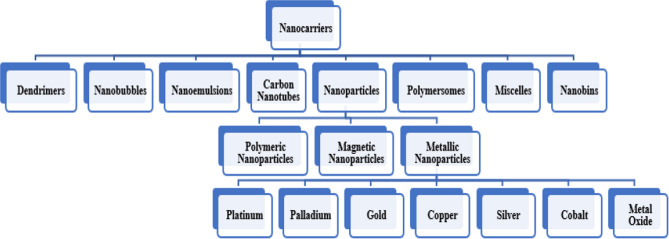
“To increase the therapeutic effectiveness of anticancer medications, several nanocarriers have been developed, including polymeric micelles, liposomes, dendrimers and quantum dots [7].”
BackgroundEarly Detection of Breast Cancer
Jotwani, A. C., & Gralow, J. R. (2009) · Molecular Diagnosis & Therapy · doi:10.1007/bf03256340 · Cited by 39
Yuan, J., Ravikumar, Y., Zhang, G., Yun, J., Zhang, Y., Zabed, H. M., & Qi, X. (2021) · Food Bioscience · doi:10.1016/j.fbio.2021.101034 · Cited by 39
Biomimetic nanobubbles for triple-negative breast cancer targeted ultrasound molecular imaging
Jugniot, N., Massoud, T. F., Dahl, J., & Paulmurugan, R. (2022) · Journal of Nanobiotechnology · doi:10.1186/s12951-022-01484-9 · Cited by 38 · cited 1×
“It displayed the ability to transfect DCs very specifically and activate them in both human and mouse cell lines [101].”
BackgroundTPGS2000-DOX Prodrug Micelles for Improving Breast Cancer Therapy
Tang, L., Jiang, W., Wu, L., Yu, X., He, Z., Shan, W., Fu, L., Zhang, Z., & Zhao, Y. (2021) · International Journal of Nanomedicine · doi:10.2147/ijn.s335405 · Cited by 37 · cited 1×
“The findings suggest that the use of thin-film hydration yielded successful creation of halofuginone (HF)-loaded TPGS polymeric micelles (HTPM), demonstrating promising therapeutic potential for triple-negative BCs (TNBCs) [96].”
BackgroundImproved Anti-Triple Negative Breast Cancer Effects of Docetaxel by RGD-Modified Lipid-Core Micelles
Chen, R., Ni, S., Chen, W., Liu, M., Feng, J., & Hu, K. (2021) · International Journal of Nanomedicine · doi:10.2147/ijn.s313166 · Cited by 37 · cited 1×
“Targeted treatment with antiangiogenic drugs exhibits clinical action, but the trade-off between effectiveness, toxicity, and cost is still up for dispute, highlighting the unmet need for a biomarker that can predict how well a patient would respond to this type of medication [25].”
BackgroundMicrobial Synthesis of Gold Nanoparticles and their Application
Chowdhury, N. K., Choudhury, R., Gogoi, B., Chang, C.-M., & Pandey, R. P. (2022) · Current Drug Targets · doi:10.2174/1389450123666220128152408 · Cited by 37 · cited 1×
“The outcomes illustrate the utilization of therapeutically relevant radiation doses to facilitate concurrent receptor-mediated enhanced chemotherapeutic administration, while minimizing systemic toxicity [103–106].”
BackgroundSelf-citationAhamed, M., Lateef, R., Khan, M. A. M., Rajanahalli, P., & Akhtar, M. J. (2023) · Journal of Functional Biomaterials · doi:10.3390/jfb14010038 · Cited by 35 · cited 1×
“Liposomes, nanoemulsions, solid lipid NPs (SLNs), nanostructured lipid nanocarriers (NLCs), and lipid-polymer hybrid NPs (LPH-NPs) have all been produced and intensively studied for cancer therapy [89].”
BackgroundRakowski, M., Lekki-Porębski, S. A., & Grzelak, A. (2021) · International Journal of Molecular Sciences · doi:10.3390/ijms22179203 · Cited by 35 · cited 1×
“These findings suggest that modifying the physicochemical properties of ZnO could enhance its selectivity and anticancer effectiveness in human breast cancer cells [86].”
BackgroundYe, Z., Zhang, Y., Liu, Y., Liu, Y., Tu, J., & Shen, Y. (2021) · International Journal of Nanomedicine · doi:10.2147/ijn.s289228 · Cited by 33
Thakur, C. K., Neupane, R., Karthikeyan, C., Ashby, C. R., Babu, R. J., Boddu, S. H. S., Tiwari, A. K., & Moorthy, N. S. H. N. (2022) · Molecules · doi:10.3390/molecules27217461 · Cited by 33 · cited 1×
“Notably, LyMWCNTs displayed a sustained release profile of Dox, releasing more drug over 120 h at pH 5.0, indicative of their potential as candidates for targeted drug delivery in the tumor microenvironment [59].”
BackgroundInfluentialSong, B., Wu, S., Li, W., Chen, D., & Hu, H. (2020) · Pharmaceutical Research · doi:10.1007/s11095-020-02811-1 · Cited by 32 · cited 1×
“This novel strategy has the potential to considerably improve the effectiveness of treatment of chemotherapy drugs used in cancer treatment, providing a useful reference for resolving the issue of chemotherapy’s inadequate clinical efficacy [49].”
BackgroundSethi, P., Jyoti, A., Swindell, E. P., Chan, R., Langner, U. W., Feddock, J. M., Nagarajan, R., O’Halloran, T. V., & Upreti, M. (2015) · Nanomedicine: Nanotechnology, Biology and Medicine · doi:10.1016/j.nano.2015.07.013 · Cited by 31 · cited 1×
“Recent research has revealed that dendrimers possess a tree-like design comprising a central core, branched arms, and functional end groups [40].”
BackgroundExploring chitosan-shelled nanobubbles to improve HER2 + immunotherapy via dendritic cell targeting
Argenziano, M., Occhipinti, S., Scomparin, A., Angelini, C., Novelli, F., Soster, M., Giovarelli, M., & Cavalli, R. (2022) · Drug Delivery and Translational Research · doi:10.1007/s13346-022-01185-8 · Cited by 31
Naz, S., Shahzad, H., Ali, A., & Zia, M. (2017) · Artificial Cells Nanomedicine and Biotechnology · doi:10.1080/21691401.2017.1375937 · Cited by 30 · cited 1×
“Employing NPs holds promise in delivering customized drugs directly to tumor cells, resulting in an increased concentration of medication within cancer cells through active or passive targeting strategies [9].”
BackgroundWu, X., Kong, C., & Wu, Y. (2021) · Bioengineered · doi:10.1080/21655979.2021.1993715 · Cited by 30 · cited 1×
“This study gives information that could be useful for early cancer detection, prognostication, and treatment using genes [68].”
Haque, S. T., Karim, M. E., Abidin, S. A. Z., Othman, I., Holl, M. M. B., & Chowdhury, E. H. (2020) · Nanomaterials · doi:10.3390/nano10050834 · Cited by 28 · cited 1×
“Fe /Mg-CA NPs, particularly those with high Fe/Mg ratios, show promise as a means of delivering anti-cancer medications, encompassing for the management of BC [65].”
BackgroundBadea, M. A., Balaș, M., Prodana, M., Cojocaru, F., Ioniță, D., & Dinischiotu, A. (2022) · Pharmaceutics · doi:10.3390/pharmaceutics14020469 · Cited by 28 · cited 2×
“They’ve also been used as mediators for photothermal therapy (PTT) and photodynamic therapy (PDT) to directly kill cancer cells [54].”
BackgroundMethodZuo, R., Zhang, J., Song, X., Hu, S., Gao, X., Wang, J., Ji, H., Ji, C., Lin, P., Si, H., et al. (2021) · International Journal of Nanomedicine · doi:10.2147/ijn.s289096 · Cited by 27 · cited 1×
“Their nanomicellar formulation methods open up new channels for therapeutic administration ways to enhance the efficacy of orally active, secure anticancer medications [98].”
BackgroundWhat is the role of immunotherapy in breast cancer?
Tan, T. J., Chan, J. J., Kamis, S., & Dent, R. A. (2018) · Chinese Clinical Oncology · doi:10.21037/cco.2018.04.01 · Cited by 27
Comprehensive study for BRCA1 and BRCA2 entire coding regions in breast cancer
AL-Gebaly, A. S., Suliman, R. S., & Al-Qahtani, W. S. (2020) · Clinical & Translational Oncology · doi:10.1007/s12094-020-02385-9 · Cited by 27 · cited 1×
“BRCA gene germline mutations are identified as the cause of 5–10% of BC cases [10].”
BackgroundMiR-135a-5p suppresses breast cancer cell proliferation, migration, and invasion by regulating BAG3
Zhang, H., Wang, M., Lang, Z., Liu, H., Liu, J., & Ma, L. (2022) · Clinics · doi:10.1016/j.clinsp.2022.100115 · Cited by 26 · cited 1×
“It was shown that miR-135a-5p regulates BAG3, As a result, BC’s development, invasion, and advancement through the cell cycle are hampered [70].”
BackgroundFunctionalized nanomaterials targeting NLRP3 inflammasome driven immunomodulation: Friend or Foe
Kanika, & Khan, R. (2023) · Nanoscale · doi:10.1039/d3nr03857b · Cited by 24 · cited 1×
“A combination of the MN core, which promotes M2 TAM repolarization, and the gCM shell, which has high affinity for SIRP variations, effectively inhibits CD47-The activation of the SIRP pathway has been observed to induce potent immune responses in macrophages [74, 75].”
BackgroundAdvances in lipid-based nanocarriers for breast cancer metastasis treatment
Joun, I., Nixdorf, S., & Deng, W. (2022) · Frontiers in Medical Technology · doi:10.3389/fmedt.2022.893056 · Cited by 23
Advances in Small-Molecule Drug Discovery for Triple-Negative Breast Cancer
Fosu-Mensah, N., Peris, M. S., Weeks, H. P., Cai, J., & Westwell, A. D. (2015) · Future Medicinal Chemistry · doi:10.4155/fmc.15.129 · Cited by 23
Dahri, M., Akbarialiabad, H., Jahromi, A. M., & Maleki, R. (2021) · BMC Pharmacology and Toxicology · doi:10.1186/s40360-021-00508-8 · Cited by 22
Yu, F., Leong, K. W., Makrigiorgos, A., Adalsteinsson, V. A., Ladas, I., Ng, K., Mamon, H. J., & Makrigiorgos, G. M. (2020) · Nucleic Acids Research · doi:10.1093/nar/gkaa1175 · Cited by 21 · cited 1×
“These studies underscore the benefits of using mPCR-NGS for genetic analysis [14, 15].”
BackgroundUpreti, M., Jyoti, A., Johnson, S. E., Swindell, E. P., Napier, D., Sethi, P., Chan, R., Feddock, J. M., Weiss, H. L., O’Halloran, T. V., et al. (2106) · Oncotarget · doi:10.18632/oncotarget.9490 · Cited by 21 · cited 2×
“[41 ].”
BackgroundCharacterization and Antimicrobial Activity of Nanocurcumin and Curcumin
Shailendiran, D., Pawar, N., Chanchal, A., Pandey, R. P., Bohidar, H. B., & Verma, A. K. (2011) · International Conference on Nanoscience, Technology and Societal Implications (NSTSI) · doi:10.1109/nstsi.2011.6111984 · Cited by 21
Self-citationZuo, R., Zhang, Y., Chen, X., Hu, S., Song, X., Gao, X., Gong, J., Ji, H., Yang, F., Lin, P., et al. (2022) · International Journal of Nanomedicine · doi:10.2147/ijn.s352538 · Cited by 20 · cited 1×
“Its good safety was evidenced by preliminary safety results [99].”
BackgroundDartora, V. F. C., Salata, G. C., Passos, J. S., Branco, P. C., Silveira, E. R., Steiner, A. A., Costa-Lotufo, L. V., & Lopes, L. B. (2022) · International Journal of Biological Macromolecules · doi:10.1016/j.ijbiomac.2022.07.162 · Cited by 19
Breast Cancer Targeted Treatment Strategies: Promising Nanocarrier Approaches
Malliappan, S. P., Kandasamy, P., Chidambaram, S., Venkatasubbu, G. D., Perumal, S. K., & Sugumaran, A. (2019) · Anti-Cancer Agents in Medicinal Chemistry · doi:10.2174/1871520619666191022175003 · Cited by 19 · cited 1×
“Consequently, the use of nanocarrier systems is employed to mitigate the numerous drawbacks associated with standard care for BC [6].”
MethodRecent Developments in Treatment Stratification for Metastatic Breast Cancer
Barton, S. R., & Swanton, C. (2011) · Drugs · doi:10.2165/11594480-000000000-00000 · Cited by 18
Pandey, R. P., Kumar, S., Ahmad, S., Vibhuti, A., Raj, V. S., Verma, A. K., Sharma, P., & Leal, E. D. S. (2020) · Life Sciences · doi:10.1016/j.lfs.2020.117961 · Cited by 16
Self-citationLaser nanobubbles induce immunogenic cell death in breast cancer
Nguyen, H. T. M., Katta, N., Widman, J. A., Takematsu, E., Feng, X., Torres-Hurtado, S. A., Betancourt, T., Baker, A. B., Suggs, L. J., Milner, T. E., et al. (2021) · Nanoscale · doi:10.1039/d0nr06587k · Cited by 16
Current Treatment and Future Trends of Immunotherapy in Breast Cancer
Cescon, D. W., Elliott, M. J., & Wilson, B. E. (2022) · Current Cancer Drug Targets · doi:10.2174/1568009622666220317091723 · Cited by 16
Application of Carbon Nanotubes in Breast Cancer Therapy
Tajabadi, M. (2019) · Drug Research · doi:10.1055/a-0945-1469 · Cited by 13 · cited 2×
“This field of study offers a brand-new approach to identifying and treating BC [55].”
BackgroundPenault-Llorca, F. M. (2003) · PubMed · Cited by 9
Detection of Breast Cancer Lump and BRCA1/2 Genetic Mutation under Deep Learning
Miao, Y., & Tang, S. (2022) · Computational Intelligence and Neuroscience · doi:10.1155/2022/9591781 · Cited by 8 · cited 1×
“[22].”
Saha, L. C., Nag, O. K., Doughty, A. C. V., Liu, H., & Chen, W. R. (2018) · Technology in Cancer Research & Treatment · doi:10.1177/1533033818802313 · Cited by 8 · cited 2×
“The investigation focused on the SWNT-GC nanosystem’s binding properties, considering SWNTs with diverse chiralities, diameters, and lengths, along with glycated chitosan of varying properties [56].”
BackgroundRepurposing Drugs as Novel Triple-negative Breast Cancer Therapeutics
Das, A., Agarwal, P., Jain, G. K., Aggarwal, G., Lather, V., & Pandita, D. (2021) · Anti-Cancer Agents in Medicinal Chemistry · doi:10.2174/1871520621666211021143255 · Cited by 7 · cited 1×
“2 below [32–36].”
Research works printed but not linked: 2
- Liu Z, Liu Y, Liu Z. Recent advances in the growth mechanisms of single-walled carbon nanotubes and multi-walled carbon nanotubes. Front Nanotechnol. 2021;3:648297.
- Kesharwani P, Iyer AK, Ljubimova JY. Dendrimer-based nanocarriers for drug delivery. Small. 2015;11(42):5086–106.
Cited by
The Underlying Mechanisms and Emerging Strategies to Overcome Resistance in Breast Cancer
Kannan, K., Srinivasan, A., Kannan, A., & Ali, N. (2025) · Cancers · doi:10.3390/cancers17172938 · Cited by 47
“While Xiong et al. (2025) [14] and Dhiman et al. (2024) [15] offered broad overviews of BC pathophysiology and nanocarrier applications, this review delivers a more granular analysis of various resistance mechanisms reported in the literature.”
Izadiyan, Z., Webster, T. J., Kia, P., Kalantari, K., Misran, M., Rasouli, E., Esfahan, Z. M., & Shameli, K. (2025) · International Journal of Nanomedicine · doi:10.2147/ijn.s488545 · Cited by 47
Samad, M. A., Ahmad, I., Zughaibi, T. A., Suhail, M., Zaidi, S. K., Al-Abbasi, F. A., & Tabrez, S. (2025) · European Journal of Medicinal Chemistry Reports · doi:10.1016/j.ejmcr.2025.100268 · Cited by 35
Recent strategies in diagnosis, screening, prevention, and treatment of breast cancer in young women
Sharma, D. K., & Saripilli, R. (2025) · Discover Oncology · doi:10.1007/s12672-025-03180-0 · Cited by 28
Ramayanam, N. R., Bukke, S. P. N., Moka, M. K., Dehingia, H., Bordoloi, A., Debbarma, R., Kudumula, P. R., Vuyyala, B., Prasad, P. D., & Catherine, A. (2025) · Discover Nano · doi:10.1186/s11671-025-04308-5 · Cited by 25
“Cell membrane-covered nanoparticles, which make use of the precise attributes of diverse cellular types, offer greater biocompatibility and focused transport, growing treatment specificity for TNBC [41].”
Metadata
- Authors
- Dhiman, R., Bazad, N., Mukherjee, R., Himanshu, Gunjan, Leal, E., Ahmad, S., Kaur, K., Raj, V. S., Chang, C.-M., & Pandey, R. P.
- Affiliations
- SRM University (IN)
- Chang Gung University (TW)
- Universidade Federal do Pará (BR)
- University of Ha'il (SA)
- Chandigarh University (IN)
- University of Petroleum and Energy Studies (IN)
- Corresponding author
- Chang, Chung-Ming
- Pandey, Ramendra Pati
- ORCID
- Venue
- Discover Nano
- Published
- 2024-09-07
- Volume
- 19
- Issue
- 1
- Pages
- 143-143
- ISSN
- 2731-9229 (ISSN-L)
- PMC
- PMC11380656
- OpenAlex
- W4402331566
- Cited by
- 40
- References
- 119
- Citations by year
- 2026: 21 · 2025: 18 · 2024: 1
- FWCI
- 1.13
- Type
- journal article
- Language
- en
- Open access
- gold
- doi.org
- Licence
- cc-by-nc-nd
- creativecommons.org/licenses/by-nc-nd/4.0 (tdm)
- creativecommons.org/licenses/by-nc-nd/4.0 (vor)
- Locations
- Discover Nano (publishedVersion, cc-by-nc-nd)
- PubMed Central (publishedVersion, cc-by-nc-nd)
- PubMed (publishedVersion)
- DOAJ (DOAJ: Directory of Open Access Journals) (submittedVersion)
- Topics
- Physical Sciences › Materials Science › Biomaterials › Nanoparticle-Based Drug Delivery
- Life Sciences › Pharmacology, Toxicology and Pharmaceutics › Drug Discovery › Pharmacology and Nanomedicine Research
- Life Sciences › Biochemistry, Genetics and Molecular Biology › Cancer Research › Breast Cancer Treatment Studies
- Keywords
- breast cancer, triple-negative breast cancer, nanocarriers, drug delivery, polymeric micelles, liposomes, magnetic nanoparticles, targeted drug delivery, tumor accumulation, early cancer detection, blood-based biomarkers, molecular profiling, personalized medicine, treatment resistance
About these checks
Registry, retraction, Cites and statistics results are computed, not judged, with one exception: a printed reference that no index lists is read once by a model before it counts as a citation error. Claims are extracted by a model and kept only when their quote appears verbatim in the text; each cited source is then checked, with a model’s help, for whether it says what the claim relies on. Those verdicts can be wrong — read the claim’s quote and the cited source before relying on one.
Statistics and arithmetic are recomputed, not judged.
Confidence bands are shown only for fields calibrated on our annotated test set. None is calibrated yet, so no band is shown.
What counts as a claim ›How we measure confidence ›How we check this ›
Are you an author, or do you see a problem with this page? Request a review
Data sources
Bibliographic data: Semantic Scholar, OpenAlex, Crossref.
Contains information from the Semantic Scholar Academic Graph Datasets, made available under the ODC Attribution License (ODC-BY 1.0).
Semantic Scholar’s data is described in: Kinney, R., et al. (2023). The Semantic Scholar Open Data Platform. arXiv:2301.10140.
