

The DOI matches its Crossref record; 145 of the 145 references it cites were found in a registry or an index.
The ubiquitin–proteasome system in regulation of the skeletal muscle homeostasis and atrophy: from basic science to disorders
Open accessAbstract
Skeletal muscle is one of the most abundant and highly plastic tissues. The ubiquitin-proteasome system (UPS) is recognised as a major intracellular protein degradation system, and its function is important for muscle homeostasis and health. Although UPS plays an essential role in protein degradation during muscle atrophy, leading to the loss of muscle mass and strength, its deficit negatively impacts muscle homeostasis and leads to the occurrence of several pathological phenotypes. A growing number of studies have linked UPS impairment not only to matured muscle fibre degeneration and weakness, but also to muscle stem cells and deficiency in regeneration. Emerging evidence suggests possible links between abnormal UPS regulation and several types of muscle diseases. Therefore, understanding of the role of UPS in skeletal muscle may provide novel therapeutic insights to counteract muscle wasting, and various muscle diseases. In this review, we focussed on the role of proteasomes in skeletal muscle and its regeneration, including a brief explanation of the structure of proteasomes. In addition, we summarised the recent findings on several diseases and elaborated on how the UPS is related to their pathological states.
Overview
The claims and statistics of this paper haven’t been checked yet.
Run the check — free, no account needed. It reads the open-access text and checks the sources it cites.
Integrity signals
Registry
Cites
Statistics
Figures
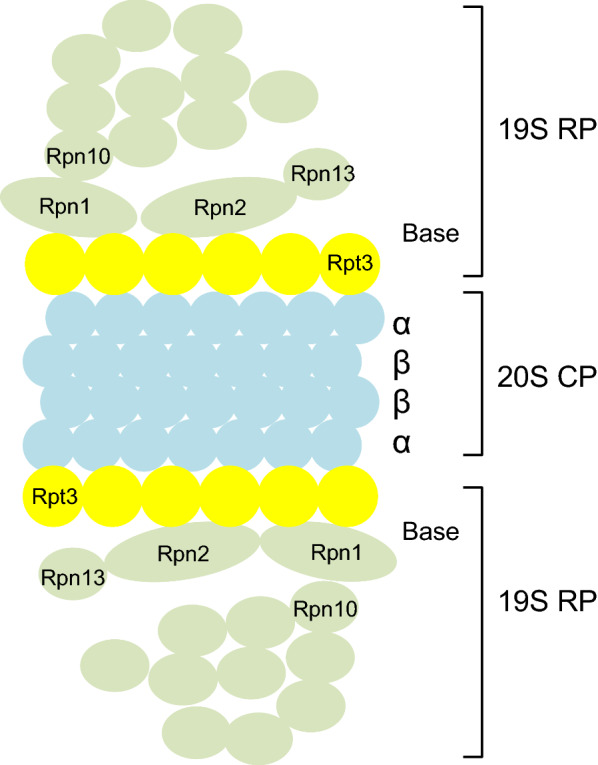
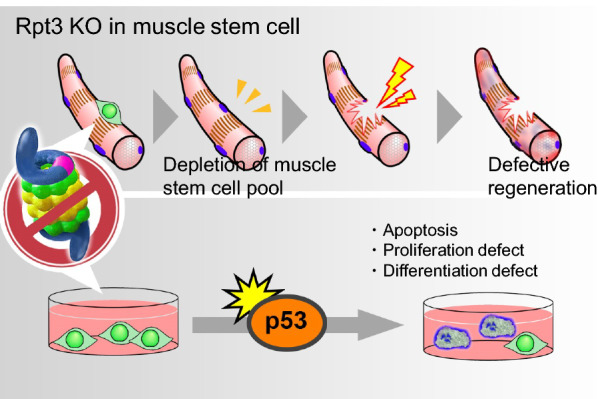
Verification
Claims the paper makes
The claims and statistics of this paper haven’t been checked yet.
Run the check — free, no account needed. It reads the open-access text and checks the sources it cites.
Claims other papers make about this one
Each is checked against this paper’s own text: does it say what the citing paper says it does?
The cited source says what the claim attributes to it.
In the citing paper
“The ubiquitin–proteasome system plays a major role in protein content turnover by degrading misfolded or defective proteins [163,164].”
From Main Pathogenic Mechanisms and Recent Advances in COPD Peripheral Skeletal Muscle Wasting (2023) · cites this paper as [163]
Self-check
Percentages, sums and reported differences re-computed from the paper’s own numbers.
The self-check needs the paper’s full text.
Citations
Cites
2 retracted
Azakir, B., Fulvio, S. D., Kinter, J., & Sinnreich, M. (2012) · Journal of Biological Chemistry · doi:10.1074/jbc.m111.329078 · Cited by 36
RetractedAzakir, B., Fulvio, S. D., Kinter, J., & Sinnreich, M. (2017) · Journal of Biological Chemistry · doi:10.1074/jbc.a111.329078 · Cited by 1
RetractedRepertoires of Autophagy in the Pathogenesis of Ocular Diseases
Li, Y., Jiang, Q. L., Cao, G.-F., Yao, J., & Yan, B. (2015) · Cellular Physiology and Biochemistry · doi:10.1159/000373980 · Cited by 16,351
Cui, C., Cui, J., Jin, F., Cui, Y., Li, R., Jiang, X., Tian, Y., Wang, R. C., Jiang, P., & Gao, J. (2017) · Cellular Physiology and Biochemistry · doi:10.1159/000479571 · Cited by 5,214
Pankiv, S., Clausen, T. H., Lamark, T., Brech, A., Bruun, J.-A., Outzen, H., Øvervatn, A., Bjørkøy, G., & Johansen, T. (2007) · Journal of Biological Chemistry · doi:10.1074/jbc.m702824200 · Cited by 4,578
The Ubiquitin-Proteasome Proteolytic Pathway: Destruction for the Sake of Construction
Glickman, M. H., & Ciechanover, A. J. (2002) · Physiological Reviews · doi:10.1152/physrev.00027.2001 · Cited by 4,304
Autophagy regulates lipid metabolism
Singh, R., Kaushik, S., Wang, Y., Xiang, Y., Novak, I., Komatsu, M., Tanaka, K., Cuervo, A. M., & Czaja, M. J. (2009) · Nature · doi:10.1038/nature07976 · Cited by 3,975
Identification of ubiquitin ligases required for skeletal muscle atrophy.
Bodine, S. C., Latres, E., Baumhueter, S., Lai, V. K.-M., Nunez, L., Clarke, B. A., Poueymirou, W. T., Panaro, F. J., Na, E., Dharmarajan, K., et al. (2001) · Science · doi:10.1126/science.1065874 · Cited by 3,521
Sandri, M., Sandri, C., Gilbert, A., Skurk, C., Calabria, E., Picard, A., Walsh, K., Schiaffino, S., Lecker, S. H., & Goldberg, A. L. (2004) · Cell · doi:10.1016/s0092-8674(04)00400-3 · Cited by 3,012
The role of autophagy during the early neonatal starvation period
Kuma, A., Hatano, M., Matsui, M., Yamamoto, A., Nakaya, H., Yoshimori, T., Ohsumi, Y., Tokuhisa, T., & Mizushima, N. (2004) · Nature · doi:10.1038/nature03029 · Cited by 2,865
Rock, K. L., Gramm, C., Rothstein, L., Clark, K., Stein, R., Dick, L., Hwang, D., & Goldberg, A. L. (1994) · Cell · doi:10.1016/s0092-8674(94)90462-6 · Cited by 2,524
Function and regulation of cullin–RING ubiquitin ligases
Petroski, M. D., & Deshaies, R. J. (2005) · Nature Reviews Molecular Cell Biology · doi:10.1038/nrm1547 · Cited by 2,148
Mizushima, N., Yamamoto, A., Matsui, M., Yoshimori, T., & Ohsumi, Y. (2004) · Molecular Biology of the Cell · doi:10.1091/mbc.e03-09-0704 · Cited by 2,105
Protein degradation and protection against misfolded or damaged proteins.
Goldberg, A. L. (2003) · Nature · doi:10.1038/nature02263 · Cited by 2,088
Loss of the autophagy protein Atg16L1 enhances endotoxin-induced IL-1β production
Saitoh, T., Fujita, N., Jang, M. H., Uematsu, S., Yang, B., Satoh, T., Omori, H., Noda, T., Yamamoto, N., Komatsu, M., et al. (2008) · Nature · doi:10.1038/nature07383 · Cited by 2,064
Stitt, T. N., Drujan, D., Clarke, B. A., Panaro, F., Timofeyva, Y., Kline, W. O., Gonzalez, M., Yancopoulos, G. D., & Glass, D. J. (2004) · Molecular Cell · doi:10.1016/s1097-2765(04)00211-4 · Cited by 1,964
FoxO3 Controls Autophagy in Skeletal Muscle In Vivo
Mammucari, C., Milan, G., Romanello, V., Masiero, E., Rudolf, R., Del Piccolo, P., Burden, S. J., Di Lisi, R., Sandri, C., Zhao, J., et al. (2007) · Cell Metabolism · doi:10.1016/j.cmet.2007.11.001 · Cited by 1,953
Atrogin-1, a muscle-specific F-box protein highly expressed during muscle atrophy
Gomes, M. D., Lecker, S. H., Jagoe, R. T., Navon, A., & Goldberg, A. L. (2001) · Proceedings of the National Academy of Sciences · doi:10.1073/pnas.251541198 · Cited by 1,774
The 26S Proteasome: A Molecular Machine Designed for Controlled Proteolysis
Voges, D., Zwickl, P., & Baumeister, W. (1999) · Annual Review of Biochemistry · doi:10.1146/annurev.biochem.68.1.1015 · Cited by 1,608
Cancer cachexia: understanding the molecular basis
Argilés, J. M. A., Busquets, S., Stemmler, B., & López-Soriano, F. J. (2014) · Nature reviews. Cancer · doi:10.1038/nrc3829 · Cited by 1,567
The Proteasome: Paradigm of a Self-Compartmentalizing Protease
Baumeister, W. P., Walz, J., Zühl, F., & Seemüller, E. (1998) · Cell · doi:10.1016/s0092-8674(00)80929-0 · Cited by 1,497
Zhao, J., Brault, J. J., Schild, A., Cao, P., Sandri, M., Schiaffino, S., Lecker, S. H., & Goldberg, A. L. (2007) · Cell Metabolism · doi:10.1016/j.cmet.2007.11.004 · Cited by 1,489
IKKβ/NF-κB Activation Causes Severe Muscle Wasting in Mice
Cai, D., Frantz, J. D., Tawa, N. E., Melendez, P. A., Oh, B.-C., Lidov, H. G. W., Hasselgren, P.-O., Frontera, W. R., Lee, J., Glass, D. J., et al. (2004) · Cell · doi:10.1016/j.cell.2004.09.027 · Cited by 1,367
Autophagy is required to maintain muscle mass.
Masiero, E., Agatea, L., Mammucari, C., Blaauw, B., Loro, E., Komatsu, M., Metzger, D., Reggiani, C., Schiaffino, S., & Sandri, M. (2009) · Cell Metabolism · doi:10.1016/j.cmet.2009.10.008 · Cited by 1,282
Murphy, M. M., Lawson, J. A., Mathew, S. J., Hutcheson, D. A., & Kardon, G. (2011) · Development · doi:10.1242/dev.064162 · Cited by 1,249
HDAC6 rescues neurodegeneration and provides an essential link between autophagy and the UPS.
Pandey, U. B., Nie, Z., Batlevi, Y., McCray, B. A., Ritson, G. P., Nedelsky, N. B., Schwartz, S. L., DiProspero, N. A., Knight, M. A., Schuldiner, O., et al. (2007) · Nature · doi:10.1038/nature05853 · Cited by 1,234
Mutations in UBQLN2 cause dominant X-linked juvenile and adult-onset ALS and ALS/dementia
Deng, H.-X., Chen, W., Hong, S.-T., Boycott, K. M., Gorrie, G. H., Siddique, N., Yang, Y., Fecto, F., Shi, Y., Zhai, H., et al. (2011) · Nature · doi:10.1038/nature10353 · Cited by 1,174
Correlation of Terminal Cell Cycle Arrest of Skeletal Muscle with Induction of p21 by MyoD
Halevy, O., Novitch, B. G., Spicer, D. B., Skapek, S. X., Rhee, J., Hannon, G. J., Beach, D., & Lassar, A. B. (1995) · Science · doi:10.1126/science.7863327 · Cited by 1,139
Sandri, M., Lin, J., Handschin, C., Yang, W., Arany, Z. P., Lecker, S. H., Goldberg, A. L., & Spiegelman, B. M. (2006) · Proceedings of the National Academy of Sciences · doi:10.1073/pnas.0607795103 · Cited by 974
The proteasome: overview of structure and functions
TANAKA, K. (2009) · Proceedings of the Japan Academy, Series B · doi:10.2183/pjab.85.12 · Cited by 862
A 26 S protease subunit that binds ubiquitin conjugates.
Deveraux, Q. L., Ustrell, V., Pickart, C. M., & Rechsteiner, M. (1994) · Journal of Biological Chemistry · doi:10.1016/s0021-9258(17)37244-7 · Cited by 765
Anker, S. D., Negassa, A., Coats, A. J. S., Afzal, R., Poole-Wilson, P. A., Cohn, J. N., & Yusuf, S. (2003) · The Lancet · doi:10.1016/s0140-6736(03)12892-9 · Cited by 734
Back to the Future with Ubiquitin
Pickart, C. M. (2004) · Cell · doi:10.1016/s0092-8674(03)01074-2 · Cited by 720
HDAC6 and microtubules are required for autophagic degradation of aggregated huntingtin.
Iwata, A., Riley, B. E., Johnston, J. A., & Kopito, R. R. (2005) · Journal of Biological Chemistry · doi:10.1074/jbc.m508786200 · Cited by 719
Milan, G., Romanello, V., Pescatore, F., Armani, A., Paik, J.-H., Frasson, L., Seydel, A., Zhao, J., Abraham, R., Goldberg, A. L., et al. (2015) · Nature Communications · doi:10.1038/ncomms7670 · Cited by 709
<emph type="ital">SQSTM1</emph> Mutations in Familial and Sporadic Amyotrophic Lateral Sclerosis
Fecto, F. (2011) · Archives of Neurology · doi:10.1001/archneurol.2011.250 · Cited by 650
Cohen, S., Brault, J. J., Gygi, S. P., Glass, D. J., Valenzuela, D. M., Gartner, C. A., Latres, E., & Goldberg, A. L. (2009) · The Journal of Cell Biology · doi:10.1083/jcb.200901052 · Cited by 610
Ciechanover, A. J., Finley, D. J., & Varshavsky, A. J. (1984) · Cell · doi:10.1016/0092-8674(84)90300-3 · Cited by 532
BMP signaling controls muscle mass
Sartori, R., Schirwis, E., Blaauw, B., Bortolanza, S., Zhao, J., Enzo, E., Stantzou, A., Mouisel, E., Toniolo, L., Ferry, A., et al. (2013) · Nature Genetics · doi:10.1038/ng.2772 · Cited by 467
Li, H., Kedar, V., Zhang, C., McDonough, H., Arya, R., Wang, D.-Z., & Patterson, C. (2004) · Journal of Clinical Investigation · doi:10.1172/jci22220 · Cited by 439
Classification and management of adult inflammatory myopathies
Selva-O’Callaghan, A., Pinal‐Fernandez, I., Araguás, E. T., Milisenda, J. C., Grau‐Junyent, J. M., & Mammen, A. L. (2018) · The Lancet Neurology · doi:10.1016/s1474-4422(18)30254-0 · Cited by 431
Autophagy revisited: A conversation with Christian de Duve
Klionsky, D. (2008) · Autophagy · doi:10.4161/auto.6398 · Cited by 422
RPN-6 determines C. elegans longevity under proteotoxic stress conditions
Vilchez, D., Morantte, I., Liu, Z., Douglas, P. M., Merkwirth, C., Rodrigues, A. P. C., Manning, G., & Dillin, A. (2012) · Nature · doi:10.1038/nature11315 · Cited by 413
van Nocker, S., Sadis, S., Rubin, D. M., Glickman, M. H., Fu, H., Coux, O., Wefes, I., Finley, D. J., & Vierstra, R. D. (1996) · Molecular and Cellular Biology · doi:10.1128/mcb.16.11.6020 · Cited by 394
Therapeutic developments for Duchenne muscular dystrophy
Verhaart, I. E. C., & Aartsma-Rus, A. M. (2019) · Nature Reviews Neurology · doi:10.1038/s41582-019-0203-3 · Cited by 391
The role and regulation of MAFbx/atrogin-1 and MuRF1 in skeletal muscle atrophy
Foletta, V. C., White, L. J., Larsen, A., Léger, B., & Russell, A. P. (2011) · Pflügers Archiv - European Journal of Physiology · doi:10.1007/s00424-010-0919-9 · Cited by 376
Muscle-specific RING finger 1 is a bona fide ubiquitin ligase that degrades cardiac troponin I
Kedar, V., McDonough, H., Arya, R., Li, H., Rockman, H. A., & Patterson, C. (2004) · Proceedings of the National Academy of Sciences · doi:10.1073/pnas.0404341102 · Cited by 358
Ubiquitin docking at the proteasome through a novel pleckstrin-homology domain interaction
Schreiner, P., Chen, X., Husnjak, K., Randles, L., Zhang, N., Elsasser, S., Finley, D. J., Đikić, I., Walters, K. J., & Groll, M. (2008) · Nature · doi:10.1038/nature06924 · Cited by 349
Brehm, A., Liu, Y., Sheikh, A., Marrero, B., Omoyinmi, E., Zhou, Q., Montealegre, G., Biancotto, A., Reinhardt, A., de Jesus, A. A., et al. (2015) · Journal of Clinical Investigation · doi:10.1172/jci81260 · Cited by 343
Proteasome recruitment and activation of the Uch37 deubiquitinating enzyme by Adrm1
Yao, T., Song, L., Xu, W., Demartino, G., Florens, L. A., Swanson, S. K., Washburn, M. P., Conaway, R. C., Conaway, J. W., & Cohen, R. E. (2006) · Nature Cell Biology · doi:10.1038/ncb1460 · Cited by 337
Moreira, E. S., Wiltshire, T., Faulkner, G., Nilforoushan, A., Vainzof, M., Suzuki, O., Valle, G., Reeves, R. H., Zatz, M., Passos‐Bueno, M. R., et al. (2000) · Nature Genetics · doi:10.1038/72822 · Cited by 335
Agarwal, A. K., Xing, C., Demartino, G., Mizrachi, D., Hernandez, M. D., Sousa, A. B., Villarreal, L., dos Santos, H. G., & Garg, A. (2010) · The American Journal of Human Genetics · doi:10.1016/j.ajhg.2010.10.031 · Cited by 332
Arima, K., Kinoshita, A., Mishima, H., Kanazawa, N., Kaneko, T., Mizushima, T., Ichinose, K., Nakamura, H., Tsujino, A., Kawakami, A., et al. (2011) · Proceedings of the National Academy of Sciences · doi:10.1073/pnas.1106015108 · Cited by 326
Castets, P., Lin, S., Rion, N., Di Fulvio, S., Romanino, K., Guridi, M., Frank, S., Tintignac, L. A., Sinnreich, M., & Rüegg, M. A. (2013) · Cell Metabolism · doi:10.1016/j.cmet.2013.03.015 · Cited by 302
Genetic Evidence Linking Age-Dependent Attenuation of the 26S Proteasome with the Aging Process
Tonoki, A., Kuranaga, E., Tomioka, T., Hamazaki, J., Murata, S., Tanaka, K., & Miura, M. (2008) · Molecular and Cellular Biology · doi:10.1128/mcb.01227-08 · Cited by 294
Kisselev, A. F., Akopian, T. N., Castillo, V., & Goldberg, A. L. (1999) · Molecular Cell · doi:10.1016/s1097-2765(00)80341-x · Cited by 293
Effects of food deprivation on protein synthesis and degradation in rat skeletal muscles
Li, J., & Goldberg, A. (1976) · American Journal of Physiology-Legacy Content · doi:10.1152/ajplegacy.1976.231.2.441 · Cited by 288
Inclusion body myositis: clinical features and pathogenesis
Greenberg, S. A. (2019) · Nature Reviews Rheumatology · doi:10.1038/s41584-019-0186-x · Cited by 287
Myosin accumulation and striated muscle myopathy result from the loss of muscle RING finger 1 and 3
Fielitz, J., Kim, M.-S., Shelton, J. M., Latif, S., Spencer, J. A., Glass, D. J., Richardson, J. A., Bassel‐Duby, R., & Olson, E. N. (2007) · Journal of Clinical Investigation · doi:10.1172/jci32827 · Cited by 280
Urushitani, M., Kurisu, J., Tsukita, K., & Takahashi, R. (2002) · Journal of Neurochemistry · doi:10.1046/j.1471-4159.2002.01211.x · Cited by 278
McElhinny, A., Kakinuma, K., Sorimachi, H., Labeit, S., & Gregorio, C. C. (2002) · The Journal of Cell Biology · doi:10.1083/jcb.200108089 · Cited by 265
Dick, T. P., Nussbaum, A. K., Deeg, M., Heinemeyer, W., Groll, M., Schirle, M., Keilholz, W., Stevanović, S., Wolf, D. H., Huber, R., et al. (1998) · Journal of Biological Chemistry · doi:10.1074/jbc.273.40.25637 · Cited by 261
Altered proteasome structure, function, and oxidation in aged muscle.
Ferrington, D. A., Husom, A. D., & Thompson, L. V. (2005) · The FASEB Journal · doi:10.1096/fj.04-2578fje · Cited by 259
A novel proteasome interacting protein recruits the deubiquitinating enzyme UCH37 to 26S proteasomes
Hamazaki, J., Iemura, S., Natsume, T., Yashiroda, H., Tanaka, K., & Murata, S. (2006) · The EMBO Journal · doi:10.1038/sj.emboj.7601338 · Cited by 254
Age-Dependent Declines in Proteasome Activity in the Heart
Bulteau, A., Szweda, L. I., & Friguet, B. (2002) · Archives of Biochemistry and Biophysics · doi:10.1006/abbi.2001.2663 · Cited by 237
Targeted ablation of TRAF6 inhibits skeletal muscle wasting in mice
Paul, P. K., Gupta, S. K., Bhatnagar, S., Panguluri, S. K., Darnay, B. G., Choi, Y., & Kumar, A. (2010) · The Journal of Cell Biology · doi:10.1083/jcb.201006098 · Cited by 234
Diaphragm Muscle Fiber Weakness and Ubiquitin–Proteasome Activation in Critically Ill Patients
Hooijman, P. E., Beishuizen, A., Witt, C. C., de Waard, M. C., Girbes, A. R. J., de Man, A., Niessen, H. W. M., Manders, E., van Hees, H. W. H., van den Brom, C. E., et al. (2015) · American Journal of Respiratory and Critical Care Medicine · doi:10.1164/rccm.201412-2214oc · Cited by 234
CCNF mutations in amyotrophic lateral sclerosis and frontotemporal dementia
Williams, K. L., Topp, S. D., Yang, S., Smith, B. N., Fifita, J. A., Warraich, S. T., Zhang, K. Y., Farrawell, N. E., Vance, C. A., Hu, X., et al. (2016) · Nature Communications · doi:10.1038/ncomms11253 · Cited by 220
Liu, C.-C., Lin, Y.-C., Chen, Y.-H., Chen, C.-M., Pang, L.-Y., Chen, H.-A., Wu, P.-R., Lin, M.-Y., Jiang, S.-T., Tsai, T.-F., et al. (2016) · Molecular Cell · doi:10.1016/j.molcel.2015.11.001 · Cited by 215
Skeletal muscle gene expression in space-flown rats
Nikawa, T., Ishidoh, K., Hirasaka, K., Ishihara, I., Ikemoto, M., Kano, M., Kominami, E., Nonaka, I., Ogawa, T., Adams, G. R., et al. (2004) · The FASEB Journal · doi:10.1096/fj.03-0419fje · Cited by 212
Cohen, S., Zhai, B., Gygi, S. P., & Goldberg, A. L. (2012) · Journal of Cell Biology · doi:10.1083/jcb.201110067 · Cited by 205
Biomaterials for skeletal muscle tissue engineering
Kwee, B. J., & Mooney, D. J. (2017) · Current Opinion in Biotechnology · doi:10.1016/j.copbio.2017.05.003 · Cited by 204
Yuan, W.-C., Lee, Y.-R., Lin, S., Chang, L.-Y., Tan, Y. P., Hung, C., Kuo, J., Liu, C., Lin, M.-Y., Xu, M., et al. (2014) · Molecular Cell · doi:10.1016/j.molcel.2014.03.035 · Cited by 202
Ber, I. L. (2013) · JAMA Neurology · doi:10.1001/jamaneurol.2013.3849 · Cited by 198
Nakao, R., Hirasaka, K., Goto, J., Ishidoh, K., Yamada, C., Ohno, A., Okumura, Y., Nonaka, I., Yasutomo, K., Baldwin, K. M., et al. (2009) · Molecular and Cellular Biology · doi:10.1128/mcb.01347-08 · Cited by 194
Tashiro, Y., Urushitani, M., Inoue, H., Koike, M., Uchiyama, Y., Komatsu, M., Tanaka, K., Yamazaki, M., Abe, M., Misawa, H., et al. (2012) · Journal of Biological Chemistry · doi:10.1074/jbc.m112.417600 · Cited by 194
The ubiquitin proteasome system in atrophying skeletal muscle: roles and regulation
Bilodeau, P., Coyne, E. S., & Wing, S. S. (2016) · American Journal of Physiology-Cell Physiology · doi:10.1152/ajpcell.00125.2016 · Cited by 188
CHIP promotes proteasomal degradation of familial ALS‐linked mutant SOD1 by ubiquitinating Hsp/Hsc70
Urushitani, M., Kurisu, J., Tateno, M., Hatakeyama, S., Nakayama, K. I., Kato, S., & Takahashi, R. (2004) · Journal of Neurochemistry · doi:10.1111/j.1471-4159.2004.02486.x · Cited by 186
Tomaru, U., Takahashi, S., Ishizu, A., Miyatake, Y., Gohda, A., Suzuki, S., Ono, A., Ohara, J., Baba, T., Murata, S., et al. (2012) · The American Journal of Pathology · doi:10.1016/j.ajpath.2011.11.012 · Cited by 185
Misregulation of autophagy and protein degradation systems in myopathies and muscular dystrophies.
Sandri, M., Coletto, L., Grumati, P., & Bonaldo, P. (2013) · Journal of Cell Science · doi:10.1242/jcs.114041 · Cited by 179
Runx1 prevents wasting, myofibrillar disorganization, and autophagy of skeletal muscle
Wang, X., Blagden, C., Fan, J., Nowak, S. J., Taniuchi, I., Littman, D. R., & Burden, S. J. (2005) · Genes & Development · doi:10.1101/gad.1318305 · Cited by 177
Gupta, V. A., Ravenscroft, G., Shaheen, R., Todd, E. J., Swanson, L. C., Shiina, M., Ogata, K., Hsu, C., Clarke, N. F., Darras, B. T., et al. (2013) · The American Journal of Human Genetics · doi:10.1016/j.ajhg.2013.10.020 · Cited by 168
Askanas (2006) · doi:10.1212/01.wnl.0000192128.13875.1e · Cited by 168
Dominant Mutations in KBTBD13, a Member of the BTB/Kelch Family, Cause Nemaline Myopathy with Cores
Sambuughin, N., Yau, K. S., Olivé, M., Duff, R. M., Bayarsaikhan, M., Lu, S., González, L., Sivadorai, P., Nowak, K. J., Ravenscroft, G., et al. (2010) · The American Journal of Human Genetics · doi:10.1016/j.ajhg.2010.10.020 · Cited by 163
Kelch proteins: emerging roles in skeletal muscle development and diseases
Gupta, V., & Beggs, A. H. (2014) · Skeletal Muscle · doi:10.1186/2044-5040-4-11 · Cited by 160
The MCK enhancer contains a p53 responsive element.
Weintraub, H. M., Hauschka, S. D., & Tapscott, S. J. (1991) · Proceedings of the National Academy of Sciences · doi:10.1073/pnas.88.11.4570 · Cited by 159
Paul, P. K., Bhatnagar, S., Mishra, V. K., Srivastava, S., Darnay, B. G., Choi, Y., & Kumar, A. (2012) · Molecular and Cellular Biology · doi:10.1128/mcb.06351-11 · Cited by 157
Sestrin prevents atrophy of disused and aging muscles by integrating anabolic and catabolic signals
Segalés, J., Perdiguero, E., Serrano, A. L., Sousa-Victor, P., Ortet, L., Jardí, M., Budanov, A. V., Garcia-Prat, L., Sandri, M., Thomson, D. M., et al. (2020) · Nature Communications · doi:10.1038/s41467-019-13832-9 · Cited by 153
Molecular regulation of muscle cachexia: it may be more than the proteasome.
Hasselgren, P.-O., Wray, C., & Mammen, J. (2002) · Biochemical and Biophysical Research Communications · doi:10.1006/bbrc.2001.5849 · Cited by 146
Askanas, V., Engel, W. K., & Nogalska, A. (2009) · Brain Pathology · doi:10.1111/j.1750-3639.2009.00290.x · Cited by 139
Bonuccelli, G., Sotgia, F., Schubert, W., Park, D. S., Frank, P. G., Woodman, S. E., Insabato, L., Cammer, M., Minetti, C., & Lisanti, M. P. (2003) · The American Journal of Pathology · doi:10.1016/s0002-9440(10)63523-7 · Cited by 135
Skeletal muscle fibre plasticity in response to selected environmental and physiological stimuli.
Matsakas, A., & Patel, K. (2009) · PubMed · doi:10.14670/hh-24.611 · Cited by 133
Interference with p53 protein inhibits hematopoietic and muscle differentiation.
Soddu, S., Blandino, G., Scardigli, R., Coen, S., Marchetti, A., Rizzo, M. G., Bossi, G., Cimino, L., Crescenzi, M., & Sacchi, A. (1996) · The Journal of Cell Biology · doi:10.1083/jcb.134.1.193 · Cited by 129
KLHL40 deficiency destabilizes thin filament proteins and promotes nemaline myopathy
Garg, A., O’Rourke, J., Long, C., Doering, J., Ravenscroft, G., Bezprozvannaya, S., Nelson, B. R., Beetz, N., Li, L., Chen, S., et al. (2014) · Journal of Clinical Investigation · doi:10.1172/jci74994 · Cited by 127
Age-related changes in the 20S and 26S proteasome activities in the liver of male F344 rats.
Hayashi, T., & Goto, S. (1998) · Mechanisms of Ageing and Development · doi:10.1016/s0047-6374(98)00011-6 · Cited by 125
P53 Regulates Myogenesis by Triggering the Differentiation Activity of Prb
Porrello, A., Cerone, M. A., Coen, S., Gurtner, A., Fontemaggi, G., Cimino, L., Piaggio, G., Sacchi, A., & Soddu, S. (2000) · The Journal of Cell Biology · doi:10.1083/jcb.151.6.1295 · Cited by 124
Rpn1 and Rpn2 Coordinate Ubiquitin Processing Factors at Proteasome*
Rosenzweig, R., Bronner, V., Zhang, D.-N., Fushman, D., & Glickman, M. (2012) · Journal of Biological Chemistry · doi:10.1074/jbc.m111.316323 · Cited by 123
Mechanisms of Cachexia in Chronic Disease States
Yoshida, T., & Delafontaine, P. (2015) · The American Journal of the Medical Sciences · doi:10.1097/maj.0000000000000511 · Cited by 117
Hatoum, O. A., Gross-Mesilaty, S., Breitschopf, K., Hoffman, A., Gonen, H., Ciechanover, A. J., & Bengal, E. (1998) · Molecular and Cellular Biology · doi:10.1128/mcb.18.10.5670 · Cited by 116
Proteasomal activity in brain differs between species and brain regions and changes with age.
Zeng, B.-Y., Medhurst, A. D., Jackson, M., Rose, S., & Jenner, P. (2005) · Mechanisms of Ageing and Development · doi:10.1016/j.mad.2005.01.008 · Cited by 113
Fratta, P., Engel, W. K., McFerrin, J., Davies, K. J. A., Lin, S. W., & Askanas, V. (2005) · The American Journal of Pathology · doi:10.1016/s0002-9440(10)62994-x · Cited by 111
Ubiquitin-proteasome-dependent proteolysis in skeletal muscle.
Attaix, D., Aurousseau, E., Combaret, L., Kee, A., Larbaud, D., Rallière, C., Souweine, B., Taillandier, D., & Tilignac, T. (1998) · Reproduction Nutrition Development · doi:10.1051/rnd:19980202 · Cited by 109
Cheroni, C., Peviani, M., Cascio, P., Debiasi, S., Monti, C., & Bendotti, C. (2005) · Neurobiology of Disease · doi:10.1016/j.nbd.2004.12.007 · Cited by 106
McDermott, A., Jacks, J., Kessler, M. M., Emanuel, P. D., & Gao, L. (2014) · International Journal of Dermatology · doi:10.1111/ijd.12695 · Cited by 105
Tardif, N., Klaude, M., Lundell, L., Thorell, A., & Rooyackers, O. (2013) · American Journal of Clinical Nutrition · doi:10.3945/ajcn.113.063859 · Cited by 101
D’Angiolella, V., Esencay, M., & Pagano, M. (2012) · Trends in Cell Biology · doi:10.1016/j.tcb.2012.10.011 · Cited by 100
Atrogin-1 and MuRF1 regulate cardiac MyBP-C levels via different mechanisms
Mearini, G., Gedicke, C., Schlossarek, S., Witt, C. C., Krämer, E., Cao, P., Gomes, M. D., Lecker, S. H., Labeit, S., Willis, M. S., et al. (2009) · Cardiovascular Research · doi:10.1093/cvr/cvp348 · Cited by 89
Chen, Q., Thorpe, J. A., Dohmen, R. J., Li, F., & Keller, J. N. (2005) · Free Radical Biology and Medicine · doi:10.1016/j.freeradbiomed.2005.08.048 · Cited by 87
The Ubiquitin Ligase Nedd4-1 Participates in Denervation-Induced Skeletal Muscle Atrophy in Mice
Nagpal, P., Plant, P. J., Correa, J., Bain, A., Takeda, M., Kawabe, H., Rotin, D., Bain, J. R., & Batt, J. A. E. (2012) · PLoS ONE · doi:10.1371/journal.pone.0046427 · Cited by 85
Therapeutic Potential of Proteasome Inhibition in Duchenne and Becker Muscular Dystrophies
Gazzerro, E., Assereto, S., Bonetto, A., Sotgia, F., Scarfı̀, S., Pistorio, A., Bonuccelli, G., Cilli, M., Bruno, C., Zara, F., et al. (2010) · American Journal Of Pathology · doi:10.2353/ajpath.2010.090468 · Cited by 83
Needham, M., & Mastaglia, F. L. (2015) · Clinical Neurophysiology · doi:10.1016/j.clinph.2015.12.011 · Cited by 82
Maurel, C., Dangoumau, A., Marouillat, S., Brulard, C., Chami, A. A., Hergesheimer, R. C., Corcia, P., Blasco, H., Andres, C. R., & Vourc’h, P. (2018) · Molecular Neurobiology · doi:10.1007/s12035-017-0856-0 · Cited by 82
Proteasome dysfunction induces muscle growth defects and protein aggregation
Kitajima, Y., Tashiro, Y., Suzuki, N., Warita, H., Kato, M., Tateyama, M., Ando, R., Izumi, R., Yamazaki, M., Abe, M., et al. (2014) · Journal of Cell Science · doi:10.1242/jcs.150961 · Cited by 79
Self-citationThe Ubiquitin-Proteasome System Is Indispensable for the Maintenance of Muscle Stem Cells
Kitajima, Y., Suzuki, N., Nunomiya, A., Osana, S., Yoshioka, K., Tashiro, Y., Takahashi, R., Ono, Y., Aoki, M., & Nagatomi, R. (2018) · Stem Cell Reports · doi:10.1016/j.stemcr.2018.10.009 · Cited by 79
Self-citationden Kamp, C. M. O., LANGEN, R. C. J., Minnaard, R., KELDERS, M. C. J. M., Snepvangers, F. J. M., Hesselink, M. K. C., Dingemans, A. C., & Schols, A. M. W. J. (2011) · Lung Cancer · doi:10.1016/j.lungcan.2011.09.012 · Cited by 75
The Skeletal Muscle as an Active Player Against Cancer Cachexia
Penna, F., Ballarò, R., Beltrà, M., Lucia, S. D., Garcia‐Castillo, L., & Costelli, P. (2019) · Frontiers in Physiology · doi:10.3389/fphys.2019.00041 · Cited by 73
Experimental cancer cachexia: Evolving strategies for getting closer to the human scenario
Penna, F., Busquets, S., & Argilés, J. M. A. (2015) · Seminars in Cell and Developmental Biology · doi:10.1016/j.semcdb.2015.09.002 · Cited by 72
Identification of the Immunoproteasome as a Novel Regulator of Skeletal Muscle Differentiation
Cui, Z., Hwang, S. M., & Gomes, A. V. (2013) · Molecular and Cellular Biology · doi:10.1128/mcb.00622-13 · Cited by 69
KLHL41 stabilizes skeletal muscle sarcomeres by nonproteolytic ubiquitination
Ramirez-Martinez, A., Cenik, B. K., Bezprozvannaya, S., Chen, B., Bassel‐Duby, R., Liu, N., & Olson, E. N. (2017) · eLife · doi:10.7554/elife.26439 · Cited by 67
Duguez, S., Bihan, M. L., Gouttefangeas, D., Féasson, L., & Freyssenet, D. G. (2003) · American Journal of Physiology-Endocrinology and Metabolism · doi:10.1152/ajpendo.00331.2002 · Cited by 63
Tamir, Y., & Bengal, E. (1998) · Oncogene · doi:10.1038/sj.onc.1201929 · Cited by 59
Olivé, M., Abdul-Hussein, S., Oldfors, A., González‐Costello, J., van der Ven, P. F. M., Fürst, D. O., González, L., Moreno, D., Torrejón-Escribano, B., Alió, J., et al. (2015) · Human Molecular Genetics · doi:10.1093/hmg/ddv108 · Cited by 58
Flamini, V., Ghadiali, R. S., Antczak, P., Rothwell, A., Turnbull, J. E., & Pisconti, A. (2018) · Stem Cell Reports · doi:10.1016/j.stemcr.2018.01.007 · Cited by 57
TRAF6 Inhibition Rescues Dexamethasone-Induced Muscle Atrophy
Sun, H., Gong, Y., Qiu, J., Chen, Y., Ding, F., & Zhao, Q. (2014) · International Journal of Molecular Sciences · doi:10.3390/ijms150611126 · Cited by 52
Adams, V., Bowen, T. S., Werner, S., Barthel, P., Amberger, C., Konzer, A., Graumann, J., Sehr, P., Lewis, J., Provaznik, J., et al. (2019) · Journal of Cachexia, Sarcopenia and Muscle · doi:10.1002/jcsm.12448 · Cited by 51
Mouse proteasomal ATPases Psmc3 and Psmc4: genomic organization and gene targeting.
Sakao, Y., Kawai, T., Takeuchi, O., Copeland, N. G., Gilbert, D. J., Jenkins, N. A., Takeda, K., & Akira, S. (2000) · Genomics · doi:10.1006/geno.2000.6231 · Cited by 50
Araújo, K. P. C., Bonuccelli, G., Duarte, C. N., Gaiad, T. P., Moreira, D., Feder, D., Belizário, J. E., Miglino, M. A., Lisanti, M. P., & Ambrósio, C. E. (2013) · PLoS ONE · doi:10.1371/journal.pone.0061367 · Cited by 46
Therapeutic Potential of Immunoproteasome Inhibition in Duchenne Muscular Dystrophy
Farini, A., Sitzia, C., Cassani, B., Cassinelli, L., Rigoni, R., Colleoni, F., Fusco, N., Gatti, S., Bella, P., Villa, C., et al. (2016) · Molecular Therapy · doi:10.1038/mt.2016.162 · Cited by 44
Dysregulation of NRAP degradation by KLHL41 contributes to pathophysiology in nemaline myopathy
Jirka, C., Pak, J. H., Grosgogeat, C. A., Marchetii, M. M., & Gupta, V. (2019) · Human Molecular Genetics · doi:10.1093/hmg/ddz078 · Cited by 44
Farini, A., Gowran, A., Bella, P., Sitzia, C., Scopece, A., Castiglioni, E., Rovina, D., Nigro, P., Villa, C., Fortunato, F., et al. (2018) · American Journal Of Pathology · doi:10.1016/j.ajpath.2018.10.010 · Cited by 41
Yu, Y., Nakagawa, T., Morohoshi, A., Nakagawa, M., Ishida, N., Suzuki, N., Aoki, M., & Nakayama, K. (2019) · Human Molecular Genetics · doi:10.1093/hmg/ddz119 · Cited by 38
Self-citationKato, S., Saeki, Y., Aoki, M., Nagai, M., Ishigaki, A., Itoyama, Y., Kato, M., Asayama, K., Awaya, A., Hirano, A., et al. (2004) · Acta Neuropathologica · doi:10.1007/s00401-003-0791-1 · Cited by 37
Dasuri, K., Nguyen, A., Zhang, L., Fernandez-Kim, O. S., Bruce‐Keller, A. J., Blalock, B., de Cabo, R., & Keller, J. N. (2008) · Free Radical Research · doi:10.1080/10715760802534812 · Cited by 36
Honda‐Ozaki, F., Terashima, M., Niwa, A., Saiki, N., Kawasaki, Y., Ito, H., Hotta, A., Nagahashi, A., Igura, K., Asaka, I., et al. (2018) · Stem Cell Reports · doi:10.1016/j.stemcr.2018.04.004 · Cited by 36
Inhibitors of the proteasome block the myogenic differentiation of rat L6 myoblasts
Kim, S. S., Rhee, S., Lee, K. H., Kim, J. H., Kim, H. S., Kang, M., & Chung, C. H. (1998) · FEBS Letters · doi:10.1016/s0014-5793(98)00883-7 · Cited by 34
Bortezomib Partially Improves Laminin α2 Chain–Deficient Muscular Dystrophy
Körner, Z., de Oliveira, C. C. F., Holmberg, J., Carmignac, V., & Durbeej, M. (2014) · American Journal Of Pathology · doi:10.1016/j.ajpath.2014.01.019 · Cited by 31
Hughes, D. C., Baehr, L. M., Driscoll, J., Lynch, S. A., Waddell, D. S., & Bodine, S. C. (2020) · American Journal of Physiology-Cell Physiology · doi:10.1152/ajpcell.00253.2020 · Cited by 30
Shaping Striated Muscles with Ubiquitin Proteasome System in Health and Disease
Hnia, K., Clausen, T., & Moog‐Lutz, C. (2019) · Trends in Molecular Medicine · doi:10.1016/j.molmed.2019.05.008 · Cited by 30
Cacciottolo, M., Nogalska, A., D’Agostino, C., Engel, W. K., & Askanas, V. (2013) · Neuropathology and Applied Neurobiology · doi:10.1111/nan.12038 · Cited by 29
Disease-proportional proteasomal degradation of missense dystrophins
Talsness, D. M., Belanto, J. J., & Ervasti, J. M. (2015) · Proceedings of the National Academy of Sciences · doi:10.1073/pnas.1508755112 · Cited by 27
Nakajo–Nishimura syndrome and related proteasome-associated autoinflammatory syndromes
Ohmura, K. (2019) · Journal of Inflammation Research · doi:10.2147/jir.s194098 · Cited by 26
Gardrat, F., Montel, V., Raymond, J., & Azanza, J. L. (1997) · Molecular Biology Reports · doi:10.1023/a:1006877214153 · Cited by 24
Abnormal Splicing of NEDD4 in Myotonic Dystrophy Type 2
Screen, M., Jonson, P. H., Raheem, O., Palmio, J., Laaksonen, R., Lehtimäki, T. J., Sirito, M., Krahe, R., Hackman, P., & Udd, B. (2014) · American Journal Of Pathology · doi:10.1016/j.ajpath.2014.04.013 · Cited by 20
Inducible Rpt3, a Proteasome Component, Knockout in Adult Skeletal Muscle Results in Muscle Atrophy
Kitajima, Y., Suzuki, N., Yoshioka, K., Izumi, R., Tateyama, M., Tashiro, Y., Takahashi, R., Aoki, M., & Ono, Y. (2020) · Frontiers in Cell and Developmental Biology · doi:10.3389/fcell.2020.00859 · Cited by 14 · cited 1×
“We recently reported that skeletal muscle-specific reduction in proteasome activity is associated with a shortened lifespan in mouse models [14, 15].”
BackgroundSelf-citationKörner, Z., & Durbeej, M. (2016) · PLoS ONE · doi:10.1371/journal.pone.0146471 · Cited by 10
Cited by
Sorted by citations
Mitochondrial dysfunction: roles in skeletal muscle atrophy
Chen, X., Ji, Y., Liu, R., Zhu, X., Wang, K., Yang, X., Liu, B., Gao, Z., Huang, Y. H., Shen, Y., et al. (2023) · Journal of Translational Medicine · doi:10.1186/s12967-023-04369-z · Cited by 362
Cancer cachexia: molecular mechanisms and treatment strategies
Setiawan, T., Sari, I. N., Wijaya, Y. T., Julianto, N. M., Muhammad, J. A., Lee, H., Chae, J. H., & Kwon, H. Y. (2023) · Journal of Hematology & Oncology · doi:10.1186/s13045-023-01454-0 · Cited by 342
Inflammation: Roles in Skeletal Muscle Atrophy
Ji, Y., Li, M., Chang, M., Liu, R., Qiu, J., Wang, K., Deng, C., Shen, Y., Zhu, J., Wang, W., et al. (2022) · Antioxidants · doi:10.3390/antiox11091686 · Cited by 329
Voiriot, G., Oualha, M., Pierre, A., Salmon-Gandonnière, C., Gaudet, A., Jouan, Y., Kallel, H., Radermacher, P., Vodovar, D., Sarton, B., et al. (2022) · Annals of Intensive Care · doi:10.1186/s13613-022-01038-0 · Cited by 229
Mitochondrial dysfunction and skeletal muscle atrophy: Causes, mechanisms, and treatment strategies
Kubat, G. B., Bouhamida, E., Ülger, Ö., Türkel, İ., Pedriali, G., Ramaccini, D., Ekinci, Ö., Özerkliğ, B., Atalay, Ö., Patergnani, S., et al. (2023) · Mitochondrion · doi:10.1016/j.mito.2023.07.003 · Cited by 134
Metadata
- Authors
- Kitajima, Y., Yoshioka, K., & Suzuki, N.
- Affiliations
- Institute of Molecular Embryology and Genetics, Kumamoto University (JP)
- Tohoku University (JP)
- Corresponding author
- Kitajima, Yasuo
- Suzuki, Naoki
- Venue
- The Journal of Physiological Sciences
- Publisher
- Elsevier BV
- Published
- 2020
- Volume
- 70
- Issue
- 1
- Pages
- 40
- ISSN
- 1880-6546 (ISSN-L)
- PMC
- PMC10717345
- OpenAlex
- W3085918938
- Cited by
- 171
- References
- 145
- Citations by year
- 2026: 28 · 2025: 43 · 2024: 33 · 2023: 25 · 2022: 30 · 2021: 12
- FWCI
- 1.60
- Type
- journal article
- Language
- en
- Open access
- gold
- doi.org
- Licence
- Locations
- The Journal of Physiological Sciences (publishedVersion, cc-by)
- PubMed Central (publishedVersion, cc-by)
- PubMed (publishedVersion)
- Funders
- Takeda Science Foundation
- Grant-in-Aid for Scientific Research KAKENHI (15H05667, 16H05318, 18K07519, 18K17857, 20H04078)
- Suzuken Memorial Foundation (YK)
- Topics
- Life Sciences › Biochemistry, Genetics and Molecular Biology › Molecular Biology › Muscle Physiology and Disorders
- Life Sciences › Biochemistry, Genetics and Molecular Biology › Molecular Biology › Ubiquitin and proteasome pathways
- Health Sciences › Nursing › Nutrition and Dietetics › Muscle metabolism and nutrition
- Keywords
- ubiquitin-proteasome system, skeletal muscle homeostasis, muscle atrophy, proteasome, muscle regeneration, muscle stem cells, muscle fiber degeneration, myopathy, protein degradation
- MeSH terms
- Animals, Homeostasis, Humans, Muscle Proteins, Muscular Atrophy, Regeneration, Muscle, Skeletal, Muscle Development, Ubiquitin, Satellite Cells, Skeletal Muscle, Proteasome Endopeptidase Complex, Ubiquitination, Proteolysis
About these checks
Registry, retraction, Cites and statistics results are computed, not judged, with one exception: a printed reference that no index lists is read once by a model before it counts as a citation error. Claims are extracted by a model and kept only when their quote appears verbatim in the text; each cited source is then checked, with a model’s help, for whether it says what the claim relies on. Those verdicts can be wrong — read the claim’s quote and the cited source before relying on one.
Statistics and arithmetic are recomputed, not judged.
Confidence bands are shown only for fields calibrated on our annotated test set. None is calibrated yet, so no band is shown.
What counts as a claim ›How we measure confidence ›How we check this ›
Are you an author, or do you see a problem with this page? Request a review
