

Comparative analysis of differential gene expression analysis tools for single-cell RNA sequencing data
Open accessThe DOI matches its Crossref record; 49 of the 49 references it cites were found in a registry or an index.
Abstract
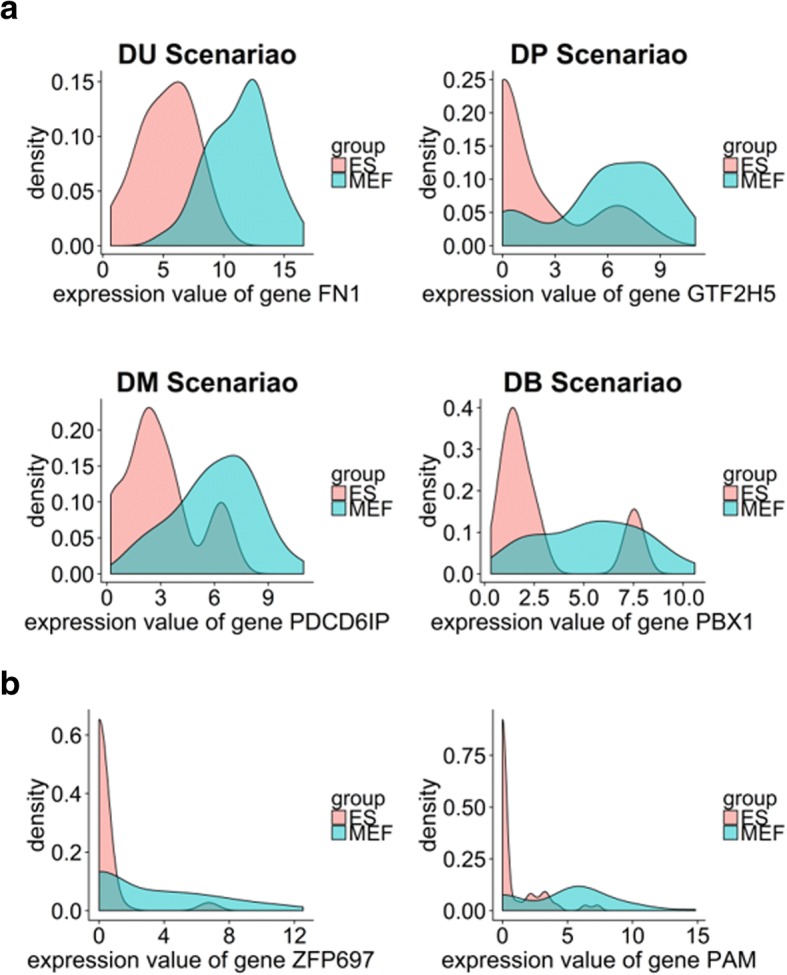
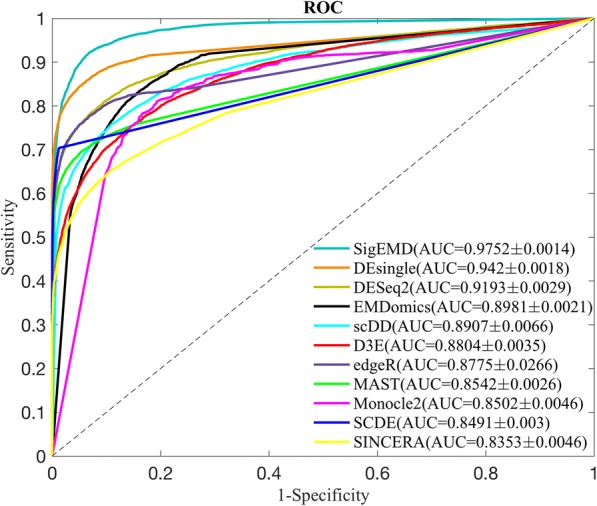
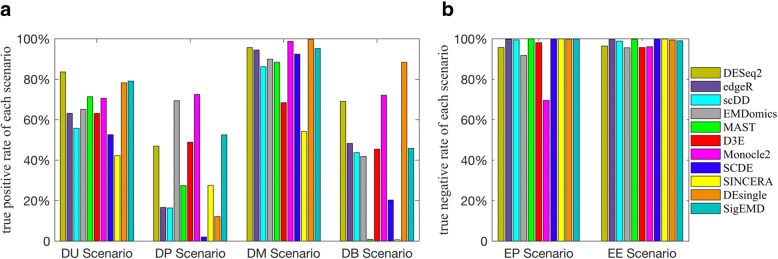
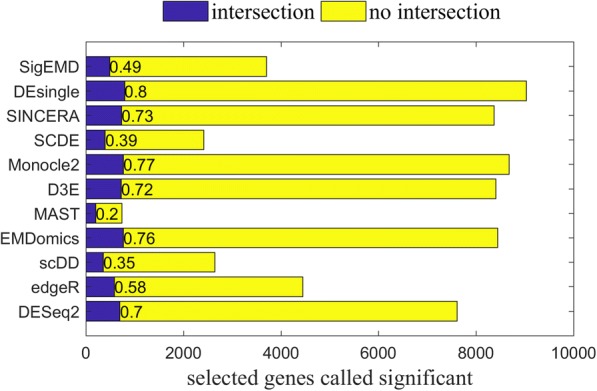
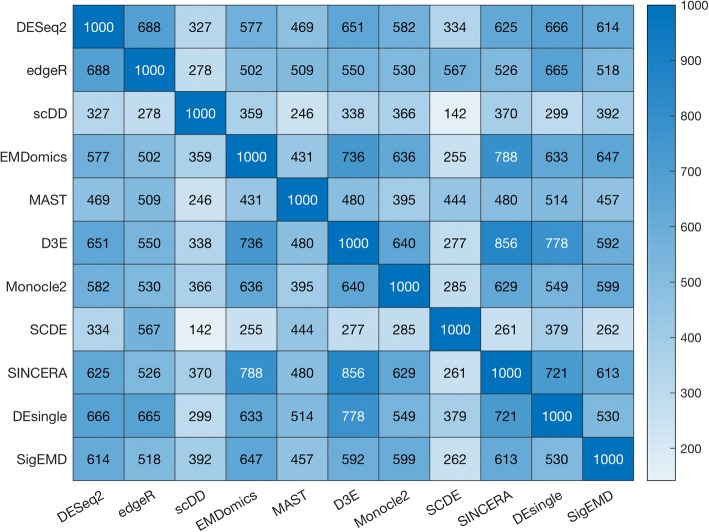
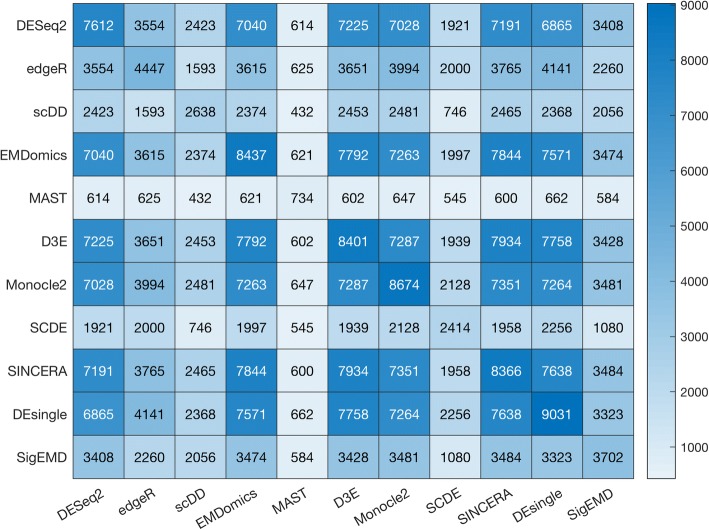
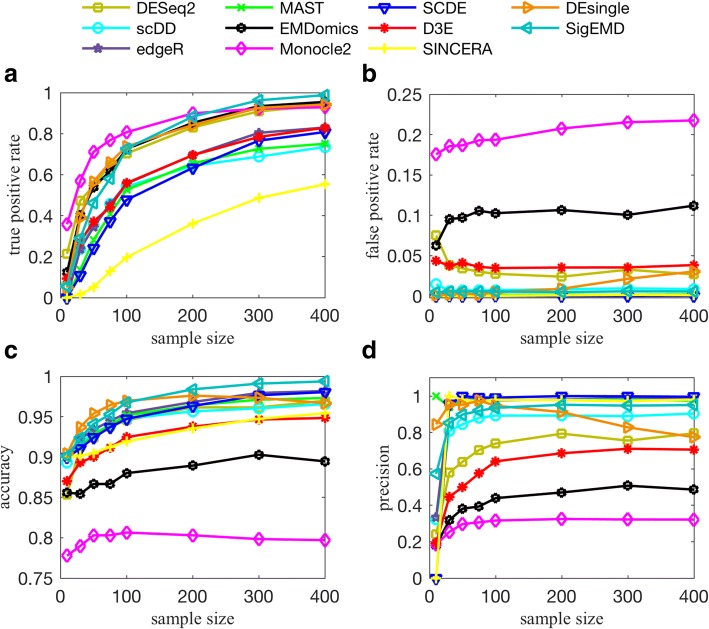
BACKGROUND: The analysis of single-cell RNA sequencing (scRNAseq) data plays an important role in understanding the intrinsic and extrinsic cellular processes in biological and biomedical research. One significant effort in this area is the detection of differentially expressed (DE) genes. scRNAseq data, however, are highly heterogeneous and have a large number of zero counts, which introduces challenges in detecting DE genes. Addressing these challenges requires employing new approaches beyond the conventional ones, which are based on a nonzero difference in average expression. Several methods have been developed for differential gene expression analysis of scRNAseq data. To provide guidance on choosing an appropriate tool or developing a new one, it is necessary to evaluate and compare the performance of differential gene expression analysis methods for scRNAseq data. RESULTS: In this study, we conducted a comprehensive evaluation of the performance of eleven differential gene expression analysis software tools, which are designed for scRNAseq data or can be applied to them. We used simulated and real data to evaluate the accuracy and precision of detection. Using simulated data, we investigated the effect of sample size on the detection accuracy of the tools. Using real data, we examined the agreement among the tools in identifying DE genes, the run time of the tools, and the biological relevance of the detected DE genes. CONCLUSIONS: In general, agreement among the tools in calling DE genes is not high. There is a trade-off between true-positive rates and the precision of calling DE genes. Methods with higher true positive rates tend to show low precision due to their introducing false positives, whereas methods with high precision show low true positive rates due to identifying few DE genes. We observed that current methods designed for scRNAseq data do not tend to show better performance compared to methods designed for bulk RNAseq data. Data multimodality and abundance of zero read counts are the main characteristics of scRNAseq data, which play important roles in the performance of differential gene expression analysis methods and need to be considered in terms of the development of new methods.
Overview
The claims and statistics of this paper haven’t been checked yet.
Free: it reads the open-access text and checks the first 5 claims that cite a source we can check. Create a free account to check every claim.
Integrity signals
Registry
Cites
Statistics
Figures
Verification
Claims the paper makes
The claims and statistics of this paper haven’t been checked yet.
Free: it reads the open-access text and checks the first 5 claims that cite a source we can check. Create a free account to check every claim.
Claims other papers make about this one
Each is checked against this paper’s own text: does it say what the citing paper says it does?
The source backs part of the claim, not all of it — or backs it for a different population, condition or comparison.
In the citing paper
“Unfortunately, different computational methods diverge significantly in estimating differential expression (Soneson and Robinson, 2018), and techniques specifically designed for sc/snRNA-seq may not perform better than standard methods used for bulk RNA-seq (Wang et al., 2019).”
From Single-Cell Sequencing of Brain Cell Transcriptomes and Epigenomes (2021) · cites this paper as Wang et al., 2019
Experimental — accuracy not yet measuredThe cited source says what the claim attributes to it.
In the citing paper
“The consensus and robustness between DGE tools is low83,84”
From Best practices for single-cell analysis across modalities (2023) · cites this paper as [83]
The cited source says what the claim attributes to it.
In the citing paper
“Current methods for DGE analysis still show a trade-off between true positive rate (TPR) and precision.”
From Best practices for single-cell analysis across modalities (2023) · cites this paper as [83]
Self-check
Percentages, sums and reported differences re-computed from the paper’s own numbers.
The self-check needs the paper’s full text.
Citations
Cites
R: A Language and Environment for Statistical Computing
R Core Team (2025) · doi:10.32614/r.manuals · Cited by 352,181
Controlling the False Discovery Rate: A Practical and Powerful Approach to Multiple Testing
Benjamini, Y., & Hochberg, Y. (1995) · Journal of the Royal Statistical Society Series B: Statistical Methodology · doi:10.1111/j.2517-6161.1995.tb02031.x · Cited by 109,482 · cited 2×
“For the differential expression analysis, a test with asymptotic chi-square null distribution is utilized, and a false discovery rate (FDR) adjustment control [44] is used to decide whether a gene is differentially expressed.”
MethodModerated estimation of fold change and dispersion for RNA-seq data with DESeq2
Love, M. I., Huber, W., & Anders, S. (2014) · Genome Biology · doi:10.1186/s13059-014-0550-8 · Cited by 95,106 · cited 3×
“We also considered tools designed for bulk RNAseq data that are widely used [4, 43] (edgeR, and DESeq2) or can apply to multimodal data [31] (EMDomics).”
Robinson, M. D., McCarthy, D. J., & Smyth, G. K. (2010) · Bioinformatics · doi:10.1093/bioinformatics/btp616 · Cited by 41,364 · cited 1×
“Tools developed for differential gene expression analysis on bulk RNAseq data, such as DESeq [11] and edgeR [12], can be applied to single-cell data [11 – 20].”
Methodlimma powers differential expression analyses for RNA-sequencing and microarray studies
Ritchie, M. E., Phipson, B., Wu, D., Hu, Y., Law, C. W., Shi, W., & Smyth, G. K. (2015) · Nucleic Acids Research · doi:10.1093/nar/gkv007 · Cited by 40,458
Differential expression analysis for sequence count data
Anders, S., & Huber, W. (2010) · Genome Biology · doi:10.1186/gb-2010-11-10-r106 · Cited by 15,581
Smyth, G. K. (2004) · Statistical Applications in Genetics and Molecular Biology · doi:10.2202/1544-6115.1027 · Cited by 11,829
Trapnell, C., Cacchiarelli, D., Grimsby, J., Pokharel, P., Li, S., Morse, M., Lennon, N. J., Livak, K. J., Mikkelsen, T. S., & Rinn, J. L. (2014) · Nature Biotechnology · doi:10.1038/nbt.2859 · Cited by 7,314
Sequencing technologies – the next generation
Metzker, M. L. (2010) · Nature Reviews Genetics · doi:10.1038/nrg2626 · Cited by 7,066
Stochastic Gene Expression in a Single Cell
Elowitz, M. B., Levine, A. J., Siggia, E. D., & Swain, P. S. (2002) · Science · doi:10.1126/science.1070919 · Cited by 5,441
Cited by
Deciphering cell–cell interactions and communication from gene expression
Armingol, E., Officer, A., Harismendy, O., & Lewis, N. E. (2021) · Nature Reviews Genetics · doi:10.1038/s41576-020-00292-x · Cited by 1,267
Best practices for single-cell analysis across modalities
Heumos, L., Schaar, A. C., Lance, C., Litinetskaya, A., Drost, F., Zappia, L., Lücken, M. D., Strobl, D. C., Henao, J., Curion, F., et al. (2023) · Nature Reviews Genetics · doi:10.1038/s41576-023-00586-w · Cited by 1,051
“3).”
Orchestrating single-cell analysis with Bioconductor
Amezquita, R. A., Lun, A. T. L., Becht, E., Carey, V. J., Carpp, L. N., Geistlinger, L., Marini, F., Rue-Albrecht, K., Risso, D., Soneson, C., et al. (2020) · Nature Methods · doi:10.1038/s41592-019-0654-x · Cited by 945
Molecular topography of an entire nervous system
Taylor, S. R., Santpere, G., Weinreb, A., Barrett, A., Reilly, M. B., Xu, C., Varol, E., Oikonomou, P., Glenwinkel, L., McWhirter, R., et al. (2021) · Cell · doi:10.1016/j.cell.2021.06.023 · Cited by 687
Dysregulation of brain and choroid plexus cell types in severe COVID-19
Yang, A. C., Kern, F., Losada, P. M., Agam, M. R., Maat, C. A., Schmartz, G. P., Fehlmann, T., Stein, J. A., Schaum, N., Lee, D. P., et al. (2021) · Nature · doi:10.1038/s41586-021-03710-0 · Cited by 620
Transcriptional Reprogramming of Distinct Peripheral Sensory Neuron Subtypes after Axonal Injury
Renthal, W., Tochitsky, I., Yang, L., Cheng, Y.-C., Li, E., Kawaguchi, R., Geschwind, D. H., & Woolf, C. J. (2020) · Neuron · doi:10.1016/j.neuron.2020.07.026 · Cited by 553
Crowell, H. L., Soneson, C., Germain, P.-L., Calini, D., Collin, L., Raposo, C., Malhotra, D., & Robinson, M. D. (2020) · Nature Communications · doi:10.1038/s41467-020-19894-4 · Cited by 515
The triumphs and limitations of computational methods for scRNA-seq
Kharchenko, P. V. (2021) · Nature Methods · doi:10.1038/s41592-021-01171-x · Cited by 321
Single-Cell Sequencing of Brain Cell Transcriptomes and Epigenomes
Armand, E. J., Li, J., Xie, F., Luo, C., & Mukamel, E. A. (2021) · Neuron · doi:10.1016/j.neuron.2020.12.010 · Cited by 241
“Unfortunately, different computational methods diverge significantly in estimating differential expression (Soneson and Robinson, 2018) , and techniques specifically designed for sc/snRNA-seq may not perform better than standard methods used for bulk RNA-seq (Wang et al., 2019) .”
BackgroundBenchmarking Computational Doublet-Detection Methods for Single-Cell RNA Sequencing Data
Xi, N. M., & Li, J. J. (2021) · Cell Systems · doi:10.1016/j.cels.2020.11.008 · Cited by 208
Heming, M., Li, X., Räuber, S., Mausberg, A. K., Börsch, A.-L., Hartlehnert, M., Singhal, A., Lu, I.-N., Fleischer, M., Szepanowski, F., et al. (2021) · Immunity · doi:10.1016/j.immuni.2020.12.011 · Cited by 182
“In scRNA-seq, differential expression (DE) analysis tends to perform poorly in clusters with low cell numbers (Wang et al., 2019).”
Integrated single-cell analysis of multicellular immune dynamics during hyperacute HIV-1 infection
Kazer, S. W., Aicher, T. P., Muema, D. M., Carroll, S. L., Ordovas-Montanes, J., Miao, V. N., Tu, A. A., Ziegler, C. G. K., Nyquist, S. K., Wong, E. B., et al. (2020) · Nature Medicine · doi:10.1038/s41591-020-0799-2 · Cited by 166
Germain, P.-L., Sonrel, A., & Robinson, M. D. (2020) · Genome Biology · doi:10.1186/s13059-020-02136-7 · Cited by 147
“Several informative benchmarks have already been performed on some of these topics 400 [19,5,9,44,10,16].”
BackgroundSingle-Cell Transcriptomics: Current Methods and Challenges in Data Acquisition and Analysis
Adil, A., Kumar, V., Jan, A. T., & Asger, M. (2021) · Frontiers in Neuroscience · doi:10.3389/fnins.2021.591122 · Cited by 132
Chari, T., Weissbourd, B., Gehring, J., Ferraioli, A., Leclère, L., Herl, M., Gao, F., Chevalier, S., Copley, R. R., Houliston, E., et al. (2021) · Science Advances · doi:10.1126/sciadv.abh1683 · Cited by 131
“Perturbation response analysis Extracting DE (perturbed) genes We used a likelihood ratio test (LRT) with negative binomial–based models of each gene’s expression in DESeq2 (76, 77), with the reduced model not including the condition label (control or starved) and single cells treated as individual replicates.”
MethodInfluentialA comparison of marker gene selection methods for single-cell RNA sequencing data
Pullin, J. M., & McCarthy, D. J. (2022) · doi:10.1101/2022.05.09.490241 · Cited by 122
Sun, T., Song, D., Li, W. V., & Li, J. J. (2021) · Genome Biology · doi:10.1186/s13059-021-02367-2 · Cited by 109
scPower accelerates and optimizes the design of multi-sample single cell transcriptomic studies
Schmid, K. T., Höllbacher, B., Cruceanu, C., Böttcher, A., Lickert, H., Binder, E. B., Theis, F. J., & Heinig, M. (2021) · Nature Communications · doi:10.1038/s41467-021-26779-7 · Cited by 108
A pairwise cytokine code explains the organism-wide response to sepsis
Takahama, M., Patil, A., Johnson, K., Cipurko, D., Miki, Y., Taketomi, Y., Carbonetto, P. S., Plaster, M., Richey, G., Pandey, S., et al. (2024) · Nature Immunology · doi:10.1038/s41590-023-01722-8 · Cited by 120
“In brief, the GoM DE analysis is conceptually similar to a standard DE analysis 7,8 , but extends the idea of comparing expression between groups by allowing the cells to have partial membership to multiple groups (here, the groups are the topics in the topic model).”
MethodBiologically informed deep learning to query gene programs in single-cell atlases
Lotfollahi, M., Rybakov, S., Hrovatin, K., Hediyeh-zadeh, S., Talavera-López, C., Misharin, A. V., & Theis, F. J. (2023) · Nature Cell Biology · doi:10.1038/s41556-022-01072-x · Cited by 100
Drug target prediction through deep learning functional representation of gene signatures
Chen, H., King, F. J., Zhou, B., Wang, Y., Canedy, C. J., Hayashi, J., Zhong, Y., Chang, M. W., Pache, L., Wong, J. L., et al. (2024) · Nature Communications · doi:10.1038/s41467-024-46089-y · Cited by 119
“…identi fi ed by eight published studies only shared a modest overlap 9 ; very few genetic interactions are replicated across multiple studies measuring synthetic lethality 10 ; and cell type-speci fi c gene signatures identi fi ed from two mouse embryonic single cell studies showed little overlap 11 .”
Biologically informed deep learning to infer gene program activity in single cells
Lotfollahi, M., Rybakov, S., Hrovatin, K., Hediyeh-zadeh, S., Talavera-López, C., Misharin, A. V., & Theis, F. J. (2022) · doi:10.1101/2022.02.05.479217 · Cited by 100
Wang, M., Song, W., Chen, M., Wang, Q., Zhou, X., Xu, P., Krek, A., Yoon, Y., Ho, L., Orr, M. E., et al. (2022) · Molecular Neurodegeneration · doi:10.1186/s13024-022-00517-z · Cited by 110
“Both scRNA-seq and bulk RNA-seq DE tools need to strike a balance between sensitivity and precision [159, 160].”
Evaluation of single-cell classifiers for single-cell RNA sequencing data sets
Zhao, X., Wu, S., Fang, N., Sun, X., & Fan, J. (2020) · Briefings in Bioinformatics · doi:10.1093/bib/bbz096 · Cited by 97
“Single-cell label prediction is a relatively new approach, unlike other analysis components in the scRNA-seq workflow such as differential expression [22, 23], clustering [24, 25], trajectory inference [26] and imputation [27], andhas not been evaluated systematically and comprehensively.”
MethodMapping the transcriptome: Realizing the full potential of spatial data analysis
Zormpas, E., Queen, R. A., Comber, A., & Cockell, S. (2023) · Cell · doi:10.1016/j.cell.2023.11.003 · Cited by 111
Cell-specific pathways recruited for symbiotic nodulation in the Medicago truncatula legume
Cervantes-Pérez, S. A., Thibivilliers, S., Laffont, C., Farmer, A. D., Frugier, F., & Libault, M. (2022) · Molecular Plant · doi:10.1016/j.molp.2022.10.021 · Cited by 98
Transcriptional and imprinting complexity in Arabidopsis seeds at single-nucleus resolution
Picard, C. L., Povilus, R. A., Williams, B. P., & Gehring, M. A. (2021) · Nature Plants · doi:10.1038/s41477-021-00922-0 · Cited by 105
“Genes differentially expressed between clusters were identified using DESingle, which performs well with small numbers of cells (44,45).”
MethodMcEvoy, C. M., Murphy, J. M., Zhang, L., Clotet‐Freixas, S., Mathews, J. A., An, J., Karimzadeh, M., Pouyabahar, D., Su, S., Zaslaver, O., et al. (2022) · Nature Communications · doi:10.1038/s41467-022-35297-z · Cited by 95
Computational Methods for Single-Cell RNA Sequencing
Hie, B., Peters, J., Nyquist, S. K., Shalek, A. K., Berger, B., & Bryson, B. D. (2020) · Annual Review of Biomedical Data Science · doi:10.1146/annurev-biodatasci-012220-100601 · Cited by 89
Vandenbon, A., & Díez, D. (2020) · Nature Communications · doi:10.1038/s41467-020-17900-3 · Cited by 101
Caron, M., St-Onge, P., Sontag, T., Wang, Y. C., Richer, C., Ragoussis, J., Sinnett, D., & Bourque, G. (2020) · Scientific Reports · doi:10.1038/s41598-020-64929-x · Cited by 88
Ranjan, B., Sun, W., Park, J., Mishra, K., Schmidt, F., Xie, R., Alipour, F., Singhal, V., Joanito, I., Honardoost, M. A., et al. (2021) · Nature Communications · doi:10.1038/s41467-021-26085-2 · Cited by 82
“( v) In the reduced principal component (PC) space, cells are clustered based on their distance from one another (typically, Euclidean distance), and (vi) the corresponding clusters are assigned a cell type or state label based on the known functions of their differentially expressed (DE) genes 6 .”
BackgroundKe, M. S., Elshenawy, B., Sheldon, H., Arora, A., & Buffa, F. M. (2022) · BioEssays · doi:10.1002/bies.202200084 · Cited by 90
“[30] However, given the noisiness, sparsity andmultimodality of gene expression in scRNA-Seq datasets, multiple dedicated techniques have already been developed to account for these sources of variation; representative tools in this class are DESingle,[50] MAST,[51] SigEMD[52] and EMDomics.”
MethodReproducibility of Methods to Detect Differentially Expressed Genes from Single-Cell RNA Sequencing
Mou, T., Deng, W., Gu, F., Pawitan, Y., & Vu, T. N. (2020) · Frontiers in Genetics · doi:10.3389/fgene.2019.01331 · Cited by 76
Ko, K. I., Merlet, J., DerGarabedian, B. P., Huang, Z., Suzuki-Horiuchi, Y., Hedberg, M. L., Hu, E. Y., Nguyen, A., Prouty, S. M., Alawi, F., et al. (2022) · Science Translational Medicine · doi:10.1126/scitranslmed.abj0324 · Cited by 83
Cervantes-Pérez, S. A., Zogli, P., Amini, S., Thibivilliers, S., Tennant, S., Hossain, M. S., Xu, H., Meyer, I., Nooka, A., Ma, P., et al. (2024) · Plant Communications · doi:10.1016/j.xplc.2024.100984 · Cited by 88
“To identify DEGs between clusters, we used DEsingle software (Miao et al., 2018), a zero-inflated negative binomial distribution method (Wang et al., 2019), with the raw read counts and thresholds of p 0.05 and fold-change greater than 1.5.”
InfluentialTosoni, G., Ayyildiz, D., Bryois, J., Macnair, W., Fitzsimons, C. P., Lucassen, P. J., & Salta, E. (2023) · Neuron · doi:10.1016/j.neuron.2023.03.010 · Cited by 82
Tzec-Interián, J. A., González‐Padilla, D., & Góngora‐Castillo, E. (2025) · Quantitative Biology · doi:10.1002/qub2.78 · Cited by 100
“Several DEA methods are TRANSCRIPTOMICS ANALYSIS: BULK VS. SINGLE ‐ CELL RNA ‐ SEQ currently available [200–202], and interestingly, comparative bioinformatics studies suggest no significant differences between tools designed specifically for scRNA ‐ seq and those designed for RNA ‐ seq [201].”
Chow, R. D.-W., Michaels, T., Bellone, S., Hartwich, T. M. P., Bonazzoli, E., Iwasaki, A., Song, E., & Santin, A. D. (2022) · Cancer Discovery · doi:10.1158/2159-8290.cd-22-0686 · Cited by 87
Bielefeld, P., Martirosyan, A., Martín‐Suárez, S., Apresyan, A., Meerhoff, G. F., Pestana, F., Poovathingal, S. K., Reijner, N., Koning, W., Clement, R. A., et al. (2024) · Nature Communications · doi:10.1038/s41467-024-49299-6 · Cited by 72
“Differential gene expression analysis in combination with GO pathway analysis is a commonly used approach to infer changes in cellular processes and functions from scRNA-seq datasets 42 .”
Davis, A. S. W., Roozen, H. N., Dufort, M. J., DeBerg, H. A., Delaney, M. A., Mair, F., Erickson, J. R., Slichter, C. K., Berkson, J. D., Klock, A. M., et al. (2019) · Science Translational Medicine · doi:10.1126/scitranslmed.aaw8718 · Cited by 63
“We quantified differential expression among populations using the hurdle model implemented in model-based analysis of single-cell transcriptomics (MAST) (59), with total UMIs per cell as a covariate; MAST has high precision and low false-positive rates and generally identifies DE genes that overlap with those found by…”
MethodA hitchhiker's guide to single-cell transcriptomics and data analysis pipelines
Nayak, R., & Hasija, Y. (2021) · Genomics · doi:10.1016/j.ygeno.2021.01.007 · Cited by 58
Park, J., Lucas, A. M., Zhang, X., Chaudhary, K., Cho, J. H., Nadkarni, G., Dobbyn, A., Chittoor, G., Josyula, N. S., Katz, N., et al. (2021) · Nature Medicine · doi:10.1038/s41591-020-1133-8 · Cited by 58
Jiang, L., Dalgarno, C., Papalexi, E., Mascio, I., Wessels, H., Yun, H., Iremadze, N., Lithwick‐Yanai, G., Lipson, D., & Satija, R. (2025) · Nature Cell Biology · doi:10.1038/s41556-025-01622-z · Cited by 89
“…three challenges: optimizing DEG identification from each perturbation in the presence of technical and biological variation in scRNA-seq assays 50,51 , grouping the results of thousands of individual perturbations across biological contexts in our datasets into coherent and reproducible gene…”
Li, X., Cooper, N. G. F., O’Toole, T. E., & Rouchka, E. C. (2020) · BMC Genomics · doi:10.1186/s12864-020-6502-7 · Cited by 66
“A recent study has conducted DEG analysis for a comparison of eleven tools and two of them (edgeR and DESeq2) were designed originally for bulk RNA-seq [62].”
MethodLeveraging Single-Cell Approaches in Cancer Precision Medicine
Nath, A., & Bild, A. (2021) · Trends in cancer · doi:10.1016/j.trecan.2021.01.007 · Cited by 72
Single-Cell Approaches to Profile the Response to Immune Checkpoint Inhibitors
Gibellini, L., Biasi, S. D., Porta, C., Tartaro, D. L., Depenni, R., Pellacani, G., Sabbatini, R., & Cossarizza, A. (2020) · Frontiers in Immunology · doi:10.3389/fimmu.2020.00490 · Cited by 56
spliceJAC: transition genes and state‐specific gene regulation from single‐cell transcriptome data
Bocci, F., Zhou, P., & Nie, Q. H. (2022) · Molecular Systems Biology · doi:10.15252/msb.202211176 · Cited by 59
“…methods identify important genes that play relevant roles during cell transitions based on gene expression—such as differentially expressed genes (DEG; Soneson & Robinson, 2018; Wang et al, 2019)—and trajectory inference—such as genes that are highly variable during transitions (Sha et al, 2020).”
Das, S., Rai, A. K., & Rai, S. N. (2022) · Entropy · doi:10.3390/e24070995 · Cited by 57
Clonally heritable gene expression imparts a layer of diversity within cell types
Mold, J. E., Weissman, M. H., Ratz, M., Hagemann-Jensen, M., Hård, J., Eriksson, C., Toosi, H., Berghenstråhle, J., Ziegenhain, C., von Berlin, L., et al. (2024) · Cell Systems · doi:10.1016/j.cels.2024.01.004 · Cited by 52
LTMG: a novel statistical modeling of transcriptional expression states in single-cell RNA-Seq data
(2019) · doi:10.1093/nar/gkz655 · Cited by 45
The shaky foundations of simulating single-cell RNA sequencing data
Crowell, H. L., Leonardo, S. X. M., Soneson, C., & Robinson, M. D. (2023) · Genome biology · doi:10.1186/s13059-023-02904-1 · Cited by 66
“As a result, simulations have been applied to benchmark methods across a wide range of tasks, including differential expression analysis [9–11], trajectory inference [12], and data integration [13, 14].”
MethodData-based RNA-seq simulations by binomial thinning
Gerard, D. (2020) · BMC Bioinformatics · doi:10.1186/s12859-020-3450-9 · Cited by 58
Ensemble dimensionality reduction and feature gene extraction for single-cell RNA-seq data
Sun, X., Liu, Y., & An, L. (2020) · Nature Communications · doi:10.1038/s41467-020-19465-7 · Cited by 50
Dissecting the transcriptome in cardiovascular disease
Robinson, E. L., Baker, A. H., Brittan, M., McCracken, I. R., Condorelli, G., Emanueli, C., Srivastava, P. K., Gaetano, C., Thum, T., Vanhaverbeke, M., et al. (2021) · Cardiovascular Research · doi:10.1093/cvr/cvab117 · Cited by 44
“In addition, the stochasticity of gene expression in cells results in multimodality of gene expression across different cells.(70) To address these challenges, several single-cell-specific methods have been developed.”
BackgroundMethodFournier, A. P., Tastet, O., Charabati, M., Hoornaert, C., Bourbonnière, L., Klément, W., Larouche, S., Tea, F., Wang, Y. C., Larochelle, C., et al. (2022) · Neurology Neuroimmunology & Neuroinflammation · doi:10.1212/nxi.0000000000200046 · Cited by 50
The Prop1-like homeobox gene unc-42 specifies the identity of synaptically connected neurons
Berghoff, E. G., Glenwinkel, L., Bhattacharya, A., Sun, H., Varol, E., Mohammadi, N., Antone, A., Feng, Y., Nguyen, K. C. Q., Cook, S. J., et al. (2021) · eLife · doi:10.7554/elife.64903 · Cited by 40
“Vertebrate Prop1 has been mostly characterized for its function in pituitary development (Watkins-Chow and Camper, 1998), but the protein is also expressed in unidentified cells in the cerebral cortex, where its function has not yet been analyzed (Sjöstedt et al., 2020).”
BackgroundMahin, K. F., Robiuddin, M., Islam, M., Ashraf, S., Yeasmin, F., & Shatabda, S. (2022) · Genomics · doi:10.1016/j.ygeno.2022.01.001 · Cited by 39
Soraggi, S., Riera, M., Meyts, E. R., Schierup, M. H., & Almstrup, K. (2020) · Human Genetics · doi:10.1007/s00439-020-02116-8 · Cited by 38
Uncovering cell identity through differential stability with Cepo
Kim, H. J., Wang, K. Y. X., Chen, C., Lin, Y., Tam, P., Lin, D. M., Yang, J. Y. H., & Yang, P. (2021) · Nature Computational Science · doi:10.1038/s43588-021-00172-2 · Cited by 33
“Current approaches rely on differential expression, which has been the go-to method to find genes associated with cell identity 4,5 ; however, these methods often rely on the differences in mean gene expression.”
MethodDas, S., Rai, A., Merchant, M. L., Cave, M. C., & Rai, S. N. (2021) · Genes · doi:10.3390/genes12121947 · Cited by 35
“These findings were also partly supported by the previous studies [10,24,25].”
BackgroundResultMishra, S., Shah, M. I., Kumar, S. U., Kumar, D. T., Gopalakrishnan, C., Al‐Subaie, A. M., Magesh, R., Doss, C. G. P., & Kamaraj, B. (2020) · Advances in protein chemistry and structural biology · doi:10.1016/bs.apcsb.2020.10.003 · Cited by 38
Heming, M., Börsch, A., Wiendl, H., & zu Hörste, G. M. (2022) · Genome Medicine · doi:10.1186/s13073-022-01097-9 · Cited by 36
“Increasingly multi‐dimensional data collected simultaneously (proteome, transcriptome, epigenome) Because of limited CSF cell counts, differential expression of rare cell popu‐ lations between conditions can be unreliable [102]”
Backgroundde Vries, D. H., Matzaraki, V., Bakker, O. B., Brugge, H., Westra, H.-J., Netea, M. G., Franke, L., Kumar, V., & van der Wijst, M. G. P. (2020) · PLoS Pathogens · doi:10.1371/journal.ppat.1008408 · Cited by 43
“However, the noisiness and sparseness of single-cell data could potentially introduce artifacts in the DE analysis, resulting in false-positives [15].”
BackgroundNECAB1 and NECAB2 are Prevalent Calcium-Binding Proteins of CB1/CCK-Positive GABAergic Interneurons
Miczán, V., Kelemen, K., Glavinics, J. R., László, Z. I., Barti, B., Kenesei, K., Kisfali, M., & Katona, I. (2020) · Cerebral Cortex · doi:10.1093/cercor/bhaa326 · Cited by 31
Sokolowski, D., Faykoo-Martinez, M., Erdman, L., Hou, H., Chan, C., Zhu, H., Holmes, M. M., Goldenberg, A., & Wilson, M. D. (2021) · NAR Genomics and Bioinformatics · doi:10.1093/nargab/lqab011 · Cited by 38
“mean ( Eg,y=0 ) ∗ Pc,g|y = 0 Pc,g|y = 1 (6)”
MethodFast identification of differential distributions in single-cell RNA-sequencing data with waddR
Schefzik, R., Flesch, J., & Gonçalves, Â. (2021) · Bioinformatics · doi:10.1093/bioinformatics/btab226 · Cited by 51
Rosati, D., & Giordano, A. (2021) · Biochemical Pharmacology · doi:10.1016/j.bcp.2021.114811 · Cited by 39
Durán, R. C., Wei, H., & Wu, J. (2024) · BMC Genomics · doi:10.1186/s12864-024-10364-5 · Cited by 43
“In DESeq2’s method, a pseudo reference sample is created from the geometric mean of genes across cells, and it is used to generate a sample-specific scaling factor [87, 88].”
MethodElucidating the cellular dynamics of the brain with single-cell RNA sequencing
Cardona‐Alberich, A., Tourbez, M., Pearce, S. F., & Sibley, C. R. (2021) · RNA Biology · doi:10.1080/15476286.2020.1870362 · Cited by 34
“Cell-level analysis may include more granular cell clustering [23,24] and trajectory inference methods [70,71], while gene-level analysis can include differential gene expression [72] and gene regulatory network inference methods [26].”
MethodMolecular phenotyping of single pancreatic islet leader beta cells by “Flash-Seq”
CHABOSSEAU, P. L., Wern, F. Y. S., Delgadillo-Silva, L. F., Lee, E. Y., Melhem, R., Li, S., Gandhi, N., Wastin, J., López–Noriega, L., Leclerc, I., et al. (2023) · Life Sciences · doi:10.1016/j.lfs.2023.121436 · Cited by 31
Franchini, M., Pellecchia, S., Viscido, G., & Gambardella, G. (2023) · NAR Genomics and Bioinformatics · doi:10.1093/nargab/lqad024 · Cited by 39
Berg, M., Petoukhov, I., van den Ende, I., Meyer, K. B., Guryev, V., Vonk, J. M., Carpaij, O. A., Banchero, M., Hendriks, R. W., van den Berge, M., et al. (2023) · BMC Genomics · doi:10.1186/s12864-023-09822-3 · Cited by 36
“Sc-DGE analysis methods that take into account the sparsity of data or use pseudo-bulk approaches per cell type are being developed [7].”
MethodgenesorteR: Feature Ranking in Clustered Single Cell DataPreprint
Ibrahim, M. M., & Kramann, R. (2019) · bioRxiv (Cold Spring Harbor Laboratory) · doi:10.1101/676379 · Cited by 31
“This is usually accomplished by differential expression analysis [1, 2].”
BackgroundJabato, F. M., Caballero, J., Rojano, E., Mateo, C. R., Sanz, P., Pérez, B., Gallego, D., Seoane, P., Ranea, J. A. G., & Perkins, J. R. (2021) · Scientific Reports · doi:10.1038/s41598-021-94343-w · Cited by 30
Orrapin, S., Thongkumkoon, P., Udomruk, S., Moonmuang, S., Sutthitthasakul, S., Yongpitakwattana, P., Pruksakorn, D., & Chaiyawat, P. (2023) · International Journal of Molecular Sciences · doi:10.3390/ijms241512337 · Cited by 28
“The comparative analysis of DGE analysis has shown fundamental differences in terms of the number of detected differentially expressed genes, false-positive genes, and accuracy, which vary among the compared methods [86,87].”
ResultThurman, A. L., Ratcliff, J. A., Chimenti, M. S., & Pezzulo, A. A. (2021) · Bioinformatics · doi:10.1093/bioinformatics/btab337 · Cited by 27
Patil, A. R., Schug, J., Liu, C., Lahori, D., Descamps, H. C., Naji, A., Kaestner, K. H., Faryabi, R. B., & Vahedi, G. (2024) · Cell Reports Medicine · doi:10.1016/j.xcrm.2024.101535 · Cited by 31
Neural network analysis of Chinese herbal medicine prescriptions for patients with colorectal cancer
Lin, Y., Huang, W.-T., Ou, S., Hung, H.-H., Cheng, W.-Z., Lin, S., Lin, H., & Huang, S. (2018) · Complementary Therapies in Medicine · doi:10.1016/j.ctim.2018.12.001 · Cited by 27
Cao, X., Xing, L., Majd, E., He, H., Gu, J., & Zhang, X. (2022) · Frontiers in Genetics · doi:10.3389/fgene.2022.836798 · Cited by 33
“ScRNA-seq data analysis plays a vital role in understanding the intrinsic and extrinsic cellular processes in biological and biomedical research [7].”
Overview of Transcriptomic Research on Type 2 Diabetes: Challenges and Perspectives
Tonyan, Z. N., Nasykhova, Y. A., Danilova, M. M., Barbitoff, Y. A., Changalidis, A. I., Mikhailova, A. A., & Glotov, A. S. (2022) · Genes · doi:10.3390/genes13071176 · Cited by 32
“All the tools have their own advantages and limitations, but none of them meet today’s requirements for solving single-cell sequencing problems, so the search for a precise analysis method continues to this day [66].”
Backgrounddistinct: A novel approach to differential distribution analyses
Tiberi, S., Crowell, H. L., Samartsidis, P., Weber, L. M., & Robinson, M. D. (2023) · The Annals of Applied Statistics · doi:10.1214/22-aoas1689 · Cited by 29
Carbonetto, P. S., Luo, K., Sarkar, A., Hung, A., Tayeb, K., Pott, S., & Stephens, M. (2023) · Genome biology · doi:10.1186/s13059-023-03067-9 · Cited by 30
“We compared with DESeq2 [79] and MAST [84], both popular methods that have been shown to be competitive in benchmarking studies [61, 62, 85] (and are included in Seurat [25]).”
Klimm, F., Toledo, E. M., Monfeuga, T., Zhang, F., Deane, C. M., & Reinert, G. (2020) · BMC Genomics · doi:10.1186/s12864-020-07144-2 · Cited by 26
Freyria, N. J., Kuo, A., Chovatia, M., Johnson, J., Lipzen, A., Barry, K., Grigoriev, I. V., & Lovejoy, C. (2022) · Communications Biology · doi:10.1038/s42003-022-03461-2 · Cited by 26
What has single‐cell RNA sequencing revealed about microglial neuroimmunology?
Kubick, N., Flournoy, P. C. H., Klimovich, P., Manda, G., & Mickael, M. (2020) · Immunity Inflammation and Disease · doi:10.1002/iid3.362 · Cited by 28
“We would like to refer the reader to more focused reviews such as.(21,24,36,37) The analysis of the available scRNA‐seq methods shows that the right choice of the method depends on several factors, including resources available, the required number of cells, and the availability of bioinformatics expertise (Figure 5).”
BackgroundSingle-cell transcriptomics in tissue engineering and regenerative medicine
Ruta, A., Krishnan, K., & Elisseeff, J. H. (2023) · Nature Reviews Bioengineering · doi:10.1038/s44222-023-00132-7 · Cited by 29
“39), which can be applied to scRNA-seq data, the unique challenges in scRNA-seq, from dropout to complex gene distributions, require specialized tools 40 .”
Sun, G., Fu, X., Zheng, Y., Hong, G., Liu, Z., Luo, B., Lei, J., Lv, D., Chang, M., Xiao, Y., et al. (2025) · Nature Aging · doi:10.1038/s43587-025-00896-0 · Cited by 33
Gutiérrez-Franco, A., Ake, F. A., Hassan, M. N., Cayuela, N. C., Mularoni, L., & Plass, M. (2023) · Communications Biology · doi:10.1038/s42003-023-04834-x · Cited by 25
“To investigate if cell preservation induced additional expression biases at the individual cluster level, we used muscat 31 to identify cell-type-speci fi c differentially expressed genes (DEGs) in fi xed samples compared to fresh (Supplementary Data 6).”
InfluentialMissarova, A., Rosen, L. U., Dann, E., Satija, R., & Marioni, J. C. (2024) · Genome biology · doi:10.1186/s13059-024-03334-3 · Cited by 33
A Primer for Single-Cell Sequencing in Non-Model Organisms
Alfieri, J. M., Wang, G., Jonika, M. M., Gill, C. A., Blackmon, H., & Athrey, G. (2022) · Genes · doi:10.3390/genes13020380 · Cited by 24
“Similar to methods for cell-level analysis, there are many tools to help identify differential gene expression in scRNA-seq data that were developed both specifically for single-cell analysis or bulk RNA-seq data (reviewed in [53]).”
MethodGene expression changes following chronic antipsychotic exposure in single cells from mouse striatum
Abrantes, A., Giusti‐Rodríguez, P., Ancalade, N., Sekle, S., Basiri, M. L., Stuber, G. D., Sullivan, P. F., & Hultman, R. C. (2022) · Molecular Psychiatry · doi:10.1038/s41380-022-01509-7 · Cited by 25
“We used DEsingle [58] for DEG analysis of single-cell RNA-seq data as it performed as well as or better than other algorithms [59, 60].”
MethodPostmortem Interval Leads to Loss of Disease-Specific Signatures in Brain Tissue
Olney, K. C., Gibson, K. A., Cadiz, M. P., Rahimzadeh, N., Swarup, V., & Fryer, J. D. (2025) · eneuro · doi:10.1523/eneuro.0505-24.2025 · Cited by 22
“DESeq2 pseudobulk was repeatedly reported as being well balanced and robust for small sample size (Jaakkola et al., 2017; Wang et al., 2019; Squair et al., 2021; Zimmerman et al., 2021; Murphy and Skene, 2022; Li et al., 2023).”
Visualizing Cluster-specific Genes from Single-cell Transcriptomics Data Using Association Plots
Gralinska, E., Kohl, C., Fadakar, B. S., & Vingron, M. (2022) · Journal of Molecular Biology · doi:10.1016/j.jmb.2022.167525 · Cited by 18
Denninger, J. K., Walker, L. A., Chen, X. X., Turkoglu, A. M., Pan, A., Tapp, Z. M., Senthilvelan, S., Rindani, R., Kokiko‐Cochran, O. N., Bundschuh, R. A., et al. (2022) · Frontiers in Molecular Neuroscience · doi:10.3389/fnmol.2022.810722 · Cited by 22
“However, beyond a few recent studies directly comparing the efficacy of DEG identification by various statistical methods on single cell datasets, there is little information available directly comparing the quality of DEG analysis in scRNAseq versus bulk RNAseq (Mou et al., 2020; Wang et al., 2019; Ziegenhain et al.,…”
BackgroundPennacchiotti, G., Valdés-Gutiérrez, F., González‐Arriagada, W. A., Montes, H. F., Parra, J., Guida, V., Gómez, S. E., Guerrero-Gimenez, M. E., Fernandez-Muñoz, J. M., Zoppino, F. C. M., et al. (2021) · Scientific Reports · doi:10.1038/s41598-021-86208-z · Cited by 20
Decoding brain memory formation by single-cell RNA sequencing
Sardoo, A. M., Zhang, S., Ferraro, T. N., Keck, T. M., & Chen, Y. (2022) · Briefings in Bioinformatics · doi:10.1093/bib/bbac412 · Cited by 21
“Recent benchmarking of 11 methods indicates that DEsingle and SigEMD achieve a better trade-off between true positive rates and precision on simulated datasets [93].”
BackgroundMethodDissecting the human immune system with single cell RNA sequencing technology
Xu, G., Liu, Y., Li, H., Liu, L., Zhang, S., & Zhang, Z. (2019) · Journal of Leukocyte Biology · doi:10.1002/jlb.5mr1019-179r · Cited by 19
Lovero, D., D’Oronzo, S., Palmirotta, R., Cafforio, P., Brown, J. E., Wood, S. L., Porta, C., Lauricella, E., Coleman, R. E., & Silvestris, F. (2021) · British Journal of Cancer · doi:10.1038/s41416-021-01481-z · Cited by 19
“Moreover, it is well recognised that RNAseq data derived from small nucleic acid amounts might miss a fraction of transcripts, resulting in zero read counts, due to stochastic gene expression and low capture efficiency, affecting the subsequent differential gene expression analysis [61, 62].”
BackgroundGuo, X., Ning, J., Chen, Y., Liu, G., Zhao, L., Fan, Y., & Sun, S. (2023) · Briefings in Functional Genomics · doi:10.1093/bfgp/elad011 · Cited by 20
Metadata
- Authors
- Wang, T., Li, B., Nelson, C. E., & Nabavi, S.
- Affiliations
- University of Connecticut (US)
- Corresponding author
- Nabavi, Sheida
- Venue
- BMC Bioinformatics
- Published
- 2019-01-18
- Volume
- 20
- Issue
- 1
- Pages
- 40-40
- ISSN
- 1471-2105 (ISSN-L)
- PMC
- PMC6339299
- OpenAlex
- W2911822431
- Semantic Scholar
- 5d8231c5a0fc06548b18511530a59800244c9eae
- Cited by
- 286
- References
- 48
- Citations by year
- 2026: 10 · 2025: 19 · 2024: 48 · 2023: 43 · 2022: 54 · 2021: 62 · 2020: 39 · 2019: 10
- FWCI
- 13.81
- Type
- journal article
- Language
- en
- Open access
- gold
- doi.org
- Licence
- cc-by
- creativecommons.org/licenses/by/4.0/ (tdm)
- creativecommons.org/licenses/by/4.0/ (vor)
- Locations
- BMC Bioinformatics (publishedVersion, cc-by)
- Europe PMC (PubMed Central) (publishedVersion, other-oa)
- PubMed Central (publishedVersion, cc-by)
- PubMed (publishedVersion)
- DOAJ (DOAJ: Directory of Open Access Journals) (submittedVersion)
- Funders
- National Institutes of Health (R00LM011595)
- Topics
- Life Sciences › Biochemistry, Genetics and Molecular Biology › Molecular Biology › Single-cell and spatial transcriptomics
- Life Sciences › Biochemistry, Genetics and Molecular Biology › Molecular Biology › Gene expression and cancer classification
- Life Sciences › Biochemistry, Genetics and Molecular Biology › Molecular Biology › Genomics and Phylogenetic Studies
- Keywords
- differential gene expression, single-cell RNA sequencing, software tool comparison, zero counts, diagnostic sensitivity, false discovery rate, sample size effects, multimodality
- MeSH terms
- Humans, Sequence Analysis, RNA, Gene Expression Profiling
About these checks
Registry, retraction, Cites and statistics results are computed, not judged, with one exception: a printed reference that no index lists is read once by a model before it counts as a citation error. Claims are extracted by a model and kept only when their quote appears verbatim in the text; each cited source is then checked, with a model’s help, for whether it says what the claim relies on. Those verdicts can be wrong — read the claim’s quote and the cited source before relying on one.
Statistics and arithmetic are recomputed, not judged.
Confidence bands are shown only for fields calibrated on our annotated test set. None is calibrated yet, so no band is shown.
What counts as a claim ›How we measure confidence ›How we check this ›
Are you an author, or do you see a problem with this page? Request a review
Data sources
Bibliographic data: Semantic Scholar, OpenAlex, Crossref.
Contains information from the Semantic Scholar Academic Graph Datasets, made available under the ODC Attribution License (ODC-BY 1.0).
Semantic Scholar’s data is described in: Kinney, R., et al. (2023). The Semantic Scholar Open Data Platform. arXiv:2301.10140.
