

The DOI matches its Crossref record; 52 of the 52 references it cites were found in a registry or an index.
Testing the advantages and disadvantages of short- and long- read eukaryotic metagenomics using simulated reads
Open accessPublished version of a preprint
Abstract
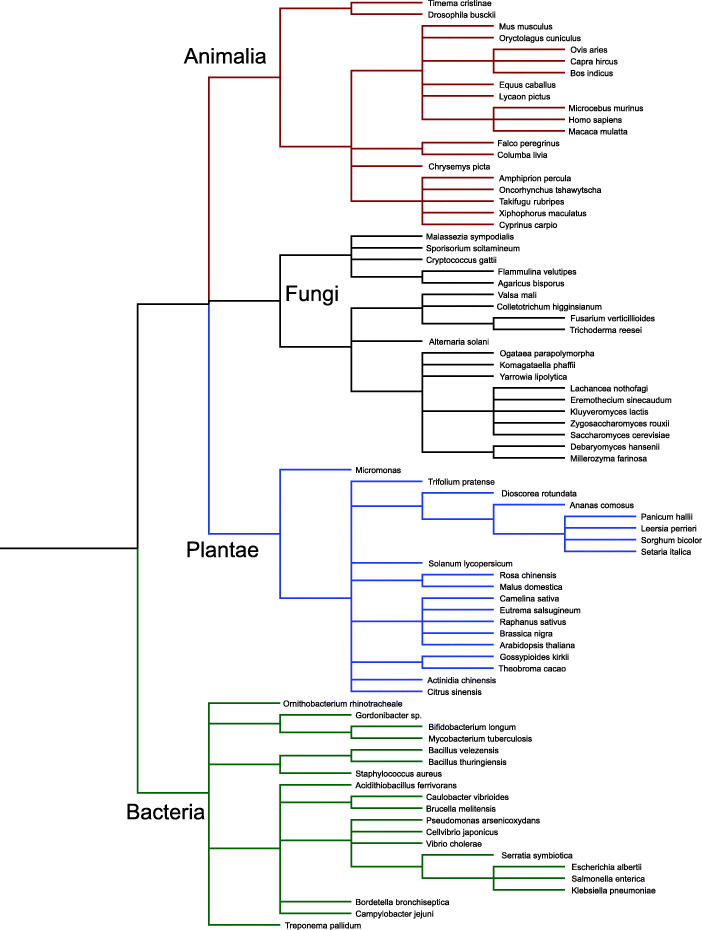
Background: The first step in understanding ecological community diversity and dynamics is quantifying community membership. An increasingly common method for doing so is through metagenomics. Because of the rapidly increasing popularity of this approach, a large number of computational tools and pipelines are available for analysing metagenomic data. However, the majority of these tools have been designed and benchmarked using highly accurate short read data (i.e. Illumina), with few studies benchmarking classification accuracy for long error-prone reads (PacBio or Oxford Nanopore). In addition, few tools have been benchmarked for non-microbial communities. Results: Here we compare simulated long reads from Oxford Nanopore and Pacific Biosciences (PacBio) with high accuracy Illumina read sets to systematically investigate the effects of sequence length and taxon type on classification accuracy for metagenomic data from both microbial and non-microbial communities. We show that very generally, classification accuracy is far lower for non-microbial communities, even at low taxonomic resolution (e.g. family rather than genus). We then show that for two popular taxonomic classifiers, long reads can significantly increase classification accuracy, and this is most pronounced for non-microbial communities. Conclusions: This work provides insight on the expected accuracy for metagenomic analyses for different taxonomic groups, and establishes the point at which read length becomes more important than error rate for assigning the correct taxon.
Overview
The claims and statistics of this paper haven’t been checked yet.
Run the check — free, no account needed. It reads the open-access text and checks the sources it cites.
Integrity signals
Registry
Cites
Statistics
Figures
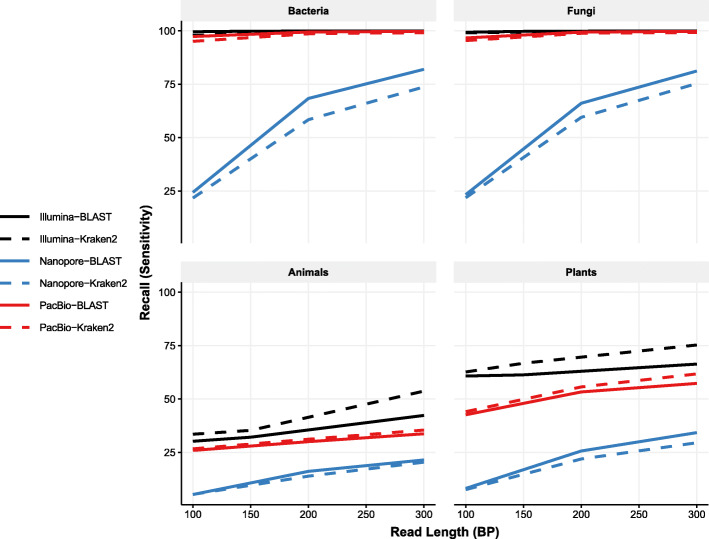
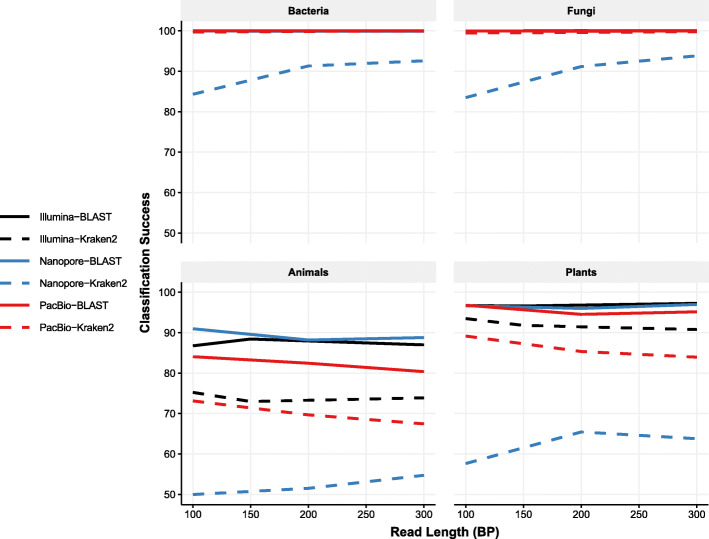
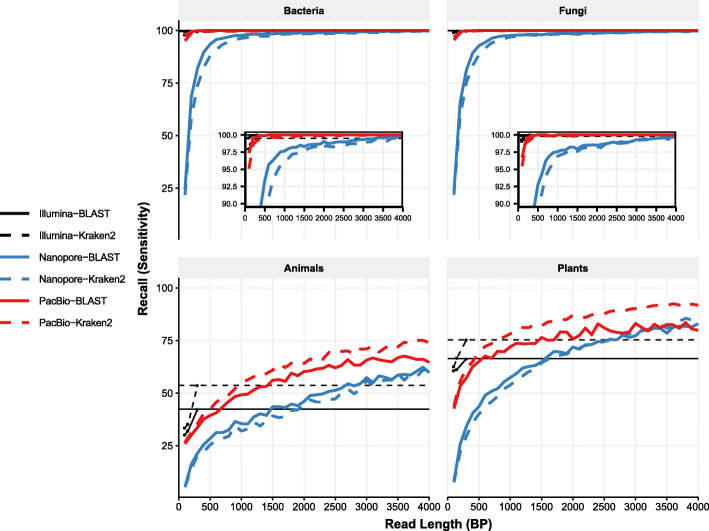
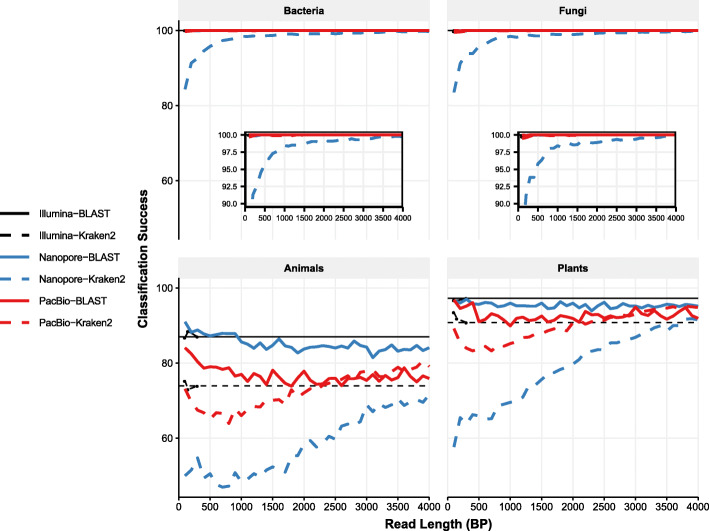
Verification
Claims the paper makes
The claims and statistics of this paper haven’t been checked yet.
Run the check — free, no account needed. It reads the open-access text and checks the sources it cites.
Claims other papers make about this one
Each is checked against this paper’s own text: does it say what the citing paper says it does?
The source backs part of the claim, not all of it — or backs it for a different population, condition or comparison.
In the citing paper
“short‐read technology provides abundant sequencing data that is less error prone than long‐read technology; however, it can be difficult to assemble complete genomes using short read‐lengths due to limitations in the technology to distinguish repetitive elements.”
From The oral microbiome: Role of key organisms and complex networks in oral health and disease (2021) · cites this paper as [82]
Experimental — accuracy not yet measuredIn the citing paper
“By contrast, long‐read technology provides more read‐length but at the cost of higher error rates.82”
From The oral microbiome: Role of key organisms and complex networks in oral health and disease (2021) · cites this paper as [82]
Self-check
Percentages, sums and reported differences re-computed from the paper’s own numbers.
The self-check needs the paper’s full text.
Citations
Cites
QIIME allows analysis of high-throughput community sequencing data
Caporaso, J. G., Kuczynski, J., Stombaugh, J., Bittinger, K., Bushman, F. D., Costello, E. K., Fierer, N., Peña, A. G., Goodrich, J. K., Gordon, J. I., et al. (2010) · Nature Methods · doi:10.1038/nmeth.f.303 · Cited by 34,887
Schloss, P. D., Westcott, S. L., Ryabin, T., Hall, J. R., Hartmann, M., Hollister, E. B., Lesniewski, R. A., Oakley, B. B., Parks, D. H., Robinson, C. J., et al. (2009) · Applied and Environmental Microbiology · doi:10.1128/aem.01541-09 · Cited by 19,549
Fast and sensitive protein alignment using DIAMOND
Buchfink, B., Xie, C., & Huson, D. H. (2015) · Nature Methods · doi:10.1038/nmeth.3176 · Cited by 14,201
Stackebrandt, E. S., & Goebel, B. M. (1994) · INTERNATIONAL JOURNAL OF SYSTEMATIC AND EVOLUTIONARY MICROBIOLOGY · doi:10.1099/00207713-44-4-846 · Cited by 7,170
O'Leary, N. A., Wright, M. W., Brister, J. R., Ciufo, S., Haddad, D., McVeigh, R., Rajput, B., Robbertse, B., Smith-White, B., Ako-Adjei, D., et al. (2016) · Nucleic Acids Research · doi:10.1093/nar/gkv1189 · Cited by 6,357
Kraken: ultrafast metagenomic sequence classification using exact alignments
Wood, D. E., & Salzberg, S. L. (2014) · Genome Biology · doi:10.1186/gb-2014-15-3-r46 · Cited by 4,521
Benson, D. A., Cavanaugh, M., Clark, K., Karsch-Mizrachi, I., Lipman, D. J., Ostell, J., & Sayers, E. W. (2012) · Nucleic Acids Research · doi:10.1093/nar/gks1195 · Cited by 3,261
Performance of neural network basecalling tools for Oxford Nanopore sequencing
Wick, R. R., Judd, L. M., & Holt, K. E. (2019) · Genome Biology · doi:10.1186/s13059-019-1727-y · Cited by 3,221
Bracken: estimating species abundance in metagenomics data
(2016) · doi:10.7717/peerj-cs.104 · Cited by 2,333
Genomic insights that advance the species definition for prokaryotes
Konstantinidis, K. T., & Tiedje, J. M. (2005) · Proceedings of the National Academy of Sciences · doi:10.1073/pnas.0409727102 · Cited by 2,124
Research works printed but not linked: 1
- Pearman W, Smith ANH, Breckell G, Dale J, Freed NE, Silander OK. New tools for diet analyses: nanopore sequencing of metagenomic DNA from stomach contents to quantify diet in an invasive population of rats. bioRxiv. 2018:363622 [Cited 2018 Aug 8]. Available from: https://www.biorxiv.org/content/early/2018/07/06/363622.
Cited by
Sorted by citations
The oral microbiome: Role of key organisms and complex networks in oral health and disease
Sedghi, L., DiMassa, V., Harrington, A., Lynch, S. V., & Kapila, Y. L. (2021) · Periodontology 2000 · doi:10.1111/prd.12393 · Cited by 755
The Skin Microbiome: Current Landscape and Future Opportunities
Smythe, P., & Wilkinson, H. N. (2023) · International Journal of Molecular Sciences · doi:10.3390/ijms24043950 · Cited by 218
Portik, D. M., Brown, C. T., & Pierce‐Ward, N. T. (2022) · BMC Bioinformatics · doi:10.1186/s12859-022-05103-0 · Cited by 148
Rizal, N. S. M., Neoh, H., Ramli, R., Periyasamy, P. R., Hanafiah, A., Samat, M. N. A., Tan, T. L., Wong, K. K., Nathan, S., Chieng, S., et al. (2020) · Diagnostics · doi:10.3390/diagnostics10100816 · Cited by 142
Metagenomic profiling pipelines improve taxonomic classification for 16S amplicon sequencing data
Odom-Mabey, A. R., Faits, T., Castro‐Nallar, E., Crandall, K. A., & Johnson, W. E. (2023) · Scientific Reports · doi:10.1038/s41598-023-40799-x · Cited by 99
Application and Challenge of 3rd Generation Sequencing for Clinical Bacterial Studies
Khedher, M. B., Ghedira, K., Rolain, J., Ruimy, R., & Croce, O. (2022) · International Journal of Molecular Sciences · doi:10.3390/ijms23031395 · Cited by 76
Marquet, M., Zöllkau, J., Pastuschek, J., Viehweger, A., Schleußner, E., Makarewicz, O., Pletz, M. W., Ehricht, R., & Brandt, C. (2022) · Scientific Reports · doi:10.1038/s41598-022-08003-8 · Cited by 86
Metagenomics and artificial intelligence in the context of human health
Wani, A. K., Roy, P., Gahlawat, V. K., & Mir, T. U. G. (2022) · Infection Genetics and Evolution · doi:10.1016/j.meegid.2022.105267 · Cited by 72
Doherty, A., Wall, A. M., Khaldi, N., & Kussmann, M. (2021) · Frontiers in Genetics · doi:10.3389/fgene.2021.768979 · Cited by 68
Evaluating metagenomics and targeted approaches for diagnosis and surveillance of viruses
Buddle, S., Forrest, L., Akinsuyi, N., Bernal, L. M. M., Brooks, T., Venturini, C., Miller, C. M., Brown, J. R., Storey, N., Atkinson, L., et al. (2024) · Genome Medicine · doi:10.1186/s13073-024-01380-x · Cited by 70
“Several studies have previously compared Illumina and ONT-based metagenomics of bacterial and fungal mock communities [29, 30, 32], simulated bacterial datasets [32, 33, 38] and clinical samples [18, 28, 108, 109].”
BackgroundReddington, K., Eccles, D., O’Grady, J., Drown, D. M., Hansen, L. H., Nielsen, T. K., Ducluzeau, A., Leggett, R. M., Heavens, D., Peel, N., et al. (2020) · GigaScience · doi:10.1093/gigascience/giaa053 · Cited by 62
Eke, M., Tougeron, K., Hamidović, A., Tinkeu, L. S. N., Hance, T., & Renoz, F. (2023) · Animal Microbiome · doi:10.1186/s42523-023-00261-9 · Cited by 69
“Illumina sequencing has the advantage of being relatively affordable but generates short reads (approximately 400 bp) that provide limited resolution for identifying microbial taxa and conducting phylogenetic approaches to infer evolutionary relationships and predict functional profiles [76, 77].”
BackgroundRapid absolute quantification of pathogens and ARGs by nanopore sequencing
Yu, Y., Che, Y., Liu, L., Wang, C., Yin, X., Deng, Y., Yang, C., & Zhang, T. (2021) · The Science of The Total Environment · doi:10.1016/j.scitotenv.2021.152190 · Cited by 56
Smart, U., Churchill, J. D., & Budowle, B. (2021) · Forensic Science International Genetics · doi:10.1016/j.fsigen.2021.102551 · Cited by 59
Cheng, H., Sun, Y., Yang, Q. Y., Deng, M., Yu, Z., Zhu, G., Qu, J., Liu, L., Yang, L., & Xia, Y. (2022) · Briefings in Bioinformatics · doi:10.1093/bib/bbac453 · Cited by 52
Comparative analysis of metagenomic classifiers for long-read sequencing datasets
Marić, J., Križanović, K., Riondet, S., Nagarajan, N., & Šikić, M. (2024) · BMC Bioinformatics · doi:10.1186/s12859-024-05634-8 · Cited by 63
“Although there are several benchmarking papers on long reads [7–10], our evaluation additionally includes HiFi PacBio reads, and standard long reads mappers and incorporates an assessment of the influence of the database, read lengths and definition of abundance measures on the results in simulated…”
BackgroundGovender, K. N., & Eyre, D. W. (2022) · Microbial Genomics · doi:10.1099/mgen.0.000886 · Cited by 48
“This finding is supported by previous work [38].”
ResultComparative evaluation of soil DNA extraction kits for long read metagenomic sequencing
Child, H. T., Wierzbicki, L., Joslin, G. R., & Tennant, R. (2024) · Access Microbiology · doi:10.1099/acmi.0.000868.v3 · Cited by 40
Wu, H.-Y., & Shaw, P. (2022) · Chinese Medicine · doi:10.1186/s13020-022-00590-y · Cited by 38
“inversions) [45] Semiquantitative estimation possible (for genome skimming without PCR) [21]”
BackgroundInfluentialBrandt, C., Bongcam‐Rudloff, E., & Müller, B. (2020) · Applied Sciences · doi:10.3390/app10217518 · Cited by 34
Fernández-Triana, I., Rubilar, O., Parada, J., Fincheira, P., Benavides‐Mendoza, A., Durán, P., Fernández‐Baldo, M. A., Seabra, A. B., & Tortella, G. (2024) · The Science of The Total Environment · doi:10.1016/j.scitotenv.2024.173494 · Cited by 35
Xu, R., Rajeev, S., & Salvador, L. C. M. (2023) · PLoS ONE · doi:10.1371/journal.pone.0284031 · Cited by 32
“Software with large DBs can report species taxa that are not present in the sample due to failure of searching for the best match in a larger search space, shorter read lengths, or due to sequencing errors in both the query and the sequences contained in the DBs [72, 73].”
BackgroundMiller, M., Rota, C. T., & Welsh, A. B. (2024) · Parasites & Vectors · doi:10.1186/s13071-024-06388-1 · Cited by 29
“A recent comparison of sequencing platforms showed that while the long reads produced by PacBio may have a higher accuracy in assigning taxonomy, Illumina short reads provide higher read depth per sample [69].”
BackgroundUffelen, A. V., Posadas, A., Roosens, N. H. C., Marchal, K., Keersmaecker, S. C. J. D., & Vanneste, K. (2024) · Scientific Data · doi:10.1038/s41597-024-03672-8 · Cited by 31
“Other benchmarking studies primarily focused on the nuances of the sequencing technology over the evaluation of classifiers, limiting both the quantity and depth of classifier assessments 48–51 .”
BackgroundApplication of Next-Generation Sequencing (NGS) Techniques for Selected Companion Animals
Domrazek, K., & Jurka, P. (2024) · Animals · doi:10.3390/ani14111578 · Cited by 27
“Lower throughput and higher per-base costs may be prohibitive for large-scale projects requiring deep sequencing coverage [12] Oxford Nanopore Sequencing: Offers real-time sequencing, long read lengths, and portability, making it suitable for field applications, rapid diagnostics, and real-time…”
BackgroundPeng, Y., Li, H., Liu, Z., Zhang, C., Li, K., Gong, Y., Geng, L., Su, J., Guan, X., Liu, L., et al. (2021) · Molecular Ecology Resources · doi:10.1111/1755-0998.13397 · Cited by 27
“The difference in divergence time may be caused by different generation technologies (Alkanaq et al., 2019; Birney, 2011; Paajanen et al., 2019; Pearman et al., 2020).”
BackgroundBee foraging preferences, microbiota and pathogens revealed by direct shotgun metagenomics of honey
Galanis, A., Vardakas, P., Reczko, M., Harokopos, V., Hatzis, P., Skoulakis, E. M. C., Pavlopoulos, G. A., & Patalano, S. (2022) · Molecular Ecology Resources · doi:10.1111/1755-0998.13626 · Cited by 28
Deep Metagenomic Sequencing for Endophthalmitis Pathogen Detection Using a Nanopore Platform
Low, L., Nakamichi, K., Akileswaran, L., Lee, C. S., Lee, A., Moussa, G., Murray, P. I., Wallace, G. R., Gelder, R. N. V., & Rauz, S. (2022) · American Journal of Ophthalmology · doi:10.1016/j.ajo.2022.05.022 · Cited by 26
Novel methods of microbiome analysis in the food industry
Sabater, C., Cobo-Díaz, J. F., Álvarez‐Ordóñez, A., Ruas‐Madiedo, P., Ruíz, L., & Margollés, A. (2021) · International Microbiology · doi:10.1007/s10123-021-00215-8 · Cited by 27
MuDoGeR : Multi‐Domain Genome recovery from metagenomes made easy
da Rocha, U. N., Kasmanas, J. C., Kallies, R., Saraiva, J., Toscan, R. B., Štefanič, P., Bicalho, M., Corrêa, F. B., Baştürk, M. N., Fousekis, E., et al. (2023) · Molecular Ecology Resources · doi:10.1111/1755-0998.13904 · Cited by 27
Yan, C., Zhang, N., Wang, Q., Fu, Y., Zhao, H., Wang, J., Wu, G., Wang, F., Li, X., & Liao, H. (2022) · BMC Plant Biology · doi:10.1186/s12870-022-03461-8 · Cited by 22
“Therefore, hybrid sequencing approaches combining SGS and TGS technologies can provide high quality and more complete gene assembly in genome and transcriptome sequencing, which has been well illustrated in the previous studies [30, 31].”
MethodMeasuring air metagenomic diversity in an agricultural ecosystem
Giolai, M., Verweij, W., MARTIN, S. J., Pearson, N., Nicholson, P., Leggett, R. M., & Clark, M. D. (2024) · Current Biology · doi:10.1016/j.cub.2024.07.030 · Cited by 30
Saraiva, J., Bartholomäus, A., Toscan, R. B., Baldrián, P., & da Rocha, U. N. (2023) · Molecular Ecology Resources · doi:10.1111/1755-0998.13776 · Cited by 22
Inferring Species Compositions of Complex Fungal Communities from Long- and Short-Read Sequence Data
Hu, Y., Irinyi, L., Hoang, M. T. V., Eenjes, T., Graetz, A., Stone, E. A., Meyer, W., Schwessinger, B., & Rathjen, J. P. (2022) · mBio · doi:10.1128/mbio.02444-21 · Cited by 21
Luo, W., He, Y., Xu, J., Zhang, S., Li, C., Lv, J., Shen, Y., Ou, Z., & Dong, H. (2023) · Discovery Medicine · doi:10.24976/discov.med.202335176.34 · Cited by 20
Garrido‐Sanz, L., Senar, M. À., & Piñol, J. (2022) · PLoS ONE · doi:10.1371/journal.pone.0275790 · Cited by 20
“The metagenomic classifiers are not able to deal with all the genomic peculiarities of every species on Earth [33, 37].”
BackgroundMethodInfluentialChanges in Mitochondrial Epigenome in Type 2 Diabetes Mellitus
Low, H. C., Chilian, W. M., Ratnam, W., Karupaiah, T., Noh, M. F. M., Mansor, F., Ng, Z. X., & Pung, Y. F. (2023) · British Journal of Biomedical Science · doi:10.3389/bjbs.2023.10884 · Cited by 19
“Also, it has a lower throughput and accuracy than shortread Next-Generation sequencing (87).”
BackgroundTaylor, W. S., Pearson, J. F., Miller, A. L., Schmeier, S., Frizelle, F., & Purcell, R. V. (2020) · PLoS ONE · doi:10.1371/journal.pone.0233170 · Cited by 18
Garrido‐Sanz, L., Senar, M. À., & Piñol, J. (2021) · Molecular Ecology Resources · doi:10.1111/1755-0998.13464 · Cited by 18
Malicka, M., Magurno, F., & Piotrowska‐Seget, Z. (2022) · International Journal of Molecular Sciences · doi:10.3390/ijms232012585 · Cited by 18
“Given the difficulties of finding suitable LSU primers specific for Glomeromycota and amplifying a portion with a size compatible with the Illumina requirements, we tested the possibility of using a newly designed set of LSU primers which were not Glomeromycota-specific.”
MethodInfluentialRing, N., Low, A. S., Wee, B. A., Paterson, G. K., Nuttall, T. J., Gally, D. L., Mellanby, R. J., & Fitzgerald, J. R. (2023) · Microbial Genomics · doi:10.1099/mgen.0.001066 · Cited by 18
Silveira, G. O., Coelho, H. S., Amaral, M. S., & Verjovski‐Almeida, S. (2021) · Parasitology Research · doi:10.1007/s00436-021-07384-5 · Cited by 17
Metagenomics approaches to understanding soil health in environmental research - a review
Duque-Zapata, J. D., Flórez, J. E. M., & López, D. (2023) · Soil Science Annual · doi:10.37501/soilsa/163080 · Cited by 15
Li, S., Rao, C., Zang, X., Yang, Y., Yang, W., Huang, X., Li, J., Sun, J., Liu, Y., & Ye, D. (2025) · Food Research International · doi:10.1016/j.foodres.2025.116676 · Cited by 15
The importance of precision medicine in modern molecular oncology
Wang, Y., & Zheng, D. (2021) · Clinical Genetics · doi:10.1111/cge.13998 · Cited by 16
“However, both PacBio and Nanopore technologies have far higher error rates (88%– 94% accuracy for Nanopore and 85%–87% for PacBio).(91,92)”
BackgroundZaytsev, P., Rodin, V. A., Zaytseva, A., Zvereva, M. I., & Solovchenko, A. E. (2024) · Journal of Applied Phycology · doi:10.1007/s10811-024-03267-1 · Cited by 17
“Comparison of simulation results for different platforms showed that 50% exceed of sequencing launch capacity for Illumina over Oxford Nanopore can provide maximum accuracy of read classification and taxa identification (Pearman et al. 2020).”
Chen, B., Ding, Z., Zhou, X., Wang, Y., Huang, F., Sun, J., Chen, J., & Han, W. (2022) · Frontiers in Genetics · doi:10.3389/fgene.2022.932832 · Cited by 13
Estimation of the impact of three different bioinformatic pipelines on sheep nemabiome analysis
Baltrušis, P., Halvarsson, P., & Höglund, J. (2022) · Parasites & Vectors · doi:10.1186/s13071-022-05399-0 · Cited by 13
“communities [32, 33] and has also more recently been demonstrated to perform on par with the Illumina platform in terms of correctly classifying sequences belonging to different taxa from multiple organism kingdoms [34].”
BackgroundLima, C. O. D. C., de Castro, G. M., Solar, R., Vaz, A. B. M., Lobo, F. P., Pereira, G. V. D. M., Rodrigues, C., Vandenberghe, L. P. D. S., Pinto, L. R. M., da Costa, A. M., et al. (2022) · Frontiers in Microbiology · doi:10.3389/fmicb.2022.994524 · Cited by 11
“Nonetheless, the aforementioned advantages are still impaired by a high error rate if compared to short-read sequencing and; therefore, the lower accuracy of long-read sequencing affects the success rate of current classification methods, as well as there are few algorithms specifically designed to exploit long-read d…”
BackgroundDecadt, H., Díaz-Muñoz, C., Vermote, L., Pradal, I., Vuyst, L. D., & Weckx, S. (2025) · Frontiers in Microbiology · doi:10.3389/fmicb.2025.1543079 · Cited by 14
Metabarcoding assessment of fungal diversity in brown algae and sponges of Mauritius
Chin, J. M. W., Puchooa, D., Bahorun, T., Neergheen, V. S., Aullybux, A. A., Beedessee, G., Nazurally, N., Alrefaei, A. F., & Jeewon, R. (2022) · Frontiers in Microbiology · doi:10.3389/fmicb.2022.1003790 · Cited by 11
Gong, M., Liu, H., Liu, Z., Wang, Y., Qi, S., Guo, H. W., & Jin, S. L. (2025) · Frontiers in Endocrinology · doi:10.3389/fendo.2025.1439341 · Cited by 10
The National Ecological Observatory Network’s soil metagenomes: assembly and basic analysis
Werbin, Z. R., Hackos, B., Lopez-Nava, J., Dietze, M. C., & Bhatnagar, J. M. (2021) · F1000Research · doi:10.12688/f1000research.51494.1 · Cited by 10
Gut microbiome profiling in systemic sclerosis: a metagenomic approach
Tan, T. C., Chandrasekaran, L. K., Leung, Y. Y., Purbojati, R. W., Pettersson, S., & Low, A. H. L. (2022) · Clinical and Experimental Rheumatology · doi:10.55563/clinexprheumatol/jof7nx · Cited by 10
Metaviromic analyses of DNA virus community from sediments of the N-Choe stream, North India
Mukhopadhyay, A., Choudhury, S., & Kumar, M. (2023) · Virus Research · doi:10.1016/j.virusres.2023.199110 · Cited by 9
“Presently, metagenomic/metaviromic studies are utilizing longread-based, even error-prone nanopore sequencing owing to its capability of increasing classification accuracy (Ji et al., 2020; Pearman et al., 2020; Reddington et al., 2020; Warwick-Dugdale et al., 2019).”
BackgroundMarine Mycobiomes Colonize Mediterranean Sponge Hosts in a Random Fashion
Mazzella, V., Zahn, G. L., Dell’Anno, A., & Núñez‐Pons, L. (2025) · Microbial Ecology · doi:10.1007/s00248-025-02523-2 · Cited by 8
“The unculturable fungal biosphere has been more recently investigated since the emergence of omics techniques, allowing the scientific community to examine the diversity and composition of marine mycobiomes [31].”
Rabapane, K. J., Ijoma, G. N., & Matambo, T. S. (2022) · Frontiers in Genetics · doi:10.3389/fgene.2022.946449 · Cited by 8
“, Furthermore, as a direct result of most bioinformatics techniques’ inability to completely piece together without redundancy the various contigs produced by the platform, low-quality full-length reference sequences are submitted to most databases, affecting even taxonomic representations (Schloss et al., 2016; Pearm…”
BackgroundConventional tobacco products harbor unique and heterogenous microbiomes
Chattopadhyay, S., Ramachandran, P., Malayil, L., Mongodin, E. F., & Sapkota, A. R. (2022) · Environmental Research · doi:10.1016/j.envres.2022.115205 · Cited by 8
Serghiou, I. R., Baker, D., Evans, R., Dalby, M. J., Kiu, R., Trampari, E., Phillips, S., Watt, R., Atkinson, T., Murphy, B., et al. (2023) · Microbial Genomics · doi:10.1099/mgen.0.001058 · Cited by 8
“This method is typically performed using the Illumina sequencing technology, which results in short reads for taxonomic classification to genus level (Pearman, et al., 2020).”
BackgroundMethodBludau, D., Sieber, G., Shah, M., Deep, A., Boenigk, J., & Beißer, D. (2025) · Environmental DNA · doi:10.1002/edn3.70084 · Cited by 9
Green, S. J., Torok, T., Allen, J., Eloe‐Fadrosh, E. A., Jackson, S. A., Jiang, S. C., Levine, S. S., Levy, S., Schriml, L. M., Thomas, W. K., et al. (2023) · Astrobiology · doi:10.1089/ast.2022.0044 · Cited by 8
Jokhakar, P. H., Godhaniya, M., Vaghamshi, N., Patel, R. K., Ghelani, A., & Dudhagara, P. R. (2022) · Ecological Genetics and Genomics · doi:10.1016/j.egg.2022.100144 · Cited by 7
Comprehensive benchmarking of metagenomic classification tools for long-read sequencing dataPreprint
Marić, J., Križanović, K., Riondet, S., Nagarajan, N., & Šikić, M. (2020) · bioRxiv (Cold Spring Harbor Laboratory) · doi:10.1101/2020.11.25.397729 · Cited by 7
“ONT1 (18) 1 2162(15) 135 (14) 2365 (15) 905 (15) 51 (15) 596 (15) 547 (15) 428 (15) 592 (15) 127 (15) 5 375 (14) 135 (14) 502 (14) 223 (15) 20 (15) 78 (15) 160 (15) 132 (14) 154 (15) 54 (15) 50 33 (14) 42 (14) 42 (14) 26 (15) 3 (14) 10 (15) 18 (14) 21 (14) 21 (15) 13 (15) ONT2 (8) 1 2033 (6) 87 (6) 2318 (6) 596 (6) 62…”
Marquet, M., Zöllkau, J., Pastuschek, J., Viehweger, A., Schleußner, E., Makarewicz, O., Pletz, M. W., Ehricht, R., & Brandt, C. (2021) · bioRxiv (Cold Spring Harbor Laboratory) · doi:10.1101/2021.09.15.460450 · Cited by 7
Berg, M., Reiter, T. E., Emerson, J., Brown, C. T., & Roux, S. (2025) · NAR Genomics and Bioinformatics · doi:10.1093/nargab/lqaf163 · Cited by 6
“In eukaryotes, a comparison of simulated SR and LR showed that LR improved taxon classification accuracy [ 5 ].”
High-resolution microbiome analysis of host-rich samples using 2bRAD-M without host depletion
Jiang, Y., Liu, J., Zhang, Y., Zhou, L., Kao, E., Hou, S., Niu, Q., Liu, Y., Xu, Z. Z., Ding, T., et al. (2025) · npj Biofilms and Microbiomes · doi:10.1038/s41522-025-00851-2 · Cited by 6
Woo, C., Kumari, P., Eo, K., Lee, W.-S., Kimura, J., & Yamamoto, N. (2023) · PLoS ONE · doi:10.1371/journal.pone.0281245 · Cited by 6
Using nanopore sequencing to identify bacterial infection in joint replacements: a preliminary study
Wilkinson, H., McDonald, J., McCarthy, H. S., Perry, J., Wright, K. T., Hulme, C. H., & Cool, P. (2024) · Briefings in Functional Genomics · doi:10.1093/bfgp/elae008 · Cited by 6
“High variation from this value suggests that the sample may be contaminated and is not suitable for genomic sequencing [22].”
BackgroundMethodInfluentialFoster, A. J., Mills, A. A. S., & McCallum, J. (2024) · Canadian Journal of Plant Pathology · doi:10.1080/07060661.2024.2386299 · Cited by 6
“While the Oxford Nanopore sequencer exhibits a high error rate for individual bases, it has been demonstrated to provide reliable results in fungal metagenomic analyses (Pearman et al. 2020).”
MuDoGeR: Multi-Domain Genome Recovery from metagenomes made easyPreprint
da Rocha, U. N., Kasmanas, J. C., Kallies, R., Saraiva, J., Toscan, R. B., Štefanič, P., Bicalho, M. F., Corrêa, F. B., Baştürk, M. N., Fousekis, E., et al. (2022) · bioRxiv (Cold Spring Harbor Laboratory) · doi:10.1101/2022.06.21.496983 · Cited by 6
“genomes using short reads (Pearman et al., 2020), a limited number of reference genomes (Pawlowski et al.”
BackgroundImproved Equine Fecal Microbiome Characterization Using Target Enrichment by Hybridization Capture
Álvarez‐Narváez, S., Beaudry, M. S., Norris, C. G., Bartlett, P., Glenn, T. C., & Sánchez, S. (2024) · Animals · doi:10.3390/ani14030445 · Cited by 5
Automated environmental metagenomics using Oxford nanopore sequencing
Child, H. T., Wierzbicki, L., Joslin, G. R., Roper, K., Haxhiraj, Q., & Tennant, R. (2025) · BMC Genomics · doi:10.1186/s12864-025-11989-w · Cited by 4
Examining correlation between ocular microbiome and ocular diseases including keratitis
Shivaji, S. (2023) · Expert Review of Ophthalmology · doi:10.1080/17469899.2023.2284313 · Cited by 4
“Nanopore technology generates long reads which are useful for metagenomic classification due to their increased length and the classification accuracy exceeds that of Illumina which generates short reads [112].”
Kumar, A., Robertsen, E. M., Willassen, N. P., Fu, J., & Hjerde, E. (2023) · Genomics & Informatics · doi:10.5808/gi.23072 · Cited by 4
Hu, J., Blazier, J. C., Gitter, A., Gregory, L. F., & Gentry, T. J. (2025) · Applied and Environmental Microbiology · doi:10.1128/aem.01723-25 · Cited by 4
“Although Kraken2 was originally developed for short-read data, recent studies have demonstrated its effectiveness in classifying long-read sequences (57, 58).”
Roy, N. S., Basnet, P., Ramekar, R. V., Um, T., Yu, J., Park, K.-C., & Choi, I. (2022) · Agronomy · doi:10.3390/agronomy12071685 · Cited by 4
Freed, N. E., Pearman, W. S., Smith, A. N. H., Breckell, G., Dale, J., & Silander, O. (2018) · bioRxiv (Cold Spring Harbor Laboratory) · doi:10.1101/363622 · Cited by 5
Self-citationUnlocking River Biofilm Microbial Diversity: A Comparative Analysis of Sequencing Technologies
Anderson, M. A. J., Thorpe, A. C., Busi, S. B., Gweon, H. S., Warren, J., Walsh, K. A., & Read, D. S. (2025) · Molecular Ecology Resources · doi:10.1111/1755-0998.70075 · Cited by 3
Leo, D. D., Nilsson, E., Krinos, A. I., Pinhassi, J., & Lundin, D. (2025) · PeerJ · doi:10.7717/peerj.20328 · Cited by 4
Ruiz, A. R., & Dam, A. R. V. (2023) · PeerJ · doi:10.7717/peerj.16276 · Cited by 5
Splicing the Difference: Harnessing the Complexity of the Transcriptome in Hematopoiesis
Maul-Newby, H. M., & Halene, S. (2024) · Experimental Hematology · doi:10.1016/j.exphem.2024.104655 · Cited by 3
Xiao, S., Ma, Y., Hao, J., Ye, G., Zhang, D., Dong, J., Zhao, M., Yang, N., & Wang, X. (2025) · BMC Plant Biology · doi:10.1186/s12870-025-06662-z · Cited by 3
“Hybrid sequencing approaches combining SGS and TGS are more popular as it can provide more accurate and complete gene assembly in genome and transcriptome studies [25, 26].”
Bourreau, M., Singh, P., Armbrecht, L., Utge, J., Bowler, C., Sabourdy, M., Escutia, C., Müller, J., Bohoyo, F., Crosta, X., et al. (2025) · Marine Micropaleontology · doi:10.1016/j.marmicro.2025.102498 · Cited by 3
Oberc, C. A., & Li, P. C. H. (2024) · Heliyon · doi:10.1016/j.heliyon.2024.e29104 · Cited by 3
Microbiome Analysis Using Next-Generation Sequencing in Urinary Tract Infections
Han, H. H., & Lee, J. Y. (2022) · Urogenital Tract Infection · doi:10.14777/uti.2022.17.1.1 · Cited by 3
Eenjes, T., Hu, Y., Irinyi, L., Hoang, M. T. V., Smith, L. M. A., Linde, C. C., Milgate, A., Meyer, W., Stone, E. A., Rathjen, J. P., et al. (2021) · bioRxiv (Cold Spring Harbor Laboratory) · doi:10.1101/2021.05.01.442223 · Cited by 3
“This is consistent with previous work with long-read MinION 278 nanopore data, where Kraken2 classification success never exceeded that for BLAST, another 279 alignment-based classification program, when using the default 35 bp k-mers [38].”
ResultSaraiva, J., Bartholomäus, A., Toscan, R. B., Baldrián, P., & da Rocha, U. N. (2022) · bioRxiv (Cold Spring Harbor Laboratory) · doi:10.1101/2022.04.07.487146 · Cited by 3
Fauzia, K. A., Rathnayake, J., Doohan, D., Lamawansa, M. D., Alfaray, R. I., Saruuljavkhlan, B., Phuc, B. H., Waskito, L. A., Tuan, V. P., Tshibangu‐Kabamba, E., et al. (2025) · Microorganisms · doi:10.3390/microorganisms13020420 · Cited by 2
Govindharaj, G., Annamalai, M., Choudhary, J. S., Khan, R. M., Gowda, G. B., Patil, N. B., Panda, R. M., Srivastava, K., & Mohapatra, S. D. (2025) · Scientific Reports · doi:10.1038/s41598-025-93048-8 · Cited by 2
“However, the increased length of reads through PacBio and Nanopore are more useful for metagenomic classification despite being more error-prone than Illumina reads 36 .”
Nanopore sequencing of DNA barcodes to unveil the diversity of fungal mock communities
Pedroso-Roussado, C., Guppy, F. M., Bowler, L. D., & Inácio, J. (2023) · Open Research Europe · doi:10.12688/openreseurope.15485.1 · Cited by 2
Nanopore sequencing of DNA barcodes succeeds in unveilling the diversity of fungal mock communities
Pedroso-Roussado, C., Guppy, F. M., Bowler, L. D., & Inácio, J. (2023) · Open Research Europe · doi:10.12688/openreseurope.15485.2 · Cited by 1
Methodological aspects of investigating the resistome in pig farm environments
Ladyhina, V., Rajala, E. L., Lewerin, S. S., Nasirzadeh, L., Bongcam‐Rudloff, E., & Dicksved, J. (2025) · Journal of Microbiological Methods · doi:10.1016/j.mimet.2025.107103 · Cited by 1
“…for characterizing complex microbial communities (Stevens et al., 2023), however significant improvement in the quality of long read sequencing with ONT has lead to increase in the accuracy of classification and relative estimates and might be preferred for taxonomy studies (Pearman et al., 2020).”
Hunter, E. S., Fo, S., Literman, R., Uva, R. H., Wolny, J. L., & Handy, S. M. (2025) · Applications in Plant Sciences · doi:10.1002/aps3.70013 · Cited by 1
Nanopore sequencing of metagenomic DNA from rat stomach contents to infer diet
Freed, N. E., Smith, A. N. H., Breckell, G. L., Dale, J., & Silander, O. (2023) · New Zealand Journal of Ecology · doi:10.20417/nzjecol.47.3554 · Cited by 2
“However, there was wide variation in read length, with almost 10% of all reads being longer than 1200 bp. Longer reads, although more error prone, are often more accurate in determining taxonomy than shorter reads (Pearman et al. 2020).”
BackgroundSelf-citationCirculating Nucleic Acids in Colorectal Cancer: Diagnostic and Prognostic Value
Igder, S., Zamani, M., Fakher, S., Siri, M., Ashktorab, H., Azarpira, N., & Mokarram, P. (2024) · Disease Markers · doi:10.1155/2024/9943412 · Cited by 1
“…a a cc u r a c y o f S B S [ 76 ] N o l o n g l e n g t h s o f D N A s e q u e n ce s c a n b e ob t a i n e d u s i n g t h e s e m e t h o d s [ 77 ] B D A cc u r i C 6 ® T h e i n t e rr o g a t i o n o f h a r v e s t e d b e a d s b y fl u o r e s ce n t p r ob e s t h a t s p ec i fi c a ll…”
Kogoj, R., Bosilj, M., Šturm, A. C., Korva, M., Smrdel, K. S., Kvas, E., Pirš, M., Lepen, L., & Triglav, T. (2025) · Journal of Biomedical Informatics · doi:10.1016/j.jbi.2025.104841 · Cited by 1
Proaño-Cuenca, F., Carrera-Lopez, D., Zeller, K. A., Espíndola, A. S., & Cardwell, K. F. (2025) · PhytoFrontiers™ · doi:10.1094/phytofr-11-24-0128-fi · Cited by 1
Rapid detection of difficult-to-culture bacterial pathogens using real-time nanopore sequencing
Gündoğdu, A., Ulu-Kılıç, A., Kılıç, H., & Nalbantoğlu, Ö. U. (2019) · Infectious Diseases and Clinical Microbiology · doi:10.36519/idcm.2019.19015 · Cited by 1
Foodborne Bacterial Pathogen Big Data – Genomic Analysis
Marquis-Hrabe, J., Jung, D., Park, S.-Y., Boray, A., & Ronholm, J. (2022) · Food microbiology and food safety · doi:10.1007/978-3-031-07179-9_2 · Cited by 1
Functional characterization of long non-coding RNAs in Schistosoma mansoni
Silveira, G. O. (2022) · Digital Library of Theses and Dissertations (Universidade de São Paulo) · doi:10.11606/t.46.2022.tde-07112023-145651
Metadata
- Authors
- Pearman, W. S., Freed, N. E., & Silander, O. K.
- Affiliations
- Massey University (NZ)
- Corresponding author
- Pearman, William S.
- Silander, Olin K.
- Venue
- BMC Bioinformatics
- Published
- 2020-05-29
- Volume
- 21
- Issue
- 1
- Pages
- 220-220
- ISSN
- 1471-2105 (ISSN-L)
- PMC
- PMC7257156
- OpenAlex
- W3031621849
- Cited by
- 114
- References
- 50
- Citations by year
- 2026: 7 · 2025: 20 · 2024: 18 · 2023: 20 · 2022: 29 · 2021: 13 · 2020: 5
- FWCI
- 5.43
- Type
- journal article
- Language
- en
- Open access
- gold
- doi.org
- Locations
- BMC Bioinformatics (publishedVersion, cc-by)
- bioRxiv (Cold Spring Harbor Laboratory) (acceptedVersion, cc-by)
- Research Square (acceptedVersion, cc-by)
- PubMed Central (publishedVersion, cc-by)
- PubMed (publishedVersion)
- DOAJ (DOAJ: Directory of Open Access Journals) (submittedVersion, cc-by-sa)
- ResearchSpace (University of Auckland) (submittedVersion, cc-by)
- Funders
- Massey University (RM21565)
- Topics
- Life Sciences › Biochemistry, Genetics and Molecular Biology › Molecular Biology › Genomics and Phylogenetic Studies
- Physical Sciences › Environmental Science › Ecology › Environmental DNA in Biodiversity Studies
- Physical Sciences › Environmental Science › Ecology › Microbial Community Ecology and Physiology
- Keywords
- metagenomics, long-read sequencing, short-read sequencing, taxonomic classification, classification accuracy, simulated reads, Oxford Nanopore, PacBio, eukaryotic communities, read length, error rate, taxonomic resolution, benchmarking
- MeSH terms
- Nanopore Sequencing, Computer Simulation, Sequence Analysis, DNA, Metagenomics, Eukaryota, High-Throughput Nucleotide Sequencing
About these checks
Registry, retraction, Cites and statistics results are computed, not judged, with one exception: a printed reference that no index lists is read once by a model before it counts as a citation error. Claims are extracted by a model and kept only when their quote appears verbatim in the text; each cited source is then checked, with a model’s help, for whether it says what the claim relies on. Those verdicts can be wrong — read the claim’s quote and the cited source before relying on one.
Statistics and arithmetic are recomputed, not judged.
Confidence bands are shown only for fields calibrated on our annotated test set. None is calibrated yet, so no band is shown.
What counts as a claim ›How we measure confidence ›How we check this ›
Are you an author, or do you see a problem with this page? Request a review
