

Isolation, characterization, and assessment of lactic acid bacteria toward their selection as poultry probiotics
Open accessThe DOI matches its Crossref record; 65 of the 67 references it cites were found in a registry or an index.
Abstract
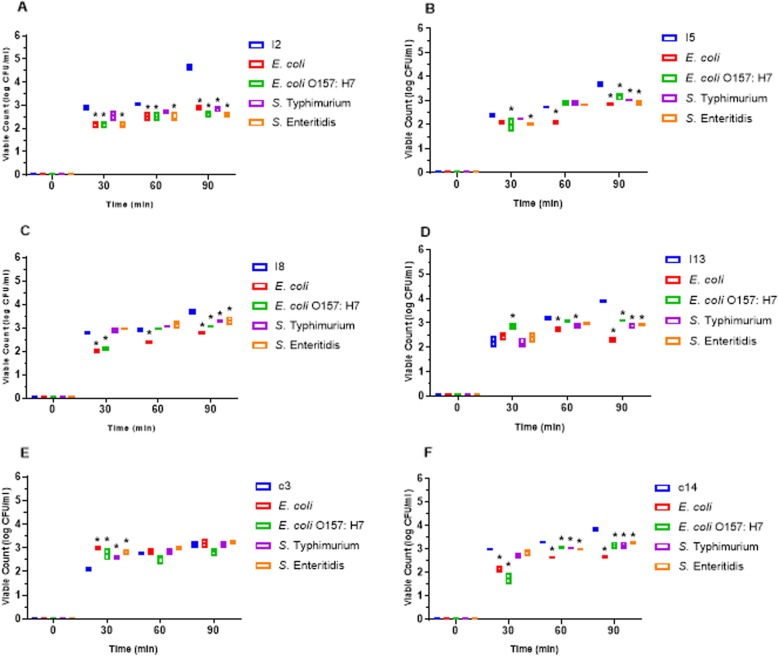
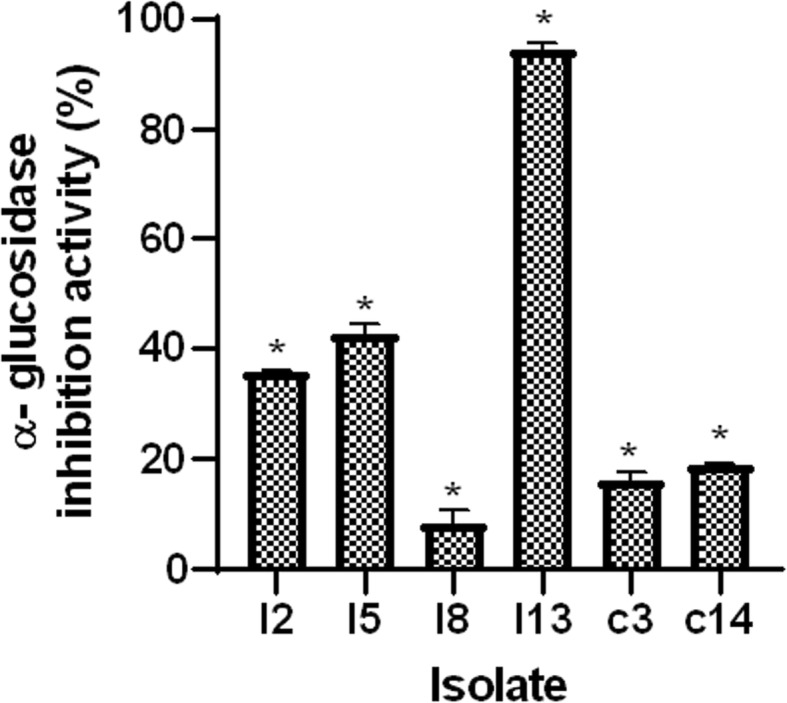
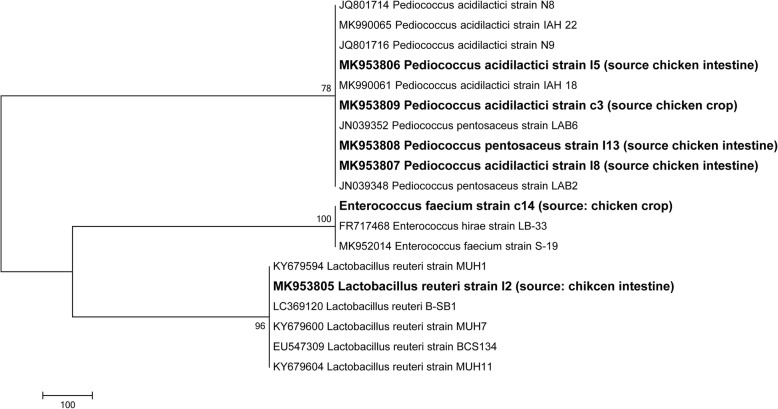
Background: Probiotics are live microorganisms that, when administered in adequate amounts, confer a health benefit on the host, are now accepted as suitable alternatives to antibiotics in the control of animal infections and improving animal production. Lactic acid bacteria (LAB) with remarkable functional properties have been evaluated in different studies as possible probiotic candidates. The purpose of this study was to isolate, characterize and assess the potentials of LAB from poultry gastrointestinal tract as potential poultry probiotics. Results: Potential LAB probiotics were isolated from broilers, characterized and evaluated for probiotic properties including antagonistic activity (against Escherichia coli , E. coli O157: H7, Enterococcus faecalis , Salmonella Typhimurium, S. Enteritidis and Listeria monocytogenes ), survivability in simulated gastric juice, tolerance to phenol and bile salts, adhesion to ileum epithelial cells, auto and co-aggregation, hydrophobicity, α–glucosidase inhibitory activity, and antibiotic susceptibility tests. Most promising LAB strains with excellent probiotic potentials were identified by API 50 CHL and 16S rRNA sequencing as Lactobacillus reuteri I2, Pediococcus acidilactici I5, P. acidilactici I8, P. acidilactici c3, P. pentosaceus I13, and Enterococcus faecium c14. They inhibited all the pathogens tested with zones of inhibition ranging from 12.5 ± 0.71 to 20 ± 0 mm, and competitively excluded ( P < 0.05) the pathogens examined while adhering to ileum epithelial cells with viable counts of 3.0 to 6.0 Log CFU/ml. The selected LAB strains also showed significant ( P < 0.005) auto and co-aggregation abilities with α-glucosidase inhibitory activity ranging from 12.5 to 92.0%. The antibiotic susceptibility test showed 100.00% resistance of the LAB strains to oxacillin, with multiple antibiotic resistance indices above 0.5. Conclusion: The selected LAB strains are ideal probiotic candidates which can be applied in the field for the improvement of poultry performance and control of pathogens in poultry, hence curtailing further transmission to humans.
Overview
The claims and statistics of this paper haven’t been checked yet.
Free: it reads the open-access text and checks the first 5 claims that cite a source we can check. Create a free account to check every claim.
Integrity signals
Registry
Cites
Statistics
Figures
Verification
Claims the paper makes
The claims and statistics of this paper haven’t been checked yet.
Free: it reads the open-access text and checks the first 5 claims that cite a source we can check. Create a free account to check every claim.
Claims other papers make about this one
Each is checked against this paper’s own text: does it say what the citing paper says it does?
The cited source says what the claim attributes to it.
In the citing paper
“This is not at all surprising, because LAB are part of the natural microbiota of the healthy gastrointestinal tract of humans and animals [215,216].”
From Lactic Acid Bacteria in Raw-Milk Cheeses: From Starter Cultures to Probiotic Functions (2022) · cites this paper as [215]
Self-check
Percentages, sums and reported differences re-computed from the paper’s own numbers.
The self-check needs the paper’s full text.
Citations
Cites
Antibiotic Susceptibility Testing by a Standardized Single Disk Method
Bauer, A. W., Kirby, W. M. M., Sherris, J. C., & Turck, M. (1966) · American Journal of Clinical Pathology · doi:10.1093/ajcp/45.4_ts.493 · Cited by 18,523
Hill (2014) · doi:10.1038/nrgastro.2014.66 · Cited by 9,592 · cited 2×
“Previous reports have shown that a correlation exists between high hydrophobicity of LAB strains with their attachment to intestinal mucosal and epithelial cells [2, 15, 19].”
BackgroundA medium for the cultivation of lactobacilli
De MAN, J. C., ROGOSA, M., & SHARPE, M. E. (1960) · Journal of Applied Bacteriology · doi:10.1111/j.1365-2672.1960.tb00188.x · Cited by 5,311 · cited 3×
“After isolating 57 strains of LAB from the crop (35) and intestine (22) of broilers as previously described [13], they were subjected to various contemporary in vitro probiotic properties evaluation and finally characterized molecularly.”
BackgroundMethodInfluentialDunne, C., O’Mahony, L., Murphy, L., Thornton, G., Morrissey, D., O’Halloran, S., Feeney, M., Flynn, S., Fitzgerald, G., Daly, C., et al. (2001) · The American Journal of Clinical Nutrition · doi:10.1093/ajcn/73.2.386s · Cited by 922 · cited 1×
“Apart from the ability of potential probiotics to tolerate bile salts, it is also expected that probiotics should be able to tolerate the acidic environment of the GIT as they pass through to colonize the gut of their host [30].”
BackgroundKos, B., Šušković, J., Vuković, S., Šimpraga, M., Frece, J., & Matošić, S. (2003) · Journal of Applied Microbiology · doi:10.1046/j.1365-2672.2003.01915.x · Cited by 880
Mack, D. R., Michail, S., Wei, S., McDougall, L., & Hollingsworth, M. A. (1999) · American Journal of Physiology-Gastrointestinal and Liver Physiology · doi:10.1152/ajpgi.1999.276.4.g941 · Cited by 829 · cited 2×
“This further enables immunoregulation by LAB which is also relevant in the removal of pathogens [36].”
BackgroundAntibiotic resistance in probiotic bacteria
Gueimonde, M., Sánchez, B., G. de los Reyes-Gavilán, C., & Margolles, A. (2013) · Frontiers in Microbiology · doi:10.3389/fmicb.2013.00202 · Cited by 691 · cited 1×
“It has also been documented that lactobacilli are generally susceptible to ampicillin [56].”
BackgroundProbiotic potential of Lactobacillus strains isolated from dairy products
Maragkoudakis, P. A., Zoumpopoulou, G., Miaris, C., Kalantzopoulos, G., Pot, B., & Tsakalidou, E. (2006) · International Dairy Journal · doi:10.1016/j.idairyj.2005.02.009 · Cited by 618 · cited 1×
“[63] was used to determine the haemolytic activity of LAB isolates.”
MethodNovel bacteriocins from lactic acid bacteria (LAB): various structures and applications
Perez, R. H., Zendo, T., & Sonomoto, K. (2014) · Microbial Cell Factories · doi:10.1186/1475-2859-13-s1-s3 · Cited by 575
Corcoran, B. M., Stanton, C., Fitzgerald, G. F., & Ross, R. P. (2005) · Applied and Environmental Microbiology · doi:10.1128/aem.71.6.3060-3067.2005 · Cited by 546
Vizoso Pinto, M. G., Franz, C. M. A. P., Schillinger, U., & Holzapfel, W. H. (2006) · International Journal of Food Microbiology · doi:10.1016/j.ijfoodmicro.2006.01.029 · Cited by 328 · cited 19×
“Isolation and phenotypic characterization of LAB strains LAB strains were isolated from the GIT (crop and intestine) of apparently healthy male and female broilers from the poultry farms in Jashore, Bangladesh.”
BackgroundInfluentialYang, E., Fan, L., Yan, J., Jiang, Y., Doucette, C., Fillmore, S., & Walker, B. (2018) · AMB Express · doi:10.1186/s13568-018-0536-0 · Cited by 312
Lin, J., Sahin, O., Michel, L. O., & Zhang, Q. (2003) · Infection and Immunity · doi:10.1128/iai.71.8.4250-4259.2003 · Cited by 308
Shehata, M. G., El Sohaimy, S. A., El-Sahn, M. A., & Youssef, M. M. (2016) · Annals of Agricultural Sciences · doi:10.1016/j.aoas.2016.03.001 · Cited by 307
Characterization of lactobacilli towards their use as probiotic adjuncts in poultry
Ehrmann, M. A., Kurzak, P., Bauer, J., & Vogel, R. F. (2002) · Journal of Applied Microbiology · doi:10.1046/j.1365-2672.2002.01608.x · Cited by 288
Dowarah, R., Verma, A. K., Agarwal, N., Singh, P., & Singh, B. R. (2018) · PLOS ONE · doi:10.1371/journal.pone.0192978 · Cited by 247
Prabhurajeshwar, C., & Chandrakanth, R. K. (2017) · Biomedical Journal · doi:10.1016/j.bj.2017.06.008 · Cited by 211
The probiotic potential against vibriosis of the indigenous microflora of rainbow trout
Spanggaard, B., Huber, I., Nielsen, J., Sick, E. B., Pipper, C. B., Martinussen, T., Slierendrecht, W. J., & Gram, L. (2001) · Environmental Microbiology · doi:10.1046/j.1462-2920.2001.00240.x · Cited by 203
Identification of potential probiotic starter cultures for Scandinavian-type fermented sausages
Klingberg, T. D., Axelsson, L., Naterstad, K., Elsser, D., & Budde, B. B. (2005) · International Journal of Food Microbiology · doi:10.1016/j.ijfoodmicro.2005.03.020 · Cited by 186
Collado, M. C., Meriluoto, J. A. O., & Salminen, S. (2007) · Food Research International · doi:10.1016/j.foodres.2006.11.007 · Cited by 169 · cited 1×
“Adherence to host’s intestinal cells is a major feature required by probiotics strains for colonization [35].”
BackgroundScreening of lactic acid bacteria toward their selection as a source of chicken probiotic
Taheri, H. R., Moravej, H., Tabandeh, F., Zaghari, M., & Shivazad, M. (2009) · Poultry Science · doi:10.3382/ps.2009-00041 · Cited by 165
VAUGHAN, E., HEILIG, H., BENAMOR, K., & DEVOS, W. (2005) · FEMS Microbiology Reviews · doi:10.1016/j.femsre.2005.04.009 · Cited by 165
Characterization and evaluation of lactic acid bacteria isolated from goat milk
Júnior, W. L. G. D. A., Ferrari, Í. D. S., de Souza, J. V., da Silva, C. D. A., da Costa, M. M., & Dias, F. S. (2015) · Food Control · doi:10.1016/j.foodcont.2015.01.013 · Cited by 155
The effect of cell surface components on adhesion ability of Lactobacillus rhamnosus
Polak-Berecka, M., Waśko, A., Paduch, R., Skrzypek, T., & Sroka-Bartnicka, A. (2014) · Antonie van Leeuwenhoek · doi:10.1007/s10482-014-0245-x · Cited by 148
Jose, N., Bunt, C., & Hussain, M. (2015) · Microorganisms · doi:10.3390/microorganisms3020198 · Cited by 144 · cited 5×
“The viability of cells was determined after 0, 3 and 6 h incubation by serial dilution and plating onto MRS agar [26].”
BackgroundMethodInfluentialHoque, M. Z., Akter, F., Hossain, K., Rahman, M. S., Billah, M. M., & Islam, K. M. D. (2010) · Cited by 138
Vinderola, G., Capellini, B., Villarreal, F., Suárez, V., Quiberoni, A., & Reinheimer, J. A. (2007) · LWT · doi:10.1016/j.lwt.2007.10.008 · Cited by 130 · cited 1×
“The antagonistic effect of the LAB isolates against some pathogens was first determined by the agar well diffusion technique [62].”
MethodIn vitro assessment of Pediococcus acidilactici Kp10 for its potential use in the food industry
Abbasiliasi, S., Tan, J. S., Bashokouh, F., Ibrahim, T. A. T., Mustafa, S., Vakhshiteh, F., Sivasamboo, S., & Ariff, A. (2017) · BMC Microbiology · doi:10.1186/s12866-017-1000-z · Cited by 122 · cited 2×
“Isolates were categorized as sensitive (≥21mm), intermediate (16–20mm), or resistant (≤ 15mm) as previously assessed [65].”
BackgroundMethodGenetically modified probiotics in foods
Ahmed, F. (2003) · Trends in biotechnology · doi:10.1016/j.tibtech.2003.09.006 · Cited by 121
García, Y., Pérez, T., Boucourt, R., Balcázar, J. L., Nicoli, J. R., Moreira-Silva, J., Rodríguez, Z., Fuertes, H., Núñez, O., Albelo, N., et al. (2016) · Research in Veterinary Science · doi:10.1016/j.rvsc.2016.08.009 · Cited by 119 · cited 2×
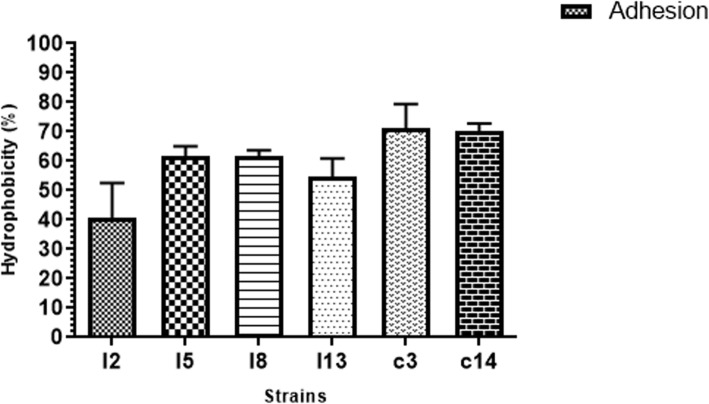
“[20], recorded hydrophobicity of between 3.”
BackgroundNovel isolates of lactobacilli from fermented Portuguese olive as potential probiotics
Peres, C. M., Alves, M., Hernandez-Mendoza, A., Moreira, L., Silva, S., Bronze, M. R., Vilas-Boas, L., Peres, C., & Malcata, F. X. (2014) · LWT - Food Science and Technology · doi:10.1016/j.lwt.2014.03.003 · Cited by 117
Boyd, M. A., Antonio, M. A. D., & Hillier, S. L. (2005) · Journal of Clinical Microbiology · doi:10.1128/jcm.43.10.5309-5311.2005 · Cited by 112
Capacity of lactic acid bacteria in immunity enhancement and cancer prevention
Rajoka, M. S. R., Shi, J., Zhu, J., Shao, D., Huang, Q., Yang, H., & Jin, M. (2016) · Applied Microbiology and Biotechnology · doi:10.1007/s00253-016-8005-7 · Cited by 110
Characterization of an antimicrobial substance produced by Lactobacillus plantarum NTU 102
Lin, T., & Pan, T. (2017) · Journal of Microbiology Immunology and Infection · doi:10.1016/j.jmii.2017.08.003 · Cited by 110
Kim, D.-H., & Austin, B. P. (2008) · Letters in Applied Microbiology · doi:10.1111/j.1472-765x.2008.02401.x · Cited by 97
Anandharaj, M., & Sivasankari, B. (2014) · Journal of Bioscience and Bioengineering · doi:10.1016/j.jbiosc.2014.01.015 · Cited by 96
Shin, M. S., Han, S., Ji, A. R., Kim, K. S., & Lee, W. K. (2008) · Journal of Applied Microbiology · doi:10.1111/j.1365-2672.2008.03935.x · Cited by 93
In vitro screening of lactic acid bacteria for multi-strain probiotics
Pringsulaka, O., Rueangyotchanthana, K., Suwannasai, N., Watanapokasin, R. Y., Amnueysit, P., Sunthornthummas, S., Sukkhum, S., Sarawaneeyaruk, S., & Rangsiruji, A. (2015) · Livestock Science · doi:10.1016/j.livsci.2015.01.016 · Cited by 89
Furtula, V., Jackson, C. R., Farrell, E. G., Barrett, J. B., Hiott, L. M., & Chambers, P. A. (2013) · International Journal of Environmental Research and Public Health · doi:10.3390/ijerph10031020 · Cited by 85
Tabeidian, S. A. (2011) · Cited by 73
Armas, F., Camperio, C., & Marianelli, C. (2017) · PLOS ONE · doi:10.1371/journal.pone.0169543 · Cited by 68
Screening for probiotic properties of strains isolated from feces of various human groups
Sathyabama, S., Vijayabharathi, R., Devi, P. B., kumar, M. R., & Priyadarisini, V. B. (2012) · The Journal of Microbiology · doi:10.1007/s12275-012-2045-1 · Cited by 65
Blajman, J. E., Gaziano, C., Zbrun, M. V., Soto, L. P., Astesana, D. M., Berisvil, A. P., Romero‐Scharpen, A., Signorini, M. L., & Frizzo, L. S. (2015) · Research in Veterinary Science · doi:10.1016/j.rvsc.2015.05.017 · Cited by 63
Screening of Indigenous Strains of Lactic Acid Bacteria for Development of a Probiotic for Poultry
Torshizi, M. A. K., Rahimi, S., Mojgani, N., Esmaeilkhanian, S., & Grimes, J. L. (2008) · Asian-Australasian Journal of Animal Sciences · doi:10.5713/ajas.2008.80081 · Cited by 57 · cited 1×
“LAB strains from poultry also lost their inhibitory action after pH neutralization [49].”
BackgroundLactobacillus cells in the rabbit digestive tract and the factors affecting their distribution
Yu, B., & Tsen, H. Y. (1993) · Journal of Applied Bacteriology · doi:10.1111/j.1365-2672.1993.tb02776.x · Cited by 55
Kizerwetter‐Świda, M., & Binek, M. (2005) · PubMed · Cited by 55
Physiological Characteristics and Anti-obesity Effect of Lactobacillus plantarum K10.
Kim, S., Huang, E., Park, S., Holzapfel, W. H., & Lim, S.-D. (2018) · Europe PMC (PubMed Central) · doi:10.5851/kosfa.2018.38.3.554 · Cited by 53
Onifade, A. A. (1997) · Food / Nahrung · doi:10.1002/food.19970410612 · Cited by 52 · cited 1×
“The hydrophobicity of probiotics directly measures their adhesion abilities to cellular lines of the enterocytes [47], which is a much-desired property in probiotics.”
BackgroundCharacterization of lactic acid bacteria isolated from poultry farms in Senegal
Coulibaly, I., Robin, D.-D., Destain, J., & Thonart, P. (2008) · AFRICAN JOURNAL OF BIOTECHNOLOGY · doi:10.5897/ajb2008.000-5048 · Cited by 49 · cited 1×
“This finding is in agreement with previous report [42].”
ResultAssessment of potentially probiotic properties of Lactobacillus strains isolated from chickens
Kizerwetter‐Świda, M., & Binek, M. (2016) · Polish Journal of Veterinary Sciences · doi:10.1515/pjvs-2016-0003 · Cited by 49
Nallala, V. S., Sadishkumar, V., & Jeevaratnam, K. (2017) · Food Biotechnology · doi:10.1080/08905436.2016.1269289 · Cited by 45 · cited 3×
“Infections by zoonotic and foodborne enteric pathogens cause high morbidity and mortality with significant economic loss in the poultry industry [17].”
BackgroundInfluentialBacteriocin-producing lactic acid bacteria as a probiotic potential from Thai indigenous chickens
Musikasang, H., Sohsomboon, N., Tani, A., & Maneerat, S. (2012) · Czech Journal of Animal Science · doi:10.17221/5568-cjas · Cited by 35
Sakaridis, I., Soultos, N., Dovas, C. Ι., Papavergou, E. J., Ambrosiadis, I., & Koidis, P. (2011) · Anaerobe · doi:10.1016/j.anaerobe.2011.09.009 · Cited by 33
Screening and molecular identification of lactic acid bacteria from gari and fufu and gari effluents
Ayodeji, B. D., Piccirillo, C., Ferraro, V., Moreira, P., Obadina, A. O., Sanni, L. O., & Pintado, M. (2016) · Annals of Microbiology · doi:10.1007/s13213-016-1243-1 · Cited by 32
HuiQin, T., Qian, B., Xia, B. X., Zhuan, Y., Yao, Y., Gan, R., & Zhang, J. (2018) · Journal of Food Safety · doi:10.1111/jfs.12565 · Cited by 31
Huff, G. R., HUFF, W. E., Rath, N. C., El-Gohary, F. A., Zhou, Z., & Shini, S. (2015) · Poultry Science · doi:10.3382/ps/pev068 · Cited by 26 · cited 1×
“Furthermore, regulatory pressures over the years have limited the application of antibiotics in poultry and livestock production mostly in developed countries [10].”
BackgroundTavakoli, M., Zohreh, H. E., Hejazi, M. A., Azizi, M. H., & Abbasi, S. (2016) · Polish Journal of Food and Nutrition Sciences · doi:10.1515/pjfns-2016-0003 · Cited by 26
Adhesion Properties of Indigenous Dadih Lactic Acid Bacteria on Human Intestinal Mucosal Surface
Dharmawan, J., SURONO, I. S., & Kun, L. Y. (2006) · Asian-Australasian Journal of Animal Sciences · doi:10.5713/ajas.2006.751 · Cited by 22
Isolation and Characterization of Lactobacillus Strains as Potential Probiotics for Chickens
Shokryazdan, P., Ramasamy, K., Sieo, C. C., Alitheen, N. B., Liang, J. B., Jahromi, M. F., & Ho, Y. W. (2014) · Universiti Putra Malaysia Institutional Repository (Universiti Putra Malaysia) · Cited by 22
Oyewole, O. O., Maria, C., Tope, P., & Funmi, O. (2018) · Alexandria Journal of Veterinary Sciences · doi:10.5455/ajvs.290499 · Cited by 21 · cited 2×
“[22] reported antagonistic activity against wide spectrum of pathogens by LAB isolated from poultry.”
BackgroundResultSetyawardani, T., Rahayu, W. P., Maheswari, R. R. A., & Palupi, N. S. (2014) · International Food Research Journal · Cited by 19
Enterocin from Enterococcus faecium isolated from mangrove environment
Annamalai, N., Manivasagan, P., Balasubramanian, T., & Vijayalakshmi, S. (2009) · AFRICAN JOURNAL OF BIOTECHNOLOGY · doi:10.5897/ajb2009.000-9478 · Cited by 18
Nitisinprasert, S., Pungsungvorn, N., Wanchaitanawong, P., Loiseau, G., & Montēt, D. (2006) · Agritrop (Cirad) · Cited by 12
Mohammed, A. A. (2016) · Journal of Food Processing & Technology · doi:10.4172/2157-7110.1000545 · Cited by 12
Lactic acid bacteria as probiotic candidate and their application
Rajoka, M. S. R., Shaheen, T., Batool, N., Saleem, S., & Hayat, F. (2015) · Journal of Biology and Today s World · doi:10.15412/j.jbtw.01041202 · Cited by 7 · cited 1×
“They have been reported to possess a broad spectrum of beneficial and health promoting properties which dramatically influences the host microbial intestinal balance and general performance [6, 7].”
Background
Research works printed but not linked: 3
- Food and Agriculture Organization (FAO) Makkar HPS Probiotics in animal nutrition – Production, impact and regulationby Yadav S. Bajagai, Athol V. Klieve, Peter J. Dart and Wayne L. Bryden 2016 Rome FAO Animal Production and Health
- Food and Agriculture Organization (FAO) FAOSTAT Livestock Primary 2017
- Gusils C Bujazha M Gonzalez S Preliminary studies to design a probiotic for use in swine feed Interciencia 2002 27 409 413
Cited by
Lactic Acid Bacteria in Raw-Milk Cheeses: From Starter Cultures to Probiotic Functions
Coelho, M. C., Malcata, F. X., & Silva, C. C. G. (2022) · Foods · doi:10.3390/foods11152276 · Cited by 276
“This is not at all surprising, because LAB are part of the natural microbiota of the healthy gastrointestinal tract of humans and animals [215,216].”
Gastrointestinal Microbiota and Their Manipulation for Improved Growth and Performance in Chickens
Fathima, S., Shanmugasundaram, R., Adams, D., & Selvaraj, R. K. (2022) · Foods · doi:10.3390/foods11101401 · Cited by 192
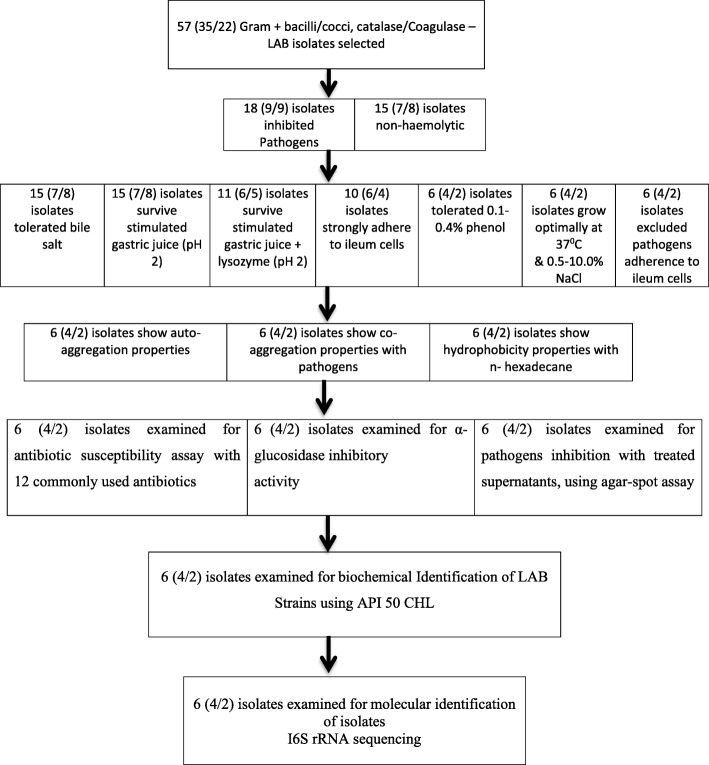
“For example, only 6 out of 57 lactic acid bacteria (LAB) strains, isolated from the crop and intestine of healthy broilers, possess probiotic properties that included the ability to adhere to ileal epithelial cells, hydrophobicity, tolerance and survivability in gastric juice, bile salts, and phenol, susceptibility to…”
BackgroundAvian gut microbiomes taking flight
Bodawatta, K. H., Hird, S. M., Grond, K., Poulsen, M., & Jønsson, K. A. (2021) · Trends in Microbiology · doi:10.1016/j.tim.2021.07.003 · Cited by 172
Lactic acid bacteria biofilms and their antimicrobial potential against pathogenic microorganisms
Mgomi, F. C., Yang, Y.-R., Cheng, G., & Yang, Z. (2023) · Biofilm · doi:10.1016/j.bioflm.2023.100118 · Cited by 181
Functional probiotics of lactic acid bacteria from Hu sheep milk
Chen, T., Wang, L., Li, Q., Long, Y., Lin, Y., Yin, J., Zeng, Y., Huang, L., Yao, T., Abbasi, M. N., et al. (2020) · BMC Microbiology · doi:10.1186/s12866-020-01920-6 · Cited by 129
Metadata
- Authors
- Reuben, R. C., Roy, P. C., Sarkar, S. L., Alam, R.-U., & Jahid, I. K.
- Affiliations
- Jashore University of Science and Technology (BD)
- Corresponding author
- Jahid, Iqbal Kabir
- Venue
- BMC Microbiology
- Published
- 2019-11-12
- Volume
- 19
- Issue
- 1
- Pages
- 253-253
- ISSN
- 1471-2180 (ISSN-L)
- PMC
- PMC6852909
- OpenAlex
- W2985767961
- Cited by
- 341
- References
- 67
- Citations by year
- 2026: 57 · 2025: 66 · 2024: 56 · 2023: 64 · 2022: 60 · 2021: 25 · 2020: 13
- FWCI
- 18.90
- Type
- journal article
- Language
- en
- Open access
- gold
- doi.org
- Licence
- cc-by
- creativecommons.org/licenses/by/4.0/ (tdm)
- creativecommons.org/licenses/by/4.0/ (vor)
- Locations
- BMC Microbiology (publishedVersion, cc-by)
- PubMed Central (publishedVersion, cc-by)
- PubMed (publishedVersion)
- DOAJ (DOAJ: Directory of Open Access Journals) (submittedVersion, cc-by-sa)
- Funders
- U.S. Department of Agriculture
- Topics
- Life Sciences › Agricultural and Biological Sciences › Food Science › Probiotics and Fermented Foods
- Life Sciences › Agricultural and Biological Sciences › Animal Science and Zoology › Animal Nutrition and Physiology
- Life Sciences › Immunology and Microbiology › Immunology › Aquaculture disease management and microbiota
- Keywords
- lactic acid bacteria, broiler chickens, antagonistic activity, competitive exclusion, self-aggregation, co-aggregation, α-glucosidase inhibition, bile salt tolerance, antibiotic susceptibility, Lactobacillus reuteri, Pediococcus acidilactici, Enterococcus faecium, Pediococcus pentosaceus, antibiotic alternatives
- MeSH terms
- Animals, Chickens, DNA, Ribosomal, Gastric Juice, Oxacillin, Poultry, RNA, Ribosomal, 16S, Sequence Analysis, DNA, Probiotics, Drug Resistance, Bacterial, Gastrointestinal Tract, Microbial Viability, Lactobacillales
About these checks
Registry, retraction, Cites and statistics results are computed, not judged, with one exception: a printed reference that no index lists is read once by a model before it counts as a citation error. Claims are extracted by a model and kept only when their quote appears verbatim in the text; each cited source is then checked, with a model’s help, for whether it says what the claim relies on. Those verdicts can be wrong — read the claim’s quote and the cited source before relying on one.
Statistics and arithmetic are recomputed, not judged.
Confidence bands are shown only for fields calibrated on our annotated test set. None is calibrated yet, so no band is shown.
What counts as a claim ›How we measure confidence ›How we check this ›
Are you an author, or do you see a problem with this page? Request a review
Data sources
Bibliographic data: Semantic Scholar, OpenAlex, Crossref.
Contains information from the Semantic Scholar Academic Graph Datasets, made available under the ODC Attribution License (ODC-BY 1.0).
Semantic Scholar’s data is described in: Kinney, R., et al. (2023). The Semantic Scholar Open Data Platform. arXiv:2301.10140.
