

Isolation, characterization, and assessment of lactic acid bacteria toward their selection as poultry probiotics
Open accessThe DOI matches its Crossref record; 65 of the 67 references it cites were found in a registry or an index.
Abstract
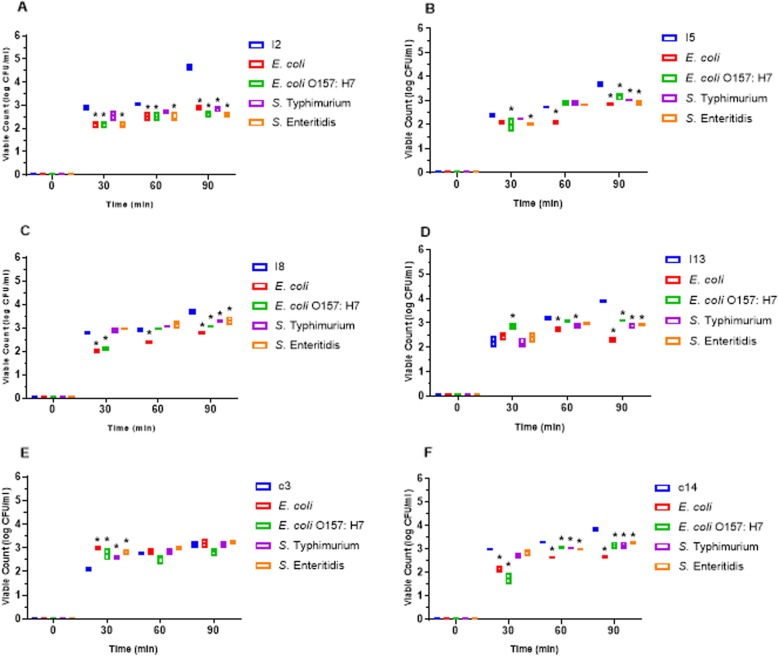
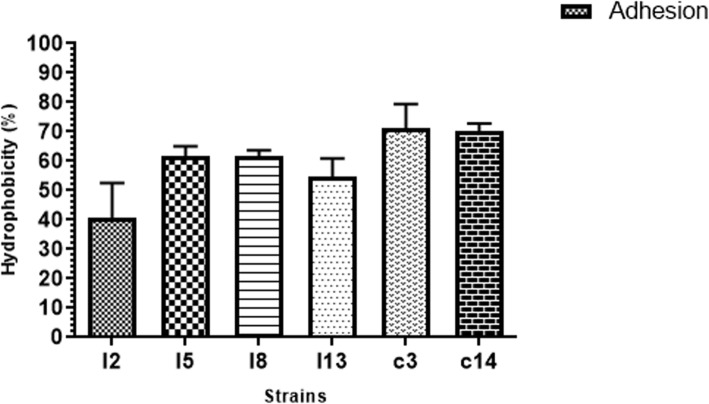
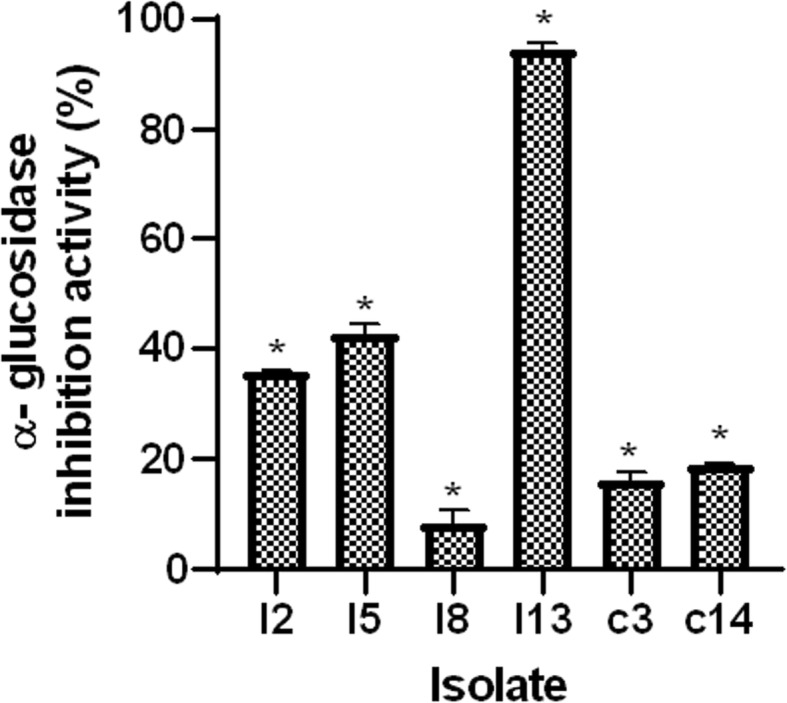
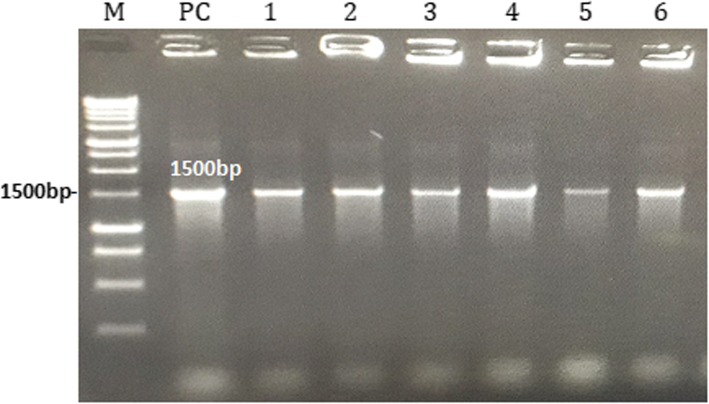
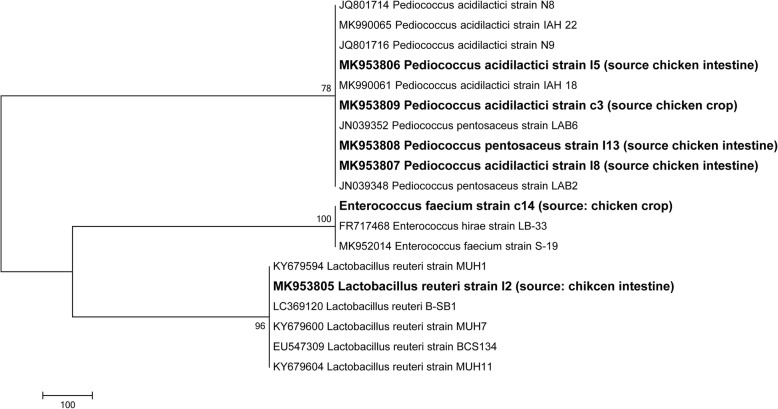
Background: Probiotics are live microorganisms that, when administered in adequate amounts, confer a health benefit on the host, are now accepted as suitable alternatives to antibiotics in the control of animal infections and improving animal production. Lactic acid bacteria (LAB) with remarkable functional properties have been evaluated in different studies as possible probiotic candidates. The purpose of this study was to isolate, characterize and assess the potentials of LAB from poultry gastrointestinal tract as potential poultry probiotics. Results: Potential LAB probiotics were isolated from broilers, characterized and evaluated for probiotic properties including antagonistic activity (against Escherichia coli , E. coli O157: H7, Enterococcus faecalis , Salmonella Typhimurium, S. Enteritidis and Listeria monocytogenes ), survivability in simulated gastric juice, tolerance to phenol and bile salts, adhesion to ileum epithelial cells, auto and co-aggregation, hydrophobicity, α–glucosidase inhibitory activity, and antibiotic susceptibility tests. Most promising LAB strains with excellent probiotic potentials were identified by API 50 CHL and 16S rRNA sequencing as Lactobacillus reuteri I2, Pediococcus acidilactici I5, P. acidilactici I8, P. acidilactici c3, P. pentosaceus I13, and Enterococcus faecium c14. They inhibited all the pathogens tested with zones of inhibition ranging from 12.5 ± 0.71 to 20 ± 0 mm, and competitively excluded ( P < 0.05) the pathogens examined while adhering to ileum epithelial cells with viable counts of 3.0 to 6.0 Log CFU/ml. The selected LAB strains also showed significant ( P < 0.005) auto and co-aggregation abilities with α-glucosidase inhibitory activity ranging from 12.5 to 92.0%. The antibiotic susceptibility test showed 100.00% resistance of the LAB strains to oxacillin, with multiple antibiotic resistance indices above 0.5. Conclusion: The selected LAB strains are ideal probiotic candidates which can be applied in the field for the improvement of poultry performance and control of pathogens in poultry, hence curtailing further transmission to humans.
Overview
The claims and statistics of this paper haven’t been checked yet.
Free: it reads the open-access text and checks the first 5 claims that cite a source we can check. Create a free account to check every claim.
Integrity signals
Registry
Cites
Statistics
Figures
Verification
Claims the paper makes
The claims and statistics of this paper haven’t been checked yet.
Free: it reads the open-access text and checks the first 5 claims that cite a source we can check. Create a free account to check every claim.
Claims other papers make about this one
Each is checked against this paper’s own text: does it say what the citing paper says it does?
The cited source says what the claim attributes to it.
In the citing paper
“This is not at all surprising, because LAB are part of the natural microbiota of the healthy gastrointestinal tract of humans and animals [215,216].”
From Lactic Acid Bacteria in Raw-Milk Cheeses: From Starter Cultures to Probiotic Functions (2022) · cites this paper as [215]
Self-check
Percentages, sums and reported differences re-computed from the paper’s own numbers.
The self-check needs the paper’s full text.
Citations
Cites
Antibiotic Susceptibility Testing by a Standardized Single Disk Method
Bauer, A. W., Kirby, W. M. M., Sherris, J. C., & Turck, M. (1966) · American Journal of Clinical Pathology · doi:10.1093/ajcp/45.4_ts.493 · Cited by 18,523
Hill (2014) · doi:10.1038/nrgastro.2014.66 · Cited by 9,592 · cited 2×
“Previous reports have shown that a correlation exists between high hydrophobicity of LAB strains with their attachment to intestinal mucosal and epithelial cells [2, 15, 19].”
BackgroundA medium for the cultivation of lactobacilli
De MAN, J. C., ROGOSA, M., & SHARPE, M. E. (1960) · Journal of Applied Bacteriology · doi:10.1111/j.1365-2672.1960.tb00188.x · Cited by 5,311 · cited 3×
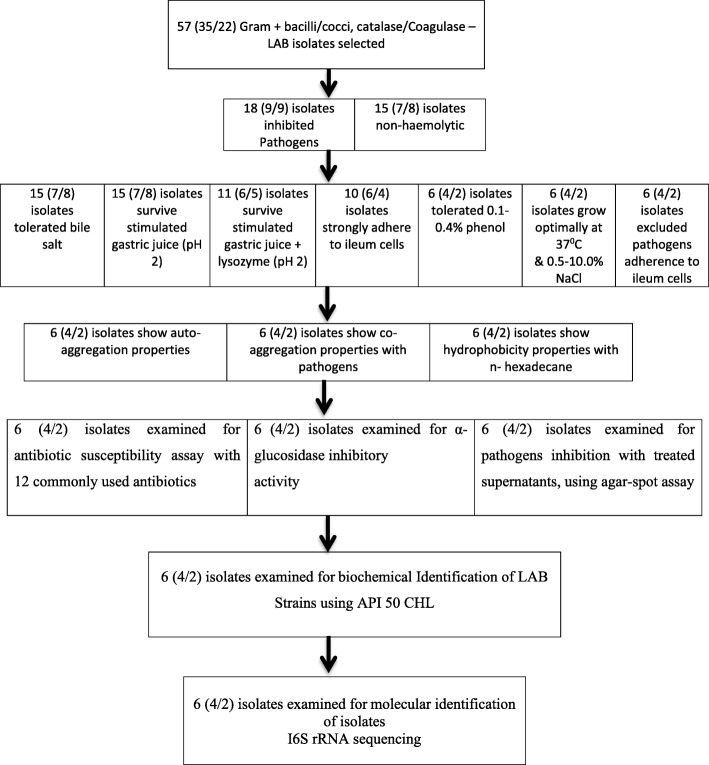
“After isolating 57 strains of LAB from the crop (35) and intestine (22) of broilers as previously described [13], they were subjected to various contemporary in vitro probiotic properties evaluation and finally characterized molecularly.”
BackgroundMethodInfluentialDunne, C., O’Mahony, L., Murphy, L., Thornton, G., Morrissey, D., O’Halloran, S., Feeney, M., Flynn, S., Fitzgerald, G., Daly, C., et al. (2001) · The American Journal of Clinical Nutrition · doi:10.1093/ajcn/73.2.386s · Cited by 922 · cited 1×
“Apart from the ability of potential probiotics to tolerate bile salts, it is also expected that probiotics should be able to tolerate the acidic environment of the GIT as they pass through to colonize the gut of their host [30].”
BackgroundKos, B., Šušković, J., Vuković, S., Šimpraga, M., Frece, J., & Matošić, S. (2003) · Journal of Applied Microbiology · doi:10.1046/j.1365-2672.2003.01915.x · Cited by 880
Mack, D. R., Michail, S., Wei, S., McDougall, L., & Hollingsworth, M. A. (1999) · American Journal of Physiology-Gastrointestinal and Liver Physiology · doi:10.1152/ajpgi.1999.276.4.g941 · Cited by 829 · cited 2×
“This further enables immunoregulation by LAB which is also relevant in the removal of pathogens [36].”
BackgroundAntibiotic resistance in probiotic bacteria
Gueimonde, M., Sánchez, B., G. de los Reyes-Gavilán, C., & Margolles, A. (2013) · Frontiers in Microbiology · doi:10.3389/fmicb.2013.00202 · Cited by 691 · cited 1×
“It has also been documented that lactobacilli are generally susceptible to ampicillin [56].”
BackgroundProbiotic potential of Lactobacillus strains isolated from dairy products
Maragkoudakis, P. A., Zoumpopoulou, G., Miaris, C., Kalantzopoulos, G., Pot, B., & Tsakalidou, E. (2006) · International Dairy Journal · doi:10.1016/j.idairyj.2005.02.009 · Cited by 618 · cited 1×
“[63] was used to determine the haemolytic activity of LAB isolates.”
MethodNovel bacteriocins from lactic acid bacteria (LAB): various structures and applications
Perez, R. H., Zendo, T., & Sonomoto, K. (2014) · Microbial Cell Factories · doi:10.1186/1475-2859-13-s1-s3 · Cited by 575
Corcoran, B. M., Stanton, C., Fitzgerald, G. F., & Ross, R. P. (2005) · Applied and Environmental Microbiology · doi:10.1128/aem.71.6.3060-3067.2005 · Cited by 546
Research works printed but not linked: 3
- Food and Agriculture Organization (FAO) Makkar HPS Probiotics in animal nutrition – Production, impact and regulationby Yadav S. Bajagai, Athol V. Klieve, Peter J. Dart and Wayne L. Bryden 2016 Rome FAO Animal Production and Health
- Food and Agriculture Organization (FAO) FAOSTAT Livestock Primary 2017
- Gusils C Bujazha M Gonzalez S Preliminary studies to design a probiotic for use in swine feed Interciencia 2002 27 409 413
Cited by
Lactic Acid Bacteria in Raw-Milk Cheeses: From Starter Cultures to Probiotic Functions
Coelho, M. C., Malcata, F. X., & Silva, C. C. G. (2022) · Foods · doi:10.3390/foods11152276 · Cited by 276
“This is not at all surprising, because LAB are part of the natural microbiota of the healthy gastrointestinal tract of humans and animals [215,216].”
Gastrointestinal Microbiota and Their Manipulation for Improved Growth and Performance in Chickens
Fathima, S., Shanmugasundaram, R., Adams, D., & Selvaraj, R. K. (2022) · Foods · doi:10.3390/foods11101401 · Cited by 192
“For example, only 6 out of 57 lactic acid bacteria (LAB) strains, isolated from the crop and intestine of healthy broilers, possess probiotic properties that included the ability to adhere to ileal epithelial cells, hydrophobicity, tolerance and survivability in gastric juice, bile salts, and phenol, susceptibility to…”
BackgroundAvian gut microbiomes taking flight
Bodawatta, K. H., Hird, S. M., Grond, K., Poulsen, M., & Jønsson, K. A. (2021) · Trends in Microbiology · doi:10.1016/j.tim.2021.07.003 · Cited by 172
Lactic acid bacteria biofilms and their antimicrobial potential against pathogenic microorganisms
Mgomi, F. C., Yang, Y.-R., Cheng, G., & Yang, Z. (2023) · Biofilm · doi:10.1016/j.bioflm.2023.100118 · Cited by 186
Functional probiotics of lactic acid bacteria from Hu sheep milk
Chen, T., Wang, L., Li, Q., Long, Y., Lin, Y., Yin, J., Zeng, Y., Huang, L., Yao, T., Abbasi, M. N., et al. (2020) · BMC Microbiology · doi:10.1186/s12866-020-01920-6 · Cited by 129
Huligere, S. S., B, C. K. V., Alqadi, T., Kumar, S., Cull, C. A., Amachawadi, R. G. G., & Ramu, R. (2023) · Frontiers in Microbiology · doi:10.3389/fmicb.2022.1042263 · Cited by 117
Odey, T. O. J., Tanimowo, W. O., Afolabi, K. O., Jahid, I. K., & Reuben, R. C. (2023) · International Microbiology · doi:10.1007/s10123-023-00462-x · Cited by 110
“In developing sustainable solutions to mitigating AMU and AMR, we have in recent years evaluated alternatives to antibiotics including probiotics, bacteriocins, and postbiotics for broad applications in the One Health continuum (Reuben et al. 2019, 2020, 2021a, 2021b, 2022; Al-Emran et al. 2022).”
BackgroundMethodSelf-citationChowdhury, M. A. H., Ashrafudoulla, M., Mevo, S. I. U., Mizan, M. F. R., Park, S. H., & Ha, S. (2023) · Comprehensive Reviews in Food Science and Food Safety · doi:10.1111/1541-4337.13121 · Cited by 114
El-Mokhtar, M. A., Hassanein, K. M., Ahmed, A. S., Gad, G. F., Amin, M. M., & Hassanein, O. F. (2020) · Infection and Drug Resistance · doi:10.2147/idr.s235603 · Cited by 79
Bacteriocins: potentials and prospects in health and agrifood systems
Reuben, R. C., & Torres, C. (2024) · Archives of Microbiology · doi:10.1007/s00203-024-03948-y · Cited by 100
Self-citationLactic acid bacteria as probiotics in sustainable development of aquaculture
ЧИЖАЕВА, А. В., Amangeldi, A., Oleinikova, Y., АЛЫБАЕВА, А. Ж., & САДАНОВ, А. К. (2022) · Aquatic Living Resources · doi:10.1051/alr/2022011 · Cited by 94
Reuben, R. C., Elghandour, M. M. M. Y., Alqaisi, O., Cone, J. W., Molina, O. M., & Salem, A. Z. M. (2021) · Journal of the Science of Food and Agriculture · doi:10.1002/jsfa.11643 · Cited by 82
Self-citationProbiotic potentials of lactic acid bacteria isolated from Egyptian fermented food
Tawab, F. I. A., kadr, M. H. A. E., Sultan, A. M., Hamed, E. O., El-Zayat, A. S., & Ahmed, M. N. (2023) · Scientific Reports · doi:10.1038/s41598-023-43752-0 · Cited by 76
“This is in agreement with previous studies showing that LAB isolated from dairy products, pickles, chickens, and meats can tolerate high NaCl concentrations 65–67 .”
ResultMeena, K. K., Taneja, N. K., Jain, D., Ojha, A., Kumawat, D., & Mishra, V. (2022) · Fermentation · doi:10.3390/fermentation8100529 · Cited by 77
“plantarum RYPR1 and RYPR9 [33] and variable tolerance for different LAB isolates [38,66].”
BackgroundIndirect maternal effects via nest microbiome composition drive gut colonization in altricial chicks
Diez‐Méndez, D., Bodawatta, K. H., Freiberga, I., Klečková, I., Jønsson, K. A., Poulsen, M., & Sam, K. (2023) · Molecular Ecology · doi:10.1111/mec.16959 · Cited by 61
Advancing Insights into Probiotics during Vegetable Fermentation
Yuan, Y., Yang, Y., Xiao, L., Qu, L., Zhang, X., & Wei, Y. (2023) · Foods · doi:10.3390/foods12203789 · Cited by 61
“The genera of LABs include Lactobacillus , Lactococcus, Pe-diococcus , Enterococcus , Streptococcus , Leuconostoc , Weissella , and others [14,38,40,41].”
BackgroundGut microbiota metabolites, redox status, and the related regulatory effects of probiotics
Zhao, J.-S., Zhao, F., Yuan, J., Liu, H., & Wang, Y. (2023) · Heliyon · doi:10.1016/j.heliyon.2023.e21431 · Cited by 58
“In particular, lactic acid bacteria have significant functional properties, such as antioxidant and immunoregulatory capacities, and are considered as ideal probiotics [144].”
BackgroundProbiotic Properties of Lactococcus lactis Strains Isolated from Natural Whey Starter Cultures
Chiara, I. D., Marasco, R., Gala, M. D., Fusco, A., Donnarumma, G., & Muscariello, L. (2024) · Foods · doi:10.3390/foods13060957 · Cited by 57
“Similar results have been obtained with a variety of LAB isolates found ineffective against several species of pathogens [71,72].”
ResultReuben, R. C., Sarkar, S. L., Ibnat, H., Setu, M. A. A., Roy, P. C., & Jahid, I. K. (2021) · Scientific Reports · doi:10.1038/s41598-021-88299-0 · Cited by 67
Self-citationSingh, A., Kumar, S., Varada, V. V., Tyagi, B., Choudhury, P. K., Rashmi, H. M., Banakar, P. S., Tyagi, N., & Tyagi, A. K. (2021) · Current Research in Biotechnology · doi:10.1016/j.crbiot.2021.04.002 · Cited by 48
Deng, Q., Shi, H., Luo, Y., Zhao, H., & Liu, N. (2020) · Poultry Science · doi:10.1016/j.psj.2020.03.058 · Cited by 41
“In recent studies, probiotic Lactobacillus plantarum and Lactobacillus acidophilus have been shown a significant anti-listerial activity (Ehsani et al., 2019; Reuben et al., 2019; Van Zyl et al., 2019; Zhao et al., 2020).”
BackgroundZareie, Z., Moayedi, A. A., Garavand, F., Heydar, K. T., Khomeiri, M., & Maghsoudlou, Y. (2023) · Fermentation · doi:10.3390/fermentation9040338 · Cited by 44
Reuben, R. C., Sarkar, S. L., Ibnat, H., Roy, P. C., & Jahid, I. K. (2022) · Veterinary Medicine and Science · doi:10.1002/vms3.709 · Cited by 42
Self-citationProbiotic Bacillus subtilis LF11 Protects Intestinal Epithelium Against Salmonella Infection
Zhang, R., Li, Z., Gu, X., Zhao, J., Guo, T., & Kong, J. (2022) · Frontiers in Cellular and Infection Microbiology · doi:10.3389/fcimb.2022.837886 · Cited by 46
Hypolipidemic activity of lactic acid bacteria: Adjunct therapy for potential probiotics
Ali, S. M., Salem, F., Aboulwafa, M., & Shawky, R. M. (2022) · PLoS ONE · doi:10.1371/journal.pone.0269953 · Cited by 44
Rudenko, P. A., Vatnikov, Y. A., Павловна, С. Н., Rudenko, A. A., Kulikov, E. V., Lutsay, V., Notina, E. A., Bykova, I. A., Petrov, A., Drukovsky, S. G., et al. (2021) · Pathogens · doi:10.3390/pathogens10060667 · Cited by 42
Probiotics in Livestock and Poultry Nutrition and Health
Mahesh, M. S., Mohanta, R. K., & Patra, A. K. (2020) · Microorganisms for sustainability · doi:10.1007/978-981-15-6795-7_7 · Cited by 54
Zhao, M., Liu, K., Zhang, Y., Li, Y., Zhou, N., & Li, G. (2023) · Frontiers in Microbiology · doi:10.3389/fmicb.2023.1179953 · Cited by 40
“Hemolytic activity The cultures were incubated overnight (18 h), streaked onto blood agar containing 5% (v/v) sheep blood (Oxoid, Germany) and incubated for 48 h at 37°C (Reuben et al., 2019).”
MethodIn vitro investigation on lactic acid bacteria isolatedfrom Yak faeces for potential probiotics
Zhang, Q., Wang, M., Ma, X., Li, Z., Jiang, C., Pan, Y., & Zeng, Q. (2022) · Frontiers in Cellular and Infection Microbiology · doi:10.3389/fcimb.2022.984537 · Cited by 47
“Frontiers in Cellular and Infection Microbiology 09 Hydrophobicity is an important property of probiotics that requires consideration during potential probiotic candidates selection (Reuben et al., 2019).”
BackgroundKondrotienė, K., Laučienė, L., Andrulevičiūtė, V., Kašėtienė, N., Šernienė, L., Sekmokienė, D., & Malakauskas, M. (2020) · Current Microbiology · doi:10.1007/s00284-020-02119-8 · Cited by 40
Siddique, A., Azim, S., Ali, A., Adnan, F., Arif, M., Imran, M., Ganda, E., & Rahman, A. (2021) · Animals · doi:10.3390/ani11123435 · Cited by 33
Sreepathi, N., B, C. K. V., Huligere, S. S., Al-Odayni, A.-B. M., Lasehinde, V., Jayanthi, M. K., & Ramu, R. (2023) · Frontiers in Microbiology · doi:10.3389/fmicb.2023.1168102 · Cited by 36
“, 2014), and LAB strain isolated from poultry products and tempeh (Reuben et al., 2019; Sulistiani et al., 2020).”
BackgroundBentahar, M. C., Benabdelmoumene, D., Robert, V., Dahmouni, S., Qadi, W. S. M., Bengharbi, Z., Langella, P., Benbouziane, B., Al-Olayan, E. M., Dawoud, E. A. D., et al. (2024) · Foods · doi:10.3390/foods13233781 · Cited by 47
“Additionally, LAB strains with probiotic potential, such as L. reuteri and Pediococcus acidilactici , have demonstrated tolerance to phenol and bile salts, as well as adherence to ileum epithelial cells [84].”
Reale, A., Zotta, T., Ianniello, R. G., Mamone, G., & Renzo, T. D. (2020) · LWT · doi:10.1016/j.lwt.2020.110092 · Cited by 37
Al‐Emran, H. M., Moon, J. F., Miah, M. L., Meghla, N. S., Reuben, R. C., Uddin, M. J., Ibnat, H., Sarkar, S. L., Roy, P. C., Rahman, M. S., et al. (2022) · Scientific Reports · doi:10.1038/s41598-022-24791-5 · Cited by 34
Self-citationKhochamit, N., Siripornadulsil, S., Sukon, P., & Siripornadulsil, W. (2020) · Veterinary World · doi:10.14202/vetworld.2020.2663-2672 · Cited by 36
“The inhibition of Salmonella infection by lactic acid bacteria (LAB) in intestinal epithelial cells has been documented [8,9].”
BackgroundVarada, V. V., Tyagi, A. K., Banakar, P. S., Das, A., Tyagi, N., Mallappa, R. H., & Kumar, S. (2022) · Veterinary Research Communications · doi:10.1007/s11259-022-09896-6 · Cited by 33
“2019), poultry (Reuben et al. 2019), canines (Kumar et al.”
Varada, V. V., Panneerselvam, D., Pushpadass, H. A., Mallappa, R. H., Ram, C., & Kumar, S. (2023) · Current Research in Food Science · doi:10.1016/j.crfs.2023.100507 · Cited by 49
Sarkar, S. L., Hossain, I., Monika, S. A., Sanyal, S. K., Roy, P. C., Hossain, M. A., & Jahid, I. K. (2020) · Microbiology and Biotechnology Letters · doi:10.4014/mbl.1912.12009 · Cited by 34
“In the recent past, various investigations on lactic acid bacteria have reported a wide range of health stimulating properties inducing the host gut microbial balance [14, 39].”
BackgroundSelf-citationLi, C., Li, S., Dang, G., Jia, R. B., Chen, S., Deng, X., Liu, G., Beckers, Y., & Cai, H. (2023) · Frontiers in Microbiology · doi:10.3389/fmicb.2023.1143265 · Cited by 46
“Briefly, LB-Y-1 was cultured in LB broth at 37°C for 12 h, and then preparing a suspension in accordance with two McFarland’s scales (108 CFU/mL; Reuben et al., 2019).”
MethodWang, P., Chen, S., Liao, C., Jia, Y., Li, J., Shang, K., Chen, J., Cao, P., Li, W., Li, Y., et al. (2022) · Microorganisms · doi:10.3390/microorganisms10122515 · Cited by 35
Adithi, G., Somashekaraiah, R., Divyashree, S., Shruthi, B., & Sreenivasa, M. Y. (2022) · Food Bioscience · doi:10.1016/j.fbio.2022.102118 · Cited by 30
B, C. K. V., Huligere, S. S., Shbeer, A. M., Ageel, M., Jayanthi, M. K., Jagadeep Chandra, S., & Ramu, R. (2022) · Microorganisms · doi:10.3390/microorganisms10061195 · Cited by 39
“expressing phenol tolerance have shown a high viability rate [24,49,50].”
BackgroundNandha, M. C., & Shukla, R. M. (2023) · Frontiers in Microbiology · doi:10.3389/fmicb.2023.1274636 · Cited by 36
Papadopoulou, E., de Evgrafov, M. C. R., Kalea, A., Tsapekos, P., & Angelidaki, İ. (2023) · New Biotechnology · doi:10.1016/j.nbt.2023.03.001 · Cited by 30
“Previous studies on P. pentosaceus strains, isolated from chicken gastrointestinal tract [30] and fermented salty fish [31] indicate that this species can naturally tolerate salinity up to 65g/L NaCl.”
ResultCai, Z., Guo, Y., Zheng, Q., Liu, Z., Zhong, G., Zeng, L., Huang, M., Pan, D., & Wu, Z. F. (2023) · Journal of Dairy Science · doi:10.3168/jds.2023-24113 · Cited by 35
“Hydrophobicity was measured based on cell ability adhering to hydrocarbons according to previous method with some modifications (Vinderola and Rein-heimer, 2003, Reuben et al., 2019).”
MethodShivani, T. M., & Sathiavelu, M. (2024) · Scientific Reports · doi:10.1038/s41598-024-66597-7 · Cited by 37
Kathayat, D., Closs, G., Helmy, Y. A., Lokesh, D., Ranjit, S., & Rajashekara, G. (2021) · Applied and Environmental Microbiology · doi:10.1128/aem.00567-21 · Cited by 29
“Bacteria belonging to Pediococcus are regarded as good probiotic candidates for chickens (59, 60).”
BackgroundLi, H., Xie, X., Li, Y., Chen, M., Xue, L., Wang, J., Zhang, J., Wu, S., Ye, Q., Zhang, S., et al. (2021) · Foods · doi:10.3390/foods10122945 · Cited by 26
Bommasamudram, J., Kumar, P., Kapur, S., Sharma, D., & Devappa, S. (2022) · Probiotics and Antimicrobial Proteins · doi:10.1007/s12602-021-09892-3 · Cited by 31
Kumar, S., Varada, V. V., Banakar, P. S., Tyagi, N., Chouraddi, R., Mallappa, R. H., & Tyagi, A. K. (2022) · Animal Biotechnology · doi:10.1080/10495398.2022.2043885 · Cited by 28
“These findings show the accuracy and precision of 16S rDNA sequencing in LAB identification as earlier studies recommended.(17,53) Dendrogram generated by cluster analysis based on 16S rDNA sequencing represents the four potential LAB isolates and their relationship with each other.”
ResultLi, C., Wang, S., Chen, S., Wang, X., Deng, X., Liu, G., Chang, W., Beckers, Y., & Cai, H. (2023) · Antioxidants · doi:10.3390/antiox12020215 · Cited by 28
“Briefly, LC-9-1 was cultured in MRS broth at 37 ◦C for 18 h, and then preparing a suspension in accordance with two McFarland’s scales (108 CFU/mL) [20].”
BackgroundMethodLiu, L., Li, L., Li, C., Wang, H., Zhang, X., Ren, Q., Zhang, H., Jin, N., Li, C., & Zhao, C. (2023) · Microorganisms · doi:10.3390/microorganisms11061549 · Cited by 24
Li, X., Wang, L., Zhao, L., Li, Y., He, W., Ding, K., & Cao, P. (2024) · Microorganisms · doi:10.3390/microorganisms12040749 · Cited by 37
“Our findings are consistent with a study by Reuben et al., who reported that the auto − aggregation of LAB strains isolated from poultry ranged from 32 ± 5.66% to 56.5 ± 3.54% [19].”
BackgroundMethodResultInfluentialAli, Z., Mbadinga, U. F. N., Wen, S., Hou, X., & Wang, J. (2025) · Journal of Ethnic Foods · doi:10.1186/s42779-025-00295-1 · Cited by 31
“The genera of LABs comprise Lactobacillus, Weissella, Leuconostoc, Streptococcus, Enterococcus, Pediococcus, Lactococcus, and several more [12, 13].”
Xu, X., Qiao, Y., Peng, Q., & Shi, B. (2023) · Foods · doi:10.3390/foods12051118 · Cited by 24
“There are many species of LAB, including Enterococcus, Lactobacillus, Pediococcus, Streptococcus, Lactococcus, Vagococcus, Leuconostoc, Oenococcus, Weissella, Carnobacterium and Tetragenococcus, which are general microflora in both human and animal GITs [2].”
BackgroundZhao, M., Zhang, Y., Li, Y., Liu, K., Zhang, C., & Li, G. (2023) · Probiotics and Antimicrobial Proteins · doi:10.1007/s12602-023-10187-y · Cited by 22
“The blood agar plates were maintained at 37 °C for 48 h [22].”
Isolation and in vitro assessment of chicken gut microbes for probiotic potential
Shahbaz, F., Muccee, F., Shahab, A., Safi, S. Z., Alomar, S. Y., & Qadeer, A. (2024) · Frontiers in Microbiology · doi:10.3389/fmicb.2024.1278439 · Cited by 25
“Ileum was collected and macerated to remove non-adherent bacteria, seeded on MHA agar plates, and incubated for 24 h at 37 ° C. CFUs in each plate were counted (Reuben et al., 2019).”
BackgroundMethodResultInfluentialVasundaradevi, R., Sarvajith, M., Divyashree, S., Deepa, N., Achar, P. N., & Sreenivasa, M. Y. (2025) · Scientific Reports · doi:10.1038/s41598-025-85190-0 · Cited by 28
“The bacterial viability was determined as CFU/mL 23 .”
InfluentialFunctional Food for the Stimulation of the Immune System Against Malaria
Bamgbose, T., Anvikar, A. R., Alberdi, P., Abdullahi, I. O., Inabo, H. I., Bellò, M., Cabezas‐Cruz, A., & de la Fuente, J. (2021) · Probiotics and Antimicrobial Proteins · doi:10.1007/s12602-021-09780-w · Cited by 27
Kassa, G., Alemayehu, D., & Andualem, B. (2023) · Poultry Science · doi:10.1016/j.psj.2023.103311 · Cited by 26
Yang, X. Y., Bist, R. B., Subedi, S., Guo, Y., & Chai, L. (2025) · Encyclopedia · doi:10.3390/encyclopedia5010035 · Cited by 29
“Reuben et al. found that lactic acid bacteria inhibited the pathogens adhering to epithelial cells by around 3.0 to 6.0 Log CFU/mL in broiler chickens [36].”
InfluentialAnti‐biofilm potential of kefir‐derived Lactobacillus paracasei L10 against Vibrio parahaemolyticus
Shangguan, W., Xie, T., Zhang, R., Lu, C.-S., Han, X., & Zhong, Q. (2021) · Letters in Applied Microbiology · doi:10.1111/lam.13568 · Cited by 20
Ramos, I. M., Rodríguez‐Sánchez, S., Seseña, S., Palop, M. L., & Poveda, J. M. (2022) · LWT · doi:10.1016/j.lwt.2022.113722 · Cited by 21
Megur, A., Ambrutaitytė, K., Šimoliūnas, E., Lastauskienė, E., & Burokas, A. (2025) · LWT · doi:10.1016/j.lwt.2025.117547 · Cited by 21
Wilson, A., Chandry, P. S., Turner, M. S., Courtice, J. M., & Fegan, N. (2021) · Food Microbiology · doi:10.1016/j.fm.2021.103754 · Cited by 18
Sornsenee, P., Surachat, K., Wong, T., Kaewdech, A., Saki, M., & Romyasamit, C. (2024) · Scientific Reports · doi:10.1038/s41598-024-64443-4 · Cited by 21
Dietary Lactobacillus plantarum improves the growth performance and intestinal health of Pekin ducks
An, K., Gao, W., Li, P., Li, L., & Xia, Z. (2022) · Poultry Science · doi:10.1016/j.psj.2022.101844 · Cited by 20
“Lactic acid bacillus is a group of important natural inhabitants in the poultry digestive tract (Reuben et al., 2019), and Lactobacillus plantarum (LP) is a member of”
BackgroundZhang, Y., Li, Y., Zhang, J., Huang, K. L., Sun, X., Yang, Y., Wang, T., Zhang, Q., Zou, Z., & Jin, M. (2022) · Microbial Cell Factories · doi:10.1186/s12934-022-01911-4 · Cited by 17
“Bile salt tolerance Tolerance to bile salts was tested as previously described [23].”
MethodGupta, M., Raut, R., Manandhar, S., Chaudhary, A., Shrestha, U., Dangol, S., Sudarshan, G. C., Budha, K. R., Karki, G., Sanchez, S. D., et al. (2023) · PLoS ONE · doi:10.1371/journal.pone.0280412 · Cited by 21
Ren, Y., Tian, Y., Hou, M., Zhao, Y., Li, J., Aftab, U., Rousseau, X., Jiang, R., Kang, X., Tian, Y., et al. (2023) · Poultry Science · doi:10.1016/j.psj.2023.103094 · Cited by 18
“Probiotics, which encompass microorganisms that are advantageous to the host, include lactic acid bacteria and bi fi dobacterial (Kleerebezem and Vaughan, 2009; Hidalgo-Cantabrana et al., 2017; Reuben et al., 2019).”
BackgroundMoon, S.-G., Kothari, D., Lee, W., Kim, J.-I., Kim, K.-I., Kim, Y. G., Ga, G.-W., Kim, E.-J., & Kim, S. (2022) · Animals · doi:10.3390/ani12111471 · Cited by 16
Goh, L. P. W., Molujin, A. M., Muthu, K., Abdulla, R., Sabullah, M. K., Faik, A. A. M., Gansau, J. A., & Jawan, R. (2021) · International Journal of Food Properties · doi:10.1080/10942912.2021.1900238 · Cited by 21
“The isolates from that study were being used as poultry probiotics.([52])”
BackgroundRabaoui, G., Sánchez‐Juanes, F., Tebini, M., Naghmouchi, K., Bellido, J. L. M., Ben‐Mahrez, K., & Réjiba, S. (2022) · Probiotics and Antimicrobial Proteins · doi:10.1007/s12602-021-09882-5 · Cited by 21
Long, X., Wang, P., Zhou, Y., Wang, Q., Ren, L., Li, Q., & Zhao, X. (2022) · Journal of Food Science · doi:10.1111/1750-3841.16171 · Cited by 19
Khurajog, B., Disastra, Y., Lawwyne, L. D., Sirichokchatchawan, W., Niyomtham, W., Yindee, J., Hampson, D. J., & Prapasarakul, N. (2023) · PeerJ · doi:10.7717/peerj.16637 · Cited by 24
Functional and molecular characterization of millet associated probiotic bacteria
Gouthami, B., Ramalakshmi, A., Balakrishnan, M., Karthikeyan, S., Muniraj, I. K., & Packialakshmi, J. S. (2024) · BMC Microbiology · doi:10.1186/s12866-024-03606-9 · Cited by 21
An Assessment of the Lactic Acid-Producing Potential of Bacterial Strains Isolated from Food Waste
Uwamahoro, H. P., Li, F., Timilsina, A., Liu, B., Wang, X., & Tian, Y. (2022) · Microbiology Research · doi:10.3390/microbiolres13020022 · Cited by 18
“In recent studies, s archers described that lactic acid b cteria (LAB) are found in wide sources [19].”
BackgroundInfluentialVasundaradevi, R., Sarvajith, M., Somashekaraiah, R., Adithi, G., & Sreenivasa, M. Y. (2024) · Frontiers in Microbiology · doi:10.3389/fmicb.2024.1322758 · Cited by 19
Du, H., Li, S., Yao, H., Wang, N., Zhao, R., & Meng, F. (2024) · Foods · doi:10.3390/foods13233863 · Cited by 16
Hwanhlem, N., Salaipeth, L., Charoensook, R., Kanjan, P., & Maneerat, S. (2022) · Journal of Microbiology and Biotechnology · doi:10.4014/jmb.2110.10040 · Cited by 16
“acidilactici strains have been found in several different samples, including cheese product [36], milk [42], meat product [43], and broiler chickens [44].”
BackgroundProbiotic Potential of Bacillus amyloliquefaciens Isolated from Tibetan Yaks
He, Y., Li, F., Zhang, W., An, M., Li, J., Wang, Y., Zhang, Y., Kulyar, M. F., Iqbal, M., & Li, J. (2022) · Probiotics and Antimicrobial Proteins · doi:10.1007/s12602-022-10027-5 · Cited by 17
Moussaid, S., Alaoui, M. A. E., Ounine, K., Benali, A., Bouhlal, O., Rkhaila, A., Hami, H., & Maadoudi, E. H. E. (2023) · Archives of Microbiology · doi:10.1007/s00203-023-03489-w · Cited by 19
Shi, Y.-X., Bian, D., Chen, F.-X., Jin, Y., Jiang, Q., Liu, Q., Tang, B., & Dai, L. (2024) · Process Safety and Environmental Protection · doi:10.1016/j.psep.2024.07.048 · Cited by 17
Characterization and determination of the potential probiotic yeasts isolated from dairy products
Özlü, B. G., Terzi, Y., Uyar, E., Shatila, F., & Yalçın, H. T. (2022) · Biologia · doi:10.1007/s11756-022-01032-8 · Cited by 17
Ścieszka, S., & Klewicka, E. (2020) · LWT · doi:10.1016/j.lwt.2020.109936 · Cited by 18
Van, T. P., Phan, Q. K., Quang, H. P., Pham, G. B., Thi, N. H. N., Thi, H. T. T., & Do, A. D. (2023) · Preventive Nutrition and Food Science · doi:10.3746/pnf.2023.28.4.502 · Cited by 17
“The pathogenic bacterial strains were cultured overnight in Mueller Hinton Broth (HiMedia Laboratories), suspended in PBS, and diluted to a final concentration of 1×10 7 CFU/mL).”
BackgroundMethodInfluentialXu, Y., Xiong, T., Zhang, L., Du, T., Madjirebaye, P., Zhao, M., & Kang, X. (2024) · Food Bioscience · doi:10.1016/j.fbio.2024.105696 · Cited by 16
Feng, M., Cheng, J., Su, Y., Tong, J., Wen, X., Jin, T., Ren, M., Song, D., Song, J., Li, X., et al. (2024) · International Journal of Molecular Sciences · doi:10.3390/ijms252413660 · Cited by 15
“Hemolysis and antimicrobial susceptibility are two crucial indicators in the probiotics’ harmlessness evaluation [26].”
Hou, Y., Duan, Y., Wu, G., Zhang, J., Luo, X., Zhang, M., Pang, H., Hao, Y., Wang, Y., Cai, Y., et al. (2025) · Foods · doi:10.3390/foods14030493 · Cited by 16
Liu, J., Gu, H., Jia, R., Li, S., Chen, Z., Zheng, A., Chang, W., & Liu, G. (2025) · Frontiers in Veterinary Science · doi:10.3389/fvets.2025.1554502 · Cited by 13
“Thus, lactobacillus is considered to be a type of probiotic alternative to antibiotics to control and prevent animal’s disease (27, 28)and widely used in the field of livestock and poultry production.”
Duxbury, S. J. N., Alderliesten, J. B., Zwart, M. P., Stegeman, A., Fischer, E. A. J., & Stegeman, J. A. (2021) · Proceedings of the Royal Society B Biological Sciences · doi:10.1098/rspb.2021.2027 · Cited by 14
Wang, M., Hu, J., Han, Y., Li, W., He, G., Dong, J., Liu, Y., & Shi, S. (2022) · Letters in Applied Microbiology · doi:10.1093/lambio/ovac041 · Cited by 16
Lv, L., Xiong, F., Liu, Y., Pei, S., He, S., Li, S., & Yang, H. (2024) · BMC Microbiology · doi:10.1186/s12866-023-03156-6 · Cited by 14
“Then we identified LLK-XR1 according to morphological and molecular methods [17–20], and evaluated the growth curve, which is consistent with previous studies on Lactobacillus strains [31, 32].”
ResultAnjum, J., Quach, A., Wongkrasant, P., Nazir, S., Tariq, M., Barrett, K. E., & Zaidi, A. (2022) · Journal of Applied Microbiology · doi:10.1093/jambio/lxac029 · Cited by 11
Probiotic and Safety Evaluation of Twelve Lactic Acid Bacteria as Future Probiotics
Hu, Y., Xie, Y., Su, Q., Fu, J., Chen, J., & Liu, Y. (2023) · Foodborne Pathogens and Disease · doi:10.1089/fpd.2023.0039 · Cited by 12
Sori, N., & Khan, M. (2024) · Current Microbiology · doi:10.1007/s00284-023-03580-x · Cited by 13
“For auto-and co-aggregation assays, the method described by Pessoa et al. [23] was followed.”
Pavalakumar, D., Undugoda, L. J. S., Gunathunga, C. J., Manage, P. M., Nugara, R. N., Kannangara, S. D., Lankasena, B. N. S., & Patabendige, C. N. K. (2024) · Probiotics and Antimicrobial Proteins · doi:10.1007/s12602-024-10352-x · Cited by 17
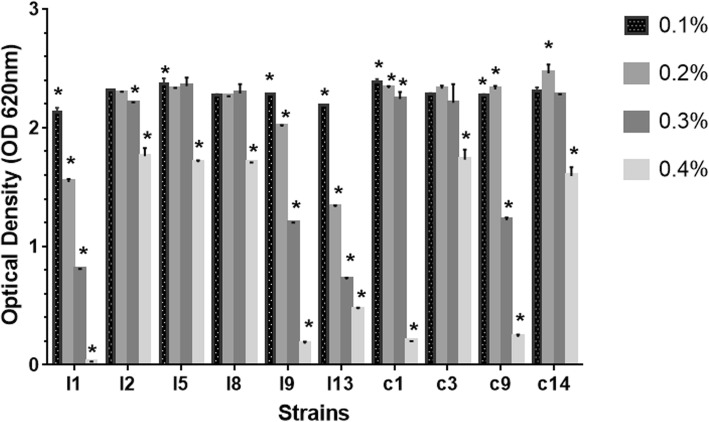
“In addition to bile salts, probiotics are expected to tolerate phenol, a toxic metabolite produced during the microbial deamination of certain amino acids in the GI tract [44, 45].”
Characterization of Lactobacillus spp. isolated from layer hens as probiotic candidates
Zhang, J., McWhorter, A. R., Khan, S., Willson, N.-L., & Chousalkar, K. K. (2025) · BMC Veterinary Research · doi:10.1186/s12917-025-04847-0 · Cited by 13
“Pediococcus acidilactici , Pediococcus pentosaceus , and Enterococcus faecium are also often isolated from broiler faeces [19].”
Avian Cell Culture Models to Study Immunomodulatory Properties of Bioactive Products
Paradowska, M., Dunisławska, A., Siwek, M. Z., & Sławińska, A. (2022) · Animals · doi:10.3390/ani12050670 · Cited by 15
Metadata
- Authors
- Reuben, R. C., Roy, P. C., Sarkar, S. L., Alam, R.-U., & Jahid, I. K.
- Affiliations
- Jashore University of Science and Technology (BD)
- Corresponding author
- Jahid, Iqbal Kabir
- Venue
- BMC Microbiology
- Published
- 2019-11-12
- Volume
- 19
- Issue
- 1
- Pages
- 253-253
- ISSN
- 1471-2180 (ISSN-L)
- PMC
- PMC6852909
- OpenAlex
- W2985767961
- Cited by
- 341
- References
- 67
- Citations by year
- 2026: 57 · 2025: 66 · 2024: 56 · 2023: 64 · 2022: 60 · 2021: 25 · 2020: 13
- FWCI
- 18.90
- Type
- journal article
- Language
- en
- Open access
- gold
- doi.org
- Licence
- cc-by
- creativecommons.org/licenses/by/4.0/ (tdm)
- creativecommons.org/licenses/by/4.0/ (vor)
- Locations
- BMC Microbiology (publishedVersion, cc-by)
- PubMed Central (publishedVersion, cc-by)
- PubMed (publishedVersion)
- DOAJ (DOAJ: Directory of Open Access Journals) (submittedVersion, cc-by-sa)
- Funders
- U.S. Department of Agriculture
- Topics
- Life Sciences › Agricultural and Biological Sciences › Food Science › Probiotics and Fermented Foods
- Life Sciences › Agricultural and Biological Sciences › Animal Science and Zoology › Animal Nutrition and Physiology
- Life Sciences › Immunology and Microbiology › Immunology › Aquaculture disease management and microbiota
- Keywords
- lactic acid bacteria, broiler chickens, antagonistic activity, competitive exclusion, self-aggregation, co-aggregation, α-glucosidase inhibition, bile salt tolerance, antibiotic susceptibility, Lactobacillus reuteri, Pediococcus acidilactici, Enterococcus faecium, Pediococcus pentosaceus, antibiotic alternatives
- MeSH terms
- Animals, Chickens, DNA, Ribosomal, Gastric Juice, Oxacillin, Poultry, RNA, Ribosomal, 16S, Sequence Analysis, DNA, Probiotics, Drug Resistance, Bacterial, Gastrointestinal Tract, Microbial Viability, Lactobacillales
About these checks
Registry, retraction, Cites and statistics results are computed, not judged, with one exception: a printed reference that no index lists is read once by a model before it counts as a citation error. Claims are extracted by a model and kept only when their quote appears verbatim in the text; each cited source is then checked, with a model’s help, for whether it says what the claim relies on. Those verdicts can be wrong — read the claim’s quote and the cited source before relying on one.
Statistics and arithmetic are recomputed, not judged.
Confidence bands are shown only for fields calibrated on our annotated test set. None is calibrated yet, so no band is shown.
What counts as a claim ›How we measure confidence ›How we check this ›
Are you an author, or do you see a problem with this page? Request a review
Data sources
Bibliographic data: Semantic Scholar, OpenAlex, Crossref.
Contains information from the Semantic Scholar Academic Graph Datasets, made available under the ODC Attribution License (ODC-BY 1.0).
Semantic Scholar’s data is described in: Kinney, R., et al. (2023). The Semantic Scholar Open Data Platform. arXiv:2301.10140.
