

Effect of creatine supplementation on kidney function: a systematic review and meta-analysis
Open accessThe DOI matches its Crossref record; 37 of the 37 references it cites were found in a registry or an index; 9 of the 35 sources its claims cite were checked for support.
Abstract
A systematic review and meta-analysis evaluating serum creatinine and glomerular filtration rate after creatine supplementation.
Overview
CoChat Summary
TL;DR
This systematic review and meta-analysis found that creatine supplementation modestly increases serum creatinine but does not significantly change glomerular filtration rate (GFR), suggesting preserved kidney function. The authors conclude the creatinine rise likely reflects creatine metabolism rather than renal impairment.
Key findings
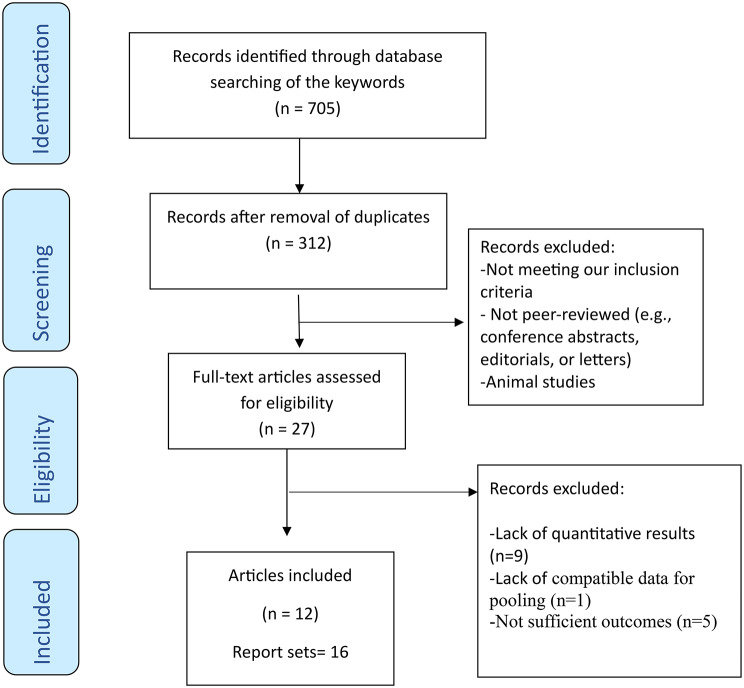
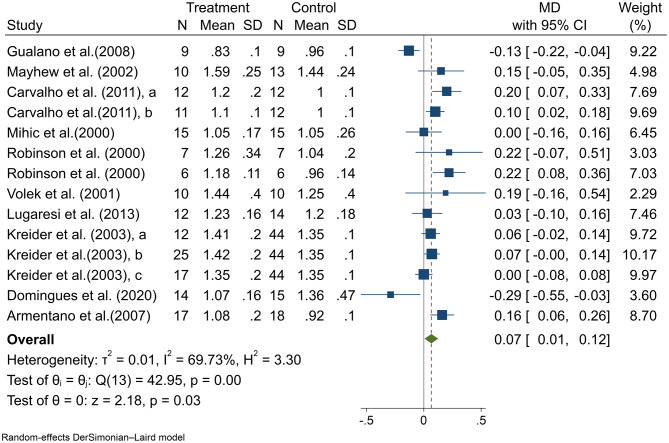
- Twenty-one studies were included in the systematic review; 12 studies (177 creatine participants and 263 controls) were eligible for the serum creatinine meta-analysis per the abstract. Creatine supplementation was associated with a small statistically significant increase in serum creatinine (MD: 0.07 µmol/L; 95% CI: 0.01 to 0.12; p = 0.03).
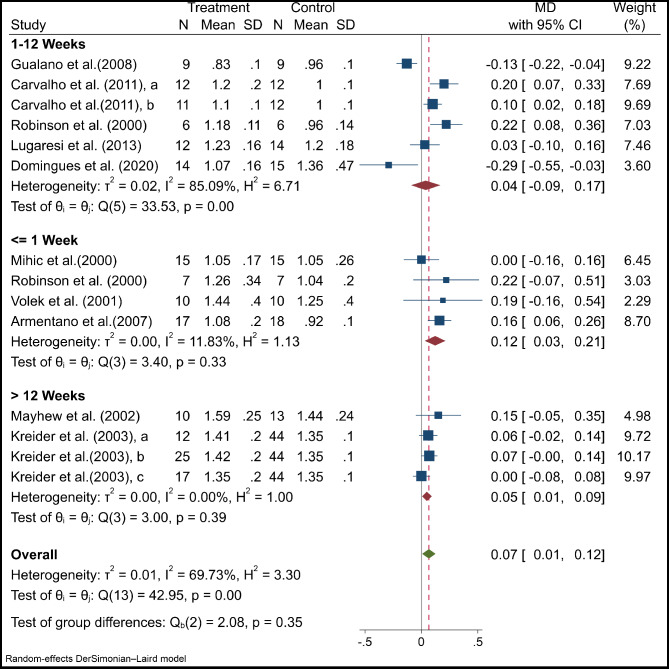
- Subgroup analysis by follow-up duration found a significant effect for ≤ 1 week (MD = 0.12; 95% CI: 0.03 to 0.21), no significant effect for 1 to 12 weeks (MD = 0.04; 95% CI: −0.09 to 0.17), and a significant effect again for more than 12 weeks, though no numeric estimate was reported for that subgroup.
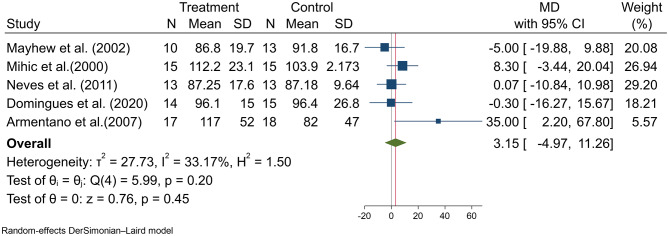
- The GFR meta-analysis included 5 studies (69 creatine participants and 74 controls) and found non-statistically significant differences in GFR following creatine supplementation compared with control.
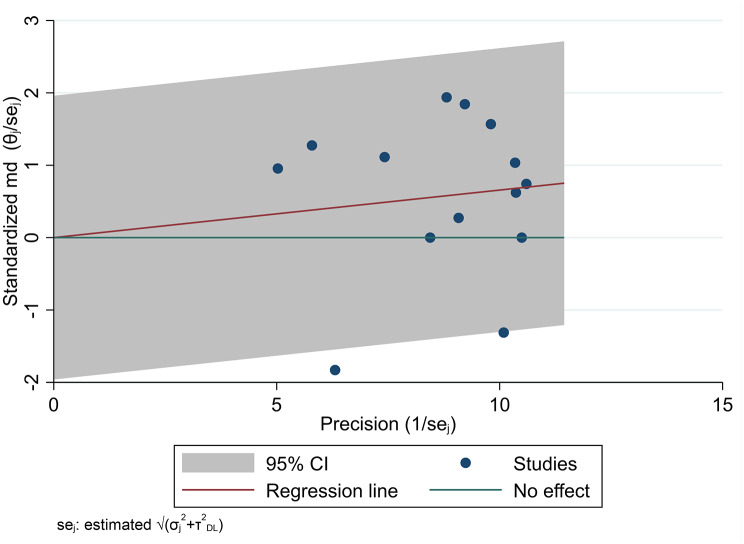
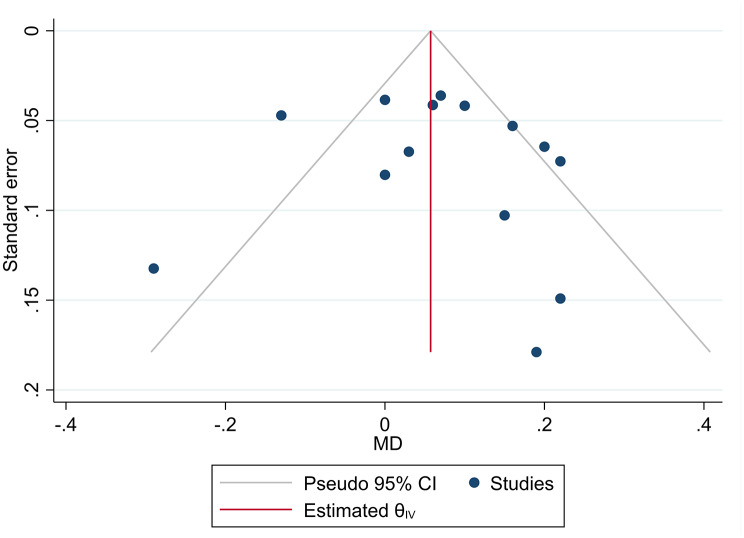
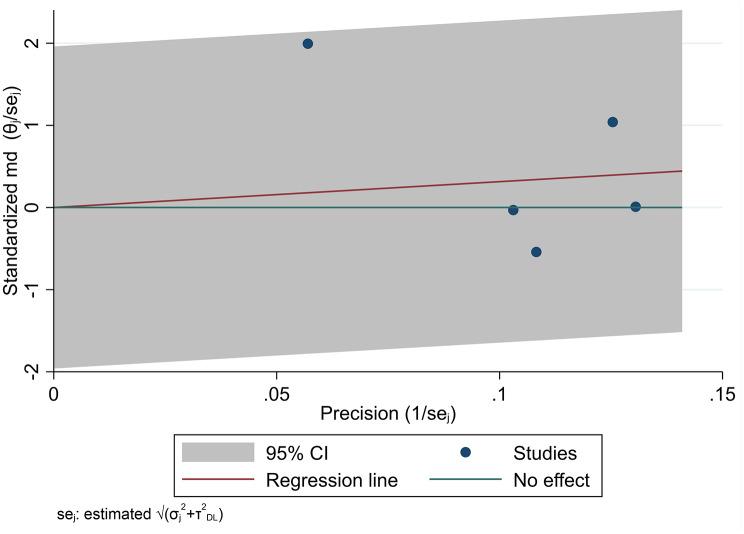
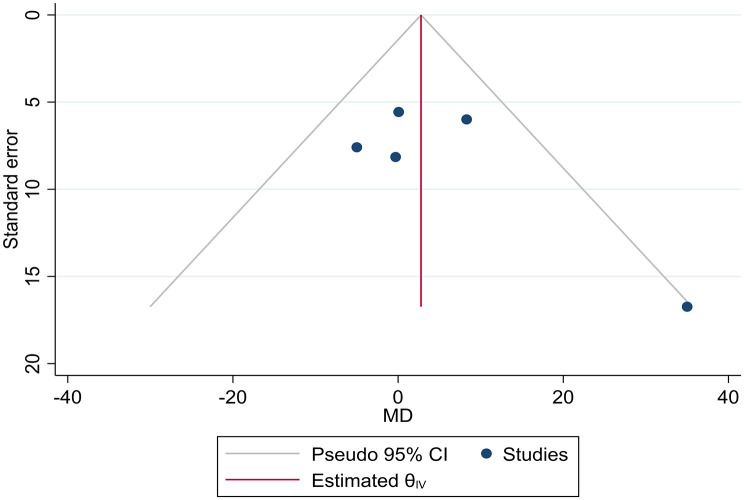
- Heterogeneity was substantial for serum creatinine (I² = 69.73%) and moderate for GFR (I² = 33.17%). Funnel plots suggested asymmetry/publication bias, but trim-and-fill analysis showed no change in pooled results.
Methods
- PRISMA-guided systematic review and meta-analysis; searched PubMed, Scopus, Web of Science, and Google Scholar for English-language human studies published January 2000 to March 2025. Eligible designs included observational cohort or case-control studies, non-randomized trials, RCTs, and pre-post experimental designs; primary outcomes were serum creatinine and GFR.
- Mean difference was the primary effect size; random-effects models were used, with subgroup analysis by follow-up duration. Heterogeneity was assessed with I², Cochran’s Q, and Galbraith plots; publication bias was assessed with funnel plots and Egger’s regression test; analyses used STATA version 17.
- Risk of bias was assessed with Cochrane RoB-2 for RCTs and the Newcastle–Ottawa Scale or simplified checklists for observational and pre-post studies.
Limitations
- Stated: most included studies were of short to moderate duration, and long-term safety data beyond one year remain sparse; dosage and participants’ training status were limited or inconsistently reported, restricting further subgroup analyses; assay type and standardization method were often unreported, precluding subgroup analysis by assay methodology.
- Stated/evident: small sample sizes, short follow-up, missing methodological details (e.g., sequence generation, allocation concealment, dropouts, trial registration), and higher risk of bias in observational/pre-post studies temper overall certainty.
- Evident: the abstract states 12 studies were eligible for the creatinine meta-analysis, while the results state 14 studies were included in that meta-analysis, an internal inconsistency in the text.
Model-written summary. Check it against the paper before relying on it.
Integrity signals
Registry
Cites
Statistics
Figures
Verification
Claims the paper makes
6 Valid · 0 Not valid · 2 Not checked · 34 Own results and interpretations
The cited sources support only part of this claim — read each source’s verdict below.
In the paper
“Stable GFR values are clinically more important than transient elevations in serum creatinine or other biomarkers, which may be influenced by extrarenal factors such as muscle mass, diet, or supplementation [1, 2].”
§ Effect of creatine supplementation on kidney function: a systematic review and meta-analysis > Discussion
What the sources say
- Not checked — no full text of the sourcecites [1] Stevens LA, Coresh J, Greene T, Levey AS. Assessing kidney function—measured and estimated glomerular filtration rate. N Engl J Med. 2006;354(23):2473–83. 16760447 source
- Partly supportedcites [2] Inker LA, Schmid CH, Tighiouart H, Eckfeldt JH, Feldman HI, Greene T, et al. Estimating glomerular filtration rate from serum creatinine and Cystatin C. N Engl J Med. 2012;367(1):20–9. 22762315 PMC4398023 sourceExperimental — accuracy not yet measured
The Discussion says accurate GFR assessment is clinically important and that GFR below the chronic kidney disease threshold for at least three months is a diagnostic criterion. It also says creatinine is affected by muscle mass and diet. It does not compare stable GFR values with transient biomarker elevations or discuss supplementation. (LLM, conf=0.85)
plain- Asserted: passes — The authors put it forward as true.
- Checkable: passes — It can be checked against evidence.
- Load-bearing: passes — The paper’s conclusions depend on it.
- Based: passes — The paper gives a reason why it holds.
The sources with a verdict support this claim; the rest weren’t checked yet, have no full text we could read, or their verdicts aren’t rated yet.
In the paper
“However, many studies have shown that oral creatine use did not lead to kidney damages [12–14].”
§ Effect of creatine supplementation on kidney function: a systematic review and meta-analysis > Introduction
What the sources say
- Not checked — no full text of the sourcecites [12] Taes YE, Delanghe JR, Wuyts B, van de Voorde J, Lameire NH. Creatine supplementation does not affect kidney function in an animal model with pre-existing renal failure. Nephrol Dial Transpl. 2003;18(2):258–64. 12543878 source
- Supportedcites [13] Baracho NC, Castro LP, Borges Nda C, Laira PB. Study of renal and hepatic toxicity in rats supplemented with creatine. Acta Cir Bras. 2015;30(5):313–8. 26016930 source
The Introduction reports studies finding no kidney-function damage from creatine supplementation in rats. This paper’s Conclusion also reports no renal toxicity from oral creatine at the doses tested. The findings are dose- and population-specific, and the paper notes contrary findings in other studies. (LLM, conf=0.88)
- Not checked — no full text of the sourcecites [14] Ferreira LG, De Toledo Bergamaschi C, Lazaretti-Castro M, Heilberg IP. Effects of creatine supplementation on body composition and renal function in rats. Med Sci Sports Exerc. 2005;37(9):1525–9. 16177604 source
plain- Asserted: passes — The authors put it forward as true.
- Checkable: passes — It can be checked against evidence.
- Load-bearing: passes — The paper’s conclusions depend on it.
- Based: passes — The paper gives a reason why it holds.
A result the paper reports from its own data — it cites no other source for it, so there is none to check. The quote shows it is in the paper.
In the paper
“To further confirm and quantify the extent of any potential bias a trim-and-fill analysis was conducted and the results remained unchanged.”
§ Effect of creatine supplementation on kidney function: a systematic review and meta-analysis > Results > GFR
plain- Asserted: passes — The authors put it forward as true.
- Checkable: passes — It can be checked against evidence.
- Load-bearing: unclear — It is unclear whether the paper’s conclusions depend on it.
- Based: passes — The paper gives a reason why it holds.
A result the paper reports from its own data — it cites no other source for it, so there is none to check. The quote shows it is in the paper.
In the paper
“In contrast, heterogeneity for GFR outcomes was moderate (I² = 33.17%), suggesting that the variation in effect sizes was relatively low.”
§ Effect of creatine supplementation on kidney function: a systematic review and meta-analysis > Results > Creatinine level
hedged- Asserted: passes — The authors put it forward as true.
- Checkable: passes — It can be checked against evidence.
- Load-bearing: passes — The paper’s conclusions depend on it.
- Based: passes — The paper gives a reason why it holds.
A result the paper reports from its own data — it cites no other source for it, so there is none to check. The quote shows it is in the paper.
In the paper
“the intervention effect was significant in studies with a follow-up of ≤ 1 week (MD = 0.12; 95% CI: 0.03 to 0.21).”
- Also stated in: § Creatinine level · plain
“Our pooled results revealed that the intervention effect was significant in studies with a follow-up of ≤ 1 week (MD = 0.12; 95% CI: 0.03 to 0.21).”
§ Effect of creatine supplementation on kidney function: a systematic review and meta-analysis > Abstract > Results
plainstates a cause- Asserted: passes — The authors put it forward as true.
- Checkable: passes — It can be checked against evidence.
- Load-bearing: unclear — It is unclear whether the paper’s conclusions depend on it.
- Based: passes — The paper gives a reason why it holds.
- Also stated in: § Creatinine level · plain
14 more claims
Create a free account to see all 42 claims and to verify the 4 references still open.
- It may state two separate claims as one. 17
- Probably not a substantial claim. 7
- The quote only partly states this claim. 1
Claims other papers make about this one
Each is checked against this paper’s own text: does it say what the citing paper says it does?
In the citing paper
“A recent systematic review and meta-analysis found a small increase in serum creatinine without a significant reduction in glomerular filtration [55].”
From Creatine Monohydrate in Adolescent Athletes: A Critical Narrative Review of Performance, Safety, and Considerations for Responsible Use (2026) · cites this paper as [55]
Self-check
Percentages, sums and reported differences re-computed from the paper’s own numbers.
Each contradiction between two passages listed here was confirmed by an independent check.
Rated minor: it would not touch a result — a value no result rests on, a p-value that stays on the same side of the significance level, or a conflict that is clerical, resolved elsewhere in the paper, or outside its own findings.
In the paper
§ Effect of creatine supplementation on kidney function: a systematic review and meta-analysis > Results > Creatinine level
“These findings justified the use of a random-effects model for both outcomes to account for between-study variability and ensure more conservative pooled estimates.”
§ Effect of creatine supplementation on kidney function: a systematic review and meta-analysis > Methods > Statistical analysis
“A random-effects model was applied when substantial heterogeneity was detected (I² > 50% and p < 0.05); otherwise, a fixed-effects model was used.”
Rated minor: it would not touch a result — a value no result rests on, a p-value that stays on the same side of the significance level, or a conflict that is clerical, resolved elsewhere in the paper, or outside its own findings.
In the paper
§ Effect of creatine supplementation on kidney function: a systematic review and meta-analysis > Results > Search and study selection
“| Domingues et al. 2020, Brazil [19] | 14 | 15 | Healthy adults |”
§ Effect of creatine supplementation on kidney function: a systematic review and meta-analysis > References
“19. Domingues WJR, Ritti-Dias RM, Cucato GG, Wolosker N, Zerati AE, Puech-Leão P, et al. Does creatine supplementation affect renal function in patients with peripheral artery disease?”
Rated minor: it would not touch a result — a value no result rests on, a p-value that stays on the same side of the significance level, or a conflict that is clerical, resolved elsewhere in the paper, or outside its own findings.
In the paper
§ Effect of creatine supplementation on kidney function: a systematic review and meta-analysis > Results > Creatinine level
“A total of 14 studies evaluating serum creatinine levels before and after intervention were included in the meta-analysis.”
§ Effect of creatine supplementation on kidney function: a systematic review and meta-analysis > Discussion
“12 (comprising 14 outcome measures) were eligible for quantitative synthesis of serum creatinine outcomes”
Rated minor: it would not touch a result — a value no result rests on, a p-value that stays on the same side of the significance level, or a conflict that is clerical, resolved elsewhere in the paper, or outside its own findings.
In the paper
§ Effect of creatine supplementation on kidney function: a systematic review and meta-analysis > Abstract > Conclusion
“Creatine supplementation is associated with a modest, transient increase in serum creatinine levels, likely due to metabolic turnover rather than renal impairment.”
§ Effect of creatine supplementation on kidney function: a systematic review and meta-analysis > Results > Creatinine level
“The effect became significant again in studies with a follow-up of more than 12 weeks, suggesting a possible delayed but meaningful elevation in serum creatinine over extended supplementation periods.”
Citations
Cites
Estimating glomerular filtration rate from serum creatinine and cystatin C
Inker, L. A., Schmid, C. H., Tighiouart, H., Eckfeldt, J. H., Feldman, H. I., Greene, T., Kusek, J. W., Manzi, J., Van Lente, F., Zhang, Y. L., et al. (2012) · New England Journal of Medicine · doi:10.1056/nejmoa1114248 · Cited by 4,102 · cited 5×
“Exogenous markers such as inulin are used in the most accurate approach, mGFR, but this method is usually limited to specific settings. eGFR is often calculated using serum biomarkers such as creatinine (Crn), a byproduct of creatinine metabolism [1, 2].”
InfluentialAssessing Kidney Function — Measured and Estimated Glomerular Filtration Rate
Stevens, L. A., Coresh, J., Greene, T., & Levey, A. S. (2006) · New England Journal of Medicine · doi:10.1056/nejmra054415 · Cited by 2,952
Creatine and Creatinine Metabolism
Wyss, M., & Kaddurah-Daouk, R. (2000) · Physiological Reviews · doi:10.1152/physrev.2000.80.3.1107 · Cited by 2,950 · cited 2×
“Its ability to raise intramuscular phos-phocreatine concentrations helps to rapidly resynthesize adenosine triphosphate (ATP) during prolonged exercise [4].”
MIHIC, S., MacDONALD, J. R., McKENZIE, S., & TARNOPOLSKY, M. A. (2000) · Medicine & Science in Sports & Exercise · doi:10.1097/00005768-200002000-00007 · Cited by 201 · cited 1×
“This further supports the idea that reported increases in serum creatinine are not symptomatic of diminished renal function [15, 16, 27–29, 31, 34, 35].”
Kreider, R. B., Melton, C., Rasmussen, C. J., Greenwood, M., Lancaster, S., Cantler, E. C., Milnor, P., & Almada, A. L. (2003) · Molecular and Cellular Biochemistry · doi:10.1023/a:1022469320296 · Cited by 181
Creatine supplementation and health variables: a retrospective study
SCHILLING, B. K., STONE, M. H., UTTER, A., KEARNEY, J. T., JOHNSON, M., COGLIANESE, R., SMITH, L., O'BRYANT, H. S., FRY, A. C., STARKS, M., et al. (2001) · Medicine & Science in Sports & Exercise · doi:10.1097/00005768-200102000-00002 · Cited by 122
Robinson, T. M., Sewell, D. A., Casey, A., Steenge, G., & Greenhaff, P. L. (2000) · British Journal of Sports Medicine · doi:10.1136/bjsm.34.4.284 · Cited by 115 · cited 1×
“This further supports the idea that reported increases in serum creatinine are not symptomatic of diminished renal function [15, 16, 27–29, 31, 34, 35].”
Physiological responses to short-term exercise in the heat after creatine loading
VOLEK, J. S., MAZZETTI, S. A., FARQUHAR, W. B., BARNES, B. R., GÓMEZ, A. L., & KRAEMER, W. J. (2001) · Medicine & Science in Sports & Exercise · doi:10.1097/00005768-200107000-00006 · Cited by 105 · cited 2×
“After removing duplicates, screening titles and abstracts, and assessing full texts against the predefined inclusion and exclusion criteria, a total of 21 studies were deemed eligible [ 15– 35 ].”
Effect of Oral Creatine Supplementation on Urinary Methylamine, Formaldehyde, and Formate
POORTMANS, J. R., KUMPS, A., DUEZ, P., FOFONKA, A., CARPENTIER, A., & FRANCAUX, M. (2005) · Medicine & Science in Sports & Exercise · doi:10.1249/01.mss.0000176398.64189.e6 · Cited by 91
Gualano, B., de Salles Painelli, V., Roschel, H., Lugaresi, R., Dorea, E., Artioli, G. G., Lima, F. R., da Silva, M. E. R., Cunha, M. R., Seguro, A. C., et al. (2011) · European Journal of Applied Physiology · doi:10.1007/s00421-010-1676-3 · Cited by 88
Gualano, B., Ugrinowitsch, C., Novaes, R. B., Artioli, G. G., Shimizu, M. H., Seguro, A. C., Harris, R. C., & Lancha, A. H. (2008) · European Journal of Applied Physiology · doi:10.1007/s00421-007-0669-3 · Cited by 88
Thorsteinsdottir, B., Grande, J. P., & Garovic, V. D. (2006) · Journal of Renal Nutrition · doi:10.1053/j.jrn.2006.04.025 · Cited by 80 · cited 1×
“Beyond its ergogenic advantages, increasing data indicate that creatine may have therapeutic effects in several clinical settings, including rheumatic illnesses [5, 6], and neurodegenerative disorders [7, 8], highlighting its broader applicability beyond the athletic population.”
Effects of Creatine Supplementation on Renal Function: A Systematic Review and Meta-Analysis
de Souza e Silva, A., Pertille, A., Reis Barbosa, C. G., Aparecida de Oliveira Silva, J., de Jesus, D. V., Ribeiro, A. G. S. V., Baganha, R. J., & de Oliveira, J. J. (2019) · Journal of Renal Nutrition · doi:10.1053/j.jrn.2019.05.004 · Cited by 76 · cited 1×
“A previous systematic review and meta-analysis included 5 studies (comprising 8 outcome measures) with a total of 220 participants to evaluate serum creatinine levels, and 3 studies involving 136 participants to assess glomerular filtration rate (GFR) [36].”
Lugaresi, R., Leme, M., de Salles Painelli, V., Murai, I. H., Roschel, H., Sapienza, M. T., Lancha Junior, A. H., & Gualano, B. (2013) · Journal of the International Society of Sports Nutrition · doi:10.1186/1550-2783-10-26 · Cited by 72
Mayhew, D. L., Mayhew, J. L., & Ware, J. S. (2002) · International Journal of Sport Nutrition and Exercise Metabolism · doi:10.1123/ijsnem.12.4.453 · Cited by 66
Few Adverse Effects of Long-Term Creatine Supplementation in a Placebo-Controlled Trial
Groeneveld, G. J., Beijer, C., Veldink, J. H., Kalmijn, S., Wokke, J. H. J., & van den Berg, L. H. (2005) · International Journal of Sports Medicine · doi:10.1055/s-2004-817917 · Cited by 64
Creatine Supplementation Increases Renal Disease Progression in Han:SPRD-cy Rats
Edmunds, J. W., Jayapalan, S., DiMarco, N. M., Saboorian, H., & Aukema, H. M. (2001) · American Journal of Kidney Diseases · doi:10.1053/ajkd.2001.20590 · Cited by 58 · cited 1×
“Early reports are the main source of these concerns [5–10], animal studies [11], and the clinical reliance on serum creatinine.”
Taes, Y. E. C. (2003) · Nephrology Dialysis Transplantation · doi:10.1093/ndt/18.2.258 · Cited by 58 · cited 1×
“However, many studies have shown that oral creatine use did not lead to kidney damages [12–14].”
The Effect of Creatine Intake on Renal Function
Pline, K. A., & Smith, C. L. (2005) · Annals of Pharmacotherapy · doi:10.1345/aph.1e628 · Cited by 53 · cited 2×
“Because of this, estimating GFR in creatine supplementation trials using only creatinine-based metrics can be deceptive and is mainly insufficient for precisely evaluating renal health in this situation [3, 4].”
Renal dysfunction accompanying oral creatine supplements
Greenhaff, P. (1998) · The Lancet · doi:10.1016/s0140-6736(05)77834-x · Cited by 43
Effect of creatine supplementation on measured glomerular filtration rate in postmenopausal women
Neves, M., Gualano, B., Roschel, H., Lima, F. R., Lúcia de Sá-Pinto, A., Seguro, A. C., Shimizu, M. H., Sapienza, M. T., Fuller, R., Lancha, A. H., et al. (2011) · Applied Physiology Nutrition and Metabolism · doi:10.1139/h11-014 · Cited by 40 · cited 1×
“This further supports the idea that reported increases in serum creatinine are not symptomatic of diminished renal function [15, 16, 27–29, 31, 34, 35].”
The effects of the recommended dose of creatine monohydrate on kidney function
Taner, B., Aysim, O., & Abdulkadir, U. (2011) · Clinical Kidney Journal · doi:10.1093/ndtplus/sfq177 · Cited by 39
Solis, M. Y., Hayashi, A. P., Artioli, G. G., Roschel, H., Sapienza, M. T., Otaduy, M. C., De Sã Pinto, A. L., Silva, C. A., Sallum, A. M. E., Pereira, R. M. R., et al. (2016) · Muscle & Nerve · doi:10.1002/mus.24681 · Cited by 36 · cited 1×
“This further supports the idea that reported increases in serum creatinine are not symptomatic of diminished renal function [15, 16, 27–29, 31, 34, 35].”
Creatine supplementation improves performance, but is it safe? Double-blind placebo-controlled study
Almeida, D., Colombini, A., & Machado, M. (2020) · The Journal of Sports Medicine and Physical Fitness · doi:10.23736/s0022-4707.20.10437-7 · Cited by 36 · cited 2×
“After removing duplicates, screening titles and abstracts, and assessing full texts against the predefined inclusion and exclusion criteria, a total of 21 studies were deemed eligible [ 15– 35 ].”
Effects of Creatine Supplementation on Body Composition and Renal Function in Rats
FERREIRA, L. G., BERGAMASCHI, C. D. T., LAZARETTI-CASTRO, M., & HEILBERG, I. P. (2005) · Medicine & Science in Sports & Exercise · doi:10.1249/01.mss.0000177555.94271.44 · Cited by 33 · cited 1×
“However, many studies have shown that oral creatine use did not lead to kidney damages [12–14].”
Is It Time for a Requiem for Creatine Supplementation-Induced Kidney Failure? A Narrative Review
Longobardi, I., Gualano, B., Seguro, A. C., & Roschel, H. (2023) · Nutrients · doi:10.3390/nu15061466 · Cited by 31 · cited 1×
“Since serum Crn is a metabolite of creatine, its elevation is a predictable physiological response rather than a sign of kidney damage [8, 37].”
Sale, C., Harris, R. C., Florance, J., Kumps, A., Sanvura, R., & Poortmans, J. R. (2009) · Journal of Sports Sciences · doi:10.1080/02640410902838237 · Cited by 29
Efectos en la función renal de la suplementación de creatina con fines deportivos
Vega, J., & Huidobro E., J. P. (2019) · Revista médica de Chile · doi:10.4067/s0034-98872019000500628 · Cited by 26
The Effect and Safety of Short-Term Creatine Supplementation on Performance of Push-Ups
Armentano, M. J., Brenner, A. K., Hedman, T. L., Solomon, Z. T., Chavez, J., Kemper, G. B., Salzberg, D., Battafarano, D. F., & Christie, D. S. (2007) · Military Medicine · doi:10.7205/milmed.172.3.312 · Cited by 19 · cited 1×
“This further supports the idea that reported increases in serum creatinine are not symptomatic of diminished renal function [15, 16, 27–29, 31, 34, 35].”
Suplementação com creatina associada ao treinamento resistido não altera as funções renal e hepática
Carvalho, A. P. P. F., Molina, G. E., & Fontana, K. E. (2011) · Revista Brasileira de Medicina do Esporte · doi:10.1590/s1517-86922011000400004 · Cited by 19
Study of renal and hepatic toxicity in rats supplemented with creatine
Baracho, N. C. D. V., Castro, L. P. D., Borges, N. D. C., & Laira, P. B. (2015) · Acta Cirurgica Brasileira · doi:10.1590/s0102-865020150050000002 · Cited by 16
Domingues, W. J. R., Ritti-Dias, R. M., Cucato, G. G., Wolosker, N., Zerati, A. E., Puech-Leão, P., Nunhes, P. M., Moliterno, A. A., & Avelar, A. (2020) · Annals of Vascular Surgery · doi:10.1016/j.avsg.2019.07.008 · Cited by 12
de Oliveira Vilar Neto, J., da Silva, C. A., Meneses, G. C., Pinto, D. V., Brito, L. C., da Cruz Fonseca, S. G., de Sousa Alves, R., Martins, A. M. C., de Oliveira Assumpção, C., & De Francesco Daher, E. (2020) · Toxicology Research · doi:10.1093/toxres/tfaa028 · Cited by 11
Elevation of serum creatinine in a renal transplant patient following oral creatine supplementation
Law, J. P., Di Gerlando, S., Pankhurst, T., & Kamesh, L. (2019) · Clinical Kidney Journal · doi:10.1093/ckj/sfy101 · Cited by 6 · cited 1×
“Beyond its ergogenic advantages, increasing data indicate that creatine may have therapeutic effects in several clinical settings, including rheumatic illnesses [5, 6], and neurodegenerative disorders [7, 8], highlighting its broader applicability beyond the athletic population.”
Clemente, J. C. L., Fuertes-Kenneally, L., Huerta, J. A., Arcos, F. S., González-López, J., Lozano, R., & Castillo, J. A. (2024) · REC CardioClinics · doi:10.1016/j.rccl.2024.10.012 · Cited by 5
(2016) · PubMed · Cited by 3
(2013) · PubMed · Cited by 2
Cited by
Farfán-Díaz, Á., Fuentes-Hinojosa, C., Andrade-Oyarzun, M., Garcia-Carrillo, E., Molina-Márquez, I., Yáñez-Sepúlveda, R., Castillo-Paredes, A., Barrera-González, D., & Montalva-Valenzuela, F. (2026) · Adolescents · doi:10.3390/adolescents6040059 · Cited by 1
“A recent systematic review and meta-analysis found a small increase in serum creatinine without a significant reduction in glomerular filtration [55].”
Direct Measurement of GFR: Who, When, and How?
Schaeffner, E., Ebert, N., & White, C. A. (2026) · Journal of the American Society of Nephrology · doi:10.1681/asn.0000001040 · Cited by 2
Gonzalez, D. E., Dickerson, B. L., Hines, K., Chun, J., Gil, A. C., Forbes, S. C., Candow, D. G., & Kreider, R. B. (2026) · Sports · doi:10.3390/sports14040137 · Cited by 3
“These findings support existing mechanistic and clinical evidence indicating that creatine does not impair kidney function in healthy individuals or patients when used at recommended doses [5,8,36,37].”
Burridge, J. D., Boolani, A., Zhang, Z., & Glenn, J. M. (2026) · Journal of the International Society of Sports Nutrition · doi:10.1080/15502783.2026.2702952 · Cited by 2
“…relative to placebo, a recent meta-analysis found that creatine has no significant effect on glomerular filtration rate (how well kidneys filter waste), and Mendelian randomisation analyses do not support a causal effect of elevated serum creatine concentrations on renal function [6,31,43].”
Wischmeyer, P. E. (2026) · Current Opinion in Critical Care · doi:10.1097/mcc.0000000000001386 · Cited by 1
Metadata
- Authors
- Naeini, E. K., Eskandari, M., Mortazavi, M., Gholaminejad, A., & Karevan, N.
- Affiliations
- Isfahan University of Medical Sciences (IR)
- Corresponding author
- Eskandari, Milad
- Venue
- BMC Nephrology
- Published
- 2025-11-06
- Volume
- 26
- Issue
- 1
- Pages
- 622-622
- ISSN
- 1471-2369 (ISSN-L)
- PMC
- PMC12590749
- OpenAlex
- W4415958350
- Cited by
- 36
- References
- 32
- Citations by year
- 2026: 36
- FWCI
- 3.81
- Type
- journal article
- Language
- en
- Open access
- gold
- doi.org
- Licence
- cc-by-nc-nd
- creativecommons.org/licenses/by-nc-nd/4.0 (tdm)
- creativecommons.org/licenses/by-nc-nd/4.0 (vor)
- Locations
- BMC Nephrology (publishedVersion, cc-by-nc-nd)
- Europe PMC (PubMed Central) (publishedVersion, cc-by-nc-nd)
- PubMed (publishedVersion)
- DOAJ (DOAJ: Directory of Open Access Journals) (submittedVersion, cc-by-sa)
- Topics
- Health Sciences › Nursing › Nutrition and Dietetics › Muscle metabolism and nutrition
- Health Sciences › Medicine › Nephrology › Dialysis and Renal Disease Management
- Health Sciences › Medicine › Physiology (medical) › Biochemical effects in animals
- Keywords
- creatine monohydrate, dietary supplementation, renal function, serum creatinine, glomerular filtration rate, renal dysfunction, duration of supplementation, creatine metabolism
- MeSH terms
- Creatine, Creatinine, Glomerular Filtration Rate, Humans, Kidney, Dietary Supplements
About these checks
Registry, retraction, Cites and statistics results are computed, not judged, with one exception: a printed reference that no index lists is read once by a model before it counts as a citation error. Claims are extracted by a model and kept only when their quote appears verbatim in the text; each cited source is then checked, with a model’s help, for whether it says what the claim relies on. Those verdicts can be wrong — read the claim’s quote and the cited source before relying on one.
The claim verdicts this report counts are experimental: their accuracy is not yet measured.
A language model drew the claims from the paper on 2026-10-10, under version 3 of the claim definition (model deepseek-v4.1-flash, prompt extract-v3).
A second model labelled each claim on 2026-10-10 (model jev-1.13-20260917, definition revision gold-guideline-v0.2).
Cited sources are checked with a language model’s help (gpt-6-sol).
Statistics and arithmetic are recomputed, not judged.
Confidence bands are shown only for fields calibrated on our annotated test set. None is calibrated yet, so no band is shown.
What counts as a claim ›How we measure confidence ›How we check this ›
Are you an author, or do you see a problem with this page? Request a review
Data sources
Bibliographic data: Semantic Scholar, OpenAlex, Crossref.
Contains information from the Semantic Scholar Academic Graph Datasets, made available under the ODC Attribution License (ODC-BY 1.0).
Semantic Scholar’s data is described in: Kinney, R., et al. (2023). The Semantic Scholar Open Data Platform. arXiv:2301.10140.
