

Well-being in high-risk pregnancy: an integrative review
Open accessPublished version of a preprint
The DOI matches its Crossref record; 118 of the 120 references it cites were found in a registry or an index.
Abstract
Background: A prerequisite to the interventions for well-being improvement in high-risk pregnancy (HRP) is to make the concept clear, objective, and measurable. Despite the wealth of studies into the concept of well-being in HRP, there is no clear definition for it. This study aimed to explore the concept of well-being in HRP. Methods: This integrative review was conducted using the Whittemore and Knafl’s approach. A literature search was done without any data limitation in dictionaries, thesauruses, encyclopedias, well-being-related textbooks, midwifery, psychology, and mental health journals, and Iranian and international databases. The most primary inclusion criterion was relevance to well-being in HRP. The full-texts of all these articles were assessed using the checklists of the Joanna Briggs Institute. Data were analyzed through the constant comparison method and were managed using the MAXQDA 10 software. Meaning units were identified and coded. The codes were grouped into subcategories and categories according to the attributes, antecedents, and consequences of well-being in HRP. Results: Thirty articles were included in the review, from which 540 codes were extracted. The codes were grouped into seven main attributes, eight main antecedents, and five main consequences of well-being in HRP. The four unique dimensions of well-being in HRP are physical, mental-emotional, social, and spiritual well-being. These dimensions differentiate well-being in HRP from well-being in low-risk pregnancy and in non-pregnancy conditions. Conclusion: As a complex and multidimensional concept, well-being in HRP refers to the pregnant woman’s evaluation of her life during HRP. It includes physical, hedonic, and eudaimonic components. The assessment of well-being in HRP should include all these components.
Overview
The claims and statistics of this paper haven’t been checked yet.
Free: it reads the open-access text and checks the first 5 claims that cite a source we can check. Create a free account to check every claim.
Integrity signals
Registry
Cites
Statistics
Figures
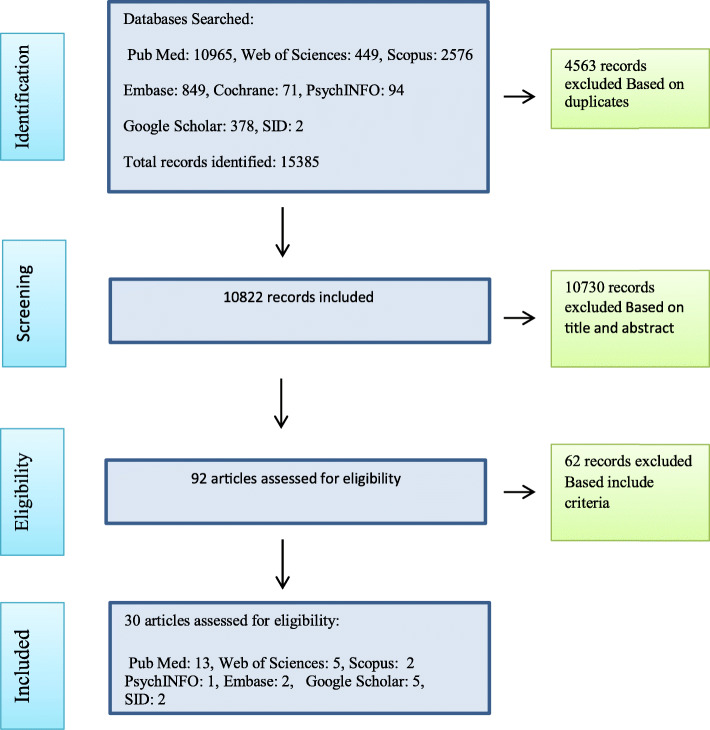
Verification
Claims the paper makes
The claims and statistics of this paper haven’t been checked yet.
Free: it reads the open-access text and checks the first 5 claims that cite a source we can check. Create a free account to check every claim.
Claims other papers make about this one
Each is checked against this paper’s own text: does it say what the citing paper says it does?
The source backs part of the claim, not all of it — or backs it for a different population, condition or comparison.
In the citing paper
“Thus, it can lead to inadequate prenatal care, shortened gestational periods, structural fetal abnormalities, and the birth of low-birthweight infants, among other obstetric complications [20, 21].”
From High-risk Pregnancy Nursing: Analyzing the Impact of Prenatal Stress, Maternal-Fetal Attachment, and Social Support on Prenatal Depression (2024) · cites this paper as [21]
Experimental — accuracy not yet measured
Self-check
Percentages, sums and reported differences re-computed from the paper’s own numbers.
The self-check needs the paper’s full text.
Citations
Cites
The satisfaction with life scale
Diener, E., Emmons, R. A., Larsen, R. J., & Griffin, S. (1985) · Journal of Personality Assessment · doi:10.1207/s15327752jpa4901_13 · Cited by 31,768
Liberati, A., Altman, D. G., Tetzlaff, J., Mulrow, C., Gøtzsche, P. C., Ioannidis, J. P. A., Clarke, M., Devereaux, P. J., Kleijnen, J., & Moher, D. (2009) · PLoS Medicine · doi:10.1371/journal.pmed.1000100 · Cited by 28,164
Happiness is everything, or is it? Explorations on the meaning of psychological well-being.
Ryff, C. D. (1989) · Journal of Personality and Social Psychology · doi:10.1037/0022-3514.57.6.1069 · Cited by 14,847
On Happiness and Human Potentials: A Review of Research on Hedonic and Eudaimonic Well-Being
Ryan, R. M., & Deci, E. L. (2001) · Annual Review of Psychology · doi:10.1146/annurev.psych.52.1.141 · Cited by 11,567
Diener, E. (1984) · Psychological Bulletin · doi:10.1037/0033-2909.95.3.542 · Cited by 11,023
Diener, E. (2009) · Social Indicators Research Series · doi:10.1007/978-90-481-2350-6_2 · Cited by 10,950
Liberati, A., Altman, D. G., Tetzlaff, J., Mulrow, C., Gøtzsche, P. C., Ioannidis, J. P. A., Clarke, M., Devereaux, P. J., Kleijnen, J., & Moher, D. (2009) · Annals of Internal Medicine · doi:10.7326/0003-4819-151-4-200908180-00136 · Cited by 10,349
The structure of psychological well-being revisited.
Ryff, C. D., & Keyes, C. L. M. (1995) · Journal of Personality and Social Psychology · doi:10.1037//0022-3514.69.4.719 · Cited by 10,285
The integrative review: updated methodology
Whittemore, R., & Knafl, K. (2005) · Journal of Advanced Nursing · doi:10.1111/j.1365-2648.2005.03621.x · Cited by 10,241
Взаимосвязь статуса занятости и пола с уровнем психологического благополучия
М.Р., Н., & С.И., Б. (2026) · Cifra LLC Journals · doi:10.60797/irj.2026.170.43 · Cited by 7,950
International Journal of Environmental Research and Public Health
(2013) · International Journal of Environmental Research and Public Health · doi:10.3390/ijerph · Cited by 7,753
Subjective well-being. The science of happiness and a proposal for a national index
Diener, E. (2000) · American Psychologist · doi:10.1037/0003-066x.55.1.34 · Cited by 7,121
(2004) · Choice Reviews Online · doi:10.5860/choice.41sup-0018 · Cited by 2,665
The challenge of defining wellbeing
Dodge, R., Daly, A., Huyton, J., & Sanders, L. (2012) · International Journal of Wellbeing · doi:10.5502/ijw.v2i3.4 · Cited by 2,166 · cited 1×
“Yet, there is no clear definition for it and controversies exist over its definition (8).”
BackgroundThe American Journal of Obstetrics and Gynecology 1920–1945
Kosmak, G. W. (1945) · American Journal of Obstetrics and Gynecology · doi:10.1016/0002-9378(45)90038-x · Cited by 2,074
Flow and the Foundations of Positive Psychology: The Collected Works of Mihaly Csikszentmihalyi
Csikszentmihalyi, M. (2014) · doi:10.1007/978-94-017-9088-8 · Cited by 1,653
The Science of subjective well-being
(2008) · Choice Reviews Online · doi:10.5860/choice.45-5867 · Cited by 1,616 · cited 1×
“In other words, the components of psychological well-being are positive emotions and affections, life satisfaction, marital satisfaction, positive mood, and absence of depression and anxiety [81].”
BackgroundSpiritual Well-Being: Conceptualization and Measurement
Ellison, C. W. (1983) · Journal of Psychology and Theology · doi:10.1177/009164718301100406 · Cited by 1,480
The Journal of Steroid Biochemistry and Molecular Biology
(2011) · The Journal of Steroid Biochemistry and Molecular Biology · doi:10.1016/s0960-0760(11)00143-9 · Cited by 1,234
Strategies for theory construction in nursing
Walker, L. O., & Avant, K. C. (1983) · Cited by 1,197
Developing a National Index of Subjective Wellbeing: The Australian Unity Wellbeing Index
Cummins, R. A., Eckersley, R., Pallant, J., van Vugt, J., & Misajon, R. (2003) · Social Indicators Research · doi:10.1023/a:1024704320683 · Cited by 1,061
Cohen, L. S. (2006) · JAMA · doi:10.1001/jama.295.5.499 · Cited by 1,031
Child Well-being: A Systematic Review of the Literature
Pollard, E. L., & Lee, P. D. (2003) · Social Indicators Research · doi:10.1023/a:1021284215801 · Cited by 691
Maternal thyroid deficiency and pregnancy complications: implications for population screening
Allan, W. C., Haddow, J. E., Palomaki, G. E., Williams, J. R., Mitchell, M. L., Hermos, R. J., Faix, J. D., & Klein, R. Z. (2000) · Journal of Medical Screening · doi:10.1136/jms.7.3.127 · Cited by 639
How to write a systematic review
Wright, R. W., Brand, R. A., Dunn, W., & Spindler, K. P. (2007) · Clinical Orthopaedics and Related Research · doi:10.1097/blo.0b013e31802c9098 · Cited by 606
How to Write a Systematic Review of the Literature
Pati, D., & Lorusso, L. N. (2018) · HERD: Health Environments Research & Design Journal · doi:10.1177/1937586717747384 · Cited by 601
Yonkers, K. A., Wisner, K. L., Stewart, D. E., Oberlander, T. F., Dell, D. L., Stotland, N., Ramin, S., Chaudron, L., & Lockwood, C. (2009) · General Hospital Psychiatry · doi:10.1016/j.genhosppsych.2009.04.003 · Cited by 469
Psychosocial stress during pregnancy
Woods, S. M., Melville, J. L., Guo, Y., Fan, M.-Y., & Gavin, A. (2010) · American Journal of Obstetrics and Gynecology · doi:10.1016/j.ajog.2009.07.041 · Cited by 451
Gentile, S. (2017) · Neuroscience · doi:10.1016/j.neuroscience.2015.09.001 · Cited by 434
Toward a Psychology of Optimal Experience
Csikszentmihalyi, M. (2014) · Flow and the Foundations of Positive Psychology · doi:10.1007/978-94-017-9088-8_14 · Cited by 412
(2010) · Choice Reviews Online · doi:10.5860/choice.47-2356 · Cited by 390
American journal of obstetrics & gynecology
Gynecologists (1920) · Cited by 355
(2009) · Obstetrics & Gynecology · doi:10.1097/aog.0b013e3181ba0632 · Cited by 345 · cited 1×
“Some studies vaguely addressed well-being in HRP (13) and some considered well-being in HRP as the lack of depression, anxiety, and psychological disorders (14-17).”
BackgroundRole of Psychosocial and Nutritional Stress on Poor Pregnancy Outcome
Hobel, C., & Culhane, J. (2003) · The Journal of Nutrition · doi:10.1093/jn/133.5.1709s · Cited by 245
Doctoral students’ well-being: a literature review
Schmidt, M., & Hansson, E. (2018) · International Journal of Qualitative Studies on Health and Well-being · doi:10.1080/17482631.2018.1508171 · Cited by 244
Hypertension Canada’s 2018 Guidelines for the Management of Hypertension in Pregnancy
Butalia, S., Audibert, F., Côté, A.-M., Firoz, T., Logan, A. G., Magee, L. A., Mundle, W., Rey, E., Rabi, D. M., Daskalopoulou, S. S., et al. (2018) · Canadian Journal of Cardiology · doi:10.1016/j.cjca.2018.02.021 · Cited by 242 · cited 2×
“For instance, active engagement in social activities, quality social relationships, and maintenance of positive relationships with spouse, peers, and relatives were reported as the components of general, geriatric, and perinatal well-being [60, 63, 72, 76].”
BackgroundPinto, S., Fumincelli, L., Mazzo, A., Caldeira, S., & Martins, J. C. (2017) · Porto Biomedical Journal · doi:10.1016/j.pbj.2016.11.003 · Cited by 212
(2007) · Choice Reviews Online · doi:10.5860/choice.44-5382 · Cited by 207
Ryff’s Six-factor Model of Psychological Well-being, A Spanish Exploration
van Dierendonck, D., Díaz, D., Rodríguez-Carvajal, R., Blanco, A., & Moreno-Jiménez, B. (2008) · Social Indicators Research · doi:10.1007/s11205-007-9174-7 · Cited by 192
Giurgescu, C., Penckofer, S., Maurer, M. C., & Bryant, F. B. (2006) · Nursing Research · doi:10.1097/00006199-200609000-00008 · Cited by 177
An Integrative Review of the Concept of Well-Being
Kiefer, R. A. (2008) · Holistic Nursing Practice · doi:10.1097/01.hnp.0000334915.16186.b2 · Cited by 174
Gilbert, L., Gross, J., Lanzi, S., Quansah, D. Y., Puder, J., & Horsch, A. (2019) · BMC Pregnancy and Childbirth · doi:10.1186/s12884-019-2185-y · Cited by 166
McCarthy, F. P., Khashan, A. S., North, R. A., Moss-Morris, R., Baker, P. N., Dekker, G., Poston, L., Kenny, L. C., & on behalf of the SCOPE consortium (2011) · PLoS ONE · doi:10.1371/journal.pone.0027678 · Cited by 160
Swami, V., Weis, L., Barron, D., & Furnham, A. (2018) · The Journal of Social Psychology · doi:10.1080/00224545.2017.1392278 · Cited by 152
Wellness in Older Adults: A Concept Analysis
McMahon, S., & Fleury, J. (2012) · Nursing Forum · doi:10.1111/j.1744-6198.2011.00254.x · Cited by 137 · cited 1×
“A former concept analysis study also found dynamicity in interactions, maintenance of relationships, negotiation for growth and development, and social support as the attributes of the concept of well-being in older adults [95].”
BackgroundSexton, J. B., & Adair, K. C. (2019) · BMJ Open · doi:10.1136/bmjopen-2018-022695 · Cited by 135
Yildirim, M. (2019) · Europe’s Journal of Psychology · doi:10.5964/ejop.v15i2.1640 · Cited by 125
Journal of Engineering Science and Technology Review
System, I. O. M. (2017) · Journal of Engineering Science and Technology Review · doi:10.25103/jestr · Cited by 125
Göbel, A., Stuhrmann, L. Y., Harder, S., Schulte-Markwort, M., & Mudra, S. (2018) · Journal of Affective Disorders · doi:10.1016/j.jad.2018.07.024 · Cited by 103
Understanding Human Well-being
McGillivray, M., & Clarke, M. (2007) · Cited by 95
Kumano, M. (2017) · Applied Research in Quality of Life · doi:10.1007/s11482-017-9532-9 · Cited by 92 · cited 1×
“A study, with the assumption that Japanese people have lower level of well-being compared with western people, reported that Japanese people’s well-being is closer to the eudaimonic approach than the hedonic approach (90).”
BackgroundHuman well-being: Concepts and measures
McGillivray, M., & Clarke, M. (2006) · Figshare · Cited by 90
Fairbrother, N., Young, A. H., Zhang, A., Janssen, P., & Antony, M. M. (2017) · Archives of Women s Mental Health · doi:10.1007/s00737-016-0704-7 · Cited by 88
High-Risk Pregnancy: Management Options
(2017) · Cambridge University Press eBooks · doi:10.1017/9781108664677 · Cited by 82
Vitamin D: Effects on human reproduction, pregnancy, and fetal well-being
Heyden, E. L., & Wimalawansa, S. J. (2018) · The Journal of Steroid Biochemistry and Molecular Biology · doi:10.1016/j.jsbmb.2017.12.011 · Cited by 81
Improving spiritual well-being among cancer patients: implications for clinical care
Cheng, Q., Liu, X., Li, X., Wang, Y., Mao, T., & Chen, Y. (2019) · Supportive Care in Cancer · doi:10.1007/s00520-019-4636-4 · Cited by 81
Majella, M. G., Sarveswaran, G., Krishnamoorthy, Y., Sivaranjini, K., Arikrishnan, K., & Kumar, S. (2019) · Journal of Education and Health Promotion · doi:10.4103/jehp.jehp_144_18 · Cited by 78
Maddux, J. E. (2016) · Routledge eBooks · doi:10.4324/9781315652535-5 · Cited by 75
Special features of high-risk pregnancies as factors in development of mental distress: a review
Rodrigues, P. B., Zambaldi, C. F., Cantilino, A., & Sougey, E. B. (2016) · Trends in Psychiatry and Psychotherapy · doi:10.1590/2237-6089-2015-0067 · Cited by 72
Parenting preschoolers with autism: Socioeconomic influences on wellbeing and sense of competence
Mathew, N. E., Burton, K., Schierbeek, A., Črnčec, R., Walter, A., & Eapen, V. (2019) · World Journal of Psychiatry · doi:10.5498/wjp.v9.i2.30 · Cited by 72
Black, K. D. (2007) · Journal of Obstetric, Gynecologic & Neonatal Nursing · doi:10.1111/j.1552-6909.2007.00173.x · Cited by 69
Psychosocial factors as predictors of maternal well-being and pregnancy-related complaints
Paarlberg, K. M., Vingerhoets, A. J. J. M., Passchier, J., Heinen, A. G. J. J., Dekker, G., & van Geijn, H. P. (1996) · Journal of Psychosomatic Obstetrics & Gynecology · doi:10.3109/01674829609025669 · Cited by 68
Herrera, E. W., Islam, G., & Hamilton, M. (2009) · Applied Research in Quality of Life · doi:10.1007/s11482-009-9072-z · Cited by 67
The Academic Environment and Faculty Well-Being: The Role of Psychological Needs
Larson, L. M., Seipel, M. T., Shelley, M. C., Gahn, S. W., Ko, S. Y., Schenkenfelder, M., Rover, D. T., Schmittmann, B., & Heitmann, M. M. (2019) · Journal of Career Assessment · doi:10.1177/1069072717748667 · Cited by 63
Women with high-risk pregnancy: experiences and perceptions of needs and care
Oliveira, D. D. C., & Mandú, E. N. T. (2015) · Escola Anna Nery · doi:10.5935/1414-8145.20150013 · Cited by 61
Sayil, M., Güre, A., & Uçanok, Z. (2007) · Women & Health · doi:10.1300/j013v44n03_04 · Cited by 59
Rasmussen, B., Hendrieckx, C., Clarke, B., Botti, M., Dunning, T. L., Jenkins, A. J., & Speight, J. (2013) · BMC Pregnancy and Childbirth · doi:10.1186/1471-2393-13-218 · Cited by 59
Yonkers, K. A., Lockwood, C. J., & Wisner, K. (2010) · Obstetrics & Gynecology · doi:10.1097/aog.0b013e3181c8b2bf · Cited by 54
What is perinatal well-being? A concept analysis and review of the literature
Allan, C., Carrick‐Sen, D., & Martin, C. R. (2013) · Journal of Reproductive and Infant Psychology · doi:10.1080/02646838.2013.791920 · Cited by 53
Spiritual well-being, anxiety, and depression in antepartal women on bedrest
Dunn, L. L., & Shelton, M. M. (2007) · Issues in Mental Health Nursing · doi:10.1080/01612840701651504 · Cited by 52
Maternal adjustment and infant outcome in medically defined high-risk pregnancy.
Levy-Shiff, R., Lerman, M., Har-Even, D., & Hod, M. (2002) · Developmental Psychology · doi:10.1037//0012-1649.38.1.93-103 · Cited by 51 · cited 5×
“A woman with HRP may feel well-being when she is satisfied with her conditions, her positive feelings overweigh her negative feelings [32, 37, 47], and does not experience unpleasant affective and emotional feelings [23, 44, 46].”
BackgroundInfluentialLanger, A., Farnot, U., García, C., Barros, F. C., Victora, C. G., Belizán, J. M., & Villar, J. (1996) · Social Science & Medicine · doi:10.1016/0277-9536(95)00262-6 · Cited by 49
The Relationship Between Perceived Stress and Health-Promoting Behaviors in High-Risk Pregnancy
Stark, M. A., & Brinkley, R. L. (2007) · The Journal of Perinatal & Neonatal Nursing · doi:10.1097/01.jpn.0000299788.01420.6e · Cited by 48
Nguyen, P. H., DiGirolamo, A. M., González-Casanova, I., Pham, H., Hao, W., Nguyen, H. K., Truong, T. V., Nguyen, S., Harding, K., Reinhart, G. A., et al. (2017) · BMC Women s Health · doi:10.1186/s12905-017-0401-3 · Cited by 47
Tough, S., Siever, J. E., Benzies, K., Leew, S., & Johnston, D. W. (2010) · BMC Pediatrics · doi:10.1186/1471-2431-10-19 · Cited by 46
Perception of Threat and Subjective Weil-Being in Low-Risk and High- Risk Pregnant Women
Hatmaker, D. D., & Kemp, V. H. (1998) · The Journal of Perinatal & Neonatal Nursing · doi:10.1097/00005237-199809000-00002 · Cited by 41
Maternal Mortality Due to Trauma
Romero, V., & Pearlman, M. D. (2012) · Seminars in Perinatology · doi:10.1053/j.semperi.2011.09.012 · Cited by 39 · cited 1×
“12 being directly depends on maternal well-being (51), so that improvement in maternal wellbeing reduces adverse fetal outcomes (38).”
BackgroundCunningham, F. G., Pritchard, J. A., Mason, R. A., & Chase, G. (1979) · American Journal of Obstetrics and Gynecology · doi:10.1016/0002-9378(79)90825-1 · Cited by 38
Bigelow, C., & Stone, J. (2011) · Mount Sinai Journal of Medicine: A Journal of Translational and Personalized Medicine · doi:10.1002/msj.20243 · Cited by 38
The support needs of high-risk antenatal patients in prolonged hospitalisation
Kent, R. A., Yazbek, M., Heyns, T., & Coetzee, I. (2015) · Midwifery · doi:10.1016/j.midw.2014.08.003 · Cited by 36
Molecular Genetics and Metabolism Reports
(2015) · Molecular Genetics and Metabolism · doi:10.1016/s1096-7192(15)00146-8 · Cited by 35
Fellmeth, G. L., Plugge, E., Nosten, S., Oo, M., Fazel, M. S., Charunwatthana, P., Nosten, F. H., Fitzpatrick, R. M., & McGready, R. M. (2018) · BMC Psychiatry · doi:10.1186/s12888-018-1815-7 · Cited by 35
Morrell, C. J., Cantrell, A. J., Evans, K., & Carrick‐Sen, D. (2013) · Journal of Reproductive and Infant Psychology · doi:10.1080/02646838.2013.835795 · Cited by 31
Rasmussen, B., Dunning, T., Hendrieckx, C., Botti, M., & Speight, J. (2013) · BMC Pregnancy and Childbirth · doi:10.1186/1471-2393-13-54 · Cited by 31 · cited 1×
“On the other hand, effective coping strategies can reduce stress and improve well-being (28, 31, 38, 43, 73-77).”
BackgroundRoberts, R., Muller, T., Sweeney, A., Bratkovic, D., & Gannoni, A. F. (2014) · Molecular Genetics and Metabolism Reports · doi:10.1016/j.ymgmr.2014.03.002 · Cited by 29
Should All Women Be Screened for Thyroid Dysfunction in Pregnancy?
Taylor, P. N., Okosieme, O. E., Premawardhana, L. D. K. E., & Lazarus, J. H. (2015) · Women s Health · doi:10.2217/whe.15.7 · Cited by 29 · cited 3×
“9 Taylor/2015/United Kingdom To examine the case for universal thyroid screening in pregnancy and scrutinize this against established criteria for screening [31] Review Thyroid dysfunction denotes poor maternal wellbeing.”
BackgroundMount Sinai Journal of Medicine: A Journal of Translational and Personalized Medicine
Hospital, M. S., & Medicine, M. S. S. O. (2018) · Mount Sinai Journal of Medicine A Journal of Translational and Personalized Medicine · doi:10.1002/(issn)1931-7581 · Cited by 29
High risk pregnancy management options
James, D. K., Steer, P. J., & Weiner, C. P. (1999) · Cited by 28
The needs of women who have experienced “maternal near miss“: A systematic review of literature
Khadivzadeh, T., Abdollahpour, S., Heydari, A., Ebrahimipour, H., & Farıdhosseını, F. (2019) · Iranian Journal of Nursing and Midwifery Research · doi:10.4103/ijnmr.ijnmr_77_19 · Cited by 27
Self-citationAvaliando diagnósticos e intervenções de enfermagem no trabalho de parto e na gestação de risco
Medeiros, A. L., Santos, S. R., Cabral, R. W. D. L., Silva, J. P. G., & Nascimento, N. D. M. (2016) · Revista gaúcha de enfermagem · doi:10.1590/1983-1447.2016.03.55316 · Cited by 26
Broberg, L., Backhausen, M. G., Damm, P., Bech, P., Tabor, A., & Hegaard, H. K. (2017) · Trials · doi:10.1186/s13063-017-1938-z · Cited by 26
Another Aspect of Patient Care
Breen, G., Price, S. L., & Lake, M. (2006) · AWHONN Lifelines · doi:10.1111/j.1552-6356.2006.00095.x · Cited by 25
Well being of obstetric patients on minimal blood transfusions (WOMB trial)
Prick, B. W., Steegers, E. A. P., Jansen, A. J. G., Hop, W. C. J., Essink‐Bot, M., Peters, N. C. J., Groot, C. A. U., Papatsonis, D. N. M., Akerboom, B. M. C., Metz, G. C. H., et al. (2010) · BMC Pregnancy and Childbirth · doi:10.1186/1471-2393-10-83 · Cited by 24
Thoughts on Evidence‐Based Nursing and its Science—A Canadian Perspective
Estabrooks, C. A. (2004) · Worldviews on Evidence-Based Nursing · doi:10.1111/j.1741-6787.2004.04037.x · Cited by 23
Shoorab, N. J., Mirteimouri, M., Taghipour, A., & Roudsari, R. L. (2019) · Europe PMC (PubMed Central) · doi:10.30476/ijcbnm.2019.44993 · Cited by 22
Psychosocial Distress Associated With Treatment of Hypertensive Diseases in Pregnancy
Leeners, B., Stiller, R., Neumaier-Wagner, P. M., KUSE, S., Schmitt, A., & Rath, W. H. (2008) · Psychosomatics · doi:10.1176/appi.psy.49.5.413 · Cited by 21
The Effect of Birth Ball Exercises during Pregnancy on Mode of Delivery in Primiparous Women
Golmakani, C. N., (msc, K. M., (msc, Z. H., (msc, N. G., Shakeri, M. T., & Shakeri, S. (. M. T. (2015) · DOAJ (DOAJ: Directory of Open Access Journals) · Cited by 20
Maternal Identity Change as a Consequence of Antenatal Hospitalization
Marković, M., Manderson, L. H., Schaper, H., & Brennecke, S. P. (2006) · Health Care For Women International · doi:10.1080/07399330600880319 · Cited by 16
Well‐Being as a Concept for Theory, Practice, and Research
Acton, G. J. (1994) · Worldviews on Evidence-based Nursing presents the archives of Online Journal of Knowledge Synthesis for Nursing · doi:10.1111/j.1524-475x.1994.00088.x · Cited by 16
Women's Needs on Bed Rest during High-risk pregnancy and Postpartum Period: A Qualitative Study
Janighorban, M., Heidari, Z., Dadkhah, A., & Mohammadi, F. (2018) · DOAJ (DOAJ: Directory of Open Access Journals) · doi:10.22038/jmrh.2018.28162.1304 · Cited by 15
N on - Invasive Feto - Maternal Well - Being Monitoring: A Review of Methods
Queyam, A. B., Pahuja, S. K., & Singh, D. (2017) · Journal of Engineering Science and Technology Review · doi:10.25103/jestr.101.25 · Cited by 15
Mirzakhani, K., Khadivzadeh, T., Farıdhosseını, F., & Ebadi, A. (2020) · PubMed Central · doi:10.30476/ijcbnm.2020.85666.1285 · Cited by 14 · cited 1×
“the fundamental needs of women with HRP [5, 93, 94].”
BackgroundSelf-citationThe Effect of Paternal-Fetal Attachment Training on Marital Satisfaction during Pregnancy
Nosrati, A., Mirzakhani, K., Golmakani, N., Nekah, S. M. A., & Esmaily, H. (2018) · DOAJ (DOAJ: Directory of Open Access Journals) · doi:10.22038/jmrh.2017.9230 · Cited by 13 · cited 1×
“On the other hand, effective coping strategies can reduce stress and improve well-being (28, 31, 38, 43, 73-77).”
BackgroundSelf-citationLang, U., & Künzel, W. W. F. (1989) · European Journal of Obstetrics & Gynecology and Reproductive Biology · doi:10.1016/0028-2243(89)90204-9 · Cited by 12
Maternal risk during pregnancy: a concept analysis
Otterloo, L. R. V., & Connelly, C. D. (2016) · Journal of Clinical Nursing · doi:10.1111/jocn.13294 · Cited by 12
Assessment of Prenatal Care Process Based on Donabedian Model in Mashhad Health Centers
Shourab, N. J., Sardasht, F. G., Jafarnejad, F., & Esmaili, H. (2013) · Cited by 9
Integrated Approach to Personality and Well-being
Zalewska, A. M., Nezlek, J. B., & Zięba, M. (2018) · Polish Psychological Bulletin · doi:10.24425/119479 · Cited by 7
Saraian, E., & Sajjadian, I. (2016) · نشریه روان پرستاری · doi:10.21859/ijpn-04021 · Cited by 6 · cited 3×
“associated with lower levels of well-being in HRP [30, 49].”
BackgroundNgoma, A. M., Goto, A., Suzuki, Y., Tsutomi, H., & Yasumura, S. (2012) · FUKUSHIMA JOURNAL OF MEDICAL SCIENCE · doi:10.5387/fms.58.117 · Cited by 5
Sanandaji, M. E., Sarabi, A. G., Bonakdar, H. R., Baghban, A., Banaderakhshan, H., & Ghasemi, S. S. (2015) · Journal of Nursing Education · Cited by 5
Kanari, F. N., & Vafa, M. A. (2017) · DOAJ (DOAJ: Directory of Open Access Journals) · Cited by 4
Sickle Cell Disease: Review Of Managements In Pregnancy And The Outcome In Ampang Hospital, Selangor
Zainal, N., Azalea, K., Azirawaty, T., Jameela, S., & Muralitharan, G. (2017) · Zenodo (CERN European Organization for Nuclear Research) · doi:10.5281/zenodo.1131718 · Cited by 3
Women with type 1 diabetes during pregnancy and postpartum Well-being and diabetes management
Lindén, K. (2018) · Gothenburg University Publications Electronic Archive (Gothenburg University) · Cited by 3
Barwin, B. N., Dempsey, A., & Hurteau, G. D. (1976) · PubMed · Cited by 2
Effect of Paternal-Fetal Attachment on Maternal-Mental Health: A Randomized Clinical Trial
Nosrati, A., Mirzakhani, K., Golmakani, N., Asgharinekah, S. M., & Esmaily, H. (2017) · DOAJ (DOAJ: Directory of Open Access Journals) · Cited by 2
Self-citation(1991) · Europe PMC (PubMed Central)
Well-being in high-risk pregnancy: an integrative review
mirzakhani, K., Ebadi, A., Faridhosseini, F., et al. (2020) · doi:10.21203/rs.2.17030/v3
Self-citationMaternal adjustment and infant outcome in medically defined high-risk pregnancy.
Levy‐Shiff, R., Lerman, M., Har‐Even, D., & Hod, M. (2002) · Developmental Psychology · doi:10.1037/0012-1649.38.1.93
Research works printed but not linked: 3
- WMhasow-b mheaM. Mental health: a state of well-being [cited Mental health: a state of well-being]. Mental health: a state of well-being 2018
- Broome ME Integrative literature reviews for the development of concepts. Concept development in nursing: foundations, techniques and applications 2000 Philadelphia WB Saunders Company 231 250
- Amorim TV Souza ÍEO Moura M Vasconcelos A ABA Q Salimena AMO Nursing care perspectives in high-risk pregnancy: integrative review Enfermería Glob 2017 16 2 530 543
Cited by
Neonates at Risk: Understanding the Impact of High-Risk Pregnancies on Neonatal Health
Sokou, R., Lianou, A., Lampridou, M., Panagiotounakou, P., Kafalidis, G., Paliatsiou, S., Volaki, P., Tsantes, A. G., Boutsikou, Τ., Iliodromiti, Z., et al. (2025) · Medicina · doi:10.3390/medicina61061077 · Cited by 65
“These conditions significantly contribute to elevated perinatal mortality and are linked to neurodevelopmental disorders and increased risk of chronic diseases in adult life [1,2].”
Yaseen, I., & Rather, R. A. (2024) · International Journal of Women s Health · doi:10.2147/ijwh.s454127 · Cited by 54
Mirzakhani, K., Shoorab, N. J., Akbari, A., & Khadivzadeh, T. (2022) · BMC Pregnancy and Childbirth · doi:10.1186/s12884-022-04676-1 · Cited by 48
“According to research, coping strategies, reliance on spirituality, and risk-control behaviors during pregnancy are all prerequisites for well-being in high risk pregnancy [47].”
BackgroundSelf-citationCoronel-Santos, M. A., & Macías, J. C. R. (2022) · Frontiers in Sociology · doi:10.3389/fsoc.2022.978804 · Cited by 45
“…(2017) X X Luijten et al. (2019) X X Lupano-Perugini et al. (2017) X X McFadden et al. (2021) X X Mehrotra and Swami (2018) X Mesurado et al. (2021) X Mirzakhani et al. (2020) X X Na and Lim (2020) X Noorbala et al. (2012) X X Pawar (2016) X Pellerin and Raufaste (2020) X Petrič and Zupančič…”
BackgroundAspectos psicossociais da gestação de alto risco: Análise de mulheres grávidas hospitalizadas
de Carvalho, L. L., Fernandes, N. D. S., Fernandes, N. M. D. S., & Grincenkov, F. R. D. S. (2021) · Psico · doi:10.15448/1980-8623.2021.4.36341 · Cited by 58
Metadata
- Authors
- Mirzakhani, K., Ebadi, A., Faridhosseini, F., & Khadivzadeh, T.
- Affiliations
- Mashhad University of Medical Sciences (IR)
- Baqiyatallah University of Medical Sciences (IR)
- Corresponding author
- Khadivzadeh, Talaat
- Venue
- BMC Pregnancy and Childbirth
- Published
- 2020-09-11
- Volume
- 20
- Issue
- 1
- Pages
- 526-526
- ISSN
- 1471-2393 (ISSN-L)
- PMC
- PMC7488451
- OpenAlex
- W3084138861
- Semantic Scholar
- c0643f1e3fbfd759083f6d6498fc37cd2f70e511
- Cited by
- 93
- References
- 120
- Citations by year
- 2026: 10 · 2025: 28 · 2024: 19 · 2023: 13 · 2022: 18 · 2021: 4 · 2020: 1
- FWCI
- 1.50
- Type
- journal article
- Language
- en
- Open access
- gold
- doi.org
- Licence
- cc-by
- creativecommons.org/licenses/by/4.0 (tdm)
- creativecommons.org/licenses/by/4.0 (vor)
- Locations
- BMC Pregnancy and Childbirth (publishedVersion, cc-by)
- Research Square (acceptedVersion, cc-by)
- PubMed Central (publishedVersion, cc-by)
- PubMed (publishedVersion)
- DOAJ (DOAJ: Directory of Open Access Journals) (submittedVersion, cc-by-sa)
- Funders
- Vice Chancellor for Research in Mashhad University of Medical Sciences (970007)
- Topics
- Health Sciences › Medicine › Public Health, Environmental and Occupational Health › Maternal Mental Health During Pregnancy and Postpartum
- Health Sciences › Medicine › Obstetrics and Gynecology › Maternal and Perinatal Health Interventions
- Social Sciences › Psychology › Social Psychology › Psychological Well-being and Life Satisfaction
- Keywords
- well-being, high-risk pregnancy, conceptual analysis, physical well-being, social well-being, spiritual well-being, hedonic well-being, eudaimonic well-being, pregnant women
- MeSH terms
- Female, Health Status, Humans, Pregnancy, Quality of Life, Pregnancy, High-Risk
About these checks
Registry, retraction, Cites and statistics results are computed, not judged, with one exception: a printed reference that no index lists is read once by a model before it counts as a citation error. Claims are extracted by a model and kept only when their quote appears verbatim in the text; each cited source is then checked, with a model’s help, for whether it says what the claim relies on. Those verdicts can be wrong — read the claim’s quote and the cited source before relying on one.
Statistics and arithmetic are recomputed, not judged.
Confidence bands are shown only for fields calibrated on our annotated test set. None is calibrated yet, so no band is shown.
What counts as a claim ›How we measure confidence ›How we check this ›
Are you an author, or do you see a problem with this page? Request a review
Data sources
Bibliographic data: Semantic Scholar, OpenAlex, Crossref.
Contains information from the Semantic Scholar Academic Graph Datasets, made available under the ODC Attribution License (ODC-BY 1.0).
Semantic Scholar’s data is described in: Kinney, R., et al. (2023). The Semantic Scholar Open Data Platform. arXiv:2301.10140.
