

Epidemiological trends of maternal hypertensive disorders of pregnancy at the global, regional, and national levels: a population‐based study
Open accessThe DOI matches its Crossref record; 29 of the 32 references it cites were found in a registry or an index, and 2 are not checked yet; 5 of the 34 sources its claims cite were checked for support.
Abstract
Background: Relevant studies focusing on epidemiological of profiles hypertensive disorders of pregnancy from global data that report the cause-specific prevalence and trends of hypertensive disorders of pregnancy at global, regional and national levels from 1990 to 2019 by age and sociodemographic index are still limited. Methods: For hypertensive disorders of pregnancy, point prevalence, annual incidence, and years lived with disability numbers and age standardized rates per 100,000 population were compared at regional and national levels by age and sociodemographic index using data from the global Burden of Disease 2019 Study, covering populations from 204 countries and territories. Estimates are reported with uncertainty intervals to exhibit the changing trends during a specific period. Results: The incidence of hypertensive disorders of pregnancy increased from 16.30 million to 18.08 million globally, with a total increase of 10.92 % from 1990 to 2019. The age-standardized incidence rate decreased, with an estimated annual percent change of -0.68 (95 % confidence interval [CI] -0.49 to -0.86). The number of deaths due to hypertensive disorders of pregnancy was approximately 27.83 thousand in 2019, representing a 30.05 % decrease from 1990. Based on the incidence and prevalence, the number of deaths and years lived with disability were highest in the group aged 25–29 years, followed by the groups aged 30–34 and 20–24 years, while the lowest estimated incidence rate was observed in the group aged 25–29 years and higher incidence rates were observed in the youngest and oldest groups. Positive associations between incidence rates and the sociodemographic index and human development index were found for all countries and regions in 2019. Age-standardized incidence rates were higher in countries/regions with lower sociodemographic indices and human development indices. Conclusions: Our study provides a comprehensive overview of the global burden of hypertensive disorders of pregnancy. The death and incidence rates are decreasing in most countries and all regions except for those with low sociodemographic and human development indexes. This difference is mainly due to the increasing attention to prenatal examinations and health education. Further investigations should focus on forecasting the global disease burden of specific hypertensive disorders of pregnancy and modifiable risk factors.
Verified 2026-10-05 · 2 references not checked yet
Overview
CoChat Summary
TL;DR
Using GBD 2019 data from 204 countries and territories, this study describes global, regional, and national trends in hypertensive disorders of pregnancy (HDP) from 1990 to 2019. Although the absolute number of incident cases rose 10.92%, age-standardized incidence and death rates declined overall, with the highest burden concentrated in low-SDI/HDI countries and in sub-Saharan Africa and South Asia.
Key findings
- Global incident cases increased from 16.30 million (95% UI 13.56–19.42 million) in 1990 to 18.08 million (95% UI 15.26–21.11 million) in 2019, a 10.92% increase; the age-standardized incidence rate (ASIR) fell from 579 to 463 per 100,000, with an EAPC of −0.68 (95% CI −0.49 to −0.86).
- Deaths due to HDP were approximately 27.83 thousand in 2019, a 30.05% decrease from 1990; the EAPC of the age-standardized death rate was −2.38 (95% CI 1.67 to −6.27).
- In 2019, the highest regional incidence was in South Asia (3.84 million), western sub-Saharan Africa (3.71 million), and eastern sub-Saharan Africa (3.12 million); the highest ASIRs were in western, central, and eastern sub-Saharan Africa, while the lowest were in East Asia, high-income Asia Pacific, and Central Europe.
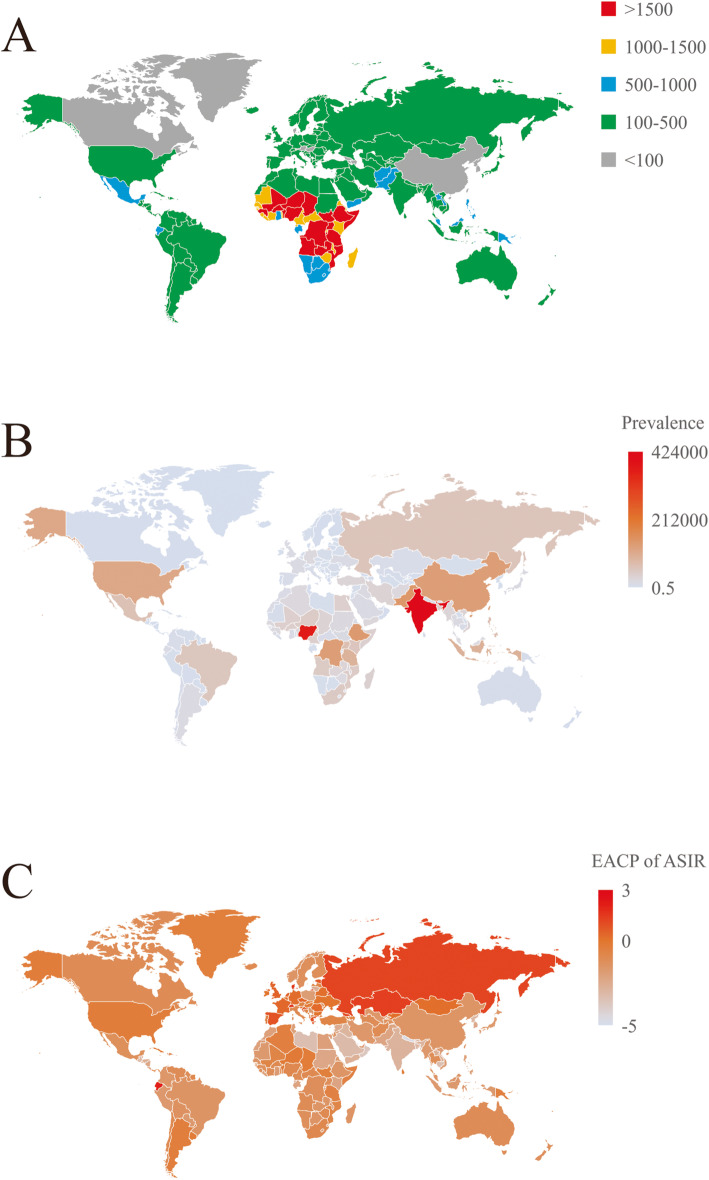
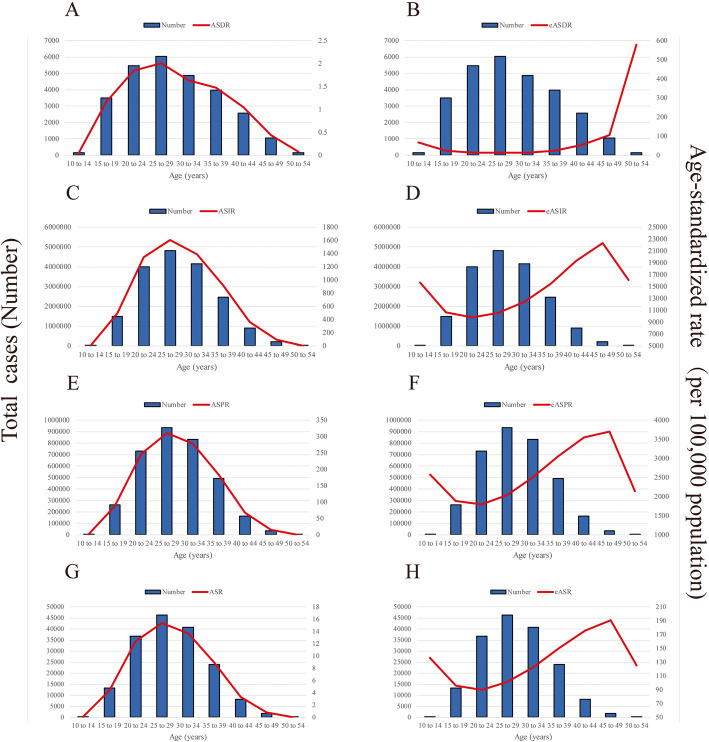
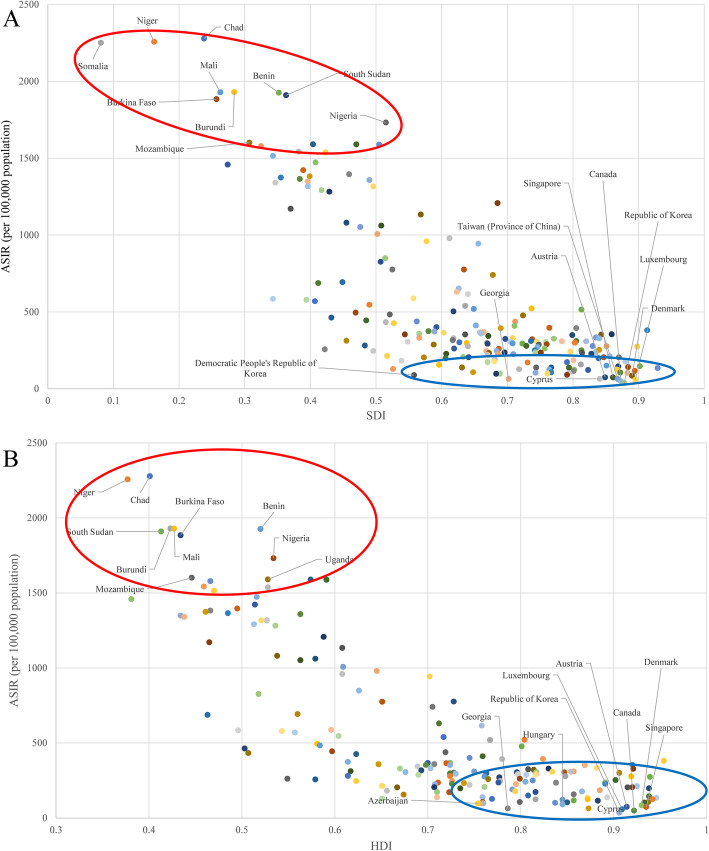
- National ASIRs ranged from 36.34 to 2278.25 per 100,000; Chad (2278.25), Niger (2256.95), and Somalia (2251.26) had the highest estimates, while Korea (36.34), Canada (49.13), and Luxembourg (58.27) had the lowest. Counts were highest at ages 25–29, followed by 30–34 and 20–24, but estimated incidence among pregnant women was lowest at 25–29 and higher at the youngest and oldest ages; ASIRs were higher in countries/regions with lower SDI and HDI.
Methods
- Population-based analysis of GBD 2019 data covering 204 countries and territories from 1990 to 2019; prevalence, incidence, death, DALYs, YLDs, YLLs, age-standardized rates, and attributable risk factors were extracted from the Global Health Data Exchange, with SDI quintiles and HDI data from the Human Development Report 2019.
- The number of pregnant women was estimated as live births plus 15% of live births for stillbirths/miscarriages.
- Estimated annual percentage changes (EAPCs) were calculated using a generalized linear model with a Gaussian distribution for ASRs and a log-linear trend assumption; uncertainty intervals were based on 1,000 draws using the 2.5th and 97.5th centiles, with analyses in Excel 2019 and R 4.0.0.
Limitations
- The paper states that only iron deficiency from the behavioral risk category could be analyzed as an HDP risk factor, while GBD data on body mass index, maternal age, preexisting diseases, lipid metabolism, and air pollution were limited or unavailable for HDP analysis.
- The paper notes controversy about iron supplementation and HDP, with inconsistent findings potentially explained by different methodologies and gestational times of serum sample collection.
- Evident from the text: estimates are modeled GBD 2019 data with uncertainty intervals rather than a primary cohort; age-specific incidence based on all women versus estimated pregnant women changes the age pattern, and the paper’s wording on SDI/HDI associations is internally inconsistent—it reports positive associations while also stating that ASIRs were higher in lower SDI/HDI countries.
Model-written summary. Check it against the paper before relying on it.
Integrity signals
Registry
Cites
Statistics
Figures
Verification
Claims the paper makes
4 Valid · 1 Not valid · 22 Not checked · 46 Own results and interpretations
A result the paper reports from its own data — it cites no other source for it, so there is none to check. The quote shows it is in the paper.
In the paper
“The incidence of hypertensive disorders of pregnancy increased from 16.30 million to 18.08 million globally, with a total increase of 10.92 % from 1990 to 2019.”
- Also stated in: § Global level of HDP · plain
“The incidence of HDP increased from 16.30 million [95 % UI 13.56 to 19.42 million] to 18.08 million (95 % UI 15.26 to 21.11 million) globally, with a total increase of 10.92 % from 1990 to 2019.”
§ Epidemiological trends of maternal hypertensive disorders of pregnancy at the global, regional, and national levels: a population‐based study > Abstract > Results
plainstates a cause- Asserted: passes — The authors put it forward as true.
- Checkable: passes — It can be checked against evidence.
- Load-bearing: passes — The paper’s conclusions depend on it.
- Based: passes — The paper gives a reason why it holds.
- Also stated in: § Global level of HDP · plain
A result the paper states — it cites no source for it, so there is none to check. The quote shows it is in the paper.
In the paper
“The prevalence of HDP was associated with the sociodemographic index and human development index.”
§ Epidemiological trends of maternal hypertensive disorders of pregnancy at the global, regional, and national levels: a population‐based study > Conclusions
plainstates an association- Asserted: passes — The authors put it forward as true.
- Checkable: passes — It can be checked against evidence.
- Load-bearing: passes — The paper’s conclusions depend on it.
- Based: passes — The paper gives a reason why it holds.
A result the paper reports from its own data — it cites no other source for it, so there is none to check. The quote shows it is in the paper.
In the paper
“Additionally, the EAPC of the age-standardized death rate (ASDR) was − 2.38 (95 % CI 1.67 to -6.27) (Table 1).”
§ Epidemiological trends of maternal hypertensive disorders of pregnancy at the global, regional, and national levels: a population‐based study > Results > Global level of HDP
plain- Asserted: passes — The authors put it forward as true.
- Checkable: passes — It can be checked against evidence.
- Load-bearing: unclear — It is unclear whether the paper’s conclusions depend on it.
- Based: passes — The paper gives a reason why it holds.
- Rests on an assumption not shown here.
A result the paper reports from its own data — it cites no other source for it, so there is none to check. The quote shows it is in the paper.
In the paper
“The age-standardized DALYs, YLLs and YLDs in 2019 are shown in online Supplementary Tables 22, with decreasing trends observed from 1990 to 2019 (Supplementary Fig. 1).”
§ Epidemiological trends of maternal hypertensive disorders of pregnancy at the global, regional, and national levels: a population‐based study > Results > Regional level of HDP
plainstates an association- Asserted: passes — The authors put it forward as true.
- Checkable: passes — It can be checked against evidence.
- Load-bearing: unclear — It is unclear whether the paper’s conclusions depend on it.
- Based: passes — The paper gives a reason why it holds.
A result the paper reports from its own data — it cites no other source for it, so there is none to check. The quote shows it is in the paper.
In the paper
“At the national level, HDP incidence also showed a decreasing trend as SDI increased.”
§ Epidemiological trends of maternal hypertensive disorders of pregnancy at the global, regional, and national levels: a population‐based study > Discussion
plainstates an association- Asserted: passes — The authors put it forward as true.
- Checkable: passes — It can be checked against evidence.
- Load-bearing: passes — The paper’s conclusions depend on it.
- Based: passes — The paper gives a reason why it holds.
13 more claims
Create a free account to see all 73 claims and to verify the 29 references still open.
- Probably not a substantial claim. 26
- It may state two separate claims as one. 36
Claims other papers make about this one
Each is checked against this paper’s own text: does it say what the citing paper says it does?
The cited source says what the claim attributes to it.
In the citing paper
“A 2021 study investigating the epidemiological trends of HDP by using the GBD data showed that the death and incidence rates of HDP are decreasing in most countries and all regions except for those with low SDI and HDI49.”
From A global view of hypertensive disorders and diabetes mellitus during pregnancy (2022) · cites this paper as [49]
Self-check
Percentages, sums and reported differences re-computed from the paper’s own numbers.
Each contradiction between two passages listed here was confirmed by an independent check.
Rated major: it would touch a result — a value a result rests on, reported and recomputed p-values on opposite sides of the significance level, two passages that conflict with no sign which is right, or a cited work retracted before this paper was published.
In the paper
§ Epidemiological trends of maternal hypertensive disorders of pregnancy at the global, regional, and national levels: a population‐based study > Results > Burden of HDP in regions stratified by SDI and HDI
“Generally, a positive association between the ASIR and SDI was found for all countries and regions in 2019.”
§ Epidemiological trends of maternal hypertensive disorders of pregnancy at the global, regional, and national levels: a population‐based study > Results > Burden of HDP in regions stratified by SDI and HDI
“The ASIRs were higher in countries/regions with lower SDIs (Fig. 3a and online Supplementary Table 6).”
Rated minor: it would not touch a result — a value no result rests on, a p-value that stays on the same side of the significance level, or a conflict that is clerical, resolved elsewhere in the paper, or outside its own findings.
In the paper
§ Epidemiological trends of maternal hypertensive disorders of pregnancy at the global, regional, and national levels: a population‐based study > Results > Burden of HDP in regions stratified by SDI and HDI
“The SDIs of Korea, Canada, and Luxembourg, the three countries with the lowest incidence rates, were 0.906, 0.922, and 0.909, respectively.”
§ Epidemiological trends of maternal hypertensive disorders of pregnancy at the global, regional, and national levels: a population‐based study > Results > Burden of HDP in regions stratified by SDI and HDI
“The SDIs for Korea, Canada, and Luxembourg, the three countries with the lowest incidence rates, were 0.88, 0.87, and 0.90, respectively.”
Rated minor: it would not touch a result — a value no result rests on, a p-value that stays on the same side of the significance level, or a conflict that is clerical, resolved elsewhere in the paper, or outside its own findings.
In the paper
§ Epidemiological trends of maternal hypertensive disorders of pregnancy at the global, regional, and national levels: a population‐based study > Results > National level of HDP
“ASIRs per 100,000 population estimates of HDPs in 2019 ranged from 36.34 to 2278.25 among different countries and regions.”
§ Epidemiological trends of maternal hypertensive disorders of pregnancy at the global, regional, and national levels: a population‐based study > Results > National level of HDP
“Figure: Fig. 1 Overview of HDP by country and region for both sexes combined. a The prevalence of HDP in 2019. b The ASIR of HDP per 100,000 population in 2019.”
Rated minor: it would not touch a result — a value no result rests on, a p-value that stays on the same side of the significance level, or a conflict that is clerical, resolved elsewhere in the paper, or outside its own findings.
In the paper
§ Epidemiological trends of maternal hypertensive disorders of pregnancy at the global, regional, and national levels: a population‐based study > Results > Global level of HDP
“2019 Incidence No. ×104 (95 % UI) | 2019 ASIR ×102 (95 % UI) | 2019 Death No. ×103 (95 % UI) | 1990–2019 EAPC of ASIR (95 % CI) | 1990–2019 EAPC of ASDR (95 % CI) | | --- | --- | --- | --- | --- | --- | --- | --- | --- | | Global | 162.96 (194.2–135.56) | 5.79 (6.89–4.82) | 39.79 (43.78–36.11) | 180.76 (211.08–152.64)”
§ Epidemiological trends of maternal hypertensive disorders of pregnancy at the global, regional, and national levels: a population‐based study > Results > Global level of HDP
“The incidence of HDP increased from 16.30 million [95 % UI 13.56 to 19.42 million] to 18.08 million (95 % UI 15.26 to 21.11 million) globally”
Rated minor: it would not touch a result — a value no result rests on, a p-value that stays on the same side of the significance level, or a conflict that is clerical, resolved elsewhere in the paper, or outside its own findings.
In the paper
§ Epidemiological trends of maternal hypertensive disorders of pregnancy at the global, regional, and national levels: a population‐based study > Results > Burden of HDP in regions stratified by SDI and HDI
“Similarly, a positive association between the ASIR and HDI was also observed for all countries and regions in 2019.”
§ Epidemiological trends of maternal hypertensive disorders of pregnancy at the global, regional, and national levels: a population‐based study > Results > Burden of HDP in regions stratified by SDI and HDI
“The ASIRs were higher in countries/regions with lower HDIs (Fig. 3b and online Supplementary Table 7).”
3 more findings
Create a free account to see every finding of this check.
Citations
Cites
Roth, G. A., Abate, D., Abate, K. H., Abay, S. M., Abbafati, C., Abbasi, N., Abbastabar, H., Abd-Allah, F., Abdela, J., Abdelalim, A., et al. (2018) · The Lancet · doi:10.1016/s0140-6736(18)32203-7 · Cited by 8,600
2020 International Society of Hypertension Global Hypertension Practice Guidelines
Unger, T., Borghi, C., Charchar, F., Khan, N. A., Poulter, N. R., Prabhakaran, D., Ramirez, A., Schlaich, M., Stergiou, G. S., Tomaszewski, M., et al. (2020) · Hypertension · doi:10.1161/hypertensionaha.120.15026 · Cited by 4,132
(2013) · doi:10.1097/01.aog.0000437382.03963.88 · Cited by 3,961
Global and regional estimates of preeclampsia and eclampsia: a systematic review
Abalos, E., Cuesta, C., Grosso, A. L., Chou, D., & Say, L. (2013) · European Journal of Obstetrics & Gynecology and Reproductive Biology · doi:10.1016/j.ejogrb.2013.05.005 · Cited by 1,574 · cited 2×
“by income, the highest incidence rates of preeclampsia are observed in upper middle-income countries, whereas eclampsia appears to be more frequent in lower middleincome countries [6].”
BackgroundPre-eclampsia rates in the United States, 1980-2010: age-period-cohort analysis
Ananth, C. V., Keyes, K. M., & Wapner, R. J. (2013) · BMJ · doi:10.1136/bmj.f6564 · Cited by 940 · cited 2×
“The incidence of HDP ranges from 4 to 25 %, [4, 5] and HDP is one of the three leading causes of maternal morbidity and mortality worldwide.”
BackgroundTrial of Calcium to Prevent Preeclampsia
Levine, R. J., Hauth, J. C., Curet, L. B., Sibai, B. M., Catalano, P. M., Morris, C. D., DerSimonian, R., Esterlitz, J. R., Raymond, E. G., Bild, D. E., et al. (1997) · New England Journal of Medicine · doi:10.1056/nejm199707103370201 · Cited by 634
Georgieff, M. K. (2020) · American Journal of Obstetrics and Gynecology · doi:10.1016/j.ajog.2020.03.006 · Cited by 580
Osungbade, K. O., & Ige, O. K. (2011) · Journal of Pregnancy · doi:10.1155/2011/481095 · Cited by 429 · cited 1×
“As HDP is considered one of the major causes of maternal mortality worldwide, epidemiological surveillance of HDP is critical to gestational healthcare [15].”
BackgroundIncidence and Long-Term Outcomes of Hypertensive Disorders of Pregnancy
Garovic, V. D., White, W. M., Vaughan, L., Saiki, M., Parashuram, S., Garcia-Valencia, O., Weissgerber, T. L., Milic, N., Weaver, A., & Mielke, M. M. (2020) · Journal of the American College of Cardiology · doi:10.1016/j.jacc.2020.03.028 · Cited by 426 · cited 1×
“HDP remains one of the leading causes of maternal and fetal morbidity and mortality worldwide.(4)”
BackgroundRole of the Wnt/β-catenin pathway in gastric cancer: An in-depth literature review
Chiurillo, M. A. (2015) · World Journal of Experimental Medicine · doi:10.5493/wjem.v5.i2.84 · Cited by 317
Cited by
Items 101–200 of 379
Viana-Mattioli, S., Fonseca‐Alaniz, M. H., Pinheiro‐de‐Sousa, I., Junior, R. R., Mastella, M. H., Cavalli, R. D. C., & Sandrim, V. C. (2025) · Scientific Reports · doi:10.1038/s41598-025-88902-8 · Cited by 9
Maeda, N., Koyama, M., Takatsuka, S., Oyatani, K., Himuro, N., Mariya, T., Kuno, Y., Hinotsu, S., Saito, T., & Ohnishi, H. (2025) · PLoS ONE · doi:10.1371/journal.pone.0319177 · Cited by 10
“…the analysis using data from 1990–2019 for 204 countries around the world, the number of HDP cases is increasing worldwide; in all countries except those with lower sociodemographic indices and human development indices, the age-standardized incidence rate has been reported to be decreasing [16].”
Calcium supplementation during pregnancy for preventing hypertensive disorders and related problems
Cluver, C. A., Rohwer, C., & Rohwer, A. C. (2025) · Cochrane Database of Systematic Reviews · doi:10.1002/14651858.cd001059.pub6 · Cited by 38
First-trimester occupational exposures and hypertensive disorders of pregnancy among US nurses
Agarwal, I., Wang, S., Stuart, J. J., Strohmaier, S., Schernhammer, E. S., Rich-Edwards, J. W., & Kang, J. H. (2023) · Occupational Medicine · doi:10.1093/occmed/kqad089 · Cited by 7
Liu, X., Wang, W., Chen, J., Chen, D., Tao, Y. K., & Ouyang, D. (2023) · Pharmaceutical Research · doi:10.1007/s11095-023-03638-2 · Cited by 8
“Pregnancy-induced hypertension (gestational hypertension) has a global incidence rate of 10% [1, 2].”
Self-citationSewor, C., Obeng, A. A., Eliason, S., Agbeno, E. K., & Amegah, A. K. (2024) · BMC Nutrition · doi:10.1186/s40795-023-00814-w · Cited by 13
Poulios, E., Pavlidou, E., Papadopoulou, S. Κ., Rempetsioti, K., Migdanis, A., Mentzelou, M., Chatzidimitriou, M., Migdanis, I., Androutsos, O., & Giaginis, C. (2024) · Biology · doi:10.3390/biology13030158 · Cited by 12
“Hypertensive disorders during gestation show a prevalence of 5–10% concerning all gestations and this prevalence appears to constantly be increasing globally [27,28].”
BackgroundKinshella, M. W., Pickerill, K., Prasad, S., Campbell, O., Devji, J., Lopes, L. V., Balleny, R., Elawad, T., Craik, R., Volvert, M., et al. (2025) · BJOG An International Journal of Obstetrics & Gynaecology · doi:10.1111/1471-0528.18082 · Cited by 13
“This healthcare burden is disproportionately associated with resource-limited settings and economically-deprived communities, which highlights the need to consider the social environments where pregnant women develop the disease [2].”
Mahdy, Z. A., Chin, K., Lah, N. A. Z. N., Kalok, A. H. M., & Rahman, R. A. (2022) · Cells · doi:10.3390/cells11040614 · Cited by 11
“80% increase) despite global improvement in maternal health [3].”
BackgroundAssociation of sFlt-1 and C-reactive protein with outcomes in severe preeclampsia
Nóbrega, L., Katz, L., Lippo, L., & Amorim, M. M. (2022) · Medicine · doi:10.1097/md.0000000000029059 · Cited by 7
“PE is a leading cause of pregnancy-related morbidity and mortality worldwide and has an increasing incidence in regions with low sociodemographic and human development indexes.([3]) This syndrome increases the maternal risk of eclampsia, renal insufficiency, liver abnormalities, pulmonary edema, stroke, and death.”
BackgroundChantanavilai, S., Kongwattanakul, K., Komwilaisak, R., Saksiriwuttho, P., Chaiyarach, S., Duangkum, C., Hayakungchat, S., & Thepsuthammarat, K. (2022) · Pregnancy Hypertension · doi:10.1016/j.preghy.2022.11.003 · Cited by 8
Global Blood Pressure Screening During and After Pregnancy: May Measurement Month 2019
Bowen, L., Stevens, R., Schutte, A. E., Beaney, T. E., Poulter, N. R., McManus, R. J., & Chappell, L. C. (2024) · Hypertension · doi:10.1161/hypertensionaha.124.23458 · Cited by 8
Slater, K., Taylor, R., Collins, C. E., & Hutchesson, M. (2025) · BMC Pregnancy and Childbirth · doi:10.1186/s12884-024-07018-5 · Cited by 7
Mutalib, N. A., Yusof, J., Saman, M. S. A., & Kadir, S. H. S. A. (2025) · BMC Pregnancy and Childbirth · doi:10.1186/s12884-025-07366-w · Cited by 9
“However, the incidence rates of preeclampsia and maternal mortality are still very high in developing countries [40].”
AI in Hypertensive Disorders of Pregnancy: Review
Zapata, R., Tolani, T., Reich, R., Beneteau, S., Ali, H., Kolli, T., Rechdan, M. N., Brinkley, L., Himadi, M., Louis‐Jacques, A. F., et al. (2025) · American Journal of Hypertension · doi:10.1093/ajh/hpaf052 · Cited by 8
Cluver, C. A., Rohwer, C., Rohwer, A. C., Puga, M. E. D. S., Torloni, M. R., & Hofmeyr, G. J. (2025) · Cochrane Database of Systematic Reviews · doi:10.1002/14651858.cd011192.pub4 · Cited by 10
Sukor, A. N. A., Ankasha, S. J., Ugusman, A., Aminuddin, A., Mokhtar, N. M., Abidin, S. Z., Ahmad, M. F., & Hamid, A. A. (2022) · Frontiers in Surgery · doi:10.3389/fsurg.2022.967785 · Cited by 6
Hyperuricemia as a predictor and screening tool for preeclampsia
Ortega, K. V. T., Heredia, F. R. C., Peralta, S. M. S., & Vázquez, M. J. O. (2022) · Salud Ciencia y Tecnología · doi:10.56294/saludcyt2022220 · Cited by 6
Mollard, E. K., & Cottrell, C. (2023) · BMC Pregnancy and Childbirth · doi:10.1186/s12884-023-05522-8 · Cited by 10
“While there are recommendations on post HDP lifestyle modification for long term cardiovascular health, there are limited lifestyle wellness-based guidelines for pregnant populations beyond modifying what is recommended for the general public [6, 15].”
BackgroundWang, L., Lin, H., Tsai, M., Chang, Y., & Chang, Y.-C. (2023) · Early Human Development · doi:10.1016/j.earlhumdev.2023.105856 · Cited by 9
Ratnam, K. K. Y., Suliman, M. A. B., Sui, W. K., Tok, P. S. K., & Yusoff, M. F. B. M. (2024) · Archives of Public Health · doi:10.1186/s13690-024-01349-7 · Cited by 9
“Regionally, there exists a direct correlation between the prevalence of HDP with sociodemographic status and human development indices, indicating the disparity of HDP incidence in regions with lower income such as sub-Saharan Africa and South Asia [1–3].”
BackgroundInfluentialvan Rensburg, E. J., Seopela, L. B., & Snyman, L. C. (2024) · Pregnancy Hypertension · doi:10.1016/j.preghy.2024.101155 · Cited by 8
Addo, K. M., Khan, H. T. A., & Ohl, M. (2025) · Journal of Biosocial Science · doi:10.1017/s0021932025000264 · Cited by 8
“The incidence of HDP has increased globally, from 16.30 million cases in 1990 to 18.08 million in 2019, highlighting the growing concern (Wang et al., 2021).”
InfluentialKim, J., Kwon, C., Nakamura, K., Muromachi, N., Mori, H., Muroi, S.-I., Yamada, Y., Saito, H., Nakagawa, Y., & Fukamizu, A. (2023) · Journal of Biological Chemistry · doi:10.1016/j.jbc.2023.102964 · Cited by 5
“Moreover, hypertensive disorders during pregnancy (HDP), including chronic or gestational hypertension, preeclampsia, and eclampsia, are life-threatening conditions with an incidence of 5 to 10% of all pregnancies (3, 4).”
BackgroundWang, R., Du, L., Di, J., Ya, D., Lian, W., Liu, L.-Z., Liu, S., Yang, D., & Huo, Y. (2025) · BMC Pregnancy and Childbirth · doi:10.1186/s12884-025-07609-w · Cited by 7
“In recent years, not-withstanding considerable breakthroughs in preeclampsia research, the global prevalence of PE remains at 4.6%, while the incidence and maternal mortality rates associated with PE in developing countries continue to alarm-ingly elevated [3].”
InfluentialHu, Q., Liao, H., & Yu, H. (2025) · BMC Public Health · doi:10.1186/s12889-025-23528-z · Cited by 11
Hipertensi Dalam Kehamilan: Tinjauan Narasi
Laksono, S., & Masrie, M. S. (2022) · Herb-Medicine Journal Terbitan Berkala Ilmiah Herbal Kedokteran dan Kesehatan · doi:10.30595/hmj.v5i2.13043 · Cited by 43
Naz, M. S. G., Sheidaei, A., Azizi, F., & Tehrani, F. R. (2022) · Journal of Diabetes and its Complications · doi:10.1016/j.jdiacomp.2022.108311 · Cited by 5
Baqai, S. M., Rahim, R., Ala, S. H., Tarar, S. H., Waqar, F., Yasmeen, H., & Waheed, A. (2022) · Pakistan Armed Forces Medical Journal · doi:10.51253/pafmj.v72i3.8600 · Cited by 10
Comprehensive Review of Hypertensive Disorders Related to Pregnancy
Bangi, E. F., Yousuf, M. H., Upadhyay, S., Jain, P., & Jain, R. (2023) · Southern Medical Journal · doi:10.14423/smj.0000000000001571 · Cited by 9
Health-Related Quality of Life in Pregnant Women With Gestational Hypertension: A Systematic Review
Khadari, M. Z., Zainal, H., Daud, N. A. A., & Sha’aban, A. (2024) · Cureus · doi:10.7759/cureus.61340 · Cited by 5
“These statistics are expected to increase tremendously as a result of a rise in the prevalence of chronic hypertension risk factors, including obesity and metabolic syndrome but not including increasing maternal age [3].”
BackgroundOh, J., & Ahn, S. (2024) · Nursing and Health Sciences · doi:10.1111/nhs.13173 · Cited by 6
“Given the rising number of women experiencing high-risk pregnancies globally (Auger et al. 2016; Bornstein et al. 2020; Hwang 2018; Wang et al. 2021), an increasing number of couples may be prone to postpartum depression.”
Clément, A., Légaré, C., Desgagné, V., Thibeault, K., White, F., Scott, M. S., Jacques, P., Fraser, W. D., Perron, P., Guérin, R., et al. (2025) · BMC Pregnancy and Childbirth · doi:10.1186/s12884-025-07349-x · Cited by 5
Pavlidou, E., Papadopoulou, S. Κ., Alexatou, O., Tsourouflis, G. S., Antasouras, G., Louka, A., Chatziprodromidou, I. P., Mentzelou, M., Sampani, A., Chrysafi, M., et al. (2023) · Medicina · doi:10.3390/medicina59122103 · Cited by 9
Diet as a Lifestyle Intervention to Lower Preeclampsia Risk
Minhas, A., Duvall, C., & Michos, E. D. (2024) · Journal of the American Heart Association · doi:10.1161/jaha.123.032551 · Cited by 10
Ahmed, S., Cano, M. Á., Sánchez, M., Hu, N., González, R., & Ibañez, G. E. (2023) · Applied Neuropsychology Child · doi:10.1080/21622965.2023.2206029 · Cited by 4
“An estimated 27.83million global deaths in 2019 were due to HDP with an incidence of 18.8 million (Wang et al., 2021).”
InfluentialNoronha, J. A., Lewis, M. S., Phagdol, T., Nayak, B. S., Anupama, D., Shetty, J., Ravishankar, N., & Nair, S. (2023) · JMIR Research Protocols · doi:10.2196/51792 · Cited by 4
“Countries with low sociodemographic and human development indexes have an increasing burden [3].”
BackgroundGuo, J., Lu, X., Zhou, Y., Liang, Y., Wang, S., Chen, C., Ran, X., Zhang, J., Ou, C., & Zhai, J. (2025) · Research in Nursing & Health · doi:10.1002/nur.22439 · Cited by 5
Virk, M. K., Shafi, J., Maheria, P., Basha, G. W., Kooreman, H. E., Humphrey, J. M., Carlucci, J. G., Chepkemoi, A., Bernard, C., McHenry, M. S., et al. (2025) · BMC Pregnancy and Childbirth · doi:10.1186/s12884-025-07581-5 · Cited by 4
“For example, hypertensive disorders of pregnancy increased by nearly 11% from 1990 to 2019 [4].”
Candia, A. A., Skow, R. J., Quon, A., Steinback, C. D., Davidge, S. T., & Davenport, M. H. (2025) · Journal of Applied Physiology · doi:10.1152/japplphysiol.00101.2025 · Cited by 4
Maternal Human Immunodeficiency Virus and Preeclampsia Among a Combined Cohort of Zambian Women
Rittenhouse, K., Kasaro, M. P., Spelke, M. B., Sebastião, Y. V., Mwape, H., Chanda, K., Mandona, N. M., Sindano, N., Cole, S. R., Stringer, E. M., et al. (2025) · Obstetrics and Gynecology · doi:10.1097/aog.0000000000005970 · Cited by 5
Bukhari, S. N., Jamil, Q., Ihsan, B., Jamil, M. N., Bukhsh, A., Hayat, K., Rehman, A. U., Khan, J. A., & Iqbal, S. M. (2025) · Frontiers in Global Women s Health · doi:10.3389/fgwh.2025.1523375 · Cited by 7
Jardine, B. V., Barbosa, P. O., Lima-Júnior, L. S., Alves, R. A., Carvalho, T., Santos, S. L. N., & Cavalli, R. D. C. (2025) · Revista Brasileira Ginecologia e Obstetrícia · doi:10.61622/rbgo/2025rbgo77 · Cited by 4
Kervella, D., & Torreggiani, M. (2023) · Clinical Kidney Journal · doi:10.1093/ckj/sfad136 · Cited by 4
Bazzano, A. N., Keenan, A., Woltz, S. G., Subramanian, A., Akpogheneta, O. J., Daza, J. A. C., & Bazzano, L. (2023) · Journal of Cardiovascular Development and Disease · doi:10.3390/jcdd10070295 · Cited by 5
“Increasing incidence trends have been observed in Eastern and Western Europe, Andean Latin America, North America, and the Caribbean [2].”
BackgroundStrout, N., Pasic, L., Hicks, C., Chua, X., Tashvighi, N., Butler, P., Liu, Z., El‐Assaad, F., Holmes, E. C., Susic, D. F., et al. (2023) · International Journal of Environmental Research and Public Health · doi:10.3390/ijerph20186736 · Cited by 4
Baseri, N., Omidi, A. H., Latifian, M., Mostafavi, E., Khademvatan, S., Omidifar, N., Tabaei, S. J. S., Jafari, R., Zeinali, S., Ghasemi, A., et al. (2024) · BMC Infectious Diseases · doi:10.1186/s12879-024-09041-5 · Cited by 5
Naowar, M., Dickton, D., & Francis, J. (2024) · Nutrients · doi:10.3390/nu16162630 · Cited by 11
“Hypertensive disorders of pregnancy (HDPs) are one of the most frequent cardiometabolic complications during pregnancy [3].”
BackgroundYousofzai, B. S., Walizada, K., Mehmood, R., Latoui, R. B., Subhan, M., Espiegle, E., Khoshbakht, F., Sharmista, L. V., Bibi, R., & Rehman, M. S. U. (2024) · Cureus · doi:10.7759/cureus.70316 · Cited by 4
“…count of less than 100,000/microliter), elevated transaminases or severe persistent epigastric or right upper quadrant pain unresponsive to medication and unattributed to another diagnosis, new or worsening renal insufficiency, pulmonary edema, or ongoing cerebral/visual disturbances [2,3].”
BackgroundInfluentialAutomated image transcription for perinatal blood pressure monitoring using mobile health technology
Katebi, N., Hogg-Bremer, W., Nguyen, T., Phan, D., Jeff, J., Armstrong, K., Phabian-Millbrook, P., Platner, M. H., Carroll, K., Shoai, B., et al. (2024) · PLOS Digital Health · doi:10.1371/journal.pdig.0000588 · Cited by 6
“Hypertensive disorders of pregnancy (HDP) are the most common medical complication 2 encountered during pregnancy [1].”
BackgroundJakubowski, B. E., Tucker, K. L., Lavallee, L., Wilson, H. M., Mackillop, L. H., Chappell, L. C., McManus, R. J., & Hinton, L. (2024) · Qualitative Health Research · doi:10.1177/10497323241274270 · Cited by 6
“Hypertensive disorders affect around 10% of pregnancies worldwide (Say et al., 2014; Wang et al., 2021) and 8% – 10% of pregnancies in the United Kingdom (National Institute for Health and Care Excellence [NICE], 2019).”
Sarabi, N., Sheyklo, S. G., Moosavi, A., & Afshar, S. (2024) · Journal of Nursing and Midwifery Sciences · doi:10.5812/jnms-143631 · Cited by 12
CKD—Where Have All the Women Gone?
Crosthwaite, A., & Kerr, P. G. (2021) · Kidney International Reports · doi:10.1016/j.ekir.2021.11.032 · Cited by 4
“08 million pregnancies from 1990 to 2019 with a prevalence of 2-25%, highest in low-income settings [9].”
BackgroundSewor, C., Obeng, A. A., Eliason, S., Agbeno, E. K., & Amegah, A. K. (2022) · Research Square · doi:10.21203/rs.3.rs-1601238/v1 · Cited by 4
Social determinants of hypertensive disorders of pregnancy trends in Mexican municipalities
Padilla-González, E., la Fuente, W. M. O.-D., Quezada-Sanchez, A. D., Doubova, S. V., & Ortiz‐Panozo, E. (2024) · Pregnancy Hypertension · doi:10.1016/j.preghy.2023.12.005 · Cited by 3
Mai, T. D. T., Katsuragawa, S., McDougall, A. R. A., Nguyen, P., Romero, L., Vogel, J. P., & Makama, M. (2025) · BJOG An International Journal of Obstetrics & Gynaecology · doi:10.1111/1471-0528.18152 · Cited by 8
Alsabi, F., Orabi, A. M., & Bajamal, E. Z. (2025) · PLoS ONE · doi:10.1371/journal.pone.0312304 · Cited by 11
“A more recent population-based study by Xie et al. [4] observed a 10.92% increase in the incidence from 1990 to 2019, indicating a rising trend in cases worldwide.”
InfluentialLi, Q., Wu, T., Mao, Y., Yang, Y. J., Mu, Y., Tang, J., & Xiong, T. (2025) · BMC Pregnancy and Childbirth · doi:10.1186/s12884-025-07778-8 · Cited by 3
Piekos, S. N., Barak, O., Baumgartner, A. M., Chu, T., Parks, W. T., Hadlock, J., Hood, L., Price, N. D., & Sadovsky, Y. (2025) · Communications Biology · doi:10.1038/s42003-025-08631-6 · Cited by 3
Aspirin Prophylaxis for Preeclampsia Prevention in Nigeria
Mahmoud, Z., Crook, L., Onyia, C., Abdulkarim, N., Ibrahim, K. U., Okoye, C. F., Orji, A. A., Nartey, C., Emmanuel, E. T., Deych, E., et al. (2025) · Journal of the American College of Cardiology · doi:10.1016/j.jacc.2025.09.025 · Cited by 7
Hemodynamics-guided therapy for hypertensive disorders of pregnancy: a systematic review
Loheit, A.-C., Lößner, C., Schleußner, E., & Groten, T. (2026) · Archives of Gynecology and Obstetrics · doi:10.1007/s00404-026-08316-3 · Cited by 3
Roberts, I., Kenny, L. C., Merriel, A., Moore, J. B., Pretorius, E., Waitt, C. J., & Kell, D. B. (2026) · Pregnancy Hypertension · doi:10.1016/j.preghy.2026.101450 · Cited by 3
Rednic, R., Marcovici, I., Dragoi, R. G., Pînzaru, I., Dehelean, C. A., Tomescu, M., Arnăutu, D.-A., Craina, M. L., Gluhovschi, A., Valcovici, M. D., et al. (2022) · Medicina · doi:10.3390/medicina58060784 · Cited by 3
Lau, K. G. Y., Bednorz, M., Parisi, N., Nicolaides, K. H., & Kametas, N. A. (2023) · Ultrasound in Obstetrics and Gynecology · doi:10.1002/uog.27563 · Cited by 3
Misser, V. H. S., Hindori‐Mohangoo, A. D., Shankar, A., Lichtveld, M. Y., Wickliffe, J. K., & Mans, D. R. A. (2024) · Annals of Global Health · doi:10.5334/aogh.4402 · Cited by 5
Koi-Larbi, K., Obiri, D., Browne, J. L., Fondjo, L. A., Katsande, S., Garti, I., & APEC-Ghana, O. B. O. (2024) · BMC Proceedings · doi:10.1186/s12919-024-00295-0 · Cited by 5
Canfield, S. M., Stanley, Y., Ghosh, P., Braddock, A. S., & Foraker, R. (2025) · BMC Pregnancy and Childbirth · doi:10.1186/s12884-025-07632-x · Cited by 5
Pregnancy outcomes and management in lung and heart transplant recipients: A systematic review
Tanaka, A., Filippidis, F. T., Asmar, M. L. E., Reed, A. K., Morley-Smith, A. C., & Gerovasili, V. (2025) · JHLT Open · doi:10.1016/j.jhlto.2025.100297 · Cited by 3
Pregnancy and Birth Trends Across Australia, the United States of America and the United Kingdom
Arthurs, A. L., Harrison, J., Williamson, J. M., & Roberts, C. T. (2025) · Journal of Clinical Medicine · doi:10.3390/jcm14165841 · Cited by 4
“Analysis confirmed that preeclampsia and HDP almost double the risk of subsequent cardiovascular events, with preterm preeclampsia leading to an even higher risk [43].”
InfluentialIshikuro, M., Obara, T., Murakami, K., Ueno, F., Noda, A., Onuma, T., Matsuzaki, F., Kikuya, M., Watanabe, Z., Shiga, N., et al. (2023) · Reproductive Medicine · doi:10.3390/reprodmed4020010 · Cited by 3
“The incidence of HDP increased by approximately 11% from 1990 to 2019 [1].”
BackgroundDamasceno, A. A. D. A., Matijasevich, A., Mosquera, P. S., Malta, M. B., Cardoso, M. A., & for the MINA‐Brazil Study Group (2023) · American Journal of Human Biology · doi:10.1002/ajhb.24026 · Cited by 4
“Another study on the incidence rates of HDP at global levels found a decreasing trend as the sociodemographic index increased (Wang et al., 2021).”
BackgroundInfluentialLing, Z., Tian, Y., Su, Z., Sun, J.-Y., & Sun, W. Y. (2024) · Frontiers in Cardiovascular Medicine · doi:10.3389/fcvm.2024.1272779 · Cited by 7
Biswas, S., Singh, R., & Radhika, A. G. (2024) · BMC Pregnancy and Childbirth · doi:10.1186/s12884-024-06567-z · Cited by 3
“In 2019, the number of deaths globally due to hypertensive diseases in pregnancy was approximately 27.83 thousand [3].”
BackgroundInfluentialRahman, A., Lee, K. H., Arifeen, S. E., Hossain, M. Z., Chowdhury, A. I., Alam, M., Afrin, A., Ogbuanu, I. U., Samura, S., Kaluma, E., et al. (2026) · PLOS Global Public Health · doi:10.1101/2025.09.09.25335469 · Cited by 4
Alemayehu, A., Demissie, A., Ibrahim, I., Geremew, A., Mohammed, F., Gudeta, M. B., Oljira, L., Dessie, Y., & Assefa, N. (2024) · SAGE Open Medicine · doi:10.1177/20503121241274741 · Cited by 5
“20,21 In sub-Saharan African region, pregnancy-related HTN diseases accounted for 27.2% of maternal deaths in East and Central Africa, 22.7% in Southern Africa, and 17.2% in West Africa region between 2015 and 2020.”
BackgroundInfluentialWomen's Acceptability of and Satisfaction With Self‐Monitoring Blood Pressure During Pregnancy
Vasilevski, V., Murphy, K., Giarrusso, R., & Sweet, L. P. (2024) · Journal of Advanced Nursing · doi:10.1111/jan.16609 · Cited by 4
Turé, R., Damasceno, A. A. M., Rodrigues, A., Barai, E., Cissé, A., Sanca, G., Iafa, T., Jalo, W. M., Embalo, B., Dju, M., et al. (2024) · BMJ Open · doi:10.1136/bmjopen-2024-091882 · Cited by 4
“3.”
Vandy, A., Lahai, M., Bangura, A. R., Turay, A., Abiri, O. T., Conteh, E. B., Kamara, M., Marah, F. A., Wilson, P. A., Osborne, A., et al. (2025) · BMC Pregnancy and Childbirth · doi:10.1186/s12884-025-08059-0 · Cited by 5
“Hypertensive disorders of pregnancy (HDP) remain a significant global health challenge, particularly in low-and middle-income countries (LMICs) where more than 90% of HDP-related deaths occur [1–3].”
The Risk of Hypertensive Disorders of Pregnancy in Inflammatory Bowel Disease
Clarke, L. M., Hsu, S. C., Pant, D. B., James, K. E., Thaweethai, T., Shook, L. L., Allegretti, J. R., Winter, R. W., & Powe, C. E. (2025) · The American Journal of Gastroenterology · doi:10.14309/ajg.0000000000003818 · Cited by 4
Pasdar, Z., Chandanani, M., Dhillon, N., Carter, B., & Myint, P. K. (2025) · Journal of Hypertension · doi:10.1097/hjh.0000000000004125 · Cited by 2
Situmorang, F. N. S., Fauzianty, A., Purba, H. E., Purba, P. I. B., & Zega, N. (2025) · Journal of Applied Nursing and Health · doi:10.55018/janh.v7i3.421 · Cited by 2
“Globally, the prevalence of hypertension during pregnancy ranges from 4% to 25%, with a pooled estimate of about 12.3% and higher rates observed in low-and middle-income countries (Wang et al., 2021).”
InfluentialNayak, M., Tripathy, P., Nayak, P. K., & Siva, N. (2025) · Journal of Integrative Nursing · doi:10.4103/jin.jin_87_25 · Cited by 2
Guo, M., Wei, X., Li, Y., Wu, J., & Zhang, H. (2026) · BMC Public Health · doi:10.1186/s12889-026-27210-w · Cited by 2
“In our study population, the crude incidence of PE was 6.54%, which surpasses the global average reported in the meta-analysis [38].”
InfluentialSelf-citationAndriani, H., Arsyi, M., Andhisa, C. S., & Hairi, F. M. (2026) · BMJ Open · doi:10.1136/bmjopen-2025-106230 · Cited by 4
Fenwick, J., Aleshin, O., Green, J., Scarf, V. L., Roth, H., Baird, K., Barrett, H. L., & Fox, D. (2026) · International Journal of Environmental Research and Public Health · doi:10.3390/ijerph23050607 · Cited by 2
“This approach is particularly useful for women who experience hypertensive disorders of pregnancy, as these conditions are associated with substantially increased long-term risks of cardiovascular, renal, and metabolic disease [59,60].”
Fetal out comes in Pre-Eclampsia with raised Maternal Serum Uric Acid
Nadeem, A., Rehman, A., Sultana, N., Mehmood, R., Areysia, M., Riaz, N., & Mehmood, Z. (2022) · Pakistan Journal of Medical and Health Sciences · doi:10.53350/pjmhs22165119 · Cited by 3
Singh, M., Crowe, F. L., Thangaratinam, S., Abel, K. M., Black, M. E., Okoth, K., Riley, R. D., Eastwood, K., Hope, H. F., Wambua, S., et al. (2022) · BMJ Open · doi:10.1136/bmjopen-2022-066476 · Cited by 3
The effect of comorbidities of preeclampsia and eclampsia on maternal and fetal outcome
Abinaya, M. C., Taye, M. K., Saikia, N., Teron, L., & Kalita, P. (2023) · International Journal of Reproduction Contraception Obstetrics and Gynecology · doi:10.18203/2320-1770.ijrcog20230545 · Cited by 2
Kim, S., Lee, J. Y., Kim, T., Gwak, E., & Choe, S. (2023) · Obstetrics & Gynecology Science · doi:10.5468/ogs.23033 · Cited by 3
“The overall incidence of hypertensive disorders during pregnancy has increased globally [9], while some high-income countries in northern Europe and Australia have reported a decreasing burden of the disease [10,11].”
BackgroundZambrano, M., Rojas-Suárez, J. A., Peña-Zárate, E. E., Carvajal, J. A., Gutierrez-Puerto, L. S., Aguilar-Cano, F., Santacruz-Arias, J., Rodríguez‐López, M., & Escobar, M. F. (2023) · Hypertension in Pregnancy · doi:10.1080/10641955.2023.2272176 · Cited by 2
“Hypertensive disorders are the second leading cause of preventable maternal mortality worldwide (5).”
BackgroundBhutia, K. L., Upreti, B., Sarda, R. K., & Shila, P. (2024) · Medical Journal of Dr D Y Patil Vidyapeeth · doi:10.4103/mjdrdypu.mjdrdypu_190_23 · Cited by 2
Wills, A. K., Hillesund, E. R., Lippevelde, W. V., Barker, M. E., Vik, F. N., & Øverby, N. C. (2024) · British Journal Of Nutrition · doi:10.1017/s0007114524000746 · Cited by 2
“Globally, the incidence of HDP has increased from 16 · 3 million in 1990 to 18 · 1 million in 2019 (2) , while approximately 15 million newborns are delivered prematurely each year (3) .”
BackgroundLemon, L. S., Venkatakrishnan, K., Countouris, M. E., Simhan, H. N., & Hauspurg, A. K. (2024) · Journal of the American Heart Association · doi:10.1161/jaha.123.032820 · Cited by 2
Singh, R., Agarwal, M., Singh, A. K., Sinha, S., Sinha, H. H., & Anant, M. (2024) · Cureus · doi:10.7759/cureus.65395 · Cited by 2
“The number of deaths due to HDP also increased by 30.05% from 1990, reaching approximately 27.83 thousand in 2019 [2].”
BackgroundInfluentialLin, J., Feng, H., Horswell, R. L., Chu, S. T., Shen, Y., & Hu, G. (2024) · Women s Health Reports · doi:10.1089/whr.2024.0045 · Cited by 7
“29 Many individuals with a low SES are a part of the Medicaid population.”
Birungi, M., Nakibuuka, J., Kaddumukasa, M., Najjuma, J. N., Burant, C. J., Moore, S. M., Blixen, C. E., Katabira, E., Sajatovic, M., & Mbalinda, S. N. (2024) · BMC Pregnancy and Childbirth · doi:10.1186/s12884-024-06915-z · Cited by 2
“Estimates of 2019 indicated that there were 18.08 million incidences of pregnancy-related hypertensive disorders with over 30.05% deaths by 2020 globally [4].”
InfluentialAssociation of Bacteriuria with Hypertension Risk in Pregnant Women
Marlina, D., Utomo, A., Adriansyah, P. N. A., Pelitawati, D. R., Poernomo, M. A. P. D., Sumawan, H., Handono, B., & Aziz, M. A. (2024) · Medical Science Monitor · doi:10.12659/msm.946167 · Cited by 7
Hypertensive disorders of pregnancy in Hunan Province, China, 2012–2022
Zhou, X., Wu, Y., Chen, X., & Jiang, Y. (2024) · Frontiers in Medicine · doi:10.3389/fmed.2024.1415696 · Cited by 6
Shabil, M., Gaidhane, A. M., Vadia, N., Menon, S. V., Chennakesavulu, K., Panigrahi, R., Bushi, G., Jena, D., Kumar, H., Rani, A., et al. (2025) · European Journal of Obstetrics & Gynecology and Reproductive Biology · doi:10.1016/j.ejogrb.2025.03.012 · Cited by 2
Zhao, X., & Kong, W. (2025) · Scientific Reports · doi:10.1038/s41598-025-93673-3 · Cited by 2
Metadata
- Authors
- Wang, W., Xie, X., Yuan, T., Wang, Y., Zhao, F., Zhou, Z., & Zhang, H.
- Affiliations
- First Affiliated Hospital of Xi'an Jiaotong University (CN)
- Second Affiliated Hospital of Xi'an Jiaotong University (CN)
- Corresponding author
- Zhang, Hao
- Venue
- BMC Pregnancy and Childbirth
- Published
- 2021-05-08
- Volume
- 21
- Issue
- 1
- Pages
- 364-364
- ISSN
- 1471-2393 (ISSN-L)
- PMC
- PMC8106862
- OpenAlex
- W3126544253
- Cited by
- 381
- References
- 32
- Citations by year
- 2026: 69 · 2025: 97 · 2024: 79 · 2023: 82 · 2022: 51 · 2021: 3
- FWCI
- 48.99
- Type
- journal article
- Language
- en
- Open access
- gold
- doi.org
- Licence
- cc-by
- creativecommons.org/licenses/by/4.0/ (tdm)
- creativecommons.org/licenses/by/4.0/ (vor)
- Locations
- BMC Pregnancy and Childbirth (publishedVersion, cc-by)
- PubMed Central (publishedVersion, cc-by)
- PubMed (publishedVersion)
- DOAJ (DOAJ: Directory of Open Access Journals) (submittedVersion, cc-by-sa)
- Funders
- World Health Organization
- Topics
- Health Sciences › Medicine › Obstetrics and Gynecology › Pregnancy and preeclampsia studies
- Health Sciences › Medicine › Clinical Neurology › Neurological Complications and Syndromes
- Health Sciences › Medicine › Pediatrics, Perinatology and Child Health › Global Maternal and Child Health
- Keywords
- hypertensive disorders of pregnancy, preeclampsia, maternal morbidity, incidence trends, years lived with disability, maternal mortality, socio-demographic index, Human Development Index, age-standardized incidence, global burden of disease, prenatal care
- MeSH terms
- Female, Humans, Pregnancy, Socioeconomic Factors, Global Health, Incidence, Hypertension, Pregnancy-Induced
About these checks
Registry, retraction, Cites and statistics results are computed, not judged, with one exception: a printed reference that no index lists is read once by a model before it counts as a citation error. Claims are extracted by a model and kept only when their quote appears verbatim in the text; each cited source is then checked, with a model’s help, for whether it says what the claim relies on. Those verdicts can be wrong — read the claim’s quote and the cited source before relying on one.
The claim verdicts this report counts are experimental: their accuracy is not yet measured.
A language model drew the claims from the paper on 2026-10-05, under version 3 of the claim definition (model deepseek-v4.1-flash, prompt extract-v3).
A second model labelled each claim on 2026-10-05 (model jev-1.13-20260917, definition revision gold-guideline-v0.2).
Statistics and arithmetic are recomputed, not judged.
Confidence bands are shown only for fields calibrated on our annotated test set. None is calibrated yet, so no band is shown.
What counts as a claim ›How we measure confidence ›How we check this ›
Are you an author, or do you see a problem with this page? Request a review
Data sources
Bibliographic data: Semantic Scholar, OpenAlex, Crossref.
Contains information from the Semantic Scholar Academic Graph Datasets, made available under the ODC Attribution License (ODC-BY 1.0).
Semantic Scholar’s data is described in: Kinney, R., et al. (2023). The Semantic Scholar Open Data Platform. arXiv:2301.10140.
