

Epidemiological trends of maternal hypertensive disorders of pregnancy at the global, regional, and national levels: a population‐based study
Open accessThe DOI matches its Crossref record; 29 of the 32 references it cites were found in a registry or an index, and 2 are not checked yet; 5 of the 34 sources its claims cite were checked for support.
Abstract
Background: Relevant studies focusing on epidemiological of profiles hypertensive disorders of pregnancy from global data that report the cause-specific prevalence and trends of hypertensive disorders of pregnancy at global, regional and national levels from 1990 to 2019 by age and sociodemographic index are still limited. Methods: For hypertensive disorders of pregnancy, point prevalence, annual incidence, and years lived with disability numbers and age standardized rates per 100,000 population were compared at regional and national levels by age and sociodemographic index using data from the global Burden of Disease 2019 Study, covering populations from 204 countries and territories. Estimates are reported with uncertainty intervals to exhibit the changing trends during a specific period. Results: The incidence of hypertensive disorders of pregnancy increased from 16.30 million to 18.08 million globally, with a total increase of 10.92 % from 1990 to 2019. The age-standardized incidence rate decreased, with an estimated annual percent change of -0.68 (95 % confidence interval [CI] -0.49 to -0.86). The number of deaths due to hypertensive disorders of pregnancy was approximately 27.83 thousand in 2019, representing a 30.05 % decrease from 1990. Based on the incidence and prevalence, the number of deaths and years lived with disability were highest in the group aged 25–29 years, followed by the groups aged 30–34 and 20–24 years, while the lowest estimated incidence rate was observed in the group aged 25–29 years and higher incidence rates were observed in the youngest and oldest groups. Positive associations between incidence rates and the sociodemographic index and human development index were found for all countries and regions in 2019. Age-standardized incidence rates were higher in countries/regions with lower sociodemographic indices and human development indices. Conclusions: Our study provides a comprehensive overview of the global burden of hypertensive disorders of pregnancy. The death and incidence rates are decreasing in most countries and all regions except for those with low sociodemographic and human development indexes. This difference is mainly due to the increasing attention to prenatal examinations and health education. Further investigations should focus on forecasting the global disease burden of specific hypertensive disorders of pregnancy and modifiable risk factors.
Verified 2026-10-05 · 2 references not checked yet
Overview
CoChat Summary
TL;DR
Using GBD 2019 data from 204 countries and territories, this study describes global, regional, and national trends in hypertensive disorders of pregnancy (HDP) from 1990 to 2019. Although the absolute number of incident cases rose 10.92%, age-standardized incidence and death rates declined overall, with the highest burden concentrated in low-SDI/HDI countries and in sub-Saharan Africa and South Asia.
Key findings
- Global incident cases increased from 16.30 million (95% UI 13.56–19.42 million) in 1990 to 18.08 million (95% UI 15.26–21.11 million) in 2019, a 10.92% increase; the age-standardized incidence rate (ASIR) fell from 579 to 463 per 100,000, with an EAPC of −0.68 (95% CI −0.49 to −0.86).
- Deaths due to HDP were approximately 27.83 thousand in 2019, a 30.05% decrease from 1990; the EAPC of the age-standardized death rate was −2.38 (95% CI 1.67 to −6.27).
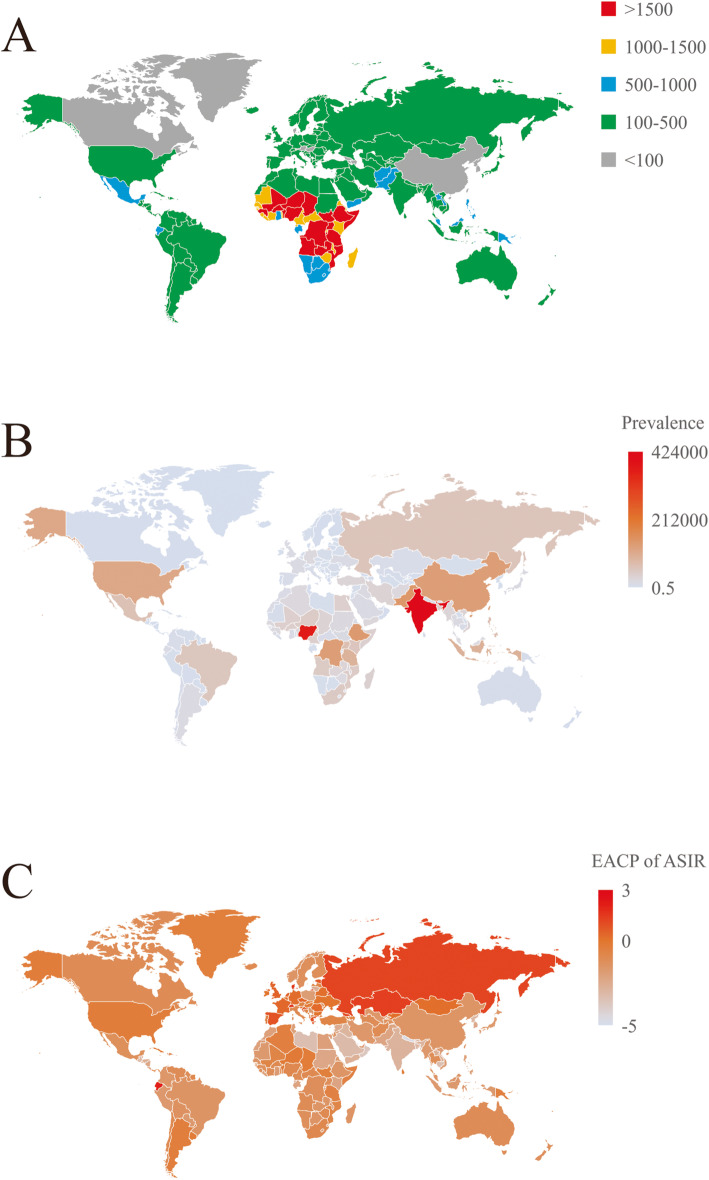
- In 2019, the highest regional incidence was in South Asia (3.84 million), western sub-Saharan Africa (3.71 million), and eastern sub-Saharan Africa (3.12 million); the highest ASIRs were in western, central, and eastern sub-Saharan Africa, while the lowest were in East Asia, high-income Asia Pacific, and Central Europe.
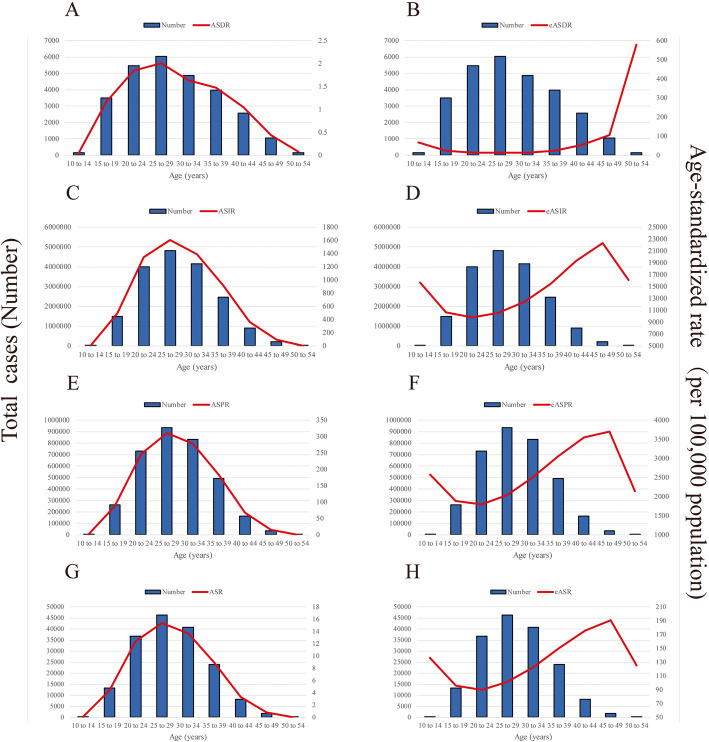
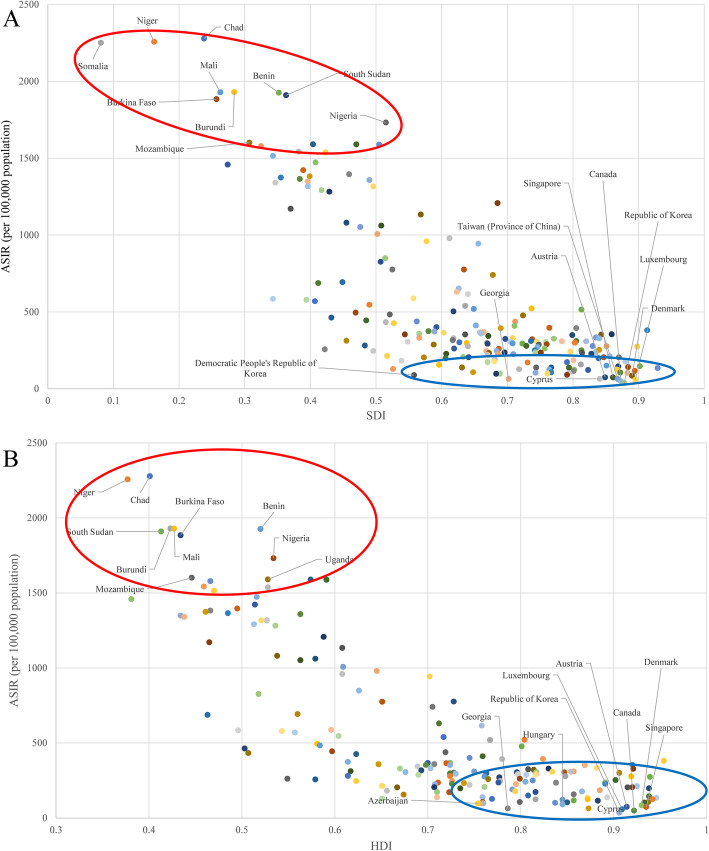
- National ASIRs ranged from 36.34 to 2278.25 per 100,000; Chad (2278.25), Niger (2256.95), and Somalia (2251.26) had the highest estimates, while Korea (36.34), Canada (49.13), and Luxembourg (58.27) had the lowest. Counts were highest at ages 25–29, followed by 30–34 and 20–24, but estimated incidence among pregnant women was lowest at 25–29 and higher at the youngest and oldest ages; ASIRs were higher in countries/regions with lower SDI and HDI.
Methods
- Population-based analysis of GBD 2019 data covering 204 countries and territories from 1990 to 2019; prevalence, incidence, death, DALYs, YLDs, YLLs, age-standardized rates, and attributable risk factors were extracted from the Global Health Data Exchange, with SDI quintiles and HDI data from the Human Development Report 2019.
- The number of pregnant women was estimated as live births plus 15% of live births for stillbirths/miscarriages.
- Estimated annual percentage changes (EAPCs) were calculated using a generalized linear model with a Gaussian distribution for ASRs and a log-linear trend assumption; uncertainty intervals were based on 1,000 draws using the 2.5th and 97.5th centiles, with analyses in Excel 2019 and R 4.0.0.
Limitations
- The paper states that only iron deficiency from the behavioral risk category could be analyzed as an HDP risk factor, while GBD data on body mass index, maternal age, preexisting diseases, lipid metabolism, and air pollution were limited or unavailable for HDP analysis.
- The paper notes controversy about iron supplementation and HDP, with inconsistent findings potentially explained by different methodologies and gestational times of serum sample collection.
- Evident from the text: estimates are modeled GBD 2019 data with uncertainty intervals rather than a primary cohort; age-specific incidence based on all women versus estimated pregnant women changes the age pattern, and the paper’s wording on SDI/HDI associations is internally inconsistent—it reports positive associations while also stating that ASIRs were higher in lower SDI/HDI countries.
Model-written summary. Check it against the paper before relying on it.
Integrity signals
Registry
Cites
Statistics
Figures
Verification
Claims the paper makes
4 Valid · 1 Not valid · 22 Not checked · 46 Own results and interpretations
A result the paper reports from its own data — it cites no other source for it, so there is none to check. The quote shows it is in the paper.
In the paper
“The incidence of hypertensive disorders of pregnancy increased from 16.30 million to 18.08 million globally, with a total increase of 10.92 % from 1990 to 2019.”
- Also stated in: § Global level of HDP · plain
“The incidence of HDP increased from 16.30 million [95 % UI 13.56 to 19.42 million] to 18.08 million (95 % UI 15.26 to 21.11 million) globally, with a total increase of 10.92 % from 1990 to 2019.”
§ Epidemiological trends of maternal hypertensive disorders of pregnancy at the global, regional, and national levels: a population‐based study > Abstract > Results
plainstates a cause- Asserted: passes — The authors put it forward as true.
- Checkable: passes — It can be checked against evidence.
- Load-bearing: passes — The paper’s conclusions depend on it.
- Based: passes — The paper gives a reason why it holds.
- Also stated in: § Global level of HDP · plain
A result the paper states — it cites no source for it, so there is none to check. The quote shows it is in the paper.
In the paper
“The prevalence of HDP was associated with the sociodemographic index and human development index.”
§ Epidemiological trends of maternal hypertensive disorders of pregnancy at the global, regional, and national levels: a population‐based study > Conclusions
plainstates an association- Asserted: passes — The authors put it forward as true.
- Checkable: passes — It can be checked against evidence.
- Load-bearing: passes — The paper’s conclusions depend on it.
- Based: passes — The paper gives a reason why it holds.
A result the paper reports from its own data — it cites no other source for it, so there is none to check. The quote shows it is in the paper.
In the paper
“Additionally, the EAPC of the age-standardized death rate (ASDR) was − 2.38 (95 % CI 1.67 to -6.27) (Table 1).”
§ Epidemiological trends of maternal hypertensive disorders of pregnancy at the global, regional, and national levels: a population‐based study > Results > Global level of HDP
plain- Asserted: passes — The authors put it forward as true.
- Checkable: passes — It can be checked against evidence.
- Load-bearing: unclear — It is unclear whether the paper’s conclusions depend on it.
- Based: passes — The paper gives a reason why it holds.
- Rests on an assumption not shown here.
A result the paper reports from its own data — it cites no other source for it, so there is none to check. The quote shows it is in the paper.
In the paper
“The age-standardized DALYs, YLLs and YLDs in 2019 are shown in online Supplementary Tables 22, with decreasing trends observed from 1990 to 2019 (Supplementary Fig. 1).”
§ Epidemiological trends of maternal hypertensive disorders of pregnancy at the global, regional, and national levels: a population‐based study > Results > Regional level of HDP
plainstates an association- Asserted: passes — The authors put it forward as true.
- Checkable: passes — It can be checked against evidence.
- Load-bearing: unclear — It is unclear whether the paper’s conclusions depend on it.
- Based: passes — The paper gives a reason why it holds.
A result the paper reports from its own data — it cites no other source for it, so there is none to check. The quote shows it is in the paper.
In the paper
“At the national level, HDP incidence also showed a decreasing trend as SDI increased.”
§ Epidemiological trends of maternal hypertensive disorders of pregnancy at the global, regional, and national levels: a population‐based study > Discussion
plainstates an association- Asserted: passes — The authors put it forward as true.
- Checkable: passes — It can be checked against evidence.
- Load-bearing: passes — The paper’s conclusions depend on it.
- Based: passes — The paper gives a reason why it holds.
13 more claims
Create a free account to see all 73 claims and to verify the 29 references still open.
- Probably not a substantial claim. 26
- It may state two separate claims as one. 36
Claims other papers make about this one
Each is checked against this paper’s own text: does it say what the citing paper says it does?
The cited source says what the claim attributes to it.
In the citing paper
“A 2021 study investigating the epidemiological trends of HDP by using the GBD data showed that the death and incidence rates of HDP are decreasing in most countries and all regions except for those with low SDI and HDI49.”
From A global view of hypertensive disorders and diabetes mellitus during pregnancy (2022) · cites this paper as [49]
Self-check
Percentages, sums and reported differences re-computed from the paper’s own numbers.
Each contradiction between two passages listed here was confirmed by an independent check.
Rated major: it would touch a result — a value a result rests on, reported and recomputed p-values on opposite sides of the significance level, two passages that conflict with no sign which is right, or a cited work retracted before this paper was published.
In the paper
§ Epidemiological trends of maternal hypertensive disorders of pregnancy at the global, regional, and national levels: a population‐based study > Results > Burden of HDP in regions stratified by SDI and HDI
“Generally, a positive association between the ASIR and SDI was found for all countries and regions in 2019.”
§ Epidemiological trends of maternal hypertensive disorders of pregnancy at the global, regional, and national levels: a population‐based study > Results > Burden of HDP in regions stratified by SDI and HDI
“The ASIRs were higher in countries/regions with lower SDIs (Fig. 3a and online Supplementary Table 6).”
Rated minor: it would not touch a result — a value no result rests on, a p-value that stays on the same side of the significance level, or a conflict that is clerical, resolved elsewhere in the paper, or outside its own findings.
In the paper
§ Epidemiological trends of maternal hypertensive disorders of pregnancy at the global, regional, and national levels: a population‐based study > Results > Burden of HDP in regions stratified by SDI and HDI
“The SDIs of Korea, Canada, and Luxembourg, the three countries with the lowest incidence rates, were 0.906, 0.922, and 0.909, respectively.”
§ Epidemiological trends of maternal hypertensive disorders of pregnancy at the global, regional, and national levels: a population‐based study > Results > Burden of HDP in regions stratified by SDI and HDI
“The SDIs for Korea, Canada, and Luxembourg, the three countries with the lowest incidence rates, were 0.88, 0.87, and 0.90, respectively.”
Rated minor: it would not touch a result — a value no result rests on, a p-value that stays on the same side of the significance level, or a conflict that is clerical, resolved elsewhere in the paper, or outside its own findings.
In the paper
§ Epidemiological trends of maternal hypertensive disorders of pregnancy at the global, regional, and national levels: a population‐based study > Results > National level of HDP
“ASIRs per 100,000 population estimates of HDPs in 2019 ranged from 36.34 to 2278.25 among different countries and regions.”
§ Epidemiological trends of maternal hypertensive disorders of pregnancy at the global, regional, and national levels: a population‐based study > Results > National level of HDP
“Figure: Fig. 1 Overview of HDP by country and region for both sexes combined. a The prevalence of HDP in 2019. b The ASIR of HDP per 100,000 population in 2019.”
Rated minor: it would not touch a result — a value no result rests on, a p-value that stays on the same side of the significance level, or a conflict that is clerical, resolved elsewhere in the paper, or outside its own findings.
In the paper
§ Epidemiological trends of maternal hypertensive disorders of pregnancy at the global, regional, and national levels: a population‐based study > Results > Global level of HDP
“2019 Incidence No. ×104 (95 % UI) | 2019 ASIR ×102 (95 % UI) | 2019 Death No. ×103 (95 % UI) | 1990–2019 EAPC of ASIR (95 % CI) | 1990–2019 EAPC of ASDR (95 % CI) | | --- | --- | --- | --- | --- | --- | --- | --- | --- | | Global | 162.96 (194.2–135.56) | 5.79 (6.89–4.82) | 39.79 (43.78–36.11) | 180.76 (211.08–152.64)”
§ Epidemiological trends of maternal hypertensive disorders of pregnancy at the global, regional, and national levels: a population‐based study > Results > Global level of HDP
“The incidence of HDP increased from 16.30 million [95 % UI 13.56 to 19.42 million] to 18.08 million (95 % UI 15.26 to 21.11 million) globally”
Rated minor: it would not touch a result — a value no result rests on, a p-value that stays on the same side of the significance level, or a conflict that is clerical, resolved elsewhere in the paper, or outside its own findings.
In the paper
§ Epidemiological trends of maternal hypertensive disorders of pregnancy at the global, regional, and national levels: a population‐based study > Results > Burden of HDP in regions stratified by SDI and HDI
“Similarly, a positive association between the ASIR and HDI was also observed for all countries and regions in 2019.”
§ Epidemiological trends of maternal hypertensive disorders of pregnancy at the global, regional, and national levels: a population‐based study > Results > Burden of HDP in regions stratified by SDI and HDI
“The ASIRs were higher in countries/regions with lower HDIs (Fig. 3b and online Supplementary Table 7).”
3 more findings
Create a free account to see every finding of this check.
Citations
Cites
Roth, G. A., Abate, D., Abate, K. H., Abay, S. M., Abbafati, C., Abbasi, N., Abbastabar, H., Abd-Allah, F., Abdela, J., Abdelalim, A., et al. (2018) · The Lancet · doi:10.1016/s0140-6736(18)32203-7 · Cited by 8,600
2020 International Society of Hypertension Global Hypertension Practice Guidelines
Unger, T., Borghi, C., Charchar, F., Khan, N. A., Poulter, N. R., Prabhakaran, D., Ramirez, A., Schlaich, M., Stergiou, G. S., Tomaszewski, M., et al. (2020) · Hypertension · doi:10.1161/hypertensionaha.120.15026 · Cited by 4,132
(2013) · doi:10.1097/01.aog.0000437382.03963.88 · Cited by 3,961
Global and regional estimates of preeclampsia and eclampsia: a systematic review
Abalos, E., Cuesta, C., Grosso, A. L., Chou, D., & Say, L. (2013) · European Journal of Obstetrics & Gynecology and Reproductive Biology · doi:10.1016/j.ejogrb.2013.05.005 · Cited by 1,574 · cited 2×
“by income, the highest incidence rates of preeclampsia are observed in upper middle-income countries, whereas eclampsia appears to be more frequent in lower middleincome countries [6].”
BackgroundPre-eclampsia rates in the United States, 1980-2010: age-period-cohort analysis
Ananth, C. V., Keyes, K. M., & Wapner, R. J. (2013) · BMJ · doi:10.1136/bmj.f6564 · Cited by 940 · cited 2×
“The incidence of HDP ranges from 4 to 25 %, [4, 5] and HDP is one of the three leading causes of maternal morbidity and mortality worldwide.”
BackgroundTrial of Calcium to Prevent Preeclampsia
Levine, R. J., Hauth, J. C., Curet, L. B., Sibai, B. M., Catalano, P. M., Morris, C. D., DerSimonian, R., Esterlitz, J. R., Raymond, E. G., Bild, D. E., et al. (1997) · New England Journal of Medicine · doi:10.1056/nejm199707103370201 · Cited by 634
Georgieff, M. K. (2020) · American Journal of Obstetrics and Gynecology · doi:10.1016/j.ajog.2020.03.006 · Cited by 580
Osungbade, K. O., & Ige, O. K. (2011) · Journal of Pregnancy · doi:10.1155/2011/481095 · Cited by 429 · cited 1×
“As HDP is considered one of the major causes of maternal mortality worldwide, epidemiological surveillance of HDP is critical to gestational healthcare [15].”
BackgroundIncidence and Long-Term Outcomes of Hypertensive Disorders of Pregnancy
Garovic, V. D., White, W. M., Vaughan, L., Saiki, M., Parashuram, S., Garcia-Valencia, O., Weissgerber, T. L., Milic, N., Weaver, A., & Mielke, M. M. (2020) · Journal of the American College of Cardiology · doi:10.1016/j.jacc.2020.03.028 · Cited by 426 · cited 1×
“HDP remains one of the leading causes of maternal and fetal morbidity and mortality worldwide.(4)”
BackgroundRole of the Wnt/β-catenin pathway in gastric cancer: An in-depth literature review
Chiurillo, M. A. (2015) · World Journal of Experimental Medicine · doi:10.5493/wjem.v5.i2.84 · Cited by 317
Cited by
A global view of hypertensive disorders and diabetes mellitus during pregnancy
Jiang, L., Tang, K., Magee, L. A., von Dadelszen, P., Ekeroma, A., Li, X., Zhang, E., & Bhutta, Z. A. (2022) · Nature Reviews Endocrinology · doi:10.1038/s41574-022-00734-y · Cited by 314
The role of immune cells and mediators in preeclampsia
Deer, E., Herrock, O., Campbell, N., Cornelius, D., Fitzgerald, S., Amaral, L. M., & LaMarca, B. (2023) · Nature Reviews Nephrology · doi:10.1038/s41581-022-00670-0 · Cited by 290
Solmi, M., Song, M., Yon, D. K., Lee, S. W., Fombonne, E., Kim, M. S., Park, S., Lee, M. H., Hwang, J., Keller, R., et al. (2022) · Molecular Psychiatry · doi:10.1038/s41380-022-01630-7 · Cited by 226
“Hence, since maternal hypertensive disorders have largely increased in low SDI countries [34], the low prevalence ASD figures in low SDI countries might be interpreted as a paucity of proper screening and diagnostic services for ASD.”
BackgroundInflammation in Preeclampsia: Genetic Biomarkers, Mechanisms, and Therapeutic Strategies
Wang, Y., Li, B., & Zhao, Y. (2022) · Frontiers in Immunology · doi:10.3389/fimmu.2022.883404 · Cited by 206
Self-citationMielke, M. M., Aggarwal, N. T., Vila‐Castelar, C., Agarwal, P., Arenaza‐Urquijo, E. M., Brett, B., Brugulat‐Serrat, A., DuBose, L. E., Eikelboom, W. S., Flatt, J., et al. (2022) · Alzheimer's & Dementia · doi:10.1002/alz.12662 · Cited by 198
Chappell, L. C., Tucker, K. L., Galal, U., Yu, L.-M., Campbell, H., Rivero-Arias, O., Allen, J., Band, R., Chisholm, A., Crawford, C., et al. (2022) · JAMA · doi:10.1001/jama.2022.4726 · Cited by 117
Tucker, K. L., Mort, S., Yu, L., Campbell, H., Rivero‐Arias, O., Wilson, H. M., Allen, J., Band, R. J., Chisholm, A., Crawford, C., et al. (2022) · JAMA · doi:10.1001/jama.2022.4712 · Cited by 127
Association of Hypertensive Disorders of Pregnancy With Future Cardiovascular Disease
Rayes, B., Ardissino, M., Slob, E. A. W., Patel, K. H. K., Girling, J., & Ng, F. S. (2023) · JAMA Network Open · doi:10.1001/jamanetworkopen.2023.0034 · Cited by 115
Prevalence, trends, and outcomes of cardiovascular diseases in pregnant patients in the USA: 2010–19
Majmundar, M. M., Doshi, R. P., Patel, K. N., Zala, H. S., Kumar, A., & Kalra, A. (2022) · European Heart Journal · doi:10.1093/eurheartj/ehac669 · Cited by 68
Dyslipidemia and Risk of Preeclampsia: A Multiancestry Mendelian Randomization Study
Hosier, H., Lipkind, H. S., Rasheed, H., DeWan, A. T., & Rogne, T. (2023) · Hypertension · doi:10.1161/hypertensionaha.122.20426 · Cited by 63
Fu, R., Li, Y., Li, X., & Jiang, W. (2023) · Current Problems in Cardiology · doi:10.1016/j.cpcardiol.2023.101982 · Cited by 67
Shanmugalingam, R., Barrett, H. L., Beech, A., Bowyer, L., Crozier, T. M. E., Davidson, A., Nitert, M. D., Doyle, K., Grzeskowiak, L. E., Hall, N. R., et al. (2024) · The Medical Journal of Australia · doi:10.5694/mja2.52312 · Cited by 59
Danielli, M., Gillies, C., Thomas, R. C., Melford, S. E., Baker, P. N., Yates, T. E., Khunti, K., & Tan, B. K. (2022) · Journal of Clinical Medicine · doi:10.3390/jcm11030793 · Cited by 63
Welch, B. M., McNell, E. E., Edin, M. L., & Ferguson, K. K. (2022) · Pharmacology & Therapeutics · doi:10.1016/j.pharmthera.2022.108181 · Cited by 54
Association between programmed frozen embryo transfer and hypertensive disorders of pregnancy
Bortoletto, P. E., Prabhu, M., & Baker, V. L. (2022) · Fertility and Sterility · doi:10.1016/j.fertnstert.2022.07.025 · Cited by 49
Resilience and brain health in global populations
Udeh-Momoh, C. T., Migeot, J., Blackmon, K., Mielke, M. M., Melloni, M., Cox, L., Yaffe, K., Santamaria-Garcia, H., Stern, Y., & Ibanez, A. (2025) · Nature Medicine · doi:10.1038/s41591-025-03846-w · Cited by 42
“The highest rates are observed in South Asia and sub-Saharan Africa, and the lowest in Australasia, Oceania and Central Europe 114 .”
Ngene, N. C., & Moodley, J. (2024) · Best Practice & Research Clinical Obstetrics & Gynaecology · doi:10.1016/j.bpobgyn.2024.102473 · Cited by 71
Mathew, R. M., Devanesan, B. P., Srijana, & Sreedevi, N. (2023) · Gynecology and Obstetrics Clinical Medicine · doi:10.1016/j.gocm.2023.01.002 · Cited by 49
Preeclampsia and Long-term Kidney Outcomes: An Observational Cohort Study
Srialluri, N., Surapaneni, A., Chang, A. R., Mackeen, A. D., Paglia, M. J., & Grams, M. E. (2023) · American Journal of Kidney Diseases · doi:10.1053/j.ajkd.2023.04.010 · Cited by 48
Sole, K. B., Staff, A. C., Räisänen, S., & Laine, K. (2022) · Pregnancy Hypertension · doi:10.1016/j.preghy.2022.02.001 · Cited by 44
Sun, S., Li, W., Zhang, X., Aziz, A. U. R., & Zhang, N. (2025) · Scientific Reports · doi:10.1038/s41598-025-85819-0 · Cited by 55
First Trimester CD93 as a Novel Marker of Preeclampsia and Its Complications: A Pilot Study
Piani, F., Tossetta, G., Fantone, S., Agostinis, C., Simone, N. D., Mandalà, M., Bulla, R., Marzioni, D., & Borghi, C. (2023) · High Blood Pressure & Cardiovascular Prevention · doi:10.1007/s40292-023-00608-y · Cited by 34
“The incidence of hypertensive disorders of pregnancy (HDP) is constantly increasing from the 90’s, representing a leading cause of maternal morbidity and mortality [1].”
Mazumder, H., Rimu, F. H., Shimul, M. M. H., Das, J., Gain, E. P., Liaw, W. R., & Hossain, M. M. (2024) · The Science of The Total Environment · doi:10.1016/j.scitotenv.2023.169792 · Cited by 39
Beardmore‐Gray, A., Seed, P. T., Fleminger, J., Zwertbroek, E. F., Bernardes, T. P., Mol, B. W., Battersby, C., Koopmans, C. M., Broekhuijsen, K., Boers, K. E., et al. (2022) · American Journal of Obstetrics and Gynecology · doi:10.1016/j.ajog.2022.04.034 · Cited by 40
Ambient air pollution and maternal cardiovascular health in pregnancy
Decrue, F., Townsend, R., Miller, M. R., Newby, D. E., & Reynolds, R. M. (2023) · Heart · doi:10.1136/heartjnl-2022-322259 · Cited by 37
Li, S., Tan, I., Atkins, E., Schutte, A. E., & Gnanenthiran, S. R. (2024) · Current Heart Failure Reports · doi:10.1007/s11897-024-00672-y · Cited by 54
“Specifically, the prevalence of hypertension during pregnancy is 16% in Europe [12], with prevalence varying between ethnic groups.”
BackgroundInfluentialSanchez, R. A., Coca, A., Molina, D. I., Alcocer, L. A., Aristizábal, D., Barbosa, E. C. D., Brandão, A. A., Diaz-Velazco, M. E., Hernández-Hernández, R., López-Jaramillo, P. A., et al. (2024) · Journal of Hypertension · doi:10.1097/hjh.0000000000003899 · Cited by 56
Associations between the chemical exposome and pregnancy induced hypertension
Soomro, M. H., England-Mason, G., Liu, J., Reardon, A. J. F., MacDonald, A. M., Kinniburgh, D. W., Martin, J. W., & Dewey, D. (2023) · Environmental Research · doi:10.1016/j.envres.2023.116838 · Cited by 31
Hypertensive Disorders and Cardiovascular Severe Maternal Morbidity in the US, 2015-2019
Malhamé, I., Nerenberg, K. A., McLaughlin, K., Grandi, S. M., Daskalopoulou, S. S., & Metcalfe, A. (2024) · JAMA Network Open · doi:10.1001/jamanetworkopen.2024.36478 · Cited by 31
Vaginal Microbiome and Pregnancy Complications: A Review
Gerede, A., Nikolettos, K., Vavoulidis, Ε., Margioula‐Siarkou, C., Petousis, S., Giourga, M., Fotinopoulos, P., Salagianni, M. L., Stavros, S., Dinas, K. D., et al. (2024) · Journal of Clinical Medicine · doi:10.3390/jcm13133875 · Cited by 45
“Among them, maternal hemorrhage is the most fatal, accounting for up to 27% of maternal mortality worldwide [10], while some of the most common complications are GDM and HD with a prevalence of up to 15% [11] and up to 25%, respectively [12].”
BackgroundHypertension Across a Woman’s Life Cycle
Ghazi, L., Annabathula, R. V., Bello, N. A., Zhou, L., Stacey, R. B., & Upadhya, B. (2022) · Current Hypertension Reports · doi:10.1007/s11906-022-01230-4 · Cited by 41
Taliento, C., Piccolotti, I., Sabattini, A., Tormen, M., Cappadona, R., Greco, P., & Scutiero, G. (2024) · Journal of Clinical Medicine · doi:10.3390/jcm13082198 · Cited by 43
“Every year, around 70,000 mothers and 500,000 babies die because of HDP [10].”
BackgroundMagnesium sulfate in preeclampsia: Broad indications, not only in neurological symptoms
Oliveira, L. G., Korkes, H. A., de Rizzo, M., Siaulys, M. M., & Cordioli, E. (2024) · Pregnancy Hypertension · doi:10.1016/j.preghy.2024.101126 · Cited by 60
Association of LEPTIN and other inflammatory markers with preeclampsia: A systematic review
Veiga, E. C. D. A., Korkes, H. A., Salomão, K. B., & Cavalli, R. D. C. (2022) · Frontiers in Pharmacology · doi:10.3389/fphar.2022.966400 · Cited by 30
“Preeclampsia is a leading cause of maternal and perinatal morbidity and mortality, affecting approximately 5% of all pregnancies worldwide (Jeyabalan, 2013; Brown et al., 2018; Wang et al., 2021).”
BackgroundOsumi, A., Kanejima, Y., Ishihara, K., Ikezawa, N., Yoshihara, R., Kitamura, M., & Izawa, K. P. (2023) · Reproductive Sciences · doi:10.1007/s43032-023-01321-w · Cited by 33
Implications of pregnancy on cardiometabolic disease risk: preeclampsia and gestational diabetes
Elgazzaz, M., Woodham, P. C., Maher, J. E., & Faulkner, J. (2024) · American Journal of Physiology-Cell Physiology · doi:10.1152/ajpcell.00293.2024 · Cited by 35
Trends in the Incidence and Risk Factors of Pregnancy-Associated Stroke
Ijäs, P. H. (2022) · Frontiers in Neurology · doi:10.3389/fneur.2022.833215 · Cited by 29
The Role of Sirtuin-1 (SIRT1) in the Physiology and Pathophysiology of the Human Placenta
Wątroba, M., Szewczyk, G., & Szukiewicz, D. (2023) · International Journal of Molecular Sciences · doi:10.3390/ijms242216210 · Cited by 34
“This is even more important as the incidence of PE increases, possibly as a result of increased prevalence of predisposing disorders, such as chronic hypertension, diabetes, and obesity [194,195”
BackgroundExploring the role of exosomal MicroRNAs as potential biomarkers in preeclampsia
Shan, Y., Hou, B., Wang, J., Chen, A., & Liu, S. (2024) · Frontiers in Immunology · doi:10.3389/fimmu.2024.1385950 · Cited by 33
Miller, E. C., Conley, P. M., Alirezaei, M., Wolfová, K., Gonzales, M. M., Tan, Z. S., Tom, S. E., Yee, L. M., Brickman, A. M., & Bello, N. A. (2024) · The Lancet Healthy Longevity · doi:10.1016/j.lanhl.2024.100660 · Cited by 23
Pregnancy After Solid Organ Transplantation: Review of the Evidence and Recommendations
Katz‐Greenberg, G., Afshar, Y., Bonn, J. A., Casale, J. P., Constantinescu, S., DeFilippis, E. M., George, R. P., Iltis, A. S., Jesudason, S., Kittleson, M. M., et al. (2025) · Transplantation · doi:10.1097/tp.0000000000005341 · Cited by 27
Sakowicz, A. (2022) · International Journal of Molecular Sciences · doi:10.3390/ijms23052881 · Cited by 24
“According to the Global Burden of Diseases, Injuries and Risk Factors Study 2019, hypertensive disorder of pregnancy increased by over 10% between 1990 and 2019 [73].”
MethodMagnesium Sulfate Use in Pregnancy for Preeclampsia Prophylaxis and Fetal Neuroprotection
Brookfield, K., & Mbata, O. (2023) · Obstetrics and Gynecology Clinics of North America · doi:10.1016/j.ogc.2022.10.003 · Cited by 25
Merrill, A. K., Sobolewski, M., & Susiarjo, M. (2023) · Molecular and Cellular Endocrinology · doi:10.1016/j.mce.2023.112031 · Cited by 24
Campbell, H., Chappell, L. C., McManus, R. J., Tucker, K. L., Crawford, C., Green, M., & Rivero‐Arias, O. (2024) · Hypertension · doi:10.1161/hypertensionaha.123.22059 · Cited by 21
Perioperative Management of Patients with Preeclampsia: A Comprehensive Review
Dennis, A. T., Xin, A., & Farber, M. K. (2025) · Anesthesiology · doi:10.1097/aln.0000000000005296 · Cited by 28
Anandh, U., Meena, P., Karam, S., & Luyckx, V. A. (2022) · Frontiers in Nephrology · doi:10.3389/fneph.2022.1024667 · Cited by 21
Shang, J., Dolikun, N., Tao, X., Zhang, P., Woodward, M., Hackett, M. L., & Henry, A. (2022) · BMC Pregnancy and Childbirth · doi:10.1186/s12884-022-05084-1 · Cited by 30
“Common medical complications of pregnancy include gestational diabetes mellitus (GDM), affecting 1 in 7 pregnancies, and hypertensive disorders of pregnancy (HDP) including preeclampsia, affecting 5–10% of pregnant women [10, 11].”
BackgroundMelo, P., Devall, A., Shennan, A. H., Vatish, M., Becker, C. M., Granne, I., Papageorghiou, A. T., Mol, B. W., & Coomarasamy, A. (2023) · BJOG An International Journal of Obstetrics & Gynaecology · doi:10.1111/1471-0528.17705 · Cited by 20
Opichka, M. A., Livergood, M. C., Balapattabi, K., Ritter, M. L., Brozoski, D., Wackman, K. K., Lu, K., Kozak, K. N., Wells, C. W., Fogo, A. B., et al. (2023) · Science Advances · doi:10.1126/sciadv.adg8118 · Cited by 19
Hypertensive disorders of pregnancy: advances in understanding and management
Lee, J.-Y., & Lee, S. H. (2025) · Clinical Hypertension · doi:10.5646/ch.2025.31.e1 · Cited by 27
Adverse Pregnancy Outcomes and Postpartum Care as a Pathway to Future Health
Barry, V. G., JOHNSON, T. N., Herrick, C., Lindley, K. J., & Carter, E. B. (2022) · Clinical Obstetrics & Gynecology · doi:10.1097/grf.0000000000000724 · Cited by 26
Placental exosomal miR-125b triggered endothelial barrier injury in preeclampsia
Wu, S., Li, Q., Liu, X., Huang, H., Wang, G., Zhang, C., Meng, Y., & Yang, W. (2023) · Placenta · doi:10.1016/j.placenta.2023.04.006 · Cited by 20
Characteristics of Premature Myocardial Infarction Among Women With Prior Adverse Pregnancy Outcomes
Countouris, M. E., Koczo, A., Reynolds, H. R., Hausvater, A., Mann, H. K., Wang, Y., Sharbaugh, D. R., Thoma, F. W., Mulukutla, S. R., & Catov, J. M. (2023) · JACC Advances · doi:10.1016/j.jacadv.2023.100411 · Cited by 20
Self-citationHypertensive Pregnancy Disorder, an Under-Recognized Women Specific Risk Factor for Heart Failure?
Ghossein‐Doha, C., Thilaganathan, B., Vaught, A. “. J., Briller, J. E., & Roos‐Hesselink, J. W. (2024) · European Journal of Heart Failure · doi:10.1002/ejhf.3520 · Cited by 20
“36”
Wang, X., Cheng, F., Fu, Q., Cheng, P., Zuo, J., & Wu, Y. (2024) · BMC Pregnancy and Childbirth · doi:10.1186/s12884-024-06931-z · Cited by 21
“The limitation stemming from the raw data may be a significant factor affecting the age effect, which has also been noted in prior research [20].”
ResultKidney health outcomes of hypertensive disorders of pregnancy
Piccoli, G. B., Torreggiani, M., Schwotzer, N., Cabiddu, G., Attini, R., Orozco-Guillén, A., Shemies, R. S., Jesudason, S., Fakhouri, F., & Garovic, V. D. (2025) · Nature Reviews Nephrology · doi:10.1038/s41581-025-00977-8 · Cited by 18
“South Asia and sub-Saharan Africa are the most frequently affected regions, whereas Oceania and Central Europe have the lowest estimates 38 .”
InfluentialMissing links in preeclampsia cell model systems of endothelial dysfunction
Viana-Mattioli, S., Fonseca‐Alaniz, M. H., Pinheiro‐de‐Sousa, I., Krieger, J. E., & Sandrim, V. C. (2023) · Trends in Molecular Medicine · doi:10.1016/j.molmed.2023.04.003 · Cited by 15
Exosome-Enriched Plasma Analysis as a Tool for the Early Detection of Hypertensive Gestations
Weingrill, R. B., Paladino, S. L., de Souza, M. L. R., Pereira, E. M., Marques, A. L. X., da Silva, E. C. O., Fonseca, E. J. S., Ursulino, J. S., de Aquino, T. M., Bevilacqua, E. M. A. F., et al. (2021) · Frontiers in Physiology · doi:10.3389/fphys.2021.767112 · Cited by 16
“Hypertensive disorders of pregnancy affected more than 18 million pregnancies worldwide in 2019 (Wang et al., 2021).”
BackgroundInfluentialThe Hypertensive Disorders of Pregnancy: A Focus on Definitions for Clinical Nephrologists
Longhitano, E., Siligato, R., Torreggiani, M., Attini, R., Masturzo, B., Casula, V., Matarazzo, I., Cabiddu, G., Santoro, D., Versino, E., et al. (2022) · Journal of Clinical Medicine · doi:10.3390/jcm11123420 · Cited by 20
Novel therapeutic and diagnostic approaches for preeclampsia
Vatish, M., Powys, V. R., & Cerdeira, A. S. (2023) · Current Opinion in Nephrology & Hypertension · doi:10.1097/mnh.0000000000000870 · Cited by 14
Epidemiology of Maternal Hypertensive Disorders
Zhao, Y., Wang, Y., Tong, F., Gao, Q., & Li, B. (2025) · Hypertension · doi:10.1161/hypertensionaha.124.23765 · Cited by 16
Self-citationChen, D., Hong, W., Xing, X., Zhang, L., Yu, A., Li, S., & He, R. (2022) · Frontiers in Nutrition · doi:10.3389/fnut.2021.795667 · Cited by 16
Chen, J., Ji, Y., Su, T., Jin, M., Yuan, Z., Peng, Y., Zhou, S., Bao, H., Luo, S., Wang, H., et al. (2022) · Healthcare · doi:10.3390/healthcare10112307 · Cited by 14
Jaiswal, V., Joshi, A., Jha, M., Hanif, M., Arora, A., Gupta, S., Shah, M., Deb, N., Ang, S. P., Aujla, S., et al. (2023) · Current Problems in Cardiology · doi:10.1016/j.cpcardiol.2023.102217 · Cited by 17
Conti-Ramsden, F. I., de Marvao, A., & Chappell, L. C. (2025) · Reproduction · doi:10.1530/rep-25-0049 · Cited by 17
Al-walah, M. A., Donnelly, M., Cunningham, C., & Heron, N. (2023) · BMC Public Health · doi:10.1186/s12889-023-16885-0 · Cited by 19
“This is particularly important given the shifting epidemiological paradigm whereby causes of morbidity and mortality, such as obesity, cardiovascular diseases, and cancer [115–119], which were classically seen as ‘first world’ diseases, are now becoming apparent in developing countries.”
BackgroundZerihun, E., Girma, F., Amena, N., Wondie, W. T., Olkaba, B. F., Egu, L. M., Alemu, S. S., Bekele, G. G., Regassa, B. T., Tura, M. R., et al. (2025) · BMC Pregnancy and Childbirth · doi:10.1186/s12884-025-07707-9 · Cited by 18
“The incidence of HDP increased from 16.30 million to 18.08 million, with total increases 10.92% from 1990 to 2019 [6].”
InfluentialWang, Y., Li, B., & Tong, F. (2023) · Frontiers in Immunology · doi:10.3389/fimmu.2022.1036461 · Cited by 13
Self-citationTang, Z., Ma, C., Jin, L., & Liu, C. (2025) · Frontiers in Global Women s Health · doi:10.3389/fgwh.2025.1533843 · Cited by 12
Taheri, M. M. H., Mohammadifard, M., Erfanian, Z., & Hosseini, M. (2022) · Biology of Sex Differences · doi:10.1186/s13293-022-00458-8 · Cited by 13
“92% and complicated 6–11% of all pregnancies [4].”
BackgroundXu, W., Xin, X., Ping, Z., Wu, H., & Lin, X. (2023) · Frontiers in Endocrinology · doi:10.3389/fendo.2023.1126740 · Cited by 14
Understanding Health Disparities in Preeclampsia: A Literature Review
Conklin, M. B., Wells, B. M., Doe, E. M., Strother, A. M., Tarasiewicz, M. E. B., Via, E. R., Conrad, L. B., & Farias‐Eisner, R. (2023) · American Journal of Perinatology · doi:10.1055/a-2008-7167 · Cited by 11
Hadizadeh, S., Shahmohamadi, E., Khezerlouy‐Aghdam, N., Heidary, L., Tarafdari, A., Hantoushzadeh, S., Ayati, A., Foroutani, L., Ahmadi‐Tafti, H., Badalabadi, R. M., et al. (2023) · Archives of Gynecology and Obstetrics · doi:10.1007/s00404-023-07247-7 · Cited by 14
“Hypertensive disorders that occur during pregnancy, such as preeclampsia, are known to complicate around 10% of pregnancies and are the primary cause of maternal and perinatal mortality and morbidity worldwide [1, 2].”
Baiden, D., Nerenberg, K. A., Hillan, E. M., Dogba, M. J., Adombire, S., & Parry, M. J. E. (2024) · The Journal of Cardiovascular Nursing · doi:10.1097/jcn.0000000000001085 · Cited by 14
Dangudubiyyam, S. V., Hofmann, A., Yadav, P., & Kumar, S. (2024) · Reproductive Toxicology · doi:10.1016/j.reprotox.2024.108702 · Cited by 13
Preeclampsia and eclampsia: Enhanced detection and treatment for morbidity reduction
Kovacheva, V., Venkatachalam, S., Pfister, C., & Anwer, T. Z. (2024) · Best practice & research. Clinical anaesthesiology · doi:10.1016/j.bpa.2024.11.001 · Cited by 19
Mathew, V., Khan, R. R., Jowell, A. R., Yan, Q., Pe’er, I., Truong, B. M. T., Natarajan, P., Yee, L. M., Khan, S. S., Sharma, G. V., et al. (2025) · Journal of the American College of Cardiology · doi:10.1016/j.jacc.2025.02.015 · Cited by 12
Wang, L., Lin, H., Tsai, M., Chang, Y., & Chang, Y.-C. (2023) · Scientific Reports · doi:10.1038/s41598-023-36787-w · Cited by 17
van Baar, P. M., de Weg, J. M. B., ten Hove, E. A., Schoonmade, L. J., van de Mheen, L., Pajkrt, E., de Groot, C. J. M., & de Boer, M. A. (2023) · Hypertension in Pregnancy · doi:10.1080/10641955.2023.2225597 · Cited by 13
“Furthermore, HDP are still the leading cause of maternal mortality world-wide, responsible for over 27,800 maternal deaths every year (7).”
BackgroundProton Pump Inhibitors Use and Risk of Preeclampsia: A Meta-Analysis
Hussain, S., Singh, A., Antony, B., Klugarová, J., Murad, M. H., Jayraj, A. S., Langaufová, A., & Klugar, M. (2022) · Journal of Clinical Medicine · doi:10.3390/jcm11164675 · Cited by 10
“9% increase in the incidence of preeclampsia from 1990 to 2019 [1].”
BackgroundTucker, K. L., Mort, S., Yu, L., Campbell, H., Rivero‐Arias, O., Wilson, H. M., Allen, J., Band, R. J., Chisholm, A., Crawford, C., et al. (2022) · Obstetrical & Gynecological Survey · doi:10.1097/01.ogx.0000899468.25831.58 · Cited by 10
Abie, A., Mehari, M. G., Dagnaw, T. E., Delie, A. M., Melese, M., Limenh, L. W., Worku, N. K., Fenta, E. T., Esubalew, D., & Hailu, M. (2025) · PLoS ONE · doi:10.1371/journal.pone.0320254 · Cited by 19
“Finally, variations in diagnostic criteria and case definitions for HDP across studies may influence the observed rates [51].”
Abe, M., Shinohara, Y., Arata, N., Metoki, H., Fukami, A., Arima, H., & Mito, A. (2025) · Hypertension Research · doi:10.1038/s41440-025-02239-3 · Cited by 9
“Over the past two decades, global maternal mortality has steadily declined, with an estimated 223 maternal deaths per 100,000 live births reported in 2020 [1, 2].”
Khan, Z. L., Balie, G. M., & Chauke, L. (2025) · International Journal of Environmental Research and Public Health · doi:10.3390/ijerph22070978 · Cited by 12
“Approximately 99% of these deaths occur in low-and middle-income countries (LMICs), and Sub-Saharan Africa (SSA) accounts for approximately 66% of the global burden of maternal deaths [2,3].”
Neuroserpin: A potential biomarker for early-onset severe preeclampsia
Perucci, L. O., Pio, S., Bearzoti, E., Pinto, K. M. D. C., Alpoim, P. N., Pinheiro, M. D. B., Godói, L. C., de Moraes, L. Â. G., Sousa, L. P., Dusse, L. M. S., et al. (2023) · Immunobiology · doi:10.1016/j.imbio.2023.152339 · Cited by 10
Blanco, E., Ruiz-Rudolph, P., Yohannessen, K., V, Ayala, S., Quinteros, M. E., Delgado-Saborit, J. M., Blazquez, C. A., Iglesias, V., Alcantara-Zapata, D. E., Bartington, S., et al. (2023) · Journal of Urban Health · doi:10.1007/s11524-023-00733-y · Cited by 11
“With respect to hypertensive disorders of pregnancy, our results are in accordance with a recently published report of worldwide trends that found age-adjusted incidence rate decreases between 1990 and 2019 [32].”
ResultIdentification of gene signature markers in gestational hypertension and early-onset pre-eclampsia
Soobryan, N., Reddy, K., Ibrahim, U. H., Moodley, J., Kumar, A., & Mackraj, I. (2023) · Placenta · doi:10.1016/j.placenta.2023.11.011 · Cited by 9
Asres, A. W., Samuel, S., Daga, W. B., Tena, A., Alemu, A., Workie, S. B., Alemayehu, M. A., & Messel, H. (2023) · BMC Public Health · doi:10.1186/s12889-023-15794-6 · Cited by 9
David, M., & Naicker, T. (2023) · Obstetrics & Gynecology Science · doi:10.5468/ogs.22175 · Cited by 13
“velopment of long-term cardiovascular disease in the mother [22].”
BackgroundFernández-Boyano, I., Inkster, A. M., Yuan, V., & Robinson, W. P. (2023) · Frontiers in Genetics · doi:10.3389/fgene.2023.1248088 · Cited by 10
“, 2013), this is an approximation limited by the lack of data from many regions, and varies by population, race, and socioeconomic status (Silva et al., 2008; Lisonkova and Joseph, 2013; Wang et al., 2021).”
BackgroundBarda, S., Yoeli, Y., Stav, N., Naeh, A., Maor‐Sagie, E., Hallak, M., & Gabbay‐Benziv, R. (2023) · Journal of Clinical Medicine · doi:10.3390/jcm12227022 · Cited by 13
“Hypertensive disorders of pregnancy are one of the leading causes of maternal, fetal, and neonatal morbidity and mortality worldwide [1], with an overall incidence ranging from 4 to 25 % [2], and an increment in incidence in the last few decades [3,4].”
BackgroundUmbilical Cord Plasma Lysophospholipids and Triacylglycerols Associated with Birthweight Percentiles
Wong, G., Narasimhan, K., Cheong, W. F., Ng, S., Aris, I. M., Loy, S. L., Bendt, A. K., Tan, K. H., Yap, F. K. P., Shek, L. P., et al. (2024) · Nutrients · doi:10.3390/nu16020274 · Cited by 9
“%) was somewhat higher than that in the overall GUSTO cohort (7.5%), it is nonetheless similar to the globally reported incidences [36].”
ResultInfluentialWhich antihypertensive treatment is better for mild to moderate hypertension in pregnancy?
Ashworth, D., Battersby, C., Green, M., Hardy, P., McManus, R. J., Cluver, C. A., & Chappell, L. C. (2022) · BMJ · doi:10.1136/bmj-2021-066333 · Cited by 11
Egawa, M., Kanda, E., Ohtsu, H., Nakamura, T., & Yoshida, M. (2023) · Journal of Atherosclerosis and Thrombosis · doi:10.5551/jat.63816 · Cited by 10
Johnston, A., Smith, G. N., Tanuseputro, P., Coutinho, T. A., & Edwards, J. D. (2024) · Paediatric and Perinatal Epidemiology · doi:10.1111/ppe.13043 · Cited by 9
Association of Food Desert Residency and Preterm Birth in the United States
Haley, C. O., Singleton, C. R., King, L. E., Dyer, L., Theall, K. P., & Wallace, M. E. (2024) · International Journal of Environmental Research and Public Health · doi:10.3390/ijerph21040412 · Cited by 10
“One of the leading causes of maternal morbidity and mortality is hypertension disorders of pregnancy (HDP) [13], which occurs in 5% to 10% of all pregnancies [14].”
BackgroundThe potential value of diagnostic and predictive serum biomarkers for preeclampsia
Dijmărescu, A. L., Boldeanu, L., Radu, M., Rotaru, I., Siminel, M. A., Manolea, M. M., Vrabie, S. C., Novac, M. B., Boldeanu, M. V., & Tanase, F. (2022) · Romanian Journal of Morphology and Embryology · doi:10.47162/rjme.62.4.10 · Cited by 10
Biomarkers and the Risk of Preeclampsia
Emeruwa, U. N., Gyamfi‐Bannerman, C., & Laurent, L. C. (2023) · JAMA · doi:10.1001/jama.2022.24906 · Cited by 9
Elbarbary, N., Pritsini, F., Kazi, A., Wang, C., Thilaganathan, B., & Bhide, A. (2024) · BJOG An International Journal of Obstetrics & Gynaecology · doi:10.1111/1471-0528.18040 · Cited by 7
“We calculated theoretical positive and negative predictive values for commonly cited background prevalences (Table 3) [1, 3, 38].”
Metadata
- Authors
- Wang, W., Xie, X., Yuan, T., Wang, Y., Zhao, F., Zhou, Z., & Zhang, H.
- Affiliations
- First Affiliated Hospital of Xi'an Jiaotong University (CN)
- Second Affiliated Hospital of Xi'an Jiaotong University (CN)
- Corresponding author
- Zhang, Hao
- Venue
- BMC Pregnancy and Childbirth
- Published
- 2021-05-08
- Volume
- 21
- Issue
- 1
- Pages
- 364-364
- ISSN
- 1471-2393 (ISSN-L)
- PMC
- PMC8106862
- OpenAlex
- W3126544253
- Cited by
- 381
- References
- 32
- Citations by year
- 2026: 69 · 2025: 97 · 2024: 79 · 2023: 82 · 2022: 51 · 2021: 3
- FWCI
- 48.99
- Type
- journal article
- Language
- en
- Open access
- gold
- doi.org
- Licence
- cc-by
- creativecommons.org/licenses/by/4.0/ (tdm)
- creativecommons.org/licenses/by/4.0/ (vor)
- Locations
- BMC Pregnancy and Childbirth (publishedVersion, cc-by)
- PubMed Central (publishedVersion, cc-by)
- PubMed (publishedVersion)
- DOAJ (DOAJ: Directory of Open Access Journals) (submittedVersion, cc-by-sa)
- Funders
- World Health Organization
- Topics
- Health Sciences › Medicine › Obstetrics and Gynecology › Pregnancy and preeclampsia studies
- Health Sciences › Medicine › Clinical Neurology › Neurological Complications and Syndromes
- Health Sciences › Medicine › Pediatrics, Perinatology and Child Health › Global Maternal and Child Health
- Keywords
- hypertensive disorders of pregnancy, preeclampsia, maternal morbidity, incidence trends, years lived with disability, maternal mortality, socio-demographic index, Human Development Index, age-standardized incidence, global burden of disease, prenatal care
- MeSH terms
- Female, Humans, Pregnancy, Socioeconomic Factors, Global Health, Incidence, Hypertension, Pregnancy-Induced
About these checks
Registry, retraction, Cites and statistics results are computed, not judged, with one exception: a printed reference that no index lists is read once by a model before it counts as a citation error. Claims are extracted by a model and kept only when their quote appears verbatim in the text; each cited source is then checked, with a model’s help, for whether it says what the claim relies on. Those verdicts can be wrong — read the claim’s quote and the cited source before relying on one.
The claim verdicts this report counts are experimental: their accuracy is not yet measured.
A language model drew the claims from the paper on 2026-10-05, under version 3 of the claim definition (model deepseek-v4.1-flash, prompt extract-v3).
A second model labelled each claim on 2026-10-05 (model jev-1.13-20260917, definition revision gold-guideline-v0.2).
Statistics and arithmetic are recomputed, not judged.
Confidence bands are shown only for fields calibrated on our annotated test set. None is calibrated yet, so no band is shown.
What counts as a claim ›How we measure confidence ›How we check this ›
Are you an author, or do you see a problem with this page? Request a review
Data sources
Bibliographic data: Semantic Scholar, OpenAlex, Crossref.
Contains information from the Semantic Scholar Academic Graph Datasets, made available under the ODC Attribution License (ODC-BY 1.0).
Semantic Scholar’s data is described in: Kinney, R., et al. (2023). The Semantic Scholar Open Data Platform. arXiv:2301.10140.
