

Epidemiological trends of maternal hypertensive disorders of pregnancy at the global, regional, and national levels: a population‐based study
Open accessThe DOI matches its Crossref record; 29 of the 32 references it cites were found in a registry or an index, and 2 are not checked yet; 5 of the 34 sources its claims cite were checked for support.
Abstract
Background: Relevant studies focusing on epidemiological of profiles hypertensive disorders of pregnancy from global data that report the cause-specific prevalence and trends of hypertensive disorders of pregnancy at global, regional and national levels from 1990 to 2019 by age and sociodemographic index are still limited. Methods: For hypertensive disorders of pregnancy, point prevalence, annual incidence, and years lived with disability numbers and age standardized rates per 100,000 population were compared at regional and national levels by age and sociodemographic index using data from the global Burden of Disease 2019 Study, covering populations from 204 countries and territories. Estimates are reported with uncertainty intervals to exhibit the changing trends during a specific period. Results: The incidence of hypertensive disorders of pregnancy increased from 16.30 million to 18.08 million globally, with a total increase of 10.92 % from 1990 to 2019. The age-standardized incidence rate decreased, with an estimated annual percent change of -0.68 (95 % confidence interval [CI] -0.49 to -0.86). The number of deaths due to hypertensive disorders of pregnancy was approximately 27.83 thousand in 2019, representing a 30.05 % decrease from 1990. Based on the incidence and prevalence, the number of deaths and years lived with disability were highest in the group aged 25–29 years, followed by the groups aged 30–34 and 20–24 years, while the lowest estimated incidence rate was observed in the group aged 25–29 years and higher incidence rates were observed in the youngest and oldest groups. Positive associations between incidence rates and the sociodemographic index and human development index were found for all countries and regions in 2019. Age-standardized incidence rates were higher in countries/regions with lower sociodemographic indices and human development indices. Conclusions: Our study provides a comprehensive overview of the global burden of hypertensive disorders of pregnancy. The death and incidence rates are decreasing in most countries and all regions except for those with low sociodemographic and human development indexes. This difference is mainly due to the increasing attention to prenatal examinations and health education. Further investigations should focus on forecasting the global disease burden of specific hypertensive disorders of pregnancy and modifiable risk factors.
Verified 2026-10-05 · 2 references not checked yet
Overview
CoChat Summary
TL;DR
Using GBD 2019 data from 204 countries and territories, this study describes global, regional, and national trends in hypertensive disorders of pregnancy (HDP) from 1990 to 2019. Although the absolute number of incident cases rose 10.92%, age-standardized incidence and death rates declined overall, with the highest burden concentrated in low-SDI/HDI countries and in sub-Saharan Africa and South Asia.
Key findings
- Global incident cases increased from 16.30 million (95% UI 13.56–19.42 million) in 1990 to 18.08 million (95% UI 15.26–21.11 million) in 2019, a 10.92% increase; the age-standardized incidence rate (ASIR) fell from 579 to 463 per 100,000, with an EAPC of −0.68 (95% CI −0.49 to −0.86).
- Deaths due to HDP were approximately 27.83 thousand in 2019, a 30.05% decrease from 1990; the EAPC of the age-standardized death rate was −2.38 (95% CI 1.67 to −6.27).
- In 2019, the highest regional incidence was in South Asia (3.84 million), western sub-Saharan Africa (3.71 million), and eastern sub-Saharan Africa (3.12 million); the highest ASIRs were in western, central, and eastern sub-Saharan Africa, while the lowest were in East Asia, high-income Asia Pacific, and Central Europe.
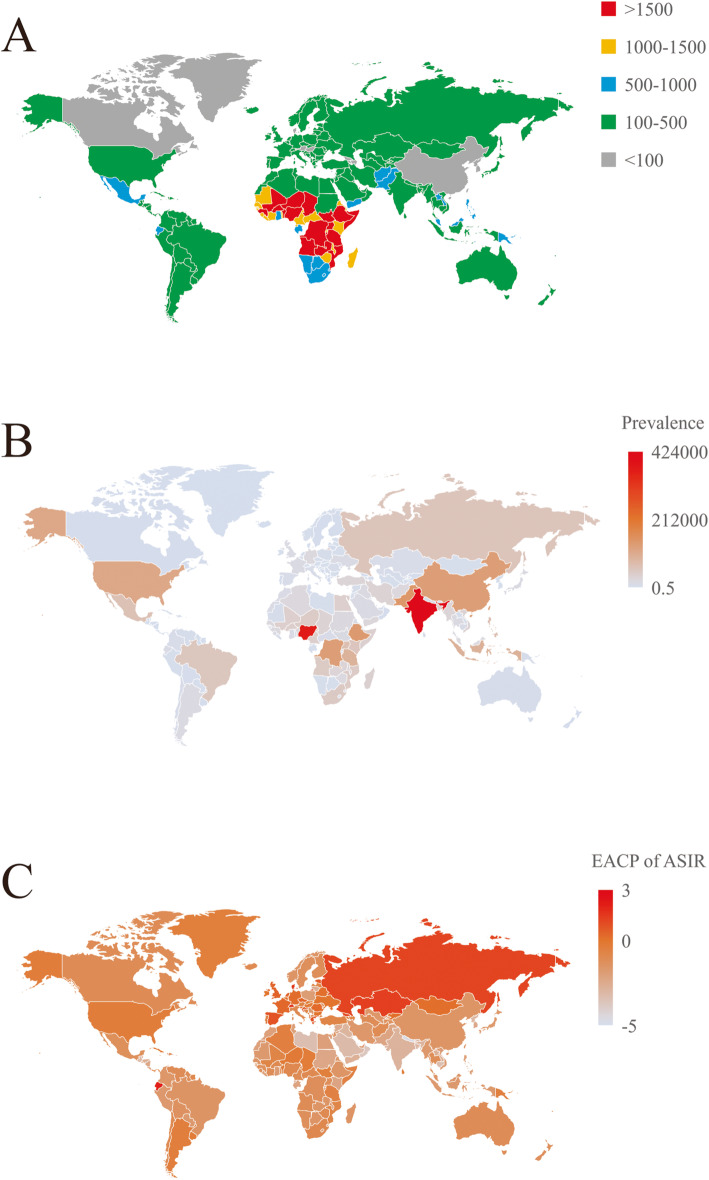
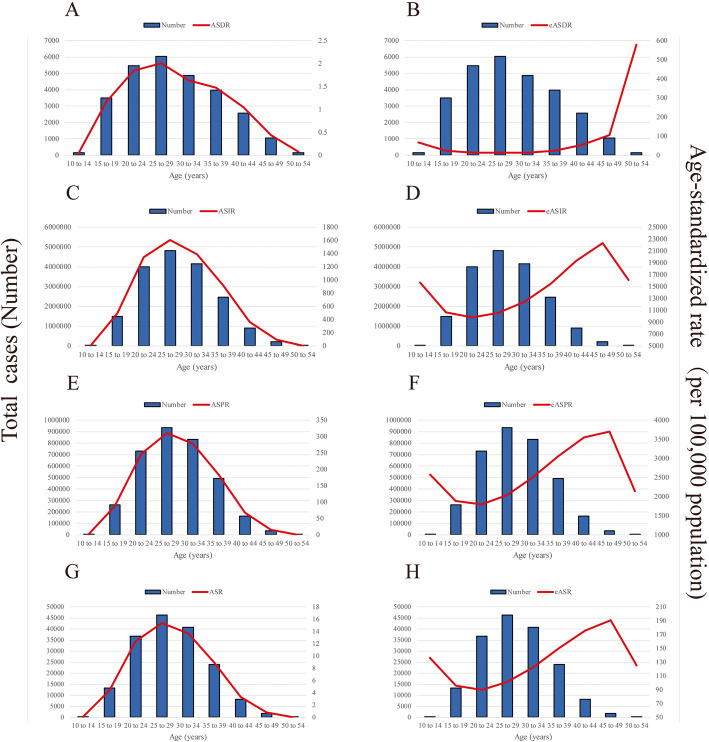
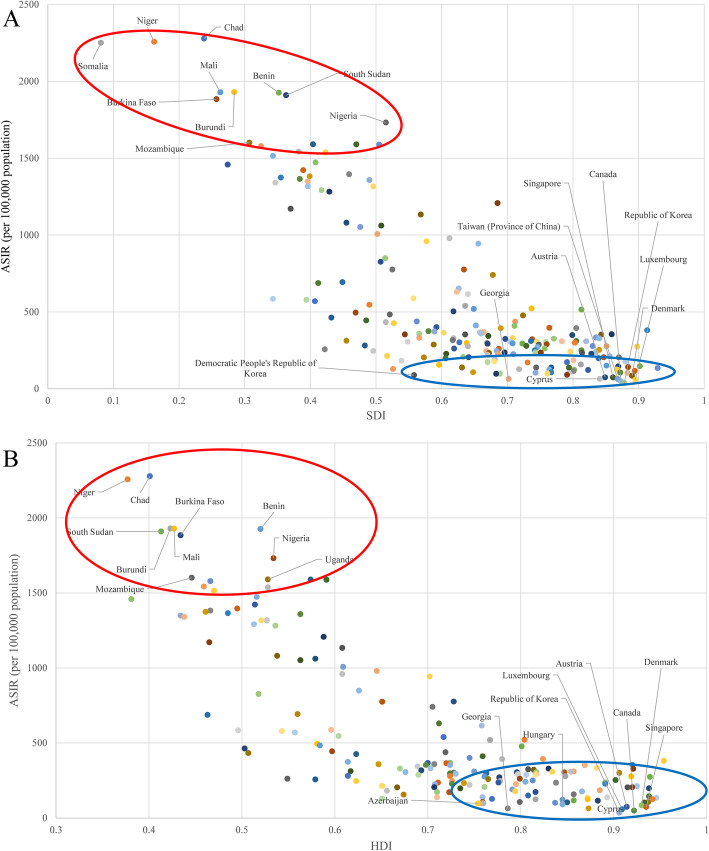
- National ASIRs ranged from 36.34 to 2278.25 per 100,000; Chad (2278.25), Niger (2256.95), and Somalia (2251.26) had the highest estimates, while Korea (36.34), Canada (49.13), and Luxembourg (58.27) had the lowest. Counts were highest at ages 25–29, followed by 30–34 and 20–24, but estimated incidence among pregnant women was lowest at 25–29 and higher at the youngest and oldest ages; ASIRs were higher in countries/regions with lower SDI and HDI.
Methods
- Population-based analysis of GBD 2019 data covering 204 countries and territories from 1990 to 2019; prevalence, incidence, death, DALYs, YLDs, YLLs, age-standardized rates, and attributable risk factors were extracted from the Global Health Data Exchange, with SDI quintiles and HDI data from the Human Development Report 2019.
- The number of pregnant women was estimated as live births plus 15% of live births for stillbirths/miscarriages.
- Estimated annual percentage changes (EAPCs) were calculated using a generalized linear model with a Gaussian distribution for ASRs and a log-linear trend assumption; uncertainty intervals were based on 1,000 draws using the 2.5th and 97.5th centiles, with analyses in Excel 2019 and R 4.0.0.
Limitations
- The paper states that only iron deficiency from the behavioral risk category could be analyzed as an HDP risk factor, while GBD data on body mass index, maternal age, preexisting diseases, lipid metabolism, and air pollution were limited or unavailable for HDP analysis.
- The paper notes controversy about iron supplementation and HDP, with inconsistent findings potentially explained by different methodologies and gestational times of serum sample collection.
- Evident from the text: estimates are modeled GBD 2019 data with uncertainty intervals rather than a primary cohort; age-specific incidence based on all women versus estimated pregnant women changes the age pattern, and the paper’s wording on SDI/HDI associations is internally inconsistent—it reports positive associations while also stating that ASIRs were higher in lower SDI/HDI countries.
Model-written summary. Check it against the paper before relying on it.
Integrity signals
Registry
Cites
Statistics
Figures
Verification
Claims the paper makes
4 Valid · 1 Not valid · 22 Not checked · 46 Own results and interpretations
A result the paper reports from its own data — it cites no other source for it, so there is none to check. The quote shows it is in the paper.
In the paper
“The incidence of hypertensive disorders of pregnancy increased from 16.30 million to 18.08 million globally, with a total increase of 10.92 % from 1990 to 2019.”
- Also stated in: § Global level of HDP · plain
“The incidence of HDP increased from 16.30 million [95 % UI 13.56 to 19.42 million] to 18.08 million (95 % UI 15.26 to 21.11 million) globally, with a total increase of 10.92 % from 1990 to 2019.”
§ Epidemiological trends of maternal hypertensive disorders of pregnancy at the global, regional, and national levels: a population‐based study > Abstract > Results
plainstates a cause- Asserted: passes — The authors put it forward as true.
- Checkable: passes — It can be checked against evidence.
- Load-bearing: passes — The paper’s conclusions depend on it.
- Based: passes — The paper gives a reason why it holds.
- Also stated in: § Global level of HDP · plain
A result the paper states — it cites no source for it, so there is none to check. The quote shows it is in the paper.
In the paper
“The prevalence of HDP was associated with the sociodemographic index and human development index.”
§ Epidemiological trends of maternal hypertensive disorders of pregnancy at the global, regional, and national levels: a population‐based study > Conclusions
plainstates an association- Asserted: passes — The authors put it forward as true.
- Checkable: passes — It can be checked against evidence.
- Load-bearing: passes — The paper’s conclusions depend on it.
- Based: passes — The paper gives a reason why it holds.
A result the paper reports from its own data — it cites no other source for it, so there is none to check. The quote shows it is in the paper.
In the paper
“Additionally, the EAPC of the age-standardized death rate (ASDR) was − 2.38 (95 % CI 1.67 to -6.27) (Table 1).”
§ Epidemiological trends of maternal hypertensive disorders of pregnancy at the global, regional, and national levels: a population‐based study > Results > Global level of HDP
plain- Asserted: passes — The authors put it forward as true.
- Checkable: passes — It can be checked against evidence.
- Load-bearing: unclear — It is unclear whether the paper’s conclusions depend on it.
- Based: passes — The paper gives a reason why it holds.
- Rests on an assumption not shown here.
A result the paper reports from its own data — it cites no other source for it, so there is none to check. The quote shows it is in the paper.
In the paper
“The age-standardized DALYs, YLLs and YLDs in 2019 are shown in online Supplementary Tables 22, with decreasing trends observed from 1990 to 2019 (Supplementary Fig. 1).”
§ Epidemiological trends of maternal hypertensive disorders of pregnancy at the global, regional, and national levels: a population‐based study > Results > Regional level of HDP
plainstates an association- Asserted: passes — The authors put it forward as true.
- Checkable: passes — It can be checked against evidence.
- Load-bearing: unclear — It is unclear whether the paper’s conclusions depend on it.
- Based: passes — The paper gives a reason why it holds.
A result the paper reports from its own data — it cites no other source for it, so there is none to check. The quote shows it is in the paper.
In the paper
“At the national level, HDP incidence also showed a decreasing trend as SDI increased.”
§ Epidemiological trends of maternal hypertensive disorders of pregnancy at the global, regional, and national levels: a population‐based study > Discussion
plainstates an association- Asserted: passes — The authors put it forward as true.
- Checkable: passes — It can be checked against evidence.
- Load-bearing: passes — The paper’s conclusions depend on it.
- Based: passes — The paper gives a reason why it holds.
13 more claims
Create a free account to see all 73 claims and to verify the 29 references still open.
- Probably not a substantial claim. 26
- It may state two separate claims as one. 36
Claims other papers make about this one
Each is checked against this paper’s own text: does it say what the citing paper says it does?
The cited source says what the claim attributes to it.
In the citing paper
“A 2021 study investigating the epidemiological trends of HDP by using the GBD data showed that the death and incidence rates of HDP are decreasing in most countries and all regions except for those with low SDI and HDI49.”
From A global view of hypertensive disorders and diabetes mellitus during pregnancy (2022) · cites this paper as [49]
Self-check
Percentages, sums and reported differences re-computed from the paper’s own numbers.
Each contradiction between two passages listed here was confirmed by an independent check.
Rated major: it would touch a result — a value a result rests on, reported and recomputed p-values on opposite sides of the significance level, two passages that conflict with no sign which is right, or a cited work retracted before this paper was published.
In the paper
§ Epidemiological trends of maternal hypertensive disorders of pregnancy at the global, regional, and national levels: a population‐based study > Results > Burden of HDP in regions stratified by SDI and HDI
“Generally, a positive association between the ASIR and SDI was found for all countries and regions in 2019.”
§ Epidemiological trends of maternal hypertensive disorders of pregnancy at the global, regional, and national levels: a population‐based study > Results > Burden of HDP in regions stratified by SDI and HDI
“The ASIRs were higher in countries/regions with lower SDIs (Fig. 3a and online Supplementary Table 6).”
Rated minor: it would not touch a result — a value no result rests on, a p-value that stays on the same side of the significance level, or a conflict that is clerical, resolved elsewhere in the paper, or outside its own findings.
In the paper
§ Epidemiological trends of maternal hypertensive disorders of pregnancy at the global, regional, and national levels: a population‐based study > Results > Burden of HDP in regions stratified by SDI and HDI
“The SDIs of Korea, Canada, and Luxembourg, the three countries with the lowest incidence rates, were 0.906, 0.922, and 0.909, respectively.”
§ Epidemiological trends of maternal hypertensive disorders of pregnancy at the global, regional, and national levels: a population‐based study > Results > Burden of HDP in regions stratified by SDI and HDI
“The SDIs for Korea, Canada, and Luxembourg, the three countries with the lowest incidence rates, were 0.88, 0.87, and 0.90, respectively.”
Rated minor: it would not touch a result — a value no result rests on, a p-value that stays on the same side of the significance level, or a conflict that is clerical, resolved elsewhere in the paper, or outside its own findings.
In the paper
§ Epidemiological trends of maternal hypertensive disorders of pregnancy at the global, regional, and national levels: a population‐based study > Results > National level of HDP
“ASIRs per 100,000 population estimates of HDPs in 2019 ranged from 36.34 to 2278.25 among different countries and regions.”
§ Epidemiological trends of maternal hypertensive disorders of pregnancy at the global, regional, and national levels: a population‐based study > Results > National level of HDP
“Figure: Fig. 1 Overview of HDP by country and region for both sexes combined. a The prevalence of HDP in 2019. b The ASIR of HDP per 100,000 population in 2019.”
Rated minor: it would not touch a result — a value no result rests on, a p-value that stays on the same side of the significance level, or a conflict that is clerical, resolved elsewhere in the paper, or outside its own findings.
In the paper
§ Epidemiological trends of maternal hypertensive disorders of pregnancy at the global, regional, and national levels: a population‐based study > Results > Global level of HDP
“2019 Incidence No. ×104 (95 % UI) | 2019 ASIR ×102 (95 % UI) | 2019 Death No. ×103 (95 % UI) | 1990–2019 EAPC of ASIR (95 % CI) | 1990–2019 EAPC of ASDR (95 % CI) | | --- | --- | --- | --- | --- | --- | --- | --- | --- | | Global | 162.96 (194.2–135.56) | 5.79 (6.89–4.82) | 39.79 (43.78–36.11) | 180.76 (211.08–152.64)”
§ Epidemiological trends of maternal hypertensive disorders of pregnancy at the global, regional, and national levels: a population‐based study > Results > Global level of HDP
“The incidence of HDP increased from 16.30 million [95 % UI 13.56 to 19.42 million] to 18.08 million (95 % UI 15.26 to 21.11 million) globally”
Rated minor: it would not touch a result — a value no result rests on, a p-value that stays on the same side of the significance level, or a conflict that is clerical, resolved elsewhere in the paper, or outside its own findings.
In the paper
§ Epidemiological trends of maternal hypertensive disorders of pregnancy at the global, regional, and national levels: a population‐based study > Results > Burden of HDP in regions stratified by SDI and HDI
“Similarly, a positive association between the ASIR and HDI was also observed for all countries and regions in 2019.”
§ Epidemiological trends of maternal hypertensive disorders of pregnancy at the global, regional, and national levels: a population‐based study > Results > Burden of HDP in regions stratified by SDI and HDI
“The ASIRs were higher in countries/regions with lower HDIs (Fig. 3b and online Supplementary Table 7).”
3 more findings
Create a free account to see every finding of this check.
Citations
Cites
Roth, G. A., Abate, D., Abate, K. H., Abay, S. M., Abbafati, C., Abbasi, N., Abbastabar, H., Abd-Allah, F., Abdela, J., Abdelalim, A., et al. (2018) · The Lancet · doi:10.1016/s0140-6736(18)32203-7 · Cited by 8,600
2020 International Society of Hypertension Global Hypertension Practice Guidelines
Unger, T., Borghi, C., Charchar, F., Khan, N. A., Poulter, N. R., Prabhakaran, D., Ramirez, A., Schlaich, M., Stergiou, G. S., Tomaszewski, M., et al. (2020) · Hypertension · doi:10.1161/hypertensionaha.120.15026 · Cited by 4,132
(2013) · doi:10.1097/01.aog.0000437382.03963.88 · Cited by 3,961
Global and regional estimates of preeclampsia and eclampsia: a systematic review
Abalos, E., Cuesta, C., Grosso, A. L., Chou, D., & Say, L. (2013) · European Journal of Obstetrics & Gynecology and Reproductive Biology · doi:10.1016/j.ejogrb.2013.05.005 · Cited by 1,574 · cited 2×
“by income, the highest incidence rates of preeclampsia are observed in upper middle-income countries, whereas eclampsia appears to be more frequent in lower middleincome countries [6].”
BackgroundPre-eclampsia rates in the United States, 1980-2010: age-period-cohort analysis
Ananth, C. V., Keyes, K. M., & Wapner, R. J. (2013) · BMJ · doi:10.1136/bmj.f6564 · Cited by 940 · cited 2×
“The incidence of HDP ranges from 4 to 25 %, [4, 5] and HDP is one of the three leading causes of maternal morbidity and mortality worldwide.”
BackgroundTrial of Calcium to Prevent Preeclampsia
Levine, R. J., Hauth, J. C., Curet, L. B., Sibai, B. M., Catalano, P. M., Morris, C. D., DerSimonian, R., Esterlitz, J. R., Raymond, E. G., Bild, D. E., et al. (1997) · New England Journal of Medicine · doi:10.1056/nejm199707103370201 · Cited by 634
Georgieff, M. K. (2020) · American Journal of Obstetrics and Gynecology · doi:10.1016/j.ajog.2020.03.006 · Cited by 580
Osungbade, K. O., & Ige, O. K. (2011) · Journal of Pregnancy · doi:10.1155/2011/481095 · Cited by 429 · cited 1×
“As HDP is considered one of the major causes of maternal mortality worldwide, epidemiological surveillance of HDP is critical to gestational healthcare [15].”
BackgroundIncidence and Long-Term Outcomes of Hypertensive Disorders of Pregnancy
Garovic, V. D., White, W. M., Vaughan, L., Saiki, M., Parashuram, S., Garcia-Valencia, O., Weissgerber, T. L., Milic, N., Weaver, A., & Mielke, M. M. (2020) · Journal of the American College of Cardiology · doi:10.1016/j.jacc.2020.03.028 · Cited by 426 · cited 1×
“HDP remains one of the leading causes of maternal and fetal morbidity and mortality worldwide.(4)”
BackgroundRole of the Wnt/β-catenin pathway in gastric cancer: An in-depth literature review
Chiurillo, M. A. (2015) · World Journal of Experimental Medicine · doi:10.5493/wjem.v5.i2.84 · Cited by 317
Cited by
Items 201–300 of 379
Goutallier, C. S., Carrandi, A., Brennecke, S. P., & Callander, E. J. (2025) · AJOG Global Reports · doi:10.1016/j.xagr.2025.100498 · Cited by 10
Lactate dehydrogenase as marker for foetal outcome in pre-eclampsia
Salman, S.-G., & Rafiq, M. (2022) · Hamdan Medical Journal · doi:10.4103/hmj.hmj_3_22 · Cited by 2
Diagnostic efficacy of aneuploidy markers correlated with early onset preeclampsia
Pyeon, S. Y., Kwon, B. S., Kim, Y. S., & Lee, Y. J. (2022) · Medicine · doi:10.1097/md.0000000000032319 · Cited by 2
“92% from 1990 to 2019.[1] Preeclampsia (PE) is the most severe disease among the HDPs, and a multi-organ progressive disorder which clinically manifests in the form of new onset of hypertension and proteinuria or end-organ dysfunction with or without proteinuria.”
BackgroundPreterm birth risk in mother with hypertensive disorders of pregnancy
Arfandi, M. A., Ansariadi, A., Amiruddin, R., Wahiduddin, W., Salmah, A. U., & Salam, A. (2023) · International Journal of Public Health Science (IJPHS) · doi:10.11591/ijphs.v12i2.22599 · Cited by 4
Neto, J. C., dos Santos, P. S. P., Silva, M. C. B. E., Cruz, R. D. S. B. L. C., de Beltrão, I. C. S. L., & de Oliveira, D. R. (2022) · Aquichan · doi:10.5294/aqui.2022.22.3.6 · Cited by 5
Jawad, K. S. (2023) · ThinkIR: The University of Louisville's Institutional Repository (University of Louisville) · doi:10.18297/etd/4168 · Cited by 2
Maternal characteristics in obstetric emergency cases at RSUP Dr. M. Djamil Padang
Ningsih, R. A., Yusrawati, Y., Insani, A. A., & Serudji, J. (2022) · Science Midwifery · doi:10.35335/midwifery.v10i5.898 · Cited by 1
“The incidence of hypertensive disorders of pregnancy increased from 16.30 million to 18.08 million globally, with a total increase of 10.92% from 1990 to 2019 (Wang et al., 2021).”
BackgroundInfluentialBasnet, P., Das, A., Hada, A., Yadav, J., & Yadav, P. (2023) · Journal of South Asian Federation of Obstetrics and Gynaecology · doi:10.5005/jp-journals-10006-2267 · Cited by 1
Nisar, M. I., Kabole, I., Khanam, R., Shahid, S., Bakari, B. A., Chowdhury, N. H., Qazi, M. F., Dutta, A., Rahman, S., Khalid, J., et al. (2024) · BMC Pregnancy and Childbirth · doi:10.1186/s12884-024-06637-2 · Cited by 1
“Hypertensive disorders of pregnancy (HDP) affect approximately 15% of women and are the second leading cause of maternal mortality worldwide [1].”
BackgroundInfluentialMack, J. A., Akhtari, F. S., Burkholder, A., House, J. S., Sovio, U., Smith, G. C. S., Schmitt, C., Fargo, D. C., Hall, J. E., & Motsinger‐Reif, A. A. (2024) · Human Genetics and Genomics Advances · doi:10.1016/j.xhgg.2024.100385 · Cited by 4
Serum Catestatin Levels in Pre-eclampsia and Normotensive Pregnancy
Owolabi, A. A., & Kasso, T. (2024) · Nigerian Journal of Medicine · doi:10.4103/njm.njm_141_23 · Cited by 1
Wolf, L. A., Russell, A., Brecher, D., & Simon, C. (2025) · International Emergency Nursing · doi:10.1016/j.ienj.2025.101583 · Cited by 1
Zhuang, Q., Chen, L., & Yang, Y. (2025) · Journal of Integrative and Complementary Medicine · doi:10.1089/jicm.2024.0688 · Cited by 3
Revathi, J., Ts, M., & Pavithra, M. (2025) · Cureus · doi:10.7759/cureus.86441 · Cited by 8
“The observed prevalence of hypertensive disorders in pregnancy was 16%, which aligns with earlier studies reporting a national prevalence between 5% and 15% [15,16].”
Piani, F., Marozzi, M. S., Maloberti, A., Spannella, F., Visco, V., Annesi, L., Cicco, S., Borghi, C., Muiesan, M. L., Virdis, A., et al. (2025) · High Blood Pressure & Cardiovascular Prevention · doi:10.1007/s40292-025-00729-6 · Cited by 1
Time Trends in the Disease Burden of Maternal Hypertensive Disorder in China from 1990 to 2021
Wang, J., Liu, Z., & Li, J. (2025) · International Heart Journal · doi:10.1536/ihj.24-710 · Cited by 2
Argago, Z. D., Dereje, N., & Philip, N. E. (2025) · PLoS ONE · doi:10.1371/journal.pone.0326236 · Cited by 1
“Pregnancy-induced hypertension (PIH) is one of the global public health burdens contributing to several adverse perinatal outcomes [1].”
Laidlaw, M. A. S., Egendorf, S. P., & Mielke, H. W. (2025) · Next research. · doi:10.1016/j.nexres.2025.100687 · Cited by 1
Duffy, B., Patted, A., Boelig, R. C., Murphy, M. J., Pentieva, K. D., Ward, M., Lees‐Murdock, D. J., Garcia, V., Barry, F., Short, V. L., et al. (2025) · BMJ Nutrition Prevention & Health · doi:10.1136/bmjnph-2025-001212 · Cited by 1
Association between fetal sex and preeclampsia: a case-control study
Cordero-Franco, H. F., de la Rosa-Ortiz, E. I., Gaytán-Guel, L. A., Garza, F., & Martínez-Gaytán, V. (2025) · Pregnancy Hypertension · doi:10.1016/j.preghy.2025.101262 · Cited by 1
Maternal and neonatal outcomes of second-generation mothers in Europe: a systematic review
Cavagnis, S., Tarditi, D., Rosato, I., & Canova, C. (2025) · Globalization and Health · doi:10.1186/s12992-025-01163-y · Cited by 1
“Other outcomes examined in this review, such as gestational hypertension and diabetes are influenced by pre-disposing factors including age, genetic predisposition, and health behaviours (e.g., diet, smoking and physical activity) [35, 36].”
Mussa, J., Wen, L., Sharafi, M., Gouin, J., Rahme, E., & Dasgupta, K. (2025) · Journal of Epidemiology & Community Health · doi:10.1136/jech-2025-224673 · Cited by 2
A Review of the Long-Term Cardiovascular Consequences of Hypertensive Disorders of Pregnancy
Rudwan, A., Saeed, L., Mahir, L., Husameldin, A., Ahmed, A. E., Elzubair, Q. A., Ahmed, W., Malik, M., & Rudwan, E. M. A. (2025) · Cureus · doi:10.7759/cureus.100288 · Cited by 2
“These changes persist in postpartum and have a strong relation to future cardiovascular morbidity and mortality, especially in severe cases and those with concomitant disorders [2].”
Risk of pre‐eclampsia according to gestational age across three decades: population‐based study
Haavaldsen, C., Thomas, O., & Eskild, A. (2026) · Ultrasound in Obstetrics and Gynecology · doi:10.1002/uog.70160 · Cited by 1
Durmishi, S., Lalo, R., Kamberi, F., Hidri, S., & Gugu, M. (2026) · Healthcare · doi:10.3390/healthcare14020172 · Cited by 1
“…literature, indicating that hypertensive and glycemic disorders during pregnancy affect 10–22% of pregnant women, and this prevalence is expected to increase in the future as a result of advancing maternal age and the growth of contributing factors such as obesity and metabolic syndrome [32,33].”
Pabón, M. A., Tapp, D. N., Pico, M. G., Vladutiu, C. J., Schmidt, C. W., DeFranco, E., Kulandavelu, S., Elfassy, T., Minissian, M., Bello, N. A., et al. (2026) · American Journal of Preventive Cardiology · doi:10.1016/j.ajpc.2026.101494 · Cited by 1
“Adverse pregnancy outcomes (APO), including hypertensive disorders of pregnancy (HDP) and gestational diabetes mellitus (GDM), pre-sent a significant public health burden contributing to maternal morbidity and mortality worldwide [1].”
Nuampa, S., Srimoragot, M., Payakkaraung, S., Meekusol, S., Sudphet, M., & Wamuk, T. (2026) · Midwifery · doi:10.1016/j.midw.2026.104768 · Cited by 2
Li, Y., Chehab, R. F., WANG, E. Z., Susarla, S. M., Voong, C., Chen, H., Cabatu, M. C., Sorsby-Jones, H., & Zhu, Y. (2026) · Frontiers in Cardiovascular Medicine · doi:10.3389/fcvm.2026.1692590 · Cited by 4
“Although previous efforts based on the GBD Study have sought to characterize the global burden of HDP (4, 5, 7, 8), these studies may not fully capture the true prevalence due to limitations in data sources and methodology, including but not limited to indirect prevalence inference from available…”
Wang, Y., Zhou, Q., Zhao, H., Liu, Z. H., Li, W., Xu, M. M., Du, J., Chen, Y., Cheng, W., Ng, X., et al. (2026) · Cell Reports Medicine · doi:10.1016/j.xcrm.2026.102826 · Cited by 1
“8,9 PE incidence is reportedly seven times higher in underdeveloped countries than in developed nations, 10,11 and multiple pregnancies significantly increase PE rates, further indicating that nutrient deficiency may heighten susceptibility to PE onset.”
Self-citationBeardmore‐Gray, A., Rohwer, C., Turienzo, C. F., & Cluver, C. A. (2026) · Cochrane Database of Systematic Reviews · doi:10.1002/14651858.cd009273.pub3 · Cited by 3
Scheres, L. J. J., Weyand, A. C., Baldwin, M. K., Thachil, J. V., Othman, M., Middeldorp, S., Achebe, M., Kadir, R. A., Áinle, F. N., Akaba, G. O., et al. (2026) · The Lancet Haematology · doi:10.1016/s2352-3026(26)00079-7 · Cited by 3
Jones, E. S. W., Ralapanawa, U., Wu, P., Brewster, L. M., Nuyt, A. M., Slater, K., Bertagnolli, M., Steckelings, U. M., Socrates, T., Magee, L. A., et al. (2026) · Journal of Hypertension · doi:10.1097/hjh.0000000000004389 · Cited by 1
McNulty, H. (2026) · Biochimie · doi:10.1016/j.biochi.2026.10.031 · Cited by 1
Hypertensive Disorders of Pregnancy in a Military Hospital Birth Cohort
Francis, J., Waller, K., Wilson, A., & Dickton, D. (2022) · Women s Health Reports · doi:10.1089/whr.2022.0034 · Cited by 2
“92% between 1990 and 2019.(2) The evidence indicating that HDP is increasing in prevalence was further verified by this study.”
BackgroundKarpova, N. S., Dmitrenko, O., & Arshinova, E. (2022) · International Electronic Conference on Biomedicines (IECBM) · doi:10.3390/iecbm2022-13721 · Cited by 2
Malinowska-Polubiec, A., Zawiejska, A., Romejko-Wolniewicz, E., Poprawski, G., Towpik, I., Brązert, J., Handziuk, Z., & Czajkowski, K. (2023) · Frontiers in Endocrinology · doi:10.3389/fendo.2023.1215407 · Cited by 1
The Rising Incidence of Hyperinsulinemic Hypoglycemia: Connection With Maternal Health
Pillai, S. S., Fredette, M. E., Tanzer, J. R., Hoffman, L., & Topor, L. S. (2023) · Endocrine Practice · doi:10.1016/j.eprac.2023.09.001 · Cited by 1
Рудаева, Е. В., Кашталап, В. В., Marciyash, A. A., Moses, V. G., Savchenko, Y. A., Мозес, К. Б., Елгина, С. И., & Рудаева, Е. Г. (2023) · Complex Issues of Cardiovascular Diseases · doi:10.17802/2306-1278-2023-12-3-200-210 · Cited by 1
Díaz-Canales, A., Noel-Meza, J. P., Caira‐Chuquineyra, B., Fernandez‐Guzman, D., Salazar-Talla, L., Urrunaga‐Pastor, D., & Bendezú-Quispe, G. (2023) · European Journal of Obstetrics & Gynecology and Reproductive Biology X · doi:10.1016/j.eurox.2023.100253 · Cited by 1
“This constant monitoring in women with preeclampsia and low-birth-weight newborns may have mediated this higher probability of IPC in newborns, also taking into account the high prevalence of preeclampsia in Peru [36].”
Mpalatsouka, I., Zachariou, M., Kyprianidou, M., Fakonti, G., & Giannakou, K. (2023) · Frontiers in Medicine · doi:10.3389/fmed.2023.1236314 · Cited by 3
Pregnancy Induced Hypertension and It’s Associated Factors among Women Attending Delivery Center
Gyawali, M., Khadka, R. R., -, S. J., & -, K. H. (2024) · International Journal For Multidisciplinary Research · doi:10.36948/ijfmr.2024.v06i01.13402 · Cited by 1
Perichart‐Perera, O., Reyes-Muñoz, E., Borboa-Olivares, H. J., Rodríguez-Cano, A. M., Solis‐Paredes, J. M., Hernández‐Hernández, L., Rodríguez-Hernández, C., González-Ludlow, I., Suárez-Rico, B. V., Sánchez-Martínez, M., et al. (2024) · Frontiers in Medicine · doi:10.3389/fmed.2024.1339428 · Cited by 5
“GDM and preeclampsia frequency persist in an ongoing upward trajectory (86, 87).”
BackgroundGómez-Lumbreras, A., Vilaplana-Carnerero, C., Vázquez, M. L., Urgell, C. V., Morros, R., & Giner‐Soriano, M. (2024) · Frontiers in Pharmacology · doi:10.3389/fphar.2024.1346357 · Cited by 1
Karkada, S. R., Noronha, J. A., Lewis, M., & Ullal, C. (2024) · Journal of Advanced Nursing · doi:10.1111/jan.16301 · Cited by 3
Shanmugalingam, R., Munn, Z., Barker, T. H., Barrett, H. L., Beech, A., Bowyer, L., Crozier, T. M. E., Davidson, A., Nitert, M. D., Doyle, A. K., et al. (2024) · Clinical and Public Health Guidelines · doi:10.1002/gin2.70000 · Cited by 3
Liu, J., Dong, Y., Zhou, Y., Wang, W., Li, Y., & Pei, J. (2024) · BMC Pregnancy and Childbirth · doi:10.1186/s12884-024-06950-w · Cited by 3
“On a global scale the incidence of HDP grew from 16.30 million to 18.08 million, indicating the 10.92% growth from 1990 to 2019 [2].”
InfluentialSelf-citationMaternal Morbidity and Mortality from a Population Health Perspective
Elci, Ö. C., Edmonson, S. B., & Juusela, A. L. (2025) · Obstetrics and gynecology. · doi:10.5772/intechopen.1009968 · Cited by 5
DeStaffan, B., Tafflet, M., Lailler, G., Olié, V., Blacher, J., Deneux‐Tharaux, C., Charles, M.-A. A., Heude, B., & Yuan, W. L. (2025) · Journal of Hypertension · doi:10.1097/hjh.0000000000004083 · Cited by 2
“…(HDP) rank consistently among the leading causes of maternal and fetal morbidity and mortality in high-income about 11%, from 16 to 18 million [3]. pregnancy, maternal blood pressure (BP) undergoes important physiological variations induced by maternal hemodynamic adaptations in response to…”
Sabogal, I. M. U., & Arias‐Rojas, M. (2023) · Aquichan · doi:10.5294/aqui.2023.23.2.8 · Cited by 1
eoPred: Predicting the placental phenotype of early-onset preeclampsia using DNA methylationPreprint
Fernández-Boyano, I., Inkster, A. M., Yuan, V., & Robinson, W. P. (2023) · Research Square · doi:10.21203/rs.3.rs-2949161/v1 · Cited by 4
PREGNANCY-RELATED COMPLICATIONS IN PRIMARY ALDOSTERONISM: A EUROPEAN SURVEY
Forestiero, V., Roa, J. S., Landau, E., Mallart-Riancho, J., Burrello, J., Sconfienza, E., Monticone, S., Tsatsaris, V., Reincke, M., Quinkler, M. O., et al. (2023) · Hypertension · doi:10.1097/01.hjh.0000939416.20171.f7 · Cited by 1
Mack, J. A., Burkholder, A., Akhtari, F. S., House, J. S., Sovio, U., Smith, G. C. S., Schmitt, C., Fargo, D. C., Hall, J. E., & Motsinger‐Reif, A. A. (2023) · medRxiv · doi:10.1101/2023.10.30.23297806 · Cited by 1
Hu, G., Lin, J., Feng, H., Horswell, R. L., Chu, S. T., & Shen, Y. (2023) · Research Square · doi:10.21203/rs.3.rs-3616259/v1 · Cited by 1
“The trend seen in this study is in congruence with national and global data 1,25,26 .”
BackgroundResultClassification of Myocardial Infarction in Women With Hypertensive Disorders of Pregnancy
Honigberg, M. C. (2024) · Journal of the American College of Cardiology · doi:10.1016/j.jacc.2024.07.058 · Cited by 1
Fordjour, F., Dassah, E. T., Boakye-Yiadom, J., Addai-Darko, K., Okyere, B., & Buabeng, K. O. (2025) · medRxiv · doi:10.1101/2025.05.18.25327871 · Cited by 1
Validation of the Global Diet Quality Score (GDQS) for pregnant and lactating womenPreprint
Arsenault, J. E., Ali, N. B., Batis, C., Bromage, S., Conradie, C., Kehoe, S. H., Chopra, H., Moreno, A. G., Norde, M. M., & Symington, E. A. (2026) · doi:10.12688/verixiv.3157.1 · Cited by 1
Mubbarka, M., John, A., Ali, A. S., Bakhtawar, K., & Kiran, W. (2022) · Pakistan BioMedical Journal · doi:10.54393/pbmj.v5i4.353
Fetal Outcome among Hypertensive Disorders in Pregnant Women with Hyperuricemia
Mumtaz, M., Habib, A., Tariq, G., Fatima, M., Goswami, P., & Hira, A. K. (2022) · Pakistan Journal of Medical and Health Sciences · doi:10.53350/pjmhs22164663
Bahmanyar, E. R., Baud, D., Weber, B. M. D. T., & Mathevet, P. (2021) · JMIG · doi:10.53738/revmed.2021.17.755.1767
Pregnancy: Pre-eclampsia and diet
González‐Fernández, D., Koski, K. G., & Bhutta, Z. A. (2022) · Elsevier eBooks · doi:10.1016/b978-0-12-821848-8.00166-9 · Cited by 1
Risk for Preeclampsia Associated with Nutritional Deficiencies and Modified by APOL1 Genotype
Bruner, W. S. (2022) · doi:10.21007/etd.cghs.2022.0608 · Cited by 1
Immanuel, D., Susiarno, H., & Nurdiawan, W. (2022) · Althea Medical Journal · doi:10.15850/amj.v9n4.2646
Pregnancy-Induced Hypertension - Ayurvedic Understanding
Lijima, C., & Dei, L. (2023) · International Journal of Ayurveda and Pharma Research · doi:10.47070/ijapr.v10i12.2616
Damasceno, A. A. D. A. (2022) · Digital Library of Theses and Dissertations (Universidade de São Paulo) · doi:10.11606/t.6.2022.tde-06032023-141239
An association of renal profile with maternal complications in women with preeclampsia
Kollu, B. S., & Singh, C. S. K. (2023) · Bharati Vidyapeeth Medical Journal · doi:10.56136/bvmj/2023_00015
L’ipertensione arteriosa in gravidanza
Sabbadin, C., & Armanini, D. (2023) · L Endocrinologo · doi:10.1007/s40619-023-01266-x
eoPred: Predicting the placental phenotype of early-onset preeclampsia using DNA methylationPreprint
Fernández-Boyano, I., Inkster, A. M., Yuan, V., & Robinson, W. P. (2023) · medRxiv · doi:10.1101/2023.05.17.23290125
“While the global incidence of PE is estimated as 4.6% (Abalos et al., 2013), this is an approximation limited by the lack of data from many regions, and varies by population, race, and socioeconomic status (Silva et al., 2008; Lisonkova and Joseph, 2013; Wang et al., 2021).”
BackgroundInfluentialMbangama, M. A., Ndesanzim, O. C., Lumaya, A. J., Muamba, N. F., Lukusa, M. E.-P., Kazadi, N. B., Lemba, N. N., Lotoy, B. J., & Mangala, F. M. (2023) · Open Journal of Obstetrics and Gynecology · doi:10.4236/ojog.2023.139122
“…epidemiology, the risk factors involved in its occurrence, the means of prevention, the evaluation of therapeutic modalities as well as its complications, but the fact remains that we note in the literature a variation in PE in relation to frequency, risk factors (RF) and complications [12] [13].”
The Causation of Preeclampsia: An Unresolved Question
Salvador‐Moysén, J., Martínez-López, Y., & Castañeda-Márquez, A. C. (2023) · Acta Scientific Women s Health · doi:10.31080/aswh.2023.05.0519
Adu‐Bonsaffoh, K. (2023) · Utrecht University Repository (Utrecht University) · doi:10.33540/1949
Knowledge about Nutrition and Testing Gestational Hypertension in Multiple Pregnancies
Wenang, S., Kurniawan, M., & Rachmanio, N. (2023) · MAGNA MEDICA Berkala Ilmiah Kedokteran dan Kesehatan · doi:10.26714/magnamed.10.2.2023.170-178 · Cited by 1
Is the central complement component C3 altered in the synergy of HIV infection and preeclampsia?
David, M., Singh, S., & Naicker, T. (2023) · European Journal of Obstetrics & Gynecology and Reproductive Biology X · doi:10.1016/j.eurox.2023.100257
“Preeclampsia (PE), a multi-system and placentally-derived hypertensive disorder of pregnancy, affects 4 – 6% of pregnancies worldwide [1].”
BackgroundSalihu, A. I., Ariyo, A. L., Matthew, O. D., & Ajagbonna, P. O. (2023) · Magna Scientia Advanced Research and Reviews · doi:10.30574/msarr.2023.9.2.0144
Esau, D., & Abramson, B. L. (2023) · Advances in biochemistry in health and disease · doi:10.1007/978-3-031-39928-2_8
Management of hypertensive disorders in pregnancy: An updated review
Khan, N. Y. (2023) · Yemen Journal of Medicine · doi:10.32677/yjm.v2i3.4358
Prihazty, A. W., & Ernawati, E. (2023) · World Journal of Advanced Research and Reviews · doi:10.30574/wjarr.2023.20.3.2604
“The global increase of hypertensive disorders in pregnancy from 1990 until 2019 was recorded at 10.92%, with the number of cases increasing from 16.3 to 18.8 million (2).”
InfluentialProgesterone for prevention of hypertensive disorders during pregnancy
Editor, R. (2023) · Reproductive Endocrinology · doi:10.18370/2309-4117.2023.70.38
Urine congophilia associated with preeclampsia does not persist 6-months postpartum
Hofstee, P., Lum, J. S., Chow, Y. Y., Wittwer, M. R., Arstall, M. A., Dekker, G., Clifton, V. L., Wright, I. M. R., Kelly, M. A., & Ecroyd, H. W. (2024) · Placenta · doi:10.1016/j.placenta.2024.01.013
Maharjan, P., Ponganam, M. P., Lambert, P., Vogel, J. P., McIntosh, M. P., & McDougall, A. R. A. (2024) · PLOS Global Public Health · doi:10.1371/journal.pgph.0002962
Hypertensive Disorders of Pregnancy and Heart Failure
Strilchuk, L. M., & Cífková, R. (2023) · Updates in hypertension and cardiovascular protection · doi:10.1007/978-3-031-39315-0_31
Body Mass Index and Hypertension in Pregnant Women
Wiratmo, P. A., & Sutandi, A. (2024) · Journal of Nursing and Midwifery Sciences · doi:10.54771/fpd5kp25 · Cited by 1
“The death caused by hypertension in 2019 was about 27,83% (Wang et al., 2021).”
BackgroundAnalysis of the list of medicines for arterial hypertension therapy during pregnancy
Maksymovych, N., & Zaliska, O. (2024) · Farmatsevtychnyi zhurnal · doi:10.32352/0367-3057.1.24.01 · Cited by 1
Sewor, C., Obeng, A. A., Eliason, S., Agbeno, E. K., & Amegah, A. K. (2024) · Figshare · doi:10.6084/m9.figshare.24934220
Ntsama, J. A. M., Seme, A., Sutchueng, U. J. T., Tatsipie, W. L., Vagoda, C., Mol, H.-L. C., Dingom, M. N., Essiben, F., Ndoua, C. C. N., Eng, Y. C. M., et al. (2024) · Open Journal of Obstetrics and Gynecology · doi:10.4236/ojog.2024.144053
“We note that the area on the curve is 0.496, so our area is not significant (Table 6 and Figure 3). years and 15 to 47 years [6] [7].”
BackgroundInfluentialZainab, S., Akbar, A., Ehsan, A., Mushtaq, S., Tabassum, H., & Ikram, M. (2024) · Pakistan Armed Forces Medical Journal · doi:10.51253/pafmj.v74i2.10077
Verma, S., Paliwal, S., Paramanick, D., Narayan, C. V., & Saini, M. (2024) · Current Aging Science · doi:10.2174/0118746098299754240530111755 · Cited by 1
Makuch, R., Chrościcka, A., Gała, K., Czajka, A., Lenard, P., Kucharski, A., Michalska, S., Pilarski, K., Dewicka, M., & Wawrzyniak, A. M. (2024) · Quality in Sport · doi:10.12775/qs.2024.16.52208
Mwidibo, Y., Mlay, P. S., Sadiq, A., George, G. H. M., Mchome, B. L., Batchu, N., Mangi, G., Gaffur, R., Mjema, R. N., Maro, E., et al. (2024) · Open Journal of Obstetrics and Gynecology · doi:10.4236/ojog.2024.148101
Bah, H. T., Ceesay, S., Bass, P., & Ceesay, L. (2024) · Obstetrics & Gynecology International Journal · doi:10.15406/ogij.2024.15.00758
Safarpour, F., Shafaatdoost, M., Naeimi, R., Moini, A., Pirjani, R., Basirat, Z., Mardi-Mamaghani, A., Esmaeili, M., Rezaeinejad, M., & Sepidarkish, M. (2024) · Nutrition Journal · doi:10.1186/s12937-024-01016-1
“…load in the development of hypertensive disorders during pregnancy: uncovering the association through prospective cohort analysis Background Hypertensive disorders of pregnancy (HDPs) are common complications encountered in pregnancy that affect between 5% and 15% of pregnancies worldwide [1].”
BackgroundKhatun, T., Akter, A., Khanal, M. K., Arefin, Z., & Bhuiyan, R. (2024) · Bangabandhu Sheikh Mujib Medical University Journal · doi:10.3329/bsmmuj.v17i4.75688
Volumen Plaquetario Medio como Marcador Serológico de Preeclampsia – Eclampsia
Cordova, C. E. P., & Almeida, J. G. S. (2024) · Ciencia Latina Revista Científica Multidisciplinar · doi:10.37811/cl_rcm.v8i6.14927
Assessment of Thyroid Profile in Pregnancy-associated Hypertensive Disorders
Aziz, F. (2024) · King Khalid University journal of health sciences. · doi:10.4103/kkujhs.kkujhs_22_24
Marlina, D., Utomo, A., Adriansyah, P. N. A., Sumawan, H., Handono, B., & Aziz, M. A. (2025) · SAGE Open Medicine · doi:10.1177/20503121251314073
Long-Term Cardio-Renal-Metabolic Complications Following Pre-eclampsia
Davidson, B. J., Rayner, B. L., Wearne, N., Barday, Z., & Jones, E. S. W. (2025) · Cardiology Clinics · doi:10.1016/j.ccl.2024.12.005 · Cited by 2
Effectiveness of guided imagery on stress among high risk pregnant mothers
Blessy, A. S. G., & Sophia, A. (2024) · i-manager’s Journal on Nursing · doi:10.26634/jnur.14.3.21055
McNulty, H. (2025) · European Journal of Preventive Cardiology · doi:10.1093/eurjpc/zwaf078
Diagnostics of hypertensive disorders in cardio-obstetrics: current state-of-affairs
Posokhov, I. N., & Filippov, O. S. (2025) · Russian Journal of Human Reproduction · doi:10.17116/repro20253101163
Franco, E. D. P., da Gama, S. G. N., Filha, M. M. T., Martinelli, K. G., da Costa, A. C. C., & Marano, D. (2025) · Ciência & Saúde Coletiva · doi:10.1590/1413-81232025303.01142023en · Cited by 3
Global burden of maternal hypertensive disorder from 1990 to 2021Preprint
Liu, B., Huang, X., Hao, Z., Wang, J., Fan, Y., Shao, Q., Li, R., He, B., & Jiang, L.-S. (2025) · medRxiv · doi:10.1101/2025.04.01.25325061 · Cited by 1
Metadata
- Authors
- Wang, W., Xie, X., Yuan, T., Wang, Y., Zhao, F., Zhou, Z., & Zhang, H.
- Affiliations
- First Affiliated Hospital of Xi'an Jiaotong University (CN)
- Second Affiliated Hospital of Xi'an Jiaotong University (CN)
- Corresponding author
- Zhang, Hao
- Venue
- BMC Pregnancy and Childbirth
- Published
- 2021-05-08
- Volume
- 21
- Issue
- 1
- Pages
- 364-364
- ISSN
- 1471-2393 (ISSN-L)
- PMC
- PMC8106862
- OpenAlex
- W3126544253
- Cited by
- 381
- References
- 32
- Citations by year
- 2026: 69 · 2025: 97 · 2024: 79 · 2023: 82 · 2022: 51 · 2021: 3
- FWCI
- 48.99
- Type
- journal article
- Language
- en
- Open access
- gold
- doi.org
- Licence
- cc-by
- creativecommons.org/licenses/by/4.0/ (tdm)
- creativecommons.org/licenses/by/4.0/ (vor)
- Locations
- BMC Pregnancy and Childbirth (publishedVersion, cc-by)
- PubMed Central (publishedVersion, cc-by)
- PubMed (publishedVersion)
- DOAJ (DOAJ: Directory of Open Access Journals) (submittedVersion, cc-by-sa)
- Funders
- World Health Organization
- Topics
- Health Sciences › Medicine › Obstetrics and Gynecology › Pregnancy and preeclampsia studies
- Health Sciences › Medicine › Clinical Neurology › Neurological Complications and Syndromes
- Health Sciences › Medicine › Pediatrics, Perinatology and Child Health › Global Maternal and Child Health
- Keywords
- hypertensive disorders of pregnancy, preeclampsia, maternal morbidity, incidence trends, years lived with disability, maternal mortality, socio-demographic index, Human Development Index, age-standardized incidence, global burden of disease, prenatal care
- MeSH terms
- Female, Humans, Pregnancy, Socioeconomic Factors, Global Health, Incidence, Hypertension, Pregnancy-Induced
About these checks
Registry, retraction, Cites and statistics results are computed, not judged, with one exception: a printed reference that no index lists is read once by a model before it counts as a citation error. Claims are extracted by a model and kept only when their quote appears verbatim in the text; each cited source is then checked, with a model’s help, for whether it says what the claim relies on. Those verdicts can be wrong — read the claim’s quote and the cited source before relying on one.
The claim verdicts this report counts are experimental: their accuracy is not yet measured.
A language model drew the claims from the paper on 2026-10-05, under version 3 of the claim definition (model deepseek-v4.1-flash, prompt extract-v3).
A second model labelled each claim on 2026-10-05 (model jev-1.13-20260917, definition revision gold-guideline-v0.2).
Statistics and arithmetic are recomputed, not judged.
Confidence bands are shown only for fields calibrated on our annotated test set. None is calibrated yet, so no band is shown.
What counts as a claim ›How we measure confidence ›How we check this ›
Are you an author, or do you see a problem with this page? Request a review
Data sources
Bibliographic data: Semantic Scholar, OpenAlex, Crossref.
Contains information from the Semantic Scholar Academic Graph Datasets, made available under the ODC Attribution License (ODC-BY 1.0).
Semantic Scholar’s data is described in: Kinney, R., et al. (2023). The Semantic Scholar Open Data Platform. arXiv:2301.10140.
