

Epidemiological trends of maternal hypertensive disorders of pregnancy at the global, regional, and national levels: a population‐based study
Open accessThe DOI matches its Crossref record; 29 of the 32 references it cites were found in a registry or an index, and 2 are not checked yet; 5 of the 34 sources its claims cite were checked for support.
Abstract
Background: Relevant studies focusing on epidemiological of profiles hypertensive disorders of pregnancy from global data that report the cause-specific prevalence and trends of hypertensive disorders of pregnancy at global, regional and national levels from 1990 to 2019 by age and sociodemographic index are still limited. Methods: For hypertensive disorders of pregnancy, point prevalence, annual incidence, and years lived with disability numbers and age standardized rates per 100,000 population were compared at regional and national levels by age and sociodemographic index using data from the global Burden of Disease 2019 Study, covering populations from 204 countries and territories. Estimates are reported with uncertainty intervals to exhibit the changing trends during a specific period. Results: The incidence of hypertensive disorders of pregnancy increased from 16.30 million to 18.08 million globally, with a total increase of 10.92 % from 1990 to 2019. The age-standardized incidence rate decreased, with an estimated annual percent change of -0.68 (95 % confidence interval [CI] -0.49 to -0.86). The number of deaths due to hypertensive disorders of pregnancy was approximately 27.83 thousand in 2019, representing a 30.05 % decrease from 1990. Based on the incidence and prevalence, the number of deaths and years lived with disability were highest in the group aged 25–29 years, followed by the groups aged 30–34 and 20–24 years, while the lowest estimated incidence rate was observed in the group aged 25–29 years and higher incidence rates were observed in the youngest and oldest groups. Positive associations between incidence rates and the sociodemographic index and human development index were found for all countries and regions in 2019. Age-standardized incidence rates were higher in countries/regions with lower sociodemographic indices and human development indices. Conclusions: Our study provides a comprehensive overview of the global burden of hypertensive disorders of pregnancy. The death and incidence rates are decreasing in most countries and all regions except for those with low sociodemographic and human development indexes. This difference is mainly due to the increasing attention to prenatal examinations and health education. Further investigations should focus on forecasting the global disease burden of specific hypertensive disorders of pregnancy and modifiable risk factors.
Verified 2026-10-05 · 2 references not checked yet
Overview
CoChat Summary
TL;DR
Using GBD 2019 data from 204 countries and territories, this study describes global, regional, and national trends in hypertensive disorders of pregnancy (HDP) from 1990 to 2019. Although the absolute number of incident cases rose 10.92%, age-standardized incidence and death rates declined overall, with the highest burden concentrated in low-SDI/HDI countries and in sub-Saharan Africa and South Asia.
Key findings
- Global incident cases increased from 16.30 million (95% UI 13.56–19.42 million) in 1990 to 18.08 million (95% UI 15.26–21.11 million) in 2019, a 10.92% increase; the age-standardized incidence rate (ASIR) fell from 579 to 463 per 100,000, with an EAPC of −0.68 (95% CI −0.49 to −0.86).
- Deaths due to HDP were approximately 27.83 thousand in 2019, a 30.05% decrease from 1990; the EAPC of the age-standardized death rate was −2.38 (95% CI 1.67 to −6.27).
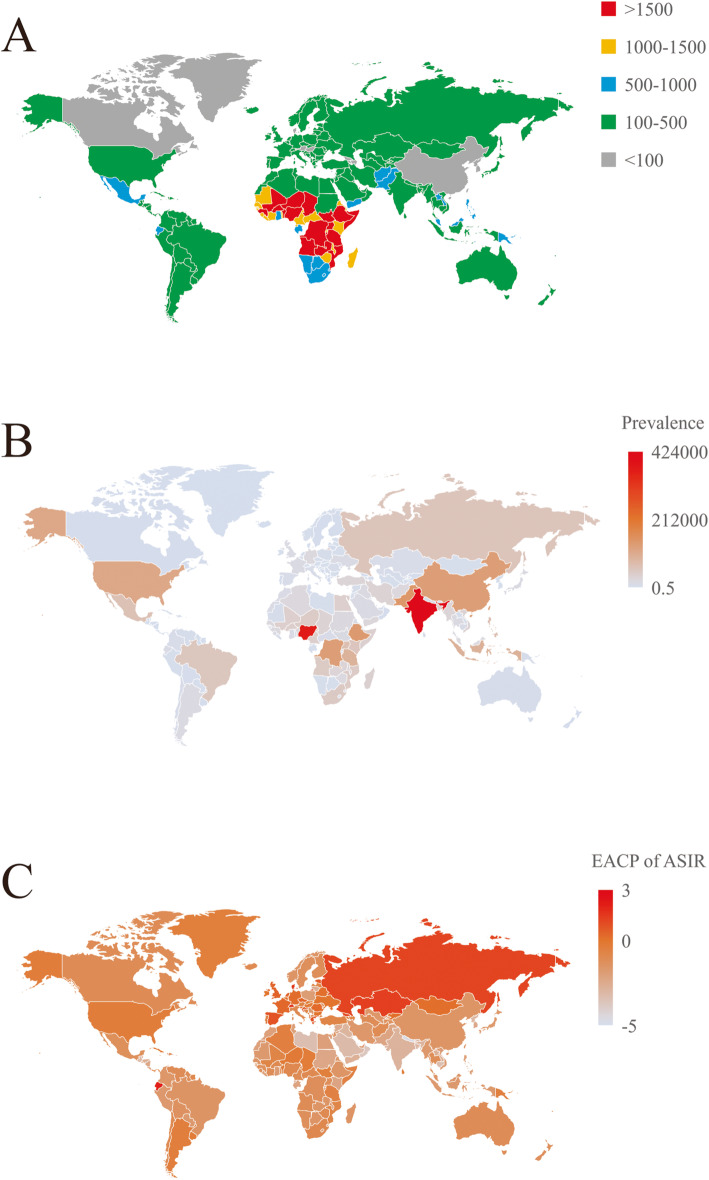
- In 2019, the highest regional incidence was in South Asia (3.84 million), western sub-Saharan Africa (3.71 million), and eastern sub-Saharan Africa (3.12 million); the highest ASIRs were in western, central, and eastern sub-Saharan Africa, while the lowest were in East Asia, high-income Asia Pacific, and Central Europe.
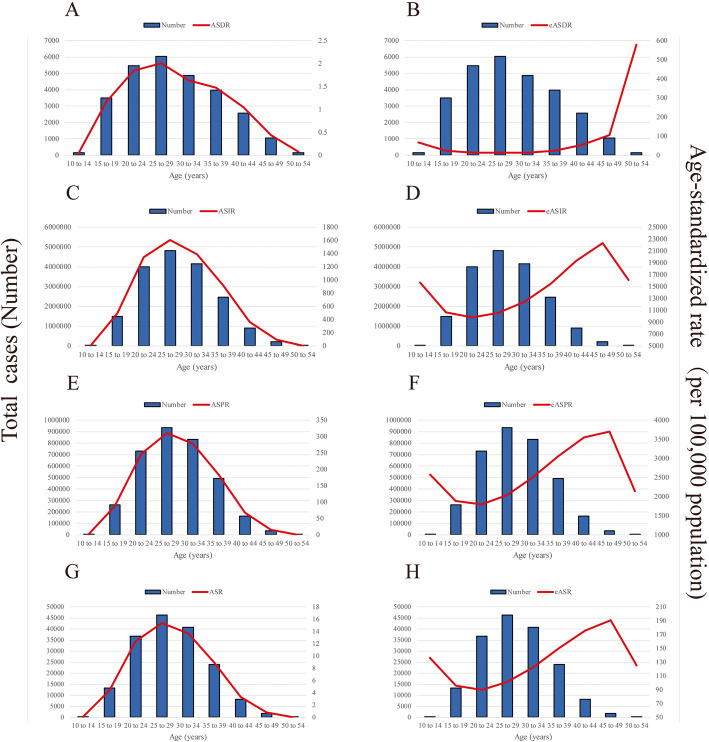
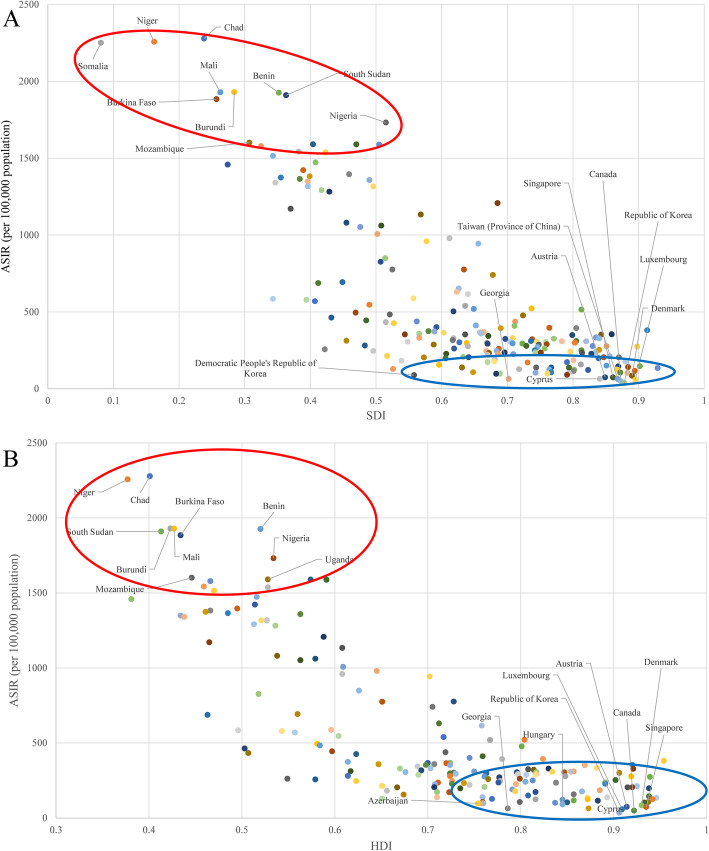
- National ASIRs ranged from 36.34 to 2278.25 per 100,000; Chad (2278.25), Niger (2256.95), and Somalia (2251.26) had the highest estimates, while Korea (36.34), Canada (49.13), and Luxembourg (58.27) had the lowest. Counts were highest at ages 25–29, followed by 30–34 and 20–24, but estimated incidence among pregnant women was lowest at 25–29 and higher at the youngest and oldest ages; ASIRs were higher in countries/regions with lower SDI and HDI.
Methods
- Population-based analysis of GBD 2019 data covering 204 countries and territories from 1990 to 2019; prevalence, incidence, death, DALYs, YLDs, YLLs, age-standardized rates, and attributable risk factors were extracted from the Global Health Data Exchange, with SDI quintiles and HDI data from the Human Development Report 2019.
- The number of pregnant women was estimated as live births plus 15% of live births for stillbirths/miscarriages.
- Estimated annual percentage changes (EAPCs) were calculated using a generalized linear model with a Gaussian distribution for ASRs and a log-linear trend assumption; uncertainty intervals were based on 1,000 draws using the 2.5th and 97.5th centiles, with analyses in Excel 2019 and R 4.0.0.
Limitations
- The paper states that only iron deficiency from the behavioral risk category could be analyzed as an HDP risk factor, while GBD data on body mass index, maternal age, preexisting diseases, lipid metabolism, and air pollution were limited or unavailable for HDP analysis.
- The paper notes controversy about iron supplementation and HDP, with inconsistent findings potentially explained by different methodologies and gestational times of serum sample collection.
- Evident from the text: estimates are modeled GBD 2019 data with uncertainty intervals rather than a primary cohort; age-specific incidence based on all women versus estimated pregnant women changes the age pattern, and the paper’s wording on SDI/HDI associations is internally inconsistent—it reports positive associations while also stating that ASIRs were higher in lower SDI/HDI countries.
Model-written summary. Check it against the paper before relying on it.
Integrity signals
Registry
Cites
Statistics
Figures
Verification
Claims the paper makes
4 Valid · 1 Not valid · 22 Not checked · 46 Own results and interpretations
A result the paper reports from its own data — it cites no other source for it, so there is none to check. The quote shows it is in the paper.
In the paper
“The incidence of hypertensive disorders of pregnancy increased from 16.30 million to 18.08 million globally, with a total increase of 10.92 % from 1990 to 2019.”
- Also stated in: § Global level of HDP · plain
“The incidence of HDP increased from 16.30 million [95 % UI 13.56 to 19.42 million] to 18.08 million (95 % UI 15.26 to 21.11 million) globally, with a total increase of 10.92 % from 1990 to 2019.”
§ Epidemiological trends of maternal hypertensive disorders of pregnancy at the global, regional, and national levels: a population‐based study > Abstract > Results
plainstates a cause- Asserted: passes — The authors put it forward as true.
- Checkable: passes — It can be checked against evidence.
- Load-bearing: passes — The paper’s conclusions depend on it.
- Based: passes — The paper gives a reason why it holds.
- Also stated in: § Global level of HDP · plain
A result the paper states — it cites no source for it, so there is none to check. The quote shows it is in the paper.
In the paper
“The prevalence of HDP was associated with the sociodemographic index and human development index.”
§ Epidemiological trends of maternal hypertensive disorders of pregnancy at the global, regional, and national levels: a population‐based study > Conclusions
plainstates an association- Asserted: passes — The authors put it forward as true.
- Checkable: passes — It can be checked against evidence.
- Load-bearing: passes — The paper’s conclusions depend on it.
- Based: passes — The paper gives a reason why it holds.
A result the paper reports from its own data — it cites no other source for it, so there is none to check. The quote shows it is in the paper.
In the paper
“Additionally, the EAPC of the age-standardized death rate (ASDR) was − 2.38 (95 % CI 1.67 to -6.27) (Table 1).”
§ Epidemiological trends of maternal hypertensive disorders of pregnancy at the global, regional, and national levels: a population‐based study > Results > Global level of HDP
plain- Asserted: passes — The authors put it forward as true.
- Checkable: passes — It can be checked against evidence.
- Load-bearing: unclear — It is unclear whether the paper’s conclusions depend on it.
- Based: passes — The paper gives a reason why it holds.
- Rests on an assumption not shown here.
A result the paper reports from its own data — it cites no other source for it, so there is none to check. The quote shows it is in the paper.
In the paper
“The age-standardized DALYs, YLLs and YLDs in 2019 are shown in online Supplementary Tables 22, with decreasing trends observed from 1990 to 2019 (Supplementary Fig. 1).”
§ Epidemiological trends of maternal hypertensive disorders of pregnancy at the global, regional, and national levels: a population‐based study > Results > Regional level of HDP
plainstates an association- Asserted: passes — The authors put it forward as true.
- Checkable: passes — It can be checked against evidence.
- Load-bearing: unclear — It is unclear whether the paper’s conclusions depend on it.
- Based: passes — The paper gives a reason why it holds.
A result the paper reports from its own data — it cites no other source for it, so there is none to check. The quote shows it is in the paper.
In the paper
“At the national level, HDP incidence also showed a decreasing trend as SDI increased.”
§ Epidemiological trends of maternal hypertensive disorders of pregnancy at the global, regional, and national levels: a population‐based study > Discussion
plainstates an association- Asserted: passes — The authors put it forward as true.
- Checkable: passes — It can be checked against evidence.
- Load-bearing: passes — The paper’s conclusions depend on it.
- Based: passes — The paper gives a reason why it holds.
13 more claims
Create a free account to see all 73 claims and to verify the 29 references still open.
- Probably not a substantial claim. 26
- It may state two separate claims as one. 36
Claims other papers make about this one
Each is checked against this paper’s own text: does it say what the citing paper says it does?
The cited source says what the claim attributes to it.
In the citing paper
“A 2021 study investigating the epidemiological trends of HDP by using the GBD data showed that the death and incidence rates of HDP are decreasing in most countries and all regions except for those with low SDI and HDI49.”
From A global view of hypertensive disorders and diabetes mellitus during pregnancy (2022) · cites this paper as [49]
Self-check
Percentages, sums and reported differences re-computed from the paper’s own numbers.
Each contradiction between two passages listed here was confirmed by an independent check.
Rated major: it would touch a result — a value a result rests on, reported and recomputed p-values on opposite sides of the significance level, two passages that conflict with no sign which is right, or a cited work retracted before this paper was published.
In the paper
§ Epidemiological trends of maternal hypertensive disorders of pregnancy at the global, regional, and national levels: a population‐based study > Results > Burden of HDP in regions stratified by SDI and HDI
“Generally, a positive association between the ASIR and SDI was found for all countries and regions in 2019.”
§ Epidemiological trends of maternal hypertensive disorders of pregnancy at the global, regional, and national levels: a population‐based study > Results > Burden of HDP in regions stratified by SDI and HDI
“The ASIRs were higher in countries/regions with lower SDIs (Fig. 3a and online Supplementary Table 6).”
Rated minor: it would not touch a result — a value no result rests on, a p-value that stays on the same side of the significance level, or a conflict that is clerical, resolved elsewhere in the paper, or outside its own findings.
In the paper
§ Epidemiological trends of maternal hypertensive disorders of pregnancy at the global, regional, and national levels: a population‐based study > Results > Burden of HDP in regions stratified by SDI and HDI
“The SDIs of Korea, Canada, and Luxembourg, the three countries with the lowest incidence rates, were 0.906, 0.922, and 0.909, respectively.”
§ Epidemiological trends of maternal hypertensive disorders of pregnancy at the global, regional, and national levels: a population‐based study > Results > Burden of HDP in regions stratified by SDI and HDI
“The SDIs for Korea, Canada, and Luxembourg, the three countries with the lowest incidence rates, were 0.88, 0.87, and 0.90, respectively.”
Rated minor: it would not touch a result — a value no result rests on, a p-value that stays on the same side of the significance level, or a conflict that is clerical, resolved elsewhere in the paper, or outside its own findings.
In the paper
§ Epidemiological trends of maternal hypertensive disorders of pregnancy at the global, regional, and national levels: a population‐based study > Results > National level of HDP
“ASIRs per 100,000 population estimates of HDPs in 2019 ranged from 36.34 to 2278.25 among different countries and regions.”
§ Epidemiological trends of maternal hypertensive disorders of pregnancy at the global, regional, and national levels: a population‐based study > Results > National level of HDP
“Figure: Fig. 1 Overview of HDP by country and region for both sexes combined. a The prevalence of HDP in 2019. b The ASIR of HDP per 100,000 population in 2019.”
Rated minor: it would not touch a result — a value no result rests on, a p-value that stays on the same side of the significance level, or a conflict that is clerical, resolved elsewhere in the paper, or outside its own findings.
In the paper
§ Epidemiological trends of maternal hypertensive disorders of pregnancy at the global, regional, and national levels: a population‐based study > Results > Global level of HDP
“2019 Incidence No. ×104 (95 % UI) | 2019 ASIR ×102 (95 % UI) | 2019 Death No. ×103 (95 % UI) | 1990–2019 EAPC of ASIR (95 % CI) | 1990–2019 EAPC of ASDR (95 % CI) | | --- | --- | --- | --- | --- | --- | --- | --- | --- | | Global | 162.96 (194.2–135.56) | 5.79 (6.89–4.82) | 39.79 (43.78–36.11) | 180.76 (211.08–152.64)”
§ Epidemiological trends of maternal hypertensive disorders of pregnancy at the global, regional, and national levels: a population‐based study > Results > Global level of HDP
“The incidence of HDP increased from 16.30 million [95 % UI 13.56 to 19.42 million] to 18.08 million (95 % UI 15.26 to 21.11 million) globally”
Rated minor: it would not touch a result — a value no result rests on, a p-value that stays on the same side of the significance level, or a conflict that is clerical, resolved elsewhere in the paper, or outside its own findings.
In the paper
§ Epidemiological trends of maternal hypertensive disorders of pregnancy at the global, regional, and national levels: a population‐based study > Results > Burden of HDP in regions stratified by SDI and HDI
“Similarly, a positive association between the ASIR and HDI was also observed for all countries and regions in 2019.”
§ Epidemiological trends of maternal hypertensive disorders of pregnancy at the global, regional, and national levels: a population‐based study > Results > Burden of HDP in regions stratified by SDI and HDI
“The ASIRs were higher in countries/regions with lower HDIs (Fig. 3b and online Supplementary Table 7).”
3 more findings
Create a free account to see every finding of this check.
Citations
Cites
Roth, G. A., Abate, D., Abate, K. H., Abay, S. M., Abbafati, C., Abbasi, N., Abbastabar, H., Abd-Allah, F., Abdela, J., Abdelalim, A., et al. (2018) · The Lancet · doi:10.1016/s0140-6736(18)32203-7 · Cited by 8,600
2020 International Society of Hypertension Global Hypertension Practice Guidelines
Unger, T., Borghi, C., Charchar, F., Khan, N. A., Poulter, N. R., Prabhakaran, D., Ramirez, A., Schlaich, M., Stergiou, G. S., Tomaszewski, M., et al. (2020) · Hypertension · doi:10.1161/hypertensionaha.120.15026 · Cited by 4,132
(2013) · doi:10.1097/01.aog.0000437382.03963.88 · Cited by 3,961
Global and regional estimates of preeclampsia and eclampsia: a systematic review
Abalos, E., Cuesta, C., Grosso, A. L., Chou, D., & Say, L. (2013) · European Journal of Obstetrics & Gynecology and Reproductive Biology · doi:10.1016/j.ejogrb.2013.05.005 · Cited by 1,574 · cited 2×
“by income, the highest incidence rates of preeclampsia are observed in upper middle-income countries, whereas eclampsia appears to be more frequent in lower middleincome countries [6].”
BackgroundPre-eclampsia rates in the United States, 1980-2010: age-period-cohort analysis
Ananth, C. V., Keyes, K. M., & Wapner, R. J. (2013) · BMJ · doi:10.1136/bmj.f6564 · Cited by 940 · cited 2×
“The incidence of HDP ranges from 4 to 25 %, [4, 5] and HDP is one of the three leading causes of maternal morbidity and mortality worldwide.”
BackgroundTrial of Calcium to Prevent Preeclampsia
Levine, R. J., Hauth, J. C., Curet, L. B., Sibai, B. M., Catalano, P. M., Morris, C. D., DerSimonian, R., Esterlitz, J. R., Raymond, E. G., Bild, D. E., et al. (1997) · New England Journal of Medicine · doi:10.1056/nejm199707103370201 · Cited by 634
Georgieff, M. K. (2020) · American Journal of Obstetrics and Gynecology · doi:10.1016/j.ajog.2020.03.006 · Cited by 580
Osungbade, K. O., & Ige, O. K. (2011) · Journal of Pregnancy · doi:10.1155/2011/481095 · Cited by 429 · cited 1×
“As HDP is considered one of the major causes of maternal mortality worldwide, epidemiological surveillance of HDP is critical to gestational healthcare [15].”
BackgroundIncidence and Long-Term Outcomes of Hypertensive Disorders of Pregnancy
Garovic, V. D., White, W. M., Vaughan, L., Saiki, M., Parashuram, S., Garcia-Valencia, O., Weissgerber, T. L., Milic, N., Weaver, A., & Mielke, M. M. (2020) · Journal of the American College of Cardiology · doi:10.1016/j.jacc.2020.03.028 · Cited by 426 · cited 1×
“HDP remains one of the leading causes of maternal and fetal morbidity and mortality worldwide.(4)”
BackgroundRole of the Wnt/β-catenin pathway in gastric cancer: An in-depth literature review
Chiurillo, M. A. (2015) · World Journal of Experimental Medicine · doi:10.5493/wjem.v5.i2.84 · Cited by 317
Cited by
Items 301–379 of 379
Visegrády, A. (2025) · International Journal of Molecular Sciences · doi:10.3390/ijms26104483 · Cited by 1
“While prevalence trends in gestational hypertensive disorders in the last decades are reported as varied [189–191], the prevalence of pregestational obesity and pregesta-tional/gestational diabetes has been rising significantly since decades [192–195] in line with the steadily increasing ASD…”
Borja, D. G., Dominguez, Y. E., & Orozco, V. V. (2025) · Revista Med · doi:10.18359/rmed.7435 · Cited by 1
Serum lactate dehydrogenase in preeclampsia – an observational study in a tertiary care centre
Pandit, K., & Talukdar, B. (2025) · The New Indian Journal of OBGYN · doi:10.21276/obgyn.2025.v11.i2.12
Subtypes of hypertension and their association to comorbidities and ethnicity in pregnant women
Perejón, D., Duarte, N. M. M., Arnáiz, M. C. S., Orós, M., Siscart, J., & Gascó, I. (2025) · PLoS ONE · doi:10.1371/journal.pone.0326649 · Cited by 1
Ranjkesh, M., Khalafi, M., Salehi, V., Abdi, S., Karbasi, M., & Gharepapagh, E. (2025) · Australasian Journal of Ultrasound in Medicine · doi:10.1002/ajum.70016
Sex‐specific associations between hypertensive disorders in pregnancy and fetal and placental weight
Sitarik, A. R., Wegienka, G., Johnson, C. C., Khangura, R. K., Straughen, J. K., & Cassidy‐Bushrow, A. E. (2025) · Pediatric Investigation · doi:10.1002/ped4.70015
逯, 天. (2025) · Advances in Clinical Medicine · doi:10.12677/acm.2025.1572187
Lansing, L., Marsk, E., & Wendel, S. B. (2025) · European Journal of Obstetrics & Gynecology and Reproductive Biology · doi:10.1016/j.ejogrb.2025.114610
Geographic Age Cohort Study of Maternal Hypertensive Disorders
Yang, R., Chen, Y., Li, Q., Zhang, Y., & Yue, C. (2025) · Journal of the American Heart Association · doi:10.1161/jaha.125.043796 · Cited by 2
“Reliable diagnostic criteria are vital for research, while a multilevel public health strategy is essential to reduce the burden and inequities of MHDs.”
Hashorva, D., Muja, E., & Hashorva, E. (2025) · Italian Journal of Medicine · doi:10.4081/itjm.2025.2131
Dimongso, A. T., Akrugu, P., Hafiz, B., Siakwa, M., & Wanaba, P. N. (2025) · Research Square · doi:10.21203/rs.3.rs-7200664/v1
Wei, S., Zhu, J., Ni, C., Bi, J., Dong, Z., Xu, X., Cai, W., Wang, X., Liu, H., & Wang, B. (2025) · Frontiers in Public Health · doi:10.3389/fpubh.2025.1696754
陈, 玉. (2025) · Hans Journal of Biomedicine · doi:10.12677/hjbm.2025.156115
The Relationship Between Obesity and Pregnancy
Al-hashimi, H. T., & Merie, G. M. S. (2025) · Pharaonic Journal of Science · doi:10.71428/pjs.2025.0210
Zhong, Y., Deng, L., Xu, X., Zhou, J., Yan, J., & Luo, J. (2025) · Frontiers in Medicine · doi:10.3389/fmed.2025.1703592
Alteraciones cardiovasculares asociadas a trastornos hipertensivos del embarazo en primigestas
Pantoja, R. M. M., Enríquez, S. M. C., & Santander, N. S. F. (2025) · ASCE MAGAZINE · doi:10.70577/asce.v4i4.524
Agana, E. A., Senaya, C. M., Annan, J. J. K., Damalie, F. J. M. K., Djokoto, R. M. K., Adageba, R. K., Dassah, E. T., & Odoi, A. T. (2025) · Research Square · doi:10.21203/rs.3.rs-8181675/v1
Faiz, J. F., Bylinsky, I., Rojas, L. R., Kopatsis, K., Clair, V. S., Dorval-Moller, M., Voegtline, K., Lipkind, H. S., Safford, M. M., Hall, K. S., et al. (2025) · JMIR Research Protocols · doi:10.2196/76871
“Members of these vulnerable populations often experience complex emotional and physical stressors, some of which are time-sensitive [31,32]—for example, postpartum preeclampsia, deep vein thromboses, and postpartum endometritis commonly occur during the first 7-10 days of post partum [2,3].”
Biswas, S., Singh, R., & Radhika, A. G. (2024) · Figshare · doi:10.6084/m9.figshare.25844410
Nisar, M. I., Kabole, I., Khanam, R., Shahid, S., Bakari, B. A., Chowdhury, N. H., Qazi, M. F., Dutta, A., Rahman, S., Khalid, J., et al. (2024) · Figshare · doi:10.6084/m9.figshare.26143680
Obesity in pregnancy: A comprehensive review of risks, interventions, and clinical management
Emilinreni, E. S., Chanania, K., Rekha, M. M., Sarkar, A., Devmurari, P., & Prakasam, P. (2025) · Multidisciplinary Reviews · doi:10.31893/multirev.2025ss0229
Chileshe, M. N., Rakislova, N., Carrilho, C., Fernandes, F., Nhampossa, T., Morató, A., Marimon, L., Peñuelas, N., Mendes, A., Luis, E., et al. (2025) · medRxiv · doi:10.64898/2025.12.15.25342319
Hashemipour, Y., Jahantigh, D., Forghani, F., Zidanloo, S. G., Zamen, B., & Rezaei, M. (2025) · Bratislavské lekárske listy/Bratislava medical journal · doi:10.1007/s44411-025-00463-4
“Affecting approximately 5–7% of pregnancies worldwide, PE is a major contributor to maternal and perinatal morbidity and mortality [2].”
Risk factors for pregnancy‐associated Bell's palsy: A nationwide population‐based register study
Lansing, L., Marsk, E., & Wendel, S. B. (2025) · Acta Obstetricia Et Gynecologica Scandinavica · doi:10.1111/aogs.70135
“16 Being born in parts of Asia, Africa, or South America, as well as multiple pregnancy (twins and triplets) are shared risk factors for preeclampsia and pregnancy-associated Bell's palsy, 17 indicating possible common pathways.”
Thakkannavar, J., Jakhar, R., Chaudhary, V., Chaudhary, A., & Rani, N. (2025) · International Journal of Reproduction Contraception Obstetrics and Gynecology · doi:10.18203/2320-1770.ijrcog20254270
Gebelerde Hipertansif Bozukluklar ve Beslenme
Özkanalıcı, E., & Çolak, F. E. (2025) · Sağlık Bilimleri ve Klinik Araştırmaları Dergisi · doi:10.63695/jhscr.1595107
Identifying the High-Risk Obstetric Patient at Triage
Wolf, L. (2026) · Journal of Emergency Nursing · doi:10.1016/j.jen.2025.07.013
Assessment of Knowledge Regarding Pregnancy-Induced Hypertension Among Women
Omar, H. A., Omar, S. A., Parveen, K., & Jabeen, R. (2025) · Biological and Clinical Sciences Research Journal · doi:10.54112/bcsrj.v6i12.2121
Roberts, L., Rossiter, C., Denney‐Wilson, E., Gow, M. L., & Henry, A. (2026) · International Journal of Environmental Research and Public Health · doi:10.3390/ijerph23010100 · Cited by 1
Burden of ASD in children and adolescents in the WPR: An age-period-cohort analysis for the GBD 2021
Chen, J., Huang, L., Yang, Y., Zhang, X., Wang, S., & Xue, Z. (2026) · Research in Autism · doi:10.1016/j.reia.2026.202817 · Cited by 1
Zadorozhniy, Y., Ostafiichuk, S. O., Drohomyretska, N., Kravchuk, I. V., Моцюк, Ю., Bielinskyi, M. V., & Herashchenko, A. S. (2025) · World of Medicine and Biology · doi:10.26724/2079-8334-2025-4-94-72-77
Pongpanit, K., Patel, G., Sellan, L., Nguyen, L., Jewett, M., Moullec, G., Gomes, S. M., Labonté, J., Kwan, C., Gagnon, S., et al. (2026) · Hypertension Research · doi:10.1038/s41440-026-02556-1 · Cited by 1
“Hypertensive disorders of pregnancy (HDP) are major contributors to maternal morbidity and mortality globally [1].”
Association of depression, anxiety, and insomnia in hypertensive disorders in pregnant women
Huang, J., Yang, Y.-J., Lv, Y., Xu, X., & Yao, C.-F. (2026) · World Journal of Psychiatry · doi:10.5498/wjp.v16.i2.112174
Ali, S. S., Taseen, S., Baloch, F., Sheikh, L., Tavella, R., Andraweera, P. H., Virani, S. S., & Khoja, A. A. (2026) · Current Atherosclerosis Reports · doi:10.1007/s11883-026-01396-1 · Cited by 1
“Electronic systems should flag HDP history to prompt providers to evaluate blood pressure, serum lipid and glucose levels, body mass index, and traditional life-style risk factors [ 3, 24 ].”
InfluentialZhao, X., Xu, P., Du, P., Cui, X., Xu, Z., Wang, Y., Zhang, J., Cui, X., & Tang, J. (2026) · Cardiovascular Innovations and Applications · doi:10.15212/cvia.2025.0037
Self-citationKagoya, E. K., Nsubuga, A. G., Atuhairwe, I., Nakattudde, P., Catherine, A. W., Gidudu, C., Ajalo, E., Waako, P. J., Wandabwa, J., Arach, L., et al. (2026) · PLoS ONE · doi:10.1371/journal.pone.0314674
Cai, Z., Li, R., Zhang, X., & Wei, X. (2026) · European Journal of Obstetrics & Gynecology and Reproductive Biology · doi:10.1016/j.ejogrb.2026.115062
Machine Learning‐Based Risk Prediction Models for Pregnancy‐Related Syndromes
Wu, Y. (2026) · Birth Defects Research · doi:10.1002/bdr2.70038
Blood Pressure Genetic Risk and Incident Hypertension at 2 to 7 Years Post Partum
Hemeryck, J., Moor, N. D., Ezzat, D., Khan, R. R., Vandergrift, N., Levine, L. D., Rouse, C. E., Theilen, L. H., Merz, C. N. B., Yee, L. M., et al. (2026) · JAMA Cardiology · doi:10.1001/jamacardio.2026.0363
Latency of Hypertensive Disorders of Pregnancy and Cardiovascular Risk 2–7 Years After Delivery
Shree, R. S., Pike, M., Yee, L. M., Levine, L. D., Simhan, H. N., Silver, R. M., Greenland, P., Saade, G. R., Merz, C. N. B., Chung, J. M., et al. (2026) · Obstetrics and Gynecology · doi:10.1097/aog.0000000000006293
Kinshella, M. W., Bone, J. N., Elawad, T., Mistry, H. D., Poye, L., Tsigas, E. Z., Devadas, D., Mateljan, V., Volvert, M., Vidler, M., et al. (2026) · BJOG An International Journal of Obstetrics & Gynaecology · doi:10.1111/1471-0528.70240 · Cited by 3
“Incidence rates of pre-eclampsia are increasing [8–11] with global HDP incidence increasing by 15.2% between 1990 and 2021 from 31.3 million to 36.1 million cases [12].”
InfluentialRashmi, S. S., Patnaik, M., Singh, S., Pattnaik, L., & Mohanty, M. (2026) · Journal of Education and Health Promotion · doi:10.4103/jehp.jehp_835_25
“[6] These statistics highlight the severity of the condition and the urgency of exploring measures to prevent its consequences.”
Shipton, A. J., McBain, K., Wake, M. A., Goldfeld, S. R., & Mensah, F. K. (2026) · Health Science Reports · doi:10.1002/hsr2.71523
“Pre‐pandemic, the global incidence of gestational diabetes mellitus was on the rise, but the incidence of hypertensive disorders of pregnancy was falling [120, 121].”
Dewan, A. S., Li, M., Wang, X., & Cameron, K. E. (2026) · medRxiv · doi:10.64898/2026.05.12.26353013
Zhu, Z., Tang, Y., Lv, J., & Wang, X. (2026) · BMC Pregnancy and Childbirth · doi:10.1186/s12884-026-09245-4
“As the second leading direct cause of maternal mortality, responsible for approximately 27,830 annual maternal deaths globally, HDP has become a critical public health challenge [2].”
Tristanti, I., Soetrisno, & Pamungkasari, E. P. (2026) · Malaysian Journal of Medicine and Health Sciences · doi:10.47836/mjmhs.v22i1.1509
“The risks are particularly high in low-resource settings, where healthcare services may be limited, and access to timely diagnosis and effective management is often a challenge (2).”
Use of Levetiracetam for Seizure Control in Eclampsia
Jain, A., Agarwal, S., & Garg, R. (2026) · Journal of South Asian Federation of Obstetrics and Gynaecology · doi:10.5005/jp-journals-10006-2904
Osteopontin contributes to uterine artery dysfunction during chronic hypertensive pregnancy
Lave, M. L., Jones, J., Patterson, V. S., Li, S. Z., McBride, M. W., Graham, D., Lacefield, J. C., Eastabrook, G. D. M., & Renaud, S. J. (2026) · American Journal of Physiology-Heart and Circulatory Physiology · doi:10.64898/2026.06.02.729716
Tian, C., Hu, D., Feng, J., Li, X., Guo, Z., Zhu, X., Gai, C., & Zhu, H. (2026) · International Journal of Women s Health · doi:10.2147/ijwh.s605392
Abdulkadir, Z. A., Opare‐Addo, P. A., Adedokun, T. A., Makanjuola, A., Baah, C. D., Musa, O. I., Okuyemi, K. S., & Adjei, T. K. (2026) · BMC Pregnancy and Childbirth · doi:10.1186/s12884-026-09483-6
“Hypertensive disorders in pregnancy affect approximately 18 million pregnancies worldwide and are a leading cause of maternal and fetal morbidities and mortalities [1–5].”
InfluentialTorloni, M. R., Cormick, G., & Atallah, Á. N. (2026) · Reproductive Health · doi:10.1186/s12978-026-02395-w
“Hypertensive disorders of pregnancy remain an important cause of maternal and perinatal morbidity and mortality in the 21st century, especially in low and middle-income countries (LMIC) [1, 2].”
Wind, M., Peters, A., Marle, M. E. V. D. A., Auweele, K. V., van Bodegom‐Vos, L., Boekhorst, F., Cobbaert, C. M., Hermes, W., van Hoorn, M. E., Haak, L. V. D., et al. (2026) · BMJ Open · doi:10.1136/bmjopen-2025-113516
Gómez-Gutiérrez, A. M., Velásquez-Penagos, J. A., Higuita-Gutiérrez, L. F., Galeano, E., Restrepo-Espinosa, D. C., Osorio, E., Quintana-Castillo, J. C., & Bueno-Sánchez, J. C. (2026) · Frontiers in Physiology · doi:10.3389/fphys.2026.1856926
Dixon, M. A., Chandrasekaran, S., Chang, H. H., Kramer, M. R., Lewis, T. T., & Howards, P. P. (2026) · Epidemiology · doi:10.1097/ede.0000000000002025
Nair, M. A., Chandel, K., Shreevarsha, S., Premraj, S., Nithya, U., & Gayathri, M. (2026) · Frontiers in Immunology · doi:10.3389/fimmu.2026.1906541
“Screening early during pregnancy allows timely interventions, like prescribing low-dose aspirin, which has been shown in various studies to help reduce the incidence of pre-eclampsia among high-risk pregnancies (60).”
Derimanov, V., Stoilov, B., & Shopov, M. (2026) · International Scientific Conference TechSys — Engineering, Technology and Systems (TechSys) · doi:10.3390/engproc2026150084
Imaging of Thoracic Manifestations of Obstetric and Gynecologic Disease
Ropp, A. M., Battey, T., Smith, L., & Frazier, A. A. (2026) · Radiographics · doi:10.1148/rg.250147
Hypertensive disorders of pregnancy in the United Arab Emirates
Hegazy, A., Alhusami, M. A., Sait, R., Hazari, K., Harab, D., Abdelkareem, W., Tahlak, M., Mirza, F., Jackson, L., Sverrisdóttir, Y. B., et al. (2026) · Frontiers in Reproductive Health · doi:10.3389/frph.2026.1866855
Tvina, A., Livergood, M. C., Kumar, G., Hole, V., Opichka, M. A., Irizarry, L. M., Lu, K., Wackman, K. K., Grobe, J. L., Nakagawa, P., et al. (2026) · Physiological Reports · doi:10.14814/phy2.71039
“It is believed that the maternal response to these elements leads to the clinical findings of preeclampsia, a life-threatening disorder of pregnancy complicating about 5%–10% of all pregnancies (Wang et al., 2021).”
Basal plate remodeling in vascular-metabolic pregnancy disorders
Dugalić, S., Jovanović, L., Ivanović, K., Milinčić, M., Pavlović, D., Lazarević, A., & Gojnić-Dugalić, M. (2026) · Journal of Perinatal Medicine · doi:10.1515/jpm-2026-0297
Khadari, M. Z., Zainal, H., Daud, N. A. A., Sha’aban, A., & Anis, M. S. (2026) · Women · doi:10.3390/women6030054
Lawrence, E. R., Sepenu, P., Nartey, B. A., Buxton, C., Pangori, A., Harfmann, R. F., Compton, S., Beyuo, T. K., Moyer, C. A., Lori, J. R., et al. (2026) · International Journal of Gynecology & Obstetrics · doi:10.1002/ijgo.71279
Xie, J., 时春艳, Dou, L., Peng, D., Li, L., Xu, R., & Wu, Y. (2026) · Pregnancy Hypertension · doi:10.1016/j.preghy.2026.101506 · Cited by 1
Role of miR -181a in preeclampsia: From molecular mechanisms to clinical applications
Karwa, P. N., Reji, R., Shewale, P., Hulwan, V., & Sakle, N. S. (2026) · Human Gene · doi:10.1016/j.humgen.2026.201598
Al-Hassan, M. A., Bigalky, J., & Richter, S. M. (2026) · PLoS ONE · doi:10.1371/journal.pone.0357049
“Despite these recommendations, the burden of HDP remains disproportionately high in low-and middle-income countries (LMICs) [1,2,7].”
Influentialde Azevedo, M. M., Silva, M. L. F., da Silva, G. P., Miranda, J., Moraes, A. V., Pael, L. A. B., de Carvalho, T. L. G. S., Calaça, G. N., Silva, T. A. R., Silva, B. V., et al. (2026) · Pharmaceutics · doi:10.3390/pharmaceutics18091074
“These factors enable prompt diagnosis and specialized monitoring throughout gestation [6].”
Hypertension in pregnancy: effects on maternal and fetal health and long-term outcomes
Gupte, S., Deulkar, M. G., Chatla, D., Arora, P. S., & Shah, S. D. (2026) · International Journal of Reproduction Contraception Obstetrics and Gynecology · doi:10.18203/2320-1770.ijrcog20263077
The role of the immune system in pre-eclampsia
Brewerton, C., Campbell, N., Amaral, L. M., & LaMarca, B. B. (2026) · Elsevier eBooks · doi:10.1016/b978-0-443-21987-0.00010-9
Chen, G., 何君葵, Wan, T., & 阮和云 (2026) · Pregnancy Hypertension · doi:10.1016/j.preghy.2026.101522
Twardowski, S. E., Shapiro, G. D., Platt, R. W., Buckett, W. M., & Basso, O. (2026) · Pregnancy Hypertension · doi:10.1016/j.preghy.2026.101524
Moran, C., Xinyi, K. L., Barry, N., Myers, J., & Ormesher, L. (2026) · Pregnancy Hypertension · doi:10.1016/j.preghy.2026.101518
Hypertensive Disorders of Pregnancy and Cardiovascular-Kidney-Metabolic Syndrome
Ezzat, D., Pabón, M. A., Li, L., Chang, A., Moor, N. D., Yu, Z., Cho, S. M. J., Natarajan, P., Spracklen, C. N., LeBlanc, E. S., et al. (2026) · Hypertension · doi:10.1161/hypertensionaha.126.27750
Mubeen, I., Waheed, G., Navid, S., & Shaukat, B. (2026) · Pakistan Journal of Health Sciences · doi:10.54393/pjhs.v7i9.3775
Cochrane Update: News and Reviews from the Cochrane Maternal-Newborn-Child Health Thematic Group
Cunha, G. R., Abdalla, S., & Haas, D. M. (2026) · American Journal of Obstetrics & Gynecology MFM · doi:10.1016/j.ajogmf.2026.102152
Natarajan, N., Venkatesan, S., & Arulappan, J. (2026) · Research Square · doi:10.21203/rs.3.rs-10857622/v1
Chileshe, M. N., Rakislova, N., Carrilho, C., Fernandes, F., Nhampossa, T., Morató, A., Marimón, L., Peñuelas, N., Mendes, A., Luís, E., et al. (2026) · PLoS ONE · doi:10.1371/journal.pone.0339830
“Hypertensive disorders of pregnancy, particularly preeclampsia (PE), are estimated to contribute substantially to this mortality burden [2,3].”
Liu, L., Liu, S., Du, L., Yin, X., & Huo, Y. (2026) · Frontiers in Public Health · doi:10.3389/fpubh.2026.1885150
“However, surveillance estimates can be influenced by changing hospital participation, screening uptake, laboratory procedures, and diagnostic coding or reporting, particularly across a seven-year multicenter period (12, 13).”
Epidemiology of Hypertensive Disorders in Pregnancy
Cífková, R. (2026) · Updates in hypertension and cardiovascular protection · doi:10.1007/978-3-032-32879-3_2
Maniar, P. S., Patel, V. V., Patel, J. H., & Thakkar, S. (2026) · International Journal of Reproduction Contraception Obstetrics and Gynecology · doi:10.18203/2320-1770.ijrcog20263982
Metadata
- Authors
- Wang, W., Xie, X., Yuan, T., Wang, Y., Zhao, F., Zhou, Z., & Zhang, H.
- Affiliations
- First Affiliated Hospital of Xi'an Jiaotong University (CN)
- Second Affiliated Hospital of Xi'an Jiaotong University (CN)
- Corresponding author
- Zhang, Hao
- Venue
- BMC Pregnancy and Childbirth
- Published
- 2021-05-08
- Volume
- 21
- Issue
- 1
- Pages
- 364-364
- ISSN
- 1471-2393 (ISSN-L)
- PMC
- PMC8106862
- OpenAlex
- W3126544253
- Cited by
- 381
- References
- 32
- Citations by year
- 2026: 69 · 2025: 97 · 2024: 79 · 2023: 82 · 2022: 51 · 2021: 3
- FWCI
- 48.99
- Type
- journal article
- Language
- en
- Open access
- gold
- doi.org
- Licence
- cc-by
- creativecommons.org/licenses/by/4.0/ (tdm)
- creativecommons.org/licenses/by/4.0/ (vor)
- Locations
- BMC Pregnancy and Childbirth (publishedVersion, cc-by)
- PubMed Central (publishedVersion, cc-by)
- PubMed (publishedVersion)
- DOAJ (DOAJ: Directory of Open Access Journals) (submittedVersion, cc-by-sa)
- Funders
- World Health Organization
- Topics
- Health Sciences › Medicine › Obstetrics and Gynecology › Pregnancy and preeclampsia studies
- Health Sciences › Medicine › Clinical Neurology › Neurological Complications and Syndromes
- Health Sciences › Medicine › Pediatrics, Perinatology and Child Health › Global Maternal and Child Health
- Keywords
- hypertensive disorders of pregnancy, preeclampsia, maternal morbidity, incidence trends, years lived with disability, maternal mortality, socio-demographic index, Human Development Index, age-standardized incidence, global burden of disease, prenatal care
- MeSH terms
- Female, Humans, Pregnancy, Socioeconomic Factors, Global Health, Incidence, Hypertension, Pregnancy-Induced
About these checks
Registry, retraction, Cites and statistics results are computed, not judged, with one exception: a printed reference that no index lists is read once by a model before it counts as a citation error. Claims are extracted by a model and kept only when their quote appears verbatim in the text; each cited source is then checked, with a model’s help, for whether it says what the claim relies on. Those verdicts can be wrong — read the claim’s quote and the cited source before relying on one.
The claim verdicts this report counts are experimental: their accuracy is not yet measured.
A language model drew the claims from the paper on 2026-10-05, under version 3 of the claim definition (model deepseek-v4.1-flash, prompt extract-v3).
A second model labelled each claim on 2026-10-05 (model jev-1.13-20260917, definition revision gold-guideline-v0.2).
Statistics and arithmetic are recomputed, not judged.
Confidence bands are shown only for fields calibrated on our annotated test set. None is calibrated yet, so no band is shown.
What counts as a claim ›How we measure confidence ›How we check this ›
Are you an author, or do you see a problem with this page? Request a review
Data sources
Bibliographic data: Semantic Scholar, OpenAlex, Crossref.
Contains information from the Semantic Scholar Academic Graph Datasets, made available under the ODC Attribution License (ODC-BY 1.0).
Semantic Scholar’s data is described in: Kinney, R., et al. (2023). The Semantic Scholar Open Data Platform. arXiv:2301.10140.
