

The DOI matches its Crossref record; 46 of the 47 references it cites were found in a registry or an index.
The two-year course of late-life depression; results from the Netherlands study of depression in older persons
Open accessAbstract
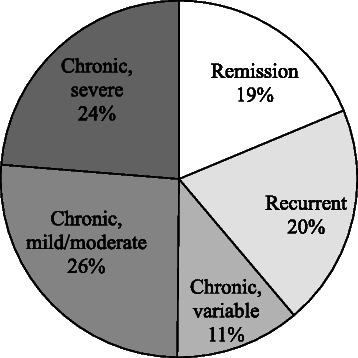
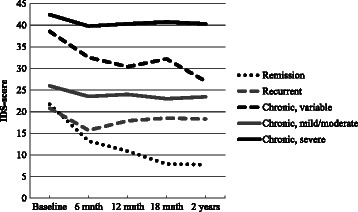
BACKGROUND: We aimed to examine the course of depression during 2-year follow-up in a group clinically depressed older persons. Subsequently, we studied which socio-demographic and clinical characteristics predict a depression diagnoses at 2-year follow-up. METHODS: Data were used from the Netherlands Study of Depression in Older persons (NESDO; N = 510). Diagnoses of depression DSM-IV-TR criteria were available from 285 patients at baseline and at 2-year follow-up. Severity of the depressive symptoms, as assessed with the Inventory of Depressive Symptoms (IDS), was obtained from 6-monthly postal questionnaires. Information about socio-demographic and clinical variables was obtained from the baseline measurement. RESULT: From the 285 older persons who were clinically depressed at baseline almost half (48.4%) also suffered from a depressive disorder two years later. Patients with more severe depressive symptoms, comorbid dysthymia, younger age of onset and more chronic diseases were more likely to be depressed at 2-year follow-up. 61% of the persons that were depressed at baseline had a chronic course of depressive symptoms during these two years. CONCLUSIONS: Late-life depression often has a chronic course, even when treated conform current guidelines for older persons. Our results suggest that physical comorbidity may be candidate for adjusted and intensified treatment strategies of older depressed patients with chronic and complex pathology.
Overview
The claims and statistics of this paper haven’t been checked yet.
Run the check — free, no account needed. It reads the open-access text and checks the sources it cites.
Integrity signals
Registry
Cites
Statistics
Figures
Verification
Claims the paper makes
The claims and statistics of this paper haven’t been checked yet.
Run the check — free, no account needed. It reads the open-access text and checks the sources it cites.
Claims other papers make about this one
Each is checked against this paper’s own text: does it say what the citing paper says it does?
In the citing paper
“The idiom 'thinking too much' denotes a broader mental health syndrome, with manifestations such as sadness, lack of motivation, poor concentration, sleep difficulties and irritability, perhaps similar to the construct of 'common mental disorders'. 112-117”
From Time for united action on depression: a Lancet–World Psychiatric Association Commission (2022) · cites this paper as [115]
Self-check
Percentages, sums and reported differences re-computed from the paper’s own numbers.
The self-check needs the paper’s full text.
Citations
Cites
Diagnostic and Statistical Manual of Mental Disorders
Williams, J. B. W., & First, M. B. (2013) · Oxford University Press eBooks · doi:10.1093/acrefore/9780199975839.013.104 · Cited by 109,845
Folstein, M. F., Folstein, S. E., & McHugh, P. R. (1975) · Journal of Psychiatric Research · doi:10.1016/0022-3956(75)90026-6 · Cited by 88,282
Hirono, N., Mori, E., Ikejiri, Y., Imamura, T., Shimomura, T., Hashimoto, M., Yamashita, H., & Ikeda, M. (1997) · PubMed · Cited by 21,012
Kok, J. S., Berg, I. J., & Scherder, E. J. A. (2013) · Dementia and Geriatric Cognitive Disorders Extra · doi:10.1159/000353441 · Cited by 20,589
Older Adults' Reasons for Using Technology while Aging in Place
Peek, S. T. M., Luijkx, K. G., Rijnaard, M. D., Nieboer, M. E., van der Voort, C. S., Aarts, S., van Hoof, J., Vrijhoef, H. J., & Wouters, E. (2015) · Gerontology · doi:10.1159/000430949 · Cited by 19,852
Diagnostic and Statistical Manual of Mental Disorders.
Widiger, T. A. (2000) · Oxford University Press eBooks · doi:10.1037/10518-009 · Cited by 19,766
Sensitivity and False Alarm Rate of a Fall Sensor in Long-Term Fall Detection in the Elderly
Kangas, M., Korpelainen, R., Vikman, I., Nyberg, L., & Jämsä, T. J. (2014) · Gerontology · doi:10.1159/000362720 · Cited by 19,007
The Epidemiology of Depression Across Cultures
Kessler, R. C., & Bromet, E. J. (2013) · Annual Review of Public Health · doi:10.1146/annurev-publhealth-031912-114409 · Cited by 2,657 · cited 1×
“Background Late-life depression is a complex mood disorder with various etiological pathways [1] and high comorbidity with psychiatric and physical diseases, and cognitive decline [2-5].”
BackgroundThe Inventory of Depressive Symptomatology (IDS): Psychometric properties
Rush, A. J., Gullion, C. M., Basco, M. R., Jarrett, R. B., & Trivedi, M. H. (1996) · Psychological Medicine · doi:10.1017/s0033291700035558 · Cited by 2,177 · cited 1×
“Severity of the depressive symptoms was assessed with the Inventory of Depressive Symptoms (IDS) [27].”
MethodTRIVEDI, M. H., RUSH, A. J., IBRAHIM, H. M., CARMODY, T. J., BIGGS, M. M., SUPPES, T., CRISMON, M. L., SHORES-WILSON, K., TOPRAC, M. G., DENNEHY, E. B., et al. (2004) · Psychological Medicine · doi:10.1017/s0033291703001107 · Cited by 968
Cited by
Sorted by citations
Time for united action on depression: a Lancet–World Psychiatric Association Commission
Herrman, H., Patel, V., Kieling, C., Berk, M., Buchweitz, C., Cuijpers, P., Furukawa, T. A., Kessler, R. C., Kohrt, B. A., Maj, M., et al. (2022) · The Lancet · doi:10.1016/s0140-6736(21)02141-3 · Cited by 1,104
Depression Among Older Adults: A 20-Year Update on Five Common Myths and Misconceptions
Haigh, E. A. P., Bogucki, O. E., Sigmon, S. T., & Blazer, D. G. (2017) · American Journal of Geriatric Psychiatry · doi:10.1016/j.jagp.2017.06.011 · Cited by 345
As, B. A. L. V., Imbimbo, E., Franceschi, A., Menesini, E., & Nocentini, A. (2021) · International Psychogeriatrics · doi:10.1017/s1041610221000399 · Cited by 203
Kaster, T. S., Daskalakis, Z. J., Noda, Y., Knyahnytska, Y., Downar, J., Rajji, T. K., Levkovitz, Y., Zangen, A., Butters, M. A., Mulsant, B. H., et al. (2018) · Neuropsychopharmacology · doi:10.1038/s41386-018-0121-x · Cited by 174
Holvast, F., Burger, H., de Waal, M. M. W., van Marwijk, H. W. J., Comijs, H. C., & Verhaak, P. F. M. (2015) · Journal of Affective Disorders · doi:10.1016/j.jad.2015.06.036 · Cited by 164
Self-citationSchaakxs, R., Comijs, H. C., Lamers, F., Kok, R. M., Beekman, A. T. F., & Penninx, B. W. J. H. (2018) · The Lancet Psychiatry · doi:10.1016/s2215-0366(18)30166-4 · Cited by 166
Self-citationMiller, K. J., Gonçalves-Bradley, D. C., Areerob, P., Hennessy, D., Mesagno, C., & Grace, F. (2020) · Ageing Research Reviews · doi:10.1016/j.arr.2019.100999 · Cited by 152
López, V., Sanchez, K., Killian, M., & Eghaneyan, B. H. (2018) · BMC Public Health · doi:10.1186/s12889-018-5516-4 · Cited by 159
Depression and Dementia in Older Adults: A Neuropsychological Review
Tetsuka, S. (2021) · Aging and Disease · doi:10.14336/ad.2021.0526 · Cited by 120
Conde‐Sala, J. L., Garre‐Olmo, J., Calvó‐Perxas, L., Garriga, O. T., & Franch, J. V. (2018) · Journal of Affective Disorders · doi:10.1016/j.jad.2018.10.358 · Cited by 94
Pathomechanisms of Vascular Depression in Older Adults
Jellinger, K. A. (2021) · International Journal of Molecular Sciences · doi:10.3390/ijms23010308 · Cited by 82
“Among individuals aged above 60 years with depression, 61% reported a persistent, chronic course of depressive symptoms [17].”
BackgroundA Six-Year Prospective Study of the Prognosis and Predictors in Patients With Late-Life Depression
Jeuring, H. W., Stek, M. L., Huisman, M. A., Voshaar, R. C. O., Naarding, P., Collard, R. M., van der Mast, R. C., Kok, R., Beekman, A. T. F., & Comijs, H. C. (2018) · American Journal of Geriatric Psychiatry · doi:10.1016/j.jagp.2018.05.005 · Cited by 75
Self-citationMetabolic dysregulation and late-life depression: a prospective study
Marijnissen, R. M., Vogelzangs, N., Mulder, M., van den Brink, R. H. S., Comijs, H. C., & Voshaar, R. C. O. (2016) · Psychological Medicine · doi:10.1017/s0033291716003196 · Cited by 64
“During the study, attrition and its reasons were recorded (Comijs et al. 2015).”
BackgroundMethodInfluentialSelf-citationImprovement in Depression and Physical Health Following Total Joint Arthroplasty
Tarakji, B., Wynkoop, A., Srivastava, A. K., O'Connor, E., & Atkinson, T. (2018) · The Journal of Arthroplasty · doi:10.1016/j.arth.2018.03.051 · Cited by 60
The heterogeneity of late-life depression and its pathobiology: a brain network dysfunction disorder
Jellinger, K. A. (2023) · Journal of Neural Transmission · doi:10.1007/s00702-023-02648-z · Cited by 62
“In older individuals, depressive symptoms are usually chronic (Comijs et al. 2015; Schaakxs et al. 2018).”
BackgroundAge-Related Diseases and Driving Safety
Falkenstein, M., Karthaus, M., & Brüne-Cohrs, U. (2020) · Geriatrics · doi:10.3390/geriatrics5040080 · Cited by 57
“According to a Dutch study, almost half of the depressed elderly still showed symptoms of depression at a 2-year follow up, indicating an often-chronic course of the disease [71].”
MethodCollard, R. M., Arts, M., Schene, A. H., Naarding, P., Voshaar, R. C. O., & Comijs, H. C. (2017) · European Psychiatry · doi:10.1016/j.eurpsy.2017.01.003 · Cited by 58
“These assessments were conducted at baseline as well as after two years follow-up [5].”
BackgroundSelf-citationBeyen, T. K., Dadi, A. F., Dachew, B. A., Muluneh, N. Y., & Bisetegn, T. A. (2017) · BMC Psychiatry · doi:10.1186/s12888-016-1179-9 · Cited by 61
Role of MMP-2, MMP-7, MMP-9 and TIMP-2 in the development of recurrent depressive disorder
Bobińska, K., Szemraj, J., Czarny, P. L., & Gałecki, P. (2016) · Journal of Affective Disorders · doi:10.1016/j.jad.2016.03.068 · Cited by 54
Clinical characteristics of late-life depression predicting mortality
van den Berg, K. S., Wiersema, C., Hegeman, J. M., van den Brink, R. H. S., Rhebergen, D., Marijnissen, R. M., & Voshaar, R. C. O. (2019) · Aging & Mental Health · doi:10.1080/13607863.2019.1699900 · Cited by 49
“Follow-up assessments by means of a face-to-face interview were performed two years and six years after baseline using the same measurements as at baseline (Comijs et al., 2015; Jeuring et al., 2018).”
MethodSelf-citationArabska, J., Łucka, A., Magierski, R., Sobów, T., & Wysokiński, A. (2018) · Psychiatry Research · doi:10.1016/j.psychres.2018.02.043 · Cited by 39
Lifestyle factors and the course of depression in older adults: A NESDO study
Bruin, M. C., Comijs, H. C., Kok, R., van der Mast, R. C., & van den Berg, J. F. (2018) · International Journal of Geriatric Psychiatry · doi:10.1002/gps.4889 · Cited by 36
“Written questionnaires were administered every 6 months throughout the 2 years of the study and face‐to‐face assessment took place 2 years after baseline.(3) The study protocol of NESDO is in accordance with the Declaration of Helsinki and has been approved centrally by the Ethical Review Board of the VU University Me…”
MethodInfluentialSelf-citationAntidepressant pharmacotherapy in old-age depression—a review and clinical approach
Pruckner, N., & Holthoff‐Detto, V. (2017) · European Journal of Clinical Pharmacology · doi:10.1007/s00228-017-2219-1 · Cited by 38
“Treatment of depression in this specific cohort of patients also asks for different considerations than MDD in adults, since they frequently show concomitant disease and polypharmacy as well as age-related changes in pharmacokinetics and—dynamics [4, 20, 28, 29].”
BackgroundHou, Z., Sui, Y., Song, X., & Yuan, Y. (2016) · Frontiers in Aging Neuroscience · doi:10.3389/fnagi.2016.00230 · Cited by 36
“A recent longitudinal study revealed that 61% of baseline depressed patients suffered from a chronic disease duration of depression during 2 years’ Frontiers in Aging Neuroscience | www.frontiersin.org 1 September 2016 | Volume 8 | Article 230 of follow-up (Comijs et al., 2015).”
BackgroundDeterminants and consequences of polypharmacy in patients with a depressive disorder in later life
Wiersema, C., Voshaar, R. C. O., van den Brink, R. H. S., Wouters, H., Verhaak, P. F. M., Comijs, H. C., & Jeuring, H. W. (2022) · Acta Psychiatrica Scandinavica · doi:10.1111/acps.13435 · Cited by 42
“First of all, the presence of chronic diseases has been associated with a worse course of depression,(55) also in our sample.(16,56) Nonetheless, the number of prescribed drugs remained significant when adjusted for the number of chronic diseases.”
BackgroundInfluentialSelf-citationde la Torre‐Luque, A., de la Fuente, J., Niubo, A. S., Caballero, F. F., Prina, M. A., Terrera, G. M., Haro, J. M., & Ayuso‐Mateos, J. L. (2019) · Acta Psychiatrica Scandinavica · doi:10.1111/acps.13107 · Cited by 38
“(29–31) The status was conceptualised according to theoretical principles as well as empirical and epidemiological evidence.(2, 4, 5, 8, 11, 20, 32) Thus, three discernible symptom statuses were defined: no depression (i.”
BackgroundIdentification and treatment of depressive disorders in older adults with cancer
Saracino, R. M., & Nelson, C. J. (2019) · Journal of Geriatric Oncology · doi:10.1016/j.jgo.2019.02.005 · Cited by 33
Brain-derived neurotrophic factor as a possible predictor of electroconvulsive therapy outcome
van Zutphen, E. M., Rhebergen, D., van Exel, E. R., Oudega, M. L., Bouckaert, F., Sienaert, P. A., Vandenbulcke, M., Stek, M. L., & Dols, A. (2019) · Translational Psychiatry · doi:10.1038/s41398-019-0491-9 · Cited by 35
Self-citationCorovic, S., Vucic, V., Mihaljević, O., Djordjević, J., Čolović, S., Radovanovic, S. M., Radevic, S. R., Simić-Vukomanović, I., Janicijevic, K. M., Sekulić, M., et al. (2023) · Frontiers in Psychology · doi:10.3389/fpsyg.2023.1160020 · Cited by 38
“Social support as a complex system of different types of help has a huge constructive impact on patients’ well-being and emotionally stable acceptance of cancer diagnosis (Comijs et al., 2015; Chiu et al., 2017).”
BackgroundPols, A. D., van Dijk, S. E., Bosmans, J. E., Hoekstra, T., van Marwijk, H. W. J., van Tulder, M. W., & Adriaanse, M. C. (2017) · PLOS ONE · doi:10.1371/journal.pone.0181023 · Cited by 31
“The main analyses consisted of fully corrected models that were corrected for baseline values of the respective outcome and additionally included the covariates gender[2], age[50], and any other possible confounding variable on which the treatment groups differed at baseline (marital status, employment status, level o…”
MethodMachine Learning Prediction of Treatment Outcome in Late-Life Depression
Grzenda, A. L., Speier, W. F., Siddarth, P., Pant, A., Krause, B., Narr, K. L., & Lavretsky, H. (2021) · Frontiers in Psychiatry · doi:10.3389/fpsyt.2021.738494 · Cited by 30
Effect of chronic somatic diseases on the course of late‐life depression
Hegeman, J. M., van Fenema, E. M., Comijs, H. C., Kok, R., van der Mast, R. C., & de Waal, M. W. M. (2016) · International Journal of Geriatric Psychiatry · doi:10.1002/gps.4523 · Cited by 31
“…Psychiatry 2017; 32: 779–787 RESEARCH ARTICLE there is emerging evidence for the persistence of a depressive disorder in the presence of somatic disease burden in older persons (Cole and Bellavance, 1997; Geerlings et al., 2000; Beekman et al., 2001; LichtStrunk et al., 2007; Comijs et al., 2015).”
BackgroundResultInfluentialSelf-citationSarcopenic obesity predicts nonremission of late‐life depression
Kokkeler, K. J. E., van den Berg, K. S., Comijs, H. C., Voshaar, R. C. O., & Marijnissen, R. M. (2019) · International Journal of Geriatric Psychiatry · doi:10.1002/gps.5121 · Cited by 30
“Among a large cohort of depressed older patients, more than half showed a chronic course of depressive symptoms over 2‐year follow‐up.(3) Recently, we showed that aging‐related physiological changes like metabolic dysregulation and physical frailty contribute to a chronic course of late‐life depression.”
BackgroundMethodInfluentialSelf-citationFactors associated with onset-age in major affective disorders
Miola, A., Tondo, L., Salvatore, P., & Baldessarini, R. J. (2022) · Acta Psychiatrica Scandinavica · doi:10.1111/acps.13497 · Cited by 27
“A Netherlands study of the two-year course of late-life depression identified more severe depression and more somatic comorbidity as independent determinants of inferior clinical outcome of depression, and that those with younger OA were more likely to be depressed at follow-up.(73) The effect of greater density of de…”
BackgroundSubtypes of Late-Life Depression: A Data-Driven Approach on Cognitive Domains and Physical Frailty
Lugtenburg, A., Zuidersma, M., Wardenaar, K. J., Aprahamian, I., Rhebergen, D., Schoevers, R. A., & Voshaar, R. C. O. (2020) · The Journals of Gerontology Series A · doi:10.1093/gerona/glaa110 · Cited by 27
Self-citationApathy in Older Persons With Depression: Course and Predictors
Groeneweg‐Koolhoven, I., Comijs, H. C., Naarding, P., de Waal, M. W. M., & van der Mast, R. C. (2016) · Journal of Geriatric Psychiatry and Neurology · doi:10.1177/0891988716632914 · Cited by 26
“9 Neuropsychiatric characteristics IDS score, median (interquartile range) 31 (18-38) 32 (24-41) 1 4.”
Self-citationWu, Z., Zhong, X., Peng, Q., Chen, B., Mai, N., & Ning, Y. (2017) · Journal of Psychiatric Research · doi:10.1016/j.jpsychires.2017.08.019 · Cited by 26
The enigma of vascular depression in old age: a critical update
Jellinger, K. A. (2022) · Journal of Neural Transmission · doi:10.1007/s00702-022-02521-5 · Cited by 27
“2018), and in elderly individuals, depressive symptoms usually are chronic (Comijs et al. 2015).”
Backgroundvan den Berg, K. S., Marijnissen, R. M., van den Brink, R. H. S., Naarding, P., Comijs, H. C., & Voshaar, R. C. O. (2016) · Journal of Psychosomatic Research · doi:10.1016/j.jpsychores.2016.03.004 · Cited by 25
“Attrition and its reasonswere recorded [25].”
Self-citationKokkeler, K. J. E., Marijnissen, R. M., Wardenaar, K. J., Rhebergen, D., van den Brink, R. H. S., van der Mast, R. C., & Voshaar, R. C. O. (2020) · Psychological Medicine · doi:10.1017/s0033291720002159 · Cited by 30
Self-citationGeraets, A. F. J., Köhler, S., Jansen, J. F. A., Eussen, S. J. P. M., Stehouwer, C. D. A., Schaper, N. C., Wesselius, A., Verhey, F. R. J., & Schram, M. T. (2021) · Journal of Affective Disorders · doi:10.1016/j.jad.2021.05.096 · Cited by 24
Childhood Abuse and the Two-Year Course of Late-Life Depression
Wielaard, I., Comijs, H. C., Stek, M. L., & Rhebergen, D. (2017) · American Journal of Geriatric Psychiatry · doi:10.1016/j.jagp.2017.01.014 · Cited by 24
“Likewise, irrespective of childhood abuse more depressive symptoms were associated with a poor course, as well as a longer duration of the late-life disorder.(5) Additionally, the age at depression onset partly mediated the association between childhood abuse and depression diagnosis at follow-up, reducing the direct…”
BackgroundInfluentialSelf-citationPalapar, L., Kerse, N. M., Rolleston, A. K., den Elzen, W. P. J., Gussekloo, J., Blom, J. W., Robinson, L. A., Martin-Ruiz, C. M., Duncan, R. C., Arai, Y., et al. (2020) · Age and Ageing · doi:10.1093/ageing/afaa178 · Cited by 24
Wassink-Vossen, S., Collard, R. M., Wardenaar, K. J., Verhaak, P. F. M., Rhebergen, D., Naarding, P., & Voshaar, R. C. O. (2019) · European Psychiatry · doi:10.1016/j.eurpsy.2019.09.003 · Cited by 22
Self-citationSpinhoven, P., van der Veen, D. C., Voshaar, R. C. O., & Comijs, H. C. (2017) · European Psychiatry · doi:10.1016/j.eurpsy.2017.05.002 · Cited by 26
Self-citationDimitriadis, M., van den Brink, R. H. S., Comijs, H. C., & Voshaar, R. C. O. (2019) · Psychoneuroendocrinology · doi:10.1016/j.psyneuen.2019.02.003 · Cited by 21
Self-citationA Review on the General Stability of Mood Disorder Diagnoses Along the Lifetime
Vega, D., Piña, A., Gallego, F. J. P., Kelly, S. A., & Giner, L. (2018) · Current Psychiatry Reports · doi:10.1007/s11920-018-0891-1 · Cited by 21
Symptomatic and functional recovery in depression in later life
Collard, R. M., Wassink‐Vossen, S., Schene, A. H., Naarding, P., Verhaak, P. F. M., Voshaar, R. C. O., & Comijs, H. C. (2018) · Social Psychiatry and Psychiatric Epidemiology · doi:10.1007/s00127-018-1540-z · Cited by 21
“[17].”
Self-citationGarrido, F. A. S., Tamiya, N., Lloyd-Sherlock, P. G., & Noguchi, H. (2016) · International Psychogeriatrics · doi:10.1017/s1041610216001228 · Cited by 20
Depressionen im höheren Lebensalter, Teil 1
Wolter, D. K. (2016) · Zeitschrift für Gerontologie und Geriatrie · doi:10.1007/s00391-015-1019-4 · Cited by 19
The reciprocal relationship between physical activity and depression: Does age matter?
Wassink‐Vossen, S., Collard, R. M., Hiles, S. A., Voshaar, R. C. O., & Naarding, P. (2018) · European Psychiatry · doi:10.1016/j.eurpsy.2017.12.029 · Cited by 19
“In light of the discrepancy in findings between observational and interventional studies and the less favorable course of depression with increasing age [18,19], it is important to know more about the moderating role of age in the relationship between PA and course of depression.”
BackgroundSelf-citationQueirós, A. M., von Gunten, A., Martins, M. M., Wellens, N. I. H., & Verloo, H. (2021) · Dementia and Geriatric Cognitive Disorders Extra · doi:10.1159/000514118 · Cited by 19
Pols, A. D., Adriaanse, M. C., van Tulder, M. W., Heymans, M. W., Bosmans, J. E., van Dijk, S. E., & van Marwijk, H. W. J. (2018) · BMJ Open · doi:10.1136/bmjopen-2017-020412 · Cited by 18
Reichardt, L. A., van Seben, R., Aarden, J. J., van der Esch, M., van der Schaaf, M., Engelbert, R., Twisk, J. W. R., Bosch, J. A., & Buurman, B. M. (2019) · Journal of Psychosomatic Research · doi:10.1016/j.jpsychores.2019.03.011 · Cited by 18
Vitamin D deficiency and course of frailty in a depressed older population
van den Berg, K. S., Arts, M. H. L., Collard, R. M., van den Brink, R. H. S., Comijs, H. C., Marijnissen, R. M., & Voshaar, R. C. O. (2018) · Aging & Mental Health · doi:10.1080/13607863.2018.1515885 · Cited by 18
“Data were obtained from the Netherlands Study of Depression in Older persons (NESDO), a cohort study designed to examine the determinants, course and consequences of late-life depression (Comijs et al., 2011, 2015).”
InfluentialSelf-citationMaarsingh, O. R., Heymans, M. W., Verhaak, P. F. M., Penninx, B. W. J. H., & Comijs, H. C. (2018) · Journal of Affective Disorders · doi:10.1016/j.jad.2018.04.026 · Cited by 19
Self-citationThe course of depression in late life: a longitudinal perspective
de la Torre‐Luque, A., & Ayuso‐Mateos, J. L. (2020) · Epidemiology and Psychiatric Sciences · doi:10.1017/s204579602000058x · Cited by 19
Comprehensive Geriatric Assessment and Caring for the Older Person with Cancer
Overcash, J. A., & Momeyer, M. A. (2017) · Seminars in Oncology Nursing · doi:10.1016/j.soncn.2017.08.006 · Cited by 16
Leucocyte telomere length is no molecular marker of physical frailty in late-life depression
Arts, M. H. L., Collard, R. M., Comijs, H. C., de Jonge, L., Penninx, B. W. J. H., Naarding, P., Kok, R., & Voshaar, R. C. O. (2018) · Experimental Gerontology · doi:10.1016/j.exger.2018.07.016 · Cited by 15
“The study protocol of NESDO was approved by the ethical review boards of the five participating mental health centres and all participants have provided written informed consent (Comijs et al., 2015).”
Self-citationVucic, V., Radovanovic, S. M., Radevic, S. R., Savkovic, Z., Mihailović, N., Mihaljević, O., Mačužić, I. Ž., Djordjic, M. D., Gavrilović, A., & Matić, T. B. (2021) · Iranian Journal of Public Health · doi:10.18502/ijph.v50i10.7502 · Cited by 17
Orhan, M., Schouws, S. N. T. M., van Oppen, P., Stek, M. L., Naarding, P., Rhebergen, D., Dols, A., & Korten, N. C. M. (2022) · Journal of Affective Disorders · doi:10.1016/j.jad.2022.09.127 · Cited by 17
Self-citationde Wit, A. E., Giltay, E. J., de Boer, M. K., Bosker, F. J., van der Mast, R. C., Comijs, H. C., Voshaar, R. C. O., & Schoevers, R. A. (2018) · International Journal of Geriatric Psychiatry · doi:10.1002/gps.5040 · Cited by 14
“After baseline assessment, participants were invited for a second face‐to‐face interview with repeated measures of psychological, social, and physical functioning after 2 years.(23) During this period, 28 people died.”
MethodSelf-citationvan den Berg, K. S., Hegeman, J. M., van den Brink, R. H. S., Rhebergen, D., Voshaar, R. C. O., & Marijnissen, R. M. (2021) · International Journal of Geriatric Psychiatry · doi:10.1002/gps.5507 · Cited by 15
“The present study is part of the Netherlands Study of Depression in Older persons (NESDO), a multicentre prospective cohort study, designed to examine the determinants, course and consequences of late‐life depression.(22,23) Between 2007 and 2010, 378 depressed persons were recruited from both mental health institutio…”
BackgroundSelf-citationJones, E. C., Liebel, S. W., Hallowell, E. S., & Sweet, L. H. (2018) · Psychiatry Research Neuroimaging · doi:10.1016/j.pscychresns.2018.12.011 · Cited by 15
“Many studies suggest that depressive symptoms in middle-aged to older adults follow a chronic course, and that MDD prevention is much more effective than treatment (Comijs et al., 2015; Stahl et al., 2014).”
BackgroundLissemore, J. I., Mulsant, B. H., Rajji, T. K., Karp, J. F., Reynolds, C. F., Lenze, E. J., Downar, J. H., Chen, R. E., Daskalakis, Z. J., & Blumberger, D. M. (2021) · Journal of Psychiatry and Neuroscience · doi:10.1503/jpn.200001 · Cited by 17
Age or age of onset: which is the best criterion to classify late-life depression?
Olgiati, P., Fanelli, G., & Serretti, A. (2023) · International Clinical Psychopharmacology · doi:10.1097/yic.0000000000000472 · Cited by 13
“At the clinical level, LLD has been characterised by chronic course (Comijs et al., 2015) and increased morbidity and mortality (Unützer, 2007; Wei et al.”
BackgroundVoshaar, R. C. O., Dhondt, T. D. F., Fluiter, M., Naarding, P., Wassink‐Vossen, S., Smeets-Janssen, M. M. J., Pelzers, L. P. R. M., Lugtenburg, A., Veenstra, M. S., Marijnissen, R. M., et al. (2019) · BMC Psychiatry · doi:10.1186/s12888-019-2176-6 · Cited by 13
Self-citationAnxiety in Late-Life Depression: Determinants of the Course of Anxiety and Complete Remission
van der Veen, D. C., Gulpers, B. J. A., van Zelst, W. H., Köhler, S., Comijs, H. C., Schoevers, R. A., & Voshaar, R. C. O. (2020) · American Journal of Geriatric Psychiatry · doi:10.1016/j.jagp.2020.12.023 · Cited by 13
Self-citationThe predictive value of cortisol levels on 2-year course of depression in older persons
Kabia, F. M., Rhebergen, D., van Exel, E. R., Stek, M. L., & Comijs, H. C. (2015) · Psychoneuroendocrinology · doi:10.1016/j.psyneuen.2015.10.006 · Cited by 13
Self-citationPsychoactive medication use and risk of suicide in long‐term care facility residents
Hedna, K., Fastbom, J., Jonson, M., Wilhelmson, K., & Wærn, M. (2022) · International Journal of Geriatric Psychiatry · doi:10.1002/gps.5684 · Cited by 10
“Identifying and treating depression among residents of LTCF may be challenging as symptoms are often experienced together with cognitive impairment, physical disorders, and other psychiatric disorders.(14,16) Therefore it may remain under recognized and under treated.”
BackgroundPorter, R., Moot, W., Inder, M., Crowe, M., Douglas, K. M., Carter, J. D., & FRAMPTON, C. M. A. (2022) · Brain Sciences · doi:10.3390/brainsci12121717 · Cited by 10
“Albers (2015 [22]) examined a slightly different measure—the Life Chart [23] in 285 elderly (>60 years) patients with depression (see also [24]).”
BackgroundSondermann, S., Stahl, J., Grave, U., Outzen, J., Moritz, S., & Klein, J. P. (2020) · Frontiers in Psychiatry · doi:10.3389/fpsyt.2020.00652 · Cited by 10
“This observation is in keeping with previous studies (33, 34), in particular Spijker et al.”
ResultLiu, Q., Leng, P., Gu, Y., Shang, X., Zhou, Y., Zhang, H., Zuo, L., Mei, G., Xiong, C., Wu, T., et al. (2022) · BMC Psychiatry · doi:10.1186/s12888-022-04316-0 · Cited by 10
“Background Depression is a common mental illness in middle-aged and elderly men [1, 2], which reduces their life quality and expectancy, as well as increases risk of mortality and suicide [1–3].”
BackgroundAge as a moderating factor of treatment resistance in depression
Kautzky, A., Bartova, L., Fugger, G., Dold, M., Souery, D., Montgomery, S., Zohar, J., Mendlewicz, J., Fabbri, C., Serretti, A., et al. (2023) · European Psychiatry · doi:10.1192/j.eurpsy.2023.17 · Cited by 11
“Along these lines, in a longitudinal observation study in elderly MDD patients, being depressed 2 years after baseline was associated with earlier onset and chronicity of illness [50].”
Backgroundde Waal, M. W. M., Hegeman, J. M., Gussekloo, J., Verhaak, P. F. M., van der Mast, R. C., & Comijs, H. C. (2016) · Journal of Affective Disorders · doi:10.1016/j.jad.2016.03.012 · Cited by 10
Self-citationOlder people with depression – a three-year follow-up
Borza, T., Engedal, K., Bergh, S., & Selbæk, G. (2019) · Tidsskrift for Den norske legeforening · doi:10.4045/tidsskr.18.0968 · Cited by 10
Value of Physical Activity and Sedentary Behavior in Predicting Depression in Older Adults
Wassink‐Vossen, S., Noorthoorn, E. O., Collard, R. M., Comijs, H. C., Voshaar, R. C. O., & Naarding, P. (2016) · Journal of the American Geriatrics Society · doi:10.1111/jgs.14002 · Cited by 9
“1% female) and 132 elderly controls without depression.(3,4) In addition to site visits at baseline and 2-year follow-up for psychiatric assessment (Composite Interview Diagnostic Instrument version 2.”
BackgroundSelf-citationAtherogenic Indices Are Increased in Elderly Patients with Unipolar Depression—Case–Control Analysis
Łucka, A., Arabska, J., Fife, E., Kroc, Ł., Sołtysik, B. K., Kłoszewska, I., Sobów, T., Kostka, T., & Wysokiński, A. (2017) · Metabolic Syndrome and Related Disorders · doi:10.1089/met.2017.0008 · Cited by 9
“For the diagnosis of depression, the following codes were used: ICD-10: F32/F33, DSM-IV: 296.(2,3) In our units, diagnosis is based on the ICD-10 criteria, and DSM-IV codes were given as reference.”
MethodPeng, M., Liang, Z., & Wang, P. (2024) · International Journal of Social Psychiatry · doi:10.1177/00207640241255573 · Cited by 8
“Based on classification methods of changes in depression suggested by previous studies (Bruin et al., 2018; Comijs et al., 2015), using the data at 2011 baseline and 2018 follow-up, we categorized the participants into three groups, including those not at risk of depression (CES-D score < 8 at both…”
InfluentialThe impact of personality traits on the course of frailty
Bos, E. G. T., Douairi, J., Kok, R., Groeneweg‐Koolhoven, I., Ottenheim, N. R., Rhebergen, D., & Voshaar, R. C. O. (2023) · Clinical Gerontologist · doi:10.1080/07317115.2023.2165469 · Cited by 8
“%) were deceased (Comijs et al., 2015).”
InfluentialSelf-citationCardiovascular risk indicators among depressed persons: A special case?
van Zutphen, E. V., Kok, A. A. L., Muller, M., Voshaar, R. O., Rhebergen, D., Huisman, M., & Beekman, A. (2023) · Journal of Affective Disorders · doi:10.1016/j.jad.2023.02.092 · Cited by 5
Self-citationBogers, I. C. H. M., Zuidersma, M., Boshuisen, M. L., Comijs, H. C., & Voshaar, R. C. O. (2016) · International Journal of Geriatric Psychiatry · doi:10.1002/gps.4541 · Cited by 8
“The baseline assessment took place between April 2007 and September 2010, and the 2-year follow-up assessments started in 2009 and were completed in September 2012 (Comijs et al., 2015).”
BackgroundSelf-citationStratmann, M. W., König, H., & Hajek, A. (2025) · International Journal of Geriatric Psychiatry · doi:10.1002/gps.70160 · Cited by 9
Welsh, J., Banks, E., Joshy, G., Butterworth, P., Strazdins, L., & Korda, R. (2021) · BMJ Open · doi:10.1136/bmjopen-2020-039628 · Cited by 5
Rosas, C., Oliveira, H. C., Neri, A. L., & Ceolim, M. F. (2022) · Enfermería Clínica (English Edition) · doi:10.1016/j.enfcle.2021.04.007 · Cited by 7
Hohls, J. K., König, H., & Hajek, A. (2022) · Social Psychiatry and Psychiatric Epidemiology · doi:10.1007/s00127-022-02373-0 · Cited by 7
Vascular and metabolic risk factors of late-life depression
Geraets, A. F. J., Köhler, S., & Schram, M. T. (2022) · Vessel Plus · doi:10.20517/2574-1209.2021.102 · Cited by 10
da Rocha, C. G., von Gunten, A., Vandel, P., Jopp, D. S., Ribeiro, O. M. P. L., & Verloo, H. (2025) · JMIR Aging · doi:10.2196/64352 · Cited by 6
“This aligns with existing literature documenting distinct clinical profiles for persistent and nonchronic depressive disorders in adults aged 18 to 79 years [96,97], with persistent cases often involving earlier onset, more severe symptoms, and greater treatment resistance [96].”
Early-onset late-life depression: Association with body mass index, obesity, and treatment response
Chae, W. R., Fuentes, M., Gutknecht, F., Ljubez, A., Gold, S. M., Wingenfeld, K., & Otte, C. (2021) · Comprehensive Psychoneuroendocrinology · doi:10.1016/j.cpnec.2021.100096 · Cited by 8
“Similarly, younger age at onset and more chronic diseases were associated with chronic course of depression in elderly depressed patients [22].”
BackgroundZuidersma, M., Comijs, H. C., Naarding, P., & Voshaar, R. C. O. (2016) · International Journal of Geriatric Psychiatry · doi:10.1002/gps.4416 · Cited by 6
“Details of this study are described elsewhere (Comijs et al., 2011; Comijs et al., 2015).”
MethodSelf-citationPrevalence of depression in elderly and relations to chronic diseases
Gajović, G., Kocic, S. S., Radovanovic, S. M., Simić-Vukomanović, I., Janicijevic, K. M., & Radevic, S. R. (2019) · Vojnosanitetski pregled · doi:10.2298/vsp190719098g · Cited by 5
Wolter, D. K. (2016) · Zeitschrift für Gerontologie und Geriatrie · Cited by 5
Fiske, A., Ebert, A. R., Fenstermacher, E., & Owsiany, M. T. (2020) · Elsevier eBooks · doi:10.1016/b978-0-12-818697-8.00043-1 · Cited by 5
Open issues in bipolar and antipsychotic treatments
Serretti, A. (2022) · International Clinical Psychopharmacology · doi:10.1097/yic.0000000000000440 · Cited by 4
Cesur, N. U., & Poyraz, B. Ç. (2023) · Psychiatric Quarterly · doi:10.1007/s11126-023-10053-8 · Cited by 4
“Notably, higher rates of persistent depression tend to be observed in clinical sample studies, ranging from 23% to 61.2% [48–50].”
BackgroundInfluentialShort-term course and outcome of late-life depression
Srivastava, S., Kumar, A., Khurana, H., Tiwari, S. C., & Akbar, S. (2015) · Journal of Geriatric Mental Health · doi:10.4103/2348-9995.174275 · Cited by 5
Feliciano, L., Gum, A. M., & Johanson, K. A. (2019) · Springer eBooks · doi:10.1007/978-1-4939-9127-3_9 · Cited by 4
Rivoli, F. M. S., Galhardo, A. P. G. M., Lucchetti, G., Ésper, L. A., Ribeiro, Y. L., Santos, G. D. S., JOSÉ, H. M. G., Sousa, L., Low, G., & Vitorino, L. M. (2025) · Healthcare · doi:10.3390/healthcare13070807 · Cited by 3
“The observed increase in depressive symptoms, as measured by the GDS-15, aligns with prior studies highlighting a growing burden of emotional distress among older adults over time [19–21].”
Trajectories of Depression in Late Life: A 1-Year Follow-Up Study
Borza, T., Engedal, K., Bergh, S., Benth, J. Š., & Selbæk, G. (2017) · Dementia and Geriatric Cognitive Disorders · doi:10.1159/000458148 · Cited by 3
Frailty measures in immuno-metabolic subtypes of late-life depression; A two-year prospective study
Kokkeler, K. J. E., Voshaar, R. C. O., Rhebergen, D., van den Brink, R. H. S., Spijker, J., & Marijnissen, R. M. (2021) · Archives of Gerontology and Geriatrics · doi:10.1016/j.archger.2021.104603 · Cited by 3
Self-citation
Metadata
- Authors
- Comijs, H. C., Nieuwesteeg, J., Kok, R., van Marwijk, H. W., van der Mast, R. C., Naarding, P., Voshaar, R. C. O., Verhaak, P., de Waal, M. W., & Stek, M. L.
- Affiliations
- Amsterdam Public Health (NL)
- GGZ inGeest (NL)
- Parnassia Groep (NL)
- GGNet (NL)
- University Medical Center Groningen (NL)
- Corresponding author
- Comijs, Hannie C
- Venue
- BMC Psychiatry
- Published
- 2015-02-12
- Volume
- 15
- Issue
- 1
- Pages
- 20-20
- ISSN
- 1471-244X (ISSN-L)
- PMC
- PMC4329675
- OpenAlex
- W2059949121
- Cited by
- 136
- References
- 47
- Citations by year
- 2026: 4 · 2025: 9 · 2024: 4 · 2023: 10 · 2022: 15 · 2021: 19 · 2020: 9 · 2019: 16 · 2018: 19 · 2017: 14 · 2016: 14 · 2015: 3
- FWCI
- 17.81
- Type
- journal article
- Language
- en
- Open access
- gold
- doi.org
- Locations
- BMC Psychiatry (publishedVersion, cc-by)
- Europe PMC (PubMed Central) (publishedVersion, cc-by)
- PubMed Central (publishedVersion, cc-by)
- PubMed (publishedVersion)
- Amsterdam UMC (VU Amsterdam) - Institutional Repository (publishedVersion)
- University of Groningen research database (University of Groningen / Centre for Information Technology) (publishedVersion, cc-by)
- Data Archiving and Networked Services (DANS) (submittedVersion)
- Data Archiving and Networked Services (DANS) (submittedVersion, other-oa)
- Leiden Repository (Leiden University) (submittedVersion)
- Pure Amsterdam UMC (submittedVersion, other-oa)
- Research Explorer (The University of Manchester) (submittedVersion)
- University of Groningen research database (University of Groningen / Centre for Information Technology) (submittedVersion, cc-by)
- Funders
- Vrije Universiteit Amsterdam
- Fonds NutsOhra (0701-065, project 0701‐065)
- Topics
- Health Sciences › Medicine › Public Health, Environmental and Occupational Health › Aging, Health, and Disability
- Health Sciences › Medicine › Psychiatry and Mental health › Mental Health Treatment and Access
- Social Sciences › Psychology › Experimental and Cognitive Psychology › Anxiety, Depression, Psychometrics, Treatment, Cognitive Processes
- Keywords
- geriatric depression, course of depression, older adults, chronic depression, depression severity, dysthymia, age of onset, comorbidities, chronic physical illness, predictors of recurrence
- MeSH terms
- Aged, Aged, 80 and over, Chronic Disease, Depression, Depressive Disorder, Female, Humans, Male, Middle Aged, Netherlands, Personality Inventory, Surveys and Questionnaires, Recurrence, Comorbidity, Treatment Outcome, Dysthymic Disorder
About these checks
Registry, retraction, Cites and statistics results are computed, not judged, with one exception: a printed reference that no index lists is read once by a model before it counts as a citation error. Claims are extracted by a model and kept only when their quote appears verbatim in the text; each cited source is then checked, with a model’s help, for whether it says what the claim relies on. Those verdicts can be wrong — read the claim’s quote and the cited source before relying on one.
Statistics and arithmetic are recomputed, not judged.
Confidence bands are shown only for fields calibrated on our annotated test set. None is calibrated yet, so no band is shown.
What counts as a claim ›How we measure confidence ›How we check this ›
Are you an author, or do you see a problem with this page? Request a review
