

Prevalence and factors associated with depression among medical students in Cameroon: a cross-sectional study
Open accessThe DOI matches its Crossref record; 23 of the 24 references it cites were found in a registry or an index.
Abstract
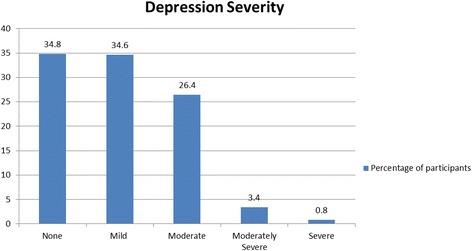
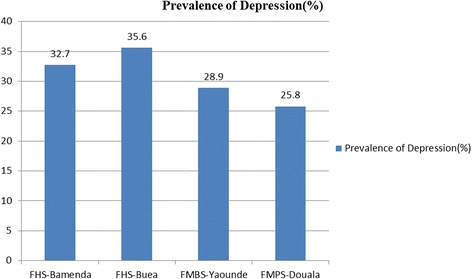
BACKGROUND: Depression is an important contributor to the global burden disease that affects people of communities all over the world. With high level of demands in academics and psychosocial pressure, medical students during their course of training tend to become depressed, leading to problems later in professional life and compromising patient care. In Cameroon, there is lack of data on the prevalence of depression and its impact on medical students. To determine the prevalence and predisposing factors associated with depression among medical students in Cameroon (preclinical and clinical). We also evaluated the impact of depression on self-reported academic performance. METHODS: A cross sectional study was carried out in all 4 state medical schools in 4 different regions from December 2015 to January 2016. Diagnosis of depression, major depression and its associated factors were assessed using the 9-Item-Patient Health Questionnaire (PHQ-9) and a structured questionnaire respectively. We included 618 medical students (response rate: 90.4%). RESULTS: About a third of them (30.6%, 95% CI: 22.8-36.7) were found to have major depressive disorder (PHQ Score ≥ 10). With regards to the severity of depression, 214 (34.6%), 163 (26.4%), 21 (3.4%), and 5 (0.80%) students were classified as having mild, moderate, moderately severe and severe depression respectively. The presence of a chronic disease (OR: 3.70, 95% CI: 1.72-7.94, p = 0.001), major life events (OR: 2.17, 95%CI: 1.32-3.58, P = 0.002), female gender (OR: 1.59, 95% CI: 1.06-2.37, p = 0.024) and being a student at the clinical level (OR: 4.26, 95% CI: 2.71-6.71, p < 0.001) were independently associated with depression. There was no association between depression and self-reported academic performance, (OR: 1.2, 95% CI: 0.9-1.7, p = 0.080). CONCLUSION: The prevalence of major depressive disorders among medical students in Cameroon is high and is associated with the presence chronic disease, major life events, female gender and being a student at the clinical level. So we recommend clinicians attending to medical students with demographic features suggestive of greater risk of depression, to make an in depth investigation on the possible presence of depression. Despite this high prevalence of major depression among medical students, it was not associated with self-reported academic performance.
Overview
The claims and statistics of this paper haven’t been checked yet.
Free: it reads the open-access text and checks the first 5 claims that cite a source we can check. Create a free account to check every claim.
Integrity signals
Registry
Cites
Statistics
Figures
Verification
Claims the paper makes
The claims and statistics of this paper haven’t been checked yet.
Free: it reads the open-access text and checks the first 5 claims that cite a source we can check. Create a free account to check every claim.
Claims other papers make about this one
Each is checked against this paper’s own text: does it say what the citing paper says it does?
The source backs part of the claim, not all of it — or backs it for a different population, condition or comparison.
In the citing paper
“Current research by Khan et al. (86) on the undergraduate medical students stated that even though the high occurrence of huge depression between the students, the students GPA is unharmed.”
From Family and Academic Stress and Their Impact on Students' Depression Level and Academic Performance (2022) · cites this paper as [86]
Experimental — accuracy not yet measured
Self-check
Percentages, sums and reported differences re-computed from the paper’s own numbers.
The self-check needs the paper’s full text.
Citations
Cites
The PHQ-9: Validity of a brief depression severity measure
Kroenke, K., Spitzer, R. L., & Williams, J. B. W. (2001) · Journal of General Internal Medicine · doi:10.1046/j.1525-1497.2001.016009606.x · Cited by 44,910
The PHQ-9: A New Depression Diagnostic and Severity Measure
Kroenke, K., & Spitzer, R. L. (2002) · Psychiatric Annals · doi:10.3928/0048-5713-20020901-06 · Cited by 5,898 · cited 1×
“These characteristics plus its simplicity and brevity make the PHQ-9 a useful clinical and research tool [16].”
BackgroundDepression, chronic diseases, and decrements in health: results from the World Health Surveys
Moussavi, S., Chatterji, S., Verdes, E., Tandon, A., Patel, V., & Ustun, B. (2007) · The Lancet · doi:10.1016/s0140-6736(07)61415-9 · Cited by 4,070 · cited 2×
“For these reasons, depression is the leading cause of disability worldwide in terms of total years lost due to disability [2].”
BackgroundDyrbye, L. N., Thomas, M. R., & Shanafelt, T. D. (2006) · Academic Medicine · doi:10.1097/00001888-200604000-00009 · Cited by 2,909 · cited 1×
“Worldwide, it has been demonstrated that 25–90% of medical students are stressed, that is an important determinant of depression [3, 4] leading to a higher prevalence of depression among medical students than general population [5, 6].”
BackgroundStress and depression among medical students: a cross-sectional study
Dahlin, M., Joneborg, N., & Runeson, B. (2005) · Medical Education · doi:10.1111/j.1365-2929.2005.02176.x · Cited by 1,226 · cited 1×
“This fact was supported in study by Dahlin and colleagues in 2005 [21], while other studies have demonstrated marginal increases in depression in female medical students compared to males [20].”
ResultRates of medication errors among depressed and burnt out residents: prospective cohort study
Fahrenkopf, A. M., Sectish, T. C., Barger, L. K., Sharek, P. J., Lewin, D., Chiang, V. W., Edwards, S., Wiedermann, B. L., & Landrigan, C. P. (2008) · BMJ · doi:10.1136/bmj.39469.763218.be · Cited by 1,175 · cited 1×
“In medical doctors, it has been demonstrated that depression affects patient care leading to increase prescription error [8].”
BackgroundDepression: A Global Public Health Concern: (517532013-004)
Marcus, M., Yasamy, M. T., van Ommeren, M. V., Chisholm, D., & Saxena, S. (2012) · PsycEXTRA Dataset · doi:10.1037/e517532013-004 · Cited by 985
Sample Size Estimation: How Many Individuals Should Be Studied?
Eng, J. (2003) · Radiology · doi:10.1148/radiol.2272012051 · Cited by 811
Medical student depression, anxiety and distress outside North America: a systematic review
Hope, V., & Henderson, M. (2014) · Medical Education · doi:10.1111/medu.12512 · Cited by 477
Venkatarao, E., Iqbal, S., & Gupta, S. (2015) · Indian Journal of Medical Research · doi:10.4103/0971-5916.156571 · Cited by 349 · cited 1×
“To prevent depressive symptoms among medical students, decreased self-esteem, selfperceived medical errors and thus improve on the quality of care given to patients, factors associated with depression in medical training should be identified and appropriately tackled [12].”
Background
Research works printed but not linked: 1
- Marcus M, Yasamy MT, van Ommeren M, Chisholm D, Saxena S, others. Depression: a global public health concern. WHO Department of Mental Health and Substance Abuse 2012;1:6–8.
Cited by
Shao, R., He, P., Ling, B., Tan, L., Xu, L., Hou, Y., Kong, L., & Yang, Y. (2020) · BMC Psychology · doi:10.1186/s40359-020-00402-8 · Cited by 422
Family and Academic Stress and Their Impact on Students' Depression Level and Academic Performance
Deng, Y., Cherian, J., Khan, N. U. N., Kumari, K., Sial, M. S., Comite, U., Gavurova, B., & Popp, J. (2022) · Frontiers in Psychiatry · doi:10.3389/fpsyt.2022.869337 · Cited by 371
“(86) on the undergraduate medical students stated that even though the high occurrence of huge depression between the students, the students GPA is unharmed.”
BackgroundAwadalla, S., Davies, E. B., & Glazebrook, C. (2020) · BMC Psychiatry · doi:10.1186/s12888-020-02854-z · Cited by 184
Fauzi, M. F., Anuar, T. S., Teh, L. K., Lim, W. F., James, R. J., Ahmad, R., Mohamed, M. B., Bakar, S. H. A., Yusof, F. Z. M., & Salleh, M. Z. (2021) · International Journal of Environmental Research and Public Health · doi:10.3390/ijerph18063269 · Cited by 231
“distress such as anxiety, depression, and feeling suicidal [1,2].”
BackgroundPrevalence of depressive symptoms among medical students: overview of systematic reviews
Tam, W., Lo, K., & Pacheco, J. (2019) · Medical Education · doi:10.1111/medu.13770 · Cited by 131
Zhang, X., Gao, F., Kang, Z., Zhou, H., Zhang, J., Li, J., Yan, J. H., Wang, J., Liu, H., Wu, Q., et al. (2022) · Frontiers in Public Health · doi:10.3389/fpubh.2022.760387 · Cited by 177
“6% among Indian students (3), Japanese adolescents (4), Chinese university students (5), and Cameroon medical students (6), respectively.”
BackgroundDepression in Sub-Saharan Africa
Gbadamosi, I., Henneh, I. T., Aluko, O. M., Yawson, E. O., Fokoua, A. R., Koomson, A. E., Torbi, J., Olorunnado, S. E., Lewu, F. S., Yusha’u, Y., et al. (2022) · IBRO Neuroscience Reports · doi:10.1016/j.ibneur.2022.03.005 · Cited by 153
Mechili, E. A., Saliaj, A., Kamberi, F., Girvalaki, C., Peto, E., Patelarou, A. E., Bucaj, J., & Patelarou, E. (2020) · Journal of Psychiatric and Mental Health Nursing · doi:10.1111/jpm.12672 · Cited by 129
Iorga, M., Dondas, C., & Zugun-Eloae, C. (2018) · Behavioral Sciences · doi:10.3390/bs8080070 · Cited by 93
Dhahri, A. A., Arain, S. Y., Memon, A. M., Rao, A. M., Mian, M. A., Khan, M., Hafeez, G., Dhahri, M. A., Mustafa, F. G., Malhi, S., et al. (2020) · Annals of Medicine and Surgery · doi:10.1016/j.amsu.2020.11.025 · Cited by 105
Hossain, S., Anjum, A., Hasan, M. T., Uddin, M. E., Hossain, M. S., & Sikder, M. T. (2020) · Journal of Affective Disorders · doi:10.1016/j.jad.2019.11.153 · Cited by 83
Mental health of college students and associated factors in Hubei of China
Lei, X., Liu, C., & Jiang, H. (2021) · PLoS ONE · doi:10.1371/journal.pone.0254183 · Cited by 105
Chang, J.-J., Ji, Y., Li, Y., Yuan, M., & Su, P. (2021) · Asian Journal of Psychiatry · doi:10.1016/j.ajp.2021.102824 · Cited by 99
Ma, H., Huang, S. Q., We, B., & Zhong, Y. (2022) · BMJ Open · doi:10.1136/bmjopen-2021-055941 · Cited by 87
“37 Our study found a considerably high prevalence of depressive symptoms among emergency physicians and nurses, and the prevalence of depressive symptoms reached up to 100%, which is much higher than the previous study.”
ResultPatelarou, A., Mechili, E. A., Galanis, P., Zografakis-Sfakianakis, M., Konstantinidis, T., Saliaj, A., Bucaj, J., Alushi, E., Carmona-Torres, J. M., Cobo-Cuenca, A. I., et al. (2021) · Journal of Mental Health · doi:10.1080/09638237.2021.1875420 · Cited by 59
“PHQ-9 has been translated and validated into Greek, Albanian and Spanish and has been used in previous studies to measure depression levels among university students (Du et al., 2017; Ngasa et al., 2017).”
MethodGavurová, B., Ivanková, V., Rigelský, M., Mudarri, T., & Miovský, M. (2022) · Frontiers in Public Health · doi:10.3389/fpubh.2022.859107 · Cited by 67
Gavurova, B., Ivankova, V., & Rigelsky, M. (2020) · International Journal of Environmental Research and Public Health · doi:10.3390/ijerph17238853 · Cited by 53
“By using this depression-screening tool, female students acquired higher scores than male students [79].”
MethodWang, J., Liu, M., Bai, J., Chen, Y., Xia, J., Liang, B., Wei, R., Lin, J., Wu, J., & Xiong, P. (2023) · Frontiers in Public Health · doi:10.3389/fpubh.2023.1116616 · Cited by 67
Olum, R., Nakwagala, F. N., & Odokonyero, R. F. (2020) · Advances in Medical Education and Practice · doi:10.2147/amep.s278841 · Cited by 78
Depression and the Meaning of Life in University Students in Times of Pandemic
Romero‐Parra, R. M. (2020) · International Journal of Educational Psychology · doi:10.17583/ijep.2020.6784 · Cited by 69
“Factors such as time load, misfits, recurring economic failures, inadequacy of prior knowledge to address courses, among others maximize conditions for depressive pathologies to manifest at various levels (Bruffaerts et al., 2018; Gajana & Minchekar, 2018; Ngasa et al., 2017; De Luca, Franklin, Yueqi, Johnson & Browns…”
BackgroundArun, P., Ramamurthy, P., & Thilakan, P. (2021) · Indian Journal of Psychological Medicine · doi:10.1177/0253717620982326 · Cited by 62
“Natl J Physiol Pharm Pharmacol 2014; 4(3): 208–212.”
BackgroundInfluentialBurnout as a correlate of depression among medical students in Cameroon: a cross-sectional study
Njim, T. N., Mbanga, C. M., Tindong, M., Fonkou, S., Makebe, H., Toukam, L., Fondungallah, J., Fondong, A., Mulango, I., & Kika, B. T. (2019) · BMJ Open · doi:10.1136/bmjopen-2018-027709 · Cited by 50
Self-citationSultana, S., Khan, A. H., Hossain, S., Islam, T., Hasan, M. T., Ahmed, H. U., Li, Z., & Khan, J. A. M. (2021) · Frontiers in Psychiatry · doi:10.3389/fpsyt.2021.635884 · Cited by 50
Aftab, M., Abadi, A. M., Nahar, S., Ahmed, R. A., Mahmood, S. E., Madaan, M., & Ahmad, A. (2021) · International Journal of Environmental Research and Public Health · doi:10.3390/ijerph18115792 · Cited by 40
“Such association was shown in multiple studies among medical students and the general population before the pandemic [27] and also after the COVID-19 pandemic [19,23,28].”
ResultInterventions in Chinese Undergraduate Students’ Mental Health: Systematic Review
Shan, Y., Ji, M., Xie, W., Li, R., Qian, X., Zhang, X., & Hao, T. (2022) · Interactive Journal of Medical Research · doi:10.2196/38249 · Cited by 44
“4% of Chinese college students [19], studies have been performed to identify the various underlying contributing factors such as interpersonal relationships [6]; multiple factors from individuals, families, schools, and society [12]; gender and income [20,21]; academic stress and load, financial difficulty, departure…”
BackgroundFactors associated with depression among prisoners in southern Ethiopia: a cross-sectional study
Bedaso, A., Kediro, G., & Yeneabat, T. (2018) · BMC Research Notes · doi:10.1186/s13104-018-3745-3 · Cited by 41
Tang, Z., Feng, S., & Lin, J. (2021) · BMJ Open · doi:10.1136/bmjopen-2020-044236 · Cited by 45
“11 However, it was lower than the 65% reported in Egypt 61 and 66.8% in Liaoning province, China.”
BackgroundInfluentialKokou-Kpolou, C. K., Jumageldinov, A., Park, S., Nieuviarts, N., Noorishad, P.-G., & Cénat, J. M. (2021) · Psychiatric Quarterly · doi:10.1007/s11126-020-09812-8 · Cited by 36
“While these studies are expanding worldwide, in the US [9, 10], North-European countries [11, 12], Asian countries [13, 14], and African countries [15, 16], there appears to be a lack of literature addressing the same issues in French universities [17, 18].”
Ladi-Akinyemi, T., Okpue, A. P., Onigbinde, O. A., Okafor, I. P., Akodu, B. A., & Odeyemi, K. A. (2023) · PLoS ONE · doi:10.1371/journal.pone.0284955 · Cited by 48
“Respondents with a score of 10 and above (PHQ� 10) were classified as depressed as done in other similar studies [10, 19, 32].”
Cassiani-Miranda, C. A., & Scoppetta, O. (2018) · Psychiatry Research · doi:10.1016/j.psychres.2018.08.071 · Cited by 39
Determinants of burnout syndrome among nurses in Cameroon
Mbanga, C. M., Makebe, H., Bonghaseh, D. T., Fonkou, S., Toukam, L., & Njim, T. N. (2018) · BMC Research Notes · doi:10.1186/s13104-018-4004-3 · Cited by 34
Determinants of depression among nursing students in Cameroon: a cross-sectional analysis
Njim, T., Mbanga, C., Mouemba, D., Makebe, H., Toukam, L., Kika, B., & Mulango, I. (2020) · BMC Nursing · doi:10.1186/s12912-020-00424-y · Cited by 30
Associations between Chinese college students’ anxiety and depression: A chain mediation analysis
Wen, L.-Y., Shi, L.-X., Zhu, L.-J., Zhou, M., Hua, L., Jin, Y., & Chang, W. (2022) · PLoS ONE · doi:10.1371/journal.pone.0268773 · Cited by 39
“Third, a cross-sectional study of medical students predicted that the prevalence of major depressive disorders is associated with the presence of chronic diseases and major life events [16].”
BackgroundJuma, K. O., Wekesah, F. M., Kabiru, C. W., & Izugbara, C. O. (2019) · Springer eBooks · doi:10.1007/978-3-030-21092-2_11 · Cited by 36
Depression among medical students in Alexandria, Egypt
Elsawy, W., Sherif, A. A. R., Attia, M., & El-Nimr, N. (2020) · African Health Sciences · doi:10.4314/ahs.v20i3.47 · Cited by 36
Dodin, Y., Obeidat, N. A., Dodein, R., Seetan, K. I., Alajjawe, S., Awwad, M., Adwan, M., Alhawari, A., ALkatari, A., Alqadasi, A. A.-L., et al. (2024) · BMC Medical Education · doi:10.1186/s12909-024-06273-6 · Cited by 27
Njim, T. N., Makebe, H., Toukam, L., Kika, B. T., Fonkou, S., Fondungallah, J., & Fondong, A. (2019) · Psychiatry Journal · doi:10.1155/2019/4157574 · Cited by 36
Kathem, S. H., Al‐Jumaili, A. A., Noor-Aldeen, M., Najah, N., & Khalid, D. A. (2021) · Pharmacy Practice · doi:10.18549/pharmpract.2021.2.2303 · Cited by 34
“The potential consequences of these psychological problems on pharmacy students at the personal and professional levels include increased difficulty with classroom learning, deteriorating healthcare practice, increasing the likelihood of prescription errors, and lower quality of patient care.(7,12) A study that invest…”
BackgroundShinivasa Bhat, U., Amaresha, A. C., Kodancha, P. G., John, S., Kumar, S., Aiman, A., Jain, P., & Cherian, A. V. (2018) · Asian Journal of Psychiatry · doi:10.1016/j.ajp.2018.10.006 · Cited by 37
Semrau, M., Davey, G., Beng, A. A., Ndongmo, W. P. C., Njouendou, A. J., Wanji, S., & Deribe, K. (2019) · Tropical Medicine and Infectious Disease · doi:10.3390/tropicalmed4030102 · Cited by 29
“The PHQ-9 has been used and validated as a measure of depression in a wide range of settings [23,24], including in Cameroon [25,26].”
MethodResultFalade, J., Oyebanji, A. H., Babatola, A. O., Falade, O. O., & Ojo, T. O. (2020) · Pan African Medical Journal · doi:10.11604/pamj.2020.37.53.24994 · Cited by 41
Studying the impact of anxiety, stress, and emotion on academic performance: A systematic review
rani, S. R. (2025) · Journal of Social Humanity and Education · doi:10.35912/jshe.v5i2.2437 · Cited by 53
“According to recent research on undergraduate medical students by Ngasa et al. (2017), despite a high rate of major depression among the students, there is no negative impact on the student's GPA.”
Bakarman, M., & Albajjar, M. (2019) · Journal of Family Medicine and Primary Care · doi:10.4103/jfmpc.jfmpc_323_19 · Cited by 30
“001).[43] In South India, year of study, family history of depression, having financial problem, substance abuse, participation in extracurricular activities, family conflicts, and health problems were predictors for depression.”
BackgroundBhatt, K. B., Apidechkul, T., Srichan, P., & Bhatt, N. (2020) · BMC Psychiatry · doi:10.1186/s12888-020-02863-y · Cited by 29
“Ngasa SN, Sama CB, Dzekem BS, Nforchu KN, Tindong M, Aroke D, et al. Prevalence and factors associated with depression among medical students in Cameroon: a cross-sectional study.”
BackgroundResultMonterrosa-Castro, Á. D. J., Ordosgoitia-Parra, E., & Beltrán-Barrios, T. (2020) · Medunab · doi:10.29375/01237047.3881 · Cited by 35
Prevalence and Factors Associated with Anxiety and Depression in Peruvian Medical Students
Piscoya-Tenorio, J. L., Heredia-Rioja, W. V., Morocho-Alburqueque, N., Zeña-Ñañez, S., Hernández-Yépez, P. J., Díaz-Vélez, C., Failoc-Rojas, V. E., & Valladares-Garrido, M. J. (2023) · International Journal of Environmental Research and Public Health · doi:10.3390/ijerph20042907 · Cited by 25
Rong, R., Chen, W., Dai, Z., Gu, J., Chen, W., Zhou, Y., Kuang, M., & Xiao, H. (2021) · BMC Medical Education · doi:10.1186/s12909-021-02813-6 · Cited by 30
Jha, P., Nezam, S., Golwara, A., Khan, S., Singh, S. D., & Tanwar, A. S. (2020) · Journal of Family Medicine and Primary Care · doi:10.4103/jfmpc.jfmpc_294_20 · Cited by 30
“The authors associated this high prevalence to the presence of chronic disease, major life events, female gender and being a student at the clinical level.[29] On the contrary, our study showed a prevalence of severe depressive symptoms to be 6.”
BackgroundGender Differences and Prevalence of Mental Health Problems in Students of Healthcare Units
Gitay, M. N., Fatima, S., Arshad, S., Arshad, B., Ehtesham, A., Baig, M. A., Ilyas, M. F., Rizvi, S. F., Farooqui, Q., Masroor, M., et al. (2019) · Community Mental Health Journal · doi:10.1007/s10597-018-0304-2 · Cited by 22
Mbanga, C., Makebe, H., Tim, D., Fonkou, S., Toukam, L., & Njim, T. (2019) · BMC Nursing · doi:10.1186/s12912-019-0377-4 · Cited by 18
“The first section collected socio-demographic information: age; sex; marital status; hospital of practice (public or private); number of hours spent at work; predominance of shifts (night or day); presence of problems in social relationships; monthly income and the perception of sustainability on monthly income; alcoh…”
BackgroundAlShamlan, N. A., AlShamlan, R. A., AlShamlan, A. A., AlOmar, R. S., AlAmer, N. A., Darwish, M. A., & Sebiany, A. M. (2020) · Postgraduate Medical Journal · doi:10.1136/postgradmedj-2020-137578 · Cited by 20
Khidri, F. F., Riaz, H., Bhatti, U., Shahani, K. A., Ali, F. K., Effendi, S., Rani, K., & Chohan, M. N. (2022) · Psychology Research and Behavior Management · doi:10.2147/prbm.s364540 · Cited by 29
“2% among general population.(1,2) Students at medical institutions are subject to various factors during their academic years, which contribute to an increased prevalence of depression among them.”
BackgroundPrevalence of depression among medical students in Africa: Systematic review and meta-analysis
Mekonnen, C. K., Abate, H. K., Beko, Z. W., Zegeye, A. F., & Azagew, A. W. (2024) · PLoS ONE · doi:10.1371/journal.pone.0312281 · Cited by 21
Andargeery, S. Y. (2024) · Frontiers in Public Health · doi:10.3389/fpubh.2024.1414469 · Cited by 25
Obilade, T. T., Koleoso, P. O., & Nwenendah-Mpi, E. W. (2024) · BMC Psychiatry · doi:10.1186/s12888-024-06197-x · Cited by 18
Pradubkham, T., Klangpraphan, J., Tangtrakuladul, P., Taengthonglang, C., Saramunee, K., & Phimarn, W. (2026) · International Journal of Environmental Research and Public Health · doi:10.3390/ijerph23020155 · Cited by 35
“For instance, studies in sub-Saharan Africa have reported a higher prevalence of depression than those in Southeast Asia, even among countries with comparable GDP per capita, indicating the influence of additional sociopolitical and cultural factors [88,89].”
Comparison of Depression Rate Between the First- and Final-Year Nursing Students in Kermanshah, Iran
Janatolmakan, M., Andaieshgar, B., Aryan, A., Jafari, F., & Khatony, A. (2019) · Psychology Research and Behavior Management · doi:10.2147/prbm.s238873 · Cited by 19
“study of Ngasa et al (2017) the prevalence of depression was higher in senior students than in freshman students.(27) Table 2 Comparing Levels of Depression Between First- and Final-Year Nursing Students”
BackgroundResultZhai, X.-D., Yu, J., Ma, Y., Li, G.-L., He, C., He, C., Xiang, S.-S., Wang, J., & Zhang, H. (2020) · BMC Psychiatry · doi:10.1186/s12888-020-02834-3 · Cited by 19
Watanabe, T., Kondo, M., Sakai, M., Takabatake, S., Furukawa, T., & Akechi, T. (2021) · Advances in Medical Education and Practice · doi:10.2147/amep.s334155 · Cited by 15
Castillo-Díaz, M. A., Martínez, M. C., Periañez, C. A. H., & Sauceda-Acosta, D. (2024) · Health Promotion International · doi:10.1093/heapro/daae082 · Cited by 21
Mendelian randomization of individual sleep traits associated with major depressive disorder
Zheng, Q., Wei-Wei, Y., Shan-Shu, H., & Li, Y. (2024) · Journal of Affective Disorders · doi:10.1016/j.jad.2024.08.068 · Cited by 16
Anosike, C., Isah, A., & Igboeli, N. U. (2020) · Asia-Pacific Psychiatry · doi:10.1111/appy.12391 · Cited by 16
Chen, Z., Shen, S., & Dai, Q. (2021) · Current Psychology · doi:10.1007/s12144-021-01570-5 · Cited by 18
Haque, M., Bhagat, V., Simbak, N., & Husain, R. (2018) · Advances in Human Biology · doi:10.4103/aihb.aihb_62_17 · Cited by 20
Doğan, İ., & DOĞAN, N. (2019) · Ankara Medical Journal · doi:10.17098/amj.624517 · Cited by 21
George, R. P., Donald, P. M., Soe, H. H. K., Tee, S. C., Toh, J., & Cheah, M. J. Q. (2022) · The Journal of Contemporary Dental Practice · doi:10.5005/jp-journals-10024-3340 · Cited by 21
Depressive symptoms and its correlates among medical students in Upper Egypt
Mohammed, H. M., Soliman, S. M., Abdelrahman, A. A., & Ibrahim, A. K. (2022) · Middle East Current Psychiatry · doi:10.1186/s43045-022-00231-y · Cited by 14
Lora, G. P., Golin, C. S., Lise, A. M. R., & Linartevichi, V. F. (2020) · FAG JOURNAL OF HEALTH (FJH) · doi:10.35984/fjh.v2i3.231 · Cited by 13
Fekih‐Romdhane, F., ElKhouni, C., Sassi, H., & Cheour, M. (2020) · Crisis · doi:10.1027/0227-5910/a000678 · Cited by 15
Sultana, S., Khan, A. H., Hossain, S., Islam, T., Hasan, M. T., Ahmed, H. U., & Khan, J. A. M. (2020) · PsyArXiv (OSF Preprints) · doi:10.31234/osf.io/q3ehv · Cited by 16
Psychosocial factors associated with academic performance in medical students: a systematic review
Andrade, R. R., Ramírez, A. A. P., & López, S. T. (2026) · BMC Medical Education · doi:10.1186/s12909-026-08742-6 · Cited by 17
“• Two studies reported non-significant findings [33, 39].”
Safarini, O., Taya, H., Elhija, Y. A., Qadous, M., Farhoud, A., Thabaleh, A., Khayyat, A., Nazzal, Z. A. S., Abuhassan, A., Ghanim, N., et al. (2021) · Cureus · doi:10.7759/cureus.19098 · Cited by 14
“Among medical students, 9% were severely depressed [45].”
BackgroundIsara, A. R., Nwokoye, O. I., & Odaman, A. O. (2022) · Ghana Medical Journal · doi:10.4314/gmj.v56i4.9 · Cited by 16
“3% prevalence among medical students.(6,7) In Nigeria, several studies in the southeastern and southwestern parts of the country have reported a prevalence of severe depression ranging from 1.”
BackgroundAlshahrani, A. M., Alshahrani, M. S., Miskeen, E., Alharthi, M. H., Alamri, M. M. S., Alqahtani, M. A. M., & Ibrahim, M. E. (2023) · Healthcare · doi:10.3390/healthcare12060640 · Cited by 22
“Medical students experience a higher degree of psychological morbidity ranging from stress, interpersonal problems and suicidal ideation to psychiatric disorders, compared with other populations [1].”
BackgroundInfluentialJuanico-Morales, L., Nava-Aguilera, E., Morales-Pérez, A., Morales-Nava, L., Bencomo, M. A. V., Emigdio-Vargas, A., Santos, F. R. S.-D. L., & Andersson, N. (2023) · PLoS ONE · doi:10.1371/journal.pone.0285903 · Cited by 12
“In Brazil, 41% of medical students reported depression [8], 30.6% in Cameroon [9], 25% in Chile [10], and 15.2% in Vietnam [11].”
BackgroundInfluentialPattern and Correlates of Depression among Medical Students: An 18-Month Follow-Up Study
Mohammed, S., Tharayil, H. M., Gopakumar, S., & George, C. (2019) · Indian Journal of Psychological Medicine · doi:10.4103/ijpsym.ijpsym_28_19 · Cited by 13
“[5,6] Factors that could explain the increased levels of distress among medical students include life stressors and stressors related to a demanding learning environment.[7] In order to prevent the negative consequences of depression in medical students, it is important to identify the factors responsible and address…”
BackgroundFentahun, S., Takelle, G. M., Rtbey, G., Andualem, F., Tinsae, T., Nakie, G., Melkam, M., & Tadesse, G. (2024) · BMJ Open · doi:10.1136/bmjopen-2023-076580 · Cited by 16
Prevalence of Depression among Oman Medical Specialty Board (OMSB) Residents
Al-Houqani, F., Mukhaini, A. A., & Kindi, R. M. A. (2020) · Oman Medical Journal · doi:10.5001/omj.2020.34 · Cited by 15
Zila-Velasque, J. P., Grados‐Espinoza, P., Coba-Villan, N., Quispe, J., Taipe-Guilln, Y. F., Pacheco, E., Ccasa-Valero, L., Failoc‐Rojas, V. E., Díaz-Vélez, C., & Valladares-Garrido, M. J. (2022) · International Journal of Environmental Research and Public Health · doi:10.3390/ijerph20010519 · Cited by 13
“The higher prevalence found in our study may have been caused by our population being mostly young people; as is known, depression usually begins at an early age [41], and it is a common problem in this age group [42].”
BackgroundHankebo, M., Fikru, C., Tirore, L. L., & Aregago, G. (2023) · Depression Research and Treatment · doi:10.1155/2023/7665247 · Cited by 12
“Depression is a common and treatable mental illness marked by a lack of interest and enjoyment, diminished energy, guilt or feelings of low self-worth, interrupted sleep and/or food, and poor attention for more than two weeks [1, 2].”
BackgroundAroke, D., Mapoure, Y. N., Mbarga, T. N. F., Dimala, C. A., Danwe, V. K., NJAMNSHI, A. K., & Choukem, S. P. (2020) · Neurology Psychiatry and Brain Research · doi:10.1016/j.npbr.2020.08.005 · Cited by 10
Self-citationLu, Y., Li, Z., Qin, K., Chen, J., Zeng, N., Yan, B., & Liu, D. (2024) · BMC Public Health · doi:10.1186/s12889-024-17844-z · Cited by 9
“Depression is a common mental disorder that involves persistent sadness, loss of pleasure in activities, decreased energy, feelings of guilt or low self-worth, and difficulty concentrating [1, 2].”
BackgroundMokaya, P. O., Ntinyari, N., Limungi, G. M., Kiptulon, E. K., & Gabriella, H.-F. (2025) · BMC Nursing · doi:10.1186/s12912-025-03117-6 · Cited by 16
“…of interest or enjoyment in activities, persistent sadness, inability to carry out daily activities, low concentration and decreased energy [23, 24]; Post-traumatic stress disorder (PTSD) is a mental health condition triggered by experiencing or witnessing a traumatic event, such as violence,…”
Nguyen, T. T. T., Nguyen, N. T. M., Pham, M. V., Pham, H. V., & Nakamura, H. (2018) · PLoS ONE · doi:10.1371/journal.pone.0194550 · Cited by 12
Susani, Y. P., Rahayu, G. R., Sanusi, R., Prabandari, Y. S., & Mardiwiyoto, H. (2018) · Jurnal Pendidikan Kedokteran Indonesia The Indonesian Journal of Medical Education · doi:10.22146/jpki.41831 · Cited by 14
“This was conducted due to the educational environment which is different between these two stages.(15)”
BackgroundDepression Among Medical Students of Karachi A Cross Sectional Study
Kumari, U., Dawani, N., Devnani, J., Qureshi, M. F. H., Soleja, F. K., Mohammad, D., Abubaker, Z. J., Haroon, A., & Sadiq, S. (2019) · MedEdPublish · doi:10.15694/mep.2019.000181.1 · Cited by 9
“An article from Cameroon shows that 30.6% of their medical students had major depressive disorder (Ngasa et al. , 2017).”
BackgroundInfluentialMohamad, N., Rousseau, K.-L., Dowlut, F., Gering, M., & Thomas, K. G. F. (2025) · Journal of Attention Disorders · doi:10.1177/10870547241310659 · Cited by 11
“For instance, prior research on Cameroonian medical students ( N = 618) presenting with mild depression symptoms reported no association with academic performance (Ngasa et al., 2017).”
Mahihu, C. (2020) · Open Journal of Social Sciences · doi:10.4236/jss.2020.812014 · Cited by 10
“6%) (Ngasa et al., 2017), using the 9-Item-Patient Health Questionnaire (PHQ-9), and in Germany (34.”
MethodInfluentialAmana, D. R., Wilson, W., & Hermawati, E. (2021) · Jurnal Cerebellum · doi:10.26418/jc.v6i4.47800 · Cited by 17
Pei, L. (2022) · Frontiers in Psychiatry · doi:10.3389/fpsyt.2022.1001796 · Cited by 8
“In a recent study on undergraduate medical science students conducted by Ngasa (16), it was highlighted that depression has no correlation with the grade points average (GPA) of the students, and even when students are depressed, they perform well and get good grades.”
BackgroundNgwa, C. H., Mpofu, L., Patricia, T., Libwea, J. N., Obiora, R. U., Keinamma, M., Ines, D. A., Ngo, N. V., Oneke, E. H., Bessong, C. E., et al. (2024) · BMJ Public Health · doi:10.1136/bmjph-2023-000224 · Cited by 9
Abebe, S. A., Mengistu, Z., Workineh, Z. A., Angaw, D. A., & Kindie, E. A. (2024) · BMC Women s Health · doi:10.1186/s12905-024-03162-4 · Cited by 8
(2018) · Journal of Nursing & Healthcare · doi:10.33140/jnh.03.04.06 · Cited by 11
Associated factors with major depression: a path analysis on NHANES 2013–2014 study
Majidi, M. R. S., Khadembashi, N., Etemad, K., Jafari, M., & Khodakarim, S. (2018) · International Journal of Culture and Mental Health · doi:10.1080/17542863.2018.1563623 · Cited by 7
“The results of this study showed that having chronic diseases increase the possibility of major depression, which was consistent with the study of Ngasa et al. (2017) and Cong, Dou, Chen, and Figure 3.”
ResultOssai, E. N., Eze, I. I., Onyenakazi, R. C., Ugebe, E. I., Eze, B. C., & Obasi, O. (2020) · Research Square · doi:10.21203/rs.3.rs-93467/v1 · Cited by 10
Evaluation of sleep quality and depressive symptoms among medical students during COVID-19 pandemic
Samadi, S., Amirifard, H., Eslami, M. H., Khadembashiri, M. A., Khadembashiri, M. M., & Najafi, A. (2023) · Middle East Current Psychiatry · doi:10.1186/s43045-023-00338-w · Cited by 7
Prevalência de depressão em estudantes de medicina: uma revisão de escopo
de Souza, A. L., de Castro, F. V., Ferron, K., Rodrigues, A. L. Z. C., Cau, A. C., Meireles, M. S., & Paulo, M. S. L. (2021) · Revista de Medicina · doi:10.11606/issn.1679-9836.v100i6p578-585 · Cited by 17
Gbessemehlan, A., Taffa, R. R., Galéra, C., Guerchet, M., & Adoukonou, T. (2024) · Journal of Epidemiology and Population Health · doi:10.1016/j.jeph.2024.202525 · Cited by 6
Arnold, A., Gaum, P. M., & Lang, J. (2024) · Medical Science Educator · doi:10.1007/s40670-024-02240-4 · Cited by 7
“A similarly high prevalence rate of depression was found among medical students in Cameroon (30.6% [6]).”
InfluentialPatterns of smartphone usage associated with depressive symptoms in nursing students
Yang, Y., Granlund, M., Tao, F., Tao, S., Zou, L., Wu, X., Hong, J., & Enskär, K. (2023) · Frontiers in Psychiatry · doi:10.3389/fpsyt.2023.1136126 · Cited by 8
“Covariates Several sociodemographic variables were adjusted that may affect smartphone usage (29), which in turn could affect depression (30).”
Background
Metadata
- Authors
- Ngasa, S. N., Sama, C.-B., Dzekem, B. S., Nforchu, K. N., Tindong, M., Aroke, D., & Dimala, C. A.
- Affiliations
- Université Libre de Bruxelles (BE)
- Mubende Hospital (UG)
- London School of Hygiene & Tropical Medicine (GB)
- Corresponding author
- Ngasa, Stewart Ndutard
- ORCID
- Venue
- BMC Psychiatry
- Published
- 2017-06-09
- Volume
- 17
- Issue
- 1
- Pages
- 216-216
- ISSN
- 1471-244X (ISSN-L)
- PMC
- PMC5466797
- OpenAlex
- W2623980461
- Cited by
- 192
- References
- 24
- Citations by year
- 2026: 11 · 2025: 9 · 2024: 28 · 2023: 24 · 2022: 28 · 2021: 29 · 2020: 36 · 2019: 13 · 2018: 14
- FWCI
- 27.93
- Type
- journal article
- Language
- en
- Open access
- gold
- doi.org
- Licence
- cc-by
- Locations
- BMC Psychiatry (publishedVersion, cc-by)
- Europe PMC (PubMed Central) (publishedVersion, other-oa)
- PubMed Central (publishedVersion, cc-by)
- PubMed (publishedVersion)
- DOAJ (DOAJ: Directory of Open Access Journals) (submittedVersion, cc-by-sa)
- Topics
- Health Sciences › Health Professions › General Health Professions › Healthcare professionals’ stress and burnout
- Health Sciences › Medicine › Psychiatry and Mental health › Mental Health Treatment and Access
- Social Sciences › Education › Innovations in Medical Education
- Keywords
- depression, medical students, prevalence, risk factors, major depressive disorder, academic performance, chronic disease, life events, gender differences, clinical year students, Cameroon, PHQ-9, mental health of medical students, student mental health services, student support services, peer support
- MeSH terms
- Adult, Cameroon, Cross-Sectional Studies, Depression, Depressive Disorder, Major, Major Depressive Disorder, Female, Humans, Male, Surveys and Questionnaires, Schools, Medical, Students, Medical, Prevalence, Young Adult, Self Report
About these checks
Registry, retraction, Cites and statistics results are computed, not judged, with one exception: a printed reference that no index lists is read once by a model before it counts as a citation error. Claims are extracted by a model and kept only when their quote appears verbatim in the text; each cited source is then checked, with a model’s help, for whether it says what the claim relies on. Those verdicts can be wrong — read the claim’s quote and the cited source before relying on one.
Statistics and arithmetic are recomputed, not judged.
Confidence bands are shown only for fields calibrated on our annotated test set. None is calibrated yet, so no band is shown.
What counts as a claim ›How we measure confidence ›How we check this ›
Are you an author, or do you see a problem with this page? Request a review
Data sources
Bibliographic data: Semantic Scholar, OpenAlex, Crossref.
Contains information from the Semantic Scholar Academic Graph Datasets, made available under the ODC Attribution License (ODC-BY 1.0).
Semantic Scholar’s data is described in: Kinney, R., et al. (2023). The Semantic Scholar Open Data Platform. arXiv:2301.10140.
