

Health promotion interventions for African Americans delivered in U.S. barbershops and hair salons-a systematic review
Open accessThe DOI matches its Crossref record; 63 of the 63 references it cites were found in a registry or an index.
Abstract
Background: African American adults suffer disproportionately from obesity-related chronic diseases, particularly at younger ages. In order to close the gap in these health disparities, efforts to develop and test culturally appropriate interventions are critical. Methods: A PRISMA-guided systematic review was conducted to identify and critically evaluate health promotion interventions for African Americans delivered in barbershops and hair salons. Subject headings and keywords used to search for synonyms of ‘barbershops,’ ‘hair salons,’ and ‘African Americans’ identified all relevant articles (from inception onwards) from six databases: Academic Search Ultimate, Cumulative Index of Nursing and Allied Health Literature (CINAHL), Embase, PsycINFO, PubMed, Web of Science (Science Citation Index and Social Sciences Citation Index). Experimental and quasi-experimental studies for adult (> 18 years) African Americans delivered in barbershops and hair salons that evaluated interventions focused on risk reduction/management of obesity-related chronic disease: cardiovascular disease, cancer, and type 2 diabetes were included. Analyses were conducted in 2020. Results: Fourteen studies met criteria for inclusion. Ten studies hosted interventions in a barbershop setting while four took place in hair salons. There was substantial variability among interventions and outcomes with cancer the most commonly studied disease state (n = 7; 50%), followed by hypertension (n = 5; 35.7%). Most reported outcomes were focused on behavior change (n = 10) with only four studies reporting clinical outcomes. Conclusions: Health promotion interventions delivered in barbershops/hair salons show promise for meeting cancer screening recommendations and managing hypertension in African Americans. More studies are needed that focus on diabetes and obesity and utilize the hair salon as a site for intervention delivery. Trial registration: PROSPERO CRD42020159050.
Overview
The claims and statistics of this paper haven’t been checked yet.
Free: it reads the open-access text and checks the first 5 claims that cite a source we can check. Create a free account to check every claim.
Integrity signals
Registry
Cites
Statistics
Figures
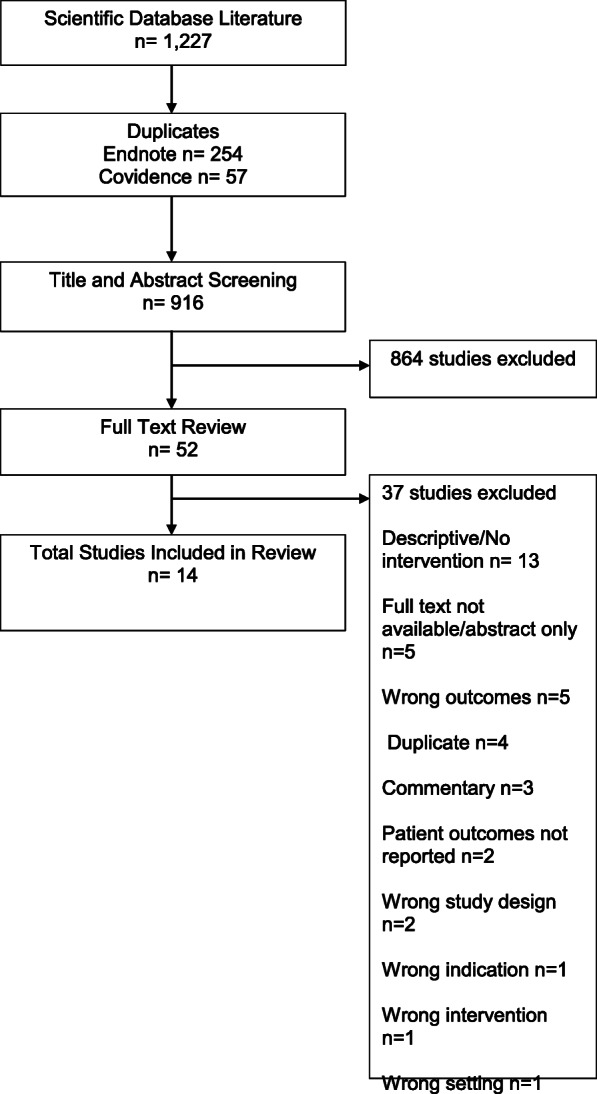
Verification
Claims the paper makes
The claims and statistics of this paper haven’t been checked yet.
Free: it reads the open-access text and checks the first 5 claims that cite a source we can check. Create a free account to check every claim.
Claims other papers make about this one
Each is checked against this paper’s own text: does it say what the citing paper says it does?
In the citing paper
“One approach could be to train local community leaders as brain health champions, which has been an effective strategy for general health promotion,124 and could include local sports coaches, teachers, or traditional healers.”
From Next generation brain health: transforming global research and public health to promote prevention of dementia and reduce its risk in young adult populations (2024) · cites this paper as [124]
Self-check
Percentages, sums and reported differences re-computed from the paper’s own numbers.
The self-check needs the paper’s full text.
Citations
Cites
Preferred Reporting Items for Systematic Reviews and Meta-Analyses: the PRISMA statement
Moher, D., Liberati, A., Tetzlaff, J., Altman, D. G., & for the PRISMA Group (2009) · BMJ · doi:10.1136/bmj.b2535 · Cited by 83,823
Preferred Reporting Items for Systematic Reviews and Meta-Analyses: The PRISMA Statement
Moher, D., Liberati, A., Tetzlaff, J., Altman, D. G., & The PRISMA Group (2009) · PLoS Medicine · doi:10.1371/journal.pmed.1000097 · Cited by 64,042 · cited 1×
“Methods Literature search This systematic review was conducted according to the guidelines set by the Preferred Reporting Items for Systematic Reviews and Meta-Analyses (PRISMA) statement [42].”
MethodHarris, P. A., Taylor, R., Thielke, R., Payne, J., Gonzalez, N., & Conde, J. G. (2009) · Journal of Biomedical Informatics · doi:10.1016/j.jbi.2008.08.010 · Cited by 51,384 · cited 2×
“Data extraction and quality assessment Data extraction was completed in duplicate by study authors KP and PR using a customized Research Electronic Data Capture (REDCap) database (Additional file 2) [46].”
BackgroundMethodPreferred reporting items for systematic reviews and meta-analyses: the PRISMA Statement.
(2009) · PubMed Central · Cited by 44,859
Wang, G., Ma, R., Qiao, G., Wada, K., Aizawa, Y., & Satoh, T. (2015) · Integrative Medicine International · doi:10.1159/000368408 · Cited by 18,657
Prevalence of Obesity Among Adults and Youth: United States, 2015-2016.
Hales, C. M., Carroll, M. D., Fryar, C. D., & Ogden, C. L. (2017) · PubMed · Cited by 4,554
The social determinants of health: It’s time to consider the causes of the causes
Braveman, P., & Gottlieb, L. (2014) · Public Health Reports® · doi:10.1177/00333549141291s206 · Cited by 3,861 · cited 1×
“Many social determinants of health (wage gaps, substandard education and healthcare, and unethical housing policies) are associated with health disparities among African Americans [6, 7].”
BackgroundArmijo‐Olivo, S., Stiles, C. R., Hagen, N. A., Biondo, P. D., & Cummings, G. G. (2012) · Journal of Evaluation in Clinical Practice · doi:10.1111/j.1365-2753.2010.01516.x · Cited by 1,539 · cited 1×
“Two authors (KP and PR) independently evaluated the quality of evidence using the Effective Public Health Practice Project Quality Assessment Tool (EPHPP) to increase inter-rater reliability and reduce risk of bias [47, 48].”
MethodRace and trust in the health care system
Boulware, L. E., Cooper, L. A., Ratner, L. E., LaVeist, T. A., & Powe, N. R. (2003) · Public Health Reports · doi:10.1016/s0033-3549(04)50262-5 · Cited by 842 · cited 1×
“, African Americans have a longstanding history of mistrust of the medical and research community resulting in low participation and engagement, furthering the gap in health [8, 57, 58].”
BackgroundCriteria for the systematic review of health promotion and public health interventions
Jackson, N., & Waters, E. (2005) · Health Promotion International · doi:10.1093/heapro/dai022 · Cited by 572 · cited 1×
“Two authors (KP and PR) independently evaluated the quality of evidence using the Effective Public Health Practice Project Quality Assessment Tool (EPHPP) to increase inter-rater reliability and reduce risk of bias [47, 48].”
Method
Research works printed but not linked: 3
- 1. United States Census Bureau QuickFacts- Population estimates- Race and Hispanic Origin [Table] 2018
- 18. Linnan L Thomas S D’Angelo H Ferguson YO African American barbershops and beauty salons 2012
- 56. Victor RG Ravenell JE Freeman A Leonard D Bhat DG Shafiq M Knowles P Storm JS Adhikari E Bibbins-Domingo K Coxson PG Pletcher MJ Hannan P Haley RW Effectiveness of a barber-based intervention for improving hypertension control in black men Arch Intern Med 2011 171 4 342 350 10.1001/archinternmed.2010.390 20975012 PMC3365537 · DOI · Paper page
Cited by
Lloyd-Jones, D. M., Allen, N. B., Anderson, C. A. M., Black, T., Brewer, L. C., Foraker, R. E., Grandner, M. A., Lavretsky, H., Perak, A. M., Sharma, G., et al. (2022) · Circulation · doi:10.1161/cir.0000000000001078 · Cited by 2,785
Singh, H., Fulton, J., Mirzazada, S., Saragosa, M., Uleryk, E. M., & Nelson, M. L. A. (2022) · Journal of Racial and Ethnic Health Disparities · doi:10.1007/s40615-022-01474-5 · Cited by 96
Farina, F. R., Bridgeman, K., Gregory, S., Crivelli, L., Foote, I. F., Jutila, O.-E. I., Kucikova, L., Mariano, L. I., Nguyen, K.-H., Thayanandan, T., et al. (2024) · The Lancet Healthy Longevity · doi:10.1016/j.lanhl.2024.100665 · Cited by 45
Eliminating Disparities in Cardiovascular Disease for Black Women
Ogunniyi, M. O., Mahmoud, Z., Commodore-Mensah, Y. Y., Fleg, J. L., Fatade, Y. A., Quesada, O., Aggarwal, N. R., Mattina, D. J., de Oliveira, G. M. M., Lindley, K. J., et al. (2022) · Journal of the American College of Cardiology · doi:10.1016/j.jacc.2022.08.769 · Cited by 51
Cénat, J. M., Dromer, É., Darius, W. P., Dalexis, R. D., Furyk, S. E., Poisson, H., Bekarkhanechi, F. M., Shah, M. S., Diao, D. G., Gedeon, A. P., et al. (2022) · Cancer · doi:10.1002/cncr.34551 · Cited by 37
Neighborhood-Level Disparities in Hypertension Prevalence and Treatment Among Middle-Aged Adults
Blazel, M., Perzynski, A. T., Gunsalus, P. R., Mourany, L., Gunzler, D. D., Jones, R. W., Pfoh, E. R., & Dalton, J. E. (2024) · JAMA Network Open · doi:10.1001/jamanetworkopen.2024.29764 · Cited by 34
Wippold, G. M., Frary, S. G., Garcia, K. A., & Wilson, D. K. (2023) · Health Psychology · doi:10.1037/hea0001294 · Cited by 28
Tabak, R. G., Kandula, N. R., Angell, S. Y., Brewer, L. C., Grandner, M. A., Hayman, L. L., Ing, C. T., Joseph, J. J., Moise, N., Nelson, S. E., et al. (2025) · Circulation · doi:10.1161/cir.0000000000001349 · Cited by 24
Boehme, H. M., Williams, T. V., Brown, N., Kidd, L., Hernandez, B., & Nolan, M. S. (2022) · Crime & Delinquency · doi:10.1177/00111287221130956 · Cited by 24
Bakhshaie, J., Penn, T. M., Doorley, J. D., Pham, T. V., Greenberg, J., Bannon, S. M., Saadi, A., & Vranceanu, A. (2022) · Journal of Pain · doi:10.1016/j.jpain.2022.04.013 · Cited by 21
Egede, L. E., Ozieh, M. N., Campbell, J. A., Williams, J. S., & Walker, R. J. (2022) · Diabetes Spectrum · doi:10.2337/dsi22-0001 · Cited by 22
Ogborn, G., Bowden-Howe, C., Burd, P., Kleijn, M., & Michelson, D. (2022) · BJPsych Open · doi:10.1192/bjo.2022.520 · Cited by 16
A Digital Asthma Self-Management Program for Adults: A Randomized Clinical Trial
Silberman, J., Sarlati, S., Harris, B., Lenyoun, H., Kaur, M., Wagner, B. G., Bokhari, W., Boushey, H. A., Chesnutt, A., Sitts, K., et al. (2025) · JAMA Network Open · doi:10.1001/jamanetworkopen.2025.21438 · Cited by 20
Hair Stylists as Lay Health Workers: Perspectives of Black Women on Salon-Based Health Promotion
Palmer, K. N. B., Okechukwu, A., Mantina, N. M., Melton, F. L., Kram, N., Hatcher, J., Marrero, D. G., Thomson, C. A., & Garcia, D. O. (2022) · INQUIRY The Journal of Health Care Organization Provision and Financing · doi:10.1177/00469580221093183 · Cited by 12
“In a systematic review, interventions that were led or supported by a barber or hair stylist had a positive impact on both intervention effectiveness and feasibility.(13) When barbers and stylists were trained on intervention content and delivery, there were high levels of implementation, satisfaction with the interve…”
BackgroundSelf-citationBailey, R. K., Barker, C. H., & Grover, A. (2021) · Healthcare · doi:10.3390/healthcare9121645 · Cited by 13
“While some evaluation studies for education on hypertension and diabetes show promising results, more research is needed to evaluate the effectiveness of utilizing these locations for community-level interventions [47].”
BackgroundTrends of Pulmonary Embolism-Related Sudden Cardiac Death in the United States, 1999–2019
Zuin, M., Overvad, T. F., Albertsen, I. E., Bilato, C., & Piazza, G. (2024) · Journal of Thrombosis and Thrombolysis · doi:10.1007/s11239-024-02946-7 · Cited by 13
“…the prevention, prompt recognition, and timely treatment of PE but should be considered also as an opportunity to further promote the cardiovascular prevention across entire community [ 42, 43], reducing the prevalence of contributors to PE like obesity, smoking, poor diet, and physical inactivity.”
Klein, K. G., Tucker, C. M., Mejia, J., Folsom, K., Kolli, S., Anton, S. A., Stewart, E., Knight, A.-M., Hamilton, J. M., & Belcher, M. (2024) · Ethnicity and Health · doi:10.1080/13557858.2024.2412848 · Cited by 12
“Community-based partnerships may include churches, and Black-owned institutions and businesses such as community centers, hair salons and barbers (Palmer et al. 2021).”
Socioeconomic Status, Social Support, and Quality of Life Among Black Adults
Murphy, E. R., Wippold, G. M., & Crichlow, Z. R. (2024) · Journal of Racial and Ethnic Health Disparities · doi:10.1007/s40615-024-02204-9 · Cited by 13
Gelzhiser, J. A., & Lewis, L. (2023) · Mental Health & Prevention · doi:10.1016/j.mhp.2023.200291 · Cited by 13
“Regarding health promotion, they have investigated obesity-related chronic diseases (Palmer et al., 2021), hypertension (Ebinger et al., 2020), healthy diets (Williams et al., 2020), and HIV prevention practices (Gardner et al., 2022), to name just a few areas.”
BackgroundPleasant, V. A., Purkiss, A., & Merjaver, S. D. (2023) · Cancer · doi:10.1002/cncr.34732 · Cited by 10
Nwofe, E. S., Akhtar, A., Parveen, S., & Windle, K. (2024) · PLoS ONE · doi:10.1371/journal.pone.0309565 · Cited by 15
Coy, T., Brinza, E. K., Delozier, S., Gornik, H. L., Webel, A. R., Longenecker, C. T., & Solaru, K. W. (2023) · BMC Public Health · doi:10.1186/s12889-022-14648-x · Cited by 11
“While prior studies demonstrate improved disease management with barbers as health educators [37, 38], future research should explore participants’ acceptance of this model involving healthcare professionals in the barbershop setting.”
BackgroundNwakoby, C., Pierce, L. J., Crawford, R., Conserve, D. F., Perkins, J. M., Hurt, S., & Ahonkhai, A. A. (2023) · American Journal of Men s Health · doi:10.1177/15579883231152114 · Cited by 9
“Public health leaders have called on trusted community messengers to share accurate and reliable information about COVID vaccines and treatment—a role that, with training, barbers could play (Palmer et al., 2021).”
BackgroundTurkson‐Ocran, R., Ogungbe, O., Botchway, M., Baptiste, D., Owusu, B., Ajibewa, T. A., Chen, Y., Gbaba, S., Kwapong, F. L., Aidoo, E. L., et al. (2024) · Current Cardiovascular Risk Reports · doi:10.1007/s12170-024-00750-9 · Cited by 11
“These settings provide a comfortable and familiar environment where community members regularly gather, offering an opportunity to reach individuals who may not frequently access traditional healthcare settings [61].”
Germline testing for prostate cancer: current state and opportunities for enhanced access
Loeb, S., Vadaparampil, S. T., & Giri, V. N. (2025) · EBioMedicine · doi:10.1016/j.ebiom.2025.105705 · Cited by 12
“65,66 These community-led interactions and events can facilitate participation by healthcare providers and health care organisations to enhance outreach efforts, for example, by embedding risk assessment or other health services into local events.”
Boehme, H. M., Dawson, R. M., Williams, T. V., Gual-González, L., Rodriguez-Ramos, C., Brown, N., Hernandez, B., Kidd, L., & Nolan, M. S. (2023) · SSM - Qualitative Research in Health · doi:10.1016/j.ssmqr.2023.100225 · Cited by 7
Wippold, G. M., Abshire, D. A., Wilson, D. K., Woods, T., Zarrett, N. R., & Griffith, D. M. (2024) · Annals of Behavioral Medicine · doi:10.1093/abm/kaae027 · Cited by 8
Johnson, R., Conley, C., Jeter, E., & Randolph, S. D. (2023) · Public Health Nursing · doi:10.1111/phn.13253 · Cited by 6
Cameron, D., Grage, L., Wyck, R. V., Edwards, A. E., Mapaye, J. C., Cheng, A., & Garcia, G. (2024) · Vaccine · doi:10.1016/j.vaccine.2024.03.027 · Cited by 5
Randolph, S. D., Jeter, E., & Johnson, R. (2024) · Journal of the Association of Nurses in AIDS Care · doi:10.1097/jnc.0000000000000453 · Cited by 5
“Addressing women ’ s health issues in beauty salons has a long history of effectiveness, especially in the Black community, for prevention of cancer, HIV, and obesity (Palmer et al., 2021; Sadler et al., 2011; Wilson et al., 2008).”
BackgroundWippold, G. M., Crichlow, Z. R., Garcia, K. A., Domlyn, A. M., Sanchez, S. B., Frank, L., Mote, T., Frary, S. G., & Woods, T. (2024) · Implementation Science Communications · doi:10.1186/s43058-024-00584-x · Cited by 8
Mundagowa, P. T., Vora, S., Seck, F., Dhankhode, N., Sakyi, K. S., & Kanyangarara, M. (2024) · Vaccines · doi:10.3390/vaccines12091011 · Cited by 6
“Barbers and stylists, as trusted community figures, are uniquely positioned to serve as conduits for public health messaging [15,16].”
BackgroundInfluentialHealthcare Accessibility: Metrics, Assessment, Policies, and Barriers
Zahidi, K., Obtel, M., & Naji, S. (2024) · IntechOpen eBooks · doi:10.5772/intechopen.1006821 · Cited by 9
Chiaborelli, M., Kopeka, M., Sekhesa, P., Sehrt, M. N., Mohloanyane, T., Ballouz, T., Menges, D., Brown, J. A., Belus, J. M., Gerber, F., et al. (2025) · BMC Public Health · doi:10.1186/s12889-025-23435-3 · Cited by 5
“In addition, the team from Durban interviewed > 90 clients and stylists, exploring specific services such as contraception and PrEP [19–21].”
Palmer, K. N. B., Okechukwu, A., Mantina, N. M., Melton, F. L., Kram, N., Hatcher, J., Marrero, D. G., Thomson, C. A., & Garcia, D. O. (2021) · SSM - Qualitative Research in Health · doi:10.1016/j.ssmqr.2021.100029 · Cited by 5
Self-citationForever Changed: Predicting Grief and Growth After an Opioid-Related Loss
Hill, E. M., & O’Brien, K. M. (2023) · The Counseling Psychologist · doi:10.1177/00110000231206849 · Cited by 9
“Future research should recruit in communities of Color, and extend recruitment beyond organizations focused on grief or substance use (e.g., recruiting in barbershops, hair salons, community gathering spaces, and faith-based organizations; Mans fi eld et al., 2022; Palmer et al., 2021).”
BackgroundTsai, J., & McCann, N. A. (2025) · PLoS ONE · doi:10.1371/journal.pone.0317815 · Cited by 5
Harawa, N. T., Amani, B., Abotsi-Kowu, C., Nwankwo, E. M., & Ford, C. L. (2022) · Ethnicity & Disease · doi:10.18865/ed.32.2.151 · Cited by 5
Ruffin, J. R., & Martin, K. R. (2024) · Journal of Urban Affairs · doi:10.1080/07352166.2024.2317228 · Cited by 7
“…for Black community members to learn about topics related to HIV/AIDs, diabetes, cancer screenings, hypertension, and identity, among other topics related to physical and mental health (Boehme et al., 2023; Brawner et al., 2013; Harris-Lacewell, 2010; Mbilishaka et al., 2021; Palmer et al., 2021).”
Diallo, F., Paulino, L., Shiman, L. J., Freeman, K., Brooks, B., Banson, D., & Reyes, A. (2022) · Public Health in Practice · doi:10.1016/j.puhip.2022.100353 · Cited by 4
“Barbershops and salons have been shown to increase recommended health screenings and improve chronic disease management in community members [12,13].”
Wippold, G. M., Wong, D. R., Garcia, K. A., Crichlow, Z. R., Frary, S. G., Mote, T., & Griffith, D. M. (2024) · Translational Behavioral Medicine · doi:10.1093/tbm/ibae060 · Cited by 5
Simon, L., Jackson, T., King, W., Beals, D., Washington, T., Miller, M. W., & Pogroszewski, S. (2023) · Journal of CME · doi:10.1080/28338073.2023.2269074 · Cited by 3
“[14] Numerous examples show that barbershops may also serve as a bridge to health care screening and referral [9,12].”
BackgroundInfluentialConserve, D. F., Mathews, A., Janson, S., Nwaozuru, U., Mayo‐Wilson, L. J., Ritchwood, T. D., Ahonkhai, A. A., Diallo, H., Korede, T., Dieng, A., et al. (2024) · BMC Public Health · doi:10.1186/s12889-024-19973-x · Cited by 2
“The use of nontraditional sources of health information, including peers and trusted community members, has been one strategy used to address Black men’s low uptake of health services [37, 43, 63].”
BackgroundAlexander, A. C., Businelle, M. S., Cheney, M. K., Cohn, A. M., McNeill, L. H., Short, K. R., Frank-Pearce, S. G., Bradley, D., Estrada, K., Flores, I., et al. (2025) · JMIR Research Protocols · doi:10.2196/69771 · Cited by 2
“Research indicates that interventions incorporating culturally relevant content resonate with Black adults, enhancing their motivation and commitment to behavior change [48-53].”
Johnson, C. K., Leung, M. M., Grace, X., & Ogunwobi, O. O. (2023) · Journal of Racial and Ethnic Health Disparities · doi:10.1007/s40615-023-01559-9 · Cited by 2
“Barber shops and hair salons were targeted based on the recruiter’s past success with recruitment in these settings; they are viewed as safe communal places in the Black community that have also been documented as successful sites for health promotion [24].”
BackgroundStrategies for Recruiting Young African American Men for Primary Stroke Prevention Research
Araya, S., Aycock, D. M., Oliver, Y., Davis, P. S., & Taylor, J. C. (2023) · The Journal of Cardiovascular Nursing · doi:10.1097/jcn.0000000000000992 · Cited by 2
Community Asset Density and Past-Year Mental Health Symptoms Among Youths
Szoko, N., Ajith, A. U., Kurland, K. S., & Culyba, A. J. (2024) · JAMA Network Open · doi:10.1001/jamanetworkopen.2024.34923 · Cited by 3
Horinishi, Y., Horinishi, R., Sano, C., & Ohta, R. (2025) · Cureus · doi:10.7759/cureus.79511 · Cited by 2
The culture of healthy living in communities
Arena, R. A., & Hall, G. (2025) · Progress in Cardiovascular Diseases · doi:10.1016/j.pcad.2025.03.015 · Cited by 4
Sathe, N. A., Ovelman, C., Ospina, N. S., Dewidar, O., Terhune, E., Francis, D., Welch, V. A., Heyn, P. C., Duque, T. G., & Viswanathan, M. (2024) · SSRN Electronic Journal · doi:10.2139/ssrn.4735939 · Cited by 2
Seyoum, A., BSN, OkunjiPh.D., R. P., APRN, & FNP-BC (2023) · Journal of Community Medicine & Public Health · doi:10.29011/2577-2228.100330 · Cited by 1
Campa, M. I., Bustamante-Zamora, D., Doshi, A., & Lewis, N. (2024) · Maternal and Child Health Journal · doi:10.1007/s10995-024-04019-w · Cited by 2
“Given historical and ongoing injustices perpetuated by government and medical providers, public health providers are recognizing the value of education and other supports provided by trusted members of the Black community (Palmer et al., 2021 ).”
Physical activity interventions for African American women for health and wellness: A scoping review
Nastvogel, L. D. (2025) · Journal of Health Psychology · doi:10.1177/13591053251375440 · Cited by 1
“Other interventions for AA women have adopted implementing interven tions in regularly visited locales such as churches (Collins et al., 2021a); Joseph et al., 2023; Thomas et al., 2017; WhittGlover et al., 2017) or hair salons (Palmer et al., 2021).”
Outreach to Outcomes: Advancing HIV Care in Priority Populations
Simon, L., Deerr, R., Washington, T., Walker, T., Pogroszewski, S., & Beals, D. (2025) · Journal of CME · doi:10.1080/28338073.2025.2582394 · Cited by 1
Using Nail Salons, Beauty Spas, and Hair Salons for Health Education with Black Women
Dixon, A., Earls, E., Handberry, M., Moon, B., Smith, L., & Mincey, K. D. (2023) · Journal of African American Studies · doi:10.1007/s12111-023-09626-5 · Cited by 1
“Findings from this study support existing literature on beauty salons being a good avenue for health education efforts and interventions among Black women (Linnan et al., 2001; Johnson et al., 2021; Palmer et al., 2022; Palmer et al., 2021).”
Result“Here it was waiting for me:” Diabetes Diagnosis Pathways and Implications for Health Policy
Chard, S. E., Girling, L., Harris‐Wallace, B., Henderson, L., Roth, E. G., & Eckert, J. K. (2022) · Journal of Elder Policy · doi:10.18278/jep.2.2.4
Effects of Race on Chronic Pain in a Randomized Clinical Trial of Integrative Medical Group VisitsPreprint
Polcari, J. J., Rodriguez, A. C. I., Nephew, B. C., Melican, V., King, J. A., & Gardiner, P. M. (2023) · medRxiv · doi:10.1101/2023.03.03.23286767 · Cited by 1
Barbour, K. (2023) · Springer eBooks · doi:10.1007/978-3-031-33152-7_3
Clinical preparation—subject recruitment
Jones, B. M., Hsieh, K., Dickstein, D. R., & Lehrer, E. J. (2023) · Elsevier eBooks · doi:10.1016/b978-0-323-88423-5.00006-6
Opportunities, Challenges, and Priorities for Achieving Equity in Cancer Outcomes
Carpten, J. D., & Stern, M. C. (2023) · Springer eBooks · doi:10.1007/978-3-031-37638-2_11
The Challenges and Opportunities in Clinical Trial Diversity
Bailey, L. (2024) · Drug Discovery Today · doi:10.1016/j.drudis.2024.104210
Jeter, E., Bacon, C. T., Johnson, R., Lane, H., & Randolph, S. D. (2024) · Community Health Equity Research & Policy · doi:10.1177/2752535x241305455
Daniel, Y., Buist, R. U., Asfaw, E. K., Inniss, D. A., Lewis, L., & Kwakye, G. (2024) · Global Surgical Education - Journal of the Association for Surgical Education · doi:10.1007/s44186-024-00324-8
Vermuë, P. C., van Gelder, N. E., van den Hurk, L., & Oertelt‐Prigione, S. (2025) · Journal of Family Violence · doi:10.1007/s10896-025-00826-z
“They give space to conversations about sensitive topics and life events, such as (mental) health issues, the death of a loved one, and problems with a partner or family member amongst others (Anderson et al., 2010; Palmer et al., 2021; Cohen Goldstein et al., 2023).”
Sehrt, M. N., Nayame, L., Masten, M., Thorne, J., Mumbula, I., Mulawa, M. J., Hamoonga, T. E., Mweemba, O., & Hampanda, K. (2025) · Culture Health & Sexuality · doi:10.1080/13691058.2025.2556820
“They have already been shown to be effective through service delivery in hair salons and schools, and through mHealth strategies (Ajilong, Pebolo, and Obol 2024; Isaacs et al. 2024; Palmer et al. 2021; Smith et al. 2019).”
Schick, V., Williams, J., & Tsai, J. (2025) · Journal of Mental Health · doi:10.1080/09638237.2025.2558507
“For example, health prevention interventions have been implemented in barbershops and beauty salons to reduce health disparities, particularly in Black communities (Palmer et al., 2021).”
Aithal, S. K., Guo, H., Hildon, Z. L.-J., Lwin, M. O., & Chow, A. L. (2025) · doi:10.2196/preprints.86435
Wippold, G. M., Crichlow, Z. R., Garcia, K. A., Domlyn, A. M., Sanchez, S., Frank, L., Mote, T., Frary, S. G., & Woods, T. (2024) · Figshare · doi:10.6084/m9.figshare.26707709
Upshaw, S. J., & Smith, D. L. (2025) · Journal of Health Communication · doi:10.1080/10810730.2025.2584695
“…in culturally embedded spaces – such as barbershops, salons, and churches – has been effective in engaging African American (Balls-Berry et al., 2015; Linnan et al., 2014; Palmer et al., 2021), Hispanic (Chilton et al., 2006; Moore et al., 2016), and Indigenous (Johnson et al., 2008) communities.”
Kibe, L. W., Yaghmaei, E., Schrode, K. M., Kuo, Y., & Bazargan, M. (2026) · Journal of Primary Care & Community Health · doi:10.1177/21501319261428338 · Cited by 1
Aithal, S. K., Guo, H., Hildon, Z. J., Lwin, M. O., & Chow, A. L. (2026) · JMIR Public Health and Surveillance · doi:10.2196/86435
Chen, S.-H., Hoffman, J. L., & Wu, T. (2026) · Journal of Community Health Nursing · doi:10.1080/07370016.2026.2710187
“Evidence demonstrates that culturally tailored approaches improve health outcomes, disease knowledge, and lifestyle behaviors among diverse populations (Joo & Liu, 2021; Palmer et al., 2021).”
Manu, K. K., Appiah‐Opoku, S., Ford, C. D., Weber, J., Sultana, S., & Amanambu, A. C. (2026) · Diabetology · doi:10.3390/diabetology7090178
Metadata
- Authors
- Palmer, K. N. B., Rivers, P. S., Melton, F. L., McClelland, D. J., Hatcher, J., Marrero, D. G., Thomson, C. A., & Garcia, D. O.
- Affiliations
- University of Arizona (US)
- Corresponding author
- Palmer, Kelly N. B.
- ORCID
- Venue
- BMC Public Health
- Published
- 2021-08-16
- Volume
- 21
- Issue
- 1
- Pages
- 1553-1553
- ISSN
- 1471-2458 (ISSN-L)
- PMC
- PMC8365990
- OpenAlex
- W3193853593
- Semantic Scholar
- 5d8e23102e07715c3995cb0df2aedf2291c45bf7
- Cited by
- 74
- References
- 63
- Citations by year
- 2026: 4 · 2025: 14 · 2024: 24 · 2023: 18 · 2022: 12 · 2021: 2
- FWCI
- 2.49
- Type
- journal article
- Language
- en
- Open access
- gold
- doi.org
- Licence
- cc-by
- creativecommons.org/licenses/by/4.0 (tdm)
- creativecommons.org/licenses/by/4.0 (vor)
- Locations
- BMC Public Health (publishedVersion, cc-by)
- PubMed Central (publishedVersion, cc-by)
- PubMed (publishedVersion)
- UA Campus Repository (The University of Arizona) (acceptedVersion, cc-by)
- DOAJ (DOAJ: Directory of Open Access Journals) (submittedVersion, cc-by-sa)
- Funders
- University of Arizona Health Sciences Center for Border Health Disparities
- Topics
- Health Sciences › Medicine › Public Health, Environmental and Occupational Health › Health Promotion and Cardiovascular Prevention
- Health Sciences › Medicine › Public Health, Environmental and Occupational Health › Community Health and Development
- Social Sciences › Health › Health disparities and outcomes
- Keywords
- health promotion interventions, African Americans, barbershops, hair salons, obesity-related chronic diseases, cancer screening, hypertension, type 2 diabetes, cardiovascular disease, health disparities, culturally sensitive interventions, behavior change
- MeSH terms
- Adult, Black or African American, Chronic Disease, Diabetes Mellitus, Type 2, Health Promotion, Humans, Risk Reduction Behavior
About these checks
Registry, retraction, Cites and statistics results are computed, not judged, with one exception: a printed reference that no index lists is read once by a model before it counts as a citation error. Claims are extracted by a model and kept only when their quote appears verbatim in the text; each cited source is then checked, with a model’s help, for whether it says what the claim relies on. Those verdicts can be wrong — read the claim’s quote and the cited source before relying on one.
Statistics and arithmetic are recomputed, not judged.
Confidence bands are shown only for fields calibrated on our annotated test set. None is calibrated yet, so no band is shown.
What counts as a claim ›How we measure confidence ›How we check this ›
Are you an author, or do you see a problem with this page? Request a review
Data sources
Bibliographic data: Semantic Scholar, OpenAlex, Crossref.
Contains information from the Semantic Scholar Academic Graph Datasets, made available under the ODC Attribution License (ODC-BY 1.0).
Semantic Scholar’s data is described in: Kinney, R., et al. (2023). The Semantic Scholar Open Data Platform. arXiv:2301.10140.
