

Health promotion interventions for African Americans delivered in U.S. barbershops and hair salons-a systematic review
Open accessThe DOI matches its Crossref record; 63 of the 63 references it cites were found in a registry or an index.
Abstract
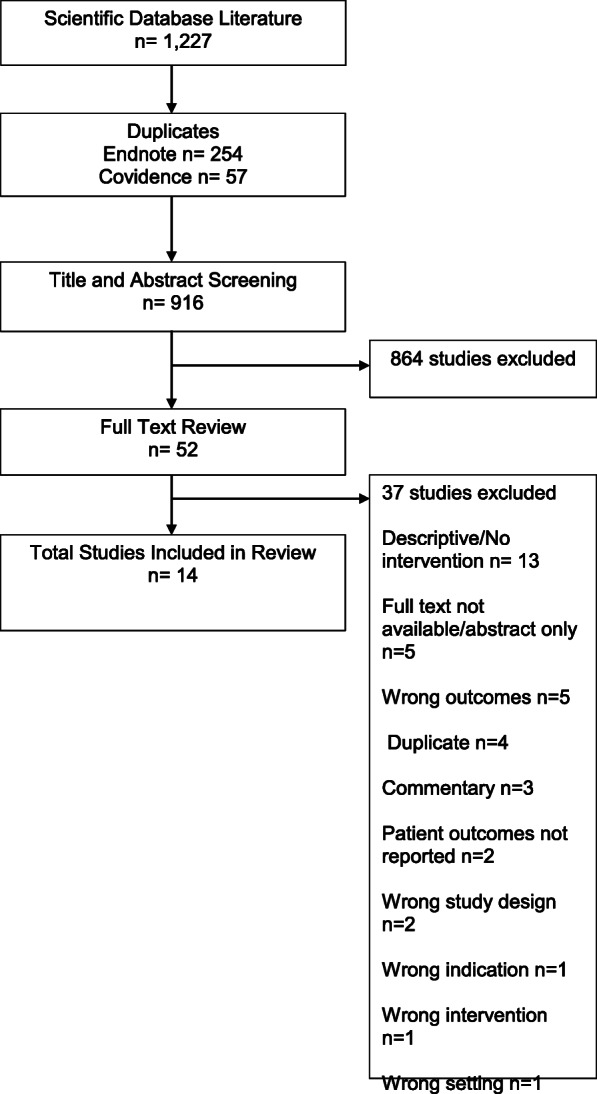
Background: African American adults suffer disproportionately from obesity-related chronic diseases, particularly at younger ages. In order to close the gap in these health disparities, efforts to develop and test culturally appropriate interventions are critical. Methods: A PRISMA-guided systematic review was conducted to identify and critically evaluate health promotion interventions for African Americans delivered in barbershops and hair salons. Subject headings and keywords used to search for synonyms of ‘barbershops,’ ‘hair salons,’ and ‘African Americans’ identified all relevant articles (from inception onwards) from six databases: Academic Search Ultimate, Cumulative Index of Nursing and Allied Health Literature (CINAHL), Embase, PsycINFO, PubMed, Web of Science (Science Citation Index and Social Sciences Citation Index). Experimental and quasi-experimental studies for adult (> 18 years) African Americans delivered in barbershops and hair salons that evaluated interventions focused on risk reduction/management of obesity-related chronic disease: cardiovascular disease, cancer, and type 2 diabetes were included. Analyses were conducted in 2020. Results: Fourteen studies met criteria for inclusion. Ten studies hosted interventions in a barbershop setting while four took place in hair salons. There was substantial variability among interventions and outcomes with cancer the most commonly studied disease state (n = 7; 50%), followed by hypertension (n = 5; 35.7%). Most reported outcomes were focused on behavior change (n = 10) with only four studies reporting clinical outcomes. Conclusions: Health promotion interventions delivered in barbershops/hair salons show promise for meeting cancer screening recommendations and managing hypertension in African Americans. More studies are needed that focus on diabetes and obesity and utilize the hair salon as a site for intervention delivery. Trial registration: PROSPERO CRD42020159050.
Overview
The claims and statistics of this paper haven’t been checked yet.
Free: it reads the open-access text and checks the first 5 claims that cite a source we can check. Create a free account to check every claim.
Integrity signals
Registry
Cites
Statistics
Figures
Verification
Claims the paper makes
The claims and statistics of this paper haven’t been checked yet.
Free: it reads the open-access text and checks the first 5 claims that cite a source we can check. Create a free account to check every claim.
Claims other papers make about this one
Each is checked against this paper’s own text: does it say what the citing paper says it does?
In the citing paper
“One approach could be to train local community leaders as brain health champions, which has been an effective strategy for general health promotion,124 and could include local sports coaches, teachers, or traditional healers.”
From Next generation brain health: transforming global research and public health to promote prevention of dementia and reduce its risk in young adult populations (2024) · cites this paper as [124]
Self-check
Percentages, sums and reported differences re-computed from the paper’s own numbers.
The self-check needs the paper’s full text.
Citations
Cites
Preferred Reporting Items for Systematic Reviews and Meta-Analyses: the PRISMA statement
Moher, D., Liberati, A., Tetzlaff, J., Altman, D. G., & for the PRISMA Group (2009) · BMJ · doi:10.1136/bmj.b2535 · Cited by 83,823
Preferred Reporting Items for Systematic Reviews and Meta-Analyses: The PRISMA Statement
Moher, D., Liberati, A., Tetzlaff, J., Altman, D. G., & The PRISMA Group (2009) · PLoS Medicine · doi:10.1371/journal.pmed.1000097 · Cited by 64,042 · cited 1×
“Methods Literature search This systematic review was conducted according to the guidelines set by the Preferred Reporting Items for Systematic Reviews and Meta-Analyses (PRISMA) statement [42].”
MethodHarris, P. A., Taylor, R., Thielke, R., Payne, J., Gonzalez, N., & Conde, J. G. (2009) · Journal of Biomedical Informatics · doi:10.1016/j.jbi.2008.08.010 · Cited by 51,384 · cited 2×
“Data extraction and quality assessment Data extraction was completed in duplicate by study authors KP and PR using a customized Research Electronic Data Capture (REDCap) database (Additional file 2) [46].”
BackgroundMethodPreferred reporting items for systematic reviews and meta-analyses: the PRISMA Statement.
(2009) · PubMed Central · Cited by 44,859
Wang, G., Ma, R., Qiao, G., Wada, K., Aizawa, Y., & Satoh, T. (2015) · Integrative Medicine International · doi:10.1159/000368408 · Cited by 18,657
Prevalence of Obesity Among Adults and Youth: United States, 2015-2016.
Hales, C. M., Carroll, M. D., Fryar, C. D., & Ogden, C. L. (2017) · PubMed · Cited by 4,554
The social determinants of health: It’s time to consider the causes of the causes
Braveman, P., & Gottlieb, L. (2014) · Public Health Reports® · doi:10.1177/00333549141291s206 · Cited by 3,861 · cited 1×
“Many social determinants of health (wage gaps, substandard education and healthcare, and unethical housing policies) are associated with health disparities among African Americans [6, 7].”
BackgroundArmijo‐Olivo, S., Stiles, C. R., Hagen, N. A., Biondo, P. D., & Cummings, G. G. (2012) · Journal of Evaluation in Clinical Practice · doi:10.1111/j.1365-2753.2010.01516.x · Cited by 1,539 · cited 1×
“Two authors (KP and PR) independently evaluated the quality of evidence using the Effective Public Health Practice Project Quality Assessment Tool (EPHPP) to increase inter-rater reliability and reduce risk of bias [47, 48].”
MethodRace and trust in the health care system
Boulware, L. E., Cooper, L. A., Ratner, L. E., LaVeist, T. A., & Powe, N. R. (2003) · Public Health Reports · doi:10.1016/s0033-3549(04)50262-5 · Cited by 842 · cited 1×
“, African Americans have a longstanding history of mistrust of the medical and research community resulting in low participation and engagement, furthering the gap in health [8, 57, 58].”
BackgroundCriteria for the systematic review of health promotion and public health interventions
Jackson, N., & Waters, E. (2005) · Health Promotion International · doi:10.1093/heapro/dai022 · Cited by 572 · cited 1×
“Two authors (KP and PR) independently evaluated the quality of evidence using the Effective Public Health Practice Project Quality Assessment Tool (EPHPP) to increase inter-rater reliability and reduce risk of bias [47, 48].”
MethodA Cluster-Randomized Trial of Blood-Pressure Reduction in Black Barbershops
Victor, R. G., Lynch, K., Li, N., Blyler, C., Muhammad, E., Handler, J., Brettler, J., Rashid, M., Hsu, B., Foxx-Drew, D., et al. (2018) · New England Journal of Medicine · doi:10.1056/nejmoa1717250 · Cited by 559 · cited 17×
“One article reported on 2 studies, 2 articles are from the same study, but report different outcomes, and 2 articles are from the same study with one article reporting outcomes after extending the intervention [21, 29, 30, 44, 45].”
BackgroundMethodInfluentialCunningham, T. J., Croft, J. B., Liu, Y., Lu, H., Eke, P. I., & Giles, W. H. (2017) · MMWR. Morbidity and Mortality Weekly Report · doi:10.15585/mmwr.mm6617e1 · Cited by 394
Recruiting Vulnerable Populations into Research: A Systematic Review of Recruitment Interventions
UyBico, S. J., Pavel, S., & Gross, C. P. (2007) · Journal of General Internal Medicine · doi:10.1007/s11606-007-0126-3 · Cited by 384 · cited 1×
“A few have examined the role of churches, barbershops, and hair salons for recruitment of research participants into clinical trials [40, 41].”
BackgroundShavers‐Hornaday, V. L., Lynch, C. F., Burmeister, L. F., & Torner, J. C. (1997) · Ethnicity & Health · doi:10.1080/13557858.1997.9961813 · Cited by 376 · cited 1×
“, African Americans have a longstanding history of mistrust of the medical and research community resulting in low participation and engagement, furthering the gap in health [8, 57, 58].”
BackgroundImproving the health of African Americans in the USA: an overdue opportunity for social justice
Noonan, A. S., Velasco-Mondragon, H. E., & Wagner, F. A. (2016) · Public Health Reviews · doi:10.1186/s40985-016-0025-4 · Cited by 345 · cited 1×
“Many social determinants of health (wage gaps, substandard education and healthcare, and unethical housing policies) are associated with health disparities among African Americans [6, 7].”
BackgroundWard, E. M., Sherman, R. L., Henley, S. J., Jemal, A., Siegel, D. A., Feuer, E. J., Firth, A. U., Kohler, B. A., Scott, S., Ma, J., et al. (2019) · JNCI: Journal of the National Cancer Institute · doi:10.1093/jnci/djz106 · Cited by 323 · cited 5×
“African Americans are disproportionately burdened by obesity and related chronic diseases such as heart disease, cancer, and type 2 diabetes resulting in higher rates of morbidity and mortality than non-Hispanic whites (NHW) [2].”
BackgroundInfluentialDiamond, T., Campbell, J., Bryant, C., & Lynch, W. (1998) · Cancer · doi:10.1002/(sici)1097-0142(19981015)83:8<1561::aid-cncr11>3.0.co;2-z · Cited by 246
Community organizing and community building for health and welfare
(2013) · Choice Reviews Online · doi:10.5860/choice.50-3293 · Cited by 232
Victor, R. G., Ravenell, J. E., Freeman, A., Leonard, D., Bhat, D. G., Shafiq, M., Knowles, P., Storm, J. S., Adhikari, E., Bibbins-Domingo, K., et al. (2011) · Archives of Internal Medicine · doi:10.1001/archinternmed.2010.390 · Cited by 197 · cited 5×
“blood pressure) [21, 44, 45, 49], one on type 2 diabetes [30], and one on obesity [20].”
BackgroundInfluential(2016) · ecancermedicalscience · doi:10.3332/ecancer.2014.464 · Cited by 192
African Americans’ participation in clinical research: importance, barriers, and solutions
Branson, R. D., Davis, K., & Butler, K. L. (2007) · The American Journal of Surgery · doi:10.1016/j.amjsurg.2005.11.007 · Cited by 179
Obesity interventions in African American faith‐based organizations: a systematic review
Lancaster, K. J., Carter‐Edwards, L., Grilo, S., Shen, C., & Schoenthaler, A. M. (2014) · Obesity Reviews · doi:10.1111/obr.12207 · Cited by 175 · cited 1×
“Health behavior researchers and programmers have utilized faith-based organizations to reach the African American community [12, 13].”
BackgroundMarkens, S., Fox, S. A., Taub, B., & Gilbert, M. L. (2002) · American Journal of Public Health · doi:10.2105/ajph.92.5.805 · Cited by 170 · cited 1×
“Also, black churches have found themselves inundated with projects and competing interests making it difficult to prioritize health promotion programs [17].”
BackgroundHughes, T. B., Varma, V. R., Pettigrew, C., & Albert, M. S. (2017) · The Gerontologist · doi:10.1093/geront/gnv118 · Cited by 170 · cited 1×
“, African Americans have a longstanding history of mistrust of the medical and research community resulting in low participation and engagement, furthering the gap in health [8, 57, 58].”
BackgroundFitzgibbon, M. L., Tussing‐Humphreys, L. M., Porter, J. S., Martin, I. K., Odoms‐Young, A., & Sharp, L. K. (2012) · Obesity Reviews · doi:10.1111/j.1467-789x.2011.00945.x · Cited by 165
Kim, K. H.-C., Linnan, L., Kramish Campbell, M., Brooks, C., Koenig, H. G., & Wiesen, C. (2008) · Health Education & Behavior · doi:10.1177/1090198106291985 · Cited by 157 · cited 2×
“Researchers and programmers can benefit from including core African American cultural constructs such as religiosity and social support/structure offered by the church in their interventions [14].”
BackgroundA Literature Synthesis of Health Promotion Research in Salons and Barbershops
Linnan, L. A., D’Angelo, H., & Harrington, C. B. (2014) · American Journal of Preventive Medicine · doi:10.1016/j.amepre.2014.02.007 · Cited by 148 · cited 1×
“One synthesis of the literature explored barbershop and hair salon health promotion, but African Americans were not the primary population of interest [19].”
BackgroundBarbershops as Hypertension Detection, Referral, and Follow-Up Centers for Black Men
Hess, P. L., Reingold, J. S., Jones, J. M., Fellman, M. A., Knowles, P., Ravenell, J. E., Kim, S., Raju, J. A., Ruger, E., Clark, S., et al. (2007) · Hypertension · doi:10.1161/hypertensionaha.106.080432 · Cited by 136
Sadler, G. R., Ko, C. M., Cohn, J. A., White, M., Weldon, R.-N., & Wu, P. (2007) · BMC Public Health · doi:10.1186/1471-2458-7-57 · Cited by 131
Sustainability of Blood Pressure Reduction in Black Barbershops
Victor, R. G., Blyler, C. A., Li, N., Lynch, K., Moy, N. B., Rashid, M., Chang, L. C., Handler, J., Brettler, J., Rader, F., et al. (2019) · Circulation · doi:10.1161/circulationaha.118.038165 · Cited by 126
Kumanyika, S., Taylor, W. C., Grier, S. A., Lassiter, V., Lancaster, K. J., Morssink, C. B., & Renzaho, A. M. N. (2012) · Preventive Medicine · doi:10.1016/j.ypmed.2012.07.002 · Cited by 113 · cited 1×
“Furthermore, leveraging the social network by engaging leaders in the church that can reinforce participation or model the desired healthy behavior can be advantageous [15].”
BackgroundLinnan, L. A., & Ferguson, Y. O. (2007) · Health Education & Behavior · doi:10.1177/1090198106295531 · Cited by 113
Luque, J. S., Ross, L., & Gwede, C. K. (2013) · Journal of Community Health · doi:10.1007/s10900-013-9744-3 · Cited by 111 · cited 2×
“Because African American men have traditionally been a difficult group to engage, barbershop health promotion has increased in popularity [26].”
BackgroundCentering Perspectives on Black Women, Hair Politics, and Physical Activity
Versey, H. S. (2014) · American Journal of Public Health · doi:10.2105/ajph.2013.301675 · Cited by 92 · cited 1×
“Oftentimes hair care for African American women can require regular, lengthy visits to the salon thereby providing a captured audience suitable for health behavior interventions [34].”
BackgroundBarr‐Anderson, D. J., Adams‐Wynn, A. W., DiSantis, K. I., & Kumanyika, S. (2013) · Obesity Reviews · doi:10.1111/j.1467-789x.2012.01043.x · Cited by 89
Wilson, T. E., Fraser-White, M., Browne, R., Feldman, J., Price, M., Homel, P., Wright, S., Banks, S., King, G., Coll, B., et al. (2008) · Journal of Health Care for the Poor and Underserved · doi:10.1353/hpu.2008.0017 · Cited by 84 · cited 10×
“Victor, 2011 [27] Effectiveness of a Barber-Based Intervention for Improving Hypertension Control in Black Men n = 1297 Intervention: 49.”
BackgroundMethodInfluentialBarbershop Communications on Prostate Cancer Screening Using Barber Health Advisers
Luque, J. S., Rivers, B. M., Gwede, C. K., Kambon, M., Green, B. L., & Meade, C. D. (2010) · American Journal of Men s Health · doi:10.1177/1557988310365167 · Cited by 76 · cited 6×
“Table 4 Outcomes (Continued) Author, Year Setting Primary Outcomes Primary Results Secondary Outcomes Secondary Results (Significant) Feasibility Outcomes Feasibility Results consumption Increase in physical activity Increase in water consumption pre-posttest for the treatment group No increase in physical activity No…”
BackgroundInfluentialPhysical activity interventions in African American women: A systematic review
Bland, V., & Sharma, M. (2017) · Health Promotion Perspectives · doi:10.15171/hpp.2017.11 · Cited by 65
Speights, J. S. B., Nowakowski, A. C. H., Leon, J. D., Mitchell, M. M., & Simpson, I. (2017) · Family Practice · doi:10.1093/fampra/cmx026 · Cited by 63
Tucker, C. M., Wippold, G. M., Williams, J. L., Arthur, T. M., Desmond, F. F., & Robinson, K. C. (2016) · Journal of Racial and Ethnic Health Disparities · doi:10.1007/s40615-015-0203-y · Cited by 62
Cole, H., Thompson, H. S., White, M., Browne, R., Trinh-Shevrin, C., Braithwaite, S., Fiscella, K., Boutin-Foster, C., & Ravenell, J. (2017) · American Journal of Public Health · doi:10.2105/ajph.2017.303885 · Cited by 58
Graham, L. F., Scott, L., Lopeyok, J. E., Douglas, H., Gubrium, A., & Buchanan, D. R. (2018) · American Journal of Men s Health · doi:10.1177/1557988318768602 · Cited by 53
Sadler, G. R., Ko, C. M., Wu, P., Alisangco, J., Castañeda, S. F., & Kelly, C. (2011) · Journal of the National Medical Association · doi:10.1016/s0027-9684(15)30413-2 · Cited by 50 · cited 10×
“One article reported on 2 studies, 2 articles are from the same study, but report different outcomes, and 2 articles are from the same study with one article reporting outcomes after extending the intervention [21, 29, 30, 44, 45].”
BackgroundMethodInfluentialBeauty Salon Health Intervention Increases Fruit and Vegetable Consumption in African-American Women
Johnson, L. T., Ralston, P. A., & Jones, E. (2010) · Journal of the American Dietetic Association · doi:10.1016/j.jada.2010.03.012 · Cited by 48 · cited 10×
“Johnson, 2010 [20] Hair Stylists/Hair Salon Stylists were trained by research team.”
BackgroundMethodInfluentialCommunity-based breast cancer intervention program for older African American women in beauty salons
Forte, D. A. (1995) · PubMed · doi:10.13016/veis-s6g8 · Cited by 45
Black cosmetologists promoting health program: pilot study outcomes.
Sadler, G. R., Bs, A. G. T., Bs, B. G., Dhanjal, S. K., & Mugo, J. (2000) · PubMed · doi:10.1080/08858190009528650 · Cited by 37
Whitt‐Glover, M. C., Borden, S. L., Alexander, D. S., Kennedy, B. M., & Goldmon, M. V. (2015) · Health Promotion Practice · doi:10.1177/1524839915623499 · Cited by 33 · cited 1×
“Health behavior researchers and programmers have utilized faith-based organizations to reach the African American community [12, 13].”
BackgroundFrencher, S. K., Sharma, A. K., Teklehaimanot, S., Wadzani, D., Ike, I. E., Hart, A., & Norris, K. C. (2015) · Journal of Cancer Education · doi:10.1007/s13187-015-0871-7 · Cited by 30
Most Black women have a regular source of hair care--but not medical care.
Browne, R. C. (2006) · PubMed · Cited by 29
Lofton, S., Julion, W. A., McNaughton, D. B., Bergren, M. D., & Keim, K. S. (2015) · The Journal of School Nursing · doi:10.1177/1059840515605508 · Cited by 28
Breast care screening for underserved African American women: Community-based participatory approach
Davis, C., Darby, K. H., Moore, M. R., Cadet, T. J., & Brown, G. (2016) · Journal of Psychosocial Oncology · doi:10.1080/07347332.2016.1217965 · Cited by 28
Smalls, B. L., Walker, R. J., Bonilha, H. S., Campbell, J. A., & Egede, L. E. (2015) · Global Journal of Health Science · doi:10.5539/gjhs.v7n5p171 · Cited by 27
Luque, J. S., Roy, S., Tarasenko, Y. N., Ross, L., Johnson, J. A., & Gwede, C. K. (2014) · Journal of Cancer Education · doi:10.1007/s13187-014-0739-2 · Cited by 25
Chatterjee, R., Slentz, C. A., Davenport, C. A., Johnson, J. L., Lin, P., Muehlbauer, M. J., D’Alessio, D. A., Svetkey, L. P., & Edelman, D. E. (2017) · American Journal of Clinical Nutrition · doi:10.3945/ajcn.117.161570 · Cited by 25 · cited 1×
“Participants in three studies were reported as having only a high school education or less, lowincome, and/or mostly uninsured [20, 54, 55].”
BackgroundFloyd, T. D., DuHamel, K. N., Rao, J., Shuk, E., & Jandorf, L. H. (2017) · Health Education & Behavior · doi:10.1177/1090198117726571 · Cited by 24
Retention of African American Women in a Lifestyle Physical Activity Program
Buchholz, S. W., Wilbur, J., Schoeny, M. E., Fogg, L., Ingram, D., Miller, A. M., & Braun, L. T. (2015) · Western Journal of Nursing Research · doi:10.1177/0193945915609902 · Cited by 23
Ndumele, C. D., Ableman, G., Russell, B. E., Gurrola, E., & Hicks, L. S. (2011) · Journal of Health Care for the Poor and Underserved · doi:10.1353/hpu.2011.0031 · Cited by 20 · cited 1×
“A few have examined the role of churches, barbershops, and hair salons for recruitment of research participants into clinical trials [40, 41].”
BackgroundOdedina, F. T., Oluwayemisi, A. O., Pressey, S., Gaddy, S., Egensteiner, E., Ojewale, E. O., Moline, O. M., & Martin, C. M. (2016) · ecancermedicalscience · doi:10.3332/ecancer.2014.460 · Cited by 16
The Men’s Health Forum: An Initiative to Address Health Disparities in the Community
Grant, C. G., Davis, J. L., Rivers, B. M., Rivera-Colón, V., Ramos, R., Antolino, P., Harris, E., & Green, B. L. (2011) · Journal of Community Health · doi:10.1007/s10900-011-9510-3 · Cited by 15 · cited 1×
“Young African American adults and African American men are less likely than older African Americans and African American women to attend church services regularly [16].”
BackgroundPalmer, K. N. B., Rivers, P. S., Melton, F. L., McClelland, J. D., Hatcher, J., Marrero, D. G., Thomson, C. A., & Garcia, D. O. (2020) · BMJ Open · doi:10.1136/bmjopen-2019-035940 · Cited by 15 · cited 1×
“The detailed prespecified protocol has been previously published [43].”
Self-citationSadler, G. R., Ko, C. M., Wu, P., & Ngai, P. (2014) · Journal of Communications In Healthcare · doi:10.1179/1753807614y.0000000050 · Cited by 11 · cited 10×
“One article reported on 2 studies, 2 articles are from the same study, but report different outcomes, and 2 articles are from the same study with one article reporting outcomes after extending the intervention [21, 29, 30, 44, 45].”
BackgroundMethodInfluentialAchieving cultural competency and responsive health care delivery
Hodge, F. S., Toms, F. D., & Guillermo, T. (1998) · Cancer · doi:10.1002/(sici)1097-0142(19981015)83:8+<1836::aid-cncr34>3.0.co;2-e · Cited by 5
Holt, C. L., Wynn, T. A., Debnam, K. J., Litaker, M. S., Jeames, S. E., Schoenberger, Y., Southward, P. L., & Simons, V. H. (2010) · Digital Scholarship - UNLV (University of Nevada Reno) · Cited by 5
Research works printed but not linked: 3
- 1. United States Census Bureau QuickFacts- Population estimates- Race and Hispanic Origin [Table] 2018
- 18. Linnan L Thomas S D’Angelo H Ferguson YO African American barbershops and beauty salons 2012
- 56. Victor RG Ravenell JE Freeman A Leonard D Bhat DG Shafiq M Knowles P Storm JS Adhikari E Bibbins-Domingo K Coxson PG Pletcher MJ Hannan P Haley RW Effectiveness of a barber-based intervention for improving hypertension control in black men Arch Intern Med 2011 171 4 342 350 10.1001/archinternmed.2010.390 20975012 PMC3365537 · DOI · Paper page
Cited by
Lloyd-Jones, D. M., Allen, N. B., Anderson, C. A. M., Black, T., Brewer, L. C., Foraker, R. E., Grandner, M. A., Lavretsky, H., Perak, A. M., Sharma, G., et al. (2022) · Circulation · doi:10.1161/cir.0000000000001078 · Cited by 2,785
Singh, H., Fulton, J., Mirzazada, S., Saragosa, M., Uleryk, E. M., & Nelson, M. L. A. (2022) · Journal of Racial and Ethnic Health Disparities · doi:10.1007/s40615-022-01474-5 · Cited by 96
Farina, F. R., Bridgeman, K., Gregory, S., Crivelli, L., Foote, I. F., Jutila, O.-E. I., Kucikova, L., Mariano, L. I., Nguyen, K.-H., Thayanandan, T., et al. (2024) · The Lancet Healthy Longevity · doi:10.1016/j.lanhl.2024.100665 · Cited by 45
Eliminating Disparities in Cardiovascular Disease for Black Women
Ogunniyi, M. O., Mahmoud, Z., Commodore-Mensah, Y. Y., Fleg, J. L., Fatade, Y. A., Quesada, O., Aggarwal, N. R., Mattina, D. J., de Oliveira, G. M. M., Lindley, K. J., et al. (2022) · Journal of the American College of Cardiology · doi:10.1016/j.jacc.2022.08.769 · Cited by 51
Cénat, J. M., Dromer, É., Darius, W. P., Dalexis, R. D., Furyk, S. E., Poisson, H., Bekarkhanechi, F. M., Shah, M. S., Diao, D. G., Gedeon, A. P., et al. (2022) · Cancer · doi:10.1002/cncr.34551 · Cited by 37
Metadata
- Authors
- Palmer, K. N. B., Rivers, P. S., Melton, F. L., McClelland, D. J., Hatcher, J., Marrero, D. G., Thomson, C. A., & Garcia, D. O.
- Affiliations
- University of Arizona (US)
- Corresponding author
- Palmer, Kelly N. B.
- ORCID
- Venue
- BMC Public Health
- Published
- 2021-08-16
- Volume
- 21
- Issue
- 1
- Pages
- 1553-1553
- ISSN
- 1471-2458 (ISSN-L)
- PMC
- PMC8365990
- OpenAlex
- W3193853593
- Cited by
- 74
- References
- 63
- Citations by year
- 2026: 4 · 2025: 14 · 2024: 24 · 2023: 18 · 2022: 12 · 2021: 2
- FWCI
- 2.49
- Type
- journal article
- Language
- en
- Open access
- gold
- doi.org
- Licence
- cc-by
- creativecommons.org/licenses/by/4.0 (tdm)
- creativecommons.org/licenses/by/4.0 (vor)
- Locations
- BMC Public Health (publishedVersion, cc-by)
- PubMed Central (publishedVersion, cc-by)
- PubMed (publishedVersion)
- UA Campus Repository (The University of Arizona) (acceptedVersion, cc-by)
- DOAJ (DOAJ: Directory of Open Access Journals) (submittedVersion, cc-by-sa)
- Funders
- University of Arizona Health Sciences Center for Border Health Disparities
- Topics
- Health Sciences › Medicine › Public Health, Environmental and Occupational Health › Health Promotion and Cardiovascular Prevention
- Health Sciences › Medicine › Public Health, Environmental and Occupational Health › Community Health and Development
- Social Sciences › Health › Health disparities and outcomes
- Keywords
- health promotion interventions, African Americans, barbershops, hair salons, obesity-related chronic diseases, cancer screening, hypertension, type 2 diabetes, cardiovascular disease, health disparities, culturally sensitive interventions, behavior change
- MeSH terms
- Adult, Black or African American, Chronic Disease, Diabetes Mellitus, Type 2, Health Promotion, Humans, Risk Reduction Behavior
About these checks
Registry, retraction, Cites and statistics results are computed, not judged, with one exception: a printed reference that no index lists is read once by a model before it counts as a citation error. Claims are extracted by a model and kept only when their quote appears verbatim in the text; each cited source is then checked, with a model’s help, for whether it says what the claim relies on. Those verdicts can be wrong — read the claim’s quote and the cited source before relying on one.
Statistics and arithmetic are recomputed, not judged.
Confidence bands are shown only for fields calibrated on our annotated test set. None is calibrated yet, so no band is shown.
What counts as a claim ›How we measure confidence ›How we check this ›
Are you an author, or do you see a problem with this page? Request a review
Data sources
Bibliographic data: Semantic Scholar, OpenAlex, Crossref.
Contains information from the Semantic Scholar Academic Graph Datasets, made available under the ODC Attribution License (ODC-BY 1.0).
Semantic Scholar’s data is described in: Kinney, R., et al. (2023). The Semantic Scholar Open Data Platform. arXiv:2301.10140.
