

The DOI matches its Crossref record; 33 of the 33 references it cites were found in a registry or an index.
Current patient perspectives of vulvovaginal candidiasis: incidence, symptoms, management and post-treatment outcomes
Open accessAbstract
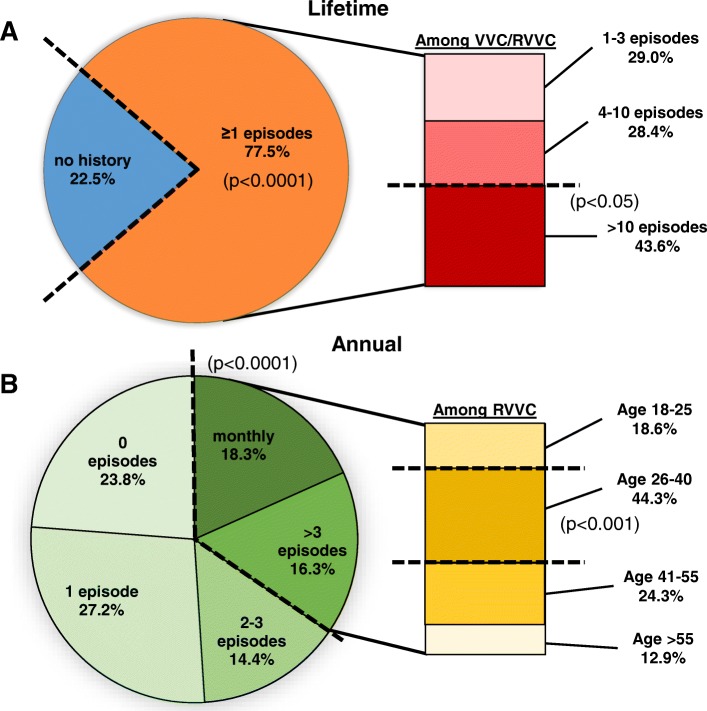
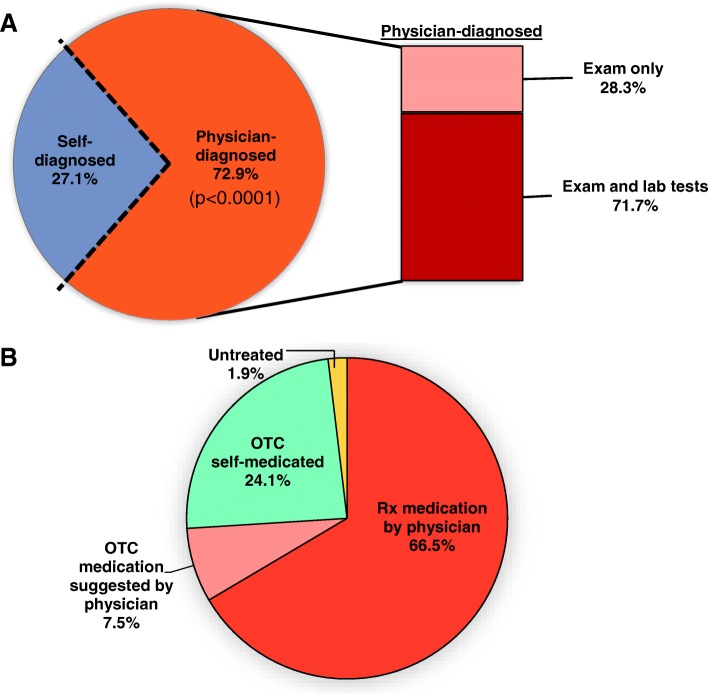
BACKGROUND: Vulvovaginal candidiasis (VVC) is a common infection affecting women worldwide. Reports of patterns/risk factors/trends for episodic/recurrent VVC (RVVC) are largely outdated. The purpose of this study was to obtain current patient perspectives of several aspects of VVC/RVVC. METHODS: Business cards containing on-line survey information were distributed to healthy volunteers and patients seeking standard, elective, or referral gynecologic care in university-affiliated Obstetrics/Gynecology clinics. The internet-based questionnaire was completed by 284 non-pregnant women (78% Caucasian, 14% African American, 8% Asian). RESULTS: The majority of the participants (78%) indicated a history of VVC with 34% defined as having RVVC. The most common signs/symptoms experienced were itching, burning and redness with similar ranking of symptoms among VVC and RVVC patients. Among risk factors, antibiotic use ranked highest followed by intercourse, humid weather and use of feminine hygiene products. A high number of respondents noted 'no known cause' (idiopathic episodes) that was surprisingly similar among women with a history of either VVC or RVVC. VVC/RVVC episodes reported were primarily physician-diagnosed (73%) with the remainder mostly reporting self-diagnosis and treating with over-the-counter (OTC) medications. Most physician-diagnosed attacks utilized a combination of pelvic examination and laboratory tests followed by prescribed antifungals. Physician-treated cases achieved a higher level of symptom relief (84%) compared to those who self-medicated (57%). The majority of women with RVVC (71%) required continual or long-term antifungal medication as maintenance therapy to control symptoms. CONCLUSIONS: Current patient perspectives closely reflect historically documented estimates of VVC/RVVC prevalence and trends regarding symptomatology, disease management and post-treatment outcomes.
Overview
The claims and statistics of this paper haven’t been checked yet.
Run the check — free, no account needed. It reads the open-access text and checks the sources it cites.
Integrity signals
Registry
Cites
Statistics
Figures
Verification
Claims the paper makes
The claims and statistics of this paper haven’t been checked yet.
Run the check — free, no account needed. It reads the open-access text and checks the sources it cites.
Claims other papers make about this one
Each is checked against this paper’s own text: does it say what the citing paper says it does?
The source backs part of the claim, not all of it — or backs it for a different population, condition or comparison.
In the citing paper
“In a 2016–2018 survey of 284 women, 71% of participants reported needing continual or long-term antifungal therapy to manage their symptoms (Yano et al., 2019).”
From Management of recurrent vulvovaginal candidosis: Narrative review of the literature and European expert panel opinion (2022) · cites this paper as Yano et al., 2019
Experimental — accuracy not yet measuredThe cited source says what the claim attributes to it.
In the citing paper
“Evidence shows that physician-treated cases achieved a higher level of symptom relief (84%) than self-medicated cases (57%) (Yano et al., 2019).”
From Management of recurrent vulvovaginal candidosis: Narrative review of the literature and European expert panel opinion (2022) · cites this paper as Yano et al., 2019
The check wasn’t confident either way, so it gives no verdict — never disputed.
In the citing paper
“Possible reasons are connected with hyperglycemia in vaginal cells. It is associated with increased fungal adhesion and binding and also reduces the ability of neutrophils to perform effective phagocytosis of these cells [15,47].”
From Treatment of Vulvovaginal Candidiasis—An Overview of Guidelines and the Latest Treatment Methods (2023) · cites this paper as [15]
Experimental — accuracy not yet measuredIn the citing paper
“Women who reported having self-diagnosed an infection were less likely to report symptom relief compared with women who were diagnosed by a physician: 57% versus 84%, respectively. 19”
From Clinical challenges in diagnosis and treatment of recurrent vulvovaginal candidiasis (2022) · cites this paper as [19]
Self-check
Percentages, sums and reported differences re-computed from the paper’s own numbers.
The self-check needs the paper’s full text.
Citations
Cites
Sobel, J. D. (2007) · The Lancet · doi:10.1016/s0140-6736(07)60917-9 · Cited by 1,270
Self-citationCandida Infections of the Genitourinary Tract
Achkar, J. M., & Fries, B. C. (2010) · Clinical Microbiology Reviews · doi:10.1128/cmr.00076-09 · Cited by 736
Vulvovaginal candidiasis: Epidemiologic, diagnostic, and therapeutic considerations
Sobel, J. D., Faro, S., Force, R. W., Foxman, B., Ledger, W. J., Nyirjesy, P., Reed, B. D., & Summers, P. R. (1998) · American Journal of Obstetrics and Gynecology · doi:10.1016/s0002-9378(98)80001-x · Cited by 694
Self-citationGlobal burden of recurrent vulvovaginal candidiasis: a systematic review
Denning, D. W., Kneale, M., Sobel, J. D., & Rautemaa-Richardson, R. (2018) · The Lancet Infectious Diseases · doi:10.1016/s1473-3099(18)30103-8 · Cited by 639
Self-citationMaintenance Fluconazole Therapy for Recurrent Vulvovaginal Candidiasis
Sobel, J. D., Wiesenfeld, H. C., Martens, M., Danna, P., Hooton, T. M., Rompalo, A., Sperling, M., Livengood, C., Horowitz, B., Von Thron, J., et al. (2004) · New England Journal of Medicine · doi:10.1056/nejmoa033114 · Cited by 487
Self-citationSobel, J. D. (1997) · New England Journal of Medicine · doi:10.1056/nejm199712253372607 · Cited by 446
Self-citationEvaluation of Vaginal Complaints
Anderson, M. (2004) · JAMA · doi:10.1001/jama.291.11.1368 · Cited by 375
Epidemiology and pathogenesis of recurrent vulvovaginal candidiasis
Sobel, J. D. (1985) · American Journal of Obstetrics and Gynecology · doi:10.1016/s0002-9378(85)80003-x · Cited by 332
Self-citationPathogenesis and Treatment of Recurrent Vulvovaginal Candidiasis
Sobel, J. D. (1992) · Clinical Infectious Diseases · doi:10.1093/clinids/14.supplement_1.s148 · Cited by 277
Self-citationCharacterization of the Vaginal Micro- and Mycobiome in Asymptomatic Reproductive-Age Estonian Women
Drell, T., Lillsaar, T., Tummeleht, L., Simm, J., Aaspõllu, A., Väin, E., Saarma, I., Salumets, A., Donders, G. G. G., & METSIS, M. L. (2013) · PLoS ONE · doi:10.1371/journal.pone.0054379 · Cited by 270
Cited by
Sorted by citations
Items 101–200 of 281
Molecular Docking Analysis of Siddha Formulation Parangipattai Chooranam Against Vaginal Candidiasis
Pushkala, V. P., Sulekha, S. M. P., Mathukumar, S., Ragavi, B., & Sowmiya, U. (2022) · Applied Biochemistry and Biotechnology · doi:10.1007/s12010-022-03813-y · Cited by 9
Fernando, A. B. P., Perera, R., Jayawardane, M., & Saavedra, R. (2024) · Discover Applied Sciences · doi:10.1007/s42452-024-05628-4 · Cited by 8
Fanou, B. A., Klotoé, J. R., Dougnon, V. T., Assogba, P., Agbodjento, E., Koudokpon, H., Fah, L., Sintondji, K., Kpoze, R., & Loko, F. (2022) · Frontiers in Tropical Diseases · doi:10.3389/fitd.2022.890296 · Cited by 8
Morselli, S., Foschi, C., Laghi, L., Zagonari, S., Patuelli, G., Camboni, T., Ceccarani, C., Consolandi, C., Djusse, M. E., Pedna, M. F., et al. (2022) · Frontiers in Microbiology · doi:10.3389/fmicb.2022.998849 · Cited by 8
Research progress of hydrogels in the prevention of pelvic inflammatory disease
Xiao, Y., Ma, T., Wu, H., Su, Q., Zhou, Y., Zhou, B., Yang, K., Pu, Z., Feng, W., Yong, X., et al. (2024) · MedComm – Biomaterials and Applications · doi:10.1002/mba2.100 · Cited by 8
Sinoca, M., Maione, A., Gambino, E., Imparato, M., Galdiero, M., de Alteriis, E., Galdiero, E., & Guida, M. (2024) · Biomedicines · doi:10.3390/biomedicines12020389 · Cited by 7
Otoo-Annan, E., & Senoo-Dogbey, V. E. (2024) · BMC Public Health · doi:10.1186/s12889-024-17668-x · Cited by 7
Impact of interkingdom microbial interactions in the vaginal tract
Cohen, S., Ost, K. S., & Doran, K. S. (2024) · PLoS Pathogens · doi:10.1371/journal.ppat.1012018 · Cited by 7
Mustapha, A. D., Oyedepo, F. M., Akin-Ajani, O. D., & Odeku, O. A. (2023) · Future Journal of Pharmaceutical Sciences · doi:10.1186/s43094-023-00533-w · Cited by 7
Zhang, Y., Zhao, L., Wu, A., Lin, P., Fan, J., Chen, J., Wang, X., & Zeng, X. (2023) · Microbes and Infection · doi:10.1016/j.micinf.2023.105232 · Cited by 7
Thamkhantho, M., & Chayachinda, C. (2020) · Archives of Gynecology and Obstetrics · doi:10.1007/s00404-020-05784-z · Cited by 8
Prevalence of vulvovaginal candidiasis in pregnant women
Nyoyoko, V. F., Christopher, M., Antia, U., & Eyo, I. (2021) · Microbes and Infectious Diseases /Microbes and Infectious Diseases · doi:10.21608/mid.2021.87167.1175 · Cited by 7
Seta, F. D., & Larsen, B. (2021) · Pathogens · doi:10.3390/pathogens10121576 · Cited by 7
Update of Vulvovaginal Candidiasis in Pregnant and Non-pregnant Patients
Ramírez-Lozada, T., Espinosa-Hernández, V. M., León, M. G. F.-D., & Martínez-Herrera, E. O. (2019) · Current Fungal Infection Reports · doi:10.1007/s12281-019-00357-3 · Cited by 7
Díaz-Huerta, H., García-Salazar, E., Ramírez-Magaña, X., Martínez-Herrera, E. O., Pinto‐Almazán, R., Betancourt-Cisneros, P., Duarte-Escalante, E., Reyes-Montes, M. D. R., Hernández‐Castro, R., & León, M. G. F.-D. (2025) · Journal of Fungi · doi:10.3390/jof11050354 · Cited by 6
Day, T., & Sobel, J. D. (2025) · Clinical Microbiology Reviews · doi:10.1128/cmr.00020-25 · Cited by 6
Self-citationLi, S., Shen, Z., Wang, S., Peng, Y., & Qi, W. (2025) · Frontiers in Cellular and Infection Microbiology · doi:10.3389/fcimb.2025.1663099 · Cited by 6
Yano, J., Woznicki, N. A., Sobel, J. D., Meyaski‐Schluter, M., & Fidel, P. L. (2026) · Infection and Immunity · doi:10.1128/iai.00709-25 · Cited by 6
Self-citationSutton, C., Bradshaw, C. S., Plummer, E. L., Chow, E. P. F., Fairley, C. K., & Vodstrcil, L. A. (2026) · Sexually Transmitted Infections · doi:10.1136/sextrans-2025-056729 · Cited by 6
Ford, T., Talbot, A., Hayward, G., Tonkin-Crine, S. K., Ziébland, S., & McNiven, A. (2023) · Patient Education and Counseling · doi:10.1016/j.pec.2023.108004 · Cited by 6
Rigo, G. V., Cardoso, F. G., Devereux, M. M., McCann, M., Macêdo, A. J., dos Santos, A. L. S., & Tasca, T. (2023) · Current Microbiology · doi:10.1007/s00284-023-03500-z · Cited by 6
Rachel, R., Murugesan, A., & Leela, K. V. (2024) · Journal of Pure and Applied Microbiology · doi:10.22207/jpam.18.1.20 · Cited by 6
Natural Antimicrobial Monoterpenes as Potential Therapeutic Agents in Vaginal Infections: A Review
Singh, P., Sardana, S., Yadav, S. K., Aggarwal, N., Chopra, H., & Dhama, K. (2024) · Journal of Pure and Applied Microbiology · doi:10.22207/jpam.18.4.05 · Cited by 6
Integrating Clinical and Microbiological Expertise to Improve Vaginal Candidiasis Management
Karakoyun, A. S., Ünal, N., Sucu, M., Bingöl, O., Ünal, İ., & İlkit, M. (2024) · Mycopathologia · doi:10.1007/s11046-024-00904-8 · Cited by 7
Identification of Dual-Target Compounds with Antifungal and Anti-NLRP3 Inflammasome Activity
Lowes, D. J., Miao, J., Al-Waqfi, R. A., Avad, K., Hevener, K. E., & Peters, B. M. (2021) · ACS Infectious Diseases · doi:10.1021/acsinfecdis.1c00270 · Cited by 6
Vulvovaginal candidiasis: A real-world evidence study of the perceived benefits of Canesten ®
Zhang, L., de Salvo, R., Ehret, A., Young, K., & Trapp, S. (2022) · SAGE Open Medicine · doi:10.1177/20503121221085437 · Cited by 6
TO MARKET, TO MARKET–2021: SMALL MOLECULES
Araujo, E., Bell, I. M., Burckle, A. J., Koester, D. C., Manning, J. R., Caldwell, R. D., Castanedo, G. M., Green, S. A., Zeng, M., Debien, L., et al. (2022) · Medicinal chemistry reviews · doi:10.1021/mc-2022-vol57.ch24 · Cited by 7
Auffray, J., Biteau, N., Cayrel, A., Dacheux, D., Hsein, H., Tchoreloff, P., & Noël, T. (2025) · Virulence · doi:10.1080/21505594.2025.2569629 · Cited by 5
Burhanuddin, H., Enggi, C. K., Tangdilintin, F., Saputra, R. R., Putra, P. P., Sartini, S., Aliyah, A., Agustina, R., Domínguez‐Robles, J., Aswad, M., et al. (2024) · DARU Journal of Pharmaceutical Sciences · doi:10.1007/s40199-024-00546-7 · Cited by 5
Hasselrot, T., Alvendal, C., Hunt, S., Boger, M. F., Kaldhusdal, V., Damdimopoulos, A. E., Schuppe‐Koistinen, I., Edfeldt, G., Bohm‐Starke, N., & Broliden, K. (2025) · American Journal of Reproductive Immunology · doi:10.1111/aji.70040 · Cited by 6
Korabi, M. N. A., Mirmolaei, S. T., Tabarrai, M., Attar, S. M. G., Lamardi, S. N. S., & Haghani, S. (2022) · Evidence-based Complementary and Alternative Medicine · doi:10.1155/2022/1739729 · Cited by 5
Maternal Origins of Neonatal Infections: What Do Obstetrician–Gynecologist Should/Could Do?
Germano, C., Messina, A., Massaro, A., Attini, R., Leo, L., Manzoni, P., & Masturzo, B. (2022) · American Journal of Perinatology · doi:10.1055/s-0042-1758858 · Cited by 5
Asare, K. K., Bentil, H. A., Gyesi, E., Amoah, S., Bentsi-Enchill, F., & Opoku, Y. K. (2023) · BMC Women s Health · doi:10.1186/s12905-023-02253-y · Cited by 5
Microbicidal Polymer Nanoparticles Containing Clotrimazole for Treatment of Vulvovaginal Candidiasis
Lara-Sánchez, M. D. R., Ganem‐Rondero, A., Nava-Arzaluz, M. G., Becerril-Osnaya, A. A., Pérez-Carranza, L. A., Alcalá-Alcalá, S., Mendoza‐Muñoz, N., & Piñón‐Segundo, E. (2024) · AAPS PharmSciTech · doi:10.1208/s12249-024-02914-7 · Cited by 5
(2022) · PubMed Central · doi:10.19852/j.cnki.jtcm.2022.04.001 · Cited by 4
Nanoformulation of A Novel Potent Ebselen Analog for Treatment of Vulvovaginal Candidiasis
Liang, X., Menon, S., Vartak, R., Gaida, R., Wojaczyńska, E., Patel, K. R., & Billack, B. (2023) · Nanomedicine · doi:10.2217/nnm-2022-0323 · Cited by 4
Mbatudde, N., Nalumaga, P. P., Bazira, J., & Taseera, K. (2025) · Scientific Reports · doi:10.1038/s41598-025-09215-4 · Cited by 5
Shi, G., Zhang, H., Zhang, C., Wang, C., & Wu, D. (2025) · Journal of Ethnopharmacology · doi:10.1016/j.jep.2025.120766 · Cited by 4
Cohen, S., Crossen, A. J., Jensen, O., Neely, M. N., Doaré, K. L., Nobbs, A. H., Ost, K. S., & Doran, K. S. (2026) · Cell Host & Microbe · doi:10.1016/j.chom.2026.04.013 · Cited by 4
Wang, J., Pu, X., & Gu, Z. (2024) · Journal of Applied Microbiology · doi:10.1093/jambio/lxae269 · Cited by 4
Invasive Candidiasis: A Promising Approach Using Jatropha Dioica Extracts and Nanotechnology
Fernández‐Villascan, C., Patiño‐Herrera, R., Patino, I., Vargas, L. O. S., Leza, D. S., & Pérez, E. (2024) · Chemistry & Biodiversity · doi:10.1002/cbdv.202402339 · Cited by 5
Candida albicans migrates itself from the vagina to the uterus and ovaries in estrogenized mice
Mosca, V. A. B., Arita, G. S., Sakita, K. M., Rodrigues-Vendramini, F. A. V., Faria, D. R., Conrado, P. C. V., Galinari, C. B., Kioshima, É. S., Becker, T. C. A., Mendonca, P., et al. (2025) · Brazilian Journal of Microbiology · doi:10.1007/s42770-024-01602-9 · Cited by 4
Blue light-emitting diode therapy for recurrent vulvovaginal candidiasis: a Brazilian report
Modesto, W., Frederice, C. P., & Bardin, M. G. (2025) · Lasers in Medical Science · doi:10.1007/s10103-025-04283-4 · Cited by 4
Economic burden of recurrent vulvovaginal candidiasis in Uganda: a cost-of-illness analysis
Jonani, B., & Bongomin, F. (2025) · IJID Regions · doi:10.1016/j.ijregi.2025.100680 · Cited by 4
Clinical and morphopathological assay in vulvovaginal candidiasis
Manolea, M. M., Istrate-Ofiţeru, A. M., Săndulescu, M. S., Camen, I. V., Piciu, I. A., Dijmărescu, A. L., Vrabie, S. C., Neamțu, S. D., Obleagă, C. V., & Siminel, M. A. (2022) · Romanian Journal of Morphology and Embryology · doi:10.47162/rjme.63.3.05 · Cited by 4
Drug-loaded electrospun nanofiber for Vulvovaginal candidiasis: A systematic literature review
Vidyadhari, A., Singh, A. K., Ralli, T., Parvez, S., & Kohli, K. (2023) · Clinical Epidemiology and Global Health · doi:10.1016/j.cegh.2023.101420 · Cited by 4
Liang, X., Pacuła‐Miszewska, A. J., Obieziurska‐Fabisiak, M., Vartak, R., Mao, G., Patel, K. R., Fedosova, N. U., Ścianowski, J., & Billack, B. (2023) · Molecules · doi:10.3390/molecules28217377 · Cited by 4
Saul‐McBeth, J., Dillon, J., Launder, D., Hickey, M. T., Yi, E. M.-C., Daboul, Y., Biswas, P., Salari, E., Parsai, E. I., & Conti, H. R. (2022) · Journal of Fungi · doi:10.3390/jof8050495 · Cited by 4
Riemma, G., Mainini, G., Lukanović, D., Scalzone, G., Sandullo, L., Schettino, M. T., Vastarella, M. G., Dominoni, M., Pieretti, G., FRANCISCIS, P. D., et al. (2023) · Medicina · doi:10.3390/medicina59112004 · Cited by 4
Mtende, L. M., Kasujja, M., Lionel, M. S., Bataringaya, G., Buhendwa, C. R., W’Ehusha, L., Kratzer, T., Otuu, B. O., Wamboko, I. K., & Eilu, E. (2024) · Research Square · doi:10.21203/rs.3.rs-3937181/v1 · Cited by 4
Wu, L., Jing, S., Li, N., Cao, D., Pei, F., Luo, Y., Chen, X., Huang, Y., & Zeng, C. C. (2025) · Frontiers in Pharmacology · doi:10.3389/fphar.2025.1484325 · Cited by 4
Sillen, M., Abyad, D. E., Vreys, N., Baldewijns, S., Palmans, I., Goethem, O. V., Cheng, K. O., Velde, G. V., Montaño, D. E., Berghmans, N., et al. (2026) · Nature Communications · doi:10.1038/s41467-026-74733-2 · Cited by 3
Lim, E. Y., Kim, G.-D., Hong, G.-H., Lee, S., Lee, S., & Shin, H. S. (2025) · Probiotics and Antimicrobial Proteins · doi:10.1007/s12602-025-10619-x · Cited by 3
Mphande, F. A., Meksang, D. S., Noranate, N., Kongpanyakul, S., Kulalert, P., Nilchan, P., & Trivijitsilp, P. (2026) · IJID Regions · doi:10.1016/j.ijregi.2026.100868 · Cited by 3
Davari, A., Liu, J., Fortwendel, J. P., Luna-Tapia, A., Lowes, D. J., Miao, J., Willems, H. M. E., DeJarnette, C. A., Peters, T. L., Ahmadi, N., et al. (2026) · Infection and Immunity · doi:10.1128/iai.00304-26 · Cited by 3
Self-citationIsakhani, S., Naeimi, S., Naeimi, B., & Ahmadi, B. (2021) · Gene Reports · doi:10.1016/j.genrep.2021.101463 · Cited by 4
Lee, G., You, Y., Ansari, A., Go, Y.-Y., Park, S., Hur, Y. M., Kim, S.-M., Park, S. M., & Kim, Y. J. (2024) · Applied Sciences · doi:10.3390/app14072676 · Cited by 3
Rudresh, S. M., Nikhi, V., Shakuntala, P. N., Choudhary, H., Karthik, B., Tejaswini, N., & Shivaprakash, M. R. (2024) · Journal of Laboratory Physicians · doi:10.25259/jlp-2023-8-4-(1747 · Cited by 3
Edziah, F. S., Acheampong, P. R., Tawiah, P. A., Amengor, C. D. K., Kpene, G. E., Amponsah, G. O., Baffoe, P., Korankye, G., & Deku, J. G. (2025) · Frontiers in Global Women s Health · doi:10.3389/fgwh.2025.1647140 · Cited by 3
Biocenosis of the vagina. Norm. Disruption. Restoration
Radzinskiy, V. E., Savicheva, A. M., Vorob'ev, S., Владимировна, С. Е., Shalepo, K. V., Budilovskaya, O. V., Husnutdinova, T., Krysanova, A. А., Guschin, A. E., Raevskaya, O., et al. (2023) · Publishing Center RIOR eBooks · doi:10.29039/978-5-907218-72-7 · Cited by 3
Falcon, R. M. G., Alcazar, R. M. U., Guda, J., & Tantengco, O. A. G. (2024) · SciEnggJ · doi:10.54645/202417suppyd-19 · Cited by 3
Ancha, U. D. P., Madrid, A., Venegas, C., Ancha, U. D. P., Olave, V., Ancha, U. D. P., Silva, V., Ancha, U. D. P., Ferreira, C., Ancha, U. D. P., et al. (2024) · Boletin Latinoamericano y del Caribe de plantas Medicinales y Aromaticas · doi:10.37360/blacpma.25.24.2.22 · Cited by 3
Călin, A. M., Nechita, A., Bratu, A. M., Dinu, C. A., Sălcianu, I. A., Topor, G., Ștefănescu, V., Guțu, C., & Goroftei, E. R. B. (2024) · Romanian Journal of Oral Rehabilitation · doi:10.62610/rjor.2024.1.16.57 · Cited by 3
Abigail, S., Joseph, P. I. D., Kalyani, M., Ananthi, B., Dhanaraj, S., & Henry, A. J. (2021) · Journal of Pure and Applied Microbiology · doi:10.22207/jpam.15.1.14 · Cited by 3
Yudo, V., Widjiati, W., Notopuro, H., Listiawan, Y., Utomo, B., Rejeki, P. S., Utami, P. D., & Aryati, A. (2022) · Pharmacognosy Journal · doi:10.5530/pj.2022.14.97 · Cited by 3
Vaginal Microbiota Patterns Associated with Yeast Infection in Mexican Women, a Pilot Study
Pineda-Díaz, J., Miranda-Brito, C., Juárez-Castelán, C. J., Piña-Escobedo, A., Lázaro-Pérez, N. D. S., de la Cruz-Munguía, A., Ramírez-Sánchez, D., Gómez-Meraz, Y., Vélez-Ixta, J. M., & Garcı́a-Mena, J. (2025) · BioTech · doi:10.3390/biotech14020031 · Cited by 2
Nationwide epidemiology of candidiasis in Panama, 2010–2020
Arana, I. C., Añino, Y., Murillo, D., & Ramírez‐Camejo, L. A. (2025) · Scientific Reports · doi:10.1038/s41598-025-27218-z · Cited by 2
Encountering the potentials of probiotics against urogenital tract infections in females
khaleel, Z. A., Hashim, Z. A., & Celiksoy, V. (2026) · Journal of Research in Pharmacy · doi:10.12991/jrespharm.1667840 · Cited by 2
Atividade antifúngica de óleos essenciais frente a cepa de Candida albicans
Oliveira, A. F. M., Laurindo, F. R. M., da Silva, R. T., Morais, F. M., dos Santos, R. R. L., da Silva, L. L. W. V., Oliveira, J. M., & Morais, C. C. (2022) · Research Society and Development · doi:10.33448/rsd-v11i14.35696 · Cited by 2
Papadopoulos, E. A., Howley, M. M., Fisher, S. C., Zutphen, A. R. V., Werler, M. M., Romitti, P. A., Browne, M. L., & Study, F. T. N. B. D. P. (2024) · Birth Defects Research · doi:10.1002/bdr2.2308 · Cited by 2
Foessleitner, P. (2024) · Die Gynäkologie · doi:10.1007/s00129-024-05317-8 · Cited by 2
Yano, J., Langdon, K., Swor, M., Noverr, M. C., & Fidel, P. L. (2025) · The Journal of Infectious Diseases · doi:10.1093/infdis/jiaf028 · Cited by 2
Self-citationVulvovaginal candidiasis: traditional therapy options
Рафиковна, Р. М., Bolshenko, B. N. V., & Tarasenko, E. N. (2020) · Russian Journal of Clinical Dermatology and Venereology · doi:10.17116/klinderma202019061855 · Cited by 2
Wei, D., Chen, Y., Chen, Y., Cui, T., Cui, T., & Niu, X. (2024) · Gynecology and Obstetrics Clinical Medicine · doi:10.1136/gocm-2024-000014 · Cited by 2
Recurrent Vulvovaginal Candidiasis
Pfieffer, M. L. (2022) · Advances in Family Practice Nursing · doi:10.1016/j.yfpn.2021.12.006 · Cited by 2
Clinical Management of Fungal Biofilm Infections
Ramage, G., Short, B., McKloud, E., Alshanta, O. A., Butcher, M. C., McLean, W., & Brown, J. L. (2022) · Springer series on biofilms · doi:10.1007/978-3-031-10992-8_17 · Cited by 2
Perfil clínico-microbiológico de la Candidiasis Vulvovaginal en mujeres embarazadas
Guerra, J. B. A., Santana, L. A. C., Hernández, E. J. M., & Bordelois, M. I. (2022) · Revista Científica Higía de la Salud · doi:10.37117/higia.v6i1.651 · Cited by 2
Vulvovaginal candidiasis (VVC) : A review of the literature
Dewi, L. T. (2020) · Bali Dermatology and Venereology Journal · doi:10.15562/bdv.v3i1.37 · Cited by 2
Zhu, L., Chen, R., Gong, X., Peng, J., Yue, S., Sun, T., Huang, R., Wang, D., Yang, H., Chen, N., et al. (2025) · Research Square · doi:10.21203/rs.3.rs-8190848/v1 · Cited by 2
Al-Groom, R. M., Ali, R. R. M., & Shaqra, Q. M. A. (2024) · Pakistan Journal of Medical Sciences · doi:10.12669/pjms.40.8.9811 · Cited by 1
Effects of intravaginal curcumin gels combined with electroporation on vulvovaginal candidiasis
Zhang, Y., Chen, X. D., Dai, J., Wang, C., Ma, S., & Du, L. (2024) · Journal of Traditional Chinese Medical Sciences · doi:10.1016/j.jtcms.2024.11.002 · Cited by 1
Volkova, O. N., Amel’chenko, E. V., Makeeva, O. V., Tolmachev, S. A., Lesovaya, E. A., Zacharia, L. C., & Dikovskiy, A. V. (2025) · BMC Women s Health · doi:10.1186/s12905-025-03616-3 · Cited by 1
Munieweg, F. R., Ribeiro, T. P., Boldori, J. R., Rodrigues, N. R., Hoesel, N. L. C. S., Poletto, A. L. R., Stopiglia, C. D. O., Haas, S. E., & Denardin, C. C. (2025) · Brazilian Journal of Microbiology · doi:10.1007/s42770-025-01661-6 · Cited by 1
Taraskina, A. E., Frolova, E. V., Uchevatkina, A. E., Oganesyan, E. G., Venchakova, V. V., Zhuk, A. S., & Vasilyeva, N. V. (2025) · Cell and Tissue Biology · doi:10.1134/s1990519x25600322 · Cited by 1
Stage-specific vaginal microbial alterations in pregnancy-associated vulvovaginal candidiasis
Li, Z., Zhang, Y., Li, X., Zhou, S., Gao, Q., Wu, C., & Meng, L. (2025) · Microbiology Spectrum · doi:10.1128/spectrum.02144-25 · Cited by 1
Melekoğlu, R., Erenler, A. Ş., Hüz, M., Ünver, T., İnceoğlu, F., Köytepe, S., Geçkil, H., & Akpolat, N. (2026) · Scientific Reports · doi:10.1038/s41598-026-49469-0 · Cited by 1
Bhosale, V. B., Koparde, A. A., Thorat, V. M., & Bhosale, M. V. (2025) · Asian Journal of Pharmaceutical and Clinical Research · doi:10.22159/ajpcr.2025v18i12.56803 · Cited by 1
ghiasi, L., Goudarzi, F., Sadeghi, H., Gharaghani, M., & Hekmatzadeh, S. F. (2026) · Complementary Therapies in Medicine · doi:10.1016/j.ctim.2026.103334 · Cited by 1
Campos, C. D. L., Santos, C. I. D., Costa, E. P. D. S., Mendes, A. G. G., Monteiro, C. R. A. V., Bogéa, E. G., Moreira, P. D. X. C., Conceição, P. C. R., Marques, S. G., dos Santos, J. R. A., et al. (2026) · Folia Microbiologica · doi:10.1007/s12223-026-01527-w · Cited by 1
Cardoso, F. G., dos Santos, L. T., de Menezes, S. A., Rigo, G. V., & Tasca, T. (2025) · Frontiers in Parasitology · doi:10.3389/fpara.2025.1523113 · Cited by 1
Identifikasi Jamur Candida albicans Pada Urine Ibu Hamil Di Puskesmas III Denpasar Utara
Putri, L. P. D. M., Idayani, S., & Bintari, N. W. D. (2025) · Jurnal Teknologi Laboratorium Medik Borneo · doi:10.35728/jutelmo.v5i1.1735 · Cited by 1
Bukari, A.-R. A., Kukurudz-Gorowski, R., de Graaf, A., Habon, D. A., Manyaz, B., Syvolos, Y., Sumanarathne, A., Poliquin, V., & Gerstein, A. C. (2025) · mSystems · doi:10.1128/msystems.00157-25 · Cited by 2
Tsiakalos, A., Papageorgiou, D., Vogiatzi, C., Ziakas, P., Routsias, I., Dimitroulia, E., Pitiriga, C., & Akinosoglou, K. (2025) · European Journal of Obstetrics & Gynecology and Reproductive Biology · doi:10.1016/j.ejogrb.2025.114377 · Cited by 1
Harley, B. K., Asamoah, T. D., Amengor, C. D. K., Yeboah, A. A., Kortei, N. K., & Eghan, P. (2026) · Scientifica · doi:10.1155/sci5/4558387 · Cited by 1
Idrissa, S. A., Akankwasa, P., Liban, S., Osman, Y. A., Katongole, J., Namutosi, E., Kakooza, J., Lewis, C. R., & Hakizimana, T. (2026) · Tropical Medicine and Health · doi:10.1186/s41182-026-01025-2 · Cited by 1
Araújo, C., Shadday, L., Gomes, B. M. M., Torquati, A., & Brandão, F. (2020) · Revista de Divulgação Científica Sena Aires · doi:10.36239/revisa.v9.n4.p823a833 · Cited by 1
Barbosa, N. R. D. M., Lima, R. F., Galato, D., & Machado, A. V. (2022) · Revista de Educação Popular · doi:10.14393/rep-2022-63273 · Cited by 1
Araújo, R. V., Soares, A. A. B., & de Oliveira, A. K. A. (2022) · RECIMA21 - Revista Científica Multidisciplinar · doi:10.47820/recima21.v3i10.2021 · Cited by 1
Comparison of Virtual Management of Vulvovaginal Candidiasis to Traditional In-Person Care
Murray, M. A., Penza, K. S., Furst, J. W., & Pecina, J. L. (2022) · Telemedicine Journal and e-Health · doi:10.1089/tmj.2022.0218 · Cited by 1
de Andrade, A. R. C., Rezende, M. D. S., Portela, F. V. M., Pereira, L. M. G., da Silva, B. N., de Lima-Neto, R. G., Rocha, M. F. G., Sidrim, J. J. C., Castelo‐Branco, D. D. S. C. M., & Cordeiro, R. D. A. (2023) · Biofouling · doi:10.1080/08927014.2023.2256674 · Cited by 1
Metadata
- Authors
- Yano, J., Sobel, J. D., Nyirjesy, P., Sobel, R., Williams, V. L., Yu, Q., Noverr, M. C., & Fidel, P. L.
- Affiliations
- Louisiana State University Health Sciences Center New Orleans (US)
- Wayne State University (US)
- Drexel University (US)
- Thomas Jefferson University Hospital (US)
- Tulane University (US)
- Corresponding author
- Fidel, Paul L.
- ORCID
- Venue
- BMC Women's Health
- Published
- 2019-03-29
- Volume
- 19
- Issue
- 1
- Pages
- 48-48
- ISSN
- 1472-6874 (ISSN-L)
- PMC
- PMC6441174
- OpenAlex
- W2940415202
- Cited by
- 270
- References
- 32
- Citations by year
- 2026: 30 · 2025: 35 · 2024: 45 · 2023: 35 · 2022: 44 · 2021: 47 · 2020: 24 · 2019: 9
- FWCI
- 22.77
- Type
- journal article
- Language
- en
- Open access
- gold
- doi.org
- Locations
- BMC Women s Health (publishedVersion, cc-by)
- PubMed Central (publishedVersion, cc-by)
- PubMed (publishedVersion)
- The Medicine Forum (submittedVersion, cc-by)
- DOAJ (DOAJ: Directory of Open Access Journals) (submittedVersion, cc-by-sa)
- Funders
- LSUHSC Foundation
- National Institute of General Medical Sciences (U54 GM104940)
- Topics
- Life Sciences › Immunology and Microbiology › Microbiology › Reproductive tract infections research
- Health Sciences › Medicine › Infectious Diseases › Antifungal resistance and susceptibility
- Health Sciences › Medicine › Urology › Urinary Tract Infections Management
- Keywords
- vaginal candidiasis, recurrent vulvovaginal candidiasis, patient perspectives, clinical symptoms, risk factors, antibiotic use, self-medication, antifungal therapy, maintenance therapy, physician diagnosis, prevalence
- MeSH terms
- Adult, Antifungal Agents, Candidiasis, Vulvovaginal, Cross-Sectional Studies, Female, Health Status, Humans, Middle Aged, Quality of Life, Surveys and Questionnaires, Risk Factors, Incidence, Treatment Outcome, Young Adult
About these checks
Registry, retraction, Cites and statistics results are computed, not judged, with one exception: a printed reference that no index lists is read once by a model before it counts as a citation error. Claims are extracted by a model and kept only when their quote appears verbatim in the text; each cited source is then checked, with a model’s help, for whether it says what the claim relies on. Those verdicts can be wrong — read the claim’s quote and the cited source before relying on one.
Statistics and arithmetic are recomputed, not judged.
Confidence bands are shown only for fields calibrated on our annotated test set. None is calibrated yet, so no band is shown.
What counts as a claim ›How we measure confidence ›How we check this ›
Are you an author, or do you see a problem with this page? Request a review
