

The impact of artificial intelligence on clinical education: perceptions of postgraduate trainee doctors in London (UK) and recommendations for trainers
Open accessThe DOI matches its Crossref record; 31 of the 31 references it cites were found in a registry or an index.
Abstract
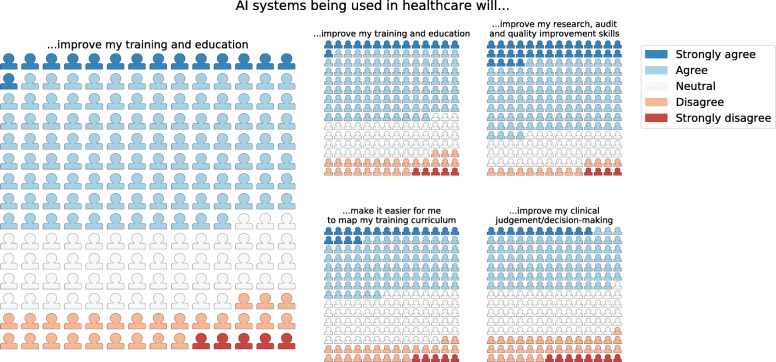
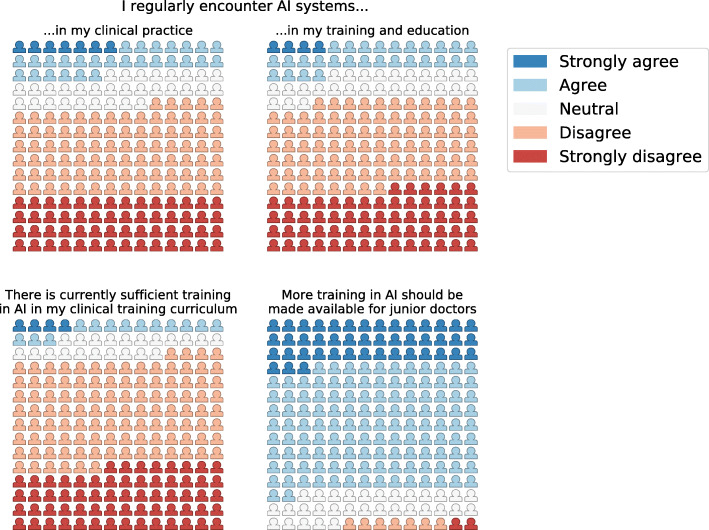
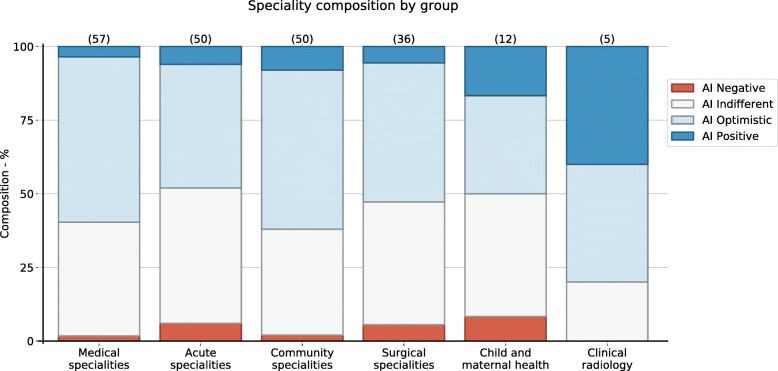
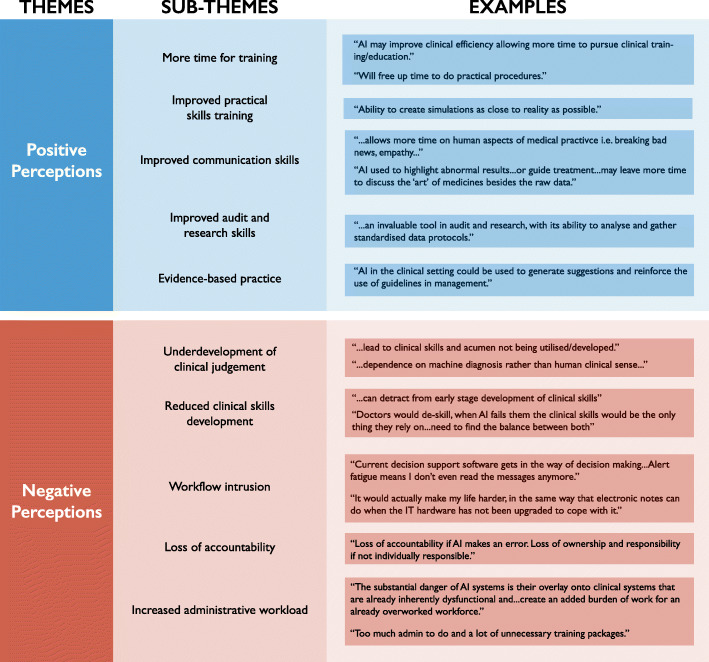
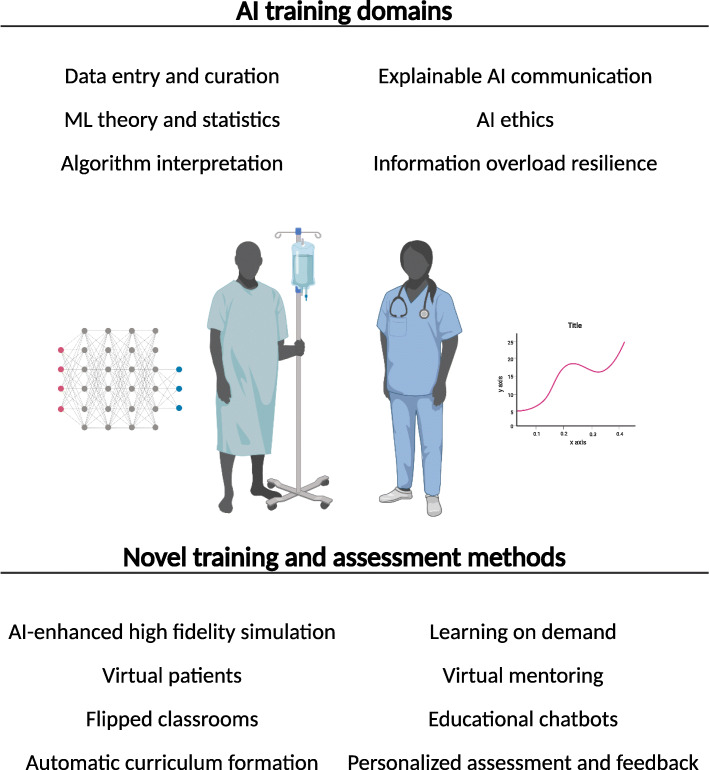
BACKGROUND: Artificial intelligence (AI) technologies are increasingly used in clinical practice. Although there is robust evidence that AI innovations can improve patient care, reduce clinicians' workload and increase efficiency, their impact on medical training and education remains unclear. METHODS: A survey of trainee doctors' perceived impact of AI technologies on clinical training and education was conducted at UK NHS postgraduate centers in London between October and December 2020. Impact assessment mirrored domains in training curricula such as 'clinical judgement', 'practical skills' and 'research and quality improvement skills'. Significance between Likert-type data was analysed using Fisher's exact test. Response variations between clinical specialities were analysed using k-modes clustering. Free-text responses were analysed by thematic analysis. RESULTS: Two hundred ten doctors responded to the survey (response rate 72%). The majority (58%) perceived an overall positive impact of AI technologies on their training and education. Respondents agreed that AI would reduce clinical workload (62%) and improve research and audit training (68%). Trainees were skeptical that it would improve clinical judgement (46% agree, p = 0.12) and practical skills training (32% agree, p < 0.01). The majority reported insufficient AI training in their current curricula (92%), and supported having more formal AI training (81%). CONCLUSIONS: Trainee doctors have an overall positive perception of AI technologies' impact on clinical training. There is optimism that it will improve 'research and quality improvement' skills and facilitate 'curriculum mapping'. There is skepticism that it may reduce educational opportunities to develop 'clinical judgement' and 'practical skills'. Medical educators should be mindful that these domains are protected as AI develops. We recommend that 'Applied AI' topics are formalized in curricula and digital technologies leveraged to deliver clinical education.
Overview
The claims and statistics of this paper haven’t been checked yet.
Free: it reads the open-access text and checks the first 5 claims that cite a source we can check. Create a free account to check every claim.
Integrity signals
Registry
Cites
Statistics
Figures
Verification
Claims the paper makes
The claims and statistics of this paper haven’t been checked yet.
Free: it reads the open-access text and checks the first 5 claims that cite a source we can check. Create a free account to check every claim.
Claims other papers make about this one
Each is checked against this paper’s own text: does it say what the citing paper says it does?
The source backs part of the claim, not all of it — or backs it for a different population, condition or comparison.
In the citing paper
“Surveys indicate strong backing for AI literacy training, with 81% of UK physicians4 and 63% of Canadian medical students recognizing its importance12, while an overwhelming 93.8% of students in Turkey support structured AI education, particularly in the domains of knowledge, applications, and ethics13.”
From Developing a Canadian artificial intelligence medical curriculum using a Delphi study (2024) · cites this paper as [4]
Experimental — accuracy not yet measuredThe source backs part of the claim, not all of it — or backs it for a different population, condition or comparison.
In the citing paper
“Studies show that students support this idea [40, 41].”
From Medical, dental, and nursing students’ attitudes and knowledge towards artificial intelligence: a systematic review and meta-analysis (2024) · cites this paper as [40]
Experimental — accuracy not yet measuredThe cited source says what the claim attributes to it.
In the citing paper
“Few structured programs thoroughly address both the practical and ethical dimensions of AI in medicine3–10.”
From Developing a Canadian artificial intelligence medical curriculum using a Delphi study (2024) · cites this paper as [4]
The cited source says what the claim attributes to it.
In the citing paper
“However, despite these advancements, the adoption of AI curricular elements in medical education has lagged4.”
From Developing a Canadian artificial intelligence medical curriculum using a Delphi study (2024) · cites this paper as [4]
The cited source says what the claim attributes to it.
In the citing paper
“Banerjee et al. and Teng et al., reporting that 81% of physicians and 63·36% of medical students, respectively, support fundamental AI literacy training [7,8].”
From An evidence-based approach to artificial intelligence education for medical students: A systematic review (2023) · cites this paper as [7]
5 more claims about this paper
Create a free account to see every claim other papers make about this one.
Self-check
Percentages, sums and reported differences re-computed from the paper’s own numbers.
The self-check needs the paper’s full text.
Citations
Cites
Using thematic analysis in psychology
Braun, V., & Clarke, V. (2006) · Qualitative Research in Psychology · doi:10.1191/1478088706qp063oa · Cited by 194,414 · cited 1×
“Free-text responses were analysed using thematic analysis [22].”
Dermatologist-level classification of skin cancer with deep neural networks
Esteva, A., Kuprel, B., Novoa, R. A., Ko, J., Swetter, S. M., Blau, H. M., & Thrun, S. (2017) · Nature · doi:10.1038/nature21056 · Cited by 14,362 · cited 1×
“Although there is an abundance of evidence supporting the safety, accuracy, cost and workflow benefits of AI technologies in healthcare [5 – 7], there is limited research investigating the impact of AI on medical education [8, 9], the new skills required, and in particular the perceptions of…”
BackgroundHigh-performance medicine: the convergence of human and artificial intelligence
Topol, E. J. (2019) · Nature Medicine · doi:10.1038/s41591-018-0300-7 · Cited by 10,450 · cited 1×
“The healthcare sector is undergoing a digital revolution [1], with a wide range of artificial intelligence (AI) innovations increasingly encountered in routine clinical practice [2].”
BackgroundA guide to deep learning in healthcare
Esteva, A., Robicquet, A., Ramsundar, B., Kuleshov, V., DePristo, M., Chou, K., Cui, C., Corrado, G., Thrun, S., & Dean, J. (2019) · Nature Medicine · doi:10.1038/s41591-018-0316-z · Cited by 5,312 · cited 1×
“Computer vision algorithms can detect lesions from radiological scans, make measurements, and pick-up incidental findings, saving time and reducing error [13, 14].”
BackgroundExtensions to the k-Means Algorithm for Clustering Large Data Sets with Categorical Values
Huang, Z. (1998) · Data Mining and Knowledge Discovery · doi:10.1023/a:1009769707641 · Cited by 2,505 · cited 1×
“K-modes clustering was used to identify key groups of responses to the Likert-type statements [21].”
MethodArdila, D., Kiraly, A. P., Bharadwaj, S., Choi, B., Reicher, J. J., Peng, L., Tse, D., Etemadi, M., Ye, W., Corrado, G., et al. (2019) · Nature Medicine · doi:10.1038/s41591-019-0447-x · Cited by 2,167 · cited 1×
“Radiology has experienced the most AI advances in clinical practice already [27, 28] so Radiology trainees are most likely to already first-hand experience of AI ’ s impact on their training.”
BackgroundRajpurkar, P., Irvin, J., Ball, R. L., Zhu, K., Yang, B., Mehta, H., Duan, T., Ding, D., Bagul, A., Langlotz, C. P., et al. (2018) · PLOS Medicine · doi:10.1371/journal.pmed.1002686 · Cited by 1,449 · cited 1×
“Radiology has experienced the most AI advances in clinical practice already [27, 28] so Radiology trainees are most likely to already first-hand experience of AI ’ s impact on their training.”
BackgroundEthical and legal challenges of artificial intelligence-driven healthcare
Gerke, S., Minssen, T., & Cohen, G. (2020) · Artificial Intelligence in Healthcare · doi:10.1016/b978-0-12-818438-7.00012-5 · Cited by 1,170
Nagendran, M., Chen, Y., Lovejoy, C. A., Gordon, A. C., Komorowski, M., Harvey, H., Topol, E. J., Ioannidis, J. P. A., Collins, G. S., & Maruthappu, M. (2020) · BMJ · doi:10.1136/bmj.m689 · Cited by 1,152 · cited 1×
“Common pitfalls include over-optimistic conclusions from ‘ human versus clinician ’ studies that are usually retrospective and prone to bias [32], lack of standardized benchmarks and no universally accepted AI evaluation metrics [33].”
BackgroundA clinically applicable approach to continuous prediction of future acute kidney injury
Tomašev, N., Glorot, X., Rae, J. W., Zielinski, M., Askham, H., Saraiva, A., Mottram, A., Meyer, C., Ravuri, S., Protsyuk, I., et al. (2019) · Nature · doi:10.1038/s41586-019-1390-1 · Cited by 1,086 · cited 1×
“For example, decision support systems can triage patients, suggest diagnoses and alert test re-sults by analysing data faster and more accurately than clinicians [6, 10].”
Background
Research works printed but not linked: 2
- (2) [cited 2021 Jan 10] Available from: https://www.ncbi.nlm.nih.gov/pmc/articles/PMC6918207/.
- (6) [cited 2021 May 26] Available from: https://www.ncbi.nlm.nih.gov/pmc/articles/PMC7334754/.
Cited by
Chiu, T. K. F., Xia, Q., Zhou, X., Chai, C. S., & Cheng, M. (2023) · Computers and Education: Artificial Intelligence · doi:10.1016/j.caeai.2022.100118 · Cited by 1,181
Redefining Radiology: A Review of Artificial Intelligence Integration in Medical Imaging
Najjar, R. (2023) · Diagnostics · doi:10.3390/diagnostics13172760 · Cited by 886
A scoping review of artificial intelligence in medical education: BEME Guide No. 84
Gordon, M., Daniel, M., Ajiboye, A., Uraiby, H., Xu, N. Y., Bartlett, R., Hanson, J., Haas, M., Spadafore, M., Grafton-Clarke, C., et al. (2024) · Medical Teacher · doi:10.1080/0142159x.2024.2314198 · Cited by 679
Wang, C., Chen, X., Yu, T., Liu, Y., & Jing, Y. (2024) · Humanities and Social Sciences Communications · doi:10.1057/s41599-024-02717-y · Cited by 255
AI-Driven Clinical Decision Support Systems: An Ongoing Pursuit of Potential
Elhaddad, M., & Hamam, S. (2024) · Cureus · doi:10.7759/cureus.57728 · Cited by 301
“This aligns with the need for continuous learning programs, hands-on workshops, and interdisciplinary collaborations to empower clinicians to harness the full capabilities of AI-CDSS and leverage them to improve patient care outcomes [30].”
BackgroundMousavi Baigi, S. F., Sarbaz, M., Ghaddaripouri, K., Ghaddaripouri, M., Mousavi, A. S., & Kimiafar, K. (2023) · Health Science Reports · doi:10.1002/hsr2.1138 · Cited by 255
“35 In a separate study by Santos et al., most participants agreed that AI would revolutionize and improve radiology (77% and 86%), but they disagreed (83”
BackgroundInfluentialArtificial intelligence in educational leadership: a comprehensive taxonomy and future directions
Sposato, M. (2025) · International Journal of Educational Technology in Higher Education · doi:10.1186/s41239-025-00517-1 · Cited by 271
“Such programs could help leaders develop a well-rounded understanding of AI’s potential and challenges, enabling them to make informed decisions about AI adoption and implementation (Banerjee et al., 2021).”
Vo, V., Chen, G., Aquino, Y. S. J., Carter, S. M., Do, Q. N., & Woode, M. E. (2023) · Social Science & Medicine · doi:10.1016/j.socscimed.2023.116357 · Cited by 154
Amiri, H., Peiravi, S., rezazadeh shojaee, S. S., Rouhparvarzamin, M., Nateghi, M. N., Etemadi, M. H., ShojaeiBaghini, M., Musaie, F., Anvari, M. H., & Asadi Anar, M. (2024) · BMC Medical Education · doi:10.1186/s12909-024-05406-1 · Cited by 149
“Studies show that students support this idea [40, 41].”
BackgroundNatali, C., Marconi, L., Dias Duran, L. D., & Cabitza, F. (2025) · Artificial Intelligence Review · doi:10.1007/s10462-025-11352-1 · Cited by 143
“Banerjee et al. ( 2021 ) performed a survey of trainee doctors’ perceived impact of AI technologies on clinical training and education at UK NHS postgraduate centers in London in 2020: the respondents expressed mixed perceptions of AI’s impact on their training, with concerns about reduced…”
Large language models for generating medical examinations: systematic review
Artsi, Y., Sorin, V., Konen, E., Glicksberg, B. S., Nadkarni, G., & Klang, E. (2024) · BMC Medical Education · doi:10.1186/s12909-024-05239-y · Cited by 128
The Role of Artificial Intelligence in Medical Education: A Systematic Review
Tozsin, A., Ucmak, H., Soyturk, S., Aydin, A., Gozen, A. S., Fahim, M. A., Güven, S., & Ahmed, K. (2024) · Surgical Innovation · doi:10.1177/15533506241248239 · Cited by 79
Abouammoh, N., Alhasan, K., Aljamaan, F., Raina, R., Malki, K. H., Altamimi, I., Muaygil, R., Wahabi, H., Jamal, A., Alhaboob, A., et al. (2025) · JMIR Medical Education · doi:10.2196/63400 · Cited by 47
“Banerjee et al [11] reported that postgraduate trainee doctors have an overall positive perception of the impact of AI on clinical training; however, they found that AI will eventually reduce the trainees’ clinical judgment and practical skills.”
Equity within AI systems: What can health leaders expect?
Gurevich, E., El Hassan, B., & El Morr, C. (2023) · Healthcare Management Forum · doi:10.1177/08404704221125368 · Cited by 97
Li, X., Jiang, M. Y.-C., Jong, M. S.-Y., Zhang, X., & Chai, C.-S. (2022) · International Journal of Environmental Research and Public Health · doi:10.3390/ijerph19148733 · Cited by 87
“For example, there is research pinpointing that AI might reduce educational opportunities to develop “clinical judgement” and “practical skills” of trainee doctors [13].”
BackgroundMarengo, A., Pagano, A., Pange, J., & Soomro, K. A. (2024) · Interactive Technology and Smart Education · doi:10.1108/itse-11-2023-0218 · Cited by 60
Choudhury, A., & Asan, O. (2022) · Human Factors in Healthcare · doi:10.1016/j.hfh.2022.100021 · Cited by 88
Reinforcement Learning in Education: A Literature Review
Mon, B. F., Wasfi, A., Hayajneh, M., Slim, A., & Ali, N. A. A. (2023) · Informatics · doi:10.3390/informatics10030074 · Cited by 134
The importance of resource awareness in artificial intelligence for healthcare
Jia, Z., Chen, J., Xu, X., Kheir, J., Hu, J., Xiao, H., Peng, S., Hu, X. S., Chen, D., & Shi, Y. (2023) · Nature Machine Intelligence · doi:10.1038/s42256-023-00670-0 · Cited by 86
“The adoption of AI/ML models in healthcare has substantially reduced labour costs and freed doctors from tedious manual work 8 .”
MethodThe impact of artificial intelligence on research efficiency
Madanchian, M., & Taherdoost, H. (2025) · Results in Engineering · doi:10.1016/j.rineng.2025.104743 · Cited by 107
Shishehgar, S., Murray‐Parahi, P., Alsharaydeh, E., Mills, S., & Liu, X. (2025) · International Nursing Review · doi:10.1111/inr.70045 · Cited by 133
“Pilot studies have shown positive outcomes of AI integration in medical training programmes, including the perception of impact, increased efficiency, and reduced clinician workload (Banerjee et al. 2021).”
Digital Education for the Deployment of Artificial Intelligence in Health Care
Malerbi, F. K., Nakayama, L. F., Gayle Dychiao, R., Zago Ribeiro, L., Villanueva, C., Celi, L. A., & Regatieri, C. V. (2023) · Journal of Medical Internet Research · doi:10.2196/43333 · Cited by 72
“Since medical training curricula are already saturated, practical training in “Applied AI” has been proposed as a feasible approach to saving time [19].”
Pupic, N., Ghaffari-zadeh, A., Hu, R., Singla, R., Darras, K., Karwowska, A., & Forster, B. B. (2023) · PLOS Digital Health · doi:10.1371/journal.pdig.0000255 · Cited by 79
Alejandro, I. M. V., Sanchez, J. M. P., Sumalinog, G. G., Mananay, J. A., Goles, C. E., & Fernandez, C. B. (2024) · STEM Education · doi:10.3934/steme.2024024 · Cited by 88
Artificial intelligence and machine learning for clinical pharmacology
Ryan, D. K., Maclean, R., Balston, A. J., Scourfield, A., Shah, A. D., & Ross, J. (2023) · British Journal of Clinical Pharmacology · doi:10.1111/bcp.15930 · Cited by 80
Self-citationExpectations for Artificial Intelligence (AI) in Psychiatry
Monteith, S., Glenn, T., Geddes, J., Whybrow, P. C., Achtyes, E., & Bauer, M. (2022) · Current Psychiatry Reports · doi:10.1007/s11920-022-01378-5 · Cited by 55
“A survey of 210 postgraduate trainee physicians in the UK rated the current level of AI training as insufficient [125].”
BackgroundChow, M., & Ng, O. (2025) · Medical Teacher · doi:10.1080/0142159x.2025.2488353 · Cited by 61
Arvai, N., Katonai, G., & Mesko, B. (2025) · Journal of Medical Internet Research · doi:10.2196/66986 · Cited by 57
“HCPs worry about losing control to AI, leading to deskilling and overreliance on technology [16,17].”
InfluentialDeveloping a Canadian artificial intelligence medical curriculum using a Delphi study
Singla, R., Pupic, N., Ghaffarizadeh, S.-A., Kim, C., Hu, R., Forster, B. B., & Hacihaliloglu, I. (2024) · npj Digital Medicine · doi:10.1038/s41746-024-01307-1 · Cited by 56
Shinners, L., Aggar, C., Stephens, A. S., & Grace, S. (2023) · Australian Journal of Rural Health · doi:10.1111/ajr.13045 · Cited by 61
Bolgova, O., Ganguly, P. K., & Mavrych, V. (2025) · Anatomical Sciences Education · doi:10.1002/ase.70044 · Cited by 47
“12,13 Students increasingly expect technology integrations to assist in their learning processes.”
Abouammoh, N., Alhasan, K., Raina, R., Malki, K. A., Aljamaan, F., Tamimi, I., Muaygil, R., Wahabi, H., Jamal, A., Al-Tawfiq, J. A., et al. (2023) · doi:10.1101/2023.07.13.23292624 · Cited by 44
“However, they found that AI will eventually reduce the trainees’ skills in ‘clinical judgement’ and ‘practical skills’(7).”
BackgroundDaniyal, M., Qureshi, M., Marzo, R. R., Aljuaid, M. M., & Shahid, D. (2024) · BMC Health Services Research · doi:10.1186/s12913-024-10928-x · Cited by 50
Agrawal, A., Khatri, G. D., Khurana, B., Sodickson, A. D., Liang, Y., & Dreizin, D. (2023) · Emergency Radiology · doi:10.1007/s10140-023-02121-0 · Cited by 41
Applications of Artificial Intelligence in Psychiatry and Psychology Education: Scoping Review
Prégent, J., Chung, V.-H.-A., Adib, I. E., Désilets, M., & Hudon, A. (2025) · JMIR Medical Education · doi:10.2196/75238 · Cited by 45
“In clinical training contexts, AI is seen as a time-saving facilitator, capable of reducing administrative burdens, such as documentation, and allowing learners to focus on clinical reasoning and decision-making [29].”
InfluentialTransforming Nursing Education with Artificial Intelligence: A Systematic Review (2010–2025)
Alrazeeni, D. M., Alharrasi, M., Rony, M. K. K., Biswas, R. K., Tama, I. J., Halder, C. R., Deb, B., Bashar, F., & Akter, F. (2026) · SAGE Open Nursing · doi:10.1177/23779608261424597 · Cited by 47
“AI-based chatbots handle common administrative inquiries, improving responsiveness and reducing staff workload (Abou Hashish & Alnajjar, 2024; Banerjee et al., 2021).”
Students' perception of the use of artificial intelligence (AI) in pharmacy school
Knobloch, J., Cozart, K., Halford, Z., Hilaire, M. L., Richter, L. M., & Arnoldi, J. D. (2024) · Currents in Pharmacy Teaching and Learning · doi:10.1016/j.cptl.2024.102181 · Cited by 38
Saatçi, G., Korkut, S., & Ünsal, A. (2024) · Nurse Education in Practice · doi:10.1016/j.nepr.2024.104186 · Cited by 40
Blease, C., Hagström, J., Sanchez, C. G., Kharko, A., McMillan, B., Gaab, J., Brulin, E., Locher, C., Hägglund, M., Riggare, S. S., et al. (2025) · Digital Health · doi:10.1177/20552076251394287 · Cited by 43
“31 In light of these fi ndings, the Medical Schools Council has stressed that it is essential for medical students to be taught how to use arti fi cial intelligence (AI) as part of their training and has developed a set of proposed learning competencies for this purpose.”
Promises, Pitfalls, and Clinical Applications of Artificial Intelligence in Pediatrics
Bhargava, H., Salomon, C., Suresh, S., Chang, A. C., Kilian, R., van Stijn, D., Oriol, A., Low, D. H., Knebel, A., & Taraman, S. (2024) · Journal of Medical Internet Research · doi:10.2196/49022 · Cited by 41
“This has left both students and practicing clinicians with knowledge and confidence gaps regarding the application of AI in clinical practice [47-49].”
Agharia, S., Szatkowski, J., Fraval, A., Stevens, J. M., & Zhou, Y. (2023) · Journal of Orthopaedics · doi:10.1016/j.jor.2023.11.063 · Cited by 33
Pengaruh Artificial Intelligence Tools terhadap Motivasi Belajar Siswa Ditinjau dari Teori Rogers
Naila, I., Atmoko, A., Dewi, R. S. I., & Kusumajanti, W. (2023) · At-Thullab Jurnal Pendidikan Guru Madrasah Ibtidaiyah · doi:10.30736/atl.v7i2.1774 · Cited by 74
“Banerjee et al. (2021) menemukan bahwa guru percaya bahwa AI dapat dimanfaatkan secara efektif untuk membantu siswa menerima dukungan yang dipersonalisasi tepat pada waktunya.”
BackgroundAlwadani, F., Lone, A., Hakami, M., Moria, A., Alamer, W., Alghirash, R., Alnawah, A., & Hadadi, A. (2024) · Journal of Multidisciplinary Healthcare · doi:10.2147/jmdh.s455260 · Cited by 30
Chai, S. Y., Hayat, A., & Flaherty, G. T. (2022) · British Journal of Haematology · doi:10.1111/bjh.18343 · Cited by 35
How should we train clinicians for artificial intelligence in healthcare?
Misra, R., Keane, P. A., & Hogg, H. D. J. (2024) · Future Healthcare Journal · doi:10.1016/j.fhj.2024.100162 · Cited by 29
Potential risks of GenAI on medical education
Hough, J., Culley, N., Erganian, C., & Alahdab, F. (2025) · BMJ Evidence-Based Medicine · doi:10.1136/bmjebm-2025-114339 · Cited by 29
Biasetton, N., Disegna, M., Barzizza, E., & Salmaso, L. (2022) · Expert Systems with Applications · doi:10.1016/j.eswa.2022.118893 · Cited by 28
Seneviratne, T., Kodikara, K. G., Abeykoon, I., & Palpola, W. (2025) · JMIR Medical Education · doi:10.2196/73798 · Cited by 34
“Another study revealed that the educators were concerned about students’ self-reli-ance on AI applications at the cost of traditional teaching methods, which might deprive them of skills best learned in person or group teaching [61].”
Ali, M., Rehman, S., & Cheema, E. U. (2025) · International Journal of Clinical Pharmacy · doi:10.1007/s11096-025-01876-5 · Cited by 28
“It is believed that AI tools that simulate clinical environments can reduce OSCE-related anxiety, boosting students’ confidence and performance [7].”
Perceptions of Canadian vascular surgeons toward artificial intelligence and machine learning
Li, B., de Mestral, C., Mamdani, M., & Al-Omran, M. A. (2022) · Journal of Vascular Surgery Cases and Innovative Techniques · doi:10.1016/j.jvscit.2022.06.018 · Cited by 23
Genovese, A., Borna, S., Gomez-Cabello, C. A., Haider, S. A., Prabha, S., Trabilsy, M., & Forte, A. J. (2025) · Journal of Surgical Education · doi:10.1016/j.jsurg.2025.103519 · Cited by 21
An Introduction to Artificial Intelligence in Developmental and Behavioral Pediatrics
Aylward, B. S., Abbas, H., Taraman, S., Salomon, C., Gal‐Szabo, D. E., Kraft, C. A., Ehwerhemuepha, L., Chang, A. C., & Wall, D. P. (2022) · Journal of Developmental & Behavioral Pediatrics · doi:10.1097/dbp.0000000000001149 · Cited by 29
“11 – 13 A number of preliminary frameworks for integrating AI curriculum into medical training have been proposed 3,5,51 ; however, additional research is urgently required to develop and then integrate standardized AI content into medical training pathways.”
BackgroundSilkens, M., Ross, J., Hall, M., Scarbrough, H., & Rockall, A. (2023) · Clinical Radiology · doi:10.1016/j.crad.2022.09.132 · Cited by 20
Self-citationBasnawi, A. M., & Koshak, A. K. A. (2024) · Emergency Care and Medicine · doi:10.3390/ecm1030026 · Cited by 23
Fitzek, S., & Choi, K.-E. A. (2024) · BMC Medical Education · doi:10.1186/s12909-024-05826-z · Cited by 18
“Similar to observations in Canada, the UK, and the US, our study identifies prevalent gaps in formal AI instruction, highlighting a common international challenge in integrating AI into medical education [3, 21, 26].”
ResultImpact of artificial intelligence on academic performance in medical education: A systematic review
Kalantarion, M., Heidari, M., Khajeali, N., Khorrami, Z., & Amini, M. (2025) · Journal of Education and Health Promotion · doi:10.4103/jehp.jehp_2071_23 · Cited by 17
“[34,35] Many current studies show that the use of VR simulators is related to performance in the real environment, but it cannot be denied that robot‑assisted surgery in the simulated environment is completely similar to the real environment, and this is a limitation.”
York, T. J., Raj, S., Ashdown, T., & Jones, G. G. (2023) · BMC Medical Education · doi:10.1186/s12909-022-03976-6 · Cited by 16
“Research has also indicated that UK doctors may possess a more positive perception of AI technologies than their global peers [42].”
BackgroundBalay‐odao, E. M., Omirzakova, D., Bolla, S. R., Almazan, J. U., & Cruz, J. P. (2024) · AI & Society · doi:10.1007/s00146-024-01957-5 · Cited by 19
“The AI systems integration has the potential to cultivate a culture of error prevention, harmonizing with the healthcare organization focusing on quality improvement and patient well-being (Pillai et al. 2019; Banerjee et al. 2021).”
InfluentialEthics, and the Future of Education in an AI-Driven World
Khine, M. S. (2024) · Springer eBooks · doi:10.1007/978-981-97-9350-1_6 · Cited by 19
Levingston, H., Anderson, M. C., & Roni, M. A. (2024) · Cureus · doi:10.7759/cureus.70706 · Cited by 18
Empowering brain cancer diagnosis: harnessing artificial intelligence for advanced imaging insights
Al-Kadi, O. S., Al-Emaryeen, R., Al-Nahhas, S., Almallahi, I., Braik, R., & Mahafza, W. S. (2024) · Reviews in the Neurosciences · doi:10.1515/revneuro-2023-0115 · Cited by 16
Wagner, G., Ringeval, M., Raymond, L., & Paré, G. (2025) · Medical Education Online · doi:10.1080/10872981.2025.2459910 · Cited by 13
Chen, C. (2025) · Journal of Computers in Education · doi:10.1007/s40692-025-00372-z · Cited by 12
“…the capacity to recognize and navigate ethical issues—such as privacy, fairness, and transparency—that arise from the use of AI in education (Banerjee et al., 2021; Wang et al., 2023), making it imperative for pre-service teachers to cultivate a sensitivity to these concerns and adhere to…”
Alsahafi, Z., & Baashar, A. (2025) · Cureus · doi:10.7759/cureus.83437 · Cited by 18
“Several survey-based studies have highlighted a diverse range of both positive [48,49,50,51,52,53,54,55,56,57,58] and negative [59,60] attitudes toward AI, reflecting the varied perspectives that healthcare students have about AI technology.”
Exploring doctors’ perspectives on generative-AI and diagnostic-decision-support systems
Esnaashari, S., Hashem, Y., Francis, J., Morgan, D., Poletaev, A., & Bright, J. (2025) · BMJ Health & Care Informatics · doi:10.1136/bmjhci-2024-101371 · Cited by 13
“3 Similarly, a qualitative study conducted with both clinical and non-clinical National Health Service i staff showed prevalent enthu-siasm around AI’s potential to better facilitate patients’ access to care.”
Solmonovich, R. L., Kouba, I., Lee, J. Y., Demertzis, K. H., & Blitz, M. J. (2025) · PLoS ONE · doi:10.1371/journal.pone.0320749 · Cited by 12
“[14] The small survey by Spotnitz concluded that practicing clinicians, roles were not specified, were encouraging of using LLMs, especially in assistive roles, but there is need for human oversight.”
Proposed applications of machine learning to intraoperative neuromonitoring during spine surgeries
Wilson, J. P., Kumbhare, D., Kandregula, S., Oderhowho, A. A., Guthikonda, B., & Hoang, S. (2023) · Neuroscience Informatics · doi:10.1016/j.neuri.2023.100143 · Cited by 12
Başar, E. E., & Kes-Erkul, A. (2024) · Bezmialem Science · doi:10.14235/bas.galenos.2024.26879 · Cited by 12
Ahmad, N., Chakraborty, H., & Sinha, R. (2024) · Cogent Education · doi:10.1080/2331186x.2024.2396704 · Cited by 13
“The need for incorporating AI-specific ethics in medical curricula was felt by some authors (Banerjee et al., 2021).”
Obiekwe, S. J., Omaga, I. B., Ukadike, M. M., Edeh, G. C., Iheanyi, C. E., Anisiobi, P. U., Favour, C. B., Ogenyi, S. I., & Obi, E. (2024) · Apollo Medicine · doi:10.1177/09760016241287301 · Cited by 9
“[22] The lack of human touch and empathy, data privacy, and security, as well as the reliability and accuracy of AI, were among the major concerns reported by this population and reflect a significant concern among this population.”
Alshebani, M. M., Alanazi, M. Q., Alanazi, A. E., Almotlaq, M. A., ALdawsari, F. M., Almeshari, A. M., & Nofal, A. (2023) · The Journal of Medicine Law & Public Health · doi:10.52609/jmlph.v4i1.98 · Cited by 9
Alrashed, F. A., Ahmad, T., Alsabih, A. O., Mahmoud, S., Almurdi, M. M., & Abdulghani, H. M. (2025) · Healthcare · doi:10.3390/healthcare13182377 · Cited by 10
“Previous research has identified that confidence in new technologies is often influenced by training, experience, and perceived ease of use [27,35–38].”
Xie, H., Dai, X., Xie, J., Lei, S., Zeng, J., Yang, J., & Zhou, Y. (2025) · Journal of Multidisciplinary Healthcare · doi:10.2147/jmdh.s538723 · Cited by 8
“28 Therefore, this study concludes that a standardised training system must be formulated.”
AI in UK Medical Education: A Framework for Curriculum Reform
Gaur, A., Shah, M. H., Rao, M. S., Tan, J. K., Fuad, M., Bhatti, T., Bharadwaj, H. R., & Ahmed, K. A. H. M. (2026) · JMIR Medical Education · doi:10.2196/81953 · Cited by 8
“This shortfall extends into postgraduate training: in another UK-based survey, 92% (193/210) of trainees felt that AI training in their current curricula was insufficient, and 81% (170/210) of trainees emphasized the necessity of formal AI education [6].”
Implications of Leveraging AI in Students’ Academic Writing: A Review Analysis
Tumiran, M. A., Mohammad, N., & Bahri, S. (2024) · Malaysian Journal of Social Sciences and Humanities (MJSSH) · doi:10.47405/mjssh.v9i8.2954 · Cited by 8
“Integrating AI in education may require overcoming barriers such as managing workloads, mapping programs of study, and ensuring they are compatible with pedagogic goals (Banerjee et al., 2021).”
BackgroundFrom Anatomy to Algorithm: Scope of AI-Assisted Diagnostic Competencies in Health Sciences Education
Galdames, I. S. (2024) · International Journal of Medical and Surgical Sciences · doi:10.32457/ijmss.v11i3.2818 · Cited by 10
Mukunya, D., Nantale, R., Paungholi, K., Epuitai, J., Kayemba, F., Jemba, B., Ajalo, E., Afodun, A. M., Musaba, M. W., Munabi, I. G., et al. (2025) · BMC Medical Education · doi:10.1186/s12909-025-07933-x · Cited by 7
“Consistent with previous studies [13–15], our study noted that AI was a supportive tool for teaching, learning, and assessment; enhanced performance and efficiency, reduced workload, and is user-friendly.”
Ji, Z., Jiang, Y., Sun, H., Qiu, B., Chen, Y., Li, M., Fan, J., & Wang, J. (2024) · BMC Medical Education · doi:10.1186/s12909-024-06217-0 · Cited by 6
“In recent years, emerging technologies like artificial intelligence (AI), 3D printing, and digital imaging have been increasingly applied in medical education to enhance training efficiency and outcomes [2–4].”
Yang, C., Chen, Y., Qian, C., Shi, F., & Guo, Y. (2025) · Frontiers in Medicine · doi:10.3389/fmed.2025.1461863 · Cited by 10
“In response, providing technical training and psychological support (41), and establishing effective feedback and improvement mechanisms are essential steps (42, 43).”
Understanding and Use of Artificial Intelligence Among Doctors in a University Hospital in Morocco
Berrami, H., Serhier, Z., Jallal, M., & Othmani, M. B. (2023) · Studies in health technology and informatics · doi:10.3233/shti230781 · Cited by 10
de Souza, L. A., & Costa, H. G. (2023) · Pesquisa Operacional · doi:10.1590/0101-7438.2023.043.00276911 · Cited by 6
Sabqat, M., Khan, R. A., Jawaid, M., & Sajjad, M. (2025) · Pakistan Journal of Medical Sciences · doi:10.12669/pjms.41.3.11224 · Cited by 6
“14 Furthermore, the ability of chatbots to analyze large amounts of data can enable them to identify patterns and trends that may be difficult to detect manually.”
Zhang, M., Liu, T., Peng, X., Chen, Y., & Zhi, M. (2025) · Cureus · doi:10.7759/cureus.89425 · Cited by 6
“In the UK, a significant 92% of medical residents reported a lack of AI training in their curriculum and expressed a need for such education [8].”
Almehmadi, B., Bakhsh, T. M., Elahi, I. N., & Hariri, N. H. (2025) · Cureus · doi:10.7759/cureus.89741 · Cited by 10
“Research indicates that AI may diminish training possibilities for the development of "clinical judgment" and "practical skills" among student doctors [26].”
AI Integration in Spanish Undergraduate Medical Education: National Cross-Sectional Study
Janeiro, A. E., Pereira, K. P., Mayol, J., Crespo, J., Carballo, F., Cabello, J. B., Ramos-Casals, M., Corbacho, B. P., & Turnés, J. (2026) · JMIR Medical Education · doi:10.2196/88511 · Cited by 5
“In Europe, countries including Germany, Belgium, and the United Kingdom have launched pilot programs to assess essential AI competencies and develop adapted curricular frameworks [22-24].”
Krogh, M., Jensen, M. B., Jensen, M. S. A., Hentze, M., Nielsen, M. G., Vorum, H., & Kristensen, J. K. (2024) · Scandinavian Journal of Primary Health Care · doi:10.1080/02813432.2024.2396873 · Cited by 5
AI-Powered Simulation for Nursing Education: Mixed Methods Systematic Review
Jiang, H., Wang, Z., Shen, W., Meng, M., Yang, D., Li, X., & Hao, Y. (2026) · Journal of Medical Internet Research · doi:10.2196/95167 · Cited by 4
“Early applications have demonstrated promise in medical education, including surgical training, diagnostic reasoning, and patient communication skills development [17,18].”
El‐Kassas, M., Khalifa, R., Medhat, M. A., Yilmaz, Y. N., Tumi, A., Labidi, A., Almattooq, M., Sanai, F. M., Elbadry, M., Mohammed, M. O., et al. (2025) · Frontiers in Medicine · doi:10.3389/fmed.2025.1630831 · Cited by 5
Exploring the digital competencies of clinical educators: a framework-based qualitative study
Saad, S., Ahmed, S., Khan, M. N. A., & Khan, M. I. (2025) · BMC Medical Education · doi:10.1186/s12909-025-08389-9 · Cited by 6
“…to the study done by Maya Banerjee et al. in postgraduate trainees in the UK, in which they found that AI does improve ‘research and quality improvement’ skills and facilitate ‘curriculum mapping’, but there was scepticism about its utilization in clinical judgment and clinical skills [29].”
Armstrong, M. E., Bright, P., Glen, S., Marshall, D., & Jones, M. C. (2026) · Clinical Medicine · doi:10.1016/j.clinme.2026.100562 · Cited by 4
Yañez, O. J., Kim, J., Mejia, J. B., Montalvo, F., & Romero, M. D. R. V. (2025) · Revista Española de Educación Médica · doi:10.6018/edumed.633811 · Cited by 7
Ng, I. S. H., Siu, A., Han, C. S. J., Ho, O. S. H., Sun, J., Markiv, A., Knight, S., & Sagoo, M. G. (2025) · Behavioral Sciences · doi:10.3390/bs15091284 · Cited by 4
“While clinical applications of AI, ranging from diagnostic algorithms to decision-support systems, are well-documented (Wartman & Combs, 2017; Banerjee et al., 2021), there is comparatively less empirical work investigating how LLM-powered tools affect the ways medical students acquire and apply…”
Künstliche Intelligenz in der pränatalen kardialen Diagnostik
Weichert, J., Welp, A., Scharf, J. L., Dracopoulos, C., Rody, A., & Gembicki, M. (2021) · Der Gynäkologe · doi:10.1007/s00129-021-04890-6 · Cited by 4
Grimaud, L. M., & Gathu, C. (2024) · JMIR Medical Education · doi:10.2196/57746 · Cited by 5
Sreedharan, J. K., Alharbi, A., Alsomali, A., Gopalakrishnan, G. K., Almojaibel, A. A., Alajmi, R., Albalawi, I., Alnasser, M., Alenezi, M., Alqahtani, A., et al. (2024) · Frontiers in Artificial Intelligence · doi:10.3389/frai.2024.1451963 · Cited by 4
Alqahtani, A., Al-Garni, A. M., & Al-Mohaya, A. Y. (2024) · Research Square · doi:10.21203/rs.3.rs-4150369/v1 · Cited by 4
Mastour, H., Mirzaei, S., Sohrabi, S., & Toofaninejad, E. (2026) · BMC Medical Education · doi:10.1186/s12909-026-09630-9 · Cited by 3
“Radical, rather than incremental, changes in medical education are necessary to bridge this “optimism–competence gap” [16], a need that has even been recognized as a government health policy priority [17].”
Micallef Grimaud, L., & Gathu, C. (2024) · doi:10.2196/preprints.57746 · Cited by 3
Kovoor, J. G., Tyagi, D., Hopkins, A. M., Gorcilov, J., Stretton, B., Gupta, A. K., & Bacchi, S. (2025) · Internal Medicine Journal · doi:10.1111/imj.70007 · Cited by 4
Sudirman, I., Tijjang, B., Machmud, M., Modding, B., Safrida, & Putra, P. (2025) · Jurnal Ilmiah Akuntansi Kesatuan · doi:10.37641/jiakes.v13i2.3344 · Cited by 4
“Effective audits not only safeguard financial integrity but also contribute directly to improving educational quality by ensuring resources are utilized efficiently (Banerjee et al., 2021; Al-Ashwal et al., 2023).”
Metadata
- Authors
- Banerjee, M., Chiew, D., Patel, K. T., Johns, I., Chappell, D., Linton, N., Cole, G. D., Francis, D. P., Szram, J., Ross, J., & Zaman, S.
- Affiliations
- University College London (GB)
- Imperial College London (GB)
- Guy's and St Thomas' NHS Foundation Trust (GB)
- Imperial College Healthcare NHS Trust (GB)
- Royal College of Physicians (GB)
- Corresponding author
- Zaman, Sameer
- Venue
- BMC Medical Education
- Published
- 2021-08-14
- Volume
- 21
- Issue
- 1
- Pages
- 429-429
- ISSN
- 1472-6920 (ISSN-L)
- PMC
- PMC8364021
- OpenAlex
- W3193637582
- Cited by
- 168
- References
- 30
- Citations by year
- 2026: 38 · 2025: 49 · 2024: 48 · 2023: 22 · 2022: 10 · 2021: 1
- FWCI
- 5.90
- Type
- journal article
- Language
- en
- Open access
- gold
- doi.org
- Licence
- cc-by
- creativecommons.org/licenses/by/4.0 (tdm)
- creativecommons.org/licenses/by/4.0 (vor)
- Locations
- BMC Medical Education (publishedVersion, cc-by)
- PubMed Central (publishedVersion, cc-by)
- PubMed (publishedVersion)
- DOAJ (DOAJ: Directory of Open Access Journals) (submittedVersion, cc-by-sa)
- Spiral (Imperial College London) (submittedVersion, other-oa)
- Funders
- National Institute for Health and Care Research (ACF-2018-21-001)
- Engineering and Physical Sciences Research Council (2281183, 2281165)
- Topics
- Health Sciences › Medicine › Health Informatics › Artificial Intelligence in Healthcare and Education
- Social Sciences › Education › Innovations in Medical Education
- Health Sciences › Medicine › Surgery › Surgical Simulation and Training
- Keywords
- artificial intelligence, clinical teaching, graduate medical education, clinical judgment, practical skills training, clinical workload, medical curriculum
- MeSH terms
- Artificial Intelligence, United Kingdom, Humans, London, Perception, Physicians, Surveys and Questionnaires
About these checks
Registry, retraction, Cites and statistics results are computed, not judged, with one exception: a printed reference that no index lists is read once by a model before it counts as a citation error. Claims are extracted by a model and kept only when their quote appears verbatim in the text; each cited source is then checked, with a model’s help, for whether it says what the claim relies on. Those verdicts can be wrong — read the claim’s quote and the cited source before relying on one.
Statistics and arithmetic are recomputed, not judged.
Confidence bands are shown only for fields calibrated on our annotated test set. None is calibrated yet, so no band is shown.
What counts as a claim ›How we measure confidence ›How we check this ›
Are you an author, or do you see a problem with this page? Request a review
Data sources
Bibliographic data: Semantic Scholar, OpenAlex, Crossref.
Contains information from the Semantic Scholar Academic Graph Datasets, made available under the ODC Attribution License (ODC-BY 1.0).
Semantic Scholar’s data is described in: Kinney, R., et al. (2023). The Semantic Scholar Open Data Platform. arXiv:2301.10140.
