

Effective behavioral intervention strategies using mobile health applications for chronic disease management: a systematic review
Open accessThe DOI matches its Crossref record; 33 of the 33 references it cites were found in a registry or an index; 37 of the 62 sources its claims cite were checked for support.
Abstract
BACKGROUND: Mobile health (mHealth) has continuously been used as a method in behavioral research to improve self-management in patients with chronic diseases. However, the evidence of its effectiveness in chronic disease management in the adult population is still lacking. We conducted a systematic review to examine the effectiveness of mHealth interventions on process measures as well as health outcomes in randomized controlled trials (RCTs) to improve chronic disease management. METHODS: Relevant randomized controlled studies that were published between January 2005 and March 2016 were searched in six databases: PubMed, CINAHL, EMBASE, the Cochrane Library, PsycINFO, and Web of Science. The inclusion criteria were RCTs that conducted an intervention using mobile devices such as smartphones or tablets for adult patients with chronic diseases to examine disease management or health promotion. RESULTS: Of the 12 RCTs reviewed, 10 of the mHealth interventions demonstrated statistically significant improvement in some health outcomes. The most common features of mHealth systems used in the reviewed RCTs were real-time or regular basis symptom assessments, pre-programed reminders, or feedbacks tailored specifically to the data provided by participants via mHealth devices. Most studies developed their own mHealth systems including mobile apps. Training of mHealth systems was provided to participants in person or through paper-based instructions. None of the studies reported the relationship between health outcomes and patient engagement levels on the mHealth system. CONCLUSIONS: Findings from mHealth intervention studies for chronic disease management have shown promising aspects, particularly in improving self-management and some health outcomes.
Overview
CoChat Summary
TL;DR
This systematic review of 12 RCTs found that mHealth interventions for adult chronic disease management were often associated with better health outcomes, with 10 of 12 studies showing statistically significant improvement in at least some outcomes. The paper argues the most promising features were real-time or regular symptom monitoring, tailored reminders/feedback, and improved patient–provider communication.
Key findings
- Of the 12 RCTs reviewed, 10 (83.3%) showed statistically significant improvement in some health outcomes; 2 (16.7%) showed similar or no effects versus control.
- The interventions most often used real-time or regular symptom assessment, pre-programmed reminders, and tailored feedback based on participant data.
- Reported benefits included improved physical functioning, medication adherence, symptom evaluation/reporting, self-care/self-management, health-related quality of life, and caregiver communication.
- Reported examples of effect sizes/significance included: HF-related hospital days reduced in one study (RR = 0.38; 95% CI, 0.31–0.46; P < 0.05), fatigue improved in one cancer study (OR = 2.29; 95% CI, 1.04–5.05; P = 0.040), and balance improved in one Parkinson’s disease study (F(2,108) = 3.73, P = 0.04).
Methods
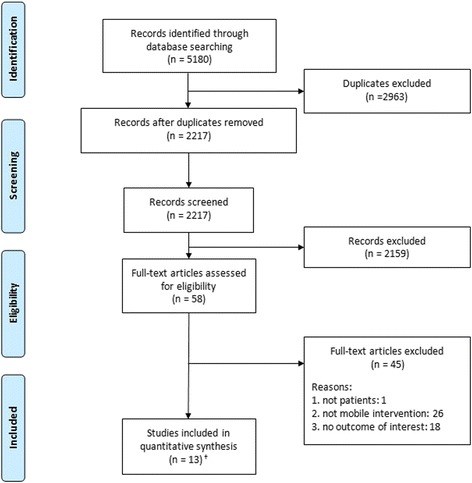
- Systematic review conducted using PRISMA and PICOS; searched PubMed, CINAHL, EMBASE, Cochrane Library, PsycINFO, and Web of Science for peer-reviewed English studies published January 2005 to March 2016.
- Included RCTs of mobile-device interventions (smartphones/tablets) for adults with chronic diseases; the review excluded diabetes management studies, healthy populations, pregnant women, non-adults, healthcare-provider-only apps, qualitative-only studies, usability tests, and studies on psychological outcomes only.
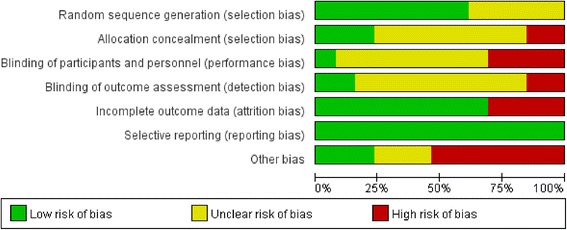
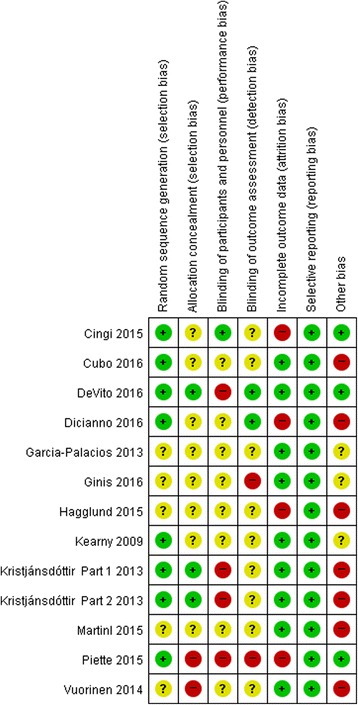
- Risk of bias was assessed with the Cochrane Handbook tool across randomization, allocation concealment, blinding, incomplete data, selective reporting, and other biases.
Limitations
- The paper states it excluded diabetes management studies and provider-only apps, so its conclusions do not cover those areas.
- The paper states that most reviewed studies provided smartphones or tablets, so the findings cannot yet be generalized to people who cannot afford mHealth tools.
- Evident from the text: the review reports that none of the studies reported the relationship between health outcomes and patient engagement levels, and none reported process measures such as adherence, engagement, or satisfaction in the published articles.
Model-written summary. Check it against the paper before relying on it.
Integrity signals
Registry
Cites
Statistics
Figures
Verification
Claims the paper makes
22 Valid · 5 Not valid · 16 Not checked · 37 Own results and interpretations
At least one cited source doesn’t support this claim or points to a different paper, and none confirmed it — see the verdicts below.
In the paper
“but not in the 5-month and 11-month follow-ups (outcome variables including catastrophizing, acceptance, functioning, and symptom level, all P > 0.1).”
§ Effective behavioral intervention strategies using mobile health applications for chronic disease management: a systematic review > Results > Studies reporting significant effects on outcomes
What the sources say
- Disputedcites [22] Kristjansdottir OB Fors EA Eide E Finset A Stensrud TL van Dulmen S A smartphone-based intervention with diaries and therapist-feedback to reduce catastrophizing and increase functioning in women with chronic widespread pain: randomized controlled trial J Med Internet Res 2013 15 1 e5 10.2196/jmir.2249 23291270 PMC3636250 sourceExperimental — accuracy not yet measured
Our copy states the opposite for the 5-month follow-up: the Abstract (Results) reports that between-group effect sizes 'remained moderate for catastrophizing (Cohen's d=0.74, P=.003), acceptance of pain (Cohen's d=0.54, P=.02), and functioning and symptom levels (Cohen's d=0.75, P=.001)', and the Results > Between-Group Analysis likewise reports moderate completer effect sizes on catastrophizing and acceptance at 5-month follow-up plus a moderate FIQ effect. None of these P values approaches the claimed 'all P > 0.1'. Further, the trial's only follow-up assessments were T3 (immediately post-intervention) and T4 (5-month follow-up, i.e., 6 months after discharge) — our copy contains no 11-month follow-up at all (searched: 11-month follow-up, long-term follow-up), so that part of the claim cannot come from this paper. (LLM, conf=0.90)
Checked by a reasoning model — may be wrong.
- Disputedcites [23] Kristjansdottir OB Fors EA Eide E Finset A Stensrud TL van Dulmen S A smartphone-based intervention with diaries and therapist feedback to reduce catastrophizing and increase functioning in women with chronic widespread pain. part 2: 11-month follow-up results of a randomized trial J Med Internet Res 2013 15 3 e72 10.2196/jmir.2442 23538392 PMC3636011 sourceExperimental — accuracy not yet measured
Our copy states the opposite for the 5-month time point: the Abstract (Results) and Discussion both say the favorable BETWEEN-group differences on catastrophizing, acceptance, functioning and symptom level were previously reported post-intervention and AT 5-MONTH FOLLOW-UP, and only became 'no longer evident' at the 11-month follow-up (P>.10). The claim's 'all P > 0.1' therefore belongs to the 11-month comparison, not to 5 months. Moreover the paper does not report a flat absence of favorable effect even at 11 months: Between-Group Effects (p. —) give a significant between-group difference in catastrophizing change during follow-up (intervention M=-2.36 vs control M=.40, P=.045), and the Conclusion/Abstract report within-group positive effects at 11 months (catastrophizing d=.33, P=.04; acceptance d=.73, P<.001), calling the long-term results 'ambiguous' with 'modest evidence supporting the long-term effect'. (LLM, conf=0.85)
Checked by a reasoning model — may be wrong.
plain- Asserted: passes — The authors put it forward as true.
- Checkable: passes — It can be checked against evidence.
- Load-bearing: unclear — It is unclear whether the paper’s conclusions depend on it.
- Based: passes — The paper gives a reason why it holds.
- Disputed
At least one cited source doesn’t support this claim or points to a different paper, and none confirmed it — see the verdicts below.
In the paper
“Kearney et al. [26] in the United Kingdom reported significant improvement in fatigue (odds ratio, OR = 2.29; 95% CI, 1.04–5.05; P = 0.040) and hand-foot syndrome (OR control/intervention =0.39; 95% CI, 0.17–0.92; P = 0.031) in patients with lung, breast, and colorectal cancer using a mobile phone-based remote monitoring of chemotherapy-related symptoms in comparison to the usual care group.”
§ Effective behavioral intervention strategies using mobile health applications for chronic disease management: a systematic review > Results > Studies reporting significant effects on outcomes
What the sources say
- Disputedcites [26] Kearney N McCann L Norrie J Taylor L Gray P McGee-Lennon M Evaluation of a mobile phone-based, advanced symptom management system (ASyMS) in the management of chemotherapy-related toxicity Support Care Cancer 2009 17 4 437 444 10.1007/s00520-008-0515-0 18953579 sourceExperimental — accuracy not yet measured
Split into 2 atoms — 1 confirmed, 0 partially supported, 1 disputed, 0 misattributed, 0 unverifiable. Expand the claim to see per-atom verdicts.
Checked by a reasoning model — may be wrong.
plainstates a cause- Asserted: passes — The authors put it forward as true.
- Checkable: passes — It can be checked against evidence.
- Load-bearing: unclear — It is unclear whether the paper’s conclusions depend on it.
- Based: passes — The paper gives a reason why it holds.
- Disputed
Some cited sources support this claim and some don’t — read each source’s verdict below.
In the paper
“In Norway, Kristjánsdóttir et al. [22, 23] showed a favorable effect on pain management in a 4-week follow-up (catastrophizing score lower for Intervention, M = 9.20, SD = 5.85, compared to Control, M = 15.71, SD = 9.22, P < 0.01, with a large effect size, Cohen’s d = 0.87) but not in the 5-month and 11-month follow-ups (outcome variables including catastrophizing, acceptance, functioning, and”
§ Effective behavioral intervention strategies using mobile health applications for chronic disease management: a systematic review > Results > Studies reporting significant effects on outcomes
What the sources say
- Partly supportedcites [22] Kristjansdottir OB Fors EA Eide E Finset A Stensrud TL van Dulmen S A smartphone-based intervention with diaries and therapist-feedback to reduce catastrophizing and increase functioning in women with chronic widespread pain: randomized controlled trial J Med Internet Res 2013 15 1 e5 10.2196/jmir.2249 23291270 PMC3636250 sourceExperimental — accuracy not yet measured
The Abstract (Results) of our copy confirms the core finding: immediately after the 4-week post-discharge intervention period (T3, per Methods > Study Design), the intervention group reported less catastrophizing (mean 9.20, SD 5.85) than controls (mean 15.71), with a large effect size (Cohen's d = 0.87) — but our copy gives the control SD as 9.11, not 9.22, and the significance as P<.001 rather than P<0.01. Our copy also bounds this comparison to study completers (n=112; the intention-to-treat analysis showed only a small within-group effect, Results > Within-Group Analysis), a qualifier the citing sentence drops, and it frames the outcome as catastrophizing (the primary outcome) rather than 'pain management' — the Discussion (Principal Results) explicitly notes no significant reduction in pain level was found and pain level was stable in both groups. (LLM, conf=0.72)
- Misattributedcites [23] Kristjansdottir OB Fors EA Eide E Finset A Stensrud TL van Dulmen S A smartphone-based intervention with diaries and therapist feedback to reduce catastrophizing and increase functioning in women with chronic widespread pain. part 2: 11-month follow-up results of a randomized trial J Med Internet Res 2013 15 3 e72 10.2196/jmir.2442 23538392 PMC3636011 sourceExperimental — accuracy not yet measured
Our copy of Part 2 states in Methods > Study Design that 'In this paper, results of the first two assessments (T1 and T2) and the last (11-month follow-up, T5) are reported' — the 4-week assessment (T3) is not reported here, and no table or text gives PCS means of 9.20 (SD 5.85) vs 15.71 (SD 9.22) or d = 0.87. The only short-term between-group result appears as a credit to the earlier report: Abstract > Objective ('previously found to be effective at short-term and 5-month follow-ups') and Abstract > Results ('the favorable between-group differences previously reported post-intervention and at 5-month follow-up ... were no longer evident'). Our copy's reference [20] names that work — the Part 1 RCT, Kristjánsdóttir et al., J Med Internet Res 2013;15(1):e5, doi:10.2196/jmir.2249 — so the 4-week figures belong to that paper, not this one. Note also that Part 2 places the favorable difference at 5 months as previously reported, contrary to the citing sentence's 'not in the 5-month ... follow-ups'. (LLM, conf=0.85) It matches “A smartphone-based intervention with diaries and therapist-feedback to reduce catastrophizing and increase functioning in women with chronic widespread pain: randomized controlled trial” (2013) instead.
Checked by a reasoning model — may be wrong.
plainstates a cause- Asserted: passes — The authors put it forward as true.
- Checkable: passes — It can be checked against evidence.
- Load-bearing: unclear — It is unclear whether the paper’s conclusions depend on it.
- Based: passes — The paper gives a reason why it holds.
- Partly supported
Some cited sources support this claim and some don’t — read each source’s verdict below.
In the paper
“Considering the method of randomization, 5 trials did not present details of randomization [25, 27, 29, 30, 33].”
§ Effective behavioral intervention strategies using mobile health applications for chronic disease management: a systematic review > Results > Risk of bias assessment
What the sources say
- Disputedcites [25] Ginis P Nieuwboer A Dorfman M Ferrari A Gazit E Canning CG Feasibility and effects of home-based smartphone-delivered automated feedback training for gait in people with Parkinson's disease: a pilot randomized controlled trial Parkinsonism Relat Disord 2016 22 28 34 10.1016/j.parkreldis.2015.11.004 26777408 sourceExperimental — accuracy not yet measured
The Participants section states that this trial used stratified blocked randomization, with strata for Hoehn & Yahr stage and freezing of gait. It also says allocation was performed per center by a researcher. Thus, this trial did present details of its randomization method, contrary to its inclusion among trials said not to have done so. (LLM, conf=0.88)
Checked by a reasoning model — may be wrong.
- Supportedcites [27] Garcia-Palacios A Herrero R Belmonte MA Castilla D Guixeres J Molinari G Ecological momentary assessment for chronic pain in fibromyalgia using a smartphone: a randomized crossover study Eur J Pain 2014 18 6 862 872 10.1002/j.1532-2149.2013.00425.x 24921074 source
The Materials/Procedure section (page unavailable) says participants were randomly assigned to two crossover conditions but gives no details of how the random assignment was performed. This supports the claim as it applies to this cited trial; the other four trials cannot be assessed from this source. (LLM, conf=0.86)
- Supportedcites [29] Hägglund E Lynga P Frie F Ullman B Persson H Melin M Patient-centred home-based management of heart failure. Findings from a randomised clinical trial evaluating a tablet computer for self-care, quality of life and effects on knowledge Scand Cardiovasc J 2015 49 4 193 199 10.3109/14017431.2015.1035319 25968968 source
The Sample section says patients were randomised to the intervention or control group but gives no method for generating or implementing the allocation. A search of our complete copy for randomisation procedures found no further details. This citation supports the claim for this trial; it does not speak for the other four trials cited alongside it. (LLM, conf=0.85)
- Supportedcites [30] Martin SS, Feldman DI, Blumenthal RS, Jones SR, Post WS, McKibben RA, et al. mActive: a randomized clinical trial of an automated mHealth intervention for physical activity promotion. J Am Heart Assoc. 2015;4(11). PMC4845232 26553211 source
The Methods > Trial Design passage describes two randomization stages and their 2:1 and 1:1 allocation ratios, but does not specify how the random assignments were generated or concealed. This supports including mActive among trials lacking details of the randomization method; this source alone cannot establish the citing authors’ total of five trials. (LLM, conf=0.85)
- Disputedcites [33] Vuorinen AL Leppanen J Kaijanranta H Kulju M Helio T van Gils M Use of home telemonitoring to support multidisciplinary care of heart failure patients in Finland: randomized controlled trial J Med Internet Res 2014 16 12 e282 10.2196/jmir.3651 25498992 PMC4275484 sourceExperimental — accuracy not yet measured
The Methods > Study Design section describes a matched-pair randomization method: patients were paired by ejection fraction, NYHA classification, age, and gender, then one patient in each pair was randomized to each group. Thus, this trial does present details of its randomization method, although the passage does not specify how the random assignment was generated. The cited paper alone cannot establish whether the other four trials gave such details. (LLM, conf=0.86)
Checked by a reasoning model — may be wrong.
plain- Asserted: passes — The authors put it forward as true.
- Checkable: passes — It can be checked against evidence.
- Load-bearing: unclear — It is unclear whether the paper’s conclusions depend on it.
- Based: passes — The paper gives a reason why it holds.
- Disputed
Some cited sources support this claim and some don’t — read each source’s verdict below.
In the paper
“Four trials failed to provide a full description of participants and losses to follow-up during their trials [24, 28, 29, 31].”
§ Effective behavioral intervention strategies using mobile health applications for chronic disease management: a systematic review > Results > Risk of bias assessment
What the sources say
- Not checked yetcites [24] Dicianno BE Fairman AD McCue M Parmanto B Yih E McCoy A Feasibility of using mobile health to promote self-management in spina bifida Am J Phys Med Rehabil 2016 95 6 425 437 10.1097/PHM.0000000000000400 26488144 source
- Not checked yetcites [28] Cingi C Yorgancioglu A Cingi CC Oguzulgen K Muluk NB Ulusoy S The "physician on call patient engagement trial" (POPET): measuring the impact of a mobile patient engagement application on health outcomes and quality of life in allergic rhinitis and asthma patients Int Forum Allergy Rhinol 2015 5 6 487 497 10.1002/alr.21468 25856270 source
- Partly supportedcites [29] Hägglund E Lynga P Frie F Ullman B Persson H Melin M Patient-centred home-based management of heart failure. Findings from a randomised clinical trial evaluating a tablet computer for self-care, quality of life and effects on knowledge Scand Cardiovasc J 2015 49 4 193 199 10.3109/14017431.2015.1035319 25968968 sourceExperimental — accuracy not yet measured
Our copy of Hägglund et al. (2015) does give a substantive description of participants (Sample section: recruitment window 22 Feb–18 Jun 2013, HFrEF/HFpEF with NYHA II–IV, diuretic requirement, exclusion criteria; Table I baseline demographics), so the 'failed to provide a full description of participants' half of the appraisal is not borne out by the text. On attrition, the paper reports only pre-intervention loss (Baseline characteristics and Limitations: of 82 randomised, 10 IG patients withdrew consent before the system was installed and were excluded, leaving n=32 IG/n=40 CG), with reasons given. Nothing in our copy accounts for losses to follow-up during the 90-day/3-month follow-up (no participant flow, no statement of how many of the 72 completed follow-up self-care, QoL or knowledge assessments), so that part of the citing appraisal is consistent with the source. (LLM, conf=0.65)
- Disputedcites [31] Piette JD Striplin D Marinec N Chen J Trivedi RB Aron DC A mobile health intervention supporting heart failure patients and their informal caregivers: a randomized comparative effectiveness trial J Med Internet Res 2015 17 6 e142 10.2196/jmir.4550 26063161 PMC4526929 sourceExperimental — accuracy not yet measured
Our copy of Piette et al. (2015) contradicts the attribution: the Results section 'Recruitment and Baseline Characteristics' reports the flow (4140 potentially eligible, 372 randomized, 331 (89%) with 12-month outcome data, Figure 3) and explicitly characterises the losses to follow-up by comparing them with retained patients on baseline CarePartner contact and HFSCB self-care scores, with a further comparison of the imputed sample described in Methods 'Statistical Analysis'. Participants are also fully specified in Methods 'Recruitment' (eligibility and exclusion criteria) and Table 1 (demographic, depression, QoL, self-care, adherence and relationship-quality characteristics), and the paper points to the CONSORT-EHEALTH checklist in Multimedia Appendix 4. The only concession is in Discussion 'Limitations' — 'Some important clinical information about participants was not collected during the trial' (e.g. cardiac surgery, resynchronization, revascularization) — which concerns clinical covariates, not the description of participants or attrition that the citing sentence charges the trial with omitting. (LLM, conf=0.70)
Checked by a reasoning model — may be wrong.
plain- Asserted: passes — The authors put it forward as true.
- Checkable: passes — It can be checked against evidence.
- Load-bearing: unclear — It is unclear whether the paper’s conclusions depend on it.
- Based: passes — The paper gives a reason why it holds.
38 more claims · 18 with their cited sources checked
Create a free account to see all 80 claims and to verify the 25 references still open.
- Probably not a substantial claim. 23
- It may state two separate claims as one. 20
Claims other papers make about this one
Each is checked against this paper’s own text: does it say what the citing paper says it does?
The source backs part of the claim, not all of it — or backs it for a different population, condition or comparison.
In the citing paper
“As it is still seen as the ‘gold standard’, digital interventions for CP are often assessed through research-led randomised controlled trials (RCTs).18 20 21”
From Development, evaluation and implementation of a digital behavioural health treatment for chronic pain: study protocol of the multiphase DAHLIA project (2022) · cites this paper as [21]
Experimental — accuracy not yet measuredThe source backs part of the claim, not all of it — or backs it for a different population, condition or comparison.
In the citing paper
“Finally, rigorous efficacy testing to establish efficacy appears to be scarce in the existing digital pain self-management interventions [17,27]”
From Short-Term Findings From Testing EPIO, a Digital Self-Management Program for People Living With Chronic Pain: Randomized Controlled Trial (2023) · cites this paper as [27]
Experimental — accuracy not yet measuredThe source backs part of the claim, not all of it — or backs it for a different population, condition or comparison.
In the citing paper
“In addition, few existing studies report system use and level of engagement (ie, app activity), and/or satisfaction/usability with eHealth pain self-management programs to date [33].”
From Digital Self-Management in Support of Patients Living With Chronic Pain: Feasibility Pilot Study (2020) · cites this paper as [33]
Experimental — accuracy not yet measured
Statistics that don’t add up
Each reported p-value recomputed from its test statistic and degrees of freedom, each partial η² from its F, and each ratio, mean difference or B printed with a p checked against its own confidence interval.
Rated minor: it would not touch a result — a value no result rests on, a p-value that stays on the same side of the significance level, or a conflict that is clerical, resolved elsewhere in the paper, or outside its own findings.
In the paper
“F(2,108) = 3.73, P = 0.04”
§ Effective behavioral intervention strategies using mobile health applications for chronic disease management: a systematic review > Results > Studies reporting significant effects on outcomes
Reported p = .04 · recomputed p = .027
Statistics recomputed
Every reported test result, recomputed from its test statistic and degrees of freedom. A result shows as not adding up only once an independent check has confirmed it.
- Doesn’t add upF(2, 108) = 3.73reported p = .04 · recomputed p = .027
“F(2,108) = 3.73, p = .04”
Self-check
Percentages, sums and reported differences re-computed from the paper’s own numbers.
Self-check results appear here once an independent check has confirmed them.
Citations
Cites
Liberati, A., Altman, D. G., Tetzlaff, J., Mulrow, C., Gøtzsche, P. C., Ioannidis, J. P. A., Clarke, M., Devereaux, P. J., Kleijnen, J., & Moher, D. (2009) · PLoS Medicine · doi:10.1371/journal.pmed.1000100 · Cited by 28,164 · cited 1×
“Methods The Preferred Reporting Items for Systematic Review and Meta-Analysis (PRISMA) guidelines [18] were used in this systematic review.”
MethodHow we design feasibility studies
Bowen, D. J., Kreuter, M., Spring, B., Cofta-Woerpel, L., Linnan, L., Weiner, D., Bakken, S., Kaplan, C. P., Squiers, L., Fabrizio, C., et al. (2009) · American Journal of Preventive Medicine · doi:10.1016/j.amepre.2009.02.002 · Cited by 4,021 · cited 1×
“Operational definitions of the terms used in this review Studies on feasibility assess whether or not an intervention is appropriate for further testing, whereas studies on acceptability (which is a component of feasibility) determine how recipients react to that intervention [20].”
Method(2008) · Cited by 3,790
Assessing Risk of Bias in Included Studies
Higgins, J. P., & Altman, D. G. (2008) · Cochrane Handbook for Systematic Reviews of Interventions · doi:10.1002/9780470712184.ch8 · Cited by 3,396
Hamine, S., Gerth-Guyette, E., Faulx, D., Green, B. B., & Ginsburg, A. S. (2015) · Journal of Medical Internet Research · doi:10.2196/jmir.3951 · Cited by 1,149 · cited 2×
“However, the evidence from current literature using the mHealth approach on improving health outcomes is inconsistent; some studies have shown that mHealthbased behavioral interventions are potentially effective in chronic disease management, whereas other studies did not obtain supportive results [9].”
BackgroundMultiple Chronic Conditions Among US Adults: A 2012 Update
Ward, B. W., Schiller, J. S., & Goodman, R. A. (2014) · Preventing Chronic Disease · doi:10.5888/pcd11.130389 · Cited by 845 · cited 2×
“One in four adults in the US had two or more chronic diseases in 2012 [2].”
BackgroundMethodWhitehead, L., & Seaton, P. (2016) · Journal of Medical Internet Research · doi:10.2196/jmir.4883 · Cited by 743 · cited 2×
“Other systematic reviews on chronic disease management showed that the frequency of input into mHealth systems was a burden on participants and affected the attrition rate [17].”
BackgroundMethodMapping mHealth research: a decade of evolution
Fiordelli, M., Diviani, N., & Schulz, P. J. (2013) · Journal of Medical Internet Research · doi:10.2196/jmir.2430 · Cited by 570 · cited 2×
“Behavioral interventions using mobile applications (apps) on smartphones or tablet computers in enhancing self-management for patients with chronic diseases, such as heart failure [13] or diabetes [14], have been studied [9, 12].”
BackgroundFree, C., Phillips, G., Felix, L., Galli, L., Patel, V., & Edwards, P. (2010) · BMC Research Notes · doi:10.1186/1756-0500-3-250 · Cited by 539
Widmer, R. J., Collins, N. M., Collins, C. S., West, C. P., Lerman, L. O., & Lerman, A. (2015) · Mayo Clinic Proceedings · doi:10.1016/j.mayocp.2014.12.026 · Cited by 416 · cited 2×
“Behavioral interventions using mobile applications (apps) on smartphones or tablet computers in enhancing self-management for patients with chronic diseases, such as heart failure [13] or diabetes [14], have been studied [9, 12].”
BackgroundMethod
Cited by
Items 101–200 of 327
Review of innovative models of aged care
Dyer, S. M., van den Berg, M., Brown, A., Johnstone, G., Laver, K., Lowthian, J. A., Maeder, A., Meyer, C., Moores, C. J., Ogrin, R., et al. (2020) · Cited by 20
Obilor, H. N., Achore, M., & Woo, K. Y. (2021) · Canadian Journal of Diabetes · doi:10.1016/j.jcjd.2021.11.009 · Cited by 13
Maneesri, S., Masingboon, K., & Chaimongkol, N. (2022) · Pacific Rim International Journal of Nursing Research · doi:10.60099/prijnr.2023.260340 · Cited by 18
Using an App to monitor postoperative pain at home in pediatric patients
Tiozzo, E., Biagioli, V., Brancaccio, M., Ricci, R., Marchetti, A., Dall’Oglio, I., Gawronski, O., Bonanni, F., Piga, S., Celesti, L., et al. (2021) · Journal of Child Health Care · doi:10.1177/1367493520919313 · Cited by 13
Rosa, I., Lages, M., Grilo, C., Barros, R., & Guarino, M. P. (2022) · Frontiers in Public Health · doi:10.3389/fpubh.2022.862065 · Cited by 14
Abdelmalak, N., Burns, J., Suhlrie, L., Laxy, M., & Stephan, A. (2024) · International Journal for Equity in Health · doi:10.1186/s12939-024-02267-4 · Cited by 15
Toro‐Ramos, T., Heaner, M. K., Yang, Q., DeLuca, L., Behr, H., Reynolds, K., Kim, Y., & Michaelides, A. P. (2021) · Journal of Women s Health · doi:10.1089/jwh.2020.8584 · Cited by 12
Carter, H. E., Wallis, S., McGowan, K., Graves, N., Pitt, R., Coffey, S., Phillips, R., & Parcell, M. (2023) · BMJ Open · doi:10.1136/bmjopen-2022-066016 · Cited by 11
In-Depth Co-Design of Mental Health Monitoring Technologies by People with Lived Experience
Patrickson, B., Musker, M., Thorpe, D., van Kasteren, Y., Bidargaddi, N. P., & The Consumer and Carer Advisory Group (CCAG) (2023) · Future Internet · doi:10.3390/fi15060191 · Cited by 13
“Enhancing the consumer’s engagement with patient-centered care through the use of mobile digital technologies can improve clinician–consumer relationships as well [75].”
BackgroundDevelopment of the ehive Digital Health App: Protocol for a Centralized Research Platform
Hirten, R. P., Danieletto, M., Landell, K., Zweig, M., Golden, E., Orlov, G., Rodrigues, J., Alleva, E., Ensari, I., Böttinger, E. P., et al. (2023) · JMIR Research Protocols · doi:10.2196/49204 · Cited by 11
“They offer an opportunity to recruit at scale, acquire data longitudinally at a high frequency, and engage study participants at any time of the day in any place [5,6].”
Smartphone as an intervention to intention-behavior of patient care
Nakra, N., & Pandey, M. (2019) · Health Policy and Technology · doi:10.1016/j.hlpt.2019.05.002 · Cited by 12
Venkatraman, V., Ponder, M., Gellad, Z. F., Lad, S. P., Christy, E., Plichta, R. P., Harrison, J. K., Hughes, G. C., & Doberne, J. (2022) · Journal of Cardiac Surgery · doi:10.1111/jocs.16515 · Cited by 12
Personal Health Tracking: A Paradigm Shift in the Self-Care Models in Nursing
Choi, S. (2023) · JMIR Nursing · doi:10.2196/50991 · Cited by 12
López‐Alcalde, J., Wieland, L. S., Yan, Y., Barth, J., Khami, M. R., Shivalli, S., Lokker, C., Kaur, H., Macharia, P. M., Yun, S., et al. (2024) · Journal of Medical Internet Research · doi:10.2196/53187 · Cited by 11
“Possible strategies are the following [84-87].”
Aovare, P., Beune, E., Laar, A. K., Moens, N., van Charante, E. P. M., & Agyemang, C. O. (2025) · Annals of Medicine · doi:10.1080/07853890.2025.2517395 · Cited by 11
Triolo, G., Ivaldi, D., Lombardo, R., Quartarone, A., & Buono, V. L. (2025) · Sensors · doi:10.3390/s25123732 · Cited by 10
“The interest in using wearable devices to manage health and mHealth intervention in chronic disease management is rapidly growing [36–38].”
Using mobile meditation app data to predict future app engagement: an observational study
Fowers, R., Berardi, V., Huberty, J., & Stecher, C. D. (2022) · Journal of the American Medical Informatics Association · doi:10.1093/jamia/ocac169 · Cited by 11
Buis, L. R., McCant, F., Gierisch, J. M., Bastian, L. A., Oddone, E. Ž., Richardson, C. R., Kim, H. M., Evans, R. R., Hooks, G., Kadri, R., et al. (2019) · JMIR Research Protocols · doi:10.2196/12526 · Cited by 12
Youn, H. M., Lee, D. W., & Park, E. (2020) · Primary care diabetes · doi:10.1016/j.pcd.2020.02.010 · Cited by 11
Gell, N., Smith, P. A., & Wingood, M. (2024) · Cureus · doi:10.7759/cureus.55899 · Cited by 10
“Technology products such as mobile applications (apps) have become widespread tools for chronic disease management [11].”
BackgroundStapelfeldt, P. M., Müller, S. A. M., & Kerkemeyer, L. (2024) · Frontiers in Health Services · doi:10.3389/frhs.2024.1393714 · Cited by 10
“In the era of digitalization, more and more programs for the most important lifestyle changes such as smoking cessation, healthy diet, weight reduction, and adherence to the regular practice of physical exercises are being offered and used as mobile health applications (21, 22, 23).”
BackgroundCharacteristics of Future Models of Integrated Outpatient Care
Leviton, A., Oppenheimer, J. E., Chiujdea, M., Antonetty, A., Ojo, O. W., Garcia, S. M., Weas, S., Fleegler, E. W., Chan, E., & Loddenkemper, T. (2019) · Healthcare · doi:10.3390/healthcare7020065 · Cited by 9
“time or frequent periodic symptom assessments, pre-programed reminders, and feedbacks tailored specifically to the data provided by participants” [58].”
BackgroundSOCKOLOW, P. S., Buck, H. G., & Shadmi, E. (2021) · Health Informatics Journal · doi:10.1177/14604582211043914 · Cited by 10
“4 Health Informatics Journal telerehabilitation; (6) non-chronic conditions such as rehabilitation (e.”
BackgroundBhattacharya, S., Singh, A., & Kashyap, A. (2025) · Frontiers in Digital Health · doi:10.3389/fdgth.2025.1528711 · Cited by 12
Chapel, B., Alexandre, F., Héraud, N., Ologeanu‐Taddei, R., Cases, A.-S., Bughin, F., & Hayot, M. (2022) · BMC Health Services Research · doi:10.1186/s12913-022-08370-y · Cited by 9
Validation of the digital health literacy assessment among the university students in China
Nie, L., Zhao, J., Pan, L., Pang, M., Wang, J., Zhou, Y., Chen, R., Liu, H., Xu, X., Su, B., et al. (2024) · Frontiers in Public Health · doi:10.3389/fpubh.2023.1294183 · Cited by 8
Perceptions of risk and coping strategies during the COVID-19 pandemic among women and older adults
Ke, G. N., Gow, A. J., Wong, R. M. M., Raman, S., Mohammad, Z., De-Lima, N., Khairudin, R., Lau, W., Kamal, K. A., Lee, S. C., et al. (2024) · PLoS ONE · doi:10.1371/journal.pone.0301009 · Cited by 10
Self-citationEmERGE Platform: A New mHealth Solution for People Living with HIV
the EmERGE Consortium, Chausa, P., Gárate, F. J., Cáceres, C., Wallitt, E., Whetham, J., & Aguilera, E. J. G. (2019) · World Congress on Medical Physics and Biomedical Engineering, September 7 - 12, 2009, Munich, Germany · doi:10.1007/978-3-030-31635-8_99 · Cited by 9
Domańska, B., Vansant, S., & Mountian, I. (2020) · JMIR Formative Research · doi:10.2196/17373 · Cited by 8
“Previous studies looking into the effectiveness of mobile phone health apps suggest that if well designed, they may provide an effective tool, empowering patients with long-term chronic conditions to self-manage their own health [7-9].”
BackgroundActividad física, comportamiento sedentario y factores asociados en adultos brasileños
Martins, H. X., Camargo, H. X. A. D. A., Siqueira, J. H., Martínez, O. G. E., Aprelini, C. M. D. O., Pereira, T. S. S., & Molina, M. D. C. B. (2020) · Avances en Enfermería · doi:10.15446/av.enferm.v38n3.85874 · Cited by 9
Solberg Nes, L., Børøsund, E., Varsi, C., Eide, H., Waxenberg, L. B., Weiss, K. E., Morrison, E. J., Støle, H. S., Kristjansdottir, Ó. B., Bostrøm, K., et al. (2024) · Pain Reports · doi:10.1097/pr9.0000000000001174 · Cited by 7
Mobile app to support home exercise adherence in knee osteoarthritis: A randomized clinical trial
Hinman, R. S., Nelligan, R. K., Campbell, P. K., Li, P., Lamb, K. E., Stratulate, S., Kimp, A. J., Mok, Y. F., Graham, B., Merolli, M., et al. (2025) · Osteoarthritis and Cartilage · doi:10.1016/j.joca.2025.12.012 · Cited by 8
Mendez, K. J. W., Labrique, A. B., Budhathoki, C. B., Sadak, T. I., Tanner, E. K., Cotter, V. T., & Han, H.-R. (2023) · Digital Health · doi:10.1177/20552076231181213 · Cited by 8
Health and Nutrition Promotion Programs in Papua New Guinea: A Scoping Review
Chen, J., Davies, A. J., Tran, P., Gronau, R., Rangan, A., Allman-Farinelli, M. A., Porykali, S., Oge, R., & Porykali, B. (2024) · Nutrients · doi:10.3390/nu16131999 · Cited by 7
A randomized trial testing digital medicine support models for mild-to-moderate alcohol use disorder
Quanbeck, A., Chih, M., Park, L., Li, X., Xie, Q., Pulvermacher, A., Voelker, S., Lundwall, R., Eby, K., Barrett, B. P., et al. (2024) · npj Digital Medicine · doi:10.1038/s41746-024-01241-2 · Cited by 7
Zhai, S., Yuwen, W., Zyniewicz, T. L., Sonney, J., Hash, J. B., Chen, M., & Ward, T. M. (2025) · Digital Health · doi:10.1177/20552076251348579 · Cited by 9
The role and function of family caring for family members with chronic disease in medan
Siregar, C. T., Nasution, S. Z., Ariga, R. A., Lufthiani, Tanjung, D., & Harahap, I. A. (2021) · AIP conference proceedings · doi:10.1063/5.0045438 · Cited by 7
A decision tree–based classifier to provide nutritional plans recommendations
Aguilar-Loja, O., Dioses-Ojeda, L., Armas-Aguirre, J., & González, P. A. (2022) · Iberian Conference on Information Systems and Technologies (CISTI) · doi:10.23919/cisti54924.2022.9820144 · Cited by 8
Mobile Health Interventions and RCTs: Structured Taxonomy and Research Framework
Yang, A., Singh, N., & Varshney, U. (2022) · Journal of Medical Systems · doi:10.1007/s10916-022-01856-6 · Cited by 7
Morgan, K. A., Wong, A., Walker, K., Desai, R. H., Knepper, T. M., & Newland, P. (2022) · JMIR Formative Research · doi:10.2196/40166 · Cited by 7
“SMS text messaging interventions are also increasingly being used to implement self-management programs for persons with disabilities because of their high reach, high accessibility, and relatively low-cost communication strategies [16,28-32].”
BackgroundDuarte, R. P., Cunha, C. A. D. S., & Alves, V. N. N. (2023) · Future Internet · doi:10.3390/fi15050168 · Cited by 7
Bas‐Sarmiento, P., Fernández‐Gutiérrez, M., Poza‐Méndez, M., Carrasco-Bernal, M. Á., Cuenca‐García, M., Díaz-Rodríguez, M., Gómez-Jiménez, M. P., Paloma‐Castro, O., Torres‐Castaño, A., & Paz, A. J. M. (2023) · Digital Health · doi:10.1177/20552076231180466 · Cited by 9
Crawford, A. D., Hutson, T. S., & Kim, M. T. (2023) · Substance Use & Misuse · doi:10.1080/10826084.2023.2188414 · Cited by 7
“…health improving the health of individuals in rural communities, adolescents, or those with stigmatizing conditions such as substance use disorders, sexually transmitted infections, domestic violence, intimate partner violence, or sexual violence (J.-A. Lee et al., 2018; M. Lee et al., 2018).”
BackgroundWillius, A. H., Torres, M., Zuñiga, P. A., Venegas, M. Q., Díaz, C. A., Abarca, E. V., Martín, E. S., & García, P. B. (2019) · Patient Preference and Adherence · doi:10.2147/ppa.s218232 · Cited by 8
“persons with Alzheimer's disease),(15) pre-post-natal health care(5) or managing chronic diseases.(16) Portable health records (PHR) seek to empower patients,(17) to increase health understanding,(18) and to enhance communication between health care professionals and patients.”
BackgroundMeekaew, P., Pichayapinyo, P., Thiangtham, W., Lagampan, S., & Supasyndh, O. (2025) · The Science of Diabetes Self-Management and Care · doi:10.1177/26350106251371083 · Cited by 10
Digital Innovation in Oral Health Care: A Comprehensive Review
Eddhaoui, A., Aly, T. E., & Haroon, S. (2025) · Open Journal of Stomatology · doi:10.4236/ojst.2025.151001 · Cited by 9
Salud Móvil (mHealth) en Profundidad: Un Estudio Bibliométrico
Camacho, I. U. A. J., MUÑOZ, D., GOMEZ, J., Camacho, I. U. A. J., ANDRADE, K. V., & Camacho, I. U. A. J. (2025) · ESPACIOS · doi:10.48082/espacios-a25v46n03p11 · Cited by 10
Cachim, A., Pereira, A. M., Almeida, R., Amaral, R., Alves‐Correia, M., Vieira‐Marques, P., Loureiro, C. C., Ribeiro, C., Cardia, F., Gomes, J., et al. (2023) · Clinical and Translational Allergy · doi:10.1002/clt2.12210 · Cited by 6
Silva-Ribeiro, S., Godinho, C. I. A., Camilo, C., Marques, M. M., Chisari, C., Segura, Ú., & Bernardes, S. F. (2025) · Health Psychology Review · doi:10.1080/17437199.2025.2478877 · Cited by 5
“Finally, digital interventions that target some of the factors that we found to be associated with adjustment (e.g., physical activity, emotional distress) seem to have positive outcomes on self-management of other chronic diseases (Lee et al., 2018).”
Nelogal, S. S., Yedam, S. T., Koppula, S. R., Imtiaz, H., Shettywarangale, P., Shah, B., Avinash, V., Bhalla, A., Sahu, S., & Patel, T. D. (2025) · Medicine · doi:10.1097/md.0000000000046819 · Cited by 7
role of religious coping in quality of life among people with chronic disease: A systematic review
Sarwoko, S., Agusman, F., & Nurhayati, S. (2022) · International Journal of Health Sciences · doi:10.53730/ijhs.v6ns4.9590 · Cited by 5
Sinapsi Academic Self-Management Training Group to Promote Well-Being with University Students
Martino, M. L., Passeggia, R., Natale, M. R. D., & Freda, M. F. (2022) · Mediterranean Journal of Clinical Psychology · doi:10.13129/2282-1619/mjcp-3416 · Cited by 5
Lin, Y. K., Aikens, J. E., de Zoysa, N., Hall, D., Funnell, M. M., Nwankwo, R. B., Kloss, K., DeJonckheere, M. J., Pop‐Busui, R., Piatt, G., et al. (2023) · JMIR Formative Research · doi:10.2196/50374 · Cited by 6
“…to improve clinical outcomes [45-47]; mHealth has demonstrated effectiveness in delivering psychological interventions [48,49] and enhancing chronic disease self-management [45,50] as measured by self-care, perceived self-efficacy, and glucose control in people living with diabetes [51-58].”
BackgroundRotundu, A., Oancea, A., Maștaleru, A., Costache, A. D., Cumpăt, C. M., Abdulan, I. M., Alexa, A. I., Chirica, C., Russu, M., & Leon, M. M. (2023) · Journal of Clinical Medicine · doi:10.3390/jcm12247635 · Cited by 5
“Evidence-based approaches involving the use of devices such as mobile phones and smartwatches in exercise interventions demonstrated significant benefits in patients with PAD [14].”
BackgroundBielick, C. G., Canan, C. E., Ingersoll, K. S., Waldman, A. L., Schwendinger, J., & Dillingham, R. (2024) · AIDS and Behavior · doi:10.1007/s10461-024-04405-z · Cited by 5
Kumar, R., Rani, M., Ramsha, Kumar, V., Kumar, S., Abbas, J., Savanti, Kumari, M., Kumar, A., Santosh, et al. (2024) · Clinics and Research in Hepatology and Gastroenterology · doi:10.1016/j.clinre.2024.102433 · Cited by 5
Zeng, Y., Fu, J., Cao, W., Chen, Y., & Yang, Z. (2024) · Sustainability · doi:10.3390/su16229735 · Cited by 11
Toivonen, M., & Vainionpää, J. (2020) · Finnish Journal of eHealth and eWelfare · doi:10.23996/fjhw.87711 · Cited by 5
Chahal, A., & Rudnick, A. (2019) · International Journal of Technology Assessment in Health Care · doi:10.1017/s0266462318003720 · Cited by 5
“DHTs have been shown to be effective as tools in clinical research (14), prevention and self-management of chronic disease (15), diagnosis (6), treatment (16), and follow-up (7).”
MethodContribution of an Intelligent Virtual Assistant to Healthy Ageing in Adults With Type 2 Diabetes
Guerreiro, M. P., Félix, I. B., Balsa, J., Carmo, M. B., Henriques, M. A., Cavaco, A. M. D. N., & Cláudio, A. P. (2020) · Advances in medical technologies and clinical practice book series · doi:10.4018/978-1-7998-1937-0.ch012 · Cited by 5
Almeida, A. R., Santana, R. F., & Brandão, M. A. G. (2021) · International Journal of Nursing Knowledge · doi:10.1111/2047-3095.12344 · Cited by 5
“Relevantchronicdiseasesarecancer, diabetes, cardiovascular, and respiratory system diseases (Figueiredo et al., 2021; Lee, Choi, Lee, Jiang , 2018; Maisto et al., 2021).”
Ma, B., Zhang, F., & Ma, B. (2021) · Journal of Healthcare Engineering · doi:10.1155/2021/6382619 · Cited by 6
“/e treatment cycle of this disease is very long, and there is still a lack of very effective treatment methods [6].”
MethodRetractedAthilingam, P. R., Labrador, M. A., & Redding, B. A. (2021) · Cardiology & Vascular Research · doi:10.33425/2639-8486.1107 · Cited by 5
“Evidence supports mobile health behavioral interventions to address the rising demand at home for self-management of chronic health conditions [24].”
BackgroundGill, P., King, K., & Flego, A. (2022) · Australian Psychologist · doi:10.1080/00050067.2022.2107889 · Cited by 6
“Similar interventions have been used successfully in the general population with chronic medical conditions (Lee et al., 2018; Mahmood et al., 2019; Romeo et al., 2019) and found to be engaging and acceptable amongst those with SMI (Ben-Zeev et al., 2018).”
BackgroundDigital exclusion and frailty among older adults: findings from four longitudinal cohort studies
Wang, H., Sun, R., Yan, B., Wei, Y., Wu, Y., Feng, L., & Li, L. (2026) · Age and Ageing · doi:10.1093/ageing/afag133 · Cited by 4
Ranjit, Y. S., Davis, W. M., Fentem, A., Riordan, R., Roscoe, R. A., & Cavazos‐Rehg, P. A. (2023) · JMIR Human Factors · doi:10.2196/37351 · Cited by 4
“Evidence suggests that mobile phone interventions, including SMS text messaging reminders, have a positive impact on self-management of chronic illnesses [13].”
Seo, M. S., Jun, E.-Y., & Oh, H. (2024) · Frontiers in Public Health · doi:10.3389/fpubh.2024.1334988 · Cited by 4
Song, D., Zhang, H., Shi, L., Xu, H., & Xu, Y. (2024) · Sensors · doi:10.3390/s24134046 · Cited by 4
“The development of science and technology, especially the popularization of smart devices and the development of artificial intelligence technology, has provided feasibility for this series of needs [1,2].”
BackgroundMobile Health and Telemedicine for Tropical Diseases
Ogwu, M. C., & Izah, S. C. (2025) · Health information science · doi:10.1007/978-3-031-82622-1_8 · Cited by 4
Drabarek, D., Hoang, D. T., Yapa, H. M., Dang, T. T. H., Vu, H. D., Nguyen, T. A., Do, T. T., Nguyen, B. H., Vu, D. H., Fox, G. J., et al. (2025) · PLOS Global Public Health · doi:10.1371/journal.pgph.0004454 · Cited by 6
“The mHealth technologies that may fulfil this vital function include text messaging, video calls, and electronic medication reminders, as well as apps to improve adherence support and monitoring, diagnosis, individualized dosing, eLearning, and self-testing [13,14].”
Benavente, K., Banaschak, C., & Szotek, P. (2023) · Surgical Endoscopy · doi:10.1007/s00464-023-09869-z · Cited by 6
Chassan, C., Jost, C., Sévène, M., Cras, O., de Broucker, T., & Archambault, D. (2021) · Technology and Disability · doi:10.3233/tad-200315 · Cited by 5
“Lee et al. presented a systematic review of studies conducted be-tween 2005 and 2016 with mHealth as a management tool for patients with chronic diseases [15].”
Bas‐Sarmiento, P., Fernández‐Gutiérrez, M., Poza‐Méndez, M., Paz, A. J. M., Paloma‐Castro, O., Romero‐Sánchez, J. M., & ASyAG_PPIC Team (2022) · JMIR Research Protocols · doi:10.2196/35945 · Cited by 6
“Systematic reviews recently published on this topic [23,25,26] reflect the scarcity of studies aimed at patients with multimorbidity.”
BackgroundProposing an initial model for the heuristic evaluation of mHealth applications
Galavi, Z., & Khajouei, R. (2023) · Informatics in Medicine Unlocked · doi:10.1016/j.imu.2023.101322 · Cited by 4
Faust, A. J., & Stine, J. G. (2021) · Liver Transplantation · doi:10.1002/lt.25991 · Cited by 4
“When effectively used, mobile applications can lead to higher quality care and better patientreported outcomes.(1) Mobile applications can also improve patient selfmanagement of chronic metabolic disease.”
BackgroundA content and quality analysis of free, popular mHealth apps supporting ‘plant-based’ diets
Lee, J. J., Ahmed, M., Mouhaffel, R., & L’Abbé, M. R. (2023) · PLOS Digital Health · doi:10.1371/journal.pdig.0000360 · Cited by 4
Self-citationStraun, K., Marriott, H., Solera-Sanchez, A., Windsor, S., Neu, M. A., Dreismickenbecker, E., Faber, J., & Wright, P. R. (2024) · Health Informatics Journal · doi:10.1177/14604582241288784 · Cited by 6
Strand, E. B., Varsi, C., Børøsund, E., Eide, H., Schreurs, K. M. G., Waxenberg, L. B., Weiss, K. E., Morrison, E. J. P., Støle, H. S., Kristjánsdóttir, Ó. B., et al. (2025) · Frontiers in Psychology · doi:10.3389/fpsyg.2025.1540852 · Cited by 4
Lyles, C. R., Khoong, E. C., Stern, R. J., Abtahi, N., Sharma, A. E., Pletcher, M. J., Xia, F., Garcia, F., Shah, N. D., Tieu, L., et al. (2025) · Contemporary Clinical Trials · doi:10.1016/j.cct.2025.107879 · Cited by 3
Roberts, K. E., Beckenkamp, P. R., Comachio, J., Castrillón, C. I. M., Cabral, A. M., Ho, E. K., Comis, J., Jensen, C., Gordon, C., & Ferreira, P. H. (2025) · Health Informatics Journal · doi:10.1177/14604582251340548 · Cited by 3
Zhang, K., Jiang, Y., Xi, K., & Sun, N. (2025) · Frontiers in Public Health · doi:10.3389/fpubh.2025.1718371 · Cited by 6
“Specifically, mHealth solutions demonstrate efficacy in augmenting self-management capacities and catalyzing health-related behavior modification (3).”
A Community-Based Educational Intervention: Increasing Medication Adherence in Rural Older Adults
Haughtigan, K. S., Jones, M. S., Main, M. E., Groves, E. A., & Joyce, M. C. (2023) · Journal of Community Health Nursing · doi:10.1080/07370016.2023.2224308 · Cited by 4
Cao, W., Li, L., Mathur, P., Thompson, J., & Milks, M. W. (2023) · BMC Medical Informatics and Decision Making · doi:10.1186/s12911-023-02221-4 · Cited by 4
“The most widely used features of mHealth interventions for chronic disease management include system assessment, reminders, and tailored feedback to app users [22].”
BackgroundJeong, Y., Kim, H. S., & Kang, H. G. (2023) · CIN Computers Informatics Nursing · doi:10.1097/cin.0000000000001050 · Cited by 4
Evans, E., Zengul, A. G., Chilke, T. S., Knight, A. J., Willig, A. L., Cherrington, A., Mehta, T. S., & Thirumalai, M. (2024) · JMIR Research Protocols · doi:10.2196/53410 · Cited by 3
“Telehealth interventions have been used as effective strategies for self-management across a variety of chronic health conditions [7-10].”
Satisfaction With Web-Based Healthcare Content in Cancer Survivors: A Cross-Sectional Survey
Hanai, A., Morino, T., Shinohara, Y., Aoyama, T., & Tsuboyama, T. (2020) · Frontiers in Digital Health · doi:10.3389/fdgth.2020.578792 · Cited by 3
“Mobile health (m-Health) has continuously been used as a method in several researches to improve health outcomes, and a review of 12 randomized control trials of m-Health interventions, including pre-programed reminders, concluded m-Health to contribute to statistically significant improvements in several health outco…”
BackgroundMethodSeyfi, Z., Salehi, F., Pahlevanynejad, S., Malak, J. S., & Safdari, R. (2023) · Frontiers in Health Informatics · doi:10.30699/fhi.v12i0.416 · Cited by 3
Dewi, A., Wirasto, A., & Dewi, T. S. (2023) · Research Square · doi:10.21203/rs.3.rs-3023111/v1 · Cited by 3
Warren, J. L., Clancy, C., Brady, C. F., Rump, K., & New-Oglesby, T. (2021) · Journal of Communication Pedagogy · doi:10.31446/jcp.2021.1.02 · Cited by 2
Chen, C., Qian, Y., Wan, G., & Zhang, Z. (2025) · Patient Preference and Adherence · doi:10.2147/ppa.s550268 · Cited by 2
“50 Digital technology plays a significant role in this process.”
ÖZDEMİR, N., Enç, N., & Gemicioğlu, B. (2026) · Geriatric Nursing · doi:10.1016/j.gerinurse.2026.104040 · Cited by 2
Crespo‐Escobar, P. (2021) · Springer eBooks · doi:10.1007/978-3-030-82401-3_9 · Cited by 2
Martínez-García, M., Castrejón‐Pérez, R. C., Rodríguez-Hernández, A.-P., Sandoval‐Motta, S., Vallejo, M., Borges-Yáñez, S. A., & Lemus, E. H. (2022) · Frontiers in Cardiovascular Medicine · doi:10.3389/fcvm.2021.763293 · Cited by 3
Mobile App Use among Persons with Fibromyalgia: A Cross-sectional Survey
An, J., Fan, W., Mittal, A., Zhang, Y., & Chen, A. (2024) · Journal of Pain · doi:10.1016/j.jpain.2024.03.011 · Cited by 3
Nageswaran, L., Giurleo, C., Seliman, M., Askes, H. K., Abu-Jurji, Z., Craven, B. C., Kras‐Dupuis, A., Watson, J., & Wolfe, D. L. (2024) · Digital Health · doi:10.1177/20552076241272618 · Cited by 2
Tanhapour, M., Mohammadzadeh, N., Kalhori, S. R. N., Shakibian, H., Peimani, M., & Nasli‐Esfahani, E. (2024) · Universal Access in the Information Society · doi:10.1007/s10209-024-01138-7 · Cited by 2
Alamri, R. A., ALAMRI, M. H., ALAMRI, S. H., MOHAMMEDKHALIL, R. H., ALOTAIBI, S. S., ALBALAWI, A. O., ALOTAIBY, R. S., & ALQARNI, W. H. (2024) · Journal of Ecohumanism · doi:10.62754/joe.v3i8.5344 · Cited by 5
“These applications tend to offer informational, educational content, current health information, and feedback, all of which work towards increasing self-management of the disorder (Lee et al., 2018)..”
Foundations and Application of Precision Medicine
Ginsburg, G. S., & Haga, S. B. (2019) · Elsevier eBooks · doi:10.1016/b978-0-12-812537-3.00002-0 · Cited by 4
Teixeira, I. L. R. D., Costa, R. T., Martins, H. X., Porto, A. S., & Molina, M. D. C. B. (2020) · DEMETRA Alimentação Nutrição & Saúde · doi:10.12957/demetra.2020.49720 · Cited by 2
Investigation into a Self-Management App for People with Postural Tachycardia Syndrome (POTS)
Mead, J. (2022) · CHI Conference Extended Abstracts on Human Factors in Computing Systems (CHI EA) · doi:10.1145/3491101.3516803 · Cited by 2
Metadata
- Authors
- Lee, J.-A., Choi, M., Lee, S. A., & Jiang, N.
- Affiliations
- University of California, Irvine (US)
- Yonsei University (KR)
- University of Massachusetts Boston (US)
- Corresponding author
- Choi, Mona
- Venue
- BMC Medical Informatics and Decision Making
- Published
- 2018-02-20
- Volume
- 18
- Issue
- 1
- Pages
- 12-12
- ISSN
- 1472-6947 (ISSN-L)
- PMC
- PMC5819153
- OpenAlex
- W2795125940
- Cited by
- 303
- References
- 32
- Citations by year
- 2026: 30 · 2025: 38 · 2024: 43 · 2023: 43 · 2022: 47 · 2021: 47 · 2020: 29 · 2019: 22 · 2018: 4
- FWCI
- 4.65
- Type
- journal article
- Language
- en
- Open access
- gold
- doi.org
- Licence
- cc-by
- Locations
- BMC Medical Informatics and Decision Making (publishedVersion, cc-by)
- PubMed Central (publishedVersion, cc-by)
- PubMed (publishedVersion)
- DOAJ (DOAJ: Directory of Open Access Journals) (submittedVersion, cc-by-sa)
- eScholarship (California Digital Library) (submittedVersion, cc-by)
- YUHSpace (Yonsei University Medical Library) (submittedVersion, cc-by-nc-nd)
- Funders
- Yonsei University
- University of California, Irvine
- College of Nursing, Yonsei University
- Topics
- Health Sciences › Health Professions › General Health Professions › Mobile Health and mHealth Applications
- Social Sciences › Psychology › Applied Psychology › Digital Mental Health Interventions
- Physical Sciences › Computer Science › Information Systems › Mobile Learning in Education
- Keywords
- mobile health, chronic disease management, behavioral interventions, self-management, mobile application, health promotion, symptom monitoring, patient engagement, health outcomes
- MeSH terms
- Behavior Therapy, Chronic Disease, Health Promotion, Humans, Randomized Controlled Trials as Topic, Outcome Assessment, Health Care, Telemedicine, Disease Management, Mobile Applications
About these checks
Registry, retraction, Cites and statistics results are computed, not judged, with one exception: a printed reference that no index lists is read once by a model before it counts as a citation error. Claims are extracted by a model and kept only when their quote appears verbatim in the text; each cited source is then checked, with a model’s help, for whether it says what the claim relies on. Those verdicts can be wrong — read the claim’s quote and the cited source before relying on one.
The claim verdicts this report counts are experimental: their accuracy is not yet measured.
A language model drew the claims from the paper on 2026-10-11, under version 3 of the claim definition (model deepseek-v4.1-flash, prompt extract-v3).
A second model labelled each claim on 2026-10-11 (model jev-1.13-20260917, definition revision gold-guideline-v0.2).
Cited sources are checked with a language model’s help (qwen3.8-omni-flash and gpt-6-sol).
Statistics and arithmetic are recomputed, not judged.
Confidence bands are shown only for fields calibrated on our annotated test set. None is calibrated yet, so no band is shown.
What counts as a claim ›How we measure confidence ›How we check this ›
Are you an author, or do you see a problem with this page? Request a review
Data sources
Bibliographic data: Semantic Scholar, OpenAlex, Crossref.
Contains information from the Semantic Scholar Academic Graph Datasets, made available under the ODC Attribution License (ODC-BY 1.0).
Semantic Scholar’s data is described in: Kinney, R., et al. (2023). The Semantic Scholar Open Data Platform. arXiv:2301.10140.
