

Effective behavioral intervention strategies using mobile health applications for chronic disease management: a systematic review
Open accessThe DOI matches its Crossref record; 33 of the 33 references it cites were found in a registry or an index; 37 of the 62 sources its claims cite were checked for support.
Abstract
BACKGROUND: Mobile health (mHealth) has continuously been used as a method in behavioral research to improve self-management in patients with chronic diseases. However, the evidence of its effectiveness in chronic disease management in the adult population is still lacking. We conducted a systematic review to examine the effectiveness of mHealth interventions on process measures as well as health outcomes in randomized controlled trials (RCTs) to improve chronic disease management. METHODS: Relevant randomized controlled studies that were published between January 2005 and March 2016 were searched in six databases: PubMed, CINAHL, EMBASE, the Cochrane Library, PsycINFO, and Web of Science. The inclusion criteria were RCTs that conducted an intervention using mobile devices such as smartphones or tablets for adult patients with chronic diseases to examine disease management or health promotion. RESULTS: Of the 12 RCTs reviewed, 10 of the mHealth interventions demonstrated statistically significant improvement in some health outcomes. The most common features of mHealth systems used in the reviewed RCTs were real-time or regular basis symptom assessments, pre-programed reminders, or feedbacks tailored specifically to the data provided by participants via mHealth devices. Most studies developed their own mHealth systems including mobile apps. Training of mHealth systems was provided to participants in person or through paper-based instructions. None of the studies reported the relationship between health outcomes and patient engagement levels on the mHealth system. CONCLUSIONS: Findings from mHealth intervention studies for chronic disease management have shown promising aspects, particularly in improving self-management and some health outcomes.
Overview
CoChat Summary
TL;DR
This systematic review of 12 RCTs found that mHealth interventions for adult chronic disease management were often associated with better health outcomes, with 10 of 12 studies showing statistically significant improvement in at least some outcomes. The paper argues the most promising features were real-time or regular symptom monitoring, tailored reminders/feedback, and improved patient–provider communication.
Key findings
- Of the 12 RCTs reviewed, 10 (83.3%) showed statistically significant improvement in some health outcomes; 2 (16.7%) showed similar or no effects versus control.
- The interventions most often used real-time or regular symptom assessment, pre-programmed reminders, and tailored feedback based on participant data.
- Reported benefits included improved physical functioning, medication adherence, symptom evaluation/reporting, self-care/self-management, health-related quality of life, and caregiver communication.
- Reported examples of effect sizes/significance included: HF-related hospital days reduced in one study (RR = 0.38; 95% CI, 0.31–0.46; P < 0.05), fatigue improved in one cancer study (OR = 2.29; 95% CI, 1.04–5.05; P = 0.040), and balance improved in one Parkinson’s disease study (F(2,108) = 3.73, P = 0.04).
Methods
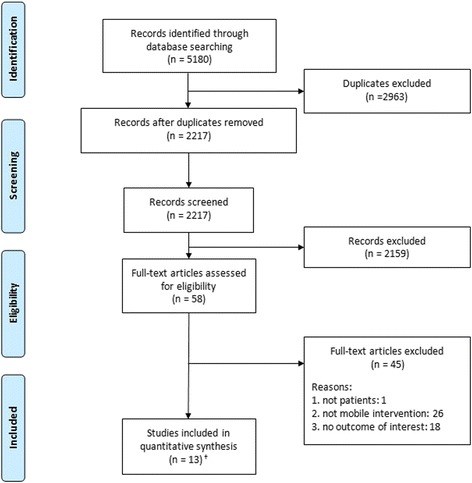
- Systematic review conducted using PRISMA and PICOS; searched PubMed, CINAHL, EMBASE, Cochrane Library, PsycINFO, and Web of Science for peer-reviewed English studies published January 2005 to March 2016.
- Included RCTs of mobile-device interventions (smartphones/tablets) for adults with chronic diseases; the review excluded diabetes management studies, healthy populations, pregnant women, non-adults, healthcare-provider-only apps, qualitative-only studies, usability tests, and studies on psychological outcomes only.
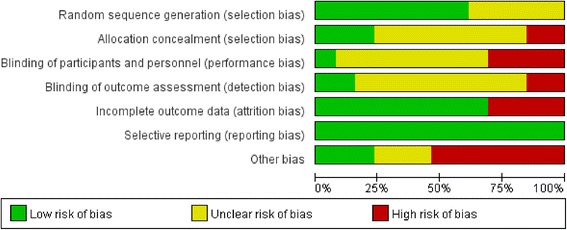
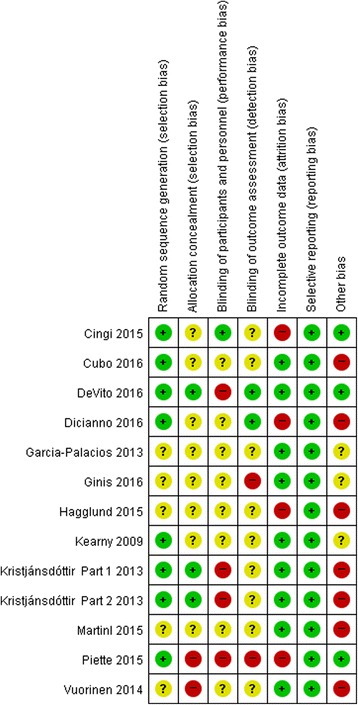
- Risk of bias was assessed with the Cochrane Handbook tool across randomization, allocation concealment, blinding, incomplete data, selective reporting, and other biases.
Limitations
- The paper states it excluded diabetes management studies and provider-only apps, so its conclusions do not cover those areas.
- The paper states that most reviewed studies provided smartphones or tablets, so the findings cannot yet be generalized to people who cannot afford mHealth tools.
- Evident from the text: the review reports that none of the studies reported the relationship between health outcomes and patient engagement levels, and none reported process measures such as adherence, engagement, or satisfaction in the published articles.
Model-written summary. Check it against the paper before relying on it.
Integrity signals
Registry
Cites
Statistics
Figures
Verification
Claims the paper makes
22 Valid · 5 Not valid · 16 Not checked · 37 Own results and interpretations
At least one cited source doesn’t support this claim or points to a different paper, and none confirmed it — see the verdicts below.
In the paper
“but not in the 5-month and 11-month follow-ups (outcome variables including catastrophizing, acceptance, functioning, and symptom level, all P > 0.1).”
§ Effective behavioral intervention strategies using mobile health applications for chronic disease management: a systematic review > Results > Studies reporting significant effects on outcomes
What the sources say
- Disputedcites [22] Kristjansdottir OB Fors EA Eide E Finset A Stensrud TL van Dulmen S A smartphone-based intervention with diaries and therapist-feedback to reduce catastrophizing and increase functioning in women with chronic widespread pain: randomized controlled trial J Med Internet Res 2013 15 1 e5 10.2196/jmir.2249 23291270 PMC3636250 sourceExperimental — accuracy not yet measured
Our copy states the opposite for the 5-month follow-up: the Abstract (Results) reports that between-group effect sizes 'remained moderate for catastrophizing (Cohen's d=0.74, P=.003), acceptance of pain (Cohen's d=0.54, P=.02), and functioning and symptom levels (Cohen's d=0.75, P=.001)', and the Results > Between-Group Analysis likewise reports moderate completer effect sizes on catastrophizing and acceptance at 5-month follow-up plus a moderate FIQ effect. None of these P values approaches the claimed 'all P > 0.1'. Further, the trial's only follow-up assessments were T3 (immediately post-intervention) and T4 (5-month follow-up, i.e., 6 months after discharge) — our copy contains no 11-month follow-up at all (searched: 11-month follow-up, long-term follow-up), so that part of the claim cannot come from this paper. (LLM, conf=0.90)
Checked by a reasoning model — may be wrong.
- Disputedcites [23] Kristjansdottir OB Fors EA Eide E Finset A Stensrud TL van Dulmen S A smartphone-based intervention with diaries and therapist feedback to reduce catastrophizing and increase functioning in women with chronic widespread pain. part 2: 11-month follow-up results of a randomized trial J Med Internet Res 2013 15 3 e72 10.2196/jmir.2442 23538392 PMC3636011 sourceExperimental — accuracy not yet measured
Our copy states the opposite for the 5-month time point: the Abstract (Results) and Discussion both say the favorable BETWEEN-group differences on catastrophizing, acceptance, functioning and symptom level were previously reported post-intervention and AT 5-MONTH FOLLOW-UP, and only became 'no longer evident' at the 11-month follow-up (P>.10). The claim's 'all P > 0.1' therefore belongs to the 11-month comparison, not to 5 months. Moreover the paper does not report a flat absence of favorable effect even at 11 months: Between-Group Effects (p. —) give a significant between-group difference in catastrophizing change during follow-up (intervention M=-2.36 vs control M=.40, P=.045), and the Conclusion/Abstract report within-group positive effects at 11 months (catastrophizing d=.33, P=.04; acceptance d=.73, P<.001), calling the long-term results 'ambiguous' with 'modest evidence supporting the long-term effect'. (LLM, conf=0.85)
Checked by a reasoning model — may be wrong.
plain- Asserted: passes — The authors put it forward as true.
- Checkable: passes — It can be checked against evidence.
- Load-bearing: unclear — It is unclear whether the paper’s conclusions depend on it.
- Based: passes — The paper gives a reason why it holds.
- Disputed
At least one cited source doesn’t support this claim or points to a different paper, and none confirmed it — see the verdicts below.
In the paper
“Kearney et al. [26] in the United Kingdom reported significant improvement in fatigue (odds ratio, OR = 2.29; 95% CI, 1.04–5.05; P = 0.040) and hand-foot syndrome (OR control/intervention =0.39; 95% CI, 0.17–0.92; P = 0.031) in patients with lung, breast, and colorectal cancer using a mobile phone-based remote monitoring of chemotherapy-related symptoms in comparison to the usual care group.”
§ Effective behavioral intervention strategies using mobile health applications for chronic disease management: a systematic review > Results > Studies reporting significant effects on outcomes
What the sources say
- Disputedcites [26] Kearney N McCann L Norrie J Taylor L Gray P McGee-Lennon M Evaluation of a mobile phone-based, advanced symptom management system (ASyMS) in the management of chemotherapy-related toxicity Support Care Cancer 2009 17 4 437 444 10.1007/s00520-008-0515-0 18953579 sourceExperimental — accuracy not yet measured
Split into 2 atoms — 1 confirmed, 0 partially supported, 1 disputed, 0 misattributed, 0 unverifiable. Expand the claim to see per-atom verdicts.
Checked by a reasoning model — may be wrong.
plainstates a cause- Asserted: passes — The authors put it forward as true.
- Checkable: passes — It can be checked against evidence.
- Load-bearing: unclear — It is unclear whether the paper’s conclusions depend on it.
- Based: passes — The paper gives a reason why it holds.
- Disputed
Some cited sources support this claim and some don’t — read each source’s verdict below.
In the paper
“In Norway, Kristjánsdóttir et al. [22, 23] showed a favorable effect on pain management in a 4-week follow-up (catastrophizing score lower for Intervention, M = 9.20, SD = 5.85, compared to Control, M = 15.71, SD = 9.22, P < 0.01, with a large effect size, Cohen’s d = 0.87) but not in the 5-month and 11-month follow-ups (outcome variables including catastrophizing, acceptance, functioning, and”
§ Effective behavioral intervention strategies using mobile health applications for chronic disease management: a systematic review > Results > Studies reporting significant effects on outcomes
What the sources say
- Partly supportedcites [22] Kristjansdottir OB Fors EA Eide E Finset A Stensrud TL van Dulmen S A smartphone-based intervention with diaries and therapist-feedback to reduce catastrophizing and increase functioning in women with chronic widespread pain: randomized controlled trial J Med Internet Res 2013 15 1 e5 10.2196/jmir.2249 23291270 PMC3636250 sourceExperimental — accuracy not yet measured
The Abstract (Results) of our copy confirms the core finding: immediately after the 4-week post-discharge intervention period (T3, per Methods > Study Design), the intervention group reported less catastrophizing (mean 9.20, SD 5.85) than controls (mean 15.71), with a large effect size (Cohen's d = 0.87) — but our copy gives the control SD as 9.11, not 9.22, and the significance as P<.001 rather than P<0.01. Our copy also bounds this comparison to study completers (n=112; the intention-to-treat analysis showed only a small within-group effect, Results > Within-Group Analysis), a qualifier the citing sentence drops, and it frames the outcome as catastrophizing (the primary outcome) rather than 'pain management' — the Discussion (Principal Results) explicitly notes no significant reduction in pain level was found and pain level was stable in both groups. (LLM, conf=0.72)
- Misattributedcites [23] Kristjansdottir OB Fors EA Eide E Finset A Stensrud TL van Dulmen S A smartphone-based intervention with diaries and therapist feedback to reduce catastrophizing and increase functioning in women with chronic widespread pain. part 2: 11-month follow-up results of a randomized trial J Med Internet Res 2013 15 3 e72 10.2196/jmir.2442 23538392 PMC3636011 sourceExperimental — accuracy not yet measured
Our copy of Part 2 states in Methods > Study Design that 'In this paper, results of the first two assessments (T1 and T2) and the last (11-month follow-up, T5) are reported' — the 4-week assessment (T3) is not reported here, and no table or text gives PCS means of 9.20 (SD 5.85) vs 15.71 (SD 9.22) or d = 0.87. The only short-term between-group result appears as a credit to the earlier report: Abstract > Objective ('previously found to be effective at short-term and 5-month follow-ups') and Abstract > Results ('the favorable between-group differences previously reported post-intervention and at 5-month follow-up ... were no longer evident'). Our copy's reference [20] names that work — the Part 1 RCT, Kristjánsdóttir et al., J Med Internet Res 2013;15(1):e5, doi:10.2196/jmir.2249 — so the 4-week figures belong to that paper, not this one. Note also that Part 2 places the favorable difference at 5 months as previously reported, contrary to the citing sentence's 'not in the 5-month ... follow-ups'. (LLM, conf=0.85) It matches “A smartphone-based intervention with diaries and therapist-feedback to reduce catastrophizing and increase functioning in women with chronic widespread pain: randomized controlled trial” (2013) instead.
Checked by a reasoning model — may be wrong.
plainstates a cause- Asserted: passes — The authors put it forward as true.
- Checkable: passes — It can be checked against evidence.
- Load-bearing: unclear — It is unclear whether the paper’s conclusions depend on it.
- Based: passes — The paper gives a reason why it holds.
- Partly supported
Some cited sources support this claim and some don’t — read each source’s verdict below.
In the paper
“Considering the method of randomization, 5 trials did not present details of randomization [25, 27, 29, 30, 33].”
§ Effective behavioral intervention strategies using mobile health applications for chronic disease management: a systematic review > Results > Risk of bias assessment
What the sources say
- Disputedcites [25] Ginis P Nieuwboer A Dorfman M Ferrari A Gazit E Canning CG Feasibility and effects of home-based smartphone-delivered automated feedback training for gait in people with Parkinson's disease: a pilot randomized controlled trial Parkinsonism Relat Disord 2016 22 28 34 10.1016/j.parkreldis.2015.11.004 26777408 sourceExperimental — accuracy not yet measured
The Participants section states that this trial used stratified blocked randomization, with strata for Hoehn & Yahr stage and freezing of gait. It also says allocation was performed per center by a researcher. Thus, this trial did present details of its randomization method, contrary to its inclusion among trials said not to have done so. (LLM, conf=0.88)
Checked by a reasoning model — may be wrong.
- Supportedcites [27] Garcia-Palacios A Herrero R Belmonte MA Castilla D Guixeres J Molinari G Ecological momentary assessment for chronic pain in fibromyalgia using a smartphone: a randomized crossover study Eur J Pain 2014 18 6 862 872 10.1002/j.1532-2149.2013.00425.x 24921074 source
The Materials/Procedure section (page unavailable) says participants were randomly assigned to two crossover conditions but gives no details of how the random assignment was performed. This supports the claim as it applies to this cited trial; the other four trials cannot be assessed from this source. (LLM, conf=0.86)
- Supportedcites [29] Hägglund E Lynga P Frie F Ullman B Persson H Melin M Patient-centred home-based management of heart failure. Findings from a randomised clinical trial evaluating a tablet computer for self-care, quality of life and effects on knowledge Scand Cardiovasc J 2015 49 4 193 199 10.3109/14017431.2015.1035319 25968968 source
The Sample section says patients were randomised to the intervention or control group but gives no method for generating or implementing the allocation. A search of our complete copy for randomisation procedures found no further details. This citation supports the claim for this trial; it does not speak for the other four trials cited alongside it. (LLM, conf=0.85)
- Supportedcites [30] Martin SS, Feldman DI, Blumenthal RS, Jones SR, Post WS, McKibben RA, et al. mActive: a randomized clinical trial of an automated mHealth intervention for physical activity promotion. J Am Heart Assoc. 2015;4(11). PMC4845232 26553211 source
The Methods > Trial Design passage describes two randomization stages and their 2:1 and 1:1 allocation ratios, but does not specify how the random assignments were generated or concealed. This supports including mActive among trials lacking details of the randomization method; this source alone cannot establish the citing authors’ total of five trials. (LLM, conf=0.85)
- Disputedcites [33] Vuorinen AL Leppanen J Kaijanranta H Kulju M Helio T van Gils M Use of home telemonitoring to support multidisciplinary care of heart failure patients in Finland: randomized controlled trial J Med Internet Res 2014 16 12 e282 10.2196/jmir.3651 25498992 PMC4275484 sourceExperimental — accuracy not yet measured
The Methods > Study Design section describes a matched-pair randomization method: patients were paired by ejection fraction, NYHA classification, age, and gender, then one patient in each pair was randomized to each group. Thus, this trial does present details of its randomization method, although the passage does not specify how the random assignment was generated. The cited paper alone cannot establish whether the other four trials gave such details. (LLM, conf=0.86)
Checked by a reasoning model — may be wrong.
plain- Asserted: passes — The authors put it forward as true.
- Checkable: passes — It can be checked against evidence.
- Load-bearing: unclear — It is unclear whether the paper’s conclusions depend on it.
- Based: passes — The paper gives a reason why it holds.
- Disputed
Some cited sources support this claim and some don’t — read each source’s verdict below.
In the paper
“Four trials failed to provide a full description of participants and losses to follow-up during their trials [24, 28, 29, 31].”
§ Effective behavioral intervention strategies using mobile health applications for chronic disease management: a systematic review > Results > Risk of bias assessment
What the sources say
- Not checked yetcites [24] Dicianno BE Fairman AD McCue M Parmanto B Yih E McCoy A Feasibility of using mobile health to promote self-management in spina bifida Am J Phys Med Rehabil 2016 95 6 425 437 10.1097/PHM.0000000000000400 26488144 source
- Not checked yetcites [28] Cingi C Yorgancioglu A Cingi CC Oguzulgen K Muluk NB Ulusoy S The "physician on call patient engagement trial" (POPET): measuring the impact of a mobile patient engagement application on health outcomes and quality of life in allergic rhinitis and asthma patients Int Forum Allergy Rhinol 2015 5 6 487 497 10.1002/alr.21468 25856270 source
- Partly supportedcites [29] Hägglund E Lynga P Frie F Ullman B Persson H Melin M Patient-centred home-based management of heart failure. Findings from a randomised clinical trial evaluating a tablet computer for self-care, quality of life and effects on knowledge Scand Cardiovasc J 2015 49 4 193 199 10.3109/14017431.2015.1035319 25968968 sourceExperimental — accuracy not yet measured
Our copy of Hägglund et al. (2015) does give a substantive description of participants (Sample section: recruitment window 22 Feb–18 Jun 2013, HFrEF/HFpEF with NYHA II–IV, diuretic requirement, exclusion criteria; Table I baseline demographics), so the 'failed to provide a full description of participants' half of the appraisal is not borne out by the text. On attrition, the paper reports only pre-intervention loss (Baseline characteristics and Limitations: of 82 randomised, 10 IG patients withdrew consent before the system was installed and were excluded, leaving n=32 IG/n=40 CG), with reasons given. Nothing in our copy accounts for losses to follow-up during the 90-day/3-month follow-up (no participant flow, no statement of how many of the 72 completed follow-up self-care, QoL or knowledge assessments), so that part of the citing appraisal is consistent with the source. (LLM, conf=0.65)
- Disputedcites [31] Piette JD Striplin D Marinec N Chen J Trivedi RB Aron DC A mobile health intervention supporting heart failure patients and their informal caregivers: a randomized comparative effectiveness trial J Med Internet Res 2015 17 6 e142 10.2196/jmir.4550 26063161 PMC4526929 sourceExperimental — accuracy not yet measured
Our copy of Piette et al. (2015) contradicts the attribution: the Results section 'Recruitment and Baseline Characteristics' reports the flow (4140 potentially eligible, 372 randomized, 331 (89%) with 12-month outcome data, Figure 3) and explicitly characterises the losses to follow-up by comparing them with retained patients on baseline CarePartner contact and HFSCB self-care scores, with a further comparison of the imputed sample described in Methods 'Statistical Analysis'. Participants are also fully specified in Methods 'Recruitment' (eligibility and exclusion criteria) and Table 1 (demographic, depression, QoL, self-care, adherence and relationship-quality characteristics), and the paper points to the CONSORT-EHEALTH checklist in Multimedia Appendix 4. The only concession is in Discussion 'Limitations' — 'Some important clinical information about participants was not collected during the trial' (e.g. cardiac surgery, resynchronization, revascularization) — which concerns clinical covariates, not the description of participants or attrition that the citing sentence charges the trial with omitting. (LLM, conf=0.70)
Checked by a reasoning model — may be wrong.
plain- Asserted: passes — The authors put it forward as true.
- Checkable: passes — It can be checked against evidence.
- Load-bearing: unclear — It is unclear whether the paper’s conclusions depend on it.
- Based: passes — The paper gives a reason why it holds.
38 more claims · 18 with their cited sources checked
Create a free account to see all 80 claims and to verify the 25 references still open.
- Probably not a substantial claim. 23
- It may state two separate claims as one. 20
Claims other papers make about this one
Each is checked against this paper’s own text: does it say what the citing paper says it does?
The source backs part of the claim, not all of it — or backs it for a different population, condition or comparison.
In the citing paper
“As it is still seen as the ‘gold standard’, digital interventions for CP are often assessed through research-led randomised controlled trials (RCTs).18 20 21”
From Development, evaluation and implementation of a digital behavioural health treatment for chronic pain: study protocol of the multiphase DAHLIA project (2022) · cites this paper as [21]
Experimental — accuracy not yet measuredThe source backs part of the claim, not all of it — or backs it for a different population, condition or comparison.
In the citing paper
“Finally, rigorous efficacy testing to establish efficacy appears to be scarce in the existing digital pain self-management interventions [17,27]”
From Short-Term Findings From Testing EPIO, a Digital Self-Management Program for People Living With Chronic Pain: Randomized Controlled Trial (2023) · cites this paper as [27]
Experimental — accuracy not yet measuredThe source backs part of the claim, not all of it — or backs it for a different population, condition or comparison.
In the citing paper
“In addition, few existing studies report system use and level of engagement (ie, app activity), and/or satisfaction/usability with eHealth pain self-management programs to date [33].”
From Digital Self-Management in Support of Patients Living With Chronic Pain: Feasibility Pilot Study (2020) · cites this paper as [33]
Experimental — accuracy not yet measured
Statistics that don’t add up
Each reported p-value recomputed from its test statistic and degrees of freedom, each partial η² from its F, and each ratio, mean difference or B printed with a p checked against its own confidence interval.
Rated minor: it would not touch a result — a value no result rests on, a p-value that stays on the same side of the significance level, or a conflict that is clerical, resolved elsewhere in the paper, or outside its own findings.
In the paper
“F(2,108) = 3.73, P = 0.04”
§ Effective behavioral intervention strategies using mobile health applications for chronic disease management: a systematic review > Results > Studies reporting significant effects on outcomes
Reported p = .04 · recomputed p = .027
Statistics recomputed
Every reported test result, recomputed from its test statistic and degrees of freedom. A result shows as not adding up only once an independent check has confirmed it.
- Doesn’t add upF(2, 108) = 3.73reported p = .04 · recomputed p = .027
“F(2,108) = 3.73, p = .04”
Self-check
Percentages, sums and reported differences re-computed from the paper’s own numbers.
Self-check results appear here once an independent check has confirmed them.
Citations
Cites
Liberati, A., Altman, D. G., Tetzlaff, J., Mulrow, C., Gøtzsche, P. C., Ioannidis, J. P. A., Clarke, M., Devereaux, P. J., Kleijnen, J., & Moher, D. (2009) · PLoS Medicine · doi:10.1371/journal.pmed.1000100 · Cited by 28,164 · cited 1×
“Methods The Preferred Reporting Items for Systematic Review and Meta-Analysis (PRISMA) guidelines [18] were used in this systematic review.”
MethodHow we design feasibility studies
Bowen, D. J., Kreuter, M., Spring, B., Cofta-Woerpel, L., Linnan, L., Weiner, D., Bakken, S., Kaplan, C. P., Squiers, L., Fabrizio, C., et al. (2009) · American Journal of Preventive Medicine · doi:10.1016/j.amepre.2009.02.002 · Cited by 4,021 · cited 1×
“Operational definitions of the terms used in this review Studies on feasibility assess whether or not an intervention is appropriate for further testing, whereas studies on acceptability (which is a component of feasibility) determine how recipients react to that intervention [20].”
Method(2008) · Cited by 3,790
Assessing Risk of Bias in Included Studies
Higgins, J. P., & Altman, D. G. (2008) · Cochrane Handbook for Systematic Reviews of Interventions · doi:10.1002/9780470712184.ch8 · Cited by 3,396
Hamine, S., Gerth-Guyette, E., Faulx, D., Green, B. B., & Ginsburg, A. S. (2015) · Journal of Medical Internet Research · doi:10.2196/jmir.3951 · Cited by 1,149 · cited 2×
“However, the evidence from current literature using the mHealth approach on improving health outcomes is inconsistent; some studies have shown that mHealthbased behavioral interventions are potentially effective in chronic disease management, whereas other studies did not obtain supportive results [9].”
BackgroundMultiple Chronic Conditions Among US Adults: A 2012 Update
Ward, B. W., Schiller, J. S., & Goodman, R. A. (2014) · Preventing Chronic Disease · doi:10.5888/pcd11.130389 · Cited by 845 · cited 2×
“One in four adults in the US had two or more chronic diseases in 2012 [2].”
BackgroundMethodWhitehead, L., & Seaton, P. (2016) · Journal of Medical Internet Research · doi:10.2196/jmir.4883 · Cited by 743 · cited 2×
“Other systematic reviews on chronic disease management showed that the frequency of input into mHealth systems was a burden on participants and affected the attrition rate [17].”
BackgroundMethodMapping mHealth research: a decade of evolution
Fiordelli, M., Diviani, N., & Schulz, P. J. (2013) · Journal of Medical Internet Research · doi:10.2196/jmir.2430 · Cited by 570 · cited 2×
“Behavioral interventions using mobile applications (apps) on smartphones or tablet computers in enhancing self-management for patients with chronic diseases, such as heart failure [13] or diabetes [14], have been studied [9, 12].”
BackgroundFree, C., Phillips, G., Felix, L., Galli, L., Patel, V., & Edwards, P. (2010) · BMC Research Notes · doi:10.1186/1756-0500-3-250 · Cited by 539
Widmer, R. J., Collins, N. M., Collins, C. S., West, C. P., Lerman, L. O., & Lerman, A. (2015) · Mayo Clinic Proceedings · doi:10.1016/j.mayocp.2014.12.026 · Cited by 416 · cited 2×
“Behavioral interventions using mobile applications (apps) on smartphones or tablet computers in enhancing self-management for patients with chronic diseases, such as heart failure [13] or diabetes [14], have been studied [9, 12].”
BackgroundMethod
Cited by
Liu, N., Yin, J., Tan, S. S.-L., Ngiam, K. Y., & Teo, H. (2021) · Journal of the American Medical Informatics Association · doi:10.1093/jamia/ocab151 · Cited by 179
Salazar, A., de Sola, H., Failde, I., & Moral-Munoz, J. A. (2018) · JMIR mHealth and uHealth · doi:10.2196/10718 · Cited by 154
“However, we already argued in the Introduction that the use of certain technologies or apps could sometimes be harmful, although a recent review by Lee et al [28] states that mobile health (mHealth) intervention studies show promising aspects such as improving self-management and some health indicators.”
BackgroundMahmood, A., Kedia, S., Wyant, D. K., Ahn, S., & Bhuyan, S. S. (2019) · DIGITAL HEALTH · doi:10.1177/2055207619882181 · Cited by 132
“These impairments may significantly reduce individuals’ ability to control and manage their medical conditions.(3) Evidence suggests CCs are further aggravated due to unhealthy diets and sedentary lifestyles.”
BackgroundGlobal Perspectives on Improving Chronic Disease Prevention and Management in Diverse Settings
Airhihenbuwa, C. O., Tseng, T., Sutton, V. D., & Price, L. N. (2021) · Preventing Chronic Disease · doi:10.5888/pcd18.210055 · Cited by 161
Marthick, M., McGregor, D., Alison, J. A., Cheema, B. S., Dhillon, H. M., & Shaw, T. J. (2021) · Journal of Medical Internet Research · doi:10.2196/24722 · Cited by 140
“A 2018 systematic review focused on using remote monitoring in people with a history of type 2 diabetes [73] significantly improved glycated hemoglobin and self-management.”
Ahmad, M. A., Hamid, M. S. A., & Yusof, A. (2021) · Physiotherapy · doi:10.1016/j.physio.2021.03.011 · Cited by 127
The role of digital health technology in rural cancer care delivery: A systematic review
Morris, B. B., Rossi, B., & Fuemmeler, B. (2022) · The Journal of Rural Health · doi:10.1111/jrh.12619 · Cited by 104
Park, S. K., Bang, C. H., & Lee, S. H. (2020) · Applied Nursing Research · doi:10.1016/j.apnr.2020.151231 · Cited by 99
Self-citationApplication of Smartphone Technologies in Disease Monitoring: A Systematic Review
Moses, J. C., Adibi, S., Islam, S. M. S., Wickramasinghe, N. S., & Nguyen, L. (2021) · Healthcare · doi:10.3390/healthcare9070889 · Cited by 99
“Smartphone technology, including apps [19] and app integrated wearable sensors [20], offers further chronic disease management potential.”
BackgroundToh, S. H., Howie, E. K., Coenen, P., & Straker, L. M. (2019) · BMC Pediatrics · doi:10.1186/s12887-019-1399-5 · Cited by 85
“Furthermore, MTSDs can also offer other benefits such as delivering health information or interventions (telehealth) [8], building family time and connectedness [9], or improving ease of communication and motivation in learning [10], which may further facilitate increased use.”
BackgroundDevelopment and Validation of Digital Health Technology Literacy Assessment Questionnaire
Yoon, J., Lee, M., Ahn, J. S., Oh, D., Shin, S.-Y., Chang, Y. J., & Cho, J. (2022) · Journal of Medical Systems · doi:10.1007/s10916-022-01800-8 · Cited by 74
Krishnakumar, A., Verma, R., Chawla, R., Sosale, A., Saboo, B., Joshi, S., Shaikh, M., Shah, A., Kolwankar, S., & Mattoo, V. (2021) · Journal of Medical Internet Research · doi:10.2196/17908 · Cited by 74
“In recent years, considerable evidence has been generated about the effect of digital therapeutics in effectively promoting self-care and health behavior changes among patients with chronic diseases and mental health issues [32,33].”
Kosse, R. C., Bouvy, M. L., Belitser, S. V., de Vries, T. W., van der Wal, P. S., & Koster, E. S. (2019) · JMIR mHealth and uHealth · doi:10.2196/12411 · Cited by 58
“Mobile health (mHealth) interventions have the potential to support patients with their medication use and are therefore increasingly used [1-4].”
BackgroundAn adoption model of mHealth applications that promote physical activity
Ndayizigamiye, P., Kante, M., & Shingwenyana, S. (2020) · Cogent Psychology · doi:10.1080/23311908.2020.1764703 · Cited by 66
“Other factors that affect the adoption of mHealth applications include lack of financial resources (Lee et al., 2018) and mHealth literacy (Lin & Bautista, 2017), peer influence (Van Woudenberg et al., 2018), rewards (Müller et al., 2016) and effort expectancy (Ndayizigamiye & Maharaj, 2016).”
BackgroundLi, L. (2024) · Globalization and Health · doi:10.1186/s12992-024-01056-6 · Cited by 66
Li, P., Zhang, C., Gao, S., Zhang, Y., Liang, X., Wang, C., Zhu, T., & Li, W. (2023) · Journal of Medical Internet Research · doi:10.2196/46298 · Cited by 62
“Therefore, effective prevention of and interventions against chronic diseases in the elderly population have been advocated and studied to address this burden, not only in terms of health care, but also in terms of lifestyle [11-13].”
Langford, A. T., Solid, C. A., Scott, E., Lad, M., Maayan, E., Williams, S. K., & Seixas, A. A. (2019) · JMIR mhealth and uhealth · doi:10.2196/12228 · Cited by 61
Hossain, M. M., Tasnim, S., Sharma, R., Sultana, A., Shaik, A. F., Faizah, F., Kaur, R., Uppuluri, M., Sribhashyam, M., & Bhattacharya, S. (2019) · DIGITAL HEALTH · doi:10.1177/2055207619896153 · Cited by 57
An umbrella review of effectiveness and efficacy trials for app-based health interventions
Chong, S. O. K., Pedron, S., Abdelmalak, N., Laxy, M., & Stephan, A. (2023) · npj Digital Medicine · doi:10.1038/s41746-023-00981-x · Cited by 60
When and Why Adults Abandon Lifestyle Behavior and Mental Health Mobile Apps: Scoping Review
Kidman, P. G., Curtis, R., Watson, A., & Maher, C. A. (2024) · Journal of Medical Internet Research · doi:10.2196/56897 · Cited by 63
“Mobile health apps offer a promising avenue for enhancing both physical [4] and mental health outcomes [5] by facilitating improvements in these health behaviors.”
Mobile health technologies for the management of systemic lupus erythematosus: a systematic review
Dantas, L. O., Weber, S., Osani, M. C., Bannuru, R. R., McAlindon, T. E., & Kasturi, S. (2020) · Lupus · doi:10.1177/0961203319897139 · Cited by 51
Kim, S. K., Park, S., Hwang, H. R., Moon, S. H., & Park, J. (2025) · Journal of Medical Systems · doi:10.1007/s10916-024-02135-2 · Cited by 62
“Mobile health, including health information technology, telemedicine, and personalized medicine, is considered a significant breakthrough in the field of disease management [9, 10].”
Deep-Learning-Assisted Multi-Dish Food Recognition Application for Dietary Intake Reporting
Liu, Y., Onthoni, D. D., Mohapatra, S., Irianti, D., & Sahoo, P. K. (2022) · Electronics · doi:10.3390/electronics11101626 · Cited by 50
Kwok, J. Y. Y., Lee, J. J., Choi, E. P. H., Chau, P. H., & Auyeung, M. (2022) · BMC Complementary Medicine and Therapies · doi:10.1186/s12906-022-03519-y · Cited by 45
Self-citationQan'ir, Y., & Song, L. (2019) · Psycho-Oncology · doi:10.1002/pon.5158 · Cited by 45
Off-Policy Estimation of Long-Term Average Outcomes With Applications to Mobile Health
Liao, P., Klasnja, P., & Murphy, S. A. (2020) · Journal of the American Statistical Association · doi:10.1080/01621459.2020.1807993 · Cited by 89
“Many mHealth interventions are designed for long-term use in chronic disease management (Lee et al. 2018).”
BackgroundSaleh, Z. T., Elshatarat, R. A., Elhefnawy, K. A., Elneblawi, N. H., Raddaha, A. H. A., Al-Za'areer, M. S., Almarwani, A. M., Alzahrani, N. S., Aqel, A. A., Shawashi, T. O., et al. (2022) · The Journal of Cardiovascular Nursing · doi:10.1097/jcn.0000000000000911 · Cited by 45
Mobile apps for real-world evidence in health care
Milne‐Ives, M., van Velthoven, M. H., & Meinert, E. (2020) · Journal of the American Medical Informatics Association · doi:10.1093/jamia/ocaa036 · Cited by 42
Kim, M., Kim, C., Kim, E., & Choi, M. (2021) · JMIR mhealth and uhealth · doi:10.2196/24080 · Cited by 44
“Data-driven approaches involving the use of mobile devices such as mobile phones and wireless devices in exercise interventions have been shown to be effective for improving health outcomes [10,11].”
Self-citationSahoo, S., Sahoo, J., Kumar, S., Lim, W. M., & Ameen, N. (2023) · Internet Research · doi:10.1108/intr-10-2021-0774 · Cited by 49
Digital Health Platforms for Breast Cancer Care: A Scoping Review
Kirsch, E. P., Kunte, S. A., Wu, K. A., Kaplan, S. J., Hwang, E. S., Plichta, J. K., & Lad, S. P. (2024) · Journal of Clinical Medicine · doi:10.3390/jcm13071937 · Cited by 42
“Digital health platforms have been shown to improve patient outcomes and quality of life by increasing patient education, encouraging patient involvement, and reducing illness anxiety [44,45].”
BackgroundAguilera, A., Avalos, M. R. A., Xu, J., Chakraborty, B., Figueroa, C. A., Garcia, F., Rosales, K., Hernandez-Ramos, R., Karr, C. J., Williams, J. J., et al. (2024) · Journal of Medical Internet Research · doi:10.2196/60834 · Cited by 55
“Digital and mobile health interventions have the potential to reach a large number of people to support physical activity and help manage diabetes and depression in daily life, with a large research base using digital technology to improve and personalize health behavior programs [10,11].”
Shah, M. K., Gibbs, A. C., Ali, M. K., Narayan, K. M. V., & Islam, N. S. (2021) · Journal of Medical Internet Research · doi:10.2196/27682 · Cited by 39
“While previous studies have demonstrated the effectiveness of mobile technologies for chronic health conditions, including diabetes self-management, few studies have examined or reported on the process of getting participants connected to telehealth platforms [22,23].”
Waselewski, M. E., Flickinger, T., Canan, C. E., Harrington, W., Franklin, T., Otero, K., Huynh, J., Waldman, A. L., Hilgart, M. M., Ingersoll, K. S., et al. (2021) · JMIR Formative Research · doi:10.2196/24561 · Cited by 37
“When used appropriately, mobile technology can enhance the treatment of chronic diseases by providing patients the ability to monitor their condition and receive interactive or automated feedback in ways that are readily accessible and cost effective [16].”
BackgroundEslami, S., Khoshrounejad, F., Golmakani, R., Taherzadeh, Z., Tohidinezhad, F., Mostafavi, S. M., & Ganjali, R. (2021) · BMC Medical Informatics and Decision Making · doi:10.1186/s12911-020-01360-2 · Cited by 40
Alsaqer, K., & Bebiş, H. (2022) · Clinical Hypertension · doi:10.1186/s40885-022-00204-7 · Cited by 44
“Moreover, in order to adapt to disruptions during COVID-19, telehealth, mobile health (m-Health), and other technologies which support the self-care process and facilitate access to care are appropriate approaches to protect vulnerable populations who are living with chronic diseases [1, 12, 13].”
BackgroundWong, A. K. C., Bayuo, J., Wong, F. K. Y., Chow, K. K. S., Wong, S. M., & Lau, A. C. K. (2023) · Journal of Medical Internet Research · doi:10.2196/43678 · Cited by 38
“Although the pattern of app usage beyond the 6-month period remains unclear in this study, it is possible that long-term use might still be low, which is consistent with the findings in previous studies of high abandonment rates after the initial phase of using mHealth apps [34,35].”
Digital Self-Management in Support of Patients Living With Chronic Pain: Feasibility Pilot Study
Bostrøm, K., Børøsund, E., Varsi, C., Eide, H., Flakk Nordang, E., Schreurs, K. M., Waxenberg, L. B., Weiss, K. E., Morrison, E. J., Cvancarova Småstuen, M., et al. (2020) · JMIR Formative Research · doi:10.2196/23893 · Cited by 34
“In addition, few existing studies report system use and level of engagement (ie, app activity), and/or satisfaction/usability with eHealth pain self-management programs to date [33].”
BackgroundNielsen, C., Agerskov, H., Bistrup, C., & Clemensen, J. (2019) · Health Informatics Journal · doi:10.1177/1460458219876188 · Cited by 37
Istepanian, R. S. H., & Alanzi, T. M. (2019) · Elsevier eBooks · doi:10.1016/b978-0-12-816034-3.00022-5 · Cited by 42
Digital Interventions for Psychological Comorbidities in Chronic Diseases—A Systematic Review
Maisto, M., Diana, B., Di Tella, S., Matamala-Gomez, M., Montana, J. I., Rossetto, F., Mavrodiev, P. A., Cavalera, C., Blasi, V., Mantovani, F., et al. (2021) · Journal of Personalized Medicine · doi:10.3390/jpm11010030 · Cited by 30
“While some studies reported a potential efficacy [3] others yielded contradictory results [28].”
ResultLorca-Cabrera, J., Arques, R. M., Albacar-Riobóo, N., Raigal‐Aran, L., Roldán-Merino, J. F., & Ferré‐Grau, C. (2020) · International Journal of Medical Informatics · doi:10.1016/j.ijmedinf.2020.104310 · Cited by 34
Alazzam, M. B., Al-Radaideh, A. T., Alhamarnah, R. A., Alassery, F., Hajjej, F., & Halasa, A. (2021) · Computational Intelligence and Neuroscience · doi:10.1155/2021/1220374 · Cited by 32
“Applications were utilized less often for communication enhancement (22%), monitoring systems (21%), and data collection (21%) than for enhanced collaboration (20%), training and education (20%), and other purposes (13 percent) [12, 13].”
BackgroundRetractedKo, K. K. H., Kim, S. K., Lee, Y., Lee, J. Y., & Stoyanov, S. R. (2022) · Health Informatics Journal · doi:10.1177/14604582221091975 · Cited by 32
Self-citationCoughlin, J. W., Martin, L., Zhao, D., Goheer, A. A., Woolf, T. B., Holzhauer, K., Lehmann, H. P., Lent, M. R., McTigue, K. M., Clark, J. M., et al. (2022) · Journal of Medical Internet Research · doi:10.2196/34191 · Cited by 33
“Patients may also be more likely to respond to mHealth research with a behavioral intervention [46] or to disease-related versus wellness-related research [32,45].”
Noorbhai, H., & Ojo, T. A. (2023) · BMC Medical Education · doi:10.1186/s12909-023-04132-4 · Cited by 35
Ponder, M., Ansah-Yeboah, A. A., Charalambous, L. T., Adil, S. M., Venkatraman, V., Abd‐El‐Barr, M. M., Haglund, M. M., Grossi, P. M., Yarbrough, C. K., Dharmapurikar, R., et al. (2020) · JMIR Perioperative Medicine · doi:10.2196/21138 · Cited by 35
“A number of studies have demonstrated that digital health solutions and patient-reported outcomes (PROs) improve the results of chronic medical conditions [2].”
BackgroundStutzel, M. C., Filippo, M. P., Sztajnberg, A., da Costa, R. M. E. M., Brites, A. D. S., da Motta, L. B., & Caldas, C. P. (2019) · BMC Medical Informatics and Decision Making · doi:10.1186/s12911-019-0839-3 · Cited by 36
“[25] reviewed behavioral intervention strategies using mobile applications for chronic disease management.”
BackgroundDunham, M., Bonacaro, A., Schofield, P., Bacon, L., Spyridonis, F., & Mehrpouya, H. (2021) · Geriatrics · doi:10.3390/geriatrics6020040 · Cited by 29
Mobile Health Application for Patients Undergoing Breast Cancer Surgery: Feasibility Study
Ponder, M., Venkatraman, V., Charalambous, L. T., Ansah-Yeboah, A. A., Adil, S. M., Antezana, L. A., Dharmapurikar, R., Gellad, Z. F., Lad, S. P., Hwang, E. S., et al. (2021) · JCO Oncology Practice · doi:10.1200/op.20.01026 · Cited by 27
Shirmohammadi, M., Razeghi, S., Shamshiri, A. R., & Mohebbi, S. Z. (2022) · European Archives of Paediatric Dentistry · doi:10.1007/s40368-022-00731-9 · Cited by 27
Rezaee, R., Khashayar, M., Saeedinezhad, S., Nasiri, M., & Zare, S. (2023) · JMIR mhealth and uhealth · doi:10.2196/39055 · Cited by 31
Timmermans, L., Golder, E., Decat, P., Foulon, V., Hecke, A. V., & Schoenmakers, B. (2023) · Health Policy · doi:10.1016/j.healthpol.2023.104880 · Cited by 34
Evaluation of a telehealth solution developed to improve follow‐up after kidney Transplantation
Nielsen, C., Agerskov, H., Bistrup, C., & Clemensen, J. (2019) · Journal of Clinical Nursing · doi:10.1111/jocn.15178 · Cited by 25
Bartels, S. L., Johnsson, S. I., Boersma, K., Flink, I., McCracken, L. M., Petersson, S., Christie, H. L., Feldman, I., Simons, L. E., Onghena, P., et al. (2022) · BMJ Open · doi:10.1136/bmjopen-2021-059152 · Cited by 23
Damschroder, L. J., Buis, L. R., McCant, F. A., Kim, H. M., Evans, R., Oddone, E. Z., Bastian, L. A., Hooks, G., Kadri, R., White-Clark, C., et al. (2020) · Journal of Medical Internet Research · doi:10.2196/19216 · Cited by 23
“Furthermore, we followed participants for 12 months, which is longer than most other published trials [9,12,26,57,58].”
BackgroundResultSeljelid, B., Varsi, C., Nes, L. S., Øystese, K. A., & Børøsund, E. (2021) · Journal of Medical Internet Research · doi:10.2196/22399 · Cited by 25
“Studies of eHealth communication interventions have reported benefits in terms of patient-provider communication [8-14], patient-provider relationship [15], patient self-management [16], symptom management [11,17,18], preparation before hospital visits [9,10,18,19], and HRQoL [8,17,20] in chronic health care settings.”
Kosse, R. C., Bouvy, M. L., de Vries, T. W., & Koster, E. S. (2019) · International Journal of Clinical Pharmacy · doi:10.1007/s11096-019-00798-3 · Cited by 26
Challenges in mobile health app research: Strategies for interprofessional researchers
Birkhoff, S. D., & Moriarty, H. (2020) · Journal of Interprofessional Education & Practice · doi:10.1016/j.xjep.2020.100325 · Cited by 24
Flickinger, T., Waselewski, M. E., Tabackman, A., Huynh, J., Hodges, J., Otero, K., Schorling, K., Ingersoll, K. S., Tiouririne, N. A., & Dillingham, R. (2022) · Patient Education and Counseling · doi:10.1016/j.pec.2022.02.014 · Cited by 22
“Mobile technology interventions for patients with chronic diseases have shown promise in improving outcomes and helping patients remain engaged in care, particularly for vulnerable populations [6-8].”
BackgroundHinman, R. S., Nelligan, R. K., Campbell, P. K., Kimp, A. J., Graham, B., Merolli, M., McManus, F. J., Lamb, K. E., & Bennell, K. L. (2022) · BMC Musculoskeletal Disorders · doi:10.1186/s12891-022-05816-6 · Cited by 22
“Mobile applications (apps) are a popular tool for supporting people to make behavioural changes to manage chronic disease [20].”
BackgroundBaltaxe, E., Embid, C., Aumatell, E., Martínez, M., Barberán-García, A., Kelly, J., Eaglesham, J., Herranz, C., Vargiu, E., Montserrat, J. M., et al. (2020) · JMIR mhealth and uhealth · doi:10.2196/16395 · Cited by 22
“To the best of our knowledge, this is the first randomized controlled trial using digital tools to support behavioral changes in this population [41-44].”
MethodGárate, F. J., Chausa, P., Whetham, J., Jones, C. I., García, F., Cáceres, C. A., González, P. S., Wallitt, E., Aguilera, E. J. G., & On Behalf Of The EmERGE Consortium (2021) · International Journal of Environmental Research and Public Health · doi:10.3390/ijerph18063156 · Cited by 24
Nardi, W. R., Roy, A., DUNSIGER, S. I., & Brewer, J. A. (2022) · Journal of Medical Internet Research · doi:10.2196/33696 · Cited by 22
“This work is promising; however, the field remains preliminary and requires additional research to enhance the growing understanding of the associations between engagement with app-based interventions and anxiety [25-27].”
BackgroundAin, Q. U., Nazir, R., Nawaz, A., Shahbaz, H., Dilshad, A., Mufti, I. U., & Iftikhar, M. (2024) · Journal of Clinical and Translational Pathology · doi:10.14218/jctp.2023.00061 · Cited by 27
“13 Patient empowerment is a second major trend relevant to this automation loop in the sense of patient empowerment.”
Mobile Applications and Artificial Intelligence for Nutrition Education: A Narrative Review
Nogueira-Rio, N., Vazquez, L. V., López-Santamarina, A., Mondragón, A. D. C., Karav, S., & Miranda, J. M. (2024) · Dietetics · doi:10.3390/dietetics3040035 · Cited by 23
“The use of mobile applications is growing due to the convenience they provide, which promotes their widespread use in different communities [21].”
Umaefulam, V. O., & Premkumar, K. (2020) · mHealth · doi:10.21037/mhealth.2019.12.01 · Cited by 21
“Related findings from SMS intervention studies for chronic disease management equally indicated improved adherence to treatment and disease prevention actions due to mHealth interventions (43,44).”
BackgroundPark, L., Chih, M., Stephenson, C., Schumacher, N., Brown, R., Gustafson, D., Barrett, B. P., & Quanbeck, A. (2021) · JMIR Research Protocols · doi:10.2196/31109 · Cited by 21
“A growing body of research has begun to show positive outcomes related to mHealth in the management of chronic conditions [4,5], specifically for unhealthy alcohol use [6-8].”
BackgroundMobile Health Apps and Health Management Behaviors: Cost-Benefit Modeling Analysis
Mano, R. S. (2020) · JMIR Human Factors · doi:10.2196/21251 · Cited by 25
“Both HE and HBM suggest that individuals will be more willing to play an active role in preventing, treating, and following up on health issues for themselves and others [49,54].”
BackgroundDigital tools in allergy and respiratory care
Verhoeven, E. W. M., Rouadi, P. W., Abou-Jaoude, E. A., Abouzakouk, M., Ansotegui, I. J., Al-Ahmad, M. S., Al‐Nesf, M. A., Azar, C. R., Bahna, S. L., Cuervo‐Pardo, L., et al. (2022) · World Allergy Organization Journal · doi:10.1016/j.waojou.2022.100661 · Cited by 21
“For healthcare providers (HCPs) and the healthcare system, ehealth tools can help to evaluate and monitor the evolution of symptoms and medication use, and anticipate areas for improvement.(12,17,18,19)”
McCue, M., Blair, C., Fehnert, B., King, J., Cormack, F., Sarkey, S., Eramo, A., Kabir, C., Khatib, R., & Kemp, D. (2022) · JMIR Formative Research · doi:10.2196/34923 · Cited by 19
“To improve patient-provider engagement, apps need to be easy to use and easily integrated into the workflow of traditional clinical care and care teams [15].”
MethodShikako‐Thomas, K., Mogo, E., Grand’Maison, V., Simpson, R., Pritchard, L., & Majnemer, A. (2021) · JMIR Formative Research · doi:10.2196/23877 · Cited by 18
“mHealth tools have also improved health behaviors among young people and in chronic disease management [14,24,25].”
BackgroundElkefi, S. (2023) · IISE Transactions on Healthcare Systems Engineering · doi:10.1080/24725579.2023.2267085 · Cited by 20
“…typically face challenges managing their medical condition, as they are more likely to suffer from constricted daily activities due to cognitive distress, physical limitations, and social impairments (Atlas et al., 2009; Foo et al., 2020; Lee et al., 2018; Lim et al., 2017; Thorpe et al., 2017).”
Ferreira, E. D. S., de Oliveira, A. H. M., Dias, M. A., da Costa, G. D., Januário, J. P. T., Botelho, G. M., & Cotta, R. M. M. (2024) · BMC Health Services Research · doi:10.1186/s12913-024-11505-y · Cited by 25
“…methods/procedures have been developed over the last few decades with the aim of building technological tools that have been improving the performance of their users in the most diverse sectors of social life for the provision of effective and reliable health services and actions [11, 15, 16].”
BackgroundStrategies for Patient, Family, and Caregiver Engagement
Bennett, W. L., Pitts, S. I., Aboumatar, H. J., Sharma, R., Smith, B. M., Das, A., Day, J., Holzhauer, K., & Bass, E. B. (2020) · doi:10.23970/ahrqepctb36 · Cited by 23
Engaging with EPIO, a digital pain self-management program: a qualitative study
Bostrøm, K., Varsi, C., Eide, H., Børøsund, E., Kristjansdottir, Ó. B., Schreurs, K. M. G., Waxenberg, L. B., Weiss, K. E., Morrison, E. J., Nordang, E. F., et al. (2022) · BMC Health Services Research · doi:10.1186/s12913-022-07963-x · Cited by 18
“Digital or electronic health (eHealth) solutions available via smartphones and tablets have potential for increased access and sophisticated strategies to help users implement self-management interventions into their everyday lives [11, 12].”
BackgroundZhao, J., Nie, L., Pan, L., Pang, M., Wang, J., Zhou, Y., Chen, R., Liu, H., Xu, X., Zhou, C., et al. (2024) · BMC Public Health · doi:10.1186/s12889-024-19672-7 · Cited by 17
Understanding Contexts and Challenges of Information Management for Epilepsy Care
Min, A., Miller, W. R., Rocha, L. M., Börner, K., Correia, R. B., & Shih, P. C. (2023) · CHI Conference on Human Factors in Computing Systems · doi:10.1145/3544548.3580949 · Cited by 20
Vaseur, R. M. E., Braake, E. T., Beinema, T. C., Nijeweme-d’Hollosy, W. O., & Tabak, M. (2024) · Patient Education and Counseling · doi:10.1016/j.pec.2024.108267 · Cited by 18
Dharma, K. K., & Parellangi (2020) · International Journal of Nursing Sciences · doi:10.1016/j.ijnss.2020.08.001 · Cited by 20
“The mhealth application features widely used in previous studies include the assessment of disease symptoms, health program reminders, or feedback for participants who provide their data in the application [5].”
BackgroundMethodBuck, H. G., Shadmi, E., Topaz, M., & SOCKOLOW, P. S. (2020) · Research in Nursing & Health · doi:10.1002/nur.22073 · Cited by 18
Self-Management in Heart Failure Using Mhealth: A Content Validation
Fernández‐Gutiérrez, M., Bas‐Sarmiento, P., Paz, A. J. M., Yuste, C. C., Sánchez-Sánchez, E., Encuentra, E. H., Viñolo-Gil, M. J., Carmona-Barrientos, I., & Poza‐Méndez, M. (2022) · International Journal of Medical Informatics · doi:10.1016/j.ijmedinf.2023.104986 · Cited by 19
O'Connor, S. R., Treanor, C., Ward, E., Wickens, R. A., O’Connell, A., Culliford, L. A., Rogers, C. A., Gidman, E., Pető, T., Knox, P. C., et al. (2022) · International Journal of Environmental Research and Public Health · doi:10.3390/ijerph192013714 · Cited by 17
Su, Y. A., Wu, K.-C., Chien, S., Naik, A., & Zaslavsky, O. (2023) · JMIR Formative Research · doi:10.2196/50870 · Cited by 20
“Recently, mobile health (mHealth) interventions have emerged to support the self-management of various chronic health conditions [13,14].”
Beck, A. K., Kelly, P. J., Deane, F. P., Baker, A., Hides, L. M., Manning, V., Shakeshaft, A. P., Neale, J., Kelly, J. F., Gray, R. M., et al. (2021) · Frontiers in Psychiatry · doi:10.3389/fpsyt.2021.677637 · Cited by 21
“Evidence from mHealth apps designed to support self-management of other chronic conditions suggest that future research efforts should focus on “a simple and user-friendly-designed mHealth system, data confidentiality, lay language use for structured and automated feedback or advice, positive motivation and improving…”
BackgroundNurses’ Use of mHealth Apps for Chronic Conditions: Cross-Sectional Survey
Shiyab, W., Rolls, K., Ferguson, C., & Halcomb, E. (2024) · JMIR Nursing · doi:10.2196/57668 · Cited by 22
“Previous studies have suggested that mHealth apps could improve self-efficacy and adoption of healthy behaviors and empower individuals to engage more strongly in self-management [10,11].”
BackgroundOptimizing smartphone intervention features to improve chronic disease management: A rapid review
Gomolin, A., Lebouché, B., Engler, K., & Vedel, I. (2019) · Health Informatics Journal · doi:10.1177/1460458219891377 · Cited by 17
Meyer, S., & Naveh, G. (2021) · Nutrients · doi:10.3390/nu13051401 · Cited by 15
“mHealth-based approaches have become very popular in chronic health care management and include, among other things, automated text reminders, frequent and accurate symptom monitoring, daily reminders for medication use, follow-up of food intake, education, tips, support, and condition tracking [25,28,29].”
BackgroundMadill, E. S., Samuels, R., Newman, D. P., Boudreaux-Kelly, M. Y., & Weiner, D. K. (2019) · Pain Medicine · doi:10.1093/pm/pnz088 · Cited by 15
Ismond, K. P., Eslamparast, T., Farhat, K., Stickland, M. K., Spence, J. C., Bailey, R. J., Abraldeṣ, J. G., Spiers, J. A., & Tandon, P. (2021) · Journal of Medical Systems · doi:10.1007/s10916-021-01746-3 · Cited by 18
Baelen, F. V., Regge, M. D., Larivière, B., Verleye, K., Schelfout, S., & Eeckloo, K. (2022) · JMIR mhealth and uhealth · doi:10.2196/33772 · Cited by 16
“For this group of patients, research suggests that mHealth apps lead to increased confidence in disease management [5,6], improved therapy compliance, better health care outcomes [7], and even reduced costs [6].”
BackgroundFerré, M., Valls, A., Raigal‐Aran, L., Lorca-Cabrera, J., Albacar-Riobóo, N., Lluch‐Canut, T., & Ferré‐Grau, C. (2021) · BMC Medical Informatics and Decision Making · doi:10.1186/s12911-021-01445-6 · Cited by 14
“Health interventions using mobile technologies to improve patient care at home are well known, and their effectiveness has been proven by several studies [19, 20].”
BackgroundBarber, B. V., Kephart, G. C., Martin‐Misener, R., Vallis, M., Matthews, S. A., Atkins, L., Cassidy, C. E., Curran, J., & Rainham, D. G. C. (2023) · Translational Behavioral Medicine · doi:10.1093/tbm/ibad065 · Cited by 13
“1093 /t b m / i bad065 / 7329093 b y C a t he r i ne S ha r p u s e r on 25 O c t obe r 2023 are commonly part of intervention strategies and improve data for monitoring individual health and behavior change outcomes [117, 120].”
Ali, S., & Chong, I. (2019) · Applied Sciences · doi:10.3390/app9194175 · Cited by 17
“These application areas include healthcare systems [10], diagnosis and consultation applications [11,12], telehealth solutions [13], clinical decision support systems [14], health information interchange applications [15], chronic healthcare management applications [16], and several others.”
BackgroundKim, M. J., Schroeder, S., Chan, S., Hickerson, K., & Lee, Y. (2022) · International Journal of Environmental Research and Public Health · doi:10.3390/ijerph19031128 · Cited by 15
Bostrøm, K., Børøsund, E., Eide, H., Varsi, C., Kristjansdottir, Ó. B., Schreurs, K. M. G., Waxenberg, L. B., Weiss, K. E., Morrison, E. J., Stavenes Støle, H., et al. (2023) · Journal of Medical Internet Research · doi:10.2196/47284 · Cited by 12
“Finally, rigorous efficacy testing to establish efficacy appears to be scarce in the existing digital pain self-management interventions [17,27], with subsequent limited evidence of actual implementation into clinical care after study completion [22,28].”
Remote monitoring for long-term physical health conditions: an evidence and gap map
de Bell, S., Zhelev, Z., Shaw, N., Bethel, A. C., Anderson, R., & Coon, J. T. (2023) · Health and Social Care Delivery Research · doi:10.3310/bvcf6192 · Cited by 14
Esper, S. A., Holder‐Murray, J., Meister, K., Lin, H. S., Hamilton, D. K., Groff, Y. J., Zuckerbraun, B. S., & Mahajan, A. (2024) · JMIR Perioperative Medicine · doi:10.2196/52125 · Cited by 12
“There are multiple DHPs that have been developed in recent years, some focusing on chronic medical conditions or symptom monitoring [8,22].”
BackgroundGotlieb, E. G., Marzoughi, S., Kwon, C., Harmon, M., Kimura, M., Truesdale, A., Sweetnam, C., Soudant, C., Downes, M., Busis, N. A., et al. (2025) · Epilepsia · doi:10.1111/epi.18288 · Cited by 13
Kosse, R. C., Murray, E., Bouvy, M. L., de Vries, T. W., Stevenson, F. A., & Koster, E. S. (2019) · Research in Social and Administrative Pharmacy · doi:10.1016/j.sapharm.2019.05.004 · Cited by 13
“Hardly any intervention is widely implemented and not much attention has been paid to a sustained normalization plan.(11,12,22) Therefore, the aim was to study the normalization potential of a mHealth intervention for adolescents with asthma in the community pharmacy, using the ADolescent Adherence Patient Tool (ADAPT…”
Method
Metadata
- Authors
- Lee, J.-A., Choi, M., Lee, S. A., & Jiang, N.
- Affiliations
- University of California, Irvine (US)
- Yonsei University (KR)
- University of Massachusetts Boston (US)
- Corresponding author
- Choi, Mona
- Venue
- BMC Medical Informatics and Decision Making
- Published
- 2018-02-20
- Volume
- 18
- Issue
- 1
- Pages
- 12-12
- ISSN
- 1472-6947 (ISSN-L)
- PMC
- PMC5819153
- OpenAlex
- W2795125940
- Cited by
- 303
- References
- 32
- Citations by year
- 2026: 30 · 2025: 38 · 2024: 43 · 2023: 43 · 2022: 47 · 2021: 47 · 2020: 29 · 2019: 22 · 2018: 4
- FWCI
- 4.65
- Type
- journal article
- Language
- en
- Open access
- gold
- doi.org
- Licence
- cc-by
- Locations
- BMC Medical Informatics and Decision Making (publishedVersion, cc-by)
- PubMed Central (publishedVersion, cc-by)
- PubMed (publishedVersion)
- DOAJ (DOAJ: Directory of Open Access Journals) (submittedVersion, cc-by-sa)
- eScholarship (California Digital Library) (submittedVersion, cc-by)
- YUHSpace (Yonsei University Medical Library) (submittedVersion, cc-by-nc-nd)
- Funders
- Yonsei University
- University of California, Irvine
- College of Nursing, Yonsei University
- Topics
- Health Sciences › Health Professions › General Health Professions › Mobile Health and mHealth Applications
- Social Sciences › Psychology › Applied Psychology › Digital Mental Health Interventions
- Physical Sciences › Computer Science › Information Systems › Mobile Learning in Education
- Keywords
- mobile health, chronic disease management, behavioral interventions, self-management, mobile application, health promotion, symptom monitoring, patient engagement, health outcomes
- MeSH terms
- Behavior Therapy, Chronic Disease, Health Promotion, Humans, Randomized Controlled Trials as Topic, Outcome Assessment, Health Care, Telemedicine, Disease Management, Mobile Applications
About these checks
Registry, retraction, Cites and statistics results are computed, not judged, with one exception: a printed reference that no index lists is read once by a model before it counts as a citation error. Claims are extracted by a model and kept only when their quote appears verbatim in the text; each cited source is then checked, with a model’s help, for whether it says what the claim relies on. Those verdicts can be wrong — read the claim’s quote and the cited source before relying on one.
The claim verdicts this report counts are experimental: their accuracy is not yet measured.
A language model drew the claims from the paper on 2026-10-11, under version 3 of the claim definition (model deepseek-v4.1-flash, prompt extract-v3).
A second model labelled each claim on 2026-10-11 (model jev-1.13-20260917, definition revision gold-guideline-v0.2).
Cited sources are checked with a language model’s help (qwen3.8-omni-flash and gpt-6-sol).
Statistics and arithmetic are recomputed, not judged.
Confidence bands are shown only for fields calibrated on our annotated test set. None is calibrated yet, so no band is shown.
What counts as a claim ›How we measure confidence ›How we check this ›
Are you an author, or do you see a problem with this page? Request a review
Data sources
Bibliographic data: Semantic Scholar, OpenAlex, Crossref.
Contains information from the Semantic Scholar Academic Graph Datasets, made available under the ODC Attribution License (ODC-BY 1.0).
Semantic Scholar’s data is described in: Kinney, R., et al. (2023). The Semantic Scholar Open Data Platform. arXiv:2301.10140.
