

Early prediction of acute kidney injury following ICU admission using a multivariate panel of physiological measurements
Open accessThe DOI matches its Crossref record; 49 of the 49 references it cites were found in a registry or an index.
Abstract
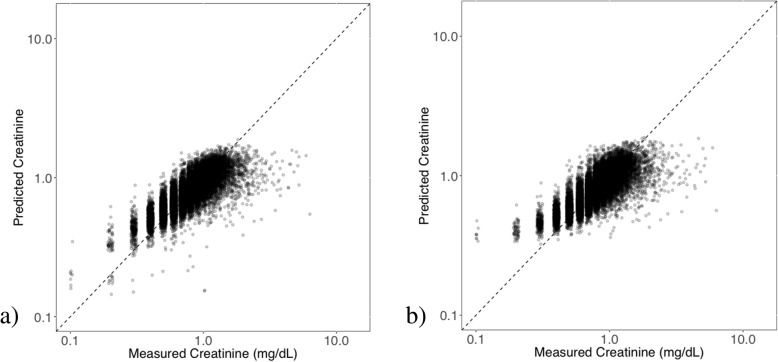
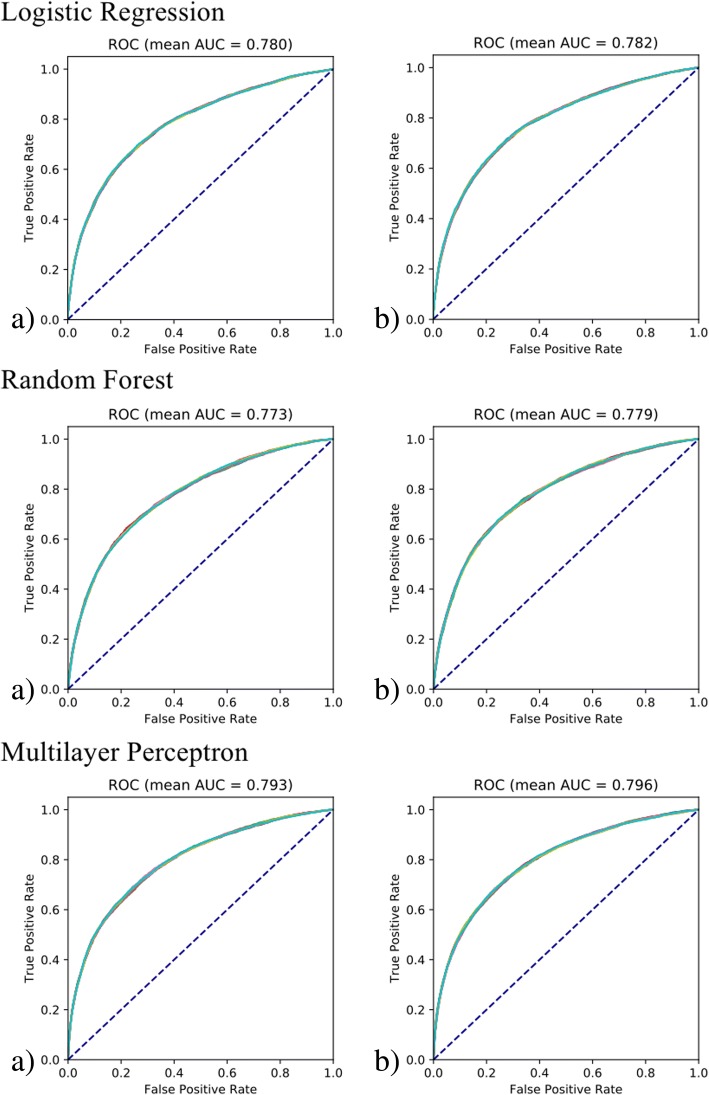
BACKGROUND: The development of acute kidney injury (AKI) during an intensive care unit (ICU) admission is associated with increased morbidity and mortality. METHODS: Our objective was to develop and validate a data driven multivariable clinical predictive model for early detection of AKI among a large cohort of adult critical care patients. We utilized data form the Medical Information Mart for Intensive Care III (MIMIC-III) for all patients who had a creatinine measured for 3 days following ICU admission and excluded patients with pre-existing condition of Chronic Kidney Disease and Acute Kidney Injury on admission. Data extracted included patient age, gender, ethnicity, creatinine, other vital signs and lab values during the first day of ICU admission, whether the patient was mechanically ventilated during the first day of ICU admission, and the hourly rate of urine output during the first day of ICU admission. RESULTS: Utilizing the demographics, the clinical data and the laboratory test measurements from Day 1 of ICU admission, we accurately predicted max serum creatinine level during Day 2 and Day 3 with a root mean square error of 0.224 mg/dL. We demonstrated that using machine learning models (multivariate logistic regression, random forest and artificial neural networks) with demographics and physiologic features can predict AKI onset as defined by the current clinical guideline with a competitive AUC (mean AUC 0.783 by our all-feature, logistic-regression model), while previous models aimed at more specific patient cohorts. CONCLUSIONS: Experimental results suggest that our model has the potential to assist clinicians in identifying patients at greater risk of new onset of AKI in critical care setting. Prospective trials with independent model training and external validation cohorts are needed to further evaluate the clinical utility of this approach and potentially instituting interventions to decrease the likelihood of developing AKI.
Overview
The claims and statistics of this paper haven’t been checked yet.
Free: it reads the open-access text and checks the first 5 claims that cite a source we can check. Create a free account to check every claim.
Integrity signals
Registry
Cites
Statistics
Figures
Verification
Claims the paper makes
The claims and statistics of this paper haven’t been checked yet.
Free: it reads the open-access text and checks the first 5 claims that cite a source we can check. Create a free account to check every claim.
Self-check
Percentages, sums and reported differences re-computed from the paper’s own numbers.
The self-check needs the paper’s full text.
Citations
Cites
Adam: A Method for Stochastic Optimization
Kingma, D. P., & Ba, J. (2014) · arXiv · doi:10.48550/arxiv.1412.6980 · Cited by 98,946
SMOTE synthetic minority over-sampling technique
Chawla, N. V., Bowyer, K. W., Hall, L. O., & Kegelmeyer, W. P. (2002) · Journal of Artificial Intelligence Research · doi:10.1613/jair.953 · Cited by 32,865
Toprak, O., Kurt, H., Sarı, Y., Şarkış, C., Us, H., & Kırık, A. (2017) · Kidney and Blood Pressure Research · doi:10.1159/000468530 · Cited by 29,627
A New Equation to Estimate Glomerular Filtration Rate
Levey, A. S., Stevens, L. A., Schmid, C. H., Zhang, Y. (., Castro, A. F., Feldman, H. I., Kusek, J. W., Eggers, P., Van Lente, F., Greene, T., et al. (2009) · Annals of Internal Medicine · doi:10.7326/0003-4819-150-9-200905050-00006 · Cited by 25,603
mice: Multivariate Imputation by Chained Equations in R
Buuren, S. V., & Groothuis-Oudshoorn, K. (2011) · Journal of Statistical Software · doi:10.18637/jss.v045.i03 · Cited by 13,870 · cited 2×
“MICE estimates a conditional model for each variable to be imputed, with the other variables as possible predictors [32].”
BackgroundMethodAPACHE II: A severity of disease classification system
KNAUS, W. A., DRAPER, E. A., WAGNER, D. P., & ZIMMERMAN, J. E. (1985) · Critical Care Medicine · doi:10.1097/00003246-198510000-00009 · Cited by 13,664
APACHE II-A Severity of Disease Classification System: Reply
Knaus, W. A., Draper, E. A., Wagner, D. P., & Zimmerman, J. E. (1986) · Critical Care Medicine · doi:10.1097/00003246-198608000-00028 · Cited by 13,376
MIMIC-III, a freely accessible critical care database
Johnson, A. E. W., Pollard, T. J., Shen, L., Lehman, L.-W. H., Feng, M., Ghassemi, M., Moody, B., Szolovits, P., Anthony Celi, L., & Mark, R. G. (2016) · Scientific Data · doi:10.1038/sdata.2016.35 · Cited by 8,141
Acute Kidney Injury Network: report of an initiative to improve outcomes in acute kidney injury
Mehta, R. L., Kellum, J. A., Shah, S. V., Molitoris, B. A., Ronco, C., Warnock, D. G., Levin, A., & the Acute Kidney Injury Network (2007) · Critical Care · doi:10.1186/cc5713 · Cited by 7,048
Intravenous Fluids and Acute Kidney Injury
Ding, X., Cheng, Z., & Qian, Q. (2017) · Blood Purification · doi:10.1159/000452702 · Cited by 6,827
Research works printed but not linked: 2
- The Kidney Disease Improving Global Outcomes (KDIGO) Working Group: KDIGO Clinical Practice Guideline for Acute Kidney Injury. In Supplement 1. pp. 29–30: Kidney International; 2012:29–30.
- The Kidney Disease Improving Global Outcomes (KDIGO) Working Group: Definition and classification of acute kidney injury. In Supplement 2. pp. 19–36: Kidney International:19–36.
Cited by
Song, X., Liu, X., Liu, F., & Wang, C. (2021) · International Journal of Medical Informatics · doi:10.1016/j.ijmedinf.2021.104484 · Cited by 299
Artificial intelligence-enabled decision support in nephrology
Loftus, T. J., Shickel, B., Ozrazgat‐Baslanti, T., Ren, Y., Glicksberg, B. S., Cao, J., Singh, K., Chan, L., Nadkarni, G. N., & Bihorac, A. (2022) · Nature Reviews Nephrology · doi:10.1038/s41581-022-00562-3 · Cited by 129
Schweingruber, N., Mader, M. M.-D., Wiehe, A., Röder, F., Göttsche, J., Kluge, S., Westphal, M., Czorlich, P., & Gerloff, C. P. (2022) · Brain · doi:10.1093/brain/awab453 · Cited by 106
Role of Artificial Intelligence in Kidney Disease
Yuan, Q., Zhang, H., Deng, T., Tang, S., Yuan, X., Tang, W., Xie, Y., Ge, H., Wang, X., Zhou, Q., et al. (2020) · International Journal of Medical Sciences · doi:10.7150/ijms.42078 · Cited by 90
Schwartz, J. M., Moy, A. J., Rossetti, S. C., Elhadad, N., & Cato, K. D. (2021) · Journal of the American Medical Informatics Association · doi:10.1093/jamia/ocaa296 · Cited by 83
An evaluation of time series summary statistics as features for clinical prediction tasks
Guo, C., Lu, M., & Chen, J. (2020) · BMC Medical Informatics and Decision Making · doi:10.1186/s12911-020-1063-x · Cited by 78
Promises of Big Data and Artificial Intelligence in Nephrology and Transplantation
Thongprayoon, C., Kaewput, W., Kovvuru, K. R., Hansrivijit, P., Kanduri, S. R., Bathini, T. J., Chewcharat, A., Leeaphorn, N., Suarez, M. L. G., & Cheungpasitporn, W. (2020) · Journal of Clinical Medicine · doi:10.3390/jcm9041107 · Cited by 77
Artificial Intelligence in Acute Kidney Injury Risk Prediction
Gameiro, J., Branco, T., & Lopes, J. A. (2020) · Journal of Clinical Medicine · doi:10.3390/jcm9030678 · Cited by 75
Feng, Y., Wang, Y., Jun, M., Pu, L., Weisbord, S. D., Bellomo, R., Hong, D., & Gallagher, M. (2023) · JAMA Network Open · doi:10.1001/jamanetworkopen.2023.13359 · Cited by 74
Syed, M., Syed, S., Sexton, K., Syeda, H. B., Garza, M., Zozus, M., Syed, F., Begum, S., Syed, A. U., Sanford, J., et al. (2021) · Informatics · doi:10.3390/informatics8010016 · Cited by 68
KASHANI, K. B., Awdishu, L., Bagshaw, S. M., Barreto, E. F., Granado, R. C., Evans, B. J., Forni, L. G., Ghosh, E., Goldstein, S. L., Kane‐Gill, S. L., et al. (2023) · Nature Reviews Nephrology · doi:10.1038/s41581-023-00744-7 · Cited by 61
Alfieri, F., Ancona, A., Tripepi, G. L., CROSETTO, D. B., Randazzo, V., Paviglianiti, A., Pasero, E. G. A., Vecchi, L., Cauda, V., & Fagugli, R. M. (2021) · Journal of Nephrology · doi:10.1007/s40620-021-01046-6 · Cited by 60
Vagliano, I., Chesnaye, N. C., Leopold, J. H., Jager, K. J., Abu-Hanna, A., & Schut, M. C. (2022) · Clinical Kidney Journal · doi:10.1093/ckj/sfac181 · Cited by 59
A prediction and interpretation framework of acute kidney injury in critical care
Gong, K., Lee, H. K., Yu, K., Xie, X., & Li, J. (2020) · Journal of Biomedical Informatics · doi:10.1016/j.jbi.2020.103653 · Cited by 57
Liu, K., Zhang, X., Chen, W., Yu, A. S. L., Kellum, J. A., Matheny, M. E., Simpson, S. Q., Hu, Y. Q., & Liu, M. (2022) · JAMA Network Open · doi:10.1001/jamanetworkopen.2022.19776 · Cited by 56
Prediction of acute kidney injury in ICU with gradient boosting decision tree algorithms
Gao, W., Wang, J., Zhou, L., Luo, Q., Lao, Y., Lyu, H., & Guo, S. (2021) · Computers in Biology and Medicine · doi:10.1016/j.compbiomed.2021.105097 · Cited by 56
Chiu, C., Wu, C.-M., Chien, T.-N., Kao, L., Li, C., & Jiang, H.-L. (2022) · Journal of Clinical Medicine · doi:10.3390/jcm11216460 · Cited by 55
Artificial Intelligence in Nephrology: Clinical Applications and Challenges
Singh, P. K., Goyal, L., Mallick, D. C., Surani, S., Kaushik, N., Chandramohan, D., & Simhadri, P. K. (2024) · Kidney Medicine · doi:10.1016/j.xkme.2024.100927 · Cited by 51
Siu, B. M. K., Kwak, G. H., Ling, L., & Hui, P. (2020) · Scientific Reports · doi:10.1038/s41598-020-77893-3 · Cited by 50
Artificial Intelligence in Acute Kidney Injury Prediction
Bajaj, T., & Koyner, J. L. (2022) · Advances in Chronic Kidney Disease · doi:10.1053/j.ackd.2022.07.009 · Cited by 47
He, J., Lin, J., & Duan, M. (2021) · Frontiers in Medicine · doi:10.3389/fmed.2021.792974 · Cited by 47
He, Z., Zhou, J., Liu, Z., Dong, S., Zhang, Y., Shen, T. H., Zheng, S., & Xu, X. (2021) · Hepatobiliary & pancreatic diseases international · doi:10.1016/j.hbpd.2021.02.001 · Cited by 45
The Turkish Journal of Anaesthesiology and Reanimation
(2020) · Türk anesteziyoloji ve reanimasyon derneği dergisi · doi:10.4274/tjar · Cited by 45
Mengxin, S., Jason, B., Anand, D., Peter, S., Wunderink Richard, G., Tamara, I., & Yuan, L. (2019) · Studies in Health Technology and Informatics · doi:10.3233/shti190245 · Cited by 44
Self-citationHo, C. W.-L., & Caals, K. (2021) · Seminars in Nephrology · doi:10.1016/j.semnephrol.2021.05.009 · Cited by 43
A Dynamic Ensemble Learning Algorithm based on K-means for ICU mortality prediction
Guo, C., Liu, M., & Lu, M. (2021) · Applied Soft Computing · doi:10.1016/j.asoc.2021.107166 · Cited by 40
Machine Learning for Acute Kidney Injury Prediction in the Intensive Care Unit
Gottlieb, E. R., Samuel, M., Bonventre, J. V., Celi, L. A., & Mattie, H. (2022) · Advances in Chronic Kidney Disease · doi:10.1053/j.ackd.2022.06.005 · Cited by 31
Machine learning for acute kidney injury: Changing the traditional disease prediction mode
Yu, X., Ji, Y., Huang, M., & Feng, Z. (2023) · Frontiers in Medicine · doi:10.3389/fmed.2023.1050255 · Cited by 38
Predicting Acute Kidney Injury after Cardiac Surgery by Machine Learning Approaches
Thongprayoon, C., Hansrivijit, P., Bathini, T. J., Vallabhajosyula, S., Mekraksakit, P., Kaewput, W., & Cheungpasitporn, W. (2020) · Journal of Clinical Medicine · doi:10.3390/jcm9061767 · Cited by 38
Fairness Violations and Mitigation under Covariate Shift
Singh, H., Singh, R., Mhasawade, V., & Chunara, R. (2021) · Proceedings of the 2021 ACM Conference on Fairness, Accountability, and Transparency · doi:10.1145/3442188.3445865 · Cited by 37
Ronzio, L., Cabitza, F., Barbaro, A., & Banfi, G. (2021) · Diagnostics · doi:10.3390/diagnostics11020372 · Cited by 36
Shi, T., Lin, Y., Zhao, H., & Kong, G. (2025) · JAMIA Open · doi:10.1093/jamiaopen/ooaf065 · Cited by 35
Prediction Models for AKI in ICU: A Comparative Study.
Qian, Q., Wu, J., Wang, J., Sun, H., & Yang, L. (2021) · PubMed Central · doi:10.2147/ijgm.s289671 · Cited by 34
The Road to Precision Medicine for Acute Kidney Injury
Birkelo, B. C., Koyner, J. L., Ostermann, M., & Bhatraju, P. K. (2024) · Critical Care Medicine · doi:10.1097/ccm.0000000000006328 · Cited by 32
Chen, Q., Zhang, Y., Zhang, M., Li, Z., & Liu, J. (2022) · Clinical Interventions in Aging · doi:10.2147/cia.s349978 · Cited by 31
D’Hondt, E., Ashby, T. J., Chakroun, I., Koninckx, T., & Wuyts, R. (2022) · Communications Medicine · doi:10.1038/s43856-022-00225-1 · Cited by 29
Lee, T. H., Chen, J., Cheng, C., & Chang, C. (2021) · Healthcare · doi:10.3390/healthcare9121662 · Cited by 29
Yeh, P., Pan, Y., Sanchez-Pinto, L. N., & Luo, Y. (2020) · BMC Medical Informatics and Decision Making · doi:10.1186/s12911-020-01326-4 · Cited by 24
Self-citationRahimi, A. K., Ghadimi, M., van der Vegt, A. H., Canfell, O. J., Pole, J. D., Sullivan, C. M., & Shrapnel, S. (2023) · BMC Medical Informatics and Decision Making · doi:10.1186/s12911-023-02306-0 · Cited by 22
Contrasting rule and machine learning based digital self triage systems in the USA
Naved, B. A., & Luo, Y. (2024) · npj Digital Medicine · doi:10.1038/s41746-024-01367-3 · Cited by 22
Self-citationClinical prediction models for acute kidney injury in the intensive care unit: a systematic review
Huang, C.-Y., Güiza, F., Flechet, M., & Meyfroidt, G. (2020) · Revista Brasileira de Terapia Intensiva · doi:10.5935/0103-507x.20200018 · Cited by 22
Luo, Y., Mao, C., Sanchez-Pinto, L. N., Ahmad, F. S., Naidech, A. M., Rasmussen, L. V., Pacheco, J. A., Schneider, D., Mithal, L. B., Dresden, S. M., et al. (2024) · Learning Health Systems · doi:10.1002/lrh2.10417 · Cited by 21
Self-citationKhope, S. R., & Elias, S. (2023) · Healthcare · doi:10.3390/healthcare11050710 · Cited by 20
Prediction on critically ill patients: The role of “big data”
Bulgarelli, L., Deliberato, R. O., & Johnson, A. E. W. (2020) · Journal of Critical Care · doi:10.1016/j.jcrc.2020.07.017 · Cited by 20
Riley, R. D., Collins, G. S., Whittle, R., Archer, L., Snell, K. I. E., Dhiman, P., Kirton, L., Legha, A., Liu, X., Denniston, A. K., et al. (2025) · Diagnostic and Prognostic Research · doi:10.1186/s41512-025-00193-9 · Cited by 20
Huang, C.-Y., Güiza, F., Wouters, P. J., Mebis, L., Carra, G., Gunst, J., Meersseman, P., Casaer, M. P., den Berghe, G. V., Vlieger, G. D., et al. (2023) · Critical Care · doi:10.1186/s13054-023-04553-z · Cited by 19
Artificial intelligence to guide management of acute kidney injury in the ICU: a narrative review
Vlieger, G. D., KASHANI, K. B., & Meyfroidt, G. (2020) · Current Opinion in Critical Care · doi:10.1097/mcc.0000000000000775 · Cited by 20
Farhat, H., Abid, C., Aifa, K. E., Gangaram, P., Jones, A., Khenissi, M. C., Khadhraoui, M., Gargouri, I., Shaikh, L. A. H. A., Laughton, J., et al. (2023) · International Journal of Environmental Research and Public Health · doi:10.3390/ijerph20146404 · Cited by 18
Cho, N., Jeong, I., Ahn, S.-J., Gil, H., Kim, Y. H., Park, J.-H., Kang, S., & Lee�, H. (2025) · Journal of Medical Internet Research · doi:10.2196/66568 · Cited by 17
Biomarkers vs Machines: The Race to Predict Acute Kidney Injury
Ghazi, L., Farhat, K., Hoenig, M. P., Durant, T. J. S., & El-Khoury, J. M. (2024) · Clinical Chemistry · doi:10.1093/clinchem/hvad217 · Cited by 16
Huang, C.-Y., Güiza, F., Vlieger, G. D., Wouters, P. J., Gunst, J., Casaer, M. P., Vanhorebeek, I., Derese, I., den Berghe, G. V., & Meyfroidt, G. (2022) · Journal of Clinical Monitoring and Computing · doi:10.1007/s10877-022-00865-7 · Cited by 16
Nicosia, A., Cancilla, N., Martín‐Guerrero, J. D., Tinnirello, I., & Cipollina, A. (2025) · Bioengineering · doi:10.3390/bioengineering12101069 · Cited by 16
Prediction of acute kidney injury in patients with femoral neck fracture utilizing machine learning
Liu, J., Xu, L., Zhu, E., Han, C., & Ai, Z. (2022) · Frontiers in Surgery · doi:10.3389/fsurg.2022.928750 · Cited by 14
Huang, S., Teng, Y., Du, J., Zhou, X., Duan, F., & Feng, C. (2022) · Australian Critical Care · doi:10.1016/j.aucc.2022.06.001 · Cited by 13
A pattern mixture model with long short-term memory network for acute kidney injury prediction
Fathima Begum, M., & Narayan, S. (2023) · Journal of King Saud University - Computer and Information Sciences · doi:10.1016/j.jksuci.2023.03.007 · Cited by 12
Shi, H., Shen, Y., & Li, L. (2023) · Frontiers in Medicine · doi:10.3389/fmed.2023.1221602 · Cited by 12
Bibliometric and visual analysis of machine learning-based research in acute kidney injury worldwide
Yu, X., Wu, R., Ji, Y., & Feng, Z. (2023) · Frontiers in Public Health · doi:10.3389/fpubh.2023.1136939 · Cited by 11
Machine-learning model for predicting oliguria in critically ill patients
Yamao, Y., Oami, T., Yamabe, J., Takahashi, N., & Nakada, T. (2024) · Scientific Reports · doi:10.1038/s41598-024-51476-y · Cited by 11
IDDSAM: An Integrated Disease Diagnosis and Severity Assessment Model for Intensive Care Units
Shi, Z., Zuo, W., Liang, S., Zuo, X., Yue, L., & Li, X. (2020) · IEEE Access · doi:10.1109/access.2020.2967417 · Cited by 10
Heo, S., Kang, E. A., Yu, J. Y., Kim, H. R., Lee, S., Kim, K., Hwangbo, Y., Park, R. W., Shin, H., Ryu, K., et al. (2024) · JMIR Medical Informatics · doi:10.2196/47693 · Cited by 10
Charan, G. S., Charan, A. S., Khurana, M. S., & Narang, G. S. (2023) · Galician Medical Journal · doi:10.21802/e-gmj2023-a06 · Cited by 10
Zhang, Z. (2019) · Biomarkers in Medicine · doi:10.2217/bmm-2019-0363 · Cited by 10
Schweingruber, N., Bremer, J., Wiehe, A., Mader, M. M.-D., Mayer, C., Woo, M. S., Kluge, S., Grensemann, J., Quandt, F., Gempt, J., et al. (2024) · Journal of Clinical Monitoring and Computing · doi:10.1007/s10877-024-01151-4 · Cited by 10
Legha, A., Ensor, J., Whittle, R., Archer, L., CALSTER, B. V., Christodoulou, E., Snell, K. I. E., Sadatsafavi, M., Collins, G. S., & Riley, R. D. (2025) · Journal of Clinical Epidemiology · doi:10.1016/j.jclinepi.2025.112117 · Cited by 9
Interpretable and Continuous Prediction of Acute Kidney Injury in the Intensive Care
Vagliano, I., Lvova, O., & Schut, M. C. (2021) · Studies in health technology and informatics · doi:10.3233/shti210129 · Cited by 9
Jiang, Y., Wang, J., Zheng, X., & Du, J. (2021) · International Journal of General Medicine · doi:10.2147/ijgm.s312058 · Cited by 9
Jeong, I., Cho, N., Ahn, S.-J., Lee�, H., & Gil, H. (2024) · The Korean Journal of Internal Medicine · doi:10.3904/kjim.2024.098 · Cited by 8
Acute Kidney Injury Prediction with Gradient Boosting Decision Trees enriched with Temporal Features
Golovco, S., Mantovani, M., Combi, C., & Holmes, J. H. (2022) · IEEE International Conference on Healthcare Informatics (ICHI) · doi:10.1109/ichi54592.2022.00135 · Cited by 8
van Slobbe, R., Herrmannova, D., Boeke, D. J., Lima-Walton, E. S., Abu-Hanna, A., & Vagliano, I. (2025) · International Journal of Medical Informatics · doi:10.1016/j.ijmedinf.2025.105815 · Cited by 7
Artificial Intelligence in Anaesthesiology: Current Applications, Challenges, and Future Directions
Dost, B., Turan, E. İ., Aydın, M. E., Ahıskalıoğlu, A., Narayanan, M., Yılmaz, R., & Cassai, A. D. (2025) · Turkish Journal of Anaesthesiology and Reanimation · doi:10.4274/tjar.2025.252320 · Cited by 7
“58,59 In parallel, NLP is increasingly employed to mine unstructured clinical notes and nursing reports, allowing AI to detect subtle clinical shifts or errors that structured data may miss. 60 Imaging analysis is another promising avenue.”
AKI-BERT: a pre-trained clinical language model for early prediction of acute kidney injury
Mao, C., Yao, L., & Luo, Y. (2025) · BMC Medical Informatics and Decision Making · doi:10.1186/s12911-025-03095-4 · Cited by 7
Self-citationHourani, A., Jakubowska, Z., & Małyszko, J. (2026) · Journal of Clinical Medicine · doi:10.3390/jcm15031191 · Cited by 6
Tangpanithandee, S., Thongprayoon, C., Krisanapan, P., Mao, M. A., Kaewput, W., Pattharanitima, P., Boonpheng, B., & Cheungpasitporn, W. (2023) · Diseases · doi:10.3390/diseases11010018 · Cited by 6
Wang, Y., Bao, J., Du, J., & Li, Y. (2020) · arXiv (Cornell University) · doi:10.48550/arxiv.2005.13171 · Cited by 5
Künstliche Intelligenz in der Neurointensivmedizin
Schweingruber, N., & Gerloff, C. P. (2021) · Der Nervenarzt · doi:10.1007/s00115-020-01050-4 · Cited by 5
AKI Prediction Models in ICU: A Comparative Study (Preprint)Preprint
Qian, Q., Sun, H., Wu, J., Wang, J., & Yang, L. (2020) · doi:10.2196/preprints.18257 · Cited by 5
Yan, L., Ye, W., Sun, Y., Bao, H., & Liu, H. (2023) · Discovery Medicine · doi:10.24976/discov.med.202335177.61 · Cited by 4
Zarantonello, F., De Cassai, A., Pettenuzzo, T., Sella, N., Mormando, G., Bolzon, A., Fulvio, G. A., Bertoncello, C. A., & Boscolo, A. (2026) · Korean journal of anesthesiology · doi:10.4097/kja.251142 · Cited by 3
Sun, T., Yue, X., Chen, X., Huang, T., Gu, S., Chen, Y., Yang, Y., Qian, F., Han, C., Pan, X., et al. (2024) · Nephrology Dialysis Transplantation · doi:10.1093/ndt/gfae168 · Cited by 3
Using Machine Learning to Predict Hyperchloremia in Critically Ill Patients
Yeh, P., Pan, Y., Sanchez-Pinto, L. N., & Luo, Y. (2019) · IEEE International Conference on Bioinformatics and Biomedicine (BIBM) · doi:10.1109/bibm47256.2019.8982933 · Cited by 3
Self-citationJiang, T., Sang, Y., & Tan, H. (2024) · International Conference on Consumer Electronics and Computer Engineering (ICCECE) · doi:10.1109/iccece61317.2024.10504188 · Cited by 3
Dixon, C. G., Rivera, E. A. T., Patel, A. K., & Pollack, M. M. (2025) · Frontiers in Pediatrics · doi:10.3389/fped.2025.1549836 · Cited by 2
Nguyen-Hoang, N., Zhang, W., Koeze, J., Snieder, H., Keus, E., & Lunter, G. A. (2025) · Kidney Diseases · doi:10.1159/000545150 · Cited by 2
Manalu, G. D. M., Christian, M. M., You, S., & Choi, H. (2024) · arXiv (Cornell University) · doi:10.48550/arxiv.2401.04368 · Cited by 2
CLEAR-Shock: Contrastive LEARning for Shock
Kwon, J. E., Lee, S. W., Kim, S. J., Han, K. S., Lee, S., Song, J., & Lee, H. K. (2025) · IEEE Journal of Biomedical and Health Informatics · doi:10.1109/jbhi.2025.3527477 · Cited by 1
Gao, B., Jin, H., Zhang, Y., & Chen, J. (2025) · Journal of Intensive Care Medicine · doi:10.1177/08850666251390848 · Cited by 1
Zhong, L., Han, L., Wu, Y., Huang, H., & Wang, Z. (2025) · Renal Failure · doi:10.1080/0886022x.2025.2562445 · Cited by 1
Gu, Z., Qian, K., Wang, X., Li, M., & Zhang, B. (2026) · Frontiers in Medicine · doi:10.3389/fmed.2026.1712221 · Cited by 1
Artificial Intelligence in Predicting Kidney Function and Acute Kidney Injury
Uchino, E., Sato, N., & Okuno, Y. (2022) · Springer eBooks · doi:10.1007/978-3-030-64573-1_270 · Cited by 1
Artificial Intelligence in Predicting Kidney Function and Acute Kidney Injury
Uchino, E., Sato, N., & Okuno, Y. (2021) · Springer eBooks · doi:10.1007/978-3-030-58080-3_270-1 · Cited by 1
Christ, M., Schmid, N., Alscher, M. D., Heidrich, C., Rylski, B., Latus, J., Goebel, N., & Schanz, M. (2025) · Computers in Biology and Medicine · doi:10.1016/j.compbiomed.2025.110336 · Cited by 1
Data Analytics in Acute Kidney Injury Prediction: Opportunities and Challenges
Alshamsi, F. Y., Catacutan, M. K., Aldhanhani, K., Alshamsi, H., Simsekler, M. C. E., & Anwar, S. (2022) · Advances in Science and Engineering Technology International Conferences (ASET) · doi:10.1109/aset53988.2022.9735034 · Cited by 1
Scanlon, L. A., O’Hara, C. M., Barker-Hewitt, M., & Barriuso, J. (2025) · Clinical & Translational Oncology · doi:10.1007/s12094-025-03906-0 · Cited by 1
Cao, J. J. (2024) · Deep Blue (University of Michigan) · doi:10.7302/23059 · Cited by 1
Zhang, J. (2023) · University of Minnesota Digital Conservancy (University of Minnesota) · Cited by 1
Zhang, Y., Tao, C., Gong, Y., Wang, K., & Zhao, Z. (2019) · BMC Medical Informatics and Decision Making · doi:10.1186/s12911-019-0732-0 · Cited by 1
Mutnuri, M. K., Stelfox, H. T., Forkert, N. D., & Lee, J. (2023) · Research Square · doi:10.21203/rs.3.rs-3100844/v1
Zhang, Z. (2020) · Critical Care Medicine · doi:10.1097/ccm.0000000000004148
Evaluating the effect of Ondansetron on Reducing ICU Mortality in Patients with Acute Kidney Injury
Guo, X. (2021) · D-Scholarship@Pitt (University of Pittsburgh)
Gouda, T. E.-S., Hafez, A. A., Bahgat, M., & Dahab, E. A. E. A. E. (2022) · International Journal of Health Sciences · doi:10.53730/ijhs.v6ns4.7565
Metadata
- Authors
- Zimmerman, L. P., Reyfman, P. A., Smith, A. D. R., Zeng, Z., Kho, A., Sanchez-Pinto, L. N., & Luo, Y.
- Affiliations
- Northwestern University (US)
- Corresponding author
- Luo, Yuan
- Venue
- BMC Medical Informatics and Decision Making
- Published
- 2019-01
- Volume
- 19
- Issue
- S1
- Pages
- 16-16
- ISSN
- 1472-6947 (ISSN-L)
- PMC
- PMC6354330
- OpenAlex
- W2914416972
- Semantic Scholar
- 4f73ecb48024ff5c6ac6459bf59517ae30f1ba4f
- Cited by
- 100
- References
- 47
- Citations by year
- 2026: 6 · 2025: 13 · 2024: 14 · 2023: 16 · 2022: 15 · 2021: 16 · 2020: 17 · 2019: 3
- FWCI
- 9.83
- Type
- journal article
- Language
- en
- Open access
- gold
- doi.org
- Licence
- cc-by
- creativecommons.org/licenses/by/4.0/ (tdm)
- Locations
- BMC Medical Informatics and Decision Making (publishedVersion, cc-by)
- Europe PMC (PubMed Central) (publishedVersion, other-oa)
- PubMed Central (publishedVersion, cc-by)
- PubMed (publishedVersion)
- DOAJ (DOAJ: Directory of Open Access Journals) (submittedVersion, cc-by-sa)
- Funders
- National Science Foundation (1417819)
- National Institutes of Health (UL1TR001422)
- National Institute of General Medical Sciences (R01GM105688)
- U.S. National Library of Medicine (T32LM012203, R21LM012618)
- National Center for Advancing Translational Sciences
- Topics
- Health Sciences › Medicine › Nephrology › Acute Kidney Injury Research
- Physical Sciences › Computer Science › Artificial Intelligence › Machine Learning in Healthcare
- Health Sciences › Health Professions › Health Information Management › Artificial Intelligence in Healthcare
- Keywords
- acute kidney injury, early prediction, intensive care unit, critically ill patients, serum creatinine, physiological measures, vital signs, urine output, mechanical ventilation, risk prediction model, MIMIC-III, random forest, artificial neural networks, logistic regression
- MeSH terms
- Adult, Aged, Critical Care, Female, Hospitalization, Humans, Intensive Care Units, Male, Middle Aged, Models, Biological, Retrospective Studies, Cohort Studies, Multivariate Analysis, Logistic Models, Acute Kidney Injury
About these checks
Registry, retraction, Cites and statistics results are computed, not judged, with one exception: a printed reference that no index lists is read once by a model before it counts as a citation error. Claims are extracted by a model and kept only when their quote appears verbatim in the text; each cited source is then checked, with a model’s help, for whether it says what the claim relies on. Those verdicts can be wrong — read the claim’s quote and the cited source before relying on one.
Statistics and arithmetic are recomputed, not judged.
Confidence bands are shown only for fields calibrated on our annotated test set. None is calibrated yet, so no band is shown.
What counts as a claim ›How we measure confidence ›How we check this ›
Are you an author, or do you see a problem with this page? Request a review
Data sources
Bibliographic data: Semantic Scholar, OpenAlex, Crossref.
Contains information from the Semantic Scholar Academic Graph Datasets, made available under the ODC Attribution License (ODC-BY 1.0).
Semantic Scholar’s data is described in: Kinney, R., et al. (2023). The Semantic Scholar Open Data Platform. arXiv:2301.10140.
