

Exercise in the treatment of clinical anxiety in general practice – a systematic review and meta-analysis
Open accessThe DOI matches its Crossref record; 55 of the 55 references it cites were found in a registry or an index.
Abstract
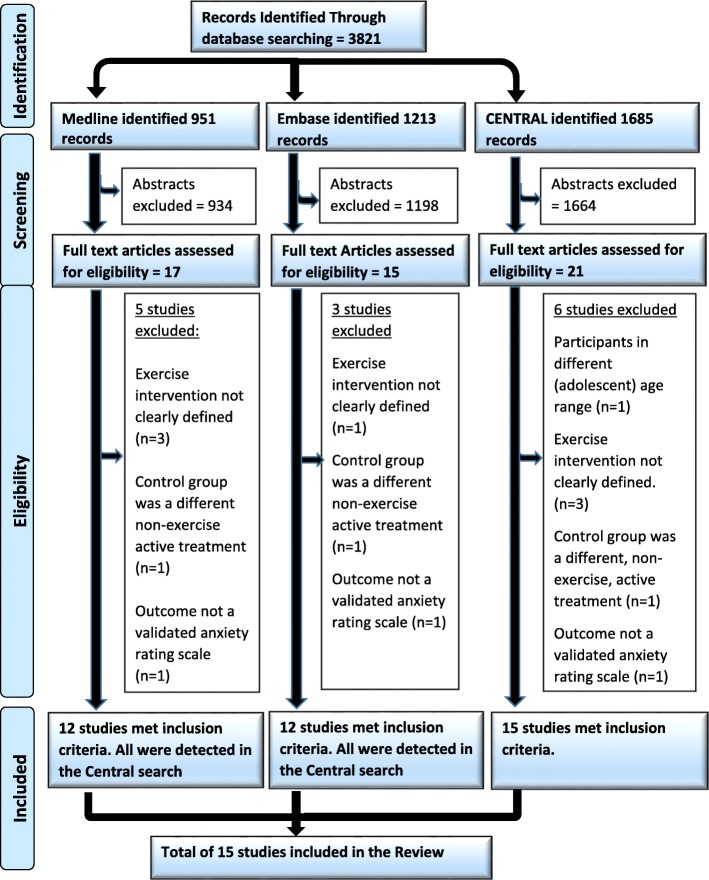
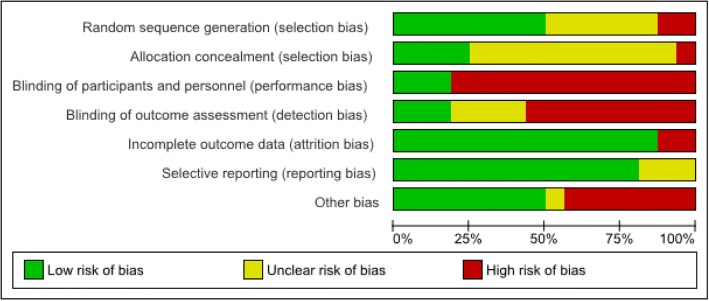
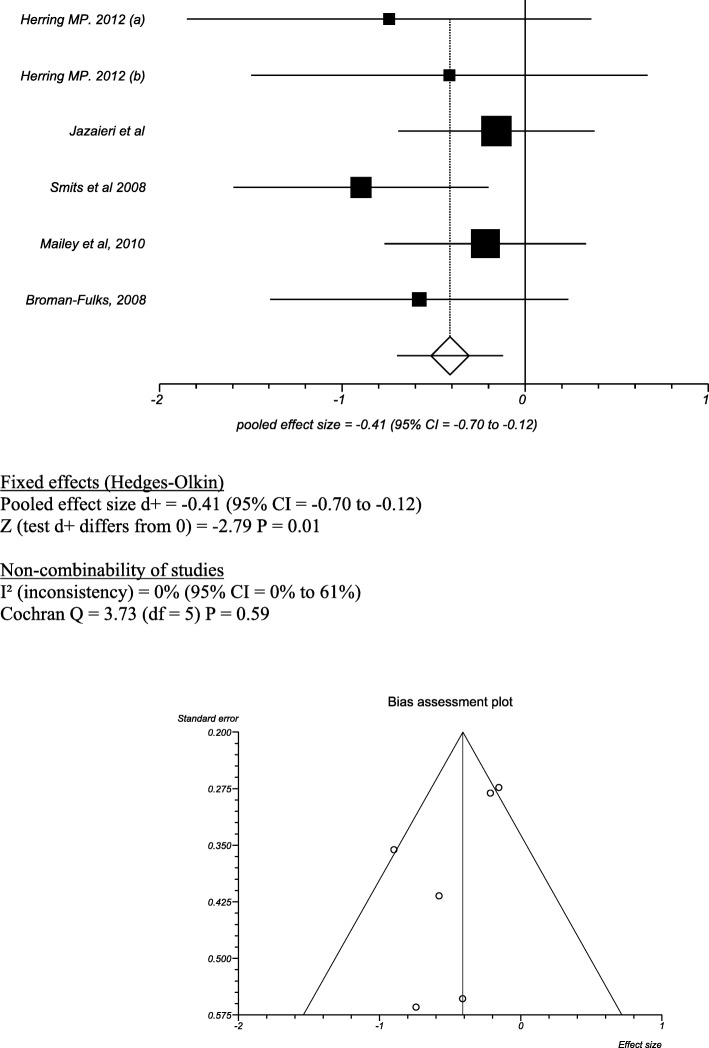
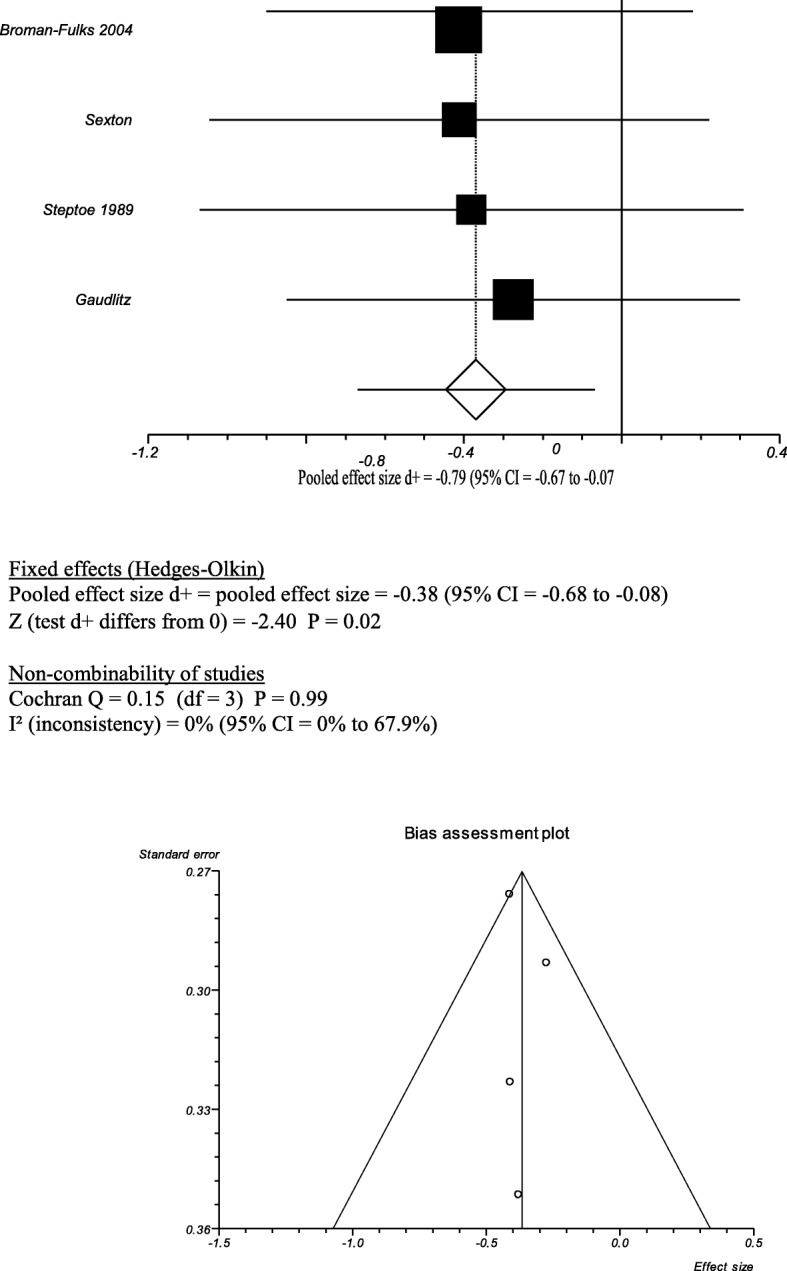
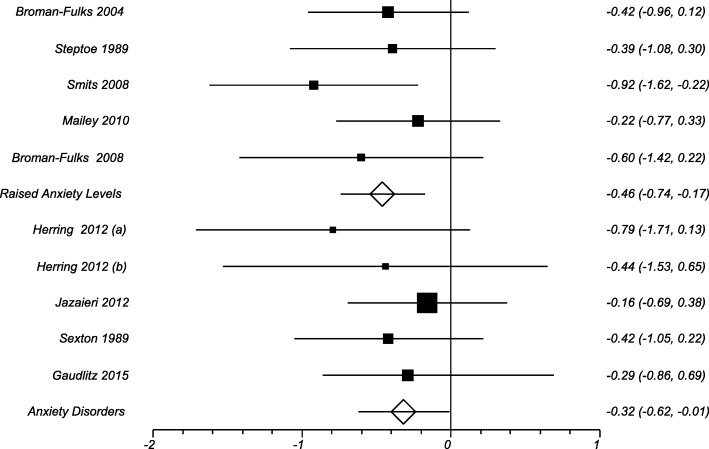
BACKGROUND: Anxiety disorders are common, yet treatment options in general practice are often limited to medication or CBT. There is a lack of evidence for the effectiveness of exercise in the treatment of anxiety in patients who present to general practice and also about the intensity of exercise required to lead to improvement. The aim of this systematic review was to assess the use of exercise versus waiting list control groups in the treatment of anxiety and also to assess the benefit of high intensity exercise vs low intensity exercise. Long term follow up scores were also analysed. We included patients who met diagnostic criteria for anxiety disorders or had clinically raised anxiety levels on a validated rating scale and performed a subgroup analysis of the outcomes between the two groups. The intervention was any aerobic exercise programme carried out for at least two weeks, or exercise carried out at high intensity for at least two weeks. The comparison groups were either a waiting list control group or low intensity exercise. METHOD: Systematic review of randomised controlled trials. Three databases were searched; CENTRAL, Medline and Embase. Outcome assessment was based on validated anxiety rating scales. The quality of the studies was appraised according to the Cochrane Risk of Bias tool. Effect sizes were calculated using the standardised mean difference. RESULTS: Fifteen studies were identified with a total of 675 patients. Nine trials had participants with diagnosed anxiety disorders and six trials had participants with raised anxiety on a validated rating scale. Aerobic exercise was effective in the treatment of raised anxiety compared to waiting list control groups (effect size - 0.41, 95% CI = - 0.70 to - 0.12). High intensity exercise programmes showed greater effects than low intensity programmes. There was no significant difference in outcomes between groups of patients with diagnosed anxiety disorders and patients who had raised anxiety on a rating scale. Conclusions were limited by the small number of studies and wide variation in the delivery of exercise interventions. CONCLUSION: Exercise programmes are a viable treatment option for the treatment of anxiety. High intensity exercise regimens were found to be more effective than low intensity regimens. The results have implications for the use of exercise schemes in General Practice.
Overview
The claims and statistics of this paper haven’t been checked yet.
Free: it reads the open-access text and checks the first 5 claims that cite a source we can check. Create a free account to check every claim.
Integrity signals
Registry
Cites
Statistics
Figures
Verification
Claims the paper makes
The claims and statistics of this paper haven’t been checked yet.
Free: it reads the open-access text and checks the first 5 claims that cite a source we can check. Create a free account to check every claim.
Claims other papers make about this one
Each is checked against this paper’s own text: does it say what the citing paper says it does?
The source backs part of the claim, not all of it — or backs it for a different population, condition or comparison.
In the citing paper
“These lower volumes are common across trials with adolescents, young adults and other adults with mental ill-health conditions ( Aylett 2018; Bailey 2018; Carter 2021; Cooney 2013);”
From Exercise for the treatment of anxiety in children and adolescents (2022) · cites this paper as Aylett 2018
Experimental — accuracy not yet measuredThe source backs part of the claim, not all of it — or backs it for a different population, condition or comparison.
In the citing paper
“These trials generally show low-certainty evidence for improved symptoms or rates of remission, when exercise is compared to control conditions, including no-treatment/waitlist, attention placebo, treatment as usual (TAU) or lower intensity exercise (e.g.stretching).”
From Exercise for the treatment of anxiety in children and adolescents (2022) · cites this paper as Aylett 2018
Experimental — accuracy not yet measuredThe source backs part of the claim, not all of it — or backs it for a different population, condition or comparison.
In the citing paper
“Exercise may therefore incorporate gradual exposure with response prevention in the context of training, similar to conventional psychotherapy paradigms using desensitization techniques through gradual exposure (80–82).”
From The Role of Exercise in Management of Mental Health Disorders: An Integrative Review (2021) · cites this paper as [81]
Experimental — accuracy not yet measuredThe source backs part of the claim, not all of it — or backs it for a different population, condition or comparison.
In the citing paper
“Additionally, the evidence suggests high-intensity exercise to be more effective at reducing anxiety, but both high- and low-intensity exercise were significantly more effective relative to no exercise [146].”
From The Cyclical Battle of Insomnia and Mental Health Impairment in Firefighters: A Narrative Review (2024) · cites this paper as [146]
Experimental — accuracy not yet measuredThe cited source says what the claim attributes to it.
In the citing paper
“For example, in adults with anxiety, head-to-head trials show a potential for greater symptom reduction in higher-versus lower-intensity exercise (Aylett 2018).”
From Exercise for the treatment of anxiety in children and adolescents (2022) · cites this paper as Aylett 2018
7 more claims about this paper
Create a free account to see every claim other papers make about this one.
Self-check
Percentages, sums and reported differences re-computed from the paper’s own numbers.
The self-check needs the paper’s full text.
Citations
Cites
Dermyshi, E., Wang, Y., Yan, C., Hong, W., Qiu, G., Gong, X., & Zhang, T. (2017) · Neonatology · doi:10.1159/000454668 · Cited by 24,451
GRADE guidelines: 1. Introduction—GRADE evidence profiles and summary of findings tables
Guyatt, G., Oxman, A. D., Akl, E. A., Kunz, R., Vist, G., Brozek, J., Norris, S., Falck-Ytter, Y., Glasziou, P., & deBeer, H. (2011) · Journal of Clinical Epidemiology · doi:10.1016/j.jclinepi.2010.04.026 · Cited by 10,681
Why Most Published Research Findings Are False
Ioannidis, J. P. A. (2005) · PLoS Medicine · doi:10.1371/journal.pmed.0020124 · Cited by 10,505
Diagnostic and Statistical Manual of Mental Disorders (DSM-IV)
Hu, R. J. (2003) · Encyclopedia of the Neurological Sciences · doi:10.1016/b0-12-226870-9/01070-4 · Cited by 9,117
Cochrane Handbook for Systematic Reviews of Interventions Version 5.0.1. The Cochrane Collaboration
Higgins, J. P. T., Green, S. R., & Higgins, J. P. T. (2008) · Cited by 7,261
Why Most Published Research Findings Are False
Ioannidis, J. P. A. (2005) · CHANCE · doi:10.1080/09332480.2005.10722754 · Cited by 4,702 · cited 1×
“A further limitation in study selection is the risk of Publication Bias, where there is a chance that only trials with positive results will be published, this can invalidate the results of a meta-analysis and is a particular risk in reviews where the number of studies is small [49] We sought to limit publication bias…”
MethodNorderyd, O. M., Koch, G., Papias, A., Köhler, A. A., Helkimo, A. N., Brahm, C., Lindmark, U., Lindfors, N., Mattsson, A., Rolander, B., et al. (2015) · PubMed · Cited by 3,584
Toward a unified treatment for emotional disorders
Barlow, D. H., Allen, L. B., & Choate, M. L. (2004) · Behavior Therapy · doi:10.1016/s0005-7894(04)80036-4 · Cited by 1,430 · cited 1×
“Finally, the Distraction Theory posits that exercise may provide “time out” from daily activities and decrease anxious rumination, allowing the patient to think anxiolytic thoughts instead [8].”
BackgroundPetruzzello, S. J., Landers, D. M., Hatfield, B. D., Kubitz, K. A., & Salazar, W. (1991) · Sports Medicine · doi:10.2165/00007256-199111030-00002 · Cited by 908
Physical activity dose-response effects on outcomes of depression and anxiety
DUNN, A. L., TRIVEDI, M. H., & O???NEAL, H. A. (2001) · Medicine and Science in Sports and Exercise · doi:10.1097/00005768-200106001-00027 · Cited by 816 · cited 1×
“Those that did explore this issue were inconclusive [13, 14, 16].”
Background
Research works printed but not linked: 2
- Review Manager (RevMan) [Computer program] Version 5.3. Copenhagen: The Nordic Cochrane Centre, The Cochrane Collaboration 2014
- StatsDirect Ltd StatsDirect statistical software 2013 London StatsDirect Ltd
Cited by
Items 101–200 of 240
Tian, J., Kong, Q., Yu, H., Liu, P., Shen, L., & Luo, Y. (2024) · Scandinavian Journal of Medicine and Science in Sports · doi:10.1111/sms.14735 · Cited by 11
“Previous review studies have already found significant reductions in individual anxiety through practicing yoga and AE [18, 84, 85].”
InfluentialWu, P. A., Chen, X., Wang, S., Chen, X., & Liu, J. (2025) · Journal of Affective Disorders · doi:10.1016/j.jad.2025.119630 · Cited by 11
Akinbo, O. I., McNeal, N., Hylin, M. J., Hite, N. J., Dagner, A., & Grippo, A. J. (2022) · Affective Science · doi:10.1007/s42761-022-00131-8 · Cited by 11
Li, R., Wang, W., Guo, J., Liu, W., Huang, X., Qiao, Y., Jia, S., Tian, L., Zhou, J., & Wang, G. (2023) · Journal of Affective Disorders · doi:10.1016/j.jad.2023.02.090 · Cited by 9
Gurung, J., Turner, J., Freeman, E., Coleman, C., Iacovou, S., & Hemingway, S. (2023) · Nursing Reports · doi:10.3390/nursrep13010042 · Cited by 10
“The evidence of the positive effects of physical activity and green exercise on mental health [21,30,37] and the importance of providing inclusivity, accessibility, opportunities for achievement, social support and volunteering opportunities in outdoor settings [40] informed the programme.”
BackgroundNewsome, A. M., Kilpatrick, M. W., & Dedrick, R. F. (2024) · International Journal of Behavioral Medicine · doi:10.1007/s12529-024-10266-6 · Cited by 9
“The literature available that supports exercise for the treatment of stress and anxiety disorders is more widely accepted [63, 64].”
Chiba, S., Okawara, T., Kawakami, K., Ohta, R., & Kawaguchi, M. (2021) · Physiology and Behavior · doi:10.1016/j.physbeh.2021.113670 · Cited by 7
Masklavanou, C., Triantafyllou, K., Paparrigopoulos, T. J., Sypsa, V., & Pehlivanidis, A. (2022) · Psychiatriki · doi:10.22365/jpsych.2022.098 · Cited by 11
Acute High-Intensity Exercise Reduces Performance Anxiety: A Pilot Study in Wind Musicians
Blasco-Lafarga, C., Roldán, A., Cordellat, A., & Monteagudo, P. (2022) · Annals of Applied Sport Science · doi:10.52547/aassjournal.1094 · Cited by 7
Fiedler, D. V., Rosenstiel, S., Zeibig, J., Seiffer, B., Welkerling, J., Frei, A. K., Studnitz, T., Baur, J., Helmhold, F., Ray, A. M., et al. (2023) · Trials · doi:10.1186/s13063-023-07331-y · Cited by 7
“However, it is also stated that even a lower level of activity can already have positive effects for this target group [2, 4, 19, 20, 81, 82].”
BackgroundMethodKumar, S., Tran, J. L., Ramirez, E. R., Lee, W.-N., Foschini, L., & Juusola, J. L. (2020) · JMIR Mental Health · doi:10.2196/17075 · Cited by 9
“One potential explanation of this finding is that those with anxiety use medication as treatment less often than those with depression as nonpharmaceutical alternatives are effective (eg, cognitive behavioral therapy, meditation, exercise) [15-18].”
Petzold, M. B., Betzler, F., Plag, J., Ströhle, A., & Bendau, A. (2024) · European Archives of Psychiatry and Clinical Neuroscience · doi:10.1007/s00406-024-01819-7 · Cited by 9
“There is strong evidence that physical activity plays an important role in the prevention and treatment of many common mental disorders [7, 8], including depression [9–11], anxiety disorders [12–15], schizophrenia [16–19], post-traumatic stress disorder [20], and substance-use disorders [5, 21].”
BackgroundRemiszewski, M., Rajtar, G., Komarek, Z., Pałka, T., Maciejczyk, M., & Ligeza, T. S. (2025) · Psychology of sport and exercise · doi:10.1016/j.psychsport.2025.102939 · Cited by 9
Wall, A., Henriksson, M., Nyberg, J., Holmgren, K. E., Isgaard, J., Lennartsson, A.-K., Svensson, J., Danielsson, L., Wærn, M., Åberg, M., et al. (2024) · Journal of Affective Disorders · doi:10.1016/j.jad.2024.05.092 · Cited by 12
Baker, J. S., Cole, A. M., Tao, D., Li, F., Liang, W., Jiao, J., Gao, Y., & Supriya, R. (2021) · Journal of risk and financial management · doi:10.3390/jrfm14100476 · Cited by 8
Jennings, C. A., Singh, B., Oni, H., Mazzacano, A., & Maher, C. A. (2023) · BMC Public Health · doi:10.1186/s12889-023-15382-8 · Cited by 10
Vontetsianos, A., Güven, D. K., Betka, S., Souto‐Miranda, S., Marillier, M., Price, O. J., Hui, C. Y., Sivapalan, P., Jácome, C. I. O., Aliverti, A., et al. (2023) · ERJ Open Research · doi:10.1183/23120541.00194-2023 · Cited by 8
Battle, C. L., Scott, B., Fritzson, A. E., Howard, M. M., & Abrantes, A. M. (2020) · Women s Health Reports · doi:10.1089/whr.2020.0039 · Cited by 6
Kujala, U. M. (2021) · medRxiv · doi:10.1101/2021.02.11.21251608 · Cited by 11
Lewandowska, A., Lewandowski, T., Rudzki, G., Próchnicki, M., Stryjkowska-Góra, A., Laskowska, B. J., Wilk, P., Skóra, B., & Rudzki, S. (2024) · Vaccines · doi:10.3390/vaccines12040366 · Cited by 5
“Research conducted by a group of scientists from Gothenburg, published in November 2021, shows that physical activity significantly reduces the level of anxiety [38].”
BackgroundClinical Exercise Considerations for Opioid Addiction Recovery
Torres, E., & Hillman, A. R. (2021) · Journal of Clinical Exercise Physiology · doi:10.31189/2165-6193-10.3.117 · Cited by 5
Wal, P., Dwivedi, J., Wal, A., & Kushwaha, S. (2022) · Current Diabetes Reviews · doi:10.2174/1573399819666220825164056 · Cited by 6
Huong, C., & Brown, D. M. Y. (2024) · Mental health and physical activity · doi:10.1016/j.mhpa.2024.100586 · Cited by 7
The Importance of Physical Activityfor Mental Health
Imboden, C., Claussen, M. C., Seifritz, E., & Gerber, M. (2022) · Praxis · doi:10.1024/1661-8157/a003820 · Cited by 5
Aldaajani, Z., & Khalil, H. W. (2024) · Movement Disorders Clinical Practice · doi:10.1002/mdc3.13957 · Cited by 4
Schoofs, N., Pieper, A., Meyer, K., Herrmann, S., Jäger, A., Wülfing, F., Grummt, M., Wolfarth, B., Ströhle, A., & Priebe, K. (2024) · Mental health and physical activity · doi:10.1016/j.mhpa.2024.100579 · Cited by 4
Mohamed, K. H., Ahmed, A. R. S. M., Zaki, E. A., Soumit, S. M., Ali, W. A., & Abbas, A. M. (2024) · International Journal of Medical Students · doi:10.5195/ijms.2024.2095 · Cited by 4
“43,44 However, this finding could be attributed to several factors.”
BackgroundGreene, D. R., & Rougeau, K. M. (2024) · Psychology International · doi:10.3390/psycholint6040054 · Cited by 9
“Additionally, exercise significantly reduces the risk of numerous negative mental health considerations including post-traumatic stress disorder [5,6], major depressive disorder [7], and generalized anxiety disorder [8].”
Body Surveillance May Reduce the Psychological Benefits of Exercise
Engeln, R., Goldenberg, C., & Jenkins, M. (2023) · Journal of Social and Clinical Psychology · doi:10.1521/jscp.2023.42.5.427 · Cited by 5
Sportliche Aktivität und psychische Erkrankungen
Wolf, S., Zeibig, J., Giel, K. E., Granz, H., Sudeck, G., & Thiel, A. (2020) · PPmP - Psychotherapie · Psychosomatik · Medizinische Psychologie · doi:10.1055/a-1193-2584 · Cited by 9
“Neuere Metaanalysen zur transdiagnostischen Effektivität von SpA zeigen, dass durch SpA Ängste und Ängstlichkeit über Patienten mit verschiedenen Angststörungen wie Panikstörungen, PTBS, Zwangsstörungen, spezifischen Phobien und Generalisierten Ängsten hinweg reduziert werden können [23, 24].”
BackgroundTime perception at resting state and during active motion: The role of anxiety and depression
Kapitány‐Fövény, M., Bokk, O., Kiss, A., & Sulyok, M. (2022) · Journal of Psychiatric Research · doi:10.1016/j.jpsychires.2022.08.023 · Cited by 5
Exercise-based cardiac rehabilitation: the importance of home-based approaches
Taylor, R. S., & Blakemore, A. (2025) · European Heart Journal · doi:10.1093/eurheartj/ehaf202 · Cited by 4
Indirect Interventions: Lifestyle Options to Treat Mental Disorders
Kazdin, A. E. (2025) · Healthcare · doi:10.3390/healthcare13050505 · Cited by 6
“A review of 15 studies found the benefits of exercise for the treatment of anxiety [125].”
Mondal, M. A. H., Rahman, M. S., Islam, M. M., Mia, M. J., Islam, M. S., Sarker, P. C., Khatun, T., & Mia, M. (2025) · Social Sciences & Humanities Open · doi:10.1016/j.ssaho.2025.101699 · Cited by 3
Lu, L., Chen, M., Ren, J., Ni, M., Zhou, Y., & Li, X. (2025) · General Hospital Psychiatry · doi:10.1016/j.genhosppsych.2025.08.002 · Cited by 4
Li, Q., Luo, X., Wei, M., Cui, S., Yang, S., Li, Y., He, S., & Dong, G. (2025) · BMC Psychiatry · doi:10.1186/s12888-025-07419-6 · Cited by 5
“Research shows that aerobic exercise can alleviate psychological problems such as depression [37, 60], anxiety [3], and ADHD [4, 7].”
Zheng, Y., Qu, Y., Yao, M., Li, K., Dong, Y., Xing, X., Yang, T., Guo, H., & Huang, P. (2025) · Frontiers in Microbiology · doi:10.3389/fmicb.2025.1721497 · Cited by 4
“These findings contrast with Aylett et al. (2018), which concluded that higher-intensity exercise yielded superior anxiolytic effects.”
Anger, Å., Wallerblad, A., Kaaman, L., Broman, R., Holmberg, J., Lundgren, T., Salomonsson, S., Sundberg, C. J., & Martinsson, L. (2023) · BMC Psychiatry · doi:10.1186/s12888-023-05053-8 · Cited by 7
“Physical activity has anxiety-reducing effects and better long-term effects than placebo, but significantly less effects than CBT or pharmacological treat-ment [45, 46].”
BackgroundPhysical activity in psychiatry: Current state and challenges
Imboden, C., Mikutta, C. A., Hemmeter, U., Seifritz, E., & Claussen, M. C. (2024) · Sports Psychiatry · doi:10.1024/2674-0052/a000069 · Cited by 4
Silva, F. M., Ferreira, J. P., Teixeira, A. M., Massart, A. G. M., & Duarte‐Mendes, P. (2025) · Frontiers in Aging · doi:10.3389/fragi.2025.1603635 · Cited by 4
Clock Gene Expression Modulation by Low- and High-Intensity Exercise Regimens in Aging Mice
Vitorino, M. C. T., Corrêa, H. D. L., Cunha, V. N. D. C., de Souza, M. S., Simões, H. G., Rosa, T. D. S., Vieira, E. C., & de Andrade, R. V. (2025) · International Journal of Molecular Sciences · doi:10.3390/ijms26178739 · Cited by 5
“Interestingly, even though high-intensity exercise tends to be the choice as a treatment for several chronic conditions, such as hypertension, diabetes, obesity, and inflammatory diseases [91,92], the low-intensity exercise seems to have a stronger effect on the expression of the clock genes.”
Bondesson, E., Jöud, A., Stigmar, K., Ringqvist, Å., Kraepelien, M., Kaldo, V., Wettermark, B., Forsell, Y., Petersson, I. F., & Schelin, M. E. C. (2021) · Preventive Medicine Reports · doi:10.1016/j.pmedr.2021.101658 · Cited by 4
“However, both internet-CBT and physical exercise have previously been reported to be effective for anxiety disorders as well as depression (Andersson et al., 2019; Ashdown-Franks et al., 2020; Aylett et al., 2018; Olthuis et al., 2016; Păsărelu et al., 2017).”
BackgroundKöteles, F. G., Szemerszky, R., Petrie, K. J., & Nordin, S. (2023) · Journal of Psychosomatic Research · doi:10.1016/j.jpsychores.2023.111417 · Cited by 4
Sükei, E., de León-Martínez, S., Olmos, P. M., & Artés-Rodríguez, A. (2023) · Internet Interventions · doi:10.1016/j.invent.2023.100657 · Cited by 8
“Previous studies have shown the positive impact of regular activity on patients’ anxiety-related outcomes (Anderson and Shivakumar, 2013; Aylett et al., 2018).”
BackgroundThe relationship of exercise addiction with alexithymia and orthorexia
Örsçelik, A., Büyüklüoğlu, G., & Ercan, S. (2023) · Turkish Journal of Sports Medicine · doi:10.47447/tjsm.0762 · Cited by 3
Greene, D. R., Holland, A. M., & Petruzzello, S. J. (2024) · Sports · doi:10.3390/sports12050138 · Cited by 7
Sporttherapie als adjuvante oder alternative Behandlung bei Depression
Heißel, A. (2020) · Psychotherapeut · doi:10.1007/s00278-020-00425-x · Cited by 4
Mental Health Condition During COVID-19 Pandemic in Trained and Non-Trained Adults
Herdyanto, Y., Nurhasan, N., Ardha, M. A. A., Agustia, D., Sholikhah, A. M., & Fathir, L. W. (2020) · Proceedings of the International Joint Conference on Arts and Humanities (IJCAH 2020) · doi:10.2991/assehr.k.201201.242 · Cited by 7
The Use of Physical Activity in Coping with Test Anxiety Among Students: A Systematic Review
Amorim, S. C. D., Serafim, J. P. L., Filho, A. S. S., de Oliveira, L. V. F., Soares, V., Oliveira, C. S., de Oliveira, R. F., Cunha, R. M., Mello, J. B., & Silva, I. O. (2025) · International Journal of Environmental Research and Public Health · doi:10.3390/ijerph22121786 · Cited by 2
“Although several studies address anxiety in its different contexts [51,62–65] and physical activity is increasingly used to address a variety of issues, including anxiety, there is still no consensus on the dose–response relationship or which types of physical activity [66,67] are needed to…”
Soutukorva, S., Kähkönen, O., Voutilainen, A., Suikkanen, S. A., & Saaranen, T. K. (2025) · BMC Public Health · doi:10.1186/s12889-025-26104-7 · Cited by 3
“Leisure-time physical activity (LTPA) can be one way to promote occupational well-being [17, 18], mental health [19–24], and recovery from work [11, 13, 25–27].”
Xian, J., Hu, Q., & Jiang, B. (2026) · Frontiers in Physiology · doi:10.3389/fphys.2025.1744254 · Cited by 4
Etayo-Urtasun, P., de Asteasu, M. L. S., & Izquierdo, M. (2026) · Sports Medicine · doi:10.1007/s40279-026-02469-6 · Cited by 2
“For individuals experiencing anxiety symptoms, high-intensity exercise may confer greater therapeutic benefits compared to low-intensity exercise, although the current evidence base remains limited and warrants further investigation [90].”
Domingues, M. R. D. S., Moura-Silva, M. G., Cordeiro, F. B., de Souza, M. C., da Rocha, R. W. G., Bento-Torres, N. V. O., & Neto, J. B. T. (2022) · Amazônia Revista de Educação em Ciências e Matemáticas · doi:10.18542/amazrecm.v18i40.11170 · Cited by 8
Fondacaro, D. V., Fondacaro, F. V., & Camilleri, N. (2023) · Sports Psychiatry · doi:10.1024/2674-0052/a000044 · Cited by 2
Solomonian, L., Crawford, L., Mohmand, S., Monteiro, S., & Neves, T. (2023) · CAND Journal · doi:10.54434/candj.138 · Cited by 2
Taousani, E., Savvaki, D., Grammatikopoulou, M. G., Mintziori, G., Theodoridou, A., Koukou, Z., & Goulis, D. G. (2024) · HORMONES · doi:10.1007/s42000-024-00605-3 · Cited by 3
Sawyer, J., McPherson, M., Reuter, M., & Cacolice, P. A. (2025) · Journal of Clinical Medicine · doi:10.3390/jcm14030853 · Cited by 2
“The conflicting results may be partially explained by the exercise intensity used during the research studies, as high-intensity exercise may be more effective at reducing anxiety levels compared to low-intensity activity [28].”
Lifestyle Psychiatry for Clinical Care
Merlo, G., Ye, W., & Porter‐Stransky, K. A. (2025) · Psychiatric Annals · doi:10.3928/00485713-20250613-01 · Cited by 3
Physical activity and exercise for the prevention and management of anxiety
Schuch, F. B., Stubbs, B., & Kandola, A. A. (2021) · Society for Transparency, Openness, and Replication in Kinesiology eBooks · doi:10.51224/b1016 · Cited by 3
“, 2010), and people with anxiety disorders or elevated anxiety symptoms (Aylett et al., 2018; Bartley et al., 2013; Jayakody et al., 2014; Stubbs et al., 2017).”
BackgroundMohammadi, S., Tajrishi, K. Z., & Tashkeh, M. (2021) · Iranian Journal of Psychiatry and Clinical Psychology · doi:10.32598/ijpcp.27.2.3406.1 · Cited by 4
Exercise for the treatment of anxiety in children and adolescents
Bailey, A. P., Castellano, G., & Aleman, A. (2022) · Cochrane Database of Systematic Reviews · doi:10.1002/14651858.cd014426 · Cited by 1
Soulard, J., Mendelson, M., Baillieul, S., Gastaldi, R., & Baillet, A. C. (2023) · Revue du Rhumatisme · doi:10.1016/j.rhum.2022.12.017 · Cited by 2
Ejercicio: la medicina menos valorada y utilizada
Ortiz-Calderón, C. M. (2023) · Cardiovascular and Metabolic Science · doi:10.35366/111545 · Cited by 1
Clapp, A. D. M., Pujalte, G. G. A., Nishi, L. Y. M., Bulbarelli, E. M. B., Yazeji, J., Shahsamand, A., Niazi, S. K., Ismaeel, O., & Chauhan, M. (2023) · Southern Medical Journal · doi:10.14423/smj.0000000000001633 · Cited by 1
“25,26 Comparing this with the present study, RAPA scores may need to be divided further to assess patients who perform higher intensity exercise and the effect on PHQ-9 and GAD-7 treatment outcomes.”
MethodExercise Therapy to Reduce Anxiety (ExTRA) in mid-life and later-life adults: study protocol
Chong, T. W. H., McCurry, J., Partovi, A., Southam, J., Bryant, C., Cox, K. L., Westphal, A., Curran, E. M., Loi, S. M., Anstey, K. J., et al. (2024) · Archives of Gerontology and Geriatrics Plus · doi:10.1016/j.aggp.2024.100064 · Cited by 1
Lennartsson, A.-K., Henriksson, M., Wall, A., Nyberg, J., Bolin, K., Larsson, B. A. M., Danielsson, L., Wærn, M., Åberg, N. D., & Åberg, M. (2024) · Mental health and physical activity · doi:10.1016/j.mhpa.2024.100630 · Cited by 2
Sturrock, S. L., Gesink, D., Winters, M., Kestens, Y., Stanley, K. G., Moineddin, R., Woodruff, S. J., & Fuller, D. (2024) · BMJ Open · doi:10.1136/bmjopen-2023-081583 · Cited by 2
Vigorous Physical Activity Is Associated with White Matter Volume in Post-9/11 Veterans
Nowak, M. K., Whitworth, J. W., Fortenbaugh, F. C., Milberg, W., Fortier, C. B., & Salat, D. H. (2025) · Medicine & Science in Sports & Exercise · doi:10.1249/mss.0000000000003678 · Cited by 1
Oytun, M., Subaşı, B., Tınazcı, C., & Yavuz, H. U. (2025) · Cyprus Turkish Journal of Psychiatry and Psychology · doi:10.35365/25.02.09 · Cited by 1
Garcia, J. B., Kerr, Z. Y., Kyaw, E. M., & Courtney, J. B. (2025) · Psychology of sport and exercise · doi:10.1016/j.psychsport.2025.103027 · Cited by 2
Lei, E., Wan, K.-W., Dai, Z.-H., & Tam, B. T. (2026) · BMJ Open Sport & Exercise Medicine · doi:10.1136/bmjsem-2025-002781 · Cited by 5
Su, H., Yin, L., Zhou, R., Lv, Y., He, L., & Yu, L. (2026) · Complementary Therapies in Medicine · doi:10.1016/j.ctim.2026.103328 · Cited by 2
Sportliche Aktivität und psychische Erkrankungen
Wolf, S., Zeibig, J., Giel, K. E., Granz, H., Sudeck, G., & Thiel, A. (2020) · PSYCH up2date · doi:10.1055/a-0973-1982 · Cited by 1
“Neuere Metaanalysen zur transdiagnostischen Effektivität von SpA zeigen, dass durch SpA Ängste und Ängstlichkeit über Patienten mit verschiedenen Angststörungen wie Panikstörungen, PTBS, Zwangsstörungen, spezifischen Phobien und Generalisierten Ängsten hinweg reduziert werden können [23, 24].”
BackgroundExperiences of college students with physical impairment during online classes in physical education
Lobo, J., Cruz, J. C., Cruz, J., Abella, J., Castro, W., Celis, M. L., & Bernardo, B. D. M. (2022) · Edu Sportivo/Edu Sportivo · doi:10.25299/es:ijope.2023.vol4(1).10789 · Cited by 2
“They feel more energetic throughout the day, sleep better at night, have sharper memories, and feel more relaxed and positive about themselves and their lives (Aylett et al., 2018; Greer et al., 2016; Kandola et al., 2018; Kandola et al., 2020; Stubbs et al., 2017).”
Damian, A. B. B., Michels, L. N., Cancillier, S. G., Testoni, E. S., Simon, C. S., Sipriano, É. D. S., Sanders, S. M., & Madeira, K. (2023) · Revista Brasileira de Qualidade de Vida · doi:10.3895/rbqv.v15n0.15973 · Cited by 2
The effectiveness of aquatic and leisure facility advertising: an older adult perspective
Butson, M. L., Jeanes, R., & O’Connor, J. P. (2025) · Annals of Leisure Research · doi:10.1080/11745398.2025.2450774 · Cited by 2
“LTPA participation is considered an evidence-based treatment for clinical depression and anxiety (Aylett, Small, and Bower 2018).”
Mohammadi, S., Tajrishi, K. Z., & Tashkeh, M. (2021) · Iranian Journal of Psychiatry and Clinical Psychology · doi:10.32598/ijpcp.27.3.3406.1 · Cited by 1
Badmintonun Sürekli Kaygı Üzerine Etkisi: Deneysel Bir Çalışma
Efek, E., & Eryiğit, H. (2022) · Akdeniz Spor Bilimleri Dergisi · doi:10.38021/asbid.1113497 · Cited by 3
Investigation of Musculoskeletal System Disorders of Healthcare Personnel in Ankara Province
Solmaz, İ., Örsçelik, A., & Büyüklüoğlu, G. (2023) · Mersin Üniversitesi Tıp Fakültesi Lokman Hekim Tıp Tarihi ve Folklorik Tıp Dergisi · doi:10.31020/mutftd.1153125 · Cited by 1
Psychological variables, physical activity and physical education
Ramos-Álvarez, O., Arufe-Giráldez, V., Sanmiguel-Rodríguez, A., & Navarro-Patón, R. (2023) · Frontiers research topics · doi:10.3389/978-2-8325-2387-2 · Cited by 1
Santamaría-Guzmán, K., Rodríguez-Hernández, M. G., & Moncada‐Jiménez, J. (2021) · International Journal of Physical Education Fitness and Sports · doi:10.34256/ijpefs2115 · Cited by 1
“Our findings agree with the positive association reported between exercise and the prevention of psychological disorders such as stress or anxiety [45-47] because chronic PA elicits good feelings across time [48].”
ResultSelf-Management in Nutrition and Exercise
Clookey, S. L. (2021) · Springer eBooks · doi:10.1007/978-3-030-69736-5_11
Exercise as part of anxiety coping management in the Covid-19 pandemic era
Agustiningsih, D., & Wibowo, R. A. (2021) · Journal of the Medical Sciences (Berkala Ilmu Kedokteran) · doi:10.19106/jmedsci005303202109
Sportliche Aktivität und psychische Erkrankungen
Wolf, S., Zeibig, J., Giel, K. E., Granz, H., Sudeck, G., & Thiel, A. (2021) · Physikalische Medizin Rehabilitationsmedizin Kurortmedizin · doi:10.1055/a-1529-0831
O exercício físico pode contribuir no tratamento do câncer de mama?
Santana, R. S., Silva, W. S., & Petto, J. (2021) · Revista Brasileira de Fisiologia do Exercício · doi:10.33233/rbfex.v20i5.4977
Wilk, A., Garland, S. G., & DeSilva, N. (2022) · Springer eBooks · doi:10.1007/978-3-030-54441-6_166
Dong, Z., Wang, P., Xin, X. I. N., Jing, W. A. N. G., Zhao, J., & Wang, X. (2022) · Research Square · doi:10.21203/rs.3.rs-1465459/v1
Wilk, A., Garland, S. G., & DeSilva, N. (2020) · Springer eBooks · doi:10.1007/978-1-4939-0779-3_166-1
Trends of Modern Career Concepts of Physical Education and Sports
Mukhopadhyay, K. (2022) · International Journal of Advanced Research in Science Communication and Technology · doi:10.48175/ijarsct-4614
Grillo, L. (2022) · Scandinavian Journal of Child and Adolescent Psychiatry and Psychology · doi:10.2478/sjcapp-2022-0011
Predictors of psychological and physiological measures of graduate student health during COVID-19
Marashi, M., & Heisz, J. J. (2022) · Frontiers in Education · doi:10.3389/feduc.2022.941871 · Cited by 1
“Although past research examining the effects of exercise on anxiety are mixed (Aylett et al., 2018; Henriksson et al., 2022), we have previously demonstrated that moderate exercise (and not vigorous exercise) may be more suitable for Lucibello et al.”
BackgroundCollins, N. J., Campbell, T. S., Donoghue, K. M., Ghosh, U., Smith, J. N., O’Shea, M. C., Nelson, C. M., Bigham, O. K., & Roth, T. L. (2022) · Molecular Psychology Brain Behavior and Society · doi:10.12688/molpsychol.17482.1 · Cited by 6
Physical Activity Levels among American Long-Term Care Employees during the COVID-19 Pandemic
Aslakson, A., Melton, B. F., Bland, H. W., & Biber, D. (2022) · Journal of Long-Term Care · doi:10.31389/jltc.140
Exercise changes and challenges across two lockdowns in England: A mixed-methods exploratory study
Warley, W., & Snuggs, S. J. (2022) · Health Psychology Update · doi:10.53841/bpshpu.2022.31.1.26
Physical activity as recovery resource for mental health in adults
Burton, N. W., & Khan, A. (2023) · Routledge eBooks · doi:10.4324/9781003250647-11 · Cited by 2
Kieffer, S., & Lausberg, H. (2023) · Ärztliche Psychotherapie · doi:10.21706/aep-18-1-48
Effective Treatment Interventions for Patients with a Diagnosed Anxiety Disorder
Stewart, R. C. (2022) · International Journal of Depression and Anxiety · doi:10.23937/2643-4059/1710032 · Cited by 1
“Aylett, et al. investigated previously published articles in a systematic review to assess exercise as a treatment in anxiety [ 8 ].”
BackgroundResultInfluentialReduction in Substance-Related Composite Harm Scores Through Street Soccer
Bates, A. T., Tse, L., Agha, A., Nuñez, J.-J., Boyda, H. N., Jones, A. A., Barr, A. M., Honer, W. G., & Vila‐Rodriguez, F. (2023) · Cureus · doi:10.7759/cureus.39650 · Cited by 2
ANSIEDADE, ATIVIDADE FÍSICA E SOLIDÃO DE ADULTOS DURANTE A PANDEMIA DA COVID-19
Júnior, H. J. D. S., do Nascimento, P. F. M., Quirino, N. M. M. D. L., & Oliveira, L. D. S. (2023) · Revista de Ciências da Saúde Nova Esperança · doi:10.17695/rcsne.vol21.n1.p44-53 · Cited by 1
Efstratopoulou, M., & AlQahtani, O. (2023) · Advances in psychology, mental health, and behavioral studies (APMHBS) book series · doi:10.4018/978-1-6684-6040-5.ch009
Metadata
- Authors
- Aylett, E., Small, N., & Bower, P.
- Affiliations
- University of Manchester (GB)
- Corresponding author
- Aylett, Elizabeth
- Venue
- BMC Health Services Research
- Published
- 2018-07-16
- Volume
- 18
- Issue
- 1
- Pages
- 559-559
- ISSN
- 1472-6963 (ISSN-L)
- PMC
- PMC6048763
- OpenAlex
- W2883255049
- Cited by
- 242
- References
- 55
- Citations by year
- 2026: 20 · 2025: 27 · 2024: 38 · 2023: 47 · 2022: 40 · 2021: 39 · 2020: 24 · 2019: 6 · 2018: 1
- FWCI
- 2.30
- Type
- journal article
- Language
- en
- Open access
- gold
- doi.org
- Licence
- cc-by
- creativecommons.org/licenses/by/4.0/ (tdm)
- Locations
- BMC Health Services Research (publishedVersion, cc-by)
- Europe PMC (PubMed Central) (publishedVersion, cc-by)
- PubMed Central (publishedVersion, cc-by)
- PubMed (publishedVersion)
- Research Explorer (The University of Manchester) (acceptedVersion, other-oa)
- DOAJ (DOAJ: Directory of Open Access Journals) (submittedVersion, cc-by-sa)
- Funders
- National Institute for Health Research
- Topics
- Health Sciences › Medicine › Public Health, Environmental and Occupational Health › Physical Activity and Health
- Social Sciences › Psychology › Experimental and Cognitive Psychology › Anxiety, Depression, Psychometrics, Treatment, Cognitive Processes
- Health Sciences › Medicine › Cardiology and Cardiovascular Medicine › Cardiac Health and Mental Health
- Keywords
- exercise therapy, anxiety disorders, aerobic exercise, high-intensity exercise, low-intensity exercise, general practice, primary care treatment, waitlist control, long-term follow-up, anxiety rating scales
- MeSH terms
- Anxiety Disorders, Exercise Therapy, Humans, Waiting Lists, Exercise, Randomized Controlled Trials as Topic, Outcome Assessment, Health Care, Control Groups, General Practice
About these checks
Registry, retraction, Cites and statistics results are computed, not judged, with one exception: a printed reference that no index lists is read once by a model before it counts as a citation error. Claims are extracted by a model and kept only when their quote appears verbatim in the text; each cited source is then checked, with a model’s help, for whether it says what the claim relies on. Those verdicts can be wrong — read the claim’s quote and the cited source before relying on one.
Statistics and arithmetic are recomputed, not judged.
Confidence bands are shown only for fields calibrated on our annotated test set. None is calibrated yet, so no band is shown.
What counts as a claim ›How we measure confidence ›How we check this ›
Are you an author, or do you see a problem with this page? Request a review
Data sources
Bibliographic data: Semantic Scholar, OpenAlex, Crossref.
Contains information from the Semantic Scholar Academic Graph Datasets, made available under the ODC Attribution License (ODC-BY 1.0).
Semantic Scholar’s data is described in: Kinney, R., et al. (2023). The Semantic Scholar Open Data Platform. arXiv:2301.10140.
