

Exercise in the treatment of clinical anxiety in general practice – a systematic review and meta-analysis
Open accessThe DOI matches its Crossref record; 55 of the 55 references it cites were found in a registry or an index.
Abstract
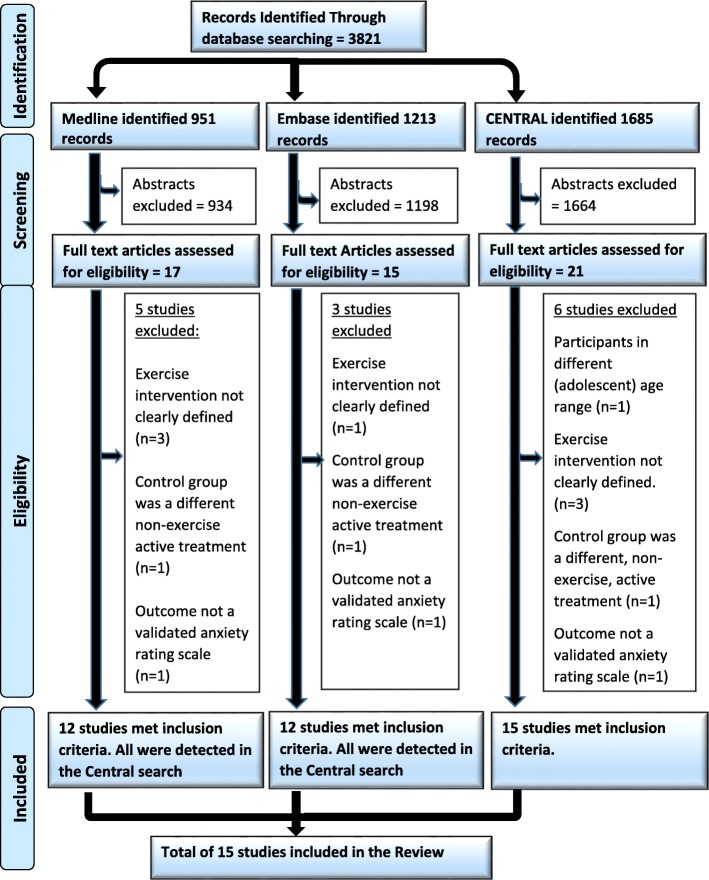
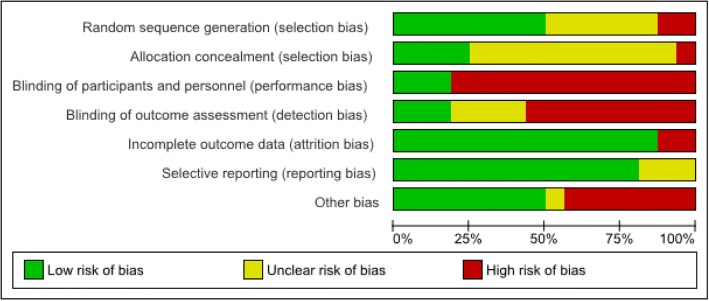
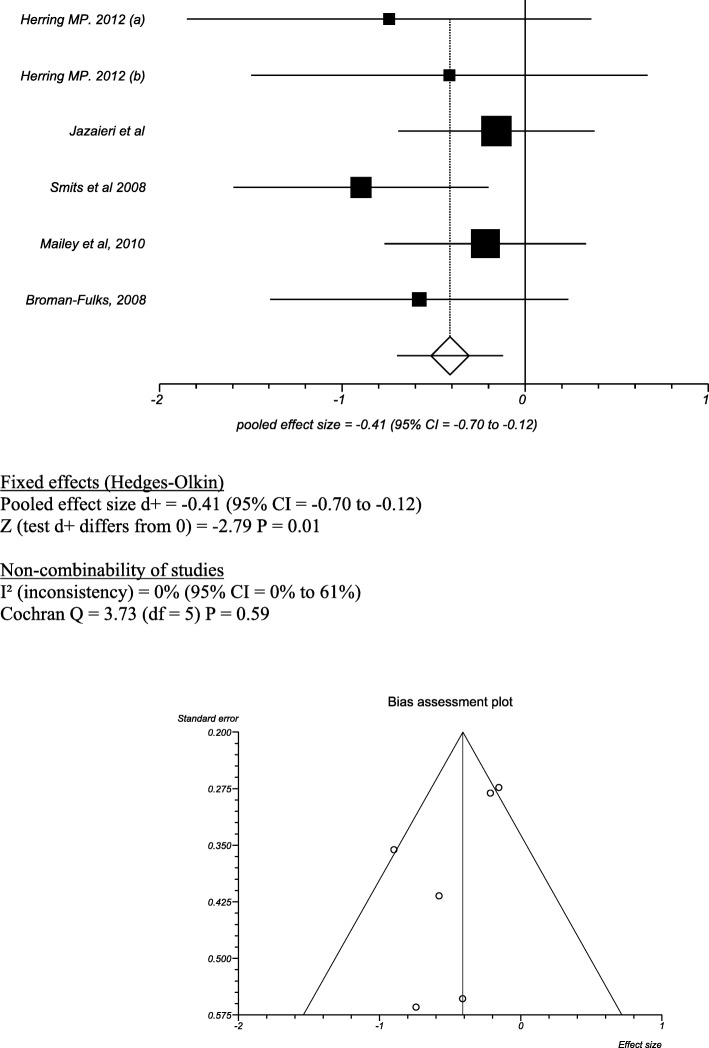
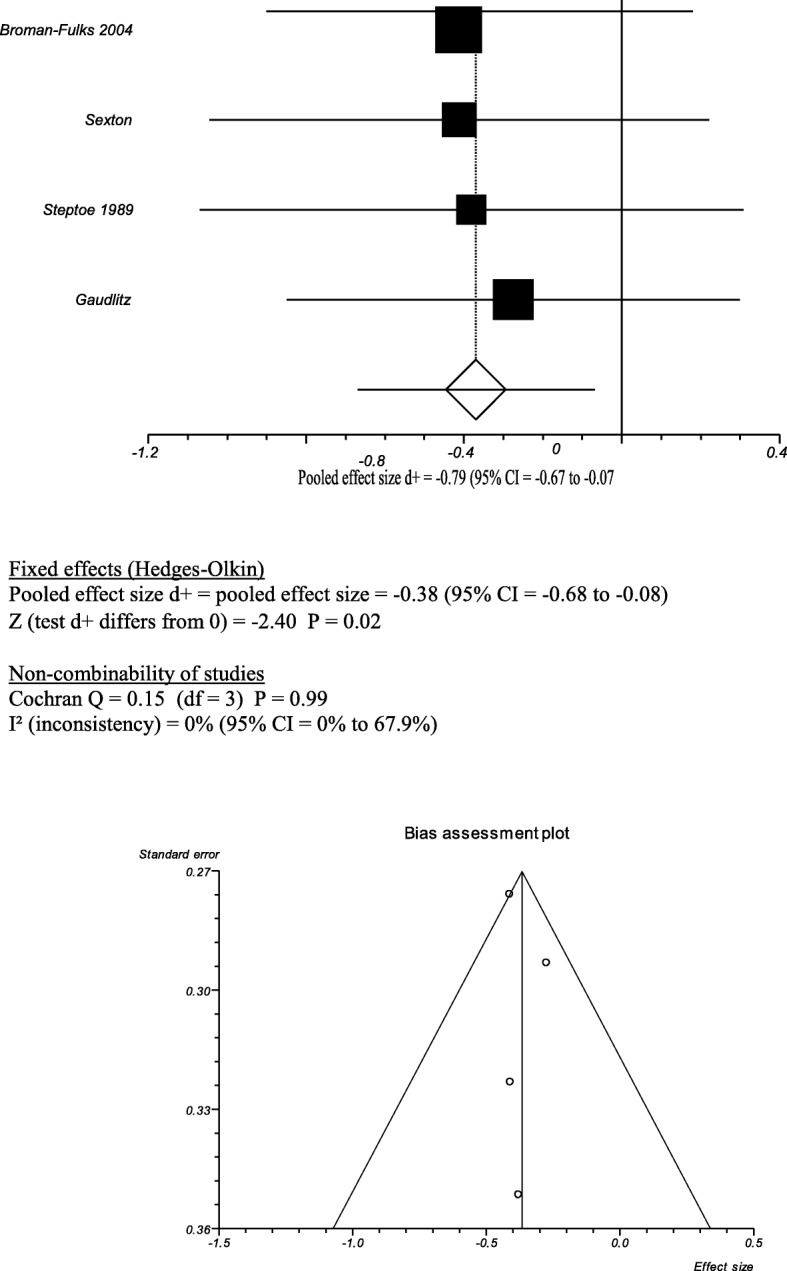
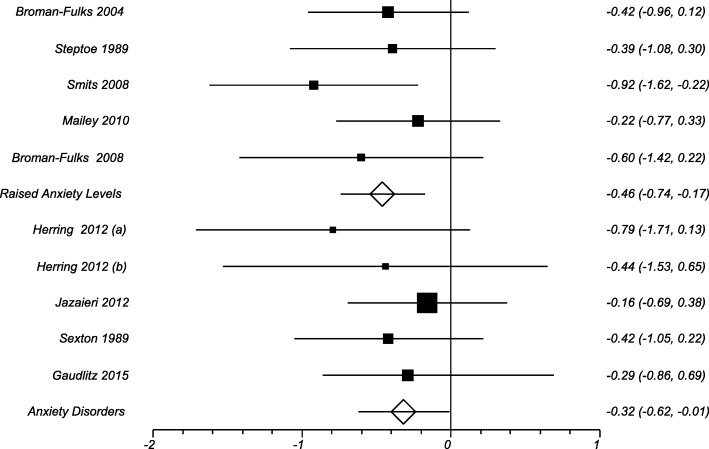
BACKGROUND: Anxiety disorders are common, yet treatment options in general practice are often limited to medication or CBT. There is a lack of evidence for the effectiveness of exercise in the treatment of anxiety in patients who present to general practice and also about the intensity of exercise required to lead to improvement. The aim of this systematic review was to assess the use of exercise versus waiting list control groups in the treatment of anxiety and also to assess the benefit of high intensity exercise vs low intensity exercise. Long term follow up scores were also analysed. We included patients who met diagnostic criteria for anxiety disorders or had clinically raised anxiety levels on a validated rating scale and performed a subgroup analysis of the outcomes between the two groups. The intervention was any aerobic exercise programme carried out for at least two weeks, or exercise carried out at high intensity for at least two weeks. The comparison groups were either a waiting list control group or low intensity exercise. METHOD: Systematic review of randomised controlled trials. Three databases were searched; CENTRAL, Medline and Embase. Outcome assessment was based on validated anxiety rating scales. The quality of the studies was appraised according to the Cochrane Risk of Bias tool. Effect sizes were calculated using the standardised mean difference. RESULTS: Fifteen studies were identified with a total of 675 patients. Nine trials had participants with diagnosed anxiety disorders and six trials had participants with raised anxiety on a validated rating scale. Aerobic exercise was effective in the treatment of raised anxiety compared to waiting list control groups (effect size - 0.41, 95% CI = - 0.70 to - 0.12). High intensity exercise programmes showed greater effects than low intensity programmes. There was no significant difference in outcomes between groups of patients with diagnosed anxiety disorders and patients who had raised anxiety on a rating scale. Conclusions were limited by the small number of studies and wide variation in the delivery of exercise interventions. CONCLUSION: Exercise programmes are a viable treatment option for the treatment of anxiety. High intensity exercise regimens were found to be more effective than low intensity regimens. The results have implications for the use of exercise schemes in General Practice.
Overview
The claims and statistics of this paper haven’t been checked yet.
Free: it reads the open-access text and checks the first 5 claims that cite a source we can check. Create a free account to check every claim.
Integrity signals
Registry
Cites
Statistics
Figures
Verification
Claims the paper makes
The claims and statistics of this paper haven’t been checked yet.
Free: it reads the open-access text and checks the first 5 claims that cite a source we can check. Create a free account to check every claim.
Claims other papers make about this one
Each is checked against this paper’s own text: does it say what the citing paper says it does?
The source backs part of the claim, not all of it — or backs it for a different population, condition or comparison.
In the citing paper
“These lower volumes are common across trials with adolescents, young adults and other adults with mental ill-health conditions ( Aylett 2018; Bailey 2018; Carter 2021; Cooney 2013);”
From Exercise for the treatment of anxiety in children and adolescents (2022) · cites this paper as Aylett 2018
Experimental — accuracy not yet measuredThe source backs part of the claim, not all of it — or backs it for a different population, condition or comparison.
In the citing paper
“These trials generally show low-certainty evidence for improved symptoms or rates of remission, when exercise is compared to control conditions, including no-treatment/waitlist, attention placebo, treatment as usual (TAU) or lower intensity exercise (e.g.stretching).”
From Exercise for the treatment of anxiety in children and adolescents (2022) · cites this paper as Aylett 2018
Experimental — accuracy not yet measuredThe source backs part of the claim, not all of it — or backs it for a different population, condition or comparison.
In the citing paper
“Exercise may therefore incorporate gradual exposure with response prevention in the context of training, similar to conventional psychotherapy paradigms using desensitization techniques through gradual exposure (80–82).”
From The Role of Exercise in Management of Mental Health Disorders: An Integrative Review (2021) · cites this paper as [81]
Experimental — accuracy not yet measuredThe source backs part of the claim, not all of it — or backs it for a different population, condition or comparison.
In the citing paper
“Additionally, the evidence suggests high-intensity exercise to be more effective at reducing anxiety, but both high- and low-intensity exercise were significantly more effective relative to no exercise [146].”
From The Cyclical Battle of Insomnia and Mental Health Impairment in Firefighters: A Narrative Review (2024) · cites this paper as [146]
Experimental — accuracy not yet measuredThe cited source says what the claim attributes to it.
In the citing paper
“For example, in adults with anxiety, head-to-head trials show a potential for greater symptom reduction in higher-versus lower-intensity exercise (Aylett 2018).”
From Exercise for the treatment of anxiety in children and adolescents (2022) · cites this paper as Aylett 2018
7 more claims about this paper
Create a free account to see every claim other papers make about this one.
Self-check
Percentages, sums and reported differences re-computed from the paper’s own numbers.
The self-check needs the paper’s full text.
Citations
Cites
Dermyshi, E., Wang, Y., Yan, C., Hong, W., Qiu, G., Gong, X., & Zhang, T. (2017) · Neonatology · doi:10.1159/000454668 · Cited by 24,451
GRADE guidelines: 1. Introduction—GRADE evidence profiles and summary of findings tables
Guyatt, G., Oxman, A. D., Akl, E. A., Kunz, R., Vist, G., Brozek, J., Norris, S., Falck-Ytter, Y., Glasziou, P., & deBeer, H. (2011) · Journal of Clinical Epidemiology · doi:10.1016/j.jclinepi.2010.04.026 · Cited by 10,681
Why Most Published Research Findings Are False
Ioannidis, J. P. A. (2005) · PLoS Medicine · doi:10.1371/journal.pmed.0020124 · Cited by 10,505
Diagnostic and Statistical Manual of Mental Disorders (DSM-IV)
Hu, R. J. (2003) · Encyclopedia of the Neurological Sciences · doi:10.1016/b0-12-226870-9/01070-4 · Cited by 9,117
Cochrane Handbook for Systematic Reviews of Interventions Version 5.0.1. The Cochrane Collaboration
Higgins, J. P. T., Green, S. R., & Higgins, J. P. T. (2008) · Cited by 7,247
Why Most Published Research Findings Are False
Ioannidis, J. P. A. (2005) · CHANCE · doi:10.1080/09332480.2005.10722754 · Cited by 4,702 · cited 1×
“A further limitation in study selection is the risk of Publication Bias, where there is a chance that only trials with positive results will be published, this can invalidate the results of a meta-analysis and is a particular risk in reviews where the number of studies is small [49] We sought to limit publication bias…”
MethodNorderyd, O. M., Koch, G., Papias, A., Köhler, A. A., Helkimo, A. N., Brahm, C., Lindmark, U., Lindfors, N., Mattsson, A., Rolander, B., et al. (2015) · PubMed · Cited by 3,584
Toward a unified treatment for emotional disorders
Barlow, D. H., Allen, L. B., & Choate, M. L. (2004) · Behavior Therapy · doi:10.1016/s0005-7894(04)80036-4 · Cited by 1,430 · cited 1×
“Finally, the Distraction Theory posits that exercise may provide “time out” from daily activities and decrease anxious rumination, allowing the patient to think anxiolytic thoughts instead [8].”
BackgroundPetruzzello, S. J., Landers, D. M., Hatfield, B. D., Kubitz, K. A., & Salazar, W. (1991) · Sports Medicine · doi:10.2165/00007256-199111030-00002 · Cited by 908
Physical activity dose-response effects on outcomes of depression and anxiety
DUNN, A. L., TRIVEDI, M. H., & O???NEAL, H. A. (2001) · Medicine and Science in Sports and Exercise · doi:10.1097/00005768-200106001-00027 · Cited by 816 · cited 1×
“Those that did explore this issue were inconclusive [13, 14, 16].”
Background
Research works printed but not linked: 2
- Review Manager (RevMan) [Computer program] Version 5.3. Copenhagen: The Nordic Cochrane Centre, The Cochrane Collaboration 2014
- StatsDirect Ltd StatsDirect statistical software 2013 London StatsDirect Ltd
Cited by
Singh, B., Olds, T., Curtis, R., Dumuid, D., Virgara, R., Watson, A., Szeto, K., O'Connor, E., Ferguson, T., Eglitis, E., et al. (2023) · British Journal of Sports Medicine · doi:10.1136/bjsports-2022-106195 · Cited by 1,049
Ashdown-Franks, G., Firth, J., Carney, R., Carvalho, A. F., Hallgren, M., Koyanagi, A., Rosenbaum, S., Schuch, F. B., Smith, L., Solmi, M., et al. (2020) · Sports Medicine · doi:10.1007/s40279-019-01187-6 · Cited by 460
The Role of Exercise in Management of Mental Health Disorders: An Integrative Review
Smith, P. J., & Merwin, R. M. (2021) · Annual Review of Medicine · doi:10.1146/annurev-med-060619-022943 · Cited by 360
DeMartini, J., Patel, G., & Fancher, T. L. (2019) · Annals of Internal Medicine · doi:10.7326/aitc201904020 · Cited by 226
Jimeno‐Almazán, A., Franco‐López, F., Buendía‐Romero, Á., Martínez‐Cava, A., Sánchez‐Agar, J. A., Sánchez‐Alcaraz Martínez, B. J., Courel‐Ibáñez, J., & Pallarés, J. G. (2022) · Scandinavian Journal of Medicine & Science in Sports · doi:10.1111/sms.14240 · Cited by 214
Carter, T., Pascoe, M., Bastounis, A., Morres, I. D., Callaghan, P., & Parker, A. G. (2021) · Journal of Affective Disorders · doi:10.1016/j.jad.2021.02.026 · Cited by 190
The multifaceted benefits of walking for healthy aging: from Blue Zones to molecular mechanisms
Ungvari, Z., Fazekas-Pongor, V., Csiszar, A., & Kunutsor, S. K. (2023) · GeroScience · doi:10.1007/s11357-023-00873-8 · Cited by 163
“Physical activity and exercise have well-documented mental health benefits, even at levels below public health recommendations [108–111].”
BackgroundRamos-Sanchez, C. P., Schuch, F. B., Seedat, S., Louw, Q. A., Stubbs, B., Rosenbaum, S., Firth, J., van Winkel, R., & Vancampfort, D. (2021) · Psychiatry Research · doi:10.1016/j.psychres.2021.114046 · Cited by 118
Lifestyle factors in the prevention of COVID-19
Lange, K. W., & Nakamura, Y. (2020) · Global Health Journal · doi:10.1016/j.glohj.2020.11.002 · Cited by 143
The interplay of hypoxic and mental stress: Implications for anxiety and depressive disorders
Burtscher, J., Niedermeier, M., Hüfner, K., van den Burg, E. H., Kopp, M., Stoop, R., Burtscher, M., Gatterer, H., & Millet, G. P. (2022) · Neuroscience & Biobehavioral Reviews · doi:10.1016/j.neubiorev.2022.104718 · Cited by 137
“, 2008) and anxiolytic and antidepressive (Aylett et al., 2018; Carek et al., 2011) capacities of exercise via beneficial hypoxia adaptations.”
BackgroundEffects of exercise on symptoms of anxiety in primary care patients: a randomized controlled trial
Henriksson, M., Wall, A., Nyberg, J., Adiels, M., Lundin, K., Bergh, Y., Eggertsen, R., Danielsson, L., Kuhn, H. G., Westerlund, M., et al. (2022) · Journal of Affective Disorders · doi:10.1016/j.jad.2021.10.006 · Cited by 91
Glowacki, K., Weatherson, K. A., & Faulkner, G. (2018) · Mental health and physical activity · doi:10.1016/j.mhpa.2018.10.006 · Cited by 104
Bah, A. J., James, P., Bah, N., Sesay, A. B., Sevalie, S., & Kanu, J. S. (2020) · BMC Public Health · doi:10.1186/s12889-020-09507-6 · Cited by 88
Exercise in the time of COVID-19
Fallon, K. E. (2020) · Australian Journal of General Practice · doi:10.31128/ajgp-covid-13 · Cited by 101
Ahmed, A., Saqlain, M., Tanveer, M., Blebil, A. Q., Dujaili, J. A., & Hasan, S. S. (2021) · BMC Health Services Research · doi:10.1186/s12913-021-06897-0 · Cited by 84
Vancampfort, D., Sánchez, C. P. R., Hallgren, M., Schuch, F., Firth, J., Rosenbaum, S., Van Damme, T., & Stubbs, B. (2021) · Journal of Affective Disorders · doi:10.1016/j.jad.2021.01.003 · Cited by 64
Ashdown-Franks, G., Sabiston, C. M., & Stubbs, B. (2019) · Current Opinion in Psychiatry · doi:10.1097/yco.0000000000000526 · Cited by 63
Plag, J., Schmidt-Hellinger, P., Klippstein, T., Mumm, J. L. M., Wolfarth, B., Petzold, M. B., & Ströhle, A. (2020) · Journal of Anxiety Disorders · doi:10.1016/j.janxdis.2020.102311 · Cited by 49
Waechter, R. L., Stahl, G., Rabie, S., Colak, B., Johnson-Rais, D., Landon, B., Petersen, K., Davari, S., Zaw, T., Mandalaneni, K., et al. (2021) · Medical Teacher · doi:10.1080/0142159x.2021.1902966 · Cited by 61
deJonge, M. L., Omran, J., Faulkner, G., & Sabiston, C. M. (2019) · Mental health and physical activity · doi:10.1016/j.mhpa.2019.100316 · Cited by 63
Reigal, R. E., Páez-Maldonado, J. A., Brincones, J. L. P., Morillo-Baro, J. P., Hernández-Mendo, A., & Morales‐Sánchez, V. (2021) · Sustainability · doi:10.3390/su13105444 · Cited by 57
“Even when habits and the type of physical activity performed have to be modified, they can be adapted to be performed at home, thus encouraging benefits in relation to mental health by decreasing anxiety symptoms [71,72].”
BackgroundQin, J., Ding, Y., Gao, J., Wu, Y., Lv, H., & Wu, J. (2021) · Frontiers in Psychiatry · doi:10.3389/fpsyt.2021.695556 · Cited by 47
Wolf, S., Seiffer, B., Zeibig, J., Frei, A. K., Studnitz, T., Welkerling, J., Meinzinger, E., Bauer, L. L., Baur, J., Rosenstiel, S., et al. (2024) · The Lancet Psychiatry · doi:10.1016/s2215-0366(24)00069-5 · Cited by 54
Mehrnoush, V., Darsareh, F., Roozbeh, N., & Ziraeie, A. (2021) · Journal of Menopausal Medicine · doi:10.6118/jmm.21022 · Cited by 53
“Although a systematic review and meta-analysis found that exercise programs are a viable treatment option for anxiety [64], the inconsistent findings of trials in this review necessitate further research to determine the efficacy of exercise for psychological symptoms of menopause.”
BackgroundWhat do Anxiety Scales Really Measure? An Item Content Analysis of Self-Report Measures of Anxiety
Wall, A. D., & Lee, E. B. (2022) · Journal of Psychopathology and Behavioral Assessment · doi:10.1007/s10862-022-09973-9 · Cited by 48
Liu, Y., Feng, Q., & Guo, K. (2023) · Frontiers in Psychology · doi:10.3389/fpsyg.2023.1190836 · Cited by 54
“High-intensity exercise training showed greater effects than low-intensity training in treating anxiety (Aylett et al., 2018).”
BackgroundFrederiksen, K. P., Stavestrand, S. H., Venemyr, S. K., Sirevåg, K., & Hovland, A. (2021) · Behavioural and Cognitive Psychotherapy · doi:10.1017/s1352465821000126 · Cited by 48
“Several reviews and meta-analyses have summarized the effects of PE in treatment of anxiety disorders (see e.g. Asmundson et al., 2013; Aylett et al., 2018; Bartley et al., 2013; Kandola et al., 2018; Stonerock et al., 2015).”
BackgroundKörperliche Aktivität in der Prävention und Behandlung von Angsterkrankungen
Petzold, M. B., Bendau, A., & Ströhle, A. (2020) · Psychotherapeut · doi:10.1007/s00278-020-00414-0 · Cited by 41
“Zudem ergaben sich in einer weiteren Übersichtsarbeit Indizien dafür, dass intensive Aktivität besonders wirksam sein könnte (Aylett et al. 2018).”
BackgroundRuiz-Turrero, J., Massar, K., Kwaśnicka, D., & ten Hoor, G. A. (2022) · International Journal of Environmental Research and Public Health · doi:10.3390/ijerph19031857 · Cited by 42
Too much is too little: Estimating the optimal physical activity level for a healthy mental state
Shimura, A., Masuya, J., Yokoi, K., Morishita, C., Kikkawa, M., Nakajima, K., Chen, C., Nakagawa, S., & Inoue, T. (2023) · Frontiers in Psychology · doi:10.3389/fpsyg.2022.1044988 · Cited by 38
“, 2018), anxiety (Petruzzello et al., 1991; Hansen et al., 2001; Herring et al., 2010; Jayakody et al., 2014; Wegner et al., 2014; Marcos de Souza Moura et al., 2015; Stonerock et al., 2015; Aylett et al., 2018), resilience (Childs and de Wit, 2014), and insomnia vulnerability (Morse et al.”
BackgroundVuelvas-Olmos, C. R., Sánchez-Vidaña, D. I., & Cortés-Álvarez, N. Y. (2022) · Psychological Reports · doi:10.1177/00332941221086209 · Cited by 42
Mental health benefits from lifestyle physical activity interventions: A systematic review
Farris, S. G., & Abrantes, A. M. (2020) · Bulletin of the Menninger Clinic · doi:10.1521/bumc.2020.84.4.337 · Cited by 47
PROMOTING PHYSICAL ACTIVITY FOR MENTAL WELL-BEING
Cooper, S. L. (2020) · ACSMʼs Health & Fitness Journal · doi:10.1249/fit.0000000000000569 · Cited by 33
“For example, some experiments have shown that high-intensity aerobic exercise is more effective at alleviating psychological disturbances compared with lower intensities; however, high-intensity exercise is often coupled with lower adherence and greater dropout rates (15,16).”
BackgroundFactors associated with perceived stress in Middle Eastern university students
Cheema, S., Maisonneuve, P., Abraham, A., Chaabna, K., Tom, A., Ibrahim, H. M., Mushannen, T., Yousuf, W., Lowenfels, A. B., & Mamtani, R. (2021) · Journal of American College Health · doi:10.1080/07448481.2020.1865979 · Cited by 40
“Some but not all previous studies have noted that exercise, particularly vigorous exercise, which can release endorphins, can help reduce anxiety.(29,30) Stress levels as measured on the PSS-4 scale varied within the sample of students.”
BackgroundGoodarzi, S., Athar, M. M. T., Beiky, M., Fathi, H., Nakhaee, Z., Omran, S. P., & Shafiee, A. (2024) · BMC Sports Science Medicine and Rehabilitation · doi:10.1186/s13102-024-00947-w · Cited by 48
“Furthermore, physiological mechanisms, such as alterations in the serotonergic and noradrenergic pathways, have been proposed as potential means through which exercise reduces anxiety [42].”
BackgroundZeibig, J., Seiffer, B., Sudeck, G., Rösel, I., Hautzinger, M., & Wolf, S. (2021) · BMC Psychiatry · doi:10.1186/s12888-021-03307-x · Cited by 41
Thombs, B. D., Kwakkenbos, L., Carrier, M., Bourgeault, A., Tao, L., Harb, S. I., Gagarine, M., Rice, D. B., Bustamante, L., Ellis, K. M., et al. (2020) · Journal of Psychosomatic Research · doi:10.1016/j.jpsychores.2020.110132 · Cited by 34
“In addition to psychological strategies, including worry reduction and meditative exercises [16,17], exercise has been shown to reduce anxiety [18,19].”
Cronshaw, S. (2021) · Journal of Consumer Affairs · doi:10.1111/joca.12375 · Cited by 40
Active Coping and Anxiety Symptoms during the COVID-19 Pandemic in Spanish Adults
Moreno, R. L., Fernández-Daza, M. P., Cogollo, S. J. Z., Olivencia-Carrión, M. A., Jiménez-Torres, M. G., Olivencia-Carrión, M. D., Ogallar, A., & Godoy‐Izquierdo, D. (2021) · International Journal of Environmental Research and Public Health · doi:10.3390/ijerph18168240 · Cited by 31
Chin, E. C., Yu, A. P., Leung, C. K., Bernal, J. D. K., Au, W. W., Fong, D., Cheng, C. P.-W., & Parco Ming-fai, S. I. U. (2022) · Frontiers in Physiology · doi:10.3389/fphys.2022.863457 · Cited by 35
“, 2020), and our findings were in conflict with a meta-analysis, finding that high-intensity exercise regimens were more effective than lowintensity regimens in the general population (Aylett et al., 2018).”
ResultPowell, R., Davies, A., Rowlinson‐Groves, K., French, D., Moore, J., & Merchant, Z. (2023) · BMC Cancer · doi:10.1186/s12885-023-11717-1 · Cited by 39
“More generally, physical activity interventions have been demonstrated to yield emotional benefits in various populations [16].”
BackgroundBalancing the value and risk of exercise-based therapy post-COVID-19: a narrative review
Singh, S., Daynes, E., McAuley, H., Raman, B., Greening, N. J., Chalder, T., Elneima, O., Evans, R. A., & Bolton, C. E. (2023) · European Respiratory Review · doi:10.1183/16000617.0110-2023 · Cited by 32
“Deconditioning was the primary cause of breathlessness, although breathing pattern disorder was also commonly reported [109].”
BackgroundChong, T. W. H., Kootar, S., Wilding, H., Berriman, S., Curran, E. M., Cox, K. L., Bahar‐Fuchs, A., Peters, R., Anstey, K. J., Bryant, C., et al. (2022) · Therapeutic Advances in Psychopharmacology · doi:10.1177/20451253221104958 · Cited by 30
Han, B., Duan, Y., Zhang, P., Zeng, L., Pi, P., Chen, J., & Du, G. (2024) · BMC Public Health · doi:10.1186/s12889-024-19348-2 · Cited by 30
“Individuals with anxiety tend to withdraw from social situations, and engaging in exercise represents a change in social behavior [70].”
BackgroundHaber, T. S. W., Hinman, R. S., Dobson, F., Bunzli, S., Hilton, A., & Hall, M. (2022) · Pain · doi:10.1097/j.pain.0000000000002792 · Cited by 23
Strout, K. A., Schwartz‐Mette, R. A., McNamara, J., Parsons, K., Walsh, D., Bonnet, J., O’Brien, L. M., Robinson, K. N., Sibley, S., Smith, A. K., et al. (2023) · JMIR Research Protocols · doi:10.2196/49020 · Cited by 21
“Physical activity reduces stress and anxiety [67-70], and stress and anxiety are associated with increased burnout and decreased resilience among nurses [52].”
BackgroundMunro, N. R., Teague, S., Somoray, K., Simpson, A., Budden, T., Jackson, B., Rebar, A., & Dimmock, J. (2026) · British Journal of Sports Medicine · doi:10.1136/bjsports-2025-110301 · Cited by 23
Physical exercise, depression, and anxiety in 2190 affective disorder subjects
D'Angelantonio, M., Collins, J. L., Manchia, M., Baldessarini, R. J., & Tondo, L. (2022) · Journal of Affective Disorders · doi:10.1016/j.jad.2022.04.079 · Cited by 22
Wang, G., Yang, M., Hong, M. R., Krauss, J., & Bailey, J. F. (2022) · BMC Musculoskeletal Disorders · doi:10.1186/s12891-022-05188-x · Cited by 21
Dong, Z., Wang, P., Xin, X., Li, S., Wang, J., Zhao, J., & Wang, X. (2022) · Frontiers in Human Neuroscience · doi:10.3389/fnhum.2022.1009540 · Cited by 23
“Several Meta-analyses have shown that regular exercise for more than 2 weeks can significantly reduce anxiety symptoms in people of different ages (Aylett et al., 2018; Kazeminia et al., 2020; Ramos-Sanchez et al., 2021).”
BackgroundExercise as Treatment for “Stress-Related” Mental Disorders
Bendau, A., Petzold, M. B., Kaminski, J., Plag, J., & Ströhle, A. (2023) · Current Neuropharmacology · doi:10.2174/1570159x22666230927103308 · Cited by 23
“Compared to the extensive research on the therapeutic effects of physical activity in the treatment of unipolar depressive disorders, evidence regarding anxiety disorders is still sparse [2, 31, 58].”
BackgroundImpact of Physical Exercise on Psychological Well-being and Psychiatric Disorders
Parra, E., Arone, A., Amadori, S., Mucci, F., PALEMERO, S., & Marazziti, D. (2020) · Journal for ReAttach Therapy and Developmental Diversities · doi:10.26407/2020jrtdd.1.39 · Cited by 24
Xin, S., & Ma, X. (2023) · International Journal of Environmental Research and Public Health · doi:10.3390/ijerph20043588 · Cited by 30
“Several meta-analyses have indicated that engaging in physical exercise had a facilitative effect on reducing anxiety in non-clinical populations and in patients with anxiety disorders, and that physical exercise had no side effects associated with reducing anxiety symptoms in patients compared to conventional medicat…”
BackgroundMultiple sclerosis and anxiety: Is there an untapped opportunity for exercise?
Šilić, P., Motl, R. W., & Duffecy, J. L. (2023) · Multiple Sclerosis and Related Disorders · doi:10.1016/j.msard.2023.104698 · Cited by 23
Zeibig, J., Seiffer, B., Frei, A. K., Takano, K., Sudeck, G., Rösel, I., Hautzinger, M., & Wolf, S. (2022) · Psychology of sport and exercise · doi:10.1016/j.psychsport.2022.102340 · Cited by 19
Rassolnia, A., & Nobarı, H. (2024) · International journal of Sport Studies for Health · doi:10.61838/kman.intjssh.7.2.1 · Cited by 32
Do exercise trials for adults with depression account for comorbid anxiety? A systematic review
Bond, G., Stanton, R., Wintour, S.-A., Rosenbaum, S., & Rebar, A. L. (2020) · Mental health and physical activity · doi:10.1016/j.mhpa.2020.100320 · Cited by 21
McCurdy, A., Lamboglia, C. G., Lindeman, C., Mangan, A. J., Wohlers, B., Sivak, A., & Spence, J. C. (2020) · Mental health and physical activity · doi:10.1016/j.mhpa.2020.100349 · Cited by 23
Yoga of Immortals Intervention Reduces Symptoms of Depression, Insomnia and Anxiety
Verma, S., Donovan, J., Tunuguntla, H., Tunuguntla, R., Gupta, B. V., Nandi, A., & Shivanand, I. (2021) · Frontiers in Psychiatry · doi:10.3389/fpsyt.2021.648029 · Cited by 20
Exercise Interventions for Autistic People: An Integrative Review of Evidence from Clinical Trials
Rivera, R. A., Robertson, M. C., & McCleery, J. P. (2025) · Current Psychiatry Reports · doi:10.1007/s11920-025-01597-6 · Cited by 25
“For example, physical activity has been found to delay the onset of anxiety and depression [9].”
Gill, V. S., Sullivan, G. R., Stearns, H., Tummala, S. V., Haglin, J. M., Economopoulos, K. J., Marks, L. A., & Chauhan, M. (2024) · Sports Medicine · doi:10.1007/s40279-024-01998-2 · Cited by 26
Jacinto, M., Frontini, R., Matos, R. M. N., & Antunes, R. (2021) · Healthcare · doi:10.3390/healthcare9081047 · Cited by 21
“In the population without disabilities, physical exercise (PE) has been shown to be an accessible and inexpensive option to help reduce anxiety symptoms [17,18].”
BackgroundWolf, S., Seiffer, B., Zeibig, J., Welkerling, J., Bauer, L. L., Frei, A. K., Studnitz, T., Rosenstiel, S., Fiedler, D. V., Helmhold, F., et al. (2021) · BMC Psychiatry · doi:10.1186/s12888-021-03541-3 · Cited by 15
“…shown optimal therapeutic efficacy among patients with major depressive disorders, insomnia, panic disorder with or without agoraphobia and PTSD [35 – 38] include aerobic exercise at moderate to vigorous intensity (MVAE) either or a combination of MVAE with resistance training, conducted two to…”
BackgroundGroup Nutrition Counseling or Individualized Prescription for Women With Obesity? A Clinical Trial
Bolognese, M. A., Franco, C. B., Ferrari, A., Bennemann, R. M., Lopes, S. M. A., Bertolini, S. M. M. G., Nardo, N., & Branco, B. H. M. (2020) · Frontiers in Public Health · doi:10.3389/fpubh.2020.00127 · Cited by 20
“In the behavioral field, anxious people tend to move away from social life, and exercise could represent a way of engaging these individuals in group activities (62).”
BackgroundSzilvay, A., Somogyi, O., Dobszay, A., Meskó, A., Zelkó, R., & Hankó, B. (2021) · PLoS ONE · doi:10.1371/journal.pone.0253645 · Cited by 15
What do Anxiety Scales Really Measure? An Item Content Analysis of Self-Report Measures of AnxietyPreprint
Wall, A. D., & Lee, E. B. (2021) · PsyArXiv (OSF Preprints) · doi:10.31234/osf.io/t7gpx · Cited by 20
Die Bedeutung von körperlicher Aktivität für die psychische Gesundheit
Imboden, C., Claussen, M. C., Seifritz, E., & Gerber, M. (2022) · Praxis · doi:10.1024/1661-8157/a003831 · Cited by 23
Crombie, K. M., & O’Connor, P. J. (2024) · Current topics in behavioral neurosciences · doi:10.1007/7854_2024_498 · Cited by 19
Gulliver, A., Banfield, M., Batterham, P. J., Calear, A. L., Farrer, L. M., Dawel, A., McCallum, S. M., Murray, K., & Morse, A. R. (2021) · BJPsych Open · doi:10.1192/bjo.2020.170 · Cited by 15
Chávez, J. F. A., Gallegos, L. I. F., Hernández, G. S. I. R., & Mata, K. M. (2023) · Retos · doi:10.47197/retos.v50.98238 · Cited by 23
“…el farmacológico para este problema, para el deporte de alto rendimiento se puede afirmar que, en términos generales, la ansiedad generada por la alta competición no es ni buena ni mala, sino que depende de cómo se sepa gestionar (Aylett et al., 2018; Stonerock et al., 2015; Svensson et al., 2021).”
Giannotta, F., Nilsson, K. W., Åslund, C., Olofdotter, S., Vadlin, S., & Larm, P. (2024) · Journal of Youth and Adolescence · doi:10.1007/s10964-024-01980-1 · Cited by 16
“…activity Physical activity was assessed with a measure of vigorous physical activity, as there is some evidence that high-intensity physical activity has greater effects in reducing sleep problems (Feng et al., 2014) and anxiety symptoms (Aylett et al., 2018; Azevedo Da Silva et al., 2012).”
Experiences of older adults leisure-time physical activity in aquatic and leisure facilities
Butson, M. L., Jeanes, R., & O’Connor, J. P. (2024) · World Leisure Journal · doi:10.1080/16078055.2024.2351077 · Cited by 12
“PA participation is considered an evidence-based treatment for clinical depression and anxiety (Al-Qahtani et al., 2018; Aylett et al., 2018).”
Mercier, L. J., McIntosh, S. J., Boucher, C., Joyce, J. M., Batycky, J. M., Galarneau, J.-M. F., Burma, J. S., Smirl, J. D., Esser, M. J., Schneider, K., et al. (2024) · Frontiers in Neurology · doi:10.3389/fneur.2024.1482266 · Cited by 13
Daily healthy habits to reduce stress and increase longevity
Dyer, K. A. (2022) · Journal of Interprofessional Education & Practice · doi:10.1016/j.xjep.2022.100593 · Cited by 18
Internet use and Chinese migrant older adults' life satisfaction: A panel data study
Ma, J., Zhang, S., Yang, H., & Tang, X. (2023) · International Journal of Social Welfare · doi:10.1111/ijsw.12609 · Cited by 14
Stonerock, G. L., Gupta, R. P., & Blumenthal, J. A. (2023) · Progress in Cardiovascular Diseases · doi:10.1016/j.pcad.2023.05.006 · Cited by 22
Solomon, J. J., Hallowell, R. W., Ganslandt, C., Shull, J. G., Bengtsson, T., Ganslandt, J., & Horton, M. R. (2024) · Respirology · doi:10.1111/resp.14859 · Cited by 11
The effects of aerobic training on subclinical negative affect: A randomized controlled trial.
McIntyre, K. M., Puterman, E. M., Scodes, J. M., Choo, T.-H. J., Choi, C. J., Pavlicová, M., & Sloan, R. P. (2020) · Health Psychology · doi:10.1037/hea0000836 · Cited by 17
Movement and nutrition in COVID-19
Lange, K. W., & Nakamura, Y. (2021) · University of Regensburg Publication Server (University of Regensburg) · doi:10.5283/mnhd.33 · Cited by 17
Sakamoto, R., & Koyama, A. (2020) · Cureus · doi:10.7759/cureus.8414 · Cited by 15
“Anxiolytic drugs and selective serotonin reuptake inhibitors (SSRIs) are prescribed as standard treatments for anxiety in patients who do not have cancer [3].”
BackgroundAlnemr, L., Salama, A. H., Abdelrazek, S., Alfakeer, H., Alkhateeb, M. A., & Torun, P. (2024) · PLOS Global Public Health · doi:10.1371/journal.pgph.0003184 · Cited by 15
Depresión, Ansiedad y Actividad Física en Escolares: Estudio Comparado
Vallejo, A. P., & Zuleta, K. M. P. (2019) · Revista Iberoamericana de Diagnóstico y Evaluación - e Avaliação Psicológica · doi:10.21865/ridep52.3.11 · Cited by 41
Hu, M., Shi, Q., Sun, S., Hong, H. I., Zhang, H., Qi, F., Zou, L., & Nie, J. (2022) · Frontiers in Nutrition · doi:10.3389/fnut.2022.894916 · Cited by 14
“41 reported in a previous study (28), a sample of 20 in an exercise group would be adequate to distinguish differences in anxiety symptoms in a twoway repeated-measures ANOVA (two groups and two repeated measures) with a power of 80% and a significance level of 5%.”
BackgroundKurtoğlu, E., Payas, A., Düz, S., Arık, M., Uçar, İ., Tokmak, T. T., Erbay, M. F., Acer, N., & Unur, E. (2023) · Journal of Chemical Neuroanatomy · doi:10.1016/j.jchemneu.2023.102250 · Cited by 13
The Cyclical Battle of Insomnia and Mental Health Impairment in Firefighters: A Narrative Review
Holland-Winkler, A. M., Greene, D. R., & Oberther, T. J. (2024) · Journal of Clinical Medicine · doi:10.3390/jcm13082169 · Cited by 9
“Additionally, the evidence suggests high-intensity exercise to be more effective at reducing anxiety, but both high-and low-intensity exercise were significantly more effective relative to no exercise [146].”
BackgroundKogure, G. S., Lara, L. A. D. S., Ribeiro, V. B., Lopes, I. P., Mendes, M. C., Kodato, S., Ferriani, R. A., Furtado, C. L. M., & dos Reis, R. M. (2021) · American Journal of Lifestyle Medicine · doi:10.1177/15598276211001330 · Cited by 11
Turgeon, S., MacKenzie, A., Batcho, C. S., & D'Amour, J. (2024) · Journal of Applied Research in Intellectual Disabilities · doi:10.1111/jar.13213 · Cited by 9
Ligon, G. A., Crombie, K. M., Herring, M. P., O’Connor, P. J., & Fedewa, M. V. (2025) · Scandinavian Journal of Medicine and Science in Sports · doi:10.1111/sms.70137 · Cited by 11
“…effect among children and adolescents is largely consistent with prior findings from systematic reviews and meta-analyses among adults [36–38, 83– 88 Regarding age, Carter et al. [59] and Larun et al. [90] conducted the most similar reviews to the current review (i.e., some of the participants…”
Szuhany, K. L., Steinberg, M. H., McLaughlin, N. C. R., Mancebo, M. C., Brown, R. A., Greenberg, B. D., Simon, N. M., & Abrantes, A. M. (2023) · Behavior Therapy · doi:10.1016/j.beth.2022.12.010 · Cited by 10
Lange, K. W., Nakamura, Y., & Reißmann, A. (2023) · Sports Medicine and Health Science · doi:10.1016/j.smhs.2023.01.005 · Cited by 22
Gozalo-Pascual, R., Ordí, H. G., Atín-Arratibel, M. D. L. Á., Llames-Sánchez, J., & Álvarez-Melcón, Á. C. (2023) · Complementary Therapies in Clinical Practice · doi:10.1016/j.ctcp.2023.101753 · Cited by 9
Physical Activity and Exercise as a Tool to Cure Anxiety and Posttraumatic Stress Disorder
Sabri, S., Rashid, N., & Mao, Z. (2023) · Mental Illness · doi:10.1155/2023/4294753 · Cited by 12
“Regular PA can prevent a variety of diseases, including coronary heart disease, hypertension, noninsulin-dependent diabetes, osteoporosis, and MH conditions, such as depression and anxiety [66, 67].”
Background¿Qué es la Medicina del Estilo de Vida y por qué la necesitamos?
Izcue, J., Cordero, M. J., Plaza, M., Correa, P., & Hidalgo, A. (2021) · Revista Médica Clínica Las Condes · doi:10.1016/j.rmclc.2021.01.010 · Cited by 23
Effects of a walking program in patients with chronic unilateral vestibular hypofunction
Asai, H., Murakami, S., Morimoto, H., Asai, Y., Johnson, E. G., Yamashita, Y., Horiba, M., Mizutani, Y., Kabaya, K., & Ueki, Y. (2022) · Journal of Physical Therapy Science · doi:10.1589/jpts.34.85 · Cited by 11
Nyberg, J., Henriksson, M., Åberg, N. D., Wall, A., Eggertsen, R., Westerlund, M., Danielsson, L., Kuhn, H. G., Wærn, M., & Åberg, M. (2019) · BMC Psychiatry · doi:10.1186/s12888-019-2169-5 · Cited by 13
Skinner, S. J., Clay, A. T., McCarron, M. C. E., & Liskowich, S. (2021) · Journal of Community Genetics · doi:10.1007/s12687-021-00511-w · Cited by 9
The Evaluation of Biomarkers of Physical Activity on Stress Resistance and Wellness
Muradyan, A., Macheiner, T., Mardiyan, M. A., Sekoyan, E., & Sargsyan, K. (2022) · Applied Psychophysiology and Biofeedback · doi:10.1007/s10484-022-09538-2 · Cited by 12
“Further previous studies, combining multiple PA assessments are recommended (Haskell, 2012; Melanson & Freedson, 1996), including PA as adjuvant in psychotherapy for increase of wellbeing and reduction of symptoms (Aylett et al., 2018; Karg et al., 2020; Wegner et al., 2020).”
BackgroundToczko, M., Merrigan, J. J., Boolani, A., Guempel, B., Milani, I., & Martin, J. R. (2022) · Health Promotion Perspectives · doi:10.34172/hpp.2022.10 · Cited by 9
Petzold, M. B., Frank, G., Bendau, A., Plag, J., Betzler, F., & Ströhle, A. (2020) · Mental health and physical activity · doi:10.1016/j.mhpa.2020.100353 · Cited by 10
The Muscle‐Gut‐Brain Axis and Psychiatric Illness
Scriven, M., McSweeney, A., O'Carroll, T., Mörkl, S., & Butler, M. (2023) · Advanced Biology · doi:10.1002/adbi.202200214 · Cited by 8
Metadata
- Authors
- Aylett, E., Small, N., & Bower, P.
- Affiliations
- University of Manchester (GB)
- Corresponding author
- Aylett, Elizabeth
- Venue
- BMC Health Services Research
- Published
- 2018-07-16
- Volume
- 18
- Issue
- 1
- Pages
- 559-559
- ISSN
- 1472-6963 (ISSN-L)
- PMC
- PMC6048763
- OpenAlex
- W2883255049
- Cited by
- 242
- References
- 55
- Citations by year
- 2026: 20 · 2025: 27 · 2024: 38 · 2023: 47 · 2022: 40 · 2021: 39 · 2020: 24 · 2019: 6 · 2018: 1
- FWCI
- 2.30
- Type
- journal article
- Language
- en
- Open access
- gold
- doi.org
- Licence
- cc-by
- creativecommons.org/licenses/by/4.0/ (tdm)
- Locations
- BMC Health Services Research (publishedVersion, cc-by)
- Europe PMC (PubMed Central) (publishedVersion, cc-by)
- PubMed Central (publishedVersion, cc-by)
- PubMed (publishedVersion)
- Research Explorer (The University of Manchester) (acceptedVersion, other-oa)
- DOAJ (DOAJ: Directory of Open Access Journals) (submittedVersion, cc-by-sa)
- Funders
- National Institute for Health Research
- Topics
- Health Sciences › Medicine › Public Health, Environmental and Occupational Health › Physical Activity and Health
- Social Sciences › Psychology › Experimental and Cognitive Psychology › Anxiety, Depression, Psychometrics, Treatment, Cognitive Processes
- Health Sciences › Medicine › Cardiology and Cardiovascular Medicine › Cardiac Health and Mental Health
- Keywords
- exercise therapy, anxiety disorders, aerobic exercise, high-intensity exercise, low-intensity exercise, general practice, primary care treatment, waitlist control, long-term follow-up, anxiety rating scales
- MeSH terms
- Anxiety Disorders, Exercise Therapy, Humans, Waiting Lists, Exercise, Randomized Controlled Trials as Topic, Outcome Assessment, Health Care, Control Groups, General Practice
About these checks
Registry, retraction, Cites and statistics results are computed, not judged, with one exception: a printed reference that no index lists is read once by a model before it counts as a citation error. Claims are extracted by a model and kept only when their quote appears verbatim in the text; each cited source is then checked, with a model’s help, for whether it says what the claim relies on. Those verdicts can be wrong — read the claim’s quote and the cited source before relying on one.
Statistics and arithmetic are recomputed, not judged.
Confidence bands are shown only for fields calibrated on our annotated test set. None is calibrated yet, so no band is shown.
What counts as a claim ›How we measure confidence ›How we check this ›
Are you an author, or do you see a problem with this page? Request a review
Data sources
Bibliographic data: Semantic Scholar, OpenAlex, Crossref.
Contains information from the Semantic Scholar Academic Graph Datasets, made available under the ODC Attribution License (ODC-BY 1.0).
Semantic Scholar’s data is described in: Kinney, R., et al. (2023). The Semantic Scholar Open Data Platform. arXiv:2301.10140.
