

What is quality in assisted living technology? The ARCHIE framework for effective telehealth and telecare services
Open accessThe DOI matches its Crossref record; 46 of the 48 references it cites were found in a registry or an index.
Abstract
BACKGROUND: We sought to define quality in telehealth and telecare with the aim of improving the proportion of patients who receive appropriate, acceptable and workable technologies and services to support them living with illness or disability. METHODS: This was a three-phase study: (1) interviews with seven technology suppliers and 14 service providers, (2) ethnographic case studies of 40 people, 60 to 98 years old, with multi-morbidity and assisted living needs and (3) 10 co-design workshops. In phase 1, we explored barriers to uptake of telehealth and telecare. In phase 2, we used ethnographic methods to build a detailed picture of participants' lives, illness experiences and technology use. In phase 3, we brought users and their carers together with suppliers and providers to derive quality principles for assistive technology products and services. RESULTS: Interviews identified practical, material and organisational barriers to smooth introduction and continued support of assistive technologies. The experience of multi-morbidity was characterised by multiple, mutually reinforcing and inexorably worsening impairments, producing diverse and unique care challenges. Participants and their carers managed these pragmatically, obtaining technologies and adapting the home. Installed technologies were rarely fit for purpose. Support services for technologies made high (and sometimes oppressive) demands on users. Six principles emerged from the workshops. Quality telehealth or telecare is 1) ANCHORED in a shared understanding of what matters to the user; 2) REALISTIC about the natural history of illness; 3) CO-CREATIVE, evolving and adapting solutions with users; 4) HUMAN, supported through interpersonal relationships and social networks; 5) INTEGRATED, through attention to mutual awareness and knowledge sharing; 6) EVALUATED to drive system learning. CONCLUSIONS: Technological advances are important, but must be underpinned by industry and service providers following a user-centred approach to design and delivery. For the ARCHIE principles to be realised, the sector requires: (1) a shift in focus from product ('assistive technologies') to performance ('supporting technologies-in-use'); (2) a shift in the commissioning model from standardised to personalised home care contracts; and (3) a shift in the design model from 'walled garden', branded products to inter-operable components that can be combined and used flexibly across devices and platforms. Please see related article: http://dx.doi.org/10.1186/s12916-015-0305-8.
Overview
The claims and statistics of this paper haven’t been checked yet.
Free: it reads the open-access text and checks the first 5 claims that cite a source we can check. Create a free account to check every claim.
Integrity signals
Registry
Cites
Statistics
Figures
Verification
Claims the paper makes
The claims and statistics of this paper haven’t been checked yet.
Free: it reads the open-access text and checks the first 5 claims that cite a source we can check. Create a free account to check every claim.
Claims other papers make about this one
Each is checked against this paper’s own text: does it say what the citing paper says it does?
The source backs part of the claim, not all of it — or backs it for a different population, condition or comparison.
In the citing paper
“Several other recently published technology implementation frameworks have embraced complexity theory and argued strongly for a developmental, contextualized, and adaptive approach [43,47,53-60].”
From Beyond Adoption: A New Framework for Theorizing and Evaluating Nonadoption, Abandonment, and Challenges to the Scale-Up, Spread, and Sustainability of Health and Care Technologies (2017) · cites this paper as [47]
Experimental — accuracy not yet measured
Self-check
Percentages, sums and reported differences re-computed from the paper’s own numbers.
The self-check needs the paper’s full text.
Citations
Cites
Basics of Qualitative Research: Grounded Theory Procedures and Techniques.
Ellis, C., Strauss, A., & Corbin, J. (1992) · Contemporary Sociology · doi:10.2307/2074814 · Cited by 29,249
Basics of Qualitative Research: Grounded Theory Procedures and Techniques
Long, D. R., Strauss, A., & Corbin, J. (1993) · The Modern Language Journal · doi:10.2307/328955 · Cited by 17,576
Hepburn, R. W., Heidegger, M., Macquarrie, J., & Robinson, E. (1927) · Medical Entomology and Zoology · Cited by 12,201
Merleau-Ponty, M. (1982) · Routledge eBooks · doi:10.4324/9780203981139 · Cited by 9,841
Awareness and coordination in shared workspaces
Dourish, P., & Bellotti, V. (1992) · Proceedings of the 1992 ACM conference on Computer-supported cooperative work - CSCW '92 · doi:10.1145/143457.143468 · Cited by 2,550 · cited 1×
“what the other collaborators are doing in order to provide a context for your own activity on a common project) [34] and facilitate sharing of both ‘formal’ knowledge (docu-”
BackgroundCritical Ethnography: Method, Ethics, and Performance
Madison, D. S. (2020) · Sage eBooks · doi:10.4135/9781071878965 · Cited by 2,015 · cited 1×
“Our work also aligns with other research in the critical ethnography tradition, including what Star has called ‘the ethnography of [technological] infrastructure’ [24,25]; ‘health and place’ geography, in which healthcare technologies and their use are considered in the context of the physical, material and symbolic s…”
ResultWhat we talk about when we talk about context
Dourish, P. (2004) · Personal and Ubiquitous Computing · doi:10.1007/s00779-003-0253-8 · Cited by 1,529
Why Things Matter to People: Social Science, Values and Ethical Life
Sayer, A. (2011) · doi:10.1017/cbo9780511734779 · Cited by 929
Steventon, A., Bardsley, M., Billings, J., Dixon, J., Doll, H., Hirani, S., Cartwright, M., Rixon, L., Knapp, M., Henderson, C., et al. (2012) · BMJ · doi:10.1136/bmj.e3874 · Cited by 583 · cited 3×
“ideally in a randomised controlled trial design [3,4,9].”
BackgroundDivining a digital future: mess and mythology in ubiquitous computing
(2012) · Choice Reviews Online · doi:10.5860/choice.49-6928 · Cited by 526
Research works printed but not linked: 2
- Lewin D Adshead S Glennon B Williamson B Moore T Damodaran L Assisted living technologies for older and disabled people in 2030. A final report to Ofcom 2010 London Plum Consulting 2010
- Commission to the European Parliament European Economic and Social Committee and the Committee of the Regions Ageing well in the information society: an i2010 initiative. Action plan on information and communication technologies and ageing 2007 Brussels European Union
Cited by
Greenhalgh, T., Wherton, J., Papoutsi, C., Lynch, J., Hughes, G., A'Court, C., Hinder, S., Fahy, N., Procter, R., & Shaw, S. (2017) · Journal of Medical Internet Research · doi:10.2196/jmir.8775 · Cited by 2,887
“Several other recently published technology implementation frameworks have embraced complexity theory and argued strongly for a developmental, contextualized, and adaptive approach [43,47,53-60].”
Self-citationGreenhalgh, T., Wherton, J., Papoutsi, C., Lynch, J., Hughes, G., A’Court, C., Hinder, S., Procter, R., & Shaw, S. (2018) · BMC Medicine · doi:10.1186/s12916-018-1050-6 · Cited by 232
“In reality, however, technology startups may fail to attract investment [6]; patients may or may not be able or willing to use new technologies [7]; profes-”
BackgroundSelf-citationThe NASSS Framework – A Synthesis of Multiple Theories of Technology Implementation
Trisha, G., & Seye, A. (2019) · Studies in Health Technology and Informatics · doi:10.3233/shti190123 · Cited by 201
Self-citationSriram, V., Jenkinson, C., & Peters, M. (2019) · BMC Geriatrics · doi:10.1186/s12877-019-1169-0 · Cited by 190
Beyond “implementation”: digital health innovation and service design
Shaw, J., Agarwal, P., Desveaux, L., Palma, D. C., Stamenova, V., Jamieson, T., Yang, R., Bhatia, R. S., & Bhattacharyya, O. (2018) · npj Digital Medicine · doi:10.1038/s41746-018-0059-8 · Cited by 186
Howard, J., Fisher, Z., Kemp, A. H., Lindsay, S., Tasker, L. H., & Tree, J. J. (2020) · Disability and Rehabilitation Assistive Technology · doi:10.1080/17483107.2020.1788181 · Cited by 188
“However, their experiences and assisted living needs are diverse and unique [92] due to individual, community and the wider-environmental contexts they reside within [7,15].”
BackgroundMethodInfluentialShaw, S., Wherton, J., Vijayaraghavan, S., Morris, J., Bhattacharya, S., Hanson, P., Campbell-Richards, D., Ramoutar, S., Collard, A., Hodkinson, I., et al. (2018) · Health Services and Delivery Research · doi:10.3310/hsdr06210 · Cited by 146
“Shared understanding is important, but is not sufficient; technological advances need to be underpinned by a user-centred approach to design and delivery.(214)”
BackgroundSelf-citationShaw, J., Jamieson, T., Agarwal, P., Griffin, B., Wong, I., & Bhatia, R. S. (2018) · Journal of Telemedicine and Telecare · doi:10.1177/1357633x17730444 · Cited by 175
Remote management of covid-19 using home pulse oximetry and virtual ward support
Greenhalgh, T., Knight, M., Inada-Kim, M., Fulop, N. J., Leach, J., & Vindrola-Padros, C. (2021) · BMJ · doi:10.1136/bmj.n677 · Cited by 156
Self-citationPeek, S. T. M., Wouters, E. J., Luijkx, K. G., & Vrijhoef, H. J. (2016) · Journal of Medical Internet Research · doi:10.2196/jmir.5253 · Cited by 168
“This study aligns closely with work reported by Greenhalgh et al [32], in which the authors sought to define quality in the design, implementation, and use of telehealth and telecare solutions for older adults with assisted living needs.”
Golant, S. M. (2017) · Journal of Aging Studies · doi:10.1016/j.jaging.2017.07.003 · Cited by 161
“They worry that by introducing these smart technologies, their homes will look like the sterile and controlling environments that they are so anxious to avoid (Greenhalgh et al., 2015; Linner et al., 2015; Skubic et al., 2009; van Hoof et al., 2011).”
BackgroundAligning technology and institutional readiness: the adoption of innovation
Webster, A., & Gardner, J. (2019) · Technology Analysis & Strategic Management · doi:10.1080/09537325.2019.1601694 · Cited by 122
“Previous work has examined in detail those factors that affect take-up (Greenhalgh et al. 2015) and adoption (Ulucanlar et al. 2013).”
BackgroundA Review of Internet of Things Technologies for Ambient Assisted Living Environments
Maskeliūnas, R., Damaševičius, R., & Segal, S. (2019) · Future Internet · doi:10.3390/fi11120259 · Cited by 140
Davies, A. R., Honeyman, M., & Gann, B. (2021) · Journal of Medical Internet Research · doi:10.2196/21726 · Cited by 148
“Where widespread adoption is required, ensure the technologies used have the characteristics of innovations capable of being rapidly disseminated [67-69] 6.”
Rural and remote care: Overcoming the challenges of distance
Goodridge, D. M., & Marciniuk, D. D. (2016) · Chronic Respiratory Disease · doi:10.1177/1479972316633414 · Cited by 147
Understanding heart failure; explaining telehealth—a hermeneutic systematic review
Greenhalgh, T., A’Court, C., & Shaw, S. (2017) · BMC Cardiovascular Disorders · doi:10.1186/s12872-017-0594-2 · Cited by 141
“The tensions listed above both illustrate and underscore the ARCHIE standards developed previously by our own team: telehealth and telecare services must be Anchored in a detailed understanding of what matters to the patient; Realistic about the natural history of their condition; Co-creative so as to evolve and adapt…”
BackgroundSelf-citationMobile health solutions for the aging population: A systematic narrative analysis
Kruse, C. S., Mileski, M., & Moreno, J. (2017) · Journal of Telemedicine and Telecare · doi:10.1177/1357633x16649790 · Cited by 115
“Time is mentioned twice as a barrier; specifically in relation to long set-up times.(24,54) There were some similarities of themes even within the same article that were identified as both facilitators and barriers.”
BackgroundGibson, G., Dickinson, C., Brittain, K., & Robinson, L. A. (2018) · Ageing and Society · doi:10.1017/s0144686x18000661 · Cited by 131
“Greenhalgh et al. (2015) put forward the ARCHIE framework as a means to assess the design and quality of technology-enabled care services.”
BackgroundInfluentialComplex adaptive systems: a new approach for understanding health practices
Gomersall, T. (2018) · Health Psychology Review · doi:10.1080/17437199.2018.1488603 · Cited by 122
Carnemolla, P. (2018) · Visualization in Engineering · doi:10.1186/s40327-018-0066-5 · Cited by 117
Value of Telemonitoring and Telemedicine in Heart Failure Management
Gensini, G. F., Digital SIT (Italian Telemedicine Society), Alderighi, C., Rasoini, R., Mazzanti, M., & Casolo, G. (2017) · Cardiac failure review · doi:10.15420/cfr.2017:6:2 · Cited by 96
“In particular, telehealth products should be “anchored in what matters to users; realistic about the natural history of illness, continuously co-created (developing and adapting solutions in an ongoing way with those who are using them), underpinned by strong human relationships and embedded in social networks; integr…”
MethodGreenhalgh, T., Shaw, S., Wherton, J., Hughes, G., Lynch, J., A'Court, C., Hinder, S., Fahy, N., Byrne, E., Finlayson, A., et al. (2016) · BMJ Open · doi:10.1136/bmjopen-2015-010208 · Cited by 85
“illness and ageing; co-creative (evolving and adapting solutions with users); human (supported through interpersonal relationships and social networks); integrated through attention to mutual awareness and knowledge sharing; and evaluated to drive system learning.(48) Our work to date has shown that current UK arrange…”
BackgroundSelf-citationGriffiths, F., Bryce, C., Cave, J., Dritsaki, M., Fraser, J., Hamilton, K., Huxley, C., Ignatowicz, A., Kim, S. W., Kimani, P. K., et al. (2017) · Journal of Medical Internet Research · doi:10.2196/jmir.7154 · Cited by 85
“However, despite the importance of evaluating their digital access service for justifying its further development [50], none of the clinical teams had done so.”
BackgroundStudying Scale-Up and Spread as Social Practice: Theoretical Introduction and Empirical Case Study
Shaw, J., Shaw, S., Wherton, J., Hughes, G., & Greenhalgh, T. (2017) · Journal of Medical Internet Research · doi:10.2196/jmir.7482 · Cited by 68
Self-citationAbdi, S., de Witte, L., & Hawley, M. (2020) · JMIR Aging · doi:10.2196/17286 · Cited by 79
Vergouw, J. W., Smits-Pelser, H., Kars, M. C., van Houwelingen, T., van Os‐Medendorp, H., Kort, H. S. M., & Bleijenberg, N. (2020) · Primary Health Care Research & Development · doi:10.1017/s1463423620000547 · Cited by 70
“To facilitate and increase the use of eHealth applications amongst older adults visiting the general practice, it is necessary to explore their perspectives on eHealth and identify more (cost) effective healthcare (Thompson et al., 2011; Van den Berg et al., 2012; Heart & Kalderon, 2013; Steele Gray et al., 2014; Gree…”
BackgroundKarlsen, C., Ludvigsen, M. S., Moe, C. E., Haraldstad, K., & Thygesen, E. (2017) · JBI Database of Systematic Reviews and Implementation Reports · doi:10.11124/jbisrir-2017-003345 · Cited by 66
“To provide high quality care and independent living for older adults, telecare systems must meet the unique and changing medical, personal, social and cultural needs of its users.(19) Previous research of older adults’ use of technology has mainly focused on the intention to use technology and factors that influence a…”
BackgroundSwan, E. L., Dahl, A. J., & Peltier, J. W. (2019) · Journal of Research in Interactive Marketing · doi:10.1108/jrim-03-2019-0039 · Cited by 67
Newton, L., Dickinson, C., Gibson, G., Brittain, K., & Robinson, L. A. (2016) · BMJ Open · doi:10.1136/bmjopen-2016-011132 · Cited by 62
Hall, A., Brown Wilson, C., Stanmore, E., & Todd, C. (2019) · BMC Geriatrics · doi:10.1186/s12877-019-1155-6 · Cited by 61
Endalamaw, A., Zewdie, A., Wolka, E., & Assefa, Y. A. (2025) · BMC Health Services Research · doi:10.1186/s12913-025-12548-5 · Cited by 58
“These include organizational arrangement [46, 54, 76], technical support [44, 59], care coordination support [33, 55, 81, 86], enhance acceptability of technologies [32, 36, 43, 82, 83], appropriate use of tele-medicine [53, 81–83], satisfy the needs of the patients [33, 81–83,”
Glomsås, H. S., Knutsen, I. R., Fossum, M., & Halvorsen, K. (2021) · BMC Health Services Research · doi:10.1186/s12913-021-06243-4 · Cited by 58
Patients′ and clinicians′ experiences of remote consultation? A narrative synthesis
Walthall, H., Schutz, S., Snowball, J., Vagner, R., Fernandez, N., & Bartram, E. (2022) · Journal of Advanced Nursing · doi:10.1111/jan.15230 · Cited by 53
Digital health at fifteen: more human (more needed)
Huckvale, K., Wang, C.-H. J., Majeed, A., & Car, J. (2019) · BMC Medicine · doi:10.1186/s12916-019-1302-0 · Cited by 54
Spatiotemporal evolution of dengue outbreaks in Brazil
de Azevedo, T. S., Lorenz, C., & Neto, F. C. (2020) · Transactions of the Royal Society of Tropical Medicine and Hygiene · doi:10.1093/trstmh/traa030 · Cited by 51
Understanding social resistance to determine the future of Internet of Things (IoT) services
Kim, J., & Park, E. (2020) · Behaviour and Information Technology · doi:10.1080/0144929x.2020.1827033 · Cited by 51
“The relationship between trust and overall perception has been explored in relation to several innovative and recent technologies, including mobile transaction (Malaquias and Hwang 2016), location-oriented (Zhou 2015), and telecare services (Greenhalgh et al. 2015).”
BackgroundThe Economic Value of Non-professional Care: A Europe-Wide Analysis
Peña-Longobardo, L. M., & Oliva, J. (2021) · International Journal of Health Policy and Management · doi:10.34172/ijhpm.2021.149 · Cited by 51
Gjestsen, M. T., Wiig, S., & Testad, I. (2017) · BMJ Open · doi:10.1136/bmjopen-2016-015455 · Cited by 51
Jefferies, J. G., Bishop, S., & Hibbert, S. A. (2019) · Journal of Business Research · doi:10.1016/j.jbusres.2019.03.052 · Cited by 50
“ward triage using objective patient data gathered during regular observations to underpin evidence-based clinical decision-making (Greenhalgh et al., 2015; Oudshoorn, 2011; Stanberry, 2000).”
BackgroundMethodA Systematic Review of Design Workshops for Health Information Technologies
Ozkaynak, M., Sircar, C. M., Frye, O., & Valdez, R. S. (2021) · Informatics · doi:10.3390/informatics8020034 · Cited by 49
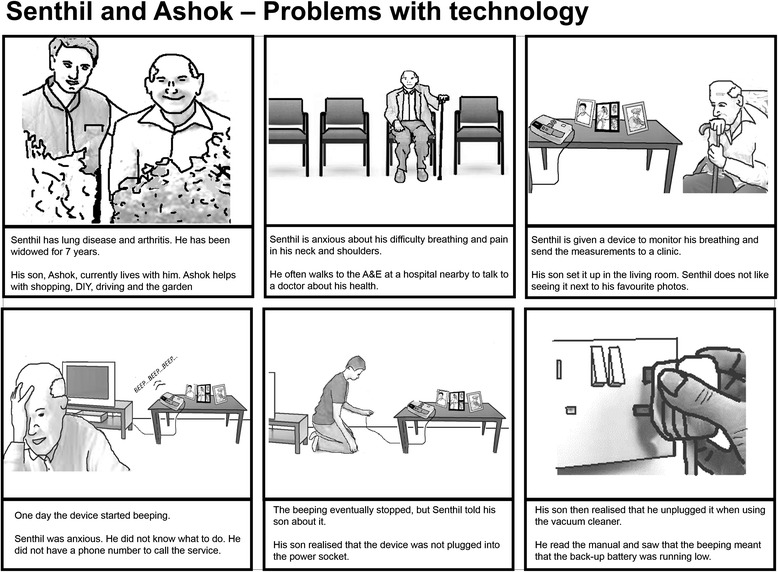
“…Rapid cycle iterative design Three applications 4 clinicians 2 social workers 1 clinic administrator 3 support staff 2 research staff 1 programmer Greenhalgh et al. 2015 [27] Assisted living settings 40 residents 10 Vignettes on a ‘story-board’ in cartoon-strip format Research themes14 service…”
BackgroundBarken, T. L., Thygesen, E., & Söderhamn, U. (2017) · Journal of Clinical Nursing · doi:10.1111/jocn.13857 · Cited by 51
Integrating Welfare Technology in Long-term Care Services: Nationwide Cross-sectional Survey Study
Rostad, H. M., & Stokke, R. (2021) · Journal of Medical Internet Research · doi:10.2196/22316 · Cited by 47
“However, innovation via technology and innovation [41,42] in a long-term care setting and in care work in general [27,43,44] are highly complex, involving wicked problems [45,46], such as many and changing stakeholders, competing interests, and disagreements regarding the nature of the problem [47,48].”
BackgroundWalton, H., Vindrola‐Padros, C., Crellin, N. E., Sidhu, M. S., Herlitz, L., Litchfield, I. J., Ellins, J., Ng, P. L., Massou, E., Tomini, S. M., et al. (2022) · Health Expectations · doi:10.1111/hex.13548 · Cited by 47
“Therefore, formal and informal support networks are needed to support patients.(7,33) Treatment burden may negatively impact on patient experience and levels of engagement.”
BackgroundResultGardner, J., Webster, A., & Barry, J. (2018) · Regenerative Medicine · doi:10.2217/rme-2017-0121 · Cited by 46
“Implementation scholars such as May, Greenhalgh et al. have explored the dynamics and practices that are required to bring about such change [31–34] .”
BackgroundMethodCarers’ experience of using assistive technology for dementia care at home: a qualitative study
Sriram, V., Jenkinson, C., & Peters, M. (2020) · BMJ Open · doi:10.1136/bmjopen-2019-034460 · Cited by 47
Experiential Value of Technologies: A Qualitative Study with Older Adults
Desai, S., McGrath, C., McNeil, H., Sveistrup, H., McMurray, J., & Astell, A. J. (2022) · International Journal of Environmental Research and Public Health · doi:10.3390/ijerph19042235 · Cited by 45
Telecare Call Centre Work and Ageing in Place
Procter, R., Wherton, J., Greenhalgh, T., Sugarhood, P., Rouncefield, M., & Hinder, S. (2016) · Computer Supported Cooperative Work (CSCW) · doi:10.1007/s10606-015-9242-5 · Cited by 43
“…ATHENE project has shown that if assisted living services are to meet the needs of their users—clients, professional and lay carers—their design and deployment must be grounded in users’ lived experience (Wherton et al. 2012; Procter et al. 2014; Greenhalgh et al. 2015; Wherton et al. 2015a, b).”
BackgroundSelf-citationGray, C. S., Tang, T., Armas, A., Backo-Shannon, M., Harvey, S., Kuluski, K., Loganathan, M., Nie, J. X., Petrie, J. T., Ramsay, T., et al. (2020) · JMIR Research Protocols · doi:10.2196/20220 · Cited by 43
“The co-design approach is consistent with other approaches that have sought to design new workflows that can be enhanced using existing technologies [49,50].”
ResultCabrita, M., Tabak, M., & Vollenbroek-Hutten, M. M. R. (2019) · JMIR Aging · doi:10.2196/10476 · Cited by 44
“Prioritization of needs and wishes of older adults to improve adherence to and acceptance of technology is mentioned not only by the older adults themselves [6] but also by several stakeholders involved in the development and deployment of technologies, such as care professionals, technologists, and policy makers [7,8…”
BackgroundStokke, R. (2017) · BMC Health Services Research · doi:10.1186/s12913-017-2587-3 · Cited by 43
“Little attention has been paid to the social constructs in which telecare use actually takes place [6, 15, 17].”
BackgroundGrootven, B. V., & van Achterberg, T. (2016) · Health Informatics Journal · doi:10.1177/1460458216683535 · Cited by 43
Vaezipour, A., Aldridge, D., Koenig, S. T., Theodoros, D., & Russell, T. G. (2021) · Disability and Rehabilitation · doi:10.1080/09638288.2021.1895333 · Cited by 43
“Furthermore, it has been suggested that the ability to observe the technology being utilised and to trial it prior to adoption can enhance the success of technology adoption [84].”
BackgroundBerridge, C., Chan, K. T., & Choi, Y. (2019) · JMIR mHealth and uHealth · doi:10.2196/11516 · Cited by 34
Implementation of digital health technologies for older adults: a scoping review
Jutai, J. W., Hatoum, F., Bhardwaj, D., & Hosseini, M. (2024) · Frontiers in Aging · doi:10.3389/fragi.2024.1349520 · Cited by 37
Hidden Work and the Challenges of Scalability and Sustainability in Ambulatory Assisted Living
Procter, R., Wherton, J. P., & Greenhalgh, T. (2018) · ACM Transactions on Computer-Human Interaction · doi:10.1145/3185591 · Cited by 37
“Numerous studies (Kinder 2010; McLoughlin et al. 2012; Tinker et al. 2013; Procter et al. 2014; Greenhalgh et al. 2015; Wherton et al. 2015; Greenhalgh et al. 2016) have emphasized the importance of engaging much more closely with service users and, in particular, of taking a coproduction approach…”
BackgroundInfluentialSelf-citationTechnology-Assisted Home Care for People With Dementia and Their Relatives: Scoping Review
Palmdorf, S., Stark, A. L., Nadolny, S., Eliaß, G., Karlheim, C., Kreisel, S. H., Gruschka, T., Trompetter, E., & Dockweiler, C. (2021) · JMIR Aging · doi:10.2196/25307 · Cited by 36
“It also requires industry and service providers to take a user-centric approach to design and deployment [62].”
BackgroundWegener, E. K., Bergschöld, J. M., Whitmore, C., Winters, M., & Kayser, L. (2022) · JMIR Human Factors · doi:10.2196/37785 · Cited by 36
“%) of the 22 studies, recruitment through partners was used to identify relevant and interested older people (for example, through patient associations) [26,28,31-33, 37,38,41,42,44,45,47].”
BackgroundO’Cathain, A., Drabble, S. J., Foster, A., Horspool, K., Edwards, L., Thomas, C., & Salisbury, C. (2016) · Journal of Medical Internet Research · doi:10.2196/jmir.5879 · Cited by 36
“Other researchers have also identified the importance of continuity of the person delivering telehealth and their level of motivation during delivery [23,28-30].”
Could Robots Help Older People with Age-Related Nutritional Problems? Opinions of Potential Users
Łukasik, S., Tobis, S., Wieczorowska–Tobis, K., & Suwalska, A. (2018) · International Journal of Environmental Research and Public Health · doi:10.3390/ijerph15112535 · Cited by 35
“Due to the wide range of potential users (including the older persons themselves, and formal and informal caregivers), a user-centered approach to the design and delivery of assistive technology must be employed [25].”
BackgroundForsyth, K., Henderson, C., Davis, L., Roy, A. S., Dunk, B., Curnow, E., Gathercole, R. L., Lam, N., Harper, E., Leroi, I., et al. (2019) · Alzheimer s & Dementia Translational Research & Clinical Interventions · doi:10.1016/j.trci.2019.07.010 · Cited by 34
Tobis, S., Cylkowska-Nowak, M., Wieczorowska–Tobis, K., Pawlaczyk, M., & Suwalska, A. (2017) · Occupational Therapy International · doi:10.1155/2017/9592405 · Cited by 32
“If the systems including robots, addressed to the elderly, are to be effective, they have to meet the end users’ unique needs and expectations: the health and social ones along with those related to the functioning of the individual in a particular cultural context [2].”
BackgroundAlbina, E. M., & Hernandez, A. A. (2018) · International Conference on ICT and Knowledge Engineering · doi:10.1109/ictke.2018.8612447 · Cited by 31
“By putting emphasis on costeffectiveness can assist to deal with this challenge [59].”
BackgroundTobis, S., Neumann‐Podczaska, A., Kropińska, S., & Suwalska, A. (2021) · International Journal of Environmental Research and Public Health · doi:10.3390/ijerph18116157 · Cited by 31
“The approach to implementation and provision of maintenance for the technology to be deployed are critical factors for the user’s acceptance and satisfaction, considering that telehealth and telecare technologies are not and never will be “plug and play” or “one size fits all” [14].”
BackgroundMaking sense of technology adoption in healthcare: meso-level considerations
May, C. R. (2015) · BMC Medicine · doi:10.1186/s12916-015-0305-8 · Cited by 31
Toms, G. R., Verity, F., & Orrell, A. (2019) · Technology in Society · doi:10.1016/j.techsoc.2019.01.004 · Cited by 32
“2 Bricolage Elderly social care users and their carers (paid an d unpaid) seem adept at customising technologies to suit their needs [49].”
BackgroundInfluentialWherton, J. P., Greenhalgh, T., Procter, R., Shaw, S. E., & Shaw, J. (2018) · Qualitative Health Research · doi:10.1177/1049732318798358 · Cited by 30
Self-citationBurr (2021) · doi:10.1016/j.socscimed.2021.114155 · Cited by 29
“This generalized claim has been critiqued by several scholars who have argued that introducing telecare must go hand in hand with analytical and critical attention to human agency among users and the many factors that frame and constrain users in practice (May, 2015; Greenhalgh et al., 2015; Garrety et al., 2014).”
BackgroundWhat works for whom in the management of diabetes in people living with dementia: a realist review
Bunn, F., Goodman, C., Reece Jones, P., Russell, B., Trivedi, D., Sinclair, A., Bayer, A., Rait, G., Rycroft-Malone, J., & Burton, C. (2017) · BMC Medicine · doi:10.1186/s12916-017-0909-2 · Cited by 28
Care organising technologies and the post-phenomenology of care: An ethnographic case study
Shaw, S. E., Hughes, G., Hinder, S., Carolan, S., & Greenhalgh, T. (2020) · Social Science & Medicine · doi:10.1016/j.socscimed.2020.112984 · Cited by 28
“…that was anchored in a shared understanding of what mattered to those giving and receiving care, realistic about the principles underpinning everyday caring; human, in that the technology script both recognised and supported interpersonal relationships and social networks (Greenhalgh et al., 2015).”
BackgroundSelf-citationMorgan, H. M. (2016) · Digital Health · doi:10.1177/2055207616678498 · Cited by 27
van Lieshout, F., Yang, R., Stamenova, V., Agarwal, P., Palma, D. C., Sidhu, A., Engel, K., Erwood, A., Bhatia, R. S., Bhattacharyya, O. K., et al. (2020) · Journal of Medical Internet Research · doi:10.2196/18148 · Cited by 26
“Furthermore, many technologies are advertised to be “plug and play,” suggesting there should be no barriers to their immediate use when, in fact, much local adaptation is required for them to be incorporated into users’ everyday lives [9].”
BackgroundGriffiths, F. E., Armoiry, X., Atherton, H., Bryce, C., Buckle, A., Cave, J. A. K., Court, R. A., Hamilton, K., Dliwayo, T. R., Dritsaki, M., et al. (2018) · Health Services and Delivery Research · doi:10.3310/hsdr06090 · Cited by 27
“This approach is advocated when implementing telecare.(365) Our data indicate that there were anxieties among some staff and young people during this process, many of which are explored in the following sections.”
BackgroundMethodFeasibility and Effectiveness of Nutritional Telemonitoring for Home Care Clients: A Pilot Study
Atten, M. N. V. D.-V., Haveman‐Nies, A., Heery, D., de Vries, J. H. M., & de Groot, C. P. G. M. (2018) · The Gerontologist · doi:10.1093/geront/gny059 · Cited by 26
Hunter, I. M., Elers, P., Lockhart, C. A., Guesgen, H. W., Singh, A. S. G., & Whiddett, D. (2020) · JMIR mhealth and uhealth · doi:10.2196/24157 · Cited by 25
“Although the use of telemonitoring and smart home technologies to support older people has been proposed since many years, there has been very limited uptake [21,22], especially within the public health care systems [23,24].”
BackgroundMobile three-dimensional visualisation technologies for clinician-led fall prevention assessments
Hamm, J., Money, A., Atwal, A., & Ghinea, G. (2017) · Health Informatics Journal · doi:10.1177/1460458217723170 · Cited by 25
“31,32 Patients and practitioners are more likely to engage with and adopt new technologies in practice if they are usable and are perceived to be compatible with their needs.”
Carers’ experiences of assistive technology use in dementia care: a cross sectional survey
Sriram, V., Jenkinson, C., & Peters, M. (2021) · BMC Geriatrics · doi:10.1186/s12877-021-02417-1 · Cited by 25
Haddad, T. C., Maita, K. C., Inselman, J., Ávila, F. R., Torres‐Guzman, R. A., Coffey, J. D., Christopherson, L. A., Leuenberger, A. M., Bell, S. J., Pahl, D. F., et al. (2023) · Journal of Medical Internet Research · doi:10.2196/44528 · Cited by 24
“Thus, communication between patients, nurses, and providers is a critical aspect of this type of care delivery model [43].”
van Zaalen, Y., McDonnell, M., Mikołajczyk, B., Buttiġieġ, S. C., Hernández, C. R., & Holtkamp, F. C. (2018) · Journal of Enabling Technologies · doi:10.1108/jet-10-2017-0041 · Cited by 23
Lynch, J. K., Hughes, G., Papoutsi, C., Wherton, J. P., & A’Court, C. (2021) · Social Science & Medicine · doi:10.1016/j.socscimed.2021.114553 · Cited by 22
Self-citationManaging diabetes in people with dementia: a realist review
Bunn, F., Goodman, C. M., Jones, P. R., Russell, B., Trivedi, D. P., Sinclair, A. J., Bayer, A. J., Rait, G., Rycroft‐Malone, J., & Burton, C. R. (2017) · Health Technology Assessment · doi:10.3310/hta21750 · Cited by 23
Swinglehurst, D., Emmerich, N., Maybin, J., Park, S. E., & Quilligan, S. (2015) · BMC Health Services Research · doi:10.1186/s12913-015-0851-y · Cited by 22
Fulop, N., Walton, H., Crellin, N. E., Georghiou, T., Herlitz, L., Litchfield, I. J., Massou, E., Sherlaw‐Johnson, C., Sidhu, M. S., Tomini, S. M., et al. (2023) · Health and Social Care Delivery Research · doi:10.3310/fvqw4410 · Cited by 21
Assistive technologies for people with disabilities. Part III: Perspectives, needs and opportunities
Nierling, L., Maia, M., Hennen, L., Wolbring, G., Bratan, T., Kukk, P., Čas, J., Capari, L., & Krieger-Lamina, J. (2018) · doi:10.2861/11162 · Cited by 23
Glasby, J., Litchfield, I. J., Parkinson, S., Hocking, L., Tanner, D., Roe, B., & Bousfield, J. (2023) · Health and Social Care Delivery Research · doi:10.3310/hryw4281 · Cited by 20
Gray, C. S. (2020) · Journal of Medical Internet Research · doi:10.2196/17987 · Cited by 19
“The ARCHIE framework similarly suggests that the development of telehealth and telecare products must be “anchored in what matters to users” through iterative co-creation driven by a phenomenological lens [26].”
Smart and real-time door lock system for an elderly user based on face recognition
Saputra, R., & Surantha, N. (2021) · Bulletin of Electrical Engineering and Informatics · doi:10.11591/eei.v10i3.2955 · Cited by 20
Saragih, I. D., Wei, C., Batubara, S. O., Saragih, I. S., & Lee, B. (2022) · Journal of Nursing Scholarship · doi:10.1111/jnu.12808 · Cited by 18
Волкова, О. А., Budarin, S. S., Smirnova, E. V., & Elbek, Y. V. (2022) · FARMAKOEKONOMIKA Modern Pharmacoeconomics and Pharmacoepidemiology · doi:10.17749/2070-4909/farmakoekonomika.2021.109 · Cited by 17
Tarzia, L., May, C. R., & Hegarty, K. L. (2016) · BMC Women s Health · doi:10.1186/s12905-016-0352-0 · Cited by 17
“2) and solve the problem of an overburdened workforce while also saving money [29].”
BackgroundEnvironmental and contextual factors influencing e-health use among older adults: A rapid review
Sharkiya, S. H., & Hag, A. M. (2024) · International Journal of Medical Informatics · doi:10.1016/j.ijmedinf.2024.105448 · Cited by 16
Cajamarca, G., Proust, V., Herskovic, V., Cádiz, R. F., Verdezoto, N. X., & Medina, F. J. F. (2023) · Healthcare · doi:10.3390/healthcare11212897 · Cited by 16
“…present interview or focus groups studies [33,34,36,37,40,45,50,53], with some also including co-design workshops or participatory design [39,49,51], with the goal of understanding some experience—e.g., how older adults perceive care and case management [34], how care navigation is experienced…”
BackgroundHamm, J., Money, A., & Atwal, A. (2019) · International Journal of Medical Informatics · doi:10.1016/j.ijmedinf.2019.07.004 · Cited by 16
“Designing usable applications that deliver functionality that are aligned with user needs, is as important as the innovation itself [44,45].”
BackgroundA qualitative study of what care workers do to provide patient safety at home through telecare
Stokke, R., Melby, L. M. H., Isaksen, J., Obstfelder, A. U., & Andreassen, H. (2021) · BMC Health Services Research · doi:10.1186/s12913-021-06556-4 · Cited by 16
“high-quality services to ever more patients with ever greater needs [8, 14].”
BackgroundInterrogating the promise of technology in epilepsy care: systematic, hermeneutic review
Papoutsi, C., Collins, C. D. E., Christopher, A., Shaw, S. E., & Greenhalgh, T. (2021) · Sociology of Health & Illness · doi:10.1111/1467-9566.13266 · Cited by 17
“Studies of epilepsy technologies had been published almost exclusively in the clinical and technical literature and had not previously linked to the research literature on patient experiences living with epilepsy – an important omission, since good sociotechnical design relies on a detailed analysis of patient needs a…”
BackgroundSelf-citationActive and pleasant ageing supported by technology
Cabrita, M. (2017) · doi:10.3990/1.9789036543903 · Cited by 16
Network-based approaches for evaluating ambient assisted living (AAL) technologies
Gomersall, T., Nygård, L., Mihailidis, A., Sixsmith, A. J., Hwang, A. S., Hedman, A., & Astell, A. J. (2017) · Evaluation · doi:10.1177/1356389017697615 · Cited by 15
Yu, J., Zhang, T., Liu, Z., Hatab, A. A., & Lan, J. (2020) · International Journal of Environmental Research and Public Health · doi:10.3390/ijerph17010375 · Cited by 15
“Furthermore, existing literature also focuses on acceptance and the influencing factors of other entities, e.g., hospitals [9], technology suppliers, and service providers [10], whose research shows that the most frequently reported patient barriers to telehealth acceptance are technical issues.”
BackgroundTobis, S., Piasek-Skupna, J., Neumann‐Podczaska, A., Religioni, U., & Suwalska, A. (2023) · Medical Science Monitor · doi:10.12659/msm.941205 · Cited by 14
“Since there reportedly is no “one-size-fits-all” technological solution for the analyzed area [10], investigating the determinants of perception and acceptance of robots in elder care may be a good way to provide tailored interventions that meet the future users’ needs and expectations and thus enhance the chances for…”
Lee, Y. K., Lee, P. Y., Ng, C. J., Teo, C. H., Bakar, A. I. A., Abdullah, K. L., Khoo, E. M., Hanafi, N. S., Low, W. Y., & Chiew, T. K. (2017) · Informatics for Health and Social Care · doi:10.1080/17538157.2016.1269108 · Cited by 14
“This shift agrees favorably with two (of six) principles from the ARCHIE design framework, which advocates that technology needs to be 1) ANCHORED in a shared understanding of what matters to the user; and 2) CO-CREATIVE, evolving and adapting solutions with users (34).”
BackgroundMethodComparative Lessons in Regenerative Medicine Readiness: Learning From the UK and Japanese Experience
Umemura, M., & Morrison, M. C. (2021) · Regenerative Medicine · doi:10.2217/rme-2020-0136 · Cited by 13
Metadata
- Authors
- Greenhalgh, T., Procter, R., Wherton, J., Sugarhood, P., Hinder, S., & Rouncefield, M.
- Affiliations
- University of Oxford (GB)
- East London NHS Foundation Trust (GB)
- Lancaster University (GB)
- Corresponding author
- Greenhalgh, Trisha
- Venue
- BMC Medicine
- Published
- 2015-04-23
- Volume
- 13
- Issue
- 1
- Pages
- 91-91
- ISSN
- 1741-7015 (ISSN-L)
- PMC
- PMC4407351
- OpenAlex
- W1988747295
- Semantic Scholar
- dceef4080be7d46876659aa0ffc3f1a67337fef0
- Cited by
- 181
- References
- 48
- Citations by year
- 2026: 9 · 2025: 10 · 2024: 6 · 2023: 19 · 2022: 12 · 2021: 26 · 2020: 24 · 2019: 19 · 2018: 19 · 2017: 23 · 2016: 11 · 2015: 3
- FWCI
- 47.19
- Type
- journal article
- Language
- en
- Open access
- gold
- doi.org
- Locations
- BMC Medicine (publishedVersion, cc-by)
- Europe PMC (PubMed Central) (publishedVersion, cc-by)
- PubMed Central (publishedVersion, cc-by)
- PubMed (publishedVersion)
- Lancaster EPrints (Lancaster University) (acceptedVersion, other-oa)
- Research Open (London South Bank University) (acceptedVersion, other-oa)
- Warwick Research Archive Portal (University of Warwick) (acceptedVersion)
- Funders
- National Institute for Health and Care Research (NF-SI-0512-10031)
- Topics
- Health Sciences › Medicine › Geriatrics and Gerontology › Technology Use by Older Adults
- Health Sciences › Medicine › Public Health, Environmental and Occupational Health › Telemedicine and Telehealth Implementation
- Health Sciences › Health Professions › Occupational Therapy › Assistive Technology in Communication and Mobility
- Keywords
- telemedicine, telecare, assisted living, quality of care, assistive technology, multimorbidity, older adults, user-centered design, co-design, interoperability, caregivers, quality principles, technology support services, home modification, illness experience, system learning
- MeSH terms
- Activities of Daily Living, Aged, Aged, 80 and over, Female, Persons with Disabilities, Health Services for the Aged, Home Care Services, Humans, Health Knowledge, Attitudes, Practice, Male, Middle Aged, Patient Acceptance of Health Care, Social Support, Frail Elderly, Caregivers, Telemedicine, Needs Assessment, Qualitative Research, Health Services for Persons with Disabilities
About these checks
Registry, retraction, Cites and statistics results are computed, not judged, with one exception: a printed reference that no index lists is read once by a model before it counts as a citation error. Claims are extracted by a model and kept only when their quote appears verbatim in the text; each cited source is then checked, with a model’s help, for whether it says what the claim relies on. Those verdicts can be wrong — read the claim’s quote and the cited source before relying on one.
Statistics and arithmetic are recomputed, not judged.
Confidence bands are shown only for fields calibrated on our annotated test set. None is calibrated yet, so no band is shown.
What counts as a claim ›How we measure confidence ›How we check this ›
Are you an author, or do you see a problem with this page? Request a review
Data sources
Bibliographic data: Semantic Scholar, OpenAlex, Crossref.
Contains information from the Semantic Scholar Academic Graph Datasets, made available under the ODC Attribution License (ODC-BY 1.0).
Semantic Scholar’s data is described in: Kinney, R., et al. (2023). The Semantic Scholar Open Data Platform. arXiv:2301.10140.
