

Immune related adverse events associated with anti-CTLA-4 antibodies: systematic review and meta-analysis
Open accessThe DOI matches its Crossref record; 142 of the 142 references it cites were found in a registry or an index.
Abstract
BACKGROUND: Targeting CTLA-4 is a recent strategic approach in cancer control: blocking CTLA-4 enhances an antitumor immunity by promoting T-cell activation and cytotoxic T-lymphocyte proliferation. This induction of a tolerance break against the tumor may be responsible for immune-related adverse events (irAEs). Our objective was to assess the incidence and nature of irAEs in oncologic patients receiving anti-CTLA-4 antibodies (ipilimumab and tremelimumab). METHODS: A systematic search of literature up to February 2014 was performed in MEDLINE, EMBASE, and Cochrane databases to identify relevant articles. Paired reviewers independently selected articles for inclusion and extracted data. Pooled incidence was calculated using R(©), package meta. RESULTS: Overall, 81 articles were included in the study, with a total of 1265 patients from 22 clinical trials included in the meta-analysis. Described irAEs consisted of skin lesions (rash, pruritus, and vitiligo), colitis, and less frequently hepatitis, hypophysitis, thyroiditis, and some rare events such as sarcoidosis, uveitis, Guillain-Barré syndrome, immune-mediated cytopenia and polymyalgia rheumatic/Horton. The overall incidence of all-grade irAEs was 72 % (95 % CI, 65-79 %). The overall incidence of high-grade irAEs was 24 % (95 % CI, 18-30 %). The risk of developing irAEs was dependent of dosage, with incidence of all-grade irAEs being evaluated to 61 % (95 % CI, 56-66 %) for ipilimumab 3 mg/kg and 79 % (95 % CI, 69-89 %) for ipilimumab 10 mg/kg. Death due to irAEs occurred in 0.86 % of patients. The median time of onset of irAEs was about 10 weeks (IQR, 6-12) after the onset of treatment, corresponding with the first three cycles but varied according to the organ system involved. Such immune activation could also be indicative for tumor-specific T-cell activation and irAE occurrence was associated with clinical response to CTLA-4 blocking in 60 % of patients. CONCLUSION: The price of potential long-term survival to metastatic tumors is an atypical immune toxicity, reflecting the mechanism of action of anti-CTLA-4 antibodies. A better knowledge of these irAEs and its management in a multidisciplinary approach will help to reduce morbidity and therapy interruptions.
Overview
The claims and statistics of this paper haven’t been checked yet.
Free: it reads the open-access text and checks the first 5 claims that cite a source we can check. Create a free account to check every claim.
Integrity signals
Registry
Cites
Statistics
Figures
Verification
Claims the paper makes
The claims and statistics of this paper haven’t been checked yet.
Free: it reads the open-access text and checks the first 5 claims that cite a source we can check. Create a free account to check every claim.
Claims other papers make about this one
Each is checked against this paper’s own text: does it say what the citing paper says it does?
The source backs part of the claim, not all of it — or backs it for a different population, condition or comparison.
In the citing paper
“ICI-associated colitis is routinely treated with immunosuppressive therapy, including corticosteroids and/or agents targeting tumor necrosis factor alpha (TNF-alpha), all of which have significant side effects.”
From Fecal microbiota transplantation for refractory immune checkpoint inhibitor-associated colitis (2018) · cites this paper as [5]
Experimental — accuracy not yet measuredThe source backs part of the claim, not all of it — or backs it for a different population, condition or comparison.
In the citing paper
“Neurologic immune-related adverse events from immune checkpoint inhibitors include autonomic neuropathy and can present with severe GI dysmotility (Bertrand et al., 2015).”
From Autonomic nervous system and gastrointestinal manifestations with an emphasis on gastric dysfunction (2026) · cites this paper as Bertrand et al., 2015
Experimental — accuracy not yet measured
Self-check
Percentages, sums and reported differences re-computed from the paper’s own numbers.
The self-check needs the paper’s full text.
Citations
Cites
The Cochrane Collaboration's tool for assessing risk of bias in randomised trials
Higgins, J. P. T., Altman, D. G., Gotzsche, P. C., Juni, P., Moher, D., Oxman, A. D., Savovic, J., Schulz, K. F., Weeks, L., Sterne, J. A. C., et al. (2011) · BMJ · doi:10.1136/bmj.d5928 · Cited by 33,817
PD-1 and PD-L1 Immune Checkpoint Blockade to Treat Breast Cancer
Hartkopf, A. D., Taran, F.-A., Wallwiener, M., Walter, C. B., Krämer, B., Grischke, E.-M., & Brucker, S. Y. (2016) · Breast Care · doi:10.1159/000453569 · Cited by 30,845
Dermyshi, E., Wang, Y., Yan, C., Hong, W., Qiu, G., Gong, X., & Zhang, T. (2017) · Neonatology · doi:10.1159/000454668 · Cited by 24,451
Adverse Renal Effects of Immune Checkpoint Inhibitors: A Narrative Review
Wanchoo, R., Karam, S., Uppal, N. N., Barta, V. S., Deray, G., Devoe, C., Launay-Vacher, V., Jhaveri, K. D., & on behalf of Cancer and Kidney International Network Workgroup on Immune Checkpoint Inhibitors (2017) · American Journal of Nephrology · doi:10.1159/000455014 · Cited by 15,256
Improved Survival with Ipilimumab in Patients with Metastatic Melanoma
Hodi, F. S., O'Day, S. J., McDermott, D. F., Weber, R. W., Sosman, J. A., Haanen, J. B., Gonzalez, R., Robert, C., Schadendorf, D., Hassel, J. C., et al. (2010) · New England Journal of Medicine · doi:10.1056/nejmoa1003466 · Cited by 15,155 · cited 4×
“[7], an irAE was defined as an adverse event that was associated with exposure to the study drug and that was consistent with an immune phenomenon.”
BackgroundInfluentialThe blockade of immune checkpoints in cancer immunotherapy
Pardoll, D. M. (2012) · Nature Reviews Cancer · doi:10.1038/nrc3239 · Cited by 13,838 · cited 1×
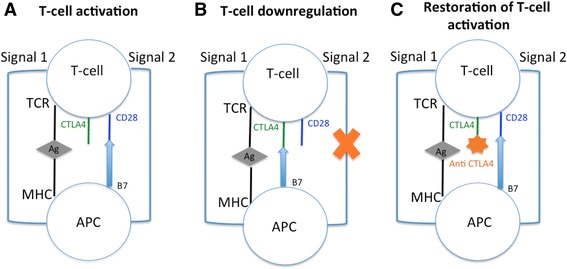
“Thus, blockades of immune checkpoints with antagonists of inhibitory pathways have been developed and anti-CTLA-4 antibodies are precursors in this domain [3] (Mechanism of action: anti CTLA-4 antibodies in Fig.”
BackgroundIpilimumab plus Dacarbazine for Previously Untreated Metastatic Melanoma
Robert, C., Thomas, L., Bondarenko, I., O'Day, S., Weber, J., Garbe, C., Lebbe, C., Baurain, J.-F., Testori, A., Grob, J.-J., et al. (2011) · New England Journal of Medicine · doi:10.1056/nejmoa1104621 · Cited by 4,496 · cited 1×
“Thus, a fully humanized anti-CTLA-4 monoclonal antibody immunoglobulin (Ig) G1 isotype (ipilimumab) was approved by the Food and Drug Administration (FDA) in 2011 at a dosage of 3 mg/kg every 3 weeks for four cycles in advanced melanoma, with evidence of improved survival [7, 8].”
BackgroundGenetic Basis for Clinical Response to CTLA-4 Blockade in Melanoma
Snyder, A., Makarov, V., Merghoub, T., Yuan, J., Zaretsky, J. M., Desrichard, A., Walsh, L. A., Postow, M. A., Wong, P., Ho, T. S., et al. (2014) · New England Journal of Medicine · doi:10.1056/nejmoa1406498 · Cited by 4,286 · cited 1×
“[119] also defined a genetic basis for benefit from CTLA-4 blockade in melanoma by whole-exome sequencing on tumors and matched blood samples.”
BackgroundTivol, E. A., Borriello, F., Schweitzer, A. N., Lynch, W. P., Bluestone, J. A., & Sharpe, A. H. (1995) · Immunity · doi:10.1016/1074-7613(95)90125-6 · Cited by 2,914 · cited 1×
“This role is supported by the lethal lympho-proliferation and autoimmunity in CTLA-4 knockout mice [5].”
BackgroundFitzgerald, M., Hayward, I. P., Thomas, A. C., Campbell, J. H., & CAMPBELL, G. R. (1995) · Cited by 2,552
Simpson, T. R., Li, F., Montalvo-Ortiz, W., Sepulveda, M. A., Bergerhoff, K., Arce, F., Roddie, C., Henry, J. Y., Yagita, H., Wolchok, J. D., et al. (2013) · Journal of Experimental Medicine · doi:10.1084/jem.20130579 · Cited by 1,472 · cited 1×
“Thus, if the CTLA-4 blockade enhances the intratumoral T-effector/T-regulator cell ratio in cancer patients, by depleting T-regulator cells [108], immunotherapy modulating CTLA-4 (such as abatacept) improves the regulatory T-cell inhibitory function in rheumatoid arthritis patients [109].”
BackgroundRoyal, R. E., Levy, C., Turner, K., Mathur, A., Hughes, M., Kammula, U. S., Sherry, R. M., Topalian, S. L., Yang, J. C., Lowy, I., et al. (2010) · Journal of Immunotherapy · doi:10.1097/cji.0b013e3181eec14c · Cited by 1,257 · cited 1×
“Royal [27] Single arm, phase II Pancreatic 27 Ipilimumab 3 3”
BackgroundWolchok, J. D., Neyns, B., Linette, G., Negrier, S., Lutzky, J., Thomas, L., Waterfield, W., Schadendorf, D., Smylie, M., Guthrie, T., et al. (2010) · The Lancet Oncology · doi:10.1016/s1470-2045(09)70334-1 · Cited by 1,195 · cited 4×
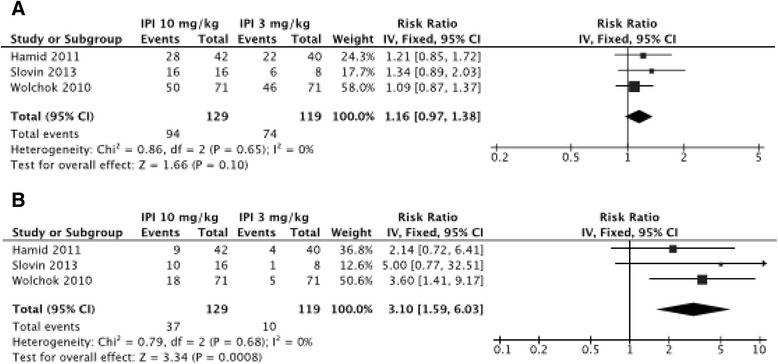
“However, in the subgroup analysis [17, 19, 30], a statistically significant difference was only found between the two doses for all grade gastrointestinal irAEs with a RR of 1.”
BackgroundMethodInfluentialHas the Microbiota Played a Critical Role in the Evolution of the Adaptive Immune System?
Lee, Y. K., & Mazmanian, S. K. (2010) · Science · doi:10.1126/science.1195568 · Cited by 1,121
Ipilimumab in patients with melanoma and brain metastases: an open-label, phase 2 trial
Margolin, K., Ernstoff, M. S., Hamid, O., Lawrence, D., McDermott, D., Puzanov, I., Wolchok, J. D., Clark, J. I., Sznol, M., Logan, T. F., et al. (2012) · The Lancet Oncology · doi:10.1016/s1470-2045(12)70090-6 · Cited by 1,091
Attia, P., Phan, G. Q., Maker, A. V., Robinson, M. R., Quezado, M. M., Yang, J. C., Sherry, R. M., Topalian, S. L., Kammula, U. S., Royal, R. E., et al. (2005) · Journal of Clinical Oncology · doi:10.1200/jco.2005.06.205 · Cited by 1,012 · cited 2×
“Another important clinical finding is the lack of evidence that steroid administration affects oncologic response [95, 104]; immunosuppressive agents were used in the event of no early improvement (e.”
BackgroundImmune dysregulation in human subjects with heterozygous germline mutations in CTLA4
Kuehn, H. S., Ouyang, W., Lo, B., Deenick, E. K., Niemela, J. E., Avery, D. T., Schickel, J.-N., Tran, D. Q., Stoddard, J., Zhang, Y., et al. (2014) · Science · doi:10.1126/science.1255904 · Cited by 848
Beck, K. E., Blansfield, J. A., Tran, K. Q., Feldman, A. L., Hughes, M. S., Royal, R. E., Kammula, U. S., Topalian, S. L., Sherry, R. M., Kleiner, D., et al. (2006) · Journal of Clinical Oncology · doi:10.1200/jco.2005.04.5716 · Cited by 833 · cited 3×
“Another important clinical finding is the lack of evidence that steroid administration affects oncologic response [95, 104]; immunosuppressive agents were used in the event of no early improvement (e.”
BackgroundRibas, A., Kefford, R., Marshall, M. A., Punt, C. J. A., Haanen, J. B., Marmol, M., Garbe, C., Gogas, H., Schachter, J., Linette, G., et al. (2013) · Journal of Clinical Oncology · doi:10.1200/jco.2012.44.6112 · Cited by 805
Yang, J. C., Hughes, M., Kammula, U., Royal, R., Sherry, R. M., Topalian, S. L., Suri, K. B., Levy, C., Allen, T., Mavroukakis, S., et al. (2007) · Journal of Immunotherapy · doi:10.1097/cji.0b013e318156e47e · Cited by 697 · cited 2×
“Yang [23] Randomized, double blind, phase II, dose ranging study Renal cell 61 Ipilimumab 1; 3 n/a”
BackgroundImmunotherapy: past, present and future
Waldmann, T. A. (2003) · Nature Medicine · doi:10.1038/nm0303-269 · Cited by 628 · cited 1×
“The concept of immunosurveillance and involvement of the immune system in cancer development has been known for several years [2].”
BackgroundDowney, S. G., Klapper, J. A., Smith, F. O., Yang, J. C., Sherry, R. M., Royal, R. E., Kammula, U. S., Hughes, M. S., Allen, T. E., Levy, C. L., et al. (2007) · Clinical Cancer Research · doi:10.1158/1078-0432.ccr-07-0187 · Cited by 624 · cited 3×
“Downey [24] Multicenter, single arm, phase II Melanoma 139 Ipilimumab 9 n/a”
BackgroundRibas, A., Camacho, L. H., Lopez-Berestein, G., Pavlov, D., Bulanhagui, C. A., Millham, R., Comin-Anduix, B., Reuben, J. M., Seja, E., Parker, C. A., et al. (2005) · Journal of Clinical Oncology · doi:10.1200/jco.2005.01.109 · Cited by 591 · cited 1×
“Ribas [34] Phase I Melanoma, renal cell, colon 39 Tremelimumab 10; 15 2”
BackgroundWeber, J., Thompson, J. A., Hamid, O., Minor, D., Amin, A., Ron, I., Ridolfi, R., Assi, H., Maraveyas, A., Berman, D., et al. (2009) · Clinical Cancer Research · doi:10.1158/1078-0432.ccr-09-1024 · Cited by 568 · cited 2×
“Weber [22] Randomized, double blind, phase II Melanoma 115 Ipilimumab 10 3”
BackgroundLe, D. T., Lutz, E., Uram, J. N., Sugar, E. A., Onners, B., Solt, S., Zheng, L., Diaz, L. A., Donehower, R. C., Jaffee, E. M., et al. (2013) · Journal of Immunotherapy · doi:10.1097/cji.0b013e31829fb7a2 · Cited by 564 · cited 1×
“Le DT [28] Randomized, open label, phase IB Pancreatic 30 Ipilimumab 10 3”
BackgroundSlovin, S. F., Higano, C. S., Hamid, O., Tejwani, S., Harzstark, A., Alumkal, J. J., Scher, H. I., Chin, K., Gagnier, P., McHenry, M. B., et al. (2013) · Annals of Oncology · doi:10.1093/annonc/mdt107 · Cited by 559 · cited 3×
“However, in the subgroup analysis [17, 19, 30], a statistically significant difference was only found between the two doses for all grade gastrointestinal irAEs with a RR of 1.”
BackgroundMethodHamid, O., Schmidt, H., Nissan, A., Ridolfi, L., Aamdal, S., Hansson, J., Guida, M., Hyams, D. M., Gómez, H., Bastholt, L., et al. (2011) · Journal of Translational Medicine · doi:10.1186/1479-5876-9-204 · Cited by 534 · cited 3×
“Hamid [17] Randomized, double blind, phase II Melanoma 82 Ipilimumab 3; 10 n/a”
BackgroundMethodO'Day, S. J., Maio, M., Chiarion-Sileni, V., Gajewski, T. F., Pehamberger, H., Bondarenko, I. N., Queirolo, P., Lundgren, L., Mikhailov, S., Roman, L., et al. (2010) · Annals of Oncology · doi:10.1093/annonc/mdq013 · Cited by 514
Faje, A. T., Sullivan, R., Lawrence, D., Tritos, N. A., Fadden, R., Klibanski, A., & Nachtigall, L. (2014) · The Journal of Clinical Endocrinology & Metabolism · doi:10.1210/jc.2014-2306 · Cited by 479 · cited 1×
“Indeed, since our deadline of literature search, various auto-immune hematological [122, 123], renal [124], cutaneous [125–128], ophthalmologic [129–132], neurologic [133, 134], endocrine [132, 135–137], gastrointestinal [138, 139], and a central nervous system sarcoidosis [140] cases have been described.”
BackgroundVoskens, C. J., Goldinger, S. M., Loquai, C., Robert, C., Kaehler, K. C., Berking, C., Bergmann, T., Bockmeyer, C. L., Eigentler, T., Fluck, M., et al. (2013) · PLoS ONE · doi:10.1371/journal.pone.0053745 · Cited by 468 · cited 1×
“[97] summarized and described, by organ system, the rare ipilimumabinduced immune side effects among 19 skin cancer centers.”
BackgroundPhase I/II Study of Ipilimumab for Patients With Metastatic Melanoma
Weber, J. S., O’Day, S., Urba, W., Powderly, J., Nichol, G., Yellin, M., Snively, J., & Hersh, E. (2008) · Journal of Clinical Oncology · doi:10.1200/jco.2008.16.1927 · Cited by 463 · cited 1×
“Weber [29] Phase I/II Melanoma 88 Ipilimumab n/a n/a”
BackgroundCarthon, B. C., Wolchok, J. D., Yuan, J., Kamat, A., Ng Tang, D. S., Sun, J., Ku, G., Troncoso, P., Logothetis, C. J., Allison, J. P., et al. (2010) · Clinical Cancer Research · doi:10.1158/1078-0432.ccr-10-0569 · Cited by 460 · cited 2×
“Patients receiving a lower dosage of FDA-approved therapy were not included in this meta-analysis, but it is noteworthy that there were very few irAEs for these sub-therapeutic doses [13].”
BackgroundKu, G. Y., Yuan, J., Page, D. B., Schroeder, S. E. A., Panageas, K. S., Carvajal, R. D., Chapman, P. B., Schwartz, G. K., Allison, J. P., & Wolchok, J. D. (2010) · Cancer · doi:10.1002/cncr.24951 · Cited by 422 · cited 1×
“Ku [25] Compassionate use trial Melanoma 53 Ipilimumab 10 3”
Calabrò, L., Morra, A., Fonsatti, E., Cutaia, O., Amato, G., Giannarelli, D., Di Giacomo, A. M., Danielli, R., Altomonte, M., Mutti, L., et al. (2013) · The Lancet Oncology · doi:10.1016/s1470-2045(13)70381-4 · Cited by 356 · cited 3×
“Calabro [31] Open label, single arm, phase II Mesothelioma 29 Tremelimumab 15 3”
BackgroundInfluentialBlansfield, J. A., Beck, K. E., Tran, K., Yang, J. C., Hughes, M. S., Kammula, U. S., Royal, R. E., Topalian, S. L., Haworth, L. R., Levy, C., et al. (2005) · Journal of Immunotherapy · doi:10.1097/01.cji.0000178913.41256.06 · Cited by 355 · cited 1×
“Symptoms were related to the anterior hypopituitarism (hormonal deficiencies) and pituitary mass effect [39].”
BackgroundDelyon, J., Mateus, C., Lefeuvre, D., Lanoy, E., Zitvogel, L., Chaput, N., Roy, S., Eggermont, A. M. M., Routier, E., & Robert, C. (2013) · Annals of Oncology · doi:10.1093/annonc/mdt027 · Cited by 318 · cited 1×
“Delyon [15] Prospective observational study Melanoma 96 Ipilimumab 3 4”
BackgroundO'Day, S. J., Hamid, O., & Urba, W. J. (2007) · Cancer · doi:10.1002/cncr.23086 · Cited by 309
Hersh, E. M., O’Day, S. J., Powderly, J., Khan, K. D., Pavlick, A. C., Cranmer, L. D., Samlowski, W. E., Nichol, G. M., Yellin, M. J., & Weber, J. S. (2011) · Investigational New Drugs · doi:10.1007/s10637-009-9376-8 · Cited by 307 · cited 1×
“Hersh [21] RCT, phase II Melanoma 74 Ipilimumab 3 2”
BackgroundChung, K. Y., Gore, I., Fong, L., Venook, A., Beck, S. B., Dorazio, P., Criscitiello, P. J., Healey, D. I., Huang, B., Gomez-Navarro, J., et al. (2010) · Journal of Clinical Oncology · doi:10.1200/jco.2010.28.3994 · Cited by 306
Anti-CTLA4 Antibody–Induced Lupus Nephritis
Fadel, F., Karoui, K. E., & Knebelmann, B. (2009) · New England Journal of Medicine · doi:10.1056/nejmc0904283 · Cited by 300 · cited 1×
“Many other events were also reported with anti-CTLA4 antibodies, including uveitis [83], organizing pneumonia [84], lupus nephritis [85], autoimmune cytopenia [85–87], and hemophilia A [89], as well as a recently published case of polymyalgia/giant cell arteritis [90].”
BackgroundAlbarel, F., Gaudy, C., Castinetti, F., Carré, T., Morange, I., Conte-Devolx, B., Grob, J.-J., & Brue, T. (2015) · European Journal of Endocrinology · doi:10.1530/eje-14-0845 · Cited by 289 · cited 1×
“6 % of patients [103].”
Atypical neurological complications of ipilimumab therapy in patients with metastatic melanoma
Liao, B., Shroff, S., Kamiya-Matsuoka, C., & Tummala, S. (2014) · Neuro-Oncology · doi:10.1093/neuonc/nou001 · Cited by 288 · cited 1×
“Various neurologic irAEs, such as Guillain-Barré syndrome [42, 68, 69], transverse myelitis [70], aseptic meningitis [42], inflammatory myopathy [71], orbital myositis [72], or myasthenia [70], were described (Additional file 1: Table S3).”
BackgroundDi Giacomo, A. M., Danielli, R., Guidoboni, M., Calabrò, L., Carlucci, D., Miracco, C., Volterrani, L., Mazzei, M. A., Biagioli, M., Altomonte, M., et al. (2009) · Cancer Immunology, Immunotherapy · doi:10.1007/s00262-008-0642-y · Cited by 286 · cited 1×
“One case illustrated ipilimumab-related pancreatitis considered to be immune-related due to detection of anti-pancreas antibodies [66].”
BackgroundRalph, C., Elkord, E., Burt, D. J., O'Dwyer, J. F., Austin, E. B., Stern, P. L., Hawkins, R. E., & Thistlethwaite, F. C. (2010) · Clinical Cancer Research · doi:10.1158/1078-0432.ccr-09-2870 · Cited by 250 · cited 1×
“Ralph [33] Single arm, phase II Gastric and esophageal 18 Tremelimumab 15 2”
BackgroundThe role of CTLA‐4 in the regulation of T cell immune responses
McCoy, K. D., & Le Gros, G. (1999) · Immunology & Cell Biology · doi:10.1046/j.1440-1711.1999.00795.x · Cited by 244 · cited 1×
“Under normal physiological conditions, CTLA-4 acts as a negative T-cell co-stimulatory signal, maintaining the peripheral T-cell homeostasis and tolerance to self or environmental antigens [106].”
BackgroundTarhini, A. (2013) · Scientifica · doi:10.1155/2013/857519 · Cited by 236 · cited 1×
“In parallel, experts detailed and considered the management of irAEs by organ system [98, 115, 116].”
BackgroundBour‐Jordan, H., & Bluestone, J. A. (2009) · Immunological Reviews · doi:10.1111/j.1600-065x.2009.00775.x · Cited by 223 · cited 1×
“CTLA-4 is now established as a critical regulator of T-regulator homeostasis and function [107].”
BackgroundMcDermott, D., Haanen, J., Chen, T.-T., Lorigan, P., & O'Day, S. (2013) · Annals of Oncology · doi:10.1093/annonc/mdt291 · Cited by 219
Ipilimumab in patients with cancer and the management of dermatologic adverse events
Lacouture, M. E., Wolchok, J. D., Yosipovitch, G., Kähler, K. C., Busam, K. J., & Hauschild, A. (2014) · Journal of the American Academy of Dermatology · doi:10.1016/j.jaad.2014.02.035 · Cited by 187 · cited 1×
“In parallel, experts detailed and considered the management of irAEs by organ system [98, 115, 116].”
BackgroundGoldstein, B. L., Gedmintas, L., & Todd, D. J. (2014) · Arthritis & Rheumatology · doi:10.1002/art.38282 · Cited by 186 · cited 1×
“Many other events were also reported with anti-CTLA4 antibodies, including uveitis [83], organizing pneumonia [84], lupus nephritis [85], autoimmune cytopenia [85–87], and hemophilia A [89], as well as a recently published case of polymyalgia/giant cell arteritis [90].”
BackgroundPulmonary Sarcoid-Like Granulomatosis Induced by Ipilimumab
Berthod, G., Lazor, R., Letovanec, I., Romano, E., Noirez, L., Mazza Stalder, J., Speiser, D. E., Peters, S., & Michielin, O. (2012) · Journal of Clinical Oncology · doi:10.1200/jco.2011.39.3298 · Cited by 182 · cited 2×
“57 case reports with at least one irAE [26, 36–91].”
BackgroundThyroid autoimmunity and ophthalmopathy related to melanoma biological therapy
Min, L., Vaidya, A., & Becker, C. (2011) · European Journal of Endocrinology · doi:10.1530/eje-10-0833 · Cited by 179 · cited 1×
“One case reported bilateral Graves’ ophtalmopathy with high thyroperoxydase and thyroglobulin antibodies after two cycles of ipilimumab therapy [43].”
BackgroundAnti-CTLA-4 antibody-induced Guillain–Barré syndrome in a melanoma patient
Wilgenhof, S., & Neyns, B. (2011) · Annals of Oncology · doi:10.1093/annonc/mdr028 · Cited by 175 · cited 1×
“Various neurologic irAEs, such as Guillain-Barré syndrome [42, 68, 69], transverse myelitis [70], aseptic meningitis [42], inflammatory myopathy [71], orbital myositis [72], or myasthenia [70], were described (Additional file 1: Table S3).”
BackgroundKidney injuries related to ipilimumab
Izzedine, H., Gueutin, V., Gharbi, C., Mateus, C., Robert, C., Routier, E., Thomas, M., Baumelou, A., & Rouvier, P. (2014) · Investigational New Drugs · doi:10.1007/s10637-014-0092-7 · Cited by 171 · cited 1×
“Indeed, since our deadline of literature search, various auto-immune hematological [122, 123], renal [124], cutaneous [125–128], ophthalmologic [129–132], neurologic [133, 134], endocrine [132, 135–137], gastrointestinal [138, 139], and a central nervous system sarcoidosis [140] cases have been described.”
BackgroundEntering the mainstream of cancer treatment
Rosenberg, S. A. (2014) · Nature Reviews Clinical Oncology · doi:10.1038/nrclinonc.2014.174 · Cited by 165
Resolution of Severe Ipilimumab-Induced Hepatitis After Antithymocyte Globulin Therapy
Chmiel, K. D., Suan, D., Liddle, C., Nankivell, B., Ibrahim, R., Bautista, C., Thompson, J., Fulcher, D., & Kefford, R. (2011) · Journal of Clinical Oncology · doi:10.1200/jco.2010.32.2206 · Cited by 164 · cited 1×
“57 case reports with at least one irAE [26, 36–91].”
BackgroundRibas, A., Hanson, D. C., Noe, D. A., Millham, R., Guyot, D. J., Bernstein, S. H., Canniff, P. C., Sharma, A., & Gomez-Navarro, J. (2007) · The Oncologist · doi:10.1634/theoncologist.12-7-873 · Cited by 161
Lipson, E. J., Bodell, M. A., Kraus, E. S., & Sharfman, W. H. (2014) · Journal of Clinical Oncology · doi:10.1200/jco.2013.49.2314 · Cited by 158 · cited 1×
“[113] reported two successful administrations of ipilimumab to patients receiving an immunosuppressive regimen for kidney transplantation.”
BackgroundSheik Ali, S., Goddard, A. L., Luke, J. J., Donahue, H., Todd, D. J., Werchniak, A., & Vleugels, R. A. (2015) · JAMA Dermatology · doi:10.1001/jamadermatol.2014.2233 · Cited by 158
Ipilimumab-Associated Colitis: CT Findings
Kim, K. W., Ramaiya, N. H., Krajewski, K. M., Shinagare, A. B., Howard, S. A., Jagannathan, J. P., & Ibrahim, N. (2013) · American Journal of Roentgenology · doi:10.2214/ajr.12.9751 · Cited by 156 · cited 2×
“Patients presented elevated alanine aminotransferase and aspartate aminotransferase, with or without hyperbilirubinemia, usually in the absence of clinical symptoms [63].”
BackgroundMinkis, K., Garden, B. C., Wu, S., Pulitzer, M. P., & Lacouture, M. E. (2013) · Journal of the American Academy of Dermatology · doi:10.1016/j.jaad.2012.12.963 · Cited by 152 · cited 1×
“An increased tissue (in papillary dermis) and peripheral blood eosinophil levels were described [93].”
BackgroundLebbé, C., Weber, J. S., Maio, M., Neyns, B., Harmankaya, K., Hamid, O., O'Day, S. J., Konto, C., Cykowski, L., McHenry, M. B., et al. (2014) · Annals of Oncology · doi:10.1093/annonc/mdu441 · Cited by 152 · cited 1×
“[100] observed a lower incidence of irAEs among patients retreated with ipilimumab 10 mg/kg who were previously treated with ipilimumab 3 mg/kg (67.”
BackgroundRobert, C., Schadendorf, D., Messina, M., Hodi, F. S., & O'Day, S. (2013) · Clinical Cancer Research · doi:10.1158/1078-0432.ccr-12-3080 · Cited by 151
Pathologic Changes in Ipilimumab-Related Hepatitis in Patients with Metastatic Melanoma
Kleiner, D. E., & Berman, D. (2012) · Digestive Diseases and Sciences · doi:10.1007/s10620-012-2140-5 · Cited by 147 · cited 1×
“Most patients responded to corticosteroids but several cases needed immunosuppressive therapies such as tacrolimus, mycophenolate, or antithymocyte globulin therapy [63, 64].”
BackgroundIpilimumab in pretreated patients with metastatic uveal melanoma: safety and clinical efficacy
Danielli, R., Ridolfi, R., Chiarion‐Sileni, V., Queirolo, P., Testori, A., Plummer, R., Boitano, M., Calabrò, L., Rossi, C. D., Giacomo, A. M. D., et al. (2011) · Cancer Immunology Immunotherapy · doi:10.1007/s00262-011-1089-0 · Cited by 146 · cited 1×
“Danielli [18] Single arm, phase II Melanoma 13 Ipilimumab 10 3”
BackgroundAnti-CTLA4 Monoclonal Antibody Induced Sarcoidosis in a Metastatic Melanoma Patient
Eckert, A., Schoeffler, A., Dalle, S., Phan, A., Kiakouama, L., & Thomas, L. (2008) · Dermatology · doi:10.1159/000161122 · Cited by 138 · cited 2×
“Additionally, six cases of sarcoidosis were reported [77–82].”
BackgroundDi Giacomo, A. M., Calabrò, L., Danielli, R., Fonsatti, E., Bertocci, E., Pesce, I., Fazio, C., Cutaia, O., Giannarelli, D., Miracco, C., et al. (2013) · Cancer Immunology Immunotherapy · doi:10.1007/s00262-013-1418-6 · Cited by 135 · cited 1×
“Regarding immunological parameters, a significant increase in T-cell ICOS expression (costimulatory molecule, third member of the CD28/CTLA-4 family) following ipilimumab treatment was found in melanoma patients who experienced disease control [120].”
BackgroundNeurological immune-related adverse events of ipilimumab
Bot, I., Blank, C. U., Boogerd, W., & Brandsma, D. (2013) · Practical Neurology · doi:10.1136/practneurol-2012-000447 · Cited by 131 · cited 2×
“Various neurologic irAEs, such as Guillain-Barré syndrome [42, 68, 69], transverse myelitis [70], aseptic meningitis [42], inflammatory myopathy [71], orbital myositis [72], or myasthenia [70], were described (Additional file 1: Table S3).”
BackgroundPosterior Reversible Encephalopathy Syndrome During Ipilimumab Therapy for Malignant Melanoma
Maur, M., Tomasello, C., Frassoldati, A., Dieci, M. V., Barbieri, E., & Conte, P. (2012) · Journal of Clinical Oncology · doi:10.1200/jco.2011.38.7886 · Cited by 127 · cited 1×
“57 case reports with at least one irAE [26, 36–91].”
BackgroundIpilimumab-Induced Sarcoidosis in a Patient With Metastatic Melanoma Undergoing Complete Remission
Vogel, W. V., Guislain, A., Kvistborg, P., Schumacher, T. N., Haanen, J. B. A. G., & Blank, C. U. (2011) · Journal of Clinical Oncology · doi:10.1200/jco.2011.37.9693 · Cited by 127 · cited 2×
“57 case reports with at least one irAE [26, 36–91].”
BackgroundIpilimumab-induced acute severe colitis treated by infliximab
Pagès, C., Gornet, J. M., Monsel, G., Allez, M., Bertheau, P., Bagot, M., Lebbé, C., & Viguier, M. (2013) · Melanoma Research · doi:10.1097/cmr.0b013e32835fb524 · Cited by 126 · cited 1×
“57 case reports with at least one irAE [26, 36–91].”
BackgroundInfliximab in the Treatment of Anti-CTLA4 Antibody (Ipilimumab) Induced Immune-Related Colitis
Minor, D. R., Chin, K., & Kashani-Sabet, M. (2009) · Cancer Biotherapy and Radiopharmaceuticals · doi:10.1089/cbr.2008.0607 · Cited by 120
Jaber, S. H., Cowen, E. W., Haworth, L. R., Booher, S. L., Berman, D. M., Rosenberg, S. A., & Hwang, S. T. (2006) · Archives of Dermatology · doi:10.1001/archderm.142.2.166 · Cited by 120 · cited 2×
“Exacerbation of pre-existing dermatitis as eczema, vitiligo, or rosacea and extensive alopecia were also reported [36, 37, 92].”
BackgroundIpilimumab safety profile: Summary of findings from completed trials in advanced melanoma.
Ibrahim, R. A., Berman, D. M., DePril, V., Humphrey, R. W., Chen, T., Messina, M., Chin, K. M., Liu, H. Y., Bielefield, M., & Hoos, A. (2011) · Journal of Clinical Oncology · doi:10.1200/jco.2011.29.15_suppl.8583 · Cited by 120 · cited 1×
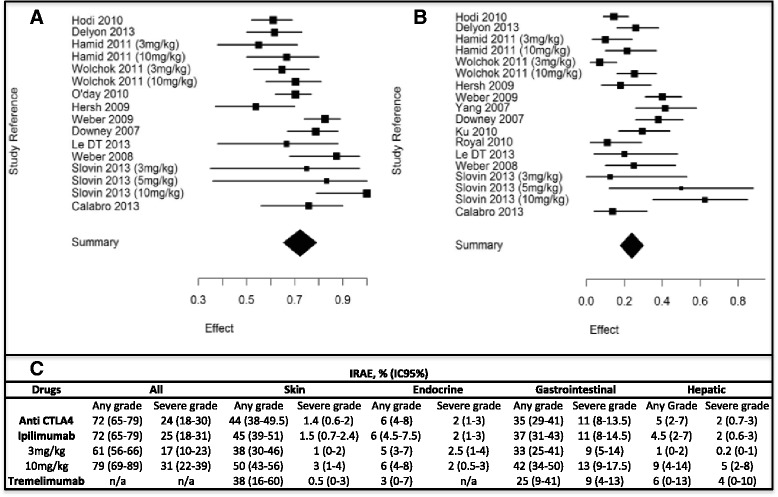
“These values were found to be quite similar to those of a retrospective review of safety data including 1498 patients treated with ipilimumab at various doses on 14 completed phase I–III trials [96], reporting inflammation drug-related adverse events in 64 %, with 18 % being of severe grades.”
ResultJuszczak, A., Gupta, A., Karavitaki, N., Middleton, M. R., & Grossman, A. B. (2012) · European Journal of Endocrinology · doi:10.1530/eje-12-0167 · Cited by 117 · cited 1×
“57 case reports with at least one irAE [26, 36–91].”
Organizing Pneumonia as a Side Effect of Ipilimumab Treatment of Melanoma
Barjaktarević, I., Qadir, N., Suri, A., Santamauro, J. T., & Stover, D. E. (2013) · CHEST Journal · doi:10.1378/chest.12-1467 · Cited by 116 · cited 1×
“Many other events were also reported with anti-CTLA4 antibodies, including uveitis [83], organizing pneumonia [84], lupus nephritis [85], autoimmune cytopenia [85–87], and hemophilia A [89], as well as a recently published case of polymyalgia/giant cell arteritis [90].”
BackgroundIpilimumab-Induced Hypophysitis: MR Imaging Findings
Carpenter, K. J., Murtagh, R. D., Lilienfeld, H., Weber, J., & Murtagh, F. R. (2009) · American Journal of Neuroradiology · doi:10.3174/ajnr.a1623 · Cited by 115
Myasthenia Gravis Induced by Ipilimumab in Patients With Metastatic Melanoma
Johnson, D. B., Saranga‐Perry, V., Lavin, P., Burnette, W. B., Clark, S. W., Uskavitch, D., Wallace, D. E., Dickson, M. A., Kudchadkar, R. R., & Sosman, J. A. (2014) · Journal of Clinical Oncology · doi:10.1200/jco.2013.51.1683 · Cited by 114 · cited 1×
“Indeed, since our deadline of literature search, various auto-immune hematological [122, 123], renal [124], cutaneous [125–128], ophthalmologic [129–132], neurologic [133, 134], endocrine [132, 135–137], gastrointestinal [138, 139], and a central nervous system sarcoidosis [140] cases have been described.”
BackgroundHarmankaya, K., Erasim, C., Koelblinger, C., Ibrahim, R. A., Hoos, A., Pehamberger, H., & Binder, M. (2010) · Medical Oncology · doi:10.1007/s12032-010-9606-0 · Cited by 107 · cited 1×
“57 case reports with at least one irAE [26, 36–91].”
BackgroundBreunis, W. B., Tarazona-Santos, E., Chen, R., Kiley, M., Rosenberg, S. A., & Chanock, S. J. (2008) · Journal of Immunotherapy · doi:10.1097/cji.0b013e31817fd8f3 · Cited by 107 · cited 1×
“Preliminary studies have investigated the genetic variation in CTLA-4; some variants seem to influence the response to therapy with improved overall survival and no occurrence of irAEs [117, 118].”
BackgroundAutoimmune Inflammatory Myopathy after Treatment with Ipilimumab
Hunter, G. R. W., Voll, C., & Robinson, C. A. (2009) · Canadian Journal of Neurological Sciences / Journal Canadien des Sciences Neurologiques · doi:10.1017/s0317167100007939 · Cited by 105 · cited 1×
“Various neurologic irAEs, such as Guillain-Barré syndrome [42, 68, 69], transverse myelitis [70], aseptic meningitis [42], inflammatory myopathy [71], orbital myositis [72], or myasthenia [70], were described (Additional file 1: Table S3).”
BackgroundHemophilia A Induced by Ipilimumab
Delyon, J., Mateus, C., & Lambert, T. (2011) · New England Journal of Medicine · doi:10.1056/nejmc1110923 · Cited by 98 · cited 1×
“Many other events were also reported with anti-CTLA4 antibodies, including uveitis [83], organizing pneumonia [84], lupus nephritis [85], autoimmune cytopenia [85–87], and hemophilia A [89], as well as a recently published case of polymyalgia/giant cell arteritis [90].”
BackgroundRefractory Colitis Following Anti-CTLA4 Antibody Therapy: Analysis of Mucosal FOXP3+ T Cells
Lord, J. D., Hackman, R. C., Moklebust, A., Thompson, J. A., Higano, C. S., Chielens, D., Steinbach, G., & McDonald, G. B. (2010) · Digestive Diseases and Sciences · doi:10.1007/s10620-009-0839-8 · Cited by 95 · cited 2×
“Colonoscopy could be normal or reveal variable abnormalities, including edema, erythema, ulcers, friability, exudate, erosions, or bleeding [55].”
BackgroundGaudy-Marqueste, C., Monestier, S., Franques, J., Cantais, E., Richard, M.-A., & Grob, J.-J. (2013) · Journal of Immunotherapy · doi:10.1097/cji.0b013e31827807dd · Cited by 94
Thyroid-Like Ophthalmopathy in a Euthyroid Patient Receiving Ipilimumab
McElnea, E., Ní Mhéalóid, Á., Moran, S., Kelly, R., & Fulcher, T. (2014) · Orbit · doi:10.3109/01676830.2014.949792 · Cited by 93 · cited 1×
“Indeed, since our deadline of literature search, various auto-immune hematological [122, 123], renal [124], cutaneous [125–128], ophthalmologic [129–132], neurologic [133, 134], endocrine [132, 135–137], gastrointestinal [138, 139], and a central nervous system sarcoidosis [140] cases have been described.”
BackgroundNeutropenia in a Patient Treated With Ipilimumab (anti–CTLA-4 Antibody)
Akhtari, M., Waller, E. K., Jaye, D. L., Lawson, D. H., Ibrahim, R., Papadopoulos, N. E., & Arellano, M. L. (2009) · Journal of Immunotherapy · doi:10.1097/cji.0b013e31819aa40b · Cited by 89 · cited 2×
“57 case reports with at least one irAE [26, 36–91].”
BackgroundIpilimumab in patients with melanoma and autoimmune disease
Kyi, C., Carvajal, R. D., Wolchok, J. D., & Postow, M. A. (2014) · Journal for ImmunoTherapy of Cancer · doi:10.1186/preaccept-3558691821350698 · Cited by 89 · cited 1×
“Few reports have been published concerning patients treated with ipilimumab despite an active autoimmune disease as rheumatoid arthritis, multiple sclerosis, ulcerative colitis, or Behçet’s disease [111, 112].”
BackgroundMurphy, K. P., Kennedy, M. P., Barry, J. E., O'Regan, K. N., & Power, D. G. (2014) · Oncology Research and Treatment · doi:10.1159/000362614 · Cited by 88 · cited 1×
“Indeed, since our deadline of literature search, various auto-immune hematological [122, 123], renal [124], cutaneous [125–128], ophthalmologic [129–132], neurologic [133, 134], endocrine [132, 135–137], gastrointestinal [138, 139], and a central nervous system sarcoidosis [140] cases have been described.”
BackgroundBhatia, S., Huber, B. R., Upton, M. P., & Thompson, J. A. (2009) · Journal of Immunotherapy · doi:10.1097/cji.0b013e318193a206 · Cited by 88 · cited 1×
“57 case reports with at least one irAE [26, 36–91].”
BackgroundWilgenhof, S., Four, S. D., Vandenbroucke, F., Everaert, H., Salmon, I., Liénard, D., Marmol, V. D., & Neyns, B. (2013) · Journal of Immunotherapy · doi:10.1097/cji.0b013e31828eed39 · Cited by 84 · cited 1×
“Wilgenhof [14] Prospective observational study Melanoma 50 Ipilimumab 3 4”
BackgroundGiacomo, A. M. D., Danielli, R., Calabrò, L., Bertocci, E., Nannicini, C., Giannarelli, D., Balestrazzi, A., Vigni, F., Riversi, V., Miracco, C., et al. (2010) · Cancer Immunology Immunotherapy · doi:10.1007/s00262-010-0958-2 · Cited by 83 · cited 2×
“In addition to retrospective studies and some descriptive clinical trials, our research identified 100 patients from Hamid [17] Randomized, double blind, phase II Melanoma 82 Ipilimumab 3; 10 n/a Danielli [18] Single arm, phase II Melanoma 13 Ipilimumab 10 3 Wolchok [19] Randomised phase II, dose ranging study Melanom…”
BackgroundInfluentialSweet’s syndrome in a patient with metastatic melanoma after ipilimumab therapy
Pintova, S., Sidhu, H. K., Friedlander, P. A., & Holcombe, R. F. (2013) · Melanoma Research · doi:10.1097/cmr.0000000000000017 · Cited by 83 · cited 1×
“Moreover, a case of Sweet’s syndrome was reported in a patient undergoing ipilimumab therapy for metastatic melanoma [38].”
BackgroundImmune-mediated red cell aplasia after anti-CTLA-4 immunotherapy for metastatic melanoma
Gordon, I. O., Wade, T., Chin, K. M., Dickstein, J. I., & Gajewski, T. F. (2008) · Cancer Immunology Immunotherapy · doi:10.1007/s00262-008-0627-x · Cited by 82 · cited 2×
“57 case reports with at least one irAE [26, 36–91].”
BackgroundCutaneous and pulmonary sarcoidosis-like reaction associated with ipilimumab
Reule, R. B., & North, J. P. (2013) · Journal of the American Academy of Dermatology · doi:10.1016/j.jaad.2013.07.028 · Cited by 80 · cited 2×
“57 case reports with at least one irAE [26, 36–91].”
BackgroundMultifocal radiculoneuropathy during ipilimumab treatment of melanoma
Manousakis, G., Koch, J., Sommerville, R. B., El‐Dokla, A., Harms, M. B., Al‐Lozi, M. T., Schmidt, R. E., & Pestronk, A. (2013) · Muscle & Nerve · doi:10.1002/mus.23830 · Cited by 76 · cited 1×
“57 case reports with at least one irAE [26, 36–91].”
BackgroundNallapaneni, N. N., Mourya, R., Bhatt, V. R., Malhotra, S., Ganti, A. K., & Tendulkar, K. K. (2014) · Journal of the National Comprehensive Cancer Network · doi:10.6004/jnccn.2014.0105 · Cited by 74 · cited 1×
“Indeed, since our deadline of literature search, various auto-immune hematological [122, 123], renal [124], cutaneous [125–128], ophthalmologic [129–132], neurologic [133, 134], endocrine [132, 135–137], gastrointestinal [138, 139], and a central nervous system sarcoidosis [140] cases have been described.”
BackgroundIpilimumab-induced Perforating Colitis
Mitchell, K. A., Kluger, H., Sznol, M., & Hartman, D. J. (2013) · Journal of Clinical Gastroenterology · doi:10.1097/mcg.0b013e31828f1d51 · Cited by 74 · cited 1×
“Colitis could be life threatening with fatal colic bowel perforation, reported in two patients [54].”
BackgroundHyponatremia associated with Ipilimumab-induced hypophysitis
Barnard, Z. R., Walcott, B. P., Kahle, K. T., Nahed, B. V., & Coumans, J. V. (2011) · Medical Oncology · doi:10.1007/s12032-010-9794-7 · Cited by 71 · cited 1×
“One case of hypernatremia secondary to syndrome of inappropriate antidiuretic hormone and one case of diabetes insipidus were associated with ipilimumabinduced hypophysitis [41, 42].”
BackgroundSevere meningo-radiculo-nevritis associated with ipilimumab
Bompaire, F., Mateus, C., Taillia, H., de Greslan, T., Lahutte, M., Sallansonnet-Froment, M., Ouologuem, M., Renard, J.-L., Gorochov, G., Robert, C., et al. (2012) · Investigational New Drugs · doi:10.1007/s10637-011-9787-1 · Cited by 69 · cited 1×
“57 case reports with at least one irAE [26, 36–91].”
BackgroundAssociation Between Ipilimumab and Celiac Disease
Gentile, N. M., D’Souza, A., Fujii, L. L., Wu, T., & Murray, J. A. (2013) · Mayo Clinic Proceedings · doi:10.1016/j.mayocp.2013.01.015 · Cited by 65 · cited 1×
“A case of coeliac disease was also reported [67].”
BackgroundClinical Studies With Anti–CTLA-4 Antibodies in Non-melanoma Indications
Calabrò, L., Danielli, R., Sigalotti, L., & Maio, M. (2010) · Seminars in Oncology · doi:10.1053/j.seminoncol.2010.09.006 · Cited by 64 · cited 1×
“The clinical value of antiCTLA-4 antibodies is being investigated in various cancer types including prostate, renal, bladder, colorectal, esophageal, pancreatic, gastric, hepatocellular, and pulmonary malignancies as well as mesothelioma and lymphoma [10].”
BackgroundChiarion-Sileni, V, Pigozzo, J., Ascierto, P. A., Simeone, E., Maio, M., Calabrò, L., Marchetti, P., De Galitiis, F., Testori, A., Ferrucci, P. F., et al. (2014) · British Journal of Cancer · doi:10.1038/bjc.2014.126 · Cited by 64 · cited 2×
“[101] in the Italian expanded program.”
ResultIpilimumab-induced immune-related renal failure--a case report.
Forde, P. M., Rock, K., Wilson, G. F., & O'Byrne, K. J. (2012) · Anticancer Research · Cited by 64
Min, L., Vaidya, A., & Becker, C. (2012) · Endocrine Practice · doi:10.4158/ep11273.or · Cited by 63 · cited 1×
“57 case reports with at least one irAE [26, 36–91].”
BackgroundHumanized Mice as a Model for Aberrant Responses in Human T Cell Immunotherapy
Vudattu, N. K., Waldron-Lynch, F., Truman, L. A., Deng, S., Preston-Hurlburt, P., Torres, R., Raycroft, M. T., Mamula, M. J., & Herold, K. C. (2014) · The Journal of Immunology · doi:10.4049/jimmunol.1302455 · Cited by 62 · cited 2×
“[121] described a reconstituted “humanized” mice model of human autoimmune disease in vivo that may provide insights into anti-CTLA-4 antibody effects on autoimmunity.”
BackgroundIdentification and management of toxicities from immune checkpoint-blocking drugs.
Teply, B. A., & Lipson, E. J. (2014) · PubMed · Cited by 62
Tissot, C., Carsin, A., Freymond, N., Pacheco, Y., & Devouassoux, G. (2013) · European Respiratory Journal · doi:10.1183/09031936.00107912 · Cited by 60 · cited 2×
“Additionally, six cases of sarcoidosis were reported [77–82].”
BackgroundIpilimumab treatment associated pituitary hypophysitis: Clinical presentation and imaging diagnosis
Chodakiewitz, Y. G., Brown, S. F., Boxerman, J. L., Brody, J. M., & Rogg, J. M. (2014) · Clinical Neurology and Neurosurgery · doi:10.1016/j.clineuro.2014.06.011 · Cited by 60 · cited 1×
“Indeed, since our deadline of literature search, various auto-immune hematological [122, 123], renal [124], cutaneous [125–128], ophthalmologic [129–132], neurologic [133, 134], endocrine [132, 135–137], gastrointestinal [138, 139], and a central nervous system sarcoidosis [140] cases have been described.”
BackgroundPedersen, M., Andersen, R. S., Nørgaard, P. H., Jacobsen, S., Thielsen, P., Straten, P. T., & Svane, I. M. (2014) · Cancer Immunology Immunotherapy · doi:10.1007/s00262-014-1607-y · Cited by 58 · cited 1×
“Few reports have been published concerning patients treated with ipilimumab despite an active autoimmune disease as rheumatoid arthritis, multiple sclerosis, ulcerative colitis, or Behçet’s disease [111, 112].”
BackgroundQueirolo, P., Morabito, A., Laurent, S., Lastraioli, S., Piccioli, P., Ascierto, P. A., Gentilcore, G., Serra, M., Marasco, A., Tornari, E., et al. (2013) · Cancer Investigation · doi:10.3109/07357907.2013.793699 · Cited by 58 · cited 1×
“Preliminary studies have investigated the genetic variation in CTLA-4; some variants seem to influence the response to therapy with improved overall survival and no occurrence of irAEs [117, 118].”
BackgroundSerious haematological toxicity during and after ipilimumab treatment: a case series
Simeone, E., Grimaldi, A. M., Esposito, A., Curvietto, M., Palla, M., Paone, M., Mozzillo, N., & Ascierto, P. A. (2014) · Journal of Medical Case Reports · doi:10.1186/1752-1947-8-240 · Cited by 56 · cited 1×
“Indeed, since our deadline of literature search, various auto-immune hematological [122, 123], renal [124], cutaneous [125–128], ophthalmologic [129–132], neurologic [133, 134], endocrine [132, 135–137], gastrointestinal [138, 139], and a central nervous system sarcoidosis [140] cases have been described.”
BackgroundLammert, A., Schneider, H., Bergmann, T., Benck, U., Krämer, B., Gärtner, R., Metzner, C., Schöfl, C., & Berking, C. (2013) · Experimental and Clinical Endocrinology & Diabetes · doi:10.1055/s-0033-1355337 · Cited by 54 · cited 1×
“57 case reports with at least one irAE [26, 36–91].”
BackgroundDiamanti, A. P., Rosado, M. M., Scarsella, M., Germano, V., Giorda, E., Cascioli, S., Laganà, B., D’Amelio, R., & Carsetti, R. (2014) · Clinical & Experimental Immunology · doi:10.1111/cei.12367 · Cited by 53
Autoimmunity and treatment outcome in melanoma
Bouwhuis, M. G., ten Hagen, T. L., Suciu, S., & Eggermont, A. M. (2011) · Current Opinion in Oncology · doi:10.1097/cco.0b013e328341edff · Cited by 53 · cited 1×
“Interestingly, several studies have also reported a strong correlation between clinical response to anti-CTLA-4 therapy and irAEs [23, 24, 95, 104, 105].”
BackgroundElevated rates of transaminitis during ipilimumab therapy for metastatic melanoma
Bernardo, S. G., Moskalenko, M., Pan, M., Shah, S., Sidhu, H. K., Sicular, S., Harcharik, S., Chang, R., Friedlander, P., & Saenger, Y. M. (2013) · Melanoma Research · doi:10.1097/cmr.0b013e32835c7e68 · Cited by 51 · cited 1×
“As one study was retrospective and one used ipilimumab for only one or two doses, these two studies were only selected in the systematic review but not for meta-analysis [12, 13].”
BackgroundFirst report of ipilimumab‐induced G rover disease
Muñoz, J. D. Z., Guillot, B., Girard, C., Dereure, O., & Du-Thanh, A. (2014) · British Journal of Dermatology · doi:10.1111/bjd.13058 · Cited by 51 · cited 1×
“Indeed, since our deadline of literature search, various auto-immune hematological [122, 123], renal [124], cutaneous [125–128], ophthalmologic [129–132], neurologic [133, 134], endocrine [132, 135–137], gastrointestinal [138, 139], and a central nervous system sarcoidosis [140] cases have been described.”
BackgroundIpilimumab-induced thrombocytopenia in a patient with metastatic melanoma
Ahmad, S., Lewis, M., Corrie, P., & Iddawela, M. (2012) · Journal of Oncology Pharmacy Practice · doi:10.1177/1078155211411001 · Cited by 50 · cited 1×
“57 case reports with at least one irAE [26, 36–91].”
BackgroundMyosite orbitaire associée à un traitement par ipilimumab
Lecouflet, M., Verschoore, M., Giard, C., Gohier, P., Corre, Y. L., Miléa, D., & Martin, L. (2013) · Annales de Dermatologie et de Vénéréologie · doi:10.1016/j.annder.2013.02.029 · Cited by 49
Melanoma-Associated Retinopathy Treated with Ipilimumab Therapy
Audemard‐Verger, A., de Raucourt, S., Miocque, S., Comoz, F., Giraud, J. M., Dréno, B., Bienvenu, B. J., Rogerie, M.-J., & Dompmartin, A. (2013) · Dermatology · doi:10.1159/000353408 · Cited by 49 · cited 1×
“Exacerbation of pre-existing dermatitis as eczema, vitiligo, or rosacea and extensive alopecia were also reported [36, 37, 92].”
BackgroundIpilimumab-associated Sweet syndrome in a patient with high-risk melanoma
Kyllo, R. L., Parker, M. K., Rosman, I. S., & Musiek, A. C. M. (2014) · Journal of the American Academy of Dermatology · doi:10.1016/j.jaad.2013.11.022 · Cited by 46 · cited 1×
“Indeed, since our deadline of literature search, various auto-immune hematological [122, 123], renal [124], cutaneous [125–128], ophthalmologic [129–132], neurologic [133, 134], endocrine [132, 135–137], gastrointestinal [138, 139], and a central nervous system sarcoidosis [140] cases have been described.”
BackgroundIpilimumab-induced Autoimmune Pancytopenia in a Case of Metastatic Melanoma
du Rusquec, P., Saint-Jean, M., Brocard, A., Peuvrel, L., Khammari, A., Quéreux, G., & Dréno, B. (2014) · Journal of Immunotherapy · doi:10.1097/cji.0000000000000041 · Cited by 45 · cited 1×
“Indeed, since our deadline of literature search, various auto-immune hematological [122, 123], renal [124], cutaneous [125–128], ophthalmologic [129–132], neurologic [133, 134], endocrine [132, 135–137], gastrointestinal [138, 139], and a central nervous system sarcoidosis [140] cases have been described.”
Backgroundvan der Hiel, B., Blank, C. U., Haanen, J. B. A. G., & Stokkel, M. P. M. (2013) · Clinical Nuclear Medicine · doi:10.1097/rlu.0b013e3182639765 · Cited by 45
Marlier, J., Cocquyt, V., Brochez, L., Belle, S. V., & Krüse, V. (2014) · Endocrine · doi:10.1007/s12020-014-0199-9 · Cited by 41 · cited 1×
“Indeed, since our deadline of literature search, various auto-immune hematological [122, 123], renal [124], cutaneous [125–128], ophthalmologic [129–132], neurologic [133, 134], endocrine [132, 135–137], gastrointestinal [138, 139], and a central nervous system sarcoidosis [140] cases have been described.”
BackgroundAssi, H. I., & Wilson, K. S. (2013) · Current Oncology · doi:10.3747/co.20.1265 · Cited by 41 · cited 1×
“Exacerbation of pre-existing dermatitis as eczema, vitiligo, or rosacea and extensive alopecia were also reported [36, 37, 92].”
BackgroundSun, J., Schiffman, J. S., Raghunath, A., Tang, D. N., Chen, H., & Sharma, P. (2008) · PubMed Central · Cited by 41
Lymphocytic Vasculitis of the Uterus in a Patient With Melanoma Receiving Ipilimumab
Minor, D. R., Bunker, S. R., & Doyle, J. (2013) · Journal of Clinical Oncology · doi:10.1200/jco.2012.47.5095 · Cited by 37 · cited 1×
“57 case reports with at least one irAE [26, 36–91].”
BackgroundA Case Report of Orbital Inflammatory Syndrome Secondary to Ipilimumab
Henderson, A. D., & Thomas, D. A. (2014) · Ophthalmic Plastic and Reconstructive Surgery · doi:10.1097/iop.0000000000000081 · Cited by 34 · cited 1×
“Indeed, since our deadline of literature search, various auto-immune hematological [122, 123], renal [124], cutaneous [125–128], ophthalmologic [129–132], neurologic [133, 134], endocrine [132, 135–137], gastrointestinal [138, 139], and a central nervous system sarcoidosis [140] cases have been described.”
BackgroundDilling, P., Walczak, J., Pikiel, P., & Kruszewski, W. J. (2014) · Polish Journal of Surgery · doi:10.2478/pjs-2014-0017 · Cited by 33 · cited 1×
“Indeed, since our deadline of literature search, various auto-immune hematological [122, 123], renal [124], cutaneous [125–128], ophthalmologic [129–132], neurologic [133, 134], endocrine [132, 135–137], gastrointestinal [138, 139], and a central nervous system sarcoidosis [140] cases have been described.”
BackgroundIpilimumab-Induced Hepatitis on 18F-FDG PET/CT in a Patient With Malignant Melanoma
Raad, R. A., Pavlick, A. C., Kannan, R., & Friedman, K. P. (2014) · Clinical Nuclear Medicine · doi:10.1097/rlu.0000000000000606 · Cited by 32 · cited 1×
“Indeed, since our deadline of literature search, various auto-immune hematological [122, 123], renal [124], cutaneous [125–128], ophthalmologic [129–132], neurologic [133, 134], endocrine [132, 135–137], gastrointestinal [138, 139], and a central nervous system sarcoidosis [140] cases have been described.”
BackgroundRudolph, B. M., Staib, F., von Stebut, E., Hainz, M., Grabbe, S., & Loquai, C. (2014) · European Journal of Dermatology · doi:10.1684/ejd.2014.2297 · Cited by 31 · cited 1×
“Indeed, since our deadline of literature search, various auto-immune hematological [122, 123], renal [124], cutaneous [125–128], ophthalmologic [129–132], neurologic [133, 134], endocrine [132, 135–137], gastrointestinal [138, 139], and a central nervous system sarcoidosis [140] cases have been described.”
BackgroundIpilimumab-Induced Colitis on FDG PET/CT
Lyall, A., Vargas, H. A., Carvajal, R. D., & Ulaner, G. A. (2012) · Clinical Nuclear Medicine · doi:10.1097/rlu.0b013e318248549a · Cited by 31 · cited 1×
“57 case reports with at least one irAE [26, 36–91].”
BackgroundAnti-CTLA-4 therapy-related autoimmune hypophysitis in a melanoma patient
Kaehler, K. C., Egberts, F., Lorigan, P. C., & Hauschild, A. (2009) · Melanoma Research · doi:10.1097/cmr.0b013e32832e0bff · Cited by 29 · cited 1×
“Visual disturbances were rare, reported only in one patient [40].”
BackgroundLymphocytic Colitis Secondary to Ipilimumab Treatment
Varona, A. G., Odze, R. D., & Makrauer, F. L. (2011) · Inflammatory Bowel Diseases · doi:10.1002/ibd.22846 · Cited by 27 · cited 1×
“57 case reports with at least one irAE [26, 36–91].”
BackgroundLuke, J. J., Lezcano, C. M., Hodi, F. S., & Murphy, G. F. (2014) · Journal of Clinical Oncology · doi:10.1200/jco.2013.49.7735 · Cited by 24 · cited 1×
“Indeed, since our deadline of literature search, various auto-immune hematological [122, 123], renal [124], cutaneous [125–128], ophthalmologic [129–132], neurologic [133, 134], endocrine [132, 135–137], gastrointestinal [138, 139], and a central nervous system sarcoidosis [140] cases have been described.”
BackgroundBorodic, G. E., & Hinkle, D. (2014) · Ophthalmic Plastic & Reconstructive Surgery · doi:10.1097/iop.0000000000000033 · Cited by 20 · cited 1×
“Indeed, since our deadline of literature search, various auto-immune hematological [122, 123], renal [124], cutaneous [125–128], ophthalmologic [129–132], neurologic [133, 134], endocrine [132, 135–137], gastrointestinal [138, 139], and a central nervous system sarcoidosis [140] cases have been described.”
BackgroundIpilimumab-Induced Immunomediated Adverse Events
Gilardi, L., Colandrea, M., Vassallo, S., Travaini, L. L., & Paganelli, G. (2013) · Clinical Nuclear Medicine · doi:10.1097/rlu.0b013e31828da691 · Cited by 15
Transient Hypophysitis after Cytotoxic T Lymphocyte-Associated Antigen 4 (CTLA4) Blockade
Shaw, S. A., Camacho, L. H., McCutcheon, I. E., & Waguespack, S. G. (2007) · The Journal of Clinical Endocrinology & Metabolism · doi:10.1210/jc.2006-2484 · Cited by 14
Atypical Clinical Response Patterns to Ipilimumab: Four Case Studies of Advanced Melanoma
Ledezma, B. A., Binder, S., & Hamid, O. (2011) · Clinical journal of oncology nursing · doi:10.1188/11.cjon.393-403 · Cited by 14 · cited 1×
“57 case reports with at least one irAE [26, 36–91].”
BackgroundIpilimumab immune-related adverse reactions: a case report.
Anderson, L., & Bhatia, V. (2013) · PubMed · Cited by 8
Severe colitis while responding to ipilimumab in metastatic melanoma
Slingerland, M., Nortier, J. W. R., Veenendaal, R. A., & Kapiteijn, E. (2012) · Acta Oncologica · doi:10.3109/0284186x.2012.682630 · Cited by 7 · cited 1×
“57 case reports with at least one irAE [26, 36–91].”
BackgroundEnterocolitis in a Patient Being Treated With Ipilimumab for Metastatic Melanoma
Koch, C., Pätzold, S., & Trojan, J. (2012) · Gastroenterology · doi:10.1053/j.gastro.2012.01.042 · Cited by 5 · cited 1×
“57 case reports with at least one irAE [26, 36–91].”
BackgroundTsiaras, A. (2011) · JAAPA · doi:10.1097/01720610-201108000-00017 · Cited by 3
Research works printed but not linked: 1
- Salenave J Chanson P Young J Hypophysite lymphocytaire. Endocrinologie-Nutrition, 10-023-D-10 2007 Paris Elsevier Masson SAS
Cited by
Adverse effects of immune-checkpoint inhibitors: epidemiology, management and surveillance
Martins, F., Sofiya, L., Sykiotis, G. P., Lamine, F., Maillard, M., Fraga, M., Shabafrouz, K., Ribi, C., Cairoli, A., Guex-Crosier, Y., et al. (2019) · Nature Reviews Clinical Oncology · doi:10.1038/s41571-019-0218-0 · Cited by 2,314
on behalf of the Society for Immunotherapy of Cancer Toxicity Management Working Group, Puzanov, I., Diab, A., Abdallah, K., Bingham, C. O., Brogdon, C., Dadu, R., Hamad, L., Kim, S., Lacouture, M. E., et al. (2017) · Journal for ImmunoTherapy of Cancer · doi:10.1186/s40425-017-0300-z · Cited by 1,992
Breast Cancer, Version 4.2017, NCCN Clinical Practice Guidelines in Oncology
Gradishar, W. J., Anderson, B. O., Balassanian, R., Blair, S. L., Burstein, H. J., Cyr, A., Elias, A. D., Farrar, W. B., Forero, A., Giordano, S. H., et al. (2018) · Journal of the National Comprehensive Cancer Network · doi:10.6004/jnccn.2018.0012 · Cited by 1,609
Chen, Q., Xu, L., Liang, C., Wang, C., Peng, R., & Liu, Z. (2016) · Nature Communications · doi:10.1038/ncomms13193 · Cited by 1,596
Immune checkpoint signaling and cancer immunotherapy
He, X., & Xu, C. (2020) · Cell Research · doi:10.1038/s41422-020-0343-4 · Cited by 1,371
Metadata
- Authors
- Bertrand, A., Kostine, M., Barnetche, T., Truchetet, M.-E., & Schaeverbeke, T.
- Affiliations
- Centre Hospitalier Universitaire de Bordeaux (FR)
- Centre National de la Recherche Scientifique (FR)
- Université de Bordeaux (FR)
- Corresponding author
- Bertrand, Anne
- Venue
- BMC Medicine
- Published
- 2015-09-04
- Volume
- 13
- Issue
- 1
- Pages
- 211-211
- ISSN
- 1741-7015 (ISSN-L)
- PMC
- PMC4559965
- OpenAlex
- W1914776013
- Cited by
- 704
- References
- 142
- Citations by year
- 2026: 25 · 2025: 33 · 2024: 48 · 2023: 65 · 2022: 65 · 2021: 72 · 2020: 95 · 2019: 99 · 2018: 75 · 2017: 76 · 2016: 48 · 2015: 1
- FWCI
- 7.15
- Type
- journal article
- Language
- en
- Open access
- gold
- doi.org
- Licence
- Locations
- BMC Medicine (publishedVersion, cc-by)
- Europe PMC (PubMed Central) (publishedVersion, cc-by)
- PubMed Central (publishedVersion, cc-by)
- PubMed (publishedVersion)
- Topics
- Health Sciences › Medicine › Oncology › Cancer Immunotherapy and Biomarkers
- Life Sciences › Immunology and Microbiology › Immunology › Immunotherapy and Immune Responses
- Life Sciences › Pharmacology, Toxicology and Pharmaceutics › Toxicology › Pharmacovigilance and Adverse Drug Reactions
- Keywords
- CTLA-4 blockade, ipilimumab, tremelimumab, immune checkpoint inhibitors, immunotoxicity, rash, colitis, hepatitis, hypophysitis, thyroiditis, dose-dependent toxicity, adverse event incidence, time to onset of adverse events, treatment response, cancer immunotherapy, metastatic cancer, vitiligo
- MeSH terms
- Ipilimumab, Antibodies, Monoclonal, Antineoplastic Agents, Humans, Immunologic Factors, Immunotherapy, Neoplasms, CTLA-4 Antigen, Antibodies, Monoclonal, Humanized
About these checks
Registry, retraction, Cites and statistics results are computed, not judged, with one exception: a printed reference that no index lists is read once by a model before it counts as a citation error. Claims are extracted by a model and kept only when their quote appears verbatim in the text; each cited source is then checked, with a model’s help, for whether it says what the claim relies on. Those verdicts can be wrong — read the claim’s quote and the cited source before relying on one.
Statistics and arithmetic are recomputed, not judged.
Confidence bands are shown only for fields calibrated on our annotated test set. None is calibrated yet, so no band is shown.
What counts as a claim ›How we measure confidence ›How we check this ›
Are you an author, or do you see a problem with this page? Request a review
Data sources
Bibliographic data: Semantic Scholar, OpenAlex, Crossref.
Contains information from the Semantic Scholar Academic Graph Datasets, made available under the ODC Attribution License (ODC-BY 1.0).
Semantic Scholar’s data is described in: Kinney, R., et al. (2023). The Semantic Scholar Open Data Platform. arXiv:2301.10140.
