

The cross-national epidemiology of social anxiety disorder: Data from the World Mental Health Survey Initiative
Open accessThe DOI matches its Crossref record; 26 of the 26 references it cites were found in a registry or an index; 3 of the 10 sources its claims cite were checked for support.
Abstract
BACKGROUND: There is evidence that social anxiety disorder (SAD) is a prevalent and disabling disorder. However, most of the available data on the epidemiology of this condition originate from high income countries in the West. The World Mental Health (WMH) Survey Initiative provides an opportunity to investigate the prevalence, course, impairment, socio-demographic correlates, comorbidity, and treatment of this condition across a range of high, middle, and low income countries in different geographic regions of the world, and to address the question of whether differences in SAD merely reflect differences in threshold for diagnosis. METHODS: Data from 28 community surveys in the WMH Survey Initiative, with 142,405 respondents, were analyzed. We assessed the 30-day, 12-month, and lifetime prevalence of SAD, age of onset, and severity of role impairment associated with SAD, across countries. In addition, we investigated socio-demographic correlates of SAD, comorbidity of SAD with other mental disorders, and treatment of SAD in the combined sample. Cross-tabulations were used to calculate prevalence, impairment, comorbidity, and treatment. Survival analysis was used to estimate age of onset, and logistic regression and survival analyses were used to examine socio-demographic correlates. RESULTS: SAD 30-day, 12-month, and lifetime prevalence estimates are 1.3, 2.4, and 4.0% across all countries. SAD prevalence rates are lowest in low/lower-middle income countries and in the African and Eastern Mediterranean regions, and highest in high income countries and in the Americas and the Western Pacific regions. Age of onset is early across the globe, and persistence is highest in upper-middle income countries, Africa, and the Eastern Mediterranean. There are some differences in domains of severe role impairment by country income level and geographic region, but there are no significant differences across different income level and geographic region in the proportion of respondents with any severe role impairment. Also, across countries SAD is associated with specific socio-demographic features (younger age, female gender, unmarried status, lower education, and lower income) and with similar patterns of comorbidity. Treatment rates for those with any impairment are lowest in low/lower-middle income countries and highest in high income countries. CONCLUSIONS: While differences in SAD prevalence across countries are apparent, we found a number of consistent patterns across the globe, including early age of onset, persistence, impairment in multiple domains, as well as characteristic socio-demographic correlates and associated psychiatric comorbidities. In addition, while there are some differences in the patterns of impairment associated with SAD across the globe, key similarities suggest that the threshold for diagnosis is similar regardless of country income levels or geographic location. Taken together, these cross-national data emphasize the international clinical and public health significance of SAD.
Overview
CoChat Summary
## TL;DR
This WMH cross-national survey study found that social anxiety disorder (SAD) is common worldwide, with 4.0% lifetime, 2.4% 12-month, and 1.3% 30-day prevalence across all countries. Despite cross-national differences in prevalence, the paper reports consistent global patterns of early onset, persistence, impairment, socio-demographic correlates, comorbidity, and treatment access.
## Key findings
- Across all countries, SAD prevalence was 4.0% lifetime, 2.4% 12-month, and 1.3% 30-day.
- Average prevalence was highest in high-income countries (5.5% lifetime, 3.1% 12-month, 1.7% 30-day) and lowest in low/lower-middle-income countries (1.6%, 1.0%, 0.5%).
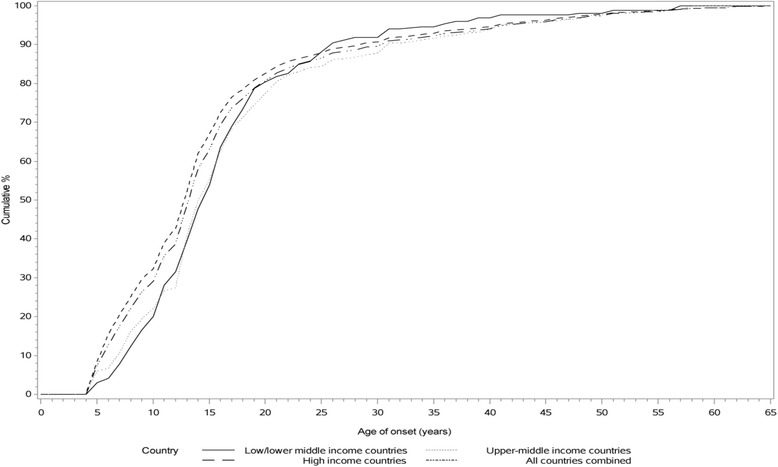
- Projected lifetime risk for SAD across the globe was 4.4%; the paper describes onset as early, with risk spanning from the mid-late adolescence to the early 40s.
- Among respondents with 12-month SAD, between one-third and one-half had severe role impairment in at least one domain; 38% of those with 12-month SAD received any treatment in the past 12 months, and treatment among those with any impairment ranged from 18.0% in low/lower-income countries to 44.2% in high-income countries.
## Methods
- Data came from 28 community surveys in the WMH Survey Initiative, totaling 142,405 respondents, spanning high-, upper-middle-, and low/lower-middle-income countries across multiple world regions.
- SAD was assessed with the WHO Composite International Diagnostic Interview (CIDI 3.0); impairment was measured with the Sheehan Disability Scale, and treatment use was assessed by self-report of contact with listed providers.
- Analyses used cross-tabulations for prevalence/impairment/comorbidity/treatment, survival analysis for age of onset and projected lifetime risk, and logistic regression and survival analyses for socio-demographic correlates; weighted clustered data were handled with Taylor series linearization.
## Limitations
- The paper states that response rates differed widely across surveys, and that some severe cases may have been less likely to participate, especially where treatment was less available.
- The surveys were not fully uniform: some were metropolitan-only or otherwise non-national, which the paper says may have affected prevalence estimates.
- The paper notes that the surveys excluded institutionalized patients and people too intoxicated to be interviewed, and that only two African countries were studied, limiting geographic comparisons.
- The text also makes evident that the SAD measure may under-detect culturally shaped presentations because the CIDI screening stem questions were limited and did not address fear of offending others; this is stated in the discussion as a measurement limitation.
Model-written summary. Check it against the paper before relying on it.
Integrity signals
Registry
Cites
Statistics
Figures
Verification
Claims the paper makes
2 Valid · 1 Not valid · 6 Not checked · 54 Own results and interpretations
At least one cited source doesn’t support this claim or points to a different paper, and none confirmed it — see the verdicts below.
In the paper
“It is relevant to emphasize that in countries where blinded clinical reappraisal interviews were undertaken, there was no evidence for systematic bias in the diagnostic threshold for SAD [18].”
§ The cross-national epidemiology of social anxiety disorder: Data from the World Mental Health Survey Initiative > Discussion
What the sources say
- Disputedcites [18] Haro JM Arbabzadeh-Bouchez S Brugha TS de Girolamo G Guyer ME Jin R Lepine JP Mazzi F Reneses B Vilagut G Sampson NA Kessler RC Concordance of the Composite International Diagnostic Interview Version 3.0 (CIDI 3.0) with standardized clinical assessments in the WHO World Mental Health surveys Int J Methods Psychiatr Res 2006 15 167 80 10.1002/mpr.196 17266013 PMC6878271 sourceExperimental — accuracy not yet measured
Our copy reports the opposite for SAD: 'Lifetime aggregate concordance' states the McNemar tests of CIDI-versus-SCID lifetime prevalence are insignificant only for panic disorder, agoraphobia, specific phobia and bipolar I-II and 'are significant for all other disorders', with CIDI estimates conservative (PPV consistently higher than SN), while 'Lifetime individual-level concordance' places social phobia in the fair accuracy band (AUC 0.6-0.7). The 'Summary' goes further, saying 'the CIDI probably underestimates lifetime prevalence because its diagnostic thresholds are too high', and attributes the apparently unbiased 12-month aggregates (any anxiety, any mood only) to two cancelling biases rather than to an unbiased threshold. The design section also contradicts the premise of the citing sentence: the WMH study deliberately modified 'the conventional blinded clinical reinterview design' by unblinding interviewers to CIDI stem-question endorsement, and disorder-specific (as opposed to aggregate) reappraisal results were obtained only in the US NCS-R sample, with ESEMeD (France, Italy, Spain) analysed at the level of any-anxiety/any-mood classes. No passage in our copy states there was no evidence of systematic threshold bias for SAD. (LLM, conf=0.72)
Checked by a reasoning model — may be wrong.
plain- Asserted: passes — The authors put it forward as true.
- Checkable: passes — It can be checked against evidence.
- Load-bearing: unclear — It is unclear whether the paper’s conclusions depend on it.
- Based: passes — The paper gives a reason why it holds.
- Disputed
The cited sources support only part of this claim — read each source’s verdict below.
In the paper
“As detailed elsewhere, good CIDI-SCID diagnostic concordance was found for SAD — area under the curve (AUC) = 0.67 — and most other DSM-IV/CIDI disorders [18].”
§ The cross-national epidemiology of social anxiety disorder: Data from the World Mental Health Survey Initiative > Methods > Measures
What the sources say
- Partly supportedcites [18] Haro JM Arbabzadeh-Bouchez S Brugha TS de Girolamo G Guyer ME Jin R Lepine JP Mazzi F Reneses B Vilagut G Sampson NA Kessler RC Concordance of the Composite International Diagnostic Interview Version 3.0 (CIDI 3.0) with standardized clinical assessments in the WHO World Mental Health surveys Int J Methods Psychiatr Res 2006 15 167 80 10.1002/mpr.196 17266013 PMC6878271 sourceExperimental — accuracy not yet measured
The Abstract and the 'Lifetime individual-level concordance' section support the second half of the sentence — 'Moderate to good individual-level CIDI-SCID concordance was found for lifetime prevalence estimates of most disorders', with individual-disorder AUC in the range 0.62–0.93. However, for social anxiety/phobia the source explicitly places it in the weakest band: concordance is 'fair (AUC in the range 0.6–0.7) for the remaining disorders (specific phobia, social phobia, PTSD, drug dependence)' (Lifetime individual-level concordance). So an AUC of 0.67 is consistent with the reported range, but the source characterises SAD concordance as fair, not good — the citing sentence overstates that part. Our copy's retrievable Table 1 rows do not print the exact social phobia AUC value (only Adult ADHD 0.861 and Any disorder 0.76 appear), so the precise figure 0.67 could not be verified verbatim. (LLM, conf=0.82)
plainstates an association- Asserted: passes — The authors put it forward as true.
- Checkable: passes — It can be checked against evidence.
- Load-bearing: unclear — It is unclear whether the paper’s conclusions depend on it.
- Based: passes — The paper gives a reason why it holds.
- Partly supported
A result the paper reports from its own data — it cites no other source for it, so there is none to check. The quote shows it is in the paper.
In the paper
“SAD recurrence is particularly highly associated with lower education (with no education having an odds ratio [OR] of 5.6, confidence interval [CI] 2.2–14.4)”
§ The cross-national epidemiology of social anxiety disorder: Data from the World Mental Health Survey Initiative > Results > Socio-demographic correlates
plainstates an association- Asserted: passes — The authors put it forward as true.
- Checkable: passes — It can be checked against evidence.
- Load-bearing: unclear — It is unclear whether the paper’s conclusions depend on it.
- Based: passes — The paper gives a reason why it holds.
A result the paper reports from its own data — it cites no other source for it, so there is none to check. The quote shows it is in the paper.
In the paper
“in both cases around 80% of such respondents meet lifetime criteria for any other mental disorder.”
§ The cross-national epidemiology of social anxiety disorder: Data from the World Mental Health Survey Initiative > Results > Comorbidity
plainstates an association- Asserted: passes — The authors put it forward as true.
- Checkable: passes — It can be checked against evidence.
- Load-bearing: unclear — It is unclear whether the paper’s conclusions depend on it.
- Based: passes — The paper gives a reason why it holds.
A result the paper reports from its own data — it cites no other source for it, so there is none to check. The quote shows it is in the paper.
In the paper
“Across all countries, the risk period for onset of SAD ranges from the mid-late adolescence to the early 40s.”
§ The cross-national epidemiology of social anxiety disorder: Data from the World Mental Health Survey Initiative > Results > Age of onset
plain- Asserted: passes — The authors put it forward as true.
- Checkable: passes — It can be checked against evidence.
- Load-bearing: unclear — It is unclear whether the paper’s conclusions depend on it.
- Based: passes — The paper gives a reason why it holds.
21 more claims
Create a free account to see all 63 claims and to verify the 7 references still open.
- Probably not a substantial claim. 6
- It may state two separate claims as one. 35
Claims other papers make about this one
Each is checked against this paper’s own text: does it say what the citing paper says it does?
The source backs part of the claim, not all of it — or backs it for a different population, condition or comparison.
In the citing paper
“SAD is estimated to have a lifetime prevalence of 5.5% in high-income countries and 3% in Western Europe (Stein et al., 2017)”
From Virtual Reality exposure therapy in the treatment of public speaking anxiety and social anxiety disorder (2024) · cites this paper as Stein et al., 2017
Experimental — accuracy not yet measuredThe source backs part of the claim, not all of it — or backs it for a different population, condition or comparison.
In the citing paper
“SAD has its most frequent onset during adolescence (i.e., before the age of 18) [4,5,6].”
From The Prevalence of Adolescent Social Fears and Social Anxiety Disorder in School Contexts (2022) · cites this paper as [4]
Experimental — accuracy not yet measuredThe source backs part of the claim, not all of it — or backs it for a different population, condition or comparison.
In the citing paper
“Both these disorders tend to reveal a chronic course that may fluctuate by evolving into other ADs or mood disorders in adulthood [21, 68, 69].”
From Acceptance and commitment therapy as a transdiagnostic approach to adolescents with different anxiety disorders: study protocol. (2025) · cites this paper as [69]
Experimental — accuracy not yet measuredThe cited source says what the claim attributes to it.
In the citing paper
“Difficulties associated with SAD usually start in adolescence (Stein et al., 2017; Knappe et al., 2015)”
From Psychological inflexibility explains social anxiety over time: a mediation analyses with a clinical adolescent sample (2024) · cites this paper as Stein et al., 2017
The check wasn’t confident either way, so it gives no verdict — never disputed.
In the citing paper
“Accumulating evidence from preclinical studies suggests that activation of α7-nAChR signalling results in suppression or prevention of anxiety. 20–22”
From Efficacy and safety of an alpha 7-nicotinic acetylcholine receptor agonist, VQW-765, in subjects with performance anxiety: randomised, double-blind, placebo-controlled trial (2025) · cites this paper as [20]
Experimental — accuracy not yet measured
1 more claim about this paper
Create a free account to see every claim other papers make about this one.
Citations
Cites
Kessler, R. C., & Üstün, T. B. (2004) · International Journal of Methods in Psychiatric Research · doi:10.1002/mpr.168 · Cited by 4,771 · cited 1×
“0) [15], a fully structured lay-administered interview.”
Self-citationSheehan, D. V., Harnett-Sheehan, K., & Raj, B. A. (1996) · International Clinical Psychopharmacology · doi:10.1097/00004850-199606003-00015 · Cited by 1,440 · cited 6×
“Among those with 12-month SAD, the percentage reporting treatment of any kind (i.e., specialty mental health, general medical care, health care, human services, complementary and alternative medicine, non-health care) in the past Lifetime comorbidityf Lifetime 47.0 1.0 59.8 1.0 19.3 0.8 26.7 0.8 78.8 0.8 12-month 49.8…”
MethodInfluentialIntroduction to Variance Estimation.
King, B. F., & Wolter, K. M. (1987) · Journal of the American Statistical Association · doi:10.2307/2289497 · Cited by 1,377
Haro, J. M., Arbabzadeh-Bouchez, S., Brugha, T. S., De Girolamo, G., Guyer, M. E., Jin, R., Lepine, J. P., Mazzi, F., Reneses, B., Vilagut, G., et al. (2006) · International Journal of Methods in Psychiatric Research · doi:10.1002/mpr.196 · Cited by 1,082 · cited 2×
“It is relevant to emphasize that in countries where blinded clinical reappraisal interviews were undertaken, there was no evidence for systematic bias in the diagnostic threshold for SAD [18].”
BackgroundSelf-citationAgoraphobia, simple phobia, and social phobia in the National Comorbidity Survey
Magee, W. J. (1996) · Archives of General Psychiatry · doi:10.1001/archpsyc.1996.01830020077009 · Cited by 996 · cited 1×
“While it has previously been demonstrated that SAD more likely follows other anxiety disorders, and precedes depression [1], here we provide novel data on the comorbidity of SAD with impulse control disorders; this is valuable given that a link between social anxiety and aggression has been posited in the animal and c…”
BackgroundSelf-citationThe WHO World Mental Health Surveys: Global Perspectives on the Epidemiology of Mental Disorders
Kessler, R. C., & Üstün, T. B. (2008) · Cited by 872
Self-citationSocial fears and social phobia in the USA: results from the National Comorbidity survey replication
Ruscio, A. M., Brown, T. A., Chiu, W. T., Sareen, J., Stein, M. B., & Kessler, R. C. (2008) · Psychological Medicine · doi:10.1017/s0033291707001699 · Cited by 835
Self-citationIntroduction to Variance Estimation
Hidiroglou, M. A. (1986) · Technometrics · doi:10.1080/00401706.1986.10488138 · Cited by 820
Mini-SPIN: A brief screening assessment for generalized social anxiety disorder
Connor, K. M., Kobak, K. A., Churchill, L. E., Katzelnick, D., & Davidson, J. R. T. (2001) · Depression and Anxiety · doi:10.1002/da.1055 · Cited by 537 · cited 1×
“Research in clinical settings has also indicated that SAD is a prevalent and disabling condition in this context [5, 6].”
BackgroundEpidemiology of Anxiety Disorders
Kessler, R. C., Ruscio, A. M., Shear, K., & Wittchen, H.-U. (2009) · Current Topics in Behavioral Neurosciences · doi:10.1007/7854_2009_9 · Cited by 496 · cited 1×
“In each of these surveys, SAD age of onset was early, comorbidity with other mental disorders was high, and subsequent impairment was notable [3, 4].”
BackgroundSelf-citation
Research works printed but not linked: 3
- Pennell B-E Mneimneh Z Bowers A Chardoul S Welles J Viana M Dinkelmann K Gebler N Florescu S He Y Huang Y Tomov T Vilagut G Kessler R Ustun T Implementation of the World Mental Health Surveys Initiative The WHO World Mental Health Surveys: global perspectives on the epidemiology of mental disorders 2008 New York Cambridge University Press 33 57
- First MB Spitzer RL Gibbon M Williams BJ Structured Clinical Interview for Axis I DSM-IV Disorders 1994 New York Biometrics Research, New York State Psychiatric Institute
- Institute RT SUDAAN: Professional Software for Survey Data Analysis 2002 Research Triangle Park Research Triangle Institute
Cited by
Items 201–300 of 605
Mnemonic discrimination and social anxiety: the role of state anxiety
Ponzini, G. T., & Steinman, S. A. (2020) · Cognition & Emotion · doi:10.1080/02699931.2020.1779039 · Cited by 9
Kim, H., Jeong, W., Kim, S. H., Seo, J. H., Ryu, J. S., Kim, Y.-S., Seok, J., Jang, S., & Park, E. (2022) · BMC Psychiatry · doi:10.1186/s12888-022-03689-6 · Cited by 10
The Burden of Mental Disorders
Eaton, W. W., Bienvenu, O. J., Nestadt, G., Volk, H. E., & Anthony, J. C. (2019) · Oxford University Press eBooks · doi:10.1093/oso/9780190916602.003.0002 · Cited by 9
Perez, T. M., Glue, P., Adhia, D. B., Navid, M. S., Zeng, J., Dillingham, P., Smith, M., Niazi, I. K., Young, C. K., & De Ridder, D. (2022) · Trials · doi:10.1186/s13063-022-06863-z · Cited by 8
Wen, X., Gou, M., Chen, H., Kishimoto, T., Qian, M., Margraf, J., & Berger, T. (2024) · JMIR Mental Health · doi:10.2196/50535 · Cited by 9
“Social anxiety disorder (SAD), also known as social phobia, is characterized by an overwhelming fear of negative interpersonal evaluations and avoidance of embarrassing or shameful social situations [1], and it is one of the most common psychological disorders, with a 2% global prevalence [2].”
BackgroundWang, L., Zhang, X., & Xie, A. (2024) · Buildings · doi:10.3390/buildings14103284 · Cited by 11
Cerne, R., Smith, J. L., Chrzanowska, A., & LIPPA, A. S. (2024) · Pharmacology Biochemistry and Behavior · doi:10.1016/j.pbb.2024.173895 · Cited by 9
Bai, Q., Cui, Z., Hou, R., & Wang, J. (2024) · Scientific Reports · doi:10.1038/s41598-024-78637-3 · Cited by 8
Hildebrand, A. S., Planert, J., Roesmann, K., Machulska, A., Neubert, M., & Klucken, T. (2025) · Behaviour Research and Therapy · doi:10.1016/j.brat.2025.104731 · Cited by 8
Hauffe, V., Rauschenbach, A.-L., Fassot, E.-M., Schmitz, J., & Tuschen‐Caffier, B. (2025) · Journal of Anxiety Disorders · doi:10.1016/j.janxdis.2025.103016 · Cited by 9
Yilmaz, C., Nemani, A., Schittenhelm, J. M., Clark, D. M., Thew, G. R., & Stangier, U. (2025) · Behaviour Research and Therapy · doi:10.1016/j.brat.2025.104825 · Cited by 8
AlHadi, A. N., Alageel, M., Alsuhaibani, F. A., Alkaff, H., Albawardi, M. S., Alfaifi, A., Duraihem, T. B., & Alhayes, F. A. (2024) · Cureus · doi:10.7759/cureus.53436 · Cited by 10
Liu, Y., Shan, Y., Sun, S., Ji, M., Zhou, S., You, Y., Liu, H., & Shen, Y. (2024) · Scientific Reports · doi:10.1038/s41598-024-79164-x · Cited by 8
Zainal, N. H., Tan, H. H., Hong, R. Y. S., & Newman, M. G. (2025) · JMIR Mental Health · doi:10.2196/67210 · Cited by 11
Xing, W., Wang, X., Feng, T., Xie, J., Liu, C., Wang, X., Wang, H., Ren, L., & Liu, X. (2025) · Frontiers in Psychiatry · doi:10.3389/fpsyt.2025.1508756 · Cited by 8
Yang, T., Cai, H., Song, J., Li, N., & Liu, H. (2025) · BMC Psychology · doi:10.1186/s40359-025-02401-z · Cited by 8
Sun, L., Zhang, Y., Cui, L., Li, J., Li, L., Sun, X., Liu, Y., Zhang, L., & Li, K. (2021) · Frontiers in Public Health · doi:10.3389/fpubh.2021.759160 · Cited by 8
Intolerance of Uncertainty and Social Anxiety: An Experimental Investigation
Saraff, P. D., Shikatani, B., Rogic, A. M., Dodig, E. F., Talluri, S., & Latin, H. M. (2023) · Behaviour Change · doi:10.1017/bec.2022.25 · Cited by 10
“The lifetime prevalence of SAD among adults in the United States is 12.1% and it is associated with significant impairment across multiple life domains such as relationships, social situations, work, and home (Stein et al., 2017).”
BackgroundInfluentialUysal, A. A., & Ege, P. (2019) · International Journal of Speech-Language Pathology · doi:10.1080/17549507.2019.1568572 · Cited by 8
“High demands for social performance in high-income countries are hypothesised to be the possible underlying mechanisms (Stein et al., 2017).”
BackgroundCortisol Reactivity and Socially Anxious Behavior in Previously Institutionalized Youth
Perry, N. B., DePasquale, C. E., Donzella, B., & Gunnar, M. R. (2021) · Research on Child and Adolescent Psychopathology · doi:10.1007/s10802-021-00862-5 · Cited by 8
Lee, W., Han, D., & Hagedorn, W. B. (2025) · Current Psychology · doi:10.1007/s12144-025-07352-7 · Cited by 9
Ørskov, P. T., Runge, E., Holmberg, T. T., Ernst, M. T., Clemmensen, L., Dalsgaard, C., Lichtenstein, M. B., & Bouchard, S. (2025) · Frontiers in Virtual Reality · doi:10.3389/frvir.2025.1588181 · Cited by 7
Zech, J. M., Patel, T. A., & Cougle, J. R. (2025) · Journal of Anxiety Disorders · doi:10.1016/j.janxdis.2025.103068 · Cited by 7
Parent attitudes and submissive behaviors in adolescents as social anxiety predictors
Mert, A. (2022) · Educational Research and Reviews · doi:10.5897/err2021.4196 · Cited by 8
“In a study conducted by Stein et al. (2017), social anxiety disorder has also been linked to specific socio-demographic characteristics (younger age, female gender, single marital status, low education, and low income).”
BackgroundMotivations for Cannabis Use in Individuals with Social Anxiety Disorder (SAD)
Elsaid, S., Wang, R., Kloiber, S. M., Foll, B. L., & Hassan, A. N. (2023) · Brain Sciences · doi:10.3390/brainsci13121698 · Cited by 8
Specificity of attentional control deficits in predicting symptoms of social anxiety
Adamis, A. M., Boyne, A. S., Harper, C., & Olatunji, B. O. (2024) · Journal of Affective Disorders · doi:10.1016/j.jad.2024.09.052 · Cited by 7
Papapetropoulos, S., Doolin, E. E., Odontiadis, M., Paul, D., Jaros, M. J., Rolan, P. E., Taylor, C. T., & Stein, M. B. (2025) · Psychiatry Research · doi:10.1016/j.psychres.2025.116387 · Cited by 7
Kibru, B., Tesfaw, G., Demilew, D., & Salelew, E. (2020) · Schizophrenia Research and Treatment · doi:10.1155/2020/3934680 · Cited by 10
Knapstad, M., & Smith, O. R. F. (2021) · Depression and Anxiety · doi:10.1002/da.23132 · Cited by 7
“Their large negative impacts are related to high prevalence (Lecrubier et al., 2000; Remes et al., 2016; D. J. Stein et al., 2017) and early onset (Jones, 2018; Kessler et al., 2007), but also by their wide‐ranging associated impairment across several life domains, such as sleep, social/romantic…”
BackgroundResultAluh, D. O., Lopes, S. A., Cardoso, G., Pedrosa, B., Grigaitė, U., Santos-Dias, M., Xavier, M., & Caldas‐de‐Almeida, J. M. (2022) · Psychiatry Research · doi:10.1016/j.psychres.2022.114734 · Cited by 9
Self-citationTechnology-Mediated Sexual Interactions, Social Anxiety, and Sexual Wellbeing: A Scoping Review
Shaughnessy, K., Fehr, C., Ashley, M., Braham, J., Labelle, P., Ouimet, A. J., Corsini‐Munt, S., Ashbaugh, A. R., & Reissing, E. D. (2022) · European Journal of Investigation in Health Psychology and Education · doi:10.3390/ejihpe12080066 · Cited by 9
“Approximately 60% of Canadians reported experiencing social anxiety in at least one interpersonal situation [13].”
BackgroundStork, M., Lemos, M., & Román-Calderón, J. P. (2023) · PLoS ONE · doi:10.1371/journal.pone.0290756 · Cited by 7
Azriel, O., Arad, G., Tik, N., Weiser, M., Bloch, M., Garber, E., Lazarov, A., Pine, D. S., Tavor, I., & Bar‐Haim, Y. (2024) · Psychological Medicine · doi:10.1017/s0033291724001521 · Cited by 8
“…(SAD), which involves fear of situations where one may be scrutinized (American Psychiatric Association, 2013), is common (Baxter, Patton, Scott, Degenhardt, & Whiteford, 2013; Kessler, Chiu, Demler, & Walters, 2005; Wittchen et al., 2011) and impairing (Aderka et al., 2012; Stein et al., 2017).”
BackgroundPlanert, J., Hildebrand, A. S., Machulska, A., Roesmann, K., Neubert, M., Pilgramm, S., Pilgramm, J., & Klucken, T. (2025) · JMIR Human Factors · doi:10.2196/60957 · Cited by 7
“However, despite compelling evidence supporting the treatment’s efficacy [12], most affected individuals fail to receive treatment (ie, according to Stein et al [13], less than a quarter of patients are admitted for treatment).”
Uchida, H., & Hirao, K. (2020) · Journal of Neural Transmission · doi:10.1007/s00702-020-02228-5 · Cited by 7
Ezenwaji, C. O., Aloh, H. E., Okeke, P. M. D., Osilike, C. C., Ekwealor, N. E., Koledoye, U. L., Ilechukwu, L. C., & Onwuadi, C. C. (2021) · Medicine · doi:10.1097/md.0000000000027596 · Cited by 9
“Social anxiety is a disorder that includes fear of meeting new people, social gatherings phobia, public speaking phobia, and social situation avoidance.([18,19]) Socially anxious individuals demonstrate awful performance in social situations and gatherings.”
Prevalence and Measurement of Anxiety and Depression in Nurses During Covid Pandemic in NepalPreprint
Karki, P., Katwal, G. B. J., Chandra, A., & Chandra, A. (2020) · Research Square · doi:10.21203/rs.3.rs-34462/v1 · Cited by 7
“Nepal falls in a low and middle-income countries (LMICS) and the social anxiety disorder is much prevalent in these nations [19], yet only few literatures emphasize on the mental health issues in health workers especially on the nurses who work in hospital.”
BackgroundIndonesia's mental health status during the Covid-19 pandemic.
Izzatika, M., Syakurah, R. A., & Bonita, I. (2021) · Indigenous: Jurnal Ilmiah Psikologi · doi:10.23917/indigenous.v6i2.14024 · Cited by 6
“Meanwhile, in this study, marital status is associated with depression, anxiety, and stress, which is consistent with previous findings (Lee et al., 2015; Stein et al., 2017; Dong et al., 2018; Shi et al., 2020; Singh et al., 2020).”
ResultRelationships Between Exercise Components and Social Anxiety Levels Among Chinese College Students
Cheng, Q. Y., Yu, W., Ju, M., Yang, D., Fu, J., & Song, S. (2025) · Psychiatry Investigation · doi:10.30773/pi.2024.0179 · Cited by 6
Sararudi, P. S. A., Khakpour, M., Kazemi, M., Mousavi, S. E., Nitsche, M. A., Salehinejad, M. A., & Dadashi, M. (2025) · BMC Psychiatry · doi:10.1186/s12888-025-06866-5 · Cited by 6
“The 30-day, 12-month, and lifetime prevalence of SAD are 1.3, 2.4, and 4% across all countries [2].”
InfluentialJian, F., Gao, Y. C., Zhan, X., & Yu, W. (2025) · BMC Psychology · doi:10.1186/s40359-025-03756-z · Cited by 6
“Epidemiological studies indicate that SAD is among the most prevalent mental health disorders globally, with the World Mental Health (WMH) Survey Initiative reporting a lifetime prevalence of 4.0% in the general population [4].”
InfluentialDeng, Y., Cai, W., Chen, Q., Yang, X., Yang, H., Yw, H., Zhao, Y., Chen, H., Li, G., & Yuan, K. (2026) · Social Psychiatry and Psychiatric Epidemiology · doi:10.1007/s00127-025-03042-8 · Cited by 6
Does social anxiety look the same in the online and offline world?
Biglbauer, S. (2024) · Current Psychology · doi:10.1007/s12144-024-06386-7 · Cited by 6
Mattikoppa, N. V., Harshitha, G. S., Yahiya, G. K. M., & Paluru, M. S. (2024) · Journal of Psychiatry Spectrum · doi:10.4103/jopsys.jopsys_23_24 · Cited by 6
Challenging Parenting Behaviour and Anxiety Disorders in Emerging Adulthood
Chan, E. W. T., Wong, K. T. C., & Clark, L. H. (2023) · Journal of Child and Family Studies · doi:10.1007/s10826-022-02434-7 · Cited by 6
“Amongst the most prevalent anxiety disorders in youth are generalised anxiety disorder (GAD) and social anxiety disorder (SAD), with an estimated global lifetime prevalence of 3.7% and 4.0%, respectively (Ruscio et al., 2017; Stein et al., 2017).”
BackgroundInfluentialZhang, H., Xue, X., Wen, J., Li, Y., Fan, C. G., Ma, L., Wang, H., Zhang, M., Zhang, S., Hu, D., et al. (2024) · Frontiers in Psychiatry · doi:10.3389/fpsyt.2024.1449946 · Cited by 6
Resting regional brain metabolism in social anxiety disorder and the effect of moclobemide therapy
Doruyter, A., Dupont, P. J., Taljaard, L., Stein, D. J., Löchner, C., & Warwick, J. (2017) · Metabolic Brain Disease · doi:10.1007/s11011-017-0145-7 · Cited by 6
Self-citationThe role of social anxiety in autism and the broader autism phenotype
Dickter, C. L., & Burk, J. A. (2021) · Elsevier eBooks · doi:10.1016/b978-0-12-817986-4.00047-x · Cited by 7
Cui, D., Liu, L., Wei, B., & Li, Y. (2022) · Current Psychology · doi:10.1007/s12144-022-03537-6 · Cited by 6
“Social anxiety disorder is a common disease with early onset, great harm, and long duration (Stein & Dan, 2008; Stein et al., 2017).”
BackgroundQuintana, P., Bouchard, S., Botella, C., Robillard, G., Serrano, B., Rodríguez, A., Ernst, M. T., Solaz, B. R., Berthiaume, M., & Corno, G. (2023) · Journal of Clinical Medicine · doi:10.3390/jcm12134525 · Cited by 8
“Furthermore, SAD often leads to the development of other psychiatric complications such as alcohol dependence [9], depression, suicide attempts, and other anxiety disorders [4,10].”
BackgroundMatsumoto, J., Hirano, Y., Nakaguchi, T., Tamura, M., Nakamura, H., Fukuda, K., Sahara, Y., Ikeda, Y., Takiguchi, N., Miyauchi, M., et al. (2023) · Journal of Affective Disorders Reports · doi:10.1016/j.jadr.2023.100626 · Cited by 6
Peran Kesepian pada Kecemasan Sosial Remaja Akhir
Yustika, V. A., & Istiqomah, I. (2023) · Merpsy Journal · doi:10.22441/merpsy.v14i2.18134 · Cited by 6
Knowles, S. R. (2021) · Current Psychology · doi:10.1007/s12144-021-01586-x · Cited by 6
He, Y., Polymeropoulos, C. M., Mohrman, M. A., Truslow, S. O., Xiao, C., Wu, Y., Birznieks, G., & Polymeropoulos, M. H. (2025) · The British Journal of Psychiatry · doi:10.1192/bjp.2025.84 · Cited by 5
Self-citationKaçmaz, C., Çelik, O. T., & Tunç, Y. (2025) · Current Psychology · doi:10.1007/s12144-025-07577-6 · Cited by 6
“However, research shows that social anxiety disorder is more common in high-income countries and in the US and Western Pacific regions (Stein et al., 2017 ).”
Jing, S., Pa, W. A. M. W., & Awang, M. M. (2025) · Physical Education of Students · doi:10.15561/20755279.2025.0103 · Cited by 5
“The World Health Organization (WHO) estimates that approximately 300 million people globally are affected by depression [1], with the prevalence of anxiety disorders reaching 4.4% [2].”
InfluentialZhang, Y., Wang, Y., Siu, L. N., & Zhang, J. (2025) · Journal of Social and Personal Relationships · doi:10.1177/02654075251337887 · Cited by 5
“Recent research has highlighted the global prevalence of social anxiety disorder, with a 12-month prevalence rate of approximately 2% (Stein et al., 2017).”
Perestelo‐Pérez, L., Rivero‐Santana, A., Ramos‐García, V., Álvarez‐Pérez, Y., Duarte‐Díaz, A., Torres‐Castaño, A., Trujillo‐Martín, M. M., del Pino‐Sedeño, T., González‐González, A. I., & Serrano‐Aguilar, P. (2020) · BMJ Open · doi:10.1136/bmjopen-2020-039956 · Cited by 5
Vagos, P., Figueiredo, D. V., Ganho-Ávila, A., Mayr, A. J., & Rijo, D. (2023) · Frontiers in Psychology · doi:10.3389/fpsyg.2022.915677 · Cited by 6
“Such comparison might be accomplished in the future by using a psychological placebo intervention, which would allow for a more conclusive understanding of the benefits of CT on the naturally unremitting course of SAD (Goldin et al., 2014; Stein et al., 2017) and/or in comparison with alternative intervention conditio…”
BackgroundInfluentialBowers, E. M., Peckham, A., Goodman, F. R., Hom, M. A., Beckham, E. E., Björgvinsson, Þ., & Beard, C. (2023) · Depression and Anxiety · doi:10.1155/2023/7614830 · Cited by 6
“SAD is the fourth most common psychiatric illness among adults in the United States, with an estimated 12.1% lifetime prevalence [1 – 3], and one of the most common worldwide [4].”
BackgroundInfluentialde-la-Higuera-Gonzalez, P., Gálvez-Merlín, A., Rodríguez-Toscano, E., Andreo-Jover, J., & de la Torre‐Luque, A. (2023) · Logic, argumentation & reasoning · doi:10.1007/978-3-031-46742-4_5 · Cited by 6
Expectancies of the Effects of Cannabis Use in Individuals with Social Anxiety Disorder (SAD)
Elsaid, S., Wang, R., Kloiber, S. M., Haines‐Saah, R., Hassan, A. N., & Foll, B. L. (2024) · Brain Sciences · doi:10.3390/brainsci14030246 · Cited by 6
“Considering that previous research indicated that living in isolation and without family support may lead to functional impairment [2–5], and that scoring high on the positive expectancy domains of MEEQ was correlated to poorer psychosocial functioning [40,41], our finding that single rather than…”
BackgroundInfluentialLuo, P. X., Godoy, A. S., Zakharenkov, H. C., Vang, N., Wright, E. C., Balantac, T. A., Archdeacon, S. C., Black, A. M., Lake, A. A., Ramirez, A. V., et al. (2024) · Neuropsychopharmacology · doi:10.1038/s41386-024-01937-9 · Cited by 5
“Social anxiety disorder (SAD) is one of the most prevalent mental disorders across nations [1].”
BackgroundScreening social anxiety with the Social Artificial Intelligence Picture System
Ju, Q., Xu, Z., Chen, Z., Fan, J., Zhang, H., & Peng, Y. (2024) · Journal of Anxiety Disorders · doi:10.1016/j.janxdis.2024.102955 · Cited by 5
Duken, S. B., Moriya, J., Hirsch, C. R., Woud, M. L., Bockstaele, B. V., & Salemink, E. (2025) · Behavior Research Methods · doi:10.3758/s13428-024-02576-0 · Cited by 6
“Social anxiety disorder is a prevalent burden around the globe and can cause severe life impairments (Stein et al., 2017).”
The effect of social phobia and peer pressure on substance use among adolescents
Can, V., & Küçükoğlu, S. (2022) · Journal of Substance Use · doi:10.1080/14659891.2022.2051620 · Cited by 6
“The sociodemographic questionnaire consisted of three sections (Erdamar & Kurupınar, 2014; Garofoli, 2020; Kara, 2019; Satan, 2011; Stein et al., 2017); (1) sociodemographic characteristics (grade, gender, age, perceived academic and perceived socioeconomic status by students, parents’ education…”
BackgroundNordh, M., Serlachius, E., Hesser, H., Mataix‐Cols, D., & Högström, J. (2022) · Behaviour Research and Therapy · doi:10.1016/j.brat.2022.104230 · Cited by 5
Díaz-Castela, M. D. M. (2023) · Revista de Psicología Clínica con Niños y Adolescentes · doi:10.21134/rpcna.2023.10.1.2 · Cited by 6
Käll, A., Lynch, C. O., Sundling, K., Furmark, T., Carlbring, P., & Andersson, G. (2023) · Clinical Psychology in Europe · doi:10.32872/cpe.11379 · Cited by 5
“Global estimates suggest that SAD has an average lifetime prevalence of around 4%, often coupled with an early onset (Stein et al., 2017) and, when left untreated, a chronic course (Steinert et al., 2013).”
BackgroundLi, Q., Zhang, X., Yang, X., Pan, N., Li, X., Kemp, G. J., Wang, S., & Gong, Q. (2023) · Neurobiology of Stress · doi:10.1016/j.ynstr.2023.100578 · Cited by 6
“…about potential scrutiny by others in social situations, SA covers a spectrum from subclinical symptoms to clinical social anxiety disorder (SAD) (Miskovic and Schmidt, 2012), which can lead to significant adverse effects on social, emotional, and behavioral functioning (Stein et al., 2017).”
Hansen, R., Garcés, J. A., Quevedo, S., Ferrada, M., Cottin, M., & Hernández, C. (2024) · Current Psychology · doi:10.1007/s12144-024-05810-2 · Cited by 7
“…and disability rates in women and high-income countries, as well as comorbidities like specific phobias, generalized anxiety disorder, posttraumatic stress disorder in women, and substance abuse and behavior disorders in men (Asher & Aderka, 2018; McLean et al., 2011; Stein et al., 2017).”
Sahu, N. K., Gupta, S., & Lone, H. R. (2024) · ACM Journal on Computing and Sustainable Societies · doi:10.1145/3663671 · Cited by 11
Zink, J., Weniger, M., Porst, P. T., Siegmund, C. B., McDonald, M., Rückert, F., Roessner, V., Knappe, S., & Beesdo‐Baum, K. (2024) · Research on Child and Adolescent Psychopathology · doi:10.1007/s10802-024-01221-w · Cited by 5
“…Survey for Social anxiety disorder is one of the most common mental disorders with an estimated lifetime prevalence of 4–7% (Niermann et al., 2021; Stein et al., 2017) and high comorbidity with depressive disorders (Beesdo et al., 2007; Stein et al., 2017 ), leading to considerable suffering and…”
BackgroundInfluentialLiu, C., Mou, L., Zhang, Y., Zhang, M., Yang, P., Ma, S., Zhang, M., Huang, J., Xiao, X., & Liu, J. (2025) · Seizure · doi:10.1016/j.seizure.2025.01.004 · Cited by 6
Luoma, J. B., Lear, M. K., Yi, K., & Pilecki, B. C. (2025) · Cognitive and Behavioral Practice · doi:10.1016/j.cbpra.2025.02.002 · Cited by 5
Winter, H. R., Norton, A. R., & Wootton, B. M. (2025) · Cognitive Behaviour Therapy · doi:10.1080/16506073.2025.2540916 · Cited by 5
“SAD is a common anxiety disorder with an estimated lifetime prevalence of 4% and a 12-month prevalence of 2% (Stein et al., 2017).”
Perlmutter, A. S., Rivera‐Aguirre, A., Mauro, P. M., Castillo‐Carniglia, Á., Rodríguez, N., Cadenas, N., Cerdá, M., & Martins, S. S. (2019) · Drug and Alcohol Dependence · doi:10.1016/j.drugalcdep.2019.107607 · Cited by 5
“A primary reason for high prevalence of nonmedical tranquilizer use among adolescent girls may be high levels of indicated use for affective and sleeping disorders in the general population of adolescent girls and women, in part because these disorders are diagnosed more in girls (Bouscoulet et al., 2008; Grant et al.…”
BackgroundRasch analysis reveals multidimensionality in the public speaking anxiety scale
Lin, X. B., Lee, T.-S. W., Man, R. E. K., Poon, S. H., & Fenwick, E. (2021) · Health Services and Outcomes Research Methodology · doi:10.1007/s10742-021-00265-5 · Cited by 5
Thunnissen, M. R., de Jong, P. J., Rijkeboer, M. M., Voncken, M. J., & Nauta, M. H. (2024) · Clinical Psychology & Psychotherapy · doi:10.1002/cpp.2996 · Cited by 4
Kang, Y., Li, Q., Liu, W., Hu, Y., Liu, Z., Xie, S., Ma, C., Zhang, L., Zhang, X., Hu, Z., et al. (2024) · European Child & Adolescent Psychiatry · doi:10.1007/s00787-024-02548-x · Cited by 6
“These factors reflected a significant deviation from the HC group in the SAD group and echoed various risk factors found in previous studies [6, 17, 28, 30, 78 ].”
Brief Expressive Writing Improves Social Performance in College Students With Mild Social Anxiety
Li, Y., & Liu, Z. (2024) · Psychology in the Schools · doi:10.1002/pits.23367 · Cited by 4
Schade, E., White, P. T., & Maramaldi, P. (2025) · Biological Psychology · doi:10.1016/j.biopsycho.2025.109137 · Cited by 4
Moreau, A. L., Rappaport, B. I., Saturday, M., Correa, K. A., & Shankman, S. A. (2025) · Journal of Psychiatric Research · doi:10.1016/j.jpsychires.2025.12.019 · Cited by 5
Winter, H. R., Norton, A. R., & Wootton, B. M. (2025) · British Journal of Clinical Psychology · doi:10.1111/bjc.70029 · Cited by 4
Li, Y. L., Shen, J., & Huang, G. (2026) · Frontiers in Public Health · doi:10.3389/fpubh.2025.1735471 · Cited by 4
Olgiati, P., Luca, M., Luca, A., Messina, A., Souery, D., Kasper, S. F., Zohar, J., Montgomery, S., Ferentinos, P. P., Rujescu, D., et al. (2026) · Journal of Affective Disorders · doi:10.1016/j.jad.2026.121308 · Cited by 4
Ye, Y., Ge, J., Yang, P., Liu, X., Wang, D., Jingyu, H., Duan, S., Sun, L., Zhang, G., He, J., et al. (2026) · Food Research International · doi:10.1016/j.foodres.2026.118537 · Cited by 4
Cai, W., Stiernborg, M., Wolthon, A., Landberg, R., Manzouri, A., Furmark, T., Lavebratt, C., & Månsson, K. N. T. (2026) · Translational Psychiatry · doi:10.1038/s41398-026-04134-y · Cited by 4
“Social anxiety disorder (SAD) is a debilitating psychiatric disorder characterized by an excessive fear of social situations and negative evaluation by others, with a lifetime prevalence exceeding 12% [1].”
Cognitive Behavioral Therapy for Social Anxiety Disorder and Alcohol Use Disorder
Stapinski, L. A., Gückel, T., Kelly, E. V., & Prior, K. (2024) · CBT: science into practice · doi:10.1007/978-3-031-62971-6_2 · Cited by 4
Prevalence of social anxiety during COVID-19 pandemic: A systematic review and meta-analysis
Hashim, M., Osmany, M., Alimoradi, Z., Dar, K. A., & Iqbal, N. (2024) · Current Psychology · doi:10.1007/s12144-024-06617-x · Cited by 5
“Even before the pandemic, SAD was increasingly recognized as a hidden epidemic (WHO World Mental Health Survey Collaborators et al., 2017), hinting at a potentially greater incidence due to the ongoing crisis.”
Zhang, Y., Hedley, F. E., Zhang, R., & Jin, J. (2025) · Journal of Psychopathology and Clinical Science · doi:10.1037/abn0000972 · Cited by 4
Shapiro, I., Boyd, J. E., McCabe, R. E., & Rowa, K. (2025) · Behavioural and Cognitive Psychotherapy · doi:10.1017/s1352465825000013 · Cited by 4
“SAD is linked to substantial functional impairment across domains such as work, social life, and family life (Aderka et al ., 2012; Stein et al ., 2017).”
InfluentialImpact of Parent’s Communication on Adolescent Social Anxiety
Sriwenda, D., Sudiapermana, E., Pramudia, J. R., Saepudin, A. A., & Prasetyono, J. D. (2025) · IJORER International Journal of Recent Educational Research · doi:10.46245/ijorer.v6i2.788 · Cited by 4
Liu, S., Chen, J., Cárdenas, D., Cruwys, T., & Scholz, B. (2025) · Clinical Psychology Science and Practice · doi:10.1037/cps0000277 · Cited by 4
Noda, S., Kasch, C., Lindsay, C. E., & Hofmann, S. G. (2025) · Journal of Anxiety Disorders · doi:10.1016/j.janxdis.2025.103090 · Cited by 4
Autobiographical memory bias in social anxiety: The role of state anxiety
Askari, F., & Zia-Tohidi, A. (2022) · Current Psychology · doi:10.1007/s12144-021-02592-9 · Cited by 4
Multiple group memberships protect against anticipatory anxiety for social situations
Donaldson, J. L., Cruwys, T., Dawel, A., & Chen, J. (2023) · Journal of Community & Applied Social Psychology · doi:10.1002/casp.2713 · Cited by 4
Lin, H., Yang, Z., Huo, S., CaiXia, S., Zhang, Z., Rao, Y., & Yin, H. Y. (2023) · Scientific Reports · doi:10.1038/s41598-023-48225-y · Cited by 4
Morina, E., Harris, D. A., Hayes‐Skelton, S. A., & Ciaramitaro, V. M. (2024) · Cognition & Emotion · doi:10.1080/02699931.2024.2314987 · Cited by 5
“Social anxiety is one of the most common types of anxiety (Kessler et al., 2005; Stein et al., 2017) and is characterised by the continuous fear of being negatively evaluated by others and avoidance of social situations (American Psychiatric Association, 2013).”
Metadata
- Authors
- Collaborators, W. W. M. H. S., Stein, D. J., Lim, C. C. W., Roest, A. M., de Jonge, P., Aguilar-Gaxiola, S., Al-Hamzawi, A., Alonso, J., Benjet, C., Bromet, E. J., Bruffaerts, R., de Girolamo, G., Florescu, S., Gureje, O., Haro, J. M., Harris, M. G., He, Y., Hinkov, H., Horiguchi, I., Hu, C., Karam, A., Karam, E. G., Lee, S., Lepine, J.-P., Navarro-Mateu, F., Pennell, B.-E., Piazza, M., Posada-Villa, J., ten Have, M., Torres, Y., Viana, M. C., Wojtyniak, B., Xavier, M., Kessler, R. C., & Scott, K. M.
- Affiliations
- University of Cape Town (ZA)
- University Medical Center Groningen (NL)
- University of Al-Qadisiyah (IQ)
- Universitat Pompeu Fabra (ES)
- Instituto Nacional de Psiquiatría Ramón de la Fuente Muñiz (MX)
- Stony Brook University (US)
- Centro San Giovanni di Dio Fatebenefratelli (IT)
- University College Hospital, Ibadan (NG)
- The University of Queensland (AU)
- Shanghai Mental Health Center (CN)
- National Center of Public Health and Analyses (BG)
- Shenzhen KangNing Hospital (CN)
- University of Balamand (LB)
- Inserm (FR)
- Universidad Peruana Cayetano Heredia (PE)
- Universidad CES (CO)
- Narodowy Instytut Zdrowia Publicznego PZH – Państwowy Instytut Badawczy (PL)
- Harvard University (US)
- University of Otago (NZ)
- Corresponding author
- Stein, Dan J.
- ORCID
- Venue
- BMC Medicine
- Published
- 2017-07-31
- Volume
- 15
- Issue
- 1
- Pages
- 143-143
- ISSN
- 1741-7015 (ISSN-L)
- PMC
- PMC5535284
- OpenAlex
- W2741980530
- Cited by
- 520
- References
- 26
- Citations by year
- 2026: 59 · 2025: 86 · 2024: 91 · 2023: 74 · 2022: 51 · 2021: 74 · 2020: 39 · 2019: 33 · 2018: 11 · 2017: 1
- FWCI
- 29.91
- Type
- journal article
- Language
- en
- Open access
- gold
- doi.org
- Licence
- cc-by
- creativecommons.org/licenses/by/4.0/ (tdm)
- creativecommons.org/licenses/by/4.0/ (vor)
- Locations
- BMC Medicine (publishedVersion, cc-by)
- Europe PMC (PubMed Central) (publishedVersion, cc-by)
- PubMed Central (publishedVersion, cc-by)
- PubMed (publishedVersion)
- RECERCAT (Consorci de Serveis Universitaris de Catalunya) (publishedVersion, other-oa)
- Digital Access to Scholarship at Harvard (DASH) (Harvard University) (submittedVersion, cc-by)
- Dipòsit Digital de la Universitat de Barcelona (Universitat de Barcelona) (submittedVersion, cc-by)
- DOAJ (DOAJ: Directory of Open Access Journals) (submittedVersion, cc-by-sa)
- Open University of Cape Town (University of Cape Town) (submittedVersion, cc-by)
- Open University of Cape Town (University of Cape Town) (submittedVersion)
- University of Groningen research database (University of Groningen / Centre for Information Technology) (submittedVersion, cc-by)
- Repositori digital de la UPF (Universitat Pompeu Fabra) (submittedVersion, cc-by)
- Portuguese National Funding Agency for Science, Research and Technology (RCAAP Project by FCT) (submittedVersion, other-oa)
- Greater South Information System
- Funders
- National Institute of Mental Health (R01 MH070884)
- John D. and Catherine T. MacArthur Foundation
- Pfizer Foundation
- U.S. Public Health Service (R13-MH066849, R01-MH069864, R01 DA016558)
- Fogarty International Center (FIRCA R03-TW006481)
- Pan American Health Organization
- Eli Lilly and Company
- Ortho-McNeil Pharmaceutical Inc.
- GlaxoSmithKline
- Bristol-Myers Squibb
- Topics
- Social Sciences › Psychology › Experimental and Cognitive Psychology › Anxiety, Depression, Psychometrics, Treatment, Cognitive Processes
- Health Sciences › Medicine › Psychiatry and Mental health › Mental Health Treatment and Access
- Social Sciences › Psychology › Clinical Psychology › Child and Adolescent Psychosocial and Emotional Development
- Keywords
- social anxiety disorder, prevalence, age of onset, role impairment, psychiatric comorbidity, treatment rates, sociodemographic correlates, income level, geographic region, diagnostic thresholds, World Mental Health Survey Initiative, low- and middle-income countries, gender differences, education and income, disability burden, access to mental health care
- MeSH terms
- Phobia, Social, Adolescent, Adult, Africa, Aged, Child, Child, Preschool, Female, Health Surveys, Humans, Income, Male, Middle Aged, Global Health, Comorbidity, Prevalence, Young Adult
About these checks
Registry, retraction, Cites and statistics results are computed, not judged, with one exception: a printed reference that no index lists is read once by a model before it counts as a citation error. Claims are extracted by a model and kept only when their quote appears verbatim in the text; each cited source is then checked, with a model’s help, for whether it says what the claim relies on. Those verdicts can be wrong — read the claim’s quote and the cited source before relying on one.
The claim verdicts this report counts are experimental: their accuracy is not yet measured.
A language model drew the claims from the paper on 2026-10-11, under version 3 of the claim definition (model deepseek-v4.1-flash, prompt extract-v3).
A second model labelled each claim on 2026-10-11 (model jev-1.13-20260917, definition revision gold-guideline-v0.2).
Cited sources are checked with a language model’s help (qwen3.8-omni-flash).
Statistics and arithmetic are recomputed, not judged.
Confidence bands are shown only for fields calibrated on our annotated test set. None is calibrated yet, so no band is shown.
What counts as a claim ›How we measure confidence ›How we check this ›
Are you an author, or do you see a problem with this page? Request a review
Data sources
Bibliographic data: Semantic Scholar, OpenAlex, Crossref.
Contains information from the Semantic Scholar Academic Graph Datasets, made available under the ODC Attribution License (ODC-BY 1.0).
Semantic Scholar’s data is described in: Kinney, R., et al. (2023). The Semantic Scholar Open Data Platform. arXiv:2301.10140.
