

Response to COVID-19 in South Korea and implications for lifting stringent interventions
Open accessThe DOI matches its Crossref record; 16 of the 16 references it cites were found in a registry or an index.
Abstract
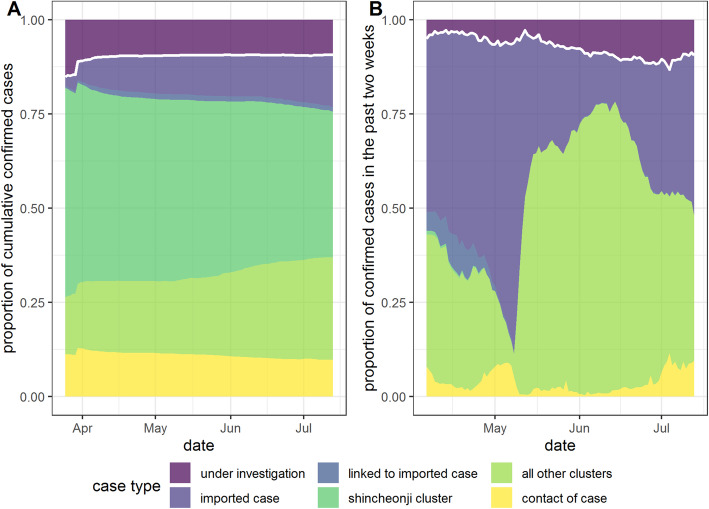
Background: After experiencing a sharp growth in COVID-19 cases early in the pandemic, South Korea rapidly controlled transmission while implementing less stringent national social distancing measures than countries in Europe and the USA. This has led to substantial interest in their “test, trace, isolate” strategy. However, it is important to understand the epidemiological peculiarities of South Korea’s outbreak and characterise their response before attempting to emulate these measures elsewhere. Methods: We systematically extracted numbers of suspected cases tested, PCR-confirmed cases, deaths, isolated confirmed cases, and numbers of confirmed cases with an identified epidemiological link from publicly available data. We estimated the time-varying reproduction number, R t , using an established Bayesian framework, and reviewed the package of interventions implemented by South Korea using our extracted data, plus published literature and government sources. Results: We estimated that after the initial rapid growth in cases, R t dropped below one in early April before increasing to a maximum of 1.94 (95%CrI, 1.64–2.27) in May following outbreaks in Seoul Metropolitan Region. By mid-June, R t was back below one where it remained until the end of our study (July 13th). Despite less stringent “lockdown” measures, strong social distancing measures were implemented in high-incidence areas and studies measured a considerable national decrease in movement in late February. Testing the capacity was swiftly increased, and protocols were in place to isolate suspected and confirmed cases quickly; however, we could not estimate the delay to isolation using our data. Accounting for just 10% of cases, individual case-based contact tracing picked up a relatively minor proportion of total cases, with cluster investigations accounting for 66%. Conclusions: Whilst early adoption of testing and contact tracing is likely to be important for South Korea’s successful outbreak control, other factors including regional implementation of strong social distancing measures likely also contributed. The high volume of testing and the low number of deaths suggest that South Korea experienced a small epidemic relative to other countries. Caution is needed in attempting to replicate the South Korean response in populations with larger more geographically widespread epidemics where finding, testing, and isolating cases that are linked to clusters may be more difficult.
Overview
The claims and statistics of this paper haven’t been checked yet.
Free: it reads the open-access text and checks the first 5 claims that cite a source we can check. Create a free account to check every claim.
Integrity signals
Registry
Cites
Statistics
Figures
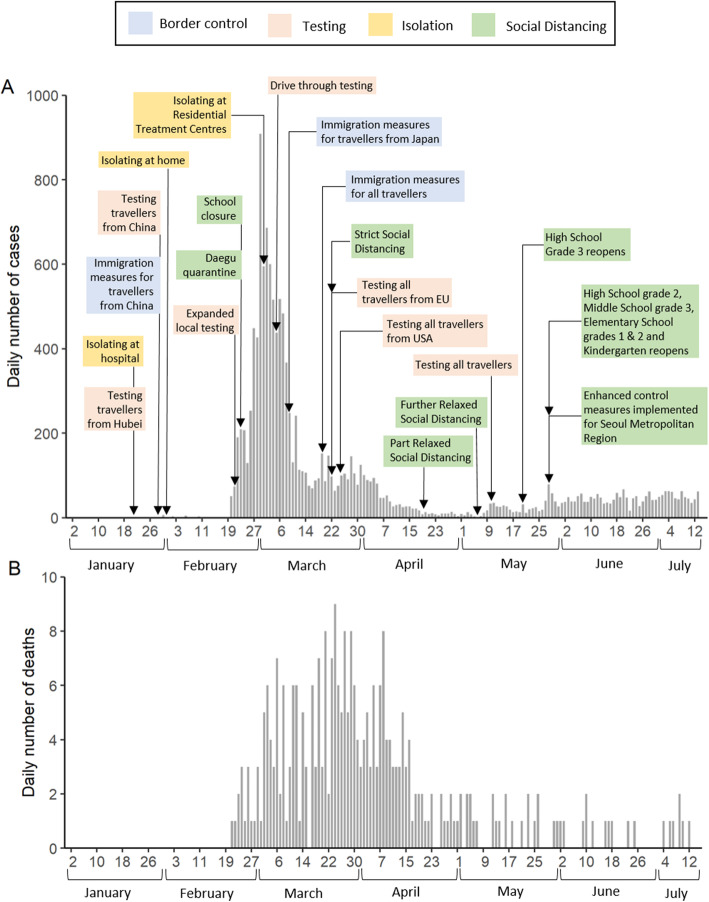
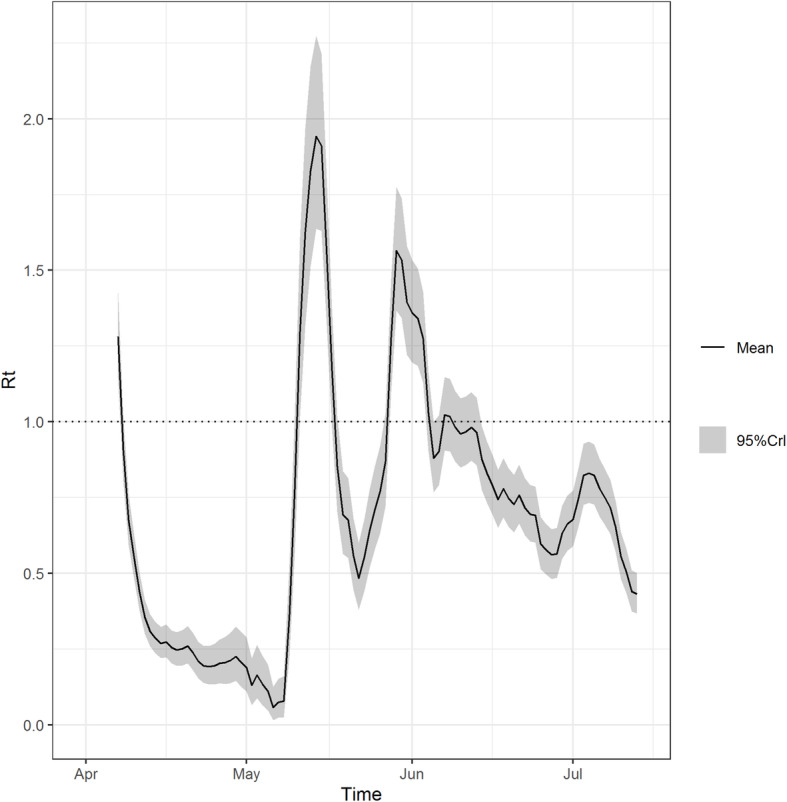
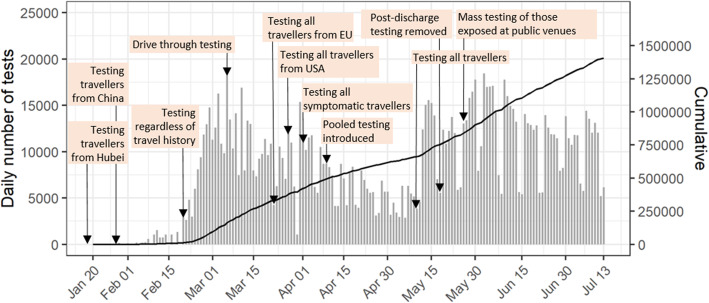
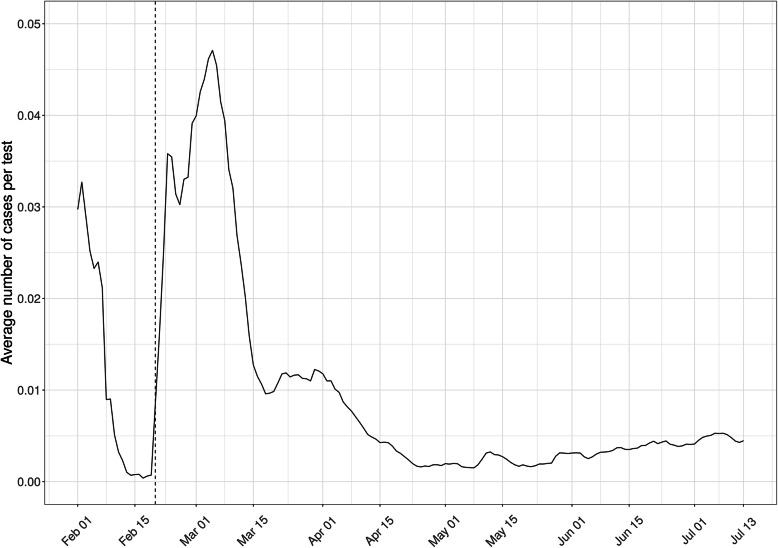
Verification
Claims the paper makes
The claims and statistics of this paper haven’t been checked yet.
Free: it reads the open-access text and checks the first 5 claims that cite a source we can check. Create a free account to check every claim.
Claims other papers make about this one
Each is checked against this paper’s own text: does it say what the citing paper says it does?
The source backs part of the claim, not all of it — or backs it for a different population, condition or comparison.
In the citing paper
“The COVID-19 pandemic has been controlled in Korea without a nationwide lockdown or drastic social distancing policies, unlike Europe and the United States [36].”
From Depression, anxiety, and stress in Korean general population during the COVID-19 pandemic. (2022) · cites this paper as [36]
Experimental — accuracy not yet measured
Self-check
Percentages, sums and reported differences re-computed from the paper’s own numbers.
The self-check needs the paper’s full text.
Citations
Cites
R: A Language and Environment for Statistical Computing
R Core Team (2025) · doi:10.32614/r.manuals · Cited by 352,181
Estimating the effects of non-pharmaceutical interventions on COVID-19 in Europe
Flaxman, S., Mishra, S., Gandy, A., Unwin, H. J. T., Mellan, T. A., Coupland, H., Whittaker, C., Zhu, H., Berah, T., Eaton, J. W., et al. (2020) · Nature · doi:10.1038/s41586-020-2405-7 · Cited by 3,350
Self-citationA New Framework and Software to Estimate Time-Varying Reproduction Numbers During Epidemics
Cori, A., Ferguson, N. M., Fraser, C., & Cauchemez, S. (2013) · American Journal of Epidemiology · doi:10.1093/aje/kwt133 · Cited by 1,530
Self-citationContact Tracing during Coronavirus Disease Outbreak, South Korea, 2020
Park, Y. J., Choe, Y. J., Park, O., Park, S. Y., Kim, Y.-M., Kim, J., Kweon, S., Woo, Y., Gwack, J., Kim, S. S., et al. (2020) · Emerging Infectious Diseases · doi:10.3201/eid2610.201315 · Cited by 500
Improved inference of time-varying reproduction numbers during infectious disease outbreaks
Thompson, R. N., Stockwin, J. E., van Gaalen, R. D., Polonsky, J. A., Kamvar, Z. N., Demarsh, P. A., Dahlqwist, E., Li, S., Miguel, E., Jombart, T., et al. (2019) · Epidemics · doi:10.1016/j.epidem.2019.100356 · Cited by 492 · cited 1×
“Our method accounts for imported cases, which would otherwise tend to inflate Rt, as previously described [40], and Fig.”
MethodCoronavirus Disease Outbreak in Call Center, South Korea
Park, S. Y., Kim, Y.-M., Yi, S., Lee, S., Na, B.-J., Kim, C. B., Kim, J.-I., Kim, H. S., Kim, Y. B., Park, Y., et al. (2020) · Emerging Infectious Diseases · doi:10.3201/eid2608.201274 · Cited by 467
Preliminary epidemiological assessment of MERS-CoV outbreak in South Korea, May to June 2015
Cowling, B. J., Park, M., Fang, V. J., Wu, P., Leung, G. M., & Wu, J. T. (2015) · Eurosurveillance · doi:10.2807/1560-7917.es2015.20.25.21163 · Cited by 323
Ki, M. (2020) · Epidemiology and Health · doi:10.4178/epih.e2020007 · Cited by 242
West African Ebola Epidemic after One Year — Slowing but Not Yet under Control
WHO Ebola Response Team (2015) · New England Journal of Medicine · doi:10.1056/nejmc1414992 · Cited by 187
West African Ebola epidemic after one year — slowing but not yet under control
Nouvellet, P. (2015) · Sussex Research Online (University of Sussex) · Cited by 162
Self-citation
Research works printed but not linked: 48
- European Centre for Disease Prevention and Control COVID-19 situation update worldwide, as of 5 August 2020 2020
- Korea Centers for Disease Control and Prevention. The first imported case of the novel coronavirus (2019-nCoV) in Korea | Press Release | News Room: KCDC. https://www.cdc.go.kr/board/board.es?mid=a30402000000&bid=0030&act=view&list_no=365797&tag=&nPage=1. Accessed 21 Jan 2020.
- The Government of the Republic of Korea Tackling COVID-19 the Government of the Republic of Korea 2020
- Korea Centers for Disease Control and Prevention The updates of COVID-19 in Republic of Korea as of 24 February 2020 2020
- Ministry of Health & Welfare. Press release 2020-02-23 Briefing on the pan-governmental meeting for COVID-19 2020. https://www.mohw.go.kr/eng/nw/nw0101vw.jsp?PAR_MENU_ID=1007&MENU_ID=100701&page=1&CONT_SEQ=353124. Accessed 7 Aug 2020.
- Korea Centers for Disease Control & Prevention The updates of COVID-19 in Republic of Korea, 10 May 2020 2020
- Korea Center for Disease Control & Prevention Updates on COVID-19 in Republic of Korea, 13 May 2020 2020
- Korea Centers for Disease Control & Prevention Updates on COVID-19 in Republic of Korea, 5 June 2020 2020
- Korea Centers for Disease Control & Prevention Updates on COVID-19 in Republic of Korea, 12 June 2020 2020
- Korea Centers for Disease Control & Prevention Updates on COVID-19 in Republic of Korea, 23 June 2020 2020
- Korea Centers for Disease Control & Prevention Updates on COVID-19 in Republic of Korea 27 March 2020 2020
- Korea Centers for Disease Control & Prevention Updates on COVID-19 in Republic of Korea, 24 June 2020 2020
- Korea Centers for Disease Control & Prevention Updates on COVID-19 in Republic of Korea, 1 July 2020 2020
- Korea Centers for Disease Control & Prevention Updates on COVID-19 in Republic of Korea, 4 July 2020 2020
- Korea Centers for Disease Control & Prevention Updates on COVID-19 in Republic of Korea, 10 July 2020 2020
- Korea Centers for Disease Control & Prevention Updates on COVID-19 in Republic of Korea, 13 July 2020 2020
- Korea Centers for Disease Control and Prevention Updates on COVID-19 in Republic of Korea, 21 April 2020 2020
- Korea Centers for Disease Control and Prevention Updates on COVID-19 in Republic of Korea, 24 April 2020 2020
- Korea Centers for Disease Control and Prevention Coronavirus infection-19 domestic outbreak status (April 30th regular briefing) 2020
- Korea Centers for Disease Control and Prevention Updates on COVID-19 in Republic of Korea 8 May 2020 2020
- Korea Centers for Disease Control & Prevention Updates on COVID-19 in Republic of Korea, 18 May 2020 2020
- Korea Centers for Disease Control & Prevention Updates on COVID-19 in Republic of Korea 1 April 2020 2020
- Korea Centers for Disease Control & Prevention The updates of COVID-19 in Republic of Korea, 4 April 2020 2020
- Ministry of Education The new school year begins with online classes 2020
- Centers for Disease Control & Prevention Updates on COVID-19 in Republic of Korea, 9 April 2020 2020
- Korea Centers for Disease Control and Prevention Updates on COVID-19 in Republic of Korea 20 April 2020 2020
- Korea Centers for Disease Control and Prevention Updates on COVID-19 in Republic of Korea 6 May 2020 2020
- Korea Centers for Disease Control and Prevention Updates on COVID-19 in Republic of Korea 11 May 2020 2020
- World Health Organization WHO Public Health and Social Measures Database 2020
- Korea Centers for Disease Control and Prevention. List | Press Release | News Room: KCDC. https://www.cdc.go.kr/board/board.es?mid=a30402000000&bid=0030. Accessed 21 May 2020.
- FitzJohn R Ashton R Hill A Eden M Hinsley H Russell E orderly: lightweight reproducible reporting. R package version 1.1.29 2020
- Cori A EpiEstim: estimate time varying reproduction numbers from epidemic curves. R package version 2.2–1 2019
- Korea Ministy of Health and Welfare Ministry of Health & Welfare: extending intensive “social distancing” for another 2 weeks 2020-04-07 2020
- Korea Centers for Disease Control and Prevention Coronavirus infectious diseases-19 regular disaster prevention headquarters regular briefing (April 19) 2020
- Korea Centers for Disease Control & Prevention Coronavirus disease-19 (COVID-19) public advice & notice enhanced social distancing campaign 2020
- Korea Centers for Disease Control and Prevention Coronavirus infectious diseases-19 regular disaster safety headquarters regular briefing (April 27) 2020
- Korea Centers for Disease Control and Prevention Updates on COVID-19 in Republic of Korea, 28 May 2020 2020
- Korea Centers for Disease Control & Prevention Updates on COVID-19 in Republic of Korea, 15 June 2020 2020
- Korea Centers for Disease Control & Prevention Coronavirus disease-19 (COVID-19) patient treatment & management 2020
- Korean Ministry of Health & Welfare Ministry of Health & Welfare: (2.9) IMS meeting for novel coronavirus presided over by the prime minister 2020
- City G Press releases: Goyang city starts operating the nation’s first “Goyang relief car selected medical center”... From the car to quickly and safely from reception to examination and prescription 2020
- Korea Centers for Disease Control and Prevention The case definition of 2019 novel coronavirus will be expanded 2020
- Korea Centers for Disease Control and Prevention The updates of COVID-19 in Republic of Korea 19 February 2020 2020
- Korea Centers for Disease Control and Prevention The updates of COVID-19 in Republic of Korea 22 February, 2020 2020
- Ministry of Health Korea Coronavirus infection-19 Korea Quarantine System 2020
- Korea Centers for Disease Control and Prevention The updates on COVID-19 in Korea as of 31 March 2020
- Technology Review South Korea is watching quarantined citizens with a smartphone app | MIT Technology Review 2020
- Korean Ministry of Health and Welfare Regular briefing of central disaster and safety countermeasure headquarters on COVID-19 April 27 2020
Cited by
Items 101–188 of 188
Candel, F. J., Viayna, E., Callejo, D., Ramos, R., San-Román-Montero, J., Barreiro, P., Carretero, M. D. M., Kolipiński, A., Canora, J., Zapatero, A., et al. (2020) · Viruses · doi:10.2139/ssrn.3745801 · Cited by 6
Cause-specific mortality in Korea during the first year of the COVID-19 pandemic
Bahk, J., & Jung‐Choi, K. (2022) · Epidemiology and Health · doi:10.4178/epih.e2022110 · Cited by 6
“Korea’s response to COVID-19 has been successful without a nationwide lockdown [4].”
BackgroundMethodRisk of Severe Acute Respiratory Syndrome Coronavirus 2 Transmission in Seoul, Korea
Sim, J., Son, E., Kwon, M., Hwang, E. J., Lee, Y. H., & Choe, Y. J. (2024) · Infection and Chemotherapy · doi:10.3947/ic.2022.0167 · Cited by 4
“Following the epidemiological investigation, the contacts were traced and isolated at their homes to prevent community transmission [5].”
BackgroundInfluentialRealistic mobility integration in agent-based model for targeted public health strategies
Kim, Y., Jung, G., Geard, N. L., Kim, Y. B., & Lee, S. (2025) · Chaos Solitons & Fractals · doi:10.1016/j.chaos.2025.116725 · Cited by 5
Jang, S. H., & Hwang, H. (2022) · Childhood Obesity · doi:10.1089/chi.2022.0053 · Cited by 7
“10,11 Furthermore, the pandemic has caused a decrease in Korea’s GDP growth rate and the loss of approximately 460,000 jobs.”
COVID-19 Sequelae and Their Implications on Social Services
Kim, S., Kwon, H. C., Kang, T. K., Kwak, M. Y., Lee, S., Lee, K., & Ko, K. (2022) · Journal of Korean Medical Science · doi:10.3346/jkms.2022.37.e342 · Cited by 5
Analysis of compound health impacts of heatwave and COVID-19 in Korea from May to September in 2020
Park, H., Lee, S., Kim, W. J., & Chae, Y. (2023) · Scientific Reports · doi:10.1038/s41598-023-41880-1 · Cited by 5
Effect of coronavirus disease 2019 pandemic on children’s visits to the emergency department
Kim, H. M., Ha, S. O., Yang, W. S., Park, Y. S., & Kim, J. H. (2022) · Pediatric Emergency Medicine Journal · doi:10.22470/pemj.2021.00381 · Cited by 5
Kahraman, C., Sarı, İ. U., & Onar, S. Ç. (2022) · International series in management science/operations research/International series in operations research & management science · doi:10.1007/978-3-030-91851-4_15 · Cited by 8
Identification and comparison of pandemic-to-symptom networks of South Korea and the United States
Park, M., Seo, D., Kim, J. G., Lee, G., McReynolds, L. S., Amsel, L., Yang, H., Kim, Y.-H., Han, S. H., Park, S. H., et al. (2023) · Frontiers in Psychiatry · doi:10.3389/fpsyt.2023.1161200 · Cited by 3
Pandemic Population Surveillance: Privacy and Life-Saving
Sorell, T. (2023) · Oxford University Press eBooks · doi:10.1093/oso/9780192864918.003.0002 · Cited by 9
Yoo, J. (2024) · SAGE Open · doi:10.1177/21582440241245206 · Cited by 6
Choi, J., Kim, Y.-S., Son, G., Choi, K., Kim, J., & Park, S. (2025) · Scientific Reports · doi:10.1038/s41598-025-27284-3 · Cited by 6
Oh, S. K., Jeong, M. H., Cho, K. H., Kim, M. C., Sim, D. S., Hong, Y. J., Kim, J. H., & Ahn, Y. (2022) · The Korean Journal of Internal Medicine · doi:10.3904/kjim.2022.077 · Cited by 3
“By August 5, 2020, 18,519,579 COVID-19 cases and 700,539 COVID-19 related deaths were reported worldwide [4].”
BackgroundHope and trust: Public attitudes toward mass COVID-19 testing programs in Guangzhou, China
Tan, X. (2022) · Frontiers in Psychology · doi:10.3389/fpsyg.2022.972398 · Cited by 4
“Germany and South Korea employed massive viral testing to detect infections in severely affected communities (Dighe et al., 2020).”
BackgroundBea, S., Choi, A., Kim, J. H., Cho, Y. M., Choi, W. S., Jung, J., & Shin, J. (2023) · Diabetes Obesity and Metabolism · doi:10.1111/dom.15163 · Cited by 4
“However, the Korean government has undertaken vigorous measures and policies to manage the ongoing pandemic and accordingly, considerable asymptomatic and mild cases have been detected.(29,31) In conclusion, in this nationwide cohort study, T2D was associated with a 10% increased risk of breakthrough SARS-CoV-2 infect…”
BackgroundLee, M., & Lee, H. (2023) · Psychiatry Investigation · doi:10.30773/pi.2023.0196 · Cited by 4
Na, H., Lee, S. H., Kim, S. H., & Kim, Y. O. (2024) · Korean Journal of Pediatrics · doi:10.3345/cep.2023.01137 · Cited by 3
Riding the waves of the COVID-19 pandemic in South Korea
Obnial, J. C., Baron, M. B. C., Sagsagat, H. A. A., Ong, E. P., Valenzuela, M. A. N., & Lucero‐Prisno, D. E. (2021) · Journal of Primary Health Care · doi:10.1071/hc21033 · Cited by 3
Chawla, S., & Chawla, S. (2021) · Microbiology Insights · doi:10.1177/11786361211041367 · Cited by 3
Keykhaei, M., Koolaji, S., Mohammadi, E., Kalantar, R., Moghaddam, S. S., Aminorroaya, A., Zokaei, S., Azadnajafabad, S., Rezaei, N., Ghasemi, E., et al. (2021) · Journal of Diabetes & Metabolic Disorders · doi:10.1007/s40200-021-00877-1 · Cited by 6
“Consistent with this issue, a decrease of 80% in terrific volume was reported in Daegu city following the detection of the epidemic [13].”
BackgroundInfluentialKim, C., Kang, G., Kang, S. G., & Lee, H. (2022) · Osong Public Health and Research Perspectives · doi:10.24171/j.phrp.2021.0262 · Cited by 4
Global human security in the post–COVID-19 era: The rising role of East Asia
Shibuya, K., Tan, C. C., Chun, A. Y., & Leung, G. M. (2022) · PLoS Medicine · doi:10.1371/journal.pmed.1003939 · Cited by 3
CONSTITUTIONAL OBLIGATIONS OF INDONESIAN GOVERNMENT DURING COVID-19 PANDEMIC: A CRITICAL APPRAISAL
Refisyanti, S. W. (2022) · Indonesian Comparative Law Review · doi:10.18196/iclr.v3i2.11768 · Cited by 7
Sánchez, S. M., Rivera, D., Murad, R., Calderón‐Jaramillo, M., Restrepo, D. R., Castaño, L. M., & Rivillas, J. C. (2020) · medRxiv · doi:10.1101/2020.11.26.20239442 · Cited by 3
Kim, K., Kim, S., Lee, D., & Park, C. (2022) · doi:10.22617/wps220214-2 · Cited by 3
Siew, S. K. H., Chia, J. L., Mahendran, R., & Yu, J. (2022) · PLoS ONE · doi:10.1371/journal.pone.0263039 · Cited by 4
“Similarly, South Korea did not implement a national lockdown but instead depended heavily on intensive testing, contact tracing and isolation [9].”
Background13. Children’s Emerging Play and Experience in the Covid-19 Era
Dong, P. I. (2023) · Open Book Publishers · doi:10.11647/obp.0326.13 · Cited by 2
Ahn, J., & Roh, S. (2024) · Asia-pacific Journal of Convergent Research Interchange · doi:10.47116/apjcri.2024.04.52 · Cited by 3
Woo, J., Choi, A., Jung, J., & SHIN, J. Y. (2024) · Epidemiology and Health · doi:10.4178/epih.e2024065 · Cited by 2
Kwon, Y., Zong, S. K., Kim, N. H., Choi, Y., & Choi, I. (2024) · Social Indicators Research · doi:10.1007/s11205-024-03496-4 · Cited by 2
“Despite an early surge in cases (Dighe et al., 2020), South Korea successfully prepared for and fought against COVID-19.”
Lee, M., Park, S., Seo, S., Kim, M. J., Kim, S., Yong, H., Bak, K., & You, M. (2024) · Journal of Risk Research · doi:10.1080/13669877.2024.2437624 · Cited by 3
“In South Korea, where initial knowledge of the virus was limited, public health measures that depended on active public engagement successfully helped contain COVID-19 (Dighe et al. 2020; Wang et al. 2020).”
The political effect of medical dominance in South Korea’s COVID-19 response
Park, S., & Seo, J. (2025) · Cambridge Review of International Affairs · doi:10.1080/09557571.2025.2534975 · Cited by 3
“…studies detail how South Korea ’ s response to COVID-19 succeeded through efficient mobilisation of resources and praise aspects such as the societal systems that proved effective in controlling the disease (Choi 2020; Dighe et al. 2020; Islam et al. 2021; Jeong et al. 2020; Majeed 2021; T (cid”
Kim, K. S., Kang, P. M., & Kim, H. S. N. (2021) · International Journal of Mental Health Promotion · doi:10.32604/ijmhp.2021.016470 · Cited by 2
“Since the first confirmed case on January 20, 2020, South Korea has managed the crisis by implementing physical distancing and wearing mask in addition to innovative testing and exposuretracing without complete lock-down [3].”
BackgroundAng, L., Yim, M. H., Song, E., Lee, H. W., Lee, H., Kim, T., Willcox, M. L., Hu, X.-Y. M., Houriet, J., Graz, B., et al. (2022) · Frontiers in Medicine · doi:10.3389/fmed.2022.965651 · Cited by 2
Kim, B., & Son, K. (2023) · Frontiers in Psychology · doi:10.3389/fpsyg.2023.1152693 · Cited by 4
“5 was effective in the metropolitan area, while level 2 was in effect in the non-metropolitan area (Dighe et al., 2020).”
BackgroundA Comparative Retrospective Study of COVID-19 Responses in Four CountriesPreprint
Wang, X., Shi, L., Zhang, Y., Chen, H., Jiao, J., Yang, M., & Sun, G. (2021) · Research Square · doi:10.21203/rs.3.rs-615065/v2 · Cited by 2
Quiroz, P., Rutherford, G. W., & Dubé, M. P. (2022) · Wiley eBooks · doi:10.1002/9781119789741.ch1 · Cited by 2
COVID-19 Pandemic Management: Best Practices and Lessons From China, Japan and South Korea
Govindasamy, G., Akhir, M. N. M., & Paidi, R. (2021) · International Journal of East Asian Studies · doi:10.22452/ijeas.vol10no1.6 · Cited by 1
Health-Seeking Behavior Returning to Normalcy Overcoming COVID-19 Threat in Breast Cancer
Lee, E., Han, Y., Lee, D.-E., Moon, H., Koh, H. W., Kim, E., & Jung, S. (2023) · Cancer Research and Treatment · doi:10.4143/crt.2023.364 · Cited by 1
“Since the first COVID-19 case on January 20, 2020, in South Korea [9], the pandemic has placed a heavy burden on the Korean healthcare system.”
Hong, S. J., & Cho, H. (2025) · Health Communication · doi:10.1080/10410236.2024.2447107 · Cited by 2
“In contrast, South Korea’s successful integration of technological solutions and public policy during its COVID-19 response serves as an exemplary case of effective technological adoption (Dighe et al., 2020; Hong & Cho, 2024; You, 2020).”
Infectious disease outbreak controllability: biological, social and public health factors
Thompson, R. N., Bansal, S., Clapham, H., Dyson, L., Gutierrez, M. A., Hadley, L., Hart, W. S., Heesterbeek, H., Hollingsworth, T. D., House, T., et al. (2026) · Proceedings of the Royal Society B Biological Sciences · doi:10.1098/rspb.2025.2848 · Cited by 7
“…acceptance of mass testing and contact tracing reduced transmission (and therefore limited COVID-19 mortality) in South Korea in the early stages of the COVID-19 pandemic, whereas more stringent measures were required to limit transmission in western countries such as Italy and the UK [102].”
Accreditation Before, During, and After COVID
Ziemba, E. A. (2021) · Journal of Healthcare Management Standards · doi:10.4018/jhms.2021010106 · Cited by 1
POLICY RESPONSE OF ASIAN ECONOMIES TO COVID-2019 PANDEMIC: CHINA, THE REPUBLIC OF KOREA, JAPAN
Mahdich, A. S. (2021) · Academic Review · doi:10.32342/2074-5354-2021-2-55-1 · Cited by 1
Hakre, S., Lam, E. Y., Berry, I. M., Hang, J., Sang, L. A. P., Bianchi, E. J., Fung, C., Gandhi, J., Chibucos, M. C., Conte, M. A., et al. (2022) · PLOS Global Public Health · doi:10.1371/journal.pgph.0000236 · Cited by 1
“Due to lessons learned from managing the Middle East respiratory syndrome (MERS) outbreak in 2015, the Republic of Korea (ROK) was well prepared to control the coronavirus disease 2019 (COVID-19) outbreak nationally, without the stringent national lockdowns other countries implemented, using a strategy of “test, trace…”
MethodInfluentialKaramoozian, A., & Bahrampour, A. (2022) · Journal of Research in Health Sciences · doi:10.34172/jrhs.2022.94 · Cited by 1
Falguera, C. C., Tandinco, F. D., Labarda, C., Rosaldo, A. G., Firmo, C. N., & Varona, R. N. (2023) · Acta Medica Philippina · doi:10.47895/amp.vi0.6169 · Cited by 1
Research on Korean Translation in the Context of Epidemic Prevention and Control
Wang, Z., & Ma, C. (2023) · ACM Transactions on Asian and Low-Resource Language Information Processing · doi:10.1145/3589640 · Cited by 1
“At all times, we should strive to maintain a clean and hygienic environment in which we live [4].”
BackgroundFlattening the Curve Through Reinforcement Learning Driven Test and Trace Policies
Rusu, A. C., Farrahi, K., & Niranjan, M. (2023) · Lecture notes of the Institute for Computer Sciences, Social Informatics and Telecommunications Engineering · doi:10.1007/978-3-031-34586-9_14 · Cited by 1
“1 As such, less restrictive health interventions were introduced in lieu to curb dangerous infection rates, such as educating the public to socially distance, deploying large-scale testing schemes and quarantining contacts through different tracing mechanisms [21].”
Model based on COVID-19 evidence to predict and improve pandemic control
González, R. I., Moya, P. S., Bringa, E. M., Bacigalupe, G., Ramírez-Santana, M., & Kiwi, M. (2023) · PLoS ONE · doi:10.1371/journal.pone.0286747 · Cited by 1
“The Test, Trace, and Isolate (TTI) strategy has been shown to contribute to decrease epidemic growth [11, 19], when the number of new cases is low and they are feasible to trace.”
Choi, B. Y., Lee, M. S., Kim, G.-T., Hong, S., Lee, E. B., & Baek, H. J. (2023) · Journal of Rheumatic Diseases · doi:10.4078/jrd.2023.0068 · Cited by 1
“In the early stages, government countermeasures prioritized rigorous isolation protocols and epidemiological surveillance [1].”
BackgroundHong, S. H., Jiang, X., & Kwon, H.-Y. (2024) · PLoS ONE · doi:10.1371/journal.pone.0301669 · Cited by 1
Impact of COVID-19 in Malaysia Economy from Perspectives of Demand, Supply and Games Theory
Nawi, A. S., Mat, M. K., Ikhsan, N., & Zulkarnain, S. H. (2023) · Journal Of Management Analytical and Solution (JoMAS) · doi:10.32734/jomas.v3i1.10592 · Cited by 2
“Korea on the other hand, according to Lee et al. (2020) align with report cited by Dighe et al. (2020), instead of enforce lockdown, they steadily controlled the transmission by approaching regimented masking, conducting vigorous testing as well as conducting a highly technology contract tracing.”
BackgroundPark, J., & Park, S. (2024) · Psychiatry Investigation · doi:10.30773/pi.2023.0443 · Cited by 2
Contact Tracing in Turkey’s Struggle with COVID-19: Its Scope, Components, and Stages
Aslan, M. N., & Uçar, A. (2021) · Anadolu Kliniği Tıp Bilimleri Dergisi · doi:10.21673/anadoluklin.848367 · Cited by 1
Orthopaedic trauma care during the early COVID-19 pandemic in the Asia-Pacific region
Kurozumi, T., Minehara, H., Kim, J., Oh, C.-W., Miclau, E., & Balogh, Z. J. (2021) · OTA International The Open Access Journal of Orthopaedic Trauma · doi:10.1097/oi9.0000000000000119 · Cited by 1
“Nevertheless, as the main hospital in Daegu is a Level I trauma and tertiary referral center, there still were a reasonably large number of acute trauma patients to manage during this time period.([19])”
BackgroundGaduena, A., Caboverde, C. E., Flaminiano, J. P., & Romero, R. Y. (2022) · International Journal of Health Governance · doi:10.1108/ijhg-03-2022-0038 · Cited by 1
Reaction to the COVID-19 pandemic in Seoul with biostatistics
Jung, S., Hwang, S.-S., Kim, K., & Lee, W. (2022) · Infectious Disease Modelling · doi:10.1016/j.idm.2022.06.009 · Cited by 1
“This test e trace e isolate strategy has received attention from several researchers (Dighe et al., 2020).”
The S(E)IR(D) Models of the COVID-19 Epidemic in KoreaPreprint
Shin, H.-Y. (2021) · SSRN Electronic Journal · doi:10.2139/ssrn.3792516 · Cited by 1
Individually Optimal Choices can be Collectively Disastrous in COVID-19 Disease ControlPreprint
Stoddard, M., Egeren, D. V., Johnson, K. E., Rao, S., Furgeson, J., White, D., Nolan, R. P., Hochberg, N. S., & Chakravarty, A. (2021) · Research Square · doi:10.21203/rs.3.rs-143573/v1 · Cited by 2
Negative Conversion Rate of SARS-CoV-2 Infection—Reply
Lee, S., Kim, T., & Lee, E. J. (2020) · JAMA Internal Medicine · doi:10.1001/jamainternmed.2020.7204
Analyzing the Impact of COVID 19 on Global Trends and Predicting Future Cases
Han, G., Han, J., Han, S., & Jeong, H. (2021) · American Journal of Theoretical and Applied Statistics · doi:10.11648/j.ajtas.20211001.11
“In contrast, certain nations such as South Korea, where the total number of cases was 25,199 as of October 18 [10] (Around 0.”
BackgroundEfficient strategy evaluation to control the COVID-19 pandemicPreprint
Gonzalez, R., Pablo, M., Bringa, E. M., Bacigalupe, G., Ramírez-Santana, M., & Kiwi, M. (2021) · Research Square · doi:10.21203/rs.3.rs-305039/v1
A Comparative Retrospective Study of COVID-19 Responses in Four CountriesPreprint
Wang, X., Shi, L., Zhang, Y., Chen, H., Jiao, J., Yang, M., & Sun, G. (2021) · Research Square · doi:10.21203/rs.3.rs-615065/v1
“[30] Although the rst wave was controlled mainly by residents’ good hygiene habits and compliance with social distance measures, after Japan launched the “Go To” campaign to revitalize the economy in July 2020, with the increase in population mobility, the second and third wave of epidemics also followed.”
BackgroundRowe, F., Robinson, C., & Patias, N. (2021) · Research Square · doi:10.21203/rs.3.rs-846222/v1
STRATEGIES FOR POST-COVID-19 ECONOMIC RECOVERY: EXPERIENCES IN REPUBLIC OF KOREA AND JAPAN
Kumo, K., & Александровна, К. И. (2021) · Russia and the Contemporary World · doi:10.31249/rsm/2021.03.06
Kim, W., Ju, Y. J., & Lee, S. Y. (2022) · Psychiatry Investigation · doi:10.30773/pi.2021.0300
SOUTH KOREA’S CULTURAL DIPLOMACY DURING COVID-19 AND IMPACTS OF ONLINE LEARNING:
Tahira, I. (2022) · Asia-Pacific - Annual Research Journal of Far East & South East Asia · doi:10.47781/asia-pacific.vol39.iss0.4326
Impact of health policy on COVID-19 pandemic: a perspective framework
Kim, J., Moses, F., & Rajaguru, V. (2022) · Journal of Global Health Science · doi:10.35500/jghs.2022.4.e13
Deeping regional disparities in primary healthcare during COVID-19 in South KoreaPreprint
Jin, H.-Y., & Ju, J. (2023) · Research Square · doi:10.21203/rs.3.rs-2993731/v1
Ju, Y. J., Kim, W., & Lee, S. Y. (2023) · PLoS ONE · doi:10.1371/journal.pone.0287143
“The government of South Korea also implemented a “distancing in daily life” initiative along with rapid testing and isolation strategies to respond to the outbreak [4, 5].”
BackgroundCOVID-19 transmission dynamics in South Korea prior to vaccine distributionPreprint
Suh, J., Galanti, M., Yamana, T. K., Perini, M., Kaondera-Shava, R. F., & Shaman, J. L. (2024) · medRxiv · doi:10.1101/2024.05.17.24307538
Humidified Nebulizer to Prevent Tracheostomy Cannula From Obstruction During the COVID-19 Pandemic
Cho, K. J., Kim, M. J., Lee, Y. S., Kwon, M., Kim, Y., Jung, Y. H., Choi, S., & Nam, S. Y. (2024) · Journal of The Korean Society of Laryngology Phoniatrics and Logopedics · doi:10.22469/jkslp.2024.35.2.58
“Since the first COVID-19 positive patient diagnosed in South Korea on January 20, 2020 [10], the strenuous effort to reduce the possibility of viral spread has been ongoing.”
BackgroundComparison of contact tracing methods: A modelling study
Tan, J. W., Kurupatham, L., Said, Z., Chan, J., Tan, K. B., Ho, M., Lee, V., & Cook, A. R. (2025) · Infectious Disease Modelling · doi:10.1016/j.idm.2025.05.007
“…et al., 2021; Kojaku et al., 2021) and extending the period of tracing was shown to further improve disease control (Djuric et al., 2022); South Korea (Dighe et al., 2020; Lee et al., 2021); Japan (Furuse et al., 2020); Singapore (PMO, 2023) Generations Direct contacts for centralized quarantine.”
How Did the Dietary Behavior of Older Korean Adults Change During the COVID-19 Pandemic?
Kwon, Y., Kim, D., & Lim, H. (2025) · Nutrients · doi:10.3390/nu17121973
From COVID-19 to Global Standards: Redefining Korean Bioethics and Research Ethics
Kim, O.-J. (2025) · Springer eBooks · doi:10.1007/978-981-96-9294-1_6
Ryu, S., Ali, S. T., Noh, E., Kim, D., Lau, E. Y. C., & Cowling, B. J. (2021) · Figshare · doi:10.6084/m9.figshare.14684611
Papoutsi, E., Giannakoulis, V. G., Xourgia, E., Routsi, C., Kotanidou, A., & Siempos, I. Ι. (2021) · Figshare · doi:10.6084/m9.figshare.14313851
Stoddard, M., Egeren, D. V., Johnson, K. E., Rao, S., Furgeson, J., White, D. E., Nolan, R. P., Hochberg, N. S., & Chakravarty, A. (2021) · Figshare · doi:10.6084/m9.figshare.14524726
How did political ideology affect public support for COVID-19 policy measures in South Korea?
Parasian, S., Kim, H. Y., & Choi, J.-W. (2025) · International Review of Public Administration · doi:10.1080/12294659.2025.2600116
“…fatality rate in South Korea had remained low compared to other countries (Johns Hopkins University Coronavirus Resource Center, 2023), which indicates the Korean government’s effective response in preventing infections and containing the spread (Dighe et al., 2020; Lim & Sohn, 2023; You, 2020).”
Policy Responses to the COVID-19 Pandemic: A Qualitative Case Study from Iran
Najafpour, Z., Keliddar, I., & Shayanfard, K. (2025) · Journal of Qualitative Research in Health Sciences · doi:10.34172/jqr.1436
Jeong, Y. M., Kim, M., & Jeong, J. Y. (2026) · PLoS ONE · doi:10.1371/journal.pone.0344918
“Korea’s relatively shorter and less stringent restrictions [9,10] and the widespread transition to walking or home-based exercise, may have mitigated prolonged reductions in PA.”
Iwai, Y., & Gu, H. (2026) · The Professional Geographer · doi:10.1080/00330124.2026.2656679
“Both cities adopted similar pandemic response strategies that emphasized voluntary behavioral modifications, such as staying home and practicing social distancing, rather than imposing strict lock-downs (Dighe et al. 2020; Akiyama 2021; Lee et al. 2026).”
Jo, S., Min, K., & Cho, S. (2026) · International Journal of Infectious Diseases · doi:10.1016/j.ijid.2026.108997
Cuartero, C. T., Lambert, J. W., Cuomo-Dannenburg, G., Fitzner, J., Ndumbi, P., Rice, C., Saulo, D., Waddell, L. A., Azam, J. M., Doohan, P., et al. (2026) · Epidemics · doi:10.1016/j.epidem.2026.100942 · Cited by 1
Self-citationRegional Population Ageing in South Korea: Assessing the Impact of Internal Migration 2012–2023
Dörflinger, M. (2026) · Spatial Demography · doi:10.1007/s40980-026-00171-9 · Cited by 1
“While restrictions in South Korea also led to a temporary decrease in mobility in February 2020, the lock-down policies were less stringent than in many other countries (Dighe et al., 2020).”
The Future of Cities as the Future of Work
Curry, A. E. (2026) · Advances in 21st century human settlements · doi:10.1007/978-981-92-0359-8_3
Metadata
- Authors
- Dighe, A., Cattarino, L., Cuomo-Dannenburg, G., Skarp, J., Imai, N., Bhatia, S., Gaythorpe, K. A. M., Ainslie, K. E. C., Baguelin, M., Bhatt, S., Boonyasiri, A., Brazeau, N. F., Cooper, L. V., Coupland, H., Cucunuba, Z., Dorigatti, I., Eales, O. D., van Elsland, S. L., FitzJohn, R. G., Green, W. D., Haw, D. J., Hinsley, W., Knock, E., Laydon, D. J., Mellan, T., Mishra, S., Nedjati-Gilani, G., Nouvellet, P., Pons-Salort, M., Thompson, H. A., Unwin, H. J. T., Verity, R., Vollmer, M. A. C., Walters, C. E., Watson, O. J., Whittaker, C., Whittles, L. K., Ghani, A. C., Donnelly, C. A., Ferguson, N. M., & Riley, S.
- Affiliations
- Imperial College London (GB)
- University of Sussex (GB)
- Brown University (US)
- University of Oxford (GB)
- Corresponding author
- Dighe, Amy
- Ferguson, Neil M.
- Riley, Steven
- ORCID
- Dighe, Amy
- Cattarino, Lorenzo
- Cuomo-Dannenburg, Gina
- Skarp, Janetta
- Imai, Natsuko
- Bhatia, Sangeeta
- Gaythorpe, Katy A. M.
- Ainslie, Kylie E. C.
- Baguelin, Marc
- Bhatt, Samir
- Boonyasiri, Adhiratha
- Brazeau, Nicholas F.
- Cooper, Laura V.
- Coupland, Helen
- Dorigatti, Ilaria
- Eales, Oliver D.
- FitzJohn, Richard G.
- Green, William D.
- Haw, David J.
- Hinsley, Wes
- Knock, Edward
- Laydon, Daniel J.
- Mellan, Thomas
- Mishra, Swapnil
- Nedjati-Gilani, Gemma
- Nouvellet, Pierre
- Pons-Salort, Margarita
- Thompson, Hayley A.
- Unwin, H. Juliette T.
- Verity, Robert
- Vollmer, Michaela A. C.
- Walters, Caroline E.
- Watson, Oliver J.
- Whittaker, Charles
- Whittles, Lilith K.
- Ghani, Azra C.
- Donnelly, Christl A.
- Ferguson, Neil M.
- Riley, Steven
- Venue
- BMC Medicine
- Published
- 2020-10-09
- Volume
- 18
- Issue
- 1
- Pages
- 321-321
- ISSN
- 1741-7015 (ISSN-L)
- PMC
- PMC7544529
- OpenAlex
- W3092065193
- Semantic Scholar
- 1cd48e057090249b7a75b162a947fed36495bbc7
- Cited by
- 188
- References
- 16
- Citations by year
- 2026: 6 · 2025: 10 · 2024: 19 · 2023: 30 · 2022: 57 · 2021: 58 · 2020: 8
- FWCI
- 6.08
- Type
- journal article
- Language
- en
- Open access
- gold
- doi.org
- Licence
- cc-by
- creativecommons.org/licenses/by/4.0 (tdm)
- creativecommons.org/licenses/by/4.0 (vor)
- Locations
- BMC Medicine (publishedVersion, cc-by)
- PubMed Central (publishedVersion, cc-by)
- PubMed (publishedVersion)
- DOAJ (DOAJ: Directory of Open Access Journals) (submittedVersion, cc-by-sa)
- Explore Bristol Research (submittedVersion)
- Bristol Research (University of Bristol) (submittedVersion)
- Spiral (Imperial College London) (submittedVersion, other-oa)
- Funders
- Wellcome Trust
- Medical Research Council
- Department for International Development
- National Institute for Health Research
- Abdul Latif Jameel Foundation
- Topics
- Physical Sciences › Mathematics › Modeling and Simulation › COVID-19 epidemiological studies
- Physical Sciences › Computer Science › Information Systems › COVID-19 Digital Contact Tracing
- Social Sciences › Sociology and Political Science › COVID-19 Prevention and Impact
- Keywords
- COVID-19 pandemic, South Korea, social distancing, contact tracing, cluster investigation, time-varying reproduction number, epidemic control, lockdown
- MeSH terms
- Betacoronavirus, COVID-19, SARS-CoV-2, COVID-19 Testing, Bayes Theorem, Disease Outbreaks, Humans, Pneumonia, Viral, Quarantine, Contact Tracing, Coronavirus Infections, Clinical Laboratory Techniques, Republic of Korea, Pandemics
About these checks
Registry, retraction, Cites and statistics results are computed, not judged, with one exception: a printed reference that no index lists is read once by a model before it counts as a citation error. Claims are extracted by a model and kept only when their quote appears verbatim in the text; each cited source is then checked, with a model’s help, for whether it says what the claim relies on. Those verdicts can be wrong — read the claim’s quote and the cited source before relying on one.
Statistics and arithmetic are recomputed, not judged.
Confidence bands are shown only for fields calibrated on our annotated test set. None is calibrated yet, so no band is shown.
What counts as a claim ›How we measure confidence ›How we check this ›
Are you an author, or do you see a problem with this page? Request a review
Data sources
Bibliographic data: Semantic Scholar, OpenAlex, Crossref.
Contains information from the Semantic Scholar Academic Graph Datasets, made available under the ODC Attribution License (ODC-BY 1.0).
Semantic Scholar’s data is described in: Kinney, R., et al. (2023). The Semantic Scholar Open Data Platform. arXiv:2301.10140.
