

Response to COVID-19 in South Korea and implications for lifting stringent interventions
Open accessThe DOI matches its Crossref record; 16 of the 16 references it cites were found in a registry or an index.
Abstract
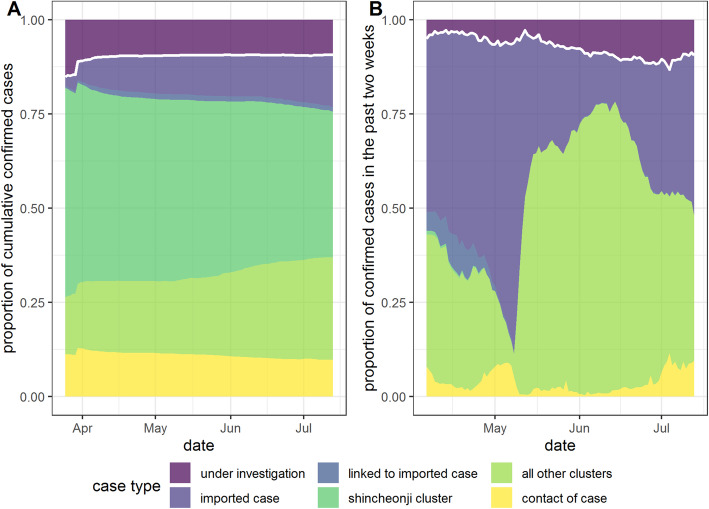
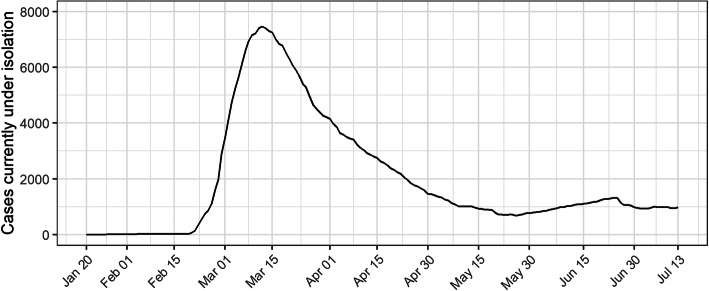
Background: After experiencing a sharp growth in COVID-19 cases early in the pandemic, South Korea rapidly controlled transmission while implementing less stringent national social distancing measures than countries in Europe and the USA. This has led to substantial interest in their “test, trace, isolate” strategy. However, it is important to understand the epidemiological peculiarities of South Korea’s outbreak and characterise their response before attempting to emulate these measures elsewhere. Methods: We systematically extracted numbers of suspected cases tested, PCR-confirmed cases, deaths, isolated confirmed cases, and numbers of confirmed cases with an identified epidemiological link from publicly available data. We estimated the time-varying reproduction number, R t , using an established Bayesian framework, and reviewed the package of interventions implemented by South Korea using our extracted data, plus published literature and government sources. Results: We estimated that after the initial rapid growth in cases, R t dropped below one in early April before increasing to a maximum of 1.94 (95%CrI, 1.64–2.27) in May following outbreaks in Seoul Metropolitan Region. By mid-June, R t was back below one where it remained until the end of our study (July 13th). Despite less stringent “lockdown” measures, strong social distancing measures were implemented in high-incidence areas and studies measured a considerable national decrease in movement in late February. Testing the capacity was swiftly increased, and protocols were in place to isolate suspected and confirmed cases quickly; however, we could not estimate the delay to isolation using our data. Accounting for just 10% of cases, individual case-based contact tracing picked up a relatively minor proportion of total cases, with cluster investigations accounting for 66%. Conclusions: Whilst early adoption of testing and contact tracing is likely to be important for South Korea’s successful outbreak control, other factors including regional implementation of strong social distancing measures likely also contributed. The high volume of testing and the low number of deaths suggest that South Korea experienced a small epidemic relative to other countries. Caution is needed in attempting to replicate the South Korean response in populations with larger more geographically widespread epidemics where finding, testing, and isolating cases that are linked to clusters may be more difficult.
Overview
The claims and statistics of this paper haven’t been checked yet.
Free: it reads the open-access text and checks the first 5 claims that cite a source we can check. Create a free account to check every claim.
Integrity signals
Registry
Cites
Statistics
Figures
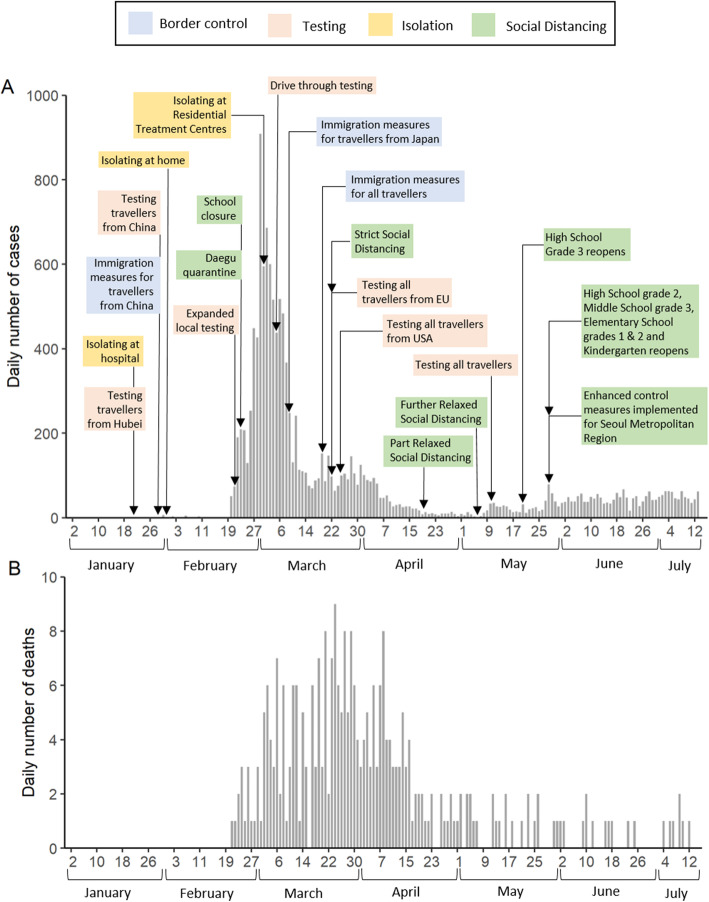
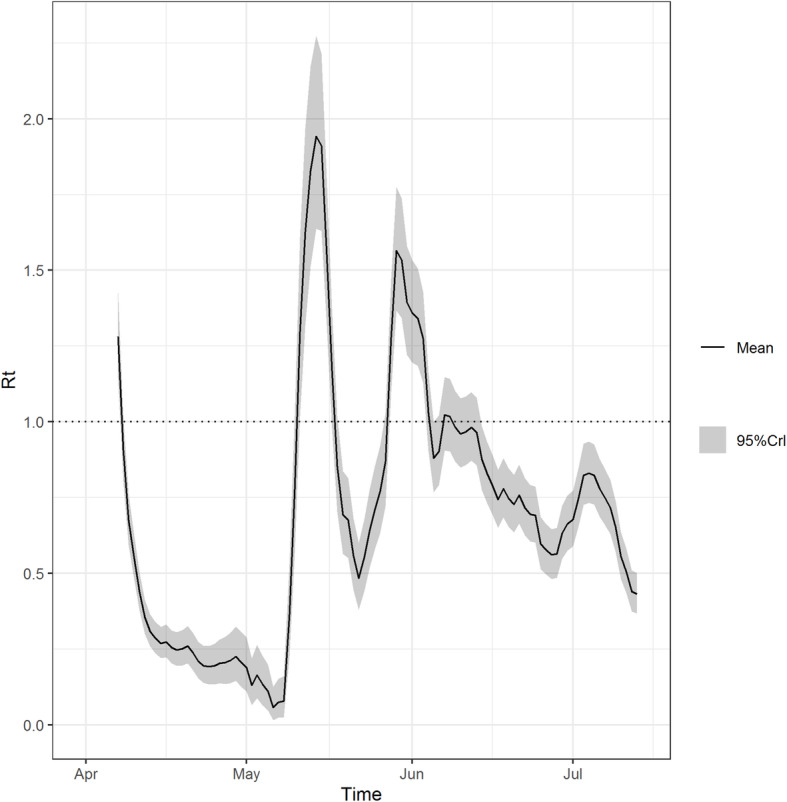
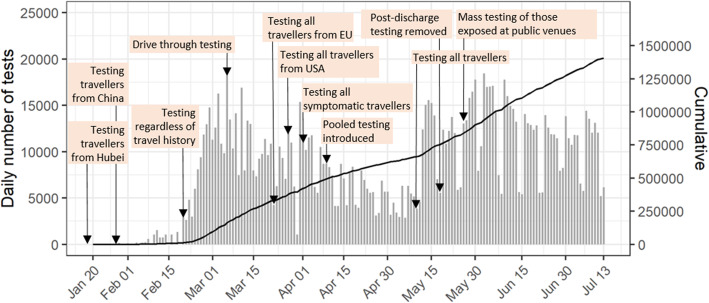
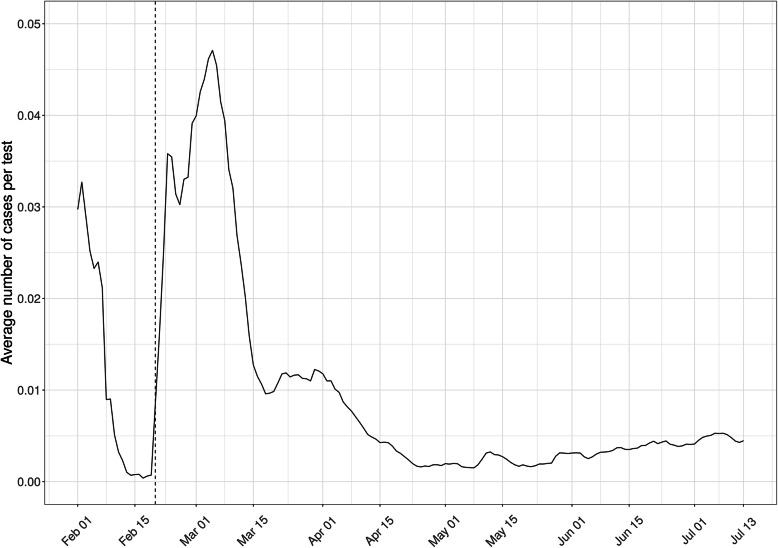
Verification
Claims the paper makes
The claims and statistics of this paper haven’t been checked yet.
Free: it reads the open-access text and checks the first 5 claims that cite a source we can check. Create a free account to check every claim.
Claims other papers make about this one
Each is checked against this paper’s own text: does it say what the citing paper says it does?
The source backs part of the claim, not all of it — or backs it for a different population, condition or comparison.
In the citing paper
“The COVID-19 pandemic has been controlled in Korea without a nationwide lockdown or drastic social distancing policies, unlike Europe and the United States [36].”
From Depression, anxiety, and stress in Korean general population during the COVID-19 pandemic. (2022) · cites this paper as [36]
Experimental — accuracy not yet measured
Self-check
Percentages, sums and reported differences re-computed from the paper’s own numbers.
The self-check needs the paper’s full text.
Citations
Cites
R: A Language and Environment for Statistical Computing
R Core Team (2025) · doi:10.32614/r.manuals · Cited by 352,181
Estimating the effects of non-pharmaceutical interventions on COVID-19 in Europe
Flaxman, S., Mishra, S., Gandy, A., Unwin, H. J. T., Mellan, T. A., Coupland, H., Whittaker, C., Zhu, H., Berah, T., Eaton, J. W., et al. (2020) · Nature · doi:10.1038/s41586-020-2405-7 · Cited by 3,350
Self-citationA New Framework and Software to Estimate Time-Varying Reproduction Numbers During Epidemics
Cori, A., Ferguson, N. M., Fraser, C., & Cauchemez, S. (2013) · American Journal of Epidemiology · doi:10.1093/aje/kwt133 · Cited by 1,530
Self-citationContact Tracing during Coronavirus Disease Outbreak, South Korea, 2020
Park, Y. J., Choe, Y. J., Park, O., Park, S. Y., Kim, Y.-M., Kim, J., Kweon, S., Woo, Y., Gwack, J., Kim, S. S., et al. (2020) · Emerging Infectious Diseases · doi:10.3201/eid2610.201315 · Cited by 500
Improved inference of time-varying reproduction numbers during infectious disease outbreaks
Thompson, R. N., Stockwin, J. E., van Gaalen, R. D., Polonsky, J. A., Kamvar, Z. N., Demarsh, P. A., Dahlqwist, E., Li, S., Miguel, E., Jombart, T., et al. (2019) · Epidemics · doi:10.1016/j.epidem.2019.100356 · Cited by 492 · cited 1×
“Our method accounts for imported cases, which would otherwise tend to inflate Rt, as previously described [40], and Fig.”
MethodCoronavirus Disease Outbreak in Call Center, South Korea
Park, S. Y., Kim, Y.-M., Yi, S., Lee, S., Na, B.-J., Kim, C. B., Kim, J.-I., Kim, H. S., Kim, Y. B., Park, Y., et al. (2020) · Emerging Infectious Diseases · doi:10.3201/eid2608.201274 · Cited by 467
Preliminary epidemiological assessment of MERS-CoV outbreak in South Korea, May to June 2015
Cowling, B. J., Park, M., Fang, V. J., Wu, P., Leung, G. M., & Wu, J. T. (2015) · Eurosurveillance · doi:10.2807/1560-7917.es2015.20.25.21163 · Cited by 323
Ki, M. (2020) · Epidemiology and Health · doi:10.4178/epih.e2020007 · Cited by 242
West African Ebola Epidemic after One Year — Slowing but Not Yet under Control
WHO Ebola Response Team (2015) · New England Journal of Medicine · doi:10.1056/nejmc1414992 · Cited by 187
West African Ebola epidemic after one year — slowing but not yet under control
Nouvellet, P. (2015) · Sussex Research Online (University of Sussex) · Cited by 162
Self-citation
Research works printed but not linked: 48
- European Centre for Disease Prevention and Control COVID-19 situation update worldwide, as of 5 August 2020 2020
- Korea Centers for Disease Control and Prevention. The first imported case of the novel coronavirus (2019-nCoV) in Korea | Press Release | News Room: KCDC. https://www.cdc.go.kr/board/board.es?mid=a30402000000&bid=0030&act=view&list_no=365797&tag=&nPage=1. Accessed 21 Jan 2020.
- The Government of the Republic of Korea Tackling COVID-19 the Government of the Republic of Korea 2020
- Korea Centers for Disease Control and Prevention The updates of COVID-19 in Republic of Korea as of 24 February 2020 2020
- Ministry of Health & Welfare. Press release 2020-02-23 Briefing on the pan-governmental meeting for COVID-19 2020. https://www.mohw.go.kr/eng/nw/nw0101vw.jsp?PAR_MENU_ID=1007&MENU_ID=100701&page=1&CONT_SEQ=353124. Accessed 7 Aug 2020.
- Korea Centers for Disease Control & Prevention The updates of COVID-19 in Republic of Korea, 10 May 2020 2020
- Korea Center for Disease Control & Prevention Updates on COVID-19 in Republic of Korea, 13 May 2020 2020
- Korea Centers for Disease Control & Prevention Updates on COVID-19 in Republic of Korea, 5 June 2020 2020
- Korea Centers for Disease Control & Prevention Updates on COVID-19 in Republic of Korea, 12 June 2020 2020
- Korea Centers for Disease Control & Prevention Updates on COVID-19 in Republic of Korea, 23 June 2020 2020
- Korea Centers for Disease Control & Prevention Updates on COVID-19 in Republic of Korea 27 March 2020 2020
- Korea Centers for Disease Control & Prevention Updates on COVID-19 in Republic of Korea, 24 June 2020 2020
- Korea Centers for Disease Control & Prevention Updates on COVID-19 in Republic of Korea, 1 July 2020 2020
- Korea Centers for Disease Control & Prevention Updates on COVID-19 in Republic of Korea, 4 July 2020 2020
- Korea Centers for Disease Control & Prevention Updates on COVID-19 in Republic of Korea, 10 July 2020 2020
- Korea Centers for Disease Control & Prevention Updates on COVID-19 in Republic of Korea, 13 July 2020 2020
- Korea Centers for Disease Control and Prevention Updates on COVID-19 in Republic of Korea, 21 April 2020 2020
- Korea Centers for Disease Control and Prevention Updates on COVID-19 in Republic of Korea, 24 April 2020 2020
- Korea Centers for Disease Control and Prevention Coronavirus infection-19 domestic outbreak status (April 30th regular briefing) 2020
- Korea Centers for Disease Control and Prevention Updates on COVID-19 in Republic of Korea 8 May 2020 2020
- Korea Centers for Disease Control & Prevention Updates on COVID-19 in Republic of Korea, 18 May 2020 2020
- Korea Centers for Disease Control & Prevention Updates on COVID-19 in Republic of Korea 1 April 2020 2020
- Korea Centers for Disease Control & Prevention The updates of COVID-19 in Republic of Korea, 4 April 2020 2020
- Ministry of Education The new school year begins with online classes 2020
- Centers for Disease Control & Prevention Updates on COVID-19 in Republic of Korea, 9 April 2020 2020
- Korea Centers for Disease Control and Prevention Updates on COVID-19 in Republic of Korea 20 April 2020 2020
- Korea Centers for Disease Control and Prevention Updates on COVID-19 in Republic of Korea 6 May 2020 2020
- Korea Centers for Disease Control and Prevention Updates on COVID-19 in Republic of Korea 11 May 2020 2020
- World Health Organization WHO Public Health and Social Measures Database 2020
- Korea Centers for Disease Control and Prevention. List | Press Release | News Room: KCDC. https://www.cdc.go.kr/board/board.es?mid=a30402000000&bid=0030. Accessed 21 May 2020.
- FitzJohn R Ashton R Hill A Eden M Hinsley H Russell E orderly: lightweight reproducible reporting. R package version 1.1.29 2020
- Cori A EpiEstim: estimate time varying reproduction numbers from epidemic curves. R package version 2.2–1 2019
- Korea Ministy of Health and Welfare Ministry of Health & Welfare: extending intensive “social distancing” for another 2 weeks 2020-04-07 2020
- Korea Centers for Disease Control and Prevention Coronavirus infectious diseases-19 regular disaster prevention headquarters regular briefing (April 19) 2020
- Korea Centers for Disease Control & Prevention Coronavirus disease-19 (COVID-19) public advice & notice enhanced social distancing campaign 2020
- Korea Centers for Disease Control and Prevention Coronavirus infectious diseases-19 regular disaster safety headquarters regular briefing (April 27) 2020
- Korea Centers for Disease Control and Prevention Updates on COVID-19 in Republic of Korea, 28 May 2020 2020
- Korea Centers for Disease Control & Prevention Updates on COVID-19 in Republic of Korea, 15 June 2020 2020
- Korea Centers for Disease Control & Prevention Coronavirus disease-19 (COVID-19) patient treatment & management 2020
- Korean Ministry of Health & Welfare Ministry of Health & Welfare: (2.9) IMS meeting for novel coronavirus presided over by the prime minister 2020
- City G Press releases: Goyang city starts operating the nation’s first “Goyang relief car selected medical center”... From the car to quickly and safely from reception to examination and prescription 2020
- Korea Centers for Disease Control and Prevention The case definition of 2019 novel coronavirus will be expanded 2020
- Korea Centers for Disease Control and Prevention The updates of COVID-19 in Republic of Korea 19 February 2020 2020
- Korea Centers for Disease Control and Prevention The updates of COVID-19 in Republic of Korea 22 February, 2020 2020
- Ministry of Health Korea Coronavirus infection-19 Korea Quarantine System 2020
- Korea Centers for Disease Control and Prevention The updates on COVID-19 in Korea as of 31 March 2020
- Technology Review South Korea is watching quarantined citizens with a smartphone app | MIT Technology Review 2020
- Korean Ministry of Health and Welfare Regular briefing of central disaster and safety countermeasure headquarters on COVID-19 April 27 2020
Cited by
Testing at scale during the COVID-19 pandemic
Mercer, T. R., & Salit, M. (2021) · Nature Reviews Genetics · doi:10.1038/s41576-021-00360-w · Cited by 387
Chang, J.-J., Ji, Y., Li, Y.-H., Pan, H.-F., & Su, P.-Y. (2021) · Journal of Affective Disorders · doi:10.1016/j.jad.2021.05.109 · Cited by 275
Papoutsi, E., Giannakoulis, V. G., Xourgia, E., Routsi, C., Kotanidou, A., & Siempos, I. I. (2021) · Critical Care · doi:10.1186/s13054-021-03540-6 · Cited by 234
Digitalization impacts the COVID-19 pandemic and the stringency of government measures
Heinrichs, H., Mueller, F., Rohfleisch, L., Schulz, V., Talbot, S. R., & Kiessling, F. M. (2022) · Scientific Reports · doi:10.1038/s41598-022-24726-0 · Cited by 141
Zapata-Cuervo, N., Montes-Guerra, M. I., Shin, H. H., Jeong, M., & Cho, M. (2021) · Journal of Hospitality & Tourism Education · doi:10.1080/10963758.2021.1907195 · Cited by 143
“Toward the end of 2019, the unprecedented novel coronavirus, called COVID-19, outbroke in Wuhan, China, and, in a shorter period, it spread worldwide, resulting in taking more than a million people’s lives and halting all humans’ social and economic activities (Shereen et al., 2020).”
BackgroundInfluentialDean, D. J., Tso, I. F., Giersch, A., Lee, H.-S., Baxter, T., Griffith, T., Song, L., & Park, S. (2021) · Psychiatry Research · doi:10.1016/j.psychres.2020.113593 · Cited by 66
Digitalization of learning in Saudi Arabia during the COVID-19 outbreak: A survey
Alsmadi, M. K., Almarashdeh, I., Alzaqebah, M., Jaradat, G. M., AlGhamdi, F., Mohammad, R. M. A., Alshabanah, M., Alrajhi, D., Alkhaldi, H., Aldhafferi, N., et al. (2021) · Informatics in Medicine Unlocked · doi:10.1016/j.imu.2021.100632 · Cited by 80
“South Korea took different measures when compared to many other countries because the country used the functional and consistent standard operation procedure in dealing with risk factors in public health crises [54,55].”
Density or Connectivity: What Are the Main Causes of the Spatial Proliferation of COVID-19 in Korea?
Jo, Y., Hong, A., & Sung, H. (2021) · International Journal of Environmental Research and Public Health · doi:10.3390/ijerph18105084 · Cited by 63
Transmission dynamics and control of two epidemic waves of SARS-CoV-2 in South Korea
Ryu, S., Ali, S. T., Noh, E., Kim, D., Lau, E. H. Y., & Cowling, B. J. (2021) · BMC Infectious Diseases · doi:10.1186/s12879-021-06204-6 · Cited by 52
“Our study has several strengths including the estimation of daily Rt of SARS-CoV-2 in South Korea from illness onset data, whereas previous studies [6, 43, 44] estimated it from the daily confirmed cases, which might be subject to reporting bias [45].”
ResultA modelling analysis of the effectiveness of second wave COVID-19 response strategies in Australia
Milne, G. J., Xie, S., Poklepovich, D., O’Halloran, D., Yap, M., & Whyatt, D. (2021) · Scientific Reports · doi:10.1038/s41598-021-91418-6 · Cited by 42
“In early 2020 such responses were highly effective in minimizing case numbers and the rate of epidemic growth at the early stages of the pandemic, as in Korea and China22–24.”
BackgroundMethodInfluentialDomenico, L. D., Sabbatini, C. E., Boëlle, P., Poletto, C., Crépey, P., Paireau, J., Cauchemez, S., Beck, F., Noël, H., Lévy-Bruhl, D., et al. (2021) · Communications Medicine · doi:10.1038/s43856-021-00057-5 · Cited by 51
Depression, anxiety, and stress in Korean general population during the COVID-19 pandemic.
Lee, H., Choi, D., & Lee, J. J. (2022) · Epidemiology and Health · doi:10.4178/epih.e2022018 · Cited by 39
“A study assessing psychosocial distress, conducted in the United States, Korea, France, and Hong Kong, suggested that being married is associated with better well-being than being single [27].”
BackgroundLandier, J., Paireau, J., Rebaudet, S., Legendre, E., Lehot, L., Fontanet, A. L., Cauchemez, S., & Gaudart, J. (2021) · Scientific Reports · doi:10.1038/s41598-021-91798-9 · Cited by 45
Hand and Oral Hygiene Practices of South Korean Adolescents Before and During the COVID-19 Pandemic
Oh, J., Lee, M., Lee, H., Yang, H., Park, J., Rahmati, M., Koyanagi, A., Smith, L., Fond, G. B., Boyer, L., et al. (2023) · JAMA Network Open · doi:10.1001/jamanetworkopen.2023.49249 · Cited by 38
Global cities, hypermobility, and Covid-19
Corrêa, L. D. S., & Perl, A. D. (2021) · Cities · doi:10.1016/j.cities.2021.103537 · Cited by 36
“However, even with distinct diffusion patterns, Germany and South Korea saw their first COVID-19 case imported by air directly from China to one of their global cities (Böhmer et al., 2020; Dighe et al., 2020).”
Yoo, K. J., Lee, Y., Lee, S., Friebel, R., Shin, S., Lee, T.-J., & Bishai, D. M. (2022) · The Lancet Regional Health - Western Pacific · doi:10.1016/j.lanwpc.2023.100904 · Cited by 68
Kim, S., Kim, Y., Peck, K. R., Ko, Y., Lee, J., & Jung, E. (2020) · International Journal of Environmental Research and Public Health · doi:10.3390/ijerph17249551 · Cited by 34
“As the COVID-19 vaccine and effective antiviral drugs have not been discovered, the only intervention is an NPI strategy, including social distancing [11].”
BackgroundChua, F., Vancheeswaran, R., Draper, A., Vaghela, T., Knight, M., Mogal, R. J., Singh, J., Spencer, L. G., Thwaite, E., Mitchell, H., et al. (2021) · Thorax · doi:10.1136/thoraxjnl-2020-216425 · Cited by 31
Ling, G. H. T., Suhud, N. A., Leng, P. C., Yeo, L. B., Cheng, C. T., Ahmad, M. H. H., & Matusin, A. M. R. A. (2021) · International Journal of Environmental Research and Public Health · doi:10.3390/ijerph18041704 · Cited by 43
Dementia Risk among Coronavirus Disease Survivors: A Nationwide Cohort Study in South Korea
Park, H.-Y., Song, I., & Oh, T.-K. (2021) · Journal of Personalized Medicine · doi:10.3390/jpm11101015 · Cited by 33
“In South Korea, after extensive contact tracing for all COVID-19 patients before diagnosis by PCR test, the KDCPA tested all those individuals for COVID-19 who had been in direct or indirect contact with COVID-19 patients in the community or hospital [20].”
BackgroundLeisure Activities, Happiness, Life Satisfaction, and Health Perception of Older Korean Adults
Kim, J., Byon, K. K., & Kim, J. (2021) · International Journal of Mental Health Promotion · doi:10.32604/ijmhp.2021.015232 · Cited by 30
“[24] highlighted various strategies, such as strictly enforced prevention policies, individual- or cluster-based interventions, and easily accessible testing sites.”
BackgroundAn equitable roadmap for ending the COVID-19 pandemic
Mukaigawara, M., Hassan, I., Fernandes, G., King, L., Patel, J. V., & Sridhar, D. (2022) · Nature Medicine · doi:10.1038/s41591-022-01787-2 · Cited by 33
Individually optimal choices can be collectively disastrous in COVID-19 disease control
Stoddard, M., Egeren, D. V., Johnson, K. E., Rao, S., Furgeson, J., White, D. E., Nolan, R. P., Hochberg, N. S., & Chakravarty, A. (2021) · BMC Public Health · doi:10.1186/s12889-021-10829-2 · Cited by 33
Keep Moving Forward: Health Informatics and Information Management beyond the COVID-19 Pandemic
Massoudi, B. L., & Sobolevskaia, D. (2021) · Yearbook of Medical Informatics · doi:10.1055/s-0041-1726499 · Cited by 26
“South Korea’s rapidly controlled transmission, while implementing less stringent national social distancing measures than other countries, led to substantial interest in their “test, trace, isolate” strategy [51].”
BackgroundRowe, F., Robinson, C., & Patias, N. (2022) · Cities · doi:10.1016/j.cities.2022.103808 · Cited by 32
Choi, S., Bahk, J., Park, S., Oh, K., & Jung‐Choi, K. (2022) · Epidemiology and Health · doi:10.4178/epih.e2022043 · Cited by 28
“Korea’s response to COVID-19 has been successful without a national lockdown [5].”
BackgroundMethodInfluentialTan, T. W., Tan, H. L., Chang, M. N., Lin, W. S., & Chang, C. M. (2021) · International Journal of Environmental Research and Public Health · doi:10.3390/ijerph18073456 · Cited by 27
“of face masks, limiting social distancing, surveillance, and heightened border controls, might not be as effective as early implementation [31].”
BackgroundAn estimation of undetected COVID cases in France
Shaman, J. L. (2020) · Nature · doi:10.1038/d41586-020-03513-9 · Cited by 23
Lee, G. B., Jung, S. J., Yang, Y., Yang, J. W., Thang, H. M., & Kim, H. C. (2022) · Epidemiology and Health · doi:10.4178/epih.e2022013 · Cited by 24
“org 2 community facilities were closed, with the potential for non-compliant facilities to receive administrative orders [3].”
BackgroundFederalism and public health decentralisation in the time of COVID-19
Biase, P. D., & Dougherty, S. (2021) · OECD working papers on fiscal federalism · doi:10.1787/b78ec8bb-en · Cited by 22
Kim, K., Kim, S., Lee, D., & Park, C. (2023) · Journal of Economic Dynamics and Control · doi:10.1016/j.jedc.2023.104642 · Cited by 20
Akhmetzhanov, A. R., Cheng, H., Linton, N. M., Ponce, L. J., Jian, S.-W., & Lin, H.-H. (2022) · Emerging infectious diseases · doi:10.3201/eid2810.220456 · Cited by 21
Examining behavioural intentions to visit travel bubble destinations during the COVID-19 pandemic
Girish, V. G., Ko, M.-H., Lee, C., Suess, C., & Park, Y. (2022) · Current Issues in Tourism · doi:10.1080/13683500.2022.2127349 · Cited by 20
“The ‘test, trace, and isolate’ strategy implemented in Korea (Dighe et al., 2020) was effective in bringing the pandemic within the country under control.”
Ryu, H., Abdulali, A., & Lee, S. (2021) · IEEE Access · doi:10.1109/access.2021.3064371 · Cited by 20
“symptoms but infectious) and went to the massive gathering at the Shincheonji church several times (a large number of close contacts) [48], [49].”
BackgroundGuidelines for Cancer Care during the COVID-19 Pandemic in South Korea
Lee, J. B., Jung, M., Kim, J. H., Kim, B. H., Kim, Y., Kim, Y. S., Kim, B. C., Kim, J., Moon, S. H., Park, K. U., et al. (2021) · Cancer Research and Treatment · doi:10.4143/crt.2020.1256 · Cited by 20
Min, S., Jeong, Y. H., Kim, J., Koo, J. W., & Ahn, Y. M. (2021) · Frontiers in Psychiatry · doi:10.3389/fpsyt.2021.671722 · Cited by 26
“countries to be affected by COVID-19 (6), South Korea’s early implementation of testing, contact tracing, and social distancing has been recognized worldwide as successful measures that brought the virus under control (7).”
BackgroundA multi-stage SEIR(D) model of the COVID-19 epidemic in Korea
Shin, H.-Y. (2021) · Annals of Medicine · doi:10.1080/07853890.2021.1949490 · Cited by 23
König, J., Chung, S., Ertl, V., Doering, B. K., Comteße, H., Unterhitzenberger, J., & Barke, A. (2021) · International Journal of Environmental Research and Public Health · doi:10.3390/ijerph18179377 · Cited by 21
“South Korea has been very successful in limiting the spread of COVID-19 with a “test, trace, isolate” strategy [43] and has imposed less strict social distancing measures than Germany.”
BackgroundNonpharmaceutical interventions in Turkey and worldwide during COVID-19 pandemic
ILHAN, M. N., Tüzün, H., Kılıç, R., & Yıldırım, N. (2021) · TURKISH JOURNAL OF MEDICAL SCIENCES · doi:10.3906/sag-2106-210 · Cited by 18
Multivariate visualization of the global COVID-19 pandemic: A comparison of 161 countries
Teh, J. K. L., Bradley, D. A., Chook, J. B., Lai, K. H., Ang, W. T., Teo, K. L., & Peh, S. (2021) · PLoS ONE · doi:10.1371/journal.pone.0252273 · Cited by 17
“As evidence has shown among countries such as Singapore and South Korea [3,25], rapid detection together with vigorous contact tracing are effective in mitigating the spread of COVID-19 disease.”
BackgroundZhou, Y., Rahman, M. M., & Khanam, R. (2022) · PLoS ONE · doi:10.1371/journal.pone.0267232 · Cited by 16
“Japan and South Korea also adopted relatively strict government response policies after COVID-19 occurred and achieved the expected results [37].”
BackgroundCOVID-19 pandemic: a new cause of unplanned interruption of radiotherapy in breast cancer patients
Lee, S., & Heo, J. (2021) · Medical Oncology · doi:10.1007/s12032-021-01604-9 · Cited by 16
“The first case of COVID-19 in Korea was reported in January 2020, with over 60,000 cases being reported since then [3].”
BackgroundRomo, M. L., Zimba, R., Kulkarni, S., Berry, A., You, W., Mirzayi, C. A., Westmoreland, D. A., Parcesepe, A. M., Waldron, L., Rane, M. S., et al. (2021) · JMIR Public Health and Surveillance · doi:10.2196/32846 · Cited by 17
“The importance of testing has been well demonstrated globally, such as in South Korea, where a “test, trace, isolate” strategy was largely credited for rapidly controlling transmission in spring 2020 [2].”
Choi, J. E., Lee, H. A., Park, S. W., Lee, J. W., Lee, J. H., Park, H., & Kim, H. S. (2023) · Children · doi:10.3390/children10071105 · Cited by 22
“For instance, in areas with high incidence rates such as Daegu, South Korea, residents were advised to stay at home and avoid leaving their residences for a minimum of two weeks [30].”
BackgroundDeterminants of Behavioral Changes Since COVID-19 among Middle School Students
Lee, J., Allen, J., Lim, H., & Choi, G. (2021) · Healthcare · doi:10.3390/healthcare9010075 · Cited by 16
COVID-19 Case Surge and Telemedicine Utilization in a Tertiary Hospital in Korea
Kim, H. S., Kim, B., Lee, S. G., Jang, S., & Kim, T. H. (2021) · Telemedicine Journal and e-Health · doi:10.1089/tmj.2021.0157 · Cited by 16
“32 In addition, no hospital has been closed due to COVID-19.”
Xin, M., Lau, J. T. F., & Lau, M. M. C. (2021) · Social Science & Medicine · doi:10.1016/j.socscimed.2021.114692 · Cited by 17
Analysis of Superspreading Potential from Transmission Clusters of COVID-19 in South Korea
Lee, H., Han, C. Y., Jung, J., & Lee, S. (2021) · International Journal of Environmental Research and Public Health · doi:10.3390/ijerph182412893 · Cited by 15
“Instead of a nationwide lockdown, the Korean government has enforced a series of social distancing measures [5,6] such as online worship and a ban on large social gatherings [3].”
BackgroundKim, S., & Hwang, J. (2022) · International Journal of Public Health · doi:10.3389/ijph.2022.1604487 · Cited by 20
“An increasing number of studies confirmed that such anti-coronavirus measures such as mask and vaccine mandates have contributed to lowering the risk of COVID-19 transmission in addition to micro-close identification of clusters and contact tracing [29, 30, 43].”
BackgroundA model of COVID-19 pandemic with vaccines and mutant viruses
Kim, Y. R., Choi, Y.-J., & Min, Y. (2022) · PLoS ONE · doi:10.1371/journal.pone.0275851 · Cited by 20
A resposta da Coreia do Sul à pandemia de COVID-19: lições aprendidas e recomendações a gestores
Rossi, T. R. A., Soares, C. L. M., da Silva, G. A. P., Paim, J. S., & Vieira-da-Silva, L. M. (2022) · Cadernos de Saúde Pública · doi:10.1590/0102-311x00118621 · Cited by 25
A Comparative Retrospective Study of COVID-19 Responses in Four Representative Asian Countries.
Wang, X., Shi, L., Zhang, Y., Chen, H., Jiao, J., Yang, M., & Sun, G. (2022) · PubMed Central · doi:10.2147/rmhp.s334326 · Cited by 3
“A study of voluntary behavioral changes during the early stages of the COVID-19 outbreak in Japan showed that a significant portion of the Japanese population voluntarily changed their behavior.(27) Although the first wave was controlled mainly by residents’ good hygiene habits and compliance with social distance meas…”
BackgroundCOVID-19 Pandemic: Public Health Risk Assessment and Risk Mitigation Strategies
Kim, D.-Y., Shinde, S. K., Lone, S., Palem, R. R., & Ghodake, G. S. (2021) · Journal of Personalized Medicine · doi:10.3390/jpm11121243 · Cited by 19
Lee, K., Min, H. S., Jeon, J., Choi, Y., Bang, J. H., & Sung, H. K. (2022) · The Science of The Total Environment · doi:10.1016/j.scitotenv.2022.154981 · Cited by 14
“Instead of stringent NPI, the South Korean government focused on an aggressive “test, trace, isolate” strategy(Dighe et al., 2020).”
Choi, H. G., Kang, H. S., Lim, H. S., Kim, J., Kim, J. H., Cho, S.-J., Nam, E. S., Min, K., Park, H. Y., Kim, N. Y., et al. (2022) · Journal of Personalized Medicine · doi:10.3390/jpm12071144 · Cited by 15
“, ventilators and vaccines) measures have been enforced worldwide against the COVID-19 pandemic [3], of which the former may inhibit humanto-human infections by avoiding the transmission of aerosols that are emitted by infected patients [4].”
BackgroundRidjab, D. A., Ivan, I., Budiman, F., & Juzar, D. A. (2022) · Scientific Reports · doi:10.1038/s41598-022-26234-7 · Cited by 13
The effect of the ultra-low emission zone on PM25 concentration in Seoul, South Korea
Park, D., & Lim, B. I. (2024) · Atmospheric Environment · doi:10.1016/j.atmosenv.2024.120908 · Cited by 13
Túri, G., & Virág, A. (2021) · Tropical Medicine and Infectious Disease · doi:10.3390/tropicalmed6040201 · Cited by 18
Yoon, Y. K., Lee, J., Kim, S. I., & Peck, K. R. (2020) · Journal of Korean Medical Science · doi:10.3346/jkms.2020.35.e387 · Cited by 14
Jeong, J.-E., Park, H.-K., Hwang, H., Park, K., Lee, M.-H., Shin, S.-H., & Choi, N. (2023) · Epidemiology and Health · doi:10.4178/epih.e2023081 · Cited by 11
“In Korea, the intensity of social distancing measures was adjusted ac-Figure cording to the regional severity of COVID-19 [28]; this may explain our statistically insignificant findings regarding alcohol consumption.”
BackgroundKim, Y.-K., Yoon, W. C., Lee, J., Poncelet, J. L., Dolcemascolo, G., & Sohn, H. (2022) · Progress in Disaster Science · doi:10.1016/j.pdisas.2022.100214 · Cited by 13
“Thosemeasures helped Korea prevent a nation-wide outbreak [28].”
Kim, S., Kim, J., Choi, B. Y., & Park, B. (2022) · Epidemiology and Health · doi:10.4178/epih.e2022011 · Cited by 12
“NPIs such as movement restrictions and isolation measures began in March 2020 worldwide [2], and Korea also started implementing nationwide NPIs in March 2020 [3,4].”
BackgroundJu, Y. J., Kim, W., & Lee, S. Y. (2022) · International Journal of Social Psychiatry · doi:10.1177/00207640211066737 · Cited by 24
Min, J., Kwon, D., Lee, W., Kang, C., Park, C., Heo, S., Bell, M. L., & Kim, H. (2022) · Scientific Reports · doi:10.1038/s41598-022-18493-1 · Cited by 12
Rusu, A. C., Farrahi, K., & Emonet, R. (2021) · PLoS ONE · doi:10.1371/journal.pone.0259969 · Cited by 14
Kim, H., & Oh, S. (2022) · Online Information Review · doi:10.1108/oir-10-2021-0547 · Cited by 12
Choi, J. (2023) · Nutrients · doi:10.3390/nu15030772 · Cited by 12
“In February and March 2020, in the early stage of the pandemic, the massive regional outbreaks drew international attention [32], yet the numbers of COVID-19 cases and deaths were smaller in the latter half of 2020 than those in other industrialized countries, such as the US and European countries [2].”
BackgroundKang, J., Park, J., Lee, M., Kim, H. J., Kwon, R., Kim, S. Y., Rahmati, M., Ai, K., Smith, L., Kim, M. S., et al. (2024) · International Archives of Allergy and Immunology · doi:10.1159/000535666 · Cited by 11
“These policies could prevent and mitigate the transmission of the virus and served as physical barriers and intricate environmental variables that limited both direct and indirect exposure to allergens, potentially contributing to the reduced prevalence of AD [23].”
BackgroundPolitis, M. D., Hua, X., Ogwara, C. A., Davies, M. R., Adebile, T. M., Sherman, M. P., Zhou, X., Chowell, G., Spaulding, A. C., & Fung, I. C. (2022) · Annals of Epidemiology · doi:10.1016/j.annepidem.2021.12.012 · Cited by 13
Hong, S., Son, Y., Lee, M., Lee, J. H., Park, J., Lee, H., Dragioti, E., Fond, G. B., Boyer, L., Sánchez, G. F. L., et al. (2024) · JMIR Public Health and Surveillance · doi:10.2196/56989 · Cited by 11
“Given that the first case of COVID-19 in South Korea occurred on January 9, 2020, we designated the before-pandemic period as 2019 and the pandemic period as 2021 and 2022 [14].”
BackgroundHwang, J., & Kim, S. (2022) · Preventive Medicine Reports · doi:10.1016/j.pmedr.2022.101735 · Cited by 10
“(Dighe et al., 2020) It was suggested that the higher rate of unmet healthcare needs in older adults with chronic conditions may be caused by greater difficulty in identifying service providers due to mobility restrictions and higher burden of service providers.”
Lee, H., & Chu, H. S. (2022) · International Journal of Mental Health Nursing · doi:10.1111/inm.13008 · Cited by 10
“As part of the strategy to terminate the spread of COVID-19, countries worldwide have enforced quarantine and social distancing measures (Dighe et al. 2020).”
BackgroundAssessing Public Health and Social Measures Against COVID-19 in Japan From March to June 2021
Hayashi, K., Kayano, T., Anzai, A., Fujimoto, M., Linton, N. M., Sasanami, M., Suzuki, A., Kobayashi, T., Otani, K., Yamauchi, M., et al. (2022) · Frontiers in Medicine · doi:10.3389/fmed.2022.937732 · Cited by 15
Thompson, H. A., Mboup, A., Cissé, B., Nayagam, S., Watson, O. J., Whittaker, C., Walker, P. G. T., Ghani, A. C., & Mboup, S. (2020) · medRxiv · doi:10.1101/2020.07.03.20144949 · Cited by 10
Self-citationKwak, G. H., Baek, S., & Kwak, E.-J. (2023) · Journal of Dental Sciences · doi:10.1016/j.jds.2023.07.031 · Cited by 8
Park, S. Y., Lindner, M. S., Brick, K., Noll, N., Ounit, R., Noa, L. J., Sabzwari, R. K., Trible, R. P., Sniffen, J. C., Roth, P., et al. (2023) · The Journal of Infectious Diseases · doi:10.1093/infdis/jiad452 · Cited by 8
“Effective outbreak control strategies require extensive and immediate testing availability [36, 37].”
BackgroundBrakel, R. E. V., Kudina, O., Fonio, C., & Boersma, K. (2022) · Journal of Contingencies and Crisis Management · doi:10.1111/1468-5973.12395 · Cited by 11
Qaqish, B. M., Sallam, M., Al-Khateeb, M., Reisdorf, E. S., & Mahafzah, A. M. (2022) · Diagnostics · doi:10.3390/diagnostics12040909 · Cited by 11
Sararat, C., Wangkanai, J., Wilasang, C., Chantanasaro, T., & Modchang, C. (2022) · Scientific Reports · doi:10.1038/s41598-022-21645-y · Cited by 7
Social Media Used to Spread Vaccination Program: Case of Indonesia Vaccination Covid-19 Policy
Kurniawan, D., Sutan, A. J., Mufandi, I., Supriyanto, E., & Rachmawati, M. (2021) · International Conference on Law, Social Science, Economics, and Education (ICLSSEE) · doi:10.4108/eai.6-3-2021.2306469 · Cited by 7
Changes in the Utilization of Health Care Services by Cancer Patients during the COVID-19 Pandemic
Seo, S. H., Cho, S., Yoo, S. H., Keam, B., & Shin, A. (2023) · Yonsei Medical Journal · doi:10.3349/ymj.2023.0014 · Cited by 12
Insomnia Disorder Among Coronavirus Disease Survivors: A South Korean Nationwide Cohort Study
Park, H. Y., Song, I., & Oh, T. K. (2021) · Psychiatry Investigation · doi:10.30773/pi.2021.0223 · Cited by 9
Kim, D. (2022) · BMC Public Health · doi:10.1186/s12889-022-14212-7 · Cited by 8
“The spatial association of social vulnerability with COVID-19 prevalence in the contiguous United States.”
BackgroundInfluentialChanges in Shoulder Trauma during the COVID-19 Pandemic: A South Korean Survey
Kim, S. C., Yoo, J. C., Park, J. H., Bukhary, H. A., Choi, Y., Kang, K.-T., & Kim, C. (2023) · Clinics in Orthopedic Surgery · doi:10.4055/cios22117 · Cited by 7
“Regarding the mechanism of injury, patients were classified into six subgroups: (1) accidental falls at home; (2) accidental falls outdoors; (3) sports-related injuries; (4) high-energy trauma incurred by car, motorcycle, or public transport accidents as occupant or pedestrian involvement; (5) accidents at work; and (…”
BackgroundWhy is Success of South Korea's Covid-19 Response Fading?
Hong, S. Y., & Lim, J. H. (2023) · International Journal of Social Determinants of Health and Health Services · doi:10.1177/27551938231165154 · Cited by 8
The Ethics of Surveillance in Times of Emergency
Macnish, K., & Henschke, A. (2023) · doi:10.1093/oso/9780192864918.001.0001 · Cited by 9
Eales, O. D., & Riley, S. (2024) · Epidemics · doi:10.1016/j.epidem.2024.100742 · Cited by 8
Self-citationGovernment Initiatives for Research Ethics During COVID-19 Pandemic in Korea
Park, Y. S., & Kim, O.-J. (2024) · Journal of Korean Medical Science · doi:10.3346/jkms.2024.39.e116 · Cited by 6
“22,23 26 The 3T strategy involves identifying and isolating confirmed cases early through mass and rapid testing and tracing and providing treatment.”
BackgroundKim, J., Han, J., & Chun, B. C. (2022) · Journal of Korean Medical Science · doi:10.3346/jkms.2022.37.e108 · Cited by 6
The Tragedy of Liberal Democratic Governance in the Face of Global Threats
Muraille, É., Naccache, P., & Pillot, J. (2022) · Frontiers in Public Health · doi:10.3389/fpubh.2022.902724 · Cited by 10
“Only countries that anticipated or followed the WHO recommendations under the guidance of scientific experts, such as New Zealand (92, 93), South Korea (94) and Taiwan (95), were somewhat successful in controlling the spread of the virus (Figure 3).”
BackgroundInfluentialApio, C., Han, K., Lee, D., Lee, B., & Park, T. (2024) · JMIR Public Health and Surveillance · doi:10.2196/47099 · Cited by 9
“The government maintained this course of less strict policies even when the daily cases rose to tens of thousands without locking down regions and causing severe economic damage [28].”
BackgroundWei, J., Liu, S., Bian, Y., Li, L., Qian, B., Shen, Z., Zhang, Y., Abuduaini, A., Dong, F., Zhang, X., et al. (2025) · Scientific Reports · doi:10.1038/s41598-024-75891-3 · Cited by 6
Sim, J.-A., Shin, J. H., Lee, H. J., Lee, Y.-S., & Kim, Y. A. (2024) · PLoS ONE · doi:10.1371/journal.pone.0296808 · Cited by 8
“During the COVID-19 pandemic, the government developed prompt and accurate diagnostic strategies and strengthened community-level preventive measures [21, 24, 25].”
BackgroundTrinh, T. T. K., Lee, Y. Y., Suh, M., Jun, J. K., & Choi, K. S. (2022) · Epidemiology and Health · doi:10.4178/epih.e2022051 · Cited by 6
“In Korea, the COVID-19 outbreak began on January 20, 2020, after which the number of cases increased [13].”
BackgroundKim, H., Kim, M.-G., Kang, M.-R., Yang, J.-H., Shin, M., & Kweon, S. (2022) · Epidemiology and Health · doi:10.4178/epih.e2022092 · Cited by 5
“First, unlike many other countries, Korea did not implement national or regional lockdowns, except for a short-term localized lockdown in the city of Daegu for 2 weeks in May 2020 [18].”
BackgroundRogers, M. L., Cao, E., Richards, J. A., Mitelman, A. M., Barzilay, S., Blum, Y., Chistopolskaya, K. A., Çinka, E., Dudeck, M., Husain, M. I., et al. (2023) · Clinical Psychological Science · doi:10.1177/21677026221148732 · Cited by 5
Kim, K. H., Lee, S. M., Hong, M., Han, K., & Paik, J. (2023) · BMC Psychiatry · doi:10.1186/s12888-023-05258-x · Cited by 7
“Unlike other countries, Korea responded to COVID-19 without imposing a national lockdown [36].”
BackgroundBaek, J. Y., Seo, S. H., Cho, S., Park, J., Keam, B., Yoo, S. H., & Shin, A. (2024) · Scientific Reports · doi:10.1038/s41598-023-50709-w · Cited by 5
Lim, K. T., Ahn, K. O., Park, J. H., Park, C. H., Lim, J., & Lee, K. (2021) · The American Journal of Emergency Medicine · doi:10.1016/j.ajem.2021.07.012 · Cited by 7
“There was no general lockdown of businesses in the ROK, although high-risk areas such as churches, bars, and gyms were closed soon after the large cluster of cases associated with specific religious groups in late February 2020 [12].”
Kim, N.-G., Jang, H., Noh, S., Hong, J.-H., Jung, J., Shin, J., Shin, Y., & Kim, J. (2022) · International Journal of Environmental Research and Public Health · doi:10.3390/ijerph19148535 · Cited by 6
“This measure consisted of permitting activity at low-risk places, such as recreation parks and closed-door sporting events, and forbidding activity at high-risk facilities, such as religious facilities and fitness centers and gyms [46,48].”
Background
Metadata
- Authors
- Dighe, A., Cattarino, L., Cuomo-Dannenburg, G., Skarp, J., Imai, N., Bhatia, S., Gaythorpe, K. A. M., Ainslie, K. E. C., Baguelin, M., Bhatt, S., Boonyasiri, A., Brazeau, N. F., Cooper, L. V., Coupland, H., Cucunuba, Z., Dorigatti, I., Eales, O. D., van Elsland, S. L., FitzJohn, R. G., Green, W. D., Haw, D. J., Hinsley, W., Knock, E., Laydon, D. J., Mellan, T., Mishra, S., Nedjati-Gilani, G., Nouvellet, P., Pons-Salort, M., Thompson, H. A., Unwin, H. J. T., Verity, R., Vollmer, M. A. C., Walters, C. E., Watson, O. J., Whittaker, C., Whittles, L. K., Ghani, A. C., Donnelly, C. A., Ferguson, N. M., & Riley, S.
- Affiliations
- Imperial College London (GB)
- University of Sussex (GB)
- Brown University (US)
- University of Oxford (GB)
- Corresponding author
- Dighe, Amy
- Ferguson, Neil M.
- Riley, Steven
- ORCID
- Dighe, Amy
- Cattarino, Lorenzo
- Cuomo-Dannenburg, Gina
- Skarp, Janetta
- Imai, Natsuko
- Bhatia, Sangeeta
- Gaythorpe, Katy A. M.
- Ainslie, Kylie E. C.
- Baguelin, Marc
- Bhatt, Samir
- Boonyasiri, Adhiratha
- Brazeau, Nicholas F.
- Cooper, Laura V.
- Coupland, Helen
- Dorigatti, Ilaria
- Eales, Oliver D.
- FitzJohn, Richard G.
- Green, William D.
- Haw, David J.
- Hinsley, Wes
- Knock, Edward
- Laydon, Daniel J.
- Mellan, Thomas
- Mishra, Swapnil
- Nedjati-Gilani, Gemma
- Nouvellet, Pierre
- Pons-Salort, Margarita
- Thompson, Hayley A.
- Unwin, H. Juliette T.
- Verity, Robert
- Vollmer, Michaela A. C.
- Walters, Caroline E.
- Watson, Oliver J.
- Whittaker, Charles
- Whittles, Lilith K.
- Ghani, Azra C.
- Donnelly, Christl A.
- Ferguson, Neil M.
- Riley, Steven
- Venue
- BMC Medicine
- Published
- 2020-10-09
- Volume
- 18
- Issue
- 1
- Pages
- 321-321
- ISSN
- 1741-7015 (ISSN-L)
- PMC
- PMC7544529
- OpenAlex
- W3092065193
- Semantic Scholar
- 1cd48e057090249b7a75b162a947fed36495bbc7
- Cited by
- 188
- References
- 16
- Citations by year
- 2026: 6 · 2025: 10 · 2024: 19 · 2023: 30 · 2022: 57 · 2021: 58 · 2020: 8
- FWCI
- 6.08
- Type
- journal article
- Language
- en
- Open access
- gold
- doi.org
- Licence
- cc-by
- creativecommons.org/licenses/by/4.0 (tdm)
- creativecommons.org/licenses/by/4.0 (vor)
- Locations
- BMC Medicine (publishedVersion, cc-by)
- PubMed Central (publishedVersion, cc-by)
- PubMed (publishedVersion)
- DOAJ (DOAJ: Directory of Open Access Journals) (submittedVersion, cc-by-sa)
- Explore Bristol Research (submittedVersion)
- Bristol Research (University of Bristol) (submittedVersion)
- Spiral (Imperial College London) (submittedVersion, other-oa)
- Funders
- Wellcome Trust
- Medical Research Council
- Department for International Development
- National Institute for Health Research
- Abdul Latif Jameel Foundation
- Topics
- Physical Sciences › Mathematics › Modeling and Simulation › COVID-19 epidemiological studies
- Physical Sciences › Computer Science › Information Systems › COVID-19 Digital Contact Tracing
- Social Sciences › Sociology and Political Science › COVID-19 Prevention and Impact
- Keywords
- COVID-19 pandemic, South Korea, social distancing, contact tracing, cluster investigation, time-varying reproduction number, epidemic control, lockdown
- MeSH terms
- Betacoronavirus, COVID-19, SARS-CoV-2, COVID-19 Testing, Bayes Theorem, Disease Outbreaks, Humans, Pneumonia, Viral, Quarantine, Contact Tracing, Coronavirus Infections, Clinical Laboratory Techniques, Republic of Korea, Pandemics
About these checks
Registry, retraction, Cites and statistics results are computed, not judged, with one exception: a printed reference that no index lists is read once by a model before it counts as a citation error. Claims are extracted by a model and kept only when their quote appears verbatim in the text; each cited source is then checked, with a model’s help, for whether it says what the claim relies on. Those verdicts can be wrong — read the claim’s quote and the cited source before relying on one.
Statistics and arithmetic are recomputed, not judged.
Confidence bands are shown only for fields calibrated on our annotated test set. None is calibrated yet, so no band is shown.
What counts as a claim ›How we measure confidence ›How we check this ›
Are you an author, or do you see a problem with this page? Request a review
Data sources
Bibliographic data: Semantic Scholar, OpenAlex, Crossref.
Contains information from the Semantic Scholar Academic Graph Datasets, made available under the ODC Attribution License (ODC-BY 1.0).
Semantic Scholar’s data is described in: Kinney, R., et al. (2023). The Semantic Scholar Open Data Platform. arXiv:2301.10140.
