

Medical cannabinoids: a pharmacology-based systematic review and meta-analysis for all relevant medical indications.
Open accessThe DOI matches its Crossref record; 265 of the 267 references it cites were found in a registry or an index; 8 of the 17 sources its claims cite were checked for support.
Abstract
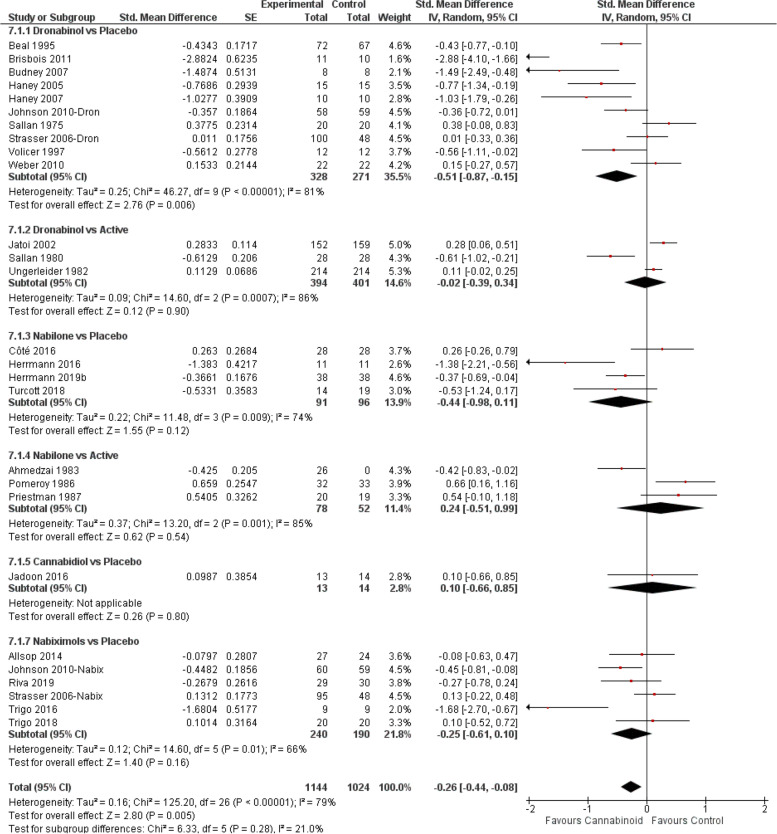
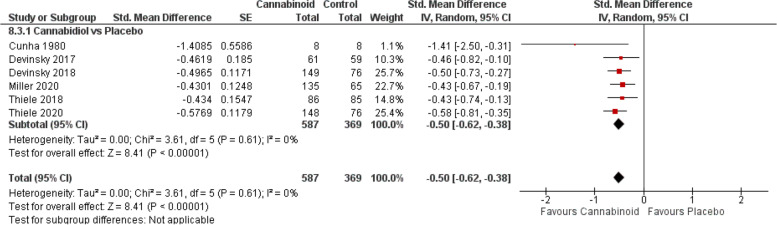
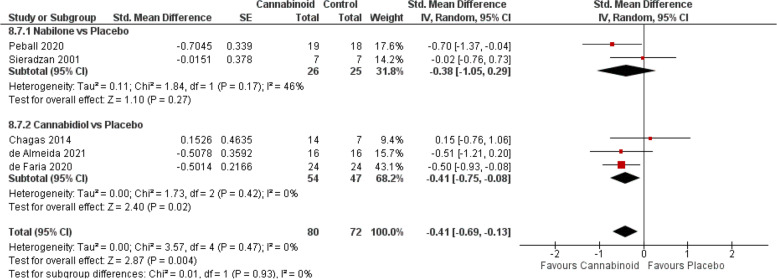
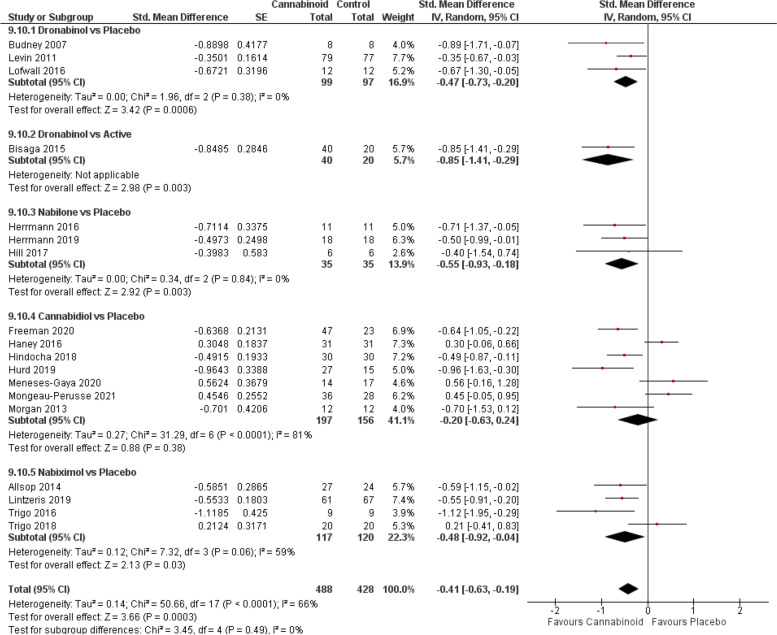
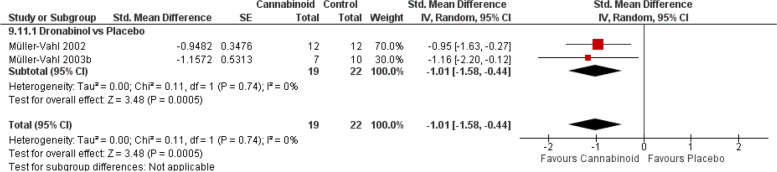
BACKGROUND: Medical cannabinoids differ in their pharmacology and may have different treatment effects. We aimed to conduct a pharmacology-based systematic review (SR) and meta-analyses of medical cannabinoids for efficacy, retention and adverse events. METHODS: We systematically reviewed (registered at PROSPERO: CRD42021229932) eight databases for randomized controlled trials (RCTs) of dronabinol, nabilone, cannabidiol and nabiximols for chronic pain, spasticity, nausea /vomiting, appetite, ALS, irritable bowel syndrome, MS, Chorea Huntington, epilepsy, dystonia, Parkinsonism, glaucoma, ADHD, anorexia nervosa, anxiety, dementia, depression, schizophrenia, PTSD, sleeping disorders, SUD and Tourette. Main outcomes and measures included patient-relevant/disease-specific outcomes, retention and adverse events. Data were calculated as standardized mean difference (SMD) and ORs with confidence intervals (CI) via random effects. Evidence quality was assessed by the Cochrane Risk of Bias and GRADE tools. RESULTS: In total, 152 RCTs (12,123 participants) were analysed according to the type of the cannabinoid, outcome and comparator used, resulting in 84 comparisons. Significant therapeutic effects of medical cannabinoids show a large variability in the grade of evidence that depends on the type of cannabinoid. CBD has a significant therapeutic effect for epilepsy (SMD - 0.5[CI - 0.62, - 0.38] high grade) and Parkinsonism (- 0.41[CI - 0.75, - 0.08] moderate grade). There is moderate evidence for dronabinol for chronic pain (- 0.31[CI - 0.46, - 0.15]), appetite (- 0.51[CI - 0.87, - 0.15]) and Tourette (- 1.01[CI - 1.58, - 0.44]) and moderate evidence for nabiximols on chronic pain (- 0.25[- 0.37, - 0.14]), spasticity (- 0.36[CI - 0.54, - 0.19]), sleep (- 0.24[CI - 0.35, - 0.14]) and SUDs (- 0.48[CI - 0.92, - 0.04]). All other significant therapeutic effects have either low, very low, or even no grade of evidence. Cannabinoids produce different adverse events, and there is low to moderate grade of evidence for this conclusion depending on the type of cannabinoid. CONCLUSIONS: Cannabinoids are effective therapeutics for several medical indications if their specific pharmacological properties are considered. We suggest that future systematic studies in the cannabinoid field should be based upon their specific pharmacology.
Overview
CoChat Summary
## TL;DR
This pharmacology-based systematic review and meta-analysis found that medical cannabinoids have condition-specific benefits, with the strongest evidence for CBD in epilepsy and Parkinsonism, dronabinol for chronic pain/appetite/Tourette, and nabiximols for chronic pain/spasticity/sleep/SUDs. Across 152 RCTs (12,123 participants), cannabinoids also produced more adverse events, while retention generally did not differ from controls.
## Key findings
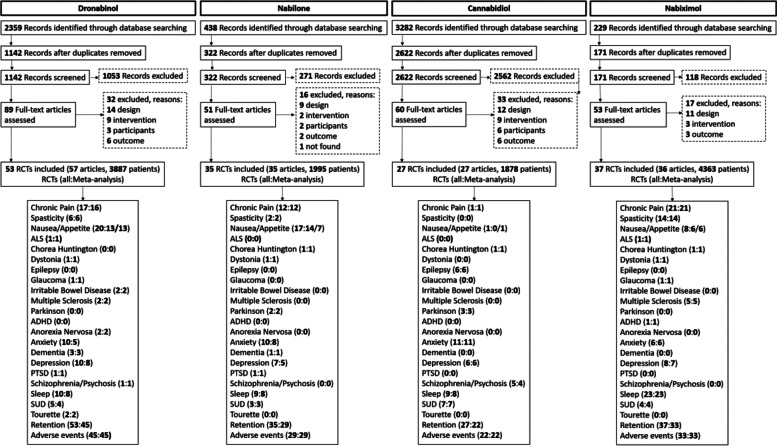
- The review included 152 RCTs with 12,123 participants, yielding 84 comparisons across 23 outcomes.
- CBD showed significant benefit for epilepsy (SMD −0.50, 95% CI −0.62 to −0.38; high-grade evidence) and Parkinsonism (SMD −0.41, 95% CI −0.75 to −0.08; moderate evidence).
- Dronabinol had moderate evidence of benefit for chronic pain (SMD −0.31), appetite (SMD −0.51), and Tourette (SMD −1.01).
- Nabiximols had moderate evidence of benefit for chronic pain (SMD −0.25), spasticity (SMD −0.36), sleep (SMD −0.24), and SUDs (SMD −0.48).
- For safety, cannabinoids increased adverse events: e.g., dronabinol vs placebo OR 2.16, nabiximols OR 1.97, nabilone OR 3.12; however, overall retention was not significantly different (OR 1.12, P = 0.1).
## Methods
- Systematic review and meta-analysis of randomized controlled parallel and cross-over trials of dronabinol, nabilone, cannabidiol (CBD), and nabiximols, registered at PROSPERO (CRD42021229932) and conducted per PRISMA.
- Searched 8 databases through May 2021 with an update in October 2021; included humans of any age/sex with a medical condition and excluded non-RCT designs and smoked marijuana/other undefined cannabis products.
- Main analysis pooled continuous outcomes as SMDs and dichotomous outcomes as ORs using random-effects models, with subgroup analyses by cannabinoid type and comparator, plus meta-regression for subtype comparisons.
## Limitations
- The paper states that 15% of all studies (31% of all comparisons) could not be graded because they were single RCTs for ALS, Chorea Huntington, dystonia, glaucoma, ADHD, anorexia, and PTSD, so they were not included in the conclusions.
- The paper states that missing trials—especially for CBD—often prevented direct comparison across cannabinoid types, limiting conclusions.
- The paper states that many RCTs had small sample sizes, and that differences in sample characteristics, trial duration, dose, and route of administration contributed to heterogeneity; it also says a broader meta-regression with those covariates was not possible due to the small number of studies.
Model-written summary. Check it against the paper before relying on it.
Integrity signals
Registry
Cites
Statistics
Figures
Verification
Claims the paper makes
5 Valid · 1 Not valid · 10 Not checked · 83 Own results and interpretations
The cited sources support only part of this claim — read each source’s verdict below.
In the paper
“Small study sizes are of particular concern as it has been previously demonstrated that effects are larger in small studies using cannabinoids [2, 168].”
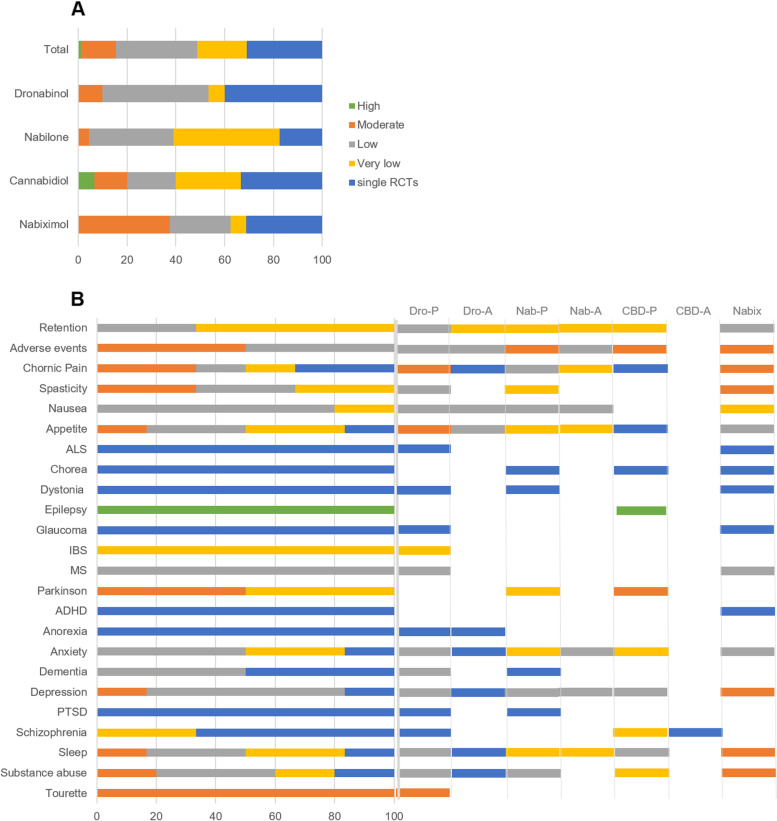
§ Medical cannabinoids: a pharmacology-based systematic review and meta-analysis for all relevant medical indications > Discussion Previous SRs and meta-analyses on cannabinoids [1–5] (and many others) did not consider, or only considered via sensitivity analysis, that medical cannabinoids and medical plant-derived cannabis products differ largely in their pharmacological mode of action [6–9] and pharmacokinetics [165]. For the first time, we provide pharmacology-based comparative systematic results for dronabinol, nabilone, CBD and nabiximols for all relevant medical indications. As shown in Fig. 2A, the confidence on the effect estimate strongly differs for these four medications. That is, high quality of evidence is seen only with CBD (6.7% of all CBD trials), and moderate quality of evidence is higher with CBD-containing (CBD 13.3%, nabiximols 37.5%) cannabinoids than with THC-containing (dronabinol 10%, nabilone 4.3%) medications. Notably, these differences are not directly related to a better efficacy, as the proportion of the 152 trials reporting positive results on their primary outcomes did not differ between cannabinoids (dronabinol 52%, nabilone 70%, CBD 52% and nabiximols 57%), resulting in an overall positive effect (data not shown, SMD − 0.33, 95% CI − 0.40 to 0.26; P = 0.0004). Although further meta-regression analyses did not show any specific impact of the cannabinoid type, we still found other differences for the four medications. First, CBD shows with a high grade of evidence effectiveness in the treatment of epilepsy (in particular for Dravet syndrome and Lennox-Gastaut syndrome). Second, there is an overall significant effect of cannabinoids on the improvement of chronic pain, but only dronabinol and nabiximols had moderate evidence. Third, although we found an overall significant effect of cannabinoids on appetite stimulation (especially in HIV/AIDS patients), this effect might be driven by dronabinol with a moderate grade of evidence. Fourth, although the overall effect in Parkinson favoured cannabinoids, only CBD seems to have an effect. Fifth, there was an overall significant effect of cannabinoids on improvement in sleep quality and disturbances and this effect was mainly driven by nabiximols. CBD does not improve sleep but the evidence for this is low. Therefore, it is unclear whether the THC or CBD component of nabiximols (because of low or very low evidence) induces this therapeutic effect. Finally, dronabinol and nabilone improves with a low grade of evidence nausea and vomiting due to chemotherapy. However, this effect is only significant in comparison to active comparators such as prochlorperazine that is not well tolerated by patients undergoing chemotherapy [166] and thus speaks against the use of THC-containing medications for the treatment of nausea and vomiting. A dichotomy of THC vs. CBD-containing medications is also seen with respect to alterations of physiological functions such as appetite in all medical indications. A recent meta-analysis shows that pharmaceutical THC (dronabinol, nabilone) has no negative effect on appetite, whereas CBD decreases appetite (OR = 2.46 [1.74:4.01] with moderate evidence) [167].
What the sources say
- Partly supportedcites [2] Black N Stockings E Campbell G Tran LT Zagic D Hall WD Cannabinoids for the treatment of mental disorders and symptoms of mental disorders: a systematic review and meta-analysis Lancet Psychiatry 2019 6 12 995 1010 10.1016/S2215-0366(19)30401-8 31672337 PMC6949116 sourceExperimental — accuracy not yet measured
The Discussion (Limitations and future directions; page not supplied) says larger effects had previously been identified in small studies of medicinal cannabinoids for chronic non-cancer pain (CNCP). The citing sentence omits that condition and presents the finding as applying to studies using cannabinoids generally. (LLM, conf=0.88)
- Not checked yetcites [168] Stockings E Campbell G Hall WD Nielsen S Zagic D Rahman R Cannabis and cannabinoids for the treatment of people with chronic noncancer pain conditions: a systematic review and meta-analysis of controlled and observational studies Pain 2018 159 10 1932 1954 10.1097/j.pain.0000000000001293 29847469 source
Checked before — its earlier verdict is held back until a new check runs.
boostedstates an association- Asserted: passes — The authors put it forward as true.
- Checkable: passes — It can be checked against evidence.
- Load-bearing: passes — The paper’s conclusions depend on it.
- Based: passes — The paper gives a reason why it holds.
- Partly supported
A result the paper reports from its own data — it cites no other source for it, so there is none to check. The quote shows it is in the paper.
In the paper
“Parkinsonism (− 0.41[CI − 0.75, − 0.08] moderate grade)”
§ Medical cannabinoids: a pharmacology-based systematic review and meta-analysis for all relevant medical indications > Abstract > Results
plainstates a cause- Asserted: passes — The authors put it forward as true.
- Checkable: passes — It can be checked against evidence.
- Load-bearing: passes — The paper’s conclusions depend on it.
- Based: passes — The paper gives a reason why it holds.
A result the paper reports from its own data — it cites no other source for it, so there is none to check. The quote shows it is in the paper.
In the paper
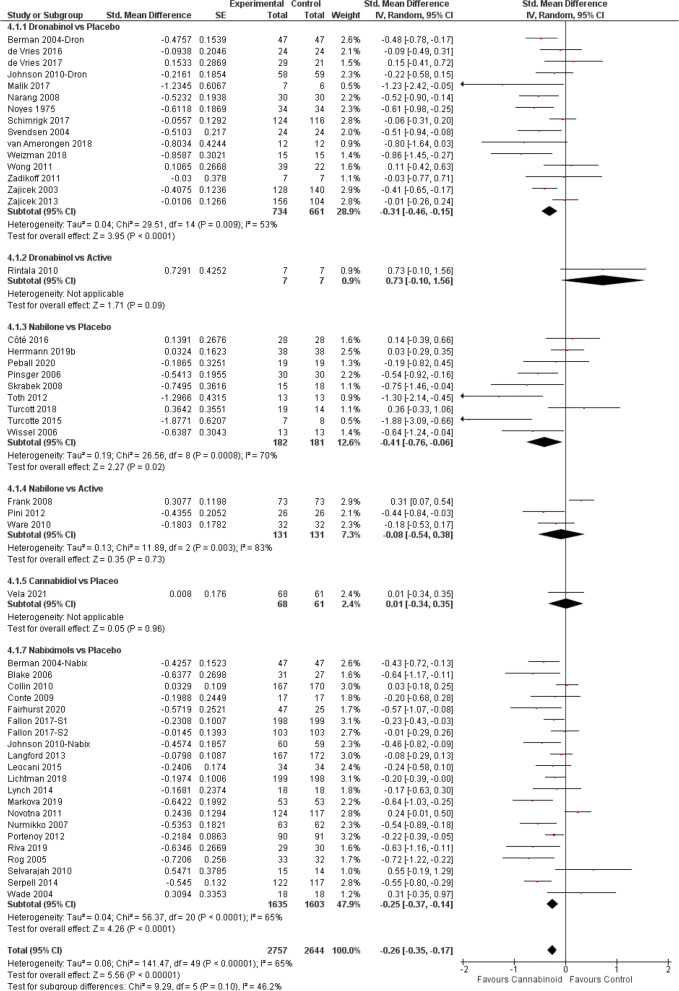
“The meta-analysis (Fig. 3) showed the beneficial effect of cannabinoids on chronic pain (SMD − 0.26, 95% CI − 0.35 to − 0.17; P < 0.00001).”
§ Medical cannabinoids: a pharmacology-based systematic review and meta-analysis for all relevant medical indications > Results > Primary outcomes
plainstates a cause- Asserted: passes — The authors put it forward as true.
- Checkable: passes — It can be checked against evidence.
- Load-bearing: passes — The paper’s conclusions depend on it.
- Based: passes — The paper gives a reason why it holds.
A result the paper reports from its own data — it cites no other source for it, so there is none to check. The quote shows it is in the paper.
In the paper
“appetite (− 0.51[CI − 0.87, − 0.15])”
§ Medical cannabinoids: a pharmacology-based systematic review and meta-analysis for all relevant medical indications > Abstract > Results
plainstates a cause- Asserted: passes — The authors put it forward as true.
- Checkable: passes — It can be checked against evidence.
- Load-bearing: passes — The paper’s conclusions depend on it.
- Based: passes — The paper gives a reason why it holds.
A result the paper reports from its own data — it cites no other source for it, so there is none to check. The quote shows it is in the paper.
In the paper
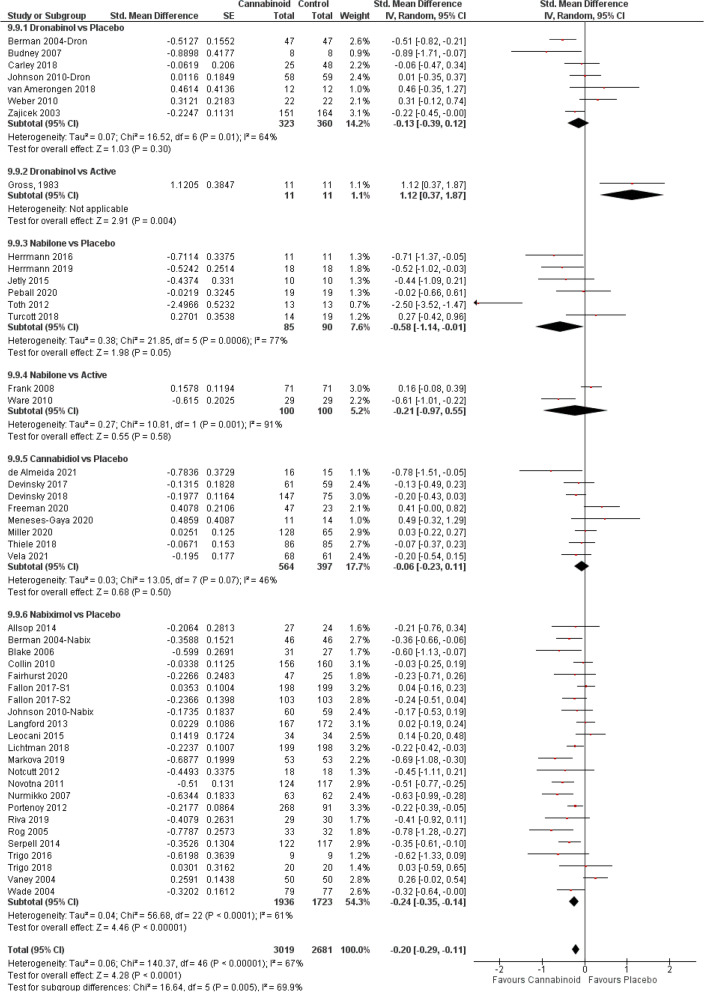
“sleep (− 0.24[CI − 0.35, − 0.14])”
§ Medical cannabinoids: a pharmacology-based systematic review and meta-analysis for all relevant medical indications > Abstract > Results
plainstates a cause- Asserted: passes — The authors put it forward as true.
- Checkable: passes — It can be checked against evidence.
- Load-bearing: passes — The paper’s conclusions depend on it.
- Based: passes — The paper gives a reason why it holds.
46 more claims
Create a free account to see all 99 claims and to verify the 3 references still open.
- It may state two separate claims as one. 43
- Probably not a substantial claim. 9
- Borderline: one of the tests for a substantial claim is unclear. 1
Self-check
Percentages, sums and reported differences re-computed from the paper’s own numbers.
Rated major: it would touch a result — a value a result rests on, reported and recomputed p-values on opposite sides of the significance level, two passages that conflict with no sign which is right, or a cited work retracted before this paper was published.
In the paper
“resulting in an overall positive effect (data not shown, SMD − 0.33, 95% CI − 0.40 to 0.26; P = 0.0004).”
§ Medical cannabinoids: a pharmacology-based systematic review and meta-analysis for all relevant medical indications > Discussion
Reported -0.33 · recomputed -0.66
Rated major: it would touch a result — a value a result rests on, reported and recomputed p-values on opposite sides of the significance level, two passages that conflict with no sign which is right, or a cited work retracted before this paper was published.
In the paper
“CBD was associated with a significant decrease in seizure frequencies (Fig. 6, SMD − 0.50, 95% CI − 0.62 to 0.38; P < 0.00001).”
§ Medical cannabinoids: a pharmacology-based systematic review and meta-analysis for all relevant medical indications > Results > Primary outcomes
Reported -0.5 · recomputed -1
Citations
Cites
Items 201–267 of 267
Hagen, P. V., Heijl, M. V., van Berge Henegouwen, M. I., Boellaard, R., Bossuyt, P. M. M., Kate, F. J. W. T., Dekken, H. V., Hoekstra, O. S., Sloof, G. W., & Lanschot, J. J. B. V. (2017) · Diseases of the Esophagus · doi:10.1111/dote.12479 · Cited by 58
Comparative Trial of the Antiemetic Effects of THC and Haloperidol
NEIDHART, J. A., GAGEN, M. M., WILSON, H. E., & YOUNG, D. C. (1981) · The Journal of Clinical Pharmacology · doi:10.1002/j.1552-4604.1981.tb02571.x · Cited by 57
Jones, S. E., Durant, J. R., Greco, F. A., & Robertone, A. B. (1982) · Cancer Treatment Reviews · doi:10.1016/s0305-7372(82)80035-2 · Cited by 56
Rabinak, C. A., Blanchette, A., Zabik, N. L., Peters, C., Marusak, H. A., Iadipaolo, A., & Elrahal, F. (2020) · Psychopharmacology · doi:10.1007/s00213-020-05499-8 · Cited by 56
Johansson, R. T., Kilkku, P., & Groenroos, M. (1982) · Cancer Treatment Reviews · doi:10.1016/s0305-7372(82)80032-7 · Cited by 55
de Vries, M., Van Rijckevorsel, D. C. M., Vissers, K. C. P., Wilder‐Smith, O. H. G., & Van Goor, H. (2016) · British Journal of Clinical Pharmacology · doi:10.1111/bcp.12811 · Cited by 54
ORR, L. E., & McKERNAN, J. F. (1981) · The Journal of Clinical Pharmacology · doi:10.1002/j.1552-4604.1981.tb02578.x · Cited by 54
A cross-over comparison of nabilone and prochlorperazine for emesis induced by cancer chemotherapy
Niiranen, A., & Mattson, K. (1985) · American Journal of Clinical Oncology · doi:10.1097/00000421-198508000-00013 · Cited by 54
Klooker, T. K., Leliefeld, K. E. M., Van Den Wijngaard, R. M., & Boeckxstaens, G. E. E. (2011) · Neurogastroenterology & Motility · doi:10.1111/j.1365-2982.2010.01587.x · Cited by 53
Malik, Z., Bayman, L., Valestin, J., Rizvi-Toner, A., Hashmi, S., & Schey, R. (2016) · Diseases of the Esophagus · doi:10.1111/dote.12455 · Cited by 53
Fairhurst, C., Kumar, R., Checketts, D., Tayo, B., & Turner, S. (2020) · Developmental Medicine & Child Neurology · doi:10.1111/dmcn.14548 · Cited by 53
Double-blind, randomized, crossover trial of nabilone vs. placebo in cancer chemotherapy
Wada, J. K., Bogdon, D. L., Gunnell, J. C., Hum, G. J., Gota, C. H., & Rieth, T. E. (1982) · Cancer Treatment Reviews · doi:10.1016/s0305-7372(82)80034-0 · Cited by 51
Crawford, S. M., & Buckman, R. A. (1986) · Medical Oncology and Tumor Pharmacotherapy · doi:10.1007/bf02934575 · Cited by 50
Hussain, S. A., Dlugos, D., Cilio, M. R., Parikh, N., Oh, A., & Sankar, R. (2019) · Epilepsy & Behavior · doi:10.1016/j.yebeh.2019.106826 · Cited by 50
Safety of oral dronabinol during opioid withdrawal in humans
Jicha, C. J., Lofwall, M. R., Nuzzo, P. A., Babalonis, S., Elayi, S. C., & Walsh, S. L. (2015) · Drug and Alcohol Dependence · doi:10.1016/j.drugalcdep.2015.09.031 · Cited by 49
Kleine‐Brueggeney, M., Greif, R., Brenneisen, R., Urwyler, N., Stueber, F., & Theiler, L. G. (2015) · Anesthesia & Analgesia · doi:10.1213/ane.0000000000000877 · Cited by 49
Brezing, C. A., Choi, C. J., Pavlicova, M., Brooks, D., Mahony, A. L., Mariani, J. J., & Levin, F. R. (2018) · The American Journal on Addictions · doi:10.1111/ajad.12660 · Cited by 49
Issa, M. A., Narang, S., Jamison, R. N., Michna, E., Edwards, R. R., Penetar, D. M., & Wasan, A. D. (2014) · The Clinical Journal of Pain · doi:10.1097/ajp.0000000000000022 · Cited by 47
Efron, D., Freeman, J. L., Cranswick, N., Payne, J. M., Mulraney, M., Prakash, C., Lee, K. J., Taylor, K., & Williams, K. J. (2020) · British Journal of Clinical Pharmacology · doi:10.1111/bcp.14399 · Cited by 47
Single‐Dose Study of Nabilone in Anxious Volunteers
GLASS, R. M., UHLENHUTH, E. H., HARTEL, F. W., SCHUSTER, C. R., & FISCHMAN, M. W. (1981) · The Journal of Clinical Pharmacology · doi:10.1002/j.1552-4604.1981.tb02618.x · Cited by 45
Cannabinoid Augmentation of Exposure-Based Psychotherapy for Obsessive-Compulsive Disorder
Kayser, R. R., Raskin, M., Snorrason, I., Hezel, D. M., Haney, M., & Simpson, H. B. (2020) · Journal of Clinical Psychopharmacology · doi:10.1097/jcp.0000000000001179 · Cited by 45
Effect of nabilone on nausea and vomiting after total abdominal hysterectomy
Lewis, I. H., CAMPBELL, D. N., & Barrowcliffe, M. (1994) · British Journal of Anaesthesia · doi:10.1093/bja/73.2.244 · Cited by 44
Niederle, N., Schütte, J., & Schmidt, C. G. (1986) · Journal of Molecular Medicine · doi:10.1007/bf01728184 · Cited by 44
Trigo, J. M., Soliman, A., Staios, G., Quilty, L. C., Fischer, B., George, T. P., Rehm, J. T., Selby, P. L., Barnes, A. J., Huestis, M. A., et al. (2016) · Journal of Addiction Medicine · doi:10.1097/adm.0000000000000229 · Cited by 44
Hardy, J. R., Haywood, A., Gogna, G., Martin, J. H., Yates, P. M., Greer, R. M., & Good, P. D. (2020) · Trials · doi:10.1186/s13063-020-04541-6 · Cited by 44
Spanagel, R., & Bilbao, A. (2021) · Neuropharmacology · doi:10.1016/j.neuropharm.2021.108680 · Cited by 43
Self-citationPriestman, S. G., Priestman, T. J., & Canney, P. A. (1987) · Clinical Radiology · doi:10.1016/s0009-9260(87)80151-4 · Cited by 42
Andries, A., Gram, B., & Støving, R. K. (2014) · Eating and Weight Disorders - Studies on Anorexia Bulimia and Obesity · doi:10.1007/s40519-014-0132-5 · Cited by 42
Andries, A., Frystyk, J., Flyvbjerg, A., & Støving, R. K. (2015) · Growth Hormone & IGF Research · doi:10.1016/j.ghir.2015.07.006 · Cited by 42
Cannabinoid, CB1 agonists in cervical dystonia: Failure in a phase IIa randomized controlled trial
Zadikoff, C., Wadia, P. M., Miyasaki, J. M., Chen, R. E., Lang, A. E., So, J., & Fox, S. H. (2011) · Basal Ganglia · doi:10.1016/j.baga.2011.04.002 · Cited by 41
Davies, C., Wilson, R. P., Appiah‐Kusi, E., Blest‐Hopley, G., Brammer, M. J., Pérez, J. M., Murray, R. M., Allen, P., Bossong, M. G., McGuire, P. K., et al. (2020) · Translational Psychiatry · doi:10.1038/s41398-020-0862-2 · Cited by 41
Klein, P., Tolbert, D. S., & Gidal, B. E. (2019) · Epilepsy & Behavior · doi:10.1016/j.yebeh.2019.106459 · Cited by 40
Lane, M., Smith, F. E., Sullivan, R. A., & Plasse, T. F. (1990) · American Journal of Clinical Oncology · doi:10.1097/00000421-199012000-00006 · Cited by 38
Jatoi, A., Yamashita, J.-I., Sloan, J. A., Novotny, P. J., Windschitl, H. E., & Loprinzi, C. L. (2002) · Supportive Care in Cancer · doi:10.1007/s00520-001-0310-7 · Cited by 38
Herrmann, E. S., Cooper, Z. D., Bedi, G., Ramesh, D., Collins, S. L., Comer, S. D., Foltin, R. W., & Haney, M. (2018) · Addiction Biology · doi:10.1111/adb.12664 · Cited by 37
Hindocha, C., Freeman, T. P., Schäfer, G., Gardner, C., Bloomfield, M., Bramon, E., Morgan, C. J. A., & Curran, H. V. (2019) · Addiction Biology · doi:10.1111/adb.12762 · Cited by 37
Nabilone and prochlorperazine: a useful combination for emesis induced by cytotoxic drugs.
Cunningham, D., Forrest, G. J., Soukop, M., Gilchrist, N. L., Calder, I. T., & McArdle, C. S. (1985) · BMJ · doi:10.1136/bmj.291.6499.864 · Cited by 36
Marinelli, L., Balestrino, M., Mori, L., Puce, L., Rosa, G. M., Giorello, L., Currà, A., Fattapposta, F., Serrati, C., Gandolfo, C., et al. (2017) · BMJ Open · doi:10.1136/bmjopen-2017-016843 · Cited by 36
Lile, J. A., Kelly, T. H., & Hays, L. R. (2011) · Drug and Alcohol Dependence · doi:10.1016/j.drugalcdep.2010.11.019 · Cited by 34
Niiranen, A., & Mattson, K. V. (1987) · American Journal of Clinical Oncology · doi:10.1097/00000421-198708000-00014 · Cited by 34
Haupts, M. R., Vila, C., Jonas, A., Witte, K., & Álvarez-Ossorio, L. (2016) · European Neurology · doi:10.1159/000445943 · Cited by 34
Meuth, S. G., Henze, T., Essner, U., Trompke, C., & Silván, C. V. (2020) · International Journal of Neuroscience · doi:10.1080/00207454.2020.1730832 · Cited by 32
Blasiis, P. D., Siani, M. F., Fullin, A., Sansone, M., Melone, M. A. B., Sampaolo, S., Signoriello, E., & Lus, G. (2021) · Multiple Sclerosis and Related Disorders · doi:10.1016/j.msard.2021.102805 · Cited by 32
Ungerleider, J. T., Fairbanks, L. A., Andrysiak, T., Sarna, G. P., Goodnight, J. E., & Jamison, K. R. (1985) · American Journal of Clinical Oncology · doi:10.1097/00000421-198504000-00006 · Cited by 31
Peball, M., Werkmann, M., Ellmerer, P., Stolz, R., Valent, D., Knaus, H., Ulmer, H., Djamshidian, A., Poewe, W. H., & Seppi, K. (2019) · Journal of Neural Transmission · doi:10.1007/s00702-019-02021-z · Cited by 31
Wright, S., Duncombe, P., & Altman, D. G. (2012) · Trials · doi:10.1186/1745-6215-13-189 · Cited by 30
Lintzeris, N., Mills, L., Dunlop, A. J., Copeland, J., McGregor, I. S., Bruno, R., Kirby, A. C., Montebello, M. E., Hall, M., Jefferies, M., et al. (2020) · Drug and Alcohol Dependence · doi:10.1016/j.drugalcdep.2020.108220 · Cited by 30
Schlienz, N. J., Cone, E. J., Herrmann, E. S., Lembeck, N. A., Mitchell, J. M., Bigelow, G. E., Flegel, R. R., LoDico, C., Hayes, E. D., & Vandrey, R. G. (2017) · Journal of Analytical Toxicology · doi:10.1093/jat/bkx102 · Cited by 28
Kalliomäki, J., Philipp, A., Baxendale, J., Annas, P., Karlsten, R., & Segerdahl, M. (2012) · Clinical and Experimental Pharmacology and Physiology · doi:10.1111/j.1440-1681.2012.05674.x · Cited by 27
Effect of oral THC pretreatment on marijuana cue-induced responses in cannabis dependent volunteers
Lundahl, L. H., & Greenwald, M. K. (2015) · Drug and Alcohol Dependence · doi:10.1016/j.drugalcdep.2015.01.046 · Cited by 26
Szaflarski, M., Hansen, B., Bebin, E. M., & Szaflarski, J. P. (2017) · Epilepsy & Behavior · doi:10.1016/j.yebeh.2016.12.033 · Cited by 26
Mongeau‐Pérusse, V., Rizkallah, É., Morissette, F., Brissette, S., Bruneau, J., Dubreucq, S., Gazil, G., Trépanier, A., & Jutras‐Aswad, D. (2022) · Journal of Addiction Medicine · doi:10.1097/adm.0000000000000959 · Cited by 24
A single oral dose of cannabidiol did not reduce upper limb tremor in patients with essential tremor
de Alencar, S. S., Crippa, J. A. S., Brito, M. M. C. M., Pimentel, Â. V., Hallak, J. E. C., & Tumas, V. (2021) · Parkinsonism & Related Disorders · doi:10.1016/j.parkreldis.2021.01.001 · Cited by 22
Lus, G., Cantello, R. M., Danni, M. C., Rini, A., Sarchielli, P., Tassinari, T., & Signoriello, E. (2018) · Neurodegenerative Disease Management · doi:10.2217/nmt-2017-0056 · Cited by 21
Reichenbach, Z. W., Sloan, J. A., Rizvi-Toner, A., Bayman, L., Valestin, J., & Schey, R. (2015) · Clinical Therapeutics · doi:10.1016/j.clinthera.2015.07.023 · Cited by 18
Acceptance of pharmaceutical cannabis substitution by cannabis using patients with schizophrenia
van Amsterdam, J., Vervloet, J., Oene, G. H. D. W.-V., Buwalda, V. J. A., Goudriaan, A. E., & van den Brink, W. (2018) · Harm Reduction Journal · doi:10.1186/s12954-018-0253-7 · Cited by 17
Antiemetics for patients treated with antitumor chemotherapy.
Cj, W., Bolton, A., de Pemberton, R., & Jm, W. (1980) · PubMed · Cited by 15
Baker, N. L., Gray, K. M., Sherman, B. J., Morella, K., Sahlem, G. L., Wagner, A. M., & McRae‐Clark, A. L. (2018) · Drug and Alcohol Dependence · doi:10.1016/j.drugalcdep.2018.03.017 · Cited by 15
17.1 A RANDOMIZED CONTROLLED TRIAL OF CANNABIDIOL IN SCHIZOPHRENIA
McGuire, P. K., Robson, P., Cubała, W. J., Vasile, D., Morrison, P., Barron, R., Taylor, A. R., & Wright, S. (2018) · Schizophrenia Bulletin · doi:10.1093/schbul/sby014.065 · Cited by 10
Rohleder, C., Müller, J. K., Hirjak, D., Meyer‐Lindenberg, A., & Leweke, F. M. (2018) · Nervenheilkunde · doi:10.1055/s-0038-1651941 · Cited by 10
Turcott, J. G., Núñez, M. D. R. G., Flores, D., et al. (2018) · Journal of Thoracic Oncology · doi:10.1016/j.jtho.2018.08.328 · Cited by 9
Hindocha, C. N., Freeman, T. P., Grabski, M., et al. (2018) · Biological Psychiatry · doi:10.1016/j.biopsych.2018.02.608 · Cited by 8
P.369 Potential anti-inflammatory and antioxidant effects of cannabidiol in bipolar depression
Bristot, G., Hizo, G. H., Pinto, J. V., et al. (2020) · European Neuropsychopharmacology · doi:10.1016/j.euroneuro.2020.09.277 · Cited by 7
Wheless, J. W., Bebin, E. M., Filloux, F. M., Kwan, P., Jansen, F. E., Loftus, R., Sahebkar, F., Sparagana, S. P., & Thiele, E. A. (2021) · Neurology · doi:10.1212/wnl.96.15_supplement.1127 · Cited by 5
Thiele, E. A., Bebin, E. M., Filloux, F. M., Kwan, P., Loftus, R., Sahebkar, F., Sparagana, S. P., & Wheless, J. W. (2020) · Neurology · doi:10.1212/wnl.94.15_supplement.677 · Cited by 5
Walsh (1995) · doi:10.1002/1097-0142(19951201)76:11
(1997) · doi:10.1002/(sici)1099-1166(199709)12:9<913::aid-gps663>3.0.co;2-d
Research works printed but not linked: 3
- Schimrigk S Marziniak M Neubauer C Kugler EM Werner G Abramov-Sommariva D Dronabinol is a safe long-term treatment option for neuropathic pain patients Eur Neurol 2017 78 5–6 320 329 10.1159/000481089 29073592 PMC5804828 · DOI · Paper page
- Higgins JPT Page MJ, Elbers RG, Sterne JAC. SJ. Chapter 8: Assessing risk of bias in a randomized trial. In: Higgins JPT, Thomas J, Chandler J, Cumpston M, Li T, Page MJ, Welch VA (editors) Cochrane Handbook for Systematic Reviews of Interventions version 62 (updated February 2021) Cochrane, 2021
- GRADEpro GDT GRADEpro Guideline Development Tool [Software]. McMaster University, (developed by Evidence Prime, Inc.) 2012
Cited by
Pathology of pain and its implications for therapeutic interventions
Cao, B., Xu, Q., Shi, Y., Zhao, R., Li, H., Zheng, J., Liu, F., Wan, Y., & Wei, B. (2024) · Signal Transduction and Targeted Therapy · doi:10.1038/s41392-024-01845-w · Cited by 195
Chronic Visceral Pain: New Peripheral Mechanistic Insights and Resulting Treatments
Ford, A. C., Vanner, S. J., Kashyap, P., & Nasser, Y. (2024) · Gastroenterology · doi:10.1053/j.gastro.2024.01.045 · Cited by 95
Assessment of Medical Cannabis and Health-Related Quality of Life
Arkell, T. R., Downey, L. A., Hayley, A. C., & Roth, S. (2023) · JAMA Network Open · doi:10.1001/jamanetworkopen.2023.12522 · Cited by 69
Therapeutic Use of Cannabis and Cannabinoids: A Review
Hsu, M., Shah, A., Jordan, A., Gold, M. S., & Hill, K. P. (2025) · JAMA · doi:10.1001/jama.2025.19433 · Cited by 90
CBD in the Treatment of Epilepsy
Borowicz, K. K., Czernia, J., & Krawczyk, M. (2024) · Molecules · doi:10.3390/molecules29091981 · Cited by 86
Metadata
- Authors
- Bilbao, A., & Spanagel, R.
- Affiliations
- Heidelberg University (DE)
- Corresponding author
- Bilbao, Ainhoa
- Venue
- BMC Medicine
- Published
- 2022-08-19
- Volume
- 20
- Issue
- 1
- Pages
- 259-259
- ISSN
- 1741-7015 (ISSN-L)
- PMC
- PMC9389720
- OpenAlex
- W4292508586
- Cited by
- 181
- References
- 266
- Citations by year
- 2026: 33 · 2025: 49 · 2024: 63 · 2023: 30 · 2022: 6
- FWCI
- 5.31
- Type
- journal article
- Language
- en
- Open access
- gold
- doi.org
- Licence
- cc-by
- creativecommons.org/licenses/by/4.0 (tdm)
- creativecommons.org/licenses/by/4.0 (vor)
- Locations
- BMC Medicine (publishedVersion, cc-by)
- PubMed Central (publishedVersion, cc-by)
- PubMed (publishedVersion)
- DOAJ (DOAJ: Directory of Open Access Journals) (submittedVersion, cc-by-sa)
- Funders
- BMBF (FKZ: 01ZX1909A)
- German Research Foundation (ID 402170461, SFB1158 (B04))
- Zentralinstitut für Seelische Gesundheit (ZI)
- Topics
- Health Sciences › Medicine › Pharmacology (medical) › Cannabis and Cannabinoid Research
- Health Sciences › Medicine › Complementary and alternative medicine › Complementary and Alternative Medicine Studies
- Health Sciences › Medicine › Internal Medicine › General Medicine and Therapeutics
- Keywords
- dronabinol, nabilone, cannabidiol, nabiximols, chronic pain, spasticity, nausea and vomiting, appetite, epilepsy, Tourette syndrome, substance use disorders, glaucoma, multiple sclerosis, Huntington's disease, treatment retention, adverse events, treatment efficacy, patient-reported outcomes, quality of evidence, risk of bias
- MeSH terms
- Cannabinoids, Humans, Nausea, Dronabinol, Vomiting, Chronic Pain
About these checks
Registry, retraction, Cites and statistics results are computed, not judged, with one exception: a printed reference that no index lists is read once by a model before it counts as a citation error. Claims are extracted by a model and kept only when their quote appears verbatim in the text; each cited source is then checked, with a model’s help, for whether it says what the claim relies on. Those verdicts can be wrong — read the claim’s quote and the cited source before relying on one.
The claim verdicts this report counts are experimental: their accuracy is not yet measured.
A language model drew the claims from the paper on 2026-10-11, under version 3 of the claim definition (model deepseek-v4.1-flash, prompt extract-v3).
A second model labelled each claim on 2026-10-11 (model jev-1.13-20260917, definition revision gold-guideline-v0.2).
Cited sources are checked with a language model’s help (gpt-6-sol).
Statistics and arithmetic are recomputed, not judged.
Confidence bands are shown only for fields calibrated on our annotated test set. None is calibrated yet, so no band is shown.
What counts as a claim ›How we measure confidence ›How we check this ›
Are you an author, or do you see a problem with this page? Request a review
Data sources
Bibliographic data: Semantic Scholar, OpenAlex, Crossref.
Contains information from the Semantic Scholar Academic Graph Datasets, made available under the ODC Attribution License (ODC-BY 1.0).
Semantic Scholar’s data is described in: Kinney, R., et al. (2023). The Semantic Scholar Open Data Platform. arXiv:2301.10140.
