

The DOI matches its Crossref record; 85 of the 86 references it cites were found in a registry or an index; none of the 50 sources its claims cite is checked for support yet.
Clinical trials of new drugs for Alzheimer disease: a 2020–2023 update
Open accessAbstract
Alzheimer's disease (AD) is the leading cause of dementia, presenting a significant unmet medical need worldwide. The pathogenesis of AD involves various pathophysiological events, including the accumulation of amyloid and tau, neuro-inflammation, and neuronal injury. Clinical trials focusing on new drugs for AD were documented in 2020, but subsequent developments have emerged since then. Notably, the US-FDA has approved Aducanumab and Lecanemab, both antibodies targeting amyloid, marking the end of a nearly two-decade period without new AD drugs. In this comprehensive report, we review all trials listed in clinicaltrials.gov, elucidating their underlying mechanisms and study designs. Ongoing clinical trials are investigating numerous promising new drugs for AD. The main trends in these trials involve pathophysiology-based, disease-modifying therapies and the recruitment of participants in earlier stages of the disease. These trends underscore the significance of conducting fundamental research on pathophysiology, prevention, and intervention prior to the occurrence of brain damage caused by AD.
Overview
AI snapshot
Written from the paper’s full text.
TL;DR
This 2020–2023 update reviews Alzheimer disease drug trials listed on ClinicalTrials.gov and highlights the FDA approvals of aducanumab and lecanemab. It finds that trials increasingly focus on disease-modifying anti-amyloid/anti-tau therapies and earlier disease stages, while symptomatic, anti-neuroinflammation, and other approaches remain active.
Key findings
- The FDA granted accelerated approval to aducanumab in June 2021, accelerated approval to lecanemab on January 6, 2023, and traditional approval to lecanemab on July 6, 2023; donanemab had an application for full approval.
- In the lecanemab Clarity AD trial, CDR-SB difference was −0.45 (95% CI −0.67 to −0.23), amyloid PET burden difference was −59.1 (95% CI −62.6 to −55.6), ADAS-Cog14 mean difference was −1.44 (95% CI −2.27 to −0.61), ADCOMS mean difference was −0.050 (95% CI −0.074 to −0.027), and ADCS-MCI-ADL mean difference was 2.0 (95% CI 1.2 to 2.8); ARIA-E occurred in 12.6% and infusion-related reactions in 26.4%.
- In TRAILBLAZER-ALZ 2, donanemab produced iADRS change of −6.02 vs −9.27 for placebo in the low/medium tau group and −10.2 vs −13.1 in the combined population, with a reported 60% reduction in decline in early-stage AD; ARIA occurred in 24% vs 2.1% and infusion-related reactions in 8.7% vs 0.5%. In TRAILBLAZER-ALZ 4, 38% of donanemab-treated patients vs 2% of aducanumab-treated patients were below the amyloid positivity threshold at 6 months, plasma pTau217 decreased by 25% with donanemab but not with aducanumab, and ARIA-edema occurred in 22% of both groups.
- The review reports that most trials continue to target amyloid and tau, with a shift toward prodromal/preclinical populations; BIIB080 produced dose-dependent 30%–50% reductions in CSF total tau and pTau181. Among trials newly registered in the last 4 years, four articles from two trials were published, and both trials had overall low risk of bias.
Methods
- Narrative review/update of Alzheimer disease clinical trials listed on ClinicalTrials.gov, covering 2020–2023, with tables summarizing ongoing phase 2, phase 3, and phase 4 trials by mechanism.
- The paper describes trial agents, targets, designs, outcomes, and status; for published results, it identified four articles pertaining to two trials newly registered in the last 4 years and assessed methodological quality using the Cochrane risk of bias tool, version 2.
- No systematic search, meta-analysis, or pooled effect estimate is described.
Limitations
- The paper does not state a formal limitations section. Evident from the text: it is a descriptive review relying on ClinicalTrials.gov listings and selected published results, without a systematic search or quantitative synthesis.
- Many cited trials are ongoing or not yet recruiting, so efficacy and safety results are unavailable; the review notes challenges including limited indications for anti-amyloid monoclonal antibodies, administration and monitoring costs, need for specialized facilities and imaging, and unmet needs for BPSD and cognitive enhancement.
- Risk-of-bias assessment was limited to four published articles from two trials; other trial data were not quality-assessed.
Model-written summary. Check it against the paper before relying on it.
Integrity signals
Registry
Cites
Statistics
Figures
Verification
Claims the paper makes
42 Not checked yet · 13 No basis given · 9 Own interpretation · 8 Own result · 4 Own method
In the paper
“A double-blind, placebo-controlled phase 2 trial recruited 856 patients with AD with mild cognitive impairment (MCI) or mild dementia and verified amyloid pathology through amyloid PET or CSF Aβ1-42 [42].”
§ Clinical trials of new drugs for Alzheimer disease: a 2020–2023 update > Background > Anti-amyloid therapy
What the sources say
- Not checked yetcites [42] Swanson CJ, Zhang Y, Dhadda S, Wang J, Kaplow J, Lai RY, et al. A randomized, double-blind, phase 2b proof-of-concept clinical trial in early Alzheimer’s disease with lecanemab, an anti-Aβ protofibril antibody. Alzheimers Res Ther. 2021;13(1):80. source
plainn = 856- Asserted: passes — The authors put it forward as true.
- Checkable: passes — It can be checked against evidence.
- Load-bearing: unclear — It is unclear whether the paper’s conclusions depend on it.
- Based: passes — The paper gives a reason why it holds.
None of the sources cited for this claim have been checked yet.
In the paper
“The preliminary results were presented at the 2022 Clinical Trial of AD (CTAD) conference: 38% of the patients on donanemab exhibited amyloid levels below the amyloid positivity threshold after 6 months, whereas only 2% of the patients on aducanumab has such findings.”
§ Clinical trials of new drugs for Alzheimer disease: a 2020–2023 update > Background > Anti-amyloid therapy
plain- Asserted: passes — The authors put it forward as true.
- Checkable: passes — It can be checked against evidence.
- Load-bearing: unclear — It is unclear whether the paper’s conclusions depend on it.
- Based: passes — The paper gives a reason why it holds.
In the paper
“It reported favorable outcomes for all primary and secondary measures, including ADAS-Cog14, AD Composite Score (ADCOMS), and ADCS-MCI-ADL scores [43].”
§ Clinical trials of new drugs for Alzheimer disease: a 2020–2023 update > Background > Anti-amyloid therapy
What the sources say
- Not checked yetcites [43] Van Dyck CH, Swanson CJ, Aisen P, Bateman RJ, Chen C, Gee M, et al. Lecanemab in early Alzheimer’s disease. N Engl J Med. 2023;388(1):9–21. source
plaindirect- Asserted: passes — The authors put it forward as true.
- Checkable: passes — It can be checked against evidence.
- Load-bearing: unclear — It is unclear whether the paper’s conclusions depend on it.
- Based: passes — The paper gives a reason why it holds.
In the paper
“An exploratory analysis revealed that a subgroup of the participants in the ENGAGE trial who received a high dose of aducanumab exhibited slow decline, which was similar to that observed among the participants in the EMERGE trial.”
§ Clinical trials of new drugs for Alzheimer disease: a 2020–2023 update > Background > Anti-amyloid therapy
What the sources say
- Not checked yetcites [39] Dunn B, Stein P, Cavazzoni P. Approval of aducanumab for Alzheimer disease—the FDA’s perspective. JAMA Intern Med. 2021;181(10):1276–8. source
plaincorrelational- Asserted: passes — The authors put it forward as true.
- Checkable: passes — It can be checked against evidence.
- Load-bearing: unclear — It is unclear whether the paper’s conclusions depend on it.
- Based: passes — The paper gives a reason why it holds.
In the paper
“On July 6, 2023, Leqembi (lecanemab-irmb) received traditional approval from the US FDA for the treatment of AD based on Phase 3 data from the Clarity AD clinical trial [17].”
§ Clinical trials of new drugs for Alzheimer disease: a 2020–2023 update > Background > Anti-amyloid therapy
What the sources say
- Not checked yetcites [17] FDA Converts Novel Alzheimer’s Disease Treatment to Traditional Approval-Action Follows Confirmatory Trial to Verify Clinical Benefit. 2023.
plaindirect- Asserted: passes — The authors put it forward as true.
- Checkable: passes — It can be checked against evidence.
- Load-bearing: unclear — It is unclear whether the paper’s conclusions depend on it.
- Based: passes — The paper gives a reason why it holds.
In the paper
“Adverse effects included amyloid-related imaging problems (24% donanemab vs. 2.1% placebo) and infusion-related reactions (8.7% donanemab vs. 0.5% placebo).”
§ Clinical trials of new drugs for Alzheimer disease: a 2020–2023 update > Background > Anti-amyloid therapy
What the sources say
- Not checked yetcites [50] Sims JR, Zimmer JA, Evans CD, Lu M, Ardayfio P, Sparks J, et al. Donanemab in early symptomatic Alzheimer disease: the TRAILBLAZER-ALZ 2 randomized clinical trial. JAMA. 2023;330(6):512–27. source
plaindirectn = 1,736- Asserted: passes — The authors put it forward as true.
- Checkable: passes — It can be checked against evidence.
- Load-bearing: unclear — It is unclear whether the paper’s conclusions depend on it.
- Based: passes — The paper gives a reason why it holds.
In the paper
“The results revealed a significant and dose-dependent reduction of amyloid plaques in the lecanemab group (10 mg/kg, intravenous infusion every 2 weeks) from baseline to week 79 compared with the placebo group.”
§ Clinical trials of new drugs for Alzheimer disease: a 2020–2023 update > Background > Anti-amyloid therapy
What the sources say
- Not checked yetcites [42] Swanson CJ, Zhang Y, Dhadda S, Wang J, Kaplow J, Lai RY, et al. A randomized, double-blind, phase 2b proof-of-concept clinical trial in early Alzheimer’s disease with lecanemab, an anti-Aβ protofibril antibody. Alzheimers Res Ther. 2021;13(1):80. source
plaindirectn = 856- Asserted: passes — The authors put it forward as true.
- Checkable: passes — It can be checked against evidence.
- Load-bearing: passes — The paper’s conclusions depend on it.
- Based: passes — The paper gives a reason why it holds.
In the paper
“However, the findings of the EMERGE trial reached statistical significance, whereas the primary endpoint was not reached in the ENGAGE trial.”
§ Clinical trials of new drugs for Alzheimer disease: a 2020–2023 update > Background > Anti-amyloid therapy
What the sources say
- Not checked yetcites [39] Dunn B, Stein P, Cavazzoni P. Approval of aducanumab for Alzheimer disease—the FDA’s perspective. JAMA Intern Med. 2021;181(10):1276–8. source
plain- Asserted: passes — The authors put it forward as true.
- Checkable: passes — It can be checked against evidence.
- Load-bearing: passes — The paper’s conclusions depend on it.
- Based: passes — The paper gives a reason why it holds.
The paper states this without a source or data behind it here, so there is nothing to check it against. The quote shows it is in the paper.
In the paper
“The US FDA approved aducanumab in June 2021 on the basis of the data of the EMERGE and ENGAGE trials.”
§ Clinical trials of new drugs for Alzheimer disease: a 2020–2023 update > Background > Anti-amyloid therapy
plaindirect- Asserted: passes — The authors put it forward as true.
- Checkable: passes — It can be checked against evidence.
- Load-bearing: unclear — It is unclear whether the paper’s conclusions depend on it.
- Based: passes — The paper gives a reason why it holds.
In the paper
“Donanemab reduced the tau burden in the temporal, parietal, and frontal lobes and significantly decreased plasma pTau217 by 24% in the treatment group, whereas the placebo group exhibited a 6% increase in plasma pTau217 at the end of the trial [49].”
§ Clinical trials of new drugs for Alzheimer disease: a 2020–2023 update > Background > Anti-amyloid therapy
What the sources say
- Not checked yetcites [49] Pontecorvo MJ, Lu M, Burnham SC, Schade AE, Dage JL, Shcherbinin S, et al. Association of donanemab treatment with exploratory plasma biomarkers in early symptomatic Alzheimer disease: a secondary analysis of the TRAILBLAZER-ALZ randomized clinical trial. JAMA Neurol. 2022;79(12):1250–9. source
plaindirect- Asserted: passes — The authors put it forward as true.
- Checkable: passes — It can be checked against evidence.
- Load-bearing: unclear — It is unclear whether the paper’s conclusions depend on it.
- Based: passes — The paper gives a reason why it holds.
- Probably not a substantial claim. 13
- It may state two separate claims as one. 18
The paper states this without a source or data behind it here, so there is nothing to check it against. The quote shows it is in the paper.
In the paper
“Clinical trials of early or preventive interventions based on amyloid/tau theory and those targeting other pathophysiologies are ongoing or have been initiated.”
§ Clinical trials of new drugs for Alzheimer disease: a 2020–2023 update > Background
plain- Asserted: passes — The authors put it forward as true.
- Checkable: passes — It can be checked against evidence.
- Load-bearing: passes — The paper’s conclusions depend on it.
- Based: passes — The paper gives a reason why it holds.
Probably not a substantial claim. It may state two separate claims as one.
- Rests on an assumption: The key event in AD pathogenesis is Aβ accumulation.
In the paper
“Donanemab reduced the tau burden in the temporal, parietal, and frontal lobes and significantly decreased plasma pTau217 by 24% in the treatment group, whereas the placebo group exhibited a 6% increase in plasma pTau217 at the end of the trial [49].”
§ Clinical trials of new drugs for Alzheimer disease: a 2020–2023 update > Background > Anti-amyloid therapy
What the sources say
- Not checked yetcites [49] Pontecorvo MJ, Lu M, Burnham SC, Schade AE, Dage JL, Shcherbinin S, et al. Association of donanemab treatment with exploratory plasma biomarkers in early symptomatic Alzheimer disease: a secondary analysis of the TRAILBLAZER-ALZ randomized clinical trial. JAMA Neurol. 2022;79(12):1250–9. source
plaindirect- Asserted: passes — The authors put it forward as true.
- Checkable: passes — It can be checked against evidence.
- Load-bearing: unclear — It is unclear whether the paper’s conclusions depend on it.
- Based: passes — The paper gives a reason why it holds.
It may state two separate claims as one.
In the paper
“Both trials presented evidence of an intermediate effect of the drug on biomarkers, indicating amyloid removal, which is likely linked to the clinical benefit of aducanumab.”
§ Clinical trials of new drugs for Alzheimer disease: a 2020–2023 update > Background > Anti-amyloid therapy
What the sources say
- Not checked yetcites [39] Dunn B, Stein P, Cavazzoni P. Approval of aducanumab for Alzheimer disease—the FDA’s perspective. JAMA Intern Med. 2021;181(10):1276–8. source
hedgedcorrelational- Asserted: passes — The authors put it forward as true.
- Checkable: passes — It can be checked against evidence.
- Load-bearing: unclear — It is unclear whether the paper’s conclusions depend on it.
- Based: passes — The paper gives a reason why it holds.
It may state two separate claims as one.
In the paper
“The US FDA approved it on January 6, 2023, through an accelerated approval pathway on the basis of evidence of amyloid removal in a phase 2 trial (NCT01767311) and because it had a likelihood of having clinical benefits [41]”
§ Clinical trials of new drugs for Alzheimer disease: a 2020–2023 update > Background > Anti-amyloid therapy
What the sources say
- Not checked yetcites [41] Canady VA. FDA approves new treatment for Alzheimer’s disease. Ment Heal Wkly. 2023;33(3):6–7. source
plaindirectn = 856- Asserted: passes — The authors put it forward as true.
- Checkable: passes — It can be checked against evidence.
- Load-bearing: unclear — It is unclear whether the paper’s conclusions depend on it.
- Based: passes — The paper gives a reason why it holds.
It may state two separate claims as one.
The paper states this without a source or data behind it here, so there is nothing to check it against. The quote shows it is in the paper.
In the paper
“Plasma pTau217 levels decreased by 25% for the participants receiving donanemab, but not at all for those receiving aducanumab.”
§ Clinical trials of new drugs for Alzheimer disease: a 2020–2023 update > Background > Anti-amyloid therapy
plaindirect- Asserted: passes — The authors put it forward as true.
- Checkable: passes — It can be checked against evidence.
- Load-bearing: unclear — It is unclear whether the paper’s conclusions depend on it.
- Based: passes — The paper gives a reason why it holds.
It may state two separate claims as one.
The paper states this without a source or data behind it here, so there is nothing to check it against. The quote shows it is in the paper.
In the paper
“Clinical trials related to AD have also exhibited a shift in focus toward the earlier stages of AD, such as MCI, or even cognitively healthy participants for developing prevention interventions.”
§ Clinical trials of new drugs for Alzheimer disease: a 2020–2023 update > Discussion
plaincorrelational- Asserted: passes — The authors put it forward as true.
- Checkable: passes — It can be checked against evidence.
- Load-bearing: fails — The paper’s conclusions may not depend on it.
- Based: fails — The paper may give no reason why it holds.
Probably not a substantial claim. The paper’s conclusions may not depend on it. The paper may give no reason why it holds.
The paper states this without a source or data behind it here, so there is nothing to check it against. The quote shows it is in the paper.
In the paper
“This shift in perspective has led to a change in the focus of research toward populations in the prodromal or preclinical stage with positive results for diagnostic biomarkers.”
§ Clinical trials of new drugs for Alzheimer disease: a 2020–2023 update > Discussion
plaindirect- Asserted: passes — The authors put it forward as true.
- Checkable: passes — It can be checked against evidence.
- Load-bearing: passes — The paper’s conclusions depend on it.
- Based: passes — The paper gives a reason why it holds.
It may state two separate claims as one.
The paper states this without a source or data behind it here, so there is nothing to check it against. The quote shows it is in the paper.
In the paper
“However, despite this expansion of research areas, the scope of indications for novel anti-amyloid monoclonal antibody therapy remains limited.”
§ Clinical trials of new drugs for Alzheimer disease: a 2020–2023 update > Discussion
plain- Asserted: passes — The authors put it forward as true.
- Checkable: passes — It can be checked against evidence.
- Load-bearing: fails — The paper’s conclusions may not depend on it.
- Based: fails — The paper may give no reason why it holds.
Probably not a substantial claim. The paper’s conclusions may not depend on it. The paper may give no reason why it holds.
None of the sources cited for this claim have been checked yet.
In the paper
“Two articles reported the results of NCT03887455 [43, 84], and the other two reported the results of NCT01760005 [53, 83].”
§ Clinical trials of new drugs for Alzheimer disease: a 2020–2023 update > Background > Published results
What the sources say
- Not checked yetcites [43] Van Dyck CH, Swanson CJ, Aisen P, Bateman RJ, Chen C, Gee M, et al. Lecanemab in early Alzheimer’s disease. N Engl J Med. 2023;388(1):9–21. source
- Not checked yetcites [84] Tahami Monfared AA, Ye W, Sardesai A, Folse H, Chavan A, Aruffo E, et al. A path to improved Alzheimer’s care: simulating long-term health outcomes of lecanemab in early Alzheimer’s disease from the CLARITY AD trial. Neurol Ther. 2023;12(3):863–81. source
- Not checked yetcites [53] Salloway S, Farlow M, McDade E, Clifford DB, Wang G, Llibre-Guerra JJ, et al. A trial of gantenerumab or solanezumab in dominantly inherited Alzheimer’s disease. Nat Med. 2021;27(7):1187–96. source
- Not checked yetcites [83] Bateman RJ, Benzinger TL, Berry S, Clifford DB, Duggan C, Fagan AM, et al. The DIAN-TU Next Generation Alzheimer’s prevention trial: Adaptive design and disease progression model. Alzheimers Dement. 2017;13(1):8–19. source
plain- Asserted: passes — The authors put it forward as true.
- Checkable: passes — It can be checked against evidence.
- Load-bearing: unclear — It is unclear whether the paper’s conclusions depend on it.
- Based: passes — The paper gives a reason why it holds.
It may state two separate claims as one.
The paper states this without a source or data behind it here, so there is nothing to check it against. The quote shows it is in the paper.
In the paper
“Overall, the field of AD clinical trials is evolving, and additional promising treatments for AD are likely to be developed in the near future.”
§ Clinical trials of new drugs for Alzheimer disease: a 2020–2023 update > Conclusion
plain- Asserted: passes — The authors put it forward as true.
- Checkable: fails — It may be too vague to check against evidence.
- Load-bearing: passes — The paper’s conclusions depend on it.
- Based: passes — The paper gives a reason why it holds.
Probably not a substantial claim. It may be too vague to check against evidence.
A result the paper reports from its own data — it cites no other source for it, so there is none to check. The quote shows it is in the paper.
In the paper
“The articles were published between 2018 and 2023.”
§ Clinical trials of new drugs for Alzheimer disease: a 2020–2023 update > Background > Published results
plain- Asserted: passes — The authors put it forward as true.
- Checkable: passes — It can be checked against evidence.
- Load-bearing: fails — The paper’s conclusions may not depend on it.
- Based: passes — The paper gives a reason why it holds.
Probably not a substantial claim. The paper’s conclusions may not depend on it.
A conclusion the paper draws from its own results — it cites no other source for it, so there is none to check. The quote shows it is in the paper.
In the paper
“Many ongoing clinical trials on AD are focused on disease-modifying therapies (DMTs) that target the causes and can change the course of AD.”
§ Clinical trials of new drugs for Alzheimer disease: a 2020–2023 update > Background
plaindirect- Asserted: passes — The authors put it forward as true.
- Checkable: passes — It can be checked against evidence.
- Load-bearing: passes — The paper’s conclusions depend on it.
- Based: passes — The paper gives a reason why it holds.
Probably not a substantial claim.
- Rests on an assumption: The key event in AD pathogenesis is Aβ accumulation.
In the paper
“It recognizes Aβ (3–42), an aggregated form of Aβ found in amyloid plaques [46].”
§ Clinical trials of new drugs for Alzheimer disease: a 2020–2023 update > Background > Anti-amyloid therapy
What the sources say
- Not checked yetcites [46] Irizarry MC, Sims JR, Lowe SL, Nakano M, Hawdon A, Willis BA, et al. O4–08-06: Safety, pharmacokinetics (PK), and florbetapir F-18 positron emission tomography (PET) after multiple dose administration of LY3002813, a β-amyloid plaque-specific antibody, in Alzheimer’s disease. Alzheimers Dement. 2016;12:P352–3. source
plain- Asserted: passes — The authors put it forward as true.
- Checkable: passes — It can be checked against evidence.
- Load-bearing: fails — The paper’s conclusions may not depend on it.
- Based: passes — The paper gives a reason why it holds.
Probably not a substantial claim. The paper’s conclusions may not depend on it. It may state two separate claims as one.
In the paper
“Acetylcholine (ACh) plays a vital role in memory function, including memory encoding, consolidation, and retrieval processes, and increasing Ach levels by using cholinesterase inhibitors (AChEIs) has become a standard therapy for the symptoms of AD [37].”
§ Clinical trials of new drugs for Alzheimer disease: a 2020–2023 update > Background
What the sources say
- Not checked yetcites [37] Raina P, Santaguida P, Ismaila A, Patterson C, Cowan D, Levine M, et al. Effectiveness of cholinesterase inhibitors and memantine for treating dementia: evidence review for a clinical practice guideline. Ann Intern Med. 2008;148(5):379–97. source
plaindirect- Asserted: passes — The authors put it forward as true.
- Checkable: passes — It can be checked against evidence.
- Load-bearing: fails — The paper’s conclusions may not depend on it.
- Based: passes — The paper gives a reason why it holds.
Probably not a substantial claim. The paper’s conclusions may not depend on it.
In the paper
“Aducanumab (brand name: Aduhelm) is a high-affinity, fully human immunoglobulin gamma 1 (IgG1) monoclonal antibody that binds to the N-terminus of Aβ fibrils and blocks amyloid aggregation [38].”
§ Clinical trials of new drugs for Alzheimer disease: a 2020–2023 update > Background > Anti-amyloid therapy
What the sources say
- Not checked yetcites [38] Arndt JW, Qian F, Smith BA, Quan C, Kilambi KP, Bush MW, et al. Structural and kinetic basis for the selectivity of aducanumab for aggregated forms of amyloid-β. Sci Rep. 2018;8(1):6412. source
plaindirect- Asserted: passes — The authors put it forward as true.
- Checkable: passes — It can be checked against evidence.
- Load-bearing: unclear — It is unclear whether the paper’s conclusions depend on it.
- Based: passes — The paper gives a reason why it holds.
It may state two separate claims as one.
In the paper
“Lecanemab (brand name: Leqembi), a humanized IgG1 antibody derived from mAb158, selectively binds to soluble Aβ protofibrils [40].”
§ Clinical trials of new drugs for Alzheimer disease: a 2020–2023 update > Background > Anti-amyloid therapy
What the sources say
- Not checked yetcites [40] Tucker S, Möller C, Tegerstedt K, Lord A, Laudon H, Sjödahl J, et al. The murine version of BAN2401 (mAb158) selectively reduces amyloid-β protofibrils in brain and cerebrospinal fluid of tg-ArcSwe mice. J Alzheimers Dis. 2015;43(2):575–88. source
plain- Asserted: passes — The authors put it forward as true.
- Checkable: passes — It can be checked against evidence.
- Load-bearing: unclear — It is unclear whether the paper’s conclusions depend on it.
- Based: passes — The paper gives a reason why it holds.
It may state two separate claims as one.
A conclusion the paper draws from its own results — it cites no other source for it, so there is none to check. The quote shows it is in the paper.
In the paper
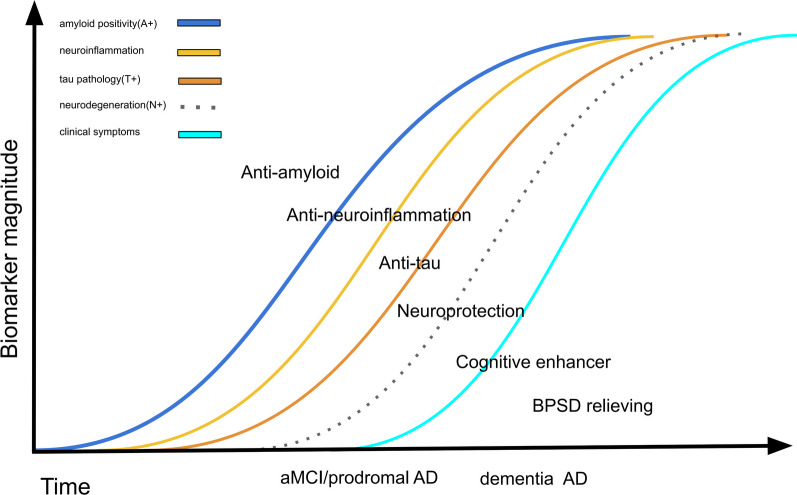
“The other trials involve symptomatic treatments—for example, enhancing cognitive function and relieving BPSD (Fig. 1).”
§ Clinical trials of new drugs for Alzheimer disease: a 2020–2023 update > Background
plain- Asserted: passes — The authors put it forward as true.
- Checkable: passes — It can be checked against evidence.
- Load-bearing: fails — The paper’s conclusions may not depend on it.
- Based: passes — The paper gives a reason why it holds.
Probably not a substantial claim. The paper’s conclusions may not depend on it.
None of the sources cited for this claim have been checked yet.
In the paper
“The appropriate use recommendations (AURs) for lecanemab and aducanumab highlight the importance of patient selection, surveillance for adverse events, and clinician preparedness [44, 45].”
§ Clinical trials of new drugs for Alzheimer disease: a 2020–2023 update > Background > Anti-amyloid therapy
What the sources say
- Not checked yetcites [44] Cummings J, Rabinovici G, Atri A, Aisen P, Apostolova L, Hendrix S, et al. Aducanumab: appropriate use recommendations update. J Prev Alzheimers Di s. 2022;9(2):221–30.
- Not checked yetcites [45] Cummings J, Apostolova L, Rabinovici G, Atri A, Aisen P, Greenberg S, et al. Lecanemab: appropriate use recommendations. J Prev Alzheimers Dis. 2023;10(3):362–77.
plain- Asserted: passes — The authors put it forward as true.
- Checkable: passes — It can be checked against evidence.
- Load-bearing: fails — The paper’s conclusions may not depend on it.
- Based: passes — The paper gives a reason why it holds.
Probably not a substantial claim. The paper’s conclusions may not depend on it. It may state two separate claims as one.
A conclusion the paper draws from its own results — it cites no other source for it, so there is none to check. The quote shows it is in the paper.
In the paper
“The approval of this treatment not only affirms the pathophysiological significance of amyloid in AD but also marks a notable advance in clinical approaches to AD treatment, remedying the scarcity of new drugs in the market for nearly two decades.”
§ Clinical trials of new drugs for Alzheimer disease: a 2020–2023 update > Background
plaindirect- Asserted: passes — The authors put it forward as true.
- Checkable: passes — It can be checked against evidence.
- Load-bearing: unclear — It is unclear whether the paper’s conclusions depend on it.
- Based: passes — The paper gives a reason why it holds.
It may state two separate claims as one.
None of the sources cited for this claim have been checked yet.
In the paper
“On March 8, 2023, Eli Lilly and Company reported that solanezumab did not slow cognitive decline or clear amyloid plaques in individuals with preclinical AD in the A4 study.”
§ Clinical trials of new drugs for Alzheimer disease: a 2020–2023 update > Background > Anti-amyloid therapy
plain- Asserted: passes — The authors put it forward as true.
- Checkable: passes — It can be checked against evidence.
- Load-bearing: passes — The paper’s conclusions depend on it.
- Based: passes — The paper gives a reason why it holds.
It may state two separate claims as one.
A conclusion the paper draws from its own results — it cites no other source for it, so there is none to check. The quote shows it is in the paper.
In the paper
“Overall, the field of AD clinical trials is evolving, and additional promising treatments for AD are likely to be developed in the near future.”
§ Clinical trials of new drugs for Alzheimer disease: a 2020–2023 update > Conclusion
hedged- Asserted: passes — The authors put it forward as true.
- Checkable: fails — It may be too vague to check against evidence.
- Load-bearing: passes — The paper’s conclusions depend on it.
- Based: passes — The paper gives a reason why it holds.
Probably not a substantial claim. It may be too vague to check against evidence.
None of the sources cited for this claim have been checked yet.
In the paper
“Both trials (NCT03887455 and NCT01760005) had a overall low risk of bias [43, 53, 83, 84].”
§ Clinical trials of new drugs for Alzheimer disease: a 2020–2023 update > Background > Published results
What the sources say
- Not checked yetcites [43] Van Dyck CH, Swanson CJ, Aisen P, Bateman RJ, Chen C, Gee M, et al. Lecanemab in early Alzheimer’s disease. N Engl J Med. 2023;388(1):9–21. source
- Not checked yetcites [53] Salloway S, Farlow M, McDade E, Clifford DB, Wang G, Llibre-Guerra JJ, et al. A trial of gantenerumab or solanezumab in dominantly inherited Alzheimer’s disease. Nat Med. 2021;27(7):1187–96. source
- Not checked yetcites [83] Bateman RJ, Benzinger TL, Berry S, Clifford DB, Duggan C, Fagan AM, et al. The DIAN-TU Next Generation Alzheimer’s prevention trial: Adaptive design and disease progression model. Alzheimers Dement. 2017;13(1):8–19. source
- Not checked yetcites [84] Tahami Monfared AA, Ye W, Sardesai A, Folse H, Chavan A, Aruffo E, et al. A path to improved Alzheimer’s care: simulating long-term health outcomes of lecanemab in early Alzheimer’s disease from the CLARITY AD trial. Neurol Ther. 2023;12(3):863–81. source
plain- Asserted: passes — The authors put it forward as true.
- Checkable: passes — It can be checked against evidence.
- Load-bearing: unclear — It is unclear whether the paper’s conclusions depend on it.
- Based: passes — The paper gives a reason why it holds.
It may state two separate claims as one.
A conclusion the paper draws from its own results — it cites no other source for it, so there is none to check. The quote shows it is in the paper.
In the paper
“Outcome measurement tools have also become more diverse, which has enabled meaningful improvements in AD and the efficacy of treatments to be clearly determined in clinical trials.”
§ Clinical trials of new drugs for Alzheimer disease: a 2020–2023 update > Conclusion
boosteddirect- Asserted: passes — The authors put it forward as true.
- Checkable: passes — It can be checked against evidence.
- Load-bearing: passes — The paper’s conclusions depend on it.
- Based: fails — The paper may give no reason why it holds.
Probably not a substantial claim. The paper may give no reason why it holds. It may state two separate claims as one.
A conclusion the paper draws from its own results — it cites no other source for it, so there is none to check. The quote shows it is in the paper.
In the paper
“The participants were offered an open-label extension with high-dose gantenerumab because of its positive effects on imaging and other biomarkers, such as normalized CSF Aβ42, and because it reduced CSF total tau and pTau181 levels.”
§ Clinical trials of new drugs for Alzheimer disease: a 2020–2023 update > Background > Anti-amyloid therapy
plaindirect- Asserted: passes — The authors put it forward as true.
- Checkable: passes — It can be checked against evidence.
- Load-bearing: unclear — It is unclear whether the paper’s conclusions depend on it.
- Based: passes — The paper gives a reason why it holds.
It may state two separate claims as one.
In the paper
“whereas gantenerumab significantly reduced amyloid plaques, CSF total tau, and phospho-tau181 and attenuated increases in neurofilament light chain [53].”
§ Clinical trials of new drugs for Alzheimer disease: a 2020–2023 update > Background > Anti-amyloid therapy
What the sources say
- Not checked yetcites [53] Salloway S, Farlow M, McDade E, Clifford DB, Wang G, Llibre-Guerra JJ, et al. A trial of gantenerumab or solanezumab in dominantly inherited Alzheimer’s disease. Nat Med. 2021;27(7):1187–96. source
plaindirect- Asserted: passes — The authors put it forward as true.
- Checkable: passes — It can be checked against evidence.
- Load-bearing: passes — The paper’s conclusions depend on it.
- Based: passes — The paper gives a reason why it holds.
It may state two separate claims as one.
A result the paper reports from its own data — it cites no other source for it, so there is none to check. The quote shows it is in the paper.
In the paper
“Recipients of JACI-35.054 also displayed a robust immune response against ePHF and pTau, but without a clear dose–effect relationship.”
§ Clinical trials of new drugs for Alzheimer disease: a 2020–2023 update > Background > Anti-tau therapy
plain- Asserted: passes — The authors put it forward as true.
- Checkable: passes — It can be checked against evidence.
- Load-bearing: unclear — It is unclear whether the paper’s conclusions depend on it.
- Based: passes — The paper gives a reason why it holds.
It may state two separate claims as one.
The paper relies on this without support.
The key event in AD pathogenesis is Aβ accumulation.
“The key event in AD pathogenesis is believed to be Aβ accumulation.”
The paper relies on this without support.
Remternetug is a monoclonal antibody that recognizes a pyroglutamated form of Aβ that aggregates into amyloid plaques.
“Remternetug is a monoclonal antibody that recognizes a pyroglutamated form of Aβ that aggregates into amyloid plaques.”
The paper relies on this without support.
The validity of the amyloid hypothesis has been contested.
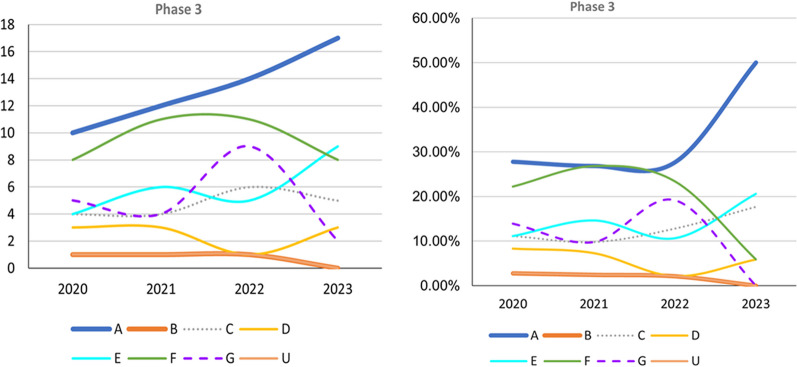
“Additionally, the validity of the amyloid hypothesis has been contested, resulting in a significant reduction in the number of anti-amyloid phase 3 trials since 2019.”
The paper relies on this without support.
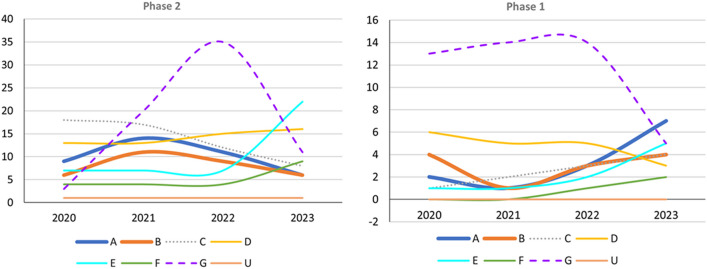
There is an unmet clinical need for therapies for symptoms including cognitive enhancers and agents for relieving BPSD.
“This reflects the unmet clinical need for such therapies (Figs. 2 and 3).”
Claims other papers make about this one
Each is checked against this paper’s own text: does it say what the citing paper says it does?
The check wasn’t confident either way, so it gives no verdict — never disputed.
In the citing paper
“The most recent list of studies was provided by the 2024 AD drug development pipeline, which includes 164 trials (of which 127 are exploring possible treatments or medicines).”
From Recent Advances in Therapeutics for the Treatment of Alzheimer’s Disease (2024) · cites this paper as [184]
Experimental — accuracy not yet measuredIn the citing paper
“Phase III trials, including 48 trials that tested 32 medications [37,183,184].”
From Recent Advances in Therapeutics for the Treatment of Alzheimer’s Disease (2024) · cites this paper as [184]
In the citing paper
“Phase II trials (90 studies, 81 medicines): these trials continue to investigate the drugs’ safety and efficacy.”
From Recent Advances in Therapeutics for the Treatment of Alzheimer’s Disease (2024) · cites this paper as [184]
In the citing paper
“Of these trials, 41% look into disease-modifying small molecule medications, 34% look into biological agents that change disease, and the remaining trials focus on treatments that improve cognitive function or address neuropsychiatric symptoms linked to ADs [68,70,71,182,183,184].”
From Recent Advances in Therapeutics for the Treatment of Alzheimer’s Disease (2024) · cites this paper as [184]
In the citing paper
“In Phase I, there are 26 trials assessing 25 agents.”
From Recent Advances in Therapeutics for the Treatment of Alzheimer’s Disease (2024) · cites this paper as [184]
Self-check
Percentages, sums and reported differences re-computed from the paper’s own numbers.
Each contradiction between two passages listed here was confirmed by an independent check.
Rated minor: it would not touch a result — a value no result rests on, a p-value that stays on the same side of the significance level, or a conflict that is clerical, resolved elsewhere in the paper, or outside its own findings.
In the paper
§ Clinical trials of new drugs for Alzheimer disease: a 2020–2023 update > Background > Anti-tau therapy
“| ACI-35 | AC Immune SA | Tau Morphomer | Immunotherapy (passive) | NCT04445831 | Active, not recruiting |”
§ Clinical trials of new drugs for Alzheimer disease: a 2020–2023 update > Background > Anti-tau therapy
“ACI-35 is a liposome-based vaccine that targets pathological conformations of phosphorylated tau.”
Citations
Cites
McKhann, G. M., Knopman, D. S., Chertkow, H., Hyman, B. T., Jack, C. R., Kawas, C. H., Klunk, W. E., Koroshetz, W. J., Manly, J. J., Mayeux, R., et al. (2011) · Alzheimer's & Dementia · doi:10.1016/j.jalz.2011.03.005 · Cited by 18,657 · cited 1×
“During the course of AD, many behavioral and psychological symptoms of dementia (BPSD) occur [2–4].”
BackgroundNIA‐AA Research Framework: Toward a biological definition of Alzheimer's disease
Jack, C. R., Bennett, D. A., Blennow, K., Carrillo, M. C., Dunn, B., Haeberlein, S. B., Holtzman, D. M., Jagust, W., Jessen, F., Karlawish, J., et al. (2018) · Alzheimer's & Dementia · doi:10.1016/j.jalz.2018.02.018 · Cited by 10,537
Neurotoxic reactive astrocytes are induced by activated microglia
Liddelow, S. A., Guttenplan, K. A., Clarke, L. E., Bennett, F. C., Bohlen, C. J., Schirmer, L., Bennett, M. L., Münch, A. E., Chung, W.-S., Peterson, T. C., et al. (2017) · Nature · doi:10.1038/nature21029 · Cited by 7,971 · cited 1×
“However, activated microglia induce neurotoxic A1 astrocyte reactivity through the release of IL-1α, C1q, and TNF-α, resulting in a feedback loop of dysregulated inflammation in AD [28].”
BackgroundLecanemab in early Alzheimer's disease
van Dyck, C. H., Swanson, C. J., Aisen, P., Bateman, R. J., Chen, C., Gee, M., Kanekiyo, M., Li, D., Reyderman, L., Cohen, S., et al. (2023) · New England Journal of Medicine · doi:10.1056/nejmoa2212948 · Cited by 5,678
Glenner, G. G., & Wong, C. W. (1984) · Biochemical and Biophysical Research Communications · doi:10.1016/s0006-291x(84)80190-4 · Cited by 5,404
Hypothetical model of dynamic biomarkers of the Alzheimer's pathological cascade
Jack, C. R., Knopman, D. S., Jagust, W. J., Shaw, L. M., Aisen, P. S., Weiner, M. W., Petersen, R. C., & Trojanowski, J. Q. (2010) · The Lancet Neurology · doi:10.1016/s1474-4422(09)70299-6 · Cited by 4,806 · cited 1×
“The accumulation of NFTs might be initiated between the accumulation of Aβ and the development of clinical symptoms of AD [19].”
BackgroundThe precursor of Alzheimer's disease amyloid A4 protein resembles a cell-surface receptor
Kang, J., Lemaire, H.-G., Unterbeck, A., Salbaum, J. M., Masters, C. L., Grzeschik, K.-H., Multhaup, G., Beyreuther, K., & Müller-Hill, B. (1987) · Nature · doi:10.1038/325733a0 · Cited by 4,619
Amyloid plaque core protein in Alzheimer disease and Down syndrome.
Masters, C. L., Simms, G., Weinman, N. A., Multhaup, G., McDonald, B. L., & Beyreuther, K. (1985) · Proceedings of the National Academy of Sciences · doi:10.1073/pnas.82.12.4245 · Cited by 4,431
Donanemab in Early Symptomatic Alzheimer Disease: The TRAILBLAZER-ALZ 2 Randomized Clinical Trial
Sims, J. R., Zimmer, J. A., Evans, C. D., Lu, M., Ardayfio, P., Sparks, J., Wessels, A. M., Shcherbinin, S., Wang, H., Monkul Nery, E. S., et al. (2023) · JAMA · doi:10.1001/jama.2023.13239 · Cited by 2,932 · cited 1×
“The study findings indicated the potential of donanemab to slow AD progression, particularly in the early stage [50].”
BackgroundThe molecular pathology of Alzheimer's disease
Selkoe, D. J. (1991) · Neuron · doi:10.1016/0896-6273(91)90052-2 · Cited by 2,708 · cited 2×
“In familial AD, mutant autosomal-dominant genes, including the genes for amyloid precursor protein ( APP ), presenilin-1 ( PSEN1 ), and presenilin-2 ( PSEN2 ), encode the major proteins involved in amyloid metabolism [13–15].”
Background
Research works printed but not linked: 1
- Reading CL, Ahlem CN, Murphy MF. NM101 Phase III study of NE3107 in Alzheimer’s disease: rationale, design and therapeutic modulation of neuroinflammation and insulin resistance. Neurodegener Dis Manag. 2021;11(4):289–98. · DOI · Paper page
Cited by
Sorted by citations
Dementia Prevention and Treatment
Reuben, D. B., Kremen, S. A., & Maust, D. T. (2024) · JAMA Internal Medicine · doi:10.1001/jamainternmed.2023.8522 · Cited by 225
Imam, F. B., Saloner, R., Vogel, J. W., Krish, V. S., Abdel-Azim, G., Ali, M., An, L., Anastasi, F., Bennett, D. A. A., Binette, A. P., et al. (2025) · Nature Medicine · doi:10.1038/s41591-025-03834-0 · Cited by 156
“Until recently, treatment options were limited to managing symptoms, but approvals for disease-modifying drugs for AD and genetic forms of ALS point to considerable progress 2,3 .”
Terao, I., & Kodama, W. (2024) · Ageing Research Reviews · doi:10.1016/j.arr.2024.102203 · Cited by 137
Alzheimer’s disease: a review on the current trends of the effective diagnosis and therapeutics
Manap, A. S. A., Almadodi, R., Sultana, S., Sebastian, M. G., Kavani, K. S., Lyenouq, V. E., & Shankar, A. (2024) · Frontiers in Aging Neuroscience · doi:10.3389/fnagi.2024.1429211 · Cited by 66
Novelties on Neuroinflammation in Alzheimer’s Disease–Focus on Gut and Oral Microbiota Involvement
Popescu, C., Munteanu, C., Anghelescu, A., Ciobanu, V., Spînu, A., Andone, I., Mandu, M., Bistriceanu, R., Băilă, M., Postoiu, R.-L., et al. (2024) · International Journal of Molecular Sciences · doi:10.3390/ijms252011272 · Cited by 61
“Some clinical trials have shown promising results, such as improved cognitive function and reduced inflammatory markers following probiotic supplementation [142,143].”
BackgroundRecent Advances in Therapeutics for the Treatment of Alzheimer’s Disease
Thawabteh, A. M., Ghanem, A. W., AbuMadi, S., Thaher, D., Jaghama, W., Karaman, D., & Karaman, R. (2024) · Molecules · doi:10.3390/molecules29215131 · Cited by 56
“Phase III trials, including 48 trials that tested 32 medications [37,183,184].”
BackgroundGrabowska, W. A., Bijak, M., Szelenberger, R., Gorniak, L., Podogrocki, M., Harmata, P., & Cichoń, N. (2025) · International Journal of Molecular Sciences · doi:10.3390/ijms26178726 · Cited by 65
“However, very few multifunctional AChE inhibitors have progressed to clinical trials [9,24,25], highlighting the ongoing challenge of translating preclinical efficacy into safe and effective therapies for humans.”
Asghar, S., Mushtaq, N., Ahmed, A., Anwar, L., Munawar, R., & Akhtar, S. (2024) · Molecules · doi:10.3390/molecules29020490 · Cited by 48
“Similarly, lecanemab has demonstrated the ability to diminish pathogenic A β , prevent A β deposition, and selectively reduce A β protofibrils in both the brain and cerebrospinal fluid (CSF) of AD animal models [13,14].”
BackgroundGheidari, D., Mehrdad, M., & karimelahi, Z. (2024) · Scientific Reports · doi:10.1038/s41598-024-75292-6 · Cited by 46
Muolokwu, C. E., Chaulagain, B., Gothwal, A., Mahanta, A. K., Tagoe, B., Lamsal, B., & Singh, J. (2024) · Frontiers in Pharmacology · doi:10.3389/fphar.2024.1405423 · Cited by 42
Newer Therapeutic Approaches in Treating Alzheimer’s Disease: A Comprehensive Review
Sree, R. R., Kalyan, M., Anand, N., Mani, S., Gorantla, V. R., Sakharkar, M. K., Song, B., & Chidambaram, S. B. (2025) · ACS Omega · doi:10.1021/acsomega.4c05527 · Cited by 45
2023 China Alzheimer’s disease: facts and figures
Xiao, J., Li, J., Wang, J., Zhang, X., Wang, C., Peng, G., Hu, H., Liu, H., Liu, J., Shen, L., et al. (2023) · Human Brain · doi:10.37819/hb.3.1771 · Cited by 41
Type 3 diabetes and metabolic reprogramming of brain neurons: causes and therapeutic strategies
Meng, X., Zhang, H., Zhao, Z., Li, S., Zhang, X., Guo, R., Li, H., Yuan, Y., Li, W., Song, Q., et al. (2025) · Molecular Medicine · doi:10.1186/s10020-025-01101-z · Cited by 47
Amyloid β oligomer induces cerebral vasculopathy via pericyte-mediated endothelial dysfunction
Chen, S., Guo, D., Zhu, Y., Xiao, S., Xie, J., Zhang, Z., Hu, Y., Huang, J., Ma, X., Ning, Z., et al. (2024) · Alzheimer s Research & Therapy · doi:10.1186/s13195-024-01423-w · Cited by 43
“Most clinical treatments targeted glial and neuronal impairment in AD, such as cholinesterase inhibitors, memantine and some anti-neuroinflammatory drugs [4–6], could only enhance cognitive symptoms for a limited time period and are unable to reverse the disease course.”
BackgroundAutophagy-lysosomal pathway impairment and cathepsin dysregulation in Alzheimer’s disease
Mançano, A. S. F., Pina, J. G., Froes, B. R., & Sciani, J. M. (2024) · Frontiers in Molecular Biosciences · doi:10.3389/fmolb.2024.1490275 · Cited by 51
“One such study involves hydralazine, which is in phase 3 clinical trials for mild-to-moderate AD and, among various mechanisms, activates autophagy (Huang et al., 2023).”
Puranik, N., & Song, M. (2024) · Molecules · doi:10.3390/molecules29235744 · Cited by 49
“Sodium oligomannate is still in phase IV clinical trial [185].”
Daraban, B. S., Popa, A. S., & Stan, M. S. (2024) · Molecules · doi:10.3390/molecules29174056 · Cited by 37
Sighencea, M. G., Popescu, R. Ș., & Trifu, S. C. (2024) · International Journal of Molecular Sciences · doi:10.3390/ijms252212311 · Cited by 33
“Therefore, a multitude of molecules have been found to exhibit antioxidant properties, functioning not only as activators of Nrf2, such as sulforaphane and hydralazine (the latter also inducing autophagy), but also as mimics of glutathione peroxidase, exemplified by ebselen [8,47].”
Yan, H., Wang, W., Cui, T., Shao, Y., Li, M., Fang, L., & Feng, L. (2024) · ImmunoTargets and Therapy · doi:10.2147/itt.s455881 · Cited by 32
Navigating the dementia landscape: Biomarkers and emerging therapies
Maheshwari, S., Singh, A., Ansari, V. A., Mahmood, T., Wasim, R., Akhtar, J., & Verma, A. (2024) · Ageing Research Reviews · doi:10.1016/j.arr.2024.102193 · Cited by 30
Natural products targeting amyloid-β oligomer neurotoxicity in Alzheimer's disease
Gonçalves, P. B., Sodero, A. C. R., & Cordeiro, Y. (2024) · European Journal of Medicinal Chemistry · doi:10.1016/j.ejmech.2024.116684 · Cited by 26
Approved drugs and natural products at clinical stages for treating Alzheimer’s disease
Ma, Y., Liu, S., Zhou, Q., Zhong-hua, L., ZHANG, Z., & Yu, B. (2024) · Chinese Journal of Natural Medicines · doi:10.1016/s1875-5364(24)60606-0 · Cited by 27
Trisal, A., & Singh, A. K. (2024) · Cellular and Molecular Neurobiology · doi:10.1007/s10571-024-01493-2 · Cited by 29
“This can lead to a decline in the reported efficacy of the treatment as no changes in the outcome measures will be observed in such individuals (Huang et al. 2023).”
BackgroundToward a biological definition of neuronal and glial synucleinopathies
Soto, C. A., Mollenhauer, B., Hansson, O., Kang, U. J., Alcalay, R. N., Standaert, D. G., Trenkwalder, C., MAREK, K. L., Galasko, D. R., & Poston, K. L. (2025) · Nature Medicine · doi:10.1038/s41591-024-03469-7 · Cited by 25
“Indeed, drugs are increasingly being tested in asymptomatic individuals, and some recently approved drugs were (to some extent) based on biomarker changes in patients enrolled at early stages of the disease 40,41 .”
Tang, C., Border, J. J., Zhang, H., Gregory, A., Bai, S., Fang, X., Liu, Y., Wang, S., Hwang, S. H., Gao, W., et al. (2025) · GeroScience · doi:10.1007/s11357-025-01550-8 · Cited by 22
“Kisunla™ (donanemab-azbt) received FDA approval in July 2024 for the treatment of early symptoms of AD [62].”
Qin, Y., Yang, P. C., He, W., Li, D., Zeng, L., Li, J., Zhou, T., Peng, J., Cao, L., & Huang, W. G. (2024) · Clinical Epigenetics · doi:10.1186/s13148-024-01650-w · Cited by 26
“The FDA has approved Adu-canumab and Lecanemab, which are antibodies against amyloids that may prevent or reverse the progression of AD [8].”
BackgroundInfluentialJia, C., Chai, J., Zhang, S., Sun, Y., He, L., Sang, Z., Chen, D., & Zheng, X. (2025) · Marine Drugs · doi:10.3390/md23030091 · Cited by 21
“Existing therapeutic approaches [18,19] largely target singular aspects of AD pathology, such as A β aggregation, yet they have demonstrated limited clinical efficacy and often come with considerable side effects.”
Nrf2/Bach1 signaling axis: A promising multifaceted therapeutic strategy for Alzheimer's disease
Soni, P., Sharma, S. M., Pieper, A. A., Paul, B. D., & Thomas, B. (2025) · Neurotherapeutics · doi:10.1016/j.neurot.2025.e00586 · Cited by 22
“Many clinical trials enroll subjects in the later stages of AD, at which point signi fi cant neuronal loss and cognitive impairment have already occurred [113,114].”
Chhabra, A., Solanki, S., Saravanabawan, P., Venkiteswaran, A., Nimmathota, N., & Modi, N. M. (2024) · Expert Opinion on Biological Therapy · doi:10.1080/14712598.2024.2416947 · Cited by 22
“With conventional treatment usually limited to Cholinesterase Inhibitors and memantine, along with supportive care [13], the need for more targeted therapies that alter disease progression or induce disease remission is necessary.”
Hsu, C., Hsu, T., Kao, Y., Lin, Y., Thompson, T., Carvalho, A. F., Stubbs, B., Tseng, P., Yang, F., Tsai, C., et al. (2025) · The Journal of Prevention of Alzheimer s Disease · doi:10.1016/j.tjpad.2025.100195 · Cited by 24
“These mABs target amyloid-𝛽 plaques which was seen as disease-modifying therapies based on the amyloid hypothesis of AD [ 9 , 10 ].”
Therapeutic Advances in Targeting the Amyloid-β Pathway for Alzheimer’s Disease
Zhang, B., Li, Y., Li, H., Shen, X., & Zhu, Z. (2025) · Brain Sciences · doi:10.3390/brainsci15101101 · Cited by 20
“This represents a milestone in AD drug development, as no other pathological pathway has yet achieved regulatory validation of clinical efficacy [14].”
Pathological Involvement of Protein Phase Separation and Aggregation in Neurodegenerative Diseases
Wu, Y.-F., Ma, B., Liu, C. Y., Li, D., & Sui, G. (2024) · International Journal of Molecular Sciences · doi:10.3390/ijms251810187 · Cited by 21
“Thus, early diagnosis is crucial to identify the susceptible individuals before the commencement or at the early stages of the diseases [280].”
BackgroundBhardwaj, V., Kumari, S., Dhapola, R., Sharma, P., Beura, S. K., Singh, S. K., Vellingiri, B., & HariKrishnaReddy, D. (2024) · Inflammopharmacology · doi:10.1007/s10787-024-01598-6 · Cited by 18
“They mainly target activated immune cells of the CNS (mast cells and microglia) (Dubois et al. 2023; Huang et al. 2023).”
Dubey, Y. K., Bhongade, A., Palsodkar, P., & Fulzele, P. R. (2024) · Diagnostics · doi:10.3390/diagnostics14242770 · Cited by 21
The Potential Role of Phytochemicals in Alzheimer’s Disease
Baranowska‐Wójcik, E., Gajowniczek-Ałasa, D., Pawlikowska-Pawlęga, B., & Szwajgier, D. (2025) · Nutrients · doi:10.3390/nu17040653 · Cited by 17
Advancements in the treatment of Alzheimer's disease: a comprehensive review
Rajanna, S., Gundale, P. P., & Mahadevaiah, A. D. (2025) · Dementia & Neuropsychologia · doi:10.1590/1980-5764-dn-2024-0204 · Cited by 20
“Many promising treatments have been associated with significant side effects, such as ARIA in amyloid-target-ing therapies 51 .”
Fagla, B. M., & Buhimschi, I. A. (2024) · Molecules · doi:10.3390/molecules29030610 · Cited by 17
“ER stress modulators, autophagy-enhancing drugs, gene therapy, and anti-amyloid immunotherapy are also being examined as therapeutic approaches in the treatment of AD [146,220–222].”
Park, M., Ahn, J., Kim, Y.-J., Lee, J., Lee, J.-C., Hwang, S., & Kim, K. (2024) · Cells · doi:10.3390/cells13131085 · Cited by 17
“This figure is projected to increase to 82 million by 2030 and 150 million by 2050, with nearly 10 million new cases emerging annually [1–3].”
BackgroundMandino, F., Shen, X., Desrosiers-Grégoire, G., O’Connor, D. A., Mukherjee, B., Owens, A., Qu, A., Onofrey, J. A., Papademetris, X., Chakravarty, M. M., et al. (2024) · Molecular Psychiatry · doi:10.1038/s41380-024-02779-z · Cited by 19
“Vitally, treatment is given during very late-stage disease which is in stark contrast to existing anti-amyloid drugs which have only shown ef fi cacy during early (asymptomatic) illness [32].”
Mulumba, J., Duan, R., Luo, B., Wu, J., Sulaiman, M., Wang, F., & Yang, Y. (2025) · Exploration of neuroscience · doi:10.37349/en.2025.100675 · Cited by 23
Immunotherapeutic approaches for Alzheimer’s disease: Exploring active and passive vaccine progress
Bhadane, P., Roul, K., Belemkar, S., & Kumar, D. (2024) · Brain Research · doi:10.1016/j.brainres.2024.149018 · Cited by 15
Cataldo, A., Criscuolo, S., Benedetto, E. D., Masciullo, A., Pesola, M., & Schiavoni, R. (2024) · Bioengineering · doi:10.3390/bioengineering11040324 · Cited by 15
“Nowadays, some drugs can slow the progression of AD, but a definitive cure does not yet exist [3].”
BackgroundRecent Advances in the Search for Effective Anti-Alzheimer’s Drugs
Ogoś, M., Stary, D., & Bajda, M. (2024) · International Journal of Molecular Sciences · doi:10.3390/ijms26010157 · Cited by 17
Park, M., Ahn, J., Lim, J., Han, M., Lee, J., Lee, J.-C., Hwang, S., & Kim, K. (2024) · Cells · doi:10.3390/cells13221920 · Cited by 16
“This number is projected to increase to 82 million by 2030 and 150 million by 2050, with nearly 10 million new cases Cells 2024 , 13 , 1920. https://doi.org/10.3390/cells13221920 https://www.mdpi.com/journal/cells Cells 2024 , 13 , 1920 2 of 24 each year [1–3].”
InfluentialThe Evolution of AChE Inhibitors in Alzheimer's Disease: From Single‐Target to Multi‐Target Ligands
Mehta, N. V., Kapadia, A., Khambete, M., & Abhyankar, A. N. (2025) · ChemBioChem · doi:10.1002/cbic.202500053 · Cited by 20
Gao, C., Liu, Y., Zhang, T., Luo, Y., Gao, J., Chu, J., Gong, B., Chen, X., Yin, T., Zhang, J., et al. (2023) · International Journal of Nanomedicine · doi:10.2147/ijn.s436774 · Cited by 16
“70 However, AD is a complicated disease that may develop through the combination of multiple pathological mechanisms.”
BackgroundImpact of Peptide Transport and Memory Function in the Brain
Cheng, L., Shi, C., Li, X., & Matsui, T. (2024) · Nutrients · doi:10.3390/nu16172947 · Cited by 13
“However, the exact mechanism should be further investigated in the future.”
BackgroundAdvances in next-generation sequencing (NGS) applications in drug discovery and development
Wang, H., Huang, J., Fang, X., Liu, M., Fan, X., & Li, Y. (2025) · Expert Opinion on Drug Discovery · doi:10.1080/17460441.2025.2481262 · Cited by 17
“This design increased the probability of participants receiving active treatment to 75%, as opposed to the 50% typical in traditional trials, thus enhancing the likelihood of achieving positive outcomes with a limited sample size [70] and contributing to high participant satisfaction [71].”
Gopalakrishna, P. K., Nassir, C. M. N. C. M., Anandan, S., Hussan, F., Dandala, K. C. R., Sura, S., Jagadeesan, S., Moklas, M. A. M., Vishnumukkala, T., & Hein, Z. M. (2026) · Cellular and Molecular Neurobiology · doi:10.1007/s10571-026-01671-4 · Cited by 23
Mitochondria, Autophagy and Inflammation: Interconnected in Aging
Silva, R. C. M. C. (2024) · Cell Biochemistry and Biophysics · doi:10.1007/s12013-024-01231-x · Cited by 13
“Unfortunately, the levels of methylglyoxal were not evaluated, but hydralazine also activates autophagy, improves mitochondrial function, possesses antioxidant effects [32] and can regulate in fl am-mation to promote regeneration [33], being a fascinating drug for anti-ageing therapies.”
Das, B., Baidya, A. T. K., Chakrabarti, S., Chouhan, D., Thakur, B., Darreh‐Shori, T., Chen, G., Tiwari, V. K., & Kumar, R. (2024) · Bioorganic Chemistry · doi:10.1016/j.bioorg.2024.107373 · Cited by 12
Schreiner, T. G., Croitoru, C. G., Hodorog, D. N., & Cuciureanu, D. I. (2024) · Biomedicines · doi:10.3390/biomedicines12051096 · Cited by 14
“Currently being tested on participants with MCI or mild AD in a phase 1 clinical trial, initial results show a successful shift from PET-positive to PET-negative cerebral A β load [92].”
BackgroundAlzheimer's disease approaches - Focusing on pathology, biomarkers and clinical trial candidates
Hroudová, J., & Fišar, Z. (2024) · Progress in Neuro-Psychopharmacology and Biological Psychiatry · doi:10.1016/j.pnpbp.2024.111069 · Cited by 13
Dendrimers—Novel Therapeutic Approaches for Alzheimer’s Disease
Mroziak, M., Kozłowski, G., Kołodziejczyk, W., Pszczołowska, M., Walczak, K., Beszłej, J. A., & Leszek, J. (2024) · Biomedicines · doi:10.3390/biomedicines12081899 · Cited by 12
“It is a humanized monoclonal antibody that recognizes A β , an aggregated form of A β in amyloid plaques and bound up to one-third of plaques [52].”
BackgroundFrança, V. L. B., BEZERRA, E. M., da COSTA, R. F., Carvalho, H. F., Freire, V. N., & Matos, G. (2024) · ACS Chemical Neuroscience · doi:10.1021/acschemneuro.4c00453 · Cited by 13
Kanuri, S. H., & Sirrkay, P. J. (2024) · Brain Circulation · doi:10.4103/bc.bc_113_23 · Cited by 13
Clinical Applications of PET Imaging in Alzheimer’s Disease
Patil, S., Ayubcha, C., Teichner, E. M., Subtirelu, R. C., Cho, J. H., Ghonim, M., Ghonim, M., Werner, T. J., Høilund‐Carlsen, P. F., Alavi, A., et al. (2024) · PET Clinics · doi:10.1016/j.cpet.2024.09.015 · Cited by 13
Khedraoui, M., Guerguer, F. Z., Karim, E. M., Errougui, A., & Chtita, S. (2025) · Current Pharmaceutical Analysis · doi:10.1016/j.cpan.2025.03.005 · Cited by 14
Ashmawy, R. E., Okesanya, O. J., Ukoaka, B. M., Daniel, F. M., Ezedigwe, S. G., Agboola, A. O., Ahmed, M. M., Ogaya, J. B., Amisu, B. O., Adigun, O. A., et al. (2025) · Journal of Alzheimer s Disease · doi:10.1177/13872877251331640 · Cited by 13
Hossain, M. M., Adhikari, J., Dutta, A., Khandaker, A., Islam, S., Rahman, M. M., & Shibly, A. Z. (2025) · PLOS One · doi:10.1371/journal.pone.0331339 · Cited by 11
“Alzheimer’s disease (AD) is a devastating neurodegenerative disorder and the leading cause of dementia, affecting over 55 million individuals globally, a number projected to reach 139 million by 2050 due to an aging population [1,2].”
Contextualizing the Role of Osteopontin in the Inflammatory Responses of Alzheimer’s Disease
Lalwani, R. C., Volmar, C., Wahlestedt, C., Webster, K. A., & Shehadeh, L. A. (2023) · Biomedicines · doi:10.3390/biomedicines11123232 · Cited by 13
“…the tests of time and remains the predominant hypothesis for AD progression and a promising pharmacological target, as evidenced by the recent FDA approval of two monoclonal antibodies (mAb), aducanumab and lecanemab, that target A β plaques and soluble A β O protofibrils, respectively [148,149].”
BackgroundWang, P.-H., Lin, H.-W., Nguyen, T. T. T., Hu, C., Huang, L.-K., Tam, K., & Kuan, Y. (2024) · Journal of the American Medical Directors Association · doi:10.1016/j.jamda.2024.105199 · Cited by 11
Self-citationCalcineurin inhibition prevents synaptic plasticity deficit induced by brain-derived tau oligomers
Scaduto, P., Marcatti, M., Bhatt, N. N., Kayed, R., & Taglialatela, G. (2024) · Brain Communications · doi:10.1093/braincomms/fcae277 · Cited by 11
“Specifically, in comparison with the BDTO + FK506 group, the CTRL group exhibited an upregulation of 10 pro-inflammatory genes, including H2-M5 , known for its role in antigen presentation [1], [2] and Pla2g3 , implicated in the biosynthesis of pro-inflammatory eicosanoids [3].”
ResultNovel techniques for early diagnosis and monitoring of Alzheimer’s disease
Parul, P., Singh, A. K., & Shukla, S. (2024) · Expert Review of Neurotherapeutics · doi:10.1080/14737175.2024.2415985 · Cited by 13
“Involving people at different stages of the disease is essential to understand how the disease is progressing and creating novel treatment approaches [31].”
Swain, S., & Metya, A. K. (2025) · Journal of Chemical Information and Modeling · doi:10.1021/acs.jcim.5c00106 · Cited by 12
Yang, H., Yang, J., Park, N., Hwang, D., Park, S.-Y., Kim, S., & Bae, H. (2024) · International Journal of Molecular Sciences · doi:10.3390/ijms252413682 · Cited by 11
“This highlights the need for a more comprehensive approach targeting other pathological mechanisms, such as tau proteins and inflammation [2].”
Path integration impairments reveal early cognitive changes in subjective cognitive decline
Segen, V., Kabir, M. R., Streck, A., Slavík, J., Glanz, W., Butryn, M., Newman, E. L., Tiganj, Z., & Wolbers, T. (2025) · Science Advances · doi:10.1126/sciadv.adw6404 · Cited by 11
“Earlier identification is particularly important, as it opens a window for potential interventions at a stage when treatment could be more effective, potentially altering the disease trajectory ( 10 , 11 ).”
Targeting protein misfolding in Alzheimer’s disease: The emerging role of molecular chaperones
Sharma, A., Srivastava, S., Gupta, P., Sridhar, S. B., Tariq, M., Rao, G. K., Kumar, S., & Malik, T. (2025) · Biomedicine & Pharmacotherapy · doi:10.1016/j.biopha.2025.118531 · Cited by 13
McInvale, J. J., Canoll, P., & Hargus, G. (2024) · Brain Pathology · doi:10.1111/bpa.13231 · Cited by 11
“Given the need for effective treatments for AD, numerous therapeutics are in various stages of development from preclinical characterization to clinical trials [17].”
BackgroundMechanistic Approach to Immunity and Immunotherapy of Alzheimer’s Disease: A Review
Islam, M. R., Rabbi, M. A., Hossain, T., Sultana, S., & Uddin, S. (2024) · ACS Chemical Neuroscience · doi:10.1021/acschemneuro.4c00360 · Cited by 10
Gomez-Sequeda, N., Jiménez-Del-Río, M., & Velez‐Pardo, C. (2024) · ACS Chemical Neuroscience · doi:10.1021/acschemneuro.4c00472 · Cited by 10
Mitochondria-targeting by small molecules against Alzheimer's disease: A mechanistic perspective
Pal, C. (2024) · Biochimica et Biophysica Acta (BBA) - Molecular Basis of Disease · doi:10.1016/j.bbadis.2024.167617 · Cited by 12
Zhang, Y., Zhang, X., Zhou, J., Li, Y., Kai, T., & Zhang, L. (2025) · International Journal of Biological Macromolecules · doi:10.1016/j.ijbiomac.2025.140758 · Cited by 11
Hu, F., Peng, J., Wang, W., Shen, L., & Jia, M. (2025) · Complementary Therapies in Clinical Practice · doi:10.1016/j.ctcp.2025.101968 · Cited by 11
Bergamo, G., & Liguori, C. (2025) · Sleep And Breathing · doi:10.1007/s11325-025-03421-0 · Cited by 12
“The field continues to evolve, emphasizing the impor - tance of basic research on AD pathophysiology, prevention, and early intervention [4 ].”
Biologics as Therapeutical Agents Under Perspective Clinical Studies for Alzheimer’s Disease
Li, H., Shen, X., Zhang, B., & Zhu, Z. (2025) · Molecules · doi:10.3390/molecules30173479 · Cited by 11
“The most clinically advanced class of biologics in AD are mAbs targeting A β , with Aducanumab, Lecanemab, and Donanemab each reaching Phase III trials or receiving conditional approval [155–157].”
Ferritin nanocage-enabled detection of pathological tau in living human retinal cells
Barolo, L., Gigante, Y., Mautone, L., Ghirga, S., Soloperto, A., Giorgi, A., Ghirga, F., Pitea, M., Incocciati, A., Mura, F., et al. (2024) · Scientific Reports · doi:10.1038/s41598-024-62188-8 · Cited by 10
“There are currently about 200 active clinical trials worldwide assessing 140 novel treatments for AD, requiring a total enrollment of more than 60,000 participants 1–3 .”
Supplementation with NAD+ Precursors for Treating Alzheimer’s Disease: A Metabolic Approach
Alghamdi, M. A., & Braidy, N. (2024) · Journal of Alzheimer s Disease · doi:10.3233/jad-231277 · Cited by 13
Phytomedicine Potential of Oroxylum indicum Root and Its Constituents: Targeting Alzheimer’s Disease
Summat, R., Waiwut, P., Daodee, S., Nualkaew, N., Phemphunananchai, K., Arsito, P. N., Chulikhit, Y., Monthakantirat, O., Khamphukdee, C., & Boonyarat, C. (2025) · Plants · doi:10.3390/plants14020223 · Cited by 10
Multi-Omic Blood Biomarkers as Dynamic Risk Predictors in Late-Onset Alzheimer’s Disease
Bhalala, O. G., Watson, R., & Yassi, N. (2024) · International Journal of Molecular Sciences · doi:10.3390/ijms25021231 · Cited by 10
“Such a shift in the utilization of blood biomarkers may also shed light on the effects of existing treatments, such as cholinesterase inhibitors and memantine, as well as molecules currently under investigation—an area of research where insufficient data exist [177,178].”
BackgroundDevelopment of Triphenylmethane Dyes for In Vivo Fluorescence Imaging of Aβ Oligomers
Nagashima, K., Watanabe, H., Akasaka, T., & Ono, M. (2024) · ACS Chemical Neuroscience · doi:10.1021/acschemneuro.4c00053 · Cited by 9
Şimşek, H., & Uçar, A. (2024) · Clinical Nutrition Open Science · doi:10.1016/j.nutos.2024.05.012 · Cited by 10
Mosalam, E. M., Elberri, A. I., Abdallah, M. S., Abdel‐Bar, H. M., Zidan, A. A., Batakoushy, H. A., & Mansour, H. E. A. (2024) · International Journal of Molecular Sciences · doi:10.3390/ijms25147790 · Cited by 11
Functionalized Nanoparticles: A Promising Approach for Effective Management of Alzheimer’s Disease
Bogadi, S., Bhaskaran, M., Ravichandran, V., Nesamony, J., Selvam, C., Kuppusamy, G., Prakash, G., Karri, V. V. S. R., Mallick, S., Farahim, F., et al. (2025) · Molecular Neurobiology · doi:10.1007/s12035-025-04917-2 · Cited by 10
Wang, K., Zan, S., Xu, J., Sun, W., Li, C., Zhang, W., Ni, D., Cheng, R., Li, L., Yu, Z., et al. (2024) · Heliyon · doi:10.1016/j.heliyon.2024.e35800 · Cited by 9
Psychological Stress and Cognitive Brain Health: Policies to Reduce Dementia Risk
Graham‐Engeland, J. E., Sliwinski, M. J., Almeida, D. M., & Engeland, C. G. (2024) · Policy Insights from the Behavioral and Brain Sciences · doi:10.1177/23727322241303761 · Cited by 7
“Although recent advances in pharmacological treatments offer some hope in slowing the progression of ADRD (e.g., Huang et al., 2023), no treatment has proved capable of halting or reversing the disease.”
Gao, Q., Zha, H., Liu, Z.-J., Wang, M., Zhang, Y., Bi, J., Wu, T.-Y., Liu, Z.-J., Wu, H., & Sun, D. (2025) · Cell & Bioscience · doi:10.1186/s13578-025-01420-y · Cited by 12
“Although the therapeutic drugs for AD have been studied for many years, the side effects and safety concerns pro-foundly limit their clinical application [4].”
Gomez-Sequeda, N., Jiménez-Del-Río, M., & Velez‐Pardo, C. (2024) · International Journal of Molecular Sciences · doi:10.3390/ijms25094925 · Cited by 7
“Based on these observations, several drugs that work by reducing amyloid plaques and/or A β loads are currently in clinical trials [11,12] or have already been approved by the FDA (e.g., aducanumab [13], lecanemab [14]).”
BackgroundLiu, Z., Li, X., Huang, M., et al. (2024) · Medicinal Chemistry Research · doi:10.1007/s00044-024-03250-y · Cited by 7
“Clinical drugs approved by the FDA for anti-AD use include cholinesterase inhibitors (rivastigmine, donepezil, and galantamine), NMDA receptor antagonists (memantine), and monoclonal antibodies (Aducanumab and Leca-nemab) [2, 3].”
Coffee and Alzheimer's disease
Mirzaei, F., Agbaria, L., Bhatnagar, K., Sirimanne, N., A'amar, N. O., Jindal, V., Thilagendra, A. G., & Raba, F. T. (2024) · Progress in brain research · doi:10.1016/bs.pbr.2024.06.002 · Cited by 8
Ramey, G. D., Tang, A., Phongpreecha, T., Yang, M. M., Woldemariam, S. R., Oskotsky, T., Montine, T. J., Allen, I. E., Miller, Z., Aghaeepour, N., et al. (2025) · Cell Reports Medicine · doi:10.1016/j.xcrm.2025.101980 · Cited by 11
Brain patterns and risk factors in the FINGER RCT multimodal lifestyle intervention
Lorenzon, G., Marseglia, A., Mohanty, R., Lehtisalo, J., Poulakis, K., Ngandu, T., Solomon, A., Kivipelto, M., & Westman, E. (2025) · The Journal of Prevention of Alzheimer s Disease · doi:10.1016/j.tjpad.2025.100390 · Cited by 7
“While pharmacological solutions continue to be investigated [2], prevention remains the most effective strategy [1,3].”
Feldman, S. J., Blasco, D., Mones, M., & Roberts, J. S. (2024) · The Journal of Prevention of Alzheimer s Disease · doi:10.14283/jpad.2024.69 · Cited by 6
“Further, the advent of precision medicine has also led to a rise in clinical trials of anti-amyloid-β and tau protein drug therapies available only to participants with specific APOE genotypes (9, 10, 11).”
Does Physical Exercise Modify the Pathophysiology of Alzheimer's Disease in Older Persons?
Raffin, J. (2024) · Journal of Aging Research and Lifestyle · doi:10.14283/jarlife.2024.11 · Cited by 6
“Various strategies to prevent AD have been developed, including drug therapy trials (7) as well as lifestyle interventions comprising cognitive stimulation, diet regulation, and physical exercise (8).”
BackgroundAlmeaqli, M. T., Alaidaa, Y., Alnajjar, F. M., Shararh, A. S. A., Alharbi, D. S., Almslmani, Y. I., Alotibi, Y. A., Alrashidi, H. S., Alshehri, W. A., Hassan, H. M., et al. (2024) · Current Alzheimer Research · doi:10.2174/0115672050333388240801043509 · Cited by 6
Chen, D., Li, R., She, F., Chen, J., Cho, S. M., Yang, B., Tian, Y., Guan, L., Zheng, X., Wang, Q., et al. (2025) · Journal of Ethnopharmacology · doi:10.1016/j.jep.2025.120221 · Cited by 6
Distinct inflammatory profiles in young‐onset versus late‐onset Alzheimer's disease
Thapa, S., Anastassiadis, C., Vasilevskaya, A., Taghdiri, F., Jurišica, I., Hadian, M., Salwierz, P., Robbani, F., Kivisäkk, P., Hyman, B. T., et al. (2025) · Alzheimer s & Dementia · doi:10.1002/alz.70509 · Cited by 6
“18–21 Similarly, A β plaques and tau pathology disrupt the neuroprotective functions of astrocytes, which depend on well-regulated cytokine secretion.”
Photodynamic and Photothermal Therapies using Nanotechnology Approach in Alzheimer's Disease
Ozturk, B., Demir, H., Silindir‐Gunay, M., Akdağ, Y., Şahin, S., & Gülsün, T. (2025) · Current Neuropharmacology · doi:10.2174/011570159x370790250317045223 · Cited by 5
“The removal of amyloid and its promising potential for clinical benefits are supported by evidence from the phase 2 trial [40, 41].”
Abduljawad, A. A., Alkinani, K. B., Zaakan, A., AlGhamdi, A. S., Hamdoon, A. A. E., Alshanbari, B. H., Alshehri, A. A., Alluhaybi, B. B., Alqashi, S. O. I., & Abduljawad, R. A. (2025) · Pharmaceuticals · doi:10.3390/ph18111731 · Cited by 7
“Further phase-3 trials are underway to evaluate its safety and efficacy in larger groups of patients [80].”
Plasma phosphorylated tau and neuropsychiatric symptoms in dementia with Lewy bodies
Gibson, L. L., González, M. C., Ashton, N. J., Tovar, D., Blanc, F., Pilotto, A., Lemstra, A. W., Paquet, C., Ballard, C. G., Zetterberg, H., et al. (2024) · Alzheimer s & Dementia · doi:10.1002/alz.14434 · Cited by 5
“54,71 The presence of NPSs early in the course of DLB may be an additional differentiator to support the enrichment of clinical trial populations.”
Metadata
- Authors
- Huang, L.-K., Kuan, Y.-C., Lin, H.-W., & Hu, C.-J.
- Affiliations
- Taipei Medical University-Shuang Ho Hospital (TW)
- National Taiwan University (TW)
- Taipei Medical University (TW)
- Corresponding author
- Hu, Chaur-Jong
- Venue
- Journal of Biomedical Science
- Published
- 2023-10-02
- Volume
- 30
- Issue
- 1
- Pages
- 83-83
- ISSN
- 1021-7770 (ISSN-L)
- 1423-0127
- PMC
- PMC10544555
- OpenAlex
- W4387259038
- Semantic Scholar
- c0688229e547b86cdf80c6678871dd16ba30491e
- Cited by
- 252
- References
- 86
- Citations by year
- 2026: 54 · 2025: 88 · 2024: 105 · 2023: 5
- FWCI
- 8.99
- Type
- journal article
- Language
- en
- Open access
- diamond
- doi.org
- Locations
- Journal of Biomedical Science (publishedVersion, cc-by)
- PubMed Central (publishedVersion, cc-by)
- PubMed (publishedVersion)
- DOAJ (DOAJ: Directory of Open Access Journals) (submittedVersion, cc-by-sa)
- Topics
- Life Sciences › Neuroscience › Cellular and Molecular Neuroscience › Alzheimer's disease research and treatments
- Health Sciences › Medicine › Psychiatry and Mental health › Dementia and Cognitive Impairment Research
- Health Sciences › Medicine › Pharmacology (medical) › Cholinesterase and Neurodegenerative Diseases
- Keywords
- Alzheimer's disease, clinical trials, new drug development, aducanumab, lecanemab, disease-modifying therapy, amyloid accumulation, neuroinflammation, clinical trial design
- MeSH terms
- Alzheimer Disease, Humans, Amyloid beta-Peptides
About these checks
Registry, retraction, Cites and statistics results are computed, not judged, with one exception: a printed reference that no index lists is read once by a model before it counts as a citation error. Claims are extracted by a model and kept only when their quote appears verbatim in the text; each cited source is then checked, with a model’s help, for whether it says what the claim relies on. Those verdicts can be wrong — read the claim’s quote and the cited source before relying on one.
A language model drew the claims from the paper on 2026-10-10, under version 3 of the claim definition (model deepseek-v4.1-flash, prompt extract-v3).
A second model labelled each claim on 2026-10-10 (model jev-1.13-20260917, definition revision gold-guideline-v0.2).
Statistics and arithmetic are recomputed, not judged.
Confidence bands are shown only for fields calibrated on our annotated test set. None is calibrated yet, so no band is shown.
What counts as a claim ›How we measure confidence ›How we check this ›
Are you an author, or do you see a problem with this page? Request a review
