

Cardiovascular effects of Glucagon-like peptide 1 (GLP-1) receptor agonists
Open accessThe DOI matches its Crossref record; 83 of the 84 references it cites were found in a registry or an index.
Abstract
Patients with type 2 diabetes have a several-fold increased risk of developing cardiovascular disease when compared with nondiabetic controls. Myocardial infarction and stroke are responsible for 75% of all death in patients with diabetes, who present a 2-4× increased incidence of death from coronary artery disease. Patients with diabetes are considered for cardiovascular disease secondary prevention because their risk level is similar to that reported in patients without diabetes who have already suffered a myocardial infarction. More recently, with a better risk factors control, mainly in intensive LDL cholesterol targets with statins, a significant decrease in acute cardiovascular events was observed in population with diabetes. Together with other major risk factors, type 2 diabetes must be considered as an important cause of cardiovascular disease.Glucagon like peptide-1 receptor agonists represent a novel class of anti-hyperglycemic agents that have a cardiac-friendly profile, preserve neuronal cells and inhibit neuronal degeneration, an anti-inflammatory effect in liver protecting it against steatosis, increase insulin sensitivity, promote weight loss, and increase satiety or anorexia.This review is intended to rationally compile the multifactorial cardiovascular effects of glucagon-like peptide-1 receptor agonists available for the treatment of patients with type 2 diabetes.
Overview
The claims and statistics of this paper haven’t been checked yet.
Free: it reads the open-access text and checks the first 5 claims that cite a source we can check. Create a free account to check every claim.
Integrity signals
Registry
Cites
Statistics
Figures
Verification
Claims the paper makes
The claims and statistics of this paper haven’t been checked yet.
Free: it reads the open-access text and checks the first 5 claims that cite a source we can check. Create a free account to check every claim.
Claims other papers make about this one
Each is checked against this paper’s own text: does it say what the citing paper says it does?
The source backs part of the claim, not all of it — or backs it for a different population, condition or comparison.
In the citing paper
“GLP-1 can also enhance endothelial function by promoting the production of NO, possibly through activating eNOS, thereby affecting vasodilation, anti-inflammatory actions, and anti-atherosclerosis.43,192,440,441”
From Glucagon-like peptide-1 receptor: mechanisms and advances in therapy (2024) · cites this paper as [192]
Experimental — accuracy not yet measured
Self-check
Percentages, sums and reported differences re-computed from the paper’s own numbers.
The self-check needs the paper’s full text.
Citations
Cites
1 retracted
Hattori, Y., Jojima, T., Tomizawa, A., Satoh, H., Hattori, S., Kasai, K., & Hayashi, T. (2010) · Diabetologia · doi:10.1007/s00125-010-1831-8 · Cited by 183
RetractedEuropean Guidelines on cardiovascular disease prevention in clinical practice (version 2012)
Authors/Task Force Members:, Perk, J., De Backer, G., Gohlke, H., Graham, I., Reiner, Ž., Verschuren, M., Albus, C., Benlian, P., Boysen, G., et al. (2012) · European Heart Journal · doi:10.1093/eurheartj/ehs092 · Cited by 8,490
Haffner, S. M., Lehto, S., Rönnemaa, T., Pyörälä, K., & Laakso, M. (1998) · New England Journal of Medicine · doi:10.1056/nejm199807233390404 · Cited by 7,000
Authors/Task Force Members, Graham, I., Atar, D., Borch-Johnsen, K., Boysen, G., Burell, G., Cifkova, R., Dallongeville, J., De Backer, G., Ebrahim, S., et al. (2007) · European Heart Journal · doi:10.1093/eurheartj/ehm316 · Cited by 3,753
Biology of Incretins: GLP-1 and GIP
Baggio, L. L., & Drucker, D. J. (2007) · Gastroenterology · doi:10.1053/j.gastro.2007.03.054 · Cited by 3,639 · cited 1×
“Fifty-eight patients with ST-segment-elevation MI and thrombolysis were randomized to receive either saline (n = 40) or exenatide (n = 18, 10 μg SC and 10 μg as an IV bolus 5 min before the onset of reperfusion plus 10 μg SC twice daily on the following 2 days) to evaluate whether this GLP-1R agonist could reduce the…”
MethodInfluentialSaxagliptin and cardiovascular outcomes in patients with type 2 diabetes mellitus
Scirica, B. M., Bhatt, D. L., Braunwald, E., Steg, P. G., Davidson, J., Hirshberg, B., Ohman, P., Frederich, R., Wiviott, S. D., Hoffman, E. B., et al. (2013) · New England Journal of Medicine · doi:10.1056/nejmoa1307684 · Cited by 3,470
Grundy, S. M., Benjamin, I. J., Burke, G. L., Chait, A., Eckel, R. H., Howard, B. V., Mitch, W., Smith, S. C., & Sowers, J. R. (1999) · Circulation · doi:10.1161/01.cir.100.10.1134 · Cited by 2,698 · cited 1×
“Indeed, from a cardiological point of view, “diabetes is a cardiovascular disease” [4].”
BackgroundAlogliptin after acute coronary syndrome in patients with type 2 diabetes
White, W. B., Cannon, C. P., Heller, S. R., Nissen, S. E., Bergenstal, R. M., Bakris, G. L., Perez, A. T., Fleck, P. R., Mehta, C. R., Kupfer, S., et al. (2013) · New England Journal of Medicine · doi:10.1056/nejmoa1305889 · Cited by 2,502 · cited 1×
“On the other hand, EXAMINE study showed that T2D patients, who had had a recent acute coronary syndrome, the rates of major adverse cardiovascular events were not increased with the DPP-4 inhibitor alogliptin as compared with placebo [28].”
ResultGlucagon-like peptide 1 promotes satiety and suppresses energy intake in humans.
Flint, A., Raben, A., Astrup, A., & Holst, J. J. (1998) · Journal of Clinical Investigation · doi:10.1172/jci990 · Cited by 1,402 · cited 1×
“This effect seems to be very important for the normalization of postprandial glucose (PPG) elevations, and potentially even more important than the insulinotropic effects of GLP-1 for maintaining PPG homeostasis [19].”
BackgroundReduced incretin effect in Type 2 (non-insulin dependent) diabetes
Nauck, M., Stöckmann, F., Ebert, R., & Creutzfeldt, W. (1986) · Diabetologia · doi:10.1007/bf02427280 · Cited by 1,307 · cited 1×
“[8] demonstrated that the incretin effect is impaired in patients with T2D.”
Background
Cited by
Lixisenatide in Patients with Type 2 Diabetes and Acute Coronary Syndrome
Pfeffer, M. A., Claggett, B., Diaz, R., Dickstein, K., Gerstein, H. C., Køber, L. V., Lawson, F. C., Ping, L., Wei, X., Lewis, E. F., et al. (2015) · New England Journal of Medicine · doi:10.1056/nejmoa1509225 · Cited by 2,409
Glucagon-like peptide-1 receptor: mechanisms and advances in therapy
Zheng, Z., Zong, Y., Ma, Y., Tian, Y., Pang, Y., Zhang, C., & Gao, J. (2024) · Signal Transduction and Targeted Therapy · doi:10.1038/s41392-024-01931-z · Cited by 1,036
“43,192,440,441 GLP-1RAs and AS .”
BackgroundGlucagon-Like Peptide 1 Receptor Agonists for Type 2 Diabetes
Hinnen, D. (2017) · Diabetes Spectrum · doi:10.2337/ds16-0026 · Cited by 394
“As reviewed by Saraiva and Sposito (28), a number of findings indicate that GLP-1 receptor agonists do not worsen CVD and may have broader potential cardiovascular benefits in patients with type 2 diabetes.”
BackgroundA clinical review of GLP-1 receptor agonists: efficacy and safety in diabetes and beyond
Prasad-Reddy, L., & Isaacs, D. (2015) · Drugs in Context · doi:10.7573/dic.212283 · Cited by 365
Arterial stiffness and vascular aging: mechanisms, prevention, and therapy
Herzog, M. J., Müller, P., Lechner, K., Stiebler, M., Arndt, P., Kunz, M., Ahrens, D., Schmeißer, A., Schreiber, S., & Braun-Dullaeus, R. C. (2025) · Signal Transduction and Targeted Therapy · doi:10.1038/s41392-025-02346-0 · Cited by 189
Climie, R. E., van Sloten, T. T., Bruno, R.-M., Taddei, S., Empana, J.-P., Stehouwer, C. D. A., Sharman, J. E., Boutouyrie, P., & Laurent, S. (2019) · Hypertension · doi:10.1161/hypertensionaha.118.11769 · Cited by 181
Seferović, P. M., Coats, A. J. S., Ponikowski, P., Filippatos, G., Huelsmann, M., Jhund, P. S., Polovina, M. M., Komajda, M., Seferović, J., Sari, I., et al. (2020) · European Journal of Heart Failure · doi:10.1002/ejhf.1673 · Cited by 178
“short-acting) of different GLP-1 RA, or, perhaps, to a heterogeneity in patient risk profiles, and study design of particular CVOTs [48].”
BackgroundSposito, A. C., Berwanger, O., de Carvalho, L. S. F., & Saraiva, J. F. K. (2018) · Cardiovascular Diabetology · doi:10.1186/s12933-018-0800-2 · Cited by 171
Self-citationShan, M., Yu, S., Yan, H., Guo, S., Xiao, W., Wang, Z., Li, Z., Ding, A., Wu, Q., & Li, S. F. Y. (2017) · Molecules · doi:10.3390/molecules22101689 · Cited by 148
Jiang, Y., Chang, G., Wang, Y., Zhang, D., Cao, L., & Liu, J. (2016) · Cellular Physiology and Biochemistry · doi:10.1159/000445634 · Cited by 117
Xie, Y., Bowe, B., Xian, H., Loux, T., McGill, J. B., & Al-Aly, Z. (2023) · The Lancet Diabetes & Endocrinology · doi:10.1016/s2213-8587(23)00171-7 · Cited by 104
Vitiello, M., Zullo, A., Servillo, L., Mancini, F. P., Borriello, A., Giovane, A., Ragione, F. D., D’Onofrio, N., & Balestrieri, M. L. (2016) · Ageing Research Reviews · doi:10.1016/j.arr.2016.10.008 · Cited by 109
Vesa, C. M., Popa, L., Popa, A. R., Rus, M., Zaha, A. A., Bungau, S., Tit, D. M., Corb Aron, R. A., & Zaha, D. C. (2020) · Diagnostics · doi:10.3390/diagnostics10050314 · Cited by 96
“Further, they improve the left ventricle contractility and cardiac output [98] and, in animal models, they help in post-ischemia recovery and increase myocardial viability after ischemic events [99], having natriuretic effects and reducing albuminuria [100].”
BackgroundMolecular insights into ago-allosteric modulation of the human glucagon-like peptide-1 receptor
Cong, Z., Chen, L.-N., Ma, H., Zhou, Q., Zou, X., Ye, C., Dai, A., Liu, Q., Huang, W., Sun, X., et al. (2021) · Nature Communications · doi:10.1038/s41467-021-24058-z · Cited by 89
Metabolic and cardiovascular benefits of GLP‑1 agonists, besides the hypoglycemic effect (Review)
Iorga, R., Bacalbasa, N., Carsote, M., Bratu, O., Stanescu, A. M., Bungau, S., Pantis, C., & Diaconu, C. (2020) · Experimental and Therapeutic Medicine · doi:10.3892/etm.2020.8714 · Cited by 76
“Continuous GLP-1 infusion compared to placebo in patients with preserved left ventricular function, scheduled to undergo coronary artery bypass grafting, demonstrated a better glycemic control, decreased use of vasoactive agents and fewer episodes of arrhythmias (31).”
ResultPurnomo, Y., Soeatmadji, D. W., Sumitro, S. B., & Widodo, M. A. (2015) · Asian Pacific Journal of Tropical Biomedicine · doi:10.1016/j.apjtb.2015.05.014 · Cited by 83
Konig, M., Riddle, M. C., Colhoun, H. M., Branch, K. R., Atisso, C. M., Lakshmanan, M. C., Mody, R., Raha, S., & Gerstein, H. C. (2021) · Cardiovascular Diabetology · doi:10.1186/s12933-021-01386-4 · Cited by 73
Wu, Y., Wang, W., Lee, S., Kuo, Y., Wang, Y., Yen, S., Lee, M., & Yeh, J. (2019) · International Journal of Molecular Sciences · doi:10.3390/ijms20143435 · Cited by 76
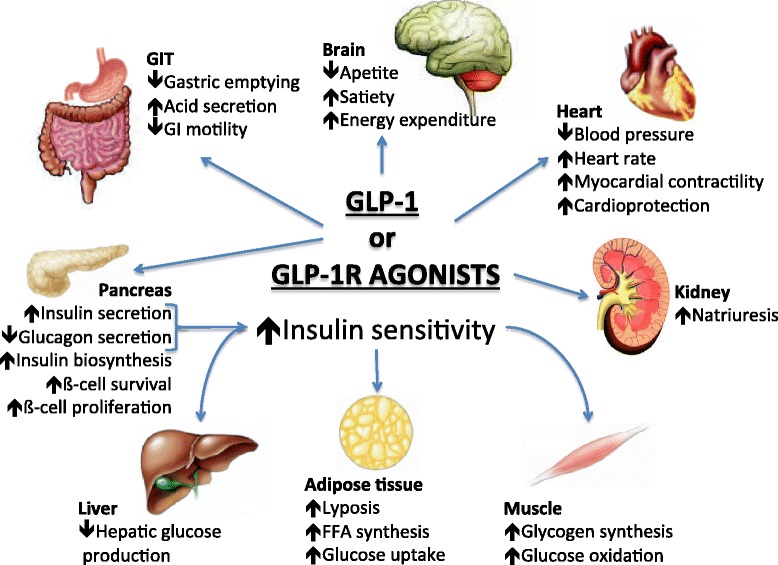
“GLP-1 has also been shown to have an extra-pancreatic effect that inhibits gastric emptying and reduces food intake [16,17].”
BackgroundInfluentialEffects of bariatric surgery on lipid-lipoprotein profile
Piché, M., Tardif, I., Auclair, A., & Poirier, P. (2020) · Metabolism · doi:10.1016/j.metabol.2020.154441 · Cited by 78
Salekeen, R., Haider, A. N., Akhter, F., Billah, M. M., Islam, M. E., & Islam, K. M. D. (2022) · International Journal of Cardiology Cardiovascular Risk and Prevention · doi:10.1016/j.ijcrp.2022.200143 · Cited by 88
“Therapeutic Peptides Antihyperglycemic Indigenous/Recombinant Glucagon-like peptide 1 Murine invivo Multifactorial protection in cardiac health [56]”
BackgroundMolecular Mechanisms Underlying the Cardiovascular Benefits of SGLT2i and GLP-1RA
Khat, D. Z., & Husain, M. (2018) · Current Diabetes Reports · doi:10.1007/s11892-018-1011-7 · Cited by 66
Kalra, S., Das, A. K., Sahay, R. K., Baruah, M. P., TIWASKAR, M. H., Das, S., Chatterjee, S., Saboo, B., Bantwal, G., Bhattacharya, S., et al. (2019) · Diabetes Therapy · doi:10.1007/s13300-019-0669-4 · Cited by 74
Salim, H. M., Fukuda, D., Higashikuni, Y., Tanaka, K., Hirata, Y., Yagi, S., Soeki, T., Shimabukuro, M., & Sata, M. (2016) · Vascular Pharmacology · doi:10.1016/j.vph.2015.08.011 · Cited by 56
Mancini, M. C., & de Melo, M. E. (2017) · Diabetology & Metabolic Syndrome · doi:10.1186/s13098-017-0242-0 · Cited by 54
“Saraiva FK, Sposito AC.”
BackgroundCardiovascular protection in type 2 diabetes: Insights from recent outcome trials
Bailey, C. J., & Marx, N. (2018) · Diabetes Obesity and Metabolism · doi:10.1111/dom.13492 · Cited by 62
“They also increase endothelial nitric oxide production and enhance vasorelaxation, reduce carotid intima-media thickness and improve the ejection fraction in people with type 2 diabetes with heart failure.(69) Studies in animals and isolated tissues indicate that GLP-1RAs exert cardioprotective effects against oxidati…”
BackgroundCardiovascular Effects of Glucagon-Like Peptide-1 Receptor Agonists
Kang, Y. M., & Jung, C. H. (2016) · Endocrinology and Metabolism · doi:10.3803/enm.2016.31.2.258 · Cited by 51
Tomo, P. D., Lanuti, P., Pietro, N. D., BALDASSARRE, M. P. A., Marchisio, M., Pandolfi, A., Consoli, A., & Formoso, G. (2017) · Diabetes/Metabolism Research and Reviews · doi:10.1002/dmrr.2925 · Cited by 53
“Epidemiological and clinical studies have suggested that incretin‐ based therapies might exert a protective action on the vessels.(25) In particular, GLP‐1 Rx agonists exhibited anti‐oxidant, anti‐inflammatory, and anti‐atherogenic activities in several clinical, animal, and in vitro models.”
BackgroundSimó, R., Guerci, B., Schernthaner, G., Gallwitz, B., Rosas-Guzmàn, J., Dotta, F., Festa, A., Zhou, M., & Kiljański, J. (2015) · Cardiovascular Diabetology · doi:10.1186/s12933-015-0279-z · Cited by 47
“Large retrospective database analyses and meta-analyses of randomized controlled trials have suggested either decreased rates or no increased risk of cardiovascular events in patients treated with GLP-1RAs [45–47], despite evidence that GLP-1RA therapy improves lipid profiles and a wide variety of markers of endotheli…”
BackgroundDPP-4 inhibitors and GLP-1RAs: cardiovascular safety and benefits
Razavi, M. A., Wei, Y., Rao, X., & Zhong, J. (2022) · Military Medical Research · doi:10.1186/s40779-022-00410-2 · Cited by 58
“Overall, GLP-1RAs have been shown to be effective in managing T2DM and have helped patients reduce HbA1c by 2% over the course of 18 months to reach levels below 7% [41].”
BackgroundGarczorz, W., Gallego‐Colon, E., Kosowska, A., Kłych‐Ratuszny, A., Woźniak, M., Marcol, W., Niesner, K. J., & Francuz, T. (2018) · Cardiovascular Therapeutics · doi:10.1111/1755-5922.12317 · Cited by 43
Cong, Z., Zhou, Q., Li, Y., Chen, L.-N., Zhang, Z.-C., Liang, A., Liu, Q., Wu, X., Dai, A., Xia, T., et al. (2022) · Proceedings of the National Academy of Sciences · doi:10.1073/pnas.2200155119 · Cited by 41
Fushimi, N., Shibuya, T., Yoshida, Y., Ito, S., Hachiya, H., & Mori, A. (2020) · Journal of Diabetes Investigation · doi:10.1111/jdi.13093 · Cited by 41
The emerging role of metformin in gestational diabetes mellitus
Gray, S. G., McGuire, T. M., Cohen, N., & Little, P. J. (2017) · Diabetes Obesity and Metabolism · doi:10.1111/dom.12893 · Cited by 40
Movahednasab, M., Dianat‐Moghadam, H., Khodadad, S., Nedaeinia, R., Safabakhsh, S., Ferns, G. A., & Salehi, R. (2025) · Diabetology & Metabolic Syndrome · doi:10.1186/s13098-025-01623-w · Cited by 47
Dulaglutide Alleviates LPS-Induced Injury in Cardiomyocytes
Wang, R., Wang, N., Han, Y., Xu, J., & Xu, Z. (2021) · ACS Omega · doi:10.1021/acsomega.0c06326 · Cited by 40
Wajdlich, M. J., & Nowicki, M. P. (2024) · Scientific Reports · doi:10.1038/s41598-024-55724-z · Cited by 43
“Although the mechanisms leading to a blood pressure decrease during the treatment with GLP-1 agonists have not been fully elucidated it could be the result of an increased sodium and water excretion and/or inhibition of the RAAS activity 14 .”
BackgroundKagal, U. A., Angadi, N. B., & Matule, S. (2017) · International Journal of Applied and Basic Medical Research · doi:10.4103/2229-516x.198516 · Cited by 39
Pharmacological modulation of vascular ageing: A review from VascAgeNet
Roth, L., Doğan, S., Tuna, B. G., Arányi, T., Benítez, S., Borrell-Pagés, M., Bozaykut, P., Meyer, G. R. Y. D., Duca, L., Durmuş, N., et al. (2023) · Ageing Research Reviews · doi:10.1016/j.arr.2023.102122 · Cited by 43
“Glucagon like peptide-1 (GLP-1) receptor agonists improve endothelial dysfunction, inflammatory markers, oxidative stress and vascular activation in patients with obesity and pre-diabetes (Saraiva and Sposito, 2014).”
BackgroundType 2 Diabetes Medication Review
Sterrett, J., Bragg, S. W., & Weart, C. W. (2016) · The American Journal of the Medical Sciences · doi:10.1016/j.amjms.2016.01.019 · Cited by 43
Role of berries in vascular function: a systematic review of human intervention studies
Martini, D., Marino, M., Angelino, D., Bo’, C. D., Rio, D. D., Riso, P., & Porrini, M. (2019) · Nutrition Reviews · doi:10.1093/nutrit/nuz053 · Cited by 38
“In addition, polyphenols have been shown to increase the postprandial release of the active glucagon-like peptide 1, a major intestinal hormone that stimulates glucose-induced insulin secretion from b cells, upregulates endothelial nitric oxide synthase expression, and increases endothelial nitric oxide synthase phosp…”
BackgroundWang, T., Wang, F., Zhou, J., Tang, H., & Giovenale, S. (2016) · Diabetes/Metabolism Research and Reviews · doi:10.1002/dmrr.2804 · Cited by 35
Guan, G., Zhang, J., Liu, S., Huang, W., Gong, Y., & Gu, X. Q. (2019) · Naunyn-Schmiedeberg s Archives of Pharmacology · doi:10.1007/s00210-019-01625-2 · Cited by 30
Antza, C., Nirantharakumar, K., Doundoulakis, I., Tahrani, A. A., & Toulis, K. A. (2019) · Drug Design Development and Therapy · doi:10.2147/dddt.s166765 · Cited by 30
Belli, M., Barone, L., Bellia, A., Sergi, D., Lecis, D., Prandi, F. R., Milite, M., Galluccio, C., Muscoli, S., Romeo, F., et al. (2022) · International Journal of Molecular Sciences · doi:10.3390/ijms232314598 · Cited by 29
Chou, W.-L. (2021) · Pharmacological Research · doi:10.1016/j.phrs.2021.105693 · Cited by 32
Toulis, K. A., Hanif, W., Saravanan, P., Willis, B. H., Marshall, T. P., Kumarendran, B., Gokhale, K. M., Ghosh, S., Cheng, K. K., Narendran, P., et al. (2017) · Diabetes & Metabolism · doi:10.1016/j.diabet.2017.02.003 · Cited by 30
Lee, J., Hong, S., Kim, M., Moon, S. J., Kwon, H., Park, S. E., Rhee, E., & Lee, W. (2024) · Diabetes & Metabolism Journal · doi:10.4093/dmj.2022.0363 · Cited by 31
“GLP-1 receptor (GLP-1R) expression is detected in various cardiovascular tissues [21].”
BackgroundZhou, X., Huang, C.-H., Lao, J., Pocai, A., Forrest, G., Price, O., Roy, S., Kelley, D. E., Sullivan, K. A., & Forrest, M. J. (2015) · Cardiovascular Diabetology · doi:10.1186/s12933-015-0194-3 · Cited by 23
“In addition to their effects on the control of glucose, incretin-based therapies have demonstrated beneficial effects on the cardiovascular system and metabolism in preclinical and clinical studies [2-18].”
BackgroundОмаровна, К. И., Zhernakova, Y. V., & Blinova, N. V. (2023) · Systemic Hypertension · doi:10.38109/2075-082x-2022-4-37-44 · Cited by 24
Pechenov, S., Bhattacharjee, H., Yin, D., Mittal, S., & Subramony, J. A. (2017) · Advanced Drug Delivery Reviews · doi:10.1016/j.addr.2017.01.006 · Cited by 25
Anti-inflammatory effects of GLP-1 in patients with COVID-19
Sazgarnejad, S., Yazdanpanah, N., & Rezaei, N. (2022) · Expert Review of Anti-infective Therapy · doi:10.1080/14787210.2021.1964955 · Cited by 21
Zaborska, K. E., Jordan, K. L., Thorson, A. S., Dadi, P. K., Schaub, C. M., Nakhe, A. Y., Dickerson, M. T., Lynch, J. C., Weiss, A. J., Dobson, J. R., et al. (2022) · Diabetes Obesity and Metabolism · doi:10.1111/dom.14747 · Cited by 22
“Ligands that activate the glucagon-like peptide-1 (GLP-1) receptor (GLP-1R) have become an important therapeutic intervention in diabetes treatment as they augment β-cell function and reduce insulin resistance(1) in addition to their beneficial effects, such as weight loss and improved cardiac function.(2,3) However,…”
BackgroundYao, Y., Li, Q., Gao, P., Wang, W., Chen, L., Zhang, J., & Xu, Y. (2018) · Biochemical and Biophysical Research Communications · doi:10.1016/j.bbrc.2018.02.126 · Cited by 24
Characterizing Effects of Antidiabetic Drugs on Heart Rate, Systolic and Diastolic Blood Pressure
Maringwa, J. T., Sardu, M. L., Hang, Y., Czerniak, R., Vishnubhotla, M., Vakilynejad, M., & Pfister, M. (2020) · Clinical Pharmacology & Therapeutics · doi:10.1002/cpt.2130 · Cited by 20
Treating Arterial Ageing in Patients with Diabetes: From Mechanisms to Effective Drugs
Lunder, M., Janić, M., & Šabović, M. (2021) · International Journal of Molecular Sciences · doi:10.3390/ijms22062796 · Cited by 20
“Exenatide improved endothelial dysfunction, markers of inflammation, oxidative stress and vascular activation in patients with obesity and pre-diabetes [65].”
BackgroundInfluentialCacciatori, V., Zoppini, G., Bellavere, F., Rigolon, R., Thomaseth, K., Pichiri, I., Trombetta, M., Dauriz, M., De Santi, F., Targher, G., et al. (2018) · Journal of the Endocrine Society · doi:10.1210/js.2017-00300 · Cited by 18
“cardiovascular risk [1], but only recent clinical trials have indicated a beneficial role of GLP1R agonists on cardiovascular disease [2, 3].”
BackgroundBariatric surgery, lipoprotein metabolism and cardiovascular risk
Tailleux, A., Rouskas, K., Pattou, F. N., & Staels, B. (2015) · Current Opinion in Lipidology · doi:10.1097/mol.0000000000000197 · Cited by 22
“In addition, GLP-1 exerts beneficial effects on cardiovascular functions such as blood pressure, endothelial function, cardiac metabolism, lipid metabolism, left ventricular function, atherosclerosis and the response to ischemia– reperfusion injury (for review [38]).”
BackgroundKobara, M., Toba, H., & Nakata, T. (2022) · Journal of Cardiovascular Pharmacology · doi:10.1097/fjc.0000000000001218 · Cited by 19
Bajić, Z., Šobot, T., Uletilović, S., Mandić-Kovačević, N., Cvjetković, T., Maličević, U., Đukanović, Đ., Duran, M., Vesić, N., Avram, S., et al. (2023) · Canadian Journal of Physiology and Pharmacology · doi:10.1139/cjpp-2022-0534 · Cited by 21
Novel Site-Specific Fatty Chain-Modified GLP-1 Receptor Agonist with Potent Antidiabetic Effects
Zhong, X., Chen, Z., Chen, Q., Zhao, W., & Chen, Z. (2019) · Molecules · doi:10.3390/molecules24040779 · Cited by 18
Stentz, F. B., Mikhael, A., Kineish, O., Christman, J. V., & Sands, C. (2020) · Nutrition Metabolism and Cardiovascular Diseases · doi:10.1016/j.numecd.2020.11.027 · Cited by 28
Kalra, S., Das, S., & Zargar, A. H. (2022) · Indian Journal of Endocrinology and Metabolism · doi:10.4103/ijem.ijem_522_21 · Cited by 25
Chae, Y., Kwon, S., Nam, J. H., Kang, E., Im, J., Kim, H.-J., & Lee, E. (2024) · Expert Review of Clinical Pharmacology · doi:10.1080/17512433.2024.2363838 · Cited by 18
“Additionally, GLP-1 agonists have beneficial effects on cardiovascular diseases, including nonfatal stroke and myocardial infarction [38].”
Imaging techniques for the assessment of adverse cardiac remodeling in metabolic syndrome
Preda, A., Liberale, L., & Montecucco, F. (2021) · Heart Failure Reviews · doi:10.1007/s10741-021-10195-6 · Cited by 17
“Beside SGLT-2 inhibitors, also GLP-1 receptor agonists hold beneficial effects on the CV system [185].”
BackgroundEffect of linagliptin on oxidative stress markers in patients with type 2 diabetes: a pilot study
Makino, H., Matsuo, M., Hishida, A., Koezuka, R., Tochiya, M., Ohata, Y., Tamanaha, T., Son, C., Miyamoto, Y., & Hosoda, K. (2018) · Diabetology International · doi:10.1007/s13340-018-0376-9 · Cited by 15
Wijma, R. B., Emous, M., van den Broek, M., Laskewitz, A. J., Kobold, A. C. M., & van Beek, A. P. (2018) · Surgery for Obesity and Related Diseases · doi:10.1016/j.soard.2018.10.004 · Cited by 21
Missel, A. L., Saslow, L. R., Hafez, D., Marvicsin, D. J., Sen, A., Richardson, C. R., & Liu, X. (2021) · Diabetology & Metabolic Syndrome · doi:10.1186/s13098-021-00645-4 · Cited by 17
“Additionally, GLP-1s improve insulin-sensitivity [39] which may decrease hyperinsulinemia over time.”
BackgroundDiabetes Medications and Cardiovascular Outcomes in Type 2 Diabetes
Chi, C., SNAITH, J. R., & Gunton, J. E. (2017) · Heart Lung and Circulation · doi:10.1016/j.hlc.2017.02.030 · Cited by 18
“Animal studies have shown improved myocardial contractility, reduced cardiomyocyte apoptosis, improved endothelial function and reduced oxidative stress (36).”
BackgroundEfficacy and Safety of Ranolazine in Diabetic Patients: A Systematic Review and Meta-analysis
Zeng, X., Zhang, Y., Lin, J.-H., Zheng, H., Peng, J., & Huang, W. (2017) · Annals of Pharmacotherapy · doi:10.1177/1060028017747901 · Cited by 15
Chemistry and Hypoglycemic Activity of GPR119 Agonist ZB-16
Tyurenkov, I. N., Куркин, Д. В., Bakulin, D. A., Волотова, Е. В., Morkovin, E. I., Chafeev, M. A., & Karapetian, R. N. (2018) · Frontiers in Endocrinology · doi:10.3389/fendo.2018.00543 · Cited by 13
“These secondary (or “pleiotropic”) effects could make GPR119 agonists essential for the prevention of T2D complications (40, 41).”
BackgroundMahapatro, A., Bozorgi, A., Obulareddy, S. U. J., Jain, S. M., Korsapati, R. R., Kumar, A., Patel, K., Moghadam, S. S., Arya, A., Alotaibi, A. J., et al. (2024) · Annals of Medicine and Surgery · doi:10.1097/ms9.0000000000002592 · Cited by 15
Cardiovascular Outcome Trials of the Incretin-Based Therapies: What Do We Know So Far?
Mora, P. F., & Johnson, E. L. (2016) · Endocrine Practice · doi:10.4158/ep161481.ra · Cited by 12
Ha, K. H., Kim, B., Shin, H. S., Lee, J., Choi, H., Kim, H. C., & Kim, D. J. (2018) · Korean Circulation Journal · doi:10.4070/kcj.2017.0324 · Cited by 12
Zhang, J., Sanan, S., Csanalosi, M., Zheng, C., & Pfeiffer, A. F. H. (2025) · Endocrinology · doi:10.1210/endocr/bqaf130 · Cited by 15
Meece, J. D. (2017) · Advances in Therapy · doi:10.1007/s12325-017-0491-1 · Cited by 16
Harris, M., Harvie, M., & Renehan, A. G. (2025) · Cancers · doi:10.3390/cancers17091451 · Cited by 12
“It is hypothesised that this cancer risk reduction is mediated through weight loss, but other mechanisms (e.g., reduced weight-independent insulin resistance) [11] might also have a role.”
Beyond Blood Sugar: A Scoping Review of GLP-1 Receptor Agonists in Cardiovascular Care
Gupta, N., Zayyad, Z. A., Bhattaram, R., Tiu, D. R., Dau, J., Guburxani, V., Kalzuna, S. D., & Shroff, A. R. (2025) · Cardiology and Therapy · doi:10.1007/s40119-025-00426-4 · Cited by 12
“GLP-1 acts to inhibit cardiac remodeling and cardiomyocyte apoptosis pathways, which can help repair cardiac dysfunction [8, 9].”
Srinivasan, M. P., Kamath, P. K., Bhat, N. M., Pai, N. D., Manjrekar, P., & Mahabala, C. (2015) · Cardiovascular Diabetology · doi:10.1186/s12933-015-0307-z · Cited by 10
“Even with significant advances in anti-glycemic therapies, the risk of macrovascular complications is not reduced in type 2 diabetes mellitus [3].”
BackgroundPalee, S., Chattipakorn, S. C., & Chattipakorn, N. (2017) · Physiological Research · doi:10.33549/physiolres.933558 · Cited by 11
Bauer, I., Rimbach, G. H., Cordeiro, S., Bosy‐Westphal, A., Weghuber, J., Ipharraguerre, I. R., & Lüersen, K. (2024) · Frontiers in Pharmacology · doi:10.3389/fphar.2024.1396292 · Cited by 10
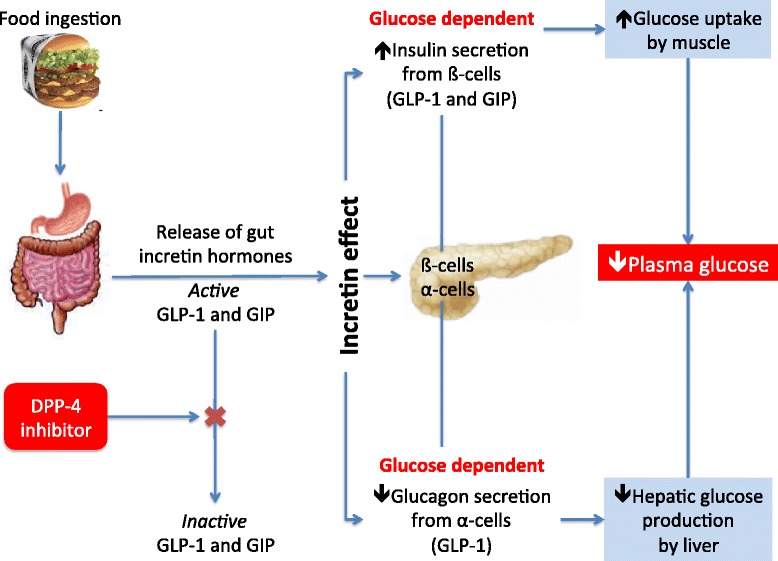
“Rapid inactivation of GLP-1 occurs by cleavage of a terminal dipeptide by the enzyme dipeptidyl peptidase 4 (DPP4) (modi fi ed from (Saraiva and Sposito, 2014; Razavi et al., 2022)).”
BackgroundKowalska, M. K., El‐Mallul, A., Hudecka, W., Lubojańska, J. E., Lubojański, P. J., Orłowska, S. M., & Bednarczyk, Ł. (2026) · International Journal of Molecular Sciences · doi:10.3390/ijms27041886 · Cited by 10
Structure and biological activity of endogenous and synthetic agonists of GPR119
Tyurenkov, I. N., Ozerov, A. A., Куркин, Д. В., Logvinova, E. O., Bakulin, D. A., Волотова, Е. В., & Borodin, D. D. (2017) · Russian Chemical Reviews · doi:10.1070/rcr4737 · Cited by 10
An Overview of Prospective Drugs for Type 1 and Type 2 Diabetes
Wu, P., Liu, Z., Jiang, X., & Fang, H. (2019) · Current Drug Targets · doi:10.2174/1389450120666191031104653 · Cited by 9
Omiya, K., Nakadate, Y., Sato, H., Oguchi, T., Matsuoka, T., Kawakami, A., Schricker, T., & Matsukawa, T. (2023) · Nutrition · doi:10.1016/j.nut.2023.112088 · Cited by 8
Håheim, L. L., Rønningen, K. S., Enersen, M., & Olsen, I. (2017) · Journal of Diabetes Research · doi:10.1155/2017/9590740 · Cited by 13
Aydos, D., Aksoy, Z. B., Ünal, M. A., Akçalı, K. C., Bitirim, C. V., & Turan, B. (2025) · Cardiovascular Diabetology · doi:10.1186/s12933-025-02828-z · Cited by 7
“Recent studies highlight the role of incretin mimetics, among others, as a new therapeutic approach in T2DM and obesity, while they have the desired cardiac-beneficial effects, either via their systemic actions or direct organ-specific targeting effects [4].”
Mansoor, M. A. (2025) · Physiologia · doi:10.3390/physiologia5030034 · Cited by 9
“For decades, these conditions were often treated in silos, with antidiabetic therapies focused almost exclusively on achieving glycemic control [2].”
The critical role of GLP-1 signaling pathways in the pathology of Parkinson's disease and diabetes
Chen, J., Dong, X., Lin, Y., & Lv, C. (2025) · Pathology - Research and Practice · doi:10.1016/j.prp.2025.155985 · Cited by 7
Cardiometabolic Effects of Anti-obesity Pharmacotherapy
Crawford, A. R., Alamuddin, N., & Amaro, A. (2018) · Current Atherosclerosis Reports · doi:10.1007/s11883-018-0719-9 · Cited by 10
Kato, E. T., Das, S. R., & McGuire, D. K. (2020) · Trends in Cardiovascular Medicine · doi:10.1016/j.tcm.2019.12.010 · Cited by 9
Abubakar, A., Nazifi, A. B., Maje, I. M., Tanko, Y., Anuka, J. A., & Abdurahman, E. M. (2020) · Journal of Chinese Integrative Medicine · doi:10.1016/j.joim.2020.10.008 · Cited by 7
Yami, M. S. A., Alfayez, O. M., & Alsheikh, R. (2018) · Heart Lung and Circulation · doi:10.1016/j.hlc.2018.03.018 · Cited by 6
Crispino, S. P., Nusca, A., Ferro, A., Cricco, R., Ciancio, M., Segreti, A., Cavallari, I., Sabatino, M., Potena, L., Ussia, G. P., et al. (2025) · Biomolecules · doi:10.3390/biom15111574 · Cited by 6
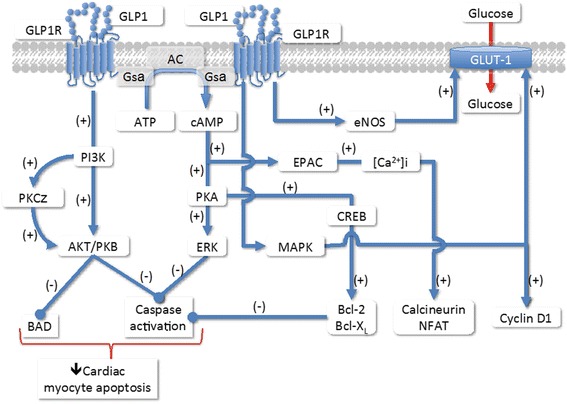
“At the molecular level, GLP-1RAs activate pro-survival pathways such as PI3K/Akt and AMPK, which contribute to reduced cardiomyocyte apoptosis and improved cellular energy balance [35].”
Abbas, M. T., Farina, J. M., Ibrahim, O. H., Ahmed, S., Bismee, N. N., Awad, K., Jamal, F., Sheashaa, H., Pereyra, M., Scalia, I. G., et al. (2026) · The Journal of Heart and Lung Transplantation · doi:10.1016/j.healun.2026.01.003 · Cited by 5
Association Between Subtotal Gastrectomy with Billroth II Anastomosis and Coronary Heart Disease
Chen, C.-H., Lin, C., CHENG, Y.-S., & Jeng, L. (2017) · Obesity Surgery · doi:10.1007/s11695-016-2515-3 · Cited by 5
邵倩, Xiong, J., Wu, J., Mao, J., & Hu, Q. (2026) · Frontiers in Molecular Biosciences · doi:10.3389/fmolb.2025.1729904 · Cited by 5
“In addition, GLP-1R expression in the cardiovascular system confers direct cardioprotection on GLP-1, manifesting as reduced myocardial ischemia–reperfusion injury and improved cardiac function, thereby further broadening the physiological regulatory value of GLP-1R (Saraiva and Sposito, 2014).”
Bao, T., Xue, C., Wang, Y., Chen, J., Dong, L., Yang, Y., Shi, J., Wang, Z., Tang, R., Wang, X., et al. (2025) · International Journal of Biological Macromolecules · doi:10.1016/j.ijbiomac.2025.145759 · Cited by 6
Ito, H., Someya, R., Ando, S., Araki, R., Tsugami, E., Matsumoto, S., Inoue, H., Antoku, S., Yamasaki, T., Mori, T., et al. (2024) · Hepatology Research · doi:10.1111/hepr.14002 · Cited by 4
Ojo, O. (2016) · International Journal of Environmental Research and Public Health · doi:10.3390/ijerph13100941 · Cited by 4
“In addition, GLP-1 decreases gastrointestinal motility, which could extend the entry of nutrients to be absorbed by the gastrointestinal tract and thus controls postprandial glucose levels and ensure normal glucose homeostatis [2].”
Nonglycemic Effects of GLP-1 Agonists: From a Starling to Lizards to People
Sood, A., & Swislocki, A. (2019) · Metabolic Syndrome and Related Disorders · doi:10.1089/met.2018.0134 · Cited by 4
Metadata
- Authors
- Saraiva, F. K., & Sposito, A. C.
- Affiliations
- Pontifícia Universidade Católica de Campinas (BR)
- Universidade Estadual de Campinas (UNICAMP) (BR)
- Corresponding author
- Sposito, Andrei C
- ORCID
- Sposito, Andrei C
- Venue
- Cardiovascular Diabetology
- Published
- 2014-10-22
- Volume
- 13
- Issue
- 1
- Pages
- 142-142
- ISSN
- 1475-2840 (ISSN-L)
- PMC
- PMC4216654
- OpenAlex
- W2115692972
- Cited by
- 143
- References
- 83
- Citations by year
- 2026: 13 · 2025: 14 · 2024: 9 · 2023: 9 · 2022: 8 · 2021: 19 · 2020: 7 · 2019: 16 · 2018: 12 · 2017: 18 · 2016: 9 · 2015: 8 · 2014: 1
- FWCI
- 1.91
- Type
- journal article
- Language
- en
- Open access
- gold
- doi.org
- Locations
- Cardiovascular Diabetology (publishedVersion, cc-by)
- Europe PMC (PubMed Central) (publishedVersion, cc-by)
- PubMed Central (publishedVersion, cc-by)
- PubMed (publishedVersion)
- Funders
- Conselho Nacional de Desenvolvimento Científico e Tecnológico (300313/2007-1)
- Novo Nordisk
- Topics
- Health Sciences › Medicine › Endocrinology, Diabetes and Metabolism › Diabetes Treatment and Management
- Health Sciences › Medicine › Endocrinology, Diabetes and Metabolism › Diabetes, Cardiovascular Risks, and Lipoproteins
- Health Sciences › Medicine › Cardiology and Cardiovascular Medicine › Cardiovascular Function and Risk Factors
- Keywords
- GLP-1 receptor agonists, cardiovascular effects, type 2 diabetes, cardiovascular risk, myocardial infarction, stroke, secondary prevention, statins, LDL cholesterol, anti-inflammatory activity, hepatic steatosis, insulin sensitivity, weight loss, satiety
- MeSH terms
- Glucagon-Like Peptide-1 Receptor, Animals, Cardiovascular Diseases, Cardiovascular System, Diabetes Mellitus, Type 2, Humans, Hypoglycemic Agents, Receptors, Glucagon, Glucagon-Like Peptide 1
About these checks
Registry, retraction, Cites and statistics results are computed, not judged, with one exception: a printed reference that no index lists is read once by a model before it counts as a citation error. Claims are extracted by a model and kept only when their quote appears verbatim in the text; each cited source is then checked, with a model’s help, for whether it says what the claim relies on. Those verdicts can be wrong — read the claim’s quote and the cited source before relying on one.
Statistics and arithmetic are recomputed, not judged.
Confidence bands are shown only for fields calibrated on our annotated test set. None is calibrated yet, so no band is shown.
What counts as a claim ›How we measure confidence ›How we check this ›
Are you an author, or do you see a problem with this page? Request a review
Data sources
Bibliographic data: Semantic Scholar, OpenAlex, Crossref.
Contains information from the Semantic Scholar Academic Graph Datasets, made available under the ODC Attribution License (ODC-BY 1.0).
Semantic Scholar’s data is described in: Kinney, R., et al. (2023). The Semantic Scholar Open Data Platform. arXiv:2301.10140.
