

Cardiovascular effects of Glucagon-like peptide 1 (GLP-1) receptor agonists
Open accessThe DOI matches its Crossref record; 84 of the 84 references it cites were found in a registry or an index.
Abstract
Patients with type 2 diabetes have a several-fold increased risk of developing cardiovascular disease when compared with nondiabetic controls. Myocardial infarction and stroke are responsible for 75% of all death in patients with diabetes, who present a 2-4× increased incidence of death from coronary artery disease. Patients with diabetes are considered for cardiovascular disease secondary prevention because their risk level is similar to that reported in patients without diabetes who have already suffered a myocardial infarction. More recently, with a better risk factors control, mainly in intensive LDL cholesterol targets with statins, a significant decrease in acute cardiovascular events was observed in population with diabetes. Together with other major risk factors, type 2 diabetes must be considered as an important cause of cardiovascular disease.Glucagon like peptide-1 receptor agonists represent a novel class of anti-hyperglycemic agents that have a cardiac-friendly profile, preserve neuronal cells and inhibit neuronal degeneration, an anti-inflammatory effect in liver protecting it against steatosis, increase insulin sensitivity, promote weight loss, and increase satiety or anorexia.This review is intended to rationally compile the multifactorial cardiovascular effects of glucagon-like peptide-1 receptor agonists available for the treatment of patients with type 2 diabetes.
Overview
The claims and statistics of this paper haven’t been checked yet.
Free: it reads the open-access text and checks the first 5 claims that cite a source we can check. Create a free account to check every claim.
Integrity signals
Registry
Cites
Statistics
Figures
Verification
Claims the paper makes
The claims and statistics of this paper haven’t been checked yet.
Free: it reads the open-access text and checks the first 5 claims that cite a source we can check. Create a free account to check every claim.
Claims other papers make about this one
Each is checked against this paper’s own text: does it say what the citing paper says it does?
The source backs part of the claim, not all of it — or backs it for a different population, condition or comparison.
In the citing paper
“GLP-1 can also enhance endothelial function by promoting the production of NO, possibly through activating eNOS, thereby affecting vasodilation, anti-inflammatory actions, and anti-atherosclerosis.43,192,440,441”
From Glucagon-like peptide-1 receptor: mechanisms and advances in therapy (2024) · cites this paper as [192]
Experimental — accuracy not yet measured
Self-check
Percentages, sums and reported differences re-computed from the paper’s own numbers.
The self-check needs the paper’s full text.
Citations
Cites
1 retracted
Hattori, Y., Jojima, T., Tomizawa, A., Satoh, H., Hattori, S., Kasai, K., & Hayashi, T. (2010) · Diabetologia · doi:10.1007/s00125-010-1831-8 · Cited by 183
RetractedEuropean Guidelines on cardiovascular disease prevention in clinical practice (version 2012)
Authors/Task Force Members:, Perk, J., De Backer, G., Gohlke, H., Graham, I., Reiner, Ž., Verschuren, M., Albus, C., Benlian, P., Boysen, G., et al. (2012) · European Heart Journal · doi:10.1093/eurheartj/ehs092 · Cited by 8,490
Haffner, S. M., Lehto, S., Rönnemaa, T., Pyörälä, K., & Laakso, M. (1998) · New England Journal of Medicine · doi:10.1056/nejm199807233390404 · Cited by 7,000
Authors/Task Force Members, Graham, I., Atar, D., Borch-Johnsen, K., Boysen, G., Burell, G., Cifkova, R., Dallongeville, J., De Backer, G., Ebrahim, S., et al. (2007) · European Heart Journal · doi:10.1093/eurheartj/ehm316 · Cited by 3,753
Biology of Incretins: GLP-1 and GIP
Baggio, L. L., & Drucker, D. J. (2007) · Gastroenterology · doi:10.1053/j.gastro.2007.03.054 · Cited by 3,639 · cited 1×
“Fifty-eight patients with ST-segment-elevation MI and thrombolysis were randomized to receive either saline (n = 40) or exenatide (n = 18, 10 μg SC and 10 μg as an IV bolus 5 min before the onset of reperfusion plus 10 μg SC twice daily on the following 2 days) to evaluate whether this GLP-1R agonist could reduce the…”
MethodInfluentialSaxagliptin and cardiovascular outcomes in patients with type 2 diabetes mellitus
Scirica, B. M., Bhatt, D. L., Braunwald, E., Steg, P. G., Davidson, J., Hirshberg, B., Ohman, P., Frederich, R., Wiviott, S. D., Hoffman, E. B., et al. (2013) · New England Journal of Medicine · doi:10.1056/nejmoa1307684 · Cited by 3,470
Grundy, S. M., Benjamin, I. J., Burke, G. L., Chait, A., Eckel, R. H., Howard, B. V., Mitch, W., Smith, S. C., & Sowers, J. R. (1999) · Circulation · doi:10.1161/01.cir.100.10.1134 · Cited by 2,698 · cited 1×
“Indeed, from a cardiological point of view, “diabetes is a cardiovascular disease” [4].”
BackgroundAlogliptin after acute coronary syndrome in patients with type 2 diabetes
White, W. B., Cannon, C. P., Heller, S. R., Nissen, S. E., Bergenstal, R. M., Bakris, G. L., Perez, A. T., Fleck, P. R., Mehta, C. R., Kupfer, S., et al. (2013) · New England Journal of Medicine · doi:10.1056/nejmoa1305889 · Cited by 2,502 · cited 1×
“On the other hand, EXAMINE study showed that T2D patients, who had had a recent acute coronary syndrome, the rates of major adverse cardiovascular events were not increased with the DPP-4 inhibitor alogliptin as compared with placebo [28].”
ResultGlucagon-like peptide 1 promotes satiety and suppresses energy intake in humans.
Flint, A., Raben, A., Astrup, A., & Holst, J. J. (1998) · Journal of Clinical Investigation · doi:10.1172/jci990 · Cited by 1,402 · cited 1×
“This effect seems to be very important for the normalization of postprandial glucose (PPG) elevations, and potentially even more important than the insulinotropic effects of GLP-1 for maintaining PPG homeostasis [19].”
BackgroundReduced incretin effect in Type 2 (non-insulin dependent) diabetes
Nauck, M., Stöckmann, F., Ebert, R., & Creutzfeldt, W. (1986) · Diabetologia · doi:10.1007/bf02427280 · Cited by 1,307 · cited 1×
“[8] demonstrated that the incretin effect is impaired in patients with T2D.”
BackgroundKieffer, T. J., & Francis Habener, J. (1999) · Endocrine Reviews · doi:10.1210/edrv.20.6.0385 · Cited by 1,062 · cited 1×
“Glucagon-like peptide 1 (GLP-1) and glucose-dependent insulinotropic polypeptide (GIP) are the two factors that account for most of the incretin effect [10].”
BackgroundBan, K., Noyan-Ashraf, M. H., Hoefer, J., Bolz, S.-S., Drucker, D. J., & Husain, M. (2008) · Circulation · doi:10.1161/circulationaha.107.739938 · Cited by 1,057 · cited 2×
“detected GLP-1R protein expression by immunohistochemistry in mouse coronary endothelial and smooth muscle cells [35].”
BackgroundNikolaidis, L. A., Mankad, S., Sokos, G. G., Miske, G., Shah, A., Elahi, D., & Shannon, R. P. (2004) · Circulation · doi:10.1161/01.cir.0000120505.91348.58 · Cited by 901 · cited 1×
“Despite the absence of adverse cardiovascular effects has been confirmed, this benefit was not verified in an integrated analysis of 12 controlled, randomized, shortterm clinical trials (12-52 weeks) comparing exenatide with placebo or insulin [72].”
BackgroundNew Interpretation of Oral Glucose Tolerance
Mcintyre, N., Holdsworth, C. D., & Turner, D. S. (1964) · The Lancet · doi:10.1016/s0140-6736(64)90011-x · Cited by 738
Rose, B. A., Force, T., & Wang, Y. (2010) · Physiological Reviews · doi:10.1152/physrev.00054.2009 · Cited by 723 · cited 1×
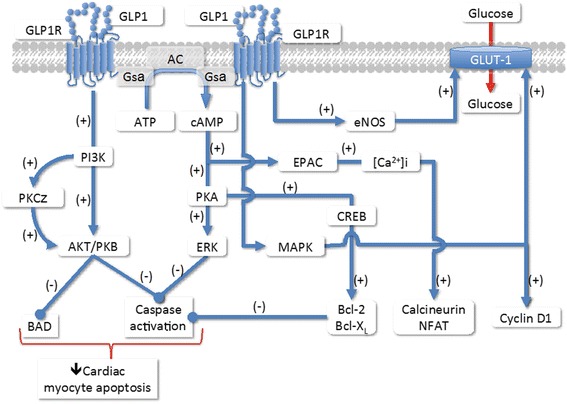
“The increase in Akt and ERK phosphorylations lead to cardiomyocyte growth and activation of glucose metabolism [24,39-41].”
BackgroundEuropean Guidelines on cardiovascular disease prevention in clinical practice (version 2012)
Perk, J., De Backer, G., Gohlke, H., Graham, I., Reiner, Ž., Verschuren, W. M. M., Albus, C., Benlian, P., Boysen, G., Cifkova, R., et al. (2012) · Atherosclerosis · doi:10.1016/j.atherosclerosis.2012.05.007 · Cited by 691
Nyström, T., Gutniak, M. K., Zhang, Q., Zhang, F., Holst, J. J., Ahrén, B., & Sjöholm, Å. (2004) · American Journal of Physiology-Endocrinology and Metabolism · doi:10.1152/ajpendo.00237.2004 · Cited by 680 · cited 2×
“In addition to these findings on atherosclerotic plaque formation, GLP-1R agonists prevented the increase in plasminogen activator inhibitor type-1 (PAI-1) and vascular cell adhesion molecule-1 (VCAM-1) gene expression in response to TNF-α or hyperglycemia in HUVEC through PKA pathway [24,70].”
BackgroundSokos, G. G., Nikolaidis, L. A., Mankad, S., Elahi, D., & Shannon, R. P. (2006) · Journal of Cardiac Failure · doi:10.1016/j.cardfail.2006.08.211 · Cited by 656 · cited 1×
“Experimental studies in animals suggested that incretins may preserve cardiomyocyte viability, increase metabolic efficiency, inhibit the structural, and functional remodeling after MI [49].”
BackgroundTissue distribution of messenger ribonucleic acid encoding the rat glucagon-like peptide-1 receptor
Bullock, B. P., Heller, R. S., & Habener, J. F. (1996) · Endocrinology · doi:10.1210/en.137.7.2968 · Cited by 618 · cited 1×
“models [11,31], and their mRNA transcripts were demonstrated in the human heart [32].”
BackgroundArakawa, M., Mita, T., Azuma, K., Ebato, C., Goto, H., Nomiyama, T., Fujitani, Y., Hirose, T., Kawamori, R., & Watada, H. (2010) · Diabetes · doi:10.2337/db09-1694 · Cited by 548
Nikolaidis, L. A., Elahi, D., Hentosz, T., Doverspike, A., Huerbin, R., Zourelias, L., Stolarski, C., Shen, Y.-T., & Shannon, R. P. (2004) · Circulation · doi:10.1161/01.cir.0000139339.85840.dd · Cited by 514 · cited 2×
“The observation that GLP-1 decreases contractility in primary culture of adult rat cardiomyocytes, despite increasing cAMP levels, [38] has also been reported in isolated rat hearts [45].”
BackgroundKim, M., Platt, M. J., Shibasaki, T., Quaggin, S. E., Backx, P. H., Seino, S., Simpson, J. A., & Drucker, D. J. (2013) · Nature Medicine · doi:10.1038/nm.3128 · Cited by 514 · cited 1×
“However, GLP- 1-mediated improvements in blood flow were considerably attenuated after a 2-month period of better glycemic control [62].”
BackgroundGLP-1 Receptor Expression in Human Tumors and Human Normal Tissues: Potential for In Vivo Targeting
Korner, M., Stockli, M., Waser, B., & Reubi, J. C. (2007) · Journal of Nuclear Medicine · doi:10.2967/jnumed.106.038679 · Cited by 477 · cited 1×
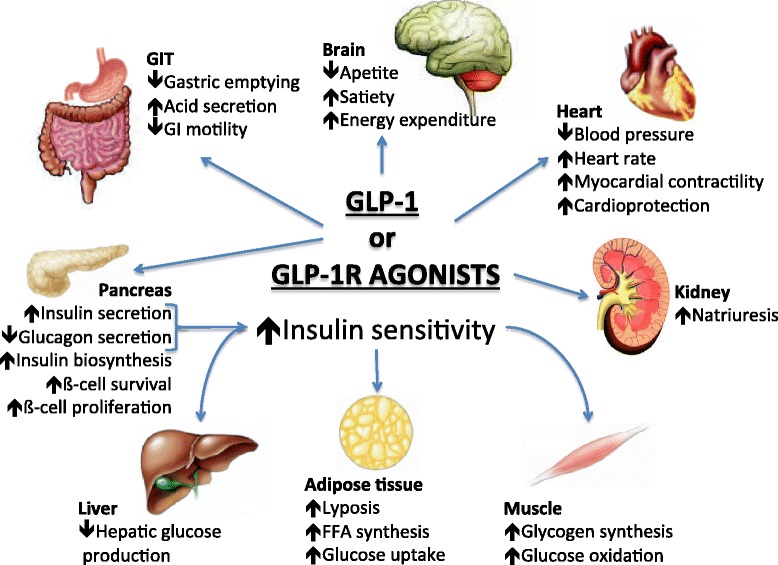
“GLP-1 is mainly produced in the enteroendocrine L cells located in the distal intestine exerting its effects through binding to the GLP-1 receptors (GLP-1R) expressed in the pancreas, heart, blood vessels, gastrointestinal tract (GIT), kidney, lung, breast, and central nervous system [11,12].”
BackgroundWei, Y., & Mojsov, S. (1995) · FEBS Letters · doi:10.1016/0014-5793(94)01430-9 · Cited by 450
Glucagon-Like Peptide 1 Induces Natriuresis in Healthy Subjects and in Insulin-Resistant Obese Men
Gutzwiller, J.-P., Tschopp, S., Bock, A., Zehnder, C. E., Huber, A. R., Kreyenbuehl, M., Gutmann, H., Drewe, J., Henzen, C., Goeke, B., et al. (2004) · The Journal of Clinical Endocrinology & Metabolism · doi:10.1210/jc.2003-031403 · Cited by 442 · cited 1×
“GLP-1 enhanced acetylcholine-induced forearm blood flow but had no effect on blood flow induced by sodium nitro-prusside in healthy human subjects [61].”
BackgroundCardiovascular Actions of Incretin-Based Therapies
Ussher, J. R., & Drucker, D. J. (2014) · Circulation Research · doi:10.1161/circresaha.114.301958 · Cited by 358 · cited 1×
“Although Glp1r mRNA transcripts are detected in whole heart extracts such methods do not distinguish between vascular smooth muscle cells or atrial cardiomyocytes, there were technical difficulties in isolating pure cardiomyocyte populations from the ventricle without contamination of atrial cardiomyocytes isolated fr…”
BackgroundØrskov, C., Poulsen, S. S., Mørten, M., & Holst, J. J. (1996) · Diabetes · doi:10.2337/diab.45.6.832 · Cited by 304 · cited 1×
“org/viewarticle/557 satiety, resting energy expenditure and lower plasma concentrations of free fatty acids [20-22].”
BackgroundOrskov, C., Poulsen, S. S., Moller, M., & Holst, J. J. (1996) · Diabetes · doi:10.2337/diabetes.45.6.832 · Cited by 303
Zhao, T., Parikh, P., Bhashyam, S., Bolukoglu, H., Poornima, I., Shen, Y.-T., & Shannon, R. P. (2006) · The Journal of Pharmacology and Experimental Therapeutics · doi:10.1124/jpet.106.100982 · Cited by 297 · cited 1×
“Decreases contractility in primary culture of adult rat cardiomyocytes and in isolated rat hearts [45,76] Saraiva and Sposito Cardiovascular Diabetology 2014, 13:142 Page 7 of 11”
BackgroundRobinson, L. E., Holt, T. A., Rees, K., Randeva, H. S., & O'Hare, J. P. (2013) · BMJ Open · doi:10.1136/bmjopen-2012-001986 · Cited by 296 · cited 1×
“In rodents, these increases involve a dual pathways originating from both central nervous system and periphery with intact neural vagus transmission [52].”
BackgroundNew developments in the incretin concept
Creutzfeldt, W., & Ebert, R. (1985) · Diabetologia · doi:10.1007/bf00281990 · Cited by 279 · cited 1×
“The ‘incretin effect’ was coined by Creuzfeld and Ebert in 1985 to designate this phenomenon [7].”
BackgroundNagashima, M., Watanabe, T., Terasaki, M., Tomoyasu, M., Nohtomi, K., Kim-Kaneyama, J., Miyazaki, A., & Hirano, T. (2011) · Diabetologia · doi:10.1007/s00125-011-2241-2 · Cited by 259 · cited 1×
“03)], [66] but further studies are required to confirm these observations.”
De Marinis, Y. Z., Salehi, A., Ward, C. E., Zhang, Q., Abdulkader, F., Bengtsson, M., Braha, O., Braun, M., Ramracheya, R., Amisten, S., et al. (2010) · Cell Metabolism · doi:10.1016/j.cmet.2010.04.007 · Cited by 257
Glucose‐stimulated insulin secretion: A newer perspective
Komatsu, M., Takei, M., Ishii, H., & Sato, Y. (2013) · Journal of Diabetes Investigation · doi:10.1111/jdi.12094 · Cited by 256 · cited 1×
“Either GLP-1 or GIP potentiates glucose-dependent insulin response protecting β-cells against cytokineinduced apoptosis or glucose [23].”
BackgroundSokos, G. G., Bolukoglu, H., German, J., Hentosz, T., Magovern, G. J., Maher, T. D., Dean, D. A., Bailey, S. H., Marrone, G., Benckart, D. H., et al. (2007) · The American Journal of Cardiology · doi:10.1016/j.amjcard.2007.05.022 · Cited by 252 · cited 3×
“5 pmol/ kg/min) for 72 h in patients with left ventricular dysfunction (LVD) after MI improved global and regional left ventricular wall motion scores reducing hospital stay and in-hospital mortality [50,51].”
BackgroundBest, J. H., Hoogwerf, B. J., Herman, W. H., Pelletier, E. M., Smith, D. B., Wenten, M., & Hussein, M. A. (2011) · Diabetes Care · doi:10.2337/dc10-1393 · Cited by 251
de Heer, J., Rasmussen, C., Coy, D. H., & Holst, J. J. (2008) · Diabetologia · doi:10.1007/s00125-008-1149-y · Cited by 239 · cited 2×
“Inhibts glucagon release by a mechanism PKA dependent and glucose independent [16,17]”
BackgroundErdogdu, Ö., Nathanson, D., Sjöholm, Å., Nyström, T., & Zhang, Q. (2010) · Molecular and Cellular Endocrinology · doi:10.1016/j.mce.2010.04.022 · Cited by 229 · cited 1×
“In the cardiovascular system, incretins have been recently associated to the increase of endogenous antioxidant defenses, inhibition of cardiomyocyte apoptosis, attenuation of endothelial inflammation and dysfunction [55].”
BackgroundMyocardial AKT: The Omnipresent Nexus
Sussman, M. A., Völkers, M., Fischer, K., Bailey, B., Cottage, C. T., Din, S., Gude, N., Avitabile, D., Alvarez, R., Sundararaman, B., et al. (2011) · Physiological Reviews · doi:10.1152/physrev.00024.2010 · Cited by 229 · cited 3×
“In addition to these findings on atherosclerotic plaque formation, GLP-1R agonists prevented the increase in plasminogen activator inhibitor type-1 (PAI-1) and vascular cell adhesion molecule-1 (VCAM-1) gene expression in response to TNF-α or hyperglycemia in HUVEC through PKA pathway [24,70].”
BackgroundBasu, A., Charkoudian, N., Schrage, W., Rizza, R. A., Basu, R., & Joyner, M. J. (2007) · American Journal of Physiology-Endocrinology and Metabolism · doi:10.1152/ajpendo.00373.2007 · Cited by 226 · cited 1×
“All these effects were even more pronounced when both drugs were used together, suggesting a potential clinical benefit of this drug combination in decreasing the endothelial damage induced by hyperglycemia [59].”
BackgroundBan, K., Kim, K.-H., Cho, C.-K., Sauvé, M., Diamandis, E. P., Backx, P. H., Drucker, D. J., & Husain, M. (2010) · Endocrinology · doi:10.1210/en.2009-1197 · Cited by 224 · cited 1×
“models [11,31], and their mRNA transcripts were demonstrated in the human heart [32].”
BackgroundWoo, J. S., Kim, W., Ha, S. J., Kim, J. B., Kim, S.-J., Kim, W.-S., Seon, H. J., & Kim, K. S. (2013) · Arteriosclerosis, Thrombosis, and Vascular Biology · doi:10.1161/atvbaha.113.301586 · Cited by 223
Little, T. J., Pilichiewicz, A. N., Russo, A., Phillips, L., Jones, K. L., Nauck, M. A., Wishart, J., Horowitz, M., & Feinle-Bisset, C. (2006) · The Journal of Clinical Endocrinology & Metabolism · doi:10.1210/jc.2005-2220 · Cited by 212 · cited 2×
“Furthermore, GLP-1 decreases gastrointestinal motility extending the entry of nutrients to be absorbed by the GIT [18].”
BackgroundLiu, H., Dear, A. E., Knudsen, L. B., & Simpson, R. W. (2009) · Journal of Endocrinology · doi:10.1677/joe-08-0468 · Cited by 187 · cited 1×
“[68] reported that continuous GLP-1 infusion reduced foam cell formation and the development of atherosclerotic lesions in ApoE mice.”
BackgroundGlucagon-like peptide 1 and appetite
Dailey, M. J., & Moran, T. H. (2013) · Trends in Endocrinology & Metabolism · doi:10.1016/j.tem.2012.11.008 · Cited by 186 · cited 1×
“org/viewarticle/557 satiety, resting energy expenditure and lower plasma concentrations of free fatty acids [20-22].”
BackgroundVila Petroff, M. G., Egan, J. M., Wang, X., & Sollott, S. J. (2001) · Circulation Research · doi:10.1161/hh1701.095716 · Cited by 180 · cited 3×
“The observation that GLP-1 decreases contractility in primary culture of adult rat cardiomyocytes, despite increasing cAMP levels, [38] has also been reported in isolated rat hearts [45].”
BackgroundWang, D., Luo, P., Wang, Y., Li, W., Wang, C., Sun, D., Zhang, R., Su, T., Ma, X., Zeng, C., et al. (2013) · Diabetes · doi:10.2337/db12-1025 · Cited by 179 · cited 2×
“GLP-1R protein has also been detected in human coronary artery endothelial cells (HCAEC) and human umbilical vein endothelial cells (HUVEC) [33,34].”
BackgroundBarragan, J. M., Rodriguez, R. E., & Blazquez, E. (1994) · American Journal of Physiology-Endocrinology and Metabolism · doi:10.1152/ajpendo.1994.266.3.e459 · Cited by 176 · cited 1×
“5 pmol/ kg/min) for 72 h in patients with left ventricular dysfunction (LVD) after MI improved global and regional left ventricular wall motion scores reducing hospital stay and in-hospital mortality [50,51].”
BackgroundIshibashi, Y., Matsui, T., Takeuchi, M., & Yamagishi, S.-I. (2010) · Biochemical and Biophysical Research Communications · doi:10.1016/j.bbrc.2009.12.075 · Cited by 173
Recent trends in cardiovascular complications among men and women with and without diabetes
Booth, G. L., Kapral, M. K., Fung, K., & Tu, J. V. (2006) · Diabetes Care · doi:10.2337/diacare.29.01.06.dc05-0776 · Cited by 171 · cited 8×
“Introduction When compared with nondiabetic controls, T2D patients have a several-fold increased risk of developing cardiovascular disease (CVD) [1].”
ResultInfluentialLund, A., Knop, F. K., & Vilsbøll, T. (2014) · European Journal of Internal Medicine · doi:10.1016/j.ejim.2014.03.005 · Cited by 165 · cited 2×
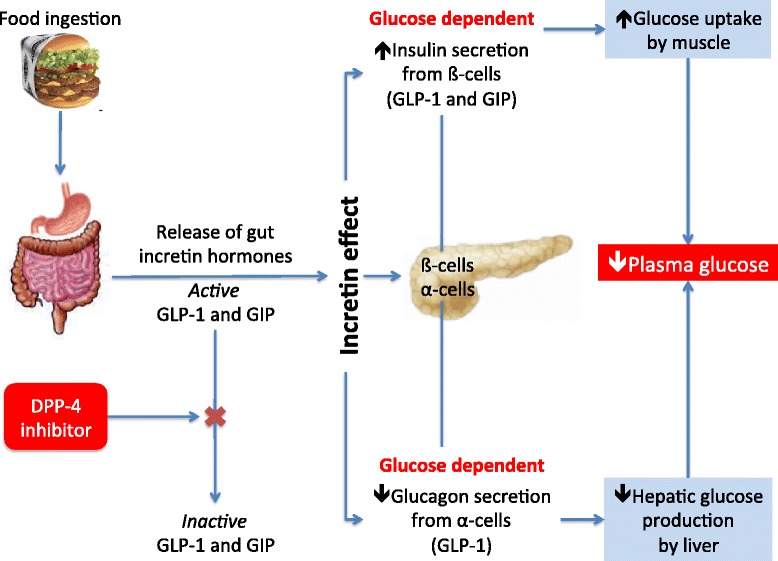
“concentrations, leads to stimulation of insulin secretion (Figure 1) [13].”
BackgroundBatchuluun, B., Inoguchi, T., Sonoda, N., Sasaki, S., Inoue, T., Fujimura, Y., Miura, D., & Takayanagi, R. (2014) · Atherosclerosis · doi:10.1016/j.atherosclerosis.2013.10.025 · Cited by 161 · cited 2×
“GLP-1R protein has also been detected in human coronary artery endothelial cells (HCAEC) and human umbilical vein endothelial cells (HUVEC) [33,34].”
BackgroundHyperglycemia as a cardiovascular risk factor
Haffner, S., & Cassells, H. B. (2003) · The American Journal of Medicine · doi:10.1016/j.amjmed.2003.09.009 · Cited by 158
Ratner, R., Han, J., Nicewarner, D., Yushmanova, I., Hoogwerf, B. J., & Shen, L. (2011) · Cardiovascular Diabetology · doi:10.1186/1475-2840-10-22 · Cited by 153
Kuna, R. S., Girada, S. B., Asalla, S., Vallentyne, J., Maddika, S., Patterson, J. T., Smiley, D. L., DiMarchi, R. D., & Mitra, P. (2013) · American Journal of Physiology-Endocrinology and Metabolism · doi:10.1152/ajpendo.00551.2012 · Cited by 150
Tashiro, Y., Sato, K., Watanabe, T., Nohtomi, K., Terasaki, M., Nagashima, M., & Hirano, T. (2014) · Peptides · doi:10.1016/j.peptides.2013.12.015 · Cited by 149 · cited 1×
“in C57BL/ 6 mice reduced neointimal formation after endothelial denudation of the femoral artery [67].”
BackgroundHermansen, K., Bækdal, T. A., Düring, M., Pietraszek, A., Mortensen, L. S., Jørgensen, H., & Flint, A. (2013) · Diabetes, Obesity and Metabolism · doi:10.1111/dom.12133 · Cited by 143 · cited 1×
“GLP-1 treatment was safe and elicited a significant improvement in LV ejection fraction (to a mean of 39 ± 2%) [74].”
BackgroundCeriello, A., Esposito, K., Testa, R., Bonfigli, A. R., Marra, M., & Giugliano, D. (2011) · Diabetes Care · doi:10.2337/dc10-1949 · Cited by 134 · cited 1×
“They assumed that improvements in endothelial function with GLP-1R agonists might be limited to the postprandial setting, particularly following the consumption of a high-fat meal [60].”
BackgroundInfluentialGoto, H., Nomiyama, T., Mita, T., Yasunari, E., Azuma, K., Komiya, K., Arakawa, M., Jin, W. L., Kanazawa, A., Kawamori, R., et al. (2011) · Biochemical and Biophysical Research Communications · doi:10.1016/j.bbrc.2010.12.131 · Cited by 127 · cited 1×
“The inflammatory markers monocyte chemoattractant protein-1 (MCP-1) and tumor necrosis factor α (TNF-α), were reduced by treatment with exendin-4 in response to lipopolysaccharide in cultured peritoneal macrophages harvested from mice [65].”
BackgroundRead, P. A., Khan, F. Z., & Dutka, D. P. (2012) · Heart · doi:10.1136/hrt.2010.219345 · Cited by 113
Pleiotropic effects of the dipeptidylpeptidase-4 inhibitors on the cardiovascular system
Aroor, A. R., Sowers, J. R., Jia, G., & DeMarco, V. G. (2014) · American Journal of Physiology-Heart and Circulatory Physiology · doi:10.1152/ajpheart.00209.2014 · Cited by 111 · cited 1×
“DPP-4 inhibitors (DPP-4i) block degradation of GLP-1 and GIP, extend their insulinotropic effect, and improve glycemia [26].”
BackgroundNathanson, D., Ullman, B., Löfström, U., HEDMAN, A. G., Frick, M., Sjöholm, Å., & Nyström, T. (2012) · Diabetologia · doi:10.1007/s00125-011-2440-x · Cited by 103 · cited 1×
“A retrospective medical database analysis of T2D patients (n = 39,275) treated with exenatide or other glucose-lowering therapies (n = 381,218) indicated that the GLP-1 agonist might reduce in 19% the incidence of MACCE and in 12% cardiovascular hospitalizations [71].”
BackgroundHyperglycaemia as a cardiovascular risk factor.
Fuller, J., & Shipley, M. J. (1989) · PubMed · Cited by 103
Pannacciulli, N., Bunt, J. C., Koška, J., Bogardus, C., & Krakoff, J. A. (2006) · American Journal of Clinical Nutrition · doi:10.1093/ajcn/84.3.556 · Cited by 100 · cited 1×
“org/viewarticle/557 satiety, resting energy expenditure and lower plasma concentrations of free fatty acids [20-22].”
BackgroundThe role of glucagon on type 2 diabetes at a glance
Godoy-Matos, A. F. (2014) · Diabetology & Metabolic Syndrome · doi:10.1186/1758-5996-6-91 · Cited by 99
Kelly, A. S., Bergenstal, R. M., Gonzalez-Campoy, J., Katz, H., & Bank, A. J. (2012) · Cardiovascular Diabetology · doi:10.1186/1475-2840-11-64 · Cited by 98 · cited 1×
“The protective effects of GLP-1 are dependent on downstream inhibition of Rho through a cAMP/PKA-mediated pathway [58].”
BackgroundCornu, M., Modi, H., Kawamori, D., Kulkarni, R. N., Joffraud, M., & Thorens, B. (2010) · Journal of Biological Chemistry · doi:10.1074/jbc.m109.091116 · Cited by 92 · cited 1×
“demonstrated in KO mice that the regulation of ß-cell number and function by GLP-1 depends on the cAMP/PKA mediated-induction of insulinlike growth factor-1 receptor (IGF-1R) expression and the increased activity of insulin-like growth factor 2 (IGF-2)/IGF-1R by an autocrine mode of action [25].”
Backgroundバトチュルーン, バ. (2014) · Institutional Repositories DataBase (IRDB) · doi:10.15017/1470539 · Cited by 92
Antiapoptotic effects of GLP-1 in murine HL-1 cardiomyocytes
Ravassa, S., Zudaire, A., Carr, R. D., & Díez, J. (2011) · American Journal of Physiology-Heart and Circulatory Physiology · doi:10.1152/ajpheart.00885.2010 · Cited by 91 · cited 2×
“Inhibits palmitate- and ceramide-induced phosphatidylserine exposure and DNA fragmentation [44]”
BackgroundCardioprotective effects of exenatide against oxidative stress-induced injury
CHANG, G., ZHANG, D., YU, H., ZHANG, P., WANG, Y., ZHENG, A., & QIN, S. (2013) · International Journal of Molecular Medicine · doi:10.3892/ijmm.2013.1475 · Cited by 85 · cited 1×
“The main mechanism of cardioprotective effects of GLP-1R agonists against oxidative stress-induced injury in H9c2 cells (cardiomyoblasts from Rattus norvegicus) and in cardiomyocytes is related to the scavenging of reactive oxygen species, by increasing the concentrations of endogenous antioxidant defenses and inhibit…”
BackgroundCeriello, A., Novials, A., Canivell, S., La Sala, L., Pujadas, G., Esposito, K., Testa, R., Bucciarelli, L., Rondinelli, M., & Genovese, S. (2014) · Diabetes Care · doi:10.2337/dc13-2618 · Cited by 78 · cited 1×
“On the other hand, acute subcutaneous (SC) injection of GLP-1 increases HR and BP transiently in healthy human subjects, returning to normal ranges 50-60 min after injection [54].”
BackgroundKirkpatrick, A., Heo, J., Abrol, R., & Goddard, W. A. (2012) · Proceedings of the National Academy of Sciences · doi:10.1073/pnas.1218051109 · Cited by 58
EDWARDS, C. M. B., TODD, J. F., GHATEI, M. A., & BLOOM, S. R. (1998) · Clinical Science · doi:10.1042/cs0950719 · Cited by 57 · cited 2×
“Intravenous infusion of GLP-1 for 48 h in healthy human subjects increased muscle sympathetic nerve activity but had no effect on BP, norepinephrine plasma concentration, or the sympathetic/parasympathetic balance as estimated by the HR variability, suggesting that the increase in sympathetic drive is at least partial…”
BackgroundMoberly, S. P., Mather, K. J., Berwick, Z. C., Owen, M. K., Goodwill, A. G., Casalini, E. D., Hutchins, G. D., Green, M. A., Ng, Y., Considine, R. V., et al. (2013) · Basic Research in Cardiology · doi:10.1007/s00395-013-0365-x · Cited by 51 · cited 2×
“Studies in dogs demonstrated an increased myocardial glucose uptake during a hyperinsulinemiceuglycemic clamp [46].”
BackgroundBrunell, S., Toth, P., Ramirez, Cobble, Chilton, & Chiquette (2012) · Vascular Health and Risk Management · doi:10.2147/vhrm.s37969 · Cited by 49
Xiao, Y.-F., Nikolskaya, A., Jaye, D. A., & Sigg, D. C. (2011) · Cardiovascular Diabetology · doi:10.1186/1475-2840-10-6 · Cited by 47 · cited 1×
“The increase in Akt and ERK phosphorylations lead to cardiomyocyte growth and activation of glucose metabolism [24,39-41].”
BackgroundZhao, T. C. (2013) · Cardiovascular Diabetology · doi:10.1186/1475-2840-12-90 · Cited by 45 · cited 1×
“GLP-1 did not increase myocardial oxygen consumption or blood flow in humans or in swine, increasing p38-MAPK activity in lean, but not obese cardiac tissue [48].”
BackgroundCirculating concentrations of GLP-1 are associated with coronary atherosclerosis in humans
Piotrowski, K., Becker, M., Zugwurst, J., Biller-Friedmann, I., Spoettl, G., Greif, M., Leber, A. W., Becker, A., Laubender, R. P., Lebherz, C., et al. (2013) · Cardiovascular Diabetology · doi:10.1186/1475-2840-12-117 · Cited by 42
Pleiotropic effects of incretins
Gupta, V. (2012) · Indian Journal of Endocrinology and Metabolism · doi:10.4103/2230-8210.94259 · Cited by 36 · cited 1×
“So, exogenous GLP-1R agonists have been more recently considered as a good choice for treating patients with diabetes [29].”
BackgroundMoberly, S. P., Berwick, Z. C., Owen, M. K., Svendsen, M., Mather, K. J., & Tune, J. D. (2012) · Experimental Biology and Medicine · doi:10.1258/ebm.2011.011288 · Cited by 24 · cited 1×
“confirmed and extended the observation, where GLP-1 significantly increased myocardial glucose uptake under basal conditions in lean humans, but this effect was impaired in T2D [47].”
ResultGigoux, V., & Fourmy, D. (2013) · Frontiers in Endocrinology · doi:10.3389/fendo.2013.00050 · Cited by 21 · cited 1×
“The increase in Akt and ERK phosphorylations lead to cardiomyocyte growth and activation of glucose metabolism [24,39-41].”
BackgroundMeloni, A. R., DeYoung, M. B., Han, J., Best, J. H., & Grimm, M. F. (2013) · Cardiovascular Diabetology · doi:10.1186/1475-2840-12-48 · Cited by 21
Improved Glycemic Control Enhances the Incretin Effect in Patients With Type 2 Diabetes
An, Z., Prigeon, R. L., & D’Alessio, D. A. (2013) · The Journal of Clinical Endocrinology & Metabolism · doi:10.1210/jc.2013-1199 · Cited by 16 · cited 1×
“observed that the improvement in the glycemic control potentiates insulin secretion induced by oral glucose ingestion but does not change the insulin secretion after iv glucose infusion indirectly demonstrating that the incretin effect is dependent of glucose/food absorption by the intestines [9].”
BackgroundShan, P., Xu, W., Huang, Z., Pu, J., & Huang, W. (2014) · World Journal of Emergency Medicine · doi:10.5847/wjem.j.issn.1920-8642.2014.02.008 · Cited by 13
Cited by
Lixisenatide in Patients with Type 2 Diabetes and Acute Coronary Syndrome
Pfeffer, M. A., Claggett, B., Diaz, R., Dickstein, K., Gerstein, H. C., Køber, L. V., Lawson, F. C., Ping, L., Wei, X., Lewis, E. F., et al. (2015) · New England Journal of Medicine · doi:10.1056/nejmoa1509225 · Cited by 2,409
Glucagon-like peptide-1 receptor: mechanisms and advances in therapy
Zheng, Z., Zong, Y., Ma, Y., Tian, Y., Pang, Y., Zhang, C., & Gao, J. (2024) · Signal Transduction and Targeted Therapy · doi:10.1038/s41392-024-01931-z · Cited by 1,036
“43,192,440,441 GLP-1RAs and AS .”
BackgroundGlucagon-Like Peptide 1 Receptor Agonists for Type 2 Diabetes
Hinnen, D. (2017) · Diabetes Spectrum · doi:10.2337/ds16-0026 · Cited by 394
“As reviewed by Saraiva and Sposito (28), a number of findings indicate that GLP-1 receptor agonists do not worsen CVD and may have broader potential cardiovascular benefits in patients with type 2 diabetes.”
BackgroundA clinical review of GLP-1 receptor agonists: efficacy and safety in diabetes and beyond
Prasad-Reddy, L., & Isaacs, D. (2015) · Drugs in Context · doi:10.7573/dic.212283 · Cited by 365
Arterial stiffness and vascular aging: mechanisms, prevention, and therapy
Herzog, M. J., Müller, P., Lechner, K., Stiebler, M., Arndt, P., Kunz, M., Ahrens, D., Schmeißer, A., Schreiber, S., & Braun-Dullaeus, R. C. (2025) · Signal Transduction and Targeted Therapy · doi:10.1038/s41392-025-02346-0 · Cited by 189
Metadata
- Authors
- Saraiva, F. K., & Sposito, A. C.
- Affiliations
- Pontifícia Universidade Católica de Campinas (BR)
- Universidade Estadual de Campinas (UNICAMP) (BR)
- Corresponding author
- Sposito, Andrei C
- ORCID
- Sposito, Andrei C
- Venue
- Cardiovascular Diabetology
- Published
- 2014-10-22
- Volume
- 13
- Issue
- 1
- Pages
- 142-142
- ISSN
- 1475-2840 (ISSN-L)
- PMC
- PMC4216654
- OpenAlex
- W2115692972
- Cited by
- 143
- References
- 83
- Citations by year
- 2026: 13 · 2025: 14 · 2024: 9 · 2023: 9 · 2022: 8 · 2021: 19 · 2020: 7 · 2019: 16 · 2018: 12 · 2017: 18 · 2016: 9 · 2015: 8 · 2014: 1
- FWCI
- 1.91
- Type
- journal article
- Language
- en
- Open access
- gold
- doi.org
- Locations
- Cardiovascular Diabetology (publishedVersion, cc-by)
- Europe PMC (PubMed Central) (publishedVersion, cc-by)
- PubMed Central (publishedVersion, cc-by)
- PubMed (publishedVersion)
- Funders
- Conselho Nacional de Desenvolvimento Científico e Tecnológico (300313/2007-1)
- Novo Nordisk
- Topics
- Health Sciences › Medicine › Endocrinology, Diabetes and Metabolism › Diabetes Treatment and Management
- Health Sciences › Medicine › Endocrinology, Diabetes and Metabolism › Diabetes, Cardiovascular Risks, and Lipoproteins
- Health Sciences › Medicine › Cardiology and Cardiovascular Medicine › Cardiovascular Function and Risk Factors
- Keywords
- GLP-1 receptor agonists, cardiovascular effects, type 2 diabetes, cardiovascular risk, myocardial infarction, stroke, secondary prevention, statins, LDL cholesterol, anti-inflammatory activity, hepatic steatosis, insulin sensitivity, weight loss, satiety
- MeSH terms
- Glucagon-Like Peptide-1 Receptor, Animals, Cardiovascular Diseases, Cardiovascular System, Diabetes Mellitus, Type 2, Humans, Hypoglycemic Agents, Receptors, Glucagon, Glucagon-Like Peptide 1
About these checks
Registry, retraction, Cites and statistics results are computed, not judged, with one exception: a printed reference that no index lists is read once by a model before it counts as a citation error. Claims are extracted by a model and kept only when their quote appears verbatim in the text; each cited source is then checked, with a model’s help, for whether it says what the claim relies on. Those verdicts can be wrong — read the claim’s quote and the cited source before relying on one.
Statistics and arithmetic are recomputed, not judged.
Confidence bands are shown only for fields calibrated on our annotated test set. None is calibrated yet, so no band is shown.
What counts as a claim ›How we measure confidence ›How we check this ›
Are you an author, or do you see a problem with this page? Request a review
Data sources
Bibliographic data: Semantic Scholar, OpenAlex, Crossref.
Contains information from the Semantic Scholar Academic Graph Datasets, made available under the ODC Attribution License (ODC-BY 1.0).
Semantic Scholar’s data is described in: Kinney, R., et al. (2023). The Semantic Scholar Open Data Platform. arXiv:2301.10140.
